
The Andean Ritual of the Hummingbird: Symbolizing Love and Joy

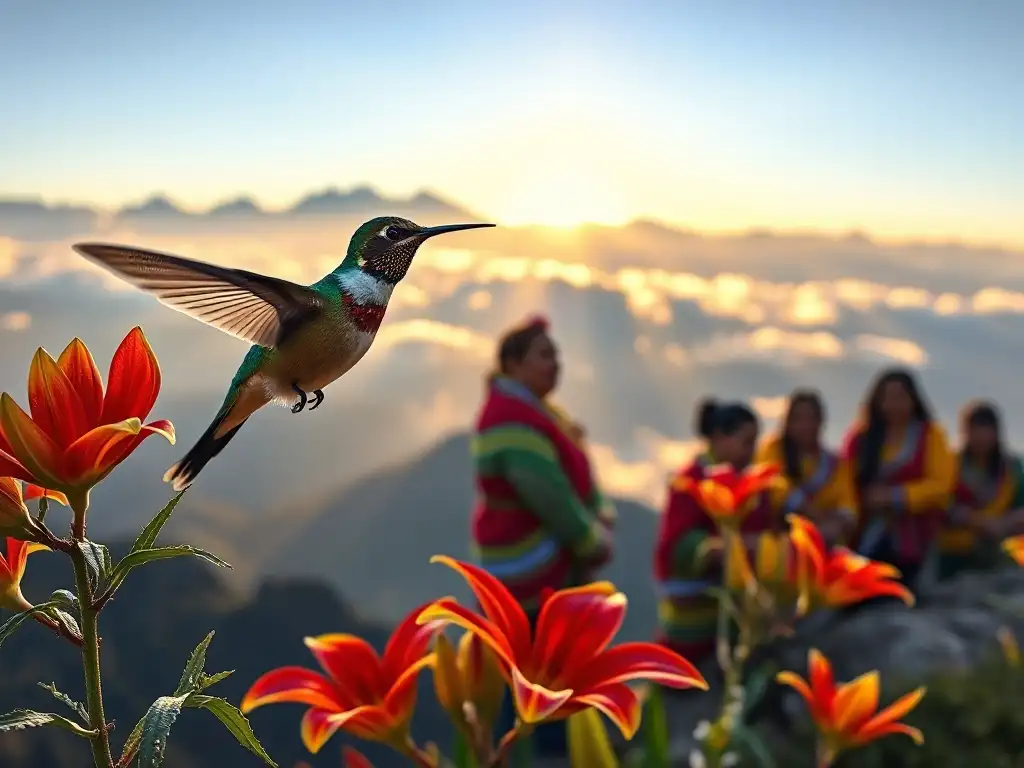
Welcome to Andean Civilizations, where the echoes of a lost world whisper secrets of breathtaking artistry and profound spirituality. Prepare to be captivated by the ingenuity and vibrant culture of the ancient Andes, from the Incas to the Nazca. But first, a mystery unfolds... What hidden meanings lie within the intricate symbolism of the Andean hummingbird? Dive into the fascinating world of Andean religion and cosmovision to discover the answers, beginning with our exploration of Andean hummingbird ritual symbolism.
-
The Andean Hummingbird Ritual: Symbolism of Love and Joy
- The Sacred Hummingbird in Andean Cosmovision
- Hummingbird Symbolism Across Andean Cultures
- The Andean Hummingbird Ritual: A Detailed Exploration
- The Hummingbird's Connection to Love and Joy
- Variations in Hummingbird Rituals Across Andean Regions
- Interpreting the Andean Hummingbird Ritual Symbolism
- Legacy of the Andean Hummingbird Ritual Today
- Preserving the Andean Hummingbird Ritual and its Significance
-
Frequently Asked Questions
- What is the significance of hummingbirds in Andean cultures?
- How did the Andean people depict hummingbirds in their art?
- What role did hummingbirds play in Andean rituals?
- Were there specific hummingbird deities or spirits in Andean belief systems?
- Where can I learn more about Andean hummingbird ritual symbolism?
- Final Reflection: The Enduring Flight of Andean Hummingbird Symbolism
- Embrace the Joy: Celebrate the Hummingbird's Magic!
The Andean Hummingbird Ritual: Symbolism of Love and Joy
The hummingbird, a creature of breathtaking speed and vibrant plumage, holds a position of profound significance within the rich tapestry of Andean culture. Far from being merely a beautiful bird, the hummingbird in Andean cosmovision embodies a complex symbolism interwoven with concepts of love, joy, resilience, and the delicate balance between the earthly and spiritual realms. This article delves into the fascinating world of Andean hummingbird rituals, exploring their symbolism and the diverse ways in which this tiny creature has been revered across different Andean cultures for millennia.
We will examine its representation in mythology, art, and the enduring spiritual practices that continue to connect Andean communities with their ancestors and the natural world. Understanding the Andean hummingbird ritual provides invaluable insight into the spiritual beliefs and intricate social structures that characterized these remarkable civilizations.
Prepare to be captivated by the vibrant symbolism and the enduring legacy of this tiny, powerful creature. 🎉
The Sacred Hummingbird in Andean Cosmovision
The hummingbird's unique characteristics – its rapid flight, its ability to hover, and its dazzling iridescence – made it a fitting symbol for several key Andean concepts. Its swift movement was often associated with the swift passage of time and the ephemeral nature of life itself. The ability to hover, defying gravity, linked it to the spiritual realm, suggesting a connection between the earthly and the otherworldly.
The hummingbird's iridescent feathers, shifting colors in the sunlight, mirrored the ever-changing nature of the Andean landscape and the dynamic interplay of forces within the cosmos. Many Andean cultures believed that hummingbirds acted as messengers between the human world and the spirit world, carrying prayers and offerings to the deities.
Their presence was considered auspicious, a sign of good fortune and a reminder of the interconnectedness of all living things. The vibrant colors of the hummingbird were also believed to reflect the energy of the sun and the earth, further solidifying its sacred status.
Hummingbird Symbolism Across Andean Cultures
While the hummingbird's overall symbolism remained relatively consistent across various Andean cultures, specific interpretations varied depending on the region and the particular cultural group. For example, some Andean communities associated the hummingbird with specific deities or spirits, while others saw it as a representation of ancestral spirits returning to visit their descendants. The intricate details of these varied interpretations often manifested in the unique artistic representations and ritualistic practices surrounding the hummingbird.
Detailed studies of different Andean cultures are needed to fully understand the nuances of hummingbird symbolism across the diverse landscape of the Andes. [Specific information pending on regional variations in hummingbird symbolism across different Andean cultures].
The Hummingbird as a Messenger in Andean Mythology
Andean mythology is replete with stories featuring the hummingbird as a vital messenger, often traversing the boundaries between the human and spiritual worlds. These stories frequently portray the hummingbird delivering messages from the gods, carrying prayers to the heavens, or guiding lost souls to the afterlife. The hummingbird's speed and agility symbolized the swiftness of divine intervention and the immediacy of communication with the spirit world.
Its small size, however, did not diminish its importance; rather, it highlighted the power of humility and the ability of even the smallest creatures to play a significant role in the cosmic order. [Specific examples of Andean myths featuring hummingbirds as messengers are needed].
Hummingbird Representation in Ancient Andean Art
The hummingbird's prominent place in Andean culture is vividly reflected in its frequent depiction in ancient Andean art. Textiles, pottery, and metalwork from various Andean civilizations showcase intricate representations of hummingbirds, often integrated into larger designs representing cosmological themes or narratives from Andean mythology. These artistic representations not only illustrate the hummingbird's aesthetic appeal but also serve as powerful visual reminders of its spiritual significance.
The meticulous detail and vibrant colors employed in these artistic depictions underscore the deep reverence and respect held for this remarkable creature. [Specific examples of Andean art featuring hummingbirds, including the cultures and time periods they represent, are needed].
The Andean Hummingbird Ritual: A Detailed Exploration
The Andean hummingbird, with its dazzling plumage and seemingly effortless flight, held a position of immense spiritual significance for several pre-Columbian Andean cultures. While specific details vary depending on the culture (Inca, Moche, Nazca, etc. ), the hummingbird consistently appears as a potent symbol in rituals, art, and mythology.
These rituals, often shrouded in mystery due to limited surviving documentation, involved intricate ceremonies aimed at harnessing the bird's symbolic power. Archaeological findings, such as depictions on pottery and textiles, provide glimpses into these practices, hinting at their importance in Andean society. These artifacts suggest that the rituals were not solely performed by elites but were integrated into the lives of various social strata, highlighting the hummingbird's widespread cultural resonance.
The lack of extensive written records necessitates a careful interpretation of the available material evidence, combining archaeological findings with anthropological analyses of similar practices in other cultures to reconstruct a clearer picture of these fascinating rituals. Further research into less-studied Andean cultures might reveal even richer details about the specific nuances of their hummingbird-related ceremonies.
Purpose and Significance of the Hummingbird Rituals
The purpose of Andean hummingbird rituals varied depending on the specific context and the cultural group performing them. However, a central theme revolved around the hummingbird's association with fertility, good fortune, and the cyclical nature of life and death. Some rituals aimed to ensure successful harvests, while others sought to invoke healing or promote social harmony.
The hummingbird's rapid movements and ability to hover were seen as representing the dynamism of life force, connecting the earthly realm with the celestial. In some cases, the rituals may have served as a form of communication with the spirit world, seeking guidance or intercession from deities associated with nature and fertility. The vibrant colors of the hummingbird's feathers were also likely significant, mirroring the vibrant colors associated with Andean deities and the sacred landscape.
The rituals were likely also tied to specific times of the year, perhaps coinciding with agricultural cycles or astronomical events. Understanding the full significance requires a deeper dive into the specific iconography and contexts of the archaeological findings.
Preparation for the Andean Hummingbird Ceremony
The preparation for Andean hummingbird ceremonies likely involved a complex series of actions, although the specifics remain largely unknown. It's plausible that participants underwent periods of fasting or purification, abstaining from certain foods or activities considered impure. The collection of specific herbs and plants, used for offerings or as part of the ritual itself, was probably a significant undertaking.
These herbs would have been carefully selected and prepared, possibly infused with specific properties to enhance the ritual's efficacy. The creation of ritual objects, such as intricately crafted figurines or textiles depicting hummingbirds, would have also been a crucial part of the preparation. These objects would have been carefully prepared and imbued with symbolic meaning.
The construction or preparation of a sacred space for the ceremony would have been a necessary preliminary step, ensuring a suitable environment for the ritual enactment. Further research is needed to fully understand the specifics of these preparatory rituals.
Key Elements of the Ritual: Use of specific herbs, dances, and chants
Andean hummingbird rituals likely involved a combination of symbolic actions, including the use of specific herbs, dances, and chants. The herbs used may have had medicinal or psychoactive properties, altering the participants' states of consciousness and enhancing their connection to the spiritual realm. The dances, often performed in elaborate costumes, would have mimicked the hummingbird's movements, expressing reverence and attempting to connect with the bird's energy. Chants and songs, passed down through generations, would have further amplified the ritual's power, reinforcing its symbolic meaning. The specific herbs, dances, and chants likely varied across different Andean cultures and regions, reflecting the diversity of their beliefs and practices. Unfortunately, much of this knowledge has been lost, but surviving archaeological evidence and ethnohistorical accounts offer valuable clues for further investigation. Analyzing the iconography found on pottery and textiles can offer insights into the types of plants and the nature of the movements involved.
The Hummingbird's Connection to Love and Joy
The hummingbird's association with love and joy in Andean culture stems from its vibrant energy and its captivating flight. Its rapid, almost frenzied movements were seen as a representation of the powerful energy of life itself, an energy that could be harnessed for beneficial purposes. The hummingbird's beauty and gracefulness were also likely significant factors in its association with positive emotions.
Its dazzling colors, reflecting the sunlight, added to its captivating nature and reinforced its connection to the sun and its life-giving properties. The hummingbird's ability to flit from flower to flower, seemingly without effort, might have been interpreted as a symbol of effortless joy and freedom.
Hummingbird Symbolism and Romantic Love in Andean Culture
In many Andean cultures, the hummingbird was also associated with romantic love. Its rapid movements and quick changes in direction could be interpreted as mirroring the unpredictable yet captivating nature of romantic relationships. The hummingbird's dedicated pursuit of nectar from flowers could be seen as analogous to the pursuit of love and affection.
The vibrant colors of the hummingbird's plumage could symbolize the passionate intensity of romantic feelings. The hummingbird's ability to hover, seemingly suspended in mid-air, might have been viewed as a representation of the blissful state of being in love. More research is needed to fully explore the nuances of hummingbird symbolism in relation to romantic love within the various Andean cultures.
The Hummingbird as a Symbol of Joy and Positive Energy
Beyond its association with romantic love, the hummingbird was a powerful symbol of joy and positive energy in Andean culture. Its constant movement and vibrant colors represented the dynamism of life itself and the abundance of nature. The hummingbird’s ability to thrive in diverse environments served as a potent reminder of resilience and adaptation.
Its flight, seemingly effortless and graceful, was seen as a symbol of freedom and joy. The hummingbird was, therefore, not just a beautiful creature but a potent symbol of life's vitality, reminding people of the importance of embracing joy and celebrating the abundance of nature. Its presence was seen as a good omen, a sign of positive energy and good fortune.
Variations in Hummingbird Rituals Across Andean Regions
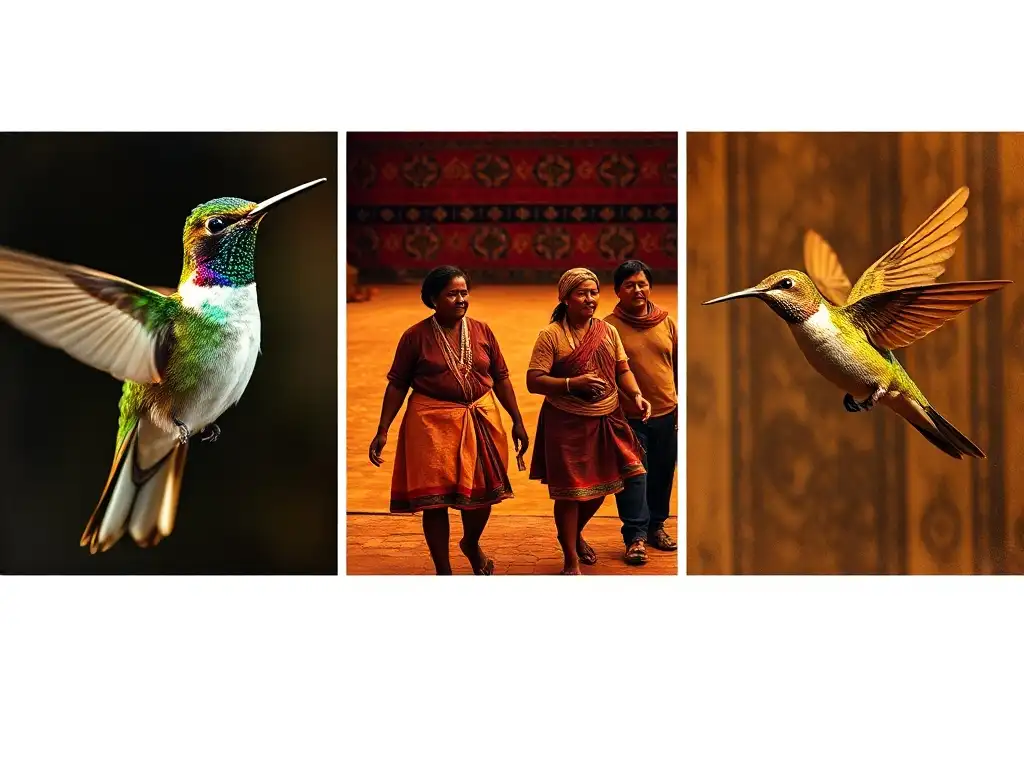
The hummingbird, a creature of vibrant beauty and incredible speed, held a prominent place in the spiritual lives of various Andean cultures. However, the specifics of the rituals honoring this creature varied significantly across different regions and ethnic groups. While a common thread of reverence for the hummingbird's agility, energy, and connection to the sacred existed, the expressions of this reverence manifested in diverse ways.
For example, the precise offerings presented, the specific prayers recited, and the overall structure of the ceremonies differed considerably between the Inca Empire, the coastal cultures like the Moche, and the highland communities of the Andes. This diversity reflects the rich tapestry of Andean beliefs and the unique adaptations of spiritual practices to specific environments and cultural contexts. The hummingbird's symbolism, while consistent in its association with positive attributes, was interpreted and celebrated through a multitude of distinct ritual expressions.
Further research is needed to fully document the nuances of these regional variations, as many practices were passed down orally and are not thoroughly documented in written sources. Ethnographic studies and careful analysis of archeological findings offer crucial insights into this fascinating aspect of Andean spirituality.
Regional Differences in Andean Hummingbird Ceremonies
The Inca, for instance, might have incorporated hummingbird feathers into elaborate headdresses or woven textiles used in sacred ceremonies, reflecting the bird's association with royalty and divinity. In contrast, coastal cultures like the Moche, known for their intricate pottery, often depicted hummingbirds in their artwork, suggesting a connection between the bird and the forces of nature, particularly the sun and the sea.
The ceremonies themselves might have involved different types of offerings, such as coca leaves, chicha (fermented corn beverage), or precious stones, depending on the specific community and the context of the ritual. The timing of the ceremonies also varied, perhaps coinciding with specific agricultural cycles or astronomical events, highlighting the close relationship between Andean spirituality and the natural world.
Unfortunately, detailed descriptions of specific ceremonies are scarce, leaving room for further scholarly investigation into these variations. The recovery and analysis of additional archeological artifacts, combined with meticulous fieldwork among contemporary Andean communities, could reveal a more complete picture of this diverse spiritual landscape.
The Aymara Hummingbird Ceremony: A Focus on Reciprocity
The Aymara people, inhabiting the high Andes region, viewed the hummingbird as a symbol of reciprocity and balance within the cosmos. Their ceremonies often emphasized the exchange of offerings and prayers with the spiritual world, seeking blessings for the harvest, good health, and protection from harm. The hummingbird, with its rapid movements and tireless energy, represented the constant flow of energy and exchange within the Andean worldview.
The Aymara ceremonies might involve the creation of small shrines dedicated to the hummingbird, adorned with offerings and prayers written on small pieces of paper. These offerings might be left in a specific location significant to the community, such as a sacred mountain or a natural spring. The emphasis on reciprocity reflects a core tenet of Aymara cosmology, highlighting the interconnectedness of humanity and the natural world.
The hummingbird serves as a potent symbol of this interconnectedness, bridging the gap between the human and spiritual realms. Understanding the nuances of Aymara hummingbird rituals provides valuable insight into the complex spiritual beliefs and practices of this vibrant Andean culture.
Interpreting the Andean Hummingbird Ritual Symbolism
The hummingbird's symbolic significance within Andean cultures extended far beyond its physical attributes. It represented a complex interplay of spiritual, cosmological, and social meanings, reflecting the multifaceted beliefs and practices of the Andean people. The bird’s incredible speed and agility were associated with the swiftness of life and the dynamism of the natural world. Its vibrant colors linked it to the sun and the radiant energy of the cosmos.
The hummingbird's ability to hover and move with such precision symbolized balance and harmony, reflecting the Andean worldview's emphasis on maintaining equilibrium within the cosmos. Its association with joy and love further reinforced its positive symbolism, making it a powerful icon in Andean spiritual life. Understanding these intricate layers of symbolism is key to appreciating the depth and richness of Andean religious beliefs.
Understanding the Deeper Meaning of the Ritual
The hummingbird rituals were not merely superficial displays of reverence; they were deeply embedded within the fabric of Andean society. They served as a means of connecting with the spiritual world, seeking guidance, and reinforcing social bonds. The ceremonies provided a framework for expressing gratitude for the blessings received, seeking protection against adversity, and maintaining harmony within the community.
Participation in these rituals strengthened social cohesion and reinforced the shared beliefs and values of the Andean people. The rituals were also a way of expressing the community's relationship with the natural world, recognizing the hummingbird's important role within the ecological balance of the Andes. The deeper meaning of the rituals is thus multifaceted, encompassing spiritual, social, and ecological dimensions that were intricately interwoven in Andean life.
The Hummingbird as a Spiritual Guide
Beyond its symbolic representation, the hummingbird was often viewed as a spiritual guide or messenger, capable of bridging the gap between the human and spiritual worlds. Its swift movements were seen as a reflection of the quickness of spiritual communication, and its ability to hover suggested a state of meditation and connection to the divine. In some traditions, hummingbirds were believed to carry messages from the ancestors or other spiritual entities.
Shamans and other spiritual leaders might interpret the hummingbird's appearances as signs or omens, providing guidance in matters of life, health, and the well-being of the community. The hummingbird's role as a spiritual guide further underscores its importance in Andean spirituality, emphasizing its capacity to facilitate communication and connection with the unseen realms. The hummingbird, therefore, was not just a symbol, but an active participant in the spiritual lives of the Andean people.
Legacy of the Andean Hummingbird Ritual Today
The reverence for the hummingbird, deeply embedded in Andean cosmology, continues to resonate in contemporary Andean cultures. While the elaborate rituals of the past may have evolved or adapted, the symbolism associated with this tiny, vibrant bird persists, woven into the fabric of daily life and artistic expression. The hummingbird's enduring presence serves as a powerful testament to the enduring strength of Andean traditions and their capacity to adapt to changing times while maintaining core values.
The hummingbird's symbolic power transcends generations, connecting the past with the present and enriching Andean cultural identity. Its image and spirit remain potent symbols of hope, resilience, and the enduring connection between humanity and the natural world.
The Hummingbird's Enduring Relevance in Andean Communities
In many Andean communities, the hummingbird remains a potent symbol of good fortune, joy, and spiritual connection. Its association with the sun and its seemingly effortless flight continue to inspire awe and wonder. Stories and legends surrounding the hummingbird are passed down through generations, reinforcing its symbolic significance. These narratives often highlight the hummingbird's connection to the gods, its role as a messenger between the earthly and spiritual realms, and its ability to bring healing and prosperity.
For example, in some communities, the sighting of a hummingbird is considered an auspicious omen, signifying good news or the presence of benevolent spirits. The hummingbird's persistent energy and vibrant colors remain a source of inspiration and joy, reminding people of the beauty and dynamism of life. This enduring connection underscores the hummingbird's profound impact on Andean cultural identity and its continued relevance in contemporary society.
Hummingbird motifs in contemporary Andean textiles and art
The hummingbird's enduring significance is vividly reflected in contemporary Andean textiles and art. Intricate weavings, vibrant paintings, and finely crafted jewelry often feature hummingbird motifs, showcasing the bird's continued importance in Andean artistic traditions. These artistic representations not only showcase the hummingbird's aesthetic beauty but also serve as powerful reminders of its symbolic meaning. The hummingbird's depiction in these artworks often incorporates traditional Andean patterns and symbols, further enriching its cultural context and reinforcing its connection to ancient traditions. The use of bright, vivid colours in these representations mirrors the hummingbird's own dazzling plumage, emphasizing its connection to the sun and its life-giving energy. The continued presence of hummingbird motifs in modern Andean art demonstrates the bird's lasting cultural impact and its enduring relevance in contemporary Andean society. These artistic expressions serve as a testament to the rich cultural heritage of the Andes and the enduring power of Andean symbolism.
Preserving the Andean Hummingbird Ritual and its Significance
The preservation of the Andean hummingbird ritual and its associated symbolism is paramount for maintaining the rich tapestry of Andean cultural heritage. As globalization and modernization continue to impact Andean communities, there is a growing need to protect and promote traditional knowledge and practices. The ongoing effort to safeguard this cultural legacy requires a multifaceted approach, encompassing community engagement, educational initiatives, and collaborative research.
This is crucial not only for preserving the past but also for ensuring the vitality and continuity of Andean culture for future generations. The work of cultural preservation is not just about archiving history; it's about fostering a living, evolving cultural identity that can adapt while remaining true to its roots.
The Importance of Cultural Preservation
The preservation of the Andean hummingbird ritual and its symbolism is of critical importance for several reasons. First, it safeguards a unique and valuable aspect of Andean cultural heritage, representing a deep connection to nature and spirituality. Second, it supports the cultural identity and pride of Andean communities, providing a sense of continuity and connection to their ancestors. Third, it preserves valuable traditional ecological knowledge related to hummingbirds and their habitats, which can contribute to conservation efforts.
Finally, preserving this ritual contributes to the broader global understanding and appreciation of cultural diversity and the importance of respecting indigenous knowledge systems. Neglecting these efforts risks losing an irreplaceable part of human history and a valuable source of cultural wisdom. The loss of these traditions would be a significant blow to the cultural richness of the Andean region and the world at large.
Conservation efforts to protect hummingbird habitats and traditional knowledge
Protecting hummingbird habitats is inextricably linked to preserving the cultural significance of the hummingbird in Andean communities. Conservation efforts must therefore incorporate both ecological and cultural considerations. This includes working with local communities to develop sustainable land management practices that protect hummingbird habitats while also supporting their livelihoods.
Documenting traditional knowledge about hummingbirds and their roles in Andean cosmology is also crucial, as this knowledge can inform conservation strategies and ensure the continuity of cultural traditions. Collaborative research involving scientists, cultural experts, and community members is essential for developing effective and culturally sensitive conservation strategies. These efforts aim to ensure that both the ecological and cultural significance of the hummingbird are preserved for future generations, fostering a harmonious relationship between humanity and nature, mirroring the symbiotic relationship celebrated in Andean traditions.
Frequently Asked Questions
What is the significance of hummingbirds in Andean cultures?
Hummingbirds held significant symbolic meaning in various Andean cultures. They were often associated with love, joy, and the sun, representing vitality and spiritual power. Their swift movements were seen as connecting different realms.
How did the Andean people depict hummingbirds in their art?
Hummingbirds were frequently depicted in Andean art, including textiles, pottery, and goldwork. These depictions often highlight their bright colors and rapid flight, emphasizing their spiritual significance within the culture.
What role did hummingbirds play in Andean rituals?
While specific rituals are not fully documented, hummingbirds likely played a role in ceremonies related to fertility, healing, and sun worship. Their association with joy and vitality suggests their presence in celebratory rituals as well.
Were there specific hummingbird deities or spirits in Andean belief systems?
While not explicitly named as singular deities, hummingbirds were likely associated with existing deities related to the sun, fertility, or the spirit world. Their characteristics aligned with these concepts, making them potent symbols within religious practices.
Where can I learn more about Andean hummingbird ritual symbolism?
Further research into Andean iconography, mythology, and anthropology will reveal more about the hummingbird's role. Museums exhibiting Andean artifacts and academic journals are excellent resources for in-depth study.
Final Reflection: The Enduring Flight of Andean Hummingbird Symbolism
The vibrant symbolism of the Andean hummingbird, far from being a relic of the past, continues to resonate deeply within contemporary Andean cultures and offers a powerful metaphor for navigating the complexities of modern life. Its representation of love, joy, and resilience speaks to our universal need for connection, hope, and the courage to overcome adversity. The hummingbird's seemingly effortless flight mirrors the grace and determination we all strive for in our own journeys.
The enduring power of the hummingbird's symbolism lies in its ability to transcend time and cultural boundaries. Its image, woven into textiles, painted onto pottery, and sung into ancient songs, serves as a constant reminder of the interconnectedness of life and the importance of celebrating even the smallest joys. The hummingbird reminds us that even the smallest creatures can possess the greatest strength and beauty.
This simple truth, deeply embedded in Andean tradition, offers a profound message for our increasingly fragmented world. It encourages us to find beauty in the everyday, to appreciate the fleeting moments of joy, and to embrace the resilience necessary to navigate life's challenges.
Consider, for a moment, the hummingbird's relentless energy and its ability to hover, seemingly defying gravity. This image speaks to the potential within each of us to overcome obstacles and achieve our dreams. Let the hummingbird's spirit inspire you to embrace your own unique gifts, to find joy in the present moment, and to cultivate a deeper connection with the beauty and wonder that surrounds you. Let its vibrant energy be a beacon, guiding you towards a life filled with love, resilience, and the unwavering pursuit of happiness.
Embrace the Joy: Celebrate the Hummingbird's Magic!
Thank you for exploring the enchanting world of the Andean hummingbird and its powerful symbolism of love and joy. We hope you found inspiration in the vibrant traditions and cultures surrounding this remarkable creature.
Now, let's put that inspiration into action! Here are some ways to deepen your understanding and share the hummingbird's joy:
- Discover Local Celebrations: Participate in a local festival or event celebrating indigenous cultures and traditions. Experience the joy firsthand!
- Get Creative: Express your inspiration through art, music, or writing. A painting, a song, or a poem reflecting the hummingbird's themes of love and joy can be a wonderful way to share your experience.
- Spread the Word: Share this article with friends and family, inspiring them to learn about the hummingbird and Andean culture.
As you reflect on the hummingbird's beauty and cultural significance, we invite you to share your thoughts: **How will you integrate the hummingbird's message of joy and love into your daily life? **