
Moche Blood Sacrifice: Decoding the Meaning Behind the Ancient Rites

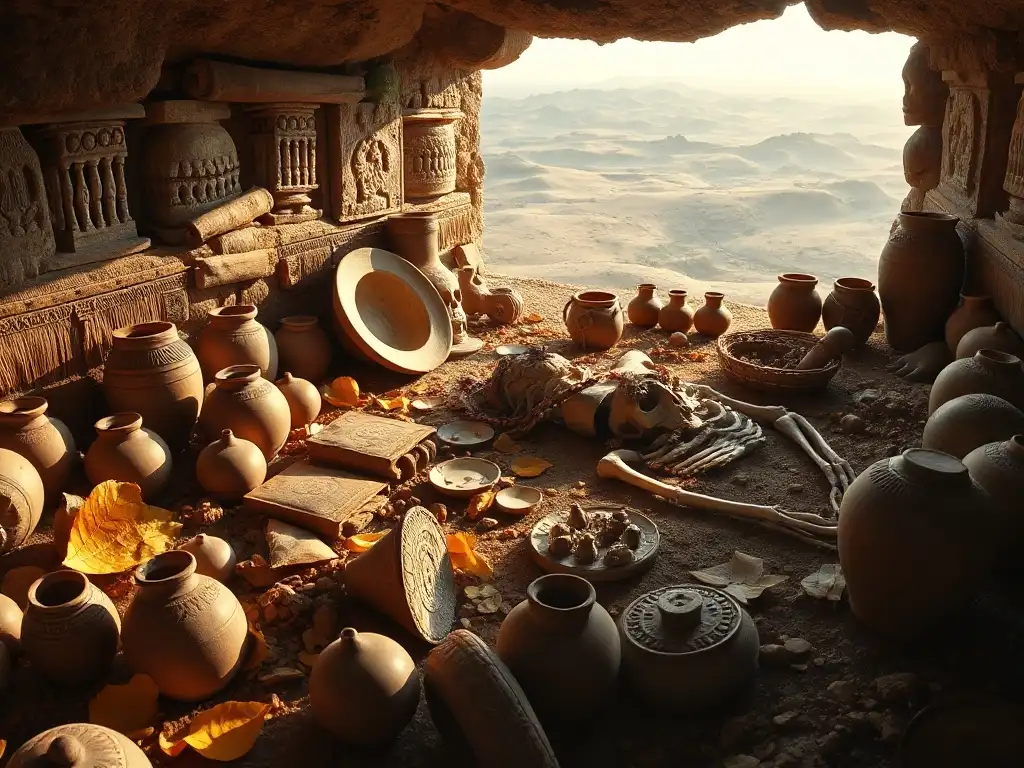
Dive into the enigmatic world of the Andean civilizations! Prepare to unravel the mysteries surrounding their captivating artistry, intricate societal structures, and advanced technologies. But first, let's confront a chilling yet fascinating practice: Moche blood sacrifice. What secrets do these ancient rites hold? Discover the shocking meaning behind this ritual and explore the complex religious beliefs that shaped the lives of these remarkable people. Uncover the truth—your journey into the heart of Andean culture begins now.
The Moche civilization, flourishing along the northern coast of Peru from approximately 100 CE to 800 CE, left behind a legacy of breathtaking artistry and intricate social structures. Their sophisticated irrigation systems, stunning ceramics depicting vibrant scenes of daily life and warfare, and monumental architecture stand as testaments to their advanced civilization. However, a darker aspect of Moche society remains a subject of intense scholarly debate: their practice of human sacrifice, particularly involving bloodletting rituals.
This article delves into the complex world of Moche blood sacrifice, exploring the archaeological evidence, interpreting its potential meanings within their religious and cosmological beliefs, and considering the diverse perspectives surrounding this controversial practice. Understanding Moche blood sacrifice offers a crucial window into their worldview, revealing a society that, while technologically advanced and artistically gifted, also held beliefs and practices that significantly contrast with many modern sensibilities.
The interpretation of these rituals requires careful consideration of the available evidence and a nuanced understanding of the Moche cultural context. We will examine the evidence to understand not just what happened, but why.
Archaeological Evidence of Moche Blood Sacrifice
Archaeological excavations at various Moche sites have unearthed compelling evidence of human sacrifice. The most prominent findings include:
- Elite burials: Tombs of Moche elites often contain human remains exhibiting signs of ritualistic violence, such as decapitation or other injuries consistent with sacrificial practices. The positioning of the bodies and accompanying grave goods provide valuable clues about the social status of the sacrificed individuals and the ritual context.
- Sacrificial offerings: Numerous artifacts associated with sacrificial rituals have been recovered, including ceramic vessels depicting scenes of bloodletting and human sacrifice, and tools potentially used in these ceremonies. These artifacts vividly illustrate the importance of these rituals within Moche society.
- Mass graves: The discovery of mass graves containing multiple individuals, sometimes with evidence of trauma consistent with sacrifice, suggests that large-scale sacrificial events may have occurred. The analysis of skeletal remains from these mass graves provides valuable insights into the demographics and possibly the social standing of the victims.
The sheer volume and variety of evidence strongly support the conclusion that human sacrifice played a significant role in Moche society. However, the exact nature and frequency of these rituals remain open to scholarly interpretation.
Interpreting the Meaning of Moche Blood Sacrifice
The interpretation of Moche blood sacrifice is complex and multifaceted. Several hypotheses have been proposed, including:
- Maintaining Cosmic Order: Some scholars suggest that blood sacrifice was performed to maintain cosmic balance and appease the gods. The shedding of blood may have been seen as a necessary offering to ensure the fertility of the land, the success of harvests, or the overall well-being of the community. This theory aligns with many other ancient cultures that viewed blood as a powerful and sacred substance.
- Political Power and Control: Another interpretation emphasizes the role of human sacrifice in consolidating political power and social control. By controlling the ritual, the elite could reinforce their authority and legitimacy. The sacrifice of individuals might have served as a public display of power, reinforcing the hierarchical structure of Moche society.
- Warfare and Captivity: The possibility that some sacrifices were war captives cannot be ignored. The Moche engaged in warfare, and the capture and sacrifice of enemies could have been a part of their military strategies and a way to assert dominance over rival groups. This explanation, however, does not account for all instances of sacrifice.
It is important to note that these interpretations are not mutually exclusive. The meaning of Moche blood sacrifice likely encompassed multiple facets of their religious, political, and social life. Further research and analysis are needed to fully understand the complexities of this ancient practice.
The Ongoing Debate and Future Research
The study of Moche blood sacrifice continues to evolve. New archaeological discoveries and advancements in scientific techniques constantly refine our understanding of these rituals. Ongoing research into isotopic analysis of skeletal remains, for example, promises to provide further insights into the victims' diets and origins, potentially shedding light on the social dynamics surrounding sacrifice.
The careful examination of iconography and the contextual analysis of artifacts found in sacrificial contexts are also crucial components of ongoing research. The interpretation of Moche blood sacrifice is an ongoing process, requiring a multidisciplinary approach and a commitment to rigorous scholarly investigation. The careful and ethical study of these practices is paramount to a more complete understanding of this fascinating and complex civilization.
- Archaeological Evidence of Moche Blood Sacrifice
- Interpreting the Meaning of Moche Blood Sacrifice
- The Ongoing Debate and Future Research
Understanding Moche Ritual Sacrifice: An Introduction
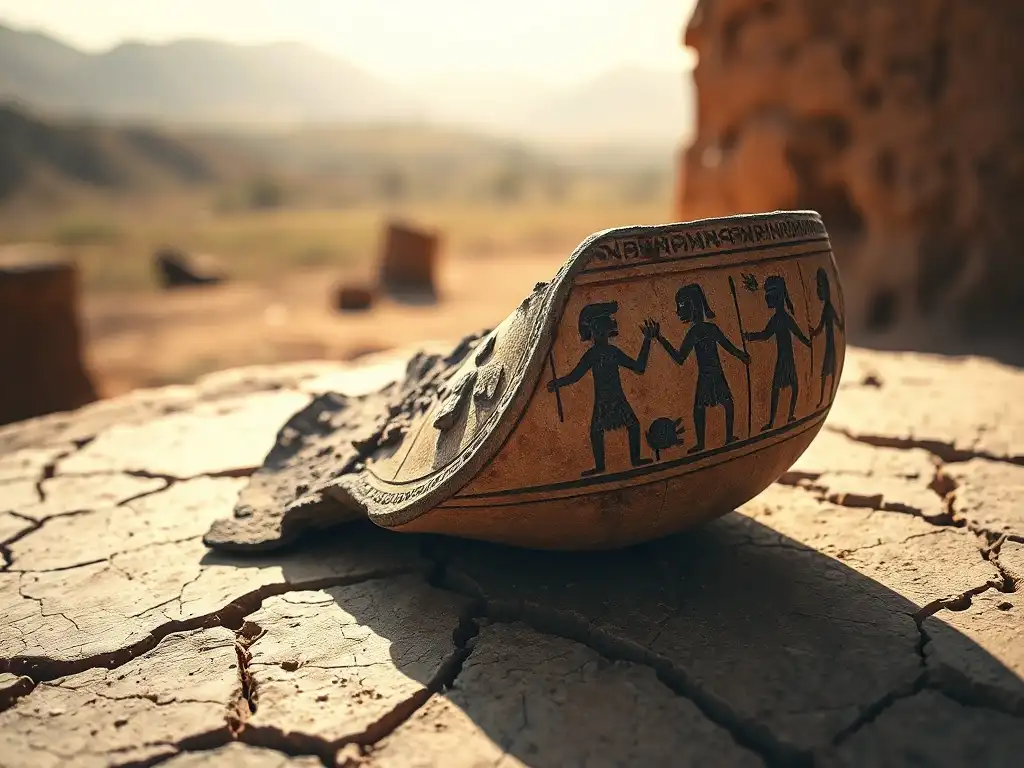
The Moche civilization (c. 100-800 CE), flourishing along the northern coast of Peru, left behind a remarkable archaeological record, vividly depicting their complex religious beliefs and practices. Central to their worldview was ritual sacrifice, a practice often involving bloodletting and, in some cases, human sacrifice.
Understanding the meaning behind these seemingly brutal acts requires careful consideration of their societal structure, cosmological beliefs, and the broader context of their agricultural-based economy. The Moche weren't simply engaging in random violence; their sacrifices were deeply symbolic acts intricately woven into the fabric of their society, aimed at appeasing deities, ensuring bountiful harvests, and maintaining cosmic balance.
This section will delve into the cultural and societal underpinnings that shaped Moche understandings of sacrifice, exploring the motivations behind these practices and the significance they held within their intricate belief system. The prevalence of depictions of sacrifice in Moche art, including pottery and metalwork, provides invaluable insights into the ritual's importance and its integration into their daily lives, offering clues to interpret the Moche blood sacrifice meaning.
The Context of Moche Culture and Society
Moche society was highly stratified, with a powerful elite controlling resources and religious authority. Archaeological evidence suggests a complex social hierarchy, with distinct classes reflected in burial practices and the quality of grave goods. The elite controlled access to water resources, crucial for agriculture in the arid coastal region. This control likely contributed to their religious authority, as they were seen as intermediaries between the human and divine realms, capable of influencing the forces of nature.
Therefore, rituals, including blood sacrifice, were likely performed to maintain this power structure and reinforce the legitimacy of the ruling class. The Moche believed that their actions in the earthly realm had direct consequences in the supernatural world. Successful harvests, plentiful rains, and the overall well-being of the community were seen as directly linked to the proper performance of rituals.
Failure to appease the gods, conversely, could result in drought, famine, and societal instability. This close relationship between the earthly and spiritual realms helps explain the importance placed on ritual sacrifice within Moche society, and the crucial role it played in maintaining social order and cosmic equilibrium. The intricacies of Moche social dynamics, therefore, are essential to understanding the Moche blood sacrifice meaning.
The Role of Ritual in Moche Life
Rituals permeated every aspect of Moche life, from agricultural cycles to warfare and political power. The Moche worldview was deeply intertwined with the natural world, and rituals served as a means of interacting with and influencing supernatural forces. Bloodletting, a common practice among the elite, involved piercing the body, often the tongue or penis, and allowing blood to flow.
This act was not merely a display of piety but a symbolic offering to the gods, a way of communing with the divine and ensuring their favor. Depictions in Moche pottery frequently show individuals participating in these rituals, often within elaborate ceremonial contexts, further emphasizing their significance. The frequency and variety of ritual practices depicted suggest a structured religious system, with specialized priests or shamans playing a crucial role in mediating between the human and divine worlds.
The highly stylized and detailed nature of these depictions underscores the importance and complexity of these rituals, showcasing the Moche blood sacrifice meaning as a fundamental aspect of their culture. Furthermore, the consistent presence of these depictions across various Moche artistic mediums shows that it wasn't a clandestine activity, but a deeply ingrained societal practice. The study of Moche ritual, therefore, provides a valuable lens through which to understand the beliefs, values, and social structures of this fascinating civilization.
The Practice of Moche Blood Sacrifice: Details and Evidence
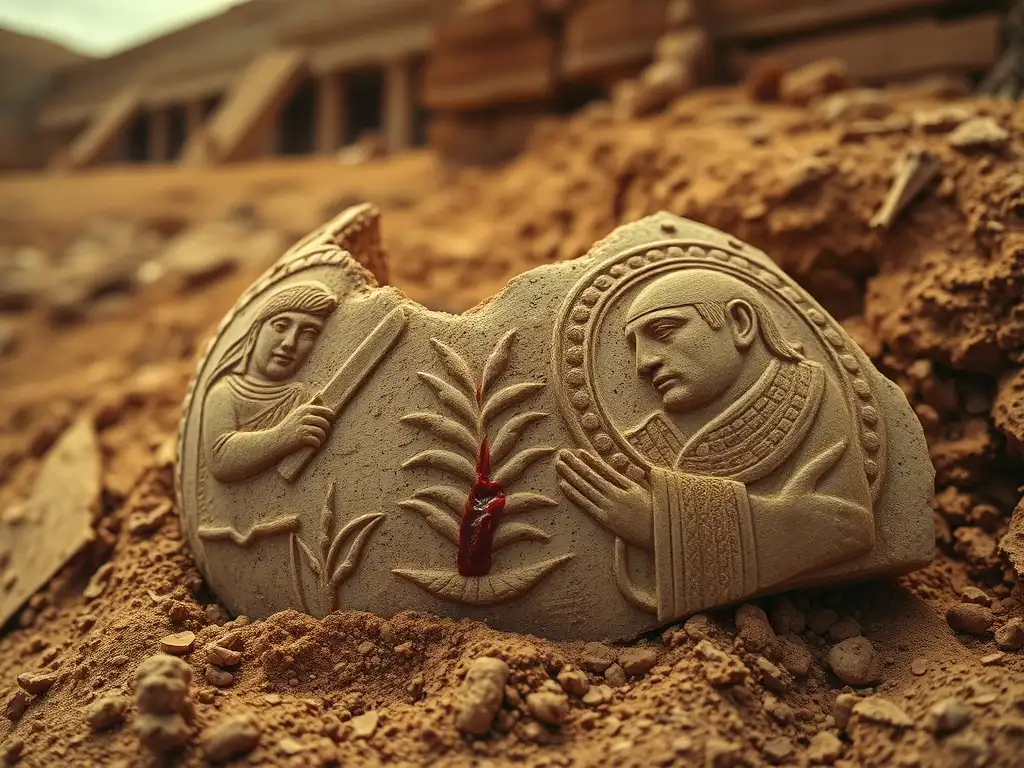
The Moche civilization (c. 100-800 CE) of ancient Peru is renowned for its sophisticated artistry, intricate irrigation systems, and, perhaps most controversially, its practice of human sacrifice. Understanding the Moche blood sacrifice meaning requires a careful examination of both artistic representations and archaeological findings. While the exact reasons behind these sacrifices remain debated, research suggests they were deeply intertwined with the Moche worldview, their political structures, and their relationship with the supernatural.
The intensity and scale of these practices underscore their importance within Moche society. This section delves into the available evidence, aiming to illuminate the complexities of this ancient ritual.
Depictions of Moche Sacrifice in Art and Iconography
Moche artistry provides invaluable insights into their sacrificial practices. Their ceramics, often highly detailed and realistically rendered, frequently depict scenes of ritual sacrifice, offering a visual record of these events. These depictions, while not necessarily literal representations, offer crucial clues to understanding the context and significance of the rituals.
For instance, many vessels showcase elaborate scenes of individuals, often elites or captives, being subjected to sacrifice, sometimes with priests overseeing the ceremony. The imagery often includes symbolic elements like specific tools, ritual attire, and the presence of supernatural beings, all hinting at the deeply religious nature of the sacrifice. The vividness and detail of these depictions suggest that the sacrifices were public events, possibly held to reinforce the power and authority of the elite.
The prevalence of these themes in Moche art underscores the central role of sacrifice within their culture and ideology. The meticulous detail in the portrayal of these events suggests a high degree of ritual standardization and social importance. Further research into the iconography, particularly the symbolism of specific objects and characters, may reveal deeper layers of meaning related to Moche cosmology and social hierarchy.
Archaeological Evidence of Moche Sacrificial Practices
Beyond the artistic depictions, archaeological excavations have yielded compelling evidence of Moche sacrificial practices. The discovery of human remains in ritual contexts provides tangible proof of the scale and nature of these ceremonies. The careful arrangement of the bodies, the presence of grave goods, and the location of the burials all contribute to our understanding of the ritual's significance. The analysis of skeletal remains, such as isotopic studies and trauma analysis, can provide further insights into the identities of the sacrificed individuals and the circumstances of their deaths.
Huaca de la Luna: Sacrificial Remains
The Huaca de la Luna, a significant Moche ceremonial center, is a prime example of a location where evidence of human sacrifice has been extensively documented. Excavations at this site have unearthed numerous human remains, many bearing signs of ritual violence, suggesting a systematic practice of sacrificial offerings. The number and variety of sacrifices discovered at Huaca de la Luna highlight the significant role of human sacrifice within the Moche religious system.
The analysis of these remains, coupled with the study of associated artifacts, has helped researchers piece together a more comprehensive understanding of the rituals and their social implications. Further investigation at Huaca de la Luna and other similar sites promises to unveil even more details about the Moche sacrificial practices.
Analysis of Moche Ceramics and Metalwork
The analysis of Moche ceramics and metalwork provides further context for understanding the meaning behind the sacrifices. Many artifacts depict sacrificial scenes, often with intricate details of the ritual itself, the participants, and the associated paraphernalia. The materials used in creating these artifacts—precious metals, fine ceramics—suggest the high status and importance placed upon the rituals.
The consistent depiction of particular scenes and symbols in different artifacts points toward a standardized ritual process, suggesting a deeply ingrained and widely practiced tradition. By studying the iconography and the materials used in these artifacts, researchers can gain a deeper understanding of the social, political, and religious context of Moche blood sacrifice. The relationship between the depicted scenes and the actual archaeological findings provides crucial corroborating evidence in the interpretation of these rituals.
The study of Moche blood sacrifice remains a dynamic field of research. Ongoing excavations and advanced analytical techniques promise to shed further light on the complexities of this ancient practice, ultimately contributing to a more nuanced understanding of Moche society and their unique religious beliefs. The continued analysis of artistic representations and archaeological evidence is key to unlocking the full *Moche blood sacrifice meaning*.
Types of Moche Sacrifices: Human and Animal
The Moche civilization, renowned for its intricate artistry and sophisticated societal structure, practiced both human and animal sacrifice. While the exact reasons behind these practices remain debated, archaeological evidence strongly suggests their significant role in Moche religious beliefs and social order. The scale and nature of these sacrifices varied, reflecting the complexity of their worldview and the hierarchical structure of their society. Understanding the types of sacrifices employed provides crucial insights into the Moche understanding of the cosmos and their relationship with the supernatural.
The most striking and controversial aspect of Moche religious practices is undoubtedly human sacrifice. Evidence unearthed at various Moche sites reveals a range of human sacrifices, from individual offerings to mass burials. Skeletal remains often show signs of violence, indicating a ritualistic killing, sometimes preceded by mutilation or other forms of trauma.
Interestingly, the victims weren't always of low social standing; some evidence suggests the sacrifice of individuals of higher social rank, highlighting the complex and multi-faceted nature of these rituals. The careful preparation and burial of these individuals, often accompanied by elaborate grave goods, further underscores their significance within the Moche worldview. Further research is needed to fully understand the selection criteria for human sacrifice victims and the specific roles these individuals played in Moche society.
Animal sacrifice, on the other hand, appears to have been a more widespread practice among the Moche. A wide variety of animals, including llamas, alpacas, dogs, and birds, were sacrificed. The scale of animal sacrifices varied, ranging from single offerings to mass burials of numerous animals. Archaeological findings often show that these animals were carefully selected and prepared before sacrifice.
Their remains are frequently found in association with human sacrifices, suggesting a possible symbolic connection between the two. The types of animals sacrificed and their association with specific contexts might reveal further information about the symbolic meanings attributed to different animals within the Moche cosmology. For example, the sacrifice of a particular species of bird might be linked to a specific deity or agricultural cycle, offering valuable insights into their religious calendar and beliefs.
Detailed analysis of the animal remains, including age and sex, could provide additional clues about the selection process and the significance of the specific animals used in these rituals. The study of animal sacrifice provides a crucial complementary perspective to understanding the broader context of Moche religious beliefs and practices. The combined study of both human and animal sacrifices offers a rich and complex picture of Moche religious life, revealing the depth and intricacy of their spiritual worldview.
Moche Blood Sacrifice Meaning: Exploring the Interpretations
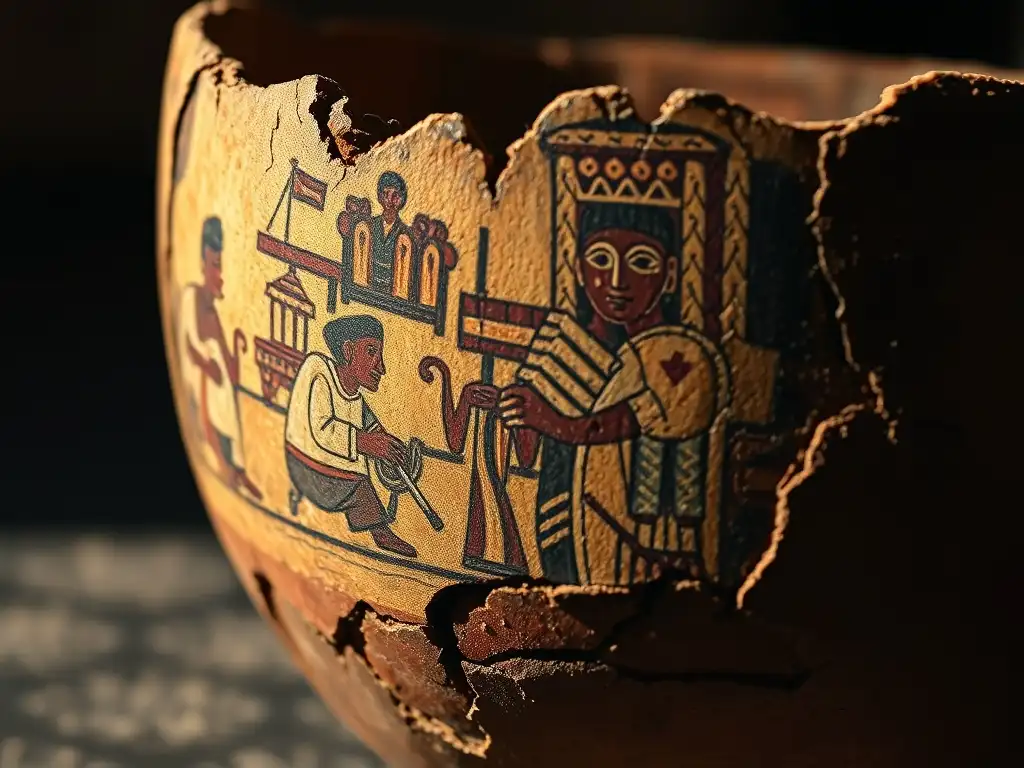
The Moche civilization, flourishing along the northern coast of Peru from approximately 100 to 800 CE, is renowned for its sophisticated artistry, complex social structures, and enigmatic religious practices. Central to understanding Moche society is the practice of human sacrifice, a ritualistic act deeply intertwined with their worldview and societal organization.
Unraveling the Moche blood sacrifice meaning requires a nuanced examination of its religious, political, and social dimensions. The sheer volume of evidence—from sacrificial offerings unearthed at numerous sites to depictions in their intricate ceramics—suggests that blood sacrifice wasn't a sporadic event but a fundamental aspect of Moche life, imbued with profound significance.
Religious and Cosmological Significance of Moche Sacrifice
The Moche cosmology, while not fully understood, reveals a pantheon of deities and a complex relationship with the natural world, particularly its agricultural bounty. Human sacrifice, in this context, appears to have served as a crucial mechanism for maintaining cosmic order and ensuring the prosperity of their society.
Appeasing Ai Apaec and Ensuring Agricultural Fertility
The Ai Apaec, a powerful deity often depicted as a fanged warrior, is frequently linked to Moche sacrificial rituals. Many scholars suggest that these sacrifices were performed to appease Ai Apaec, securing his favor and ensuring the continued fertility of the land. The Moche relied heavily on agriculture, and the success of their crops was vital for their survival.
The offering of human lives, perhaps seen as the most precious offering, would be a powerful way to guarantee a bountiful harvest and avert natural disasters. Evidence suggests that sacrifices were sometimes tied to specific agricultural cycles, further emphasizing this connection. Detailed analysis of skeletal remains found alongside agricultural offerings strengthens this hypothesis, although further research is needed to definitively establish the precise correlation between specific sacrificial events and agricultural cycles.
The Role of Blood in Moche Regeneration Beliefs
Beyond appeasing Ai Apaec, blood itself held profound symbolic meaning within Moche beliefs. It was likely viewed as a life-giving force, capable of regenerating the land and ensuring its continued productivity. The shedding of blood, therefore, wasn't simply an act of violence but a ritualistic act of renewal, a symbolic fertilization of the earth.
The vibrant red color of blood, frequently depicted in Moche pottery, further underscores its importance in their worldview. Many artifacts show stylized representations of blood flowing from sacrificial victims, often depicted alongside agricultural imagery, reinforcing the connection between sacrifice and fertility. The precise nuances of these regeneration beliefs remain a subject of ongoing scholarly debate.
While the religious aspects are crucial, the Moche blood sacrifice meaning also extended to the realm of politics and social control. Sacrifice served not only as a means of appeasing the gods but also as a powerful tool for consolidating power and reinforcing social hierarchies.
Consolidating Elite Power and Authority
The elite members of Moche society, likely priests and rulers, played a central role in orchestrating and conducting these sacrifices. By controlling this powerful ritual, they solidified their authority and reinforced their divine legitimacy. The elaborate ceremonies, the carefully chosen victims, and the meticulous burial rituals all served to showcase the power and prestige of the ruling class.
The scale and complexity of some sacrificial sites suggest considerable resources and manpower were dedicated to these events, highlighting the elite's control over labor and resources. Further research on the social status of sacrificial victims could provide deeper insights into the mechanisms of elite power consolidation.
Reinforcing Social Stratification
The victims chosen for sacrifice were not randomly selected. Evidence suggests that certain individuals, potentially prisoners of war or those deemed ritually impure, were targeted. This selective process reinforced the existing social stratification within Moche society, highlighting the power differential between the elite and the commoners.
The ritual killing of specific individuals served as a stark reminder of the social order and the consequences of defying authority. While the precise criteria for victim selection remain unclear, the available evidence points towards a deliberate and purposeful system of choosing individuals based on their social standing and perceived value to the ritual. The study of Moche iconography and skeletal remains continues to contribute to a more comprehensive understanding of this complex social dynamic.
Interpreting the Symbols and Motifs in Moche Sacrifice
The Moche people, renowned for their sophisticated artistry and complex religious beliefs, left behind a rich visual record of their practices, including their ritual sacrifices. Interpreting the symbols and motifs depicted in their pottery, metalwork, and textiles offers crucial insights into the meaning and purpose of these often-gruesome ceremonies. The imagery is not simply decorative; it's a carefully constructed narrative that conveys deep cosmological and social meanings.
Scholars meticulously analyze these representations to understand the roles of different figures, animals, and objects within the sacrificial rituals. The prevalence of certain symbols, such as specific types of weaponry or the repeated depiction of particular deities, suggests a structured, ritualistic approach rather than chaotic violence. For instance, the repeated appearance of a specific type of knife in depictions of sacrifice might indicate a specific ritualistic role for that particular tool, perhaps tied to a specific deity or ritual phase.
The meticulous detail in Moche artwork allows researchers to reconstruct not only the actions involved in the sacrifice but also the social context surrounding the event. Further research into the iconography and its variations across different Moche sites may reveal regional differences in beliefs and practices. The careful study of these visual clues is essential to unlocking the complex tapestry of meaning woven into the Moche worldview.
The Significance of Decapitator Deity and Animal Spirits
A recurring motif in Moche depictions of sacrifice is the presence of a "decapitator deity," often depicted as a powerful figure wielding a knife or other sharp instrument. This figure's role is not simply one of executioner; rather, it's a representation of a powerful intermediary between the human and supernatural realms. The deity's actions are not viewed as arbitrary violence but as a ritual act with profound cosmological significance.
The inclusion of animal spirits alongside the human sacrifice further complicates the interpretation. These animals, often depicted with a similar level of detail and reverence as the human figures, may symbolize the connection between the earthly and spiritual worlds. Some scholars suggest that the animals represent the spirit guides or messengers accompanying the sacrificed individual on their journey to the afterlife.
Others believe that the specific animal depicted might hold symbolic meaning, reflecting the sacrificed individual's social status or the nature of the sacrifice itself. The relationship between the human sacrifice and the accompanying animal spirits is a key area of ongoing research, with scholars examining the possible symbolic relationships between specific animals and the rituals in which they appear. Further analysis of the contextual clues surrounding these representations is needed to fully understand the complex interplay between the decapitator deity and the animal spirits in the Moche worldview.
The Importance of Moche Headdresses and Ornaments
The elaborate headdresses and ornaments worn by both the sacrificial victims and the officiating figures in Moche depictions are far from mere adornments; they are powerful symbols of social status, religious authority, and connection to the supernatural. The intricate craftsmanship and the use of precious materials like gold, silver, and feathers highlight the importance of these objects within the ritual context. The specific types of headdresses and ornaments depicted can offer clues about the social standing of the sacrificed individual.
For example, a headdress adorned with specific feathers might indicate a high-ranking individual, while a simpler headdress might suggest a lower status. The use of specific colors and materials in these ornaments could also hold symbolic meaning, potentially representing specific deities or cosmological concepts. The careful study of these adornments, therefore, provides a valuable window into the social hierarchy and religious beliefs of the Moche civilization.
Further research into the materials used and the techniques of construction could provide even more detailed insights into the roles of these artifacts within the sacrificial rituals. The analysis of these ornaments, in conjunction with other archaeological findings, is crucial for a more complete understanding of the complex social and religious landscape of the Moche world.
The Moche Sacrificial Ceremony: A Reconstruction
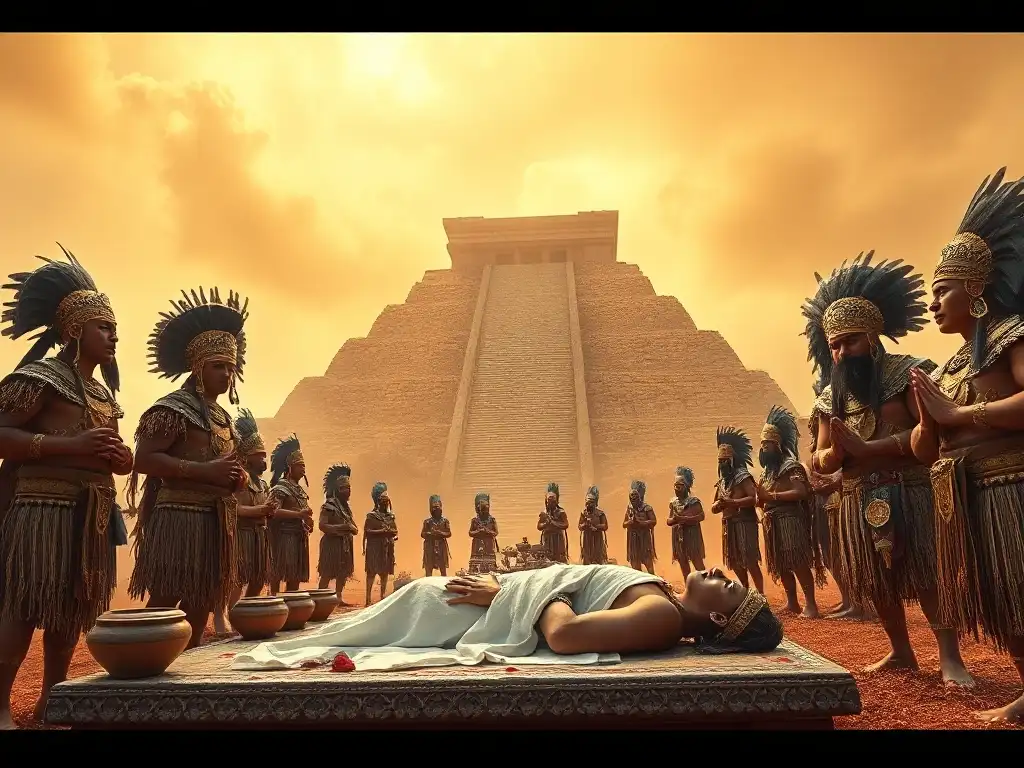
The Moche civilization, flourishing along the northern coast of Peru from approximately 100 CE to 800 CE, left behind a rich archaeological record filled with captivating, and sometimes disturbing, depictions of their rituals. Among the most striking are the numerous representations of blood sacrifice, a practice that continues to fascinate and perplex researchers. While the exact details of each ceremony remain elusive, careful analysis of Moche iconography, particularly pottery and murals, allows us to reconstruct a plausible picture of their sacrificial practices.
Understanding the Moche blood sacrifice meaning requires examining the context of these events within their broader religious and social framework. The Moche weren't simply spilling blood; they were enacting a complex ritual drama with profound cosmological significance.
Their understanding of sacrifice was deeply intertwined with their perception of fertility, power, and the supernatural world. This section will delve into the specifics of these ceremonies, offering a nuanced perspective beyond simple depictions of violence.
Preparation and Participants in Moche Rituals
The preparation for Moche blood sacrifices likely involved a significant period of ritual cleansing and preparation. Evidence suggests that selected individuals, possibly those of high social standing or possessing specific spiritual qualities, played crucial roles. These might have included priests, shamans, or even members of the ruling elite.
The selection process itself remains a mystery, although some theories propose hereditary lines or specific physical characteristics played a part. Pottery fragments often depict individuals adorned in elaborate headdresses, jewelry, and ceremonial clothing, highlighting the importance of attire in these rituals. The level of detail in these depictions strongly suggests a carefully choreographed event, far from a spontaneous act of violence.
Analysis of skeletal remains unearthed at sacrificial sites provides further clues, although the interpretation of such evidence often requires careful consideration of multiple factors and remains subject to ongoing scholarly debate. The Moche blood sacrifice meaning becomes clearer when we consider the meticulous preparation involved, suggesting a highly structured and meaningful ritual, not a chaotic display of power.
The participants, beyond the sacrificers and the sacrificed, likely included a larger audience, possibly comprising members of the community. Their presence would have served to emphasize the importance of the ritual and reinforce its significance within the social fabric. The visual representations found on Moche pottery frequently depict crowds of onlookers, suggesting a public or at least semi-public nature to these ceremonies.
The inclusion of such imagery underscores the communal aspect of Moche religion and the shared understanding of the ritual's purpose. Unfortunately, the specific roles and identities of these bystanders remain largely unknown, requiring further research and analysis of archaeological findings.
The Ritual Process of Moche Blood Offering
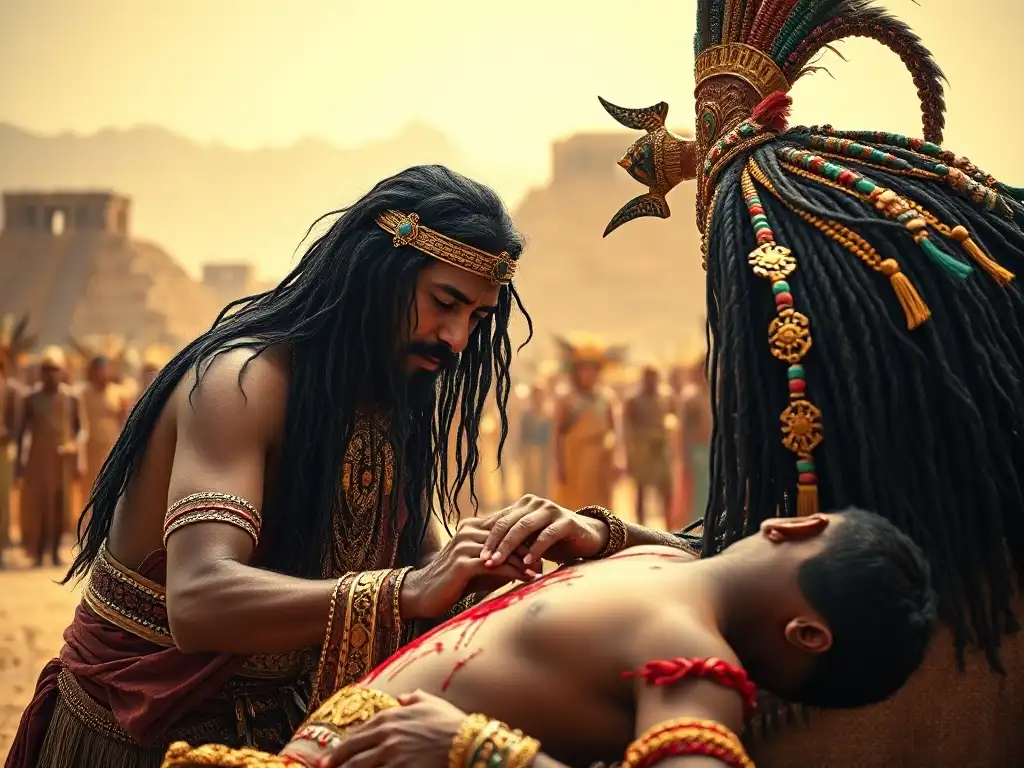
The precise methods employed in Moche blood sacrifices are still debated, but iconographic evidence suggests a range of practices. Depictions on pottery often show individuals being subjected to bloodletting, either through self-inflicted wounds or through the actions of priests or other officiants. The blood, often depicted flowing freely, appears to be a crucial element.
Some scholars suggest that the blood was collected and possibly used in further rituals, perhaps mixed with other offerings or applied to sacred objects. The Moche blood sacrifice meaning is possibly linked to the offering of the life essence to the deities or to the land itself, ensuring fertility and abundance.
Furthermore, the context of the sacrifices is crucial. Many depictions show the sacrifices taking place within elaborate settings, possibly temples or specially designated areas. The presence of other offerings, such as food, drink, and precious objects, further emphasizes the ritual's importance and suggests a connection between the sacrifice and the broader cosmological beliefs of the Moche.
The careful arrangement of these items implies a complex symbolic system, with each element playing a specific role in the overall ritual. The ritual wasn't merely a violent act; it was a carefully planned and executed ceremony. The act of sacrifice itself was likely accompanied by chanting, music, and other forms of ritualistic performance, enhancing the atmosphere and reinforcing the spiritual significance of the event.
The Aftermath of Moche Sacrificial Rites
Following the Moche blood sacrifice, the aftermath likely involved a period of ritual cleansing and disposal of the remains. Archaeological evidence reveals the careful burial of sacrificial victims, sometimes in elaborate tombs. The treatment of the bodies suggests a respectful, even reverential, attitude towards the sacrificed individuals, despite the violent nature of their deaths.
This implies that the Moche blood sacrifice meaning extended beyond a simple act of violence and into the realm of religious devotion and the appeasement of supernatural forces. The careful burial practices also suggest a belief in an afterlife, with the sacrificed individuals potentially playing a role in the spiritual world.
The disposal of the blood itself remains a topic of ongoing research. The blood may have been absorbed into the earth, signifying a return to the life-giving source. Or, as mentioned previously, it may have been used in further ceremonies, ensuring the continued efficacy of the sacrifice.
The absence of clear, consistent evidence makes definitive conclusions difficult, highlighting the need for further research and interdisciplinary collaboration. Ultimately, understanding the Moche blood sacrifice meaning requires a holistic approach, combining archaeological evidence with anthropological interpretations and careful consideration of the broader religious and social context. The Moche’s complex sacrificial practices offer a compelling glimpse into their rich and fascinating culture.
Moche Blood Sacrifice: A Comparative Perspective
Comparing Moche Sacrifice to Other Andean Rituals
The Moche civilization's practice of blood sacrifice, while striking in its scale and iconography, wasn't unique within the broader Andean context. Other cultures, though with varying degrees of intensity and ritualistic specifics, also engaged in sacrificial practices. Comparing the Moche approach to those of contemporaneous and preceding Andean societies reveals intriguing similarities and significant differences. For instance, while the Moche are renowned for their elaborate depictions of human sacrifice in their pottery, evidence suggests that other cultures, like the Nazca, also practiced human sacrifice, albeit potentially on a smaller scale and with different ritualistic contexts.
The precise motivations behind these sacrifices, however, remain a subject of ongoing scholarly debate. Some researchers propose that these rituals were linked to agricultural cycles, ensuring bountiful harvests and appeasing deities associated with fertility. Others suggest a connection to warfare, with sacrifices serving as offerings to war gods or as a demonstration of power. Further research is needed to definitively link specific Moche sacrificial practices to broader Andean trends.
A comparative analysis of iconography, burial practices, and associated artifacts from different Andean cultures might reveal further connections, shedding more light on the shared beliefs and practices underpinning these rituals. The availability of detailed archaeological data is crucial for a thorough comparison, as the surviving evidence varies considerably across different Andean societies. For example, the rich iconographic record of the Moche contrasts sharply with the less visually explicit evidence from some other Andean cultures, making comparative analysis challenging.
Contrasting Moche Sacrificial Practices With Mesoamerican Cultures
While both the Moche and Mesoamerican cultures practiced human sacrifice, a significant contrast lies in the scale, context, and symbolic meaning attributed to these practices. The Moche, as evidenced by their intricate pottery, often depicted elaborate sacrificial scenes, frequently involving human sacrifice alongside other offerings. These scenes often depict a high degree of ritualistic organization, suggesting a carefully planned and highly structured societal event. Mesoamerican cultures, in contrast, while also practicing human sacrifice, varied considerably in their approaches.
The Aztecs, for example, are known for their large-scale public sacrifices, often linked to calendrical cycles and the appeasement of powerful deities. Their sacrificial practices often involved the extraction of the victim's heart, a ritual not explicitly depicted in the same manner in Moche iconography. While the precise reasons behind these differences remain debated, factors like societal structure, religious beliefs, and cosmological understandings likely played crucial roles.
The Moche's emphasis on visual representation through pottery provides a unique window into their beliefs, while the written records of Mesoamerican cultures (like the codices) offer a different type of insight. A detailed comparison of both visual and textual evidence is essential to fully grasp the nuances of these distinct sacrificial traditions. The study of human remains, in conjunction with the analysis of iconography, can help illuminate the differences in the social status and treatment of sacrificial victims in both regions.
The Evolution of Andean Sacrificial Traditions
The Moche's blood sacrifice wasn't a sudden emergence; it was part of a longer, evolving tradition within the Andes. Tracing the development of sacrificial practices across different Andean cultures reveals a complex interplay of continuity and change. Earlier cultures, such as the Chavín, may have laid the groundwork for later sacrificial traditions, though the extent of this influence remains a subject of ongoing research.
The evidence suggests a gradual intensification of certain aspects of sacrificial ritual across different periods and cultures. For instance, the scale and complexity of sacrifices may have increased over time, reflecting shifts in social organization and religious beliefs. Analyzing the evolution of sacrificial practices requires a meticulous chronological study of archaeological findings, paying close attention to changes in burial practices, associated artifacts, and the iconographic representation of sacrificial acts.
The development of sophisticated analytical techniques, such as isotopic analysis of human remains, can provide crucial insights into the diets and origins of sacrificial victims, helping researchers to understand the social dynamics surrounding these rituals. Furthermore, a comparative study of the evolution of Andean cosmology can help to connect changes in religious beliefs to the changing nature of sacrificial practices. The intricate interplay between social, religious, and environmental factors warrants further investigation to fully understand the evolution of Andean sacrificial traditions and its connection to the Moche's unique practices.
Conclusion: The Enduring Legacy of Moche Blood Sacrifice
The Moche civilization, despite its relatively short lifespan, left an indelible mark on the Andean landscape and our understanding of ancient societies. Their sophisticated irrigation systems, intricate pottery, and impressive metalwork are testaments to their advanced technological capabilities. However, it is their ritual practices, particularly the practice of blood sacrifice, that continue to fascinate and challenge researchers.
Understanding the Moche blood sacrifice meaning requires a nuanced approach, moving beyond simplistic interpretations of brutality and acknowledging the complex socio-political and cosmological context in which these rituals occurred. The evidence suggests that these sacrifices were not random acts of violence, but rather carefully orchestrated ceremonies designed to maintain cosmic balance, appease deities, or solidify political power. The legacy of Moche blood sacrifice continues to shape our understanding of ancient Andean religion and its enduring impact on subsequent cultures.
The meticulous nature of the burials, the elaborate offerings accompanying the sacrifices, and the artistic representations on pottery all point to a deeply ingrained belief system that placed significant value on these rituals. The mysteries surrounding the specific details of these practices, however, persist, highlighting the ongoing need for further investigation and interdisciplinary collaboration.
Key Takeaways About Moche Sacrificial Practices
Several key aspects emerge from the study of Moche blood sacrifice:
- Elite Involvement: Evidence suggests that sacrifices, particularly those involving high-status individuals, were integral components of state rituals and ceremonies, possibly designed to reinforce the power of the ruling elite. The sheer scale of some sacrifices, involving multiple individuals, supports this theory.
- Cosmological Significance: The placement of sacrificial victims, often in carefully constructed tombs or alongside elaborate offerings, points to a strong connection between the ritual and the Moche worldview. The sacrifices might have been viewed as a means of communication with the supernatural realm, ensuring fertility, prosperity, or victory in war.
- Varied Forms of Sacrifice: While human sacrifice was a significant element, Moche rituals also involved animal sacrifices and the offering of valuable goods like gold and ceramics. This suggests a tiered system of offerings, with human sacrifice representing the ultimate act of devotion or appeasement.
- Ritualistic Context: The careful preparation of the bodies, the positioning of the remains, and the inclusion of accompanying objects highlight the ritualistic nature of the sacrifices. These were not spontaneous acts but carefully planned and executed ceremonies. Analysis of skeletal remains provides further insight into the victims' ages, health, and social standing, potentially revealing patterns and motivations behind the selection process. [Specific information pending on detailed skeletal analysis across different Moche sites].
The table below summarizes some of the key characteristics of Moche sacrificial practices:
| Aspect | Description | Evidence |
|---|---|---|
| Type of Sacrifice | Human, animal, and material goods | Archaeological findings in tombs and ceremonial sites |
| Social Status of Victims | Ranging from commoners to elites | Skeletal analysis, grave goods, and burial context |
| Ritual Context | Carefully planned and executed ceremonies, often associated with elite power | Elaborate burial preparations, positioning of bodies, and associated offerings |
| Cosmological Significance | Maintaining cosmic order, appeasing deities, ensuring fertility and prosperity | Location of sacrificial sites and the types of offerings present |
The Importance of Understanding Moche Rituals
Understanding the Moche blood sacrifice meaning is crucial for several reasons:
- Enhancing our understanding of ancient Andean societies: The study of Moche rituals provides invaluable insights into their social structures, political systems, religious beliefs, and worldview. It enriches our understanding of the complexity and sophistication of pre-Columbian Andean civilizations.
- Challenging Eurocentric biases: Interpreting Moche rituals through the lens of modern ethical standards can lead to misunderstandings. A thorough understanding of the cultural context is necessary to avoid imposing anachronistic judgments on ancient practices.
- Promoting intercultural dialogue: By studying and interpreting Moche rituals with sensitivity and respect, we can foster intercultural dialogue and promote a more nuanced understanding of diverse cultural practices across time and space.
- Informing contemporary anthropological studies: The study of Moche sacrificial practices continues to inform contemporary anthropological theories on ritual, sacrifice, and the relationship between religion and power. The Moche case provides a rich dataset for comparative analysis with other ancient cultures.
Ongoing Debates and Future Research on Moche Blood Sacrifice
Despite significant advancements in our understanding, many questions regarding Moche blood sacrifice remain unanswered. Ongoing debates and avenues for future research include:
- The precise motivations behind human sacrifice: While several theories exist, the exact reasons for human sacrifice remain a subject of ongoing debate. Further research is needed to clarify the interplay between political, religious, and social factors.
- The selection process of victims: Determining the criteria used to select sacrificial victims is crucial for understanding the social dynamics of Moche society. [Specific data pending on further research into victim demographics].
- The role of ritual specialists: Identifying the individuals responsible for conducting the sacrifices and understanding their social status and training could shed light on the organization and control of religious practices.
- The relationship between Moche sacrificial practices and those of other Andean cultures: Comparative studies with other Andean civilizations can help contextualize Moche rituals and identify broader patterns in ancient Andean religious practices.
The study of Moche blood sacrifice is a dynamic field, with new discoveries and interpretations constantly emerging. Continued interdisciplinary research, combining archaeological evidence with anthropological and historical analyses, is crucial to unraveling the remaining mysteries surrounding this fascinating aspect of Moche culture. The more we learn, the richer and more complex our understanding of this remarkable civilization becomes. The ongoing efforts to decipher the Moche blood sacrifice meaning will undoubtedly continue to yield valuable insights into the ancient Andean world for years to come. 🌊
Frequently Asked Questions
What is the significance of blood sacrifice in Moche culture?
The Moche people practiced ritual bloodletting and human sacrifice, believing these acts maintained cosmic order, appeased deities, and ensured agricultural fertility. These practices were integral to their religious beliefs and social structure.
Why did the Moche perform human sacrifice?
While the exact reasons are debated, evidence suggests sacrifices were linked to important events like warfare, drought, or the installation of new rulers. They may also have been seen as offerings to secure divine favor and a bountiful harvest.
What were the typical victims of Moche human sacrifice?
While various individuals were sacrificed, evidence indicates a preference for war captives, elites, and potentially children. The selection process and criteria remain topics of ongoing scholarly investigation.
How did Moche blood sacrifice differ from other Andean cultures?
While other Andean cultures also practiced sacrifice, the Moche's emphasis on elaborate ritual contexts, detailed iconography in their depictions, and the scale of their offerings distinguish their practices from those of neighboring groups.
Where can I find more information on Moche blood sacrifice?
Further research can be conducted via scholarly articles and books focusing on Moche archaeology and religious practices. Museums showcasing Moche artifacts also provide valuable insights into this complex aspect of their culture.
Final Reflection: Unraveling the Legacy of Moche Blood Sacrifice
The chilling rituals of Moche blood sacrifice, though distant in time, resonate powerfully with contemporary anxieties surrounding power, control, and the human cost of ambition. Understanding these ancient practices offers a stark reminder of the enduring human capacity for both brutality and profound spiritual belief, a duality that continues to shape our world. The echoes of their actions force us to confront uncomfortable truths about ourselves and the societies we build.
The Moche's intricate system of sacrifice, far from being a mere historical curiosity, speaks volumes about the complex interplay between religious fervor, political power, and social control. Their beliefs, however alien they may seem, shaped their world profoundly, influencing their art, architecture, and social structures. The past is never dead. It's not even past,
wrote William Faulkner, and the legacy of the Moche, with its unsettling blend of the sacred and the violent, underscores this truth. Their actions continue to challenge our understanding of ancient civilizations and the enduring human need to grapple with the mysteries of life and death.
Consider the implications of the Moche's actions. What can we learn from their choices, their beliefs, and the enduring power of their rituals? You, the reader, are now invited to reflect on the parallels between the Moche's world and our own. How do we, in our own time, grapple with the ethical dilemmas inherent in the pursuit of power and the complexities of faith? Let the Moche's legacy serve not as a morbid fascination, but as a catalyst for deeper self-reflection and a more nuanced understanding of the human condition.
Unveil the Mysteries of Moche Rituals!
Thank you for exploring the fascinating world of Moche culture and their complex rituals. Your interest in these ancient practices significantly enhances our understanding of Andean civilization. To further deepen your knowledge, consider these suggestions:
- Explore further: Delve into our extensive resource hub dedicated to the Moche civilization. You'll find numerous articles exploring their rituals, beliefs, and daily life, providing a richer understanding of their society.
- Engage with the community: Join our vibrant online forum to discuss your thoughts and discoveries about Moche rituals. Sharing your insights can spark engaging conversations and collaborative learning with other enthusiasts.
- Share your knowledge: Spread the word! Share this article with friends and family who appreciate history and ancient cultures, or post about it on social media to engage a wider audience.
As you continue your journey of discovery, which aspect of Moche culture captivates you the most, and how does this influence your interpretation of their worldview?