
The Andean Ritual of the Frog: Representing Fertility and Abundance


Step into a world lost to time, yet echoing with vibrant life. Imagine a civilization where the very essence of fertility and abundance was intertwined with the sacred Andean frog. This website unveils the mysteries of the ancient Andean cultures, from the Incas to the Nazca. But first, prepare to be captivated by the enigmatic Andean frog ritual meaning – a journey into a cosmology richer and more complex than you ever imagined. Uncover the secrets, explore the legacies, and discover the enduring power of these remarkable civilizations.
- The Andean Frog Ritual: Symbolism of Fertility and Abundance
- The Andean Frog Ritual Meaning: Exploring Symbolism and Purpose
- Variations in Andean Frog Ritual Practices
- The Legacy of the Andean Frog Ritual
- Conclusion: Understanding the Profound Meaning of the Andean Frog Ritual
- Frequently Asked Questions
- Final Reflection: Echoes of the Andean Frog: A Legacy of Life and Renewal
- Embrace Abundance and Connect with Nature!
The Andean Frog Ritual: Symbolism of Fertility and Abundance
The Andes Mountains, a breathtaking spine of land running down the western coast of South America, were home to a plethora of vibrant and sophisticated civilizations. For millennia, these cultures – including the Incas, Moche, Nazca, and Tiahuanaco – developed intricate belief systems deeply intertwined with the natural world.
Understanding their religious practices, such as rituals and offerings, provides crucial insight into their worldview, social structures, and agricultural practices. This article delves into the fascinating and often enigmatic Andean frog ritual, exploring its significance as a potent symbol of fertility, abundance, and the cyclical renewal of life, vital for the survival and prosperity of these high-altitude societies.
We will examine the archaeological evidence, analyze the symbolic meaning of the frog itself, and discuss the diverse ways this ritual manifested across different Andean cultures, showcasing its enduring importance in their cosmological understanding. Understanding the "Andean frog ritual meaning" allows us to appreciate the profound connection between these ancient peoples and the environment that sustained them.
Unveiling the Ancient Andean Frog Rituals
Archaeological findings across various Andean sites reveal compelling evidence of widespread frog-related rituals. These rituals weren't uniform; rather, they adapted and evolved across different cultures and time periods, reflecting the unique beliefs and practices of each civilization. For instance, the Moche culture, known for its elaborate pottery depicting daily life and mythical scenes, frequently portrayed frogs in contexts suggestive of ritualistic significance.
These depictions often show frogs in association with water sources, emphasizing their vital role in agriculture and the broader ecosystem. Similarly, Nazca ceramics and textiles sometimes feature stylized frogs, albeit with variations in their representation, suggesting a potentially shared symbolic understanding across geographically distinct groups. The limited, yet significant, evidence suggests that these rituals involved offerings, possibly including actual frogs, alongside other items linked to fertility and abundance, such as maize and other crops.
Further research is needed to fully understand the specific practices involved in these rituals, including the precise nature of the offerings and the ceremonies themselves. The precise methods employed in these rituals remain partially obscure due to the fragmentary nature of the archaeological record; however, the consistent presence of frog imagery across numerous artifacts strongly indicates the ritual's importance.
Andean Civilizations and Their Sacred Connection to Nature
The Andean frog ritual is not an isolated phenomenon but rather a reflection of the deep-seated reverence for nature that characterized Andean cosmovision. These civilizations saw themselves as inextricably linked to the environment, recognizing the crucial role of natural forces in shaping their lives. Water, in particular, held immense spiritual and practical significance, as it was essential for agriculture in the often-arid Andean landscape.
The frog, as an amphibious creature intimately connected to water, became a powerful symbol of fertility, abundance, and the life-giving properties of water itself. Its ability to thrive both in water and on land represented the cyclical nature of life, death, and regeneration – a concept central to Andean beliefs. The ritualistic use of frogs, therefore, served as a powerful means of ensuring the continued prosperity of their communities, reinforcing their connection to the natural world and seeking divine favor for bountiful harvests and prosperity.
The symbolic importance of the frog extended beyond mere agricultural concerns, representing a broader cosmic balance and the interconnectedness of all living things within the Andean ecosystem. The reverence for the frog underscores the holistic and deeply spiritual relationship these civilizations maintained with their environment. The meticulous agricultural practices and water management systems of the Andean civilizations further emphasize their profound respect for and understanding of the intricate balance of their ecosystem.
The Significance of Amphibians in Andean Cosmovision
Amphibians, particularly frogs, held a prominent place in the Andean cosmovision, representing a powerful connection between the earthly and spiritual realms. Their unique life cycle—transitioning from aquatic to terrestrial existence—mirrored the cyclical nature of Andean life, death, and rebirth. This metamorphosis symbolized the continuous renewal of life, the abundance of resources, and the powerful forces of nature.
The ability of amphibians to inhabit both water and land emphasized their role as intermediaries between these two fundamental elements, crucial to the Andean understanding of the universe. Many Andean cultures believed that amphibians possessed inherent magical properties, acting as conduits for communication with the spirit world. Their presence in rituals and daily life underscored their significance as potent symbols of fertility, prosperity, and the ever-present power of the natural world.
The reverence for amphibians was not limited to a single culture; rather, it permeated various Andean societies, highlighting a shared understanding of their spiritual importance. Specific rituals and beliefs varied across different cultures, but the overarching theme of the amphibian’s symbolic power remained constant.
Frogs as Symbols of Water, Life, and Renewal
Frogs, specifically, were potent symbols of water, life, and renewal within the Andean cosmovision. Their association with water was paramount, representing the life-giving source of all creation. In many Andean societies, water was considered sacred, the source of all life and fertility.
The frog, intrinsically linked to water through its habitat and life cycle, became a powerful symbol of this sacred element. Their ability to survive both in and out of water highlighted their capacity to bridge the gap between different realms, further reinforcing their symbolic significance. Moreover, the frog's reproductive cycle, characterized by prolific egg-laying and the rapid development of tadpoles into adult frogs, powerfully symbolized renewal and abundance.
This continuous cycle of life and rebirth resonated deeply with Andean beliefs about the cyclical nature of the universe and the importance of maintaining a balance between the earthly and spiritual realms. The vibrant colors of some frog species also contributed to their symbolic importance, often associated with specific deities or spiritual energies.
The Role of Animals in Andean Ritual Practices
Animals played a crucial role in Andean ritual practices, serving as offerings, messengers to the gods, and embodiments of specific spiritual forces. The selection of an animal for a ritual was rarely arbitrary; it was carefully chosen based on its symbolic meaning within the specific Andean culture and the purpose of the ritual itself. For instance, certain animals were associated with particular deities or represented specific aspects of the Andean worldview, such as fertility, abundance, or protection.
The ritual treatment of these animals varied greatly depending on the culture and the specific ritual being performed. Some animals might be sacrificed, while others might be offered as gifts or used in symbolic representations. The act of offering an animal was not simply a matter of killing or giving; it was a deeply spiritual act, intended to establish a connection between the human and spiritual worlds.
This practice reflects the profound respect Andean cultures held for the natural world and the belief that animals played a vital role in maintaining cosmic balance. The use of animals in rituals showcases the intricate relationship between humans and nature within the Andean worldview, highlighting the interconnectedness of all living things.
The Andean Frog Ritual Meaning: Exploring Symbolism and Purpose
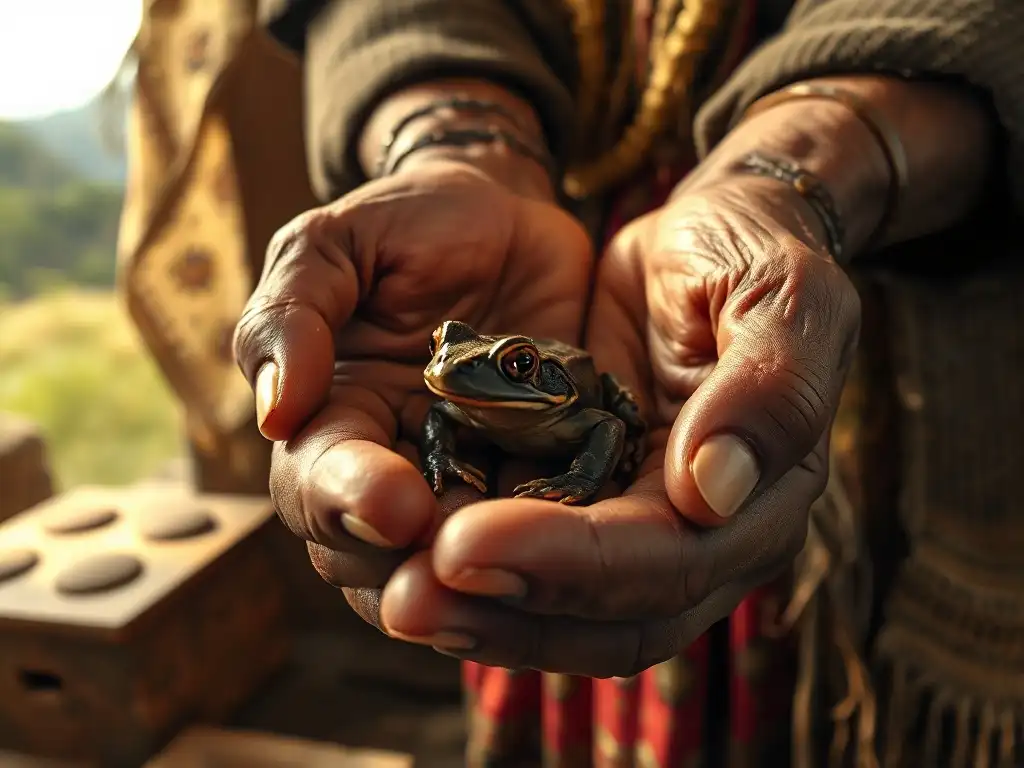
The Andean frog ritual, far from being a simple ceremony, held profound significance for several Andean cultures, representing a complex interplay of beliefs surrounding fertility, abundance, and the delicate balance between humanity and the natural world. Understanding the Andean frog ritual meaning requires delving into the intricate symbolism associated with the amphibian and its connection to the agricultural cycles crucial to the survival of these societies.
The rituals weren't merely superstitious practices; they were deeply embedded in the Andean worldview, reflecting their profound respect for the natural world and their sophisticated understanding of ecological principles. The keyword phrase "Andean frog ritual meaning" encapsulates the central theme of this exploration.
Fertility and the Andean Frog: A Deep-Rooted Connection
Understanding the Link Between Frogs and Reproductive Cycles
The association between frogs and fertility is widespread across many cultures, and the Andes are no exception. Frogs, with their prolific reproductive capabilities, symbolized the potent life-giving force of nature. The rapid multiplication of tadpoles mirrored the desired abundance in agricultural yields and the growth of the community.
Many Andean cultures believed that the frog's life cycle, from aquatic egg to terrestrial adult, mirrored the cyclical nature of life, death, and rebirth, further reinforcing its connection to fertility and regeneration. Archaeological evidence, such as depictions of frogs in pottery and textiles from various Andean cultures, supports this interpretation. The imagery often appears alongside other fertility symbols, strengthening the connection.
The Frog as a Metaphor for Growth and Prosperity
Beyond mere reproduction, the frog's metamorphosis served as a potent metaphor for growth and prosperity. Its transformation from a seemingly insignificant tadpole into a fully developed frog symbolized the potential for individual and communal development. This potent image resonated deeply with Andean communities, who viewed the frog as a symbol of hope, promising abundant harvests and a thriving society.
The ritualistic invocation of the frog's power aimed not only to ensure reproductive success but also to foster overall growth and well-being within the community. The ritual's success was believed to be directly linked to the prosperity of the community as a whole.
Abundance and the Andean Ritual: Ensuring Agricultural Success
How Frog Rituals Influenced Crop Yields
The Andean civilizations were heavily reliant on agriculture. Their survival depended on successful harvests, making the cultivation of crops a central concern. Frog rituals were believed to directly influence crop yields. The rituals often involved offerings of food and drink to appease the spirits associated with fertility and abundance, with the frog acting as a powerful intermediary.
These offerings were not simply acts of appeasement; they were expressions of reciprocity, reflecting the Andean understanding of a balanced relationship between humans and the environment. The success of the harvest was seen as a direct consequence of this reciprocal relationship. Detailed accounts of these rituals, though often fragmented, provide glimpses into their complexity and importance. For example, [specific details on offerings and ritual practices pending].
The Andean Concept of Reciprocity with Nature
The Andean worldview emphasized a profound sense of reciprocity with nature. Humans were not seen as separate from, but rather as integral parts of, the natural world. The frog rituals embodied this principle. By offering gifts to the spirits and honoring the life-giving power of the frog, Andean communities sought to maintain a harmonious relationship with the environment. This ensured the continued provision of resources, including bountiful harvests.
The failure to maintain this reciprocal relationship was believed to lead to imbalance and hardship. The concept of ayni, a Quechua term denoting reciprocal exchange, perfectly encapsulates this worldview. The frog ritual, therefore, was not just about securing material abundance; it was about fostering a sustainable and harmonious existence within the Andean ecosystem. This nuanced understanding of the ritual's purpose sheds light on the deep ecological consciousness of these ancient societies.
Variations in Andean Frog Ritual Practices
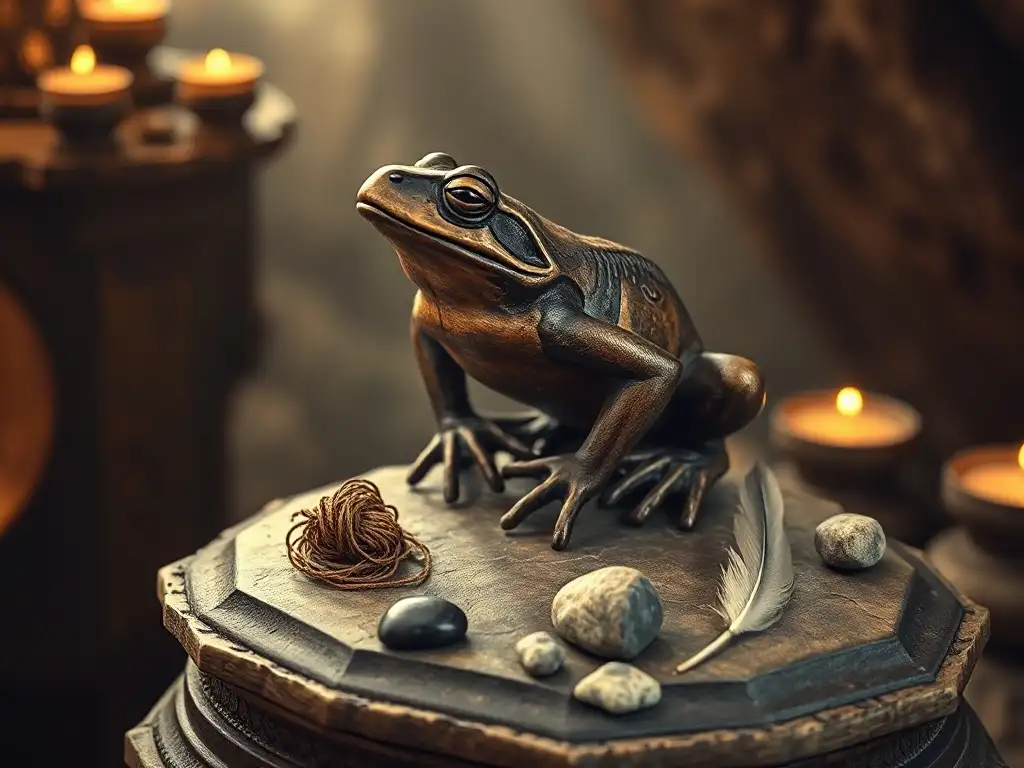
The Andean frog, a symbol deeply embedded in the cosmovision of various Andean cultures, held multifaceted meanings and was incorporated into rituals in diverse ways. Understanding the nuances of these practices requires examining regional variations and common threads that weave together the tapestry of Andean spirituality. The significance of the "Andean frog ritual meaning" varies considerably depending on the specific culture and location within the vast Andean region. This section will explore some key differences and similarities.
Regional Differences in Frog Rituals Across the Andes
The interpretation and execution of frog rituals varied significantly across the different Andean cultures. While the overarching theme of fertility and abundance remained consistent, the specific practices and symbolic representations differed considerably. This wasn't simply a matter of geographical separation; diverse ecological zones and unique cultural beliefs shaped the rituals.
The Inca's use of frog imagery in Inti Raymi celebrations
While direct evidence of a specific "frog ritual" within Inca practices is limited, frog imagery frequently appeared in Inca art and architecture associated with Inti Raymi, the festival celebrating the winter solstice and the sun god Inti. Frog motifs, often carved into stone or woven into textiles, may have symbolized the renewal of life and the abundance promised by the returning sun. The abundance of water and the life it sustains, symbolized by the frog, was crucial for agricultural success, a cornerstone of Inca society.
Further research is needed to fully understand the nuanced role of frog imagery within the broader context of Inti Raymi celebrations. More detailed archaeological investigation may uncover further evidence of specific rituals.
Moche depictions of frog deities on ceramic vessels
The Moche civilization, known for its sophisticated artistry, frequently depicted frog deities on their elaborate ceramic vessels. These depictions often show frogs in anthropomorphic forms, sometimes wielding scepters or adorned with elaborate headdresses. These artistic representations suggest a significant role for frog deities within their pantheon, possibly associated with water deities or fertility goddesses.
The Moche's arid coastal environment likely heightened the importance of water and thus the symbolic power of the frog, representing the life-giving properties of water in their otherwise harsh environment. The detail and artistry of these ceramic pieces highlight the deep cultural significance assigned to the frog within the Moche worldview. The variety of depictions also suggests a complex and multifaceted understanding of the frog's symbolic power.
Common Elements in Andean Frog Ceremonies
Despite the regional variations, some common elements appear across different Andean cultures in ceremonies involving the frog. These shared elements suggest a deeper, interconnected understanding of the frog's symbolic significance across various Andean groups.
Use of coca leaves and chicha offerings
The use of coca leaves and chicha (fermented maize beverage) as offerings was a common practice in many Andean rituals, including those likely involving frogs. Coca, revered for its energizing and spiritual properties, may have been offered to appease the spirits associated with water and fertility, ensuring bountiful harvests and healthy livestock. Chicha, a staple drink in Andean cultures, served as a sacred offering to deities and ancestors, further reinforcing the connection between the ritual and the broader Andean cosmology.
The combination of coca and chicha likely enhanced the ritual's efficacy, creating a powerful symbolic offering. Anthropological studies provide evidence of this widespread practice across various Andean cultures.
The Role of Yatiris and Curanderos
In many Andean cultures, yatiri (shamans) and curanderos (healers) played a crucial role in conducting frog-related ceremonies. These spiritual leaders were believed to possess the knowledge and ability to communicate with the spirit world and mediate between humans and the supernatural forces associated with water and fertility. They may have used the frog as a focal point for healing rituals, seeking to harness the frog's life-giving energy to cure illnesses or improve fertility.
Their expertise was essential in interpreting the significance of frog appearances and ensuring the successful execution of the rituals. The legacy of yatiri and curanderos continues to influence Andean spirituality today, demonstrating the enduring impact of their traditional roles. Further research into specific regional practices would reveal the specific roles of these spiritual leaders in various Andean communities.
The Legacy of the Andean Frog Ritual
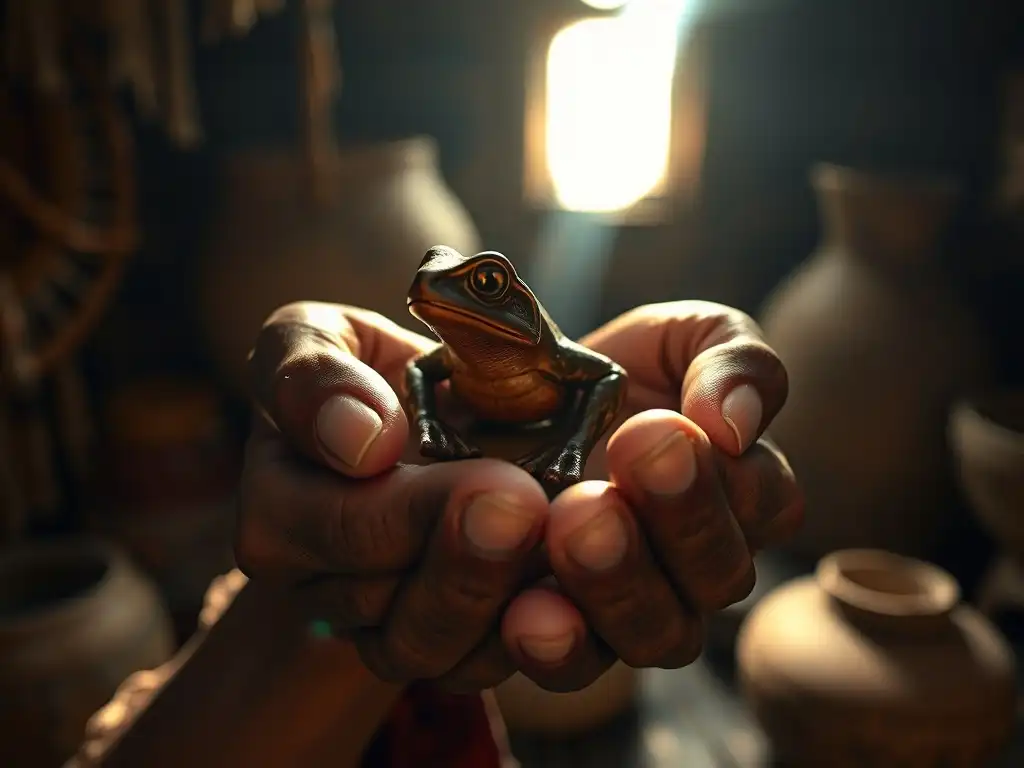
The Andean frog ritual, deeply entwined with the beliefs and practices of various pre-Columbian Andean cultures, continues to resonate in modern interpretations of Andean spirituality. Its enduring power stems from its potent symbolism, representing fertility, abundance, and the cyclical renewal of life, mirroring the vital role of water in the Andean ecosystem. Understanding the enduring legacy of this ritual provides insight into the complex relationship between Andean peoples and their environment, a relationship that shaped their religious beliefs, agricultural practices, and social structures.
The significance of the Andean frog ritual meaning extends far beyond a simple religious practice; it’s a reflection of a profound connection to the land and its life-giving forces. Analysis of surviving artifacts and ethnographic studies reveals the multifaceted nature of this enduring tradition, highlighting its adaptability and resilience across centuries.
The Enduring Influence of Frog Symbolism in Andean Culture
The frog's symbolic power in Andean culture is evident in a wide array of artistic and religious expressions. Its association with water, rain, and fertility is consistently depicted across different Andean civilizations. The amphibious nature of the frog—its ability to transition between land and water—likely contributed to its sacred status, symbolizing the cyclical processes of life, death, and rebirth crucial to Andean cosmology. This symbolism is not merely decorative; it's deeply embedded in the worldview of the Andean peoples.
Frog Motifs in Tiwanaku textiles and stone carvings
The Tiwanaku civilization, renowned for its sophisticated artistry, frequently incorporated frog motifs into their textiles and stone carvings. These depictions, often intricately detailed, showcase the frog not just as a simple animal, but as a powerful symbol within the broader Tiwanaku religious system. While the precise meaning of each representation may be debated by scholars, the consistent presence of the frog motif across various mediums suggests its central importance in their worldview.
Detailed analyses of these artifacts reveal subtle variations in the frog's portrayal, potentially indicating different aspects of its symbolic meaning within the Tiwanaku pantheon. For example, some carvings show frogs associated with water deities, while others portray them in contexts suggesting agricultural fertility. Further research into the stylistic variations and contextual placement of these frog motifs would provide richer insights into their symbolic significance within Tiwanaku culture.
The Continuing Relevance of Andean Traditions
Despite the passage of centuries and the impact of colonization, many Andean traditions continue to thrive. The enduring power of the frog as a symbol of fertility and abundance is testament to the resilience of Andean cultural heritage. While the precise forms of ritual practice may have evolved, the underlying beliefs and symbolic meanings associated with the frog remain relevant to contemporary Andean communities. Many modern Andean practices retain elements of their pre-Columbian predecessors, demonstrating a remarkable continuity of cultural memory and spiritual practice. This continuity underlines the importance of preserving and understanding these traditions for future generations.
The Andean Frog Ritual in Modern Times
The Andean frog ritual, though altered by the passage of time and the influence of external forces, continues to manifest in contemporary Andean spiritual practices. While some rituals may have been suppressed or adapted to incorporate elements of syncretism, the core symbolism and significance of the frog remain potent. The legacy of the ancient rituals is visible in various forms, including contemporary ceremonies and the continued use of frog imagery in art and religious objects.
Contemporary Aymara rain ceremonies incorporating frog symbolism
Among the Aymara people, rain ceremonies continue to play a vital role in agricultural practices and community well-being. These ceremonies often incorporate frog symbolism, reflecting the enduring importance of the amphibian's association with water and fertility. The specific rituals vary across different Aymara communities, but the underlying symbolism of the frog as a mediator between the earthly and spiritual realms remains consistently relevant.
Detailed accounts of these contemporary rain ceremonies highlight the dynamism of Andean traditions, demonstrating their capacity to adapt and evolve while retaining their core cultural meanings. Anthropologists and researchers continue to study these practices, documenting their evolution and providing valuable insights into the living cultural landscape of the Andes.
The Importance of Preserving Andean Cultural Heritage
Preserving the rich tapestry of Andean cultural heritage, including the enduring legacy of the frog ritual, is paramount. These traditions represent not only a historical record but also a living cultural expression that holds deep significance for contemporary Andean communities. Continued research, documentation, and respectful engagement with Andean communities are essential to ensure that these traditions are preserved and understood for future generations.
Protecting this cultural heritage contributes to the broader understanding of human history and the diverse ways in which societies have interacted with their environments. The preservation of Andean traditions, like the frog ritual, offers invaluable insights into human spirituality, agriculture, and the enduring power of symbolic thought. The ongoing study of Andean cultures is crucial, not only for academic understanding but also for supporting the vitality of these living traditions.
Conclusion: Understanding the Profound Meaning of the Andean Frog Ritual
The Andean frog ritual, far from being a simple ceremony, represents a complex interplay of beliefs, practices, and symbolic representations deeply rooted in the Andean worldview. Understanding its significance requires moving beyond a superficial interpretation and delving into the rich tapestry of Andean cosmology, agricultural practices, and societal structures.
The ritual's enduring legacy highlights the importance placed on fertility, abundance, and the interconnectedness of the natural and spiritual worlds by these ancient cultures. The frog, as a potent symbol of life, renewal, and water – essential for Andean agriculture – served as a powerful conduit for communicating with the supernatural realm and ensuring the prosperity of the community.
Further research into specific regional variations and archaeological findings could shed even more light on the nuances of this fascinating ritual. The enduring power of the Andean frog ritual demonstrates the enduring relevance of understanding ancient practices in the context of their unique cultural and environmental landscapes.
The Andean Frog Ritual: More Than Just a Ceremony
The Andean frog ritual wasn't merely a performance; it was a vital component of Andean life, deeply intertwined with their agricultural cycle and spiritual beliefs. The timing of the ritual, often coinciding with planting seasons, suggests a direct connection between the ritual's success and the abundance of the harvest. Archaeological evidence, such as the discovery of frog figurines and depictions in pottery, corroborates the importance of the frog as a sacred symbol.
These artifacts often exhibit intricate detail, suggesting a profound reverence for the amphibian and its symbolic meaning. Furthermore, the ritual likely involved specific offerings, chants, and dances, all intended to invoke the divine forces associated with fertility and water.
While the precise details of these ceremonies may remain partially obscured by the passage of time, the available evidence strongly indicates a highly structured and meaningful practice. The ritual's effectiveness wasn't simply a matter of faith; it likely also served as a social mechanism, reinforcing community bonds and shared beliefs.
Honoring the Wisdom of the Ancient Andean People
Understanding the Andean frog ritual allows us to appreciate the sophisticated understanding of the natural world possessed by the ancient Andean people. Their reverence for the frog, a creature intimately linked to water and fertility, reflects a deep ecological awareness and a sophisticated understanding of the delicate balance within their environment. Their rituals weren't arbitrary acts but carefully constructed practices designed to ensure the well-being of their communities.
By studying these rituals, we gain insights into the Andean cosmovision, a worldview that emphasized the interconnectedness of all living things and the spiritual significance of the natural world. This perspective offers valuable lessons for contemporary societies grappling with environmental challenges and the need for sustainable practices. The legacy of the Andean frog ritual serves as a reminder of the profound wisdom embedded within ancient traditions and the importance of preserving and understanding these cultural treasures.
Their intricate understanding of the environment and their sophisticated ritual practices offer valuable lessons for modern approaches to agriculture and environmental stewardship. The Andean people's deep connection to nature serves as a powerful example for contemporary societies striving for sustainability and ecological harmony.
Frequently Asked Questions
What is the significance of frogs in Andean cultures?
Frogs held significant symbolic meaning in various Andean cultures. They were often associated with fertility, abundance, and water, vital elements for Andean agriculture and life. Their presence in rituals reflected these beliefs.
What role did frogs play in Andean rituals?
Frogs featured prominently in ritual offerings and ceremonies, particularly those connected to agriculture and water. Their association with renewal and rebirth made them powerful symbols in these practices.
Were all Andean cultures equally focused on frog symbolism?
While frog symbolism was widespread, its specific meaning and prominence varied across different Andean cultures (Inca, Moche, Nazca etc.). Some cultures emphasized it more than others, reflecting their unique beliefs and practices.
How did the Andean people use frogs in their rituals?
The use of frogs in rituals could involve offerings of live or mummified frogs, or the depiction of frogs in art and textiles. These practices aimed to ensure fertility, good harvests, and plentiful rainfall.
Where can I find more information about Andean frog rituals?
You can find more information through academic research papers and books focusing on Andean archaeology and anthropology, as well as museum exhibits dedicated to Andean civilizations. Online resources specializing in Andean history can also prove helpful.
Final Reflection: Echoes of the Andean Frog: A Legacy of Life and Renewal
The Andean frog ritual, far from being a relic of the past, continues to resonate with contemporary concerns about environmental stewardship and the enduring human need for connection with the natural world. Its symbolism of fertility and abundance offers a powerful counterpoint to the anxieties of a rapidly changing planet, reminding us of the delicate balance between human society and the ecosystems that sustain us.
The enduring power of this ritual lies not just in its historical significance, but in its ability to speak to our deepest desires for prosperity and continuity. It's a testament to the ingenuity and spiritual depth of Andean cultures, their profound understanding of the interconnectedness of life. The earth gives birth, and we, in turn, must nurture her bounty.
This unspoken agreement, reflected in the ritual, holds a crucial lesson for us today as we grapple with the consequences of environmental degradation and the urgent need for sustainable practices.
Consider the profound implications of this ancient practice. How can we, in our own lives, cultivate a similar respect for the natural world and a deeper understanding of the cyclical nature of life and renewal? Let the image of the Andean frog, a symbol of life's regenerative power, inspire you to act. Embrace sustainable practices, advocate for environmental protection, and seek deeper connections with the natural world around you. The legacy of the Andean frog ritual calls us to be stewards of our planet, ensuring abundance not just for ourselves, but for generations to come.
Embrace Abundance and Connect with Nature!
Thank you for exploring the fascinating Andean Frog Ritual! Your interest in this rich cultural practice deepens your understanding of Andean civilizations and connects you to timeless themes of fertility and abundance. Let's continue this journey together!
Here are a few simple ways to strengthen your connection:
- Join a community garden: Cultivate your own food and experience the direct connection to nature, mirroring the fertility celebrated in Andean rituals.
- Share this article: Spread awareness of the importance of cultural practices by discussing your insights with friends and family.
- Cook a traditional Andean dish: Savor the authentic flavors of the Andes and explore the region's rich agricultural heritage through its cuisine.
What aspects of the Andean approach to abundance resonate most with you, and how can you integrate these values into your daily life?