
Andean Shamanic Art: Depictions of Spiritual Journeys and Supernatural Encounters

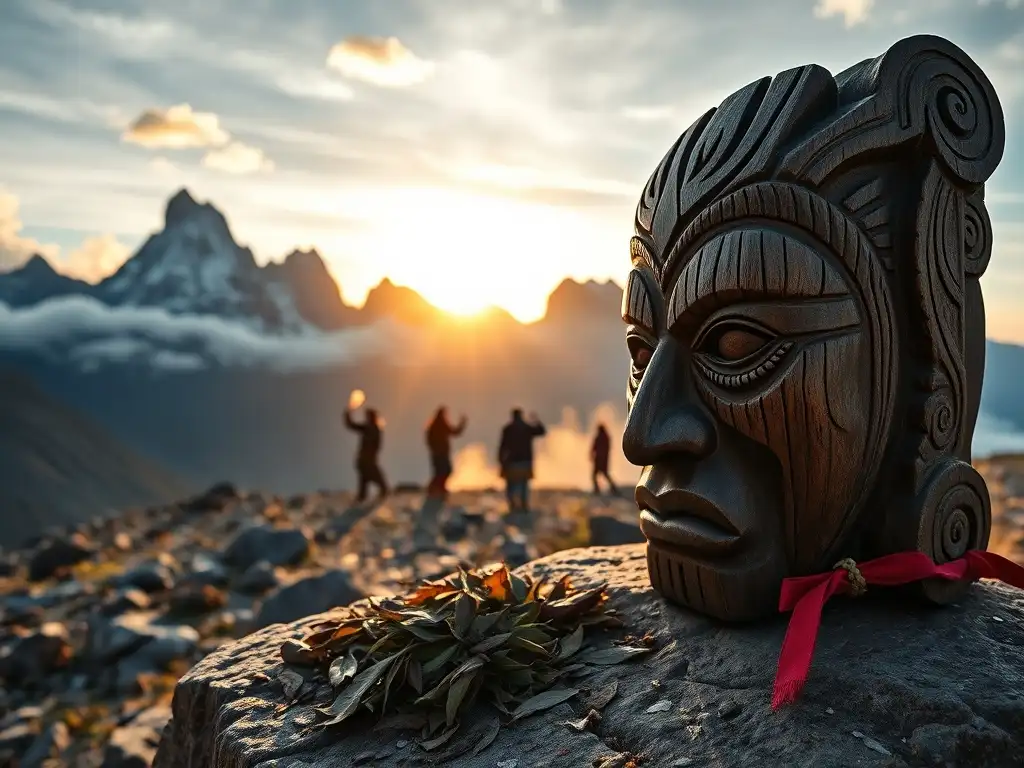
Step into a world lost to time, yet echoing with vibrant spirituality. Dive into the mesmerizing realm of Andean civilizations, where intricate artistry intertwined with profound spiritual beliefs. Discover the secrets held within Andean shamanic art examples, revealing glimpses into ancient rituals and supernatural encounters. Prepare to be captivated by the power and mystery of a world where the human and the divine were inextricably linked. Unravel the enigmatic stories etched in stone and woven in textiles – your journey into the heart of Andean cosmovision begins now.
The Andean region, home to a vibrant tapestry of ancient cultures, boasts a rich artistic tradition deeply intertwined with shamanic practices and spiritual beliefs. This article explores the fascinating world of Andean shamanic art, examining its diverse forms, symbolic representations, and the insights it offers into the spiritual journeys and supernatural encounters central to Andean cosmovision.
From the intricate textiles of the Nazca to the powerful ceramics of the Moche, we will delve into specific examples that illuminate the role of shamans and their connection to the supernatural realm, revealing how art served as a powerful medium for expressing, interpreting, and transmitting these profound spiritual experiences. Understanding Andean shamanic art provides a crucial key to unlocking a deeper comprehension of Andean religion and the complex relationship between the human and spiritual worlds.
We will analyze how these artistic depictions reflect not only the shaman's personal experiences but also the broader societal beliefs and practices surrounding shamanism in the Andes. This exploration will significantly contribute to our understanding of "Andean shamanic art examples" and their significance within the wider context of Andean culture.
Textiles as Portals to the Otherworld: Nazca Shamanic Imagery
Nazca textiles, renowned for their intricate designs and vibrant colors, often feature imagery directly related to shamanic practices. Detailed depictions of figures in ritualistic poses, adorned with elaborate headdresses and holding ceremonial objects, suggest scenes of altered states of consciousness and interactions with supernatural beings. Many examples show shamans seemingly in flight, or surrounded by mythical creatures, reflecting the shaman's ability to traverse between the earthly and spiritual realms.
The use of specific colors and motifs, such as stylized birds and serpents, further underscores the connection to the supernatural, symbolizing power, transformation, and communication with the spirit world. The complexity of these designs points to a highly developed understanding of shamanic practices and their representation within the artistic context.
Analysis of textile fragments reveals a consistent thematic pattern, suggesting a shared understanding of shamanic experiences within Nazca society. Further research into the dyes and materials used could reveal even more about the rituals and beliefs surrounding these powerful artistic creations.
Ceramic Representations of Supernatural Encounters: Moche Iconography
Moche pottery provides another rich source of information on Andean shamanic art. Unlike the more abstract representations found in Nazca textiles, Moche ceramics often depict highly realistic and visceral scenes of shamanic rituals and encounters with supernatural entities. Many vessels show shamans engaging in ritualistic practices, often involving hallucinogenic substances, depicted with striking detail and emotional intensity.
The depictions of these experiences are often gruesome, yet captivating, showcasing the power and danger associated with shamanic journeys. Some ceramics depict supernatural beings, such as jaguars, serpents, and other mythical creatures, interacting with shamans, illustrating the close relationship between the human and spirit worlds. The use of vivid colors and dynamic compositions heightens the sense of drama and mystery, emphasizing the transformative nature of these encounters.
The detailed depictions of these ceremonies, including specific tools and offerings, provide valuable insights into the practices and beliefs of the Moche shamanic tradition. Analyzing the stylistic variations across different Moche ceramic pieces can illuminate regional differences in shamanic practices and beliefs.
Beyond Textiles and Ceramics: Other Manifestations of Andean Shamanic Art
While textiles and ceramics represent the most readily available and studied examples of Andean shamanic art, other artistic forms also reflect the importance of shamanic practices. For example, [specific information pending] regarding metalwork, stone carvings, and even cave paintings, which may contain symbolic representations of shamanic journeys and supernatural beings. The limited existing research suggests a diverse range of artistic expressions that reflect the widespread influence of shamanism across different Andean cultures.
Further investigation is needed to fully understand the nuances and variations in the representation of shamanic experiences across these diverse media. The study of these artistic expressions holds the potential to uncover further insights into the beliefs, practices, and social significance of shamanism in the ancient Andes. This exploration would offer a more complete picture of Andean shamanic art examples, enriching our understanding of the spiritual landscape of this fascinating region.
- Textiles as Portals to the Otherworld: Nazca Shamanic Imagery
- Ceramic Representations of Supernatural Encounters: Moche Iconography
- Beyond Textiles and Ceramics: Other Manifestations of Andean Shamanic Art
- Depictions of Coca Leaves and other Sacred Plants
- The Transformation of Yatiris into Animal Spirits
- Representations of Pachamama and Apus
- Visualizing Shamanic Journeys: The Inner Landscape
- Supernatural Encounters: Depictions of Ayahuasca Visions and Other Hallucinogens
- Symbolic Representation of Spirits and Deities: The Andean Pantheon in Art
Understanding Andean Shamanism and its Artistic Expression
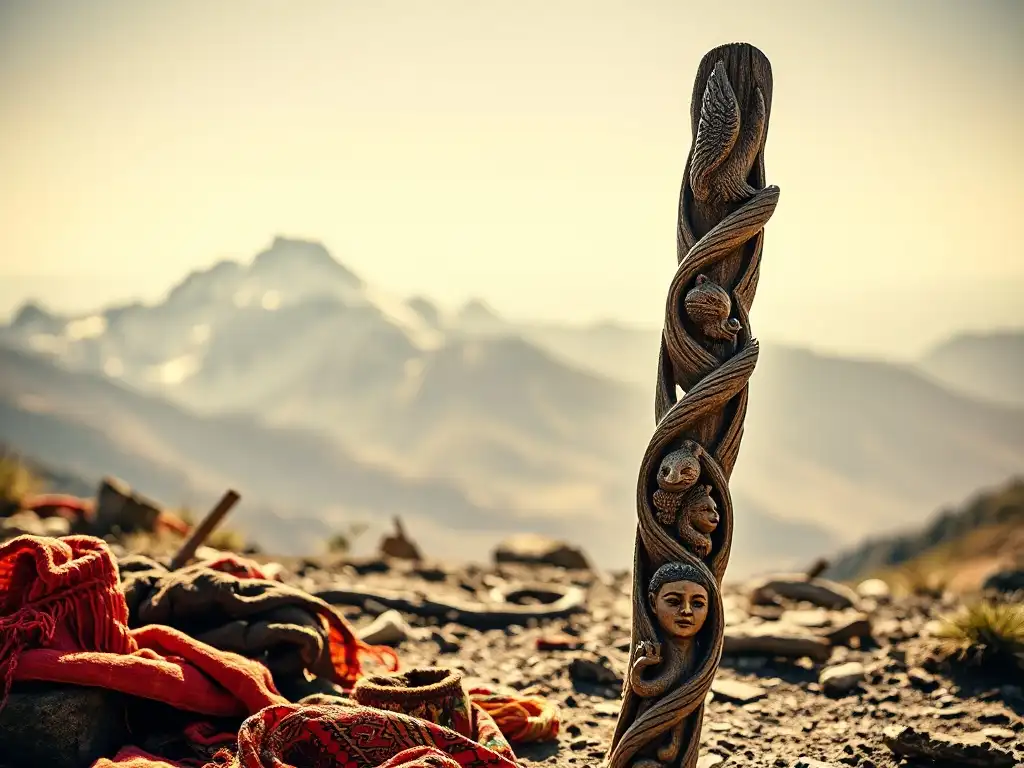
Andean shamanic art offers a captivating window into the complex spiritual beliefs and practices of ancient Andean cultures. These weren't simply decorative items; they were powerful tools used in rituals, conveying profound cosmological understandings and experiences. The art forms, ranging from intricate textiles to meticulously crafted ceramics and monumental sculptures, served as tangible representations of the shaman's journey into the supernatural realm and their interactions with deities and spirits. Analyzing these artistic expressions provides invaluable insights into the beliefs and practices of Andean shamans, illuminating their crucial role in Andean societies.
The rich tapestry of Andean shamanic art examples reveals a sophisticated system of beliefs centered around the interconnectedness of the human world with the supernatural. Understanding this connection is key to comprehending the significance of the art itself. The artistic depictions weren't passive observations; they actively participated in shaping and maintaining the spiritual balance of the Andean world.
The Role of Yatiris in Aymara Societies
The Aymara people, inhabiting the Altiplano region of the Andes, provide a compelling case study for understanding the relationship between shamanic practice and artistic expression. Aymara shamans, known as yatiri, held (and continue to hold) a pivotal position within their communities. Their expertise extended beyond healing; they were also responsible for interpreting dreams, predicting the future, and communicating with the spirit world. Yatiris used various tools and techniques during their rituals, many of which are reflected in Aymara art.
For instance, ch'alla ceremonies, involving offerings to the apus (mountain spirits), are frequently depicted in textiles and ceramics. These depictions often feature stylized representations of mountains, llamas (sacred animals), and coca leaves (essential to ritual offerings). The vibrant colors and intricate weaving techniques used in these textiles are not merely aesthetic choices; they reflect the yatiri's profound connection to the Andean landscape and its spiritual energies.
Analyzing the symbolism within these artworks offers a detailed understanding of the Aymara cosmology and the yatiri's role in maintaining its equilibrium. The specific iconography, including representations of celestial bodies, mythical creatures, and ancestral figures, adds layers of meaning to the artistic representations of their spiritual practices. The meticulous detail in the creation of these objects underscores their sacred purpose and the importance of the yatiri within Aymara society.
The Connection Between Ritual Practices and Art
The connection between Andean shamanic ritual practices and artistic expression is profoundly intertwined. The art wasn't created merely to depict events; it was an integral part of the ritual itself. Textiles, for example, often served as mediums for communicating with the spirit world. Specific patterns and colors held symbolic meanings, acting as conduits for shamanic power. The creation process itself was often imbued with spiritual significance, with shamans guiding the artisans and imbuing the artwork with their energy.
Consider the intricate designs found on Nazca ceramics, for instance. These often depict shamanic figures engaged in ritual acts, interacting with supernatural beings and navigating between different realms. The dynamic compositions and vivid imagery suggest a powerful connection between the artist and the spiritual world, implying that the creation of these objects was a ritual in itself. Furthermore, the use of specific materials—like precious metals, feathers, and stones—further underscores the sacred nature of these artifacts. These weren't simply decorative elements; they amplified the spiritual power inherent in the artwork.
The detailed depictions found on various artifacts, from pottery to textiles, provide tangible evidence of the shaman's role in mediating between the human and supernatural worlds. The artistry wasn't simply a record; it was a participant in the ongoing spiritual dialogue. The enduring legacy of Andean shamanic art lies not only in its aesthetic beauty but also in its profound spiritual significance, offering a rich and nuanced understanding of Andean religious practices. Further research into specific artistic traditions across different Andean cultures could reveal even more detailed connections between ritual and artistic expression.
Key Themes in Andean Shamanic Art Examples
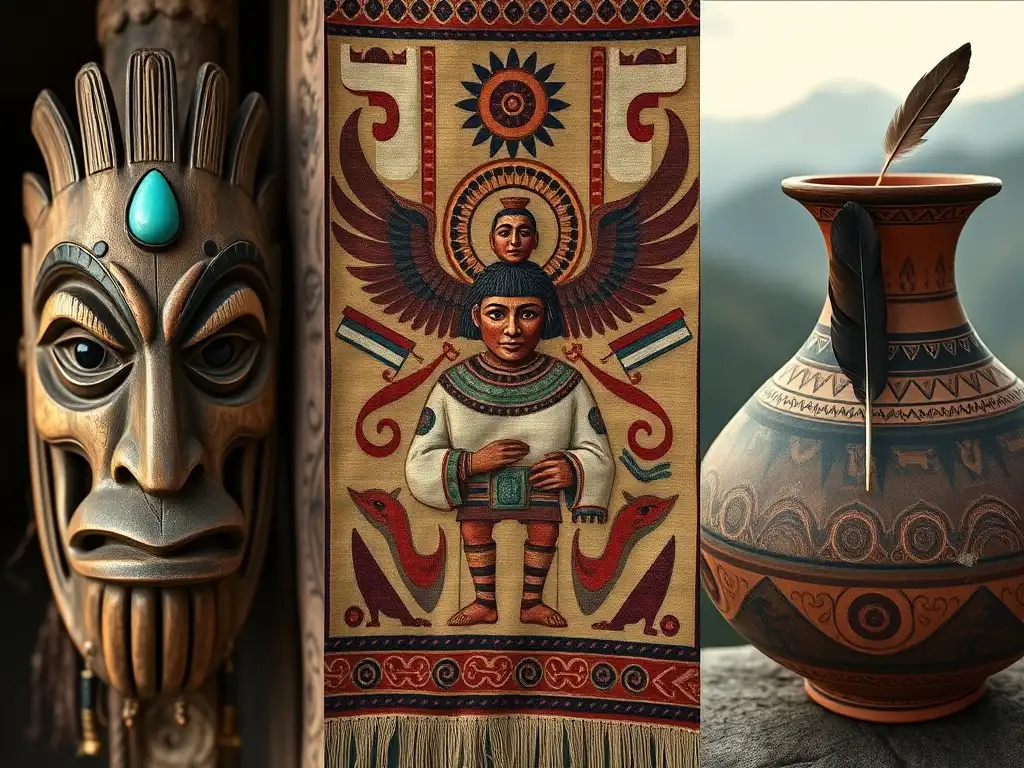
This section delves into recurring motifs and symbolic representations found within Andean shamanic art, providing concrete examples to illustrate the rich tapestry of spiritual beliefs and practices reflected in these artistic expressions. Understanding these themes is crucial to appreciating the depth and complexity of Andean shamanic traditions and their enduring legacy. We will explore how these artistic depictions offer valuable insights into the shamanic worldview and their interactions with the supernatural.
The analysis focuses on the visual language employed, identifying patterns and symbolism that reveal the shaman's journey and connection to the spiritual realm. This exploration aims to illuminate the significance of “Andean shamanic art examples” for understanding Andean cosmology.
Depictions of Coca Leaves and other Sacred Plants
Coca leaves ( Erythroxylum coca) hold immense significance in Andean cultures, serving not only as a stimulant but also as a sacred plant deeply interwoven with religious rituals and shamanic practices. Their depiction in art often symbolizes connection to the spiritual world, facilitating communication with deities and ancestors. Many examples exist across different Andean cultures, showcasing variations in artistic style while maintaining a consistent symbolic weight.
For example, Moche pottery frequently portrays coca leaves alongside other sacred plants like huamanripa (a type of Datura) and tobacco. These depictions often appear in scenes of ritual offerings or shamanic trances, suggesting their role in altering consciousness and facilitating communication with the spirit world. The meticulous detail in the rendering of the leaves, their arrangement, and their association with other ritual objects underscores their importance in shamanic practices.
Furthermore, the Nazca culture, known for its intricate geoglyphs, also incorporated plant motifs into their textiles and ceramics. While less directly linked to shamanism than Moche depictions, the stylized representation of coca leaves in Nazca textiles hints at their symbolic value within their broader religious system. The precise arrangement and repetition of the coca leaf imagery suggests carefully considered ritual significance, underscoring the deep-rooted cultural importance of this plant. Further research is needed to fully understand the nuances of coca leaf representations across various Andean cultures, [Specific examples of Nazca coca leaf depictions pending].
The Transformation of Yatiris into Animal Spirits
Andean shamanic art frequently portrays the transformation of yatiri (shamans) into animal spirits, a key element in their ability to navigate the supernatural world. This metamorphoses reflects the shaman's power to shift between realms and interact with diverse spiritual entities. The choice of animal often reflects the specific power or attribute being invoked.
For instance, the transformation into a condor, a powerful and sacred bird, often symbolizes access to the upper world and communication with celestial deities. Conversely, transformation into a serpent might signify connection to the underworld and ancestral spirits. These transformations are vividly depicted in textile art, ceramics, and stone carvings, often showcasing hybrid forms combining human and animal features, highlighting the fluidity between these realms.
The visual representation of these transformations often employs symbolic elements such as feathers, claws, or scales, reinforcing the shaman's altered state and enhanced abilities. The artistic style varies across different Andean cultures, yet the underlying theme of shape-shifting and the shaman's mastery over spiritual forces remain consistent. [Further analysis of specific examples of animal transformations in different Andean styles pending].
Representations of Pachamama and Apus
Pachamama, the Earth Mother, and the Apus, mountain spirits, are central figures in Andean cosmology. Their depiction in shamanic art reflects their pivotal role in the shaman's relationship with the natural world and the spiritual forces that govern it. These representations often emphasize the interconnectedness between the human and spiritual realms, highlighting the shaman's role as a mediator between these spheres.
The depictions of Pachamama often showcase her nurturing aspects, portraying her as a fertile earth goddess providing sustenance and life. She is frequently represented as a female figure adorned with agricultural symbols or surrounded by plants and animals. In contrast, the Apus are often depicted as powerful, majestic mountain figures, their imposing presence reflecting their control over weather, water, and other natural forces. The visual representation of these deities frequently involves symbolic elements such as mountains, rivers, and clouds, emphasizing their connection to the Andean landscape.
The artistic styles representing Pachamama and the Apus vary considerably across different Andean cultures, ranging from simple, geometric designs to highly detailed, figurative representations. However, the symbolic significance of these figures remains consistent, reflecting their central importance in the Andean worldview and the shaman's role in maintaining harmony between the human and spiritual worlds. [Detailed analysis of specific examples of Pachamama and Apus depictions in different Andean art styles pending].
Visualizing Shamanic Journeys: The Inner Landscape
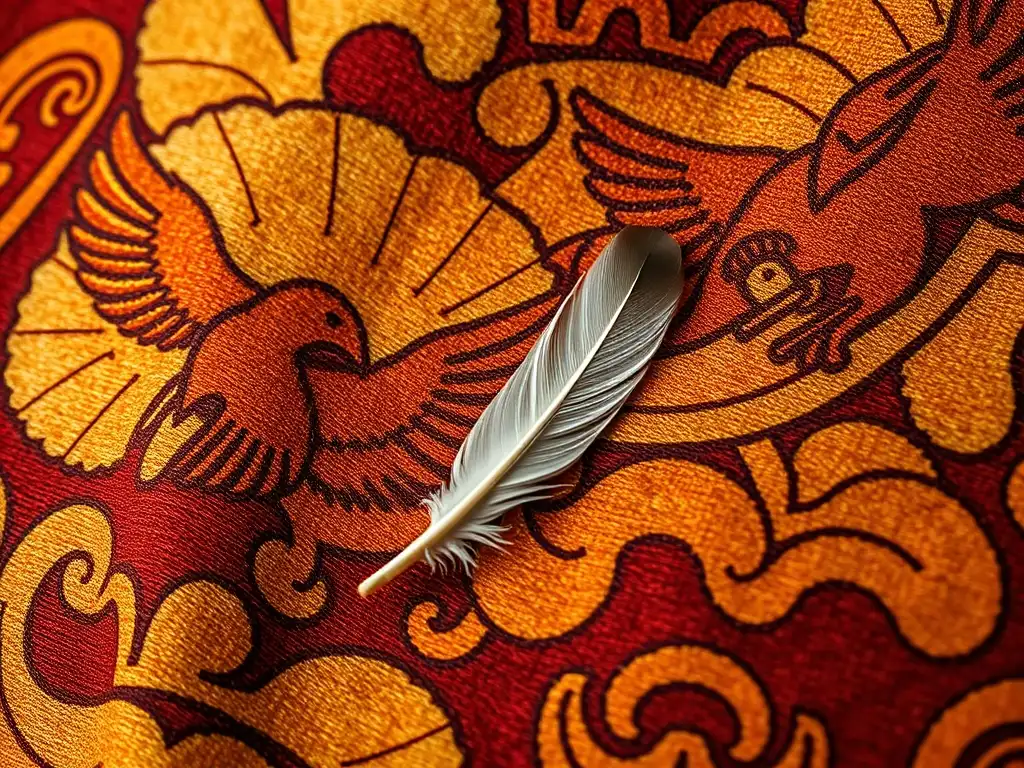
Andean shamanic art frequently depicts the inner landscapes traversed during altered states of consciousness. These aren't literal representations of physical locations, but rather symbolic visualizations of the spiritual journeys undertaken by shamans. The intricate details within these artworks offer clues to the shaman's experiences, revealing a complex cosmology and understanding of the spirit world. For example, the recurring motif of serpentine figures winding through mountainous landscapes might symbolize the shaman's journey through the underworld or the winding path of spiritual transformation.
The use of vibrant colors, often imbued with symbolic meaning, further enhances the sense of movement and transformation within these internal landscapes. The artist's skill in portraying these abstract concepts in a tangible form speaks volumes about the sophistication of Andean spiritual practices and their ability to communicate complex ideas through visual means. We see a clear connection between the artist's skill and the shaman's spiritual journey, a collaboration that transcends the physical and enters the realm of the spiritual.
The careful arrangement of elements within the artwork, the deliberate use of perspective and composition, all contribute to the overall impression of a journey, a dynamic process rather than a static scene. These artistic representations offer invaluable insights into the shamanic experience, allowing us to glimpse the inner world of the practitioner and the spiritual forces they encountered. The lack of readily available detailed photographic documentation of all surviving examples makes it difficult to offer more precise examples, but future research promises to shed more light on these intricate representations.
Supernatural Encounters: Depictions of Ayahuasca Visions and Other Hallucinogens
The use of hallucinogenic substances, such as ayahuasca (though evidence suggests its use wasn’t as widespread in the Andes as in the Amazon), played a crucial role in Andean shamanic practices. Andean shamanic art often depicts the visions and encounters experienced under the influence of these substances. These depictions may include fantastical creatures, hybrid beings, and otherworldly landscapes that defy conventional reality.
The artist's ability to translate these hallucinatory experiences into a visual form is remarkable. The resulting artwork offers a window into the shaman's altered state of consciousness, providing valuable insights into the nature of the visions and their spiritual significance. Many of these depictions involve a complex interplay of human and animal forms, reflecting the Andean belief in the interconnectedness of the natural and supernatural worlds.
Furthermore, the use of specific colors and symbols within these artworks may correspond to particular visions or spiritual entities encountered during the shamanic experience. Unfortunately, precise correlations between specific hallucinogens and specific artistic motifs remain largely unconfirmed due to the inherent difficulties in interpreting ancient artifacts and the scarcity of direct historical accounts. However, the sheer strangeness and otherworldly nature of many of the surviving pieces strongly suggest the influence of altered states of consciousness.
Symbolic Representation of Spirits and Deities: The Andean Pantheon in Art
Andean shamanic art is replete with depictions of spirits and deities, reflecting the complex pantheon of the Andean worldview. These representations often take the form of anthropomorphic figures, hybrid creatures, or abstract symbols, each carrying its own unique meaning and significance within the Andean cosmology. The specific attributes of these figures, such as their clothing, adornments, and posture, can provide clues to their identity and function within the spiritual world.
For example, the presence of specific headwear or jewelry might indicate a particular deity or spirit, while the use of certain colors might signify their power or domain. The meticulous detail and symbolic richness of these representations underscore the Andean people's profound understanding of their spiritual world and their ability to communicate these complex ideas through artistic expression. The diversity of stylistic representations across different Andean cultures further enriches our understanding of the regional variations in beliefs and practices.
The sheer number of surviving examples, albeit often fragmented, testifies to the central role of spiritual beliefs in Andean life. Further research into specific iconographic elements is needed to unlock the full meaning behind many of these captivating images.
Examples of Andean Shamanic Art Across Different Cultures
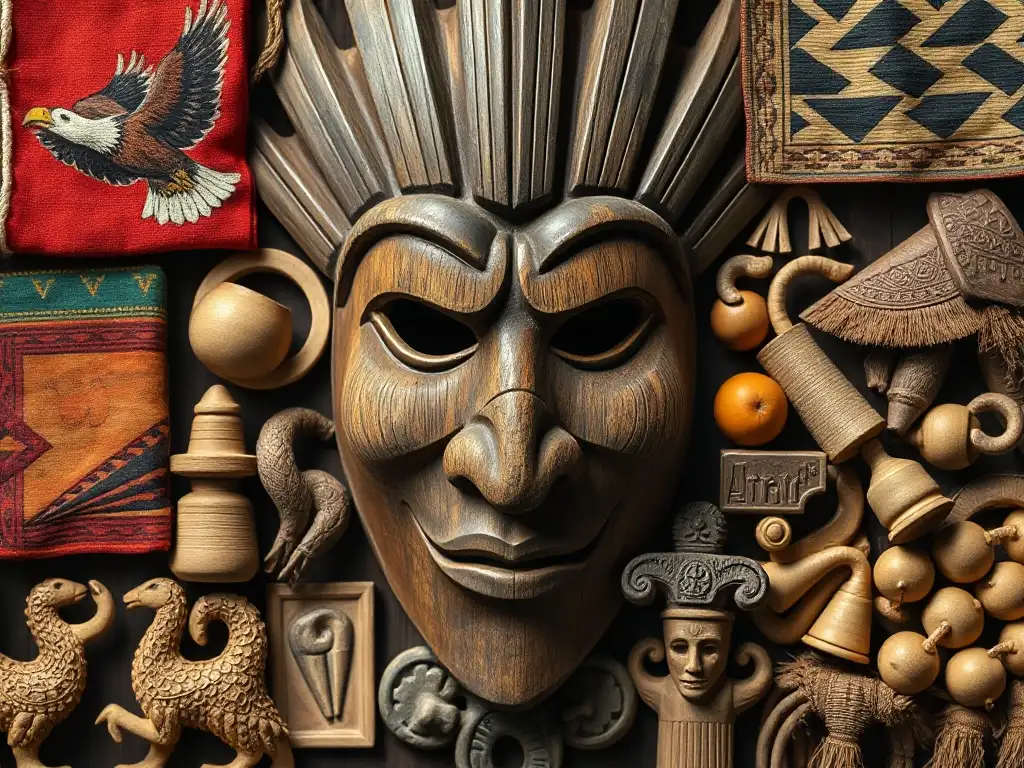
This section delves into concrete examples of Andean shamanic art, showcasing the diverse artistic expressions across various pre-Columbian cultures. We will examine specific pieces and their interpretations to illuminate the role of shamanism in Andean societies and how it was visually represented. The analysis will focus on the symbolic language employed, the materials used, and the cultural context in which these artworks were created. Understanding these aspects provides crucial insights into the Andean worldview and the significance of shamanic practices. This exploration will help you understand the rich tapestry of "Andean shamanic art examples" and their profound spiritual meaning.
Tiwanaku Shamanic Art: Ceramic Vessels and Stone Carvings
The Tiwanaku civilization, flourishing in the Lake Titicaca region between 500 and 1000 CE, produced remarkable examples of shamanic art. Their artistic output, primarily in ceramics and stone, offers compelling glimpses into their spiritual beliefs and rituals. The stylistic conventions employed, including the use of specific iconography and motifs, provide valuable clues to deciphering the shamanic worldview of this influential culture. The meticulous craftsmanship and symbolic richness of these artifacts highlight the profound respect and reverence given to shamanic practices within Tiwanaku society.
The Importance of Animal Imagery in Tiwanaku Art
Animal imagery is prevalent in Tiwanaku art, often featuring stylized representations of condors, jaguars, and snakes. These animals held significant symbolic meaning, often representing supernatural forces or acting as intermediaries between the human and spirit worlds. For example, the condor, with its ability to soar to great heights, symbolized connection to the upper world and celestial deities. The jaguar, a powerful predator, represented earthly power and shamanic control over the natural world.
The snake, often associated with fertility and the underworld, embodied the cyclical nature of life and death. The careful arrangement and combination of these animal motifs within a single artwork suggest complex narratives related to shamanic journeys and spiritual transformations. Further research is needed to fully understand the nuances of these symbolic associations [specific information pending on detailed iconographic studies].
Depictions of Healing Rituals and Shamanic Transformations
Tiwanaku ceramic vessels frequently depict scenes that appear to represent shamanic healing rituals. These depictions often show figures in trance-like states, surrounded by symbolic elements associated with altered states of consciousness and spiritual power. Some vessels show shamans interacting with supernatural beings or engaging in ritualistic practices.
Stone carvings, particularly those found in monumental structures, often feature figures with exaggerated features, possibly representing shamanic figures or deities associated with healing and transformation. The visual representation of these rituals underscores the central role shamans played in Tiwanaku society, offering healing, guidance, and connection to the spiritual realm. The detailed analysis of these scenes requires further investigation to fully understand the specific rituals being depicted and their place within the broader Tiwanaku cosmology [specific information pending on detailed anthropological interpretations].
Paracas Shamanic Art: Textiles and Embroidered Mantles
The Paracas culture (ca. 800-100 BCE), known for its elaborate textile art, offers another fascinating glimpse into Andean shamanic practices. Their extraordinarily well-preserved textiles, discovered within the Paracas Necropolis, display intricate designs and symbolic imagery directly related to shamanic rituals and beliefs. The use of vibrant colors, intricate weaving techniques, and the incorporation of symbolic motifs demonstrate the high level of artistic skill and the profound spiritual significance attributed to these textiles.
The Paracas Necropolis and its Shamanic Significance
The Paracas Necropolis, a vast burial ground, provides invaluable evidence for understanding Paracas shamanic beliefs and practices. The elaborate burial rituals, the inclusion of rich grave goods, and the use of textiles as shrouds all point to a strong belief in an afterlife and the importance of shamanic intervention in ensuring a successful transition. The textiles found within these tombs often depict scenes that appear to represent shamanic journeys, encounters with supernatural beings, and ritualistic practices.
The sheer scale and complexity of the Necropolis itself suggests the paramount role that shamans played within Paracas society. The meticulous preservation of these artifacts allows for a detailed examination of their symbolic language and provides valuable insights into the spiritual worldview of this ancient culture.
Textile Art as a Medium for Spiritual Expression
Paracas textiles serve as powerful mediums for spiritual expression, conveying complex narratives and symbolic meanings related to shamanic experiences. The use of specific colors, patterns, and motifs carries symbolic weight, often representing different deities, spiritual forces, or stages of a shamanic journey. For example, certain colors may be associated with specific deities or supernatural beings, while particular patterns may represent the cosmos or the different levels of the Andean worldview.
The intricate embroidery and weaving techniques themselves reflect the devotion and skill involved in creating these sacred objects. The study of Paracas textiles offers a unique window into the rich and complex spiritual landscape of this ancient Andean culture. The detailed study of individual motifs and their placement within the larger composition would greatly enhance our understanding of these "Andean shamanic art examples" [specific information pending on detailed textile analysis and symbolic interpretations].
Chavin Shamanic Art: Stone Sculptures and Iconography
Chavín culture (900-200 BCE), flourishing in the northern Andes of Peru, produced some of the most striking examples of Andean shamanic art. Their artistic expression was deeply intertwined with their religious beliefs, manifesting in monumental stone sculptures and intricate iconography. The Chavín style is characterized by its highly stylized depictions of supernatural beings, often featuring feline and serpent motifs, reflecting a complex cosmology that emphasized the power of nature and the spirit world.
These weren't mere decorative pieces; they were powerful tools used in rituals and ceremonies, designed to evoke specific spiritual energies and facilitate communication with the divine. The artists meticulously crafted these works, paying close attention to detail and employing sophisticated techniques to achieve a sense of awe and mystery.
Their mastery of stone carving is evident in the precision and intricacy of the designs, revealing a sophisticated understanding of both artistic principles and the spiritual significance of their work. The use of specific materials, like the volcanic stone often employed, further reinforces the connection between the earthly and spiritual realms.
Lanzón Monolith and its Cosmic Symbolism
The Lanzón Monolith, a towering, anthropomorphic sculpture found at the Chavín de Huántar site, stands as a prime example of Chavín shamanic art. This massive, intricately carved stone pillar depicts a deity, often interpreted as a shaman or a powerful spiritual being. Its elongated form, adorned with stylized features and intricate designs, reflects the Chavín emphasis on verticality and the connection between the earthly and celestial realms.
The Lanzón's symbolism is complex and multi-layered, with scholars proposing interpretations that associate it with fertility, cosmic energy, and the power of the shaman to mediate between the human and supernatural worlds. The intricate carvings, which include feline and serpent motifs, further enhance the monolith's mystical aura, emphasizing the deity's connection to the natural world and its transformative powers.
The positioning of the Lanzón within the temple complex suggests its importance as a focal point for rituals and ceremonies, where it served as a conduit for spiritual energy. Its enduring presence speaks to the power and enduring legacy of Chavín shamanic beliefs.
The Role of the Staff God in Chavin Shamanism
The recurring motif of the "Staff God" in Chavín art provides further insight into their shamanic practices. This deity, often depicted holding a staff and wearing elaborate headdresses, is believed to represent a powerful shaman or a supernatural being associated with healing and spiritual transformation. The Staff God's presence in numerous Chavín artifacts, from pottery to textiles, underlines its importance within their cosmology.
The staff itself is a significant symbol, potentially representing the shaman's power to connect with the spirit world and channel supernatural energies. The detailed depictions of the Staff God, with its intricate ornamentation and symbolic attributes, suggest a complex understanding of shamanic rituals and their impact on the community.
The repetitive appearance of this figure across different media implies that this was not just a singular, isolated deity but rather a central figure within the Chavín pantheon, signifying the importance of shamanic leadership and ritual practice in their society. The imagery likely served as a visual guide for rituals, aiding participants in connecting with the spiritual realm and understanding their religious beliefs.
Inca Shamanic Art: Royal and Religious Imagery
Inca shamanic art, while less overtly shamanistic than that of earlier Andean cultures, is still profoundly embedded in royal and religious imagery. The Inca state, with its highly centralized power structure, integrated shamanic practices into its official religious system. While the Inca rulers themselves held immense religious authority, they also relied on specialized priests and shamans to conduct ceremonies and maintain cosmic balance.
This integration led to a distinct style of art that blended royal power with spiritual symbolism. Unlike the more abstract representations of earlier Andean cultures, Inca art often featured more naturalistic depictions of individuals and events, reflecting their imperial power and sophisticated artistic capabilities. The use of gold and silver, precious materials associated with the sun and the divine, further enhanced the sacred nature of these objects.
Inca Shamanic Practices and their Artistic Manifestations
Inca shamanic practices were deeply entwined with their elaborate state rituals. Ceremonies, often involving offerings and divination, were crucial for maintaining cosmic harmony and ensuring the prosperity of the empire. These rituals were visually represented in various forms of art, including textiles, ceramics, and metalwork. Textiles, for instance, often featured intricate designs that symbolize the Inca worldview, embodying their beliefs about the cosmos, the ancestors, and the power of the ruling elite.
The detailed weaving techniques, coupled with the use of vibrant colors and symbolic motifs, reflected the importance of these textiles in ritual contexts. Similarly, ceramic vessels and metalwork often depicted scenes from rituals or featured symbolic representations of deities and supernatural beings. These artifacts served not only as aesthetic objects but also as tools that facilitated the performance of rituals and helped communicate religious beliefs. The meticulous craftsmanship evident in these objects underscores their profound spiritual significance.
Representations of Inti and other Deities
The sun god, Inti, held a central position in Inca religion and is frequently represented in their art. Depictions of Inti often feature him as a radiant sun disc, sometimes accompanied by human figures or other symbols. This imagery reflects the Inca's belief in Inti's power to sustain life and maintain cosmic order.
The representation of Inti in various media, from textiles to gold ornaments, demonstrates the pervasive influence of this deity in Inca society. Other important deities, such as the moon goddess Mama Killa and Pachamama (Mother Earth), were also represented in Inca art, often in conjunction with Inti, reflecting the interconnectedness of their cosmology. The specific iconography used to represent these deities varied, but all emphasized their power and importance within the Inca religious system.
The careful and deliberate choice of materials and artistic techniques used to depict these deities underscores their sacred nature and the importance of maintaining a harmonious relationship with the supernatural world. The prevalence of these religious symbols throughout Inca art highlights the integral role of religion in their daily lives and the power of their beliefs.
Interpreting the Symbolism in Andean Shamanic Art
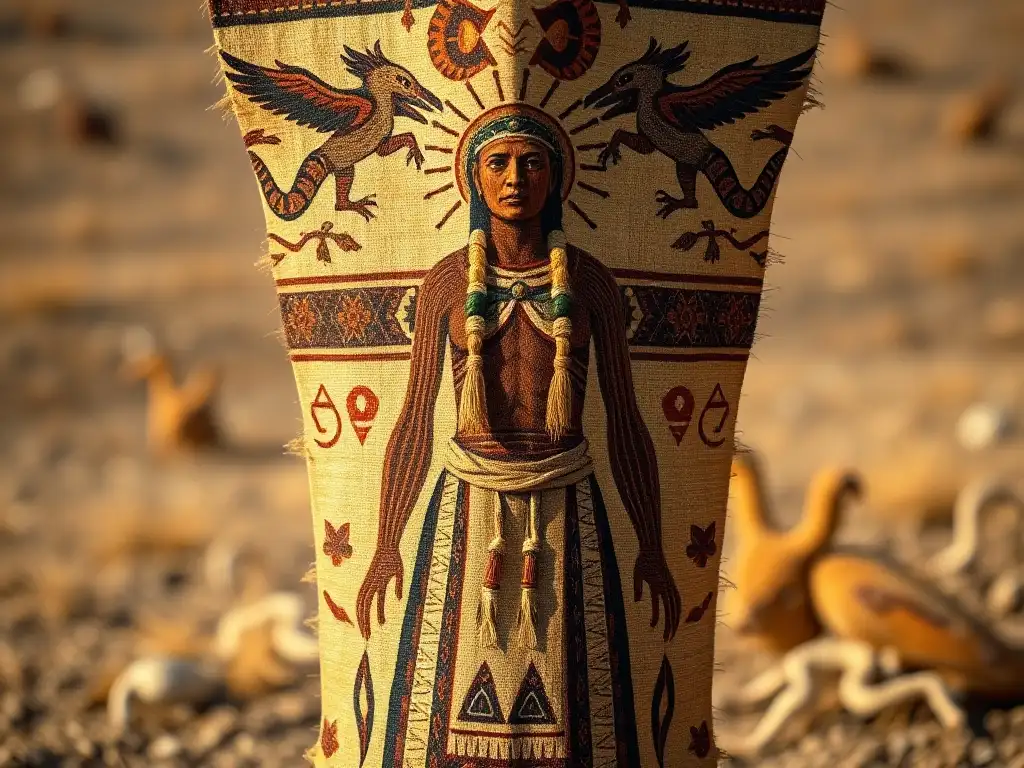
This section delves into the rich tapestry of symbolism woven into Andean shamanic art, exploring how these artistic expressions reflect the spiritual beliefs and experiences of ancient Andean cultures. Understanding the symbolism unlocks a deeper appreciation for the artistry and the worldview it represents. Analyzing Andean shamanic art examples reveals a complex system of representations, often intertwined and layered, reflecting the intricate nature of Andean cosmology.
The careful observation of these details allows us to glimpse into the shamanic journeys and supernatural encounters central to Andean spiritual life. We will examine specific recurring motifs and analyze their potential meanings within the broader context of Andean religious practices.
Common Symbols and their Meanings
The imagery found in Andean shamanic art is not arbitrary; it's a carefully constructed language conveying complex spiritual narratives. Recurring symbols, often animals, plants, and geometric patterns, possess profound significance within the Andean worldview. Understanding these symbols requires considering their context within specific artistic pieces and the broader cultural framework of the time period. Variations in representation can also yield important insights, highlighting regional differences or shifts in belief systems across time. For example, the representation of a specific deity might vary depending on the cultural group or the historical period.
The Serpent, the Puma, and the Condor
Three powerful animal symbols consistently emerge in Andean shamanic art: the serpent, the puma, and the condor. These creatures represent different aspects of the Andean worldview, often linked to specific cosmological levels or spiritual forces.
- The Serpent (or Snake): Frequently depicted as intertwined or coiled, the serpent symbolizes the underworld, fertility, and the life-giving waters. Its association with the subterranean realm connects it to shamanic journeys into the spirit world, often depicted in scenes of descent or transformation. The serpent's shedding of its skin can represent rebirth and renewal.
- The Puma: Representing power, strength, and earthly authority, the puma is often associated with the terrestrial realm. Depictions of pumas can symbolize the shaman's connection to the earthly world and their ability to navigate both earthly and spiritual realms. The puma's predatory nature may also symbolize the shaman's power to overcome obstacles and challenges.
- The Condor: Soaring high above the Andes, the condor symbolizes the upper world, the celestial realm, and the sun. Its association with the sky connects it to shamanic ascents into the heavens, often depicted in scenes of flight or transformation. The condor's keen eyesight may represent the shaman's ability to perceive hidden truths and spiritual realities.
The Use of Geometric Patterns and Abstract Forms
Beyond representational imagery, Andean shamanic art frequently incorporates geometric patterns and abstract forms, adding another layer of symbolic complexity. These designs are not merely decorative; they are integral to the artwork's meaning, often representing cosmological concepts, weaving together the different planes of existence.
| Symbol | Potential Meaning | Example Locations |
|---|---|---|
| Spirals | Cyclical nature of time, cosmic energy | Textiles, pottery, rock carvings |
| Crosses | Cardinal directions, balance, duality | Textiles, metalwork, stone structures |
| Zigzags | Mountain ranges, paths between worlds | Pottery, textiles, rock art |
| Steps/Stairs | Ascent and descent, journeys between realms | Textiles, pottery, stone carvings |
The precise meaning of these patterns often depends on their arrangement, combination with other symbols, and the overall context of the artwork. Further research is needed to fully understand the nuances of geometric symbolism across different Andean cultures. The use of color also plays a significant role, with specific hues holding cultural and spiritual meaning. [Specific color symbolism pending].
The Shamanic Vision as a Source of Artistic Inspiration
Andean shamanic art is not merely a visual representation; it is a direct product of the shamanic experience itself. The visions and encounters experienced during altered states of consciousness profoundly influenced the creation of these artworks. The artistic process itself could be considered a form of shamanic practice, a way of translating the intangible realities of the spirit world into tangible forms.
The intense visual and emotional experiences during shamanic trances are believed to have directly shaped the imagery and symbolism found in the art. The artist, often acting as a shaman or closely associated with shamanic practices, would translate their visions into a visual language accessible to others. This process allowed for the communication of complex spiritual experiences and the transmission of cultural knowledge across generations.
The seemingly abstract or surreal elements of some artworks might reflect the transformative and otherworldly nature of these visions. The artist's skill in conveying these experiences is a testament to their ability to bridge the gap between the visible and invisible worlds.
Further research into specific artists and their techniques could reveal even more about this fascinating interplay between shamanic experience and artistic creation. For instance, the study of [Specific Andean art techniques pending] could provide valuable insights into the artistic process and the way visions were translated into tangible forms.
The Enduring Legacy of Andean Shamanic Art
The vibrant tapestry of Andean culture is richly interwoven with shamanic practices, and this spiritual connection finds powerful expression in its art. Andean shamanic art examples are not merely aesthetic objects; they are tangible manifestations of spiritual journeys, supernatural encounters, and the complex cosmology of these ancient civilizations. From intricate textiles depicting mythical beings to meticulously crafted pottery showcasing ritual scenes, these artifacts offer invaluable insights into the beliefs and practices of Andean shamans.
Examining these artistic expressions allows us to understand the profound role shamans played in Andean societies, acting as intermediaries between the human and spiritual realms. The enduring power of these artistic representations continues to resonate today, influencing contemporary art and spirituality, and highlighting the importance of preserving this invaluable cultural heritage.
Influence on Contemporary Andean Art and Spirituality
The influence of ancient Andean shamanic art is palpable in contemporary artistic expressions and spiritual practices across the Andes. Many modern artists draw inspiration from the iconography and stylistic elements found in pre-Columbian artifacts, reinterpreting ancient motifs within a contemporary context. For example, the recurring imagery of condors, jaguars, and other powerful animals, frequently depicted in ancient shamanic art, continues to appear in modern paintings, sculptures, and textiles.
These animals often symbolize shamanic power, transformation, and connection to the spiritual world. Furthermore, the use of vibrant colors, geometric patterns, and symbolic representations found in ancient textiles and ceramics directly informs the aesthetic choices of many contemporary Andean artists.
Beyond the visual arts, the spiritual practices associated with Andean shamanism also continue to thrive. Contemporary Andean healers and spiritual leaders often incorporate elements of ancient shamanic traditions into their work, drawing upon the symbolic language and spiritual power embedded within the ancient art. The use of ritual objects, such as intricately carved staffs or ceremonial vessels, reminiscent of those found in archaeological sites, serves as a powerful link to the past and reinforces the continuity of spiritual practices.
This enduring connection between ancient shamanic art and contemporary Andean spirituality underscores the lasting impact of these artistic expressions on the cultural identity and spiritual landscape of the Andes. The continued creation and appreciation of this art form ensures the vitality of these traditions for generations to come.
Preserving the Artistic Heritage of Andean Shamanism
The preservation of Andean shamanic art is crucial for understanding the rich spiritual and cultural heritage of the Andes. These artifacts are not just aesthetically pleasing objects; they are irreplaceable sources of information about ancient beliefs, rituals, and social structures. However, many of these pieces are vulnerable to deterioration due to age, environmental factors, and even looting. Therefore, concerted efforts are needed to protect and conserve these invaluable treasures.
Museums and archaeological institutions play a vital role in this process, employing advanced conservation techniques to safeguard these fragile artifacts. Detailed cataloging and documentation of each piece are essential for research and future study. Furthermore, educational initiatives, such as museum exhibitions, workshops, and publications, are crucial for raising public awareness about the significance of Andean shamanic art and the importance of its preservation.
Promoting responsible tourism and discouraging the illegal trafficking of artifacts are also essential steps in safeguarding this cultural legacy. The collaborative efforts of governments, researchers, museums, and local communities are vital to ensuring that the artistic heritage of Andean shamanism is preserved for future generations to appreciate and learn from.
The meticulous documentation and careful preservation of these pieces are paramount to ensure their continued existence, providing a window into the past and enriching our understanding of Andean cultures. This active preservation ensures that the powerful stories embedded within these artifacts continue to resonate and inspire.
Frequently Asked Questions
What is Andean shamanic art?
Andean shamanic art encompasses the visual representations of spiritual journeys and supernatural encounters created by Andean cultures. These artworks often depict shamanic rituals, deities, and mythical creatures, reflecting their spiritual beliefs. They are incredibly diverse across different cultures and time periods.
What are some examples of Andean shamanic art?
Examples include textiles depicting deities and mythical beings, ceramics showing shamanic rituals, and rock carvings illustrating supernatural encounters. The Moche culture's pottery, for instance, is famous for its detailed depictions of shamanic practices.
How did Andean shamans use art in their practices?
Art served as a powerful tool for communication and ritual. Shamans may have used art to visualize and induce altered states of consciousness, to connect with the spirit world, and to teach others about their beliefs.
What materials were commonly used in Andean shamanic art?
Textiles, ceramics, and stone were frequently used. Textiles were particularly important, often incorporating complex designs and symbolic motifs woven into intricate patterns representing spiritual power and journeys.
Where can I find examples of Andean shamanic art?
Many examples are housed in museums around the world, including those in Peru and the United States. You can also find images online through museum collections and academic databases, though always check the source's legitimacy.
Final Reflection: Echoes of the Andes: A Legacy of Spiritual Power
The vibrant tapestry of Andean shamanic art continues to resonate today, a powerful testament to the enduring human need to connect with the spiritual realm. These ancient depictions, far from being relics of a bygone era, offer a profound insight into the enduring human quest for meaning and understanding, a quest that remains as relevant in our modern world as it was centuries ago. The intricate details, the symbolic power, and the sheer artistry speak volumes about the rich spiritual traditions that shaped Andean cultures and continue to inspire awe and wonder.
The enduring influence of Andean shamanic art is undeniable, shaping not only our understanding of pre-Columbian cultures but also influencing contemporary art, spirituality, and even psychology. The shaman's journey, depicted in these powerful images, mirrors our own internal struggles and aspirations. Their encounters with the supernatural, rendered with such vivid detail, invite us to confront our own inner landscapes and explore the mysteries that lie beyond the veil of the everyday. Art washes away from the soul the dust of everyday life.
- Pablo Picasso. This quote, while not directly about Andean art, perfectly encapsulates the cleansing and transformative power these pieces possess.
Consider the stories whispered within the lines, the narratives etched into the very fabric of these ancient works. Let the vibrant colors and symbolic imagery ignite your own imagination, prompting you to explore the depths of your own spiritual journey. Engage with these powerful expressions of the human spirit, and allow them to inspire you to seek your own connection with the unseen world, to embrace the mystery, and to find meaning in the tapestry of your own life. The echoes of the Andes await your exploration.
Unveil Your Spiritual Journey Today!
Thank you for exploring the captivating world of Andean shamanic art! You've discovered how these powerful images illuminate spiritual journeys and encounters with the supernatural, offering profound insights into ancient cultures. Now, let's put this knowledge into practice and embrace the wisdom these artworks hold.
Here are some ways to deepen your understanding and connection with Andean spiritual practices:
- **Participate in a workshop or guided experience** focused on Andean shamanism to fully immerse yourself in its teachings and rituals.
- **Share this article** with friends and family or on social media to inspire conversations about spirituality and art, and encourage others to appreciate these rich cultural expressions.
- **Visit a museum or online gallery** showcasing Andean art to connect directly with these pieces and reflect on their significance.
Which aspect of Andean shamanic art resonates most with you, and how do you believe it can enrich your personal journey?