
The Influence of Andean Religion on Contemporary Spirituality

Uncover the mysteries woven into the vibrant tapestry of Andean life! For centuries, the spiritual beliefs of civilizations like the Incas, Moche, and Nazca shaped their world—and continue to resonate today. Prepare to be captivated as we delve into the profound impact of Andean religion on contemporary spirituality, exploring how ancient cosmovisions still influence our modern understanding of the world. Dare to discover the hidden threads connecting past and present; the journey begins now.
-
The Profound Influence of Andean Religion on Contemporary Spirituality
- Understanding the Roots: Ancient Andean Beliefs
- The Core Tenets of Andean Religious Practices
- Key Deities and Their Modern Reverence
- How Andean Cosmovision Shapes Modern Spirituality
- The Legacy of Andean Rituals in Contemporary Practices
- The Global Reach of Andean Spiritual Traditions
- Andean Religion's Impact on Modern Spiritual Practices: A Synthesis
- The Enduring Relevance of Andean Spirituality in the 21st Century
-
Frequently Asked Questions
- What is the main focus of Andean religion?
- How did Andean religious practices influence spirituality today?
- What role did nature play in Andean religious beliefs?
- How did the Incas' religion differ from other Andean cultures?
- Where can I learn more about the influence of Andean religion on contemporary spirituality?
- Final Reflection: Echoes of the Andes in Modern Spirituality
- Embrace the Andean Spirit and Transform Your Journey!
The Profound Influence of Andean Religion on Contemporary Spirituality
The Andes Mountains, a majestic spine running down the western edge of South America, are not just a geographical feature; they are the cradle of a rich tapestry of ancient civilizations and spiritual beliefs. For millennia, Andean cultures have developed intricate cosmologies, complex religious practices, and a deep reverence for the natural world.
This article delves into the enduring legacy of Andean religion, exploring its profound influence on contemporary spirituality and how its core tenets continue to resonate in modern practices. We will examine how the ancient beliefs and practices of civilizations like the Inca, Moche, Nazca, and Tiahuanaco have shaped and continue to inform spiritual seekers worldwide, highlighting the enduring power of Andean spirituality in a globalized world.
Understanding the interconnectedness between the ancient Andean worldview and modern spiritual movements allows us to appreciate the timeless wisdom embedded within these traditions and their continued relevance in our modern context. This exploration will consider the specific ways in which Andean religious concepts, such as the veneration of Pachamama (Mother Earth) and the intricate understanding of the cosmos, have impacted contemporary spiritual practices and beliefs, providing a deeper understanding of the keyword "Andean religion influence spirituality".
Understanding the Roots: Ancient Andean Beliefs
Andean religious beliefs were deeply interwoven with the natural world. The mountains, rivers, and celestial bodies were not merely geographical features but powerful entities, imbued with spiritual significance. The concept of Pachamama, the Earth Mother, was central to their worldview, representing the life-giving force of the land and the interconnectedness of all living things.
This reverence for nature extended to the veneration of various deities associated with specific elements and phenomena, such as the sun god Inti and the moon goddess Mama Killa. These deities were not distant, abstract beings but active participants in the lives of the Andean people, influencing harvests, weather patterns, and the overall well-being of the community. The intricate relationship between the human and the divine was reflected in their elaborate rituals, ceremonies, and offerings designed to maintain harmony and balance within the cosmos.
Furthermore, the belief in a complex afterlife and the existence of various supernatural beings, such as Apu (mountain spirits) and Mallku (powerful beings residing in sacred places), shaped their daily lives and societal structures. Understanding these fundamental beliefs is crucial to comprehending the lasting influence of Andean religion on contemporary spirituality. The precise details of certain rituals and beliefs remain partially obscured by the passage of time and the limited surviving records, requiring further research to fully illuminate the nuances of ancient Andean religious practices.
The Core Tenets of Andean Religious Practices
Andean religious practices were far from monolithic, varying significantly across different cultures and time periods. However, several core tenets consistently emerge. The emphasis on reciprocity, or ayni, was paramount. This principle dictated that individuals and communities should maintain a balance between giving and receiving, fostering a sense of mutual responsibility and interconnectedness.
Rituals played a vital role in maintaining this balance, often involving offerings to the deities and the performance of specific ceremonies to ensure the well-being of the community and the land. These rituals were often deeply symbolic, incorporating elements of nature, such as coca leaves, chicha (a fermented corn beverage), and various agricultural products. Additionally, the use of huacas, or sacred places, served as focal points for religious practices and provided a direct connection to the spiritual realm. These places, often located in mountains, caves, or other natural features, held immense spiritual significance and were carefully protected and revered.
The sophisticated astronomical knowledge of the Andean people also played a significant role in their religious practices, with celestial events often influencing the timing and nature of rituals and ceremonies. The integration of these practices into daily life reflects a holistic worldview where the spiritual and the mundane were seamlessly intertwined, a model that continues to inspire many contemporary spiritual seekers. The precise nature of many offerings and the detailed steps of various ceremonies, however, require further investigation to be fully understood.
Key Deities and Their Modern Reverence
Inti, the Sun God: A Source of Life and Energy
Inti, the sun god, holds a central position in Andean cosmology, representing life, energy, and power. His influence extends far beyond the ancient Inca empire; Inti's enduring legacy is visible in contemporary Andean spirituality. Many indigenous communities continue to honor Inti through rituals and ceremonies, particularly during solstices and equinoxes. These celebrations often involve offerings of coca leaves, chicha (a fermented corn beverage), and other symbolic items, expressing gratitude for the sun's vital role in sustaining life. The vibrant energy associated with Inti is also channeled into artistic expressions, such as weaving and pottery, where the sun's radiant power is depicted through intricate designs and bright colors. The sun's life-giving properties are still deeply revered, representing not only physical sustenance but also spiritual illumination and guidance. Modern practitioners often invoke Inti for blessings of health, prosperity, and inner strength, reflecting a continuous thread of reverence that connects past and present.
Pachamama, the Earth Mother: Connection and Reciprocity
Pachamama, the earth mother, embodies the fertile earth and its life-sustaining properties. Her reverence is not confined to the past; Pachamama continues to be a central figure in contemporary Andean spirituality. Modern Andean communities maintain a deep connection with Pachamama through various practices, including offerings of food, drink, and coca leaves placed on the earth. These offerings are not merely symbolic gestures; they represent a reciprocal relationship, acknowledging Pachamama's generosity and seeking her blessings in return.
The concept of reciprocity, or ayni (discussed later), is deeply intertwined with the veneration of Pachamama. Farmers, particularly, maintain close ties with Pachamama, recognizing her role in the success of their harvests. Furthermore, the growing awareness of environmental conservation aligns with the inherent respect for Pachamama, fostering a renewed appreciation for sustainable living and harmonious coexistence with nature. The enduring reverence for Pachamama highlights the enduring importance of respecting and nurturing the earth.
Wiracocha, the Creator God: The Origin of All Things
Wiracocha, the creator god, represents the origin of all things and the source of cosmic order. While his worship might have been more prominent in certain Andean cultures than others, his influence on contemporary spirituality is undeniable.
The concept of a supreme creator god resonates with many modern spiritual seekers, providing a framework for understanding the origins of the universe and humanity's place within it. While direct worship of Wiracocha might not be as prevalent as the veneration of Inti or Pachamama in modern practice, his symbolic representation of creation and cosmic order continues to inform spiritual understanding.
The vastness of the Andean landscape itself, with its towering mountains and expansive plains, can be seen as a powerful reminder of Wiracocha's creative power and the interconnectedness of all things. This connection to a powerful creative force fosters a sense of awe and wonder, inspiring contemplation and a deeper appreciation for the mysteries of existence.
How Andean Cosmovision Shapes Modern Spirituality
The Concept of Ayni: Reciprocity and Balance in Life
Ayni, the principle of reciprocity and mutual exchange, is a cornerstone of Andean cosmovision and continues to resonate deeply in contemporary spirituality. This concept emphasizes the importance of balance and harmony in all aspects of life, highlighting the interconnectedness of individuals and the environment. Ayni is not simply about material exchange; it encompasses a broader sense of mutual obligation and responsibility towards others and the natural world. Modern Andean communities often practice ayni through communal work projects, sharing resources, and participating in collective rituals.
This principle fosters a strong sense of community and shared responsibility, promoting social cohesion and environmental stewardship. The enduring relevance of ayni in contemporary Andean life underscores the importance of social justice, equitable distribution of resources, and collaborative efforts to address shared challenges. Its influence extends beyond the Andes, serving as an inspiring model for sustainable and equitable practices globally.
The Importance of Nature: A Sacred Connection to the Environment
The profound respect for nature inherent in Andean cosmovision is deeply influential in shaping contemporary spirituality. The Andes' majestic landscape, with its towering mountains, fertile valleys, and diverse ecosystems, is considered sacred, fostering a deep sense of connection between humanity and the natural world. This reverence translates into a commitment to environmental stewardship, with many communities actively involved in protecting their natural resources and promoting sustainable practices.
Traditional Andean knowledge of medicinal plants and sustainable agriculture continues to be valued and applied, demonstrating a profound understanding of the interconnectedness of all living things. The growing global awareness of environmental issues resonates strongly with the Andean emphasis on ecological balance, highlighting the continuing relevance of this ancient worldview in addressing modern challenges. The sacred connection to nature is not merely a belief system; it’s a way of life, promoting responsible interaction with the environment.
The Role of Ancestors: Honoring Lineage and Wisdom
The veneration of ancestors forms a crucial aspect of Andean spirituality, both historically and in contemporary practice. Ancestor veneration is not merely a remembrance of the past; it's a living connection to the lineage, drawing upon the wisdom and guidance of those who came before. Modern Andean communities maintain this connection through various rituals, ceremonies, and practices, ensuring the continuity of cultural traditions and values.
The wisdom of ancestors is seen as a valuable resource, providing insights into navigating life's challenges and maintaining harmony with the natural world. This respect for ancestral knowledge fosters a sense of continuity and belonging, connecting individuals to a larger historical and spiritual context.
The integration of ancestral wisdom into contemporary life demonstrates the enduring power of tradition and the importance of learning from the past to shape a sustainable future. This deep respect for ancestors underscores the importance of family, community, and the transmission of cultural heritage.
The Legacy of Andean Rituals in Contemporary Practices
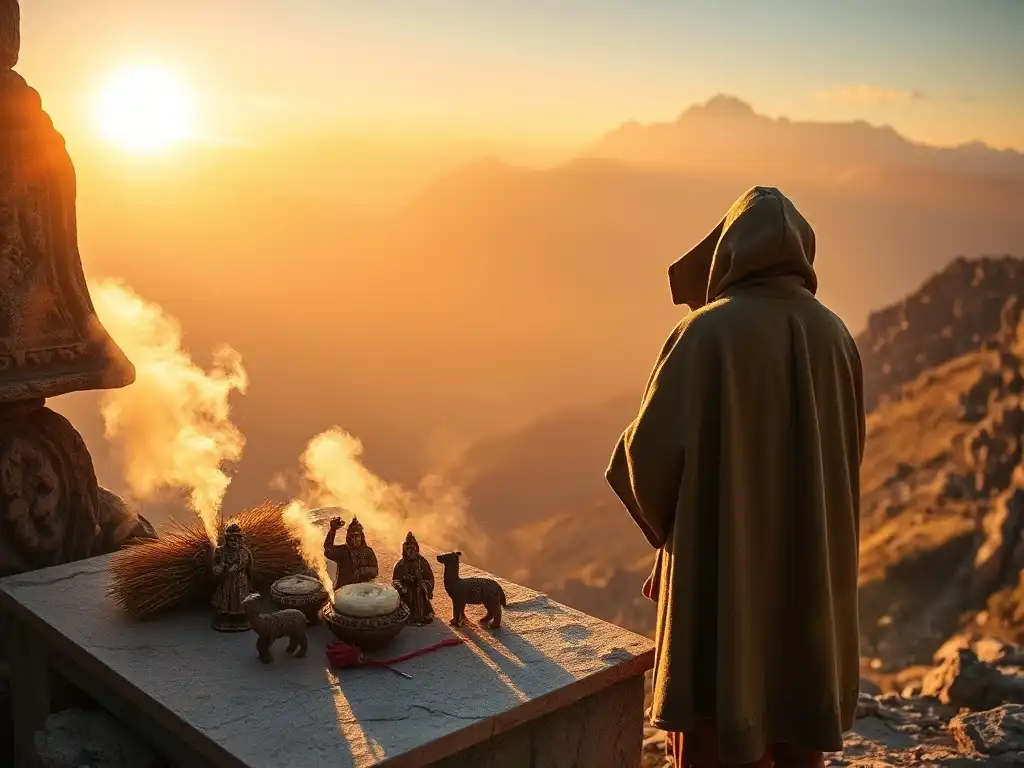
Andean rituals, deeply rooted in a complex cosmology involving the interplay of the earthly and spiritual realms, continue to resonate in contemporary spiritual practices. The reverence for nature, the importance of community, and the emphasis on balance—all core tenets of Andean religion—find echoes in modern-day spiritual seekers. These ancient practices, while adapted to modern contexts, retain their core essence, providing a framework for personal growth and connection with a greater power.
The enduring power of these rituals lies in their ability to foster a sense of belonging and purpose, offering a pathway to understanding one's place within the cosmos. The cyclical nature of Andean life, mirrored in agricultural cycles and celestial events, is reflected in the ongoing renewal and adaptation of these rituals.
Andean Ceremonies and their Modern Adaptations
Many Andean ceremonies, such as the pago a la tierra (payment to the earth), involving offerings to Pachamama (Mother Earth), have been adapted and integrated into various contemporary spiritual practices. While the specific offerings might differ—modern adaptations might include flowers, candles, or even simple acts of gratitude—the underlying intention remains the same: to express respect and seek harmony with the natural world. Similarly, despachos, offerings intended to communicate with the spiritual realm, are now practiced by individuals across the globe, albeit often with modifications reflecting their unique cultural backgrounds.
The core principle of expressing gratitude and seeking balance, however, remains consistent across these adaptations. These adaptations demonstrate the enduring relevance and adaptability of Andean spiritual practices in a globalized world.
The Use of Sacred Plants: Connecting with the Spiritual Realm
The use of sacred plants, such as coca leaves and ayahuasca, in Andean spiritual traditions has a long and complex history. These plants, viewed as sacred sacraments, play a crucial role in shamanic practices and ceremonies, facilitating altered states of consciousness and providing access to spiritual insights. While their use remains controversial in some contexts, the enduring significance of these plants in connecting individuals with the spiritual realm is undeniable.
Contemporary practitioners often utilize these plants under the guidance of experienced shamans or healers, emphasizing the importance of responsible and respectful use, emphasizing the need for proper preparation and guidance to avoid harmful side effects. The ceremonial context surrounding their use remains critical to maintaining the integrity and safety of these practices.
The Role of Shamans and Healers in Present-Day Communities
Shamans and healers continue to hold significant roles in many Andean communities, acting as intermediaries between the spiritual and physical worlds. Their expertise in traditional medicine, ritual practices, and spiritual guidance remains highly valued, providing support and healing for both physical and emotional ailments. These individuals often possess extensive knowledge of herbal remedies, spiritual techniques, and ancestral wisdom, enabling them to address a wide range of needs within their communities.
Their role extends beyond simple healing; they act as spiritual guides and community leaders, preserving and transmitting ancient knowledge to future generations. The continued importance of these figures highlights the enduring relevance of traditional healing practices within Andean cultures.
The Global Reach of Andean Spiritual Traditions
The influence of Andean spiritual traditions extends far beyond the Andes Mountains, reaching a global audience seeking alternative spiritual paths. This growing interest reflects a broader shift towards a more holistic and nature-based spirituality, resonating with individuals seeking a deeper connection with the earth and their inner selves. The emphasis on community, balance, and respect for nature within Andean spirituality offers a compelling alternative to more individualistic spiritual approaches. The spread of Andean wisdom through various channels, including books, workshops, and retreats, has contributed significantly to its global appeal.
Andean Wisdom in New Age Movements
Andean spiritual traditions have found a receptive audience within the New Age movement, where their emphasis on interconnectedness, energy work, and shamanic practices aligns with many of the movement's core beliefs. Concepts such as Pachamama and the importance of living in harmony with nature have been readily integrated into New Age philosophies and practices.
However, this integration has also raised concerns about cultural appropriation, highlighting the need for respectful engagement with Andean traditions and a recognition of their historical and cultural context. Careful consideration of these cultural sensitivities is paramount to ensuring responsible and ethical incorporation of Andean wisdom into broader spiritual frameworks.
The Influence of Andean Philosophy on Personal Growth
The emphasis on balance, interconnectedness, and respect for nature within Andean philosophy offers a powerful framework for personal growth and self-discovery. The concept of ayni, reciprocal exchange and balance, provides a valuable model for cultivating healthy relationships and promoting social harmony. Similarly, the Andean understanding of the interconnectedness of all living things encourages a more holistic approach to self-care and personal development.
The integration of Andean principles into various personal growth methodologies has proven beneficial for many individuals seeking to live more meaningful and fulfilling lives. The profound insights offered by Andean cosmology can provide a rich foundation for personal transformation.
The Growing Interest in Andean Ancestral Knowledge
The growing interest in Andean ancestral knowledge reflects a global yearning for deeper meaning and connection in an increasingly complex world. The wisdom embedded within Andean traditions offers a powerful alternative to materialistic and individualistic perspectives, promoting a more holistic and sustainable way of life. This growing interest underscores the enduring relevance of Andean spirituality and its capacity to inspire positive change in individuals and communities worldwide. The preservation and dissemination of this knowledge are crucial to ensuring its continued impact on contemporary spirituality and promoting a more sustainable and harmonious future.
Andean Religion's Impact on Modern Spiritual Practices: A Synthesis
The enduring legacy of Andean religion is profoundly felt in contemporary spiritual practices worldwide. Its emphasis on interconnectedness with nature, reverence for ancestral spirits ( achus), and the importance of community rituals continues to resonate with individuals seeking alternative spiritual paths. Many modern spiritual seekers find solace and meaning in the Andean worldview, particularly its emphasis on balance ( kay pacha) and harmony between the human and natural worlds. This resonates with the growing global interest in eco-spirituality and indigenous wisdom traditions.
The concept of Pachamama, Mother Earth, for example, has become a powerful symbol in environmental activism and spiritual movements focused on planetary healing. Furthermore, the Andean emphasis on reciprocal relationships – offering thanks and respect to the earth and its energies – mirrors contemporary efforts towards sustainable living and mindful consumption. The integration of Andean cosmology into various spiritual practices, such as shamanic healing and energy work, further highlights its continuing influence.
These practices often incorporate elements like despacho ceremonies, which involve offerings to the spirits and the earth, fostering a sense of connection and gratitude. The use of Andean medicinal plants and traditional healing techniques also demonstrates the practical application of this ancient cosmology in modern contexts. The influence extends beyond specific practices; the Andean emphasis on community and interconnectedness provides a valuable framework for building supportive spiritual communities in the modern world, countering the often individualistic nature of contemporary spirituality.
The Enduring Relevance of Andean Spirituality in the 21st Century
Andean spirituality's relevance in the 21st century is undeniable, largely due to its adaptability and enduring wisdom. Its focus on interconnectedness offers a powerful antidote to the alienation and fragmentation often experienced in modern, urbanized societies. The emphasis on living in harmony with nature, a core tenet of Andean cosmology, is increasingly vital in an era of environmental crisis. The growing awareness of climate change and ecological degradation has led many to seek alternative spiritual frameworks that promote environmental stewardship, and Andean spirituality provides a rich source of inspiration and practical guidance in this area.
Furthermore, the Andean emphasis on community and collective well-being offers a counterpoint to the individualistic tendencies of modern Western culture. The importance of reciprocal relationships, manifested in rituals like despacho, provides a model for fostering connection and mutual support within communities. The resurgence of interest in indigenous knowledge systems, including traditional healing practices and spiritual techniques, also contributes to the ongoing relevance of Andean spirituality. Many seek alternative healing methods that integrate mind, body, and spirit, and Andean traditions offer a rich tapestry of practices to explore.
Finally, the enduring power of Andean myths and stories, which convey profound spiritual truths through engaging narratives, continues to captivate and inspire. These narratives offer a powerful way to connect with ancient wisdom and to find meaning and purpose in the modern world. The ongoing research and scholarly work dedicated to understanding Andean religion further contribute to its sustained relevance and influence. The ongoing study and rediscovery of ancient Andean sites and artifacts reveal new insights into this rich spiritual tradition, ensuring its ongoing place in contemporary spiritual discourse.
Frequently Asked Questions
What is the main focus of Andean religion?
Andean religion centered around a complex cosmology involving powerful deities, ancestor veneration, and a deep connection with the natural world. It emphasized reciprocity and balance between the human and spiritual realms.
How did Andean religious practices influence spirituality today?
Contemporary spirituality draws from Andean traditions through practices like Pachamama rituals, ayahuasca ceremonies, and the emphasis on living in harmony with nature. These practices offer paths toward self-discovery and spiritual growth.
What role did nature play in Andean religious beliefs?
Nature held central importance, with mountains, rivers, and the sun viewed as divine entities. This deep respect for nature continues to influence contemporary ecological and spiritual perspectives.
How did the Incas' religion differ from other Andean cultures?
While sharing common threads like ancestor worship and nature reverence, the Inca religion featured a strong imperial structure with a supreme creator god, Inti (the sun), and a highly organized priesthood. Other cultures had more localized deities and beliefs.
Where can I learn more about the influence of Andean religion on contemporary spirituality?
You can explore this topic through ethnographic studies, academic journals, and spiritual retreats focused on Andean traditions. Many books and documentaries also delve into this fascinating intersection.
Final Reflection: Echoes of the Andes in Modern Spirituality
The enduring legacy of Andean spirituality continues to resonate deeply within contemporary spiritual practices, shaping our understanding of interconnectedness and the sacredness of nature. Its influence is not merely historical; it's a living force, subtly yet powerfully impacting how we approach our own spiritual journeys in the 21st century. The ancient wisdom of the Andes offers a potent antidote to the isolating aspects of modern life, reminding us of our inherent connection to the earth and to each other.
The vibrant tapestry woven from Pachamama worship, ancestral veneration, and the intricate cosmology of the Andes continues to inspire new forms of spiritual expression. It challenges the dominant Western paradigm, offering a more holistic and inclusive approach to spirituality. This resonates deeply with me, as I've witnessed firsthand the growing interest in indigenous wisdom and the search for meaning beyond the confines of traditional religious structures. The earth is what we all have in common.
– Wendell Berry. This simple statement encapsulates the core message of Andean spirituality and its enduring relevance in a world grappling with environmental crises and a growing sense of disconnection.
Consider the profound wisdom embedded within Andean traditions. Reflect on the concept of ayni, the principle of reciprocity and balance. How can you integrate this principle into your own life, fostering a more harmonious relationship with the world around you? Embrace the opportunity to learn from these ancient practices, to cultivate a deeper connection with the earth, and to find solace and inspiration in the enduring wisdom of the Andes. Let the echoes of this ancient spirituality guide you on your own path toward a more meaningful and connected existence.
Embrace the Andean Spirit and Transform Your Journey!
Thank you for exploring the rich tapestry of Andean religion and its profound influence on contemporary spirituality. You've gained valuable insights that can truly reshape your spiritual practices. Now, let's explore how to deepen your connection with these timeless traditions.
Here are some practical suggestions:
- Participate in local Andean spiritual practices. Attend community events or workshops to experience the rituals firsthand. This immersive approach will offer a deeper understanding than simply reading about them.
- Expand your knowledge through Andean literature and media. Read books, listen to podcasts, or watch documentaries that focus on Andean spirituality. Many resources are available to help you continue your learning journey.
- Share your newfound knowledge. Discuss your insights with friends and family, perhaps even hosting a small gathering to explore Andean spiritual themes together. Sharing your experiences can strengthen your understanding and inspire others.
What aspect of Andean spirituality resonates most with you, and how can you integrate it into your daily life?