
The Priest's Council: Advising Rulers and Guiding Political Decisions in the Andes

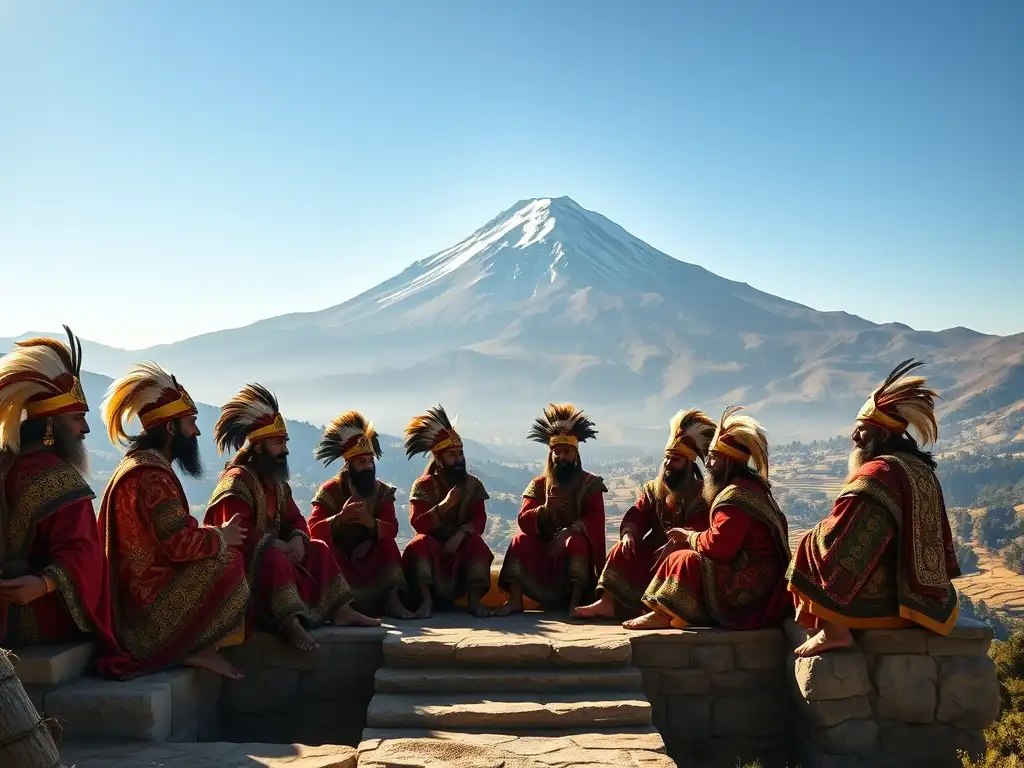
Step into a world lost to time, yet echoing with power and mystery. For centuries, the Andes Mountains witnessed the rise and fall of magnificent civilizations, their legacies woven into the very fabric of the landscape. But what truly shaped their destinies?
Discover the surprising influence of the Andean Priest Council and its pivotal role in advising rulers and guiding political decisions. Unravel the secrets of their sacred power and uncover how deeply religion and politics intertwined in this fascinating corner of the ancient world. Prepare to be captivated by the intricate tapestry of Andean society and the unseen hand that shaped its course.
The intricate tapestry of Andean civilizations reveals a profound interplay between religious beliefs and political power. While often viewed through a Western lens emphasizing the separation of church and state, the reality in ancient Andean societies was far more nuanced. This article delves into the significant political influence wielded by priestly councils across various Andean cultures, exploring their advisory roles, the mechanisms through which they impacted governance, and their enduring legacy in shaping the trajectory of these remarkable societies.
We will examine how these councils, composed of individuals possessing specialized knowledge and religious authority, not only interpreted the divine will but also actively shaped political decisions impacting everything from warfare and infrastructure projects to agricultural practices and social hierarchies. Understanding the Andean priest council's political influence is crucial to grasping the complex dynamics of power and belief that defined these civilizations.
This exploration will focus on key Andean cultures, highlighting the unique characteristics of their priestly structures and their respective interactions with ruling elites. The influence of these councils extended far beyond mere spiritual guidance; they were integral to the political fabric of Andean life.
The Structure and Composition of Andean Priest Councils
The structure and composition of Andean priestly councils varied considerably across different cultures and time periods. While detailed records are scarce, archaeological evidence, combined with ethnohistorical accounts, paints a picture of highly organized religious hierarchies. For example, in the Inca Empire, the Willaq Umu held supreme religious authority, advising the Sapa Inca on matters of state.
This wasn't a singular figure, however; a complex network of priests and priestesses, each with specialized roles and responsibilities, supported the Willaq Umu. These individuals were often selected based on lineage, demonstrating a hereditary element in religious authority. In other cultures, like the Moche, the priestly class may have been less formalized, with shamans and specialized priests holding influence within their respective communities.
The exact size and composition of these councils remain areas of ongoing research, but their importance as advisors to rulers is undeniable. The influence of these councils was not solely based on religious authority; their access to knowledge, particularly in areas like astronomy and agriculture, also contributed to their political power. Understanding the internal workings of these councils, the mechanisms for decision-making within them, and their relationship to other power structures within their societies requires further investigation.
Mechanisms of Political Influence: Ritual, Prophecy, and Legitimacy
Andean priest councils exerted their influence through a variety of mechanisms, skillfully weaving together religious ritual, prophecy, and the legitimization of political authority. Elaborate ceremonies and rituals, often involving human sacrifice in some cultures, served not only religious purposes but also reinforced the power of the ruling elite and the priestly class itself. These spectacles underscored the rulers' divine mandate and the priests' role as intermediaries between the human and divine realms.
Prophecies and divinations, particularly through techniques like interpreting coca leaves or analyzing animal entrails, provided guidance on crucial political decisions, such as declaring war, initiating public works projects, or settling disputes. The priests' ability to interpret these omens and predict the future gave them significant leverage in advising rulers. Furthermore, the priestly class played a crucial role in legitimizing the rule of the Inca emperor and other Andean rulers.
By connecting the rulers to the spiritual world, they reinforced the rulers' authority and ensured social stability. The subtle yet powerful influence of these councils is evident in the careful integration of religious and political power.
Case Studies: Specific Examples of Priest Council Influence
While precise details are often obscured by the passage of time, several examples illustrate the tangible influence of Andean priest councils on political decisions. [Specific examples of Inca, Moche, or Nazca political decisions influenced by priestly councils pending]. These examples highlight the dynamic interaction between religion and politics, showing how priestly advice shaped the course of events in these ancient societies.
The role of these councils extended beyond mere consultation; they often actively participated in the implementation of political decisions, demonstrating their deep integration into the power structures of their respective societies. Further research is needed to fully uncover the extent of their involvement, but the available evidence suggests a significant level of influence. The study of ancient Andean texts and artifacts continues to reveal new insights into this complex relationship between religion and politics.
The Enduring Legacy of Andean Priest Councils
The legacy of Andean priest councils extends far beyond the collapse of these ancient empires. The enduring influence of their religious and political power can be seen in the persistence of certain religious practices and beliefs in Andean communities today. The close relationship between spiritual and temporal authority continues to shape the cultural landscape of the Andes, reminding us of the enduring power of these ancient traditions.
[Specific examples of continuing influence pending]. Understanding the role of these councils in ancient Andean societies provides crucial insights into the development of complex societies and the intricate interplay between religion and politics throughout history.
The study of Andean priest councils offers valuable lessons for understanding the dynamics of power and belief in both past and present societies. The lasting impact of their influence is a testament to the enduring power of religious authority and its profound effect on the shaping of human societies.
- The Structure and Composition of Andean Priest Councils
- Mechanisms of Political Influence: Ritual, Prophecy, and Legitimacy
- Case Studies: Specific Examples of Priest Council Influence
- The Enduring Legacy of Andean Priest Councils
The Role of Andean Priests in Political Affairs
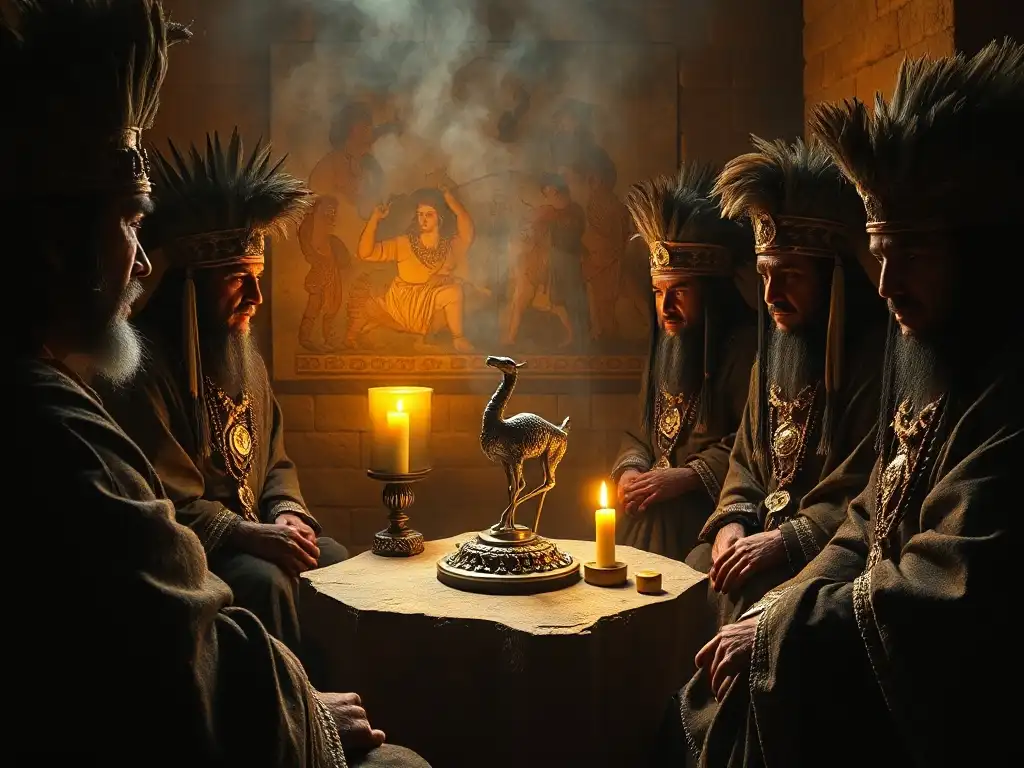
This section delves into the significant political influence wielded by Andean priests, exploring how their religious authority intertwined with the governance of their societies. The Andean worldview didn't separate the spiritual and temporal realms as distinctly as many other civilizations; instead, religious leaders played a crucial role in advising rulers and shaping political decisions.
This influence varied across different Andean cultures—from the Incas to the Chimu and Wari—but the common thread was the deep-seated belief in the priests' ability to communicate with the divine and interpret its will. Understanding this intricate relationship is key to grasping the complexities of Andean political systems.
Understanding the Intertwined Nature of Religion and Politics in Andean Societies
The Andean concept of ayni, reciprocal exchange and balance, extended far beyond simple bartering. It permeated all aspects of life, including the relationship between the religious and political spheres. Rulers, considered intermediaries between the gods and the people, relied heavily on priests to maintain ayni on a cosmic scale.
The priests, in turn, used their religious authority to influence political decisions, ensuring the continuation of social order and the well-being of the community. This wasn't a simple case of priests manipulating rulers; rather, it was a symbiotic relationship built on mutual dependence and shared responsibility. For example, the successful harvest, a crucial aspect of Andean life, was believed to depend on the priests' ability to appease the gods through ritual and sacrifice.
A poor harvest could lead to social unrest, impacting the ruler's authority, highlighting the direct link between religious practices and political stability. The priests, therefore, were not just spiritual guides; they were vital players in the maintenance of the social and political order. Their influence extended to matters of war, diplomacy, and even infrastructure projects, demonstrating the pervasive nature of their political involvement.
The Andean priest class enjoyed considerable prestige and authority, derived from their perceived connection to the supernatural. They were often highly educated, possessing extensive knowledge of astronomy, agriculture, and medicine – skills crucial for a society heavily reliant on agriculture and celestial cycles. This expertise provided them with a level of influence that extended beyond mere religious rituals.
Their understanding of the cosmos allowed them to predict important events like droughts or floods, giving them considerable power in advising rulers on resource management and conflict resolution. The intricate calendar systems developed by Andean civilizations, such as the Inca's sophisticated quipu system for record-keeping, were largely managed and interpreted by the priest class, further solidifying their position of authority. Moreover, the priests controlled access to sacred sites and rituals, which were central to maintaining social cohesion and reinforcing the ruler's legitimacy.
Their control over these resources translated directly into political power. Evidence suggests that some priest-kings existed, blurring the lines between religious and political leadership entirely, further emphasizing the profound influence of the Andean priesthood.
The Priest's Council as a Key Political Institution
Many Andean societies, particularly the Inca, formalized the priest's influence through established councils. These bodies, composed of high-ranking priests, acted as advisors to the ruler, offering guidance on a wide range of issues. These weren't mere rubber-stamp institutions; historical accounts and archaeological findings suggest that these councils played a significant role in shaping policy. The Inca Yachaywasi, for instance, served as a school for training future priests and administrators, creating a pipeline of individuals who would both hold religious and political power.
Decisions made by these councils often had far-reaching consequences. They might advise on matters of war and peace, the allocation of resources, or the implementation of major infrastructure projects. The council's recommendations were not always binding, but their influence on the ruler's final decisions was undeniable.
The composition of these councils, the selection process of its members, and the specific procedures they followed varied across different Andean cultures, reflecting the diverse political structures of the region. Further research is needed to fully understand the internal workings and decision-making processes of these influential bodies, but their significance in shaping Andean political landscapes is irrefutable. The Andean Priest Council's political influence was deeply embedded in the fabric of Andean society, showcasing a unique blend of religious authority and political power.
The Structure and Function of the Andean Priest Council
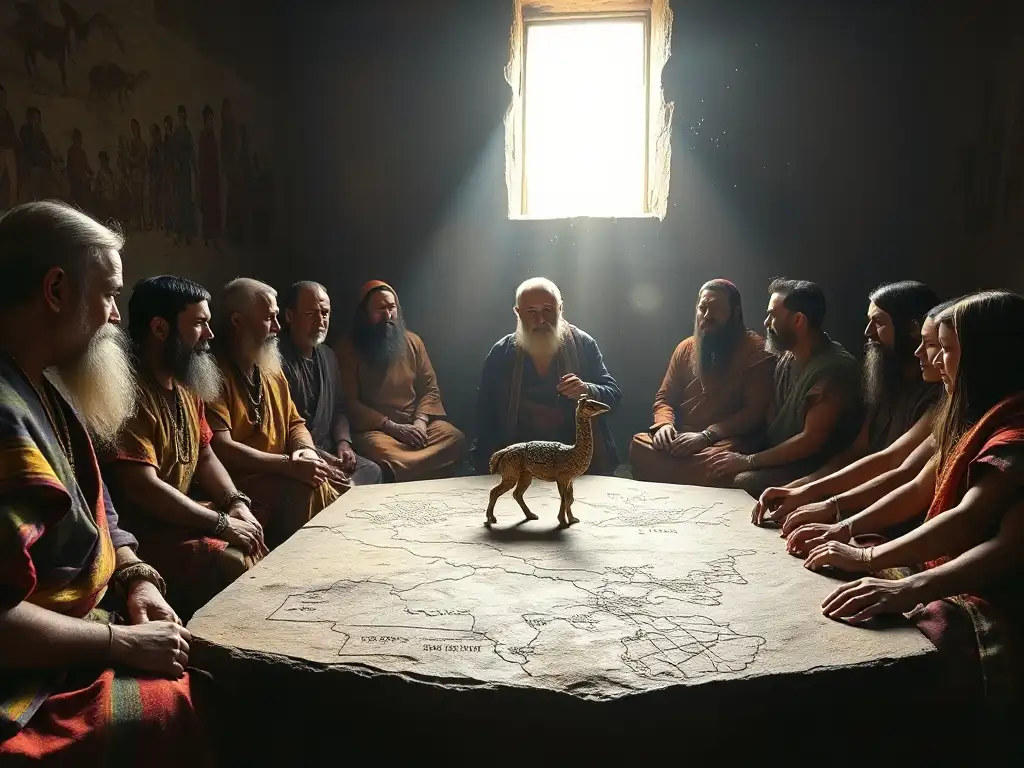
The Andean Priest Council, while varying in structure across different civilizations and time periods, played a crucial role in shaping political decisions and advising rulers throughout the Andes. Its influence stemmed from the deeply ingrained belief in the interconnectedness of the religious and political spheres. Understanding the council's function requires examining its composition, the selection and training of its members, and its unique deliberative processes.
The power wielded by these councils significantly impacted the course of Andean history, demonstrating the profound influence of religious authority on governance. The term "Andean Priest Council" itself is a modern construct to encompass the varying forms of religious advisory bodies; the actual names and structures varied greatly based on the specific culture and era. This section will explore these variations, focusing on the common threads of influence and power these councils held.
Composition of the Council: Who Were the Key Members?
The composition of the Andean Priest Council was complex and hierarchical. While precise details are often scarce due to limitations in surviving historical records, archaeological evidence and ethnohistorical accounts offer valuable insights. The councils weren't simply gatherings of any priest; membership was carefully curated. High-ranking priests, often designated by their specialized knowledge or lineage, held prominent positions. These individuals might have specialized in specific deities, rituals, or calendrical systems crucial to Andean governance.
For example, in the Inca Empire, the Willaq Uma, or "high priest," held a position of immense power, directly advising the Sapa Inca. He was not alone, however; the council likely included other specialists, perhaps astronomers who interpreted celestial events for political guidance, or priests skilled in interpreting oracles and divination. The amautas, learned individuals with expertise in history, law, and cosmology, also likely held influential positions within the council, offering insights into past events and precedents.
In other Andean cultures, such as the Moche, the priestly elite might have been composed of individuals connected to powerful lineages or those who demonstrated exceptional skills in ritual performance and religious interpretation. The exact titles and roles varied, but the underlying principle of specialized religious knowledge influencing political decisions remained consistent. We can infer that the council's composition reflected the specific religious and social structures of each Andean civilization.
Selection and Training of Priests for Political Roles
The selection and training of priests destined for political advisory roles were rigorous and lengthy processes. They weren't simply appointed; they underwent extensive preparation, often from a young age. This training emphasized not only religious knowledge but also political acumen and diplomatic skills. The rigorous training ensured the council members possessed the necessary expertise to advise rulers effectively.
In many Andean societies, the selection process often involved ritualistic elements and divination, reinforcing the religious authority of the council. Lineage played a significant role; membership was sometimes inherited, ensuring the continuity of religious and political knowledge within specific families. However, merit also played a part. Aspiring priests underwent years of intensive study, learning complex religious texts, mastering intricate rituals, and acquiring a deep understanding of Andean cosmology.
They learned to interpret prophecies, manage temple affairs, and advise rulers on matters of state. This comprehensive training equipped them to navigate the intricacies of Andean politics while maintaining their religious authority. The process differed across cultures, but the overarching goal—producing highly skilled and knowledgeable religious advisors—remained consistent.
The Council's Deliberative Process and Decision-Making
The Andean Priest Council's deliberative processes remain partially shrouded in mystery, but we can piece together some understanding based on surviving accounts and archaeological evidence. The council likely didn't operate as a simple voting body; rather, it seems to have been a space for discussion, debate, and the interpretation of religious signs and omens.
The Sapa Inca, or other supreme rulers, would present critical political issues to the council, seeking guidance. The priests would then engage in a process of deliberation, drawing upon their religious knowledge, historical precedents, and interpretations of oracles or other forms of divination. The council's recommendations were not binding; the ruler ultimately made the decisions. However, the weight of religious authority carried significant influence, making the council's advice highly persuasive.
The council's role extended beyond mere advice; they might have also played a role in legitimizing the ruler's authority, connecting their rule to the divine order. The process involved careful consideration, combining religious understanding with pragmatic political considerations, reflecting the deep integration of religion and politics in Andean societies. Further research, particularly analyzing archaeological findings and deciphering remaining texts, is needed to fully understand the nuances of their decision-making process.
The Priest's Council's Influence on Andean Rulers
The extent of the priest council's influence on Andean rulers varied considerably across different cultures and time periods. While we can't definitively quantify their power in every instance, archaeological evidence and surviving accounts (albeit often filtered through colonial perspectives) suggest a significant, albeit nuanced, role in political decision-making. In some societies, like the Inca Empire, the Wiraqocha (high priest) held immense authority, often acting as an advisor to the Sapa Inca on matters of state.
His pronouncements, especially concerning religious matters, carried significant weight, influencing policies related to warfare, agriculture, and public works. The Sapa Inca, while ultimately holding supreme power, often sought the Wiraqocha's counsel before making critical decisions, particularly those perceived as having spiritual ramifications. This dynamic highlights a complex interplay between religious authority and political power, where religious leaders weren't necessarily direct rulers but possessed considerable influence over those who were.
The influence wasn't solely exerted through direct advice. The priest council, comprised of various ranks of priests and specialists, controlled significant resources, including agricultural lands and skilled labor. Their control over these resources allowed them to exert indirect influence by rewarding loyal rulers and potentially withholding support from those who disregarded religious dictates.
This economic leverage allowed them to shape policy, even if they didn't formally participate in governance. For example, the priests might influence the allocation of resources for large-scale projects like irrigation systems or temple construction by advocating for projects that aligned with their religious beliefs and objectives. This control over resources and labor represented a significant power base that subtly but effectively shaped political decisions.
Furthermore, the priest council played a crucial role in legitimizing the ruler's authority. By performing rituals and ceremonies that reinforced the divine right to rule, the priests actively contributed to maintaining social order and political stability. Religious pronouncements could justify military campaigns, legitimize succession, or even influence the selection of heirs. This symbolic power, interwoven with their practical influence over resources, created a potent force in the Andean political landscape.
The priests weren't simply advisors; they were essential components of the political machinery, shaping the very fabric of Andean governance. Their influence, therefore, was multifaceted, operating through direct counsel, economic control, and the powerful symbolism of religious authority. Understanding this complex interplay is key to understanding the dynamics of power within Andean civilizations. Further research, particularly focusing on the specific roles of various priestly orders within different Andean societies, is needed to refine our understanding of this dynamic.
Areas of Influence: How the Priest's Council Shaped Andean Politics
The Andean Priest Council wielded considerable power, extending far beyond mere religious rites. Their influence permeated the political landscape, shaping decisions that impacted the lives of millions across diverse Andean societies. Understanding their role requires acknowledging the interwoven nature of religion and politics in these ancient cultures.
The council didn't simply advise; they actively participated in the decision-making processes, legitimizing rulers and guiding their actions through a complex interplay of religious authority and political pragmatism. This influence varied across different Andean cultures – the Inca, for example, had a more centralized and formalized system compared to smaller, less unified groups – but the fundamental principle of priestly involvement in governance remained consistent. The extent of their political power is a subject of ongoing scholarly debate, but the evidence strongly suggests a significant and often decisive role.
Religious Justification for Political Decisions
The Andean Priest Council provided religious legitimacy to political decisions. Rulers, even those who rose to power through conquest, needed the council's blessing to solidify their rule and maintain social order. This wasn't merely a matter of symbolic gestures; the priests actively framed political actions within a religious context, presenting them as divinely ordained or necessary for maintaining cosmic balance.
For instance, the expansion of the Inca empire was frequently justified as a divinely mandated mission to unify the Andean world under the Inca sun god, Inti. This religious framing ensured popular support, minimizing internal resistance and fostering a sense of shared purpose.
Conversely, failures in governance were often attributed to a lack of adherence to religious principles, further solidifying the council's power and influence. The priests manipulated religious narratives to support the ruling elite, but also subtly guided their choices to align with perceived religious mandates, creating a symbiotic relationship between spiritual and temporal power.
The council's influence extended to the very laws of the land. Many laws, particularly those relating to agriculture, resource management, and social behavior, were rooted in religious beliefs and practices. These weren't simply arbitrary rules; they were presented as essential for maintaining harmony between the human world and the supernatural realm.
This deep integration of religion and law gave the Priest Council significant power in shaping the social and political fabric of Andean societies. The precise mechanisms of this influence are not always clear from the archaeological record, but the pervasiveness of religious ideology in all aspects of life strongly implies a central role for the priestly class in shaping legal and political systems.
Interpreting Omens and Prophecies for Rulership
A crucial aspect of the Andean Priest Council's political influence lay in their ability to interpret omens and prophecies. These interpretations directly guided major political decisions, from military campaigns to agricultural practices. The council's expertise in reading the stars, analyzing animal sacrifices, and interpreting natural phenomena gave them considerable sway over the ruler's choices.
A negative omen could delay a military campaign or halt a construction project. Conversely, a favorable reading might embolden a ruler to pursue a risky strategy or embark on a large-scale undertaking. This system wasn't simply about superstition; it provided a framework for decision-making that incorporated risk assessment and uncertainty.
The priests' interpretations weren't always straightforward. They often employed ambiguity, using veiled language or symbolic imagery that allowed for multiple interpretations. This ambiguity gave them flexibility in shaping the ruler's decisions, subtly guiding them towards courses of action that the council deemed beneficial. The council also acted as a filter for information, controlling access to prophecies and omens.
This gave them the power to shape the ruler's perception of reality, influencing their choices in subtle yet profound ways. The specific methods employed varied across different Andean cultures, but the fundamental principle of priestly control over the interpretation of religious signs remained a powerful tool for political influence. Further research into specific Andean cultures, such as the Moche and Nazca, could shed light on the unique ways they used prophecy and omen interpretation to guide political decisions.
Advising on Matters of War and Peace
The Andean Priest Council frequently advised rulers on matters of war and peace. Their input wasn't limited to simple blessings before battle; they played a crucial role in assessing the strategic implications of military actions, weighing the potential costs and benefits in both material and spiritual terms. Before launching a campaign, rulers often consulted the council to determine auspicious dates, assess the likelihood of success, and gauge the potential consequences of failure.
The council's advice might lead to a postponement, a change in strategy, or even the complete abandonment of a military expedition. This influence extended beyond the battlefield; the council often played a mediating role in resolving conflicts and negotiating peace treaties, utilizing their religious authority to foster reconciliation between warring factions.
The council’s advice on war and peace wasn't solely based on religious prognostications. They also considered practical factors, such as troop strength, resource availability, and the political climate. Their insights, combined with their religious authority, provided a unique blend of strategic thinking and spiritual guidance.
The precise nature of this advice varied across different Andean civilizations, but the evidence suggests a consistent pattern of priestly involvement in military and diplomatic affairs. More detailed studies on specific Andean groups, such as the Tiahuanaco and Chimú, are needed to fully understand the nuances of their interactions with rulers on matters of conflict and diplomacy. The available evidence, however, clearly indicates a significant role for the Andean Priest Council in shaping the course of war and peace across the Andes.
The Council's Role in Resource Management and Allocation
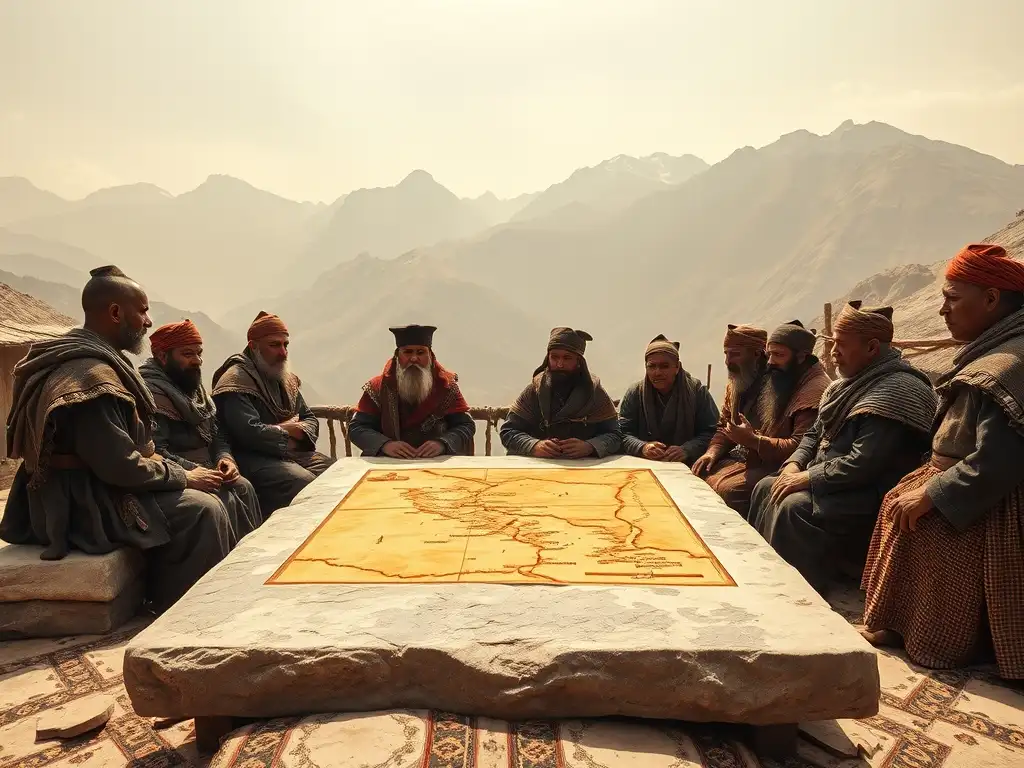
The Andean Priest Council's influence extended far beyond spiritual matters; they played a crucial role in the practical governance of the empire, particularly in resource management and allocation. Their understanding of the cyclical nature of agriculture, intimately tied to their cosmological beliefs, informed their decisions about land use, irrigation projects, and the distribution of vital resources like water and food. For example, in the Inca Empire, the ayllu system, a community-based organization, was overseen by priests who ensured equitable distribution of resources based on the needs of the community and the dictates of the agricultural calendar. This wasn't simply a matter of fairness; it was a sacred duty, ensuring the continued favor of the gods and the prosperity of the empire. The priests, possessing detailed knowledge of agricultural cycles and land productivity, could predict potential shortages and implement preventative measures, such as rationing or initiating public works projects to improve irrigation systems. This proactive approach to resource management minimized social unrest and ensured the stability of the empire. Evidence suggests that the Inca priests meticulously tracked crop yields, water levels, and livestock numbers, using sophisticated quipu systems 1 to record and analyze this data, informing their resource allocation strategies. Their influence on resource management was therefore not simply advisory; it was a direct, practical application of their religious knowledge to the governance of the empire, demonstrating the deeply intertwined nature of religion and politics in the Andean world.
Legislating and Enforcing Laws based on Divine Mandates
The Andean Priest Council didn't merely advise rulers; they actively participated in the creation and enforcement of laws. Their authority stemmed from their perceived connection to the divine realm, allowing them to frame laws as divine mandates rather than solely human decrees. This imbued these laws with a powerful legitimacy, enhancing compliance among the population.
Laws concerning everything from agricultural practices and social customs to warfare and trade were often presented as expressions of the gods' will, interpreted and disseminated by the priests. For instance, the Inca's elaborate system of road construction, crucial for both trade and military mobilization, might have been partly driven by priestly pronouncements emphasizing the importance of connecting sacred sites and facilitating communication across the empire. Disobeying these laws wasn't simply a legal infraction; it was considered a sacrilege, punishable by severe consequences, both in this world and the next.
The priests often acted as judges, interpreting divine omens and signs to determine guilt and pronounce punishments, further solidifying their role in the judicial system. This blend of religious and secular authority ensured the smooth functioning of the empire by aligning the people’s actions with a divinely sanctioned order, fostering social cohesion and stability. The priest's involvement in the legal system was not merely symbolic; it was a powerful instrument for maintaining social order and political control, showcasing the deep integration of religious and political power within Andean societies.
1 Quipu were complex knotted strings used by the Inca to record and store information. The precise methods of their use are still being researched, but it's clear they were essential tools for administrative tasks.
Case Studies: Examples of Priest's Council Influence
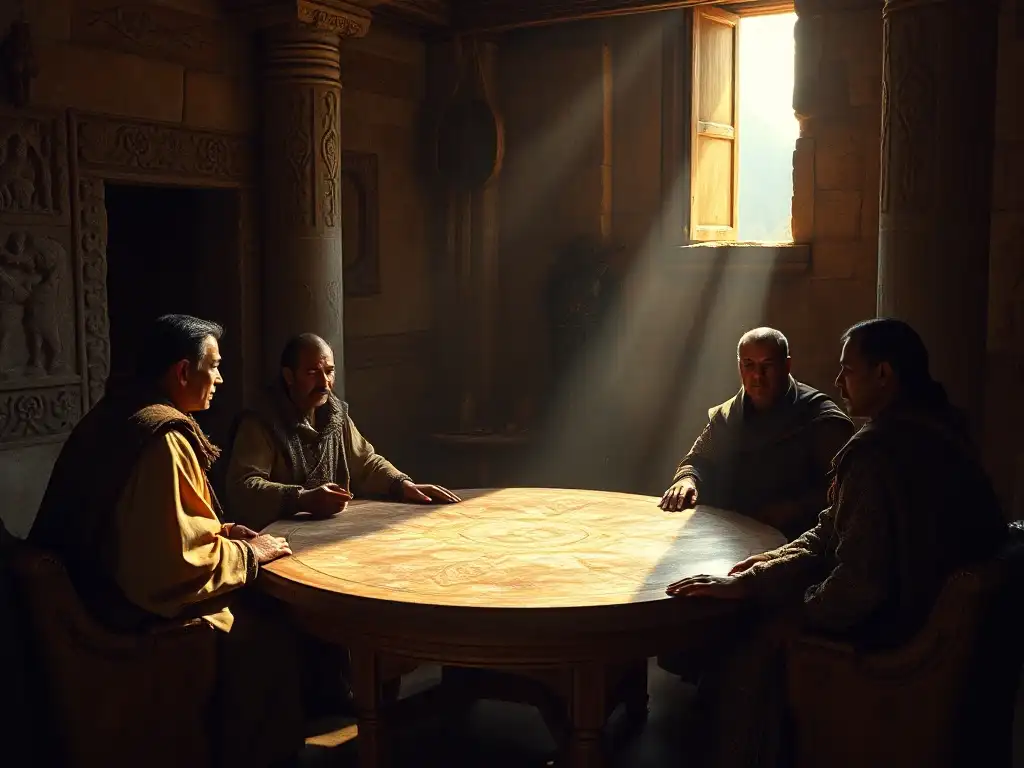
This section delves into specific instances demonstrating the profound political influence wielded by Andean priest councils, showcasing their impact on crucial decisions and shaping the course of history. The Andean Priest Council's political influence extended far beyond mere religious rites; they were active participants in the governance of their societies. We will examine several key examples to illustrate this significant role.
The Oracle of Pachacamac and its Influence on Inca Policy
The Oracle of Pachacamac, located at the prominent Pachacamac sanctuary south of Lima, held immense sway over Inca policy, particularly during the expansionist phase of the empire. Pachacamac, a powerful deity associated with fertility and creation, was consulted through elaborate rituals performed by a specialized priestly caste. These priests, acting as intermediaries between the Inca ruler and the divine, interpreted the oracle's pronouncements, which often shaped military campaigns, agricultural practices, and even succession disputes.
For example, historical accounts suggest that before major military expeditions, Inca rulers, like Huayna Capac, sought the oracle's blessing and guidance. Favorable pronouncements boosted morale and provided legitimacy to the campaigns, while unfavorable ones could lead to delays or even cancellations. The priests carefully managed the dissemination of the oracle's pronouncements, leveraging their interpretation to maintain their influence and shape the Inca emperor's decisions.
This demonstrates the significant role of the Andean Priest Council in the political sphere, influencing even the most critical military decisions of the Inca empire. The weight given to these pronouncements highlights the profound integration of religion and politics within the Inca worldview. Further research into the specific rituals and interpretations employed by the Pachacamac priests could shed more light on the intricacies of this powerful influence.
The influence wasn't limited to warfare; decisions regarding infrastructure projects, resource allocation, and even matters of royal succession often involved consultation with the oracle, underscoring the holistic nature of the priests' political involvement. Understanding the Oracle of Pachacamac’s influence allows us to better comprehend the complex interplay between religion and state power in the Inca Empire, a key aspect of Andean Priest Council political influence.
The Role of Priests in the Selection of Sapa Inca
The selection of the Sapa Inca, the emperor, wasn't solely a matter of heredity. While lineage played a crucial role, the Andean Priest Council played a significant part in the process, ensuring the chosen successor possessed not only royal blood but also divine favor. Priests meticulously examined potential candidates, assessing their character, physical fitness, and spiritual aptitude. They often conducted elaborate ceremonies and rituals to divine the will of the gods, ensuring the chosen successor enjoyed divine legitimacy.
This process wasn't simply a ceremonial formality; it was a powerful mechanism for controlling succession and preventing potential power struggles. By endorsing a particular candidate, the priests legitimized their rule and consolidated their own position within the power structure. The selection process, therefore, became a strategic arena where the priest's council exercised considerable political influence, shaping the future of the Inca empire.
Specific details regarding the selection rites and the criteria used by the priests remain incomplete, requiring further investigation into Inca chronicles and archaeological evidence to fully understand the intricacies of this process and the extent of the priest's council's role. Available evidence suggests that the priests' influence was substantial, shaping the very leadership of the Inca civilization.
The Priest's Council and the Inca-Chanca Wars
The Inca-Chanca War, a significant conflict in Inca history, provides another compelling example of the Andean Priest Council's political influence. While military prowess undoubtedly played a crucial role, the priests' involvement shaped the strategies, morale, and ultimately, the outcome of the war. Before, during, and after the conflict, the priests offered spiritual guidance, interpreted omens, and influenced the Inca emperor's decisions.
The priests' role extended beyond mere spiritual support; their pronouncements could influence troop deployments, alliances, and even peace negotiations. They could bolster the morale of the Inca army through religious ceremonies and prophecies of victory. Conversely, unfavorable omens could lead to strategic retreats or diplomatic maneuvers. The outcome of the Inca-Chanca War, therefore, wasn't solely a product of military might but also a reflection of the priests' political influence and strategic guidance.
More research is needed to fully uncover the specific ways in which the priests influenced the military strategies and diplomatic negotiations during this conflict. However, it's clear that the Andean Priest Council played a pivotal role in this pivotal moment in Inca history, reinforcing their significant political power within the empire. The interplay between religious authority and military strategy in this conflict underscores the profound integration of the sacred and the secular in Inca society.
The Legacy of the Andean Priest Council and its Political Impact
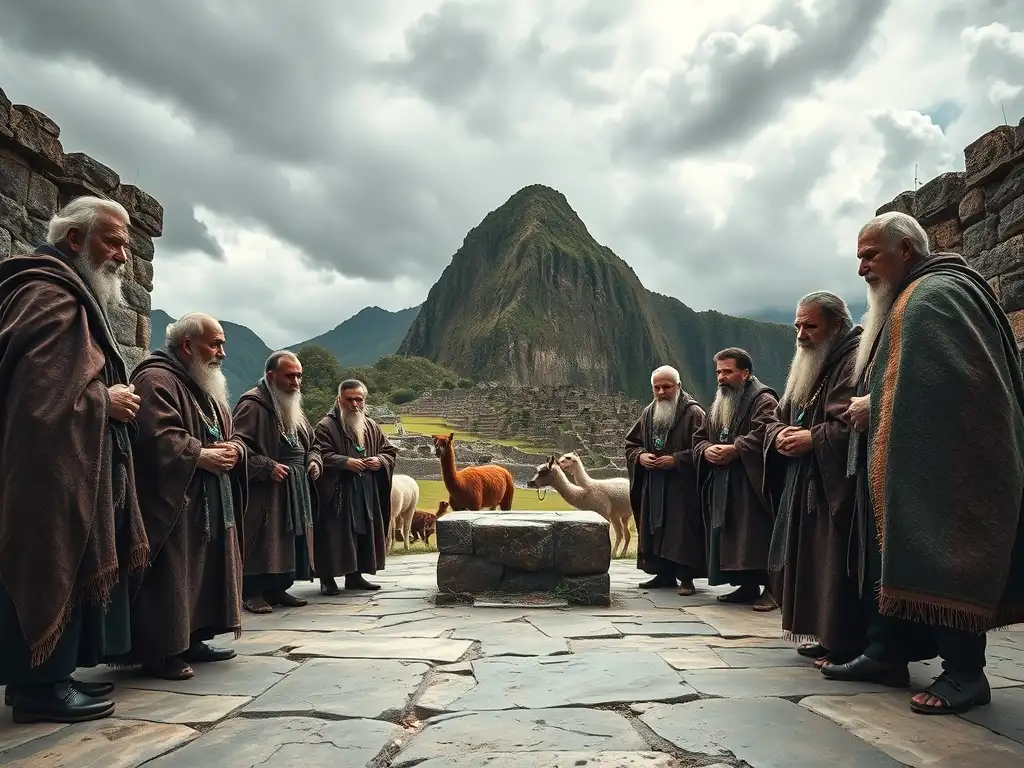
The Andean Priest Council's legacy extends far beyond the collapse of the empires they served. Their influence on political structures, decision-making processes, and even modern interpretations of Andean history remains profoundly significant. The intricate relationship between religious authority and secular power, a hallmark of Andean civilizations, continues to fascinate and inspire scholarly debate. Understanding this legacy requires examining the enduring influence of religious authority on Andean political structures and the impact of the priests' political strategies on our modern understanding. The very fabric of Andean society, from its intricate agricultural systems to its complex social hierarchies, was interwoven with religious beliefs and practices, making the priests' role inseparable from the political landscape. This intricate interplay shaped the course of Andean history and continues to resonate in contemporary discussions of power and governance. Analyzing their influence requires careful consideration of archaeological evidence, historical accounts, and the enduring impact of their ideologies.
The Andean Priest Council's influence wasn't simply advisory; it was deeply embedded within the very structure of Andean political systems. Rulers, whether Inca Sapa Incas or leaders of earlier cultures like the Moche or Nazca, often relied heavily on priestly counsel for crucial decisions, from declaring war to initiating large-scale public works projects. This wasn't merely a matter of seeking divine approval; priestly expertise extended to practical matters like resource management, agricultural planning, and even conflict resolution.
The priests, often possessing specialized knowledge of astronomy, agriculture, and medicine, held a position of immense authority, their pronouncements carrying significant weight in shaping policy and directing the actions of the state. Their influence permeated every level of society, from the imperial court to the local communities. This deep integration of religious and secular authority ensured the priests' continued influence, even in times of political upheaval.
The council acted as a powerful check on royal power, ensuring that decisions aligned with the broader societal interests as interpreted through the lens of religious cosmology. For example, the Inca's decision to initiate a major irrigation project would likely have been preceded by extensive consultation with the priestly council, who would have considered the project's impact on the land, its potential to affect agricultural yields, and its alignment with Inca cosmology.
The Impact of Andean Priest's political strategies on Modern Understanding
The political strategies employed by the Andean Priest Council continue to shape how we understand Andean civilizations today. Their ability to seamlessly blend religious authority with political influence has presented a challenge to historians and archaeologists seeking to unravel the complexities of Andean power dynamics. The lack of written records from many Andean cultures necessitates relying on archaeological discoveries, iconography, and oral traditions passed down through generations.
This reliance on indirect sources complicates the process of interpreting the council's role accurately. However, the surviving evidence—from monumental architecture reflecting cosmological beliefs to intricate textiles depicting ritual scenes—points to a sophisticated system of political influence. The subtle ways in which religious ideology shaped political decisions, the use of ritual to legitimize power, and the council's ability to manipulate public perception all contribute to the difficulty in fully comprehending their strategies.
Examining the council's actions through a modern lens requires careful consideration of power structures, the role of ideology in shaping political systems, and the limitations of the available historical sources. Modern scholarship strives to move beyond simplistic interpretations, recognizing the nuances and complexities of the Andean Priest Council’s influence.
The Archaeological Evidence and Historical Accounts of the Councils' power
Archaeological evidence offers compelling insights into the Andean Priest Council's power. Sites like Machu Picchu, with its intricate astronomical alignments and ceremonial structures, speak to the priests' influence on urban planning and state construction. The discovery of richly adorned tombs and the presence of specialized priestly artifacts at various sites further underscore their high social status and political clout.
Moreover, the iconography found on ceramics, textiles, and metalwork often depicts priests interacting with rulers, indicating a close working relationship and signifying the council's participation in key political events. While written accounts from the Spanish Conquest period offer valuable information, they must be interpreted critically, acknowledging the biases inherent in colonial perspectives. These accounts often downplay or misrepresent the sophistication of Andean political systems, focusing instead on narratives that served colonial interests.
Therefore, a holistic understanding of the Andean Priest Council's power requires a careful synthesis of archaeological findings and historical accounts, paying close attention to the potential biases and limitations of each source. The combination of these approaches provides a more nuanced and complete picture of the council's significant political influence within Andean societies. Further research and analysis are crucial to fully understand the extent of their power and their lasting impact.
The Continuing Relevance of this Political Model in the Andean Region
The influence of the ancient Andean priest council's political model, though centuries removed, continues to resonate subtly within the Andean region today. While not a direct, formal structure mirroring the Inca's Yachaywasi or similar institutions, its underlying principles of spiritual guidance informing secular leadership persist in various ways. This influence manifests in several key aspects of Andean societies.
Firstly, the deep-rooted respect for ancestral wisdom and spiritual leaders remains a powerful force. Many indigenous communities in the Andes still rely heavily on the counsel of yatiri (shamans) and other spiritual figures in making crucial decisions, ranging from agricultural practices to community disputes. These figures often act as mediators, offering guidance informed by traditional beliefs and knowledge, much like the priest councils of the past. The decision-making process, while not structured as a formal council, often incorporates elements of consensus-building and respect for elders, echoing the collaborative nature of the ancient Andean political systems.
Secondly, the concept of a harmonious relationship between the spiritual and the secular realms continues to be a significant factor. In many Andean communities, political leaders recognize and actively seek the blessing and guidance of spiritual authorities for major initiatives. This interaction, while perhaps less formalized than in Inca times, demonstrates a persistent link between spiritual authority and political power.
The belief that spiritual well-being is inextricably linked to societal prosperity remains a cornerstone of Andean worldview, influencing political discourse and decision-making even today. This enduring connection highlights the lasting legacy of the integrated political and religious structure of the past.
Finally, the emphasis on community and collective well-being, a core principle underpinning the Andean priest council's role, is still prevalent. Contemporary Andean political movements and social organizations often prioritize community needs and collective action, reflecting the ancient values of social harmony and mutual support. This focus on the community's overall welfare influences political agendas and policy decisions, demonstrating a lasting legacy of the holistic approach characteristic of the ancient Andean political model guided by spiritual advisors.
The enduring emphasis on community cohesion and collective responsibility continues to shape the political landscape of the Andes, reflecting the enduring influence of the ancient priest councils. This echoes the ancient belief that the prosperity and stability of the state were directly tied to the spiritual and social well-being of its people.
Conclusion: The Power and Influence of the Andean Priest Council
The Andean Priest Council's influence extended far beyond mere religious rituals. Their role as intermediaries between the human and divine realms granted them significant political power, shaping the course of Andean societies for centuries. This influence wasn't always overt; it operated through subtle manipulations of belief, prophecy, and ritual, subtly guiding rulers and influencing key decisions. Understanding the Andean Priest Council's power requires acknowledging the deeply interwoven nature of religion and politics in these societies.
It wasn't a simple case of priests dictating policy, but rather a complex interplay where religious authority legitimized and shaped political power. The council's pronouncements held immense weight, influencing everything from warfare and alliances to agricultural practices and resource allocation. Their ability to interpret omens, predict harvests, and even communicate with the ancestors gave them unparalleled sway over the lives of their people and, consequently, the rulers who depended on their favor.
The extent of this influence varied across different Andean cultures and time periods, but its presence was undeniably a crucial factor in understanding the political dynamics of the region. Further research into specific case studies, focusing on the interactions between individual priest councils and their respective rulers, is needed to more fully elucidate the nuances of this fascinating relationship. The available evidence, however, strongly supports the conclusion that the Andean Priest Council wielded considerable power, acting as a crucial force in the shaping of Andean political systems.
The Importance of the Priest's Council in Understanding Andean Political Systems
Understanding the Andean Priest Council is paramount to grasping the intricacies of Andean political systems. These councils weren't simply advisory bodies; they were integral components of governance, functioning as a crucial link between the spiritual and temporal spheres. Their advice, often presented as divinely inspired pronouncements, heavily influenced rulers' decisions on matters of war, peace, infrastructure projects, and even succession. For example, the Inca Empire's expansion and consolidation were likely influenced by priestly interpretations of omens and prophecies, providing religious justification for military campaigns and territorial expansion.
Similarly, the allocation of resources, such as labor for public works projects, often followed religious directives, emphasizing the deep integration of religious and political authority. The council's influence wasn't solely based on fear or coercion; it stemmed from a deeply ingrained belief in the council's connection to the supernatural. This belief system legitimized the rulers' authority and ensured societal stability.
Ignoring the role of the Andean Priest Council in analyzing Andean political systems would be akin to studying a complex machine while ignoring a crucial component – it would lead to an incomplete and ultimately inaccurate understanding of how the system functioned. The council’s influence on resource management, conflict resolution, and social hierarchy provides a crucial lens through which to examine the stability and longevity of these complex societies. Further investigation into the internal structure and decision-making processes within these councils would undoubtedly enrich our understanding of their political influence.
Reflections on the Interplay of Religion, Power, and Politics in the Andes
The Andean Priest Council exemplifies the intricate interplay between religion, power, and politics in the Andes. This relationship wasn't a simple hierarchy, but rather a dynamic and complex interaction. Religion didn't merely serve as a tool for political control; it was the very foundation upon which political power was built and legitimized. The priests, as interpreters of the divine will, held a position of immense authority, shaping not only religious practices but also the social, economic, and political structures of Andean societies.
Their influence extended to all aspects of life, from agricultural cycles and warfare to the construction of monumental architecture and the organization of social hierarchies. This symbiotic relationship between religious and political power is evident in the monumental structures built across the Andes, which served both religious and administrative purposes, highlighting the close ties between the spiritual and temporal realms. The study of Andean religion, therefore, cannot be separated from the study of Andean politics; they are inextricably linked, creating a unique and fascinating system of governance. Understanding this intricate relationship requires a nuanced approach, taking into account the specific contexts of different Andean cultures and time periods.
Further research could focus on comparing the roles of priest councils in different Andean societies to better understand the variations and commonalities in their political influence. The Andean experience offers a compelling case study for understanding the powerful and multifaceted ways in which religion can shape political power structures. 🌎
Frequently Asked Questions
What was the Andean Priest Council's role in government?
The Andean Priest Council held significant political influence, advising rulers on a wide range of matters, from religious ceremonies to economic policies and military strategies. Their pronouncements often carried the weight of divine authority.
How did the Priest Council influence Inca rulers?
The Inca emperors deeply respected the religious expertise of the Priest Council. Their advice shaped key decisions, impacting everything from agricultural practices to lawmaking, solidifying the Council's power and influence within the empire.
Did all Andean cultures have similar Priest Councils?
While the structure varied across different Andean civilizations (Inca, Moche, Nazca, Tiahuanaco), most possessed a powerful priestly class that exerted considerable influence on political affairs. The specific level of influence, however, differed between cultures.
What evidence supports the Priest Council's political influence?
Archaeological findings, such as elaborate temples and the depiction of priests in official artwork, alongside historical accounts from Spanish chroniclers, all point to the significant political power wielded by Andean priestly councils.
How did the Priest Council's influence decline?
The Spanish conquest significantly disrupted the power structures of the Andean civilizations. The suppression of indigenous religions and the imposition of colonial rule led to the decline and eventual dismantling of the Priest Councils' political influence.
Final Reflection: Echoes of the Andes: Power, Spirituality, and the Modern World
The influence of Andean priest councils on political decision-making resonates powerfully even today, demonstrating the enduring link between spirituality and governance. Their intricate system of advising rulers, balancing religious authority with practical political considerations, offers a compelling model for understanding the complexities of power dynamics across cultures and time. The echoes of their wisdom continue to shape our understanding of the relationship between faith and state.
The legacy of the Andean priest councils is not merely a historical curiosity; it's a vital lens through which to examine the ongoing tension between religious belief and secular power. Their role in shaping policy, mediating conflicts, and providing moral guidance offers a rich tapestry of insights into the human condition. The past is never dead. It's not even past.
– William Faulkner. This quote perfectly encapsulates the enduring relevance of understanding the Andean priest councils and their lasting impact on the region's political and social fabric. Their influence continues to shape the cultural landscape, reminding us of the enduring power of spiritual leadership in the face of political realities.
Consider the ways in which spiritual leaders and advisors still influence political discourse today. Reflect on the role of faith in shaping your own values and perspectives. You, too, have the power to influence the world around you, just as the Andean priest councils did centuries ago. Embrace your voice, engage in thoughtful dialogue, and strive to build a future where wisdom, compassion, and ethical considerations guide our collective decisions. Let the legacy of the Andean priest councils inspire you to become a force for positive change in your own sphere of influence.
Unveil the Power of Ancient Wisdom
Thank you for exploring the fascinating world of the Priest's Council and their significant influence on Andean rulers. You've discovered the profound connection between spirituality and governance, a relationship that continues to hold relevance in contemporary political discussions.
Now, let's put your newfound knowledge into practice. Here are some ways to continue your exploration:
- Explore the Influence: Investigate the historical practices of influential advisory bodies in other ancient societies, such as the Roman Senate or the Chinese Imperial Academy. Consider the similarities and differences between these ancient organizations and modern political structures.
- Share Your Insights: Discuss the role of ethics and values in governance with friends, family, or colleagues. Explore how incorporating ancient principles of community and responsibility could enhance modern leadership.
- Join the Conversation: Participate in online discussions about Andean civilizations and their lasting impact. Share your perspectives and connect with others interested in history and culture.
What aspects of ancient wisdom, such as prioritizing community well-being or emphasizing ethical conduct, could contribute to positive change in today's political climate?