
Unveiling the Secrets of Andean Oracle Bones: Decoding the Messages


Step into a world lost to time, yet echoing with the whispers of ancient wisdom. For centuries, the Andean civilizations have captivated the world with their ingenuity and profound connection to the cosmos. But what secrets lie hidden within the intricate carvings of their oracle bones? Prepare to embark on a journey into the heart of Andean religion and cosmovision as we delve into the fascinating world of Andean oracle bone meanings. Uncover the cryptic messages etched into these artifacts and unlock the mysteries they hold – dare you unravel their enigmatic power?
The Andes Mountains, a spine of towering peaks stretching along the western coast of South America, were home to a myriad of sophisticated civilizations long before the arrival of Europeans. These cultures, including the Incas, Moche, Nazca, and Tiahuanaco, developed complex belief systems deeply intertwined with their environment and a profound understanding of the cosmos.
A crucial aspect of their religious practices involved divination, the attempt to gain insight into the future or divine will. While various methods were employed, the use of oracle bones – animal bones ritually prepared and interpreted – offers a captivating window into Andean spiritual beliefs and practices.
This article delves into the fascinating world of Andean oracle bones, exploring their historical context, interpretation techniques, and the meanings embedded within their markings, ultimately aiming to shed light on the rich tapestry of Andean spiritual life and provide insight into the meanings derived from these artifacts. Understanding these practices provides a deeper appreciation for the complexity and sophistication of Andean religious thought, offering a unique perspective on "Andean oracle bone meanings".
Introduction to Andean Oracle Bones
Andean oracle bones, unlike their better-known Chinese counterparts, weren't typically used for writing or record-keeping. Instead, they served as tools for divination, used by shamans and religious specialists to communicate with the supernatural world. These bones, often from camelids (llamas and alpacas), were carefully prepared through a process that likely involved burning, scraping, and sometimes even carving.
The resulting cracks and markings on the bone's surface were then interpreted to provide answers to questions about the future, the health of the community, or the will of the gods. The specific techniques used varied across different Andean cultures and time periods, contributing to a rich diversity of divination practices. The interpretation of these markings, often influenced by the context of the ritual and the shaman's own understanding, involved a complex system of symbolism and interpretation that remains partially understood even today.
Many bones display intricate carvings and markings beyond simple cracks, suggesting a sophisticated symbolic language that requires further research to fully decipher. The discovery and analysis of new oracle bones continues to challenge and enrich our understanding of Andean spirituality.
The Historical Context of Andean Divination Practices
Andean cultures possessed a long and rich history of divination practices, far predating the use of oracle bones. These practices were integral to their social and political structures, influencing decisions on everything from agriculture to warfare. The interpretation of natural phenomena, such as the movements of stars and constellations, animal behavior, and even the flight patterns of birds, played a significant role in their attempts to understand and predict the future.
Andean Divination Methods Before Oracle Bones
Before the widespread adoption of bone divination, Andean cultures relied on a variety of methods to consult the supernatural. These included:
- Observation of natural phenomena: Careful observation of celestial events, weather patterns, and animal behavior was crucial for predicting agricultural cycles and other important events.
- Use of hallucinogenic plants: Substances like coca leaves and other psychoactive plants were used in rituals to induce altered states of consciousness, facilitating communication with the spirit world.
- Interpretation of dreams: Dreams were considered powerful sources of insight and were often interpreted by shamans to provide guidance and warnings.
- Reading of entrails: Similar to practices in other ancient cultures, the examination of animal entrails was also used as a method of divination.
The Emergence of Bone Divination in Andean Cultures
The exact origins and timeline of bone divination in the Andes remain a subject of ongoing research. However, evidence suggests that it emerged as a significant practice during specific periods and within specific Andean cultures. While some scholars suggest that bone divination might have been influenced by other cultures through trade or migration, it’s crucial to recognize that the Andean adaptation of this practice was unique and deeply embedded within their existing cosmovision.
Further research, including radiocarbon dating of discovered bones and comprehensive analysis of associated artifacts, is necessary to refine our understanding of its emergence and evolution. The specific cultural contexts in which bone divination flourished and the reasons for its adoption within particular Andean societies remain key areas of ongoing scholarly debate and investigation. 💻 The development of new analytical techniques promises to shed further light on this fascinating aspect of Andean religious life.
Materials and Preparation of Andean Oracle Bones
The creation and preparation of Andean oracle bones were imbued with deep spiritual significance, reflecting the intricate relationship between the Andean peoples and their cosmology. While the specific practices varied across different cultures and time periods, certain common threads emerge in the archaeological record. The process was far from casual; it was a carefully orchestrated ritual aimed at ensuring the accuracy and validity of the divination. The selection of the bones themselves was not arbitrary.
Types of Bones Used in Andean Divination
The types of bones employed in Andean divination varied depending on the specific culture and the nature of the divination being performed. Llama bones, given the llama's importance in Andean society, were frequently used. These were often chosen for their size and shape, lending themselves well to the application of symbols and markings.
Other animal bones, such as those from camelids (alpacas and guanacos), birds, and even human bones (in certain, potentially more ritualistically significant contexts) have been found in archaeological contexts associated with divination. The specific selection criteria, while not fully understood, likely involved considerations of the animal's symbolic meaning within the Andean worldview. Further research is needed to definitively clarify the specific preferences of different Andean cultures.
The Ritualistic Preparation of Oracle Bones
The preparation of the oracle bones was not simply a matter of selecting suitable bones; it involved a complex series of rituals aimed at cleansing and consecrating the bones, ensuring they were receptive to the divine messages. This often involved cleansing rituals using water from sacred springs or rivers, followed by the application of pigments or paints, which often held symbolic meaning themselves. The process might have included offerings and prayers to specific deities associated with divination or prophecy.
The specific rituals and techniques likely varied among different Andean cultures and over time, reflecting the evolution of their religious beliefs and practices. Archaeological evidence suggests the use of specific plants and minerals in the preparation process, though the exact nature and purpose of these substances remain a subject of ongoing research.
Decoding the Meanings: Exploring Andean Oracle Bone Symbolism
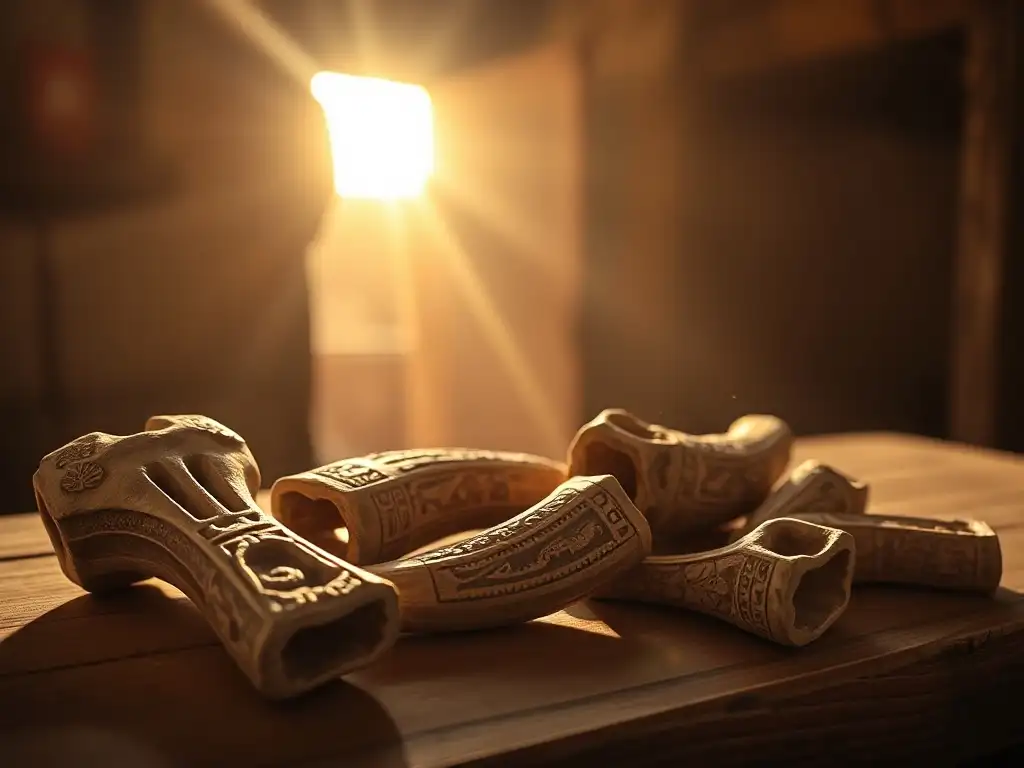
Interpreting Andean oracle bones was not a straightforward process; it relied on a deep understanding of complex symbolism and the ability to connect the markings on the bones to the specific questions posed. The markings themselves, whether cracks, etchings, or painted symbols, were not randomly created; they were believed to be messages from the spirit world, directly reflecting the will of the gods or ancestors. The meaning of these symbols was not always fixed; context played a crucial role in their interpretation.
Understanding Common Andean Oracle Bone Symbols
While a comprehensive catalog of all Andean oracle bone symbols remains a work in progress, some recurring motifs have been identified. These often include representations of celestial bodies (sun, moon, stars), animals (llamas, condors, snakes), and geometric patterns (spirals, zigzags). The meaning of these symbols varied depending on their combination and the context in which they appeared.
For instance, a condor symbol might signify power and strength, while a snake could represent both danger and healing, depending on the surrounding symbols and the specific question being asked. More research is needed to fully understand the complex interplay of these symbols.
Regional Variations in Oracle Bone Interpretations
The interpretation of Andean oracle bones was not uniform across the entire Andean region. Different cultures, even within close geographical proximity, developed unique systems of symbolism and interpretation. The Moche, for example, may have used different symbols and interpretive methods compared to the Inca or the Nazca.
These regional variations reflect the diverse spiritual beliefs and cosmological understandings of the various Andean cultures. Understanding these regional differences is crucial for accurately interpreting the messages encoded in the bones. Further research focusing on regional variations in both the bones themselves and accompanying ritual artifacts is essential for a complete understanding of Andean divination.
The Role of the Diviner in Interpreting the Bones
The interpretation of Andean oracle bones was not a task for just anyone; it was the responsibility of specialized individuals, often referred to as diviners or shamans. These individuals possessed a deep understanding of Andean cosmology, symbolism, and ritual practices. They were believed to have a special connection to the spirit world, allowing them to accurately interpret the messages conveyed by the bones.
The diviner's role extended beyond simply interpreting the markings; they also played a crucial role in preparing the bones for divination and conducting the necessary rituals to ensure the accuracy of the process. Their expertise was highly valued within their communities, making them essential figures in Andean society. The training and selection process for these diviners remains largely unknown, highlighting another important area for future research on Andean oracle bone meanings.
The Ritual Process: Casting and Reading Andean Oracle Bones
The practice of Andean oracle bone divination, while lacking the extensive written documentation found in other cultures, reveals a rich and complex ritual process. Archaeological findings suggest a careful and deliberate approach, emphasizing the sacredness of the act and the importance of the interpreter's skill and spiritual connection. The process wasn't a casual undertaking, but rather a solemn ceremony demanding preparation, precision, and profound respect for the spiritual realm.
The success of the divination depended heavily on the purity of the space, the correct performance of the ritual, and the interpreter's ability to discern the subtle nuances of the bone patterns. Variations in the ritual likely existed across different Andean cultures and regions, reflecting the diverse spiritual beliefs and practices of the time.
Preparation of the Divination Space
The preparation of the divination space was crucial. Evidence suggests that a specific area, often secluded and considered sacred, was meticulously cleansed and purified before the ritual. This might have involved the use of incense, offerings of coca leaves, or other ritual cleansing practices specific to the community or the individual conducting the divination.
The space itself was likely imbued with symbolic significance, reflecting the cosmology and beliefs of the Andean people. The arrangement of objects within the space, such as specific stones or artifacts, may have further enhanced the ritual atmosphere and facilitated a connection with the spiritual world. A quiet, contemplative atmosphere was essential for achieving the necessary spiritual focus.
The Ritual Casting of the Bones
The casting of the bones was not a random act but a carefully choreographed ritual. The specific method varied, but often involved the use of a specific number of bones, possibly from camelids, and a controlled method of throwing or scattering them. The arrangement of the bones after they landed held the key to the interpretation. The position, orientation, and even the proximity of the bones to one another contributed to the overall meaning.
The interpreter, often a shaman or a person with specialized knowledge, would observe the pattern carefully, noting the slightest details. This act of casting wasn’t merely about chance; it was believed to be a conduit for communication with the spirit world, a carefully orchestrated interaction to elicit divine guidance. The environment, the performer's state of mind, and the careful execution of the casting itself were all considered critical components of the ritual’s success.
Techniques for Reading the Oracle Bone Patterns
Interpreting the patterns formed by the cast oracle bones required specialized knowledge and experience. The Andean diviners likely relied on established systems of interpretation, potentially passed down through generations. Specific bone arrangements could have corresponded to pre-defined meanings or symbolic representations associated with various aspects of life, such as agriculture, health, or social relations.
The diviner's intuition and personal understanding of Andean cosmology likely played a crucial role in supplementing these established interpretations, allowing for more nuanced and context-specific readings. The process was iterative and often involved considering the overall pattern alongside the individual positions of each bone. It was a complex interpretive dance between established knowledge and intuitive insight.
Andean Oracle Bone Meanings: Specific Interpretations
The meanings derived from Andean oracle bone readings were multifaceted and encompassed a wide range of life aspects. While precise interpretations remain elusive due to the scarcity of direct textual evidence, archaeological findings and anthropological studies offer glimpses into the diverse applications of this divination practice. The interpretations were highly contextual, varying depending on the specific questions posed and the circumstances of the individual or community seeking guidance. The diviner's role was crucial in translating the cryptic messages into actionable insights.
Oracle Bones and Their Connection to Andean Deities
Andean cosmology was rich with deities and spirits, and oracle bone readings were often framed within this intricate spiritual framework. Specific bone patterns might have indicated the favor or displeasure of particular deities, revealing their influence on a given situation. The interpretation would then incorporate the attributes and domains of the associated deities, providing a deeper understanding of the implications of the reading.
For example, a pattern associated with the god of rain might signify favorable conditions for agriculture, while a pattern associated with a deity of war might foretell conflict or unrest. This connection between the oracle bones and the Andean pantheon reveals the deep integration of divination into the religious and spiritual life of the people.
Oracle Bone Readings for Agriculture and Fertility
Agriculture was central to Andean life, and oracle bone divination played a significant role in guiding agricultural practices. Readings could provide insights into the upcoming harvest, predicting favorable or unfavorable conditions, such as rainfall, frost, or pest infestations. These predictions would have been crucial for planning planting cycles, allocating resources, and ensuring the community's food security.
Similarly, oracle bone readings might have addressed matters of fertility, predicting the success of crops and livestock. The information derived from these readings could have influenced decisions about livestock breeding, land management, and other crucial agricultural practices. This highlights the practical applications of divination within the context of Andean subsistence strategies.
Oracle Bone Interpretations for Personal Guidance
Andean oracle bones were not solely used for community-level concerns; they also offered guidance on personal matters. Individuals might have consulted the bones for advice on marriage, health, travel, or other personal decisions. Interpretations could provide insights into potential challenges, favorable opportunities, or warnings about impending dangers. The divination process offered a way to navigate personal uncertainties and make informed decisions based on what was perceived as divine guidance. The intimate nature of these personal consultations underscores the significance of oracle bones as a tool for personal empowerment and spiritual guidance within Andean society.
Oracle Bone Predictions for Community Matters
At a community level, Andean oracle bones served as a means of predicting and addressing issues affecting the entire group. Readings might have been sought to foresee potential conflicts, natural disasters, or other events that could impact the community's well-being. These predictions would have allowed leaders to implement preventive measures or devise strategies to mitigate the potential negative impacts.
The ability to anticipate and plan for such events would have been invaluable in ensuring the continued prosperity and stability of the community. This underscores the crucial role of divination in maintaining social cohesion and addressing collective concerns. The oracle bones acted as a vital link between the spiritual and material realms, shaping community decisions and promoting social harmony.
The Significance of Andean Oracle Bones in Andean Cosmovision
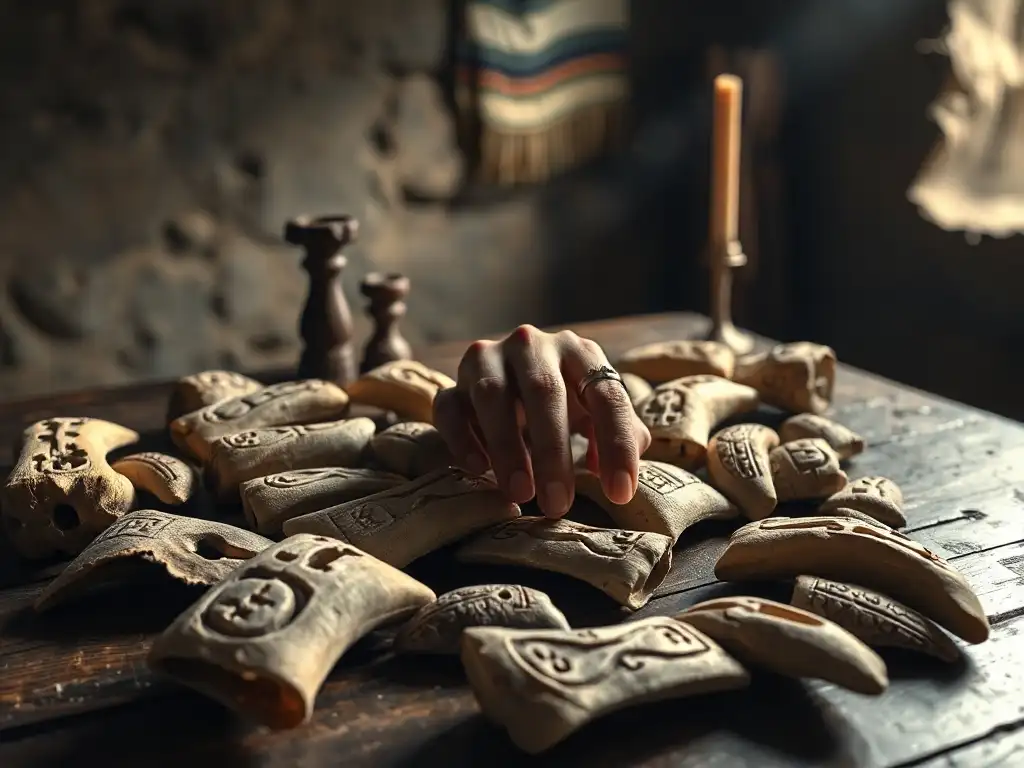
Andean oracle bones held a profound significance within the complex cosmovision of ancient Andean societies. They weren't merely tools for predicting the future; they represented a tangible connection to the spiritual realm, a way to commune with the apus (mountain spirits), the pachamama (Earth Mother), and other powerful entities. The act of divination itself was considered a sacred ritual, imbuing the process with a deep spiritual meaning beyond simple fortune-telling.
The markings and interpretations weren't arbitrary; they were believed to reflect the will of the gods and the interconnectedness of the cosmos. Understanding these bones requires acknowledging their central role in the Andean understanding of the universe and their place within a holistic worldview that emphasized the balance between the human and spiritual worlds.
This perspective is crucial for accurately interpreting their meaning and appreciating their cultural importance. The very act of consulting the bones was a form of respectful communication with the supernatural.
Oracle Bones as a Link to the Spirit World
The Andean people believed that oracle bones served as a conduit to the spirit world. Through careful preparation and interpretation of the markings, shamans and priests could supposedly communicate directly with ancestral spirits, deities, and other supernatural beings. This wasn't a passive process of simply receiving messages; it involved a complex interaction, a dialogue between the human world and the spirit world.
The markings on the bones weren't seen as random; they were interpreted as signs, symbols, and messages directly from these spiritual entities, offering guidance, warnings, or insights into the future. This belief system underscored the profound respect and reverence held for the oracle bones and the rituals surrounding their use. The bones themselves were often treated as sacred objects, carefully stored and handled with utmost respect.
The Importance of Divination in Andean Society
Divination using oracle bones played a vital role in Andean society, influencing decisions at both individual and societal levels. From personal matters like marriage and harvests to larger-scale issues such as warfare and infrastructure projects, divination provided a framework for decision-making. The interpretations derived from the oracle bones were often considered authoritative, guiding leaders and influencing community actions.
This practice wasn't limited to the elite; divination was likely accessible to various social strata, although the interpretation might have been handled by specialized individuals like shamans or priests. The prevalence of divination in everyday life underlines its crucial role in shaping Andean culture and its influence on various aspects of society. The accuracy of the divination was deeply intertwined with the shaman's skill and spiritual connection.
Andean Oracle Bones and Their Place in Rituals and Ceremonies
Andean oracle bones weren't consulted casually; their use was deeply embedded within formal rituals and ceremonies. These rituals often involved elaborate preparations, including specific offerings, prayers, and incantations, designed to ensure the accuracy and efficacy of the divination. The setting itself was likely significant, perhaps taking place in sacred locations or temples.
The act of interpreting the markings was a solemn and highly ritualized process, adding to the sacredness of the event. The context of the ritual significantly impacted the interpretation of the markings, with the specific circumstances and offerings influencing the meaning gleaned from the bones. Details on the exact rituals associated with specific types of oracle bones and their variations across different Andean cultures remain largely [specific information pending].
Preserving the Legacy of Andean Oracle Bone Practices
The study and preservation of Andean oracle bone practices are crucial for understanding the rich cultural heritage of the Andes. This requires a multi-faceted approach, including careful archaeological excavation and documentation of sites where oracle bones have been found, the meticulous analysis of the bones themselves, and the interpretation of their markings within their appropriate cultural context. Efforts to preserve this legacy also involve collaboration with indigenous communities who hold living traditions connected to these practices, ensuring that their perspectives and knowledge are central to the process.
It's essential to avoid a purely academic approach, instead embracing a collaborative and respectful methodology that acknowledges the ongoing significance of these practices. This collaborative approach ensures that the knowledge is preserved authentically and respectfully.
Modern Research on Andean Oracle Bones
Modern research on Andean oracle bones employs a range of techniques, from archaeological excavation and analysis to anthropological studies and collaborations with indigenous communities. Archaeologists meticulously excavate sites to recover oracle bones, carefully documenting their context and associated artifacts. These bones are then analyzed, often using advanced imaging techniques to better understand the markings and any potential damage.
Anthropologists study the cultural context of the bones, drawing on historical accounts, ethnographic studies, and oral histories to understand their significance within Andean society. The collaborative approach with indigenous communities ensures that modern research respects traditional knowledge and avoids misinterpretations. This interdisciplinary approach, combining scientific analysis with cultural understanding, is essential for a comprehensive understanding of Andean oracle bones.
The Ethical Considerations of Studying Andean Divination
The study of Andean divination practices, including the use of oracle bones, necessitates careful consideration of ethical implications. Respect for indigenous communities and their intellectual property rights is paramount. Researchers must obtain proper permissions and work collaboratively with community members, ensuring that their knowledge and perspectives are central to the research process. The potential for misrepresentation or appropriation of cultural practices must be avoided.
The focus should be on understanding and preserving this heritage, not exploiting it for academic or commercial gain. Open communication and transparency are key to conducting ethical research that benefits both the academic community and the communities whose heritage is being studied. This ethical framework is crucial for building trust and fostering mutually beneficial relationships.
The Importance of Cultural Sensitivity in Understanding Andean Oracle Bone Meanings
Understanding the meanings of Andean oracle bones requires a high degree of cultural sensitivity. Interpretations cannot be solely based on Western academic frameworks; they must be grounded in the Andean cosmovision and incorporate the perspectives of indigenous communities. Avoid imposing preconceived notions or interpretations onto the markings; instead, focus on understanding the cultural context in which these bones were used and interpreted.
Collaborating with indigenous communities is essential for gaining a nuanced understanding of these practices and ensuring that interpretations are respectful and accurate. Ignoring the cultural context risks misinterpreting the meanings and undermining the significance of these important artifacts. A culturally sensitive approach acknowledges the complexities of Andean spirituality and the ongoing relevance of these practices for contemporary communities.
Conclusion: The Enduring Power of Andean Oracle Bones
The study of Andean oracle bones offers a fascinating glimpse into the complex spiritual and political landscape of ancient Andean societies. While much remains shrouded in mystery, the surviving artifacts and the ongoing research efforts continue to illuminate the sophisticated divination practices employed by these cultures. The meticulous craftsmanship evident in many of the bones, combined with the symbolic richness of the markings, underscores the profound significance these objects held for their creators and users. Understanding the meanings behind these markings isn't simply an academic exercise; it offers a window into the worldview, anxieties, and aspirations of these ancient peoples.
The careful consideration of agricultural cycles, social structures, and celestial events reflected in the oracle bone inscriptions reveals a deep connection between the human and the divine, a perspective that resonates even today. Their enduring power lies not just in their age, but in their ability to connect us to the past, prompting us to consider the enduring human need to understand the future and grapple with uncertainty. Further research, especially comparative studies with other Andean divination practices and a more comprehensive cataloging of existing oracle bones, is crucial to unlocking the full potential of these remarkable artifacts and enriching our understanding of Andean oracle bone meanings. The ongoing decipherment of these cryptic messages promises to reveal further insights into the rich tapestry of Andean culture and spirituality, adding another layer to our appreciation of their sophisticated civilization.
By continuing to explore the Andean oracle bone meanings, we gain a deeper understanding of the ingenuity and spiritual depth of these ancient societies. The intricate markings and the context in which they were found provide valuable clues about their beliefs, rituals, and social structures, offering a unique perspective on the human experience across time. The enduring legacy of these oracle bones is a testament to the enduring human desire to connect with the divine and seek guidance in navigating the complexities of life.
- Introduction to Andean Oracle Bones
- The Historical Context of Andean Divination Practices
- Materials and Preparation of Andean Oracle Bones
- Decoding the Meanings: Exploring Andean Oracle Bone Symbolism
- The Ritual Process: Casting and Reading Andean Oracle Bones
- Andean Oracle Bone Meanings: Specific Interpretations
- The Significance of Andean Oracle Bones in Andean Cosmovision
- Preserving the Legacy of Andean Oracle Bone Practices
- Conclusion: The Enduring Power of Andean Oracle Bones
Frequently Asked Questions
What are Andean oracle bones?
Andean oracle bones are not directly comparable to Chinese oracle bones. Instead, the term refers to various divination artifacts used by Andean cultures, including bone fragments, shells, and stones, upon which markings or symbols might have been interpreted.
Were oracle bones used by all Andean cultures?
While evidence suggests divination practices were widespread across various Andean civilizations, the specific use of bone-based divination wasn't universal. Different cultures employed unique methods and materials for seeking guidance from the supernatural.
What kinds of messages did people seek from Andean oracle bones?
People likely sought answers concerning agriculture, health, war, and political matters. Interpretations would have varied based on cultural context and the specific markings or symbols on the objects.
How were Andean oracle bone meanings interpreted?
The exact methods of interpretation remain largely unknown, but it's likely that priests or shamans played a crucial role. Interpretations were probably based on complex systems of symbolism and ritual practice, unique to each culture.
Where can I learn more about Andean divination practices?
Further research into Andean archaeology and anthropology will reveal more information. Academic journals, museum exhibits, and books on Andean civilizations are excellent resources for exploring this fascinating topic.
Final Reflection: Echoes of the Andes: A Legacy of Prophecy and Understanding
The intricate carvings on Andean oracle bones offer more than just glimpses into a distant past; they provide a powerful lens through which to examine our own relationship with the unknown. These ancient artifacts, meticulously crafted and imbued with meaning, continue to resonate with a profound relevance in our modern world, reminding us of humanity's enduring quest for understanding and guidance.
The enduring power of these oracle bones lies not just in their historical significance, but in their ability to tap into a universal human need: the desire to connect with something larger than ourselves. Their messages, deciphered or not, speak to our innate curiosity about the future, our anxieties about the present, and our yearning for meaning in a complex world. The past is never dead. It's not even past.
– William Faulkner. This quote perfectly encapsulates the enduring relevance of these ancient practices, reminding us that the wisdom embedded within these bones continues to inform and shape our understanding of the world.
Consider the patterns, the symbols, the carefully chosen materials. What do they tell you about the hopes, fears, and aspirations of those who created them? What echoes of their wisdom can you find in your own life?
Take a moment to reflect on your own search for meaning and guidance. How can you embrace the spirit of inquiry and the pursuit of understanding, just as the creators of these oracle bones did centuries ago? Let the legacy of the Andes inspire you to seek your own answers, to listen to the whispers of your own inner voice, and to find your own path towards a more fulfilling life.
Unlock the Mysteries of Andean Oracle Bones Today!
Thank you for exploring the fascinating world of Andean oracle bones with us! Your interest in these ancient artifacts not only expands your knowledge but also contributes to preserving a vital part of history. Now, let's put that knowledge into action!
Here are some ways you can continue your journey into the captivating world of Andean civilizations:
- **Explore our interactive online exhibit** on oracle bones to deepen your understanding and see these artifacts up close. You'll find high-resolution images and detailed information.
- **Share your insights and perspectives** with other history enthusiasts by joining our online forum or participating in community discussions. We welcome your contributions!
- **Attend local archaeological events or workshops** to gain hands-on experience and connect with other people who share your passion. Many opportunities exist for learning and collaboration.
What aspect of Andean oracle bones most captivates you, and how do you plan to learn more? We'd love to hear your thoughts and ideas!