
Animal Sacrifice in the Andes: Understanding the Sacred Connection

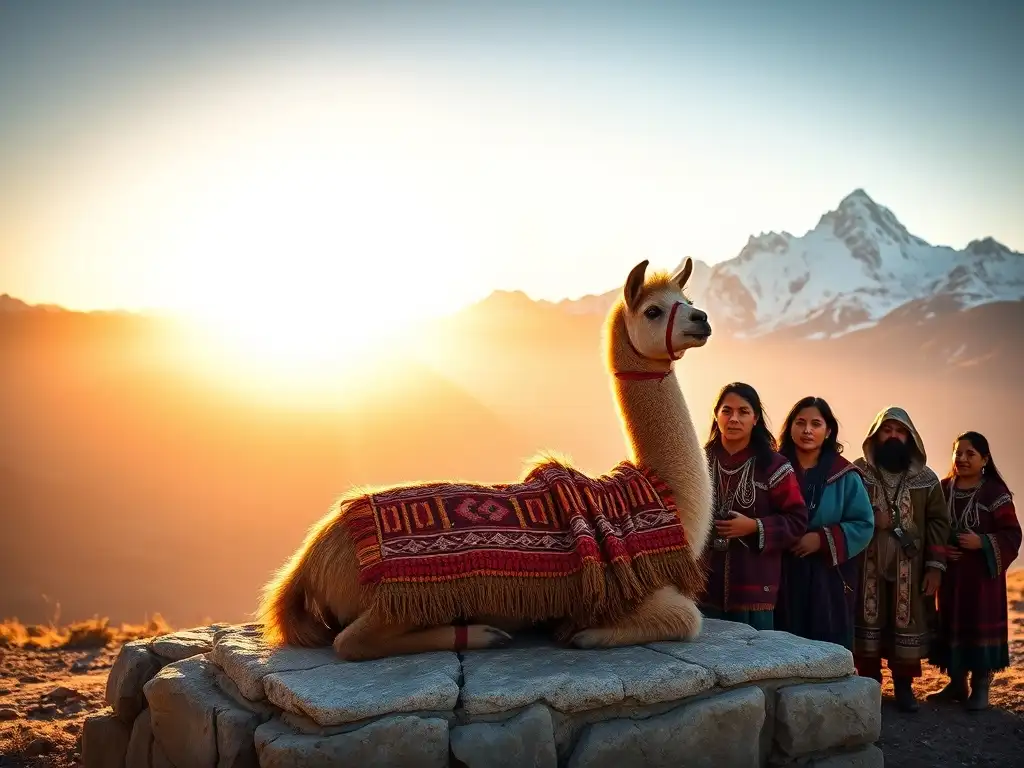
Step into a world lost to time, yet echoing with the whispers of ancient power. For centuries, the towering Andes Mountains witnessed rituals of profound significance, a sacred dance between humanity and the spirit world. Uncover the mysteries behind Andean animal sacrifice rituals, a practice deeply woven into the fabric of Inca, Moche, Nazca, and Tiahuanaco cultures. Prepare to be captivated by the intricate beliefs and complex symbolism that shaped these awe-inspiring ceremonies – a journey into the heart of Andean religion and cosmovision awaits.
-
Andean Animal Sacrifice Rituals: A Sacred Connection
- The Significance of Animal Offerings in Andean Cosmovision
- Why Animals Were Chosen for Andean Sacrifices
- Types of Andean Animal Sacrifice Rituals
- The Process of Andean Animal Sacrifice
- The Spiritual Meaning Behind Andean Animal Sacrifices
- Examples of Animal Sacrifice Across Andean Cultures
- The Legacy of Andean Animal Sacrifice in Modern Andean Communities
- Conclusion: Understanding the Profound Meaning of Andean Animal Sacrifice
- Frequently Asked Questions
- Final Reflection: Echoes of the Sacred in Andean Sacrifice
- Embrace the Sacred: Transform Your Understanding of Andean Traditions
Andean Animal Sacrifice Rituals: A Sacred Connection
Animal sacrifice held a profound and multifaceted role in the religious practices of the ancient Andean civilizations. Far from being a mere act of brutality, these rituals represented a complex system of beliefs, deeply intertwined with the Andean cosmovision, a worldview that saw the natural and supernatural worlds as interconnected and interdependent.
Understanding Andean animal sacrifice requires moving beyond a modern, often anthropocentric, perspective and embracing the rich tapestry of symbolism, social structures, and ecological considerations that shaped these practices across various cultures, including the Incas, Moche, Nazca, and Tiahuanaco. This exploration will delve into the significance of these offerings, examining the reasons behind the selection of specific animals and the symbolic meanings imbued within these sacred acts.
We will uncover how these rituals served not only religious purposes, but also played a crucial role in social organization, economic systems, and the relationship between Andean communities and their environment. The goal is to provide a nuanced and respectful understanding of Andean animal sacrifice, acknowledging its complexity and avoiding simplistic interpretations.
The Significance of Animal Offerings in Andean Cosmovision
The Andean cosmovision was characterized by a profound respect for the Pachamama, or Mother Earth, and a belief in the interconnectedness of all living beings. Animal sacrifices were not seen as mere killings, but rather as acts of reciprocity and communion with the spiritual realm. These offerings were believed to strengthen the relationship between humans and the divine, ensuring fertility, prosperity, and protection.
The act of sacrificing an animal was viewed as a way to appease the gods, request favors, or celebrate significant events. The blood of the sacrificed animal, often considered a sacred substance, was believed to possess a powerful life force that could nourish the earth and strengthen the bond between the living and the dead. Furthermore, the distribution of the meat from sacrificial animals played a vital role in social cohesion, reinforcing community bonds and hierarchies.
The careful preparation and consumption of the meat further emphasized the ritual's importance and its integration within the daily lives of Andean communities. The selection of the animal itself was not arbitrary; it carried profound symbolic weight, reflecting the specific needs and intentions of the ritual.
Why Animals Were Chosen for Andean Sacrifices
The choice of animal for sacrifice was far from random; it was carefully considered based on a complex interplay of factors, including the animal's symbolic meaning, its availability, and its economic value within the specific Andean society. Certain animals held greater symbolic significance than others, reflecting their role in the Andean worldview and their connection to various deities or natural forces.
The ritual's purpose also influenced the choice of animal. For instance, a llama, known for its strength and endurance, might be offered to ensure a successful harvest, while a smaller animal, such as a guinea pig, might be used in a more domestic or familial context.
The availability of the animal also played a crucial role; sacrifices were often made using animals readily available in the region, reflecting the close relationship between Andean communities and their environment. Ultimately, the selection of the sacrificial animal was a deliberate act, imbued with deep meaning and reflecting the complex relationship between humans, animals, and the spiritual world within the Andean cosmovision.
The Symbolic Value of Llamas in Andean Rituals
Llamas, highly valued for their wool, meat, and ability to carry burdens, held significant symbolic importance in Andean cultures. Their association with fertility and prosperity made them a frequent choice for offerings related to agricultural cycles and the well-being of the community. The majestic nature of the llama, its connection to the high altitudes, and its role as a vital part of the Andean economy all contributed to its symbolic power.
The sacrifice of a llama was often a communal event, signifying a collective offering to ensure the continued prosperity and harmony of the community. The ritual often involved elaborate preparations and ceremonies, reflecting the high value placed upon this animal and its role in maintaining the balance between the human and spiritual worlds.
Guinea Pigs: A Common Offering in Andean Ceremonies
Guinea pigs, or cuy, were not only a staple food source but also held a significant symbolic role in Andean rituals. Their domestication and close association with human settlements imbued them with a unique position within the Andean worldview. The sacrifice of guinea pigs was often associated with more localized or domestic rituals, such as those aimed at ensuring the health and well-being of the family or household.
Their smaller size and relative ease of raising made them a more accessible offering compared to larger animals like llamas or alpacas. The use of guinea pigs in sacrifice highlights the integration of animals into the daily lives and religious practices of Andean communities, demonstrating the intimate relationship between humans and animals within the Andean cosmovision.
Alpacas and Vicuñas: Valued Offerings in High-Altitude Rituals
Alpacas and vicuñas, both camelids native to the Andes, were highly valued for their fine wool and were often offered as sacrifices in high-altitude rituals. Their association with the harsh, mountainous environment and their resilience in challenging conditions made them potent symbols of strength and endurance. The sacrifice of these animals often took place in sacred mountaintops or other locations of significant spiritual importance, emphasizing their connection to the Andean deities and the powerful forces of nature.
The offering of alpacas and vicuñas underscores the close relationship between Andean communities and their environment and highlights the importance of maintaining harmony with the natural world. The rarity and value of these animals further emphasized the significance of these sacrifices within the broader context of Andean religious practices.
Types of Andean Animal Sacrifice Rituals
Andean animal sacrifice rituals, central to the religious practices of various civilizations, weren't monolithic. The type of animal sacrificed, the ritual's context, and the methods employed varied significantly depending on the specific culture, geographic location, and the purpose of the offering. These rituals weren't simply about killing animals; they were deeply symbolic acts connecting the earthly realm with the spiritual world, reflecting the Andean worldview's intricate relationship with nature and the supernatural.
The complexity and diversity of these practices highlight the nuanced understanding of the Andean cosmovision. Researchers continue to uncover new insights into these ancient practices, revealing further layers of meaning and significance. Detailed analyses of archaeological findings, such as the examination of animal bones and associated artifacts, are crucial for reconstructing these ancient rituals and understanding their broader social and religious implications.
Rituals for Agricultural Fertility and Harvest
Agricultural success was paramount in Andean societies. Rituals aimed at ensuring bountiful harvests were common, often involving the sacrifice of llamas, alpacas, or guinea pigs. These animals, vital to Andean economies, were seen as offerings to ensure the fertility of the land and the success of the crops. The timing of these sacrifices was often linked to the agricultural calendar, coinciding with planting or harvesting seasons.
Archaeological evidence suggests that specific types of offerings might have been associated with specific crops or agricultural practices. For example, the sacrifice of a particular breed of llama might have been linked to the successful cultivation of potatoes in a specific region. Further research into regional variations in agricultural practices and their corresponding sacrificial rituals is ongoing.
Sacrifices for Protection and Well-being
Animal sacrifices were also performed to ensure the protection and well-being of individuals, communities, and even entire societies. These rituals could be performed to ward off disease, avert natural disasters, or secure success in warfare. The choice of animal might have been influenced by the specific threat; for instance, a particularly strong or healthy animal might have been offered to ensure the strength and resilience of the community.
The meticulous preparation of the animal, the precise execution of the ritual, and the subsequent disposal of the remains all played crucial roles in the effectiveness of the protective sacrifice. The importance of these rituals underscores the Andean belief in the interconnectedness of the natural and supernatural worlds.
Animal Offerings in Funerary Rites
Death and the afterlife held significant importance in Andean cultures. Animal sacrifices were frequently incorporated into funerary rites, serving as provisions for the deceased in their journey to the next world. The type and number of animals sacrificed often reflected the social status of the deceased.
Elaborate burials, particularly those of elites, sometimes included a large number of animals, suggesting a belief in the deceased's continued need for sustenance and companionship in the afterlife. The arrangement of the animal remains alongside the human remains provides further insights into the beliefs surrounding death, burial practices, and the relationship between the living and the dead. The study of these funerary contexts continues to shed light on Andean concepts of death and the afterlife.
Rituals for Acknowledging the Apus (Mountain Spirits)
The Apus, revered mountain spirits, held immense power and influence in the Andean worldview. Animal sacrifices were performed to appease the Apus, seeking their favor and protection. These rituals often involved trekking to high-altitude locations, where the sacrifice was performed at sacred sites on or near the mountain peaks.
The sacrifice of a llama or alpaca, particularly a white one, was often considered particularly auspicious. These sacrifices demonstrated respect for the Apus and sought to maintain a harmonious relationship between the human and spiritual worlds. The specific rituals and offerings varied across different regions and mountain ranges, reflecting the unique characteristics and beliefs associated with individual Apus.
The Process of Andean Animal Sacrifice
The process of Andean animal sacrifice was not haphazard; it was a carefully orchestrated ritual involving specific preparations, specialized roles, and prescribed methods. The act was profoundly significant, demonstrating respect for both the animal and the spiritual forces being addressed. The meticulous nature of the process underscores the importance placed on these rituals within Andean society.
Preparation of the Animal for the Ritual
Before the sacrifice, the animal was often prepared meticulously. This might involve fasting the animal for a period, adorning it with special decorations, or offering it food and drink. The preparation ensured the animal was considered pure and worthy of its role in the ritual.
The specific preparations varied depending on the type of animal and the purpose of the sacrifice. For example, a llama intended for an offering to an Apu might have been adorned with colorful textiles and feathers, while a guinea pig intended for a harvest ritual might have received special food in the days leading up to the sacrifice. Archaeological evidence, including the remains of decorated animal bones, supports these practices.
The Role of the Andean Priest or Shaman
Andean priests or shamans played a crucial role in conducting animal sacrifices. They were considered intermediaries between the human and spiritual worlds, possessing the knowledge and skills necessary to perform the rituals correctly. They guided the preparations, led the prayers and chants, and performed the actual act of sacrifice. Their expertise ensured the effectiveness of the ritual and maintained the balance between the human and supernatural realms. The social status of the priest or shaman varied across different Andean societies, but their role in these rituals was consistently central and essential.
The Act of Sacrifice: Methods and Techniques
The methods used for animal sacrifice varied. Common methods included killing the animal by a blow to the head, strangulation, or bleeding. The specific method employed was often dictated by the type of animal, the purpose of the sacrifice, and the cultural context. The act of sacrifice was often accompanied by prayers, chants, and offerings of food and drink. The details of the sacrificial process, including the specific tools and techniques employed, are still being investigated by researchers, with new discoveries continually enriching our understanding of these complex practices.
The Disposal and Use of Sacrificial Remains
After the sacrifice, the remains of the animal were often disposed of in specific ways. The meat might have been consumed by participants in a ritual feast, while the bones and other remains might have been buried, burned, or otherwise disposed of according to established customs. The disposal methods varied depending on the type of animal, the purpose of the sacrifice, and the cultural context.
The distribution and consumption of the sacrificial meat could also have played a significant role in reinforcing social bonds within the community. The careful study of the disposal of sacrificial remains provides valuable insights into Andean beliefs and practices surrounding death, the afterlife, and the reciprocal relationship between humans and the supernatural.
The Spiritual Meaning Behind Andean Animal Sacrifices
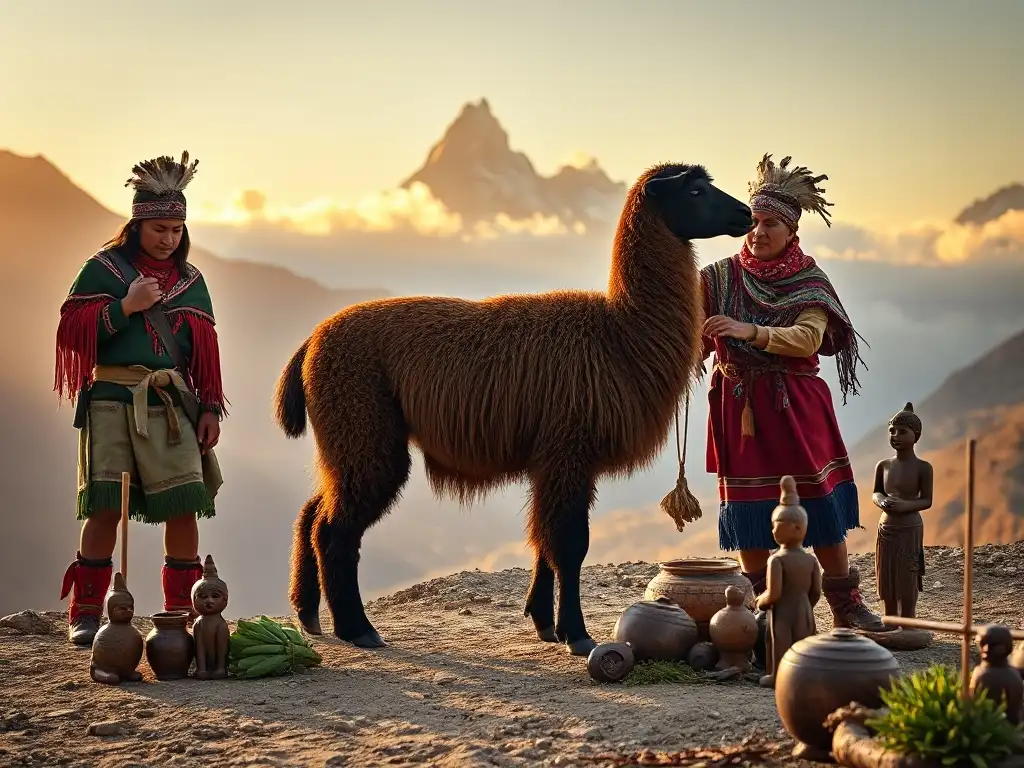
Andean animal sacrifice rituals were not simply acts of violence; they were deeply spiritual practices imbued with profound meaning. These offerings weren't arbitrary; they were carefully considered acts aimed at fostering a reciprocal relationship between the human and spiritual worlds. The act itself was seen as a powerful communication with the divine, a way to express gratitude, seek favor, or maintain cosmic balance.
The animals chosen, the manner of sacrifice, and the subsequent treatment of the remains all held symbolic significance, reflecting the intricate cosmology of the Andean civilizations. The inherent power of life and death was central to these rituals, a tangible representation of the cyclical nature of existence within the Andean worldview.
The act of sacrifice was not about destruction but transformation, a symbolic offering that facilitated interaction with the supernatural realm. Understanding this nuanced perspective is crucial to appreciating the significance of animal sacrifice within the broader context of Andean religion.
Reciprocity and the Concept of Ayni
Central to understanding Andean animal sacrifice is the concept of ayni, a principle of reciprocity and mutual obligation. Ayni permeated all aspects of Andean life, emphasizing the interconnectedness of individuals and their environment. Animal sacrifices were a tangible demonstration of this principle. By offering a life to the divine, Andean peoples were essentially repaying a debt, acknowledging the bounty provided by the gods and the land.
This wasn't a transactional exchange, but rather a reaffirmation of the ongoing relationship between humanity and the supernatural. The success of the harvest, the health of the community, and the fertility of the land were all seen as directly linked to the maintenance of this reciprocal relationship through offerings, including animal sacrifices. Failure to uphold ayni could result in negative consequences, highlighting the importance of these rituals in maintaining societal well-being.
Connecting with the Divine and Ancestral Spirits
Animal sacrifice served as a vital link between the living and the spiritual realms. The offerings were not only directed towards the major deities of the Andean pantheon but also towards ancestral spirits, who were believed to continue to influence the lives of their descendants. The smoke from the burning offerings was seen as carrying prayers and requests to the heavens, while the blood, considered a sacred substance, was believed to nourish the spirits and strengthen the bond between the living and the dead.
Specific animals were often associated with particular deities or ancestral figures, adding another layer of complexity and meaning to the sacrificial process. The chosen animal, therefore, was not arbitrary but a carefully considered offering that reflected the specific needs and intentions of the ritual.
Maintaining Cosmic Balance Through Animal Offerings
The Andean worldview emphasized a delicate balance between the earthly and celestial realms. Animal sacrifices were seen as a crucial mechanism for maintaining this equilibrium. Imbalances, whether caused by natural disasters, disease, or social unrest, were often attributed to a disruption in this cosmic order.
Animal sacrifices, performed with specific rituals and intentions, were believed to restore harmony and bring balance back to the world. The act of sacrifice was not merely about appeasing the gods but about actively participating in the maintenance of the cosmic order, ensuring the continued well-being of the community and the natural world. The choice of animal and the manner of sacrifice were often meticulously planned to address specific imbalances and restore cosmic harmony.
Examples of Animal Sacrifice Across Andean Cultures
The practice of animal sacrifice varied across different Andean cultures, reflecting their unique beliefs and traditions. While the underlying principle of reciprocity and connection to the spiritual world remained consistent, the specific animals used, the rituals performed, and the interpretations of the offerings differed significantly. Examining these variations provides a richer understanding of the diversity and complexity of Andean religious practices.
Animal Sacrifice Practices in the Inca Empire
In the Inca Empire, animal sacrifice was an integral part of religious life. Llamas, alpacas, and other camelids were commonly sacrificed, their importance tied to their economic and symbolic value within Inca society. These sacrifices were often conducted on a large scale during significant events such as royal coronations, military victories, or agricultural festivals.
The Inca also practiced human sacrifice, although less frequently than animal sacrifice. These sacrifices were often performed at significant sites, such as mountaintops or sacred springs, emphasizing the connection between the earthly and spiritual realms. Detailed records of Inca sacrificial practices are unfortunately limited, relying heavily on archaeological evidence and interpretations of Spanish chronicles.
Moche Rituals and Animal Offerings
The Moche civilization, known for its elaborate artistic and religious practices, also engaged in extensive animal sacrifice. Archaeological evidence reveals a wide range of animals used in Moche sacrifices, including dogs, birds, and various marine creatures. The Moche often depicted sacrificial scenes in their pottery, providing valuable insights into their rituals.
These depictions frequently show elaborate ceremonies, often involving priests and elaborate costumes. The sacrifices themselves were likely tied to agricultural cycles, ensuring bountiful harvests and appeasing the gods. The Moche’s artistic representations suggest a complex understanding of the symbolic significance of the sacrificed animals, reflecting their sophisticated religious beliefs.
Lambayeque Culture and Sacrificial Practices
The Lambayeque culture, flourishing in northern Peru, also practiced animal sacrifice, with evidence suggesting the use of camelids, birds, and possibly other animals. Their sacrificial practices appear to have been linked to their complex funerary rituals, with offerings intended to accompany the deceased into the afterlife. The Lambayeque elite often received elaborate burials with numerous animal offerings, reflecting their social status and the importance of these rituals in their worldview. Limited textual information about the Lambayeque people complicates a complete understanding of their sacrificial rites, yet archaeological finds continue to provide valuable clues into their religious beliefs.
Chimú Culture: Animal Offerings in Coastal Ceremonies
The Chimú, who succeeded the Lambayeque, also integrated animal sacrifice into their religious practices. Located along the arid northern coast of Peru, their rituals likely incorporated marine animals in addition to camelids and other terrestrial species, reflecting the importance of the sea in their economy and culture. The specific details of Chimú sacrificial practices remain somewhat obscure, but archaeological findings, including remains of sacrificed animals found at Chimú ceremonial sites, suggest their importance in their religious system.
Similar to other Andean cultures, the Chimú likely used animal sacrifices to maintain cosmic balance, ensure prosperity, and honor their deities and ancestors. Further research and analysis of archaeological findings are crucial to comprehensively understanding their complex sacrificial rituals.
The Legacy of Andean Animal Sacrifice in Modern Andean Communities
The echoes of ancient Andean animal sacrifice rituals resonate even today in various communities across the Andes. While the large-scale, state-sponsored sacrifices of the Inca empire are long gone, the symbolic significance of offering animals to deities and ancestral spirits persists in many forms. These practices, however, are often subtly integrated into contemporary life, sometimes disguised or adapted to avoid direct confrontation with modern sensibilities.
The connection to the past is often deeply personal and tied to family traditions passed down through generations. The specific animals used and the rituals themselves vary significantly from region to region, reflecting the diverse cultural tapestry of the Andes.
For example, in some communities, the offering of a llama might be tied to a specific agricultural cycle, while in others, smaller animals like guinea pigs might be offered during family celebrations or personal requests for good fortune. Understanding the nuances of these modern practices necessitates careful ethnographic research and a respectful approach to the living cultures that continue these traditions.
Contemporary Interpretations of Ancient Rituals
Modern Andean communities interpret ancient animal sacrifice rituals through a lens shaped by both their ancestral heritage and contemporary realities. While the overt spectacle of massive state-sponsored sacrifices is absent, the underlying principles of reciprocity and communion with the supernatural remain. The act of offering an animal isn't simply a matter of appeasing a deity; it's a complex act of communication, expressing gratitude, seeking protection, or requesting blessings.
Scholars have noted a shift in emphasis from strictly ritualistic acts to more personalized expressions of faith, often integrating elements of Catholicism and other religious influences. This syncretism, a blend of indigenous and introduced beliefs, highlights the adaptive nature of Andean traditions in the face of historical and social change.
The meaning ascribed to the act of sacrifice might vary greatly depending on the community, family, and even individual involved, underscoring the deeply personal and evolving nature of these practices. This evolution underscores the dynamism of Andean culture and its ability to maintain a connection to the past while adapting to the present.
The Persistence of Animal Offerings in Certain Andean Traditions
Despite the pressures of modernization and the rise of alternative belief systems, animal offerings persist in certain Andean traditions. These practices aren't necessarily performed publicly or in the same way as in the past; often, they are private affairs, integral to the fabric of family and community life. The specific rituals and their symbolic meanings may be guarded closely, passed down orally within families and communities.
This secrecy, however, does not diminish the significance of these acts. For many, the offering of an animal represents a direct link to their ancestors and a reaffirmation of their connection to the land and its spiritual energies. These practices are often intertwined with agricultural cycles, ensuring successful harvests and the well-being of livestock.
The continuity of these traditions speaks to the resilience of Andean spiritual beliefs and their enduring relevance in the lives of many Andean people. Understanding their persistence requires a nuanced understanding of the social, economic, and spiritual contexts in which they occur.
Ethical Considerations of Animal Sacrifice in Modern Times
The ethical implications of animal sacrifice in modern Andean communities present a complex challenge. Balancing cultural preservation with animal welfare concerns necessitates careful consideration and dialogue. While the practice is deeply rooted in Andean spiritual traditions, modern understandings of animal rights and humane treatment raise legitimate questions about the methods used and the potential for animal suffering.
The debate surrounding this issue is often fraught with tension between those who seek to protect cultural heritage and those who advocate for animal welfare. Finding a path forward requires respectful engagement with Andean communities, fostering open conversations that acknowledge both the cultural significance of the practice and the need for minimizing animal suffering.
This might involve exploring alternative forms of offering, symbolic gestures, or focusing on the underlying spiritual principles without the necessity of animal sacrifice. The solution requires a sensitive and collaborative approach, ensuring that cultural sensitivity and ethical considerations are both addressed.
Conclusion: Understanding the Profound Meaning of Andean Animal Sacrifice
Andean animal sacrifice, from its monumental expressions in pre-Columbian civilizations to its subtle presence in contemporary communities, represents a profound connection between humans and the supernatural. Understanding these rituals requires going beyond a superficial examination of the practices themselves and delving into the complex web of beliefs, social structures, and environmental factors that shape them.
The rituals were, and continue to be, more than mere acts of offering; they are powerful expressions of reciprocity, gratitude, and a deeply rooted connection to the land and its spiritual energies. The legacy of Andean animal sacrifice continues to evolve, adapting to changing circumstances while maintaining its core significance.
By appreciating the multifaceted nature of these practices, we can gain a deeper understanding of the rich tapestry of Andean culture and its enduring spiritual traditions. Further research, conducted with sensitivity and respect for living cultures, is crucial to fully grasp the intricate relationship between Andean peoples and the animals they have historically offered.
Frequently Asked Questions
What role did animal sacrifice play in Andean cultures?
Animal sacrifice held a central role in Andean religions. It was believed to maintain cosmic balance, appease deities, and ensure successful harvests and fertility. These rituals varied across different cultures and time periods.
Which animals were commonly sacrificed in the Andes?
Common sacrificial animals included llamas, alpacas, and vicuñas, reflecting their importance in Andean life. Other animals, such as birds and guinea pigs, were also used, depending on the specific ritual and the culture. The choice often held symbolic meaning.
How were Andean animal sacrifices performed?
Methods varied widely. Some involved simple offerings, while others were more elaborate ceremonies involving specific rituals, prayers, and the consumption of the sacrificed animal by participants, signifying communion with the divine.
What was the significance of the location of Andean animal sacrifices?
Sacrificial sites often held religious or geographical importance, such as mountaintops, caves, or lakes. The location was believed to enhance the effectiveness of the offering and strengthen the connection between the human and spiritual realms.
How did Andean animal sacrifice differ across various cultures?
While the general purpose of appeasing deities remained consistent, specific rituals and the types of animals sacrificed differed significantly between cultures like the Incas, Moche, Nazca, and Tiahuanaco. Each culture had its unique beliefs and practices.
Final Reflection: Echoes of the Sacred in Andean Sacrifice
The ancient practice of Andean animal sacrifice, though seemingly distant in time, continues to resonate deeply within the cultural fabric of the Andes and beyond. Its echoes reverberate not only in surviving traditions and archaeological discoveries but also in our contemporary understanding of spirituality, community, and the interconnectedness of life. The enduring power of these rituals challenges us to reconsider our own relationship with the natural world and the sacred.
The impact of Andean animal sacrifice extends far beyond the historical record; it informs our understanding of indigenous cosmologies, the intricate relationship between humans and the environment, and the enduring power of ritual to shape social structures. These sacrifices weren't simply brutal acts; they were deeply meaningful ceremonies that reinforced social bonds, ensured agricultural prosperity, and maintained a delicate balance within the Andean worldview. The mountains are not just rocks; they are living beings, and the animals offered to them are a form of communication, a way of showing respect and seeking their favor.
This perspective, though rooted in a specific cultural context, offers a powerful lens through which to examine our own interactions with the natural world and the spiritual dimensions of our lives.
Consider the profound implications of this ancient practice. How can we, in our modern world, learn to cultivate a deeper respect for the interconnectedness of all living things? How can we find ways to honor the sacred, not through sacrifice, but through mindful stewardship and a renewed appreciation for the natural world? You, the reader, are now invited to reflect on the enduring legacy of Andean animal sacrifice and to consider how its lessons might inform your own journey towards a more meaningful and sustainable relationship with the earth and all its inhabitants.
Embrace the Sacred: Transform Your Understanding of Andean Traditions
Thank you for exploring the rich and intricate world of Andean traditions with us! We hope you gained valuable insights into the sacred connections that define these ancient civilizations. Now, let's deepen your understanding and appreciation.
Here are a few ways you can continue your journey:
- Learn More: Explore books, documentaries, and reputable online resources dedicated to Andean spirituality and cultural practices to expand your knowledge. Consider focusing on specific areas that particularly interest you, such as Inca cosmology or pre-Columbian art.
- Share Your Insights: Discuss your newfound understanding with friends, family, or online communities interested in anthropology and South American cultures. Sharing your perspective can be a rewarding way to solidify your learning and inspire others.
- Engage with Tradition: Seek out opportunities to experience Andean culture firsthand. This could involve attending local cultural events, visiting museums with Andean collections, or even participating in a guided tour of a significant archaeological site.
How has learning about Andean traditions broadened your perspective on cultural practices worldwide? Share your thoughts below!