
The Andean Ritual of the Volcano: Appeasing the Mountain's Fury

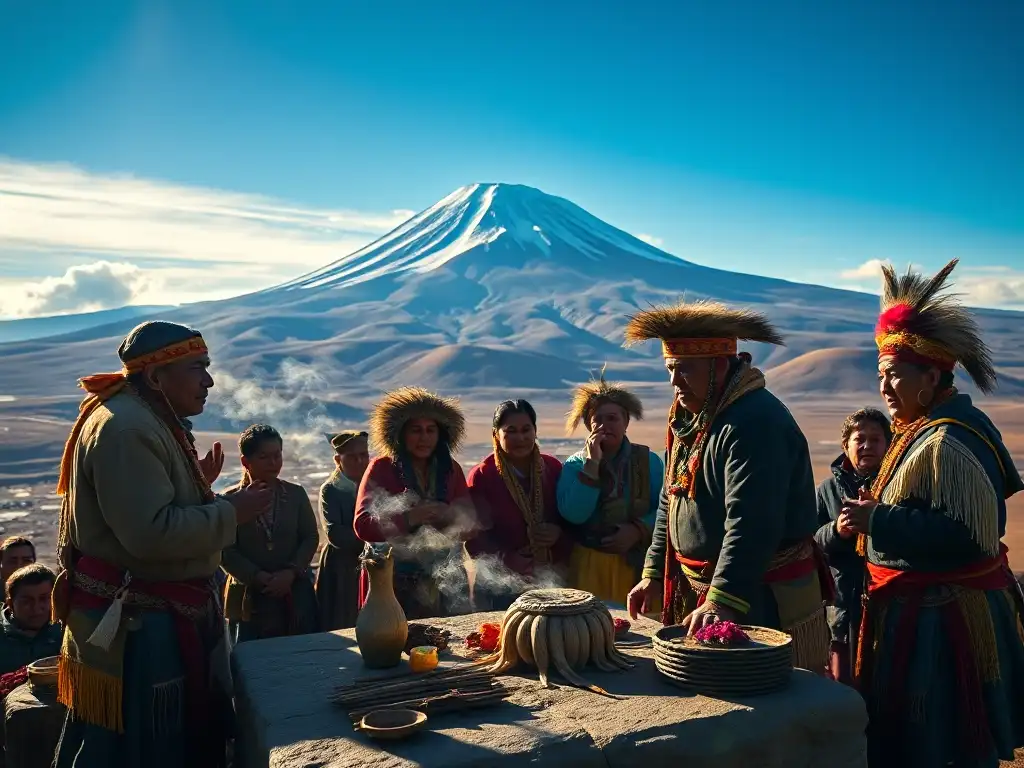
Step into a world lost to time, yet echoing with the whispers of ancient power. Imagine the towering Andes, not just as majestic peaks, but as living deities, their fiery breath shaping the lives of civilizations long past. This is the realm of the Andean Civilizations, where we delve into the fascinating intricacies of their cultures. Prepare to be captivated by the mysteries surrounding Andean volcano ritual practices, a glimpse into a world where the appeasement of mountain spirits dictated life and death. Uncover the secrets held within these ancient rituals— your journey begins now.
- Andean Volcano Ritual Practices: Appeasing the Mountain's Fury
- The Significance of Volcanoes in Andean Cosmovision
- Ancient Andean Beliefs and Volcano Worship
- Specific Andean Volcano Rituals: A Detailed Look
- The Importance of Offerings and Sacred Objects
- Case Studies of Andean Volcano Rituals
- The Legacy of Volcano Rituals in Modern Andean Communities
- Understanding the Andean Perspective on Nature's Power
- Frequently Asked Questions
- Final Reflection: Echoes of the Volcano: A Legacy of Respect and Reverence
- Embrace the Andean Spirit: Take Action Today!
Andean Volcano Ritual Practices: Appeasing the Mountain's Fury
The Andes Mountains, a spine of imposing volcanoes stretching along the western edge of South America, were not merely geographical features to the ancient Andean civilizations. These towering peaks were considered sacred entities, powerful apu (mountain spirits) wielding immense influence over the lives of the people below. This article delves into the fascinating world of Andean volcano ritual practices, exploring the complex relationship between these communities and the volatile forces of nature they sought to appease.
We will examine the diverse rituals, offerings, and beliefs surrounding volcano worship, highlighting the ingenuity and spiritual depth of these ancient cultures in their attempts to maintain harmony with the powerful mountain spirits. Understanding these practices offers a crucial window into the Andean worldview, revealing a sophisticated cosmology deeply intertwined with the natural environment.
The reverence for the apu, and the elaborate rituals designed to avoid their wrath, provides a compelling narrative of human adaptation and spiritual resilience in the face of powerful, unpredictable forces. This exploration will cover various Andean cultures, including but not limited to the Incas, Moche, Nazca, and Tiahuanaco, revealing the common threads and unique variations in their approaches to volcano appeasement.
The Significance of Volcanoes in Andean Cosmology
Andean cosmology viewed volcanoes as powerful intermediaries between the earthly and spiritual realms. They were not simply geological formations; instead, they were considered living entities, inhabited by powerful deities or spirits. These apu controlled the weather, agricultural cycles, and the overall well-being of the communities living in their shadow.
Their moods were believed to be reflected in volcanic activity – eruptions were seen as manifestations of anger or displeasure, requiring immediate appeasement through elaborate rituals. The relationship between the people and the apu was a delicate balance, requiring constant attention and respect to maintain harmony and ensure prosperity. Many Andean communities believed that neglecting the apu could lead to devastating consequences, including crop failure, illness, and even societal collapse.
This deep-seated belief system fueled the development of intricate ritual practices aimed at ensuring the continued benevolence of the mountain spirits. The precise nature of these rituals varied across different cultures and time periods, reflecting the diverse interpretations of the Andean worldview.
Types of Offerings and Ritual Practices
The offerings presented to the apu were carefully selected and often included precious objects, such as gold and silver ornaments, textiles, ceramics, and food. These were not mere gifts; they were symbolic representations of the community's respect and devotion. The act of offering itself was a ritualized performance, often involving specific procedures and prayers. For example, some rituals involved processions up the mountain slopes, carrying offerings to designated locations near the volcano's summit. 1 Other practices involved the construction of shrines and altars at the base of volcanoes, where regular offerings were made. Evidence suggests that human sacrifice, although controversial and not universally practiced, was also employed in some instances as the ultimate expression of appeasement, intended to restore balance and avert catastrophe. The choice of offering and the manner of presentation depended on the specific circumstances and the perceived needs of the apu. Detailed records of these practices are scarce, but archaeological findings provide valuable clues about the complexity and significance of these offerings.
The Inca's Approach to Volcano Worship
The Inca Empire, known for its sophisticated organization and centralized administration, also incorporated volcano worship into its religious practices. While specific details remain elusive, it's clear that the Inca state played a significant role in organizing and conducting large-scale rituals involving numerous communities. The Inca emperors, considered divine intermediaries, likely played a crucial part in these ceremonies.
Evidence from Inca ruins suggests that strategically located temples and ceremonial sites were used for these rituals. The Inca's sophisticated knowledge of astronomy and their understanding of the natural world likely influenced their approach to volcano worship, integrating it into their broader cosmological system. They likely conducted rituals to ensure successful harvests and protection from natural disasters, highlighting the importance of maintaining a positive relationship with the apu for the empire’s stability.
Variations Across Different Andean Cultures
While the general concept of appeasing mountain spirits through offerings was common across various Andean cultures, the specific practices differed considerably. The Moche, for example, known for their elaborate iconography, depicted volcano-related imagery extensively in their ceramics and textiles, suggesting a prominent role of volcanoes in their religious beliefs. The Nazca, famous for their geoglyphs, may have incorporated volcanic features into their astronomical observations and rituals.
The Tiahuanaco, with their impressive monumental architecture, likely conducted large-scale ceremonies at sites connected to nearby volcanoes. These variations in ritual practices reflect the diverse cultural expressions and interpretations of the Andean worldview, highlighting the richness and complexity of the relationship between ancient Andean communities and the powerful forces of nature. Further research is needed to fully understand the nuances of these cultural variations.
1 Further research is needed to provide specific examples and details regarding these processions.
The Significance of Volcanoes in Andean Cosmovision
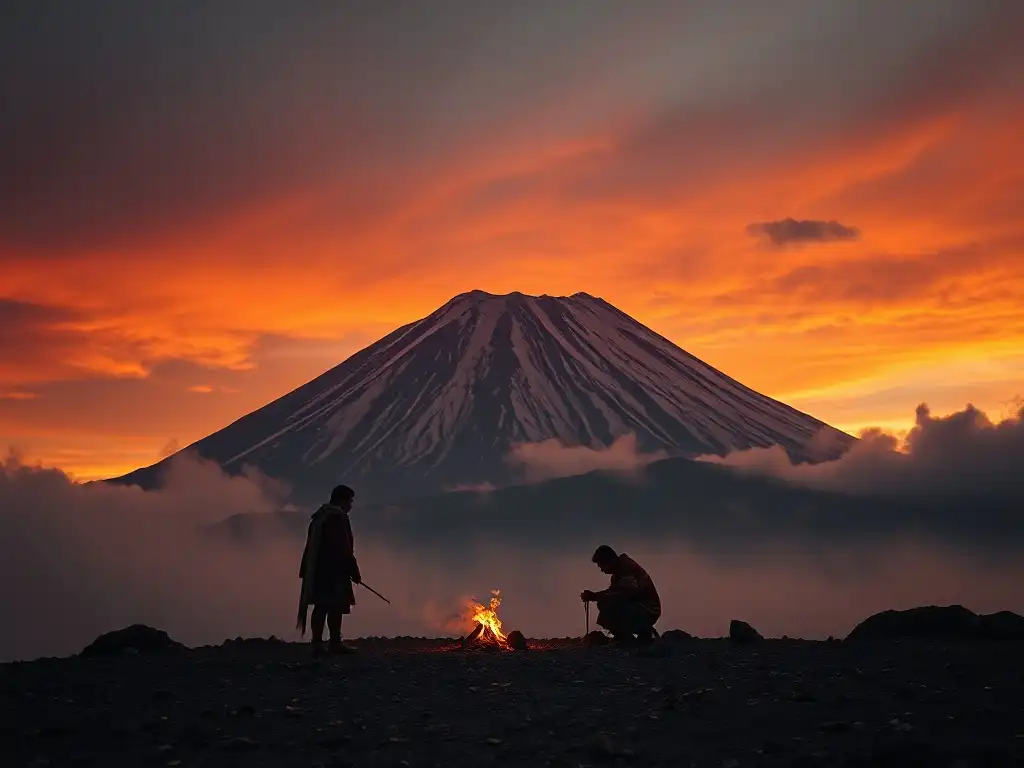
The imposing presence of volcanoes across the Andes Mountains profoundly shaped the cosmovision of ancient Andean cultures. Far from being merely geographical features, these towering peaks were considered sacred entities, imbued with immense power and deeply integrated into their religious beliefs and practices. Understanding the significance of volcanoes in Andean cosmology is crucial to interpreting their ritualistic offerings and appeasement ceremonies.
The Andean people didn't just live near volcanoes; they understood themselves as existing within a dynamic relationship with them, a relationship demanding respect, reverence, and carefully orchestrated rituals to maintain a delicate balance. The concept of Andean volcano ritual practices encompasses a wide range of actions aimed at appeasing the mountain's power and ensuring the continued prosperity and well-being of the communities. This section delves into the core beliefs that underpinned these practices.
Sacred Mountains: A Link to the Divine
Andean cosmology viewed mountains, particularly volcanoes, as apu, powerful spiritual beings connecting the earthly realm with the celestial. These weren't just inanimate objects; they were considered living entities, possessing agency and the ability to influence the lives of humans. The apu were seen as intermediaries between the human world and the gods, controlling weather patterns, agricultural cycles, and the overall prosperity of the communities nestled at their feet.
Their active participation in the cosmic order was undeniable, evidenced by their explosive power and life-giving fertility. The reverence shown to the apu wasn't simply out of fear; it stemmed from a deep understanding of their crucial role in maintaining the balance of the cosmos. Many Andean communities had specific apu they revered, often associating them with particular deities or natural phenomena.
This personalized relationship with the mountains fostered a sense of responsibility and spiritual obligation towards them. The act of making offerings wasn't just a passive gesture; it was an active engagement in maintaining a harmonious relationship with the spiritual world.
Volcanic Deities and Their Power
The power of the volcanoes wasn't solely attributed to the mountain itself but often personified through specific deities. These deities varied across different Andean cultures, reflecting the diversity of beliefs and traditions. While specific names and attributes differ, the common thread is the acknowledgment of a powerful, often ambivalent, divine force residing within the volcano.
For instance, some cultures might have associated a particular volcano with a deity of fertility, while others might have linked it to a god of war or destruction. These deities weren't necessarily benevolent; their capricious nature could lead to both prosperity and devastation. The ritual practices aimed to placate these powerful beings, ensuring their favor and averting their wrath.
This demonstrates a nuanced understanding of the volcanic power, acknowledging both its life-giving and destructive potential. Understanding the specific deities associated with individual volcanoes is crucial to interpreting the nature and purpose of the offerings made to them.
The Dual Nature of Volcanic Forces: Creation and Destruction
The Andean understanding of volcanoes was inherently dualistic. They acknowledged the destructive potential of volcanic eruptions, capable of devastating landscapes and claiming lives. However, they also recognized the life-giving aspects of volcanic activity, such as fertile soil created by volcanic ash, which supported agriculture and sustained communities.
This duality is reflected in the very nature of the offerings made: some were appeasements designed to prevent eruptions, while others were acts of gratitude for the bounty provided by the volcano's fertile lands. The careful balance between these two aspects is a key element of Andean volcano ritual practices. This understanding wasn't simply a passive observation; it was actively incorporated into their worldview and religious practices.
The duality highlights the complex relationship between humans and the powerful forces of nature, a relationship demanding both respect and strategic interaction. The careful balance between appeasement and gratitude reflects a sophisticated understanding of the volcano's role in their existence.
Ancient Andean Beliefs and Volcano Worship
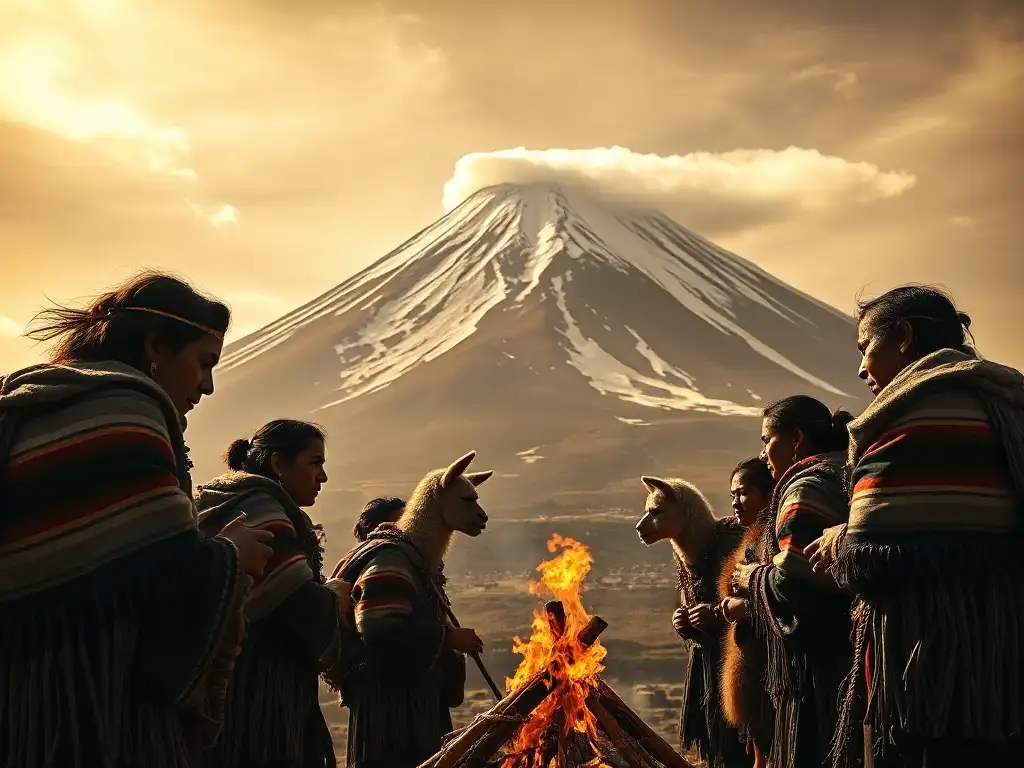
The Andes Mountains, a spine of towering peaks piercing the sky, were not merely geographical features to the ancient Andean peoples; they were sacred entities, imbued with powerful spiritual forces. Volcanoes, in particular, held a position of immense reverence and fear. These fiery mountains were seen as apu, powerful mountain spirits, capable of both bountiful generosity and devastating destruction. Andean volcano ritual practices stemmed from a deep-seated belief in the interconnectedness of the human and spiritual realms, a cosmology where appeasing the apu was vital for the survival and prosperity of communities.
Understanding this fundamental belief is crucial to deciphering the complex rituals surrounding volcano worship. The intensity of these practices varied across different Andean cultures, reflecting diverse interpretations of the apu's will and the specific needs of each community. However, a common thread runs through all: the necessity of maintaining a harmonious relationship with the powerful forces of nature.
The consequences of neglecting these rituals were believed to be catastrophic, ranging from crop failure and illness to volcanic eruptions themselves – a tangible demonstration of the apu's displeasure. This inherent vulnerability shaped the religious lives of Andean peoples, fostering a constant dialogue between humanity and the supernatural world. The extent of this devotion is evidenced by the numerous archaeological finds – offerings, temples, and even entire settlements – dedicated to appeasing the mountain gods.
Connecting with Nature Spirits Through Rituals
Andean volcano ritual practices weren't simply about making offerings; they were elaborate performances designed to establish and maintain communication with the apu. These rituals often involved complex ceremonies, involving processions, music, dance, and symbolic gestures. Shamanic practitioners, highly respected intermediaries between the human and spiritual worlds, played a central role. They were believed to possess the ability to communicate directly with the apu, interpreting their desires and mediating between the mountain spirits and the community.
These rituals were carefully timed, often coinciding with significant agricultural cycles or astronomical events, highlighting the deep connection between the spiritual and the material aspects of Andean life. For example, the Inca would perform ceremonies during the capacocha, a ritual sacrifice, to ensure plentiful harvests and appease the mountain gods. The offerings themselves varied greatly, ranging from precious metals and textiles to agricultural products and even human sacrifices in some extreme cases.
The selection of offerings was meticulously considered, reflecting the specific needs and desires of the apu as interpreted by the shaman. The act of offering wasn't just about giving; it was a symbolic act of reciprocity, a way of acknowledging the apu's power and maintaining a balance of power in the relationship. The meticulous nature of these rituals underscores the importance placed upon maintaining this delicate balance, underscoring the profound spiritual significance of Andean volcano worship.
The Role of Shamanic Practices in Volcano Appeasement
The yachak (shaman) held a pivotal role in Andean volcano ritual practices. Their abilities to enter altered states of consciousness and communicate with the spirit world were considered essential for successfully appeasing the apu. Through intricate rituals, often involving hallucinogenic substances such as coca leaves or san pedro cactus, the yachak would seek guidance and divine intervention. They would interpret signs and omens, determining the apu's needs and communicating these to the community.
Their role extended beyond simple communication; the yachak also acted as healers, using their spiritual powers to address illnesses and misfortunes believed to be linked to the apu's displeasure. The efficacy of their rituals rested on their ability to maintain a delicate balance between the human and spiritual realms, ensuring the continued flow of blessings and protection from the mountain spirits. Evidence suggests that different Andean cultures had varying shamanic traditions and practices, with specialized roles and hierarchies within shamanic communities.
Detailed accounts of these practices are often limited by the lack of surviving written records, relying instead on archaeological findings and interpretations of colonial-era chronicles. However, the ubiquitous presence of shamanic figures in Andean art and mythology clearly demonstrates the importance of their role in mediating the relationship between humans and the powerful forces of nature. Further research into these practices is crucial to gain a complete understanding of Andean beliefs and their complex relationship with the volcano apu.
Understanding Andean Concepts of Balance and Reciprocity
Central to Andean volcano ritual practices was the concept of ayni, a principle of reciprocity and mutual exchange. This wasn't simply a matter of give-and-take; it was a fundamental worldview that governed all aspects of life, including the relationship between humans and the supernatural. The offerings made to the apu were not seen as appeasements in the sense of bribery, but rather as expressions of gratitude and a recognition of the mountain's vital role in sustaining life.
By offering gifts – be it agricultural products, precious metals, or even human sacrifices – the Andean people sought to maintain a harmonious balance, ensuring the continued flow of benefits from the apu. The failure to uphold this reciprocal relationship was believed to result in imbalances, leading to natural disasters, disease, and societal disruption. This concept of ayni permeated all aspects of Andean society, shaping social structures, economic practices, and religious beliefs.
The intricate system of rituals surrounding volcano worship was a direct manifestation of this principle, emphasizing the importance of maintaining a harmonious relationship with the natural world and its powerful spiritual forces. This deeply ingrained belief system provides crucial insight into the motivations and practices behind Andean volcano ritual practices, highlighting the complex interplay between spiritual beliefs and societal structures. Understanding ayni is key to fully appreciating the significance of these rituals within the broader context of Andean cosmology.
Specific Andean Volcano Rituals: A Detailed Look
This section delves into the specifics of Andean volcano ritual practices, moving beyond general descriptions to examine the nuanced details of offerings, sacrifices, and unique ceremonies. Understanding these practices offers a deeper appreciation for the complex relationship between Andean peoples and the powerful forces of nature they perceived in their environment. The reverence shown towards volcanoes, considered sacred apus (mountain spirits), highlights the intricate web of beliefs and practices that shaped Andean life.
The rituals weren't merely appeasements; they were vital components of maintaining cosmic balance and ensuring community prosperity. Analyzing these rituals reveals the sophisticated understanding of Andean cosmology and its profound impact on their daily lives.
The Offering of Coca Leaves and Chicha
Coca leaves ( Erythroxylum coca) and chicha (a fermented corn beverage) were staples in numerous Andean rituals, including those dedicated to volcano appeasement. Coca, far more than a mere stimulant, held deep spiritual significance. Its leaves, meticulously selected and carefully prepared, were offered as a sign of respect and gratitude to the apu.
The act of chewing coca, often performed during rituals, was believed to facilitate communication with the spiritual realm, allowing for a closer connection with the mountain spirit. The quantity of coca offered varied depending on the perceived severity of the situation; a small offering might suffice for a minor request, while a larger, more elaborate presentation would be reserved for times of crisis, such as volcanic unrest or drought.
Chicha, a potent symbol of Andean culture and agricultural bounty, played a crucial role in these ceremonies. Its fermentation process, mirroring the cyclical nature of life and death, connected the offering to the earth's generative power. The sweet, intoxicating drink was seen as a gift worthy of the apu, a tangible representation of the community's devotion and its dependence on the volcano's benevolent influence.
The preparation and presentation of chicha were often accompanied by specific chants and prayers, further emphasizing the ritual's significance. The combination of coca and chicha represented a powerful offering, combining the spiritual potency of coca with the agricultural bounty symbolized by chicha, creating a holistic appeasement.
Animal Sacrifices: Symbolism and Purpose
Animal sacrifice formed another crucial aspect of Andean volcano ritual practices. The type of animal offered held symbolic meaning, reflecting the specific nature of the request or the severity of the situation. Llamas, alpacas, and guinea pigs were commonly sacrificed, their selection often tied to their perceived connection to the fertility of the land. A healthy, robust animal was seen as a more potent offering, signifying the community's strength and its commitment to honoring the apu.
The sacrifice wasn't simply about killing an animal; it was a deeply symbolic act representing the community's willingness to make a significant offering to maintain the balance of the cosmos. The blood of the sacrificed animal was believed to nourish the mountain spirit, ensuring its continued benevolence. The remains of the animal were often distributed among the community members, signifying a shared participation in the ritual and a renewed connection to the apu's power.
Archaeological evidence, such as the discovery of animal bones at high-altitude sacrificial sites near volcanoes, provides tangible support for the widespread practice of these offerings. The specific rituals surrounding the sacrifice, including the preparation, the chanting, and the disposal of the remains, varied regionally, reflecting the diverse cultural practices across the Andes.
The Capac Cocha Ritual and its Unique Characteristics
The Capac Cocha ritual stands out as a particularly significant Andean volcano appeasement ceremony. While details remain scarce due to limited historical records, existing accounts suggest a complex and elaborate ritual involving a significant offering of precious metals, textiles, and other valuable items. The name itself, Capac Cocha, translates roughly to "Great Lake," possibly referencing a symbolic representation of the volcano's power and its connection to water sources. This suggests a potential link between volcanic activity, water cycles, and the overall well-being of the community.
Unlike simpler offerings, the Capac Cocha ritual likely involved a larger group of participants, potentially including priests, community leaders, and other important figures. The ritual's location, likely near a significant volcanic feature or a sacred lake connected to a volcano, would have further enhanced its significance. The specific procedures and rituals involved in this ceremony remain largely unknown, presenting an area ripe for further research.
However, its very existence highlights the importance placed on appeasing the volcanoes and maintaining a harmonious relationship with the powerful forces of nature. Further research into Andean iconography and surviving textual sources may shed more light on the specifics of this fascinating and important ritual. The Capac Cocha ritual underscores the complexity and the deeply rooted spiritual significance of Andean volcano appeasement practices.
The Pago a la Tierra Ritual and its Regional Variations
The Pago a la Tierra, or "payment to the earth," is a deeply ingrained Andean ritual practice fundamentally connected to the worship of apus, the mountain spirits, often personified as volcanoes. While the core principle remains consistent across various Andean communities—showing respect and offering gratitude to the earth for its bounty and protection—the specific rituals and offerings vary significantly depending on the region and the particular apu being honored. This regional diversity reflects the rich tapestry of Andean cultures and their unique relationships with their environment.
One key variation lies in the offerings themselves. In some regions, coca leaves, alcohol (often chicha), and cigarettes are the primary offerings, symbolizing appeasement and communication with the mountain spirits. These are often left at designated sites, such as natural springs or caves considered sacred. Other communities incorporate more elaborate offerings, including food, textiles, livestock, and even precious metals, reflecting the community's prosperity and their devotion to the apu. The scale of the offering can also vary, from small, individual acts of gratitude to large-scale community ceremonies involving hundreds of participants.
Another crucial difference lies in the ceremonial practices themselves. Some communities perform the Pago a la Tierra as a private, family affair, while others hold large public ceremonies involving shamanistic rituals, music, dancing, and prayers. These ceremonies can last for hours or even days, involving intricate preparations and precise sequences of actions guided by local paqos (shamans) or religious leaders.
The choice of location also plays a significant role, with some communities preferring to perform the ritual at the base of the volcano, while others may choose a more secluded and sacred site higher up the mountain. The timing of the ritual is equally important, often coinciding with specific agricultural cycles, festivals, or times of perceived danger or unrest.
The social context of the Pago a la Tierra also varies considerably. In some communities, participation is obligatory for all members, reinforcing social bonds and collective responsibility towards the apu. In other communities, participation is voluntary, often depending on individual needs or concerns.
This variation highlights the complex interplay between individual spirituality and collective well-being within the Andean worldview. The Pago a la Tierra is not merely a religious ritual; it is a deeply social and cultural practice that reinforces community identity and fosters a reciprocal relationship between humans and the natural world, particularly the powerful forces of the Andean volcanoes. The variations in the ritual underscore the adaptability and resilience of Andean traditions in response to diverse ecological and social contexts.
The Importance of Offerings and Sacred Objects
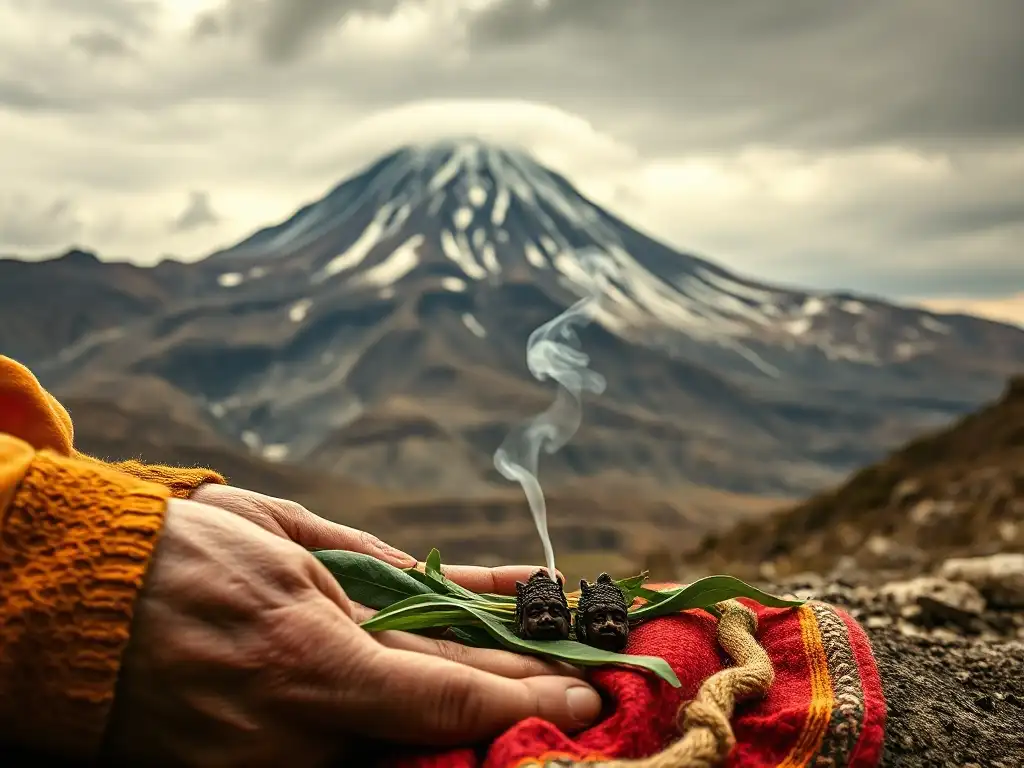
The Andean volcano ritual practices were deeply intertwined with the concept of reciprocity ( ayni) and the appeasement of powerful mountain spirits, or apus. These rituals weren't simply superstitious acts; they were vital components of maintaining cosmic balance and ensuring the prosperity of the community. Offerings played a crucial role in this intricate system, acting as a bridge between the human world and the supernatural realm. The careful selection and presentation of these offerings demonstrated respect, gratitude, and a desire to maintain harmonious relations with the apus.
Failure to properly appease these powerful entities could result in natural disasters, crop failures, or other misfortunes. The specific types of offerings varied depending on the context, the specific apu, and the desired outcome. However, several recurring themes and elements consistently appeared throughout various Andean cultures.
Significance of Precious Metals and Textiles
Precious metals, particularly gold and silver, held immense symbolic value in Andean cultures. These materials, often associated with the sun and its life-giving power, were frequently incorporated into offerings presented to the apus. Elaborately crafted gold and silver figurines, often depicting animals or deities, were deposited in high-altitude caves or volcanic vents. These offerings weren't merely material gifts; they represented the community's wealth and devotion, demonstrating their commitment to maintaining a positive relationship with the mountain spirits.
Textiles, too, played a significant role. Fine textiles, intricately woven with vibrant colors and complex designs, represented the skill and artistry of the community. These textiles, often adorned with symbolic motifs related to fertility, abundance, or the apu itself, were used to wrap offerings or were presented as offerings in their own right.
The quality and craftsmanship of the textiles reflected the community's respect and the importance of the offering. The use of specific colors and patterns likely carried additional symbolic meaning, although specific interpretations often remain debated among scholars. Further research is needed to fully elucidate the nuanced symbolism within these textile offerings.
The Use of Ceremonial Vessels and Instruments
Ceremonial vessels, typically crafted from ceramic or precious metals, served as containers for liquid offerings such as chicha (a fermented maize beverage) or other sacred liquids. The vessels themselves often bore intricate designs and symbols related to the apu or the specific ritual being performed. The shape, size, and decoration of these vessels were not arbitrary; they held significant symbolic meaning. For example, a vessel shaped like a mountain might represent the apu itself, while a vessel depicting a specific animal might relate to a particular aspect of the apu's power or influence.
Musical instruments, such as panpipes ( antara) or drums, also played a crucial role in Andean volcano ritual practices. Music was believed to possess the power to communicate with the supernatural world and could be used to appease the apus or to call upon their assistance. The rhythmic sounds and melodic patterns likely held specific symbolic meanings, although their precise interpretations remain a subject of ongoing scholarly investigation.
The combination of musical instruments and offerings created a powerful and evocative atmosphere, fostering a sense of connection between the human and spiritual realms. More detailed analysis of the specific musical pieces used in these rituals is needed to fully understand their significance.
The Symbolic Meaning of Food Offerings
Food offerings constituted a vital aspect of Andean volcano ritual practices. These offerings, often consisting of coca leaves, maize, potatoes, or other locally significant crops, represented the community's agricultural bounty and symbolized their dependence on the apu's benevolence for successful harvests. The quality and quantity of the food offerings varied depending on the context and the importance of the ritual. Larger, more elaborate rituals might involve the sacrifice of llamas or other animals, highlighting the significance of the occasion and the community's commitment to appeasing the mountain spirits.
The act of offering food wasn't merely a matter of providing sustenance; it was a symbolic act of sharing and reciprocity. By offering a portion of their harvest to the apu, the community sought to ensure the continued abundance of the land and the prosperity of their crops. The symbolic meaning of specific foods likely varied depending on the region and the specific beliefs of the community, requiring further research to fully understand the complexity of these food offerings.
The careful preparation and presentation of these food offerings underscored their importance in the overall ritualistic process. Understanding the specific culinary techniques involved in these preparations could provide valuable insights into the ritual's significance.
Case Studies of Andean Volcano Rituals
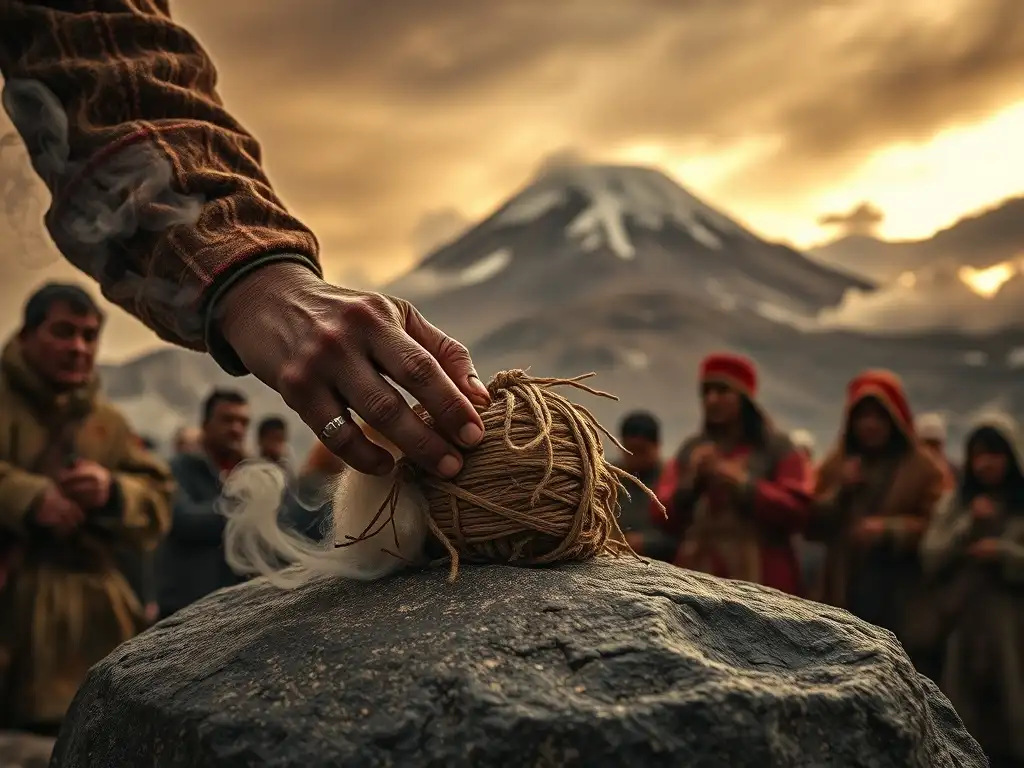
This section delves into specific examples of Andean volcano ritual practices, examining archaeological evidence to understand the complexities and variations in these ceremonies across different regions and time periods. Understanding these specific cases helps to build a more complete picture of the significance of volcanoes in Andean cosmology and the ways in which communities interacted with these powerful natural forces. The aim is to illuminate the nuances of "Andean volcano ritual practices" through detailed analysis of discovered artifacts and their contextual significance.
The Llullaillaco Volcano and Evidence of Capac Cocha Rituals
The Llullaillaco volcano, located on the border of Argentina and Chile, is renowned for its exceptional archaeological discoveries. High-altitude sacrifices, including the remarkably preserved mummies of Inca children, offer compelling evidence of capac cocha rituals. These were not simply offerings to appease the mountain; they were complex ceremonies involving the selection, preparation, and ritual killing of children, believed to be offerings to ensure the well-being of the Inca empire.
The intricate textiles, gold ornaments, and other artifacts found with the mummies provide insights into the elaborate preparations and the high status of these offerings. Analysis of the children's remains reveals evidence of coca leaf chewing and other ritual practices performed before their deaths. The Llullaillaco findings underscore the significant role of human sacrifice in Andean volcano ritual practices, highlighting the profound connection between the Inca elite and the sacred mountains.
Further research continues to reveal new details about the logistical planning and the societal implications of these complex events, providing valuable information about the Inca worldview and their relationship with the powerful forces of nature. The sheer scale of the operation, the meticulous preparation of the offerings, and the meticulous burial of the children point to a highly organized and deeply significant ritual practice.
The Cerro Unita and the Interpretation of Ritual Remains
Cerro Unita, located in northern Chile, presents a different perspective on Andean volcano ritual practices. Unlike Llullaillaco, which is associated with Inca practices, Cerro Unita's archaeological record reflects a broader range of cultural influences spanning several centuries. The remains found at Cerro Unita include a diverse array of artifacts, suggesting a more varied set of offerings and ritual practices.
These include ceramics, textiles, and metalwork, along with animal bones, indicating a less focused ritual practice compared to the highly structured Inca ceremonies at Llullaillaco. The interpretation of these finds is complicated by the lack of easily identifiable hierarchical structures within the offered items, suggesting a potentially more community-based approach to appeasing the mountain's power. Researchers are still debating the precise nature of the ceremonies performed at Cerro Unita, and the meaning of the diverse offerings.
More research is needed to fully understand the relationship between the diverse artifacts and the specific rituals conducted at this site, enhancing our understanding of the diverse expressions of Andean volcano ritual practices. The ongoing excavation and analysis of materials from Cerro Unita promises to further illuminate the dynamism and complexity of Andean religious practices.
Analysis of Ritual Artifacts and Their Context
Analyzing ritual artifacts found at various Andean volcano sites is crucial for understanding the nature of these practices. The type of offerings—be it llama fetuses, ceramic vessels, textiles, or precious metals—provides valuable insights into the specific beliefs and practices of different Andean communities. For example, the presence of specific types of ceramics might indicate a connection to particular deities or rituals. Similarly, the presence of finely crafted textiles may suggest the involvement of elite members of society.
The context of the artifacts is equally vital. Were the offerings placed in caches, scattered across the slopes, or deposited in specific locations? The spatial distribution of artifacts can reveal important information about the structure and purpose of the rituals. For instance, the carefully arranged offerings at Llullaillaco suggest a meticulously planned and highly organized ceremony, while the scattered remains at other sites may indicate more spontaneous or less formally structured rituals.
Careful analysis of both the artifacts themselves and their spatial context is essential to developing a comprehensive understanding of the diverse expressions of "Andean volcano ritual practices." This interdisciplinary approach, combining archaeological, anthropological, and historical research methods, is crucial to unraveling the rich tapestry of Andean religious beliefs and practices. The meticulous documentation and analysis of these artifacts continue to shed light on the complex relationship between Andean communities and the sacred mountains that shaped their lives.
The Legacy of Volcano Rituals in Modern Andean Communities
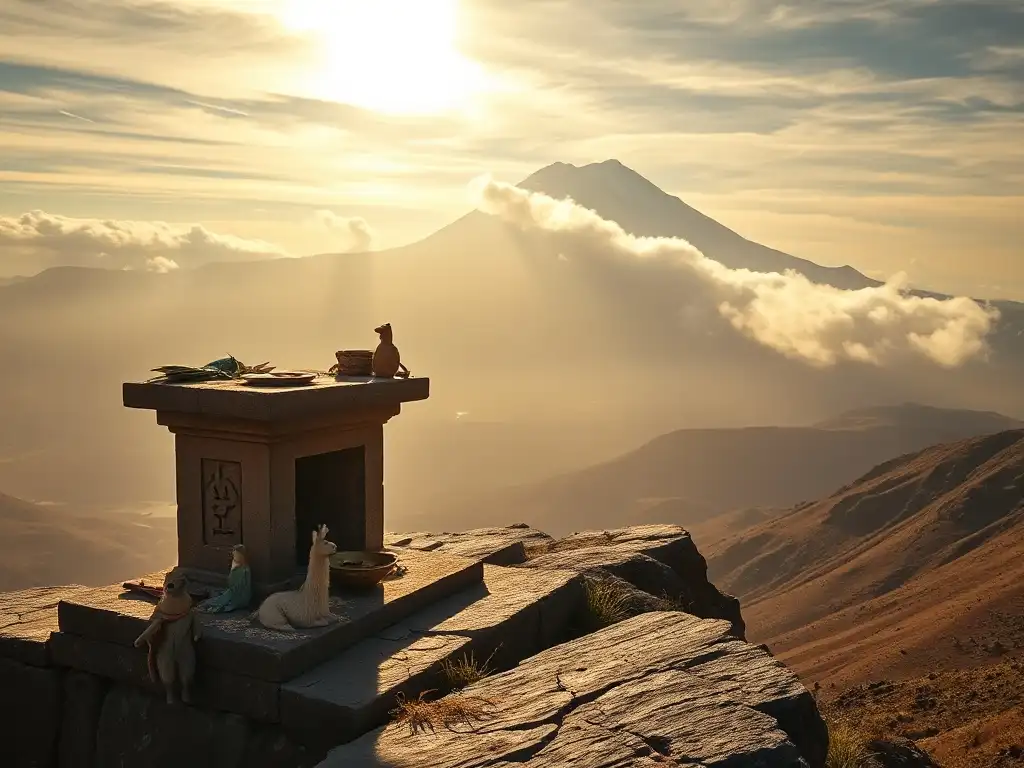
The awe-inspiring Andes Mountains, with their towering volcanoes, have profoundly shaped Andean cultures for millennia. Volcanoes weren't merely geographical features; they were considered sacred entities, powerful deities demanding respect and appeasement. This reverence is reflected in the enduring legacy of volcano rituals, practices that continue to resonate in modern Andean communities, albeit with adaptations to contemporary realities.
Understanding these contemporary practices offers a crucial window into the enduring power of Andean cosmovision and the resilience of its traditions. The core belief system, centered on the reciprocal relationship between humans and the mountain spirits ( apus), remains a powerful force in shaping daily life and spiritual beliefs. These rituals are not static; they are dynamic expressions of a living tradition, constantly evolving while maintaining their fundamental essence.
Understanding the intricacies of these rituals provides insights into the complex relationship between nature, spirituality, and human society in the Andean region. The study of "Andean volcano ritual practices" reveals a deep-seated connection to the land that persists across generations.
Contemporary Practices and Adaptations
While the grand-scale ceremonies of the past may be less common, the core principles of appeasing the mountain spirits persist. Contemporary practices often involve smaller, more localized rituals. For example, farmers in the Peruvian Andes might leave offerings of coca leaves, chicha (a fermented corn beverage), and other gifts at the base of a volcano before planting their crops, seeking a bountiful harvest and protection from natural disasters.
These offerings, a form of pago a la tierra (payment to the earth), represent a continued dialogue with the spiritual world. The specific rituals vary greatly depending on the community and the particular volcano, highlighting the localized nature of Andean spiritual practices. Some communities continue to perform elaborate ceremonies, albeit on a smaller scale, involving traditional music, dance, and prayers.
These adaptations demonstrate the flexibility of Andean traditions in response to changing social and environmental contexts, while still retaining the core values of reciprocity and respect for the natural world. The integration of Catholic elements in some rituals also reflects the syncretic nature of Andean religious practice, where indigenous beliefs are blended with elements of Christianity. This syncretism is not a compromise; rather, it's an example of cultural adaptation and resilience.
The Continuity of Traditional Beliefs
Despite the passage of time and the influence of external forces, the fundamental beliefs underpinning Andean volcano rituals remain remarkably consistent. The concept of the apu, the mountain spirit, continues to hold immense significance. The apu is seen as a powerful entity, capable of both bestowing blessings and inflicting harm. This understanding necessitates a respectful and cautious approach, fostering a sense of responsibility towards the environment.
The belief in reciprocity – the idea that offerings made to the apu will be repaid with blessings – is central to these practices. This reciprocal relationship shapes the worldview of many Andean communities, emphasizing the interconnectedness of humans and nature. The continuation of these beliefs across generations is a testament to the deep-rooted spiritual connection between the Andean people and their environment.
Oral traditions, passed down through families and communities, play a crucial role in maintaining the continuity of this knowledge. Stories, songs, and myths relating to volcanic activity and the appeasement of the apu are carefully preserved and shared, ensuring the survival of these traditions. The persistence of these beliefs demonstrates the strength and adaptability of Andean cosmovision in the face of modernization and globalization.
Challenges and Preservation of Andean Ritual Knowledge
The preservation of Andean ritual knowledge faces several challenges in the modern world. The influence of globalization, urbanization, and migration can lead to the erosion of traditional practices. Younger generations may be less connected to these rituals than their elders, resulting in a potential loss of valuable cultural heritage. Furthermore, environmental changes, such as climate change and pollution, also threaten the delicate balance between humans and the natural world, impacting the practice of these rituals.
The documentation and dissemination of this knowledge are crucial for its preservation. Ethnographic research, community-based initiatives, and educational programs can play a vital role in safeguarding these traditions for future generations. Active efforts are needed to support and empower Andean communities in maintaining their cultural heritage.
This involves promoting dialogue, collaboration, and a respectful approach to the preservation of Andean traditions. The preservation of "Andean volcano ritual practices" is not merely about preserving historical knowledge; it is about protecting a living culture that embodies a profound understanding of the relationship between humanity and the natural world. The future of these rituals depends on collective efforts to safeguard this valuable cultural heritage.
Understanding the Andean Perspective on Nature's Power
The Andean worldview profoundly differed from many others, centering on a deeply spiritual connection with the natural world. Mountains, particularly volcanoes, weren't merely geographical features; they were apu, powerful deities demanding respect and appeasement. This wasn't a passive reverence; it was an active engagement, a constant negotiation for survival and prosperity within a dynamic, often volatile environment.
Understanding Andean volcano ritual practices requires grasping this fundamental tenet: nature wasn't something to be conquered, but a force to be understood, honored, and, crucially, appeased. The success of Andean civilizations, especially their ability to thrive in challenging terrains, was intrinsically linked to their sophisticated understanding and management of this relationship. Their sophisticated agricultural techniques, for example, were deeply intertwined with their religious beliefs and practices, reflecting a holistic approach to life deeply rooted in reciprocity with the environment.
Respect for the Mountain's Energy
Andean cultures believed that apu possessed immense power, capable of both bestowing blessings and inflicting devastating consequences. Volcanoes, with their unpredictable eruptions and geothermal activity, were particularly potent manifestations of this power. Respect wasn't simply a matter of avoiding provoking the apu; it was about actively nurturing a harmonious relationship.
This involved offerings, prayers, and carefully orchestrated rituals designed to maintain balance and prevent the mountain's fury from being unleashed. Evidence suggests that specific offerings were tailored to the specific apu and the nature of the request, reflecting a nuanced understanding of the individual mountain's character and preferences.
For example, certain offerings might have been more common at the base of a particular volcano known for fertility, while others might have been favored by a volcano associated with warfare or protection. The specific details of these offerings remain a subject of ongoing research, but archaeological findings consistently point towards a system of deeply personalized interactions with the natural world.
The Interconnectedness of Humans and the Natural World
The Andean concept of ayni, reciprocal exchange, was central to their understanding of the cosmos. This principle extended beyond human interactions; it encompassed the entire web of life, including the apu. Humans weren't separate from nature; they were integral parts of it, bound by mutual obligations.
The successful cultivation of crops, the health of livestock, and even the success of warfare were all understood to be contingent on maintaining this delicate balance. Volcano ritual practices were, therefore, not merely religious acts; they were essential components of a larger strategy for ensuring the continued well-being of the community and the environment.
Failure to uphold these reciprocal relationships was believed to lead to natural disasters, crop failures, and societal unrest – a clear indication of the apu's displeasure. This interconnectedness fostered a profound sense of responsibility towards the natural world, shaping not only their religious beliefs but also their social structures and political systems.
The Importance of Rituals for Maintaining Cosmic Harmony
Andean volcano ritual practices weren't sporadic events; they were integral parts of a continuous cycle of engagement with the spiritual realm. These rituals served to reaffirm the bond between humans and the apu, reinforcing the reciprocal relationship that underpinned their worldview. The frequency and intensity of these rituals varied depending on factors such as the perceived mood of the apu, the time of year, and the specific needs of the community.
Archaeological evidence, including the discovery of numerous offerings at volcanic sites, underscores the significance of these practices across different Andean cultures and over extended periods. These offerings ranged from simple items like coca leaves and maize to more elaborate objects like textiles, ceramics, and even human sacrifices, reflecting the importance and gravity attached to appeasing the mountain's power. These rituals were not simply symbolic; they were seen as essential for maintaining pajari, a state of cosmic harmony and balance, ensuring the continued prosperity and survival of Andean communities.
The precise nature of the rituals varied across different Andean cultures and time periods, highlighting the rich diversity of Andean volcano ritual practices. Further research, including detailed analysis of archaeological finds and ethnohistorical accounts, is crucial to fully understand the complexity and significance of these practices.
Frequently Asked Questions
What were Andean volcano ritual practices?
Andean cultures, like the Incas, viewed volcanoes as powerful deities. Rituals involved offerings of gold, silver, textiles, and food to appease the mountain spirits and ensure good harvests and prevent eruptions. These practices varied across different cultures.
Why were volcanoes important to Andean civilizations?
Volcanoes held immense religious significance, representing powerful forces of nature. They were often considered sacred mountains or the abode of gods, impacting daily life and shaping their worldview. Their agricultural success was also directly tied to volcanic soil fertility.
What types of offerings were made during Andean volcano rituals?
Offerings varied depending on the specific culture and the volcano, but common items included gold and silver artifacts, textiles, ceramics, and llama sacrifices. The offerings aimed to honor and appease the powerful mountain spirits. The scale of the offerings reflected the importance placed on the ritual.
Did all Andean cultures perform the same volcano rituals?
No, while many Andean cultures shared beliefs about the power of volcanoes, their specific rituals and offerings differed. The Inca, Moche, Nazca, and Tiwanaku cultures each had unique practices reflecting their individual beliefs and traditions. Specific rituals were also adapted to the local volcanic environment.
Where were these Andean volcano ritual practices carried out?
Rituals were performed at various locations, including directly on the slopes of volcanoes, at mountain passes, and in specially designated temples or shrines. The location was often chosen for its symbolic significance or proximity to the volcanic deity.
Final Reflection: Echoes of the Volcano: A Legacy of Respect and Reverence
The ancient Andean ritual of appeasing the volcano remains profoundly relevant today, a stark reminder of humanity's delicate relationship with the powerful forces of nature. The increasing frequency and intensity of volcanic eruptions, coupled with the growing awareness of climate change, underscore the urgent need to understand and respect the delicate balance of our planet's ecosystems. Ignoring the wisdom of past generations, who lived in close proximity to these volatile giants, could have devastating consequences.
The enduring legacy of these rituals speaks volumes about the deep spiritual connection Andean communities fostered with their environment. Their practices weren't merely superstitious; they were a sophisticated system of understanding and interacting with the natural world, recognizing the volcano not as an enemy, but as a powerful entity demanding respect and reciprocity. The mountain is not just a mountain; it is a living being, a source of life and death, and we must live in harmony with it.
This sentiment, echoing through generations, highlights the importance of sustainable practices and a holistic worldview that values the interconnectedness of all things.
Consider the implications of this ancient wisdom for your own life. How can we, in our modern world, cultivate a deeper respect for the natural world and the powerful forces that shape our existence? Let the echoes of the Andean volcano rituals inspire you to reconsider your relationship with the environment, prompting a commitment to sustainable living and a renewed appreciation for the delicate balance of our planet. The future of our world depends on it.
Embrace the Andean Spirit: Take Action Today!
Thank you for exploring the fascinating rituals of Andean civilizations. Your interest in these rich traditions demonstrates a deep appreciation for the power of nature and the profound respect ancient cultures held for their environment. Let's now explore ways to honor this legacy in meaningful ways.
- **Join a local cultural group:** Immerse yourself in Andean culture by participating in workshops, festivals, or community events that celebrate these traditions.
- **Share your newfound knowledge:** Discuss the significance of these ancient rituals with friends, family, or online communities to help spread awareness and appreciation.
- **Plan a responsible trip to the Andes:** Consider visiting the Andean region to witness these traditions firsthand. Engage respectfully with local communities and support sustainable tourism initiatives.
How will you incorporate the enduring spirit of Andean traditions into your life and community?