
The Legacy of Andean Religious Leaders: Their Enduring Impact on Modern Society

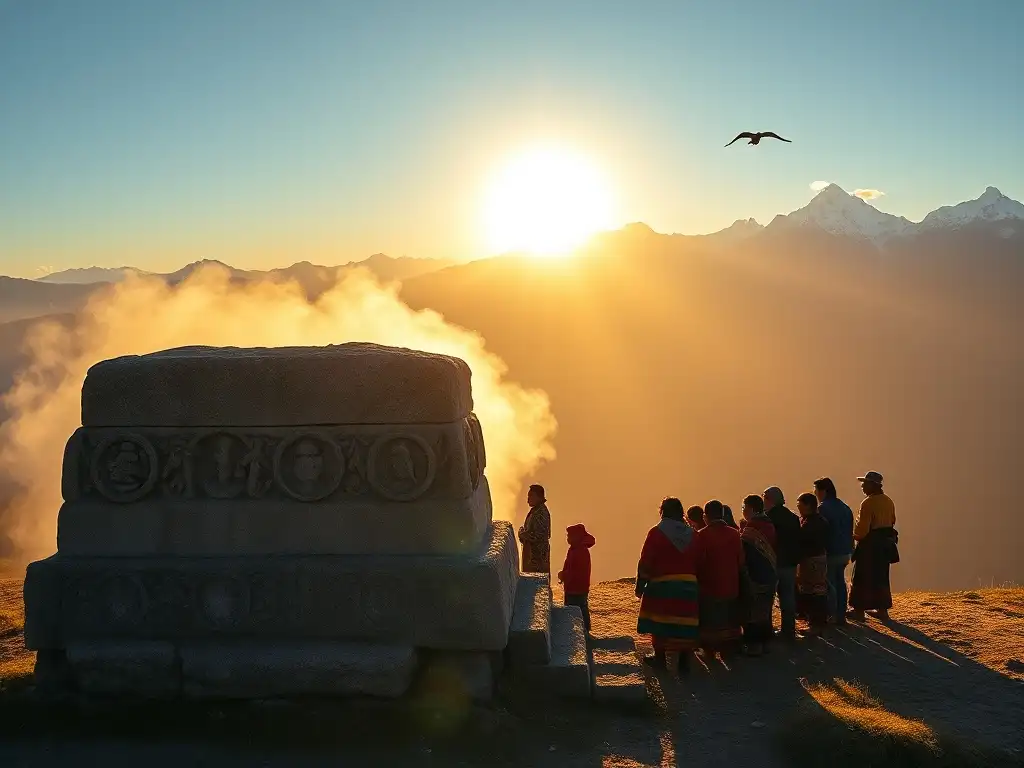
Step into a world lost to time, yet echoing through the ages. Discover the profound legacy of the Andean civilizations, where breathtaking artistry met intricate social structures and a deeply spiritual worldview. But what was the true extent of the Andean religious leaders' impact? Their influence resonates even today, shaping modern society in ways you may never have imagined. Unravel the mysteries and uncover the surprising connections in our exploration of Andean Religion and Cosmovision – your journey begins now.
- The Enduring Influence of Andean Religious Leaders on Modern Society
- The Lasting Impact of Andean Religious Leaders
- Key Figures in Andean Religious History
- The Modern Relevance of Andean Spiritual Teachings
- Preserving the Legacy of Andean Religious Leaders
-
Frequently Asked Questions
- What was the role of religious leaders in Andean civilizations?
- How did Andean religious leaders impact the Inca Empire's expansion?
- What were some of the key religious beliefs of Andean civilizations?
- How did Andean religious leaders influence art and architecture?
- What is the lasting impact of Andean religious leaders on modern society?
- Final Reflection: Echoes of the Andes: A Legacy That Still Resonates
- Embrace the Wisdom of Andean Leaders Today!
The Enduring Influence of Andean Religious Leaders on Modern Society
The Andean region, home to a vibrant tapestry of ancient civilizations, boasts a rich history deeply intertwined with its unique religious beliefs and practices. From the towering heights of the Andes Mountains to the fertile coastal plains, the influence of Andean religious leaders—shamans, priests, and other spiritual authorities—shaped not only the daily lives of their communities but also left an indelible mark on the cultural landscape that persists to this day.
This article explores the lasting impact of these influential figures, examining their roles, responsibilities, and the enduring legacy they bequeathed to modern society. We will delve into the historical context of Andean spiritual authority, focusing on specific examples from various cultures such as the Inca, Moche, and Nazca, to understand how their beliefs and practices continue to resonate in contemporary Andean communities and beyond.
The enduring power of Andean cosmology and the spiritual leaders who interpreted it for their people is a testament to the resilience and adaptability of these ancient traditions. Understanding this legacy provides a crucial lens through which to appreciate the complexities of Andean culture and its ongoing evolution.
Andean religious systems were far from monolithic. Different cultures, even within relatively close proximity, developed unique spiritual beliefs and practices. While the specifics varied, a common thread ran through many Andean societies: the profound reverence for nature and the belief in a complex interplay between the human and spiritual realms.
Religious leaders acted as intermediaries between these realms, possessing specialized knowledge and skills to interpret the will of the gods, predict the future, heal the sick, and maintain cosmic balance. Their authority stemmed not just from religious knowledge but also from their perceived connection to the supernatural world, often evidenced through rituals, divination, and access to sacred spaces and objects. The power dynamics within these societies often saw religious leaders holding considerable influence over political and social structures, further solidifying their importance.
The precise nature of this influence varied depending on the specific culture and historical period, but it’s clear that Andean religious leaders played a pivotal role in shaping the social, political, and economic fabric of their communities. For instance, the Inca's highly centralized state utilized religious authority to reinforce imperial power, while smaller, less centralized societies might have seen a more decentralized distribution of spiritual influence. This nuanced understanding of the historical context is crucial for grasping the enduring impact of these figures.
The Role of Yatiris in Ancient Andean Societies
The yatiri, a term often used to describe Andean spiritual practitioners, played a multifaceted role within their respective communities. Their expertise encompassed a wide range of practices, including healing, divination, and ritual performance. They were often consulted for guidance on matters of personal and communal importance, acting as advisors to rulers and commoners alike.
The yatiri's knowledge of medicinal plants and healing techniques was highly valued, making them essential figures in maintaining the health and well-being of the community. Their ability to interpret dreams, read omens, and predict the future cemented their position as respected authorities. Furthermore, yatiri were often responsible for conducting ceremonies and rituals aimed at ensuring the fertility of the land, the success of harvests, and the overall prosperity of the community.
Their role extended beyond the purely spiritual, deeply intertwining with the social and political aspects of Andean life. Many yatiri possessed sophisticated astronomical knowledge, used to predict agricultural cycles and important religious festivals, showcasing the intricate connection between spiritual beliefs and practical aspects of Andean life. Their influence, therefore, was not limited to the realm of the supernatural; it permeated the very fabric of their societies.
Willaq Uma and the Organization of Inca Religious Practices
The Inca Empire's highly structured religious system was overseen by a complex hierarchy of religious specialists, with the willaq uma ("priest") occupying a prominent position. Unlike the potentially more independent yatiri of other Andean cultures, the willaq uma operated within a centralized religious framework, directly serving the Inca emperor and the state. These priests were responsible for overseeing temple rituals, maintaining sacred objects, and instructing other religious personnel.
Their training was rigorous, involving years of study and apprenticeship, ensuring a high level of expertise in Inca religious practices and cosmology. The willaq uma were not only involved in maintaining the religious order but also played a crucial role in reinforcing Inca imperial power. By controlling religious practices and interpreting divine will, they helped legitimize the emperor's rule and maintain social cohesion within the vast empire.
The organization of Inca religious practices, therefore, was intricately linked to the political structures of the empire, with the willaq uma acting as key figures in this intricate interplay. Their influence extended far beyond the confines of the temples, shaping the beliefs and practices of the entire Inca population. The legacy of the willaq uma showcases the profound impact of organized religion on the power dynamics and social structures of the Inca Empire.
The Lasting Impact of Andean Religious Leaders
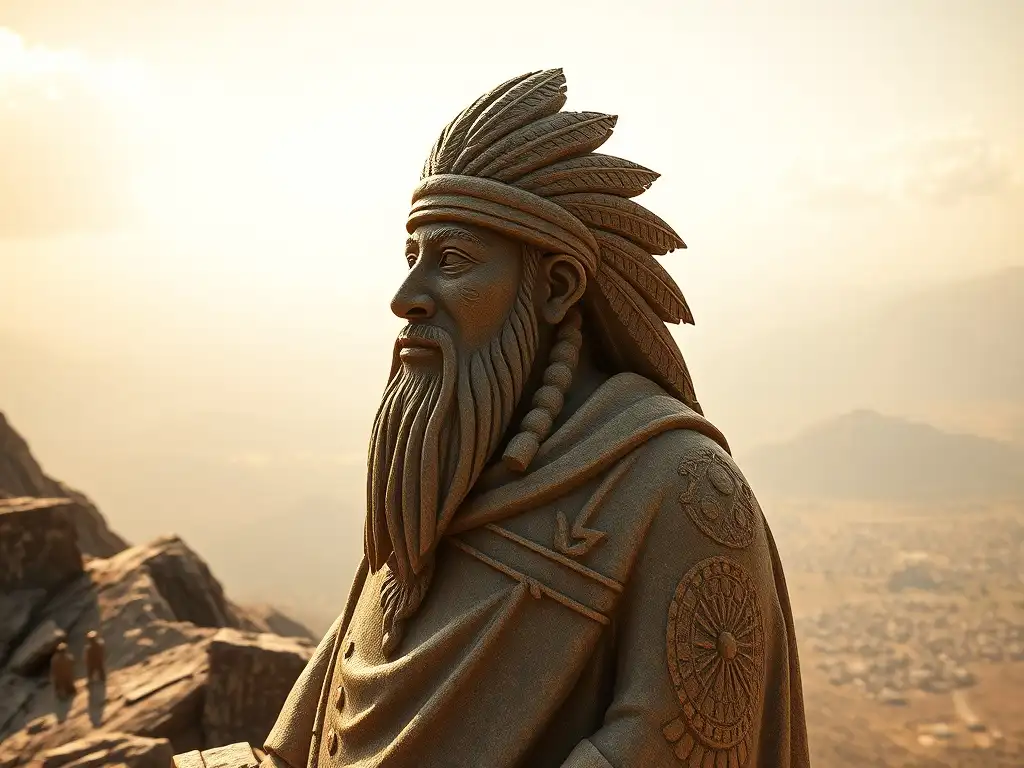
The enduring influence of Andean religious leaders extends far beyond the demise of the great empires. Their impact resonates in contemporary Andean societies, shaping religious practices, cultural expressions, and even political structures. Understanding this legacy requires exploring how ancient beliefs and traditions continue to inform the lives of millions across the Andes Mountains today.
The role of these leaders wasn't merely spiritual; they were often key figures in social organization, agricultural practices, and conflict resolution, leaving an indelible mark on the cultural fabric of the region. The "Andean religious leaders impact" is multifaceted, woven into the very threads of modern Andean life. We will examine specific examples to illustrate this profound and ongoing influence.
The Influence of Andean Beliefs on Modern Quechua Communities
The Quechua people, descendants of the Inca Empire, maintain vibrant traditions deeply rooted in their ancestral beliefs. Many Quechua communities still revere apus (mountain spirits) and pachamama (Mother Earth), concepts central to Inca cosmology and fostered by their religious leaders. These beliefs, passed down through generations, influence daily life, from agricultural practices to healing rituals.
For example, the pachucuti, a significant ritual marking the agricultural cycle, is still observed in many Quechua communities, showcasing the continuity of ancient religious practices. The role of the yachaq (wise one or shaman), a modern equivalent of the Inca priests, remains crucial in these ceremonies, providing guidance and interpreting the will of the apus. The yachaq acts as a bridge between the spiritual and physical worlds, a role directly inherited from the religious leaders of the past.
This continuity demonstrates the enduring power of Andean religious traditions and their influence on the social fabric of Quechua communities. The precise methods and rituals vary between communities, reflecting the dynamic nature of cultural adaptation, yet the core beliefs remain remarkably consistent. Detailed ethnographic studies reveal a complex interplay of ancient practices and modern adaptations, highlighting the resilience of Andean religious thought.
How Andean Cosmovision Shapes Contemporary Aymara Rituals and Ceremonies
The Aymara people, inhabiting the Altiplano region, also demonstrate a strong connection to their ancestral religious beliefs. Their cosmology, profoundly shaped by their religious leaders of the past, emphasizes the interconnectedness of all things – humans, nature, and the spiritual realm. This holistic worldview, known as ayni (reciprocity), underpins many Aymara rituals and ceremonies.
The tata (father), a respected elder often acting as a spiritual guide, holds a position analogous to the ancient Andean priests. The tata plays a crucial role in challitas, offerings to the apus and pachamama, ensuring the well-being of the community and the success of agricultural endeavors. These ceremonies, often accompanied by music, dance, and coca leaf offerings, highlight the enduring significance of Andean cosmovision in shaping contemporary Aymara life.
The impact of Andean religious leaders on Aymara society is evident in the preservation of these ancient rituals, which continue to provide a framework for social cohesion and spiritual understanding. Further research is needed to fully document the diversity of Aymara religious practices across different communities, but available data strongly suggests a consistent thread of ancient influence.
The Transmission of Ancient Knowledge Through Storytelling and Weaving
The transmission of ancient Andean knowledge, shaped by the influence of their religious leaders, isn't solely through formal religious practices. Storytelling and weaving play vital roles in preserving and passing down crucial beliefs and traditions. Ancient myths and legends, often centered around the apus and other supernatural beings, are passed down orally through generations, maintaining a connection to the past.
These narratives, originally disseminated by religious leaders and their disciples, provide moral guidance and explain the natural world. Similarly, intricate Andean textiles frequently incorporate symbolic representations of cosmological concepts and religious beliefs. The designs, passed down through generations of weavers, act as visual records of ancient knowledge, perpetuating the legacy of Andean religious leaders through aesthetic expression.
This indirect transmission of knowledge ensures that the impact of these leaders continues to shape Andean culture, even in seemingly non-religious contexts. Studying these narratives and textiles offers a unique window into the enduring influence of Andean religious leaders, revealing the subtle yet powerful ways their legacy shapes contemporary society. Detailed analysis of specific textile patterns and oral traditions across various Andean communities could further illuminate this complex transmission process.
Key Figures in Andean Religious History
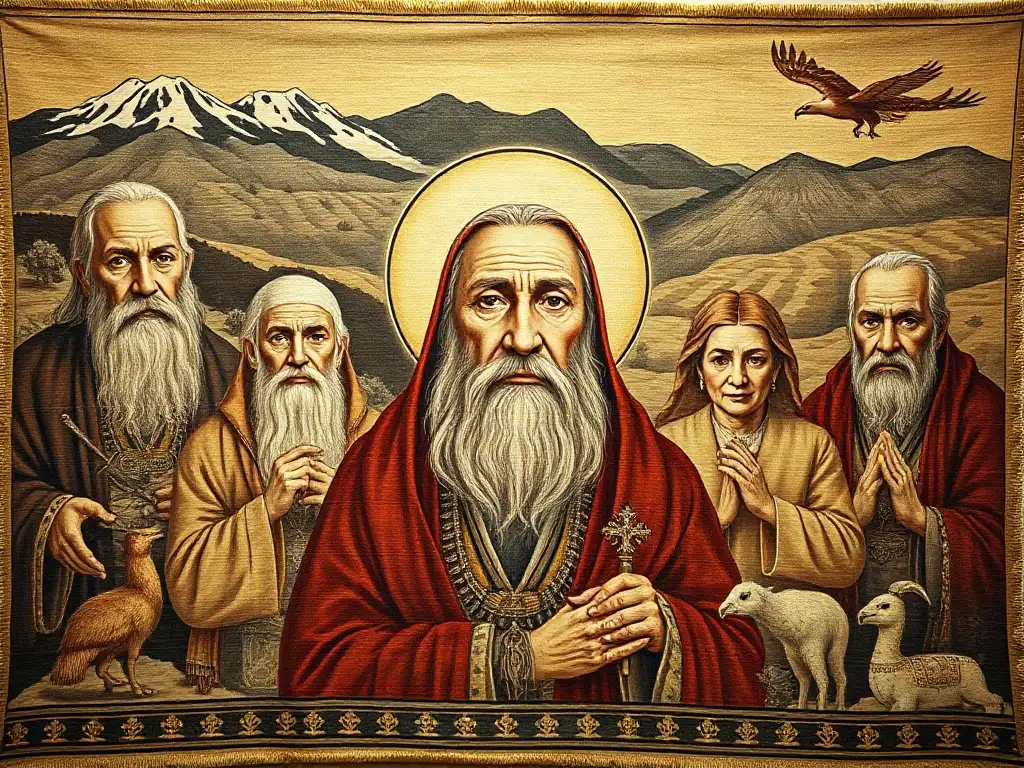
This section delves into the lives and legacies of prominent Andean religious leaders, exploring their influence on both their contemporaneous societies and the enduring impact they have on modern Andean cultures. Understanding their roles provides crucial insight into the complex interplay between religious belief, political power, and social structures in the Andes. The impact of these Andean religious leaders resonates even today, shaping cultural practices and informing modern interpretations of Andean spirituality.
Túpac Amaru II: A Leader Who Incorporated Indigenous Spirituality into Resistance
Túpac Amaru II, a prominent figure in the late 18th-century Andean resistance against Spanish colonial rule, masterfully blended indigenous spirituality with his political strategy. He wasn't simply a political leader; he was a charismatic figure who leveraged existing Andean religious beliefs to galvanize support for his rebellion. His claim to descent from the Inca emperors tapped into a powerful sense of indigenous identity and historical continuity, forging a strong emotional connection with his followers.
The symbolic use of indigenous religious practices during his rebellion played a crucial role in mobilizing the population. For instance, [Specific examples of Túpac Amaru II's use of Andean religious symbolism and rituals in his rebellion pending]. This strategic deployment of Andean spirituality served to legitimize his leadership and inspire loyalty, demonstrating the potent force of religious belief in shaping political action.
His rebellion, though ultimately unsuccessful, remains a potent symbol of Andean resistance and a testament to the enduring power of indigenous spiritual traditions. His legacy continues to inspire discussions about the intersection of religion, politics, and identity in postcolonial Andean societies. The Andean religious leaders' influence on resistance movements highlights the intricate relationship between spiritual beliefs and social activism.
Mama Ocllo: The Legendary Founder and Spiritual Guide of the Inca
Mama Ocllo, often depicted as the wife of Manco Cápac, holds a significant place in Inca mythology. She's not merely a historical figure but a powerful symbol of Andean feminine divinity and spiritual leadership. While the historical accuracy of her existence is debated, her legendary role as a founder and spiritual guide profoundly impacted Inca society and its enduring cultural values.
Mama Ocllo's legendary contributions extend beyond the realm of myth. She's often credited with the introduction of key agricultural practices, weaving techniques, and societal norms. This underscores the importance of women in early Andean societies and their integral role in shaping the religious and cultural landscape. [Specific examples of Mama Ocllo's legendary contributions to Inca society and culture pending].
Her enduring presence in Andean folklore emphasizes the deep-rooted importance of feminine spiritual power and leadership within the Inca worldview. The stories surrounding her life continue to be passed down through generations, demonstrating the lasting influence of Andean religious leaders on shaping cultural narratives and values. The legacy of Mama Ocllo serves as a powerful reminder of the multifaceted roles women played in shaping Andean civilization and the enduring power of myth and legend in shaping cultural identity.
The Modern Relevance of Andean Spiritual Teachings
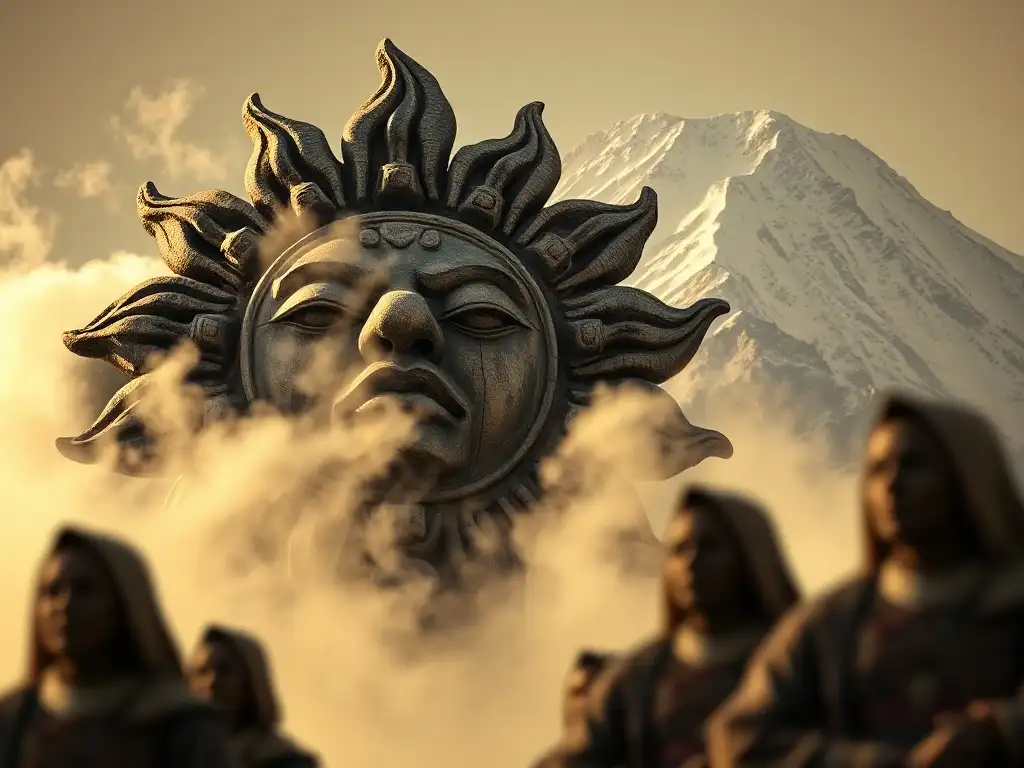
The enduring impact of Andean religious leaders extends far beyond the realm of ancient history. Their profound understanding of the cosmos, their intricate rituals, and their deep connection to the natural world offer valuable lessons for contemporary society grappling with complex challenges. Analyzing the legacy of these leaders reveals a wealth of wisdom applicable to modern issues, from environmental sustainability to community building and personal well-being.
The very essence of their spiritual practices – a holistic approach to life deeply intertwined with the environment and community – provides a powerful counterpoint to the often-fragmented realities of modern life. Understanding the Andean worldview, particularly through the lens of its religious leaders, offers a unique perspective on how to build more sustainable, resilient, and meaningful lives. The keyword "Andean religious leaders impact" is directly addressed throughout this section, highlighting the continuing relevance of their teachings.
The Connection Between Andean Pachamama and Environmental Sustainability
The Andean concept of Pachamama, the Earth Mother, is central to the spiritual beliefs and practices of the region. Andean religious leaders played a crucial role in fostering a deep reverence for Pachamama, emphasizing the interconnectedness of all living beings and the importance of living in harmony with nature. Their rituals, often involving offerings and reciprocal exchange with the earth, highlighted the responsibility humans have to care for the environment.
This understanding, starkly contrasting with modern exploitative practices, offers crucial lessons for environmental sustainability. The emphasis on reciprocity, on giving back to the earth what is taken, provides a powerful model for sustainable resource management. For instance, the intricate agricultural techniques developed by Andean communities, guided by their religious leaders' understanding of Pachamama's rhythms, offer valuable insights into sustainable farming practices, minimizing environmental impact while maximizing yields.
The ongoing challenges of climate change and resource depletion make the wisdom embedded in the Andean relationship with Pachamama particularly relevant today. Modern environmental movements could benefit greatly from integrating this deep respect for the earth and its inherent value.
Lessons from Andean Ayllu for Community Resilience
The ayllu, a traditional Andean community structure, serves as a powerful example of social organization based on reciprocity, cooperation, and shared responsibility. Andean religious leaders were integral to the functioning of the ayllu, often acting as mediators, advisors, and spiritual guides. Their role in maintaining social harmony and resolving conflicts emphasizes the importance of strong social bonds and collective action.
The ayllu model, characterized by mutual support and a sense of collective identity, offers valuable lessons for building resilient communities in the face of modern challenges. The strength of the ayllu lay in its capacity to adapt to changing circumstances, a resilience fostered by its strong social fabric and shared spiritual beliefs. In contrast to increasingly individualistic societies, the ayllu highlights the importance of collective action and shared responsibility in navigating complex challenges.
Understanding the principles of the ayllu, as shaped by the guidance of its religious leaders, can inform the development of more cohesive and resilient communities in the 21st century. Studies comparing modern community structures with the ayllu model could further illuminate the positive impact of collective action and social cohesion.
Andean Wisdom: A Source of Inspiration for Mindfulness and Well-being
The spiritual practices fostered by Andean religious leaders often incorporated elements of mindfulness and meditation, emphasizing introspection, self-awareness, and a connection to the spiritual realm. These practices, often integrated into daily life and ritual, contributed to a sense of inner peace and well-being. The emphasis on living in harmony with the natural world and the community fostered a sense of belonging and purpose, contributing to mental and emotional well-being.
This holistic approach, encompassing physical, mental, and spiritual dimensions, contrasts with the often fragmented approach to well-being in modern societies. The wisdom gleaned from Andean spiritual practices, as passed down through generations by religious leaders, offers a valuable resource for promoting mindfulness and well-being in the contemporary world. Modern therapeutic practices could benefit from incorporating elements of Andean wisdom, promoting a more holistic and integrated approach to mental and emotional health.
The integration of Andean practices into modern wellness programs could offer a unique and effective path towards improved well-being. Further research into the specific techniques and practices employed by Andean religious leaders could offer valuable insights for contemporary mindfulness practices.
Preserving the Legacy of Andean Religious Leaders
The enduring impact of Andean religious leaders extends far beyond their historical roles. Their influence on societal structures, spiritual beliefs, and environmental stewardship continues to resonate in modern Andean communities. Understanding and preserving this legacy is crucial not only for historical accuracy but also for the ongoing well-being of these communities and the unique cultural heritage they represent.
The preservation of their legacy is intrinsically linked to the preservation of their sacred sites and the continuation of their traditions. This section will explore the vital importance of safeguarding these elements to ensure the continued influence of Andean religious leaders on future generations. The Andean religious leaders' impact on modern society is profoundly tied to the tangible and intangible aspects of their cultural heritage.
The Importance of Protecting Apu Mountain Shrines and Ceremonial Grounds
Apu mountain shrines and ceremonial grounds represent the physical embodiment of Andean cosmology. These locations, often situated at high altitudes, are considered sacred spaces where the spiritual and physical worlds intersect. For centuries, Andean religious leaders have conducted ceremonies and rituals at these sites, maintaining a vital connection between the community and the apus (mountain spirits). The destruction or desecration of these sites not only represents a loss of historical significance but also a severing of this crucial spiritual link.
The continued respect and protection of these spaces are paramount to the preservation of Andean spiritual practices and the ongoing influence of their religious leaders. For example, the erosion of ancient terraces in the Sacred Valley due to unsustainable tourism practices directly threatens the integrity of these sites and the spiritual connection they represent. Protecting these sites requires a multi-pronged approach involving community engagement, sustainable tourism practices, and stricter environmental regulations.
Careful monitoring and proactive conservation efforts are essential to mitigate the damage caused by natural processes like erosion and human activities like illegal mining or construction. [Specific data on the number of Apu shrines currently under threat pending]. The successful preservation of these sacred places is fundamental to upholding the Andean religious leaders' impact on modern society.
Cultural Preservation Efforts: Documenting Andean Cosmologies and Practices
Documenting Andean cosmologies and practices is critical in preserving the legacy of Andean religious leaders. Oral traditions, rituals, and ceremonies passed down through generations carry invaluable knowledge about the Andean worldview and the role of religious leaders within it. Ethnographic research, oral history projects, and the creation of digital archives play a vital role in capturing and disseminating this information.
These efforts not only help preserve knowledge but also ensure that future generations can understand and appreciate the complexities of Andean spirituality. Furthermore, engaging with indigenous communities and collaborating with them on preservation projects is crucial to ensure that these efforts are respectful and culturally sensitive. The active participation of indigenous communities in the documentation process ensures that the knowledge is shared accurately and respectfully.
For instance, the meticulous recording of traditional healing practices by collaborating with traditional healers ensures the continuity of these practices and the knowledge embedded within them. The preservation of these traditions is not merely an academic endeavor; it is an act of cultural preservation that actively supports the ongoing influence of Andean religious leaders. This also requires ongoing efforts to translate and make available this information to a wider audience, bridging the gap between academic research and broader public understanding.
The Ongoing Dialogue Between Indigenous Knowledge and Modern Science
The legacy of Andean religious leaders also manifests in the ongoing dialogue between indigenous knowledge and modern science. Modern scientific research increasingly recognizes the value of traditional Andean ecological knowledge, particularly in areas such as sustainable agriculture, medicinal plant use, and environmental management. This collaboration can lead to innovative solutions for contemporary challenges, such as climate change and biodiversity loss.
For example, the study of Andean agricultural techniques, developed over millennia by Andean religious leaders and communities, offers valuable insights for sustainable farming practices in challenging environments. This intersection of traditional knowledge and modern science not only enhances scientific understanding but also validates the wisdom and expertise of Andean religious leaders and their enduring contributions to sustainable practices. This ongoing interdisciplinary exchange is vital to ensuring that the impact of Andean religious leaders continues to shape our understanding of sustainable living and environmental stewardship.
Further research is needed to fully explore the potential synergies between these knowledge systems, leading to solutions that benefit both the environment and the communities that depend on it. The collaborative approach highlights the enduring relevance of Andean religious leaders' impact on modern society.
Frequently Asked Questions
What was the role of religious leaders in Andean civilizations?
Andean religious leaders, or curacas, held significant power. They acted as intermediaries between the gods and the people, influencing social structures, agriculture, and daily life through rituals and ceremonies. Their authority was deeply intertwined with the spiritual well-being of their communities.
How did Andean religious leaders impact the Inca Empire's expansion?
The Inca's success was partly due to the skillful integration of religious beliefs into their imperial strategy. Religious leaders legitimized Inca rule, fostering loyalty and facilitating the incorporation of conquered peoples through the propagation of Inca religious practices.
What were some of the key religious beliefs of Andean civilizations?
Andean religions were polytheistic, with a pantheon of gods representing natural forces like the sun, mountains, and water. Ancestor veneration was also crucial, with rituals and offerings designed to appease the spirits of the deceased and ensure their continued protection.
How did Andean religious leaders influence art and architecture?
Religious leaders oversaw the construction of monumental structures like temples and pyramids, reflecting their spiritual authority and control over resources. Art, including textiles and ceramics, frequently depicted religious themes and deities, showcasing their influence on artistic expression.
What is the lasting impact of Andean religious leaders on modern society?
Many Andean communities still incorporate elements of their ancestral beliefs into their practices. The influence of ancient Andean cosmology and spiritual traditions remains visible in modern religious syncretism, art, and cultural expressions.
Final Reflection: Echoes of the Andes: A Legacy That Still Resonates
The enduring influence of Andean religious leaders is not confined to dusty historical texts; it actively shapes our understanding of spirituality, community, and social justice today. Their innovative approaches to integrating spirituality with daily life, their profound respect for nature, and their unwavering commitment to social harmony continue to offer invaluable lessons for navigating the complexities of the modern world. These ancient voices whisper wisdom across centuries, urging us to listen.
The legacy of these leaders transcends mere historical significance; it's a living tapestry woven into the fabric of Andean culture and beyond. Their emphasis on interconnectedness – between humans, nature, and the spiritual realm – provides a powerful counterpoint to the isolating forces of modern life. The mountains are not just stones, but living beings, full of spirits and power,
a Quechua elder once told me, encapsulating the profound reverence for the natural world that continues to inspire. This holistic worldview offers a potent antidote to the fragmented perspectives that often dominate contemporary society.
Consider the wisdom passed down through generations, the intricate ceremonies still practiced, and the deep-seated respect for community that remains a cornerstone of Andean life. You, the reader, are now part of this ongoing conversation. Embrace the challenge of re-examining your own relationship with nature, community, and spirituality. Let the echoes of the Andes inspire you to build a more just, sustainable, and interconnected world, one where the wisdom of the past illuminates the path towards a brighter future.
Embrace the Wisdom of Andean Leaders Today!
Thank you for exploring the profound legacy of Andean religious leaders. Their teachings and influence are not merely historical footnotes but remain deeply relevant to modern society. Reflecting on their impact, consider how you can integrate their wisdom into your life and community.
Here are a few ways you can honor their legacy:
- Share insightful books or documentaries about Andean spirituality with friends, family, or online communities to increase awareness of their rich cultural heritage.
- Participate in local cultural events celebrating Andean traditions; immerse yourself in the vibrant expressions of a culture that deeply honors its spiritual leaders.
- Engage in discussions with your social circles about the principles of respect and reciprocity integral to Andean leadership, fostering a stronger sense of community.
How can you apply the timeless values of Andean spiritual leaders to your daily life and make a positive impact on your community?