
Exploring the Andean View of Death and the Afterlife

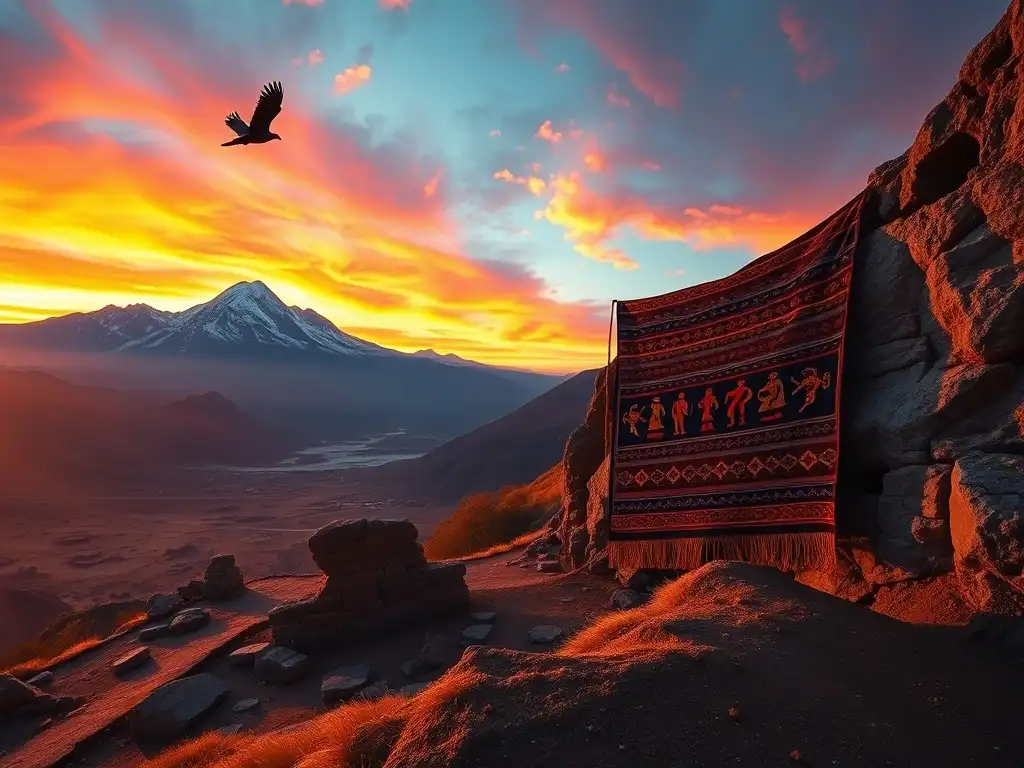
Step into a world lost to time, yet echoing with vibrant mystery. For centuries, the towering peaks of the Andes have guarded secrets of magnificent civilizations – the Incas, Moche, Nazca, and Tiahuanaco among them. But what happened after death? This isn't just a tale of crumbling ruins; it's an exploration of breathtaking artistry, ingenious engineering, and a profoundly unique cosmovision. Uncover the captivating intricacies of Andean afterlife beliefs and journey with us into the heart of their spiritual world. Prepare to be amazed.
- Exploring Andean Afterlife Beliefs: A Journey Beyond the Physical Realm
- The Andean Perspective on Death: A Transition, Not an End
- The Andean Afterlife: Navigating the Spirit World
- Key Concepts in Andean Beliefs About the Afterlife
- Variations in Afterlife Beliefs Across Andean Cultures
- The Continuing Legacy of Andean Afterlife Beliefs
-
Frequently Asked Questions
- What did Andean civilizations believe happened after death?
- How did Andean burial practices reflect their beliefs about the afterlife?
- Did all Andean cultures share the same beliefs about the afterlife?
- What role did mummies play in Andean afterlife beliefs?
- How did Andean art depict their beliefs about death and the afterlife?
- Final Reflection: Echoes of the Andes: A Legacy of Life and Death
- Embrace the Journey Beyond: Take Action Now!
Exploring Andean Afterlife Beliefs: A Journey Beyond the Physical Realm
The Andes Mountains, a spine of towering peaks running down the western coast of South America, have witnessed the rise and fall of countless civilizations. For millennia, these cultures—including the Incas, Moche, Nazca, and Tiahuanaco—developed complex religious systems and cosmologies, profoundly shaping their understanding of life, death, and the afterlife. This exploration delves into the fascinating and diverse beliefs surrounding death and the journey beyond the physical realm in Andean cultures, revealing a rich tapestry of spiritual practices and supernatural beings interwoven with their daily lives. Understanding these beliefs provides crucial insight into the very fabric of Andean societies and their enduring legacy. We'll examine how their views on death influenced their art, architecture, mummification practices, and societal structures, highlighting the nuanced perspectives that varied across different Andean cultures and time periods. This journey into the Andean afterlife will reveal a vibrant and complex worldview that continues to resonate today.
The Inca's Vision of the Afterlife: A Path to the Sun God
Inca beliefs about the afterlife were deeply intertwined with their cosmology, centered around the worship of Inti, the Sun God. Death wasn't viewed as an absolute end but rather a transition to a different realm. The Inca believed that the souls of the deceased traveled to the underworld, a shadowy realm known as Ukhu Pacha.
However, the nature of this journey and the fate of the soul varied based on social status and adherence to Inca laws. Elite individuals, particularly the Sapa Inca (emperor) and his family, were believed to have a more direct path to the sun god after death, their souls potentially joining Inti in the celestial realm. This belief is reflected in the elaborate burial practices of the Inca, including the mummification of rulers and the inclusion of grave goods intended to sustain them in the afterlife.
The Inca also believed in the power of ancestors, who were believed to continue to influence the living from the other world. This ancestor veneration played a significant role in Inca society, influencing political decisions and daily life. Specific rituals and offerings were performed to appease and honour these ancestral spirits.
Moche Beliefs: A Journey to the Otherworld Through Sacrifice and Ritual
The Moche civilization (100-800 CE), known for its exquisite pottery depicting vibrant scenes of daily life and ritual, offers a glimpse into their unique understanding of death and the afterlife. Unlike the Inca emphasis on a celestial afterlife, the Moche worldview appears to have focused more on a subterranean realm, possibly connected to the fertility of the land and the cyclical nature of life and death. Their elaborate burial practices, including the sacrifice of humans and animals, suggest a complex relationship with the otherworld.
Moche iconography frequently depicts figures in the process of transformation, suggesting a belief in metamorphosis and the possibility of rebirth. The Moche's understanding of the afterlife is less clearly defined than the Inca's, but their artistic representations provide valuable clues to their beliefs.
Further research is needed to fully interpret their symbolic language and to better understand the complex rituals surrounding death and the afterlife in this remarkable culture. [Specific details regarding Moche afterlife rituals pending further research].
Nazca's Mysterious Afterlife: Interpreting the Lines and the Burials
The Nazca civilization (100 BCE – 800 CE), famed for its enigmatic geoglyphs etched into the desert landscape, also held unique beliefs about death and the afterlife. While the exact nature of their beliefs remains somewhat shrouded in mystery, their elaborate burial practices suggest a significant focus on the preparation of the deceased for their journey to the otherworld.
The discovery of richly adorned tombs containing intricate textiles, ceramics, and other grave goods indicates the importance they placed on providing the deceased with the necessities for their afterlife. The Nazca's relationship with water, a scarce resource in their arid environment, likely influenced their views on the afterlife, possibly linking it to the cyclical nature of water and the renewal of life.
The Nazca lines themselves, although their purpose is still debated, may have played a role in their funerary rituals and beliefs about the afterlife. [Further research is needed to fully understand the connection between Nazca lines and their funerary practices].
Tiahuanaco's Cosmological Perspective: Death and Rebirth in the Andes
The Tiahuanaco culture (circa 500-1100 CE), known for its monumental architecture and sophisticated urban planning, possessed a complex cosmology that deeply influenced their understanding of death and the afterlife. Their religious beliefs were centered around a powerful creator god, and their monumental structures, such as the Kalasasaya temple, likely served as important sites for ritual practices related to death and rebirth. The Tiahuanaco's sophisticated understanding of astronomy and their intricate calendar systems suggest a deep connection to the cycles of nature and the cyclical nature of life and death.
Their iconography often depicts figures in transitional states, possibly symbolizing the journey of the soul between different realms. Understanding the Tiahuanaco's afterlife beliefs requires further investigation into their religious iconography and the symbolic meaning of their monumental architecture. [Specific details regarding Tiahuanaco funerary rites and beliefs pending further research].
This initial exploration only scratches the surface of the rich and diverse Andean views of death and the afterlife. Further research and analysis are crucial to fully understand the complexity of these beliefs and their impact on the cultures that shaped the Andes. The next sections will delve deeper into specific aspects of Andean funerary practices, the roles of deities and supernatural beings in the afterlife, and the lasting influence of these beliefs on contemporary Andean cultures.
The Andean Perspective on Death: A Transition, Not an End
The Andean worldview fundamentally differed from many other cultures' conceptions of death. Instead of viewing death as a definitive end, Andean societies, encompassing the Inca, Moche, Nazca, and Tiahuanaco cultures, largely perceived it as a transition to another realm. This transition wasn't necessarily a judgment-based afterlife as depicted in some religions, but rather a continuation of existence in a different, albeit often interconnected, plane of reality. The deceased remained part of the community, albeit in an altered state.
This perspective profoundly influenced their burial practices, funerary rituals, and overall relationship with the spiritual world. Understanding this nuanced view is crucial to grasping the complexities of Andean "afterlife beliefs". The emphasis wasn't on escaping death, but on facilitating a smooth passage and maintaining a connection with the departed.
This involved intricate rituals and elaborate preparations, reflecting the deep respect and importance afforded to ancestors. The continued influence of ancestors on the living world is a recurring theme in Andean cosmology, shaping their social structures and daily lives. Evidence suggests a cyclical view of life and death, with rebirth and regeneration playing significant roles in their belief system.
Understanding the Andean Concept of Mortality
The Andean concept of mortality wasn't a simple binary of life and death. Instead, it was a spectrum. Death wasn't seen as an absolute cessation of existence but rather a change in state. The soul, or suni, was believed to continue its journey, albeit in a different form. This concept permeated all aspects of life, influencing everything from daily routines to monumental architectural projects.
The living world and the world of the ancestors were not completely separate, but intertwined. Ancestors were believed to act as intermediaries between the living and the divine, providing guidance and protection. This relationship was maintained through offerings, rituals, and the remembrance of their legacies. Archaeological evidence, such as the mummification practices and the inclusion of grave goods, supports this view.
The meticulous care taken in preparing the deceased for their afterlife demonstrates the significance placed upon this transition. Furthermore, the construction of elaborate tombs and mausoleums highlights the importance of maintaining a lasting connection with their ancestors. The continued presence of ancestors was not merely a spiritual belief, but a fundamental aspect of their social and political structures. The legacy of deceased rulers, for example, often played a significant role in maintaining power and authority within a community.
Death Rituals in Ancient Andean Societies: Honoring the Departed
Death rituals in ancient Andean societies were complex and varied across different cultures, yet shared a common thread: honoring the deceased and facilitating their journey to the afterlife. These rituals weren't simply somber affairs; they were often elaborate ceremonies involving the entire community. Mummification, for instance, was a common practice among several Andean cultures, reflecting a deep respect for the body and a belief in the continued existence of the suni. The process itself was often lengthy and involved various techniques aimed at preserving the body for eternity. Beyond mummification, the inclusion of grave goods—ranging from everyday tools and clothing to precious metals and ornaments—further illustrates the belief in a continued existence in the afterlife.
These items were considered essential for the deceased's continued well-being in the spirit world. The elaborate tombs themselves, often containing multiple burials, served as a testament to the importance of ancestral veneration. The Nazca lines, for example, while their exact purpose is still debated, may have played a role in funerary rituals or in communicating with the spirit world. Furthermore, specific offerings and sacrifices were made to ensure the smooth passage of the deceased and to appease the spirits.
The complexity and variety of these rituals underscore the significance of death and the afterlife within Andean cultures. These practices provide invaluable insights into their beliefs, social structures, and worldview. The meticulous attention to detail in these rituals reflects the profound impact of ancestral veneration on their societies. These practices weren't merely symbolic; they were integral to the functioning of their social and political systems.
The Andean worldview wasn't a simple dichotomy of heaven and hell. Instead, it encompassed a complex cosmology with multiple layered realities, impacting their understanding of death and the afterlife. Beliefs varied across different Andean cultures—Inca, Moche, Nazca, Tiahuanaco, and others—but a common thread woven through their diverse traditions was the cyclical nature of life and death, and the enduring connection between the living and the dead.
Understanding Andean afterlife beliefs requires appreciating their intricate cosmology and the profound respect they held for their ancestors. This section delves into the key components of their spiritual landscape, exploring their conception of the afterlife and the journey of the soul. The concept of Andean afterlife beliefs is best understood through the lens of their unique three-world cosmology.
Uku Pacha: The Underworld in Andean Cosmology
Uku Pacha, the underworld, wasn't simply a place of darkness and punishment. It was a realm of powerful spirits, ancestors, and the origins of life. Often associated with fertility, water sources, and the earth's bounty, Uku Pacha held a significant role in Andean spirituality.
Death, in this context, wasn't an end but a transition, a journey to the subterranean world. Archaeological evidence, such as burial practices and offerings found in tombs, supports the importance of Uku Pacha. Elaborate burial rituals, often involving the inclusion of food, tools, and precious objects, suggest a belief in providing necessities for the deceased's continued existence in the underworld.
The deceased weren't simply forgotten; they were believed to continue to influence the lives of the living, acting as intermediaries or protectors. Furthermore, the cyclical nature of agriculture mirrored the cyclical nature of life and death, with the earth's fertility being intrinsically linked to the spirit world below.
The precise nature of the Uku Pacha experience varied across different groups. Some Andean cultures might have believed in a specific underworld deity ruling over this realm, while others might have focused more on the ancestral spirits inhabiting it. However, the common thread was the belief in a continued existence beyond physical death, a realm interconnected with the world of the living.
Hanan Pacha: The Upper World and Celestial Realm
In contrast to the subterranean Uku Pacha, Hanan Pacha represented the upper world, the celestial realm of the sun, moon, stars, and powerful deities. This realm was associated with light, power, and the divine. While Uku Pacha held a more direct connection to the everyday lives of the Andean people, Hanan Pacha was seen as a more distant, yet equally important, sphere of existence. Access to Hanan Pacha wasn't guaranteed to all upon death. It was often reserved for select individuals, typically rulers, priests, or those who had performed significant feats during their lifetime.
The journey to Hanan Pacha was often depicted in Andean mythology and art. Reaching this celestial realm was usually perceived as a reward, a reflection of a virtuous life lived according to the principles of Andean society. However, detailed accounts of the specific afterlife experiences in Hanan Pacha are scarce, leaving room for scholarly interpretation and further research. More information is needed to fully understand the variations in beliefs across different Andean cultures regarding this upper world.
The Importance of Ancestral Veneration in Andean Cultures
Ancestor veneration was a cornerstone of Andean religious practices. The deceased weren't simply forgotten; they were considered active participants in the lives of the living. This belief is clearly reflected in their burial practices and the ongoing rituals performed to honor their ancestors. The ancestors were seen as powerful intermediaries between the living and the supernatural world, able to influence events and offer protection. This deep respect for ancestors extended beyond mere remembrance; they were actively engaged with through offerings, prayers, and ceremonies.
The mummification of important individuals, along with the continued maintenance and care of their mummies, further exemplifies the significance of ancestral veneration. These weren't simply relics of the past; they were living members of the community, albeit in a different form. The ongoing interaction with the ancestors reinforced the cyclical view of life and death, emphasizing the continuity between generations and the enduring presence of the deceased in the lives of the living.
The legacy and influence of the ancestors were deeply intertwined with the social and spiritual fabric of Andean societies. Their actions, both in life and after death, continued to shape the destinies of their descendants. This constant connection underscores the profound respect and reverence held for those who came before, a belief system central to understanding Andean afterlife beliefs.
Key Concepts in Andean Beliefs About the Afterlife
The Andean view of death and the afterlife wasn't a singular, monolithic belief system. Instead, diverse Andean cultures, including the Inca, Moche, Nazca, and Tiahuanaco, each held nuanced perspectives shaped by their unique environments and societal structures. Understanding "Andean afterlife beliefs" requires acknowledging this rich tapestry of interconnected yet distinct spiritual traditions.
A common thread, however, was the profound respect for ancestors and the belief in a continued existence beyond physical death, albeit often in a transformed state. This wasn't necessarily a heaven or hell dichotomy, but rather a complex interplay of earthly and spiritual realms, where the boundary between the living and the dead remained permeable. The concept of wakas—sacred places and objects imbued with spiritual power—played a crucial role, serving as conduits between these realms.
The Role of the Soul in Andean Spiritual Thought
Andean cultures didn't conceptualize the soul in the same way as many Western religions. While the precise nature of the soul varied across different groups, the general understanding involved a vital essence that persisted after death. This essence wasn't necessarily immortal in the sense of eternal life, but rather capable of transformation and continued interaction with the living world.
Evidence suggests a belief in multiple components of the soul, perhaps reflecting different aspects of a person's being. For example, some scholars suggest the existence of a "breath soul" that departed at death, and a more enduring "shadow soul" that remained connected to the physical world through mummification and ancestor veneration. Further research is needed to fully understand the nuances of these beliefs across different Andean societies.
The surviving texts and archaeological evidence offer glimpses into these complex ideas, but a complete picture remains elusive. The complexity of "Andean afterlife beliefs" is partly due to this lack of a unified, codified doctrine.
The Significance of Mummies and Ancestor Worship
Mummification wasn't simply a funerary practice; it was a crucial aspect of Andean afterlife beliefs. The preservation of the body was seen as essential for maintaining the connection between the living and the dead. Mummies weren't merely lifeless remains; they were considered active participants in the community, continuing to influence the lives of their descendants.
Ancestor worship was deeply ingrained in Andean societies, with elaborate rituals and offerings designed to appease and honor the spirits of the deceased. These rituals weren't solely focused on the elite; evidence suggests that mummification and ancestor veneration practices varied across social strata, although the methods and scale differed. The elaborate tombs and burial sites discovered throughout the Andes bear testament to the importance placed upon the deceased and their continued presence in the community.
The meticulous preparation of mummies, often accompanied by grave goods reflecting the individual's status and lifestyle during life, underscores the profound respect for the deceased and their continued importance in the social fabric. 🪦
Andean Deities Associated with Death and the Afterlife
Several Andean deities were associated with death, the underworld, and the afterlife. While specific names and attributes varied among different cultures, certain themes emerged consistently. For example, the concept of a subterranean world, often associated with darkness and fertility, was common throughout the Andes.
Deities inhabiting or presiding over this underworld played a pivotal role in the cyclical nature of life and death. These deities were not necessarily evil or malevolent; instead, they often represented the transformative power of death and regeneration. One can consider, for instance, the Inca deity Supay, often associated with the underworld and death, but whose role was also linked to the fertility of the land.
The precise roles and attributes of these deities require further investigation, as our understanding is shaped by limited surviving accounts and the interpretations of archaeologists and anthropologists. A deeper understanding of "Andean afterlife beliefs" necessitates a more comprehensive analysis of the diverse pantheon of deities associated with the cycle of life and death across different Andean cultures. More research is needed to fully illuminate the nuances of these complex religious beliefs.
Variations in Afterlife Beliefs Across Andean Cultures
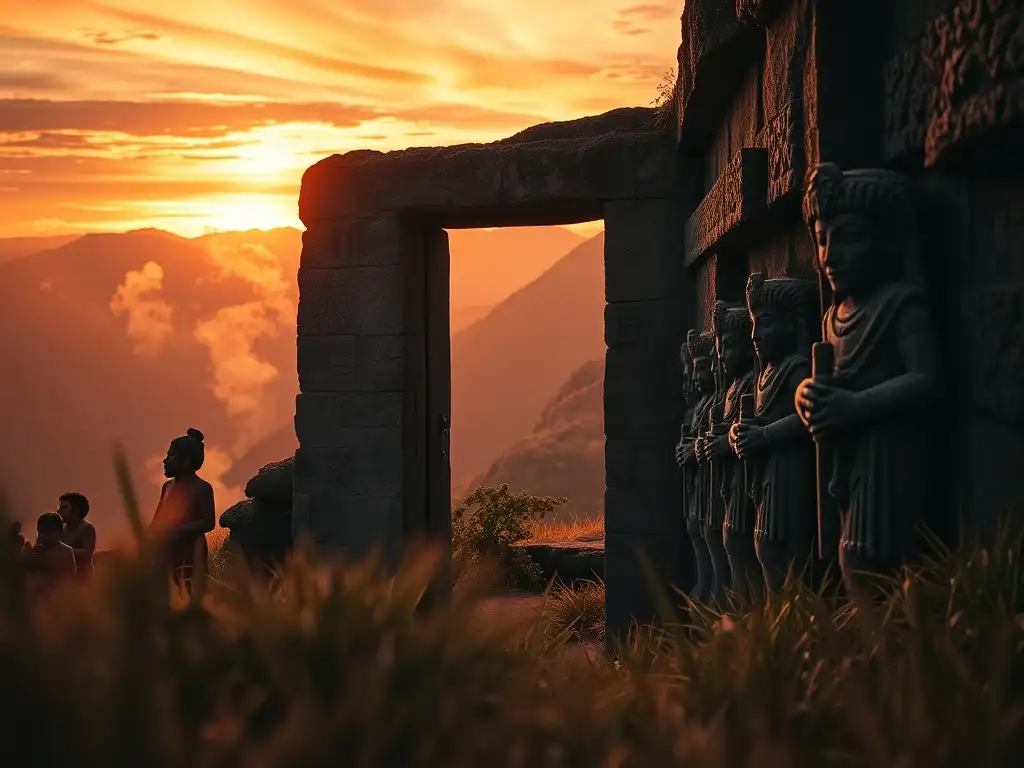
The Andean region, encompassing a vast geographical area and diverse cultures, did not possess a single, unified belief system regarding death and the afterlife. Instead, a fascinating tapestry of beliefs and practices emerged, reflecting the unique cosmologies and social structures of each civilization. Understanding the nuances of these beliefs requires examining them individually, recognizing the common threads while acknowledging crucial differences. This section explores the afterlife beliefs of three prominent Andean cultures: the Inca, Moche, and Nazca, highlighting their distinct approaches to death, burial rituals, and the concept of the Andean afterlife.
Inca Beliefs About the Afterlife: Royal Ancestors and the Sun God
Inca Andean afterlife beliefs were deeply intertwined with their imperial structure and the worship of the Sun God, Inti. The Inca worldview emphasized a hierarchical cosmos, mirroring their social hierarchy. The emperor, considered a direct descendant of the Sun God, held a pivotal role in the continuity of life and the connection to the spiritual realm.
Upon death, the emperor's mummified body underwent elaborate ceremonies and was enshrined in a sacred location, often in the capital, Cusco. These weren't simply burials; they were acts of maintaining the emperor's power and influence even in death. His continued presence ensured the flow of mana or sacred energy, necessary for the well-being of the empire.
The elite, similarly, enjoyed a privileged position in the afterlife. Their mummified remains, often adorned with precious jewelry and fine textiles, were placed in carefully constructed tombs, reflecting their status and importance in life. These individuals were believed to join the ancestors in the celestial realm, continuing to interact with the living world.
In contrast, commoners' Andean afterlife beliefs were less elaborate. Their burial practices were simpler, often lacking the opulent grave goods associated with the elite. While their afterlife wasn't as prominently depicted in surviving records, it's inferred that a simpler transition to a less significant spiritual existence was expected. The focus was less on individual immortality and more on the continuity of the community and the empire as a whole. Further research is needed to fully understand the nuances of the commoner's experience in the Inca Andean afterlife.
Moche Perspectives on the Afterlife: Elaborate Burials with Grave Goods
The Moche civilization, known for its intricate metalwork and pottery, held complex beliefs about death and the afterlife, evidenced by their elaborate burial practices. Moche Andean afterlife beliefs centered on the provision of necessities for the deceased in the next world. Their tombs, often richly decorated and containing numerous grave goods, reveal a deep concern for ensuring the deceased's comfort and continuation of their lifestyle. These grave goods included finely crafted pottery depicting scenes of daily life, agricultural practices, and warfare, suggesting a belief in a continuation of these activities in the afterlife.
The presence of food, drink, textiles, and even human sacrifices in some Moche tombs underscores the significance placed on providing for the deceased's needs. The sheer scale and complexity of some Moche burials – particularly those of elites – suggest a belief in a vibrant and active afterlife, rather than a passive or uneventful existence. The inclusion of servants and warriors in some tombs also points to a hierarchical structure even in death, mirroring the social stratification of the living.
Detailed iconography on Moche pottery provides invaluable insights into their cosmology and funerary rituals, although much remains to be interpreted. Analyzing this iconography will further illuminate the Moche understanding of the Andean afterlife.
Nazca Views on the Afterlife: Geoglyphs as Pathways to the Spirit World
The Nazca culture, famous for its enigmatic geoglyphs, offers a different perspective on Andean afterlife beliefs. While their burial practices were less opulent than those of the Moche, their profound connection to the landscape suggests a unique understanding of the afterlife. The Nazca geoglyphs, vast figures and lines etched into the desert floor, are often interpreted as having ritualistic significance, perhaps acting as pathways or markers for the spirits to travel to the otherworld.
The Nazca's sophisticated astronomical knowledge suggests that their Andean afterlife beliefs were closely linked to the celestial world. The precise alignment of some geoglyphs with astronomical events implies that the Nazca saw the afterlife as connected to the movements of the stars and constellations. The intricate designs and patterns of the geoglyphs themselves may represent symbolic journeys or transformations undertaken by the spirits.
Unlike the Moche’s focus on material provision, the Nazca seem to have emphasized a spiritual journey and connection to the cosmos as central to their Andean afterlife beliefs. The exact nature of this journey and the characteristics of the afterlife remain a subject of ongoing research and debate, requiring further investigation of the cultural context surrounding these enigmatic figures. The role of water sources and their proximity to certain geoglyphs also warrants further study in understanding Nazca cosmology and beliefs about the Andean afterlife.
Tiahuanaco Beliefs About the Afterlife: Cosmological Models and Afterlife Geography
The Tiahuanaco culture, flourishing in the Altiplano region of the Andes between approximately 500 and 1000 CE, possessed a complex cosmology deeply intertwined with their beliefs about death and the afterlife. Unlike some other Andean cultures with more linear conceptions of the afterlife, Tiahuanaco's worldview presented a more intricate and layered understanding of the cosmos and the journey of the soul after death.
Their sophisticated understanding of astronomy and their monumental architecture suggest a worldview that emphasized cyclical processes and a complex relationship between the earthly and celestial realms. This is reflected in their artistic representations and the layout of their ceremonial centers.
One key aspect of Tiahuanaco's cosmological model was the emphasis on a three-tiered universe. This tripartite structure, often depicted in their intricate textiles and ceramics, likely represented a subterranean world, the terrestrial world, and a celestial world. The journey of the soul after death was not a simple transition to a single location but rather a complex movement through these different realms.
The precise nature of this journey and the ultimate destination of the soul remain subjects of ongoing scholarly debate, as the available evidence is fragmented and open to interpretation. However, the emphasis on cyclical time suggests that the afterlife was not necessarily a final destination but perhaps a stage in a continuous cycle of existence.
The geography of the Tiahuanaco afterlife, if it can be described as such, was likely not confined to a single location. Instead, it may have been envisioned as a series of interconnected spaces within their three-tiered cosmological model. The subterranean world, often associated with the origins of life and the ancestors, might have been seen as a place of transition or even a temporary abode for the souls of the deceased.
The celestial world, on the other hand, likely represented a realm of higher spiritual significance, perhaps reserved for the most virtuous or powerful individuals. The terrestrial world, the realm of the living, continued to hold importance even after death, as evidenced by the elaborate funerary practices and the reverence shown to ancestors.
The limited textual sources available from the Tiahuanaco culture make detailed reconstruction of their beliefs challenging. However, archaeological evidence, including the intricate designs on their pottery and textiles, offers valuable insights into their beliefs. For example, depictions of stylized figures and animals, alongside symbolic representations of celestial bodies, hint at a complex interplay of earthly and cosmic forces shaping their understanding of the afterlife.
Further research and careful analysis of the archaeological record are crucial for a deeper understanding of these fascinating beliefs. The development of new technologies for analyzing ancient artifacts may also uncover new evidence that sheds light on their after-life beliefs and their place within the broader Andean cosmological framework. The study of Tiahuanaco afterlife beliefs offers a unique perspective on the diversity of Andean spiritual thought.
The Continuing Legacy of Andean Afterlife Beliefs
The beliefs surrounding death and the afterlife in Andean cultures weren't simply confined to the past; they continue to resonate in contemporary Andean societies. While the specific practices and rituals might have evolved, the core tenets of ancestor veneration, the cyclical nature of life and death, and the interconnectedness of the living and the dead remain powerful forces shaping Andean identity and worldview. Understanding this enduring legacy is crucial to appreciating the depth and complexity of "Andean afterlife beliefs".
The influence stretches across various aspects of life, from daily routines to major life events. For example, the practice of pachamama offerings, a ritualistic act of giving thanks to Mother Earth, implicitly acknowledges the spiritual realm and the continuous cycle of life, death, and rebirth. This isn't simply a historical practice; it's a living tradition.
Modern Interpretations of Andean Death Rituals
Modern interpretations of Andean death rituals often blend traditional practices with contemporary influences. While elaborate mummification and elaborate tomb construction, as seen in the Inca civilization, are largely absent in modern practices due to societal shifts and changing burial laws, the fundamental respect for ancestors remains. Funeral ceremonies might incorporate elements of Catholic traditions, introduced during the colonial era, alongside indigenous Andean beliefs.
For instance, a wake might involve traditional Andean music and foods alongside Catholic prayers. The importance placed on the deceased's continued presence in the family and community continues, albeit expressed in different ways. Families often maintain altars dedicated to deceased relatives, offering food, drink, and coca leaves – a practice echoing the ancient provision of sustenance for the journey to the afterlife.
The act of remembering and honoring ancestors remains central, highlighting the enduring power of these beliefs. Even in urban settings, these traditions persist, demonstrating the adaptability and resilience of Andean cultural practices.
The Influence of Andean Cosmology on Contemporary Andean Culture
Andean cosmology, with its intricate understanding of the universe and the interconnectedness of all beings, profoundly shapes contemporary Andean culture. The concept of ayni, reciprocal exchange, extends beyond human interactions to encompass the relationship between the living and the dead. Ancestor veneration is not merely a sentimental act but a crucial part of maintaining a harmonious balance within the cosmos.
By honoring ancestors, the living ensure the continued flow of energy and blessings. This reciprocal relationship is deeply rooted in the Andean worldview and influences various aspects of life, from agriculture and community organization to decision-making processes. Many contemporary Andean communities continue to consult with ancestral spirits for guidance, demonstrating the lasting influence of this rich cosmology on their daily lives and social structures.
The belief in the continued presence and influence of ancestors provides a framework for understanding the world and navigating life's challenges. This isn't a belief held solely by older generations; younger generations often actively participate in these traditions, signifying a dynamic continuity of Andean spiritual practices.
Preserving the Knowledge of Ancient Andean Afterlife Beliefs
Preserving the knowledge of ancient Andean afterlife beliefs is a critical task, requiring collaborative efforts from anthropologists, archaeologists, indigenous communities, and cultural institutions. The accurate documentation and interpretation of ancient texts, artifacts, and oral traditions are essential to avoid misrepresentation and ensure the respectful preservation of this rich cultural heritage. However, it's important to avoid a purely academic approach; preserving this knowledge requires active engagement with the living communities who continue these traditions.
This collaborative approach ensures that the interpretation and dissemination of these beliefs remain authentic and respectful, avoiding cultural appropriation and promoting a deeper understanding of Andean culture. Furthermore, educational initiatives, both within Andean communities and in broader academic settings, play a vital role in promoting awareness and appreciation for the depth and complexity of Andean afterlife beliefs.
This preservation effort is not just about archiving historical data; it's about safeguarding a living tradition and ensuring the continuation of a rich cultural legacy for future generations. The continued study and understanding of "Andean afterlife beliefs" is crucial for a complete appreciation of Andean civilization.
Frequently Asked Questions
What did Andean civilizations believe happened after death?
Andean afterlife beliefs varied across cultures but generally centered on a continuation of life in a different realm. This often involved ancestor veneration and the belief that the deceased continued to influence the living. Maintaining a connection with the departed was crucial.
How did Andean burial practices reflect their beliefs about the afterlife?
Burial practices, including elaborate tombs and the inclusion of grave goods, demonstrate the importance placed on ensuring a comfortable afterlife. These offerings provided the deceased with necessary items for their journey and continued existence. The complexity varied greatly by culture and social status.
No, while there were shared themes, beliefs varied significantly between cultures like the Incas, Moche, Nazca, and Tiwanaku. Some focused on a subterranean underworld, while others emphasized a celestial realm or a cyclical return to life. Regional differences heavily influenced beliefs.
What role did mummies play in Andean afterlife beliefs?
Mummies played a vital role, representing a continuation of the individual's presence in the community. They were often kept in homes and treated as living members of the family, receiving offerings and participating in ceremonies. This shows the importance of ancestor veneration.
How did Andean art depict their beliefs about death and the afterlife?
Andean art, including textiles, pottery, and metalwork, frequently depicted scenes from the afterlife and mythological journeys. These depictions often showed the deceased interacting with deities or ancestral spirits, illustrating their beliefs about the spiritual world and the journey to the afterlife.
Final Reflection: Echoes of the Andes: A Legacy of Life and Death
The Andean understanding of death, far from being a relic of the past, offers a powerful lens through which to examine our own contemporary anxieties about mortality and the unknown. It challenges the Western, often linear, perception of life's end, presenting instead a vibrant tapestry of interconnectedness between the living and the departed, a continuity that transcends the physical realm. This rich cosmology continues to resonate, reminding us of the enduring human need to make sense of existence beyond the confines of our earthly lives.
The enduring influence of Andean afterlife beliefs on the cultural landscape is undeniable, shaping artistic expression, spiritual practices, and even social structures. These beliefs, with their emphasis on community and respect for ancestors, offer a stark contrast to the often individualistic approach to death prevalent in many modern societies. Death is not an end, but a transformation,
a Quechua elder once told me, a sentiment that encapsulates the core of this worldview and continues to inspire reflection on the nature of existence itself. The vibrant traditions surrounding Día de los Muertos, for example, are a testament to the enduring power of these beliefs, demonstrating how the remembrance of the deceased remains a vital part of living culture.
Consider, for a moment, the implications of this Andean perspective. How might embracing a more holistic view of life and death, one that acknowledges the ongoing connection between generations, enrich your own life? I invite you to reflect on your own relationship with mortality, to consider the legacy you wish to leave behind, and to explore the ways in which the wisdom of the Andes might illuminate your path. Let the echoes of their ancient beliefs resonate within you, prompting a deeper understanding of life's profound and enduring mysteries.
Embrace the Journey Beyond: Take Action Now!
Thank you for exploring the fascinating Andean perspectives on death and the afterlife. Your curiosity has opened a door to profound insights and a deeper understanding of these ancient beliefs. Let's now put this knowledge into practice and continue your exploration.
- Join our community: Subscribe to our newsletter for exclusive content, updates on Andean culture, and invitations to insightful discussions.
- Explore further: Learn more about the diverse death rituals and customs across various Andean cultures to broaden your understanding of their spiritual practices.
- Share your insights: Discuss the Andean view of death with friends, online, or in forums—you might be surprised by the new perspectives you gain through sharing your own.
What aspect of the Andean view of death resonates most with you, and how might it influence your perspective on life?