
The Shaman's Vision: Interpreting Dreams and Omens in Andean Societies


Step into a world lost in time, where the mystical Andes whisper secrets of a vibrant past. Imagine the intricate tapestry of Andean civilization, a world woven from breathtaking artistry and profound spiritual beliefs. This journey into the heart of Andean culture begins with an exploration of Andean shamanic dream interpretation, unlocking the hidden meanings behind ancient visions and omens. Dare to delve deeper into the enigmatic power of dreams and discover the fascinating connection between the spirit world and the daily lives of these remarkable societies. Prepare to be amazed.
The Andean world, a tapestry woven from the threads of diverse cultures like the Incas, Moche, Nazca, and Tiahuanaco, held a deeply spiritual worldview. Central to this cosmology was the belief in a vibrant, interconnected universe where the physical and spiritual realms intertwined seamlessly.
Shamans, revered figures acting as intermediaries between the human and divine worlds, played a crucial role in interpreting the messages embedded within dreams and omens, guiding their communities through the complexities of life, death, and the ever-present forces of nature. This article delves into the fascinating world of Andean shamanic dream interpretation, exploring the techniques, beliefs, and societal impact of this vital practice, providing insight into the rich tapestry of Andean religion and cosmovision, specifically focusing on how "Andean shamanic dream interpretation" shaped their daily lives and understanding of the cosmos.
We will examine how dreams and omens weren't mere coincidences, but rather powerful tools for understanding the will of the gods and navigating the challenges of Andean life.
Dream Interpretation Techniques in Andean Cultures
Andean shamanic practices varied across different cultures, yet common threads unite their approaches to dream interpretation. Shamans often employed a combination of techniques, drawing upon their extensive knowledge of symbolism, mythology, and ancestral wisdom. These techniques frequently involved meticulous observation of dream details – colors, objects, actions, and emotions – each holding potential significance. For example, a recurring dream of a condor might symbolize strength and power, while a dream of a serpent could represent both danger and healing depending on the context. The shaman’s role was to weave these fragments into a coherent narrative, revealing the underlying message or prophecy contained within the dream. They often used mnemonic devices, chants, and ritualistic practices to access deeper levels of meaning and communicate with the spirit world. Detailed records of dream interpretations, unfortunately, are scarce, relying heavily on archaeological evidence and later colonial accounts which may reflect biases and incomplete understandings.
The Role of Omens and Divination
Beyond dreams, Andean shamans were adept at interpreting various omens and signs. Natural phenomena, such as unusual weather patterns, animal behavior, or the flight of birds, were carefully observed and analyzed for their potential significance. The appearance of specific animals, for example, could be interpreted as auspicious or ominous, depending on the cultural context and the shaman’s interpretation.
Similarly, the cracking of a specific stone, or an unusual configuration of stars, could be seen as a divine message. These observations, coupled with knowledge of traditional divination methods, provided additional layers of insight into the future or the will of the gods. While specific techniques varied across regions and cultures, the underlying principle remained consistent: the universe was a book constantly revealing its secrets to those who knew how to read its signs.
The interpretations provided by Andean shamans held immense social and political weight. Their pronouncements could influence decisions ranging from agricultural practices to military campaigns. Dreams and omens were not simply personal experiences; they were often viewed as messages from the gods, impacting the lives of entire communities. A shaman’s interpretation of a dream predicting a successful harvest, for example, could bolster community morale and guide planting strategies.
Conversely, a dream foretelling conflict could prompt preventative measures or strategic adjustments. The shaman’s authority stemmed from their perceived ability to tap into the spiritual realm and interpret these vital messages for the collective good. This power, however, was not absolute; the shaman's interpretations were often subject to community scrutiny and debate, reflecting the complex interplay between spiritual authority and social consensus.
The Legacy of Andean Shamanic Dream Interpretation
The practices of Andean shamanic dream interpretation, though largely obscured by time and the impact of colonialism, continue to resonate in contemporary Andean cultures. While many specific techniques may have been lost, the underlying belief in the interconnectedness of the physical and spiritual worlds, and the importance of dreams and omens in understanding this connection, persists. This enduring legacy highlights the profound influence of shamanic practices on Andean societies and their enduring impact on the region's rich cultural heritage.
Further research, particularly into the surviving oral traditions and archaeological findings, is crucial to fully understand the complexity and diversity of these powerful practices and their ongoing relevance. The study of "Andean shamanic dream interpretation" provides valuable insight into the sophisticated spiritual systems of these ancient civilizations and their enduring influence on modern Andean societies.
- Dream Interpretation Techniques in Andean Cultures
- The Role of Omens and Divination
- The Social and Political Impact of Shamanic Interpretations
- The Legacy of Andean Shamanic Dream Interpretation
The Significance of Dreams in Andean Cosmovision
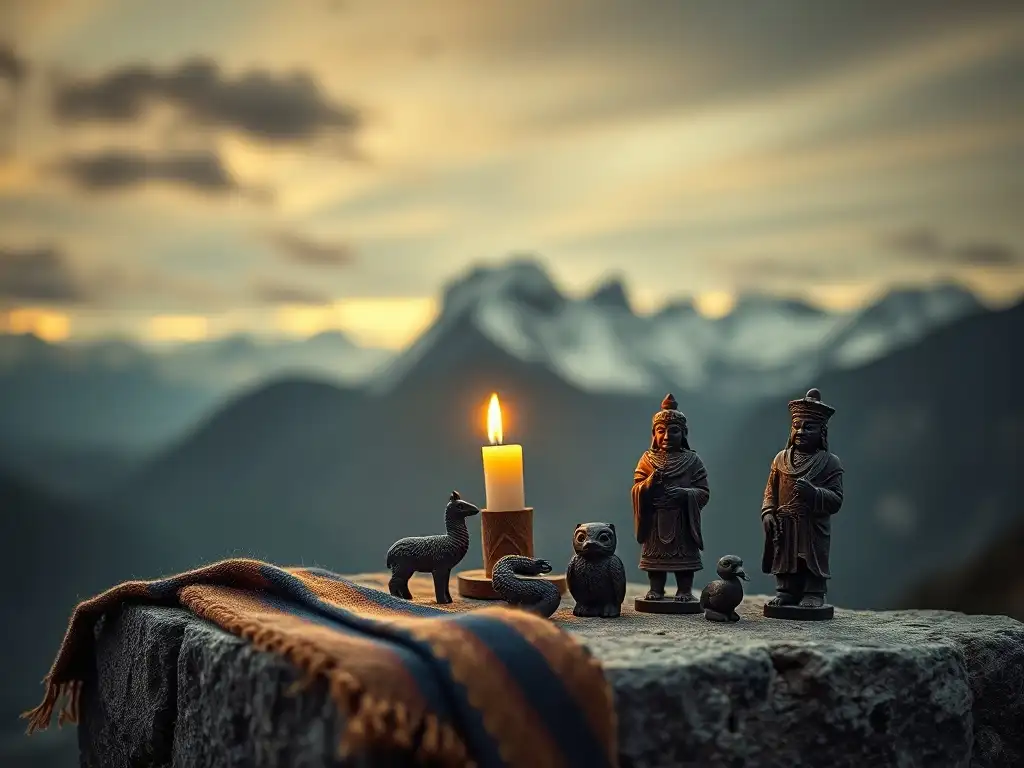
The Andean worldview deeply intertwined the physical and spiritual realms, making dreams a significant avenue for communication with the supernatural. Dreams weren't merely subconscious ramblings; they were considered powerful messages from the spirit world, offering insights into the future, warnings of impending danger, or guidance on crucial life decisions. This belief permeated various Andean societies, from the Incas to the pre-Inca cultures, shaping their rituals, social structures, and individual choices.
The interpretation of dreams, therefore, wasn't a casual pastime but a crucial practice entrusted to specialized individuals – the yachaq – shamanic figures who acted as intermediaries between the human and spirit worlds. The prevalence of Andean shamanic dream interpretation is evident in archaeological findings and surviving ethnohistorical accounts, highlighting the profound impact of dreams on Andean life. Understanding this perspective is key to grasping the complexities of Andean religion and cosmology.
The Spiritual Realm and Dream Communication
Andean cosmology envisioned a vibrant spiritual realm teeming with deities, spirits ( wakas), and ancestral entities. These beings weren't distant, aloof figures; they actively engaged with the human world, often communicating through dreams. Dreams were seen as a temporary bridge between the waking world and this otherworldly realm, allowing individuals to receive messages, warnings, or blessings directly from these powerful entities.
The content of a dream wasn't arbitrary; each symbol, character, and event carried specific meaning, reflecting the dreamer's relationship with the spirit world and the broader cosmic order. For example, dreaming of a condor might signify a connection to the apu (mountain spirits) or a message of strength and power, while dreaming of a serpent could indicate a need for caution or a hidden danger.
The meticulous observation and detailed recording of dreams were therefore vital components of Andean shamanic dream interpretation. Detailed dream diaries, perhaps kept on quipus (knotted cords) or passed down orally, would have been invaluable for understanding patterns and deciphering recurring symbols.
Andean Beliefs About the Soul's Journey in Dreams
A central tenet of Andean beliefs concerning dreams was the concept of the soul's journey during sleep. It wasn't simply the body that rested; the soul was believed to embark on nocturnal expeditions, traversing the spiritual realm and interacting with various entities. These journeys weren't always pleasant; the soul could encounter dangers or be misled by malevolent spirits.
The dream, then, served as a record of these astral travels, reflecting the challenges and encounters faced by the soul during its nocturnal wanderings. The vivid imagery and emotional intensity often associated with dreams were seen as direct manifestations of these encounters, highlighting the reality and significance of the soul's journey. This understanding influenced the interpretation of dreams, with emphasis placed on identifying the specific locations visited by the soul, the entities encountered, and the nature of their interactions.
The interpretation aimed to understand the implications of these encounters for the dreamer's waking life, offering guidance and protection against potential spiritual harm. This belief in the soul's journey significantly shaped Andean shamanic dream interpretation, framing the dream not as a mere psychological phenomenon but as a real, significant spiritual event.
The Role of the Yachaq as an Intermediary
The yachaq, or Andean shaman, played a crucial role in interpreting dreams. They weren't simply dream analysts; they were spiritual guides, possessing the knowledge and skills to navigate the complexities of the spiritual realm and decipher the messages contained within dreams. Their expertise stemmed from years of training, spiritual apprenticeship, and intimate knowledge of Andean cosmology and symbolism.
The yachaq would carefully listen to the dreamer's account, analyze the symbols, and interpret their significance within the context of the dreamer's life and the broader Andean worldview. Their interpretations weren't solely focused on predicting the future; they often provided guidance on how to navigate current challenges, heal spiritual imbalances, or strengthen the connection to the spiritual realm. The yachaq might prescribe rituals, herbal remedies, or other spiritual practices to address issues revealed through the dream.
The relationship between the dreamer and the yachaq was often deeply personal and trusting, reflecting the profound significance of dreams and the crucial role of the shaman in Andean shamanic dream interpretation within Andean society. The yachaq's expertise was essential for understanding and responding to the messages from the spirit world conveyed through dreams, thus maintaining harmony between the individual and the cosmos.
Understanding Andean Omens and Divination
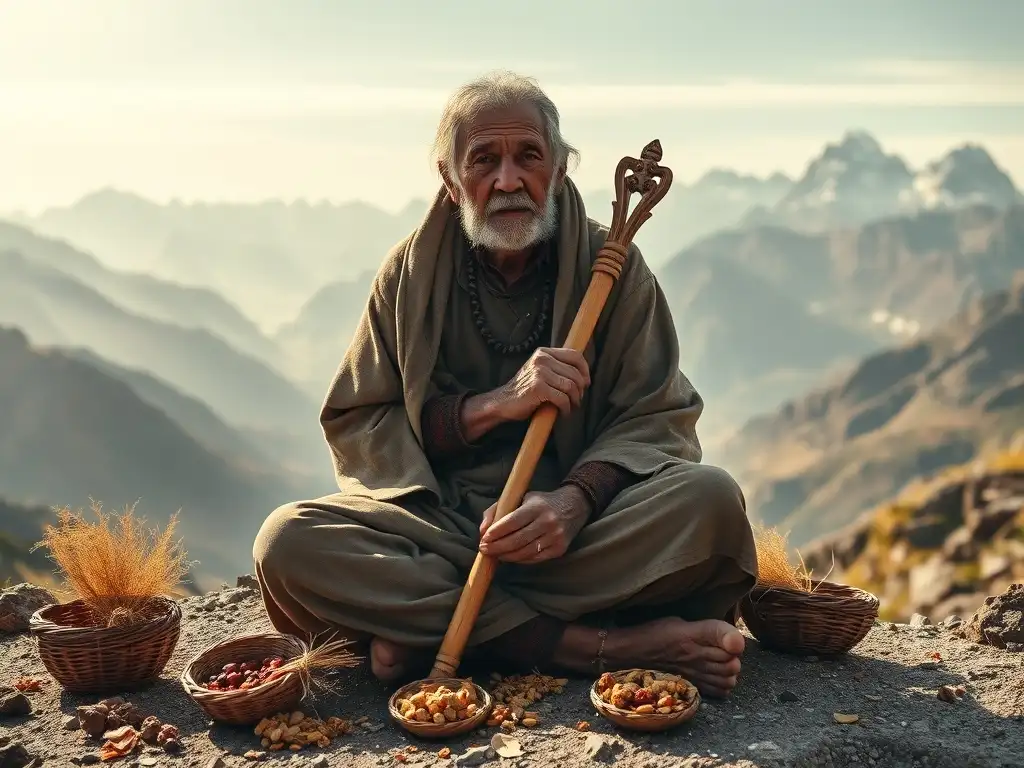
The Andean worldview was deeply intertwined with the spiritual realm, where the physical and metaphysical constantly interacted. Shamans, or paqos, held a crucial role as interpreters of this interplay, mediating between the human world and the powerful forces of nature and the spirit world. Their expertise in interpreting omens and dreams was vital for both individual and community well-being, influencing decisions ranging from agricultural practices to military campaigns.
Understanding Andean omen interpretation requires appreciating the holistic cosmology that permeated all aspects of life. The concept of ayni, reciprocal exchange, was central; actions in the human world had consequences in the spiritual realm, and vice versa.
This section explores some key methods of Andean divination and omen interpretation, focusing on the shaman's role in deciphering these signs. The practice of Andean shamanic dream interpretation was far more than just understanding individual dreams; it was a vital component of maintaining cosmic balance and societal harmony.
Natural Phenomena as Omens
Natural phenomena held profound significance in Andean cultures. Unusual weather patterns, such as prolonged droughts, unexpected floods, or spectacular displays of the aurora australis, were not simply meteorological events but powerful messages from the spirit world. For example, a sudden hailstorm might be interpreted as the displeasure of a mountain spirit, demanding appeasement through ritual offerings.
Similarly, a vibrant rainbow arcing across the sky could signify good fortune and abundance. The paqo’s role was to analyze these events within the broader context of the community's current situation and offer guidance on appropriate responses. Interpretations were not standardized; the meaning of a particular omen could vary depending on factors such as location, time of year, and specific cultural context.
This nuanced understanding required years of training and deep immersion in the Andean cosmology. Detailed records of such events and their interpretations, unfortunately, are largely lost to us, but ethnographic studies provide valuable insights into the process.
The Andean understanding of natural omens wasn't limited to dramatic events. Subtle shifts in weather patterns, the behavior of plants, or the appearance of unusual geological formations could also carry significant spiritual weight. For instance, an unusually early blooming of a particular plant might be interpreted as a sign of a bountiful harvest, while a landslide could indicate the need for community-wide ritual purification. The ability to discern these subtle messages was a hallmark of a skilled paqo.
Animal Behavior and Spiritual Messages
Animals held a prominent place in Andean cosmology, often serving as intermediaries between the human and spirit worlds. Their behavior was closely observed and interpreted as messages from the supernatural realm. The flight patterns of birds, the tracks of animals, and even the sounds they made were all considered potential omens.
For instance, the sighting of a condor soaring high above the mountains might be seen as an auspicious sign, while the presence of a snake could indicate the need for caution or a warning of impending danger. The paqo’s knowledge of animal symbolism was crucial in understanding these messages.
Different animals held different symbolic meanings, varying across different Andean cultures and regions. A detailed bestiary of Andean symbolism, unfortunately, isn't completely available to modern scholars; however, existing anthropological and archaeological evidence provides a glimpse into this complex system. The interpretation of animal omens was not a straightforward process; it required careful consideration of the animal's species, its behavior, and the context in which it was observed.
The paqo would often consider other factors, such as the time of day, the phase of the moon, and the overall atmosphere, to reach a comprehensive interpretation. This demonstrates the holistic and nuanced approach to Andean shamanic dream interpretation and omen reading.
The Use of Coca Leaves and Other Divination Tools
Coca leaves played a central role in Andean divination practices. The leaves were not merely a stimulant but a sacred substance used for communicating with the spirit world. Shamans would chew coca leaves, often while in a trance-like state, to receive messages or visions.
The patterns formed by the leaves, their taste, and even the way they were chewed could all provide insights into the future or offer guidance on important decisions. Beyond coca leaves, other tools were employed in divination rituals. This included quipus (knotted cords used for record-keeping and potentially for divination), various types of stones, and sacred objects.
The process of coca leaf divination, known as cocaleo, involved carefully selecting a handful of leaves, arranging them, and interpreting their patterns. The interpretation was not based on a fixed set of rules but rather on the shaman's intuition and knowledge of symbolic associations. Other divination techniques included interpreting the flight of birds, the patterns in the stars, or the behavior of llamas. Each method provided a different lens through which to understand the spiritual messages embedded within the natural world.
The utilization of multiple divination methods helped to corroborate findings and provide a more comprehensive understanding of the situation at hand. This multi-faceted approach highlights the sophisticated nature of Andean shamanic practices and their profound impact on Andean life. The integration of these practices into daily life cemented the shaman’s role as a vital member of the community.
Andean Shamanic Dream Interpretation Techniques
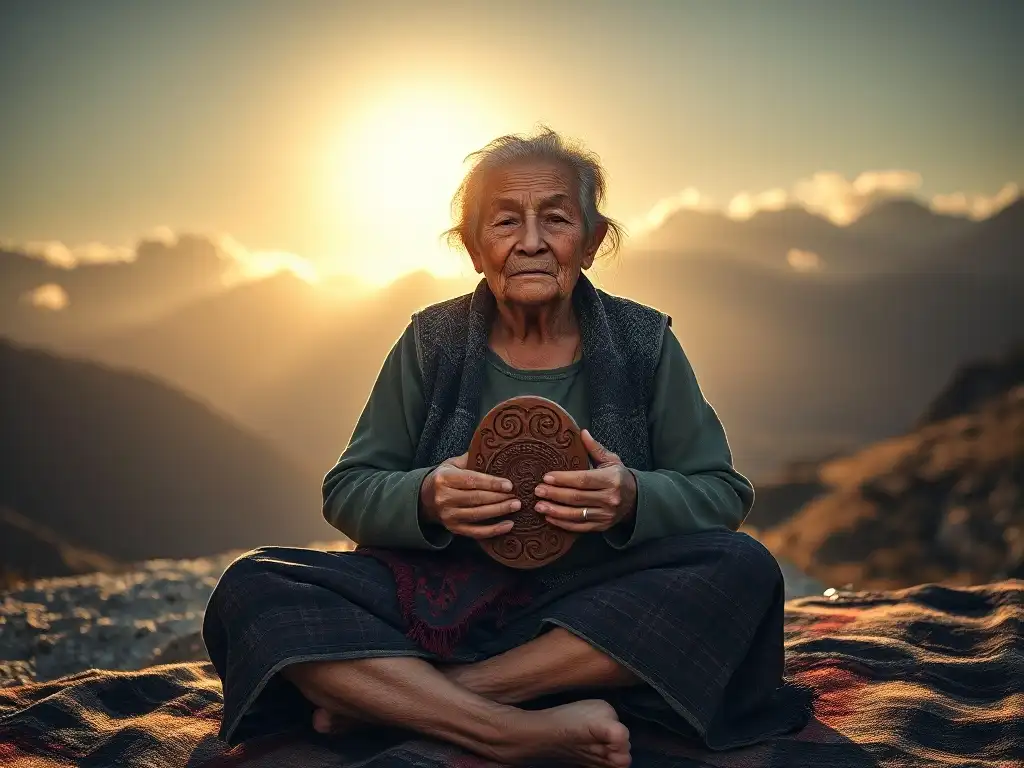
The practice of dream interpretation, or suñi interpretation, held immense significance within Andean societies. Shamans, highly respected figures possessing spiritual authority, played a crucial role in deciphering the messages embedded within dreams, viewing them as windows into the spiritual realm and harbingers of future events. These interpretations weren't merely abstract exercises; they directly influenced decisions impacting individuals, communities, and even the political landscape.
Understanding these techniques offers a glimpse into the intricate relationship between the Andean worldview and the subconscious mind. The intricate tapestry of Andean shamanic dream interpretation involved a complex interplay of symbolic analysis, contextual understanding, and meticulous recording practices, all aimed at gleaning profound insights from the dream world.
This process, passed down through generations of spiritual leaders, provides valuable insight into Andean cosmology and the shaman's crucial role in society. The effectiveness of suñi interpretation was believed to be deeply tied to the shaman's spiritual purity and connection to the Andean deities.
Identifying Symbolic Elements in Dreams
Identifying symbolic elements within dreams formed the cornerstone of Andean shamanic dream interpretation. Unlike Western approaches that might focus on individual elements, Andean interpretation considered the whole dream narrative, examining the interplay between various symbols to understand their collective meaning. For example, a recurring motif of a condor might symbolize strength and power, but its interpretation would shift drastically depending on the context.
A condor soaring high above might signify good fortune and spiritual elevation, while a wounded condor could foretell hardship or impending danger. Similarly, the appearance of specific animals, plants, geographical features, or even colors carried unique symbolic weight.
The interpretation wasn't solely based on a fixed symbolic dictionary. Shamans drew upon their extensive knowledge of Andean mythology, cosmology, and local ecology. They understood the intricate relationships between the natural world and the spiritual realm, allowing them to interpret symbols within their specific cultural and environmental context. For instance, the appearance of a puma in a dream might represent the power of the underworld in one region, while in another, it could symbolize a specific ancestral spirit. This contextual awareness was paramount to accurate interpretation.
Furthermore, the shaman's personal connection to the dreamer played a vital role. The shaman would often consider the dreamer's life circumstances, recent experiences, and emotional state when analyzing the dream's symbolism. This holistic approach highlights the deeply personal nature of Andean dream interpretation, emphasizing the unique relationship between the shaman and the individual seeking guidance. Analyzing recurring symbols across multiple dreams was also a key technique. The frequency of a particular symbol could emphasize its importance and provide a clearer indication of the message it carried.
The Importance of Context and Personal Experience
The Andean approach to dream interpretation emphasized the crucial role of context and personal experience. A dream's meaning wasn't viewed as static or universally applicable; instead, it was deeply intertwined with the dreamer's individual life, their social standing, and the prevailing circumstances within their community. A dream about drought, for example, would hold significantly different implications for a farmer than for a city dweller. Shamans considered various factors, including the dreamer's age, gender, social role, and current emotional state, to understand the dream's significance.
The temporal context of the dream was also vital. Dreams occurring during specific times of the year, such as the harvest season or the rainy season, were interpreted differently based on the cultural and agricultural significance of those periods. Similarly, dreams experienced before significant events like planting or festivals might hold prophetic meaning related to those occasions. This detailed consideration of the dream’s context highlights the intricate relationship between the spiritual and material aspects of Andean life.
Moreover, the shaman’s own knowledge of the dreamer's life, their relationships, and their community played an integral role. This intimate understanding allowed the shaman to provide interpretations tailored to the specific individual and their circumstances, making the process deeply personal and meaningful. The interpretation wasn't simply about deciphering symbols but also about providing practical guidance and support to the dreamer.
Methods for Dream Recall and Recording
Effective dream recall and recording were critical to the success of Andean shamanic dream interpretation. While techniques varied across different Andean cultures, several common practices aimed to enhance memory and ensure accurate transmission of dream narratives. One common method involved creating a tranquil and meditative environment before sleep, often involving ritual cleansing and the use of sacred objects. This preparation was believed to improve the clarity and memorability of dreams.
Upon waking, individuals would often recount their dreams immediately to a family member or, ideally, to a shaman. This immediate sharing helped prevent the details from fading and ensured the accuracy of the information. Shamans often employed mnemonic techniques, such as storytelling and song, to aid in remembering and organizing the dream's sequence of events. These techniques, passed down through oral tradition, helped preserve the accuracy and integrity of dream narratives across generations.
Further enhancing the reliability of dream recall and recording, some Andean communities used quipus, a system of knotted cords, to record dream details. Different colors and knot patterns represented various symbolic elements and events within the dream, providing a visual representation of the narrative. This method ensured the preservation of dream accounts even without written language, highlighting the ingenuity of Andean record-keeping practices.
The use of quipus in this context underscores the importance placed on the accurate transmission of dream information, reinforcing its significance in Andean spiritual practices. The careful preservation of these dream narratives allowed for the accumulation of valuable knowledge about dream symbolism and interpretation, contributing to the continued development of Andean shamanic practices.
Case Study: Interpreting a Dream of the Pachamama
The Pachamama, the Earth Mother, is a central figure in Andean cosmology, representing fertility, abundance, and the interconnectedness of all living things. Dreams featuring the Pachamama often hold significant weight for Andean communities, reflecting the dreamer's relationship with nature, their community, and their own inner well-being. Let's consider a hypothetical, yet representative, example:
Imagine a young woman, Juana, from a Quechua community in the Peruvian Andes, dreams vividly of the Pachamama appearing to her as a majestic mountain, its slopes lush and green, overflowing with fruits and flowers. However, a dark shadow creeps across one side of the mountain, threatening to engulf the vibrant vegetation. In Andean shamanic dream interpretation, this wouldn't be seen as simply a pleasant dream marred by a negative element; rather, it's a complex message requiring careful analysis.
The lush, fertile mountain symbolizes Juana's current state of well-being and prosperity, reflecting perhaps a successful harvest or a harmonious family life. The vibrant colors represent her connection to the life-giving forces of the Pachamama. However, the encroaching shadow represents a looming threat—perhaps an impending illness, a potential conflict within the community, or even an environmental concern like a drought affecting their crops. The shaman, interpreting this dream, wouldn't dismiss the negative aspect. Instead, they would guide Juana to understand the warning and seek ways to mitigate the potential threat.
This could involve performing rituals to appease the Pachamama, strengthening community bonds through collaborative work, or taking practical steps to prepare for a potential hardship. The dream isn't solely about predicting the future; it's about understanding the present and empowering Juana to act proactively, strengthening her connection with the Pachamama to ensure the continued well-being of herself and her community. The dream acts as a form of communication from the spiritual world, guiding human actions towards balance and harmony within the Andean worldview.
The interpretation emphasizes the interconnectedness of the individual, the community, and the natural world—a core principle of Andean shamanic practice. The shaman's role is not to simply predict, but to guide and empower the dreamer to navigate the challenges presented within the dream's symbolism.
The Role of the Yachaq in Dream Analysis
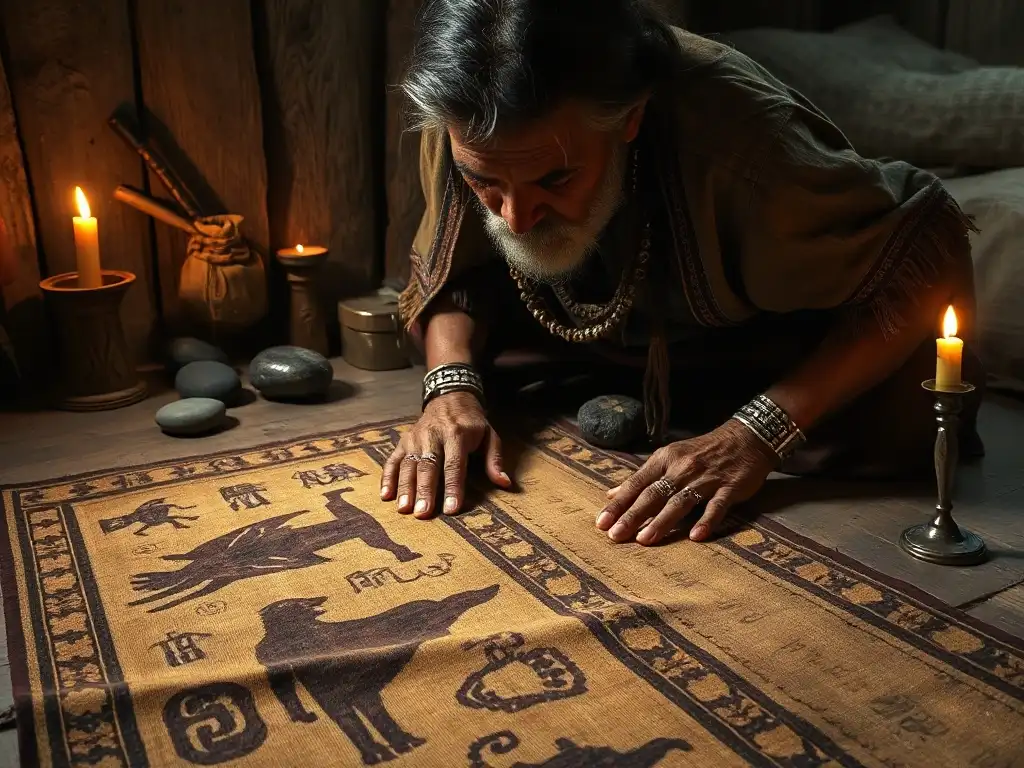
The Andean shamanic dream interpretation, a crucial aspect of Andean spirituality, was largely facilitated by the yachaq. Unlike modern interpretations often focused on personal psychology, Andean dream analysis was deeply intertwined with the community's well-being and the maintenance of cosmic balance. The yachaq, a highly respected spiritual leader, acted as an intermediary between the human world and the spirit world, interpreting dreams not as individual psychological projections, but as messages from the gods, ancestors, or the natural world itself. This interpretation was vital for navigating daily life, predicting future events, and understanding the will of the cosmos.
The accuracy of a yachaq's interpretation was closely tied to their reputation and spiritual power, impacting their standing within the community. Their pronouncements could influence decisions ranging from agricultural practices to political alliances. The importance of accurate Andean shamanic dream interpretation cannot be overstated; it was a cornerstone of Andean society.
The Yachaq as a Dream Interpreter
The yachaq's role extended beyond simply recounting dream imagery. They possessed specialized knowledge of symbolism and cosmology, allowing them to decipher the hidden meanings within a dream. For example, a recurring dream of a condor might not simply represent personal aspirations, but rather a message from the spirit world regarding impending changes in weather patterns crucial for agricultural success.
Similarly, dreams featuring specific animals, plants, or geographical features held significant cultural weight, each possessing distinct symbolic meanings within the Andean worldview. The yachaq's expertise lay in connecting these fragmented symbols to form a coherent narrative reflecting the spiritual and cosmological context. This process required not only an understanding of the dream's imagery but also a deep familiarity with Andean mythology, rituals, and the intricate relationship between humans and the natural world.
The yachaq often used various tools and techniques during the interpretation, including coca leaf readings and the observation of natural phenomena, further enriching the accuracy and depth of their analysis. The interpretation wasn't a solitary process; it often involved the community, with the dreamer and the yachaq collaboratively exploring the dream's significance.
The Yachaq's Training and Initiation
Becoming a yachaq was a rigorous and lengthy process, involving years of intense training and spiritual initiation. Aspirants underwent a period of apprenticeship, studying under experienced yachaqs, mastering herbalism, medicinal practices, and intricate knowledge of Andean cosmology. This training included rigorous spiritual exercises, fasting, and shamanic journeys to connect with the spirit world.
Initiation rituals, often involving ayahuasca or other sacred plants, were crucial in establishing the yachaq's connection to the spirit world and granting them the necessary power to interpret dreams effectively. The process was not solely based on intellectual learning; it heavily emphasized spiritual development and the cultivation of a heightened sensitivity to the subtle energies of the cosmos. The yachaq's ability to interpret dreams accurately was directly linked to the depth of their spiritual connection and their mastery of the Andean shamanic traditions.
These practices ensured that only individuals with genuine spiritual capacity and deep understanding of the Andean worldview could assume this critical role within the community. Information regarding specific initiation rites varies among different Andean cultures, requiring further research to fully document this aspect of yachaq training.
The Yachaq's Connection to the Spirit World
The yachaq's ability to interpret dreams stemmed from their unique connection to the spirit world. They were believed to possess a heightened awareness of the spiritual realm, allowing them to communicate with spirits, ancestors, and deities. This connection wasn't a passive one; it was actively cultivated through ritual practices, meditation, and the use of sacred plants.
The yachaq's role as an intermediary between the human and spirit worlds was crucial in interpreting dreams, as they were seen as conduits for messages from the supernatural. Dreams were not merely personal experiences, but rather events occurring within a larger cosmological framework. The yachaq's ability to navigate this framework, understanding the interplay between the human world and the spirit world, was essential to accurately interpreting the dream's significance.
Their connection to the spirit world wasn't just a source of knowledge; it was a source of power, allowing them to influence events and help maintain the balance of the cosmos. This deep-seated spiritual connection was fundamental to the yachaq's effectiveness as a dream interpreter and a vital component of Andean shamanic dream interpretation. The precise nature of this connection, however, remains a subject of ongoing anthropological study, highlighting the need for further research into this fascinating aspect of Andean spirituality.
The Practical Applications of Andean Dream Interpretation
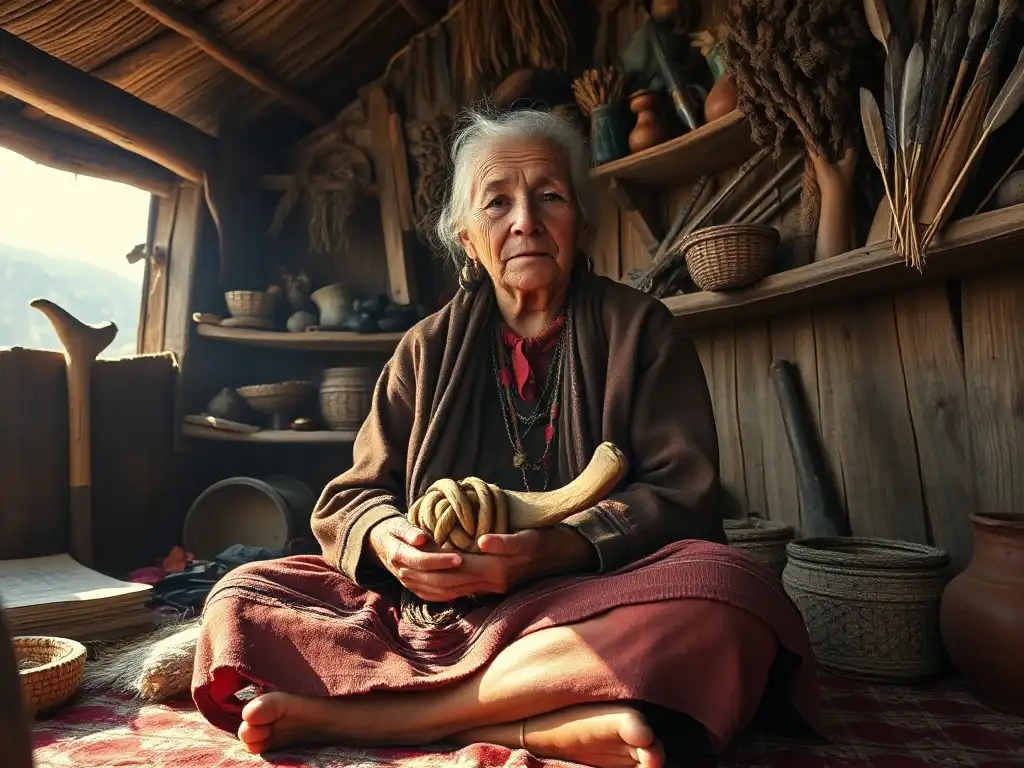
Andean shamanic dream interpretation wasn't merely a philosophical exercise; it was deeply interwoven into the fabric of daily life. Dreams weren't seen as random neural firings, but as powerful messages from the spirit world, offering guidance, warnings, and opportunities for healing. The interpretation of these messages, largely the domain of shamans and priests, held immense practical value for individuals and communities alike. This section explores some key applications of this sophisticated system of dream analysis.
Guidance for Daily Life and Decisions
Dreams provided a crucial source of guidance for navigating the complexities of Andean life. A recurring dream about a particular llama, for instance, might indicate the need to adjust herding practices or suggest a specific animal was ill. Similarly, dreams of fertile fields could signal a favorable planting season, while dreams of drought or barren land might prompt preventative measures. The interpretation wasn't always literal; shamans employed symbolic language and allegorical narratives to convey the dream's meaning.
Consider the following example: A dream featuring a serpent could represent a hidden enemy or a powerful, yet potentially dangerous, opportunity. The shaman’s role was to decipher the specific context within the dreamer's life to unlock the correct interpretation. This nuanced approach ensured the dream interpretation was relevant and actionable, directly impacting decisions related to agriculture, trade, social interactions, and even personal relationships.
The accuracy of these interpretations, passed down through generations of oral tradition, contributed significantly to the overall success and resilience of Andean communities. Detailed records of such dream interpretations are unfortunately scarce, lost to time and the destruction of many historical texts. However, anthropological studies and surviving oral accounts offer valuable insights into this crucial aspect of Andean culture.
Healing Through Dream Analysis
In Andean societies, illness wasn't simply a physical ailment; it was often seen as a spiritual imbalance, a disruption in the harmony between the individual and the cosmos. Dreams played a vital role in diagnosing and treating these imbalances. Recurring nightmares, for example, might indicate a spiritual affliction requiring shamanic intervention.
The content of the dream—specific symbols, recurring images, and emotional tone—provided the shaman with crucial diagnostic clues. Through careful analysis, the shaman could identify the root cause of the illness, be it a malevolent spirit, an imbalance in the individual's energy, or a disruption in their relationship with nature. The treatment then might involve rituals, herbal remedies, and other shamanic practices tailored to the specific spiritual diagnosis revealed through dream interpretation.
This holistic approach to healing, deeply intertwined with the spiritual realm, underscores the profound importance of dream analysis in Andean healthcare systems. The effectiveness of this method is difficult to quantify objectively, but its enduring presence in Andean traditions suggests a high degree of perceived efficacy.
Predicting Future Events Based on Omens
Beyond personal guidance and healing, Andean dream interpretation also extended to predicting future events. This wasn't about fortune-telling in a simplistic sense; rather, it was a sophisticated system of interpreting omens and signs, often integrated with observations of the natural world. Dreams, particularly vivid or recurring ones, were considered powerful precognitive tools.
For example, a dream of a catastrophic flood might foreshadow a real-world event, prompting the community to take preventative measures. Similarly, dreams involving specific animals or celestial phenomena could be interpreted as portents of good or ill fortune. The shaman, through their deep understanding of symbolism and their connection to the spirit world, played a crucial role in interpreting these omens and advising the community accordingly.
This predictive capacity was essential for Andean societies, enabling them to anticipate potential threats and prepare for both challenges and opportunities. The integration of dream analysis with other forms of divination, such as observing the flight of birds or the patterns of stars, created a comprehensive system for understanding the future and mitigating potential risks. This holistic approach to understanding the world, encompassing both the seen and unseen, is a hallmark of Andean cosmovision.
The Legacy of Andean Shamanic Dream Interpretation
The legacy of Andean shamanic dream interpretation is a rich and complex tapestry woven from centuries of tradition, belief, and practice. For the ancient Andean peoples, dreams weren't simply fleeting nocturnal experiences; they were considered powerful conduits to the spirit world, offering glimpses into the future, warnings of impending danger, or messages from deities and ancestors. This practice, deeply intertwined with their cosmology and understanding of the universe, persists in various forms even today, demonstrating a remarkable resilience across millennia.
The interpretation of dreams, guided by shamans and other spiritual leaders, was integral to decision-making, both on an individual and community level. Understanding this legacy requires delving into the specific practices and beliefs that shaped and sustained this crucial aspect of Andean culture. The intricate relationship between the dream world and the physical realm underscores the central role of Andean shamanic dream interpretation in their socio-religious life.
The Continuity of Traditional Practices
Despite the impact of colonization and modernization, many traditional Andean dream interpretation practices continue to thrive in remote communities. These practices often blend ancient techniques with contemporary adaptations. For example, the use of coca leaves – a sacred plant in Andean cultures – for divination and dream interpretation remains a common practice.
Shamans often chew coca leaves while meditating on a dream, seeking guidance from the spirits through the subtle nuances of the leaves' arrangement or the sensations they evoke. Furthermore, the use of specific rituals, songs, and symbolic objects associated with ancestral spirits continues to play a vital role in the interpretation process. This continuity underscores the enduring power of tradition and the deep-rooted connection between Andean communities and their spiritual heritage.
The transmission of knowledge, often passed down through generations within families and lineages of shamans, ensures the survival of these valuable practices. The continuity of these practices highlights the vitality of Andean shamanic dream interpretation as a living tradition.
Contemporary Relevance of Andean Dream Interpretation
The relevance of Andean dream interpretation in the contemporary world extends beyond mere historical interest. In an increasingly complex and stressful world, many individuals seek alternative methods of self-discovery and healing. Andean dream interpretation, with its emphasis on connecting with inner wisdom and ancestral guidance, offers a compelling approach to personal growth and well-being. The holistic approach inherent in this tradition, which considers the interconnectedness of the physical, emotional, and spiritual realms, resonates with contemporary interest in mindfulness and holistic healing practices.
Furthermore, the focus on community and shared experience within the Andean framework provides a valuable counterpoint to the often individualistic nature of modern therapeutic approaches. The growing interest in indigenous wisdom and spiritual traditions also contributes to the renewed appreciation of Andean shamanic dream interpretation. Many seek solace and understanding through these ancient practices, finding solace and guidance in a world increasingly disconnected from its spiritual roots.
Modern Applications of Andean Dream Work
While traditional practices remain central, contemporary applications of Andean dream work are emerging, integrating elements of the ancient tradition into modern therapeutic settings. For instance, some therapists and counselors are incorporating aspects of Andean dream interpretation into their practice, combining it with other therapeutic modalities to provide a more holistic approach to healing. This approach recognizes the profound impact of dreams on emotional well-being and integrates the insights offered by Andean shamanic perspectives into the understanding of psychological issues.
Furthermore, workshops and retreats focused on Andean dream interpretation are becoming increasingly popular, offering individuals the opportunity to learn about the ancient techniques and apply them to their own lives. This blending of tradition and modern application showcases the adaptability and enduring relevance of Andean shamanic dream interpretation.
The integration of these techniques into modern therapeutic settings reflects a growing recognition of the value of indigenous knowledge systems in addressing contemporary challenges. The continuing evolution of Andean shamanic dream interpretation demonstrates its enduring power and adaptability.
Frequently Asked Questions
What role did dreams play in Andean societies?
Dreams were considered incredibly significant, often viewed as messages from the spirit world or foretellings of the future. Shaman would interpret these dreams to guide individuals and communities.
How did Andean shamans interpret dreams?
Andean shamans used various techniques, including analyzing dream symbols within the context of the dreamer's life and community, and through spiritual journeys and trances to gain deeper understanding.
What were some common dream symbols in Andean cultures?
Common symbols included animals (condors, pumas, snakes), celestial bodies (sun, moon, stars), and natural elements (mountains, water, plants), each carrying specific cultural meanings.
Were there differences in dream interpretation across different Andean cultures?
Yes, specific interpretations varied across different Andean cultures (Inca, Moche, Nazca, etc.), reflecting their unique beliefs and mythologies. However, a common thread was the belief in the power of dreams to reveal hidden truths.
Where can I learn more about Andean shamanic dream interpretation?
Further research can be conducted through academic journals, ethnographic studies, and books focusing on Andean mythology and spirituality. You can also explore museums and cultural centers specializing in Andean artifacts.
Final Reflection: Echoes of the Andes: Dreams, Omens, and Our Modern World
The ancient wisdom of Andean shamanic dream interpretation remains profoundly relevant today, offering a powerful lens through which to understand not only our subconscious but also the interconnectedness of all things. While seemingly distant in time and geography, the practices and philosophies explored in this article resonate deeply with our contemporary search for meaning and purpose in a rapidly changing world. The need to decipher the subtle messages woven into our dreams and the events surrounding us is a universal human experience, transcending cultural boundaries and technological advancements.
The enduring power of Andean shamanic traditions lies in their ability to connect the individual to a larger cosmic narrative. They remind us that our dreams are not merely random firings of neurons, but rather potent symbols reflecting our inner landscape and our place within the wider web of existence. The dream is a little hidden door in the innermost and most secret recesses of the soul,
as Carl Jung eloquently stated, echoing the sentiments of Andean shamans who viewed dreams as portals to other realms of understanding. This connection to something larger than ourselves, a sense of belonging within a meaningful universe, is a vital antidote to the alienation and fragmentation often experienced in modern society.
Consider the insights shared within this article. Reflect on your own dreams and the recurring symbols that appear. Do you notice patterns, messages, or guidance emerging from your subconscious? Embrace the opportunity to explore the rich tapestry of your inner world, drawing inspiration from the ancient wisdom of the Andes. By actively engaging with the symbolic language of dreams and omens, you can unlock a deeper understanding of yourself, your path, and your place within the grand scheme of things. Let the echoes of the Andes guide you on your journey of self-discovery.
Unveil the Wisdom of Your Dreams!
Thank you for exploring the fascinating world of Andean dream interpretation and omens with us. We hope you've gained valuable insights into this rich tradition.
Ready to delve deeper? Here are some ways to continue your journey into shamanic wisdom:
- Reflect on your dreams: Keep a dream journal by your bed to record and analyze your dreams. What hidden meanings or messages might they reveal?
- Expand your knowledge: Consider taking a workshop or online course on dream interpretation or shamanic practices. Connecting with experts and fellow learners can be incredibly enriching.
- Share your experiences: Discuss your dreams and interpretations with others—online forums, local groups, or social media communities are all great options. You might even inspire others!
What recurring themes or messages stand out from your recent dreams, and how can you integrate that wisdom into your daily life? We'd love to hear your thoughts in the comments below!