
The Significance of Burial Rituals: Honoring the Deceased

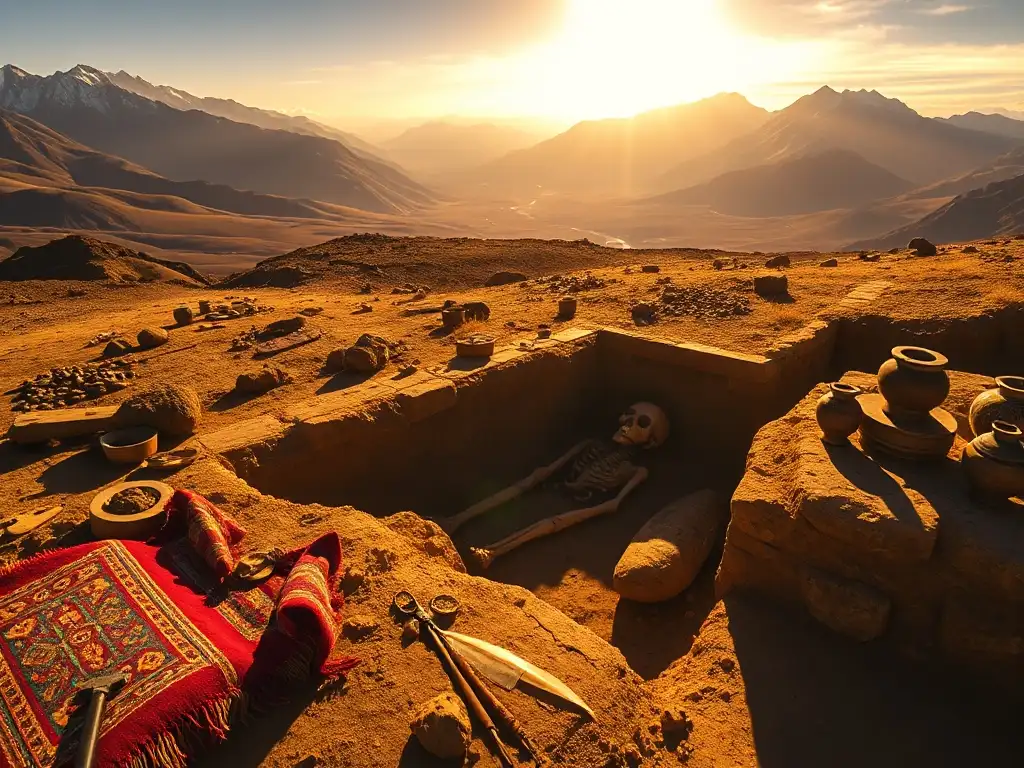
Uncover the mysteries hidden beneath the Andes Mountains. For centuries, the breathtaking landscapes have concealed the secrets of remarkable civilizations. This journey into the heart of Andean history begins with a captivating exploration of Andean civilization burial rituals, revealing a profound connection between the living and the spirit world. Prepare to be astonished by the intricate details and symbolic significance of these ancient practices – a window into the complex beliefs and cosmology of the Andean people. Dare to delve deeper and uncover the truth behind their enduring legacy.
- The Significance of Andean Civilization Burial Rituals: Honoring the Deceased
- Understanding Andean Funeral Practices: An Introduction
- Diverse Andean Burial Rites Across Civilizations
- The Symbolic Meaning of Andean Burial Rituals
- Modern Interpretations and Preservation of Andean Burial Sites
-
Frequently Asked Questions
- What were the most common burial practices in Andean civilizations?
- Why were burial rituals so important to Andean cultures?
- How did the Incas' burial rituals differ from those of other Andean groups?
- What types of grave goods were typically included in Andean burials?
- What can the study of Andean burial rituals tell us about their societies?
- Final Reflection: Echoes of the Past, Whispers of the Future
- Embrace and Honor: Take Action for Meaningful Connections
The Significance of Andean Civilization Burial Rituals: Honoring the Deceased
The Andean civilizations, encompassing a vast tapestry of cultures across the Andes Mountains, possessed deeply ingrained beliefs about life, death, and the afterlife. Their understanding of the cosmos profoundly influenced their practices, particularly their elaborate and often mystifying burial rituals. This article delves into the significance of these rituals, exploring how they reflected the Andean worldview and served as a crucial link between the living and the deceased.
We will examine the diverse practices across various Andean cultures, including the Incas, Moche, Nazca, and Tiahuanaco, highlighting the common threads and unique characteristics of their approaches to honoring their ancestors. Understanding these burial rituals provides invaluable insight into the complex religious beliefs and societal structures of these fascinating ancient societies.
The careful study of grave goods, burial sites, and surviving accounts offers a window into the spiritual landscape of the Andes and the enduring legacy of their unique traditions. This exploration will reveal how Andean civilization burial rituals were far more than simple interment; they were powerful acts of remembrance, reaffirmation of social order, and connection to the supernatural realm.
The Inca Empire: Elaborate Tombs and Royal Funerary Practices
Inca burial practices varied depending on social standing. While commoners might receive simpler burials, often in family plots or within the community, the elite received incredibly elaborate treatment. Royal mummies were carefully prepared, adorned with exquisite textiles and jewelry, and interred in carefully constructed tombs, sometimes high in the mountains or within sacred sites. These tombs often contained an array of grave goods reflecting the deceased's status and possessions, providing archaeologists with invaluable information about Inca society and beliefs. The process itself, involving mummification, offerings, and elaborate ceremonies, was a significant social event, reinforcing the power and authority of the Inca rulers. The careful preservation of the deceased also underscores the Inca belief in the continued existence of the spirit, even after death. Evidence suggests that royal mummies were sometimes consulted for advice or even involved in political decision-making, highlighting the ongoing importance of the deceased in the Inca worldview.
Moche Culture: Sacrificial Offerings and the Afterlife
The Moche civilization, known for its remarkable artistry and sophisticated irrigation systems, also held complex beliefs surrounding death and the afterlife. Their burial sites often contained elaborate grave goods, including pottery depicting scenes of daily life, warfare, and ritual sacrifice. The Moche frequently practiced human sacrifice, with victims often buried alongside elites or in separate sacrificial contexts.
These sacrifices were likely believed to appease the gods and ensure the well-being of the deceased in the afterlife. The Moche's distinctive pottery provides visual narratives of these practices, offering a unique glimpse into their funerary rituals.
The artistry and detail in their ceramics reveal a culture with a deep understanding of both the physical and spiritual worlds, where the line between the living and the dead remained fluid and interconnected. The positioning of bodies, the inclusion of specific grave goods, and the overall design of the burial sites all contribute to a comprehensive understanding of Moche beliefs about the afterlife.
Nazca Lines and their Possible Connection to Funerary Practices
While less directly associated with specific burial sites, the enigmatic Nazca Lines raise fascinating questions about the possible connections between this culture's cosmological beliefs and their funerary practices. The immense scale and complexity of the geoglyphs suggest a highly organized society with advanced knowledge of astronomy and engineering.
Some theories propose that the lines played a role in funerary rituals, perhaps marking pathways to the afterlife or serving as celestial maps guiding the souls of the deceased. While further research is needed to solidify these connections, the sheer magnitude of the Nazca Lines underscores the profound spiritual significance of the landscape within the Nazca worldview and its potential connection to their beliefs about death and the journey beyond.
The lack of clear evidence linking the lines directly to burials doesn't diminish their potential role in the broader context of Nazca funerary beliefs and practices. Further archaeological investigations may reveal stronger links in the future.
Tiahuanaco Culture: Monumental Architecture and Elaborate Burials
The Tiahuanaco civilization, known for its monumental architecture and sophisticated urban planning, also had distinct funerary practices. Their burial sites, often associated with large ceremonial centers, reveal a complex system of beliefs about death and ancestor veneration. Elite burials often contained a variety of grave goods, including intricate textiles, ceramics, and precious metals, reflecting the social hierarchy and the importance of the deceased.
The architecture of the burial sites themselves, with their elaborate structures and precise alignments, suggests a deep understanding of cosmology and the relationship between the living and the dead. The presence of monumental architecture associated with burials underscores the importance of these rituals within the broader Tiahuanaco social and religious structures. The careful planning and execution of these burials highlight the significant resources dedicated to honoring the deceased and reinforcing societal hierarchies.
The study of Andean civilization burial rituals offers a fascinating window into the rich and complex spiritual landscape of these ancient societies. The diversity of practices across different cultures underscores the importance of considering regional variations and the unique beliefs of each group. Further research and archaeological discoveries will undoubtedly continue to shed light on these practices, enriching our understanding of Andean cosmovision and the enduring legacy of these remarkable civilizations.
Understanding Andean Funeral Practices: An Introduction
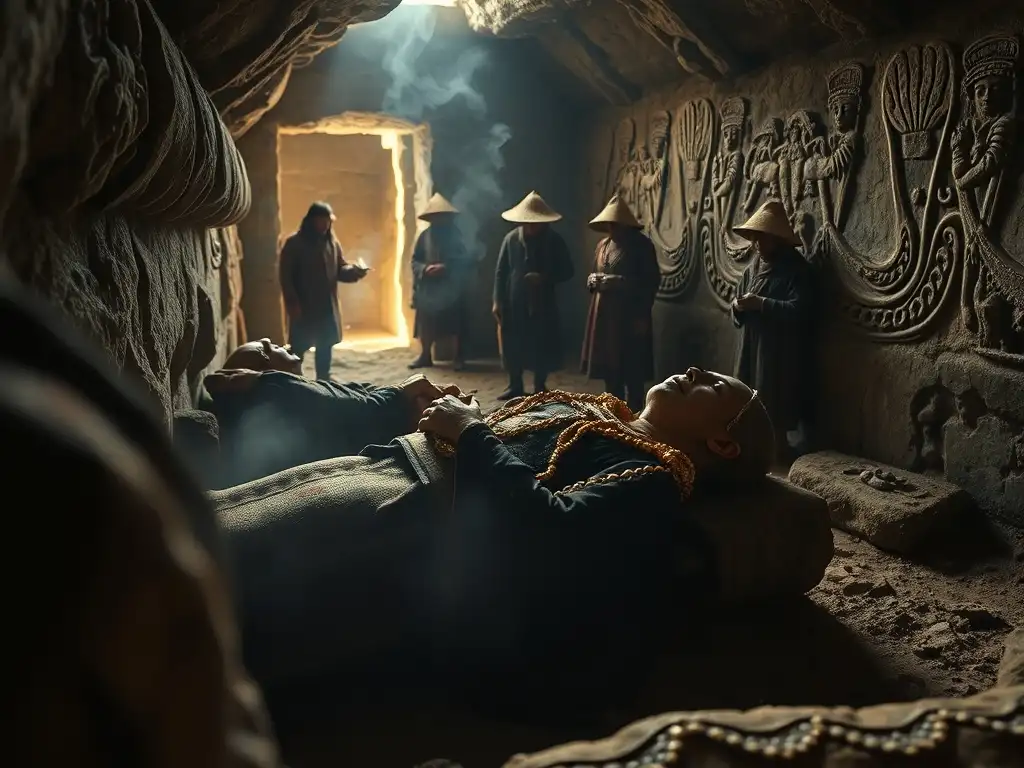
Andean civilization burial rituals were far more than simple interment; they were complex ceremonies reflecting a deep-seated cosmology and worldview. These practices, varied across different Andean cultures like the Inca, Moche, Nazca, and Tiahuanaco, provide invaluable insights into their beliefs about life, death, and the afterlife. Understanding these rituals is crucial to grasping the nuances of Andean religion and their intricate relationship with the supernatural.
This section will explore the significance of death within the Andean worldview and how burial customs served as powerful expressions of those beliefs. The meticulous care taken in preparing the deceased and the elaborate nature of the grave goods offer a window into the spiritual richness of these ancient societies. Analyzing these rituals reveals not only how the Andean people honored their dead but also how they perceived their place within the broader cosmic order.
The sheer diversity in practices across different groups highlights the regional variations and adaptations within a shared Andean cultural framework. This exploration will unveil the sophisticated systems of belief that shaped Andean funeral rites, revealing a complex tapestry of spiritual and social significance.
The Importance of Death in Andean Cosmovision
Death, in the Andean worldview, was not viewed as an absolute end but rather a transition. The deceased continued to exist in a different realm, maintaining a connection with the living. This perspective profoundly impacted their burial practices. For example, the Inca believed in a cyclical view of life, death, and rebirth, reflected in their elaborate mummification processes and the continued veneration of ancestors.
The preservation of the body ensured the continued presence and influence of the deceased in the community. The offerings placed in tombs – from food and textiles to precious metals and ceramics – were not merely tributes but also provisions intended to sustain the deceased in the afterlife. This highlights the belief in a continued existence beyond the physical realm and the importance of maintaining a relationship with the ancestors.
The Nazca, known for their geoglyphs, also held complex funerary traditions, often including elaborate grave goods that mirrored their distinctive artistic style. This demonstrates the integration of artistic expression into their spiritual practices and the significance of commemorating the deceased through artistry. The Moche, renowned for their sophisticated metalwork and pottery, expressed their beliefs through intricate burial rituals which often involved elaborate sacrifices.
Burial Customs as a Reflection of Andean Beliefs
Andean civilization burial rituals varied significantly across different cultures and time periods, reflecting the unique beliefs and practices of each group. However, several common themes emerge, providing a framework for understanding the broader significance of these practices. The meticulous preparation of the body, often involving mummification and elaborate adornment, demonstrates the profound respect accorded to the deceased. The inclusion of grave goods, reflecting the status and possessions of the individual, further emphasizes the importance of maintaining continuity between the living and the dead.
The location of burial sites, often in elevated or significant locations, suggests a connection between the deceased and the sacred landscape. Furthermore, the presence of offerings – food, drink, tools, and other artifacts – reflects the belief in the continued needs and desires of the deceased in the afterlife. The diversity in these customs is itself significant, illustrating the richness and complexity of Andean beliefs and the adaptation of these beliefs to different environments and social structures.
Analyzing the specific contents of graves, the arrangement of the bodies, and the context of the burial sites allows researchers to piece together a more complete understanding of Andean cosmovision and the role of death within it. The study of Andean civilization burial rituals provides a compelling insight into the beliefs, values, and social structures of these fascinating ancient societies. Further research into specific regional variations would further illuminate this complex subject.
Diverse Andean Burial Rites Across Civilizations
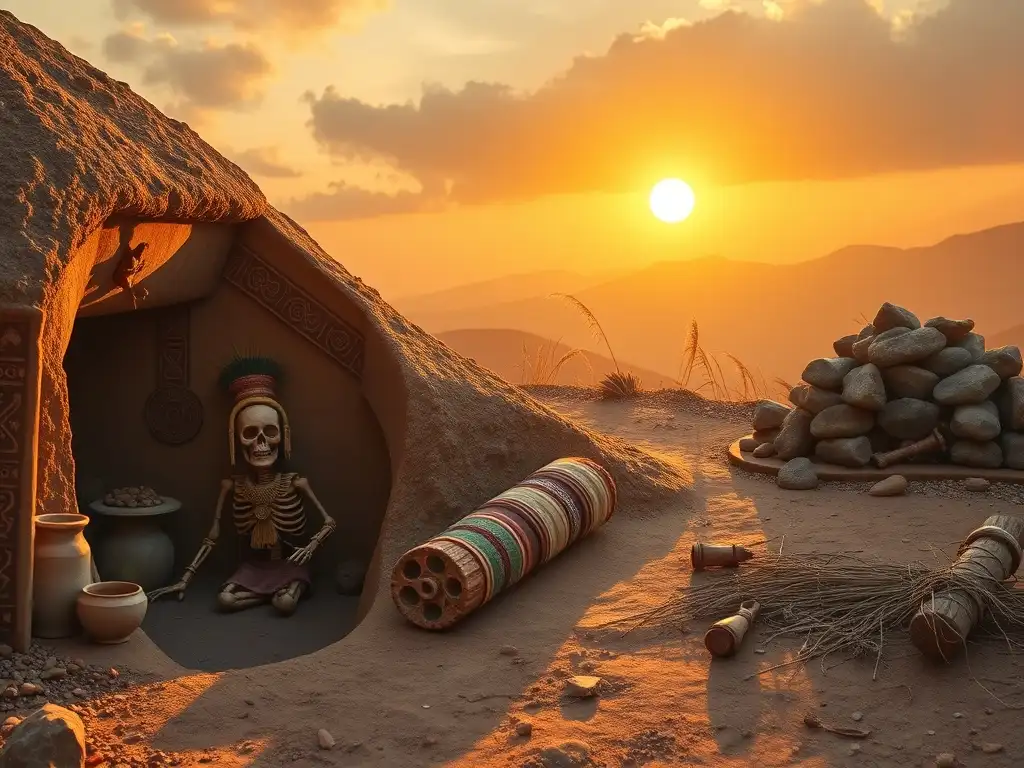
The Andean region, spanning modern-day Peru, Bolivia, Ecuador, Colombia, and parts of Argentina and Chile, boasts a rich tapestry of ancient civilizations, each with unique beliefs and practices surrounding death and the afterlife. Understanding Andean civilization burial rituals provides invaluable insight into their complex cosmovision, social structures, and artistic achievements. These rituals weren't simply about disposing of the dead; they were elaborate ceremonies reflecting the living's relationship with the deceased and the spiritual world.
The significance of these rituals varied considerably depending on the specific civilization and the social standing of the deceased. From the elaborate tombs of the Moche to the carefully preserved mummies of the Inca, Andean burial practices reveal a profound respect for ancestors and a belief in the continued existence of the spirit after death.
The diversity of these rites underscores the dynamic and evolving nature of Andean religious beliefs over centuries. Analyzing these practices helps us understand the nuances of Andean spirituality and its enduring legacy.
Inca Burial Traditions: Preserving the Royal Ancestors
Inca burial traditions, particularly those concerning the elite, were deeply intertwined with their sophisticated understanding of power and lineage. The preservation of royal ancestors was paramount, viewed as a crucial element in maintaining the legitimacy and strength of the Inca empire. This reverence for ancestors extended beyond mere respect; it was a practical demonstration of their continued influence in the affairs of the living.
Mummification Practices of the Inca Elite
Inca mummification wasn't simply a preservation technique; it was a ritualistic process that involved a series of carefully executed steps. The bodies of the elite, especially Inca royalty, underwent elaborate procedures to ensure their physical integrity. This included the removal of internal organs, the desiccation of the body, and the subsequent wrapping in fine textiles and adornments.
The process was overseen by specialized priests, highlighting the sacred nature of this practice. [Specific details on the chemical processes used in Inca mummification pending]. The mummies were then often placed in carefully constructed tombs or within the royal palaces themselves, ensuring their continued presence and symbolic power.
Inca Grave Goods and Offerings
The Inca placed significant importance on grave goods, reflecting the belief that the deceased would require sustenance and possessions in the afterlife. These offerings varied greatly depending on the social status of the individual. Royal tombs were often filled with exquisite textiles, gold and silver ornaments, ceramics, and tools. These objects weren't merely material possessions; they were symbolic representations of the deceased's status, power, and achievements.
The presence of these grave goods underscores the Inca's belief in a complex afterlife where social hierarchy persisted. Detailed inventories of specific grave goods from various Inca sites would further illuminate the nature of these offerings. For example, the presence of specific types of ceramics might indicate a connection to a particular deity or ritual practice.
Moche Burial Rituals: Elaborate Tombs and Sacrifice
The Moche civilization (c. 100-800 CE) is renowned for its elaborate burial practices, which often involved the construction of impressive tombs and the practice of human sacrifice. These rituals offer a fascinating glimpse into the complex social and religious beliefs of this pre-Columbian society. The scale and intricacy of their burial sites suggest a highly organized society with a strong emphasis on ancestor veneration.
Moche Funerary Ceramics and Iconography
Moche funerary ceramics are particularly significant, providing valuable insights into their beliefs and artistic styles. These vessels often depict scenes of ritual sacrifice, warfare, and mythological figures. The iconography is incredibly detailed, offering clues about their cosmology and social structure. For instance, the recurring motifs of specific deities or animals on funerary pottery might suggest a connection between the deceased and certain aspects of their religious beliefs. [Specific examples of Moche pottery depicting burial rituals and their interpretations pending]. The vibrant colors and intricate designs of these ceramics reflect the high level of artistic skill within the Moche society.
Human Sacrifice in Moche Burial Contexts
Human sacrifice played a significant role in Moche burial rituals, particularly in the burials of elite individuals. The sacrificed individuals were often adorned with elaborate jewelry and placed within the tomb alongside the deceased. The purpose of these sacrifices remains a subject of ongoing debate, but several theories suggest they were intended to provide the deceased with servants or companions in the afterlife or to appease powerful deities.
The evidence suggests that these sacrifices were not random acts of violence, but rather carefully orchestrated rituals with symbolic meaning. Further research into the skeletal remains and associated artifacts could provide additional insight into the social status and roles of the sacrificed individuals. The analysis of isotopic signatures in the bones, for example, might reveal information about their diet and origin, offering further clues to their lives and the nature of their sacrifice.
Nazca Funeral Customs: Geoglyphs and Desert Burials
The Nazca people, renowned for their enigmatic geoglyphs etched into the Peruvian desert, also practiced elaborate burial rituals reflecting their complex worldview. Their funerary practices, often located in the arid coastal plains and desert valleys, involved carefully prepared graves, sometimes incorporating intricate shaft tombs or simple pit burials. These weren't simply places to deposit the deceased; they were carefully constructed spaces designed to facilitate the transition to the afterlife.
The positioning of bodies, the inclusion of grave goods, and even the orientation of the tombs themselves all suggest a deep understanding of cosmology and a belief in a continued existence beyond death. Archaeological evidence points to a strong connection between the living and the dead, with ancestor veneration playing a significant role in Nazca society. The meticulous nature of these burials highlights the importance placed on honoring the deceased and ensuring their safe passage into the next world.
The arid climate of the Nazca region remarkably preserved many of these burial sites, offering invaluable insights into their beliefs and practices. Analysis of preserved organic materials, such as textiles and food remains, found within these graves further enhances our understanding of Nazca funerary customs and daily life.
Nazca Grave Goods and Their Symbolic Meaning
The items interred with the deceased in Nazca burials provide crucial clues to understanding their beliefs and social structures. Grave goods ranged from simple pottery vessels and textiles to elaborate headdresses, jewelry made of precious metals and stones, and even food offerings. The presence of specific items, such as intricately woven textiles depicting mythical beings or stylized representations of plants and animals, suggests a symbolic connection between the material world and the spirit realm.
For example, the inclusion of specific types of pottery may have indicated the deceased's social status or role within the community. Moreover, the quality and quantity of grave goods often reflect the social standing of the individual.
Further research is needed to fully understand the nuanced meanings associated with each item, but preliminary analyses suggest a rich tapestry of beliefs and practices surrounding death and the afterlife in Nazca culture. The careful arrangement of these objects within the graves points to a deliberate and ritualistic process, emphasizing the importance of these possessions in the transition to the afterlife.
The Connection Between Nazca Burials and the Landscape
The location of Nazca burial sites is not random; they are often strategically placed in relation to the surrounding landscape and the geoglyphs themselves. Some researchers propose a connection between the positioning of tombs and the lines and figures visible from above, suggesting a cosmic or spiritual significance. This spatial arrangement might indicate a belief that the deceased were being symbolically integrated into the broader cosmological order.
Further research is needed to explore the precise nature of this connection, but preliminary findings suggest a complex interplay between the physical environment and the spiritual beliefs of the Nazca people. The orientation of tombs, often aligned with specific celestial events or geographical features, adds another layer to this complex relationship.
Ultimately, the careful placement of burials within the Nazca landscape underscores the integral role of the environment in their funerary rites and cosmological beliefs. The desert itself, with its stark beauty and harsh conditions, may have held a particular spiritual significance for the Nazca.
Tiahuanaco Burial Practices: Ancestor Veneration and Stone Structures
The Tiahuanaco civilization, known for its monumental architecture and sophisticated social organization, also possessed elaborate burial practices deeply rooted in ancestor veneration. Unlike the Nazca, who often used simpler burial methods, Tiahuanaco burials frequently involved complex stone structures, reflecting their advanced architectural skills and a belief in the continuing influence of ancestors on the living. The construction of these elaborate tombs emphasizes the importance placed upon the deceased and their role in the ongoing social and spiritual life of the community.
Evidence suggests that these rituals were performed by specialized priests or shamans, further highlighting the significance of these practices within Tiahuanaco society. The careful selection of burial locations and the construction of elaborate tombs demonstrate a significant investment of time, resources, and labor, reflecting the profound respect shown towards the deceased.
Tiahuanaco Burial Chambers and Their Construction
Tiahuanaco burial chambers were often intricately constructed, sometimes integrated into larger monumental structures or located within separate, dedicated complexes. These chambers could range from simple cist graves to elaborate subterranean structures, often featuring sophisticated stonework and carefully crafted niches for the placement of offerings and the deceased. The construction techniques employed reveal a high level of architectural skill and planning.
The precision and artistry involved in creating these structures suggest a significant investment of labor and resources, reinforcing the importance of these burial practices within Tiahuanaco society. Analysis of the construction materials and techniques used in building these chambers provides valuable information about Tiahuanaco technology and the level of social organization required to undertake such large-scale projects. The careful planning and execution of these burials underscore the significance of ancestor veneration and the belief in the continuing influence of the deceased on the living.
The Role of Ancestors in Tiahuanaco Society
Ancestor veneration was a central tenet of Tiahuanaco religion and social organization. The elaborate burial practices reflect the profound belief in the ongoing influence of the ancestors on the living world. The deceased were not simply forgotten; they were believed to continue to play an active role in the community's affairs, providing guidance, protection, and even influencing the outcome of important events. This belief is reflected in the careful construction of burial chambers, the inclusion of grave goods, and the placement of tombs within larger ceremonial complexes. The reverence shown to the ancestors is evident in the significant investment of resources and labor dedicated to these burial rituals. This deep-seated belief in ancestor veneration likely played a critical role in maintaining social cohesion and political stability within Tiahuanaco society, strengthening family ties and reinforcing social hierarchies. The legacy of Tiahuanaco's ancestor veneration continues to resonate in many Andean cultures today.
The Symbolic Meaning of Andean Burial Rituals
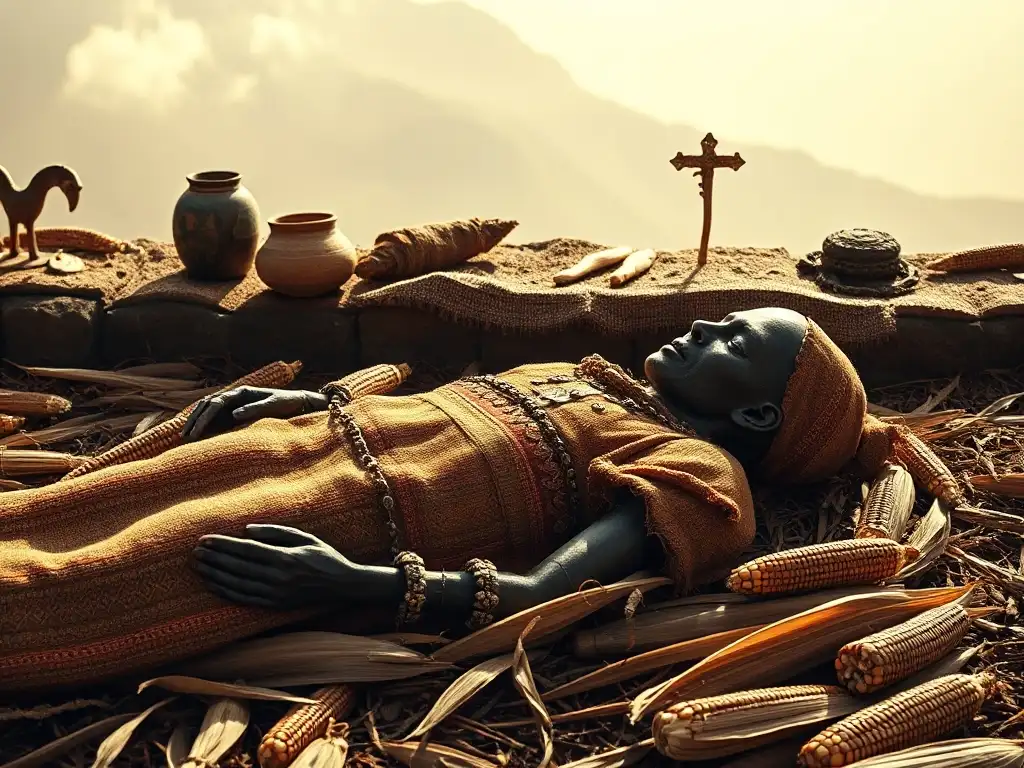
Andean civilization burial rituals were far more than simple acts of interment; they were complex, symbolic performances reflecting a deeply held belief system centered around the cyclical nature of life and death, ancestor veneration, and the continued existence of the spirit. The meticulous preparation of the body, the inclusion of grave goods, and the location of the burial site all contributed to a powerful message about the deceased's status, their journey into the afterlife, and their ongoing connection to the living.
Understanding these rituals offers a crucial insight into the Andean worldview and its profound respect for the deceased. The significance of these practices varied across different Andean cultures, with the Incas, Moche, Nazca, and Tiahuanaco each possessing unique funerary traditions, though common threads of ancestor veneration and a belief in a spirit world weave through them all.
This rich tapestry of practices provides invaluable evidence for archaeologists and historians studying Andean religion and cosmovision. The careful analysis of these rituals reveals much about the social structures, power dynamics, and spiritual beliefs of these remarkable civilizations.
The Journey to the Afterlife in Andean Thought
Andean cultures believed that death was not an end but a transformation. The journey to the afterlife was a perilous one, requiring the deceased to be properly equipped for the challenges ahead. This belief is vividly reflected in the elaborate preparations undertaken before burial. The deceased were often mummified, a process that involved removing organs, packing the body with herbs and sand, and wrapping it in fine textiles.
The mummification process itself was a ritual, symbolizing the transition from the earthly realm to the spiritual one. The inclusion of food, drink, clothing, and personal belongings in the grave further supports this notion, providing the deceased with sustenance and comfort on their journey. The specific items included varied depending on the social status of the individual and the beliefs of the specific culture. For example, elite burials often contained gold and silver artifacts, fine textiles, and intricate pottery, reflecting their high status in life and their expected privileged position in the afterlife.
Conversely, simpler burials might include only basic necessities. This careful consideration of what was included in the grave provides a powerful illustration of the Andean belief in a continued existence beyond death. The journey wasn't simply a passage; it was a continuation of life in a different form. This concept profoundly impacted the nature of Andean burial rituals.
The Role of Ritual Specialists in Funerary Rites
The execution of Andean civilization burial rituals wasn't a haphazard affair. Specialized individuals, often priests or shamans, played a crucial role in guiding the process. Their expertise ensured that the rituals were performed correctly, maximizing the deceased's chances of a successful transition to the afterlife.
These specialists were responsible for various aspects of the funeral, from preparing the body for burial to conducting ceremonies and offerings. Their knowledge of sacred rituals and their ability to communicate with the spiritual world were considered essential for the well-being of both the deceased and the living. Evidence suggests that these ritual specialists held positions of considerable power and influence within their communities.
Their involvement in such significant life events cemented their social standing and importance. The precise roles and responsibilities of these specialists varied across different Andean cultures, but their overarching function remained consistent: to facilitate a safe and successful passage for the deceased into the spirit world. The detailed nature of many Andean burials suggests a highly organized and structured process, with various individuals contributing their specific skills to the overall ritual.
Materials Used in Andean Burials and Their Significance
The materials used in Andean burials were carefully chosen, each carrying its own symbolic weight. Beyond practical items, the inclusion of specific materials reflected beliefs about the afterlife and the deceased's connection to the natural world. Gold, for example, was often associated with the sun and represented power and divinity. Silver, on the other hand, was linked to the moon and the underworld.
Textiles, intricately woven and often adorned with symbolic designs, provided warmth and comfort for the deceased but also held deeper meanings, representing lineage, status, and spiritual identity. Pottery, frequently found in burials, served not only as containers for food and drink but also as representations of the deceased's spiritual journey. The styles and designs of the pottery varied across different cultures and time periods, providing valuable insights into the artistic traditions and beliefs of the Andean civilizations. The inclusion of coca leaves, a sacred plant in Andean culture, suggests a continuation of practices into the afterlife.
Furthermore, the types of tools and weapons included in the burial often reflected the deceased's occupation or social status during life. The meticulous attention to detail in these burials underscores the profound importance placed on honoring the deceased and ensuring their successful transition to the next world. Analysis of these materials provides crucial information for understanding the complexity of Andean religious beliefs and practices. The careful selection and placement of these objects within the burial context speaks volumes about the worldview and spiritual practices of the ancient Andean people.
Modern Interpretations and Preservation of Andean Burial Sites
The study of Andean civilization burial rituals continues to evolve, fueled by new archaeological discoveries and a growing understanding of the complex social and religious structures of these ancient societies. Modern interpretations move beyond simply cataloging artifacts to analyzing the broader implications of funerary practices within the context of Andean cosmovision.
This involves a multifaceted approach, incorporating anthropological, archaeological, and even historical perspectives to paint a more complete picture of death and the afterlife in the Andes. The sheer diversity of burial practices across different Andean cultures – from the elaborate tombs of the Moche to the simpler interments of some smaller groups – underscores the need for nuanced interpretations that avoid generalizations.
Archaeological Discoveries and Insights into Ancient Burials
Recent archaeological excavations have yielded significant insights into Andean burial rituals, challenging and refining previously held assumptions. For example, the discovery of elaborate grave goods in certain contexts has shed light on social stratification and the beliefs surrounding the transition to the afterlife. The meticulous arrangement of offerings, the inclusion of specific artifacts (like textiles, pottery, and tools), and even the positioning of the bodies themselves all provide clues to the beliefs and practices of the time.
Analysis of skeletal remains offers further information, revealing details about diet, health, and even the potential causes of death. Isotopic analysis of bones, for instance, can provide evidence of migration patterns, revealing the origins of individuals buried in specific locations. This type of detailed analysis is crucial for understanding the mobility and interconnectedness of Andean communities.
Furthermore, the application of advanced imaging techniques, such as 3D scanning and photogrammetry, allows for non-destructive examination of fragile artifacts and human remains, preserving them for future study while enabling detailed analysis of their characteristics. This detailed study of Andean civilization burial rituals, using cutting-edge technology, continues to unveil the intricate complexities of these ancient cultures.
The Preservation of Andean Funerary Heritage
The preservation of Andean funerary heritage faces significant challenges, ranging from looting and vandalism to the natural degradation of sites due to environmental factors. Ethical considerations surrounding the excavation and repatriation of human remains are also paramount. Many organizations and governments are actively involved in the preservation of these sites, employing a range of strategies. These include:
- Stricter regulations and enforcement against looting: Increased penalties and improved surveillance are essential to deter illegal excavations.
- Community involvement in preservation efforts: Engaging local communities in the protection of their cultural heritage fosters a sense of ownership and responsibility.
- Development of sustainable tourism practices: Responsible tourism can generate revenue for conservation efforts while providing educational opportunities for visitors.
- Advanced preservation techniques: The use of environmentally controlled storage facilities and advanced conservation methods helps to protect fragile artifacts and human remains.
- Digital archiving and documentation: Creating comprehensive digital records of archaeological sites and artifacts allows for their study and dissemination without causing further damage.
The effective preservation of these sites requires a collaborative and multidisciplinary approach, involving archaeologists, anthropologists, government agencies, and local communities. The long-term preservation of Andean funerary heritage is not merely an academic concern; it is essential for understanding our shared human history and for ensuring that future generations can appreciate the rich cultural legacy of the Andes.
Contemporary Relevance of Andean Death Rituals
The study of Andean civilization burial rituals holds contemporary relevance in several ways. Firstly, it provides insights into human responses to death and mortality throughout history, offering valuable perspectives on our own cultural practices and beliefs. Secondly, the sophisticated knowledge of Andean societies in fields like metallurgy, textile production, and agriculture, as demonstrated in their funerary offerings, showcases the impressive technological achievements of these civilizations.
Analyzing these intricate burial practices offers a deeper understanding of their social organization, belief systems, and artistic capabilities. Finally, the enduring spiritual significance of Andean burial sites for many contemporary Andean communities highlights the continuing relevance of these ancient traditions. Many communities maintain strong connections to their ancestral burial grounds, incorporating ancient practices into their modern religious and cultural expressions.
This living connection underscores the importance of respecting and protecting these sites not just as archaeological treasures but also as vital components of contemporary Andean identities. Understanding the intricacies of Andean civilization burial rituals provides a rich tapestry of insights into the past, present, and future of Andean cultures.
Frequently Asked Questions
What were the most common burial practices in Andean civilizations?
Andean burial practices varied significantly across different cultures and time periods. However, mummy bundles, elaborate grave goods, and interments in tombs or natural caves were common features. The specific rituals reflected the deceased's status and beliefs.
Why were burial rituals so important to Andean cultures?
Burial rituals were crucial for honoring the deceased and ensuring their successful transition to the afterlife. They served to reinforce social structures, express beliefs about the cosmos, and maintain connections between the living and the dead.
How did the Incas' burial rituals differ from those of other Andean groups?
Inca burial practices often involved elaborate tombs, sacrificial offerings, and mummification. While other groups also mummified, Inca practices were particularly sophisticated, reflecting their imperial power and centralized organization.
What types of grave goods were typically included in Andean burials?
Grave goods ranged widely depending on the culture and the deceased's status. Common items included textiles, pottery, jewelry, tools, and food. These offerings were intended to provide the deceased with necessities in the afterlife.
What can the study of Andean burial rituals tell us about their societies?
Analyzing Andean burial rituals offers valuable insights into social hierarchy, religious beliefs, economic systems, and artistic traditions. The careful study of these practices reveals much about the complexities of these ancient societies.
Final Reflection: Echoes of the Past, Whispers of the Future
The intricate burial rituals of the Andean civilizations, far from being relics of a distant past, offer a powerful lens through which to examine our own contemporary relationship with death and remembrance. Their meticulous practices, reflecting a profound connection to the spiritual world and the cyclical nature of life, resonate deeply with our ongoing need to honor those we have lost and grapple with mortality. The meticulous care shown in preparing the deceased and their grave goods speaks volumes about the enduring human desire to transcend the limitations of physical existence.
The enduring legacy of Andean burial practices is not merely an archaeological curiosity; it's a testament to the universality of human grief and the enduring need for meaningful rituals. These rituals, rich in symbolism and deeply embedded within the social fabric of their time, continue to shape our understanding of death and the afterlife. Death is nothing, but to live defeated and inglorious is to die truly.
This sentiment, though not directly from Andean culture, speaks to the core of their elaborate burial rites – a refusal to let the memory of the deceased fade into oblivion. The meticulous preservation of bodies and artifacts reflects a desire to maintain a connection with the departed, a desire that transcends time and culture.
Consider, for a moment, the implications of these ancient practices. How do your personal rituals of remembrance compare? Do they reflect a similar desire for connection, for honoring the lives lived and lessons learned? I urge you to reflect on your own approach to death and mourning, and consider how we might learn from the wisdom of the past to create more meaningful and respectful practices for the future. Let the echoes of Andean civilization's reverence for the deceased inspire you to cultivate a deeper appreciation for the preciousness of life and the enduring power of remembrance.
Embrace and Honor: Take Action for Meaningful Connections
Thank you for exploring the significance of Andean burial rituals. Your interest speaks volumes about the richness of this culture and the importance of honoring our ancestors. Reflecting on these practices can enrich your life and strengthen your connections with others.
Here are some ways to deepen your understanding and build a stronger sense of community:
- **Attend a local cultural event or workshop** focused on death rituals or ancestral traditions. Immersing yourself in these practices offers a profound connection to the past.
- **Share this article with friends and family** to encourage meaningful conversations about remembering and honoring loved ones. This can inspire shared participation in remembrance activities.
- **Create personal rituals that resonate with you**, such as establishing a memory garden or a family shrine, to keep the memory of your ancestors alive. Make it a meaningful and unique expression of your remembrance.
How will you honor your loved ones in a way that reflects their legacy? Share your thoughts in the comments below!