
Andean Shamanism Today: Exploring Contemporary Practices and Adaptations

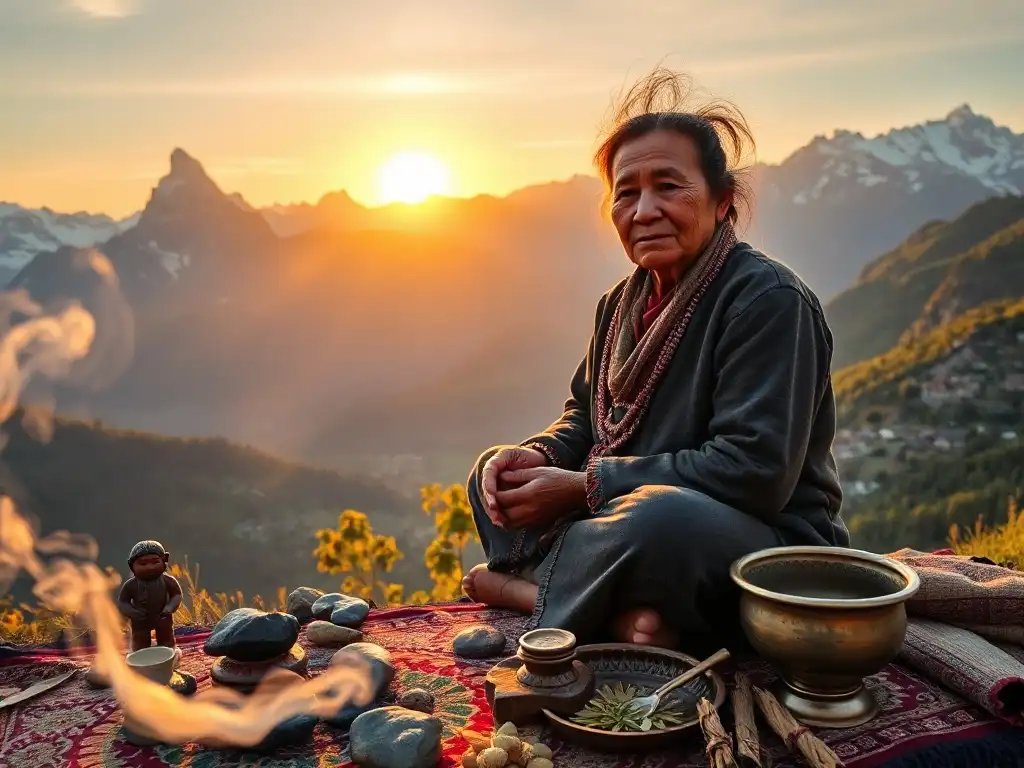
Step into a world lost to time, yet vibrantly alive today. Journey with us through the breathtaking landscapes and enigmatic cultures of the Andes, where the echoes of ancient civilizations resonate in the practices of modern-day communities. Discover the enduring power of Andean shamanism practices today, a legacy woven into the very fabric of Andean life. Prepare to uncover the secrets of a spiritual heritage that continues to shape the region, defying the passage of centuries. Unravel the mysteries that await you...
- Andean Shamanism Practices Today: A Contemporary Exploration
- Understanding Andean Shamanism in the Modern Era
- Contemporary Andean Shamanism: Adaptations and Transformations
- The Role of the Shaman in Today's Andean Communities
- Andean Shamanism and the Preservation of Cultural Heritage
- Exploring Specific Andean Shamanic Practices Today
- The Future of Andean Shamanism
-
Frequently Asked Questions
- What is the connection between ancient Andean cultures and shamanism today?
- Are Andean shamanic practices still widely practiced?
- What are some key elements of contemporary Andean shamanism?
- How has Andean shamanism adapted to modern times?
- Where can I learn more about contemporary Andean shamanism?
- Final Reflection: The Enduring Spirit of Andean Shamanism
- Embrace the Wisdom of Andean Shamanism Today!
Andean Shamanism Practices Today: A Contemporary Exploration
The Andes Mountains, a spine of towering peaks running down the western edge of South America, have been home to vibrant and complex civilizations for millennia. From the intricate artistry of the Nazca to the sophisticated engineering of the Inca, these cultures left behind a rich legacy that continues to fascinate and inspire. Central to the Andean worldview was a deep connection with the spiritual realm, a connection powerfully mediated through the practices of shamanism.
While the Inca Empire, and many other powerful Andean states, developed sophisticated religious hierarchies with priests and temples, shamanistic practices persisted and continue to thrive in contemporary Andean communities. This article delves into the fascinating world of Andean shamanism today, exploring how ancient traditions are adapted, preserved, and reinterpreted in the modern context. We will examine the diverse practices, beliefs, and challenges faced by contemporary Andean shamans, highlighting the enduring power of these ancient spiritual traditions in a rapidly changing world.
Understanding Andean shamanism today offers a compelling lens through which to appreciate the enduring resilience of indigenous cultures and their ongoing negotiation between ancient traditions and modern realities. This exploration aims to provide a nuanced and respectful understanding of these living practices, acknowledging the complexities and diversity within the Andean spiritual landscape.
The Enduring Role of the Shaman in Andean Communities
The Andean shaman, often referred to as a paqo or yatiri, holds a unique position within their community. Unlike the formalized priesthoods of larger empires, the shaman's role is often deeply intertwined with the everyday lives of the people. They are not just spiritual leaders, but also healers, advisors, and keepers of traditional knowledge.
Their practices often involve a complex interplay of ritual, herbal medicine, divination, and interaction with the spirit world. This close relationship between the shaman and the community ensures the continuity of ancient traditions, even as societal structures and belief systems evolve. The shaman's connection to the Pachamama (Mother Earth) and the Apus (mountain spirits) remains central to their practice, reflecting the deep-seated reverence for the natural world that characterizes Andean cosmovision.
The specific rituals and techniques vary significantly across different Andean regions, reflecting the diversity of cultures and traditions within the Andes. For example, the use of specific plants, like coca leaves or ayahuasca, differs depending on the community and the specific spiritual purpose. This regional variation highlights the importance of approaching the study of Andean shamanism with sensitivity and respect for the cultural nuances involved.
Contemporary Shamanic Practices: Healing and Rituals
Contemporary Andean shamanic practices continue to focus on healing both physical and spiritual ailments. Many shamans utilize traditional herbal remedies alongside spiritual techniques to address illness. This holistic approach reflects a deep understanding of the interconnectedness of physical and spiritual well-being, a core tenet of Andean cosmology.
Rituals, often involving offerings to the Apus and Pachamama, are integral to shamanic practice. These offerings can range from coca leaves and alcohol to more elaborate ceremonies involving music, dance, and prayer. The purpose of these rituals varies widely, from seeking blessings for harvests and livestock to healing individuals or resolving community conflicts.
Many rituals are deeply connected to the agricultural cycle, reflecting the fundamental importance of agriculture in Andean life. The performance of these rituals often involves intricate knowledge of ancestral traditions, passed down through generations within families or specific lineages. The ability to correctly perform these rituals is seen as crucial for maintaining the harmony and balance of the community and the natural world.
Challenges and Adaptations in the 21st Century
While Andean shamanic practices have endured for centuries, they face significant challenges in the 21st century. The encroachment of globalization, urbanization, and religious syncretism present complex issues for contemporary shamans. The increasing influence of Western medicine and religious beliefs can sometimes challenge traditional practices, leading to a decline in the number of practicing shamans and a loss of traditional knowledge.
However, there's also a growing resurgence of interest in Andean traditions, both within Andean communities and internationally. This renewed interest has led to efforts to document and preserve traditional knowledge, and to promote the understanding and appreciation of Andean shamanism as a vital part of cultural heritage. Shamans are also adapting their practices to address contemporary issues, such as environmental degradation and social inequality, integrating their ancient wisdom with modern concerns.
This adaptation reflects the resilience and adaptability of Andean cultures, demonstrating their ability to navigate change while preserving their core values and traditions. The future of Andean shamanism will depend on the ongoing efforts to protect traditional knowledge, support practicing shamans, and foster a deeper understanding and appreciation of this rich spiritual heritage.
Understanding Andean Shamanism in the Modern Era
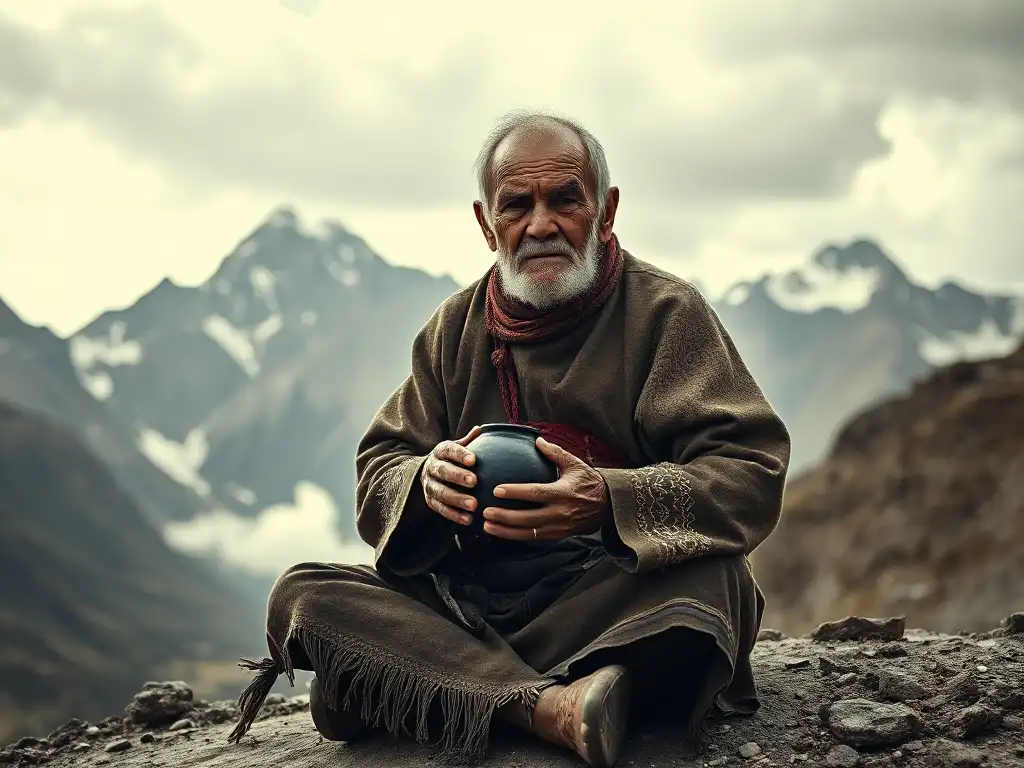
This section delves into the contemporary manifestations of Andean shamanism, exploring how ancient traditions have adapted and persisted in the face of globalization and modernization. We'll examine the enduring relevance of these practices and the key elements that continue to shape the spiritual lives of Andean communities today. Understanding the current state of Andean shamanism requires appreciating both its historical roots and its dynamic evolution in the modern world.
The continued practice of Andean shamanism demonstrates the resilience of indigenous spiritualities and their ability to adapt to changing social and political landscapes. The term "Andean shamanism practices today" accurately reflects the vibrant and evolving nature of these traditions.
The Enduring Relevance of Ancient Andean Spiritual Traditions
Ancient Andean spiritual traditions, far from being relics of the past, remain deeply ingrained in the lives of many communities across the Andes. The cosmology, rituals, and practices associated with Andean shamanism provide a framework for understanding the world and navigating life's challenges. This enduring relevance stems from several factors:
- Connection to the Land: Andean shamanism is intrinsically linked to the Pachamama (Mother Earth) and the sacred mountains. This deep connection to the natural world provides a sense of grounding and belonging, particularly important in a rapidly changing globalized world. Many contemporary practices, such as pako (a cleansing ritual), directly engage with the land and its inherent spiritual power.
- Community and Social Cohesion: Traditional practices often involve community participation, reinforcing social bonds and collective identity. Rituals and ceremonies create spaces for shared experience and reaffirm communal values. This aspect of Andean shamanism is crucial for maintaining social cohesion, particularly in communities facing external pressures.
- Healing and Well-being: Andean shamanic practices are often employed for healing purposes, addressing both physical and spiritual ailments. The use of medicinal plants, energy work, and spiritual guidance provides holistic approaches to well-being, offering an alternative or complement to Western medicine. This focus on holistic healing resonates with a growing global interest in alternative and complementary therapies.
Key Elements of Traditional Andean Shamanism that Persist Today
While modern contexts have influenced Andean shamanism, core elements of traditional practice persist. These elements form the foundation of contemporary practices, although their expression may vary across different communities and regions.
- The Role of the Yachaq: The yachaq (shaman or healer) remains a central figure, acting as a bridge between the human and spiritual worlds. Their knowledge and skills are passed down through generations, often within families or specific lineages. While the training and methods may have adapted, the fundamental role of the yachaq in guiding spiritual journeys and providing healing remains unchanged.
- Rituals and Ceremonies: Many traditional rituals and ceremonies continue to be practiced, albeit sometimes with modifications to accommodate modern life. These rituals often involve offerings to the apus (mountain spirits), use of sacred objects (like chumpi belts), and the invocation of ancestral spirits. The use of coca leaves in ceremonies, for example, persists as a powerful symbol of connection and offering.
- Use of Medicinal Plants: The use of medicinal plants plays a vital role in Andean healing practices. Traditional knowledge of plant properties and their therapeutic uses is carefully preserved and passed down through generations. This knowledge represents a rich pharmacopoeia, offering potential insights for modern medicine. The careful cultivation and sustainable use of these plants are integral to the practice and demonstrate respect for the Pachamama.
The continued practice of Andean shamanism showcases the enduring power of indigenous spiritual traditions. The adaptation and evolution of these practices demonstrate their resilience and capacity to thrive in the modern world, offering valuable insights into holistic well-being and the deep connection between humans and the natural world. Further research into specific communities and their unique practices is needed to fully understand the diverse expressions of "Andean shamanism practices today."
Contemporary Andean Shamanism: Adaptations and Transformations
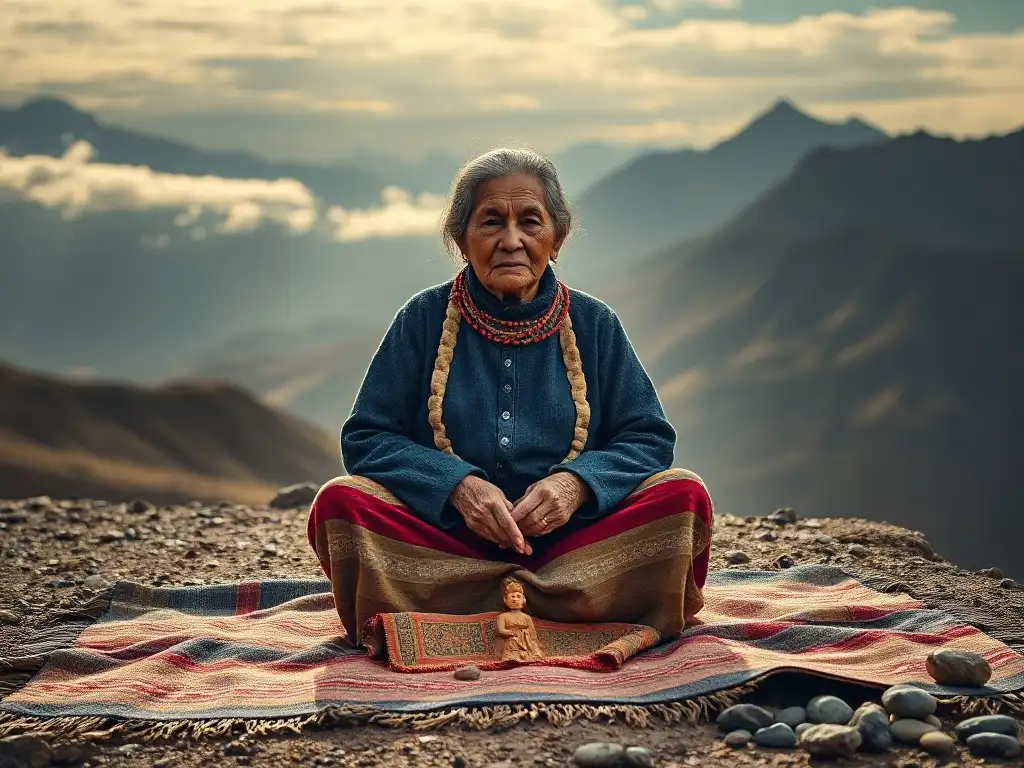
This section delves into the fascinating evolution of Andean shamanism, exploring how ancient traditions have adapted and transformed in the modern era. We will examine the enduring relevance of these practices, their integration with contemporary contexts, and the challenges faced by Andean shamans in the 21st century. The enduring power of Andean shamanic practices today is a testament to their resilience and adaptability.
The core beliefs and practices have been passed down through generations, even as the external world has drastically changed. Understanding this dynamic interplay between tradition and modernity is crucial to appreciating the richness and complexity of Andean shamanism.
The Evolution of Andean Healing Practices
Andean healing practices, deeply rooted in animistic beliefs and a profound connection with nature, have undergone a fascinating evolution. While traditional methods like the use of medicinal plants and ritual cleansing ceremonies persist, contemporary Andean shamans often integrate elements of Western medicine and psychology into their practice. This isn't a rejection of ancestral knowledge but rather a strategic adaptation to meet the diverse needs of modern communities.
For example, some shamans now incorporate elements of therapeutic counseling alongside their traditional healing rituals. They may work with clients to address psychological trauma alongside physical ailments, recognizing the interconnectedness of mind, body, and spirit. This holistic approach reflects a nuanced understanding of well-being, integrating ancient wisdom with contemporary therapeutic frameworks. The integration isn't always seamless; some traditionalists resist such blending, while others embrace it as a necessary evolution to ensure the continued relevance of their practices. The result is a vibrant and evolving landscape of healing modalities within Andean communities.
Data on the specific prevalence of these integrated approaches is currently limited, highlighting a need for further research into the changing practices of Andean healers. However, anecdotal evidence and observations from anthropological studies suggest a significant shift towards more integrated approaches to healing within the Andean region. The challenges include navigating the complexities of cultural appropriation and ensuring the ethical and responsible application of both traditional and modern techniques.
Modern Interpretations of Andean Cosmovision
The Andean cosmovision, a complex worldview emphasizing the interconnectedness of all living beings and the sacredness of nature, continues to shape contemporary Andean shamanism. However, modern interpretations often reflect the influence of globalization and socio-political changes. While the fundamental principles remain, their expression and application have adapted to contemporary realities.
For instance, the concept of Pachamama (Mother Earth) remains central, but its representation may now incorporate environmental activism and concerns about climate change. Shamans might incorporate discussions of ecological sustainability into their rituals, highlighting the urgent need to protect the planet. This reflects a shift from a solely spiritual interpretation of Pachamama to one that encompasses ecological responsibility.
Similarly, ancient rituals and ceremonies might be adapted to address contemporary social issues, such as poverty, inequality, and violence. This demonstrates the dynamic nature of Andean cosmovision and its capacity to adapt to new challenges and contexts. The integration of contemporary concerns into traditional frameworks showcases the remarkable resilience and adaptability of Andean spirituality.
The Use of Ayahuasca in Modern Andean Shamanism
Ayahuasca, a potent psychoactive brew, plays a significant role in some contemporary Andean shamanic practices. Its use, however, is not uniformly accepted within Andean communities and is often associated with specific traditions and regions. While its use in traditional contexts is often deeply spiritual and ritualistic, modern applications sometimes involve a more therapeutic approach, with practitioners using ayahuasca to facilitate healing and personal growth.
It's crucial to understand that the use of ayahuasca is a complex and sensitive issue. The increasing popularity of ayahuasca tourism raises concerns about cultural appropriation, exploitation, and the potential for harmful practices. Responsible and ethical access to ayahuasca requires careful consideration of the cultural context, the potential risks, and the need for proper guidance from experienced shamans.
There is a growing need for regulation and oversight to ensure that the use of ayahuasca remains respectful of Andean traditions and prioritizes the safety and well-being of participants. Further research is needed to fully understand the long-term effects of ayahuasca use in modern settings and to develop best practices for its responsible application. The ethical considerations surrounding ayahuasca are paramount in understanding its role in contemporary Andean shamanism.
The Role of the Shaman in Today's Andean Communities
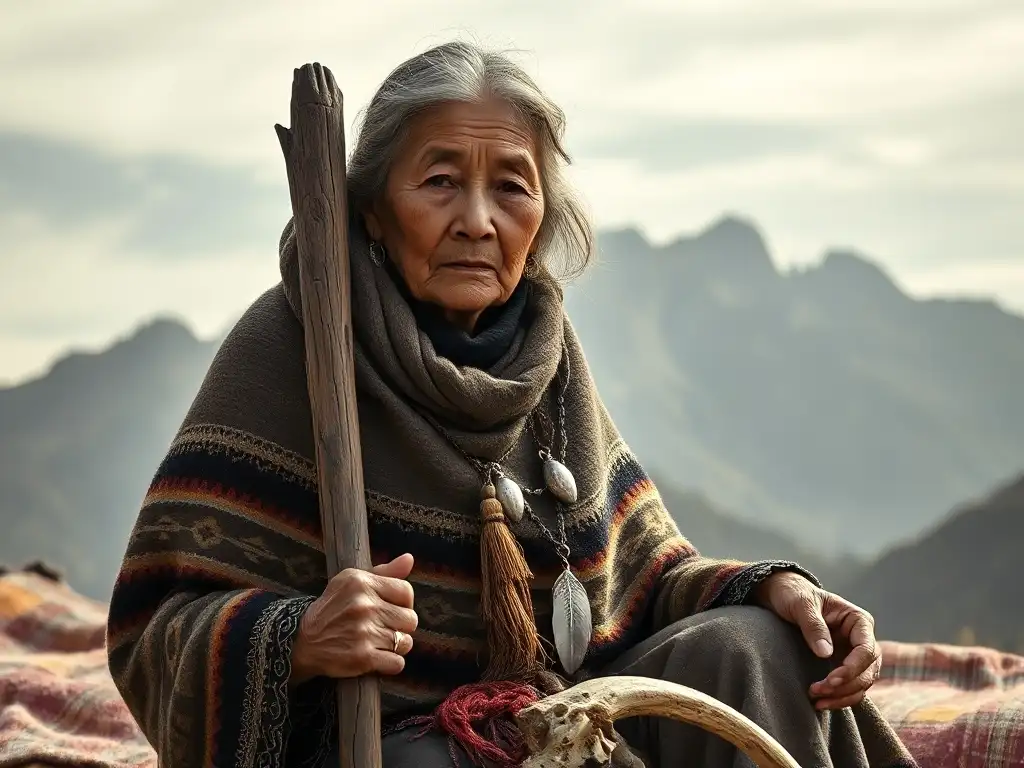
The role of the shaman in contemporary Andean communities is multifaceted and deeply intertwined with the cultural fabric of the region. While the specific practices and titles may vary across different Andean groups (Quechua, Aymara, etc. ), the fundamental connection between the shaman and the spiritual well-being of the community remains a constant. Unlike the often romanticized image of the shaman as a solely mystical figure, their influence extends into the practical and social aspects of Andean life.
Understanding Andean shamanism practices today requires acknowledging this holistic perspective, moving beyond simplistic notions of magic and ritual to appreciate the nuanced and vital role these spiritual leaders play. The enduring legacy of ancient Andean spiritual traditions is evident in the continued relevance of the shamanic practice in modern society. This section will delve into specific contemporary roles, highlighting the dynamic interplay between tradition and adaptation.
Contemporary Shamanic Roles: Healing, Guidance, and Ritual
Contemporary Andean shamans, often called yatiri (Aymara) or paqo (Quechua), continue to play a central role in healing. Their practices often involve a combination of herbal remedies, spiritual cleansing ( limpia), and diagnosis through various techniques, including interpreting coca leaf readings or interpreting dreams. These healing practices are not just physical; they address spiritual imbalances believed to be the root cause of many illnesses.
Beyond physical healing, shamans provide spiritual guidance, helping individuals navigate life's challenges and make important decisions. They act as intermediaries between the human and spiritual realms, offering insights into the unseen forces that influence daily life. Rituals, often involving offerings to the apus (mountain spirits) or pachamama (Mother Earth), remain central to their practice, ensuring the continued harmony between the community and the natural world.
The use of traditional instruments such as the pututu (a shell trumpet) and the antara (panpipes) enhances these rituals, connecting the present with the rich history of Andean spirituality. The complexity of these roles highlights the deep integration of shamanic practice within the daily lives of Andean communities.
The Role of the Shaman as a Community Counselor
In addition to their spiritual roles, Andean shamans often function as community counselors, offering advice and mediation in social conflicts. Their deep understanding of Andean cosmology and values provides a framework for resolving disputes and maintaining social harmony. They are often consulted on matters ranging from family disagreements to land disputes, leveraging their spiritual authority and community standing to facilitate reconciliation. This role reflects the holistic nature of Andean shamanism, where spiritual and social well-being are intrinsically linked.
The shaman's ability to understand the underlying emotional and spiritual dimensions of conflict allows them to approach these issues with a level of insight unavailable to secular mediators. This unique perspective, rooted in centuries of tradition, makes the shaman an indispensable figure in many Andean communities. Data on the specific success rates of shamanic mediation is [specific information pending], but anecdotal evidence suggests a high degree of effectiveness.
The Interconnection Between Shamans and Andean Culture
The enduring presence of shamans in Andean communities underscores the deep integration of shamanic practices within the broader cultural landscape. Their roles are not isolated from other aspects of life; instead, they are inextricably linked to Andean art, music, agriculture, and social structures. For example, many agricultural rituals are led by shamans, ensuring a bountiful harvest and maintaining the delicate balance between humanity and nature.
Traditional Andean textiles often depict shamanic figures and symbols, reflecting the importance of these practices in the artistic expression of the culture. The continued use of traditional musical instruments and songs in shamanic rituals maintains a vibrant link to the past, reinforcing cultural identity and transmitting knowledge across generations. The survival and adaptation of Andean shamanism practices today is a testament to the resilience and enduring power of Andean culture.
The shaman, far from being a relic of the past, remains a vital and evolving figure in the ongoing story of Andean civilization. The preservation of these traditions is crucial for maintaining the rich cultural heritage of the Andes.
Andean Shamanism and the Preservation of Cultural Heritage
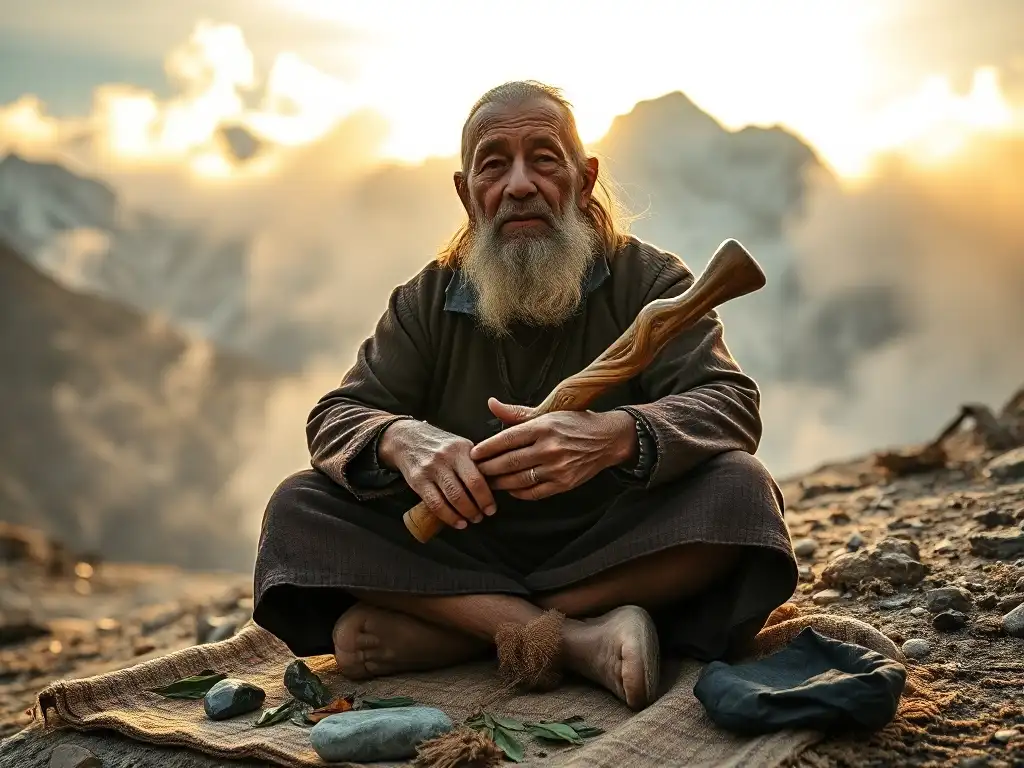
Andean shamanism, a vibrant tapestry woven from ancient traditions and contemporary adaptations, faces the crucial challenge of preserving its rich heritage for future generations. The intricate knowledge system, encompassing healing practices, spiritual rituals, and a deep connection with the Andean landscape, is not simply a collection of beliefs; it's a living legacy that informs the identity and well-being of numerous Andean communities. Understanding how this knowledge is passed down, the obstacles encountered, and the role of supporting organizations is essential to appreciating the resilience and ongoing relevance of Andean shamanism practices today.
The Importance of Passing Down Traditional Knowledge
The transmission of Andean shamanic knowledge is not a passive process; it's a dynamic exchange requiring dedication, mentorship, and a profound respect for tradition. It's often a multi-generational process, with knowledge carefully imparted from experienced paqos (shamans) to carefully selected apprentices. This apprenticeship can last for years, even decades, involving rigorous training in herbalism, ritual practices, divination techniques, and the intricate understanding of the Andean cosmos. The learning process isn't solely theoretical; it involves practical application, guided meditation, and direct participation in ceremonies, allowing the apprentice to internalize the spiritual and practical aspects of shamanic practice.
The knowledge itself is multifaceted, encompassing:
- Herbal medicine: Detailed knowledge of medicinal plants, their properties, and methods of preparation. This includes understanding the specific conditions for harvesting, processing, and administering these potent remedies.
- Ritual practices: Mastering complex ceremonies involving offerings, chants, music, and the use of sacred objects. Precision and respect are paramount in these rituals, which aim to connect with the spiritual world and maintain harmony with nature.
- Divination techniques: Learning to interpret signs, dreams, and natural phenomena to gain insight into the past, present, and future. This requires a keen observation of the environment and a deep understanding of symbolic language.
- Cosmological understanding: Grasping the Andean worldview, its complex relationship between the human and spiritual realms, and the interconnectedness of all living things. This provides the foundation for all shamanic practices.
The effectiveness of knowledge transfer relies heavily on the relationship between the paqo and the apprentice, emphasizing trust, mutual respect, and a shared commitment to preserving the integrity of the traditions. The absence of formal institutions often means that this transmission is highly personalized and dependent on the dedication of individual practitioners.
Challenges Faced by Andean Shamanism in the Modern World
Andean shamanism faces significant challenges in the contemporary world, threatening the continuity of its practices and the preservation of its rich heritage. The encroachment of globalization, modernization, and the pressures of a rapidly changing society impact the transmission and practice of shamanic traditions.
- Migration and urbanization: The movement of Andean populations to urban centers disrupts traditional apprenticeship models and weakens community ties that are crucial for the transmission of knowledge. The younger generations often prioritize urban lifestyles, leading to a decline in interest in traditional practices.
- Loss of language: The decline of indigenous languages directly impacts the preservation of shamanic knowledge, which is often encoded in these languages and transmitted orally. Without fluent speakers, crucial aspects of the tradition risk being lost.
- Religious syncretism: While Andean shamanism has historically adapted and incorporated elements from other belief systems, the influx of dominant religious ideologies can sometimes undermine traditional practices, leading to the dilution or abandonment of indigenous spiritualities.
- Exploitation and commodification: The growing interest in Andean shamanism from outside communities can lead to its exploitation, with superficial representations and commodification of rituals for tourism purposes, stripping the practice of its spiritual significance.
- Environmental degradation: The destruction of Andean ecosystems, crucial to shamanic practices and the procurement of medicinal plants, further threatens the sustainability of traditional healing methods. This loss of biodiversity directly impacts the knowledge associated with these plants.
These challenges highlight the urgent need for proactive measures to protect and revitalize Andean shamanism, ensuring its survival and continued relevance in the 21st century. The future of Andean shamanism hinges on addressing these issues effectively.
The Role of Indigenous Organizations in Preserving Shamanic Traditions
Indigenous organizations play a vital role in the preservation and promotion of Andean shamanic traditions. These organizations work to safeguard the cultural heritage of their communities, addressing the challenges outlined above through a variety of initiatives.
- Documentation and archiving: Many organizations are actively involved in documenting shamanic knowledge through written records, audio-visual materials, and digital archives. This ensures that the knowledge is preserved even in the face of linguistic decline or loss of practitioners.
- Community-based education programs: These programs aim to educate younger generations about the importance of their cultural heritage, fostering interest in traditional practices and encouraging participation in apprenticeship programs. This involves promoting the understanding of the cultural significance of Andean shamanism practices today.
- Advocacy and policy engagement: Indigenous organizations advocate for policies that protect indigenous rights, cultural heritage, and access to traditional lands and resources, ensuring the long-term sustainability of shamanic practices. This includes lobbying for the recognition of traditional knowledge and intellectual property rights.
- International collaboration: Many organizations collaborate with international partners to raise awareness about Andean shamanism, promote cultural exchange, and secure funding for preservation projects. These collaborations help to broaden understanding and support for the preservation of this invaluable heritage.
- Sustainable development initiatives: Some organizations are involved in sustainable development projects that support the economic well-being of Andean communities, reducing the pressure to abandon traditional practices for economic opportunities elsewhere. This fosters a more secure environment for the continuation of shamanic traditions.
The collaborative efforts of indigenous organizations are crucial in navigating the complex challenges facing Andean shamanism, ensuring the continued flourishing of this rich and vital cultural heritage for generations to come. Their commitment to preservation is a testament to the enduring power and significance of Andean spirituality.
Exploring Specific Andean Shamanic Practices Today
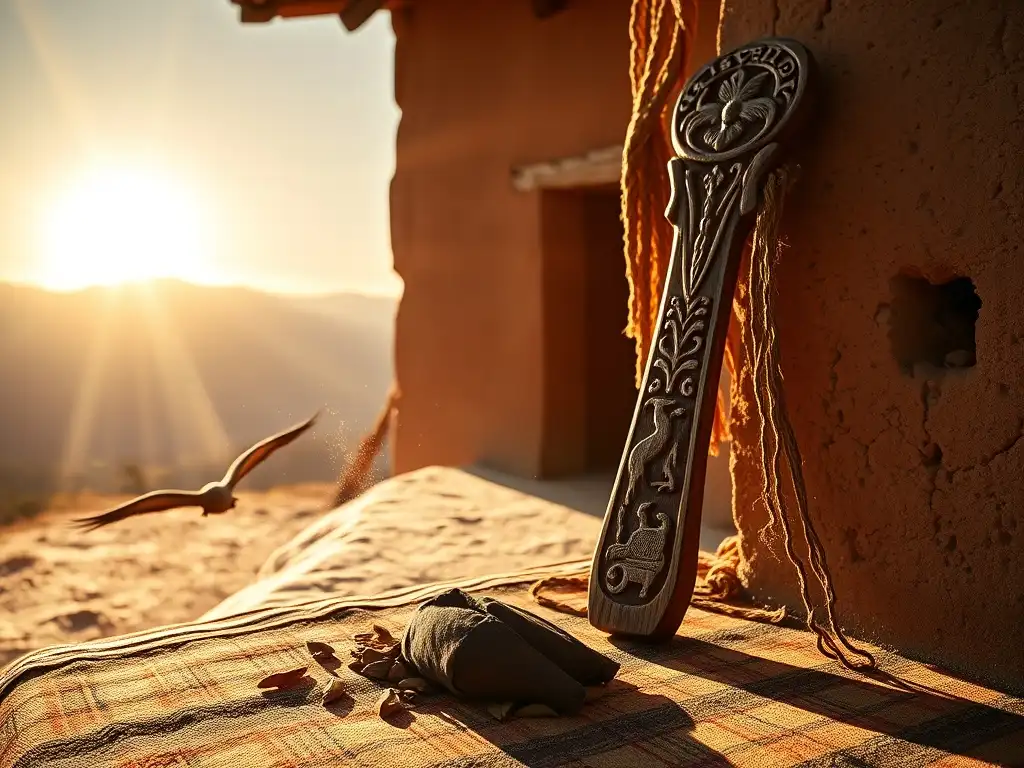
This section delves into the specific practices of Andean shamanism as they are observed and adapted in contemporary communities. While the exact forms vary across different Andean regions and indigenous groups, certain core elements remain consistent, demonstrating the enduring power and resilience of these ancient traditions. Understanding these practices offers a glimpse into the living legacy of Andean spirituality. The term "Andean shamanism practices today" accurately reflects the ongoing relevance of these spiritual traditions.
Ceremonies and Rituals in Contemporary Andean Shamanism
Contemporary Andean shamanic ceremonies and rituals are often deeply rooted in ancestral knowledge, passed down through generations. These rituals are not merely symbolic; they are believed to directly interact with the spiritual world, influencing both the individual and the community. A crucial aspect is the use of huacas, sacred places imbued with spiritual power, often natural features like mountains, rivers, or caves. Ceremonies may involve offerings to these huacas, prayers, songs (often in Quechua or Aymara), and the use of sacred objects.
The complexity and specific elements of these ceremonies vary greatly. Some involve elaborate preparations, lasting for days, while others are more concise, focused on specific needs or events. For instance, a ceremony for healing might involve the shaman entering a trance state, communicating with spirits to diagnose and treat the illness. Conversely, a ceremony for a harvest celebration might focus on expressing gratitude to Pachamama and ensuring future prosperity. Many ceremonies involve the participation of the community, reinforcing social bonds and reaffirming shared beliefs.
The Use of Sacred Plants and Natural Elements
The use of sacred plants and natural elements is a cornerstone of Andean shamanic practices today. These substances are not merely tools; they are considered intermediaries between the spiritual and physical realms. Coca leaves, for example, are widely used in many ceremonies and daily life as a sacred offering and a facilitator of communion with the spiritual world. Other plants, such as ayahuasca (in certain regions), are used for their psychoactive properties, allowing shamans to enter altered states of consciousness and interact with the spirit world more directly.
Beyond plants, natural elements like water, earth, and fire also hold significant symbolic and ritualistic importance. Water, often from a sacred spring or river, is used for purification and blessings. Earth, representing Pachamama, is often incorporated into offerings.
Fire, symbolizing transformation and purification, plays a vital role in many ceremonies, often used to burn offerings or create a sacred space. The careful selection and preparation of these elements reflect a deep respect for the interconnectedness of all things within the Andean worldview. The responsible and ethical use of these sacred plants is paramount, emphasizing sustainability and respecting the natural world.
The Pachamama Ceremony in Modern Andean Communities
The Pachamama ceremony, a deeply ingrained ritual across many Andean communities, stands as a powerful example of contemporary Andean shamanic practices. This ceremony, dedicated to Pachamama (Mother Earth), is a vibrant expression of gratitude and respect for the earth's life-giving power. It typically involves offerings of food, drink, coca leaves, and other items placed on the earth as a gesture of reciprocity. The community often gathers to participate, sharing food and drink, reinforcing communal bonds, and reaffirming their connection to the land.
The timing of the Pachamama ceremony often coincides with agricultural cycles, such as planting and harvesting. This highlights the integral role of the earth in the lives of Andean communities and the deep spiritual connection between people and their environment. While the specific rituals and offerings may vary across different communities, the core principle of honoring and giving thanks to Pachamama remains consistent, demonstrating the enduring relevance of this ancient tradition in modern Andean life. The Pachamama ceremony is a prime example of how "Andean shamanism practices today" maintain their cultural significance and spiritual power.
The Future of Andean Shamanism
The future of Andean shamanism is a complex and multifaceted issue, deeply intertwined with the ongoing processes of globalization, modernization, and the persistent desire for spiritual connection. While facing numerous challenges, Andean shamanic traditions exhibit remarkable resilience and adaptability, suggesting a vibrant future, albeit one that requires careful navigation and understanding. The continued practice is not simply a matter of preserving ancient rituals; it's about ensuring the relevance and accessibility of this rich spiritual heritage in a rapidly changing world.
Analyzing the trends shaping its future reveals both opportunities and threats to its continued existence and evolution. The core question remains: how can the profound wisdom and practices of Andean shamanism thrive in the 21st century?
The Growing Interest in Andean Spirituality
There's a palpable increase in global interest in Andean spirituality, driven by a number of factors. The search for alternative healing modalities, a growing dissatisfaction with mainstream religions, and a heightened awareness of indigenous wisdom are contributing to this surge. This burgeoning interest translates into increased tourism to Andean regions, participation in workshops and retreats focused on Andean shamanic practices, and a broader engagement with the philosophical underpinnings of Andean cosmovision.
This heightened interest provides a significant opportunity for the economic empowerment of Andean communities practicing shamanism, provided that ethical considerations and cultural preservation are prioritized. However, the potential for commodification and cultural appropriation remains a serious concern that needs careful monitoring and proactive measures.
Data on tourism revenue linked specifically to shamanic practices is [specific information pending], but anecdotal evidence strongly suggests a significant upward trend. The challenge lies in harnessing this interest to benefit the communities while protecting the authenticity and integrity of their traditions.
The Impact of Globalization on Andean Shamanic Practices
Globalization presents both opportunities and threats to Andean shamanism practices today. On one hand, increased connectivity fosters the dissemination of knowledge and allows for cross-cultural exchange, potentially enriching Andean shamanic traditions. On the other hand, the homogenizing forces of globalization can lead to the erosion of unique cultural practices, the adoption of superficial elements without a deep understanding, and the commodification of sacred rituals for profit.
The influence of Western psychology and therapeutic approaches, for example, could lead to a dilution of traditional practices unless carefully integrated. Furthermore, the influx of external influences can create internal conflict within communities, as younger generations may embrace modern approaches while older generations strive to maintain traditional methods. Careful documentation and preservation of traditional knowledge, alongside fostering dialogue between different generations, are crucial for navigating this complex interplay.
The impact of globalization on the economic sustainability of Andean shamanism practices needs further investigation. [specific information pending on economic impact data]
The Potential for the Continued Practice of Andean Shamanism
Despite the challenges, the potential for the continued practice of Andean shamanism is strong. The inherent resilience of these traditions, combined with the growing global interest and the commitment of practitioners to preserve their heritage, suggests a promising future. Key to this future is a balance between adaptation and preservation.
This requires supporting initiatives that promote cultural preservation, ethical tourism practices, and community-based education programs. Furthermore, fostering intergenerational dialogue and collaboration is crucial to ensure the transmission of knowledge and skills to future generations. The integration of traditional knowledge with modern tools and technologies, such as digital archiving and online educational platforms, can also enhance accessibility and preservation.
Ultimately, the future of Andean shamanism depends on the collective efforts of practitioners, researchers, and policymakers to ensure its sustainability and relevance in a rapidly evolving world. The creation of sustainable economic models that support practitioners while upholding cultural integrity is paramount. The continued practice of Andean shamanism is not merely a historical preservation effort; it is a vibrant and evolving spiritual tradition with the potential to offer valuable insights and practices for a world increasingly seeking meaning and connection.
Frequently Asked Questions
What is the connection between ancient Andean cultures and shamanism today?
Many contemporary Andean shamanic practices are direct descendants of ancient traditions. While adapted to modern contexts, core beliefs and techniques, such as the use of ayahuasca and energetic healing, remain. These practices are often intertwined with indigenous spiritualities.
Are Andean shamanic practices still widely practiced?
Yes, Andean shamanism remains a vibrant and significant part of life for many communities in the Andes. While facing challenges from modernization, these traditions are actively preserved and adapted, representing a living legacy.
What are some key elements of contemporary Andean shamanism?
Contemporary Andean shamanism involves various practices, including plant medicine ceremonies, spiritual healing, and rituals connecting with nature and ancestors. These are often integrated with traditional knowledge and beliefs.
How has Andean shamanism adapted to modern times?
While retaining core elements, Andean shamanism has adapted to modern contexts. It engages with global spiritual movements, incorporates new technologies, and responds to contemporary socio-political realities.
Where can I learn more about contemporary Andean shamanism?
You can explore ethnographic studies, academic journals, and reputable online resources dedicated to Andean cultures and spirituality. Direct engagement with indigenous communities, however, should be approached with respect and sensitivity.
Final Reflection: The Enduring Spirit of Andean Shamanism
The ancient wisdom of Andean shamanism is not a relic of the past; it is a vibrant, evolving tradition deeply relevant to the challenges and opportunities of our modern world. Its emphasis on interconnectedness, ecological harmony, and spiritual healing offers a powerful counterpoint to the alienation and fragmentation often experienced in contemporary society. This enduring legacy continues to inspire and guide individuals seeking deeper meaning and connection.
The profound impact of Andean shamanism extends far beyond the Andes themselves, influencing global perspectives on spirituality, healing, and environmental consciousness. Its emphasis on the interconnectedness of all living things resonates deeply with contemporary ecological concerns, reminding us of our responsibility to protect the planet. The earth is not something we inherit from our ancestors; it is something we borrow from our children.
This sentiment, though not originating directly from Andean shamanism, perfectly encapsulates the deep ecological respect inherent within its practices. The ongoing adaptation and transmission of these traditions, despite facing pressures of globalization and modernization, speaks volumes about their inherent strength and enduring relevance.
Consider the ways in which the principles of Andean shamanism – respect for nature, community healing, and the pursuit of inner balance – can enrich your own life. How can you cultivate a deeper connection with the natural world? How can you foster a sense of community and mutual support in your own life? Embrace the opportunity to explore these powerful traditions, not just as a historical study, but as a pathway to personal growth and a more meaningful existence. Let the enduring spirit of Andean shamanism inspire you to live a life of purpose, harmony, and profound connection.
Embrace the Wisdom of Andean Shamanism Today!
Thank you for exploring the rich tapestry of Andean shamanism. Your interest in its contemporary relevance and adaptations shows a deep commitment to understanding this profound tradition. Now, let's take the next step on this journey of exploration and connection.
Here are some ways to deepen your experience:
- Participate in a workshop or online course led by practicing shamans to learn about traditional rituals firsthand.
- Share your newfound knowledge with friends and family, or post about it on social media— inspire others to discover the beauty of Andean spirituality!
- Read books and visit cultural sites to further expand your understanding of the traditions and beliefs of these vibrant communities.
What aspect of Andean shamanism resonates most with you, and how can you integrate it into your daily life? Let's discuss!