
The Shaman's Quest for Knowledge: Seeking Understanding of the Universe through Andean Spirituality

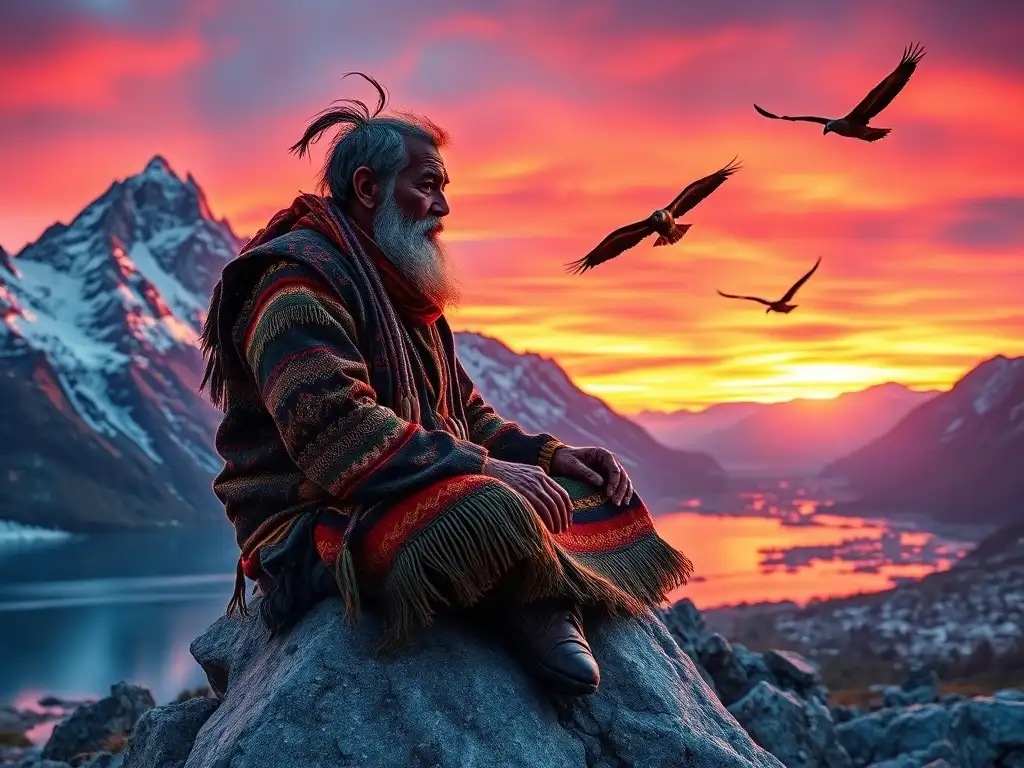
Embark on a journey through time and uncover the mysteries of the Andes! Did you know the ancient Andean civilizations held profound shamanistic knowledge practices? This website delves into the captivating world of the Incas, Moche, Nazca, and Tiahuanaco, revealing their intricate cultures, breathtaking art, and astonishing technological achievements. Prepare to be amazed as we unravel the secrets of their spiritual beliefs, beginning with an exploration of Andean shamanistic knowledge practices and their quest for understanding the universe. Dare to explore further and discover the profound wisdom of these ancient societies.
The Andean civilizations, renowned for their intricate social structures and breathtaking architectural feats, possessed a profound spiritual understanding deeply interwoven with their daily lives. This article delves into the crucial role of shamans within these societies, exploring their practices and the ways in which they sought to understand the universe through their unique connection to the spiritual realm.
We will examine the diverse Andean shamanistic knowledge practices, revealing the complex interplay between cosmology, ritual, and the natural world that formed the foundation of their worldview. From the high-altitude rituals of the Incas to the intricate iconography of the Nazca, we will uncover the multifaceted nature of Andean spirituality and the pivotal role played by its spiritual leaders.
Understanding these practices offers a window into the sophisticated intellectual and spiritual landscape of these remarkable civilizations, illuminating their enduring legacy and the sophisticated ways in which they interacted with their environment and the cosmos. This exploration will highlight the significance of Andean shamanistic knowledge practices in shaping Andean society and its unique approach to understanding the universe.
Andean Cosmovision: A Foundation for Shamanistic Practice
Andean cosmovision was not a static belief system but a dynamic, ever-evolving understanding of the universe. It was deeply rooted in the physical environment, with mountains, rivers, and celestial bodies playing crucial roles in their spiritual beliefs. The concept of Pachamama, the Earth Mother, was central, representing the life-giving force of nature and the interconnectedness of all living things. Shamans, as intermediaries between the human and spiritual worlds, played a critical role in maintaining harmony within this intricate cosmic order.
Their knowledge wasn't merely theoretical; it was practical, guiding agricultural practices, healing the sick, and ensuring the well-being of the community. This holistic approach, where the spiritual and material realms were inextricably linked, shaped every aspect of Andean life. Evidence suggests that this worldview was remarkably consistent across different Andean cultures, albeit with regional variations in specific practices and deities.
Ritual Practices and the Use of Entheogens
A significant aspect of Andean shamanistic knowledge practices involved the use of ritual and entheogens. These rituals, often conducted in sacred spaces like mountaintops or caves, were not merely symbolic; they were believed to facilitate direct communication with the spiritual world.
The use of plants with psychoactive properties, such as ayahuasca (although its use in the Andes is debated among scholars and requires further research), allowed shamans to enter altered states of consciousness, enabling them to journey to other realms and receive guidance from spirits. These journeys were crucial for diagnosis, divination, and healing.
Detailed descriptions of these rituals, though scarce in some cases due to the oral tradition nature of much of their knowledge, are found in colonial-era accounts and archaeological discoveries, providing valuable insights into their complexity and significance. The careful preparation and administration of these entheogens, coupled with specific rituals and chants, underscore the sophisticated understanding of their effects and their role in the shamanistic practice.
Divination and Healing: The Shaman's Role in Andean Society
Andean shamans were not only spiritual leaders but also essential healers and diviners. Their knowledge extended beyond the purely spiritual; they possessed a deep understanding of medicinal plants and their properties. Through divination techniques, such as interpreting dreams or reading coca leaves, they could diagnose illnesses and predict future events, providing guidance and reassurance to their communities.
Their role in healing involved not just physical remedies but also spiritual interventions, aiming to restore balance and harmony within the individual and the community. The shaman's authority stemmed from their perceived ability to interact with the spirit world and harness its power for the benefit of their people.
Their skills were highly valued, and their services were sought after for various purposes, ranging from curing illnesses to ensuring successful harvests. The shaman’s ability to interpret the signs and symbols of the cosmos was central to maintaining social cohesion and the overall well-being of the Andean community.
The Legacy of Andean Shamanistic Knowledge Practices
Despite the impact of colonization and the suppression of indigenous traditions, the legacy of Andean shamanistic knowledge practices continues to resonate today. While many ancient practices have been lost or adapted, elements of Andean spirituality persist in contemporary Andean communities. The reverence for Pachamama, the importance of ritual, and the use of traditional healing methods are testament to the enduring power of this ancient worldview.
Studying these practices provides not only a deeper understanding of the past but also a valuable perspective on the complexities of indigenous knowledge systems and their continued relevance in the modern world. The resurgence of interest in Andean spirituality highlights its ongoing significance and its capacity to offer valuable insights into human spirituality and our relationship with the natural world. Further research is needed to fully understand the nuances and variations of these practices across different Andean cultures and time periods.
- Andean Cosmovision: A Foundation for Shamanistic Practice
- Ritual Practices and the Use of Entheogens
- Divination and Healing: The Shaman's Role in Andean Society
- The Legacy of Andean Shamanistic Knowledge Practices
- What role did shamanistic practices play in Andean civilizations?
- How did Andean shamans interact with the spirit world?
- What were some common shamanistic rituals in Andean cultures?
- What is the significance of hallucinogenic plants in Andean shamanistic practices?
- How did Andean shamanistic knowledge impact their technology and art?
Andean Shamanism: An Introduction to Ancient Wisdom
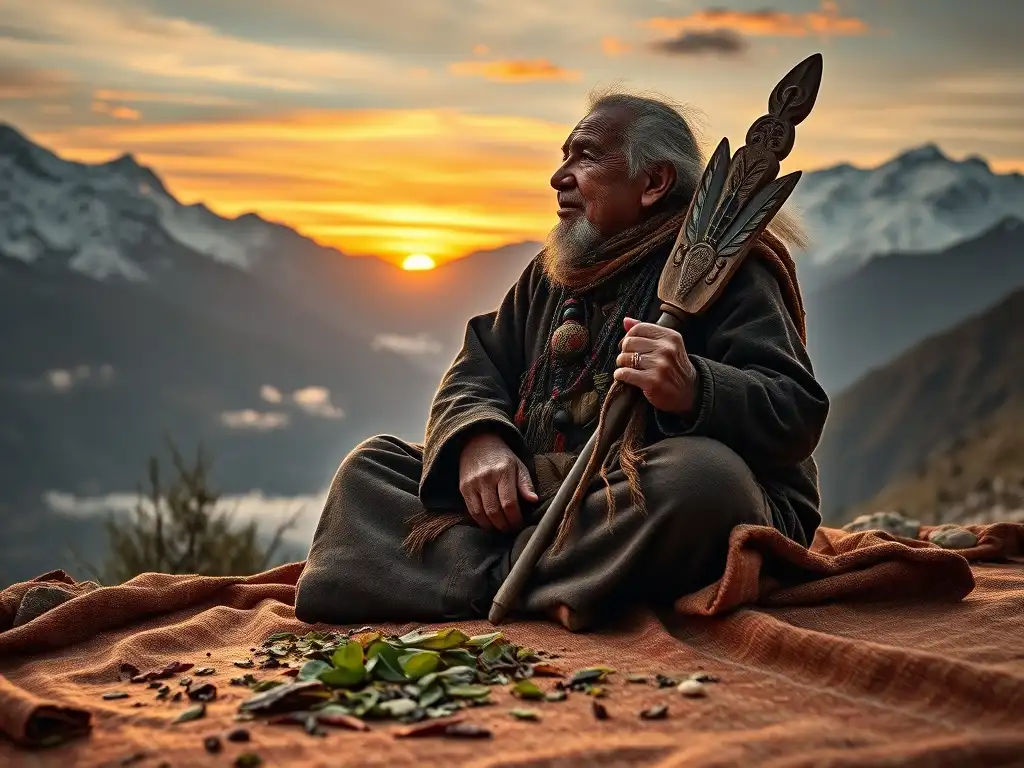
Andean shamanistic knowledge practices represent a complex and fascinating system of beliefs and rituals deeply intertwined with the natural world. For centuries, shamans, or paqos as they are known in Quechua, served as vital intermediaries between the human and spiritual realms. Their knowledge wasn't merely esoteric; it was integral to the social fabric, influencing agriculture, healing, and governance.
This intricate system, far from being a monolithic entity, varied across different Andean cultures, adapting to unique geographical and societal contexts. The common thread, however, remains a profound reverence for the interconnectedness of all things and a deep understanding of the cosmos. This section delves into the core tenets of Andean shamanism, exploring its key elements and significance within the broader Andean worldview.
Understanding these practices requires appreciating the nuanced relationship between the shaman, the community, and the cosmos itself. The power of the paqo stemmed not just from individual abilities, but from their deep connection to the ancestral spirits and the land.
The Role of the Paqo in Quechua Communities
The paqo, a term signifying a shaman or spiritual leader in many Quechua communities, held a position of immense respect and responsibility. Their role extended far beyond simple healing; they were vital advisors on matters of community well-being, political decisions, and agricultural cycles. Their expertise in interpreting natural phenomena and communicating with the spirit world ensured the community's harmonious relationship with the cosmos.
For example, the paqo might be consulted before planting crops, to determine the most auspicious time based on celestial alignments and ancestral guidance. This deep integration of spiritual knowledge into daily life highlights the profound influence of Andean shamanism on Quechua society. The paqo's knowledge was passed down through generations, often through apprenticeship and rigorous training, emphasizing the importance of lineage and continuity in maintaining these vital traditions.
Furthermore, the paqo wasn't simply a conduit for spiritual power; they were also skilled healers, utilizing medicinal plants and rituals to address both physical and spiritual ailments. This holistic approach to healing underscores the interconnectedness of mind, body, and spirit within the Andean worldview. The paqo's influence wasn't limited to the spiritual; their knowledge often played a crucial role in resolving conflicts and maintaining social harmony within the community.
The Andean Cosmovision: Hanaq Pacha, Kay Pacha, Uku Pacha
The Andean cosmovision, a fundamental aspect of Andean shamanistic knowledge practices, is structured around the three interconnected worlds: Hanaq Pacha (the upper world), Kay Pacha (the here and now, the earthly realm), and Uku Pacha (the underworld). This tripartite structure reflects the belief in a dynamic interplay between the celestial, terrestrial, and subterranean realms. Hanaq Pacha, the realm of the sun, moon, stars, and celestial deities, represents the source of power and energy. Kay Pacha, our everyday world, is where humans interact with the natural world and the spirits inhabiting it.
Uku Pacha, the underworld, is the realm of the ancestors, powerful spirits, and the earth's hidden resources. The paqo's role is to navigate these three worlds, facilitating communication and balance between them. For instance, rituals might involve offerings to appease spirits in Uku Pacha to ensure a bountiful harvest in Kay Pacha, or communicating with celestial deities in Hanaq Pacha to predict weather patterns. This intricate understanding of the interconnectedness of these three worlds is central to Andean spirituality and profoundly shaped the daily lives of Andean communities.
The understanding and manipulation of these energies, through ritual and ceremony, were key components of the paqo's practice, reflecting a deep and sophisticated understanding of the universe. The intricate relationship between these three worlds is not static; it is a dynamic, ever-shifting landscape that the paqo must constantly navigate and interpret. This constant negotiation and maintenance of balance is essential to the well-being of the community and the cosmos as a whole. The Andean cosmovision provides a rich framework for understanding the complex and multifaceted nature of Andean shamanistic knowledge practices.
The Paqo's Path: Training and Initiation
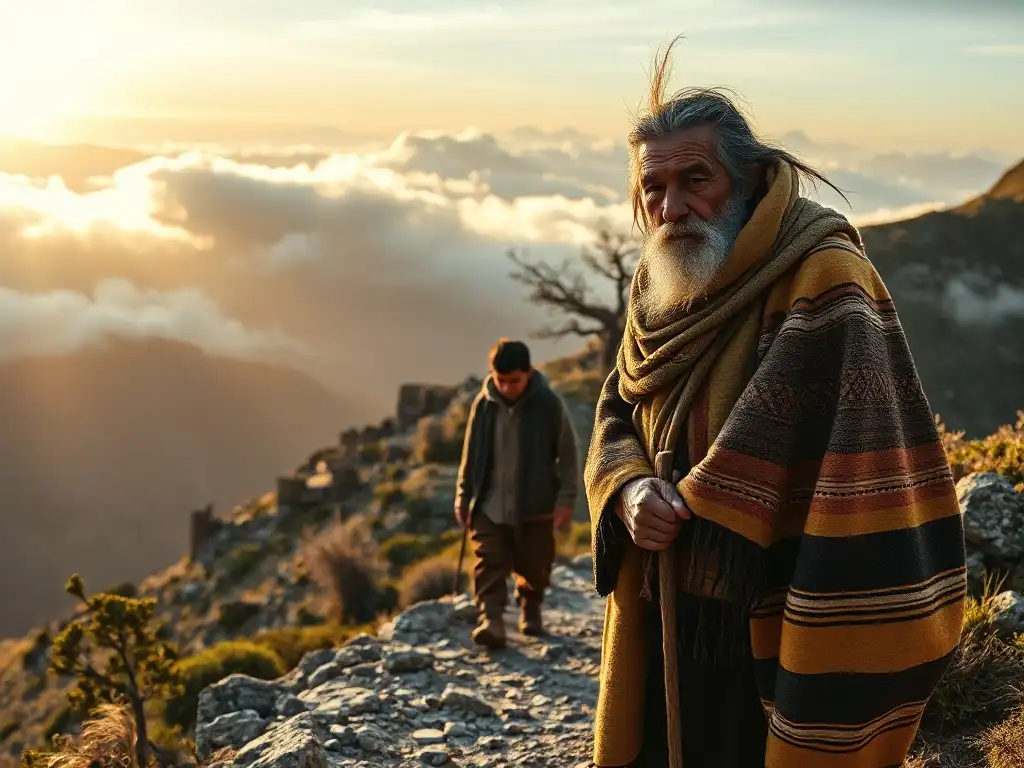
The acquisition of Andean shamanistic knowledge practices wasn't a casual undertaking; it was a rigorous and lifelong commitment demanding intense dedication and spiritual discipline. Becoming a paqo, a term often used to describe an Andean shaman or spiritual leader, was a journey involving meticulous training, demanding apprenticeships, and transformative initiation rites. This path, steeped in ancient traditions, ensured the preservation and transmission of invaluable spiritual knowledge across generations. The process was far from uniform, varying subtly between different Andean cultures and communities, but certain core elements remained consistent.
The Selection of a Future Paqo: Dreams and Lineage
The selection of a prospective paqo often involved a complex interplay of factors, with dreams and lineage playing significant roles. Dreams, considered powerful conduits to the spiritual realm, frequently foreshadowed a child's destined path. Recurring dreams featuring ancestral spirits, celestial bodies, or powerful natural forces were often interpreted as signs of a future paqo. Additionally, lineage played a crucial role.
Children born into families with a long history of shamanistic practices were often considered prime candidates, inheriting a spiritual predisposition and access to ancestral knowledge. However, it's important to note that not all children born into shamanistic families automatically became paqos; the calling had to be confirmed through further signs and the individual's own inherent spiritual aptitude. This process of selection highlights the importance placed on both spiritual gifts and familial heritage in the transmission of Andean shamanistic knowledge practices.
The Rigorous Apprenticeship: Learning from Elders and Nature
Once identified, the chosen individual would embark on a long and rigorous apprenticeship under the tutelage of experienced paqos. This apprenticeship wasn't merely theoretical; it involved years of immersive learning, combining practical experience with deep spiritual understanding. The apprentice would learn to interpret dreams and visions, to commune with the spirits of nature, and to master various healing techniques. This involved extensive herbalism studies, mastering the properties of Andean plants for medicinal and ritual purposes.
The apprentice would spend considerable time in nature, developing an intimate understanding of its rhythms and energies, learning to connect with the apus (mountain spirits) and other powerful entities. The process also included rigorous memorization of ancient chants, prayers, and rituals, ensuring the preservation of oral traditions. This intense practical training was fundamental to the development of the paqo’s skills and embodied understanding of Andean shamanistic knowledge practices.
Initiation Rites: Receiving the Karpay
The culmination of the apprenticeship was the initiation rite, a pivotal moment marking the apprentice's transformation into a fully fledged paqo. A central element of this rite was the karpay, a ritualistic bestowal of spiritual power. This often involved the transfer of sacred objects, such as kero (ceremonial cups) or tumi (ceremonial knives), imbued with ancestral energy.
Through this act, the elder paqo symbolically passes on their knowledge and spiritual authority to the initiate. The karpay wasn't merely a symbolic gesture; it was believed to be a powerful transfer of spiritual energy, activating and empowering the initiate's own innate abilities. The initiation also frequently involved rigorous fasting, purification rituals, and intense spiritual journeys, testing the initiate's resilience and readiness to assume their role as a spiritual leader.
The entire initiation process served as a powerful affirmation of the paqo's connection to the Andean spiritual world and their mastery of Andean shamanistic knowledge practices. The successful completion of this arduous journey marked the beginning of a lifelong commitment to serving their community and upholding the sacred traditions of their ancestors.
Andean Shamanistic Practices: Connecting with the Spiritual Realm
This section delves into the core practices employed by Andean shamans to access and interpret the spiritual realm, focusing on techniques integral to their understanding of the universe and their role as healers and intermediaries between the human and spiritual worlds. These practices, passed down through generations, represent a profound and complex system of knowledge deeply interwoven with the Andean worldview. Understanding these practices provides crucial insight into the rich tapestry of Andean shamanistic knowledge practices.
Rituals and Offerings: Despacho and Haywarisqa
Andean shamanistic rituals are characterized by a deep reverence for reciprocity and balance within the cosmos. Central to many rituals are despachos and haywarisqas. A despacho is a meticulously constructed offering, often arranged on a meticulously prepared surface. It typically includes coca leaves, miniature representations of various elements (like houses, llamas, or even miniature people), incense, alcohol, sweets, and other items symbolically representing the elements of nature and the desired outcome of the ritual.
The creation of a despacho itself is a ritualistic act, each item carefully placed with intention and prayer. The shaman may chant or sing iqaras (songs) throughout the process, further imbuing the offering with spiritual energy. Once complete, the despacho is typically burned or scattered, releasing its energy into the universe.
Haywarisqa, on the other hand, represents a more complex and powerful ritual, often reserved for healing ceremonies or significant life events. It involves a much more elaborate preparation and the use of a wider range of sacred objects. The haywarisqa may include a larger-scale despacho, specific medicinal plants, and even the participation of other community members.
The focus is on achieving a profound connection with the spiritual realm to address specific issues or to bring about positive change. The specific components and procedures vary greatly depending on the shaman, the community, and the specific purpose of the ritual. The common thread is the meticulous attention to detail and the deep spiritual intentionality embedded within each element.
The Use of Coca and San Pedro in Andean Healing
Coca leaves and the San Pedro cactus are two key elements in Andean shamanistic healing practices. Coca, chewed throughout the day by many Andean communities, is considered a sacred plant, facilitating communication with the spiritual world and enhancing clarity and focus. During rituals, the shaman may use coca leaves for divination, interpreting the patterns formed by the leaves to understand the client's situation and receive guidance from the spirits. The leaves themselves are considered a form of communication with the Apus (mountain spirits) and Pachamama (Mother Earth).
The San Pedro cactus, known for its hallucinogenic properties, plays a more profound role in shamanistic healing. Its consumption, under the guidance of an experienced shaman, can induce altered states of consciousness, allowing the shaman to journey into the spiritual realm to diagnose illness, retrieve lost souls, or interact with spirits to address specific problems. The effects of San Pedro are highly subjective and culturally nuanced, deeply interwoven with the ritual context and the shaman's expertise in guiding the experience.
It is crucial to emphasize that the responsible and safe use of San Pedro is strictly within a ceremonial and supervised context. Improper use can be dangerous.
Reading Coca Leaves and Divination Through Water
Divination is a crucial aspect of Andean shamanistic knowledge practices. One common method is la lectura de la coca, or coca leaf reading. The shaman meticulously spreads out a handful of coca leaves and interprets the patterns, the number of leaves, and their orientation to gain insight into the client's future, diagnose illnesses, or receive guidance from the spirits. This intricate process requires years of training and an intimate understanding of the symbolic language of the coca leaves. It's not simply a random interpretation; it's a sophisticated system of symbolism passed down through generations of shamans.
Another form of divination involves the use of water. The shaman may gaze into a bowl of water, interpreting the reflections and patterns to receive messages from the spirits. This technique, often combined with other practices, adds another layer to the shaman's ability to perceive and interpret the spiritual realm. The precise methods and interpretations vary among different Andean communities and individual shamans, highlighting the diversity and richness of Andean shamanistic traditions. These practices are not merely superstitious; they are deeply ingrained in the Andean cosmology and represent a profound way of understanding and interacting with the spiritual world.
Key Aspects of Andean Shamanic Knowledge
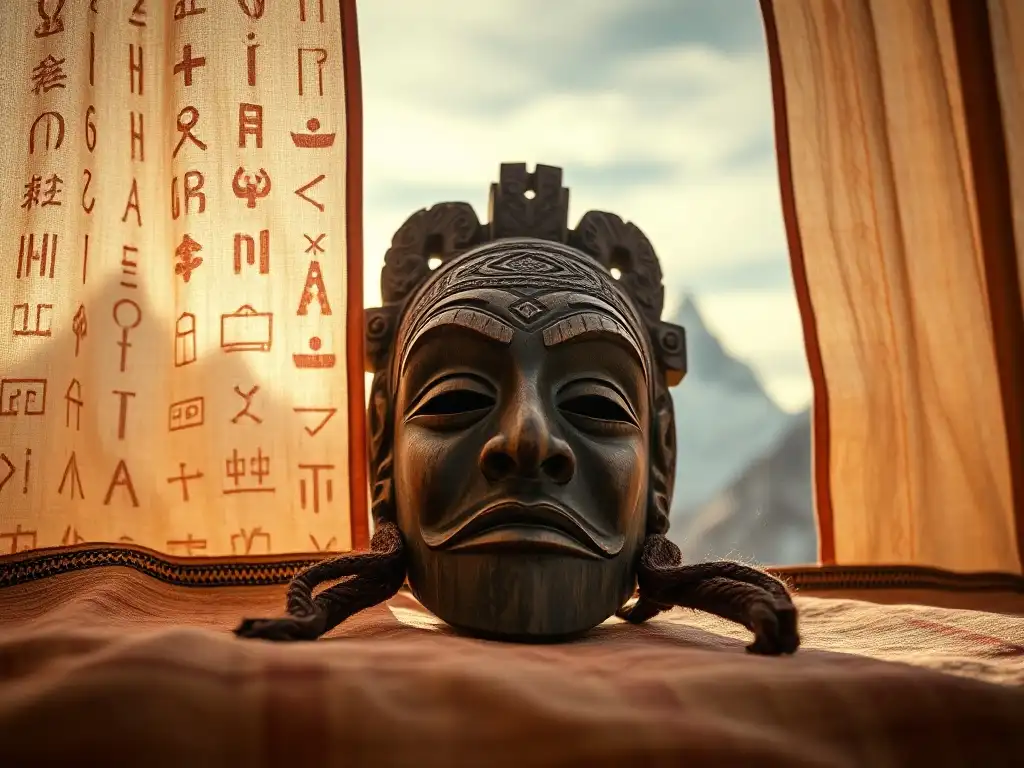
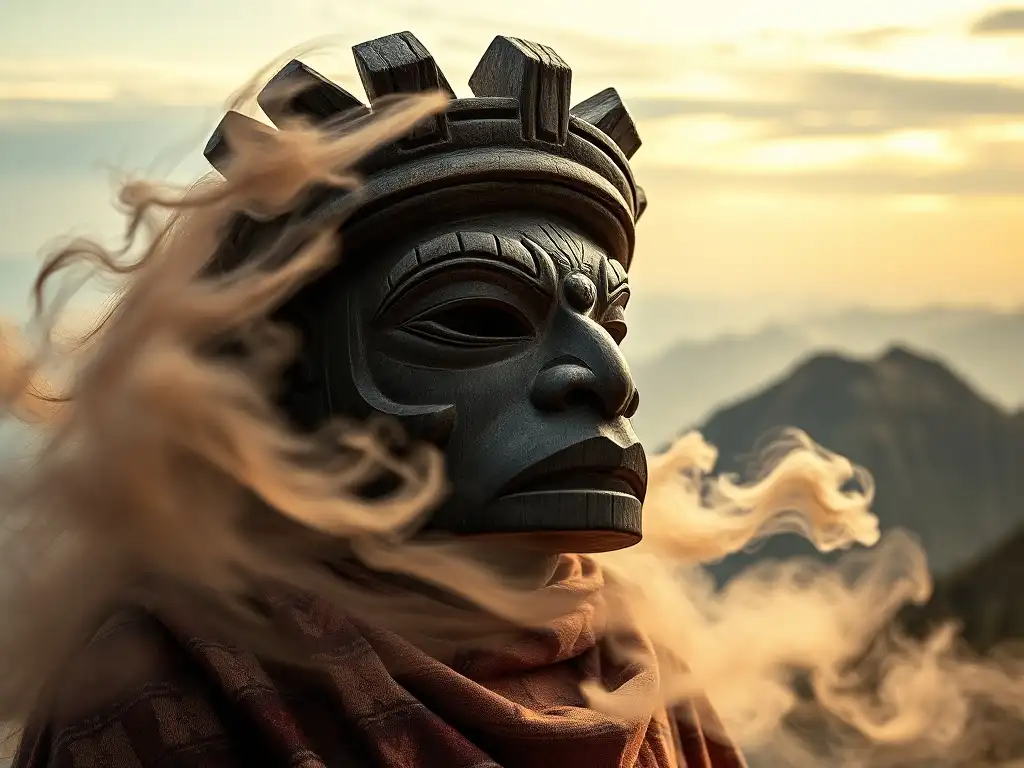
This section delves into the core tenets underpinning Andean shamanistic knowledge practices, exploring the intricate web of beliefs and practices that shaped the spiritual lives of ancient Andean communities. Understanding these fundamental principles provides crucial insight into their worldview and their profound connection with the natural world. We will examine key concepts that guided their spiritual journeys and shaped their understanding of the universe.
The Concept of Kawsay: Living Energy and Interconnection
The Andean worldview is deeply rooted in the concept of kawsay, often translated as "life" or "living energy." However, kawsay is far more nuanced than a simple definition suggests. It encompasses a vibrant, dynamic force that permeates all aspects of existence – the mountains, the rivers, the plants, the animals, and, crucially, humans. This energy isn't static; it flows, interacts, and transforms constantly. Andean shamanistic knowledge practices center around understanding and working with this kawsay, recognizing the inherent interconnectedness of all living things.
Shamans, through their rituals and practices, aimed to maintain the flow of kawsay, ensuring its balance and harmony within individuals and the wider community. Disease, for example, wasn't simply a physical ailment but an imbalance in the flow of kawsay. Healing rituals, therefore, focused on restoring this vital energy flow, often involving the use of medicinal plants, sacred objects, and intricate ceremonies designed to re-establish equilibrium. The understanding of kawsay wasn't just theoretical; it was deeply practical, informing every aspect of daily life, from agriculture to social interactions.
Maintaining Sami and Hucha: Balancing Energies
Within the framework of kawsay, Andean shamanistic knowledge practices emphasized the delicate balance between opposing forces, represented by the concepts of sami (positive energy) and hucha (negative energy). These weren't inherently good or bad, but rather complementary forces that needed to be in equilibrium for overall well-being. An excess of hucha, for example, could manifest as illness, misfortune, or societal discord.
Maintaining this balance was a central concern for Andean shamans. Their rituals often involved techniques to dispel hucha and cultivate sami. This might include cleansing ceremonies, offerings to the apus (mountain spirits), or the use of specific plants with purported properties to influence these energies. The detailed knowledge of medicinal plants and their energetic properties formed an essential part of Andean shamanistic knowledge practices, highlighting the close relationship between spirituality and practical healing. Evidence suggests a sophisticated understanding of herbal medicine, far beyond simple folk remedies, demonstrating a deep connection between empirical observation and spiritual understanding.
The Principle of Ayni: Reciprocity and Sacred Exchange
The principle of ayni – reciprocity – is fundamental to Andean spirituality and deeply embedded within Andean shamanistic knowledge practices. It emphasizes the importance of balanced exchange and mutual obligation within the community and between humans and the supernatural world. Ayni isn't merely a social contract; it's a sacred principle that governs the flow of kawsay and maintains cosmic harmony.
Shamans played a crucial role in mediating this reciprocal relationship. Their rituals often involved offerings and prayers, acknowledging the interconnectedness of all beings and expressing gratitude for the blessings received. Failure to uphold ayni was believed to disrupt the balance of kawsay, leading to negative consequences.
This principle permeated all aspects of Andean life, shaping social structures, economic practices, and religious beliefs. The understanding and practice of ayni are crucial to understanding the holistic nature of Andean shamanistic knowledge practices and their lasting impact on Andean culture. The concept underlines the interconnectedness and interdependence of all aspects of life in the Andean worldview.
Andean Shamanism and Healing Practices
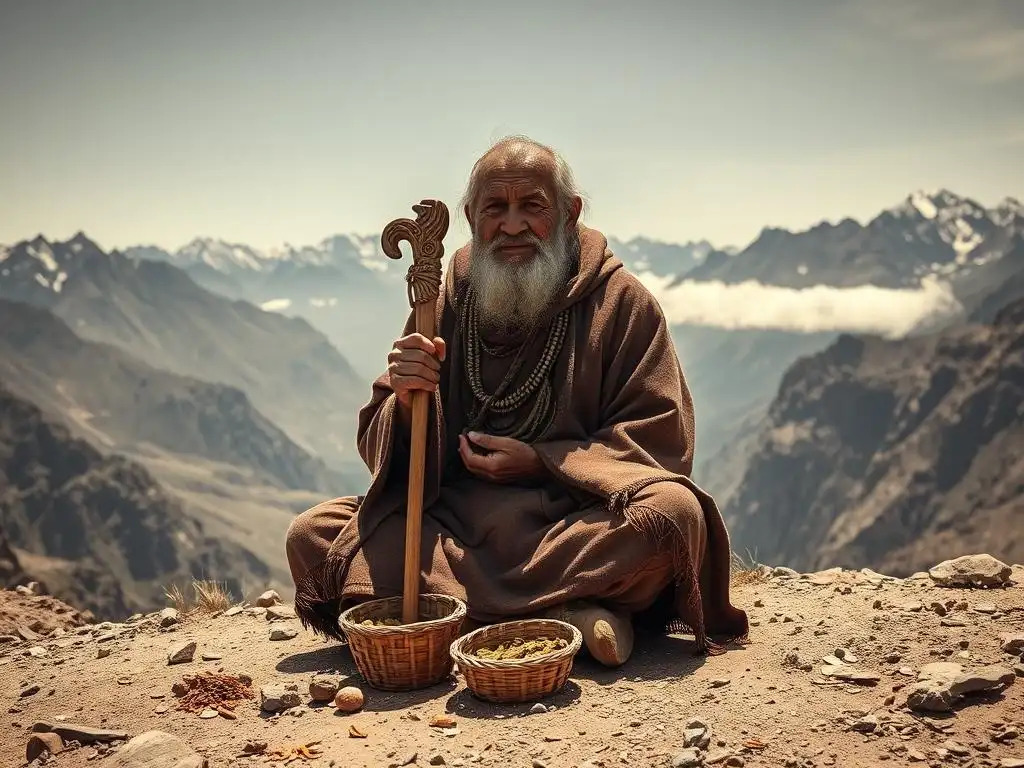
This section delves into the fascinating world of Andean shamanistic knowledge practices, exploring the intricate techniques employed by shamans for healing and spiritual well-being. Their methods weren't solely focused on physical ailments; rather, they addressed the interconnectedness of the physical, spiritual, and energetic realms, reflecting a holistic approach to health and wellness deeply rooted in Andean cosmovision. Understanding these practices provides invaluable insight into the sophisticated understanding of the human condition held by Andean cultures.
Spiritual Cleansing and Energetic Balancing
Andean shamanistic knowledge practices often began with limpieza, or spiritual cleansing. This wasn't simply a ritualistic act; it was a fundamental process to restore balance and harmony within the individual and their environment. Shamans believed that negative energies, or mal aire, could accumulate, disrupting the flow of vital energy, pacha, and leading to illness. The cleansing process involved various techniques, including:
- Sweeping with herbs: Specific bundles of herbs, like coca leaves, muña, and other plants with purifying properties, were used to symbolically sweep away negative energies from the body and the home. This was accompanied by prayers and incantations, invoking protective deities.
- Smoke cleansing: The burning of sacred plants, such as palo santo or copal, created a purifying smoke used to cleanse spaces and individuals. The smoke was believed to carry away negative energies and invite positive forces.
- Water purification rituals: Water, a sacred element in Andean cultures, played a crucial role in cleansing rituals. Shamans might use specially prepared water infusions or conduct ceremonial baths to purify the body and spirit.
These practices weren't merely symbolic; they were believed to have a direct impact on the individual's energetic field, restoring balance and preparing the body for healing. The effectiveness was attributed not only to the physical properties of the herbs but also to the shaman's intention and connection to the spiritual world. The process aimed to create a space conducive to healing and facilitate a stronger connection with the pachamama (Mother Earth) and the cosmos.
Diagnosing Illness Through Reading Energies
A crucial aspect of Andean shamanistic knowledge practices involved diagnosing the root cause of illness. Unlike Western medicine's focus on physical symptoms, Andean shamans believed that illness often stemmed from an imbalance in the individual's energetic field or a disruption in their relationship with the spiritual world. Diagnosis was a complex process involving several techniques:
- Reading the energy field: Shamans believed they could perceive the patient's energetic field, sensing blockages or imbalances. This often involved a combination of intuitive perception and physical observation. They might observe the patient's demeanor, skin tone, and breathing patterns to assess their overall energetic state.
- Interpreting dreams and visions: Dreams and visions were considered important sources of information about the underlying causes of illness. Shamans would guide patients in interpreting their dreams, searching for clues to the spiritual or energetic imbalances at play.
- Using divination tools: Certain objects, such as coca leaves, or specific rituals, could be used to gain insight into the nature of the illness. The interpretation of these tools provided further clues about the patient's condition.
The diagnostic process was deeply personalized, taking into account the individual's unique circumstances, relationships, and experiences. The shaman aimed to identify not just the symptoms but the underlying spiritual or energetic causes that contributed to the illness. This holistic approach was essential to developing an effective healing plan. Detailed records of these diagnostic techniques, unfortunately, remain scarce, highlighting the need for further research into these fascinating Andean shamanistic knowledge practices.
The Power of Song, Prayer, and Intention in Healing
Andean shamanistic healing wasn't solely reliant on physical techniques; it was profoundly intertwined with the power of song, prayer, and intention. These elements were considered essential for restoring balance and facilitating healing on multiple levels:
- Healing songs (ikarus): These powerful songs, often accompanied by musical instruments like the antara (panpipes), were believed to possess therapeutic properties. The songs invoked spiritual energies, deities, and ancestral spirits to assist in the healing process. The melodies and lyrics themselves were believed to have the capacity to shift energies and restore balance.
- Prayers and incantations: Shamans used prayers and incantations to communicate with the spiritual realm, invoking divine assistance and protection for the patient. These verbal invocations were carefully crafted, utilizing specific words and phrases believed to possess potent spiritual power.
- The power of intention: The shaman's intention played a critical role in the healing process. Their focused attention, combined with their spiritual connection, was believed to channel healing energies to the patient. This conscious intentionality amplified the effectiveness of other healing methods.
The combination of song, prayer, and intention created a powerful synergy, enhancing the overall effectiveness of the healing process. These practices demonstrate the profound belief in the interconnectedness of the physical, spiritual, and energetic realms, highlighting the deeply holistic nature of Andean shamanistic knowledge practices and their enduring legacy. Further study is needed to fully understand the nuanced techniques and their long-term impact on individual and community well-being.
The Legacy of Andean Shamanic Knowledge
The legacy of Andean shamanistic knowledge practices is a complex tapestry woven from millennia of observation, ritual, and a profound connection to the natural world. This knowledge system, far from being a static body of beliefs, evolved and adapted across diverse Andean cultures, reflecting the unique environments and societal structures of each group. From the intricate cosmology of the Nazca to the sophisticated astronomical observations of the Inca, the core principle remained consistent: a deep understanding of the interconnectedness of all things – the human, the animal, the plant, and the celestial.
This holistic worldview permeated every aspect of life, shaping not only religious practices but also agricultural techniques, healing methods, and social organization. Understanding this legacy requires appreciating its dynamism and the ongoing efforts to preserve it.
The Adaptation of Andean Practices in Modern Wellness
The resurgence of interest in Andean spirituality has led to the adaptation of certain practices within the modern wellness industry. While some view this appropriation with concern, others see it as a potential avenue for promoting cross-cultural understanding and appreciation for indigenous knowledge. However, careful consideration must be given to the ethical implications involved.
The commodification of ancient rituals and practices risks stripping them of their original meaning and context, potentially causing harm by misrepresenting or trivializing deeply held beliefs. For example, the use of certain Andean plants in modern wellness products, while potentially beneficial, needs to be approached responsibly, ensuring the sustainable sourcing of these resources and avoiding the exploitation of indigenous communities. The challenge lies in finding a balance between sharing the benefits of Andean wisdom and respecting its sacred nature.
A crucial aspect of this is ensuring that profits generated are fairly distributed to the communities that hold this knowledge, preventing cultural appropriation and promoting genuine respect. Careful consideration of intellectual property rights and fair compensation are paramount. Ultimately, the responsible integration of Andean practices into modern wellness hinges on collaboration with and consent from indigenous communities.
Safeguarding Traditional Knowledge Through Indigenous Communities
The preservation of Andean shamanistic knowledge practices is inextricably linked to the well-being of indigenous communities themselves. These communities act as the custodians of this invaluable heritage, passing down knowledge through generations via oral traditions, rituals, and apprenticeships. However, the pressures of globalization, including migration, assimilation, and the encroachment of external influences, threaten to erode this vital connection to the past.
Efforts to safeguard this knowledge must therefore focus on empowering indigenous communities, supporting their cultural revitalization initiatives, and recognizing their inherent rights to their traditional knowledge. This includes fostering opportunities for education, creating spaces for cultural exchange, and advocating for policies that protect indigenous intellectual property rights. The role of documentation is also crucial, but it must be undertaken in a respectful and collaborative manner, involving indigenous communities in every stage of the process.
This participatory approach ensures that the knowledge is represented accurately and empowers the communities to control the narrative surrounding their heritage. The ultimate goal is not simply to archive knowledge, but to actively support its continuation and flourishing within the communities that hold it dear.
The Impact of Globalization on Andean Shamanic Practices
Globalization presents a double-edged sword for Andean shamanistic knowledge practices. On one hand, increased global interconnectedness has led to a wider appreciation of Andean spirituality and a growing interest in its practices. However, this increased exposure also carries significant risks. The potential for cultural appropriation, commodification, and misrepresentation is high.
The influx of tourism, for example, can lead to the superficial commercialization of sacred sites and rituals, potentially undermining their spiritual significance. Moreover, the spread of misinformation and inaccurate interpretations can distort the understanding of these practices, leading to both cultural and spiritual harm. The challenge lies in navigating this complex landscape, promoting a respectful exchange of knowledge while protecting indigenous communities from exploitation. This requires a multifaceted approach, combining efforts to educate the public about the importance of cultural sensitivity with the development of sustainable tourism practices that benefit indigenous communities.
A key element is promoting ethical research and responsible engagement with indigenous knowledge, ensuring that the focus remains on learning from, rather than exploiting, these rich traditions. The long-term survival of Andean shamanistic knowledge practices depends on a delicate balance between sharing and safeguarding, between appreciation and protection. The future of this legacy rests on the shoulders of both indigenous communities and the wider global community.
Frequently Asked Questions
What role did shamanistic practices play in Andean civilizations?
Andean shamanistic practices were central to daily life, influencing everything from agriculture and healing to political leadership and warfare. Shamans acted as intermediaries between the human and spiritual worlds, wielding significant power and influence within their communities.
How did Andean shamans interact with the spirit world?
Shamans used various techniques to communicate with the spirit world, including hallucinogenic plants, rituals, and divination. These practices aimed to gain insight, heal illnesses, and maintain balance between the human and spiritual realms.
What were some common shamanistic rituals in Andean cultures?
Rituals varied across different Andean cultures but often involved offerings to deities, ceremonial dances, and the use of sacred objects. These rituals aimed to ensure successful harvests, appease powerful spirits, and maintain cosmic harmony.
What is the significance of hallucinogenic plants in Andean shamanistic practices?
Hallucinogenic plants like ayahuasca and San Pedro cactus were crucial tools for Andean shamans. They facilitated altered states of consciousness, allowing shamans to communicate with spirits and gain knowledge about the universe.
How did Andean shamanistic knowledge impact their technology and art?
Andean shamanistic beliefs deeply influenced their art and technology. Spiritual beliefs are reflected in their intricate textiles, pottery, and monumental architecture, while their agricultural innovations were often rooted in their understanding of nature and the cosmos.
Final Reflection: Echoes of the Andes, Whispers of the Cosmos
The enduring legacy of Andean shamanistic knowledge practices resonates deeply within our modern world, offering a potent antidote to the fragmentation and alienation of contemporary life. These ancient traditions, far from being relics of the past, provide a powerful framework for understanding our interconnectedness with nature and the cosmos, a perspective desperately needed in an era of ecological crisis and spiritual searching. The quest for meaning, so central to the shamanic journey, mirrors the universal human longing for connection and purpose.
The profound impact of Andean spirituality on the global landscape is undeniable, influencing everything from contemporary art and music to ecological activism and holistic healing practices. Its emphasis on reciprocity, respect for the natural world, and the interconnectedness of all living things offers a compelling alternative to dominant Western paradigms. As the renowned anthropologist, Carlos Castaneda, once wrote: The world is not what it seems. It is only a reflection of your own consciousness.
This sentiment perfectly encapsulates the shamanic journey's core principle: that true knowledge comes not from external sources, but from a deep understanding of one's own inner world and its relationship to the universe.
Consider the wisdom embedded within these ancient practices. You, too, can embark on a journey of self-discovery, seeking a deeper connection with the natural world and your own inner landscape. Reflect on the ways in which you interact with the environment, and consider how you might cultivate a more reciprocal relationship with the earth and its resources. Embrace the power of introspection, allowing yourself to listen to the whispers of your own intuition and the wisdom of the cosmos. The path to understanding, like the shaman's quest, is a lifelong journey, but one filled with profound rewards.
Embark on Your Shamanic Journey Today!
Thank you for exploring the mystical world of Andean spirituality with us! Your interest opens doors to profound understandings of the universe and our place within it. Now, let's put that knowledge into practice as you delve deeper into the wisdom of shamanic traditions.
- Begin your journey by connecting with a knowledgeable teacher or experienced practitioner of Andean spiritual traditions. This will provide a solid foundation in traditional rituals and practices.
- Expand your understanding by exploring reputable books and documentaries on Andean shamanism and spirituality. This will enrich your knowledge and provide diverse perspectives.
- Share your discoveries with others, sparking their curiosity and inviting them to explore this enlightening path alongside you.
What unique insights will you gain as you explore the universe through the lens of Andean spirituality?