
The Role of Pilgrimages: Seeking Blessings and Spiritual Renewal

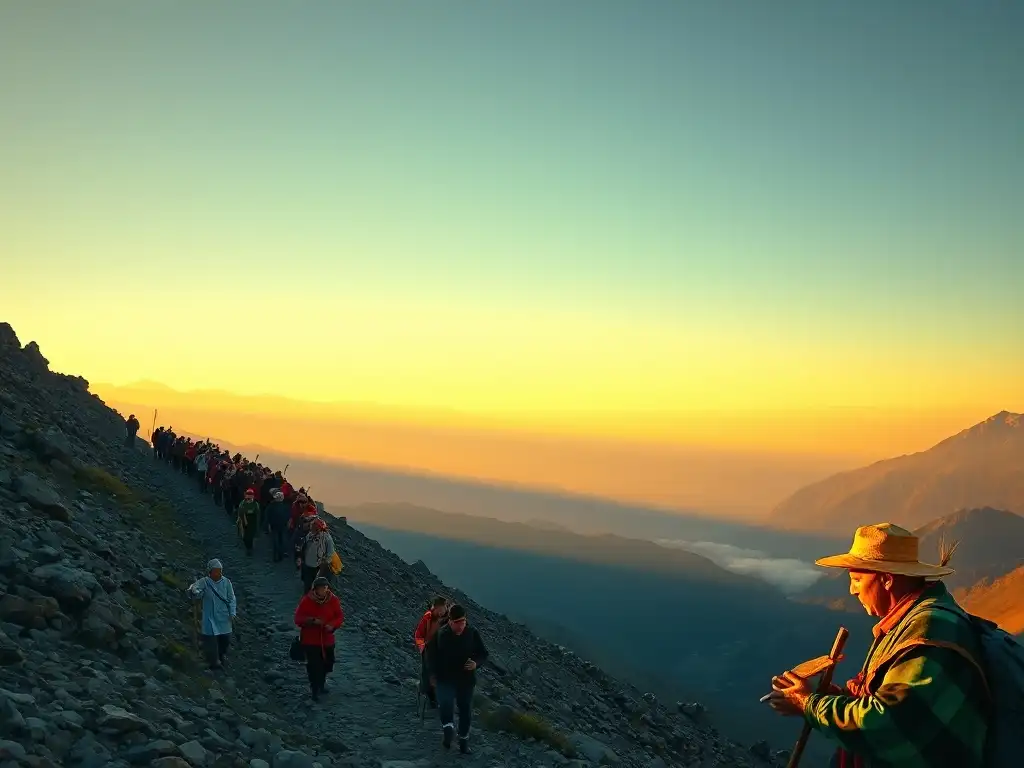
Step into a world lost to time, yet echoing with the whispers of ancient spirits. Journey with us into the heart of the Andes, where towering mountains and breathtaking landscapes were the backdrop for vibrant civilizations. Uncover the secrets of Andean pilgrimage rituals, a profound expression of faith and connection to the cosmos that shaped the lives and beliefs of the Incas, Moche, Nazca, and Tiahuanaco. Prepare to be captivated by a history of spiritual devotion and breathtaking artistry; are you ready to embark on this transformative exploration?
- The Role of Pilgrimages: Seeking Blessings and Spiritual Renewal in the Andes
- Understanding Andean Pilgrimage Traditions
- Key Elements of Andean Pilgrimage Practices
- Specific Examples of Andean Pilgrimage Sites
- The Spiritual and Cultural Impact of Andean Pilgrimages
- Contemporary Relevance of Andean Pilgrimages
-
Frequently Asked Questions
- What were the main purposes of Andean pilgrimage rituals?
- Which Andean civilizations practiced pilgrimage rituals?
- What were some common destinations for Andean pilgrims?
- What types of offerings were made during Andean pilgrimages?
- How did Andean pilgrimage rituals impact the development of Andean societies?
- Final Reflection: Echoes of the Andes, Whispers of the Soul
- Embrace Your Journey: Start Your Pilgrimage Today!
The Role of Pilgrimages: Seeking Blessings and Spiritual Renewal in the Andes
The Andes Mountains, a spine of towering peaks stretching along the western coast of South America, were not merely a geographical feature to the ancient Andean civilizations. They were a living, breathing entity, imbued with spiritual significance. For millennia, the Incas, Moche, Nazca, and other Andean cultures developed intricate religious systems deeply intertwined with the landscape.
Central to their spiritual practices were pilgrimages, arduous journeys undertaken to sacred sites to seek blessings, commune with deities, and achieve spiritual renewal. This article delves into the profound role of these pilgrimages, exploring their significance within the broader context of Andean religion and cosmovision, focusing particularly on the rituals and beliefs associated with these transformative journeys.
We will examine how these pilgrimages shaped social structures, fostered community bonds, and provided a powerful framework for understanding the Andean worldview. The study of Andean pilgrimage rituals provides invaluable insights into the complex interplay between religion, society, and the environment in these ancient cultures.
Sacred Mountains and Apus: The Destinations of Andean Pilgrimages
Andean pilgrimages often involved journeys to high-altitude sacred mountains, known as apus. These majestic peaks were considered powerful deities, imbued with life-giving forces and capable of influencing the well-being of communities. The apus were not merely geographical features; they were considered sentient beings, actively involved in the lives of the people.
Pilgrims undertook strenuous climbs, often enduring harsh weather conditions, to reach the summits or sacred caves within the mountains. The journey itself was considered a form of spiritual purification, a test of faith and devotion. Upon reaching the sacred site, pilgrims performed various rituals, including offerings of coca leaves, food, and other precious objects, to appease the apus and seek their blessings for prosperity, good health, and successful harvests.
Specific rituals varied across different Andean cultures, reflecting the unique beliefs and practices of each group. For example, the Inca pilgrimage to the sacred mountain of Ausangate involved elaborate ceremonies and processions, highlighting the importance of this specific apu within their cosmology.
Rituals and Offerings: Communicating with the Supernatural
The rituals performed during Andean pilgrimages were multifaceted and deeply symbolic. They involved a complex interplay of offerings, prayers, and symbolic actions designed to communicate with the supernatural world. Pilgrims often brought offerings of coca leaves, a sacred plant with significant religious and medicinal properties.
These leaves were chewed as a sign of respect and were also offered to the apus as a gesture of appeasement. Other common offerings included food, textiles, and precious metals, reflecting the importance of these items within Andean society. The act of offering was not simply a material exchange; it was a symbolic act of reciprocity, aiming to establish a harmonious relationship between the human and spiritual worlds.
The specific types and quantities of offerings varied depending on the purpose of the pilgrimage and the specific deity being addressed. Furthermore, the preparation and presentation of these offerings were often highly formalized, reflecting the meticulous attention to detail characteristic of Andean religious practices.
Andean pilgrimages were not merely individual spiritual quests; they also played a crucial role in shaping social and political structures. These journeys often involved large groups of people, fostering a sense of community and shared identity. Pilgrimages provided opportunities for social interaction, exchange of goods, and the reinforcement of social hierarchies.
In the Inca Empire, for example, imperial pilgrimages served to reinforce the authority of the Sapa Inca and to consolidate political power. These state-sponsored pilgrimages involved elaborate processions and ceremonies, showcasing the emperor's divine status and the power of the Inca state. Furthermore, the construction and maintenance of pilgrimage routes and sacred sites contributed to the economic development of certain regions, demonstrating the interconnectedness of religious and secular life in the Andes.
Evidence suggests that pilgrimages also facilitated the exchange of ideas and cultural practices between different Andean communities, contributing to the broader cultural dynamism of the region. The organization and participation in these large-scale events strengthened social bonds and reinforced a shared sense of purpose and belonging.
The Enduring Legacy of Andean Pilgrimage Traditions
While the Inca Empire and many other Andean civilizations have long since disappeared, the legacy of their pilgrimage traditions continues to resonate today. Many of the sacred sites visited by ancient pilgrims remain important places of worship for contemporary Andean communities.
While the specific rituals and beliefs may have evolved over time, the fundamental principles of seeking spiritual renewal and communicating with the supernatural world through pilgrimage persist. The enduring importance of these traditions highlights the deep-rooted connection between Andean peoples and their sacred landscape, a connection that has shaped their cultural identity for millennia.
Understanding the role of pilgrimages in ancient Andean cultures provides valuable insights into the complex and enduring relationship between humanity and the spiritual world, a relationship that continues to shape the lives of Andean communities today. The study of these rituals offers a unique lens through which to examine the resilience of cultural traditions and the power of faith in the face of historical change.
Understanding Andean Pilgrimage Traditions
The Significance of Sacred Sites in Andean Culture
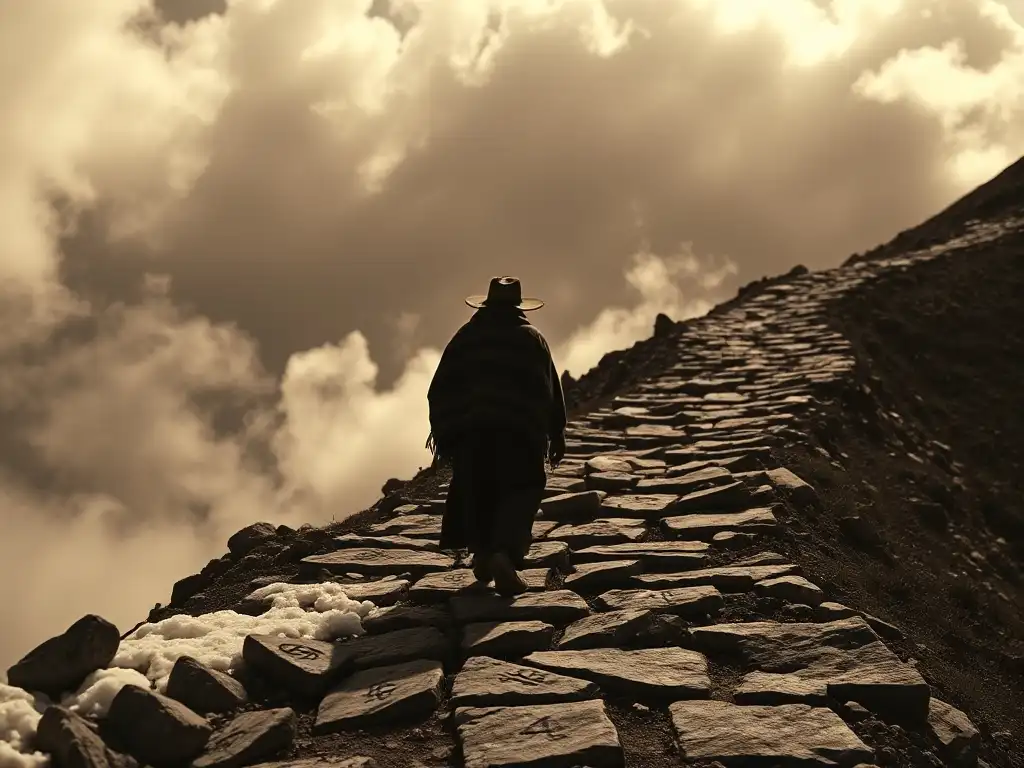
Andean pilgrimage rituals are deeply intertwined with the profound reverence for sacred sites. These weren't merely geographical locations; they were considered huacas, imbued with spiritual power and often associated with specific deities or ancestors. Mountains, caves, springs, and even certain rocks held immense significance. Their inherent power was believed to influence the well-being of communities, impacting agricultural cycles, health, and overall prosperity.
The selection of a specific huaca for pilgrimage often depended on the individual's or community's needs and the deity associated with that location. For example, a farmer facing a drought might journey to a huaca associated with water deities, seeking their intercession. The journey itself was considered a form of purification and spiritual preparation, a gradual immersion in the sacred aura of the destination. The intensity of the experience and the perceived power of these sites are evidenced by the enduring legacy of these locations in Andean culture, many still visited and venerated today.
The enduring significance of these huacas highlights the deep-rooted connection between Andean spirituality and the landscape. Many huacas remain active sites of pilgrimage, demonstrating the continued vitality of these traditions. Detailed anthropological studies are still needed to fully capture the nuances of each huaca's significance within different Andean communities.
Defining Andean Pilgrimage Rituals: A Journey of Faith
Andean pilgrimage rituals are not merely physical journeys; they are complex, multi-layered experiences encompassing physical, emotional, and spiritual dimensions. These rituals often involved arduous treks across challenging terrains, reflecting the commitment and devotion of the pilgrims. The journey itself was considered a form of sacrifice, a way to demonstrate one's piety and earn the favor of the deities. The rituals frequently included offerings – pagos – of coca leaves, food, drink, and other precious items, left at the huaca to appease and honor the spiritual entities.
These offerings weren't simply gifts; they were considered a form of reciprocal exchange, a way to maintain a harmonious relationship between the human and spiritual worlds. The rituals also often incorporated specific prayers, chants, and ceremonies, led by religious specialists or community elders. These ceremonies frequently involved music, dance, and symbolic acts, all designed to connect the pilgrims with the spiritual realm and to seek blessings, healing, or guidance.
The specificity of these rituals varied greatly depending on the region, the huaca, and the purpose of the pilgrimage, demonstrating a rich tapestry of Andean spiritual practices. Further research into specific community practices is required to fully document the diversity of Andean pilgrimage rituals. Understanding the nuances of these ceremonies is crucial to understanding the complexity of Andean spirituality.
Historical Context of Andean Pilgrimages: From Ancient Times to Today
Evidence suggests that Andean pilgrimage traditions have deep historical roots, stretching back to pre-Inca civilizations. Archaeological findings reveal the existence of sophisticated road networks and ceremonial sites that indicate widespread pilgrimage activity centuries before the Inca Empire. The Inca Empire, known for its extensive administrative and infrastructure capabilities, further formalized and expanded these pilgrimage routes, incorporating them into their imperial system. The Inca Capac Inpa, the emperor, himself would undertake pilgrimages to important huacas, reinforcing the centrality of these rituals within Inca society.
The Spanish conquest significantly impacted Andean religious practices, attempting to suppress indigenous beliefs and replace them with Catholicism. However, many Andean pilgrimage traditions persisted, often syncretically blending indigenous beliefs with aspects of Catholicism. This syncretism is evident in contemporary Andean pilgrimages, where indigenous rituals are often intertwined with Catholic practices. For example, a pilgrimage to a mountain huaca might involve both traditional Andean offerings and Catholic prayers.
The continuity of Andean pilgrimage traditions, despite centuries of colonial influence, underscores their enduring significance within Andean culture. Contemporary studies on the evolution of Andean pilgrimage rituals are needed to better understand the impact of colonization and subsequent socio-political changes. The sustained practice of these rituals across centuries testifies to their enduring spiritual and cultural importance.
Key Elements of Andean Pilgrimage Practices
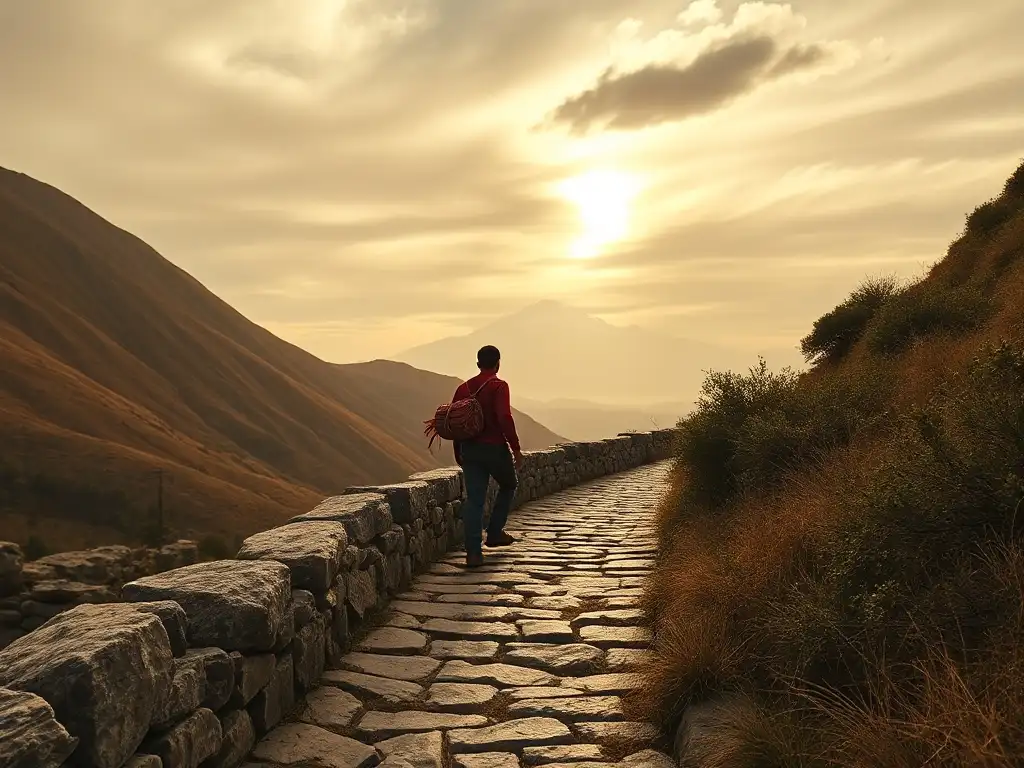
Andean pilgrimage rituals represent a complex interplay of spiritual beliefs, social practices, and environmental interactions. These journeys weren't simply physical treks; they were profound spiritual experiences aimed at connecting with the divine and ensuring well-being. Understanding the core elements of these practices provides insight into the deeply held beliefs of Andean societies and their relationship with the natural world.
The significance of Andean pilgrimage rituals extended beyond personal devotion, often playing a crucial role in community cohesion and the maintenance of cosmic balance. The frequency and scale of these pilgrimages varied across different Andean cultures and historical periods, reflecting the dynamic nature of their religious beliefs and social structures.
The Purpose of Andean Pilgrimages: Seeking Divine Favor
The primary purpose of Andean pilgrimages was to seek divine favor and blessings from the apus (mountain spirits), other deities, and ancestral spirits. These journeys were undertaken to request protection, good harvests, successful hunts, healing from illness, or simply to express gratitude for blessings received. Pilgrims often carried offerings, such as coca leaves, chicha (fermented corn beer), and other valuable items, to appease the deities and secure their benevolence.
The arduous nature of many pilgrimage routes—often involving treacherous mountain passes and challenging terrains—underscored the pilgrims' devotion and sincerity. The effort itself was considered a form of offering, demonstrating their commitment to the spiritual quest. Success in the pilgrimage was often seen as a sign of divine approval, reinforcing the pilgrim's faith and strengthening their connection to the spiritual realm.
Failure, on the other hand, might prompt reflection on personal conduct and a renewed commitment to spiritual practices. The psychological and emotional impact of these journeys was profound, providing a sense of renewal and spiritual rejuvenation.
The Role of the Apu in Mountain Pilgrimages
The apus, powerful mountain spirits, occupied a central position in Andean cosmology and pilgrimage practices. Mountain peaks were considered sacred spaces, the dwelling places of these deities, and pilgrimages often involved arduous ascents to reach these heights. The journey itself was symbolic, mirroring the spiritual ascent towards a higher plane of existence. Pilgrims sought the apu's blessings for various aspects of life, from fertility and prosperity to protection from natural disasters.
Specific rituals and offerings were tailored to each apu, reflecting their unique characteristics and domains of influence. For example, an apu associated with rain might receive offerings related to water, while an apu associated with fertility might receive offerings related to agricultural products. The relationship between the pilgrims and the apu was often conceived as reciprocal: the apu provided protection and blessings in exchange for respect, offerings, and adherence to traditional practices.
This reciprocal relationship highlights the dynamic and interactive nature of Andean spirituality. Evidence suggests that certain apus were more significant than others, attracting larger pilgrimages and more elaborate rituals. This variation reflects the complex hierarchy within the Andean pantheon and the diverse spiritual beliefs of different communities.
Rituals and Offerings During Andean Pilgrimages: Connecting with the Spirits
Andean pilgrimage rituals involved a wide array of practices designed to connect with the spirits and ensure a successful journey. These rituals often included specific prayers, chants, and offerings presented at sacred sites along the pilgrimage route and at the summit of the mountain. The offerings, as previously mentioned, varied depending on the apu or deity being honored and the purpose of the pilgrimage. Coca leaves, a sacred plant in Andean culture, were frequently chewed and offered as a sign of respect and reverence.
Chicha, a fermented corn beverage, was also a common offering, symbolizing community and shared participation in the ritual. Other offerings might include textiles, agricultural products, or precious metals, reflecting the economic and social status of the pilgrim or community. The performance of these rituals was often accompanied by music, dance, and other forms of expressive art, creating a vibrant and immersive spiritual experience. The careful execution of these rituals was considered essential for ensuring the efficacy of the pilgrimage and maintaining a harmonious relationship with the spiritual world.
The precise details of these rituals varied considerably across different Andean cultures and time periods, highlighting the rich diversity of Andean religious practices. Further research is needed to fully understand the nuances of these rituals and their regional variations. Detailed ethnographic studies and archaeological excavations continue to shed light on the complexity and significance of Andean pilgrimage rituals.
The Importance of Community in Andean Pilgrimage Practices
Andean pilgrimage rituals were, and in many cases still are, deeply interwoven with the fabric of community life. These weren't solitary journeys undertaken for individual spiritual gain; instead, they were collective endeavors that strengthened social bonds and reinforced shared beliefs. Participation in a pilgrimage acted as a powerful form of social cohesion, uniting individuals from different villages, social strata, and even rival groups under a common purpose. The shared hardship of the journey – often involving arduous treks across challenging terrain – fostered a sense of camaraderie and mutual support.
Individuals relied on each other for assistance, sharing food, water, and emotional strength. This collaborative spirit extended beyond the physical journey itself. The preparation for the pilgrimage, the rituals performed along the way, and the celebrations upon arrival all involved collective participation, reinforcing a sense of belonging and shared identity.
The collective aspect of Andean pilgrimages also played a crucial role in maintaining social order and resolving conflicts. Pilgrimages often provided a neutral space where individuals from different communities could interact, fostering dialogue and potentially resolving long-standing disputes. The shared religious experience served as a unifying force, transcending everyday rivalries and promoting harmony within the broader Andean society.
This is evidenced by the numerous accounts of pilgrimages bringing together communities previously separated by political or territorial conflicts. The shared experience of seeking divine favor and participating in communal rituals fostered a sense of collective responsibility and solidarity, which, in turn, contributed to the stability and cohesion of the Andean societies. The community's collective prayer and offerings to the deities were believed to have a greater impact than individual supplications.
This collective action further strengthened the bonds of the community. The shared experience of both the physical journey and the spiritual experience solidified community bonds and cemented social order.
The communal aspect of Andean pilgrimage practices wasn't merely a social by-product; it was an integral part of the ritual's efficacy. The power of collective prayer and offering was believed to be significantly amplified, increasing the likelihood of receiving divine favor and blessings. This belief fostered a strong sense of communal responsibility, ensuring the active participation of all members of the community in the pilgrimage and related rituals.
The collective nature of these Andean pilgrimage rituals ensured the continuity and transmission of religious beliefs and practices across generations, strengthening the cultural identity and heritage of the Andean communities. The collective experience served as a vital mechanism for social cohesion, conflict resolution, and cultural transmission, solidifying its importance within the broader context of Andean society.
Specific Examples of Andean Pilgrimage Sites
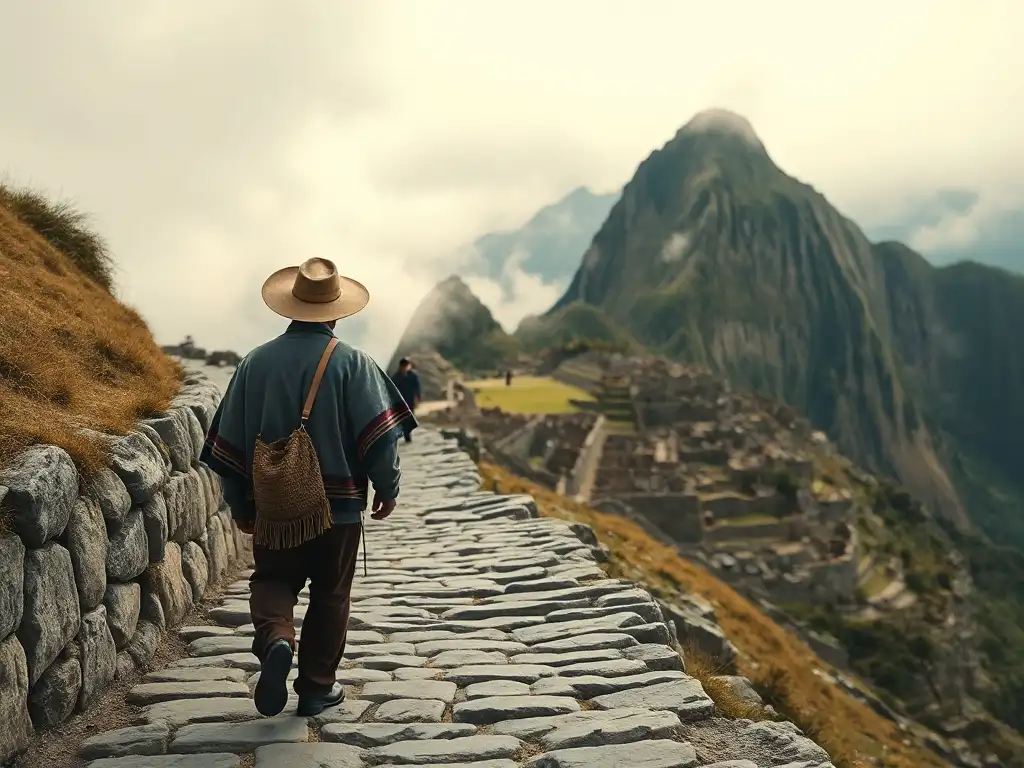
This section delves into specific examples of Andean pilgrimage sites, highlighting the unique rituals and beliefs associated with each location. These pilgrimages weren't simply journeys; they were deeply spiritual experiences, reflecting the complex relationship between the Andean peoples and their sacred landscape. Understanding these individual pilgrimages provides a richer understanding of the broader concept of Andean pilgrimage rituals. The significance of these sites persists even today, demonstrating the enduring power of Andean spiritual traditions.
The Pilgrimage to Ausangate
Ausangate, a majestic 6,384-meter (20,945-foot) mountain in the Vilcanota mountain range in Peru, is considered an apukuna, a sacred mountain, and a central figure in Andean cosmology. The annual pilgrimage to Ausangate, typically occurring during the dry season (May-September), involves a multi-day trek involving offerings, prayers, and rituals aimed at appeasing the mountain spirit and seeking blessings for the community. Participants often carry coca leaves, alcohol, and other offerings to leave at designated sacred sites along the route.
The pilgrimage is not just a physical journey; it's a spiritual cleansing. The arduous trek itself is seen as a form of purification, with the physical challenges mirroring the spiritual challenges of life. Participants often undertake the pilgrimage to express gratitude, request good fortune, or seek healing. The specific rituals vary between communities, with some families having their own ancestral traditions passed down through generations.
Detailed anthropological studies reveal the complex interplay of ancient beliefs and contemporary practices, showcasing the resilience of Andean pilgrimage rituals. The vibrant colors of the textiles worn by pilgrims, the rhythmic chanting of prayers, and the shared sense of community all contribute to the profoundly spiritual atmosphere of the event. The sheer scale and commitment required highlight the deep-rooted importance of Ausangate within the Andean worldview.
The offerings left at various points along the trail – often including coca leaves, llama fetuses, and other items of significance – are not merely discarded but are considered a form of communication with the mountain spirit. These offerings symbolize respect, gratitude, and a plea for continued protection and prosperity. The successful completion of the pilgrimage is often celebrated with communal feasts and shared experiences, solidifying the bonds within the community.
The Journey to Lake Titicaca
Lake Titicaca, the highest navigable lake in the world, located on the border of Peru and Bolivia, holds immense spiritual significance for Andean cultures. For centuries, it has been a destination for pilgrimage, with various rituals and ceremonies performed at its shores and on its islands. The lake is believed to be the birthplace of the Inca civilization, adding to its sacred importance. Pilgrimages to Lake Titicaca often involve visits to the Uros floating islands, built from totora reeds, and the Isla del Sol (Island of the Sun), believed to be the birthplace of the Inca sun god, Inti.
The rituals performed at Lake Titicaca are incredibly diverse, reflecting the different indigenous groups that inhabit the region. Some pilgrimages involve offerings to the lake's spirit, while others focus on seeking blessings for fertility, health, or prosperity. The use of coca leaves, as well as traditional Andean instruments like panpipes and drums, is common during these ceremonies.
These rituals are often accompanied by prayers and songs, passed down through generations, creating a powerful and moving experience for participants. The interplay of water, mountains, and sky creates a breathtaking and awe-inspiring backdrop for these deeply spiritual practices, enhancing the significance of the Andean pilgrimage rituals.
The unique ecology of Lake Titicaca, with its distinct flora and fauna, further contributes to its sacred status. The lake's depth and vastness inspire a sense of reverence and wonder, amplifying the spiritual significance of the pilgrimage. Many visitors report a profound sense of peace and tranquility after visiting the lake, highlighting the transformative power of these sacred journeys. The preservation of these traditions underscores the ongoing relevance of Andean spiritual beliefs in the contemporary world.
Exploring Machu Picchu as a Pilgrimage Destination
While Machu Picchu is now a globally renowned tourist destination, it retains its significance as a pilgrimage site for many Andean communities. Though the Inca city’s precise function is still debated by scholars, its elevated location, stunning architecture, and connection to the surrounding landscape suggest a profound spiritual dimension. The pilgrimage to Machu Picchu often involves a journey through the Sacred Valley, visiting other significant Inca sites along the way, creating a holistic spiritual experience.
For many, reaching Machu Picchu represents a culmination of a longer pilgrimage, a journey that involves not only physical exertion but also spiritual preparation. The stunning views, the impressive architecture, and the palpable sense of history combine to create a powerful and moving experience. While the modern infrastructure caters to tourists, the spiritual essence of the site remains, attracting pilgrims who seek a connection to their ancestors and their rich cultural heritage. The Inca's mastery of engineering and their profound understanding of the cosmos are evident in Machu Picchu's design, further enhancing its spiritual significance.
The pilgrimage to Machu Picchu, therefore, is not simply a visit to a historical site, but a deeply spiritual journey that connects individuals to their past, their culture, and their beliefs. The journey itself, the physical challenge of reaching the site, and the awe-inspiring scenery contribute to the overall spiritual experience.
The echoes of ancient Inca rituals and the enduring power of their legacy are palpable at Machu Picchu, making it a significant site for Andean pilgrimage rituals even today. The enduring spiritual significance of Machu Picchu serves as a powerful testament to the enduring power of Andean traditions and beliefs.
The Spiritual and Cultural Impact of Andean Pilgrimages
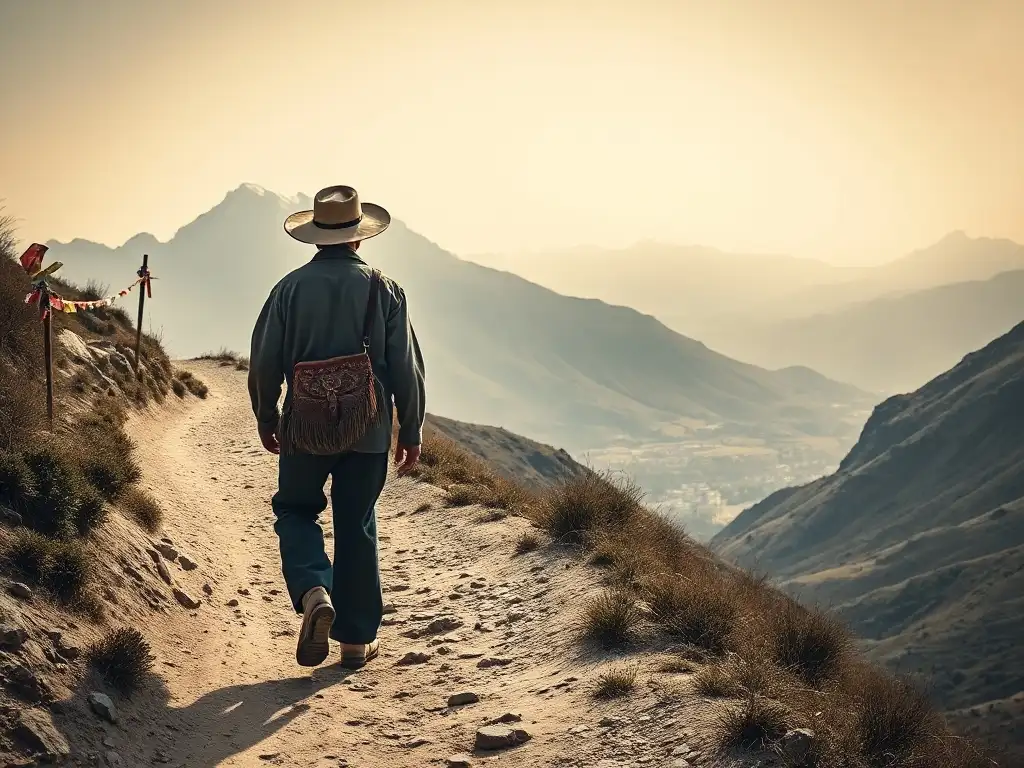
Andean pilgrimage rituals played a pivotal role in the lives of ancient Andean communities, extending far beyond simple religious observance. These arduous journeys, often undertaken to sacred sites high in the Andes mountains, served as powerful catalysts for spiritual growth, community cohesion, and the reinforcement of cultural identity. The sheer physical and mental demands of these pilgrimages fostered a deep connection between the individual and the divine, leaving an indelible mark on both the spiritual and social fabric of Andean society.
Understanding the impact of these pilgrimages requires examining their multifaceted influence on the individuals and communities involved. The enduring legacy of these rituals continues to resonate today, influencing contemporary Andean spiritual practices and cultural expressions.
The Transformative Power of Andean Pilgrimages: Spiritual Growth
The transformative power of Andean pilgrimages stemmed from the intense physical and spiritual challenges inherent in the journeys themselves. Participants often faced extreme altitudes, harsh weather conditions, and demanding terrains, pushing their physical and mental limits. This arduous process was seen as a form of purification and spiritual cleansing, preparing the pilgrim for a closer communion with the divine.
The act of enduring hardship was believed to strengthen the connection between the individual and the apus (mountain spirits), increasing their spiritual potency and fostering personal growth. Many accounts describe pilgrims experiencing profound spiritual revelations and heightened states of awareness during their journeys, leading to a deepened sense of purpose and connection with the cosmos. The pilgrimage wasn't simply a journey to a destination; it was a journey within the individual, a process of self-discovery and spiritual transformation.
Evidence suggests that specific rituals, prayers, and offerings performed at various stages of the pilgrimage further enhanced this transformative experience, solidifying the pilgrim's spiritual renewal. For example, the offerings of coca leaves and chicha (a fermented corn beverage) were believed to appease the apus and ensure safe passage.
Andean Pilgrimage and Community Cohesion
Andean pilgrimage rituals were not solely individual endeavors; they played a crucial role in fostering and maintaining community cohesion. Pilgrimages often involved groups of people traveling together, strengthening social bonds and creating a sense of shared purpose. The collective experience of hardship, prayer, and celebration forged strong relationships, reinforcing community solidarity and mutual support. The shared journey created a sense of belonging and collective identity, strengthening social ties that extended beyond the immediate family unit.
Furthermore, the pilgrimages provided opportunities for social interaction and exchange, facilitating the transmission of knowledge, traditions, and cultural values across different communities. The collaborative nature of the pilgrimage, from the preparation and planning stages to the completion of the journey, underscored the importance of communal effort and mutual reliance. This collective participation reinforced social structures and contributed significantly to the stability and resilience of Andean societies.
The Connection Between Andean Pilgrimage and Cultural Identity
Andean pilgrimage rituals were intrinsically linked to the cultural identity of the various Andean communities. The journeys to sacred sites often involved the performance of specific rituals and ceremonies unique to each community, reflecting their distinct traditions and beliefs. These rituals served as powerful expressions of cultural heritage, preserving and transmitting knowledge across generations.
The specific routes, offerings, and prayers performed during the pilgrimages were often passed down orally, maintaining a strong connection to the past and ensuring the continuity of cultural practices. The pilgrimage sites themselves held immense cultural significance, acting as repositories of ancestral memory and symbols of collective identity. The preservation and maintenance of these sites, often involving communal efforts, further reinforced the link between pilgrimage, cultural identity, and the continuity of Andean traditions.
The deeply ingrained connection between pilgrimage and cultural identity underscores the significance of these rituals in shaping and preserving the rich tapestry of Andean cultures. The enduring legacy of these pilgrimages is evident in the continued observance of similar practices in contemporary Andean communities, demonstrating their profound and lasting impact on Andean cultural identity.
Andean Pilgrimage Rituals: Preserving Ancient Traditions
Andean pilgrimage rituals are deeply rooted in the ancient cosmovision of the region, a complex worldview that intertwines the spiritual and physical realms. These rituals, often passed down through generations, are not simply tourist attractions; they represent a living connection to ancestral practices and beliefs. The meticulous performance of these rituals, from the preparation of offerings to the specific routes taken, reflects a profound respect for the sacred geography and the deities associated with particular sites.
For example, the pilgrimage to the mountain Ausangate in Peru, considered an apu (mountain spirit), involves specific offerings of coca leaves, alcohol, and other items, along with prayers and ceremonies conducted by local shamans or paqos. The precise timing of these pilgrimages, often tied to the agricultural cycle or significant astronomical events, further emphasizes the deep connection between the spiritual and the practical aspects of Andean life. The continuity of these traditions highlights the resilience of Andean culture and its ability to adapt while maintaining its core values.
Many communities actively work to preserve these ancient practices, ensuring their survival for future generations. The transmission of knowledge, often through oral traditions and experiential learning, is crucial in this ongoing preservation effort. Failure to preserve these rituals would represent a significant loss not only to the communities involved but also to our broader understanding of Andean spirituality and cultural heritage.
The meticulous nature of these rituals is striking. Consider the intricate preparations involved in the pilgrimage to the Inca Trail to Machu Picchu. While the modern tourist experience often simplifies this journey, traditional pilgrimages include elaborate preparations that can last for weeks, encompassing purification rituals, fasting, and the collection of specific offerings.
These preparations are not merely logistical; they represent a spiritual cleansing and a preparation for the sacred journey ahead. The journey itself is often viewed as a transformative experience, a process of spiritual renewal and connection with the divine. The physical challenges of the pilgrimage are viewed as tests of devotion and commitment, reinforcing the spiritual significance of the undertaking.
The stories and traditions associated with each pilgrimage site further enrich the experience, ensuring a strong sense of continuity with the past. These traditions, often passed down through storytelling and song, are not simply historical accounts; they are living narratives that maintain the spiritual power of the pilgrimage. The preservation of these narratives is thus essential for the continuation of the rituals themselves.
Contemporary Relevance of Andean Pilgrimages
The enduring power of Andean pilgrimage rituals extends far beyond historical accounts. These ancient practices continue to hold profound significance for contemporary Andean communities, demonstrating a remarkable resilience and adaptability across centuries. Understanding this contemporary relevance requires acknowledging the multifaceted ways in which these pilgrimages are integrated into the daily lives and spiritual well-being of individuals and communities.
The spiritual journeys undertaken aren't simply relics of the past; they are living traditions that shape present-day Andean identities and social structures. The persistence of these Andean pilgrimage rituals highlights the enduring strength of indigenous belief systems in the face of globalization and modernization. We can observe a dynamic interplay between ancient traditions and modern realities, creating a vibrant and evolving landscape of spiritual practice.
This section will examine the modern interpretations of these practices and the impact of tourism on pilgrimage sites, as well as the challenges faced in preserving these invaluable traditions for future generations. The keyword, "Andean pilgrimage rituals," is central to understanding this enduring legacy.
Modern Interpretations of Andean Pilgrimage Practices
Contemporary Andean pilgrimage practices often blend traditional rituals with modern expressions of faith. While core elements like offerings to deities, prayers for blessings (health, prosperity, fertility), and acts of devotion remain central, their manifestation adapts to the changing social and economic landscape. For example, the use of modern transportation, while altering the physical journey, hasn't diminished the spiritual significance.
Pilgrims might travel by bus to a mountain shrine, but the act of reaching the sacred space, the prayers offered, and the communal experience remain fundamentally unchanged. Furthermore, the incorporation of elements from Catholicism, a result of centuries of colonial influence, is also evident. Many pilgrimage sites see a fusion of indigenous and Catholic practices, with the veneration of both Andean deities and Catholic saints occurring concurrently.
This syncretism isn't a dilution of Andean beliefs but rather a testament to their adaptability and strength. The meaning and interpretation of the rituals are passed down through generations, often within families, ensuring the continuity of these practices. The stories, songs, and prayers associated with each pilgrimage route and destination are vital for preserving the cultural heritage and spiritual meaning embedded within these journeys.
The Impact of Tourism on Andean Pilgrimage Sites
The rise of adventure tourism and spiritual tourism has significantly impacted Andean pilgrimage sites. While tourism can generate revenue that contributes to the preservation of these sites and supports local communities, it also presents substantial challenges. The influx of visitors can lead to environmental degradation, disrupting the delicate ecosystems of sacred mountains and natural landscapes.
Increased foot traffic can damage ancient pathways, erode sacred sites, and generate pollution. Moreover, the commercialization of pilgrimage can lead to the commodification of sacred rituals and objects, potentially undermining their spiritual significance. A balance needs to be struck: providing opportunities for responsible tourism that respects the sanctity of these sites while safeguarding them from the negative impacts of unregulated visitor numbers.
Sustainable tourism practices, including limiting visitor numbers, promoting respectful behavior, and reinvesting tourism revenue in conservation efforts, are critical for the long-term preservation of these culturally and spiritually important locations. Careful management and planning are essential to ensure the continued reverence for Andean pilgrimage rituals.
Challenges and Preservation of Andean Pilgrimage Traditions
Preserving Andean pilgrimage traditions presents complex challenges. The transmission of knowledge and practices across generations is crucial, yet younger generations sometimes show less interest in participating in these rituals, leading to a potential decline in participation. Furthermore, external pressures, such as migration to urban centers, globalization, and the influence of dominant cultures, can threaten the continuity of these traditions. Efforts to preserve these rituals require a multifaceted approach.
This includes documenting and archiving oral histories, songs, and traditional practices associated with Andean pilgrimage rituals. Community-based initiatives, empowering local communities to manage and protect their heritage, are also essential. Educational programs that raise awareness about the cultural and spiritual significance of these pilgrimages among both local and international audiences are crucial.
Moreover, fostering a sense of pride and ownership within communities is key to ensuring the longevity of these invaluable traditions. Active engagement with younger generations is essential to ensure the continuity and vitality of Andean pilgrimage rituals for generations to come. The preservation of these practices is not only vital for the Andean communities themselves but also for the world's understanding of diverse spiritual and cultural heritage.
The Enduring Legacy of Andean Pilgrimage: A Call to Connection
Andean pilgrimage rituals, a vibrant tapestry woven from ancient threads of spirituality and community, continue to resonate deeply within contemporary Andean society. These pilgrimages aren't merely historical relics; they are living traditions, adapting and evolving while retaining their core essence. The enduring power of these journeys lies in their ability to foster a profound sense of connection—a connection to the land, to ancestors, and to a higher spiritual power.
This connection transcends geographical boundaries and socioeconomic differences, uniting individuals in a shared experience of faith and devotion. The act of undertaking a pilgrimage, often involving arduous physical challenges, becomes a powerful metaphor for the spiritual journey itself, a testament to the unwavering faith and resilience of the pilgrims. The shared hardships, the collective prayers, and the mutual support forge strong bonds among participants, creating a sense of community that extends far beyond the pilgrimage itself.
Many modern pilgrims describe a feeling of profound peace and spiritual renewal following their journey, highlighting the enduring relevance of these ancient practices in a rapidly changing world. The enduring legacy is not just a historical narrative; it’s a living testament to the human spirit’s persistent need for connection and meaning.
The contemporary significance of Andean pilgrimages is further amplified by their role in preserving cultural heritage. Each pilgrimage route, each ritualistic practice, carries within it a wealth of historical and cultural knowledge. The transmission of these traditions from one generation to the next ensures the continuation of a rich cultural legacy that is integral to Andean identity.
This preservation is not merely passive; it's an active process of engagement, revitalization, and adaptation. Pilgrimages serve as vital spaces for the transmission of oral histories, traditional songs, and ancestral knowledge, helping to maintain a strong connection to the past while simultaneously shaping the future.
This active participation in preserving cultural heritage contributes significantly to the ongoing vitality of Andean communities and their unique cultural identity, making the pilgrimage a powerful tool for cultural continuity. The preservation of these rituals also contributes to a greater understanding and appreciation of Andean history and culture on a global scale.
Moreover, the enduring legacy of Andean pilgrimage is also evident in its capacity to promote social cohesion and address contemporary challenges. In a world increasingly fragmented by globalization and modernization, these shared experiences of faith and community provide a powerful antidote to social isolation and alienation. The collective nature of pilgrimage fosters a sense of shared identity and purpose, strengthening social bonds and promoting mutual respect among participants from diverse backgrounds.
Many contemporary Andean communities utilize pilgrimages as a means of addressing pressing social issues, such as poverty, environmental degradation, and inequality. The collective action and shared commitment demonstrated during pilgrimages can inspire community-based initiatives aimed at tackling these challenges.
This demonstrates the adaptability of Andean pilgrimage, showcasing its ability to function not only as a spiritual practice but also as a powerful tool for social change and community empowerment. The pilgrimage, therefore, becomes a catalyst for positive social transformation within Andean societies.
Frequently Asked Questions
What were the main purposes of Andean pilgrimage rituals?
Andean pilgrimage rituals served multiple purposes, primarily focused on spiritual renewal and seeking divine blessings. People undertook these journeys to connect with powerful deities and ancestors, often to ensure good harvests or healing.
Which Andean civilizations practiced pilgrimage rituals?
Pilgrimage was a widespread practice across various Andean civilizations. Evidence suggests the Incas, Moche, Nazca, and Tiahuanaco all engaged in significant pilgrimage activities, each with their own unique traditions and destinations.
What were some common destinations for Andean pilgrims?
Sacred mountains, temples, and springs were frequently visited pilgrimage sites. These locations were often believed to be portals to the spirit world or dwelling places of powerful deities, offering a direct connection to the divine.
What types of offerings were made during Andean pilgrimages?
Pilgrims often presented offerings of food, drink, textiles, and precious objects to appease the deities and secure their favour. These offerings were seen as a way to show respect and gratitude, ensuring a successful pilgrimage and continued blessings.
How did Andean pilgrimage rituals impact the development of Andean societies?
Andean pilgrimage rituals played a vital role in social cohesion and the reinforcement of religious beliefs. These journeys fostered a sense of shared identity and strengthened the power of religious institutions within Andean societies.
Final Reflection: Echoes of the Andes, Whispers of the Soul
The enduring power of pilgrimage, particularly within the vibrant tapestry of Andean rituals, resonates deeply with our modern search for meaning and connection. In a world increasingly defined by technological advancement and rapid change, the ancient practice of seeking spiritual renewal through pilgrimage offers a powerful counterpoint, a reminder of our shared human need for transcendence and a deeper understanding of ourselves and the world around us. The physical journey becomes a metaphor for the inner transformation sought by pilgrims across millennia.
The impact of Andean pilgrimage rituals extends far beyond the immediate experience of the journey itself. These rituals, steeped in history and tradition, continue to shape the cultural and social landscape of the Andes, influencing everything from artistic expression to community cohesion. They represent a living legacy, a testament to the enduring strength of faith and the human spirit's innate desire for something beyond the material. The journey of a thousand miles begins with a single step,
a proverb often associated with Lao Tzu, perfectly encapsulates the essence of pilgrimage – the transformative power inherent in even the smallest act of faith and commitment.
Consider the echoes of these ancient journeys within your own life. What personal pilgrimages are you undertaking? What mountains, both literal and metaphorical, are you striving to climb? Embrace the opportunity for self-discovery and spiritual growth that lies within the act of seeking. Let the spirit of the Andean pilgrims inspire you to embark on your own journey of self-reflection and renewal, however large or small that journey may be. The path to understanding yourself and your place in the world is often paved with the very steps you take on your own personal pilgrimage.
Embrace Your Journey: Start Your Pilgrimage Today!
Thank you for exploring the transformative power of pilgrimages for spiritual renewal and seeking blessings. You've learned how these journeys enrich spiritual life and deepen our connection to shared heritage. Now, let's turn inspiration into action!
Here are some meaningful first steps:
- Plan your pilgrimage: Choose a destination that resonates with you—perhaps a local landmark or renowned sacred site. Start planning your journey today!
- Share your experiences: Connect with others on similar spiritual journeys through online forums or social media groups. Sharing stories inspires and strengthens community bonds.
- Incorporate new rituals: Research and integrate customs from different cultures into your personal journey. Exploring diverse traditions offers fresh perspectives on spiritual renewal.
What is your ideal pilgrimage, and how will it transform your life? Let's discuss!