
The Andean Ritual of Healing: Restoring Balance to the Body and Soul

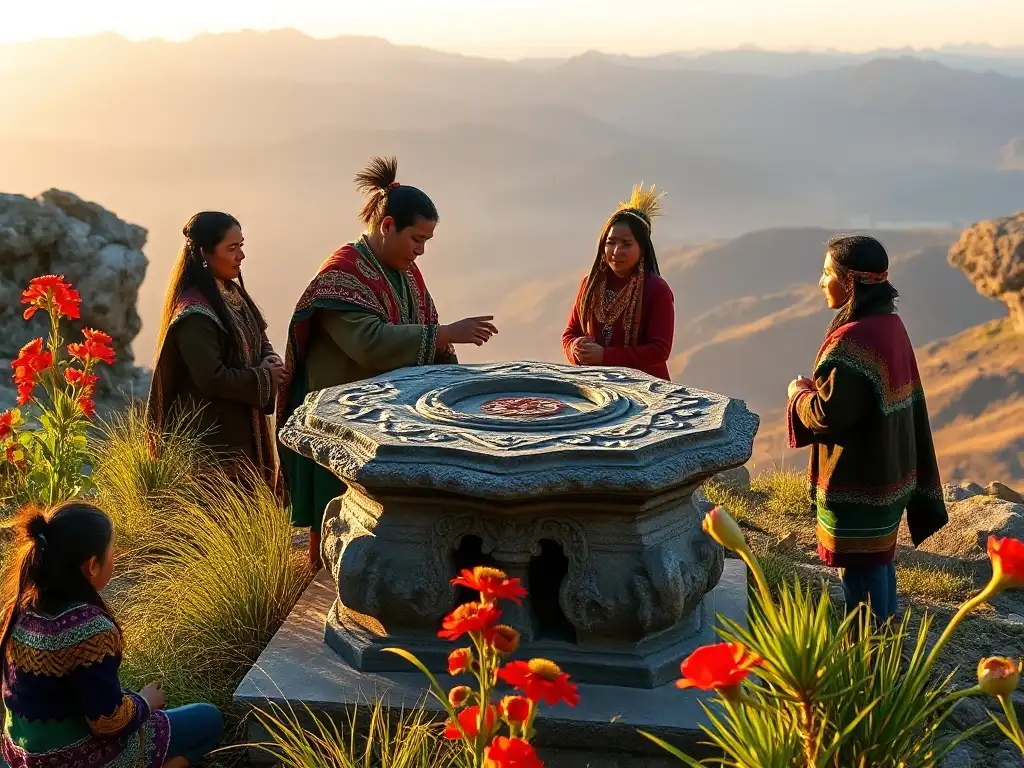
Step into a world lost in time, where the majestic Andes Mountains hold secrets of ancient wisdom. For centuries, the Andean civilizations developed intricate systems of belief, reflected in their remarkable Andean healing rituals. Discover the profound connection between the human body, the cosmos, and the earth in this exploration of a fascinating culture. Prepare to be amazed by the power and sophistication of these ancient practices—uncover the mysteries of Andean spirituality and unlock the keys to a harmonious existence. Journey with us to delve deeper into the world of Andean healing rituals and their enduring legacy.
-
Andean Healing Rituals: Restoring Balance to Body and Soul
- Understanding the Andean Cosmovision and Health
- The Concept of "Sami" and "Hucha" in Andean Healing Practices
- Key Elements in Andean Healing Ceremonies
- Common Andean Healing Techniques and Practices
- Specific Types of Andean Healing Rituals
- The Connection between Andean Healing and Nature
- The Modern Relevance of Ancient Andean Healing Practices
- Preserving Andean Traditional Medicine and Knowledge
- The Future of Andean Healing: A Bridge Between Worlds
- Frequently Asked Questions
- Final Reflection: Echoes of the Andes, Whispers of Healing
- Embrace Your Healing Journey Today!
Andean Healing Rituals: Restoring Balance to Body and Soul
The Andes Mountains, a majestic spine running down the western coast of South America, were home to a vibrant tapestry of ancient cultures. These civilizations, including the Incas, Moche, Nazca, and Tiahuanaco, didn't just build impressive cities and intricate irrigation systems; they also developed sophisticated systems of healing deeply intertwined with their spiritual beliefs and understanding of the cosmos. This article delves into the fascinating world of Andean healing rituals, exploring how these practices aimed to restore balance to the body and soul, reflecting a holistic worldview that saw health as an integral part of a harmonious relationship with the natural and spiritual world.
We will examine the core concepts underpinning these rituals, revealing the intricate connection between physical well-being and spiritual equilibrium within the Andean cosmovision. Understanding these ancient practices offers a unique perspective on holistic health and the profound connection between humans and their environment, a connection that resonates even today.
This exploration of Andean healing rituals will provide insights into the rich history and enduring legacy of these powerful traditions, illuminating their significance in understanding the complex relationship between spirituality, health, and the Andean worldview. Keywords: Andean healing rituals, Andean medicine, Inca healing, holistic healing, spiritual healing.
Understanding the Andean Cosmovision and Health
Andean cosmovision, the worldview of the Andean peoples, is fundamentally interconnected. It's not a separation of body and spirit, but rather a unified system where physical and spiritual well-being are inextricably linked. Disease, in this context, wasn't merely a physical ailment; it was a disruption of the delicate balance between the individual, their community, and the cosmos.
This imbalance, often attributed to transgressions against natural or spiritual laws, required restoration through ritualistic practices. These rituals weren't merely performed by specialized healers; many were community-based, emphasizing the collective responsibility for maintaining harmony within the community and the natural world. The intricate relationship between humans and nature is reflected in the use of medicinal plants, often imbued with spiritual significance, and the performance of ceremonies in sacred landscapes.
The effectiveness of the healing wasn't solely reliant on the physical properties of remedies but also on the spiritual power invoked during the ritual. This holistic approach to healing emphasized the interconnectedness of all things, highlighting the importance of living in harmony with the natural world to maintain both physical and spiritual well-being. The role of the paqo (shaman or healer) was crucial in facilitating this re-establishment of balance, acting as a conduit between the human and spiritual realms.
The Concept of "Sami" and "Hucha" in Andean Healing Practices
Central to Andean healing is the concept of Sami and Hucha. Sami represents balance, harmony, and well-being—a state of equilibrium between the individual and the cosmos. Conversely, Hucha signifies imbalance, disharmony, and illness—a disruption of this equilibrium. Andean healing rituals aimed to redress this imbalance, to transition from Hucha to Sami.
This transition wasn't simply a matter of curing a physical ailment; it involved a spiritual cleansing and reintegration into the harmonious order of the cosmos. The process often involved identifying the root cause of the Hucha, which might include spiritual transgressions, environmental imbalances, or social disharmony. Once identified, rituals were performed to cleanse the individual and restore their connection to the Pachamama (Mother Earth) and the Apus (mountain spirits).
These rituals might include offerings, prayers, herbal remedies, and sweat lodges, all designed to purify the body and spirit and restore the individual's place within the cosmic order. The use of specific plants and ceremonies varied across different Andean cultures, reflecting the diversity of their beliefs and practices, but the underlying principle of restoring Sami remained consistent across these diverse traditions. The effectiveness of these rituals was believed to depend not only on the skill of the healer but also on the individual's faith and commitment to restoring their harmony with the cosmos.
Key Elements in Andean Healing Ceremonies
Andean healing ceremonies, deeply rooted in the region's rich spiritual traditions, are not merely physical treatments but holistic approaches to restoring balance to the body and soul. These rituals aim to harmonize the individual with the cosmos, addressing imbalances believed to be the root of illness. Several key elements consistently appear across various Andean traditions, highlighting the interconnectedness of the physical and spiritual realms.
These include the crucial role of the shaman or paqo, the utilization of sacred plants, the importance of offerings, and the incorporation of music and dance. The effectiveness of these ceremonies is often attributed to the combined power of these elements working in synergy to promote healing and well-being. The ceremonies are often deeply personal, tailored to the specific needs and circumstances of the individual seeking healing.
The process is not a quick fix, but rather a journey of spiritual and physical restoration that often requires multiple sessions. Understanding these core elements provides valuable insight into the profound nature of Andean healing practices.
The Role of the Andean Shaman or "Paqo"
The paqo, a spiritual leader and healer in Andean cultures, plays a central role in these ceremonies. More than just a healer, the paqo acts as a conduit between the spiritual and physical worlds. Their expertise lies in diagnosing the root cause of illness, which is often attributed to an imbalance in the individual's energy or a disruption in their relationship with the cosmos.
This diagnosis isn't solely based on physical symptoms; the paqo may use divination techniques, such as interpreting coca leaf readings or interpreting dreams, to gain insight into the spiritual aspects of the ailment. The paqo's role extends beyond diagnosis; they guide the healing process, performing rituals, administering herbal remedies, and offering spiritual guidance to the patient. Their deep knowledge of Andean cosmology, medicinal plants, and spiritual practices is essential to the success of the healing ceremony.
The relationship between the paqo and the patient is built on trust and mutual respect, creating a safe and supportive environment for healing to occur. The training of a paqo is a long and rigorous process, often involving years of apprenticeship and spiritual development.
Sacred Plants Used in Andean Healing
The use of sacred plants is integral to Andean healing rituals. These plants, considered to possess powerful spiritual and medicinal properties, are not merely used for their physical effects but are also seen as vehicles for spiritual connection. Coca leaves, for example, are frequently used in divination and as offerings to the spirits.
Other plants, such as ayahuasca (though not exclusively Andean), are used in ceremonies aimed at spiritual cleansing and vision quests. The specific plants used often vary depending on the region and the nature of the illness. Many plants possess potent medicinal properties, which are carefully harnessed by the paqo to address specific physical ailments.
The preparation and administration of these plants are often imbued with spiritual significance, enhancing their therapeutic effect. The knowledge of these plants and their properties has been passed down through generations, forming a rich tradition of botanical medicine that complements the spiritual aspects of Andean healing. Careful research and respect for traditional practices are crucial when discussing the use of these plants, as misapplication can be dangerous.
The Significance of Offerings in Andean Rituals
Offerings, known as pagos, are central to Andean healing ceremonies. These offerings, often consisting of coca leaves, food, alcohol (such as chicha), and other sacred items, are presented to the spirits and deities to express gratitude, seek protection, and ensure the success of the ritual. The act of offering is more than simply a gesture of appeasement; it is a way of establishing a reciprocal relationship with the spiritual world.
By offering something of value, the individual demonstrates respect and seeks to balance the exchange. The placement of offerings is also significant, often taking place at sacred sites or within specific locations during the ceremony. The paqo often guides the offering process, ensuring that it is done correctly and with the proper intentions.
The specific items included in the offering can vary depending on the purpose of the ceremony and the specific needs of the individual. The act of making an offering is a powerful act of faith and intention, believed to significantly influence the outcome of the healing process.
The Importance of Music and Dance in Healing Ceremonies
Music and dance are essential components of Andean healing ceremonies. The rhythms and melodies, often played on traditional instruments like panpipes and drums, are believed to have therapeutic properties. These sounds are not just entertainment; they are believed to create a sacred space, promoting a state of relaxation and spiritual connection.
The music is often used to invoke specific energies or spirits, assisting in the healing process. Dance, too, plays a crucial role, often mimicking the movements of nature or representing specific spiritual energies. The combined effect of music and dance creates a powerful atmosphere, facilitating the flow of energy and promoting healing on both physical and spiritual levels.
The specific songs and dances employed often vary depending on the region and the purpose of the ceremony, reflecting the rich diversity of Andean musical and dance traditions. The physical activity of dance can also be beneficial in itself, contributing to physical health and well-being.
Common Andean Healing Techniques and Practices
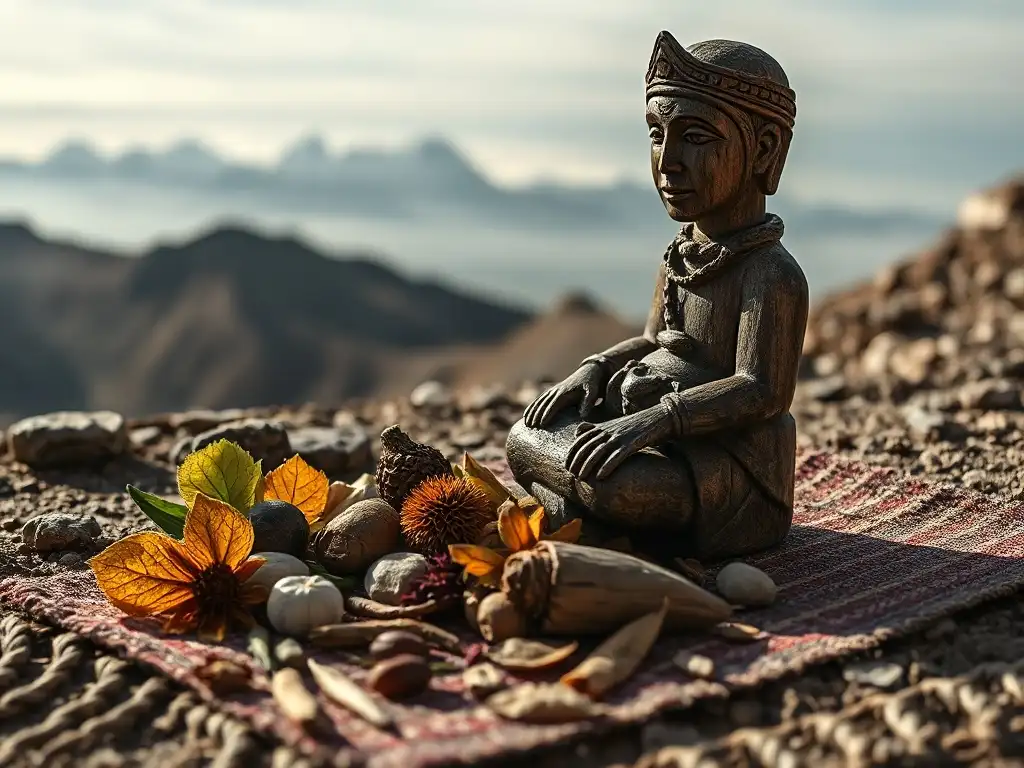
Andean healing practices are diverse and multifaceted, encompassing a wide range of techniques aimed at restoring balance and harmony. These methods often combine spiritual rituals with practical applications of natural elements and energy work. The effectiveness of these techniques stems from their holistic approach, addressing the interconnectedness of physical, emotional, and spiritual well-being. Understanding these techniques provides a deeper appreciation for the complexity and sophistication of Andean healing traditions.
Cleansing Rituals for Spiritual Purification
Cleansing rituals are fundamental to Andean healing, aiming to remove negative energies or spiritual blockages believed to be contributing to illness. These rituals often involve the use of sacred plants, such as smudging with herbs like palo santo or using specific baths infused with medicinal plants. The process may also involve chanting, prayers, and other spiritual practices aimed at purifying the body and spirit.
These rituals seek to restore a sense of balance and harmony, creating a receptive environment for healing to occur. The cleansing process is frequently incorporated into other healing ceremonies, forming an essential preparatory step. The specific methods used can vary depending on the region and the specific needs of the individual, but the underlying principle of purifying the body and spirit remains consistent.
Energy Balancing Techniques: Ayni and Kausay
Andean healing emphasizes the importance of energy balance, often referencing concepts like ayni (reciprocity) and kausay (life force). Ayni highlights the interconnectedness of all things and the need for balance in relationships. Imbalances in these relationships, whether with nature, community, or the spiritual world, are believed to contribute to illness. Restoring ayni through acts of reciprocity and community engagement is considered essential for healing.
Kausay, the life force, is seen as the vital energy that flows through all living things. Healing practices aim to strengthen and balance this energy, often through techniques like energy massage or specific meditative practices. These energy-balancing techniques aim to restore harmony within the individual and their surrounding environment.
Healing with Natural Elements: Earth, Water, Air, and Fire
Andean healing traditions deeply respect the power of nature, utilizing earth, water, air, and fire in various healing practices. Earth, for example, may be used in earth baths or by connecting with the earth’s energy through grounding techniques. Water is frequently used in cleansing rituals or hydrotherapy. Air is associated with breathwork and meditation practices.
Fire is used in ceremonies for purification and transformation. These elements are not simply used as tools; they are seen as powerful forces that can contribute to the healing process. The specific application of these elements varies widely, reflecting the diverse geographical and cultural contexts of Andean healing. The careful integration of natural elements makes these healing practices deeply connected to the environment and its energies.
The Use of Sound and Vibration in Andean Therapy
Sound and vibration play a significant role in Andean healing practices. Traditional instruments, such as drums and panpipes, are used to create specific sounds and vibrations believed to have therapeutic effects. These sounds are not just auditory experiences; they are believed to influence the energy fields of the body, promoting healing and balance. The use of chanting and vocalizations also plays a crucial role, creating vibrations that resonate within the body and mind.
These techniques are often combined with other healing modalities to enhance their effectiveness. The precise frequencies and rhythms used are believed to have specific impacts on the body and spirit, reflecting a deep understanding of the relationship between sound and healing. The use of sound and vibration in Andean therapy underscores the holistic and multi-sensory nature of these practices.
Specific Types of Andean Healing Rituals
Andean healing rituals were incredibly diverse, reflecting the varied geography and beliefs of the different cultures across the Andes. These weren't simply medical practices; they were deeply spiritual experiences aimed at restoring balance – a concept central to Andean cosmovision – between the individual, their community, and the natural world. Practitioners, often shamans or paqos, played a vital role, acting as intermediaries between the human and spiritual realms. Their knowledge was passed down through generations, incorporating herbal remedies, physical manipulations, and spiritual ceremonies.
The effectiveness of these rituals wasn't solely based on the physical treatment but also on the spiritual cleansing and reconnection they facilitated. The belief system emphasized the interconnectedness of all things, and healing was seen as a process of restoring harmony within this intricate web. Many rituals involved offerings to the apus (mountain spirits) and other deities, seeking their intervention and blessing for a successful healing.
Rituals for Physical Ailments and Diseases
Many Andean healing rituals focused on treating specific physical ailments. Herbal remedies, prepared with meticulous knowledge of the medicinal properties of local plants, were commonly used. These remedies, often administered alongside prayers and ceremonies, addressed a wide range of conditions, from common colds and fevers to more serious illnesses.
For example, the use of coca leaves wasn't just for social or religious purposes; they also held medicinal value, used to alleviate pain, fatigue, and altitude sickness. Specific plants were associated with specific ailments; for example, certain plants were believed to be effective against respiratory problems, while others were used to treat digestive issues. The application of these remedies was often accompanied by physical manipulation, such as massage or bone-setting, demonstrating a holistic approach to healing that integrated spiritual and physical practices.
Detailed records of these practices are unfortunately scarce, owing to the destruction of many pre-Columbian texts. However, ethnobotanical studies and accounts from surviving Andean communities provide valuable insights into these ancient healing traditions.
Ceremonies for Emotional and Mental Well-being
Beyond physical ailments, Andean healing rituals also addressed emotional and mental well-being. These ceremonies often involved shamanic practices aimed at cleansing negative energies and restoring inner balance. The use of music, chants, and sacred objects played a crucial role in these rituals, creating a powerful atmosphere conducive to healing and spiritual renewal. Shamans would often enter altered states of consciousness to communicate with the spirit world, seeking guidance and intervention in restoring the patient's emotional equilibrium.
These practices aimed to address issues such as anxiety, depression, and trauma, integrating psychological and spiritual approaches long before modern psychology developed these concepts. The emphasis was on restoring harmony within the individual and their connection to the wider cosmos, a process considered vital for overall health and well-being. The specific techniques and ceremonies varied across different Andean cultures, reflecting the rich diversity of their spiritual beliefs and practices.
Rituals for Protection and Spiritual Guidance
Many Andean healing rituals focused on protection from harm and spiritual guidance. These rituals often involved the use of amulets, talismans, and other protective objects, believed to ward off evil spirits and negative influences. Shamans played a crucial role in these rituals, conducting ceremonies to cleanse the individual's aura and strengthen their spiritual defenses. These rituals weren’t solely for physical protection; they also aimed to provide spiritual guidance and support, helping individuals navigate difficult life challenges and maintain a strong connection to the spiritual world.
For example, some rituals involved seeking guidance from ancestral spirits or deities, asking for their protection and blessing. The use of coca leaves and other sacred plants was also common in these rituals, further enhancing their spiritual power and effectiveness. These protective rituals underscore the deeply interconnected view of physical and spiritual well-being prevalent in Andean cosmovision.
Fertility and Abundance Rituals
Fertility and abundance were central themes in Andean cultures, and many healing rituals were aimed at promoting these aspects of life. These rituals often involved offerings to deities associated with fertility and abundance, seeking their blessing for successful harvests, healthy livestock, and thriving families. Ceremonies were performed to ensure the fertility of the land, the prosperity of the community, and the well-being of individuals and their families.
The use of specific plants and animals as offerings played a significant role, reflecting the symbolic importance of these elements in Andean cosmology. These rituals highlight the deep connection between spiritual practices and the practical concerns of daily life in Andean societies. The success of these rituals wasn’t simply measured in material terms but also in the restoration of balance within the community and its relationship with the natural world.
The Connection between Andean Healing and Nature
Andean healing rituals were inextricably linked to the natural world. The Andes mountain range, with its towering peaks and diverse ecosystems, was considered sacred, and the apus (mountain spirits) were revered as powerful deities. Healing practices often incorporated elements from the natural environment, including plants, animals, and minerals, reflecting a profound understanding of the medicinal properties of the local flora and fauna.
The use of coca leaves, for example, wasn't just for social or religious purposes; they held medicinal value, used to alleviate pain, fatigue, and altitude sickness. Moreover, the landscapes themselves played a crucial role in healing rituals. Ceremonies were often performed in specific locations considered sacred, such as mountaintops, caves, or springs, believed to possess special spiritual energy.
This intimate connection between healing practices and the natural world reflects the holistic worldview of Andean cultures, where human well-being was seen as inextricably linked to the health and balance of the environment. This deep respect for nature is a cornerstone of Andean healing, demonstrating a sustainable and harmonious approach to health and well-being. The wisdom embedded in these traditions offers valuable lessons for contemporary approaches to healthcare and environmental stewardship.
The Modern Relevance of Ancient Andean Healing Practices
Andean healing rituals, deeply rooted in a holistic understanding of the human being and its connection to the cosmos, offer valuable insights for contemporary healthcare. The emphasis on preventative care, a cornerstone of Andean traditions, resonates strongly with modern approaches to wellness. Instead of solely addressing symptoms, Andean practices focus on identifying and addressing the root causes of imbalance, whether physical, emotional, or spiritual.
This holistic perspective is gaining traction in modern medicine, with increasing recognition of the mind-body connection and the impact of stress on overall health. Furthermore, the use of natural remedies, such as medicinal plants prevalent in Andean pharmacopoeia, aligns with the growing interest in natural and alternative therapies. Many of these plants are now being studied for their potential therapeutic properties, validating the wisdom of ancient Andean healers.
The emphasis on community and social support inherent in traditional Andean healing also provides a powerful model for modern healthcare systems, highlighting the importance of social determinants of health and the role of community-based care in promoting well-being. For example, the concept of ayni, reciprocal exchange and mutual support, is directly applicable to modern approaches to collaborative care and community health initiatives.
Preserving Andean Traditional Medicine and Knowledge
The preservation of Andean traditional medicine and the knowledge embedded within it faces significant challenges. The encroachment of Western medicine, coupled with the loss of traditional language and cultural practices, threatens the continuity of these invaluable healing traditions. However, there are ongoing efforts to document and safeguard this knowledge. Researchers, ethnobotanists, and community members are collaborating to create comprehensive databases of Andean medicinal plants and their uses.
Efforts are also underway to revitalize traditional healing practices through apprenticeships, workshops, and community-based initiatives. These programs aim to empower indigenous communities to maintain and transmit their traditional knowledge to future generations. Furthermore, the increasing interest in Andean healing practices among international audiences presents both an opportunity and a challenge.
While increased awareness can generate support for preservation efforts, it's crucial to ensure that the appropriation of Andean knowledge respects intellectual property rights and cultural sensitivities. Ethical considerations must guide any research or commercialization of Andean healing practices, prioritizing the autonomy and well-being of indigenous communities. The creation of sustainable models that support indigenous healers and preserve their traditions is paramount for the long-term survival of this rich heritage.
The Future of Andean Healing: A Bridge Between Worlds
The future of Andean healing lies in the careful integration of ancient wisdom with modern scientific understanding. This involves a collaborative approach, where traditional healers and modern researchers work together to validate and expand upon the knowledge base of Andean medicine. Rigorous scientific studies can help to identify the active compounds in Andean medicinal plants and understand their mechanisms of action. This scientific validation can help to integrate these practices into mainstream healthcare systems, offering a broader range of therapeutic options.
However, it's essential to maintain the cultural integrity of Andean healing traditions throughout this process. The holistic approach, the emphasis on spiritual well-being, and the social dimensions of Andean healing should not be overlooked in the pursuit of scientific validation. The goal is not to replace traditional practices with Western medicine, but to create a complementary system that respects and integrates both.
This integration can lead to a more comprehensive and effective healthcare system, one that acknowledges the interconnectedness of mind, body, and spirit, and harnesses the wisdom of both ancient traditions and modern science. This approach holds the potential to create a truly holistic and sustainable healthcare model, benefiting both Andean communities and the global population. The future of Andean healing is a bridge between worlds, a path towards a more balanced and harmonious relationship between humanity and nature.
Frequently Asked Questions
What were some common elements of Andean healing rituals?
Andean healing rituals often involved shamans or curanderos, who used herbal remedies, spiritual practices, and ceremonies to restore balance to the body and soul. They focused on the interconnectedness of physical and spiritual well-being.
How did the Incas approach healing?
Inca healing practices integrated traditional medicine with religious beliefs. They emphasized preventative care and used a complex system of herbal medicine, surgery, and spiritual cleansing rituals.
Were there specific rituals for different ailments?
Yes, Andean cultures developed specific rituals for various ailments. For example, certain ceremonies might be used for bone fractures, while others focused on spiritual imbalances or fertility.
What role did plants play in Andean healing?
Plants played a vital role, providing medicinal ingredients for remedies. Coca leaves, for example, were used for energy and endurance, while other plants possessed spiritual significance and were used in ceremonies.
How did Andean healing differ from Western medicine?
Andean healing focused on holistic well-being, addressing the spiritual and emotional aspects alongside physical health. This contrasts with the often more specialized approach of Western medicine.
Final Reflection: Echoes of the Andes, Whispers of Healing
The ancient Andean practices of healing, far from being relics of the past, offer a potent antidote to the pervasive stress and imbalance of modern life. Their emphasis on holistic well-being, connecting the physical and spiritual realms, resonates deeply with a world increasingly seeking alternative paths to health and happiness. The enduring power of these rituals lies not just in their historical significance, but in their timeless ability to address fundamental human needs.
The enduring legacy of Andean healing practices is a testament to the profound interconnectedness between our physical bodies, our emotional states, and the natural world. These rituals, with their emphasis on restoring balance and harmony, offer a powerful counterpoint to the fragmented and often isolating experiences of contemporary society. We are not separate from nature; we are part of it. When we harm nature, we harm ourselves.
This simple truth, deeply embedded in Andean cosmology, holds a vital lesson for us today as we grapple with the consequences of ecological imbalance and social disharmony.
Consider the wisdom woven into these ancient practices. Reflect on the ways in which you might incorporate elements of balance and harmony into your own life. Embrace the opportunity to reconnect with the natural world, to nurture your inner peace, and to cultivate a deeper understanding of your own interconnectedness. Let the echoes of the Andes inspire you to embark on your own journey towards holistic well-being, a journey that begins with a single, mindful breath.
Embrace Your Healing Journey Today!
Thank you for exploring the rich healing traditions of Andean cultures. You've gained valuable insights into restoring balance to your mind, body, and spirit. Now, let's put that knowledge into practice!
Here are some ways to connect with this transformative approach:
- Integrate healing practices into your daily life. This could involve meditation, spending time in nature, or using natural remedies.
- Share your knowledge. Discuss these powerful healing methods with friends and family, or simply share this article to inspire others.
- Connect with a supportive community. Join a local group or online forum focused on holistic well-being to learn from others and deepen your understanding.
What steps will you take today to begin your personal journey toward healing and balance? Share your thoughts in the comments below!