
The Influence of Andean Religion on Art and Architecture

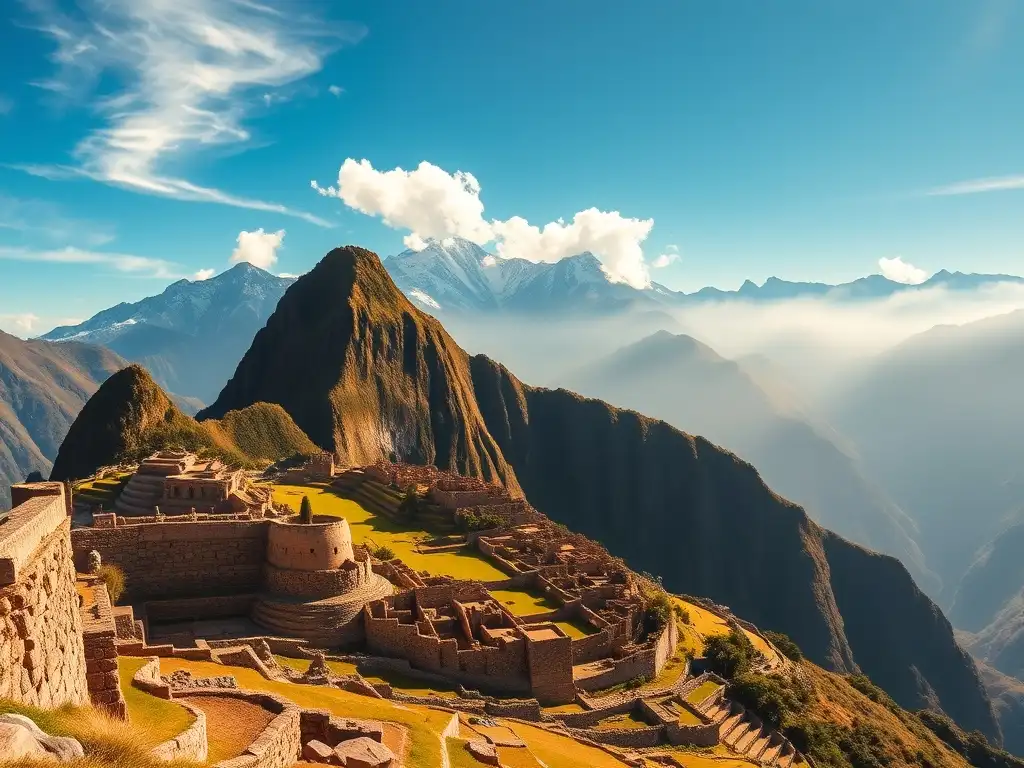
Uncover the secrets woven into the very stones of the Andes! For centuries, the majestic mountains have echoed with the whispers of powerful Andean civilizations. But what shaped their breathtaking cities and awe-inspiring temples? Journey with us to explore the profound impact of Andean religion on architecture, revealing how their beliefs sculpted a landscape of unparalleled beauty and spiritual significance. Discover the intricate connection between faith and form in the fascinating world of Andean cosmovision. Prepare to be amazed.
Andean civilizations, renowned for their sophisticated engineering feats and breathtaking artistic creations, left behind a legacy deeply intertwined with their complex religious beliefs. This article explores the profound impact of Andean religion on the art and architecture of cultures like the Inca, Moche, Nazca, and Tiahuanaco. We will delve into the core tenets of their cosmovision, demonstrating how their spiritual understanding of the world directly shaped their artistic expressions and the very structures that defined their settlements.
From the imposing grandeur of Machu Picchu to the intricate details of Moche pottery, the influence of Andean religion is undeniable, offering a fascinating glimpse into the minds and hearts of these ancient peoples. Understanding this connection allows us to appreciate not only the aesthetic beauty of their work but also the profound spiritual meaning embedded within it.
This exploration will uncover how their deities, animistic beliefs, and reverence for sacred landscapes found tangible form in their artistic and architectural achievements, leaving a lasting mark on our understanding of Andean civilization. This analysis will directly address the impact of Andean religion on architecture, a key aspect of their cultural expression.
Introduction to Andean Religious Beliefs and their Artistic Manifestations
Andean religious beliefs were not a separate entity from daily life; rather, they were interwoven into the fabric of society, influencing every aspect, from agriculture and warfare to art and architecture. The Andean worldview was deeply interconnected, emphasizing the relationship between humans, nature, and the supernatural. This intricate web of beliefs is reflected in their art, often depicting deities, mythical creatures, and symbolic representations of their cosmology.
For example, the intricate textiles of the Nazca culture, known for their elaborate designs, often feature zoomorphic and anthropomorphic figures that likely represented important deities or spirits. Similarly, the monumental architecture of the Inca, such as the precisely fitted stones of Machu Picchu, displays a sophisticated understanding of engineering and a deep connection to the sacred landscape. The vibrant colors and intricate designs found in Moche pottery, often depicting scenes of ritual and sacrifice, further illustrate the centrality of religion in their artistic expressions.
Understanding these artistic manifestations is crucial to unlocking a deeper understanding of Andean religious practices and the values they held sacred. The interplay between belief and artistic expression reveals a sophisticated and complex religious system that shaped the physical world around them.
Core Concepts of Andean Religion Shaping Art
Several core concepts underpinned Andean religion and profoundly influenced their artistic and architectural endeavors. These concepts, often intertwined and inseparable, include the veneration of ancestors, the importance of reciprocity ( ayni), and the belief in a hierarchical cosmos with powerful deities inhabiting different realms. The interplay of these concepts is evident in the various artistic and architectural styles across different Andean cultures.
The Role of Deities in Andean Art
Andean deities were not abstract entities but powerful forces that actively interacted with the human world. Representations of these deities, often anthropomorphic or zoomorphic, frequently appear in Andean art and architecture. The sun god, Inti, for instance, held a prominent position in Inca religion and is depicted in various forms throughout their art, including textiles, ceramics, and stone carvings.
Other deities, such as the moon goddess, Mama Killa, and the creator god, Viracocha, also played significant roles and were similarly represented in diverse artistic mediums. The specific iconography and symbolism associated with each deity varied across different cultures, reflecting regional variations in religious beliefs and practices.
The presence and prominence of these divine figures in their art highlight their crucial role in the daily lives and spiritual understanding of the Andean people. The sheer scale and detail of some depictions, such as monumental stone carvings, emphasize the power and reverence afforded to these divine beings.
Animism and its Expression in Andean Artistic Forms
Animism, the belief that spirits inhabit natural objects and phenomena, was another crucial element of Andean religion. This belief manifested in various artistic forms. The intricate designs found on textiles, pottery, and metalwork often incorporated representations of animals, plants, and other natural elements, imbued with spiritual significance. The presence of these elements was not merely decorative; they were believed to possess agency and power.
For example, the elaborate depictions of jaguars and condors in Moche art likely symbolized the power and ferocity of these animals, connecting them to the spiritual realm. This animistic worldview extended to the landscape itself, with sacred mountains and other natural features considered to be inhabited by powerful spirits. This belief system profoundly shaped the placement and design of Andean architectural structures, often strategically located in relation to significant natural landmarks.
Sacred Landscapes and their Representation in Art
The Andean landscape itself held profound religious significance, with mountains, rivers, and other natural features considered sacred and imbued with spiritual power. This reverence for the natural world is vividly reflected in their art and architecture. The Inca, for instance, strategically located their cities and temples in relation to sacred mountains and other significant geographical features, demonstrating their deep connection to the landscape.
The intricate terraces and irrigation systems, vital for agriculture, were not merely practical solutions but also integral to their religious worldview, reflecting their relationship with the natural world and their deities. The artistic representations of these sacred landscapes, often found in textiles and pottery, further reinforce the profound spiritual significance they held.
The careful placement of structures in relation to natural features underscores the importance of maintaining harmony with the sacred environment. The integration of sacred landscapes into their urban planning reveals a holistic approach to life, where the spiritual and the physical realms were deeply interconnected.
Andean Religious Influence on Architecture
The impact of Andean religion on architecture is profound and pervasive, shaping not only the structures themselves but also the landscapes in which they were situated. Andean societies, from the Nazca to the Inca, viewed the built environment as a reflection of their cosmological beliefs. Buildings weren't merely functional; they were active participants in a complex interplay between the human and spiritual worlds.
The orientation of structures, the materials used, and even the decorative elements all held deep religious significance, contributing to a sacred geography that permeated daily life. This religious influence is evident across various architectural forms, from monumental temples to humble dwellings, demonstrating a deeply ingrained connection between faith and the physical world.
The careful planning and execution of these structures highlight the sophisticated understanding of engineering and cosmology possessed by Andean builders. This wasn't merely construction; it was the creation of sacred spaces that facilitated interaction with the divine.
Temple Architecture and the Andean Cosmovision
Andean temples weren't simply places of worship; they were microcosms of the cosmos, meticulously designed to reflect the Andean worldview. For example, the layout of many Inca temples often mirrored the perceived structure of the universe, with specific sections dedicated to different deities or celestial bodies. The use of astronomical alignments in temple construction is well documented, suggesting a deep understanding of celestial movements and their connection to religious practices.
This alignment wasn't coincidental; it was a deliberate act to harness the power of the cosmos and integrate it into the sacred space. Furthermore, the use of specific materials, such as intricately carved stones or brightly colored pigments, also held symbolic meaning, representing the earth's energies and the power of the deities. The construction techniques themselves, often employing advanced stonework and intricate engineering, further emphasized the sacred nature of these buildings.
Consider, for instance, the precision of the stonework at Machu Picchu – a testament to the Inca's reverence for their gods and the meticulousness with which they sought to embody their beliefs in physical form. The very act of building a temple was a ritual, a way of actively participating in the creation and maintenance of the cosmic order.
Sacred Sites and their Architectural Importance
Beyond temples, the Andean landscape itself was dotted with sacred sites, each holding unique religious importance and often featuring distinct architectural elements. These sites, ranging from mountain peaks considered the dwelling places of deities to caves believed to be portals to the underworld, were carefully chosen and sometimes modified to enhance their spiritual significance. The architectural modifications could range from the construction of small shrines to the creation of elaborate terraces and pathways.
These modifications weren't just about physical changes; they were ways of actively engaging with the sacred landscape and reinforcing its religious importance. The placement of these sites often reflects a deep understanding of the relationship between the human world and the supernatural realm. This is exemplified by the location of certain sites near significant water sources, highlighting the life-giving properties of water and its connection to fertility and divine power.
The importance of these sites wasn't limited to religious rituals; they also served as focal points for community gatherings and celebrations, reinforcing the social and religious fabric of Andean societies. The design and construction of these sites, even the simplest ones, reflect a conscious effort to create places of power and connection with the spiritual world.
Andean Art as a Medium for Religious Expression
Andean art served as a powerful medium for expressing religious beliefs and cosmological concepts. From intricate textiles to monumental sculptures, art was deeply intertwined with religious practices and served multiple functions, including communicating religious narratives, commemorating rituals, and invoking the power of deities. The artists weren't simply creating aesthetically pleasing objects; they were actively participating in religious acts, imbuing their creations with spiritual energy and meaning.
The materials used, the techniques employed, and the subjects depicted all held symbolic significance, reflecting a complex system of beliefs and rituals. The creation of art itself was often a ritualistic process, involving specific ceremonies and practices designed to imbue the artwork with spiritual power. This active engagement with the spiritual realm is evident in the careful detail and precision found in many Andean artifacts.
Religious Iconography in Andean Art
Religious iconography in Andean art is rich and varied, featuring a wide array of deities, mythical creatures, and symbolic motifs. The representation of these elements wasn't arbitrary; each image held specific meaning and served to communicate particular religious concepts or narratives. For example, certain animals were associated with specific deities or represented aspects of the natural world, while geometric patterns often reflected cosmological beliefs or symbolized the cyclical nature of life and death.
The use of color also played a significant role, with different colors associated with different deities or concepts. The skillful use of iconography allowed Andean artists to convey complex religious ideas in a visually compelling way, making these concepts accessible to a wide range of people.
The consistency and sophistication of this iconography across different Andean cultures suggest a shared understanding of religious symbolism and its importance in conveying and reinforcing religious beliefs. This shared visual language served to unify and strengthen religious communities across vast geographical areas.
Ritual Art and its Religious Context
Many Andean artworks were specifically created for ritual purposes, serving as tools for religious ceremonies or offerings to deities. These ritual objects, which ranged from intricately carved wooden figures to finely woven textiles, were often imbued with spiritual power through specific rituals and ceremonies. The creation of these objects was a sacred act, and their use in ceremonies further reinforced their religious significance.
These objects weren't simply functional; they were active participants in the ritual, serving as conduits for communication with the spiritual world. Their presence in religious ceremonies helped to create a powerful atmosphere of reverence and awe. Examples include the use of kero (ceremonial drinking vessels) during Inca rituals or the placement of textiles and figurines in tombs as offerings to the deceased.
The context of their use is crucial to understanding their religious significance; removing them from their ritual context diminishes their power and meaning. The study of these ritual objects provides invaluable insight into the beliefs and practices of Andean cultures, offering a glimpse into the deeply spiritual nature of their lives.
Specific Examples of Andean Religion's Impact on Architecture and Art
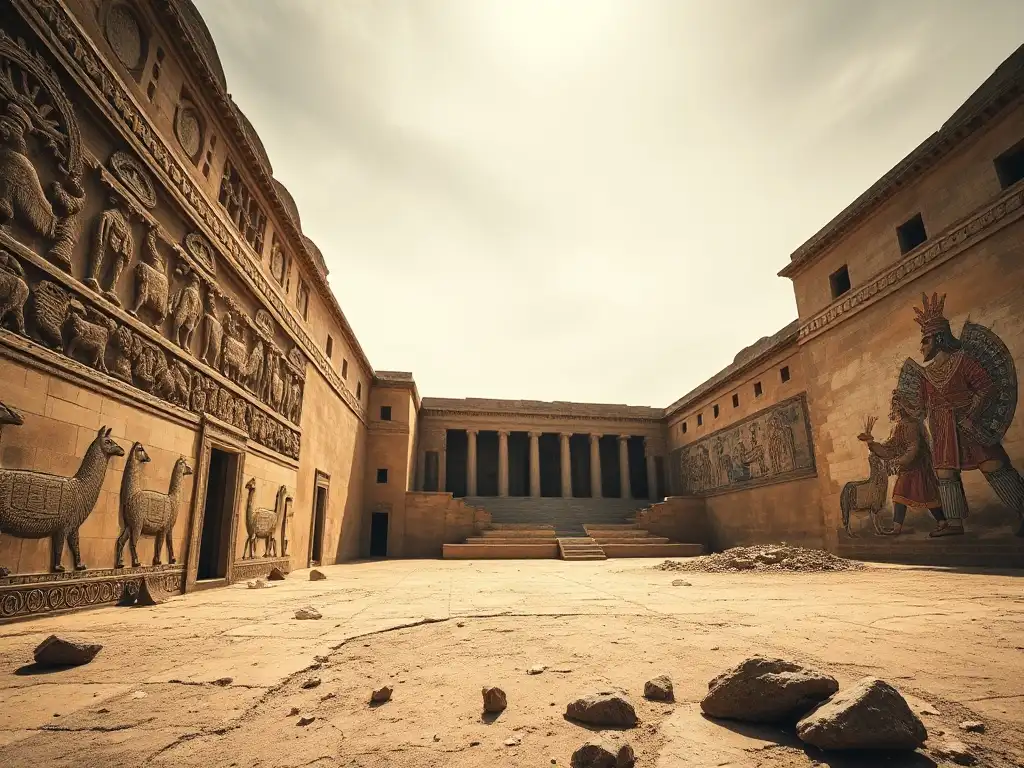
Andean religion profoundly shaped the art and architecture of various civilizations. Their cosmological beliefs, centered around deities, ancestors, and the natural world, manifested in monumental structures, intricate textiles, and elaborate ceramics. The relationship between the sacred and the mundane was blurred, with everyday life deeply intertwined with religious practices. This is evident in the careful placement of buildings, the use of specific materials, and the incorporation of religious iconography into artistic expressions.
The impact wasn't merely aesthetic; it reflected a worldview where the physical environment was infused with spiritual significance. Understanding this connection is crucial to interpreting the true meaning and purpose behind Andean art and architecture. It wasn't just about building impressive structures; it was about creating a sacred landscape that reflected their relationship with the divine.
The Influence on Inca Architecture and Art
Inca architecture exemplifies the profound influence of their religious beliefs. The meticulous stonework, perfectly fitted without mortar, reflects a reverence for precision and order, mirroring their structured worldview. Temples, such as those at Sacsayhuamán, were not simply buildings but sacred spaces designed to connect the earthly realm with the celestial. The use of specific stones, often imbued with symbolic meaning, further demonstrates the religious intent behind their construction.
Inca art, including textiles and ceramics, frequently depicted deities, mythical beings, and scenes from religious ceremonies. These representations served as powerful visual reminders of their religious beliefs and reinforced their social hierarchy. The intricate designs and vibrant colors showcased the skill of Inca artisans and their devotion to their faith. For example, the intricate patterns woven into their textiles often symbolized celestial bodies or agricultural cycles, reflecting their deep connection to nature and the supernatural.
Moche Art and Religious Representation
Moche art provides a vivid glimpse into their complex religious beliefs. Their ceramics, renowned for their realism and detail, often depict scenes of ritual sacrifices, shamanistic practices, and mythological figures. These depictions offer valuable insights into their religious rituals and cosmology. The Moche believed in a pantheon of gods and goddesses associated with various aspects of nature and human life.
Their art frequently portrays these deities engaged in interactions with humans, showcasing a complex interplay between the mortal and the divine. The use of vivid colors and dynamic compositions in their artwork emphasized the dramatic and often violent aspects of their religious practices. For example, depictions of decapitations and human sacrifices on their pottery are not merely gruesome; they are deeply symbolic representations of their religious worldview.
Nazca Lines and their Religious Significance
The Nazca Lines, massive geoglyphs etched into the desert landscape, remain one of the greatest enigmas of Andean civilization. While their exact purpose is still debated, their religious significance is widely accepted. The scale and precision of these figures—which include animals, plants, and geometric shapes—suggest a substantial investment of labor and resources, indicating their importance within Nazca society. The lines are believed to have played a role in religious rituals, possibly serving as pathways for processions or marking sacred sites.
Scholars suggest they may have been linked to astronomical observations or water rituals, reflecting the importance of these elements in Nazca religion. The sheer size and complexity of the Nazca Lines highlight the scale of their religious devotion and the effort dedicated to creating this extraordinary landscape. The precise alignments of some lines with celestial events further support the idea of astronomical significance.
The Legacy of Andean Religious Art and Architecture
The impact of Andean religious beliefs on art and architecture continues to resonate today. The enduring power of these creations lies in their ability to connect us to the rich spiritual traditions of these ancient cultures.
The Enduring Influence of Andean Religious Art
Andean religious art continues to inspire awe and fascination. The artistry, skill, and symbolic richness of their creations have left an indelible mark on the history of art. The motifs and imagery found in their textiles, ceramics, and metalwork have been incorporated into contemporary art forms, demonstrating their lasting cultural relevance. Many modern artists draw inspiration from the vibrant colors, intricate patterns, and symbolic meanings found in ancient Andean art, creating new works that reflect both tradition and innovation. Their legacy continues to be studied, appreciated, and celebrated worldwide.
The Architectural Legacy of Andean Beliefs
The architectural achievements of the Andean civilizations remain testaments to their ingenuity and religious devotion. The precise stonework, the monumental scale of their structures, and their integration into the natural landscape continue to inspire architects and engineers. The principles of sustainable construction employed by these civilizations—utilizing locally sourced materials and adapting to the environment—offer valuable lessons for contemporary architecture. The enduring presence of many of these structures, despite the passage of centuries, highlights their resilience and the skill of their builders. Studying their architectural techniques provides valuable insights into engineering and construction methods.
The Importance of Preserving Andean Religious Art and Architecture
Preserving Andean religious art and architecture is crucial for understanding the rich history and cultural legacy of these civilizations. These artifacts are not simply objects; they are repositories of knowledge, belief, and artistic expression. Their preservation ensures the continuation of cultural traditions and provides valuable insights into the lives and beliefs of past generations.
Furthermore, preserving these sites and artifacts contributes to cultural tourism, supporting local communities and fostering intercultural understanding. Efforts to protect and conserve these sites are critical for future generations. The ongoing research and conservation efforts are vital in ensuring that these invaluable pieces of history remain accessible and appreciated for years to come.
Conclusion: Understanding the Interplay of Andean Religion, Art, and Architecture
The profound influence of Andean religion on art and architecture is undeniable. From the monumental structures of Machu Picchu, meticulously aligned with the cosmos, to the intricate textiles depicting deities and mythical creatures, the Andean worldview is vividly expressed through its artistic and architectural achievements. Understanding this interplay provides crucial insight into the Andean civilization's cosmology, social structures, and relationship with the natural world. The religious beliefs weren't merely a separate aspect of life; they permeated every facet of Andean society, shaping the very landscape and leaving an enduring legacy in the art and architecture that survives to this day.
The careful consideration of astronomical alignments in structures like Sacsayhuamán, for example, demonstrates the importance of celestial events in their religious calendar and their profound understanding of the cosmos. Similarly, the elaborate iconography found on ceramics and textiles reveals a complex pantheon of deities and a rich mythology interwoven with daily life. Analyzing the artistic representations alongside the architectural achievements allows for a more complete understanding of Andean religious practices and their significance within the broader context of their civilization. Future research focusing on the specific symbolic meanings embedded within individual structures and artistic pieces will further illuminate this fascinating relationship between Andean religion, art, and architecture, offering a more nuanced appreciation for the intricate tapestry of Andean culture.
The enduring power of these artistic and architectural expressions serves as a testament to the depth and enduring impact of Andean religious beliefs. Further study into specific regional variations in artistic styles and architectural techniques can reveal even more subtle nuances in the expression of religious beliefs across different Andean cultures. This holistic approach, combining archaeological findings with art historical analysis, is crucial for a comprehensive understanding of the Andean civilization's rich spiritual heritage.
- Introduction to Andean Religious Beliefs and their Artistic Manifestations
- Core Concepts of Andean Religion Shaping Art
- Andean Religious Influence on Architecture
- Andean Art as a Medium for Religious Expression
- Specific Examples of Andean Religion's Impact on Architecture and Art
- The Legacy of Andean Religious Art and Architecture
- Conclusion: Understanding the Interplay of Andean Religion, Art, and Architecture
- How did Andean religion influence architectural styles?
- What are some examples of religious architecture in Andean cultures?
- How did religious beliefs affect the materials used in Andean construction?
- Did Andean religious practices leave any traces on urban planning?
- What role did human sacrifice play in Andean architecture?
Frequently Asked Questions
How did Andean religion influence architectural styles?
Andean religion heavily influenced architectural styles. Sacred sites were often built in specific locations with astronomical alignments, reflecting their cosmological beliefs. Monumental structures showcased the power of the ruling elite and their connection to the divine.
What are some examples of religious architecture in Andean cultures?
Examples include the Inca's Machu Picchu, a complex built on a mountaintop, believed to be a sacred site, and the Nazca's geoglyphs, massive earthworks potentially linked to religious rituals and celestial observations. The Tiahuanaco's monumental structures also showcase religious significance.
How did religious beliefs affect the materials used in Andean construction?
The choice of materials often held symbolic meaning. For instance, the use of specific stones could represent deities or sacred elements within Andean cosmology. The location of quarries also held importance, demonstrating the importance of accessing sacred materials.
Did Andean religious practices leave any traces on urban planning?
Yes, urban planning often reflected religious beliefs. Cities were often laid out according to cosmological principles, aligning with the cardinal directions and incorporating sacred spaces into the urban fabric. This demonstrates the pervasive influence of religion on daily life.
What role did human sacrifice play in Andean architecture?
Human sacrifice, while a dark aspect, played a role in foundation rituals for significant structures. It was believed to strengthen the building and ensure its longevity, connecting the structure to the spiritual realm through this ultimate offering.
Final Reflection: Echoes of the Andes in Stone and Pigment
The enduring legacy of Andean religion continues to resonate in the breathtaking landscapes and awe-inspiring structures that dot the Andes Mountains. Its influence isn't merely historical; it's a palpable presence, shaping our understanding of cultural heritage and inspiring contemporary artists and architects alike. The intricate interplay between spiritual beliefs and artistic expression remains a powerful testament to the ingenuity and resilience of Andean civilizations.
The profound connection between the Andean worldview and its material manifestations continues to fascinate and inspire me. The meticulous craftsmanship, the symbolic layering, the very placement of structures within the landscape – all speak to a deeply spiritual relationship with the earth and its forces. The mountains are not simply stones, but living beings, imbued with power and spirit.
This sentiment, though paraphrased, encapsulates the essence of Andean cosmology and its profound impact on the built environment. Understanding this connection allows us to appreciate the artistry not just as aesthetics, but as a tangible expression of a vibrant and complex spiritual system.
Consider the echoes of these ancient beliefs in your own life. How do your own values and beliefs shape the spaces you inhabit, the art you create, or the way you interact with the natural world? Let the legacy of Andean religion inspire you to find deeper meaning in your surroundings and to recognize the profound power of human creativity to express spiritual understanding. By engaging with this rich history, we can cultivate a more nuanced appreciation for the enduring power of faith and its transformative influence on human civilization.
**Unveil the Rich Tapestry of Andean Culture! **
Thank you for exploring the captivating world of Andean religion and its profound influence on art and architecture. We hope you've gained valuable insights into how these ancient beliefs continue to inspire modern creativity. Now, let's share this knowledge!
Here are some ways to further appreciate Andean culture:
- **Visit local museums** showcasing Andean art to experience its beauty firsthand.
- **Share this article** with friends and family, or post it on social media to spark conversations and raise awareness of Andean civilizations.
- **Join an online forum or community group** dedicated to Andean studies to connect with other enthusiasts and exchange ideas.
Which aspect of Andean religion's influence on art most resonates with you, and how do you believe it shapes contemporary artistic expression?