
The Influence of Shamanic Plants: Connecting with the Spirit World

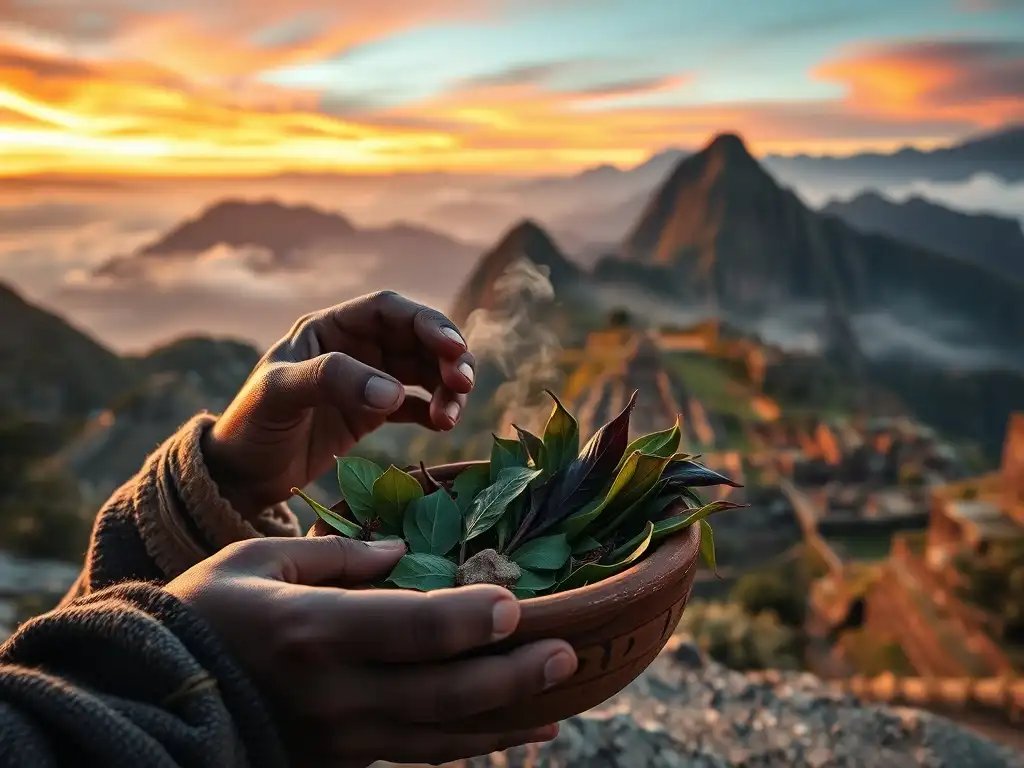
Step into a world lost to time, yet echoing with power. For centuries, the Andes Mountains have held secrets whispered on the wind – secrets of intricate civilizations and their profound connection to the spirit world. This journey begins with the fascinating world of Andean shamanic plant use, a practice that shaped beliefs, rituals, and the very fabric of Andean society. Dare to uncover the mysteries woven into the tapestry of ancient Andean life and the potent role of these sacred plants. Discover how these civilizations connected with the cosmos…if you dare.
The Andean civilizations, renowned for their intricate social structures and awe-inspiring architectural feats, held a deeply spiritual worldview profoundly shaped by their interaction with the natural world. This article delves into the significant role of shamanic plants in Andean religious practices, exploring how these plants facilitated communication with the spirit world and played a crucial role in their complex cosmology. From the high-altitude coca leaf chewed daily by commoners to the potent hallucinogens used in elaborate ceremonies by shamans, the use of plants was integral to Andean spiritual life, influencing their understanding of deities, the afterlife, and the very fabric of reality.
This exploration will illuminate the intricate relationship between Andean people, their environment, and their deeply spiritual beliefs, providing a nuanced understanding of "Andean shamanic plant use" and its impact on their culture. We will examine specific plants, their ritualistic applications, and their lasting cultural significance.
Coca: The Daily Offering and Spiritual Connection
Coca ( Erythroxylum coca) was, and remains, a cornerstone of Andean life. Far from being solely a stimulant, coca held significant spiritual importance. Chewing coca leaves wasn't merely a way to combat altitude sickness or hunger; it was an offering to the spirits, a way to maintain balance and harmony with the cosmos. The leaves were offered to deities and ancestors, incorporated into rituals, and used to enhance communication during shamanic ceremonies.
The meticulous preparation and respectful consumption of coca leaves highlight the profound reverence held for this plant within Andean cultures. The detailed rituals surrounding coca use demonstrate a deep understanding of its properties and its significance in connecting with the spiritual realm. The everyday use of coca, therefore, wasn't simply functional; it was a continuous act of spiritual engagement.
Ayahuasca: A Gateway to the Supernatural
While not native to the Andes, the use of Ayahuasca-like brews containing psychoactive plants, likely containing Brugmansia species, gained traction in certain Andean regions. These potent concoctions, administered by shamans, induced intense visions and altered states of consciousness, allowing for direct communication with the spirit world. These experiences weren't recreational; they were crucial for diagnosis, healing, and receiving divine guidance.
The shaman's role in interpreting these visions was paramount, mediating between the human and spiritual realms. The effects of these plants were not taken lightly; rigorous preparation, purification rituals, and post-ceremony practices were essential to ensure a safe and meaningful experience. [Specific details regarding the preparation and use of Ayahuasca-like brews in specific Andean cultures pending].
San Pedro Cactus: A Journey to the Otherworld
The San Pedro cactus ( Echinopsis pachanoi) played a pivotal role in shamanic practices across different Andean cultures. Containing mescaline, this cactus facilitated journeys to the otherworld, enabling shamans to interact with spirits, diagnose illnesses, and obtain knowledge otherwise inaccessible. Unlike the daily use of coca, San Pedro cactus ceremonies were carefully planned and involved rigorous preparation, including fasting and purification rituals.
The detailed iconography found on many ancient Andean artifacts depicts scenes suggestive of San Pedro cactus use and its connection to spiritual journeys. The impact of the San Pedro cactus on Andean spirituality is undeniable, reflecting a sophisticated understanding of altered states of consciousness and their role in religious life.
Tobacco: A Sacred Offering and Ritualistic Tool
Tobacco ( Nicotiana tabacum) was not just a recreational substance; it held significant spiritual importance in many Andean cultures. It was frequently used in offerings to deities and ancestors, burned as incense to purify spaces, and employed in shamanic rituals to facilitate communication with the spirit world. The smoke itself was considered a sacred offering, carrying prayers and intentions to the divine. The careful preparation and ritualistic use of tobacco underscore its sacred status and its integral role in Andean religious practices. [Specific examples of tobacco use in different Andean cultures pending].
The use of these shamanic plants reveals a sophisticated understanding of the natural world and its spiritual significance within Andean cosmovision. The integration of these plants into daily life and ceremonial practices showcases the profound connection between the Andean people and their environment, a connection that continues to resonate today. Further research into specific plant applications within individual cultures is needed to fully understand the nuanced and diverse ways in which Andean people interacted with the spiritual realm through the use of plants.
- Coca: The Daily Offering and Spiritual Connection
- Ayahuasca: A Gateway to the Supernatural
- San Pedro Cactus: A Journey to the Otherworld
- Tobacco: A Sacred Offering and Ritualistic Tool
- What role did plants play in Andean shamanic practices?
- Which specific plants were commonly used by Andean shamans?
- How did the use of these plants impact Andean society?
- Were these plant-based practices solely for spiritual purposes?
- How is the knowledge of Andean shamanic plant use preserved today?
Andean Shamanic Plant Use: An Introduction to Sacred Botanicals
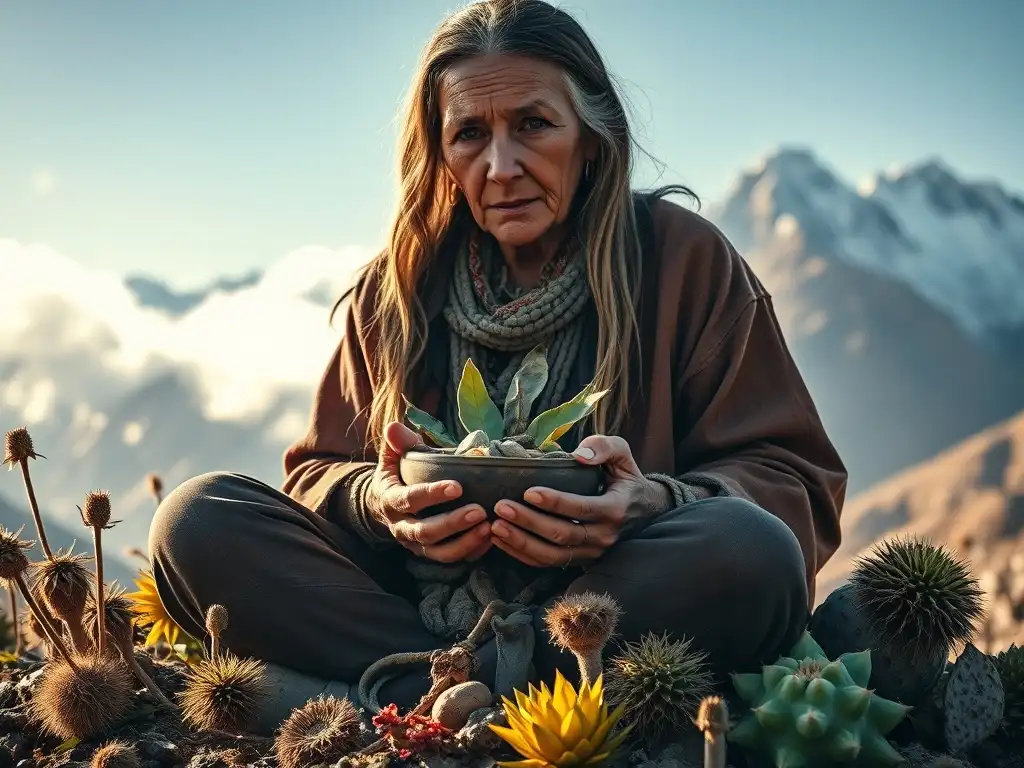
The Andean region, home to a diverse array of cultures and civilizations, boasts a rich history intertwined with the use of plants, particularly those with psychoactive properties. For centuries, these plants haven't simply been viewed as botanical specimens; instead, they've been deeply integrated into religious practices, healing rituals, and social structures, acting as conduits to the spirit world. Understanding Andean shamanic plant use requires acknowledging the profound spiritual significance these plants held and continue to hold for many indigenous communities.
This wasn't simply recreational use; it was a carefully orchestrated practice, often involving intricate ceremonies and a deep understanding of the plants' effects and potential risks. The careful preparation, administration, and interpretation of the plant's effects were key components of the shamanic experience, highlighting the sophisticated knowledge systems developed around these sacred botanicals. The enduring legacy of this practice continues to fascinate researchers and inspire a deeper appreciation for the complex relationship between humans and nature in the Andes.
The impact of this relationship is visible not only in the religious practices but also in the art, textiles, and even agricultural techniques of these cultures. Further research into specific plant species and their unique roles within different Andean cultures is essential to fully grasp the depth and breadth of this tradition.
The Role of Psychoactive Plants in Andean Cultures
Psychoactive plants played a pivotal role in shaping Andean spiritual practices. Substances like coca, ayahuasca, and San Pedro cactus were not merely recreational drugs but were integral parts of rituals designed to connect with the spirit world and gain insights into the cosmos. Shamanic practitioners, often highly respected members of their communities, used these plants to induce altered states of consciousness, facilitating communication with deities, ancestors, and other supernatural beings.
The experience wasn't solely individual; it was a communal event, often involving elaborate ceremonies with music, chanting, and carefully choreographed movements. The effects of these plants, ranging from heightened sensory perception to vivid visions, were interpreted within the specific cultural context, providing meaning and guidance for the community.
For example, coca leaves, chewed regularly by many Andean peoples, were not only a source of energy but also a sacred offering to deities and a facilitator of communication with the spirit world. The leaves were often included in various rituals and ceremonies, further emphasizing their spiritual significance. Similarly, ayahuasca, a brew made from various Amazonian plants, while not exclusive to the Andes, saw use in some Andean communities, primarily for healing and divination.
The San Pedro cactus, containing mescaline, was another significant plant used in shamanic rituals, primarily for healing and spiritual journeys, with its use documented across various Andean cultures. The precise use and significance of these plants varied across different groups and regions, reflecting the diversity of Andean cultures and their unique spiritual beliefs. Understanding the nuances of these variations is crucial for a comprehensive understanding of Andean shamanic plant use.
The integration of these plants into Andean society went beyond religious ceremonies. These plants frequently appeared in artwork, textiles, and other cultural artifacts, reflecting their importance in daily life and emphasizing their role as powerful symbols connecting the earthly and spiritual realms. The symbolic representation of these plants provides valuable insight into the cultural significance they held, underscoring their deep integration into the fabric of Andean life.
Defining Andean Shamanism and its Connection to Nature
Andean shamanism isn't easily defined by a single, monolithic description. Instead, it encompasses a wide range of practices and beliefs shared across various Andean cultures, each with its own unique characteristics and interpretations. A common thread, however, is the deep connection between the shaman, the spirit world, and the natural environment. Andean shamans weren’t simply intermediaries between humans and spirits; they were seen as custodians of nature, intimately connected to the land and its resources. Their knowledge of plants, animals, and the landscape was crucial to their practice, reflecting a profound understanding of the interconnectedness of all living things.
The use of shamanic plants exemplifies this deep connection to nature. These plants weren't simply harvested; their cultivation, preparation, and use were often governed by specific rituals and seasonal cycles. The shaman's relationship with the plant world was reciprocal, involving respect, gratitude, and a recognition of the plant's inherent power. This relationship extended beyond individual plants; it encompassed the entire ecosystem, highlighting the Andean worldview where humans are not separate from, but rather integral parts of, the natural world. This holistic perspective is essential to understanding the significance of Andean shamanic plant use and its impact on Andean culture.
The shaman's role wasn't limited to healing or divination. They often played crucial roles in maintaining social harmony and resolving conflicts within the community, using their spiritual knowledge and connection to the natural world to guide and advise their people. Their influence extended across various aspects of Andean life, from agriculture and resource management to social organization and political leadership.
This multifaceted role emphasizes the importance of shamanism within Andean societies and the profound impact of their connection to the spirit world and the natural environment. More research is needed to fully understand the complexities of Andean shamanism and the specific roles of shamans in different Andean communities. The existing evidence, however, strongly suggests a deep and pervasive influence on the social, spiritual, and ecological fabric of Andean life.
Key Shamanic Plants of the Andes: A Botanical Exploration
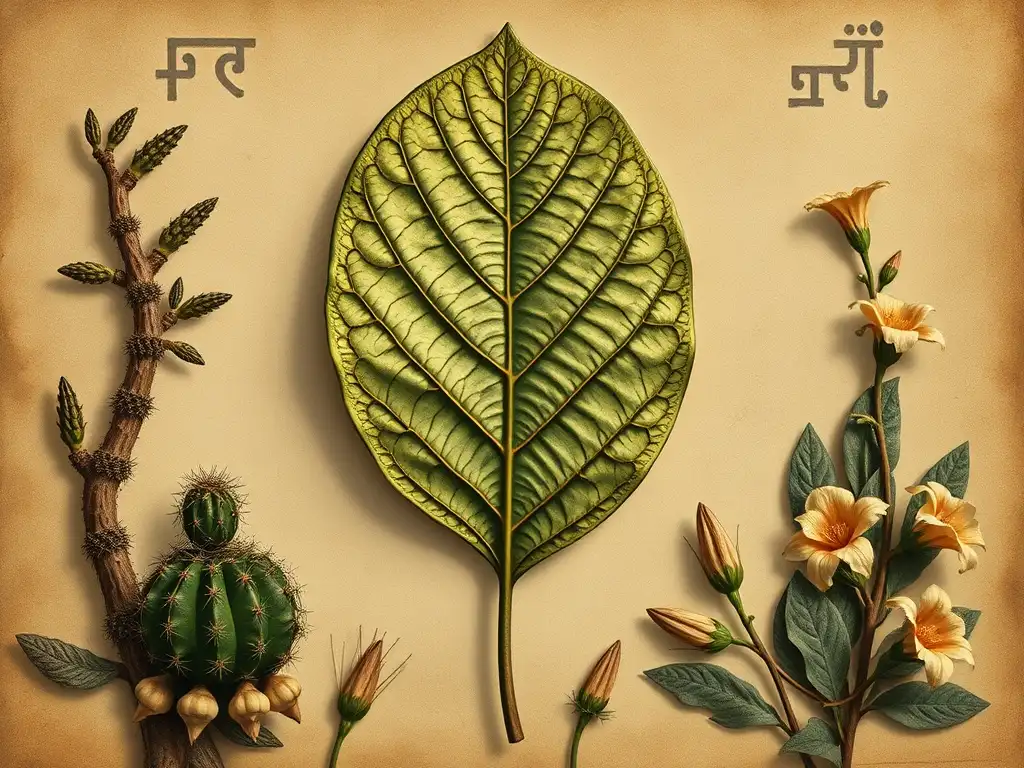
The Andes Mountains, a spine of towering peaks running down the western coast of South America, are not only a geographical marvel but also a cradle of vibrant spiritual traditions. For millennia, Andean cultures have utilized a diverse array of plants in their shamanic practices, creating a complex tapestry of rituals, beliefs, and healing techniques intricately woven into their cosmology. This exploration delves into some of the key shamanic plants central to Andean spiritual life, highlighting their significance and ritualistic uses.
Understanding Andean shamanic plant use requires appreciating the profound interconnectedness between the plant world, the spiritual realm, and human existence within this unique cultural context. The spiritual power attributed to these plants isn't merely pharmacological; it's deeply embedded in the rich history and spiritual beliefs of the Andean people.
Ayahuasca: The Vine of the Soul and its Ritualistic Use
Ayahuasca, while perhaps more strongly associated with the Amazon basin, also holds a place within certain Andean shamanic traditions, particularly in regions bordering the Amazon rainforest. It's crucial to note that the precise use and prevalence of ayahuasca within the diverse Andean cultures varies considerably. The brew, typically a combination of Banisteriopsis caapi (the ayahuasca vine) and other plants like Psychotria viridis (chacruna), is not universally employed throughout the Andes.
Where it is used, it facilitates profound altered states of consciousness, allowing shamans to communicate with the spirit world and diagnose illnesses. The ritual surrounding ayahuasca consumption is often elaborate, involving intricate preparations, prayers, and songs intended to guide and protect the participants.
The experience is believed to offer powerful insights into one's life, providing healing and spiritual growth. Detailed ethnographic studies are needed to further illuminate the specific variations in ayahuasca use across different Andean communities, as existing information is often fragmented and geographically limited.
San Pedro Cactus: The Teacher of Vision and Healing
The Echinopsis pachanoi, better known as the San Pedro cactus, is arguably one of the most iconic and widely used shamanic plants in the Andes. Its psychoactive properties, primarily due to mescaline, have been harnessed for centuries for healing, divination, and spiritual journeys. Unlike Ayahuasca, the San Pedro cactus's use is more widespread and deeply ingrained in the traditions of numerous Andean cultures. Shamans prepare the cactus in various ways, often cutting it into pieces and boiling it to create a brew. The resulting liquid is then ingested, inducing visions and allowing for communication with spirits and ancestors. The cactus is viewed not just as a tool for altered states but as a teacher, guiding the shaman and the participant through a process of self-discovery and healing. The specific rituals surrounding San Pedro consumption can vary significantly between communities, reflecting the diverse cultural landscape of the Andes. However, a common thread is the emphasis on spiritual preparation and guidance throughout the experience.
The effects are often described as deeply introspective, leading to profound personal insights and a strengthened connection to the spiritual world.
Coca Leaves: Traditional Uses Beyond Stimulant Effects
Coca leaves ( Erythroxylum coca) hold a unique position in Andean culture, transcending their simple categorization as a stimulant. While their stimulating effects are undeniable and widely known, their significance extends far beyond this. For centuries, coca leaves have been an integral part of daily life and spiritual practices across the Andes. They are chewed, brewed into tea (mate de coca), or used in offerings to deities and spirits.
The leaves are not merely consumed for their energizing properties but also for their perceived ability to enhance communication with the spiritual realm, offering protection, and facilitating spiritual journeys. The coca leaf's central role in Andean culture is deeply intertwined with their worldview, reflecting a profound respect for the plant and its spiritual power. The use of coca leaves in Andean shamanic practices is often connected to rituals of divination, healing, and communication with the spirit world.
It's important to distinguish between the traditional, ritualistic use of coca leaves, often conducted in carefully controlled settings, and the problematic context of coca leaf cultivation and cocaine production. The latter represents a severe distortion of the plant's cultural significance and has devastating consequences for many Andean communities. The nuanced understanding of coca's traditional and contemporary roles requires a careful approach, avoiding generalizations and recognizing the diverse perspectives within Andean societies.
Wilka or Yopo: Sacred Snuff and its Ceremonial Significance
Wilka, also known as Yopo, holds a prominent place in the shamanic traditions of several Andean cultures, particularly among groups inhabiting the northern Andes. Unlike the coca leaf, which is chewed, Wilka is a powerful snuff prepared from the seeds of Anadenanthera peregrina. The preparation process itself is steeped in ritual, often involving meticulous grinding and mixing of the seeds with an alkaline substance, such as lime, to enhance the psychoactive effects. This meticulous preparation underscores the plant's sacred status and the deep respect afforded to it.
The ceremonial use of Wilka was not simply recreational; it served as a crucial tool for accessing altered states of consciousness, facilitating communication with the spirit world. Shamans would administer the snuff to participants, often through a mutual exchange, creating a communal experience of spiritual connection. The effects of Wilka are described as intense, ranging from visual hallucinations and heightened sensory perception to feelings of profound unity and spiritual insight. These experiences were believed to provide access to divine knowledge, facilitating healing, divination, and communication with ancestral spirits.
Accounts from Spanish chronicles, though often biased, offer glimpses into the ceremonial contexts surrounding Wilka use. These accounts describe elaborate rituals involving specific songs, dances, and offerings, all integral to the successful communion with the spirit world. The act of administering and receiving the snuff was not merely a physical act but a deeply symbolic one, reflecting the intricate social dynamics and power structures within the community. The shaman, as the intermediary between the human and spiritual realms, played a pivotal role in these ceremonies, guiding participants through their experiences and interpreting the visions received.
The precise details of Wilka ceremonies varied across different Andean cultures, reflecting regional differences in beliefs and practices. However, the underlying purpose remained consistent: to utilize the plant's psychoactive properties as a conduit to the spiritual world, fostering healing, gaining spiritual insight, and strengthening community bonds. Further research into ethnobotanical records and archaeological evidence is crucial to fully understand the nuances and diversity of Wilka use across different Andean communities and throughout history.
The enduring legacy of Wilka in Andean shamanism highlights the enduring power of plants in shaping spiritual beliefs and practices. The plant continues to hold significance for some indigenous communities today, although its use remains largely hidden from mainstream society, underscoring its sacred and sensitive nature.
Rituals and Practices Surrounding Andean Shamanic Plant Use
This section delves into the intricate rituals and practices surrounding the use of shamanic plants in the Andes, exploring the careful preparation, the crucial importance of context, and the essential role of the shaman. Understanding these elements is key to appreciating the profound spiritual significance of these plant-based journeys for Andean cultures. The term "Andean shamanic plant use" itself encompasses a vast and diverse tapestry of traditions, varying significantly across different Andean groups and time periods.
The Preparation of Sacred Plant Medicines
The preparation of sacred plant medicines was, and in some cases still is, a highly ritualistic process, imbued with deep spiritual meaning. It wasn't simply a matter of gathering and consuming the plants; rather, it involved a complex series of steps designed to ensure the plant's potency and to establish a sacred connection between the plant, the shaman, and the spirit world.
Consider, for instance, the meticulous harvesting techniques employed. Plants weren't simply plucked; they were often harvested at specific times of day, under particular astrological alignments, or during specific phases of the moon. The timing was believed to directly influence the plant's efficacy and spiritual energy. Furthermore, offerings and prayers were frequently made to the apus (mountain spirits) and pachamama (Mother Earth) to express gratitude and to request their blessing on the process.
After harvesting, the plants underwent further preparation. This might involve drying, grinding, or brewing, each step performed with precision and respect. Specific chants, songs, or prayers might accompany each stage, further infusing the medicine with spiritual power. The entire process was a sacred act, demonstrating reverence for the plant and the spiritual power it held. Detailed accounts of specific plant preparation techniques, unfortunately, remain scarce in readily available academic literature, highlighting a need for further research into this crucial aspect of Andean shamanic practice. [Specific preparation methods for various plants pending].
The Importance of Set and Setting in Shamanic Ceremonies
The efficacy of Andean shamanic plant use was profoundly influenced by the "set and setting"—the internal state of the participant and the external environment in which the ceremony took place. The internal state, or "set," referred to the participant's mental and emotional preparation. A state of reverence, humility, and a sincere desire for spiritual insight were considered essential. Participants often underwent a period of purification and fasting before the ceremony, cleansing themselves physically and spiritually to better receive the plant's effects.
The "setting," or the physical environment, was equally crucial. Ceremonies typically took place in sacred spaces, often in remote locations in nature—high in the Andes mountains, near sacred springs, or in specially constructed ceremonial structures. These locations were believed to be imbued with potent spiritual energy, enhancing the experience and facilitating communication with the spirit world.
The presence of specific objects, such as ritual paraphernalia, further contributed to the sacred atmosphere. Even the weather and the time of year were considered important factors, with certain times being viewed as more auspicious than others for specific ceremonies. The overall atmosphere aimed to create a safe, respectful, and conducive environment for the spiritual journey.
The meticulous consideration of set and setting underscores the deeply holistic nature of Andean shamanic practice; the physical and spiritual realms were inextricably intertwined. The successful integration of these factors was paramount to a successful and safe experience.
The Role of the Shaman in Facilitating Plant-Based Journeys
The shaman played a central role in guiding participants through plant-based journeys. Their knowledge of plant properties, ritual practices, and spiritual realms was essential for ensuring a safe and meaningful experience. The shaman’s role extended far beyond simply administering the plant medicine. They acted as a spiritual guide, interpreter, and protector, navigating the participant through the often challenging and transformative experiences induced by the plants.
Shamanistic training was a long and arduous process, often involving years of apprenticeship and rigorous spiritual discipline. During the ceremony, the shaman used a variety of techniques to assist participants, including chanting, singing, playing instruments (such as the pututu or antara), and offering prayers and guidance. They monitored participants' experiences, providing support and ensuring their safety.
Their expertise in interpreting the visions and messages received during the ceremony was also crucial for helping participants to integrate their experiences into their daily lives. The shaman's deep understanding of the spiritual world and their ability to act as a bridge between the physical and spiritual realms were vital components of successful Andean shamanic plant use.
Their role was not merely therapeutic but deeply spiritual, shaping individuals' understanding of themselves and their place within the cosmos. The shaman, therefore, was a crucial link in the chain connecting the physical world with the Andean spiritual landscape.
Symbolic Meanings and Interpretations of Plant Experiences
The interpretation of experiences induced by Andean shamanic plants was far from arbitrary; it was deeply embedded within the complex cosmology and worldview of each specific culture. The visions, hallucinations, and altered states of consciousness weren't simply random displays; they were meticulously analyzed and interpreted as messages from the spirit world, offering guidance, warnings, or insights into the future. For example, encountering a particular animal spirit during a ritual using huachuma (San Pedro cactus) might be interpreted as a sign of impending success in hunting, or a warning of an approaching conflict, depending on the animal's symbolic meaning within the specific Andean community's belief system.
The color and intensity of the visions also held significant weight, with certain colors representing specific deities or aspects of the cosmos. Detailed record-keeping, often through intricate textiles or oral traditions passed down through generations of shamans, helped maintain and refine these interpretive frameworks. These interpretations weren't static; they were dynamic and responsive to the specific context of the ritual and the individual's life circumstances.
A vision of a storm might be interpreted as a symbol of cleansing and renewal for one individual, but as a warning of impending hardship for another, depending on their personal situation and the shaman's assessment. This nuanced approach to interpreting plant-induced experiences highlights the sophisticated understanding of the human psyche and the spiritual realm within Andean cultures. The shaman's role in guiding and interpreting these experiences was crucial, ensuring that the message was accurately understood and applied to the individual's life and community.
The use of coca leaves, for example, wasn't solely for its stimulating properties. The act of chewing coca, accompanied by specific prayers and rituals, was a form of communion with the spirits, a way to access divine guidance and maintain a connection with the ancestral world. The way the coca leaves felt in the mouth, their taste, and the patterns formed when arranged, could all carry symbolic weight and be incorporated into the interpretation of the overall experience.
Similarly, the intricate designs woven into textiles often reflected shamanic experiences and their interpretations, providing a visual record of spiritual encounters and their meanings. These textiles served not only as artistic creations but also as tangible representations of the complex interplay between the physical and spiritual realms, further demonstrating the deep cultural significance attached to the interpretation of altered states of consciousness.
The careful preservation and transmission of these interpretative frameworks across generations ensured the continuity of Andean shamanic practices and their profound connection to the spirit world. The study of these interpretations continues to unveil the rich tapestry of Andean spirituality and its intricate relationship with the plant world.
The Spiritual Significance of Andean Shamanic Plant Use
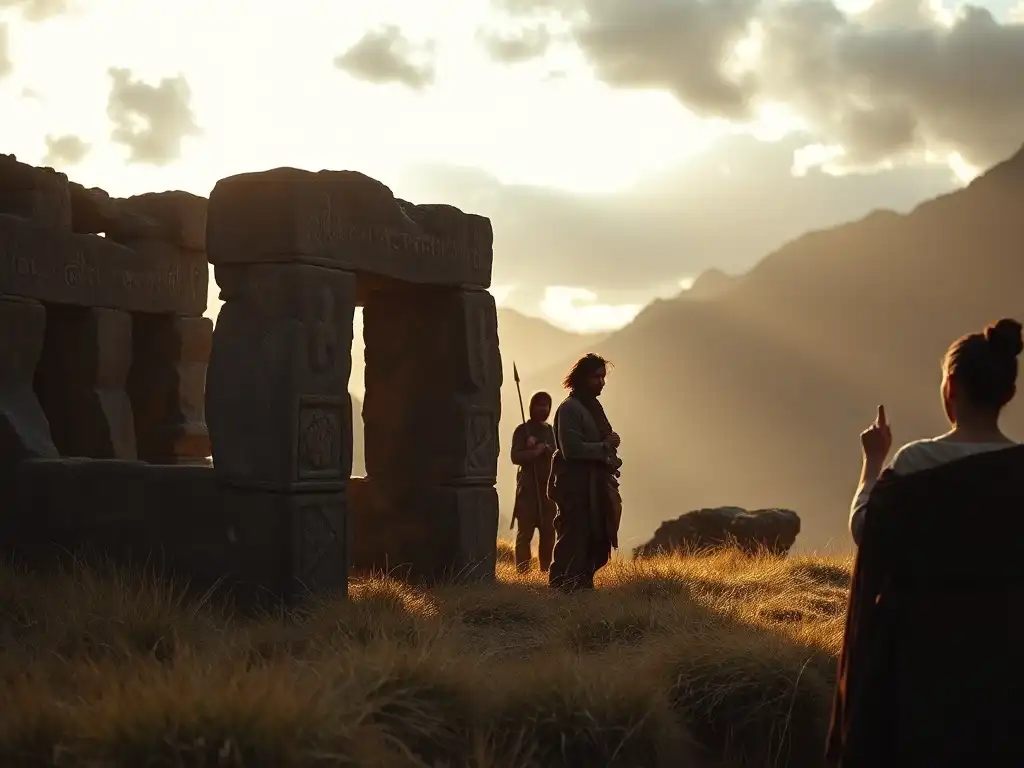
The use of plants in Andean shamanic practices wasn't merely medicinal; it was a deeply spiritual act, a bridge connecting the physical world with the huaca—sacred entities inhabiting mountains, rivers, and other natural elements. Andean shamanic plant use transcended simple healing; it facilitated communication with the spirit world, provided access to hidden knowledge, and strengthened the relationship between humans and the sacred Pachamama. This profound connection highlights the intricate intertwining of spirituality, nature, and healing within Andean cosmovision.
Understanding this interconnectedness is key to grasping the true significance of these practices. The careful selection, preparation, and administration of these plants were imbued with ritual and meaning, reflecting a sophisticated understanding of their spiritual properties. The specific plants used varied regionally, reflecting the diverse ecosystems and beliefs across the Andes.
Communicating with Spirits and Ancestors Through Plants
Many Andean cultures believed certain plants acted as conduits to other realms. The ingestion of specific plants, often accompanied by elaborate rituals and songs, allowed shamans to enter altered states of consciousness, facilitating communication with spirits, ancestors, and deities. These altered states weren't viewed as mere hallucinations but as a purposeful journey into the spirit world to seek guidance, receive prophecies, or diagnose illnesses.
For example, the use of San Pedro cactus ( Echinopsis pachanoi) was widespread, enabling shamans to interact directly with the apus (mountain spirits) and access knowledge otherwise unavailable. The vivid visions experienced during these ceremonies were carefully interpreted, offering insights into the patient's situation and potential solutions. The shaman's role wasn't merely to administer the plant but to guide the individual through this transformative experience, interpreting the visions and applying their knowledge to the individual's needs.
Detailed accounts of these ceremonies, though often fragmented, reveal a complex system of symbolism and interpretation deeply rooted in Andean cosmology. The effectiveness of these practices was not solely measured by physical healing, but also by the spiritual growth and understanding achieved.
Gaining Wisdom and Knowledge from the Plant Kingdom
Andean shamanic plant use wasn't limited to communication with spirits. Certain plants were believed to contain profound wisdom and knowledge, offering access to hidden truths and understanding of the universe. The plants themselves were considered sentient beings, possessing a unique intelligence and spiritual power.
This concept is reflected in the careful respect shown towards the plants, often involving elaborate rituals of thanks and offering before harvesting. The acquisition of knowledge wasn't passive; it required a deep understanding of the plant's properties, its relationship to the cosmos, and the proper methods for its use. This involved years of apprenticeship under experienced shamans, learning the intricate details of plant identification, preparation, and ritualistic use.
The transmission of this knowledge was often oral, passed down through generations within specific lineages, ensuring the preservation of these practices. The knowledge gained wasn't solely esoteric; it often encompassed practical applications, including agricultural techniques, medicinal remedies, and social structures.
The Concept of Pachamama and its Connection to Plant Medicine
The concept of Pachamama, the Earth Mother, is central to Andean cosmology. Pachamama is viewed as a life-giving force, the source of all sustenance and abundance. Andean shamanic plant use is inextricably linked to Pachamama, as plants are considered her gifts, embodying her life-giving energy.
The use of plant medicines is therefore seen as a way of honoring and connecting with Pachamama, demonstrating respect for her power and acknowledging the interconnectedness of all living things. The harvesting of plants was often accompanied by offerings and prayers, expressing gratitude for the plant's healing properties and requesting its continued abundance. The holistic approach to healing, incorporating spiritual, physical, and environmental aspects, underscores the deep reverence for Pachamama and the vital role of plant medicines within the Andean worldview.
The relationship between humans and Pachamama wasn't exploitative but one of reciprocal exchange, demonstrating a sustainable and respectful approach to the natural world—a crucial element within the framework of Andean shamanic plant use. This profound respect for nature is a cornerstone of Andean spirituality and continues to influence contemporary practices.
Healing and Transformation Through Plant-Based Shamanism
Andean shamanic plant use wasn't merely about altering consciousness; it was deeply intertwined with healing and personal transformation. Shamans, or paqos, acted as intermediaries between the human and spirit worlds, utilizing the power of plants to diagnose illnesses, both physical and spiritual. These illnesses weren't seen as isolated events but as imbalances within the individual's relationship with the cosmos, their ancestors, and the community.
The process often began with meticulous diagnosis. The paqos might employ various techniques, including divination using coca leaves or interpreting dreams, to understand the root cause of the ailment. This understanding wasn't limited to a purely physical assessment; it encompassed the emotional, psychological, and spiritual dimensions of the individual's well-being. For example, a persistent headache might be interpreted not just as a physical tension, but as a manifestation of spiritual disharmony or ancestral unrest.
Once the diagnosis was complete, the paqos would select specific plants to address the identified imbalance. The choice of plant was crucial, reflecting a deep understanding of their properties and effects. Some plants, like ayahuasca (though its use wasn't exclusively Andean), were known for their powerful visionary properties, enabling the shaman to journey to other realms to interact with spirits and seek solutions.
Others possessed medicinal properties, aimed at directly addressing physical symptoms. The preparation and administration of these plants were often ritualistic, involving prayers, songs, and offerings to ensure the efficacy of the treatment and to maintain a respectful relationship with the plant spirits.
The healing process wasn't solely physical; it involved a profound spiritual transformation. Through the plant's influence, individuals could confront personal demons, connect with their ancestors, and gain a deeper understanding of their place in the cosmos. This journey could be challenging, involving intense emotional and psychological experiences, but ultimately aimed at restoring harmony and balance within the individual and their surroundings.
The use of these plants was thus integral to the Andean concept of ayni, the principle of reciprocity and balance, extending beyond the individual to the entire community and the natural world. The successful integration of the experience into daily life was a key marker of successful healing and transformation. The plant itself didn't simply cure; it facilitated a profound shift in perspective and understanding, leading to lasting personal growth.
Historical Perspectives on Andean Shamanic Plant Use
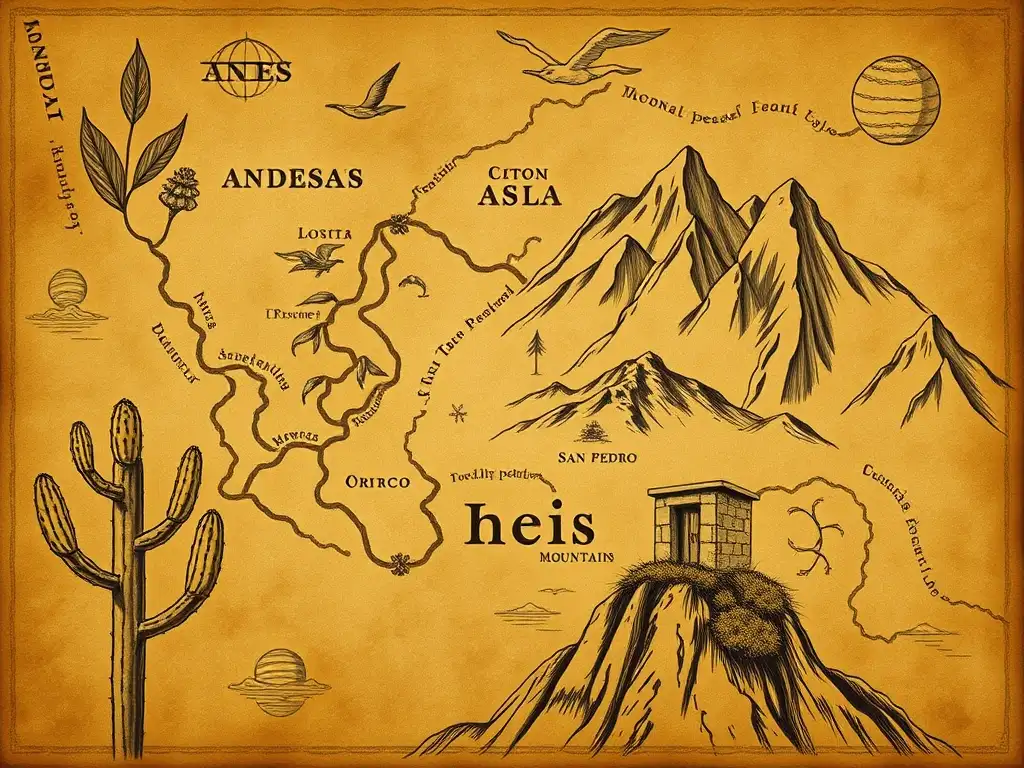
This section delves into the historical context of Andean shamanic plant use, exploring archaeological evidence, generational knowledge transmission, and the impact of colonialism on these ancient practices. Understanding this historical perspective is crucial to appreciating the enduring significance of these plants within Andean cultures and their continued relevance in contemporary spiritual practices. The term "Andean shamanic plant use" itself encapsulates a vast and complex history, one interwoven with the fabric of Andean societies for millennia.
Evidence of Ancient Plant Use in Andean Archaeology
Archaeological findings offer compelling evidence of the long history of Andean shamanic plant use. Excavations at various sites across the Andes have unearthed artifacts suggesting the ritualistic use of plants with psychoactive properties. For example, remnants of coca leaves have been found in numerous pre-Columbian tombs, often alongside other ceremonial objects. These discoveries suggest that coca, a plant still central to Andean spirituality and daily life, played a significant role in ancient religious practices, potentially facilitating communication with the spirit world and enhancing shamanic experiences.
Furthermore, the discovery of sophisticated tools for processing and preparing plants, such as mortars and pestles intricately carved with symbolic designs, points to a highly developed understanding of plant properties and their uses in ritual contexts. The meticulous preparation of these plants, often involving complex procedures and specific tools, highlights the sacredness attached to them and the level of expertise required to handle them safely and effectively. While further research is needed to fully understand the specific roles and effects of many plants, the archaeological record provides a tangible link to the past and the enduring legacy of Andean shamanic plant use.
The analysis of ancient textiles, too, often reveals intricate designs incorporating plant motifs, hinting at their symbolic importance in Andean cosmology and religious beliefs. These motifs frequently appear alongside depictions of deities or supernatural beings, strengthening the connection between plants and the spirit world.
The Transmission of Knowledge Through Generations
The knowledge surrounding the preparation and use of shamanic plants wasn't simply recorded in artifacts; it was meticulously passed down through generations within Andean communities. This oral tradition, often interwoven with elaborate myths, songs, and rituals, played a critical role in maintaining the integrity and continuity of these practices. Shamans, acting as custodians of this sacred knowledge, played a vital role in training apprentices and ensuring the proper use of these powerful plants.
This intergenerational transmission wasn't merely a rote repetition of facts; it was a dynamic process involving apprenticeship, observation, and personal experiences. Aspiring shamans underwent rigorous training, learning not only the practical aspects of plant preparation and use but also the intricate ethical considerations and spiritual understanding necessary for safe and responsible practice. The transmission of knowledge wasn't limited to specific techniques; it included a deep understanding of the plants' properties, their potential effects, and the appropriate contexts for their use.
This holistic approach emphasizes the profound respect and responsibility inherent in Andean shamanic plant use. The intricate systems of Andean cosmology, with its complex relationships between the earthly and spiritual realms, underpinned this understanding, shaping the rituals and practices surrounding the use of these sacred plants.
The Impact of Colonialism on Traditional Practices
The arrival of the Spanish conquistadors in the 16th century marked a significant turning point in the history of Andean shamanic plant use. The Spanish colonial regime, driven by its own religious beliefs and economic interests, actively sought to suppress indigenous spiritual practices, including the use of plants deemed "pagan" or "heretical." This suppression took many forms, ranging from outright bans and persecution of shamans to the introduction of new religious beliefs and practices aimed at replacing the indigenous spiritual system.
The impact of colonialism was profound and long-lasting. Many traditional practices were driven underground, becoming secretive and clandestine. The knowledge surrounding the use of shamanic plants, once openly shared within communities, became guarded and passed down within select lineages. This suppression, while undeniably destructive, also contributed to the resilience of these traditions.
Despite the challenges posed by colonialism, many Andean communities managed to preserve aspects of their ancestral knowledge, adapting and evolving their practices to navigate the changing socio-political landscape. The continued use of shamanic plants in contemporary Andean communities testifies to the enduring power and resilience of these traditions, even in the face of historical oppression. Understanding the impact of colonialism is essential to fully appreciate the complexities of Andean shamanic plant use today, acknowledging both the historical suppression and the enduring strength of these cultural practices.
The Modern Relevance of Andean Shamanic Plant Use
The enduring legacy of Andean shamanic plant use extends far beyond historical accounts; its relevance continues to resonate in contemporary society. While the specific practices and cultural contexts have evolved, the core principles of harnessing plant power for spiritual and healing purposes persist. This enduring relevance stems from several factors, including a growing disillusionment with conventional medicine, a renewed interest in indigenous knowledge systems, and a search for holistic wellbeing that integrates mind, body, and spirit.
The resurgence of interest in Andean shamanic practices reflects a global trend towards alternative and complementary therapies, with many seeking out these traditional methods for addressing both physical and psychological ailments. This isn't simply a romanticized view of the past; it's a recognition of the potential benefits offered by plant-based approaches that have been refined over millennia.
Understanding the historical context is crucial, but equally important is analyzing the contemporary applications and the ethical considerations surrounding this powerful tradition. The careful and respectful use of these plants is paramount to ensuring their continued efficacy and safeguarding their cultural significance.
The Growing Interest in Plant-Based Healing
The burgeoning interest in plant-based healing, particularly within the context of Andean shamanic traditions, is fueled by several interconnected factors. Firstly, there's a widespread dissatisfaction with the limitations of conventional medicine in addressing certain conditions. Many individuals find that conventional treatments fail to address the root causes of their suffering, leading them to explore alternative approaches. Secondly, there's a growing appreciation for the wisdom of indigenous cultures and their deep understanding of the natural world.
Andean shamanic knowledge, passed down through generations, offers a rich tapestry of plant-based remedies and spiritual practices. Thirdly, the holistic nature of Andean shamanic plant use appeals to those seeking a more integrated approach to wellbeing, encompassing physical, emotional, and spiritual dimensions. This contrasts sharply with the often fragmented approach of conventional medicine.
The use of plants like coca, ayahuasca (though not strictly Andean in origin, its use is prevalent in the region), and various cacti, is not merely about physical healing; it's about a profound journey of self-discovery and spiritual growth. The demand for authentic and responsible experiences continues to rise, highlighting the growing influence of Andean traditions on global wellness trends. This increased interest necessitates careful consideration of ethical practices and responsible sourcing to prevent exploitation and maintain the integrity of these traditions.
Ethical Considerations in the Use of Sacred Plants
Ethical considerations are paramount when discussing Andean shamanic plant use. The casual or exploitative use of these sacred plants is deeply problematic, undermining both the cultural integrity of the traditions and the potential for genuine healing. The commercialization of these plants, often divorced from the traditional context and spiritual guidance, raises significant concerns. Respect for indigenous communities and their knowledge systems is essential.
This includes obtaining informed consent, ensuring fair compensation for traditional healers and their communities, and protecting sacred sites from environmental damage. The importance of working with experienced and ethically-minded practitioners cannot be overstated. These individuals possess the necessary knowledge and understanding to guide participants safely through the powerful experiences associated with these plants. Further, the potential for misuse and abuse necessitates a focus on education and responsible practices.
This includes clear guidelines on preparation, dosage, and integration, ensuring that the plants are treated with the respect and reverence they deserve. Ignoring these ethical considerations risks trivializing sacred practices and potentially causing harm. Sustainable harvesting practices are also crucial for ensuring the long-term availability of these valuable plants and preserving the biodiversity of the Andean region.
Integration and Aftercare Following Plant Medicine Experiences
The integration process following a plant medicine experience is as crucial as the experience itself. Andean shamanic plant use is not a quick fix; it's a transformative journey requiring careful attention to aftercare. This often involves a period of reflection, journaling, and continued support from a practitioner or trusted community. The powerful insights and emotional processing that may occur during a ceremony require a safe and supportive environment to fully integrate.
This integration process can involve various practices, such as meditation, mindfulness, and therapy, to help individuals process the experiences and apply the learnings to their daily lives. The aftercare plan should be tailored to the individual's needs and the specific plant used. This might include dietary recommendations, specific practices, or continued support from the practitioner. Ignoring the importance of proper integration can lead to unresolved emotional issues and a diminished benefit from the experience.
A holistic approach to aftercare promotes personal growth and ensures the long-term positive impact of the plant medicine journey. This emphasizes the importance of viewing Andean shamanic plant use not as a singular event, but as a process of ongoing personal development and spiritual growth. The commitment to integration and aftercare underscores the responsible and respectful approach crucial for benefiting from this ancient tradition.
Conclusion: The Enduring Power of Andean Shamanic Plants
The use of shamanic plants in Andean cultures wasn't merely a ritualistic practice; it was deeply interwoven with their understanding of the cosmos, their social structures, and their very survival. These plants, far from being simply psychoactive substances, served as conduits to the spirit world, facilitating communication with deities, ancestors, and other supernatural entities. The enduring power of these plants lies not only in their pharmacological effects but also in their symbolic and spiritual significance, shaping Andean cosmovision for millennia.
Understanding Andean shamanic plant use requires acknowledging this complex interplay of the physical and the spiritual. The continued study of these practices offers invaluable insights into the rich tapestry of Andean religious beliefs and their lasting influence on contemporary Andean societies.
The Legacy of Plant Wisdom in Andean Traditions
The legacy of Andean shamanic plant use continues to resonate in modern Andean communities, albeit often in subtly altered forms. While some practices have been suppressed or marginalized due to colonial influences and modernization, the core beliefs and underlying principles persist. Many contemporary Andean healers ( curanderos and curanderas) still incorporate plant-based medicines into their healing practices, drawing upon traditional knowledge passed down through generations. This knowledge isn't static; it's dynamic and adaptive, incorporating new plants and techniques while retaining the fundamental spiritual connection to the plant world.
For instance, the use of coca leaves, while often viewed through a lens of its stimulant properties, remains central to many Andean rituals and social interactions. Its role transcends simple consumption; it's offered as a sacred offering to deities and ancestors, used in ceremonies to enhance communication with the spirit world, and shared as a symbol of hospitality and community. Similarly, other plants like San Pedro cactus and ayahuasca (though less common in the central Andes compared to the Amazonian region) continue to hold significant spiritual importance for some communities, used in carefully controlled shamanic ceremonies.
The transmission of this knowledge, however, faces challenges. The encroachment of Western medicine and the pressures of globalization threaten to erode traditional practices. Efforts to document and preserve this invaluable cultural heritage are crucial, not only for anthropological understanding but also for the continued well-being of Andean communities.
The preservation of Andean shamanic plant use is not just about preserving ancient rituals; it's about safeguarding a profound understanding of the interconnectedness between humanity and the natural world – a worldview that offers valuable lessons for a world increasingly disconnected from its ecological roots. The detailed study of these traditions provides a rich understanding of the Andean cosmovision and the intricate relationship between humans and the spirit world, mediated by the power of plants. Further research into specific plant uses and their cultural contexts is needed to fully appreciate the depth and breadth of this legacy.
This research should prioritize collaboration with Andean communities, ensuring the ethical and respectful preservation of their knowledge and traditions. The future of Andean shamanic plant use hinges on the successful integration of traditional knowledge with modern efforts to protect and preserve this vital aspect of Andean cultural heritage. 🌱
Frequently Asked Questions
What role did plants play in Andean shamanic practices?
Andean shamans used a variety of plants for spiritual journeys and healing. These plants, including coca and ayahuasca, were believed to connect individuals with the spirit world and provide access to divine knowledge.
Which specific plants were commonly used by Andean shamans?
Coca leaves were widely used for their stimulating and energizing effects, facilitating rituals and communication with spirits. Other important plants included tobacco, san pedro cactus, and various types of hallucinogenic plants.
How did the use of these plants impact Andean society?
Shamanic plant use deeply influenced Andean worldview and cosmology. It played a vital role in religious ceremonies, healing practices, and social structures, shaping their understanding of the universe and their place within it.
Were these plant-based practices solely for spiritual purposes?
While primarily used for spiritual purposes, Andean shamanic practices also involved the therapeutic use of plants to treat illnesses. Shamans used their knowledge of plants to diagnose and cure physical and spiritual ailments.
How is the knowledge of Andean shamanic plant use preserved today?
While much knowledge was lost during colonization, traditional practices persist in some Andean communities. Efforts are underway to document and preserve this invaluable cultural heritage, ensuring its continuity for future generations.
Final Reflection: Echoes of the Andes: A Legacy of Shamanic Plants
The ancient wisdom woven into the use of Andean shamanic plants remains profoundly relevant today, offering a powerful counterpoint to the isolating effects of modern life. These plants, far from being mere botanical curiosities, represent a vital connection to a deeper understanding of ourselves and the world around us, a connection increasingly sought in our fragmented times. Their continued use speaks volumes about the enduring human need for spiritual connection and healing.
The impact of these plants extends far beyond the individual experience; they are intrinsically linked to the cultural and spiritual fabric of Andean communities. Their use shapes traditions, ceremonies, and social structures, passing down knowledge through generations. The very act of engaging with these plants is an act of cultural preservation, a testament to the resilience of indigenous practices. The earth is what we all have in common.
- Wendell Berry. This quote underscores the interconnectedness we share with the natural world, a connection deeply embodied in the shamanic use of Andean plants.
Consider the profound implications of this legacy. You, the reader, are now privy to a glimpse into this rich history and the ongoing significance of these practices. Will you allow this knowledge to inspire a deeper connection with your own inner world and the natural world around you?
Perhaps you'll explore ways to foster a more mindful and respectful relationship with the plants in your own environment, or simply take a moment to appreciate the enduring power of ancient traditions in shaping our present. The journey towards understanding and connection is a personal one, and the echoes of the Andes await your exploration.
✨ **Unlock the Power of Shamanic Wisdom! **
Thank you for exploring the fascinating world of shamanic plants with us! You've discovered how these powerful botanicals can connect you to the spirit world and deepen your understanding of ancient traditions. Now, let's explore how you can integrate this wisdom into your life.
- Begin your shamanic journey: Research a plant that resonates with you and discover its traditional uses in different cultures. Consider keeping a journal to document your learning and experiences.
- Join a supportive community: Connect with others interested in shamanism. Look for local or online groups where you can share insights, attend ceremonies, or participate in workshops. This shared experience can be invaluable.
- Share your knowledge and inspire others: Write about your experiences or favorite shamanic plants on social media or a personal blog. Sharing your journey can spark conversations and inspire others to explore this path.
What experience or insight could you share to help others on their shamanic journey?