
The Power of Prayer and Incantation: Invoking the Gods through Andean Rituals

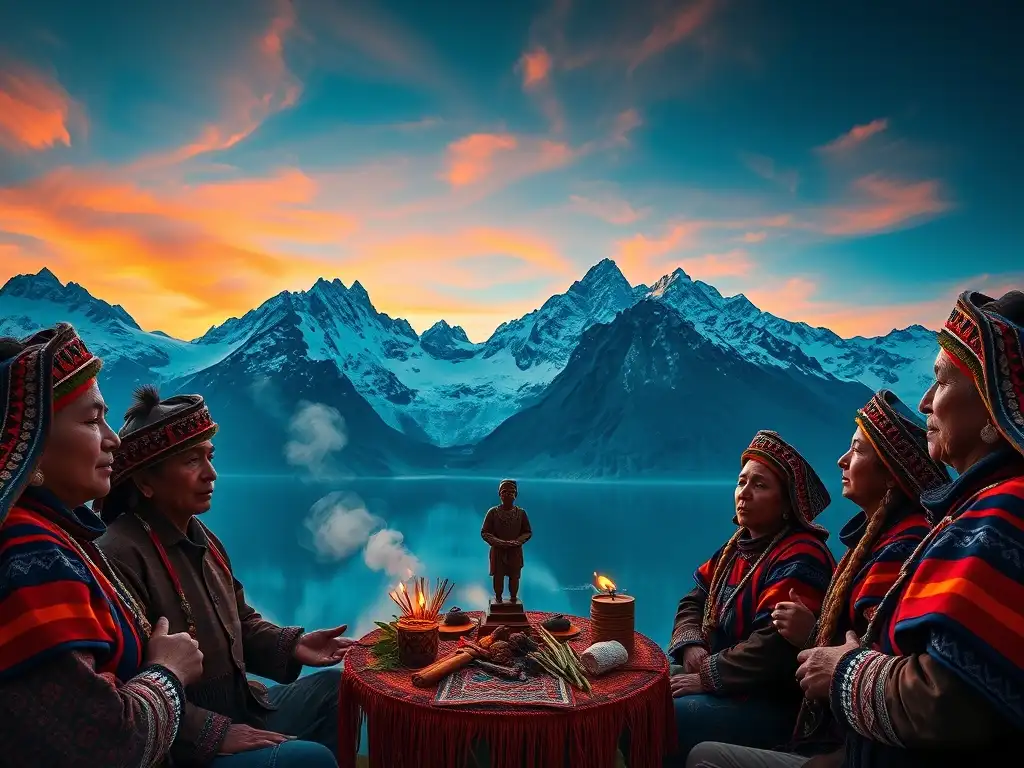
Step into a world lost to time, yet echoing with the power of ancient voices. Imagine the breathtaking landscapes of the Andes, where civilizations flourished and connected with the divine through intricate rituals and potent incantations. This is where you’ll uncover the secrets of Andean prayer rituals and incantations, a journey into the heart of Andean religion and cosmovision. Dare to explore the mysteries that await, and discover how these ancient practices shaped the destinies of empires.
- Andean Prayer Rituals and Incantations: Invoking the Gods
- The Significance of Andean Religious Practices
- The Core of Andean Invocation: Prayer and Incantation
- Types of Andean Prayer Rituals and Incantations
- Key Elements in Andean Incantations
- Specific Examples of Andean Prayer Rituals and Incantations
- The Legacy of Andean Prayer and Incantation
-
Frequently Asked Questions
- What were the main purposes of Andean prayer rituals and incantations?
- How did the Incas utilize prayer and incantation in their society?
- What role did offerings play in Andean prayer rituals?
- Were Andean prayer rituals and incantations standardized or varied between different cultures?
- Where can I learn more about the specific incantations used in Andean rituals?
- Final Reflection: Echoes of the Andes, Whispers of the Divine
- Unleash Your Spiritual Connection Today!
Andean Prayer Rituals and Incantations: Invoking the Gods
The Andes Mountains, a spine of towering peaks stretching along the western edge of South America, were not just a geographical feature for the ancient civilizations that thrived there; they were a living, breathing entity, a sacred landscape imbued with spiritual power. This article delves into the fascinating world of Andean prayer rituals and incantations, exploring how these ancient peoples interacted with their deities and the cosmos through carefully crafted ceremonies and powerful words.
We will examine the crucial role of shamans and priests in mediating between the human and spiritual realms, uncovering the intricate tapestry of beliefs, practices, and technologies employed in their sacred rituals. Understanding these practices provides invaluable insight into the complex religious and cosmological systems that shaped Andean societies and their enduring legacy.
We will explore specific examples from various Andean cultures, highlighting the diversity and richness of their spiritual practices while emphasizing the common threads that connected them.
The Role of Shamans and Priests in Andean Society
Shamans and priests occupied positions of immense power and prestige within Andean societies. They were not merely religious figures; they were often also healers, advisors to rulers, and keepers of vital knowledge. Their expertise in interpreting dreams, reading omens, and communicating with the spirit world made them indispensable to the community.
These individuals underwent rigorous training, often involving years of apprenticeship and initiation rites, to acquire the necessary skills and knowledge to perform their sacred duties. Their authority stemmed from their perceived ability to access and manipulate supernatural forces, mediating between the human world and the realm of the gods.
The training involved memorizing complex prayers, incantations, and ritual procedures passed down through generations, ensuring the continuity of religious traditions. Specific initiation rituals varied across different Andean cultures, but often involved periods of isolation, fasting, and intense spiritual exercises designed to purify the initiate and enhance their connection to the divine.
Common Elements in Andean Prayers and Incantations
Andean prayers and incantations were rarely spontaneous expressions; rather, they were carefully constructed formulas, often employing repetitive phrases, symbolic language, and specific gestures. These elements weren't arbitrary; they were designed to invoke specific deities, request favors, or ward off malevolent spirits. The use of Quechua, Aymara, and other indigenous languages further emphasized the sacred nature of these utterances.
For example, many incantations incorporated the names of specific deities, such as the creator god Viracocha or the sun god Inti, along with offerings of coca leaves, chicha (a fermented corn beverage), and other sacred items. The rhythmic chanting and the use of musical instruments, such as panpipes and drums, enhanced the power and efficacy of the rituals.
The precise wording and intonation were crucial, as any deviation could render the incantation ineffective or even counterproductive. This meticulous attention to detail underscores the profound importance placed on the correct execution of these sacred acts.
Examples of Specific Andean Prayer Rituals and Incantations
While detailed records of specific Andean prayers and incantations are scarce due to the limitations of written sources, archaeological evidence, ethnographic studies, and surviving oral traditions offer glimpses into these practices. For instance, archaeological findings reveal the presence of intricately carved stones and pottery adorned with symbolic representations that likely played a role in rituals. These artifacts often depict deities, mythical creatures, and scenes of ceremonial events, providing valuable clues about the nature of Andean religious practices.
Furthermore, surviving oral traditions, passed down through generations, contain fragments of ancient prayers and incantations, offering insights into the language, imagery, and themes employed in these sacred texts. These fragments often involve petitions for good harvests, protection from illness, or success in hunting and warfare.
Further research is needed to fully understand the nuances and complexities of these ancient utterances. The study of Andean textiles, for example, reveals complex iconography that may reflect specific prayers or incantations.
The Enduring Legacy of Andean Prayer and Ritual
The legacy of Andean prayer rituals and incantations continues to resonate in contemporary Andean communities. Many traditional practices, though adapted and modified over time, persist, demonstrating the enduring power of these ancient traditions. Elements of Andean cosmology, including the veneration of sacred mountains ( apus) and the use of coca leaves in ceremonies, are still integral to the spiritual lives of many Andean peoples.
The study of these enduring traditions provides a valuable lens through which to understand the continuity and evolution of Andean religious beliefs and practices. Understanding the historical context and the cultural significance of these rituals is crucial for appreciating the richness and complexity of Andean spiritual life, past and present.
The power of prayer and incantation, as a means of connecting with the divine and navigating the challenges of life, remains a vital aspect of Andean identity and cultural heritage. The preservation and study of these traditions are essential for ensuring that this rich cultural heritage continues to thrive for generations to come.
The Significance of Andean Religious Practices
This section delves into the profound importance of religious practices within Andean civilizations, focusing on how these rituals shaped daily life, social structures, and the very understanding of the cosmos. Understanding the significance of these practices requires acknowledging their deeply ingrained connection to the Andean worldview. The intricate relationship between humans and the supernatural, the cyclical nature of time, and the reverence for the apus (mountain spirits) and pachamama (Mother Earth) all played crucial roles in shaping the rituals and beliefs.
The effectiveness of these rituals wasn't simply a matter of superstition; they were seen as vital for maintaining balance and harmony within the world. Failure to perform these rituals correctly, or neglecting them altogether, was believed to have dire consequences, impacting everything from agricultural yields to the health and well-being of the community.
This wasn't merely a matter of individual piety; it was a communal responsibility, with the success of the entire society viewed as dependent on the proper execution of these sacred practices. The pervasiveness of this belief system is evident in the archaeological record, with countless artifacts and sites directly linked to ritualistic activities.
Understanding Andean Cosmovision and Spirituality
Andean spirituality wasn't a monolithic entity. It varied across different cultures and time periods, yet shared core elements. A key component was the concept of a layered cosmos, with the earthly realm interconnected with the celestial and underworld realms. This interconnectedness is reflected in the intricate iconography found on textiles, ceramics, and metalwork.
For example, the Moche culture's pottery often depicts scenes of shamanic rituals, vividly illustrating the interaction between the human and spiritual worlds. The concept of Ayni, a principle of reciprocity and balance, was also central. This principle dictated that offerings and prayers were essential to maintain harmony with the supernatural forces, ensuring bountiful harvests and protection from adversity. The belief in powerful spiritual beings, including deities associated with specific elements of nature, further emphasized the importance of appeasing these entities through prayer and ritual.
The intricate system of huacas (sacred places) further highlights this deeply spiritual landscape, with many sites continuing to hold religious significance even today. Understanding this complex spiritual framework is crucial to grasping the full significance of Andean prayer rituals and incantations. The rituals weren't simply requests; they were acts of maintaining the delicate balance upon which their world depended.
The Role of Shamans and Priests in Rituals
Shamans and priests occupied pivotal roles in Andean societies, acting as intermediaries between the human and spiritual worlds. They were responsible for conducting elaborate rituals, including those involving prayer and incantation, designed to appease the gods, ensure successful harvests, and heal the sick. These individuals were highly respected and often held considerable social and political influence. Their knowledge of medicinal plants, astronomical cycles, and spiritual practices made them indispensable to their communities.
The use of hallucinogenic plants, like San Pedro cactus, played a significant role in shamanic rituals, enabling them to enter altered states of consciousness and communicate with the spiritual realm. Detailed accounts of these rituals are scarce, relying heavily on archaeological evidence and interpretations of iconography. However, surviving textiles and ceramics offer glimpses into the complexity and intensity of these events. The precise words and forms of the Andean prayer rituals and incantations remain largely unknown, lost to time.
However, the reverence and importance placed upon these rituals are undeniable. The meticulous preparation, the specific offerings, and the symbolic gestures all point to a highly developed and sophisticated religious system where prayer and incantation were central to the maintenance of cosmic order and social harmony. The legacy of these shamanistic practices continues to resonate in contemporary Andean cultures, demonstrating the enduring power of these ancient traditions.
The Core of Andean Invocation: Prayer and Incantation
Andean prayer rituals and incantations weren't merely supplications; they were powerful acts shaping the cosmos and human existence. These practices, deeply intertwined with the Andean worldview, reflect a profound connection with the spiritual realm and a belief in the efficacy of spoken and unspoken communication with the gods and spirits. Understanding these rituals requires appreciating their multifaceted nature, moving beyond simple definitions to grasp their social, political, and cosmological significance within the varied Andean cultures. This section delves into the nuances of Andean prayer and incantation, revealing their importance in daily life and ceremonial events.
Defining Andean Prayer: Connection with the Divine
Andean prayer, unlike its Western counterparts, wasn't limited to formal, structured supplications. It encompassed a wide spectrum of expressions, from whispered requests to elaborate ceremonies involving offerings and symbolic gestures. The huaca, or sacred entity—which could be a mountain, a spring, an ancestor, or even a specific object—was central to these prayers. Prayers weren't directed solely to a supreme deity but often focused on establishing and maintaining a reciprocal relationship with the huacas, acknowledging their power and seeking their favor in return for offerings and respectful behavior.
The act of prayer itself was often accompanied by specific postures, movements, and offerings, further emphasizing the interaction between the human and spiritual realms. For example, the offering of coca leaves, meticulously arranged and accompanied by specific incantations, was a common practice across various Andean cultures. The leaves weren't simply gifts; they facilitated communication, acting as intermediaries between the human world and the spiritual one.
The careful arrangement and the precise words spoken during the offering were crucial components of the prayer itself. Furthermore, the location of the prayer—a sacred site, a domestic altar, or even a natural landscape—also held significance, reinforcing the connection between the prayer and the huaca being addressed. Different Andean societies might have had unique variations in their prayer styles, but the fundamental concept of establishing a reciprocal relationship with the spiritual world remained consistent.
The Power of Incantation: Words as a Sacred Tool
Incantations, often integral to Andean prayer rituals, were more than mere words; they were potent tools for shaping reality. These carefully crafted phrases, imbued with spiritual power, were used for various purposes, from healing and protection to ensuring successful harvests and appeasing angry spirits. Shamans and priests were often the keepers of these incantations, possessing the knowledge and skill to wield their power effectively. The effectiveness of the incantation depended not only on the words themselves but also on the performer's skill, their spiritual connection, and the context in which it was delivered.
The use of quechua, the language of the Inca Empire, and other indigenous languages in incantations was crucial. The words weren't just sounds; they carried a deep symbolic weight, connecting the spoken word to the spiritual world. The rhythm, tone, and intonation were also important elements, contributing to the incantation's overall power and effectiveness. Consider, for instance, the incantations used in healing ceremonies. These weren't simply verbal suggestions; they were believed to directly influence the flow of energy within the patient's body, facilitating healing and restoring balance. Similarly, incantations used in agricultural rituals were believed to influence the growth of crops, ensuring a bountiful harvest. Detailed records of specific incantations are scarce, but ethnographic accounts and surviving fragments of texts offer glimpses into their power and complexity. Further research is needed to fully understand the nuances of these powerful verbal tools within the context of Andean prayer rituals and incantations.
Types of Andean Prayer Rituals and Incantations

Andean prayer rituals and incantations were not monolithic practices; rather, they were diverse and nuanced, reflecting the complex religious beliefs and social structures of the various Andean cultures. These rituals, often led by shamans or priests, aimed to establish communication with the supernatural world, seeking blessings, protection, and intervention in various aspects of life.
The effectiveness of these prayers and incantations was believed to be directly linked to the sincerity, skill, and spiritual power of the officiant, as well as the proper performance of the ritual itself. The use of specific offerings, chants, and gestures further enhanced the power of the invocation.
Rituals for Agricultural Prosperity: Appeasing Pachamama
Agricultural success was paramount to the survival of Andean societies. Pachamama, the Earth Mother, was considered the source of all fertility and abundance. Rituals designed to appease and honor Pachamama were therefore central to Andean religious life. These rituals often involved offerings of coca leaves, chicha (fermented corn beer), and other agricultural products, placed directly on the earth or in specially designated locations.
Prayers and incantations, spoken in Quechua or other native languages, would accompany these offerings. These verbal invocations were not merely requests; they were carefully crafted dialogues, acknowledging Pachamama's power and expressing a deep sense of reciprocity. For example, a farmer might chant: “ Oh, Pachamama, generous mother, we offer you the first fruits of our harvest, in gratitude for your bounty.
Protect our fields from frost and drought, and grant us a plentiful harvest this year.” The specific wording would vary depending on the region and the specific needs of the community. The ritual's success was not solely dependent on the words themselves but also on the farmer's sincere devotion and respect for the earth. Failure to properly appease Pachamama was believed to result in crop failure and other misfortunes.
Failure to perform these rituals meticulously could lead to perceived divine displeasure, manifested in poor harvests or natural disasters. The precise details of these rituals varied considerably across different Andean groups, but the core principle of honoring Pachamama and seeking her benevolence remained consistent.
Healing Rituals: Seeking Divine Intervention for Health
Illness in Andean societies was often attributed to supernatural causes – imbalance in the body's energies, the influence of malevolent spirits, or the displeasure of a deity. Healing rituals, therefore, played a vital role in maintaining community well-being. Shamans, possessing specialized knowledge of medicinal plants and spiritual practices, acted as intermediaries between the human and spirit worlds.
These healing rituals often involved complex procedures. They might include the use of medicinal plants, rhythmic chanting, blowing of sacred instruments, and the manipulation of energy flows within the patient's body. Prayers and incantations played a crucial part in these rituals, invoking the aid of specific deities or spirits associated with healing.
For instance, the shaman might call upon the apus (mountain spirits) for strength and protection, or beseech the spirits of medicinal plants to aid in the healing process. Detailed accounts of these incantations are scarce, but surviving fragments suggest a rich vocabulary of spiritual power and symbolic language. The efficacy of the treatment depended on the shaman's ability to correctly diagnose the spiritual cause of the illness and to effectively communicate with the relevant supernatural entities.
The rituals were often accompanied by the burning of incense, the use of specific amulets, and the offering of gifts to appease malevolent spirits or to thank benevolent ones. The success of these healing rituals depended not only on the shaman's expertise but also on the patient's faith and cooperation.
Ancestral Veneration: Prayers and Incantations for the Dead
Respect for ancestors was a cornerstone of Andean belief systems. The deceased were not simply forgotten; they were considered active participants in the community's spiritual life. Prayers and incantations played a crucial role in maintaining connections with these ancestors, seeking their guidance and protection.
Rituals honoring the dead often involved offerings of food, drink, and other items placed at burial sites or family shrines. These offerings were accompanied by prayers and incantations, expressing respect, gratitude, and a request for continued support from the ancestors. The words spoken during these rituals often invoked the names of specific ancestors, recounting their deeds and accomplishments.
These invocations served to strengthen family bonds and maintain a sense of continuity across generations. The success of these rituals was dependent on the proper performance of the rites and the sincerity of the individuals performing them. Neglecting these rituals was believed to anger the ancestors, leading to misfortune for the living.
The precise nature of these prayers and incantations varied across different Andean communities, reflecting the unique beliefs and customs of each group. However, the underlying principle of honoring and maintaining connections with deceased relatives remained constant throughout Andean cultures. The preservation of these traditions highlights the enduring importance of ancestor veneration in Andean societies.
Rites of Passage: Invoking Blessings for Life Changes
Rites of passage marked significant life transitions in Andean societies, from birth to death, and were deeply intertwined with prayer and incantation. These weren't merely social events; they were crucial rituals designed to ensure the individual's successful navigation of these pivotal moments and to secure the blessings of the gods for a prosperous future. Shamans and priests played a central role, acting as intermediaries between the human and spiritual realms. Their knowledge of ancient prayers and incantations was essential to the efficacy of the rituals.
For example, the birth of a child was far more than a biological event. It was a sacred moment signifying the arrival of a new member into the community and the cosmos. Elaborate ceremonies, often involving specific incantations to Pachamama (Mother Earth) and the apus (mountain spirits), were performed to welcome the child and ensure its health and well-being.
These ceremonies often included offerings of coca leaves, food, and other precious objects, all carefully placed as part of a meticulously planned ritual. The precise incantations varied between communities and even families, passed down through generations as sacred knowledge. The shaman's role was to guide the family through these procedures, ensuring the proper invocation of blessings and protection.
Similarly, marriage ceremonies were imbued with deep spiritual significance. The union of two individuals was seen as a sacred pact, not just between the couple but also between their families and the gods. Prayers and incantations aimed to bless the couple with fertility, prosperity, and a harmonious life together.
These often involved symbolic gestures, such as the sharing of food and drink, and the offering of gifts to the deities. The shaman might perform a cleansing ritual, using sacred plants and chants to purify the couple and their surroundings, preparing them for their new life together. The specific details of these rituals varied across different Andean cultures, reflecting the diverse beliefs and customs of the various groups.
Death, too, was a significant rite of passage, marked by rituals designed to guide the deceased's spirit to the afterlife. These ceremonies were complex and often involved elaborate preparations of the body, the construction of elaborate tombs, and the performance of powerful incantations to ensure a safe passage and a peaceful existence in the spirit world. Shamans were critical in these rituals, guiding the soul and helping the bereaved family cope with their loss.
The prayers and incantations recited during these ceremonies aimed to appease the gods, to request a smooth transition for the deceased, and to prevent any negative consequences for the living. The offerings made during funeral ceremonies often included precious artifacts, personal belongings, and food to sustain the deceased in the afterlife.
These practices highlight the deep-rooted belief in the continuity of life beyond death and the importance of properly honoring the deceased. The intricate nature of these rituals underscores the central role of prayer and incantation in the Andean worldview, shaping every aspect of life from birth to death.
The power of prayer and incantation in these rites of passage reflects the Andean belief in the interconnectedness of the human and spiritual worlds. The rituals weren't just symbolic gestures; they were active attempts to influence the course of events, to secure divine favor, and to ensure a successful transition through life's major milestones. The specific forms of prayer and incantation varied widely depending on the context and the specific Andean culture, demonstrating the rich diversity of these traditions.
Key Elements in Andean Incantations
This section delves into the core components that shaped Andean incantations, transforming them from simple spoken words into powerful tools for connecting with the divine. Understanding these elements provides crucial insight into the sophisticated religious practices of Andean cultures. The effectiveness of these rituals relied heavily on precise execution and a deep understanding of the spiritual world. Analyzing these key elements allows us to appreciate the complexity and artistry embedded within Andean prayer rituals and incantations.
The Use of Sacred Language and Symbolic Words
Andean incantations weren't merely casual pleas; they were meticulously crafted using sacred languages, often Quechua or Aymara dialects, infused with potent symbolic words. These weren't everyday terms; instead, they represented specific deities, natural forces, or abstract concepts crucial to the Andean worldview. The choice of words was far from arbitrary. For example, the invocation of specific mountain spirits ( apu) might require the use of archaic terms or dialectal variations understood only by initiated shamans and priests. The precise pronunciation and intonation were also paramount, as subtle shifts could alter the incantation's meaning and efficacy.
Consider the use of runas, or glyphs, often incorporated into incantations, either verbally described or physically present during rituals. These symbols, imbued with spiritual significance, acted as visual anchors, strengthening the connection between the spoken word and the spiritual realm. The incorporation of these symbols was not merely decorative; their placement and sequence often followed specific patterns reflecting the cosmology of the particular Andean culture.
Unfortunately, a complete understanding of the semantic nuances of many of these words and symbols remains elusive due to the limited surviving documentation and the inherent complexities of translating these ancient languages. Further research is needed to fully decipher the intricate linguistic tapestry woven into Andean prayer rituals and incantations.
The Importance of Rhythm and Repetition in Prayers
Rhythm and repetition were fundamental to the power of Andean prayers. The rhythmic chanting, often accompanied by musical instruments like panpipes or drums, created a trance-like state, conducive to spiritual communion. This wasn't simply a matter of aesthetics; the repetitive nature of the incantations served a crucial function in reinforcing the message and enhancing its impact on both the shaman/priest and the recipient of the prayer.
The repetition wasn't mindless; subtle variations in tone, tempo, and emphasis could imbue the incantation with different meanings or intensities. Imagine the shaman's voice, rising and falling in a hypnotic rhythm, the words echoing through the sacred space, creating an atmosphere charged with spiritual energy. This rhythmic structure was not only crucial for maintaining focus but also for creating a powerful emotional resonance, facilitating the desired connection with the supernatural world.
The rhythmic delivery of these prayers was carefully calibrated to induce altered states of consciousness, facilitating deeper spiritual experiences and strengthening the efficacy of the incantation. This aspect of Andean prayer rituals and incantations highlights the importance of performance and the embodied nature of religious practice.
Offerings and Sacrifices as Part of the Invocation
Andean prayer rituals and incantations were rarely performed in isolation. They were almost always accompanied by offerings and sacrifices, intended to appease the deities and secure their favor. These offerings varied greatly depending on the specific deity invoked, the nature of the request, and the social status of the individual performing the ritual. Simple offerings might include coca leaves, chicha (fermented corn beer), or food. More elaborate rituals could involve animal sacrifices, ranging from llamas to smaller animals, depending on the significance of the occasion and the power of the deity being addressed.
The act of offering itself held profound symbolic meaning. The offering wasn't just a bribe; it represented a reciprocal exchange between the human and the divine realms. By giving something of value, the individual affirmed their respect and dependence on the supernatural powers. The sacrifice, in particular, represented a profound act of submission and a willingness to share in the cosmic order.
The careful preparation and presentation of these offerings underscored the importance of ritual purity and the seriousness with which these religious practices were undertaken. The meticulous details involved in these offerings further illuminate the profound spiritual significance attached to Andean prayer rituals and incantations within the broader context of their religious beliefs. The remnants of these offerings, often found in archaeological sites, provide tangible evidence of the widespread practice and importance of these rituals throughout Andean history.
The Role of Music and Dance in Andean Rituals
Music and dance were integral components of Andean prayer rituals and incantations, far from mere embellishments. They served as powerful conduits connecting the earthly realm with the spiritual world, amplifying the efficacy of prayers and incantations. The rhythmic drumming, the haunting melodies of panpipes, and the intricate steps of ceremonial dances were believed to harmonize the participants with the cosmic order, creating a space where the gods were more readily receptive to their pleas.
The specific instruments and dances varied across different Andean cultures and regions, reflecting the unique characteristics of their respective cosmovisions. For instance, the Incas utilized instruments like the pututu (a shell trumpet) and the tarka (a panpipe) to summon deities and announce important events, while the Moche culture's vibrant iconography reveals elaborate dance rituals depicted in their pottery, suggesting a strong connection between dance and their spiritual practices.
The use of music wasn't simply about creating a pleasant atmosphere; it was believed to possess a tangible power. The sounds themselves were thought to hold spiritual energy, capable of influencing the natural world and the gods. Specific rhythms and melodies were associated with different deities or aspects of the cosmos, and the skillful performance of these musical pieces was considered crucial for the ritual's success.
Shamans and priests were often highly trained musicians, mastering intricate techniques and possessing a profound understanding of the symbolic meaning of each note and rhythm. Their musical prowess was seen as an essential qualification for their role as intermediaries between the human and divine worlds. This mastery allowed them to manipulate the energies within the ritual space, facilitating a closer connection with the spiritual realm.
Furthermore, dance played a crucial role in physically embodying the prayers and incantations. The movements of the dancers were not arbitrary; they were carefully choreographed to represent specific narratives, embodying the essence of the story being enacted. These dances often mimicked the movements of animals, celestial bodies, or the deities themselves, symbolically aligning the participants with the divine forces they sought to invoke.
The energy generated through the combined efforts of music and dance created a powerful synergy, intensifying the impact of the spoken incantations and prayers. The collective participation in these rituals fostered a sense of community and shared purpose, strengthening the collective power of their invocations. The combined effect of the music, dance, and incantations created a powerful ritual experience, believed to be essential for communicating effectively with the Andean pantheon.
Specific Examples of Andean Prayer Rituals and Incantations
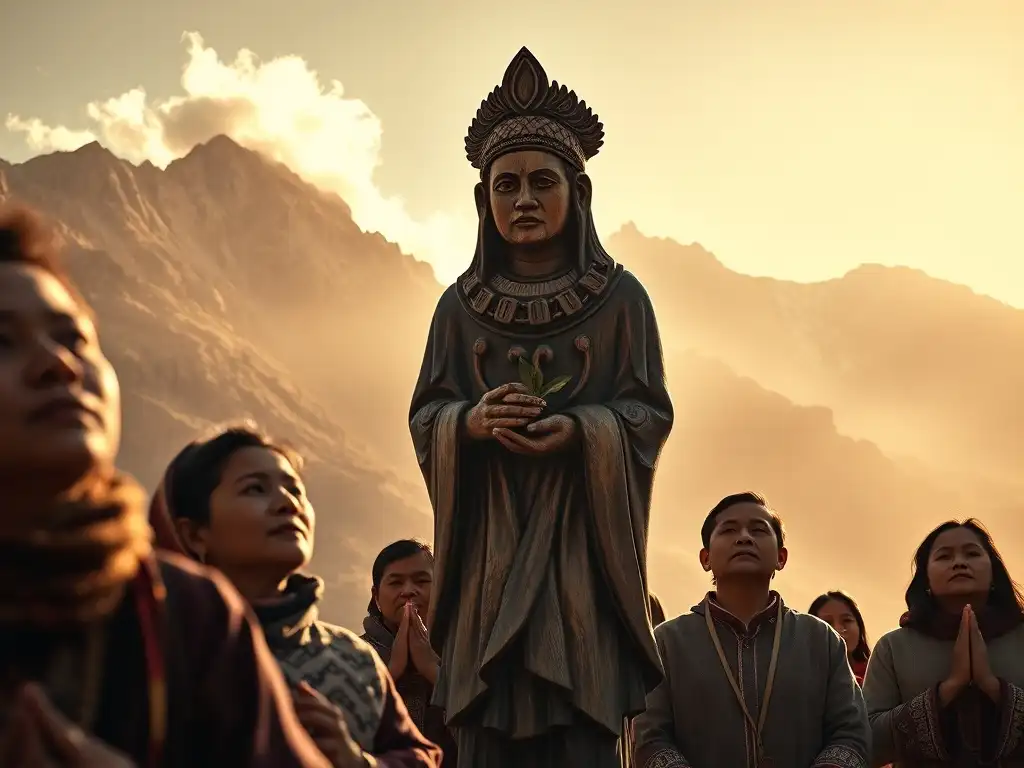
This section delves into the specifics of Andean prayer rituals and incantations, showcasing the diverse ways in which ancient Andean peoples interacted with their deities. Understanding these rituals provides crucial insight into their complex religious beliefs and societal structures. The power of prayer and incantation wasn't merely a personal act; it was a vital component of maintaining cosmic balance and ensuring community prosperity. The effectiveness of these rituals was believed to be directly tied to the shaman's or priest's ability to correctly perform the incantations and offerings, demonstrating a deep understanding of Andean cosmology.
The Inti Raymi Ceremony: A Solar Invocation
The Inti Raymi, meaning "Fiesta del Sol" or "Festival of the Sun," was the most important solar festival in the Inca Empire. Held annually during the winter solstice (June 21st), it was a grand celebration honoring Inti, the Sun God, considered the supreme deity. The ceremony involved elaborate processions, sacrifices (often llamas or alpacas), and fervent prayers for a bountiful harvest and continued prosperity.
The Inca Sapa Inca, or emperor, played a central role, acting as an intermediary between the human and divine realms. He would offer prayers and libations directly to Inti, often accompanied by high priests and other officials. These prayers, delivered in Quechua, were not simply recited; they were performed with intense emotion and ritualistic movements, designed to connect with the divine energy of the sun.
The precise incantations used are largely lost to history, but accounts from Spanish chroniclers suggest they invoked Inti's power to sustain life, protect the empire, and ensure the fertility of the land. The Inti Raymi wasn't merely a religious event; it was a powerful statement of imperial authority, reinforcing the Sapa Inca's divine right to rule. The meticulous planning and execution of the festival, involving thousands of participants, highlight the significance of Andean prayer rituals in the Inca social and political structure.
The Ch'alla Ceremony: A Ritual for Blessings and Protection
The Ch'alla ceremony is a widespread Andean ritual practiced to this day, demonstrating the enduring legacy of these traditions. It involves the offering of coca leaves, alcohol (typically chicha), and other items to Pachamama (Mother Earth) and other deities to seek their blessings and protection. This act of "blessing" is not passive; it's an active engagement with the spiritual world, aiming to establish a harmonious relationship with the forces that govern life and nature.
The process typically involves sprinkling the coca leaves and alcohol on the ground, buildings, fields, or even livestock, accompanied by prayers and incantations. These prayers are often improvised, reflecting the specific needs and desires of the individual or community. However, they consistently express gratitude and request blessings for health, prosperity, and protection from harm.
The act of scattering the coca leaves symbolizes the sharing of offerings with the spirits, while the alcohol is believed to appease and invigorate the divine energies. The Ch'alla illustrates the deeply practical nature of Andean prayer rituals, connecting spiritual practices to everyday life and agricultural cycles. The ritual's continued practice highlights its enduring significance and its adaptation to modern contexts.
The Offering to Wiracocha: A Prayer to the Creator God
Wiracocha, the Creator God, held a prominent place in the Andean pantheon, particularly among the Inca. Offerings to Wiracocha were often performed at significant sites, such as temples or mountaintops, emphasizing the sacred nature of these locations. These offerings weren't limited to material goods; they also included prayers and incantations, designed to express reverence and seek Wiracocha's favor.
Unlike the more localized nature of some rituals, prayers to Wiracocha often focused on broader themes of cosmic order, creation, and the well-being of the entire world. The incantations, likely delivered by high priests, would have been carefully crafted, reflecting a deep understanding of Andean cosmology and Wiracocha's role within it. While the exact wording of these prayers remains unknown, we can infer their essence from surviving accounts and the broader context of Andean religious beliefs.
The offerings to Wiracocha highlight the scale and scope of Andean spiritual practices, emphasizing the connection between the human world and the broader cosmos. The reverence for Wiracocha reflects a desire for stability and order in a world perceived as being subject to powerful and unpredictable forces. These rituals reinforced the societal hierarchy, with priests acting as intermediaries between the people and the Creator God.
The Legacy of Andean Prayer and Incantation
This section delves into the enduring power and significance of Andean prayer rituals and incantations, exploring their historical roots and continued relevance in contemporary Andean societies. The legacy of these practices is not merely a historical artifact; it's a living tradition, deeply intertwined with the cultural identity and spiritual well-being of Andean communities. Understanding this legacy requires examining both the ancient practices and their modern expressions.
The intricate relationship between the spiritual and the physical world, as reflected in these rituals, offers a compelling insight into the Andean worldview. The effectiveness of these Andean prayer rituals and incantations is often attributed to the deep connection between the spiritual realm and the natural world, a connection carefully nurtured and maintained through generations.
The Persistence of Traditional Practices in Modern Andean Communities
Despite centuries of colonization and cultural shifts, many traditional Andean prayer rituals and incantations persist in contemporary communities. These practices are not static; they adapt and evolve, integrating new elements while retaining their core essence. For instance, the use of coca leaves in ceremonies, a practice dating back millennia, continues to be a vital component of many rituals.
The coca leaf, chewed or offered as pago (payment) to the apus (mountain spirits), is believed to facilitate communication with the spiritual realm and ensure good fortune. Similarly, the use of ch'alla (offerings of alcohol, food, and other items) remains a common practice, intended to appease deities and maintain balance in the cosmos. These practices aren't merely symbolic; they are integral to the daily lives of many Andean people, influencing decision-making, agriculture, and social interactions.
Studies show a correlation between the continued practice of these rituals and a stronger sense of community cohesion and cultural identity. The persistence of these traditions highlights the resilience of Andean spirituality and its capacity for adaptation in the face of external pressures. The rhythmic chants and prayers, often accompanied by musical instruments, are not just sounds but a tangible link to ancestors and a conduit for spiritual energy.
The Importance of Preserving Andean Religious Knowledge
The preservation of Andean prayer rituals and incantations is crucial not only for the cultural heritage of the Andean region but also for the global understanding of diverse spiritual traditions. These practices offer valuable insights into alternative ways of relating to the divine and interacting with the natural world. The loss of this knowledge would represent a significant gap in our understanding of human spirituality and cultural diversity.
Efforts to document and preserve these rituals through ethnographic studies, oral histories, and community-based initiatives are paramount. This includes supporting local communities in their efforts to maintain these traditions and promoting respectful engagement with their practices. Furthermore, archiving audio recordings of prayers and incantations, along with detailed descriptions of their context and significance, is essential for future generations.
The preservation of this knowledge is not just about archiving; it's about empowering Andean communities to protect their cultural heritage and share their rich spiritual traditions with the world. This includes training younger generations in the proper execution and understanding of these rituals. The knowledge held by yatiris (Andean shamans) and other spiritual leaders is invaluable and requires careful preservation.
The Deep Connection Between Andean Spirituality and Nature
Andean prayer rituals and incantations are profoundly intertwined with the natural world. The apus, mountains considered sacred beings, play a central role in many rituals. Prayers are offered to ensure good harvests, protect livestock, and maintain the balance of the ecosystem. The cyclical nature of Andean agriculture is mirrored in their religious practices, reflecting a deep understanding of the interconnectedness of all living things.
Water, earth, and air are not merely resources but sacred entities deserving of respect and veneration. This close relationship between spirituality and nature is evident in the meticulous attention paid to the environment in many rituals. For example, offerings are often placed in specific locations in nature, emphasizing the sacredness of those sites. The use of natural materials in rituals, such as herbs and flowers, further underscores this deep connection.
The concept of ayni, reciprocity, is central to Andean spirituality, emphasizing the importance of giving back to nature in exchange for its bounty. This philosophy permeates their prayer rituals and incantations, highlighting the ethical responsibility humans have towards the environment. Understanding this deep connection provides a critical lens through which to interpret Andean spirituality and its enduring relevance in a world increasingly grappling with environmental challenges. The respect for nature inherent in these practices offers valuable lessons for contemporary societies seeking sustainable solutions.
Frequently Asked Questions
What were the main purposes of Andean prayer rituals and incantations?
Andean prayer rituals and incantations served various purposes, including communicating with deities, requesting favorable harvests, healing the sick, and ensuring protection from harm. They were deeply intertwined with daily life.
How did the Incas utilize prayer and incantation in their society?
The Incas incorporated prayer and incantation into many aspects of their lives, from agricultural practices and state ceremonies to personal devotion. They believed these practices maintained cosmic balance and ensured prosperity.
What role did offerings play in Andean prayer rituals?
Offerings, such as food, coca leaves, and precious objects, were crucial components of Andean prayer rituals. These gifts were believed to appease the gods and secure their favor.
Were Andean prayer rituals and incantations standardized or varied between different cultures?
While sharing some common themes, Andean prayer rituals and incantations varied significantly across different cultures like the Inca, Moche, Nazca, and Tiahuanaco. Each group had unique traditions and beliefs.
Where can I learn more about the specific incantations used in Andean rituals?
Unfortunately, many incantations were oral traditions, not written down. Scholarly research, archaeological findings, and surviving accounts offer some insight, but complete records are scarce. Further research in primary sources is needed.
Final Reflection: Echoes of the Andes, Whispers of the Divine
The ancient Andean practice of prayer and incantation remains profoundly relevant today, a testament to the enduring human need to connect with something larger than ourselves. In a world increasingly dominated by technology and secularism, the spiritual yearning expressed through these rituals offers a powerful counterpoint, reminding us of the enduring power of faith and the importance of community in navigating life's complexities.
The vibrant tapestry of Andean spirituality, woven with threads of prayer, offering, and incantation, continues to shape the cultural landscape of the Andes and resonates deeply within its people. These practices are not merely historical artifacts; they are living traditions that offer solace, guidance, and a profound sense of belonging. The mountains are not just stone, they are living beings, and we must speak to them with respect and reverence.
This sentiment, often heard in Andean communities, encapsulates the deep spiritual connection that underpins these rituals and their enduring power.
Consider the echoes of these ancient practices in your own life. How do you connect with the divine, with nature, or with the unseen forces that shape your world? Perhaps the wisdom of the Andes can inspire you to find new ways to nurture your own spiritual well-being, to cultivate a deeper sense of connection, and to find strength and solace in the face of life's challenges. Let the whispers of the ancient incantations guide you on your own path towards meaning and purpose.
Unleash Your Spiritual Connection Today!
Thank you for exploring the profound power of prayer and incantation in Andean rituals. You've discovered insights that can enrich your spiritual journey and deepen your connection with the divine. Now, it's time to **take action** and integrate these practices into your daily life!
- Begin a daily prayer practice: Dedicate a quiet moment each day to connect with the energies around you. Consider using the incantations you've learned to focus your intentions.
- Explore Andean spirituality further: Connect with local communities or online groups to share experiences and learn from others who practice these rituals.
- Share your experiences: Document your journey and insights on social media or a personal blog to inspire others to explore Andean spirituality.
How will you incorporate Andean incantations into your spiritual practice this week? Share your thoughts!