
The Language of the Gods: Interpreting Sacred Texts and Symbols by Andean Priests

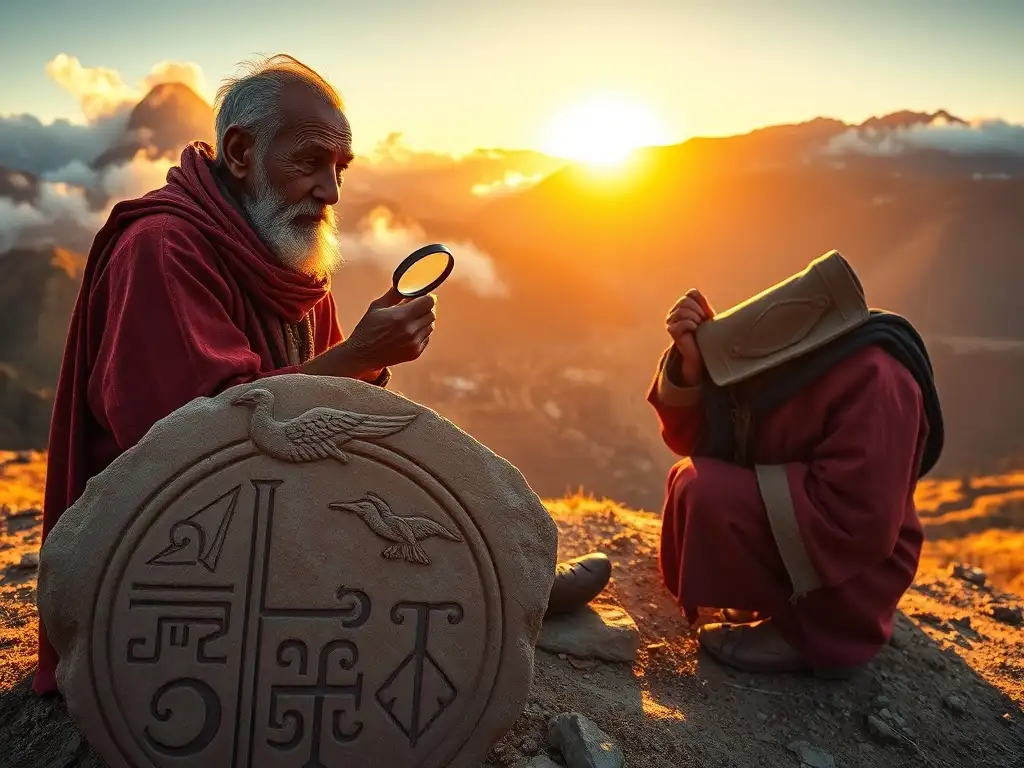
Unravel the mysteries of a lost world. For centuries, the Andean civilizations have captivated imaginations with their breathtaking achievements. Now, delve into the enigmatic heart of their spiritual beliefs with our exploration of Andean sacred text interpretation. Discover the secrets held within ancient scriptures and unlock the profound wisdom of Andean priests – a journey that will redefine your understanding of these remarkable cultures. Are you ready to decipher the language of the gods?
The Andean world, a tapestry woven with intricate threads of cosmology, ritual, and societal structure, held a profound reverence for its spiritual leaders. Shamans and priests, far from being mere intermediaries between the human and divine realms, were considered active participants in shaping reality.
Their understanding of sacred texts and symbols, often cryptic and layered with meaning, was crucial to maintaining cosmic balance and societal order. This article delves into the fascinating world of Andean sacred text interpretation, exploring the methods, tools, and significance of deciphering these enigmatic messages left behind by ancient civilizations like the Inca, Moche, Nazca, and Tiahuanaco.
We will uncover how these interpretations influenced daily life, political power, and the overall understanding of the Andean cosmovision, ultimately enriching our comprehension of "Andean sacred text interpretation." The ability to interpret these texts wasn't merely a skill; it was a sacred duty, a responsibility that shaped the destinies of entire communities.
Deciphering the Quipu: Knots of Knowledge and Power
The quipu, a complex system of knotted strings, remains one of the most intriguing aspects of Andean communication. Far from a simple mnemonic device, the quipu served as a sophisticated record-keeping system, capable of encoding numerical data, historical events, and even narrative accounts. Andean priests, trained from a young age in the intricate art of quipu-making and reading, held a monopoly on this knowledge.
Their interpretations of these knotted narratives influenced everything from agricultural planning and resource management to the organization of religious festivals and the recording of royal lineages. The precise methods of quipu interpretation remain partially elusive, with ongoing research revealing new insights into the complexity of its coding system. However, it's clear that the priests' mastery of the quipu granted them immense power and influence within their societies.
The arrangement of colors, the types of knots used, and even the materials from which the strings were made all held layers of symbolic meaning, further enhancing the complexity of the quipu's message. Understanding the quipu requires not only a knowledge of knotting techniques but also a deep understanding of Andean cosmology and symbolism.
Interpreting Iconography in Ceramics and Textiles: Visual Narratives of the Sacred
Beyond the quipu, Andean priests also interpreted the rich iconography found in ceramics and textiles. These artifacts were not simply decorative items; they were imbued with potent spiritual significance, serving as visual representations of myths, rituals, and cosmological beliefs. The intricate designs, often featuring stylized depictions of deities, animals, and celestial bodies, provided priests with valuable insights into the workings of the cosmos and the relationship between humans and the divine.
For example, the Moche ceramics, renowned for their vivid depictions of ritual scenes and mythical beings, offered priests a window into the beliefs and practices of their society. Similarly, the textiles of the Nazca culture, with their intricate geometric patterns and symbolic motifs, provided another layer of understanding of their complex worldview.
The priests' ability to interpret these visual narratives allowed them to maintain social order, reinforce religious beliefs, and connect the community to its spiritual heritage. The vibrant colors and symbolic imagery were not accidental; each element played a crucial role in conveying a complex message, often requiring years of dedicated study to fully understand.
Oral Traditions and the Role of Memory in Sacred Knowledge
While written records were limited, Andean societies relied heavily on oral traditions to transmit sacred knowledge across generations. Priests played a crucial role in preserving and interpreting these oral narratives, ensuring the continuity of religious beliefs and practices. Their exceptional memorization skills, coupled with their deep understanding of Andean cosmology, allowed them to weave together complex narratives that explained the origins of the world, the nature of deities, and the proper conduct of human life.
These oral traditions, often passed down through specialized lineages of priests, contained valuable insights into the Andean worldview and served as a powerful tool for social control and religious instruction. The ability to recall and interpret these intricate stories was a testament to the priests' skill and the importance of oral tradition in Andean culture.
The accuracy and consistency of these oral accounts were vital for maintaining social cohesion and religious authority. Furthermore, the dramatic delivery and skillful use of mnemonic devices enhanced the impact and memorability of these sacred stories.
The ability to interpret sacred texts and symbols had profound implications for the social and political landscape of Andean societies. Priests, as the keepers of this knowledge, wielded considerable power and influence, shaping the beliefs, practices, and destinies of their communities. Their interpretations guided political decisions, influenced agricultural practices, and reinforced social hierarchies.
The accuracy and legitimacy of their interpretations were crucial for maintaining social order and preventing conflict. Misinterpretations, on the other hand, could lead to societal upheaval and religious discord. Therefore, the training and selection of priests were rigorous processes, ensuring only the most knowledgeable and capable individuals were entrusted with this sacred responsibility.
The power held by Andean priests wasn't merely based on religious authority; it was deeply intertwined with the political and economic structures of their societies. Their interpretations of sacred texts and symbols served as a powerful tool for maintaining the status quo and ensuring the continued prosperity of the ruling elite.
- Deciphering the Quipu: Knots of Knowledge and Power
- Interpreting Iconography in Ceramics and Textiles: Visual Narratives of the Sacred
- Oral Traditions and the Role of Memory in Sacred Knowledge
- The Impact of Interpretation: Power, Politics, and Social Order
- What were the primary methods used by Andean priests for interpreting sacred texts?
- Did the Andean civilizations have a single, unified sacred text like the Bible?
- How important was the interpretation of sacred texts to Andean society?
- What role did symbols and iconography play in Andean sacred texts?
- Where can I learn more about Andean sacred text interpretation and its cultural significance?
The Role of Andean Priests in Sacred Text Interpretation

Andean priests, often referred to as llacutakuna or kamaq, played a crucial role in interpreting sacred texts and symbols. Their understanding wasn't merely academic; it was deeply intertwined with the spiritual well-being of their communities. Unlike written texts in the same way as the ancient Greeks or Egyptians, Andean sacred knowledge was largely transmitted orally, through intricate ceremonies, and via symbolic representations woven into textiles, ceramics, and monumental architecture.
The priests acted as custodians and interpreters of this complex system, mediating between the human world and the divine realm. Their expertise was essential for maintaining social order, predicting agricultural cycles, and ensuring the continued prosperity of their societies. The interpretation of Andean sacred texts was thus a vital component of their religious and political power.
This wasn't a passive role; priests actively shaped the narratives and meanings associated with these texts, influencing beliefs and practices across generations. Their interpretations often held significant political and social implications, shaping the lives of their followers.
Understanding the Context of Andean Religious Texts
Understanding Andean religious texts requires acknowledging their diverse forms and the specific contexts in which they existed. These weren't singular, unified texts like a Bible or Quran. Instead, they manifested in various forms, including:
- Oral traditions: Myths, legends, and historical accounts were passed down orally through generations, often utilizing mnemonic devices like songs and chants. The meaning could subtly shift with each retelling, reflecting the changing social and environmental contexts.
- Ceremonial practices: Rituals themselves acted as "texts," their sequences and symbolic actions conveying complex narratives and cosmological understandings. The correct execution of these rituals was paramount and often overseen by the priests.
- Textiles and ceramics: Intricate designs and iconography woven into textiles or painted on pottery served as visual "texts," conveying messages about deities, ancestors, and cosmological events. The priests were skilled in deciphering these visual narratives.
- Monumental architecture: The layout, design, and orientation of structures like temples and ceremonial centers held symbolic meaning, reflecting the Andean worldview and often requiring priestly expertise for proper interpretation.
The priests’ role was to connect these disparate elements, weaving them into a coherent and meaningful whole. Their interpretation wasn't static; it was dynamic, adapting to changing circumstances and societal needs. For example, a drought might lead to a reinterpretation of existing myths to explain the event and suggest appropriate appeasement rituals. This adaptability highlights the fluid and contextual nature of Andean sacred text interpretation. The priests, therefore, weren't simply interpreters; they were active participants in shaping the ongoing narrative of Andean religious belief.
The Importance of Sacred Symbols in Andean Cultures
Sacred symbols formed the bedrock of Andean religious expression. These symbols, often deeply embedded within the visual "texts" mentioned earlier, were not arbitrary; they carried potent meanings related to cosmology, mythology, and social organization. Understanding these symbols was central to the priests' interpretive role. Some key examples include:
| Symbol | Meaning | Cultural Significance |
|---|---|---|
| The Sun | Source of life, power, and authority | Imperial power, agricultural cycles, divine origin |
| The Serpent | Fertility, water, underworld, transformation | Renewal, cyclical nature of life, shamanic power |
| The Condor | Power, altitude, connection to the heavens | Divine messengers, royal lineage, spiritual ascent |
| The Puma | Strength, earthly power, connection to the earth | Protection, fertility, earthly authority |
The priests’ knowledge of these symbols allowed them to interpret events and guide their communities. For instance, the appearance of a specific constellation might be interpreted as a favorable omen for the harvest, based on the priest's understanding of its symbolic association with agricultural fertility. Conversely, a negative omen might prompt a specific ritual to appease the angered deity or ancestor.
The use of these symbols was not merely decorative; it was a sophisticated system of communication that conveyed complex religious and social meanings, expertly deciphered and manipulated by the Andean priests. Their ability to interpret these symbols effectively ensured social cohesion and provided a framework for understanding the world around them.
The meticulous attention to detail and the depth of symbolic knowledge possessed by these priests underscore their vital role in shaping Andean religious life and maintaining the continuity of their rich cultural heritage. The study of Andean sacred text interpretation, therefore, necessitates a deep understanding of the symbolic language that underpinned their religious worldview.
Decoding the Andean Cosmos Through Sacred Texts
This section delves into the fascinating world of Andean sacred text interpretation, exploring how ancient Andean priests deciphered and utilized their sacred texts to understand and interact with their cosmos. Unlike written languages like those of the Egyptians or Mesopotamians, Andean civilizations relied heavily on oral traditions, knotted strings (quipus), and symbolic iconography found in textiles, ceramics, and monumental architecture to transmit their beliefs and knowledge. Understanding their methods requires appreciating the holistic and interconnected nature of their worldview.
The interpretation of these "texts" wasn't a purely intellectual exercise; it was a deeply spiritual practice, connecting the priests to the divine and informing their actions in the world. The process involved intricate rituals, specialized knowledge passed down through generations, and keen observation of natural phenomena. This section will illuminate specific examples, focusing on the interplay between oral tradition, material culture, and priestly interpretation.
The Significance of the Myth of Inkarri in Andean Cosmovision
The myth of Inkarri, a powerful Andean deity often depicted as a resurrected Inca emperor, represents a potent example of Andean sacred text interpretation. While not a written text in the traditional sense, the narrative of Inkarri, transmitted orally and manifested in various artistic representations, reveals profound insights into Andean cosmology and social structures. The story of Inkarri’s death and eventual return symbolizes the cyclical nature of life, death, and rebirth—a core tenet of Andean spiritual beliefs.
Andean priests likely interpreted Inkarri's resurgence as a sign of hope, renewal, and the enduring power of the Inca legacy, even after the Spanish conquest. The appearance of Inkarri in different artistic forms—from pottery to textiles—allowed priests to reinforce this message across various communities and social strata. The variations in the Inkarri myth across different Andean regions also suggest a dynamic interpretation process, with priests adapting the narrative to local contexts and specific needs.
This adaptability highlights the fluid and evolving nature of Andean religious belief systems. The imagery associated with Inkarri—often including agricultural symbols and depictions of power—further enriched the priests' interpretations, connecting the spiritual realm with the practical concerns of daily life. The continued relevance of the Inkarri myth in contemporary Andean communities underscores the enduring power of this orally transmitted "sacred text" and its ongoing interpretation.
How Andean Priests Interpreted the Inti Raymi Ceremony Through Sacred Texts
The Inti Raymi, the Inca festival celebrating the winter solstice, offers another compelling case study in Andean sacred text interpretation. This elaborate ceremony, involving complex rituals, processions, and offerings, wasn't simply a spectacle; it was a powerful act of communicating with the sun god, Inti, and ensuring the continued fertility of the land. Andean priests, through their meticulous observations of celestial events and their understanding of agricultural cycles, likely used the Inti Raymi as a living "text" to reinforce their cosmological beliefs.
The timing of the ceremony, meticulously aligned with the solstice, itself served as a powerful symbol, underscoring the priests' deep understanding of astronomy and their ability to connect the celestial and terrestrial realms. The specific rituals, including offerings of llamas, coca leaves, and other sacred objects, were imbued with symbolic meaning, interpreted by priests to ensure the favor of Inti and a bountiful harvest. The elaborate costumes and iconography used during the ceremony also acted as visual "texts," conveying messages of power, fertility, and cosmic harmony.
The detailed descriptions of the Inti Raymi found in Spanish chronicles, while written from a colonial perspective, offer valuable glimpses into the complexity of the ceremony and the role of priestly interpretation in maintaining social order and agricultural prosperity. Analyzing these accounts, alongside surviving Andean artifacts and oral traditions, allows us to reconstruct a more complete picture of how Andean priests utilized the Inti Raymi as a powerful tool for interpreting and reinforcing their sacred beliefs. The meticulous planning and execution of the Inti Raymi demonstrates the priests' profound knowledge of their cosmology and their ability to translate this knowledge into a powerful and meaningful ritual experience.
Methods of Andean Sacred Text Interpretation

This section delves into the fascinating techniques employed by Andean priests to interpret sacred texts and symbols, a crucial aspect of Andean religion and cosmovision. Understanding these methods provides invaluable insight into the complexities of their belief systems and the role of religious specialists in shaping Andean societies. The interpretation of sacred texts wasn't a singular, standardized process; rather, it involved a multifaceted approach utilizing various tools and techniques, each contributing to a holistic understanding of the divine will.
The methods discussed below highlight the sophistication and nuance of Andean religious practices. Successful Andean sacred text interpretation required years of dedicated study and practice.
The Use of Khipus in Andean Textual Analysis
Khipus, complex systems of knotted strings, are often misunderstood as mere accounting devices. However, emerging research suggests a far more intricate role in Andean textual analysis. While the exact nature of their coded information remains a subject of ongoing scholarly debate, it's clear that khipus served as a crucial medium for recording and transmitting information, potentially including sacred narratives, prophecies, and historical accounts.
The intricate arrangement of knots, colors, and string types likely encoded complex meanings, requiring specialized knowledge to decipher. Different types of knots, for instance, may have represented different concepts or numerical values. The color of the strings could have held symbolic significance, perhaps relating to specific deities or events.
Several hypotheses propose different interpretations of the khipu system. Some researchers suggest a purely numerical system, while others propose a more complex system incorporating symbolic and narrative elements. The challenge lies in the lack of a "Rosetta Stone" – a readily decipherable text that could unlock the entire system.
However, ongoing research utilizing statistical analysis, comparative studies with other Andean artifacts, and contextual analysis of archaeological discoveries steadily sheds light on this enigmatic system. The potential for uncovering a rich tapestry of Andean narratives through the careful study of khipus represents a significant frontier in Andean sacred text interpretation. The discovery of new khipus and the development of more sophisticated analytical techniques are essential to further understanding their function within Andean religious practices.
Techniques Employed by Andean Priests for Coca Leaf Divination
Coca leaf divination, or taqui, was a widely practiced method for gaining insights into the future and understanding divine will. Andean priests, skilled in interpreting the patterns and arrangements of coca leaves, played a critical role in this practice. This wasn't merely a random process; it involved carefully prepared rituals and a deep understanding of symbolic interpretation.
The leaves themselves were considered sacred, imbued with spiritual power. The process typically involved the priest spreading a handful of coca leaves on a flat surface, then meticulously examining their arrangement, looking for patterns and significant configurations. These patterns were then interpreted based on established symbolic systems, often unique to specific communities or priestly lineages.
For example, certain leaf arrangements might signify good fortune, while others could foretell misfortune or warn of impending danger. The priest's interpretation would not only depend on the arrangement of the leaves but also on the context of the consultation, including the nature of the question posed and the circumstances of the individual seeking guidance. This intricate system demanded years of training and a profound understanding of Andean cosmology and symbolism.
The precision and attention to detail involved highlight the high degree of expertise required for accurate Andean sacred text interpretation through this method. Further research into regional variations in coca leaf divination techniques could reveal fascinating insights into the diversity of Andean religious practices.
The Role of Oracles and Prophecies in Andean Religious Practices
Oracles and prophecies held a significant place in Andean religious practices, shaping decision-making at both individual and community levels. These were not simply predictions of the future; they were considered direct communications from the divine realm, often conveyed through selected individuals or through carefully interpreted natural phenomena. Specific locations, such as caves or mountain peaks, were often considered sacred sites where communication with the spirit world was more readily achieved.
Different methods were employed to access prophetic knowledge. These could include rituals involving hallucinogenic substances, which allowed priests to enter altered states of consciousness, supposedly facilitating communication with supernatural entities. The interpretation of dreams, considered a pathway to the spirit world, also played a role.
Natural events, such as unusual weather patterns or celestial occurrences, were often interpreted as messages from the gods. The priests, acting as intermediaries between the human and divine realms, would carefully analyze these signs and translate their meaning for the community. The accuracy and authority of an oracle's pronouncements were crucial for maintaining social order and ensuring the well-being of the community.
This aspect of Andean sacred text interpretation, therefore, extended beyond the deciphering of written texts to encompass a broader range of symbolic communication methods. Further study is needed to understand the specific criteria used to determine the legitimacy of an oracle or prophet within different Andean societies.
Key Symbols and Their Interpretations in Andean Religion

The interpretation of Andean sacred texts relies heavily on understanding the symbolic language employed by priests and shamans. These symbols, often interwoven into textiles, ceramics, and stone carvings, provide crucial insights into their cosmology, rituals, and social structures. Accurate Andean sacred text interpretation requires a nuanced understanding of these visual cues, going beyond simple descriptions to grasp their deeper meaning within the specific cultural context. The following sections delve into some of the most prominent symbols and their interpretations.
Understanding the Meaning of the Chakana
The chakana, or Andean Cross, is arguably the most recognizable symbol of Andean spirituality. Often described as a "stairway to heaven," its four arms represent the four cardinal directions, the four elements (earth, air, fire, water), and the four levels of reality in Andean cosmology: the Hanan Pacha (upper world), Kay Pacha (human world), Ukhu Pacha (underworld), and the Axis Mundi connecting them. The central square often represents the sacred space where the earthly and cosmic realms intersect.
Different variations of the chakana exist, each potentially holding unique significance depending on the specific culture and time period. Some chakanas feature additional elements, such as steps or intricate designs, further enriching their symbolic meaning. For instance, the number of steps can signify different stages of spiritual development or cosmic journeys.
Scholars continue to debate the precise interpretation of these variations, highlighting the complexity and richness of Andean symbolic systems. Further research, particularly into regional differences in chakana depictions, is crucial for a more complete understanding of its multifaceted interpretations. The chakana's enduring presence in Andean culture and its complex symbolism make it a cornerstone of Andean sacred text interpretation.
Deciphering the Puma Iconography in Religious Texts
The puma, a powerful feline, holds a prominent place in Andean mythology and iconography. Often depicted in religious texts alongside other sacred animals like the condor, the puma symbolizes strength, power, and connection to the underworld, Ukhu Pacha. Its nocturnal nature links it to the mysteries and hidden forces of the night, while its predatory prowess embodies the raw energy of the natural world.
Depictions of pumas in Andean art vary widely. Sometimes they are presented as fierce guardians, other times as benevolent protectors. Their posture, expression, and accompanying symbols significantly impact their interpretation.
For example, a puma depicted with open jaws might represent aggressive power, while a reclining puma could signify tranquility or connection to the earth. Detailed analysis of the context surrounding puma iconography – including other symbols present, the material used, and the location of the artifact – is vital for accurate Andean sacred text interpretation involving this powerful symbol. The puma's symbolic weight underscores the need for careful contextualization in understanding Andean religious beliefs and practices.
The Cosmic Significance of the Condor Representation
The condor, a majestic bird of prey, represents the upper world, Hanan Pacha, in Andean cosmology. Its ability to soar to great heights symbolizes connection to the divine, spiritual insight, and the sun's power. Unlike the earthbound puma, the condor's aerial dominance connects it to the celestial realm and the sun's life-giving energy.
In Andean sacred texts, the condor frequently appears alongside other celestial symbols, reinforcing its association with the heavens. The precise meaning, however, varies depending on the context. A condor depicted in flight might symbolize freedom and spiritual ascension, while a condor perched on a mountain peak could represent a connection between the earthly and celestial realms. Furthermore, the size and detail of the condor representation can also influence its interpretation.
Larger, more elaborate depictions may suggest greater spiritual significance. Understanding the nuances of condor iconography is therefore crucial for a comprehensive understanding of Andean sacred texts, highlighting the importance of meticulous analysis in interpreting these complex cultural artifacts. The condor's symbolic power, deeply embedded in Andean spirituality, remains a key element in Andean sacred text interpretation.
The Legacy of Andean Sacred Text Interpretation
This section delves into the enduring influence of Andean sacred text interpretation, exploring its impact on contemporary Andean communities and the crucial role it plays in modern scholarship. Understanding the legacy of these interpretations is key to appreciating the depth and complexity of Andean religious practices and beliefs. We'll examine how these ancient texts continue to shape cultural identity and spiritual practices, even in the face of centuries of colonial influence and globalization.
Influence of Andean Religious Texts on Modern Andean Communities
The interpretation of Andean sacred texts, while often shrouded in mystery, continues to exert a profound influence on modern Andean communities. Many indigenous communities still actively utilize and reinterpret ancient knowledge systems, incorporating them into their daily lives and spiritual practices. This isn't merely a nostalgic adherence to tradition; it's a living, evolving process.
For instance, certain Andean communities maintain intricate systems of knotted strings, known as quipus, and continue to use them for recording historical events, agricultural cycles, and even complex mathematical calculations. These practices represent a direct lineage to ancient Andean record-keeping, demonstrating the enduring relevance of these texts.
Furthermore, the symbolic language embedded within these texts, often expressed through iconography on textiles, ceramics, and other artifacts, continues to inform religious rituals and ceremonies. The vibrant colors, intricate designs, and symbolic representations found in Andean art are not merely aesthetic choices; they are powerful expressions of spiritual beliefs and narratives passed down through generations. The interpretation of these symbols remains a crucial part of maintaining cultural identity and transmitting ancestral knowledge.
Even today, shamans and healers utilize these ancient systems to diagnose illnesses, predict the future, and conduct spiritual healing ceremonies. The ongoing interpretations of these texts are thus integral to the vibrant cultural fabric of many Andean communities.
The Preservation of Andean Sacred Knowledge Through Generations
The preservation of Andean sacred knowledge across generations presents a complex and fascinating study. While the Spanish conquest attempted to suppress indigenous knowledge systems, Andean communities demonstrated remarkable resilience. Oral traditions played, and continue to play, a vital role in this preservation. Stories, songs, and myths passed down through generations acted as repositories of ancient wisdom, ensuring the survival of crucial elements of Andean cosmology and religious practices. These oral traditions weren't merely rote repetition; they were dynamic and adaptable, evolving to incorporate new experiences and challenges while maintaining core tenets of Andean belief.
The challenges to this preservation are substantial. The pressures of globalization, migration, and the encroachment of dominant cultures threaten the continuity of these traditions. However, concerted efforts by Andean communities and scholars are working to document and safeguard this irreplaceable cultural heritage.
Efforts to translate and analyze surviving texts, coupled with the careful recording of oral traditions, are crucial steps in ensuring the continuity of Andean sacred knowledge for future generations. The work of anthropologists, archaeologists, and linguists, in collaboration with indigenous communities, is vital in this ongoing endeavor. The careful preservation of these texts is not just an academic pursuit; it is essential for the cultural survival and self-determination of Andean peoples.
The Importance of Andean Sacred Text Research for Current Scholarship
The research into Andean sacred texts holds immense significance for current scholarship across multiple disciplines. It offers invaluable insights into the complexity of pre-Columbian societies, challenging Eurocentric perspectives on history and knowledge systems. By studying Andean texts, scholars gain a deeper understanding of the sophisticated mathematical, astronomical, and agricultural knowledge possessed by these civilizations. The intricate systems of record-keeping, reflected in quipus and other artifacts, reveal a level of organizational sophistication previously underestimated.
Furthermore, the study of Andean sacred texts contributes significantly to our understanding of religious practices and belief systems. The texts reveal a rich cosmology, a deep connection to nature, and a complex understanding of the human relationship with the divine. This research helps us challenge simplistic and often inaccurate portrayals of Andean cultures, offering a more nuanced and respectful perspective.
The ongoing interpretation of these texts is not just a historical exercise; it is a vital contribution to decolonizing knowledge and understanding the rich diversity of human experience. The ongoing research continually unveils new layers of meaning, prompting further investigation and refining our comprehension of Andean civilization's legacy. This ongoing work is crucial for a more complete and accurate picture of human history and cultural development.
Challenges in Understanding Ancient Andean Sacred Texts
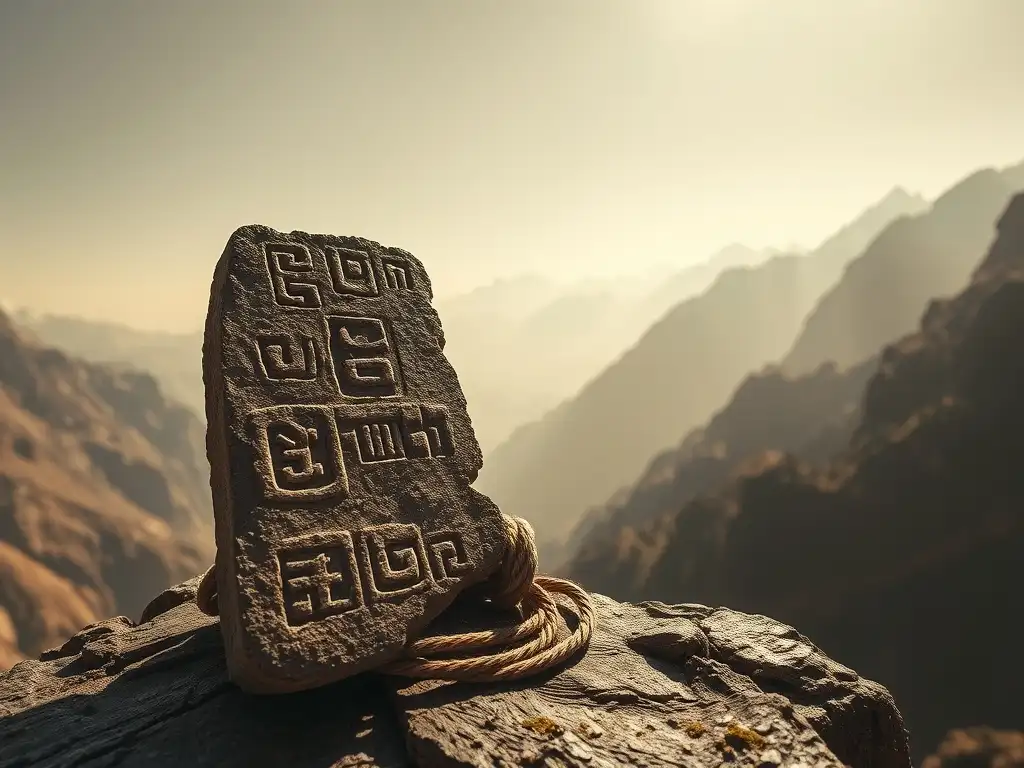
Interpreting Andean sacred texts presents significant challenges for modern researchers. Unlike many other ancient civilizations that left behind extensive written records, the Andean cultures relied heavily on oral traditions and symbolic representations, leaving behind a fragmented and often cryptic legacy. Understanding these remnants requires a multidisciplinary approach, combining archaeological findings, linguistic analysis, anthropological insights, and a deep understanding of the Andean worldview.
The task of deciphering the "language of the gods," as it were, is complex and ongoing, demanding careful consideration of several key obstacles. Successfully navigating these challenges is crucial for a more complete understanding of Andean religious practices and cosmological beliefs. This section will explore some of the major hurdles in interpreting these precious fragments of Andean history, focusing on the loss and fragmentation of written records, the limitations of current archaeological understanding, and the lasting impact of colonialism.
The Loss and Fragmentation of Andean Written Records
The scarcity of readily accessible Andean written records significantly hampers interpretation efforts. While the Inca utilized quipus – complex knotted strings used for record-keeping – their meaning remains largely enigmatic. The system was not simply numerical; it likely encoded a sophisticated system of information, potentially including historical accounts, astronomical data, and religious narratives. However, the lack of a deciphered key, coupled with the limited number of surviving quipus in good condition, makes full interpretation impossible.
Furthermore, many other Andean cultures, such as the Nazca and Moche, primarily relied on visual representations like ceramics and textiles to convey their beliefs and stories. While these artifacts are rich in symbolism, extracting coherent narratives from individual images or patterns requires extensive analysis and often relies on interpretation and educated guesses. The inherent fragility of organic materials further complicates matters, leading to the degradation and loss of potentially crucial information.
The challenge, therefore, isn't merely deciphering a written language, but reconstructing a complex system of communication that blends written elements, visual imagery, and oral traditions. This necessitates a highly interdisciplinary approach, combining the expertise of archaeologists, anthropologists, mathematicians, and historians. For example, recent research focusing on the mathematical patterns within quipus has generated exciting possibilities for future breakthroughs, but much work remains to be done.
The Limitations of Current Archaeological Understanding
Even with the discovery of new archaeological sites and artifacts, our understanding of Andean sacred texts remains limited by the inherent biases and limitations of current archaeological methods. The interpretation of imagery and symbols is often subjective, relying on the researcher's pre-existing knowledge and biases. Different scholars may interpret the same symbol in vastly different ways, leading to conflicting interpretations of Andean cosmology and religious practices.
Furthermore, the context of discovery is crucial. An artifact found in isolation may be difficult to interpret accurately without understanding its original location and function within a larger societal structure. The lack of comprehensive contextual data makes definitive interpretations challenging, often leading to speculation rather than conclusive evidence.
For example, the intricate designs on Nazca pottery, while visually stunning, are often interpreted through the lens of modern understandings of symbolism, potentially leading to misinterpretations of their original meanings. A more nuanced approach, incorporating ethnographic data from related cultures and a deeper understanding of Andean social structures, is essential to move beyond speculative interpretations and towards a more holistic understanding of Andean sacred texts.
The Impact of Colonialism on Andean Sacred Text Interpretation
The Spanish conquest profoundly impacted the preservation and interpretation of Andean sacred texts. The deliberate destruction of Inca quipus and other cultural artifacts, coupled with the suppression of indigenous languages and religious practices, resulted in an irretrievable loss of knowledge. The colonial narrative often portrayed Andean religions as barbaric and superstitious, further contributing to the misrepresentation and misunderstanding of their complex belief systems.
This colonial bias continues to influence interpretations of surviving artifacts and texts. Modern scholars need to critically examine the impact of this historical context on their research, actively working to decolonize their methodologies and interpretations. This involves acknowledging the biases inherent in colonial sources and prioritizing indigenous voices and perspectives in the interpretive process.
For example, the study of Andean cosmology should not rely solely on the accounts of Spanish chroniclers, but should also incorporate the oral traditions and knowledge passed down through generations of Andean communities. This critical engagement with the colonial legacy is essential for a more accurate and nuanced understanding of Andean sacred text interpretation and the rich cultural heritage it represents. Only by acknowledging and addressing this historical context can researchers hope to achieve a more just and complete interpretation of these invaluable cultural artifacts.
Future Directions in Andean Sacred Text Studies

The field of Andean sacred text interpretation is a vibrant and rapidly evolving area of study. While significant progress has been made in deciphering various aspects of Andean cosmology and religious practices, much remains unknown. Future research promises to unlock further secrets hidden within the intricate symbols and cryptic narratives left behind by ancient Andean priests and shamans.
This section will explore some key areas where future research can significantly impact our understanding of Andean sacred texts and their role in shaping Andean societies. The ongoing efforts to interpret these texts are crucial for gaining a more complete understanding of Andean civilization, its beliefs, and its legacy.
Emerging Research in Andean Cosmology
Recent advancements in Andean cosmology research are shedding new light on the symbolic language used in sacred texts. For example, the study of astronomical alignments of certain sites, combined with textual analysis of surviving khipus (knotted-cord records), are beginning to reveal a sophisticated understanding of celestial cycles and their relationship to agricultural practices and religious rituals.
This interdisciplinary approach, combining archaeology, astronomy, and textual analysis, is proving invaluable in deciphering the complex cosmological framework underpinning many Andean sacred texts. The integration of ethnohistorical accounts from various Andean communities also contributes significantly to the understanding of the continuing relevance and interpretation of these ancient texts within modern Andean cultures.
Further research in this area could uncover more intricate details about the Andean perception of the universe and the role of humans within it, enriching our interpretation of the sacred texts that reflect this worldview. Detailed studies of specific iconographic motifs found across various textual and material remains will further illuminate the symbolic language employed by Andean priests.
New Methodologies for Deciphering Andean Sacred Texts
The challenge of deciphering Andean sacred texts necessitates the development of innovative methodologies. Traditional approaches, relying heavily on linguistic analysis and iconographic interpretation, are being augmented by the application of digital humanities techniques. For instance, the use of advanced image processing and artificial intelligence is enabling researchers to identify subtle patterns and connections within complex visual narratives that might otherwise be missed.
Furthermore, the application of network analysis to the relationships between different symbolic elements within texts can reveal hidden structures and underlying principles. These new methodologies promise to accelerate the pace of discovery and provide a more nuanced understanding of the intricate symbolic systems employed by Andean priests.
The development of specialized software for analyzing khipu data is another crucial area of progress, aiding in the accurate recording and interpretation of these complex knotted-cord records. The combination of traditional scholarly methods with cutting-edge digital tools promises a more comprehensive and accurate understanding of Andean sacred texts.
The Ongoing Quest to Understand the Complete Andean Cosmovision
Ultimately, the goal of Andean sacred text interpretation is to gain a comprehensive understanding of the Andean cosmovision. This involves not only deciphering the specific meanings of individual texts but also understanding how these texts functioned within the broader socio-religious context of Andean societies. This requires a holistic approach that considers the interplay between religious beliefs, social structures, political organization, and environmental factors.
Further research should focus on integrating various sources of information, including archaeological findings, ethnographic studies, and linguistic analysis, to build a more complete picture of the Andean worldview. The investigation of the role of oral traditions in shaping and transmitting sacred knowledge is also critical, as many aspects of Andean cosmology were likely passed down through generations via oral narratives.
The complete understanding of the Andean cosmovision remains a long-term goal, requiring continued interdisciplinary collaboration and the development of innovative research strategies. This holistic approach will allow for a richer and more nuanced understanding of the complex relationship between Andean sacred texts, their creators, and the societies they served.
Frequently Asked Questions
What were the primary methods used by Andean priests for interpreting sacred texts?
Andean priests employed a variety of methods, including ritualistic practices, observation of celestial events, and interpretations of dreams and prophecies. Their understanding was deeply intertwined with their spiritual beliefs.
Did the Andean civilizations have a single, unified sacred text like the Bible?
No, the Andean civilizations didn't have a single, canonical sacred text. Instead, they relied on a complex system of oral traditions, iconography, and symbolic objects to transmit their beliefs and knowledge across generations.
How important was the interpretation of sacred texts to Andean society?
The interpretation of sacred texts and symbols was paramount to Andean society. Priests held significant power and influence, acting as intermediaries between the gods and the people. Their interpretations shaped daily life, rituals, and governance.
What role did symbols and iconography play in Andean sacred texts?
Symbols and iconography were integral to Andean religious beliefs and played a crucial role in conveying meaning. These visual elements often represented deities, spirits, and cosmological concepts, enhancing understanding and facilitating communication.
Where can I learn more about Andean sacred text interpretation and its cultural significance?
To delve deeper into Andean sacred text interpretation, explore academic journals, museums specializing in Andean artifacts, and reputable books on Andean civilizations. Archaeological findings and ethnographic studies provide valuable insights.
Final Reflection: Echoes of the Andes, Whispers of the Future
The intricate tapestry woven by Andean priests through their interpretation of sacred texts remains profoundly relevant today. Their methods, though ancient, offer a powerful lens through which to examine our own relationship with spirituality, history, and the natural world. Understanding their symbolic language unlocks not only a deeper appreciation for a rich cultural heritage but also provides valuable tools for interpreting complex narratives in our own lives.
The enduring influence of Andean cosmology and its symbolic systems is undeniable, shaping not only the cultural landscape of the Andes but also impacting global discussions on indigenous knowledge and spiritual practices. Their understanding of interconnectedness, reflected in their intricate interpretations of celestial events and natural phenomena, resonates deeply with contemporary ecological concerns. The mountains are not just mountains; they are the bones of the world, holding the stories of our ancestors.
This sentiment, though paraphrased, encapsulates the profound respect for the natural world inherent in Andean thought, a respect we must urgently reclaim in our own time.
Consider the power of narrative, the way stories shape our understanding of the world. The Andean priests, through their meticulous interpretation of sacred texts, demonstrated the transformative potential of storytelling. You, too, possess the ability to decipher the narratives of your own life, to find meaning in the symbols and experiences that surround you. Embrace the challenge of interpretation, explore the hidden depths of your own personal mythology, and discover the wisdom waiting to be unearthed within.
Unveil the Divine Wisdom of Andean Sacred Texts!
Thank you for exploring the profound insights of Andean civilization's sacred texts and symbols. You've gained a unique perspective on their spiritual and cultural significance. Now, let's deepen your connection with this remarkable heritage!
- Dive deeper: Explore the rich symbolism of Andean culture on our website, where you'll find detailed explanations of various symbols and their meanings.
- Participate in our community: Connect with fellow enthusiasts in our discussion forum, sharing your passion for Andean spirituality and exchanging insights.
- Share your insights: Contribute your perspective by writing about an Andean symbol that resonates with you and how it enriches your life.
What sacred text or symbol has most inspired you, and how can you integrate its wisdom into your daily life?