
The Concept of "Hanan Pacha": The Upper World of Gods and Spirits

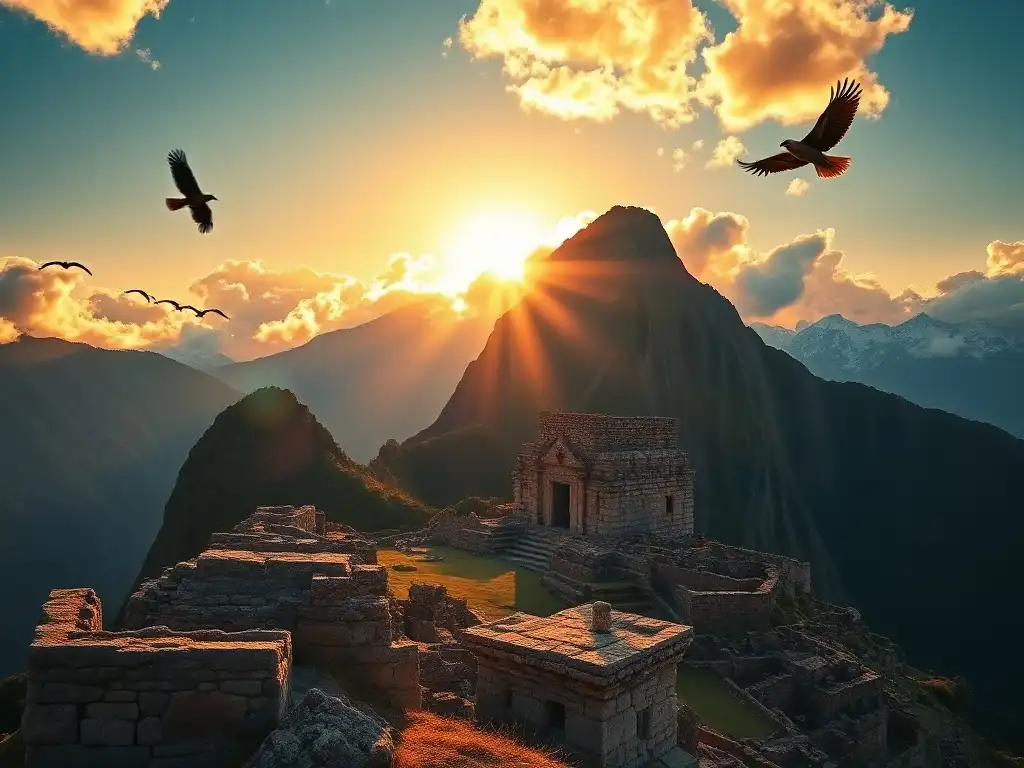
Step into a world lost to time, yet echoing with the whispers of gods and spirits. Dive into the fascinating realm of Andean civilizations, where intricate artistry, breathtaking ingenuity, and a profound connection to the cosmos shaped entire empires. Unlock the secrets of the Andes, beginning with our exploration of Hanan Pacha, the celestial plane that held such profound meaning for ancient Andean cultures. Prepare to be amazed by the depth and complexity of their beliefs – the journey into their cosmovision awaits.
- Hanan Pacha: Exploring the Andean Upper World
- Understanding Hanan Pacha's Cosmic Significance in Andean Cosmology
- The Inhabitants of Hanan Pacha: Gods and Celestial Beings
- Hanan Pacha's Influence on Andean Culture and Rituals
- Exploring the Hanan Pacha Meaning and Significance in the Inca Empire
- Hanan Pacha: A Comparison with Other Worldviews
- Hanan Pacha: A Legacy of Andean Spirituality
- The Enduring Relevance of Hanan Pacha
- Frequently Asked Questions
- Final Reflection: Hanan Pacha: A Legacy Woven into the Andean Tapestry
- Unveil the Mysteries of Hanan Pacha!
Hanan Pacha: Exploring the Andean Upper World
The Andean worldview, a complex tapestry woven from centuries of tradition and spiritual belief, is profoundly shaped by its unique cosmological structure. Central to this understanding is the concept of pacha, often translated as "world" or "cosmos," but encompassing far more than our modern understanding of the term. This article delves into Hanan Pacha, the upper world in this three-layered Andean cosmology, exploring its meaning, significance, and its profound influence on the lives, beliefs, and practices of the ancient Andean civilizations, including the Incas, Moche, Nazca, and Tiahuanaco.
Understanding Hanan Pacha is crucial to grasping the depth and richness of Andean religion and its enduring legacy. We will explore not only the literal location of this celestial realm but also its symbolic representation in Andean art, mythology, and daily life, examining how this concept shaped their social structures, rituals, and understanding of the universe.
This exploration will illuminate the profound connection between the earthly and spiritual realms in the Andean worldview, revealing the intricate interplay between humans and the divine in their cosmos. The keyword "Hanan Pacha meaning and significance" will be thoroughly addressed throughout this article.
The Three Worlds of Andean Cosmology: Kay Pacha, Ukhu Pacha, and Hanan Pacha
Andean cosmology is famously structured around three interconnected worlds: Kay Pacha (the here and now, the physical world), Ukhu Pacha (the underworld, realm of the dead and ancestors), and Hanan Pacha (the upper world, the realm of the gods and spirits). These realms are not simply separate locations, but rather interwoven layers of existence, constantly interacting and influencing one another.
The movement between these worlds was not seen as a linear progression, but rather a cyclical flow, reflecting the cyclical nature of life, death, and rebirth so prevalent in Andean thought. This understanding shaped their agricultural practices, their social structures, and their very perception of time and space.
Understanding the relationship between these three pacha is fundamental to comprehending the significance of Hanan Pacha. The intricate connections between the three worlds are further exemplified in their mythology, where deities frequently traverse between these realms, mediating between the human and divine spheres.
Hanan Pacha: A Celestial Abode of Gods and Spirits
Hanan Pacha, literally meaning "above world" or "high world," is considered the celestial realm, the home of the apus (mountain gods), the sun (Inti), the moon (Killa), the stars, and other celestial deities. It is a place of immense power and spiritual energy, influencing all aspects of life on Kay Pacha. Unlike a Western concept of heaven as a singular, static location, Hanan Pacha is a dynamic and vibrant realm, filled with a multitude of deities and spirits, each with their own specific domains and powers. These deities were not necessarily benevolent; some were feared and appeased through offerings and rituals. The Andean people believed that the actions and moods of these celestial beings directly impacted their lives, influencing harvests, weather patterns, and the overall well-being of their communities. This belief system fostered a deep respect for the natural world and a constant awareness of the interconnectedness of all things.
The Role of Hanan Pacha in Andean Rituals and Practices
The significance of Hanan Pacha is vividly reflected in the numerous rituals and practices of the Andean civilizations. Offerings of coca leaves, food, and other precious items were frequently made to appease the gods and ensure their favor. These offerings were not simply acts of appeasement, but rather acts of communication and reciprocity, acknowledging the vital connection between the human and divine realms.
Elaborate ceremonies, often involving complex astronomical observations, were conducted to mark significant events and to maintain harmony between Kay Pacha and Hanan Pacha. These rituals served to reinforce the Andean worldview, reaffirming the importance of maintaining balance and respect within the cosmos. The intricate details of these ceremonies, often involving specific offerings and locations, underscore the depth of their understanding and reverence for the Hanan Pacha.
Hanan Pacha's Influence on Andean Art and Iconography
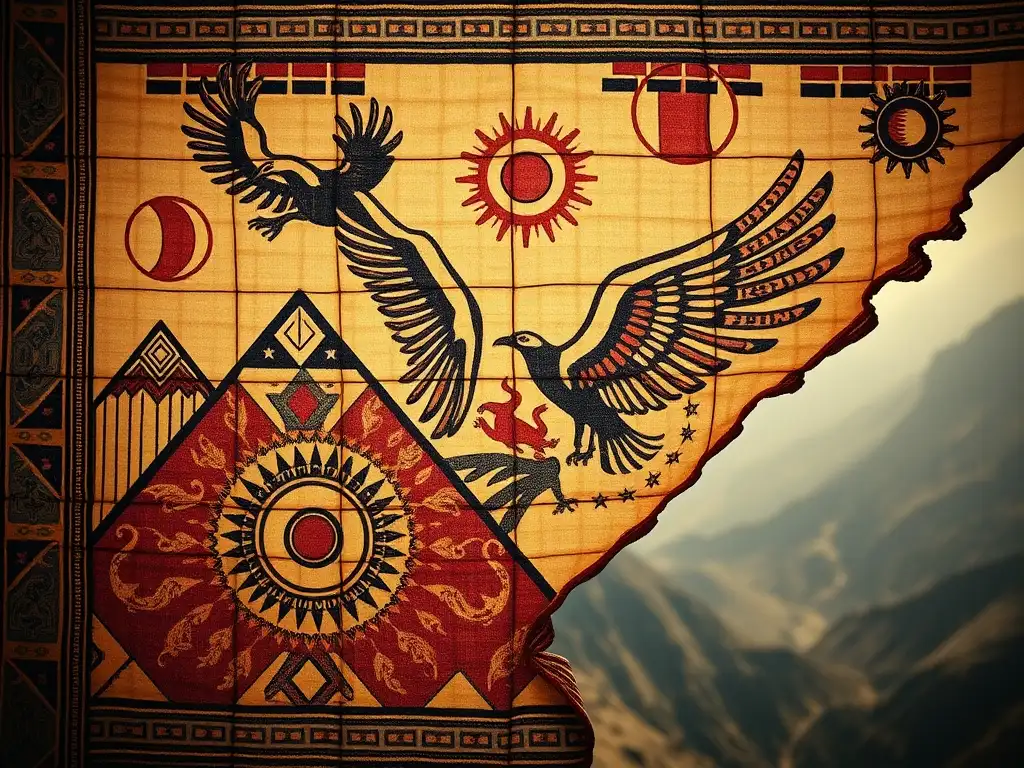
The Andean people expressed their understanding of Hanan Pacha through their art and iconography. Textiles, ceramics, and metalwork often depict celestial beings, constellations, and other symbols representing the upper world. These artistic representations not only served as aesthetic expressions but also as powerful tools for communicating spiritual beliefs and reinforcing social structures. The symbolic language used in Andean art provides valuable insights into their cosmology and their relationship with the divine.
Studying these artistic representations allows us to delve deeper into the meaning and significance of Hanan Pacha and its impact on Andean culture. The intricate designs and symbolic elements found in these artworks reveal the depth of their spiritual understanding and the profound influence of Hanan Pacha on their daily lives. For example, the depiction of celestial bodies and mythical creatures reflects their belief in the power and influence of the upper world.
Conclusion: The Enduring Legacy of Hanan Pacha
The concept of Hanan Pacha remains a vital element in understanding the rich tapestry of Andean civilization. Its influence extends far beyond the realm of religious belief, shaping their social structures, artistic expressions, and worldview. The enduring legacy of Hanan Pacha continues to resonate in contemporary Andean cultures, demonstrating the lasting power of this cosmological concept.
Further research into specific Andean cultures and their unique interpretations of Hanan Pacha would enhance our understanding of its multifaceted significance. This exploration of Hanan Pacha offers a glimpse into the profound spiritual depth and complex worldview of the ancient Andean civilizations, highlighting the enduring relevance of their cosmological beliefs. The meaning and significance of Hanan Pacha continue to inspire awe and fascination, reminding us of the enduring power of ancient spiritual traditions.
Understanding Hanan Pacha's Cosmic Significance in Andean Cosmology
The Andean worldview, a complex tapestry woven from diverse cultural threads, is profoundly shaped by its unique cosmology. Central to this cosmology is the concept of Hanan Pacha, a term laden with meaning and significance that resonates deeply within the spiritual fabric of Andean civilizations. Understanding Hanan Pacha is key to unlocking a deeper comprehension of Andean religion, its intricate rituals, and the profound relationship between humanity and the supernatural.
This section delves into the nuances of Hanan Pacha, exploring its role within the broader Andean cosmological framework and its lasting impact on Andean cultural practices. The meaning and significance of Hanan Pacha are intricately linked to the interconnectedness of the three worlds, a concept we will explore further below.
This understanding reveals a sophisticated system of belief that continues to influence Andean communities today. The rich symbolism associated with Hanan Pacha is reflected in Andean art, architecture, and storytelling, providing valuable insights into their spiritual beliefs and practices.
Defining Hanan Pacha: The Realm of the Heavens
Hanan Pacha, literally translated as "upper world," represents the celestial realm, the abode of the gods, spirits, and ancestors. It is not simply a physical space above the earth, but a vibrant, dynamic sphere teeming with spiritual energy and power. It's a place of immense significance, where the sun, moon, and stars reside, influencing the lives of those inhabiting the earthly realm, Kay Pacha.
The Hanan Pacha wasn't a static, unchanging place; rather, it was perceived as a dynamic, active participant in the lives of Andean people. Its celestial bodies dictated agricultural cycles, influenced weather patterns, and were integral to the timing of important rituals and ceremonies. The Hanan Pacha was therefore not separate from Kay Pacha, but intimately connected, influencing events and shaping destinies.
This intimate relationship highlights the profound interconnectedness central to the Andean worldview. Think of it as a place of immense power, where the divine interacted with the human world, shaping events and influencing lives. Understanding this dynamism is crucial to grasping the full Hanan Pacha meaning and significance.
Different Andean cultures may have had slightly varying interpretations of Hanan Pacha, but the core concept of a celestial realm inhabited by powerful deities remained consistent throughout. Archaeological evidence, such as celestial alignments in Inca architecture and depictions of deities in pottery and textiles, supports the central role of Hanan Pacha in Andean belief systems. The meticulous observation of celestial events and their incorporation into religious practices underscore the importance of this celestial realm in shaping Andean life. The Hanan Pacha wasn't merely a backdrop; it was an active participant in the unfolding drama of life.
The Three Worlds of Andean Belief: Hanan Pacha, Kay Pacha, and Uku Pacha
The Andean cosmology is structured around three interconnected worlds: Hanan Pacha, Kay Pacha, and Uku Pacha. This tripartite division is not simply a geographical separation but a holistic representation of existence. Understanding their interconnectedness is crucial to comprehending the Hanan Pacha meaning and significance.
- Hanan Pacha (Upper World): As discussed above, this is the realm of the gods, celestial beings, and ancestors. It's a place of power, light, and spiritual energy.
- Kay Pacha (Here and Now): This is the earthly realm, the world of human existence. It's the space where the three worlds intersect, where the spiritual and physical intertwine. The actions and behaviors in Kay Pacha directly impacted the other two realms.
- Uku Pacha (Underworld): This is the subterranean realm, associated with death, the origins of life, and the forces of nature. It's a place of mystery and hidden power, often associated with fertility and the cyclical nature of life and death.
The interaction and balance between these three worlds were central to Andean beliefs. Rituals and ceremonies served as bridges, connecting the realms and maintaining harmony. Disruptions in this balance were believed to cause natural disasters, illness, or societal unrest. This intricate relationship highlights the Andean understanding of the interconnectedness of all things, emphasizing the importance of respecting and maintaining equilibrium between the celestial, earthly, and subterranean realms.
The Hanan Pacha meaning and significance is inextricably tied to this intricate system of interconnected worlds, reflecting a worldview that embraces both the seen and unseen aspects of reality. The system wasn't static; it was a dynamic interplay of forces, constantly shifting and adapting. This dynamic understanding of the cosmos is a testament to the sophistication of Andean thought.
The Inhabitants of Hanan Pacha: Gods and Celestial Beings
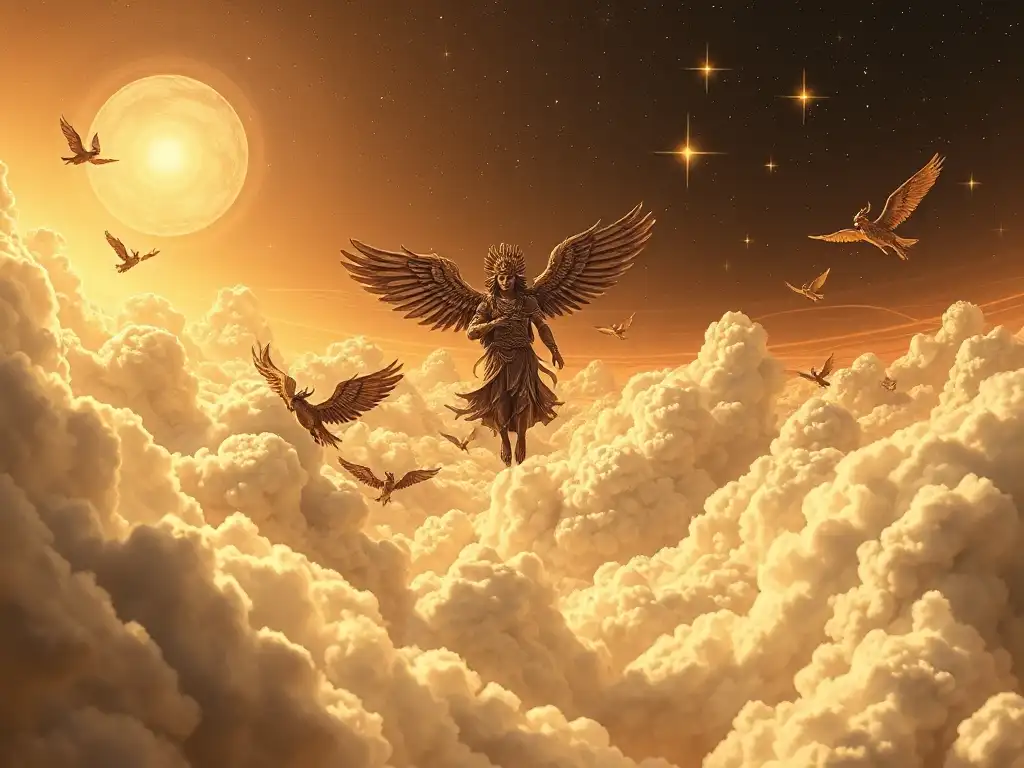
The Andean concept of Hanan Pacha, the upper world, wasn't merely a physical location; it was a vibrant realm teeming with powerful deities, spirits, and celestial bodies that profoundly influenced the lives of Andean peoples. Understanding the Hanan Pacha meaning and significance requires delving into its diverse inhabitants and their interconnected roles within the Andean worldview. This section explores the key figures populating this celestial sphere, highlighting their attributes and influence on earthly affairs.
The intricate relationships between these entities shaped Andean cosmology, ritual practices, and social structures. The very fabric of Andean life was woven from the threads of interaction between the earthly Kay Pacha and the divine Hanan Pacha.
Major Deities Residing in Hanan Pacha: Inti and Mama Quilla
The sun god, Inti, and the moon goddess, Mama Quilla, were arguably the most important deities residing in Hanan Pacha. Inti, represented by the radiant sun itself, was revered as the source of life, energy, and prosperity. His influence extended to agriculture, ensuring successful harvests and abundance. Elaborate festivals and rituals were dedicated to Inti, reflecting his paramount importance. Inca emperors claimed direct descent from Inti, solidifying their divine right to rule.
Mama Quilla, the moon goddess, held a complementary role, associated with fertility, femininity, and the cyclical nature of time. Her phases mirrored the rhythms of life, death, and rebirth. Unlike Inti's often depicted masculine strength, Mama Quilla's imagery often conveyed nurturing and protective qualities. Together, Inti and Mama Quilla represented the cosmic duality crucial to Andean cosmology, embodying the balance and harmony essential for a thriving world. Their combined influence permeated every aspect of Andean society, from agricultural practices to political structures. The Hanan Pacha meaning is deeply connected to the power and influence of these two celestial deities.
Spirits and Ancestral Figures in the Upper World
Beyond the major deities, Hanan Pacha was populated by a multitude of spirits and ancestral figures. These entities, often associated with specific mountains, rivers, or natural features, played vital roles in the lives of Andean communities. Their presence was felt in daily life, impacting everything from the weather to the success of hunts and harvests. Respect for these spirits was crucial, as their displeasure could lead to misfortune.
Ancestral veneration was a significant aspect of Andean religion. Deceased ancestors, believed to ascend to Hanan Pacha, were seen as powerful intermediaries between the living and the divine. Ritual offerings and ceremonies were conducted to honor them and seek their guidance and protection. The spirits and ancestors of Hanan Pacha weren’t simply passive observers; they actively participated in the affairs of the living world, reinforcing the interconnectedness between the realms. Their presence enriched the Hanan Pacha meaning with a sense of continuity and connection between generations.
The Role of Celestial Bodies: Sun, Moon, and Stars
The sun, moon, and stars weren't merely astronomical objects in the Andean worldview; they were powerful celestial beings inhabiting Hanan Pacha, directly influencing earthly events and holding significant symbolic meaning. The sun's daily journey across the sky was a constant reminder of Inti's power and life-giving energy. The moon's phases reflected the cyclical nature of time and were closely linked to agricultural cycles and social rituals. The stars, constellations, and the Milky Way were believed to possess their own spirits and deities, influencing human destiny and providing guidance.
The meticulous observation of celestial bodies was vital for Andean societies. Astronomical knowledge was essential for agricultural planning, predicting seasonal changes, and timing important religious ceremonies. The intricate relationship between celestial events and earthly life cemented the Hanan Pacha meaning as a realm actively shaping the human experience. The meticulous record-keeping and astronomical observations of the Andean civilizations demonstrate the profound significance of the celestial bodies in their cosmological understanding. The Hanan Pacha meaning and significance are inextricably linked to the cyclical rhythms and predictable patterns of these celestial bodies.
Hanan Pacha's Influence on Andean Culture and Rituals
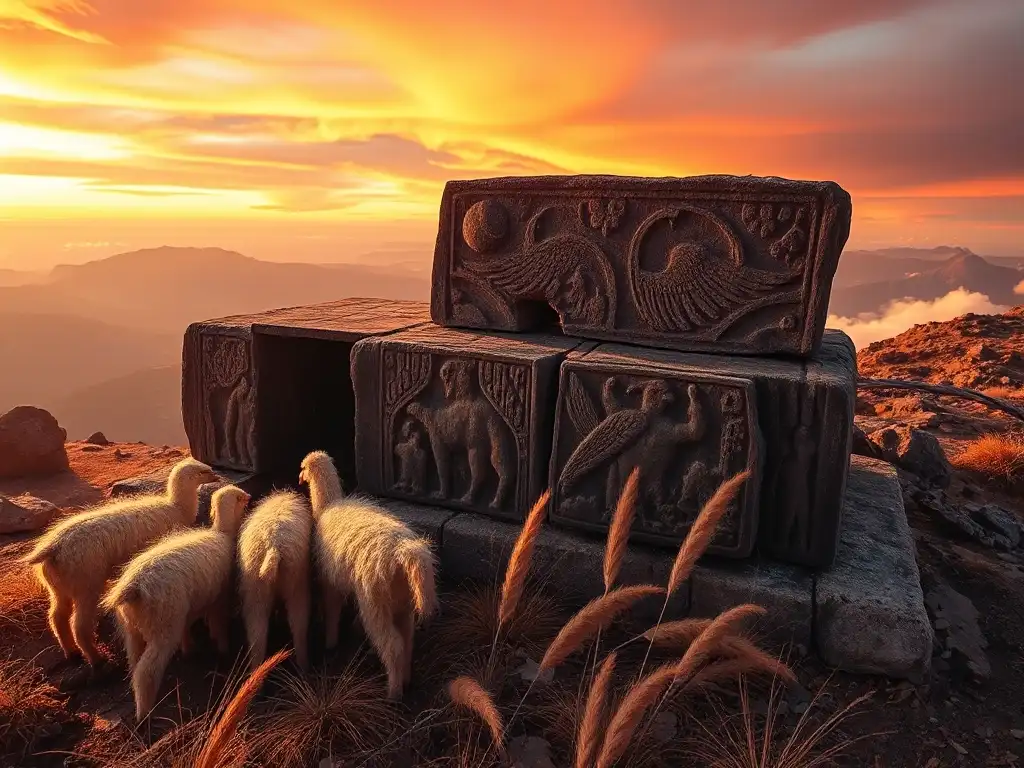
The concept of Hanan Pacha, the upper world in Andean cosmology, profoundly shaped Andean culture and its rituals. Far from being a mere abstract theological notion, Hanan Pacha permeated daily life, influencing everything from agricultural practices to political structures. Its significance extended beyond the spiritual realm, impacting social hierarchies and artistic expressions. Understanding Hanan Pacha is key to understanding the worldview and practices of Andean civilizations. The meaning and significance of Hanan Pacha are intricately woven into the fabric of Andean society, influencing their understanding of the cosmos and their place within it.
Hanan Pacha and its Connection to Andean Rituals and Ceremonies
Andean rituals and ceremonies were deeply intertwined with the belief in Hanan Pacha and its inhabitants. Many ceremonies aimed to establish communication with the deities residing in the upper world, seeking their favor for successful harvests, protection from natural disasters, or guidance in times of conflict. For example, the Capacocha sacrifices, while controversial, were believed to appease the gods of Hanan Pacha and ensure the prosperity of the Inca Empire.
These sacrifices, involving the offering of chosen children and llamas, were not simply acts of violence, but rather complex rituals aimed at maintaining cosmic balance and securing the favor of the celestial realm. The meticulous preparations, the symbolic significance of the offerings, and the elaborate ceremonies surrounding these events highlight the centrality of Hanan Pacha in Inca religious life. Other rituals, less extreme but equally significant, included offerings of coca leaves, chicha (fermented corn beer), and other precious goods, all aimed at maintaining harmonious relations with the deities of the upper world.
These practices underscore the pervasive influence of Hanan Pacha on the daily lives of Andean peoples. The intricate details of these rituals, often involving specific times of year and precise locations, further reveal the profound respect and reverence held for the celestial realm.
The Symbolic Representation of Hanan Pacha in Andean Art
The Andean artistic tradition vividly reflects the importance of Hanan Pacha. Textiles, pottery, and metalwork frequently depict deities and mythical creatures associated with the upper world. The use of specific colors, symbols, and motifs served to represent different aspects of Hanan Pacha, its inhabitants, and its power.
For instance, the vibrant colors often found in Andean textiles, particularly those associated with royal or religious contexts, likely symbolized the brilliance and power of the celestial realm. The frequent depiction of celestial bodies, such as the sun and moon, further emphasizes the importance of the upper world in Andean cosmology. Furthermore, the intricate designs and patterns woven into textiles, often featuring stylized representations of animals and deities, served not only as aesthetic elements but also as powerful symbols, connecting the earthly realm with the spiritual world of Hanan Pacha.
The sophisticated techniques used in creating these artworks, showcasing a deep understanding of materials and design principles, highlight the profound value placed upon the symbolic representation of the upper world. Detailed analysis of these artifacts reveals a complex system of visual communication that transmitted religious beliefs and cultural values across generations. The continuity of these symbolic representations in Andean art across different cultures and periods underscores the enduring importance of Hanan Pacha in Andean thought.
Hanan Pacha's Impact on Andean Architecture and Sacred Sites
Andean architecture, particularly the construction of sacred sites, bears the unmistakable imprint of Hanan Pacha. The placement of temples, palaces, and other significant structures often reflected a conscious effort to align them with celestial events and orientations. For instance, many Inca structures were carefully aligned with the solstices and equinoxes, highlighting the close relationship between the earthly and celestial realms.
The precise astronomical calculations and engineering feats involved in creating these structures demonstrate a profound understanding of the cosmos and the symbolic importance of aligning human constructions with celestial movements. Moreover, the use of specific materials, such as polished stone and gold, in the construction of sacred sites likely held symbolic significance, reflecting the perceived qualities of Hanan Pacha. The grandeur and magnificence of these sites serve as tangible manifestations of the power and majesty attributed to the upper world.
The meticulous construction techniques, evident in the precision of the stonework and the sophistication of the architectural designs, further highlight the sacred nature of these sites and their connection to Hanan Pacha. Examples include Machu Picchu, with its intricate terraces and strategically positioned structures, and Sacsayhuamán, with its massive stone walls and commanding view of the surrounding landscape, both demonstrating the profound influence of Hanan Pacha on the planning and construction of sacred spaces. The enduring legacy of these architectural marvels serves as a powerful testament to the significance of Hanan Pacha in Andean culture and its enduring influence on the landscape.
Exploring the Hanan Pacha Meaning and Significance in the Inca Empire
The term "Hanan Pacha" holds profound meaning within the Andean worldview, representing the upper world, a realm of celestial deities, powerful spirits, and cosmic forces. Understanding its significance requires delving into the intricate tapestry of Inca cosmology, social structures, and religious practices. This section will explore the multifaceted nature of Hanan Pacha, focusing on its role in shaping Inca life and beliefs.
The concept of Hanan Pacha, its meaning and significance, is central to comprehending the Inca's relationship with the divine and their understanding of the universe. This section will focus on the Inca interpretation of Hanan Pacha, exploring its impact on their society and religious practices.
Hanan Pacha wasn't merely a spiritual concept; it was deeply interwoven with the Inca's social and political organization. The empire's dualistic structure, often represented by the contrasting principles of Hanan (upper) and Hurin (lower), mirrored this celestial division. This duality manifested in various aspects of Inca life, from the organization of the royal family and administrative divisions to the layout of cities and temples.
For example, Cusco, the Inca capital, was believed to be situated at the intersection of the three Pachakuti (worlds), reflecting the city's central role in connecting the earthly realm with the celestial and underworld. The division of the empire into Hanan and Hurin halves, each with its own administrative structure and responsibilities, further emphasizes the importance of this cosmic duality in shaping the Inca state. This mirrored the perceived order of the cosmos, with the Hanan Pacha representing authority, power, and the divine.
The meticulous planning and organization of Inca cities and agricultural systems demonstrate a society deeply influenced by its cosmological beliefs, where the physical world reflected the celestial order. The Inca's sophisticated understanding of astronomy and their precise calendar system further underscored the importance of maintaining harmony between the earthly and celestial realms. The Hanan Pacha was not merely a symbolic concept; it was a tangible force shaping Inca society and governance.
The Interpretation of Hanan Pacha in Inca Religious Practices
Inca religious practices were deeply intertwined with the concept of Hanan Pacha. The upper world was the dwelling place of the Apus (mountain gods), powerful deities who held sway over the weather, harvests, and the fate of the empire. Rituals and offerings were performed to appease these deities and ensure their continued benevolence. These ceremonies often involved elaborate processions, sacrifices (including llama offerings), and the construction of sacred sites high in the Andes, bringing the earthly realm closer to the divine.
Furthermore, the Inca priesthood played a crucial role in interpreting the will of the Apus and other celestial beings residing in Hanan Pacha. They observed celestial events, seeking signs and omens to guide the Inca ruler and the population. The amautas (wise men) were responsible for interpreting these signs and translating them into practical guidance for the community.
The intricate system of Inca divination and prophecy reveals a society deeply engaged in understanding and interacting with the spiritual forces of Hanan Pacha. The concept of Hanan Pacha, therefore, was not just a belief system but a dynamic force shaping religious practices and social life. The reverence for the Apus and other celestial beings highlights the integral role of the upper world in Inca spirituality.
How the Incas Understood the Relationship Between the Upper World and Earthly Life
The Inca worldview emphasized a close relationship between Hanan Pacha and the earthly realm, Kay Pacha. They believed that the actions of humans on Earth directly impacted the celestial sphere. Maintaining harmony between the two worlds was considered crucial for the well-being of the empire. Agricultural practices, for example, were deeply connected to the cycles of nature and the influence of the Apus.
The Inca's sophisticated agricultural techniques, such as terracing and irrigation, reflect their deep understanding of the relationship between the earthly and celestial realms. The success of their harvests was seen as a direct result of maintaining a harmonious relationship with the deities of Hanan Pacha. Moreover, the Inca's understanding of the cosmos extended beyond simple agricultural practices. Their intricate system of roads, connecting the empire from the coast to the high Andes, served not only as logistical arteries but also as pathways connecting the earthly and celestial realms.
The careful planning and construction of these roads suggest a society deeply committed to maintaining balance and communication between the two worlds. The Inca's worldview was holistic, recognizing the interconnectedness of all aspects of existence, from the celestial bodies to the earthly environment and human society. This interconnectedness serves as the foundation of their sophisticated understanding of the relationship between Hanan Pacha and Kay Pacha. The consequences of failing to maintain this balance were believed to be severe, potentially leading to natural disasters, societal unrest, and the displeasure of the gods.
Hanan Pacha: A Comparison with Other Worldviews
Contrasting Hanan Pacha with Other Cosmological Concepts
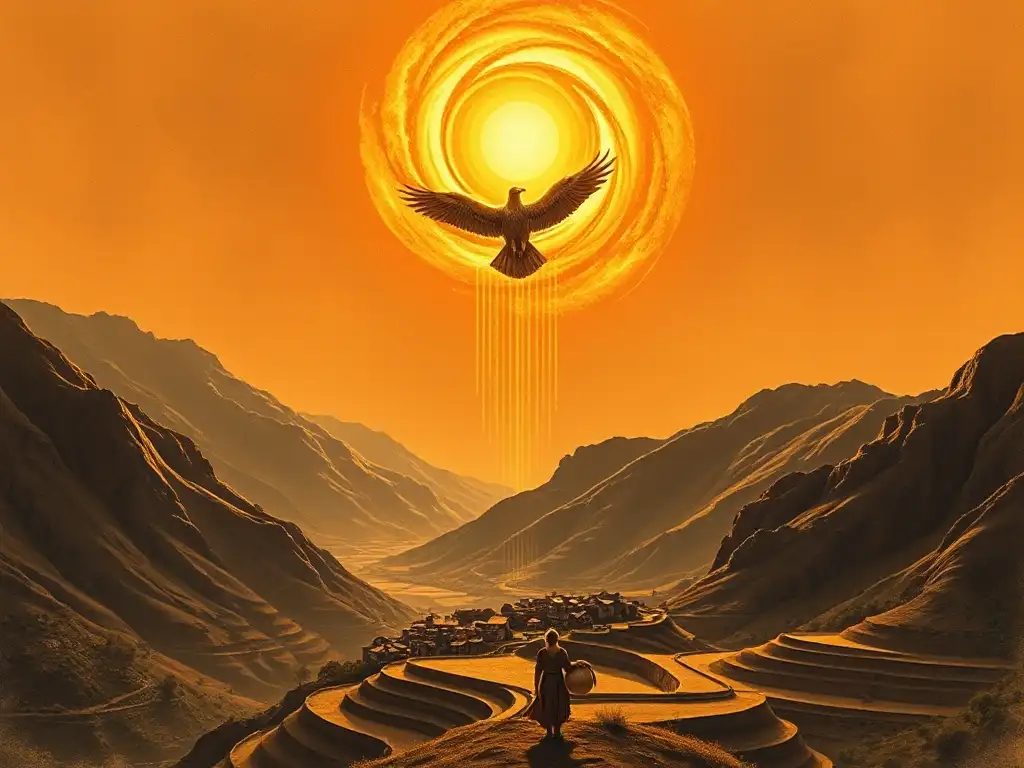
The Andean concept of Hanan Pacha, the upper world, offers a fascinating comparison to other cosmological systems. While many cultures envision a heaven or celestial realm, the Andean version possesses unique characteristics. Unlike the often singular, monotheistic heavens of Abrahamic religions, Hanan Pacha is a more complex, multifaceted space inhabited by a pantheon of deities and spirits.
This differs significantly from, for example, the Christian concept of Heaven, a singular, unified space ruled by a single God. Similarly, the Buddhist concept of Nirvana, while focusing on a state of being rather than a location, contrasts with the more concrete and spatially defined Hanan Pacha.
The Greek pantheon, while featuring multiple deities, is still localized primarily on Mount Olympus, a more geographically specific location than the expansive and less defined Hanan Pacha. The Andean worldview emphasizes a dynamic interaction between the different Pachas (worlds), whereas some other systems present a more linear progression or separation between earthly and heavenly realms.
The accessibility of Hanan Pacha also sets it apart. While many religions present heaven as a destination only attainable after death or through specific spiritual practices, the Andean cosmology suggests a more fluid connection between the earthly and upper worlds. Rituals and offerings served as conduits, allowing for communication and interaction with the deities and spirits residing in Hanan Pacha. This contrasts with religions that emphasize a strict separation or inaccessibility of the divine realm during earthly life.
The Unique Aspects of the Andean Upper World
The Hanan Pacha wasn't merely a static realm; it was a dynamic and vibrant place, populated by a diverse array of supernatural beings. These included not only the major gods like Viracocha, Inti (the Sun God), and Mama Killa (the Moon Goddess), but also lesser deities, spirits of nature ( apus, mountain spirits; mallkis, local deities), and ancestral spirits.
This rich tapestry of spiritual entities reflects the Andean emphasis on interconnectedness and the sacredness of the natural world. The Hanan Pacha, therefore, wasn't simply a place of reward or punishment, but a vital component of the Andean cosmological order, actively participating in the affairs of the Kay Pacha (the earthly world).
The celestial bodies themselves held significant religious importance. The sun and moon were not just astronomical objects but powerful deities, directly influencing the lives of the Andean people. Stars and constellations were also believed to be inhabited by spirits, further enriching the spiritual landscape of Hanan Pacha. This close relationship between the celestial and terrestrial realms highlights the holistic nature of the Andean worldview, where the human experience was inextricably linked to the cosmos.
Hanan Pacha: A Legacy of Andean Spirituality
Hanan Pacha: A Legacy of Andean Spirituality
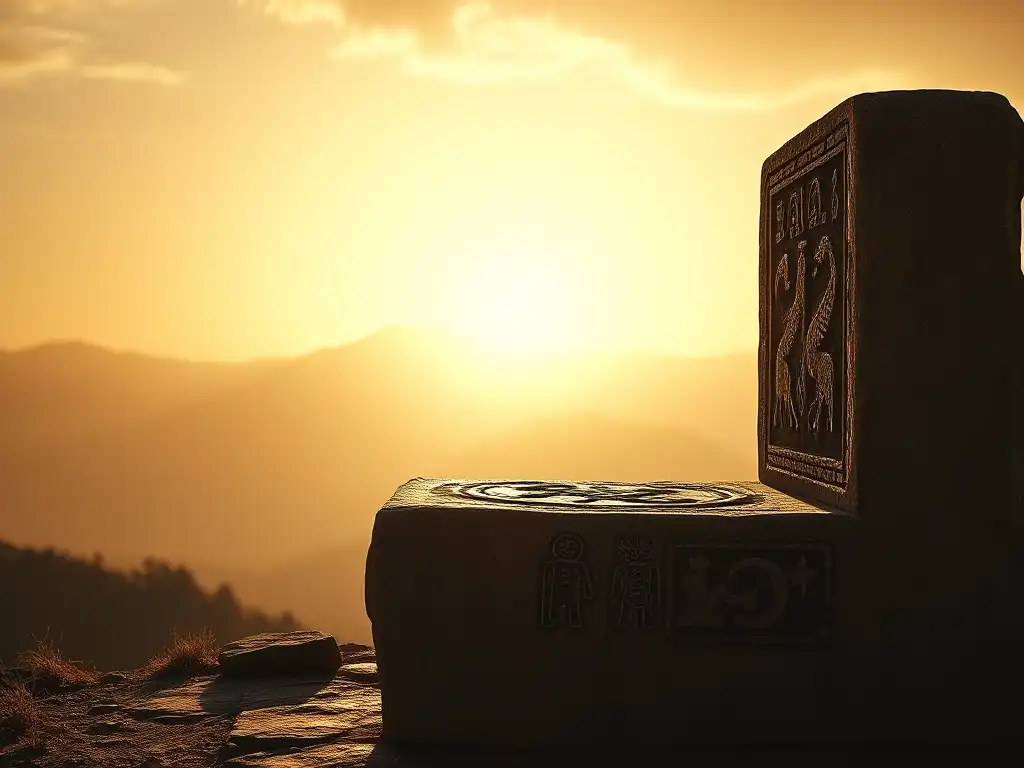
The concept of Hanan Pacha continues to resonate in contemporary Andean cultures. While the specific practices and beliefs may have evolved over time, the fundamental understanding of an upper world inhabited by powerful deities and spirits remains a core element of Andean spirituality. This enduring legacy underscores the deep-rooted connection between the Andean people and their ancestral cosmology.
Many indigenous communities still maintain traditions and rituals that acknowledge and interact with the Hanan Pacha, demonstrating the enduring significance of this concept in shaping Andean identity and worldview. The persistence of these traditions highlights the resilience of Andean culture and its ability to adapt while preserving its core spiritual values. Understanding the Hanan Pacha meaning and significance provides crucial insight into the complex and layered tapestry of Andean religion and its lasting impact on the region’s cultural heritage.
The influence of Hanan Pacha can be seen in various aspects of Andean life, from artistic expressions to agricultural practices, demonstrating its pervasive role in shaping Andean society throughout history. Further research into specific regional variations and contemporary practices is needed to fully grasp the nuanced expressions of this powerful cosmological concept. The continued study of Hanan Pacha promises to unlock further understanding of Andean cosmology and its rich spiritual legacy.
The Enduring Relevance of Hanan Pacha
The concept of Hanan Pacha, the upper world in Andean cosmology, remains profoundly relevant even today, extending far beyond its historical significance. Its enduring resonance stems from its inherent connection to fundamental human experiences: the search for meaning, the yearning for spiritual connection, and the contemplation of the divine. While the specific rituals and practices associated with Hanan Pacha may have evolved or diminished over time, the underlying philosophical and spiritual framework continues to influence Andean cultures and inspire contemporary interpretations.
The persistent presence of celestial deities in Andean art, music, and storytelling serves as a testament to the ongoing relevance of this cosmological layer. Understanding Hanan Pacha offers a window into the spiritual depth and continuity of Andean worldviews, highlighting the enduring power of ancient belief systems in shaping modern identities and perspectives.
This enduring relevance is not merely nostalgic; it's a living connection to a rich spiritual heritage that continues to provide comfort, guidance, and inspiration. The exploration of Hanan Pacha offers a valuable lens through which to understand the complex interplay between past and present in Andean societies.
Contemporary Interpretations of Hanan Pacha
Modern Andean communities continue to engage with the concept of Hanan Pacha, albeit in diverse and evolving ways. While traditional rituals may have been adapted or transformed, the underlying spiritual essence persists. For example, the veneration of celestial deities, though expressed differently than in pre-Columbian times, remains a significant aspect of Andean spirituality. Contemporary Andean artists often draw inspiration from Hanan Pacha, depicting celestial beings and cosmological narratives in their work.
This artistic expression not only reflects the enduring legacy of Hanan Pacha but also helps to transmit its significance to new generations. Furthermore, indigenous communities are increasingly incorporating elements of Hanan Pacha into their efforts to reclaim and revitalize their cultural heritage. This active engagement underscores the ongoing importance of Hanan Pacha in shaping contemporary Andean identities and cultural practices.
The integration of ancient beliefs into modern contexts demonstrates the adaptability and resilience of Hanan Pacha as a vibrant and evolving concept. One can observe this through the use of traditional symbols and motifs in contemporary textiles, weaving, and other crafts. These items are not simply decorative; they embody the spiritual and cosmological beliefs connected to Hanan Pacha.
Preserving the Understanding of Hanan Pacha for Future Generations
The preservation of the understanding of Hanan Pacha for future generations is a crucial task requiring a multifaceted approach. This involves not only the meticulous documentation of existing knowledge through anthropological studies and archival research but also the active promotion of cultural transmission within Andean communities. Educational initiatives focused on Andean cosmology are vital in ensuring that younger generations are familiar with the significance of Hanan Pacha. These initiatives should emphasize not only the historical context but also the continuing relevance of this cosmological layer in contemporary Andean life.
Furthermore, supporting the work of Andean artists and artisans who perpetuate the visual and symbolic representations of Hanan Pacha is crucial. Their work acts as a powerful conduit for transmitting cultural knowledge and spiritual insights across generations. The challenge lies in balancing the preservation of authenticity with the need for adaptation to modern contexts. A collaborative approach, involving both researchers and Andean communities, is essential to ensure that the preservation efforts are respectful, inclusive, and effective in transmitting the rich legacy of Hanan Pacha to future generations.
This collaborative effort is key to ensuring that the meaning and significance of Hanan Pacha are not only understood but also actively celebrated and revered for centuries to come. The preservation of this knowledge is not merely an academic endeavor; it is a vital contribution to the ongoing cultural richness and spiritual vitality of the Andean world. 🏔️
Frequently Asked Questions
What is Hanan Pacha?
Hanan Pacha is the Andean concept of the upper world, a realm inhabited by gods, spirits, and celestial beings. It's a crucial element in the Andean worldview.
How does Hanan Pacha relate to the other Pacha's?
Hanan Pacha is one of three worlds in the Andean cosmology, alongside Kay Pacha (the earthly world) and Ukhu Pacha (the underworld). They are interconnected and influential on each other.
What is the significance of Hanan Pacha in Andean religion?
Hanan Pacha held immense religious significance, representing the source of power and authority. Rituals and offerings were performed to appease and connect with the deities residing there.
Were there specific deities associated with Hanan Pacha?
Yes, many deities were associated with Hanan Pacha, including the creator god Viracocha and other powerful celestial beings. These deities were believed to influence earthly events.
How did the concept of Hanan Pacha impact Andean art and architecture?
The belief in Hanan Pacha is reflected in Andean art and architecture, with depictions of celestial beings and celestial events frequently appearing in textiles, pottery, and monumental structures. These works often aimed to connect the earthly and heavenly realms.
Final Reflection: Hanan Pacha: A Legacy Woven into the Andean Tapestry
The concept of Hanan Pacha remains profoundly relevant today, a vibrant thread woven into the rich tapestry of Andean culture and spirituality. Understanding its meaning and significance offers not only a glimpse into a fascinating cosmology but also a deeper appreciation for the enduring connection between humanity and the sacred, a connection that transcends time and geography. This ancient worldview continues to shape perspectives on life, death, and the interconnectedness of all things.
The enduring influence of Hanan Pacha is undeniable, shaping artistic expression, religious practices, and even the very landscape of the Andes. Its presence is felt in the intricate textiles, the vibrant ceremonies, and the profound respect for the natural world. The concept's power lies in its ability to connect the earthly realm with the divine, offering a framework for understanding our place within a larger cosmic order. The mountains are not just mountains, but the dwelling places of the gods.
This sentiment, though not a direct quote from an ancient source, encapsulates the deeply spiritual relationship between the Andean people and their sacred geography, a relationship deeply rooted in the understanding of Hanan Pacha.
Consider, then, the implications of Hanan Pacha for your own life. How might a deeper understanding of this cosmology enrich your own spiritual perspective? How can we, in our modern world, cultivate a similar sense of reverence for the natural world and the unseen forces that shape our existence? Let the legacy of Hanan Pacha inspire you to seek a deeper connection with the world around you, to recognize the sacred in the everyday, and to appreciate the enduring power of ancient wisdom in shaping our understanding of the universe and our place within it.
Unveil the Mysteries of Hanan Pacha!
Thank you for exploring the rich tapestry of Andean civilization and the fascinating concept of Hanan Pacha. Your interest deepens your understanding of this spiritual realm and connects you to centuries of tradition and wisdom. Now, let's put your knowledge into practice!
- **Join a discussion group** or online forum dedicated to Andean cultures to share insights and learn from others.
- **Create a project** reflecting the teachings of Hanan Pacha—perhaps a piece of art, a short story, or a research paper—to express your newfound understanding.
- **Visit a museum or cultural center** focusing on Andean history and spirituality, and share your experience on social media to inspire others.
Which aspect of Hanan Pacha resonates most with you, and how will you integrate its teachings into your daily life?