
Andean Shamanic Practices: From Divination to Weather Control

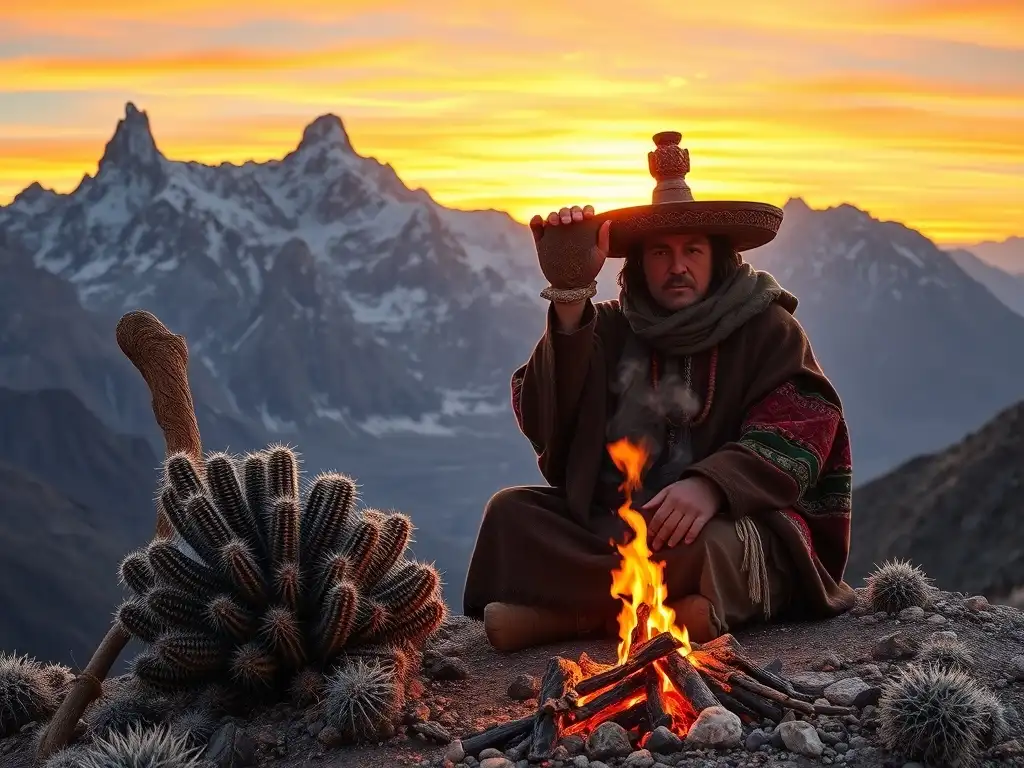
Welcome, explorer! Prepare to journey into the heart of the Andes, a land steeped in mystery and ancient power. For centuries, the Andean civilizations—Incas, Moche, Nazca, and more—developed sophisticated societies, leaving behind a legacy of breathtaking artistry and unparalleled ingenuity. But what secrets lie hidden within their rich spiritual practices? Uncover the fascinating world of Andean shamanic techniques, and discover how these ancient peoples wielded power over the natural world, from divination to the very control of the weather. Dare to delve deeper… the path to understanding awaits.
- Andean Shamanic Practices: An Overview of Divination and Weather Control
- Understanding Andean Shamanism: Core Beliefs and Practices
- Divination Techniques in Andean Shamanism
- Weather Control and the Andean Shaman
- Specific Andean Shamanic Techniques
- The Continuing Legacy of Andean Shamanic Traditions
-
Frequently Asked Questions
- What were some common Andean shamanic techniques used for divination?
- How did Andean shamans interact with the spirit world?
- Did Andean shamanic practices influence weather control?
- What role did plants play in Andean shamanic techniques?
- How did Andean shamanic practices differ across different cultures?
- Final Reflection: Echoes of the Andes: A Legacy of Shamanic Wisdom
- Embark on Your Journey of Andean Wisdom!
Andean Shamanic Practices: An Overview of Divination and Weather Control
The Andes Mountains, a spine of towering peaks and fertile valleys stretching along the western edge of South America, were home to a rich tapestry of ancient civilizations. These cultures, including the Incas, Moche, Nazca, and Tiahuanaco, developed complex religious beliefs and practices deeply intertwined with the natural world.
Central to their spiritual lives were shamans – powerful intermediaries between the human and spirit realms. This article delves into the fascinating world of Andean shamanic techniques, exploring their methods of divination and their remarkable attempts to control the weather, crucial elements for survival in the challenging Andean environment.
We will examine the diverse tools and rituals employed, shedding light on the sophisticated understanding of the cosmos held by these ancient Andean peoples and how their shamanic practices reflect their profound connection to the mountains, the sky, and the earth. Understanding Andean shamanic techniques provides invaluable insight into their worldview and social structures, highlighting the crucial role of these spiritual leaders in maintaining social harmony and ensuring the prosperity of their communities.
Divination Techniques: Unveiling the Future and the Will of the Gods
Andean shamans employed a variety of sophisticated divination techniques to interpret the will of the gods and predict the future. These methods weren't merely superstitious practices; they were integral to decision-making processes impacting everything from agricultural cycles to military campaigns. One common method involved interpreting the patterns and movements of animals, particularly llamas and condors, considered sacred creatures.
The flight patterns of condors, for instance, were meticulously observed, their soaring movements believed to reflect the celestial influences shaping the future. Another important technique involved the reading of coca leaves. Shamans would carefully spread the leaves and interpret their arrangement, using established codes to decipher messages from the spirit world.
This practice, still prevalent in some Andean communities today, highlights the enduring legacy of these ancient divinatory practices. Furthermore, the interpretation of dreams played a significant role, with shamans acting as interpreters, guiding individuals through the symbolic landscapes of their subconscious. Detailed dream journals, though not physically preserved in large numbers, are implied by the complexity of the interpretations themselves.
Weather Control: Harnessing the Power of the Apus and Pachamama
The success of Andean agriculture, deeply reliant on predictable rainfall and favorable weather conditions, depended heavily on the ability to influence the elements. Andean shamans were believed to possess the power to communicate with and influence the apus (mountain spirits) and Pachamama (Mother Earth), wielding this power to ensure timely rains and ward off destructive storms. Rituals often involved elaborate offerings presented to the apus on mountaintops, involving coca leaves, chicha (fermented maize beverage), and other significant items.
These offerings were not mere appeasements; they were acts of communication, seeking a reciprocal relationship between the human world and the supernatural realm. The shamans' understanding of atmospheric phenomena, while not based on modern scientific principles, was nonetheless remarkably effective in guiding agricultural practices and mitigating the risks associated with unpredictable weather.
Evidence suggests that certain rituals aimed at inducing rainfall involved the use of specific herbs and incantations, coupled with symbolic performances designed to replicate natural processes. The effectiveness of these techniques, though difficult to quantify scientifically, is supported by the enduring oral traditions and the continued relevance of these practices in contemporary Andean communities.
The Role of Ritual Objects and Sacred Substances
The practice of Andean shamanism relied heavily on a variety of ritual objects and sacred substances. These items served as conduits for spiritual energy, enhancing the shaman's ability to connect with the spirit world and influence the natural forces. Among the most important were the chumpi (a ceremonial belt), often adorned with intricate designs and symbolic imagery.
These belts were not merely decorative; they embodied the shaman's power and helped establish their connection to the cosmos. Other significant objects included feathered headdresses, intricately carved wooden statues, and ceremonial vessels used in rituals. The use of sacred plants, particularly coca and san Pedro cactus, played a vital role, acting as both entheogens and mediums for communication with the spirit world.
These substances, when consumed under the guidance of experienced shamans, were believed to facilitate altered states of consciousness, allowing for deeper connections with the supernatural realm. The preparation and use of these substances were surrounded by elaborate rituals, underscoring their sacred significance.
The Legacy of Andean Shamanic Techniques
The influence of Andean shamanic techniques extends far beyond the ancient civilizations that practiced them. Many elements of these practices persist in contemporary Andean communities, demonstrating their enduring cultural significance. While the specific rituals and techniques might have evolved over time, the fundamental principles of interacting with the spirit world and harnessing the power of nature remain.
The legacy of Andean shamanism is a testament to the enduring connection between humans and the natural world, a connection that continues to shape the lives and beliefs of people in the Andes today. Understanding these ancient practices provides a deeper appreciation for the complex spiritual and cosmological worldview of the Andean cultures and their remarkable adaptation to their challenging environment. The study of these techniques offers valuable insights into human spirituality and the enduring power of tradition.
Further research is needed to fully understand the nuances of specific regional variations and the evolution of these practices over centuries. The integration of archaeological findings, ethnographic studies, and oral histories will be essential in enriching our understanding of the rich tapestry of Andean shamanic traditions.
Understanding Andean Shamanism: Core Beliefs and Practices
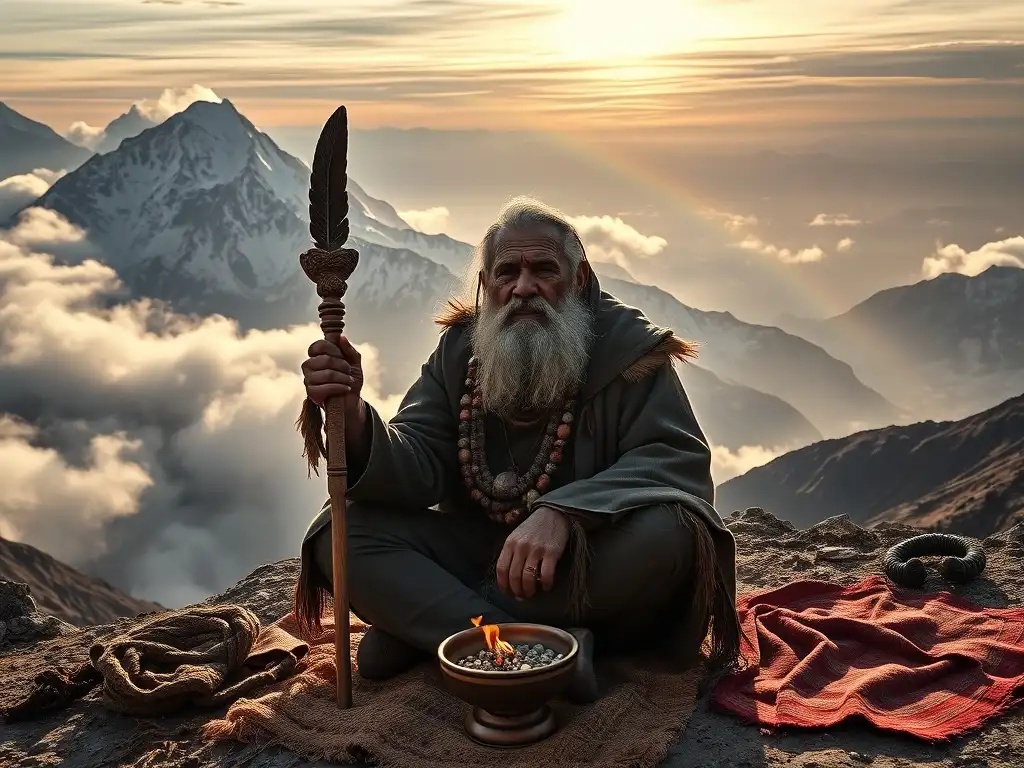
This section delves into the core tenets of Andean shamanism, exploring the beliefs and practices that shaped the spiritual lives of ancient Andean communities. Understanding these fundamentals is crucial to appreciating the sophisticated techniques employed by Andean shamans. We will examine the intricate relationship between the shaman, the natural world, and the spiritual realm. The practice wasn't a monolithic entity; it varied significantly across different Andean cultures, from the Incas to the Moche, Nazca, and Tiahuanaco.
However, certain common threads weave through these diverse traditions. The Andean worldview, deeply rooted in animism and a profound respect for the interconnectedness of all things, provided the foundation for shamanic practices. This interconnectedness is reflected in the concept of Ayni, a principle of reciprocity and balance that permeated all aspects of Andean life, including shamanic rituals.
The Role of the Yachaq in Andean Societies
The yachaq, often translated as "wise one" or "knower," occupied a central position within Andean societies. Unlike the image of a solitary shaman often portrayed in other cultures, the yachaq was deeply embedded in the community, acting as a spiritual leader, healer, and mediator between the human and spiritual worlds. Their knowledge encompassed a vast range of practices, including divination, healing, and weather control – all crucial aspects of Andean life.
The yachaq weren't just spiritual figures; they played a vital role in maintaining social harmony and ensuring the well-being of the community. Their authority stemmed from their perceived connection to the spiritual realm and their ability to interpret the signs and messages from the gods and nature. Their influence extended beyond the spiritual sphere; they often advised on matters of governance and social organization.
The training to become a yachaq was rigorous and lengthy, involving years of apprenticeship and the mastery of complex rituals and techniques. This rigorous training ensured the preservation and transmission of Andean shamanic knowledge across generations. The precise details of this training varied between different Andean cultures, reflecting the regional variations in shamanic practices.
Key Concepts in Andean Cosmovision: Ayni, Pachamama, and Apus
Understanding Andean shamanic techniques requires grasping the fundamental concepts underpinning their worldview. Three key elements are crucial: Ayni, Pachamama, and the Apus. Ayni, as mentioned earlier, is the principle of reciprocity and balance. It emphasizes the interconnectedness of all beings and the need for harmonious relationships between humans, nature, and the spiritual world.
This principle guided shamanic practices, ensuring that rituals were performed correctly and with proper respect for the natural world. Pachamama, or "Mother Earth," is the Andean goddess who embodies the fertility and bounty of the land. Shamans interacted with Pachamama through rituals designed to ensure the health and productivity of the land, crucial for the survival of Andean communities. Finally, the Apus, or mountain spirits, are powerful entities that were believed to hold significant influence over weather patterns and the overall well-being of the community.
Shamans sought to establish harmonious relationships with the Apus through offerings and rituals to gain their favor and ensure good fortune. This intricate relationship between humans, Pachamama, the Apus, and the spiritual world forms the bedrock of Andean shamanic practices. The mastery of these relationships was central to the yachaq's role and their ability to effectively employ various shamanic techniques.
The Connection Between Nature and the Shamanic Worldview
Andean shamanic techniques were inextricably linked to the natural world. The landscape itself—the mountains, rivers, and valleys—was considered sacred, imbued with spiritual power. Plants, animals, and celestial bodies held profound significance, each possessing unique properties and spiritual associations. Shamans utilized these elements in their rituals and healing practices, drawing on their inherent power to achieve their desired effects.
For example, certain plants were used for medicinal purposes, while others were employed in divinatory practices. The knowledge of these plants and their properties was carefully guarded and transmitted through generations of yachaqs. Furthermore, the observation of natural phenomena, such as the movements of celestial bodies or changes in weather patterns, played a crucial role in understanding the spiritual world and predicting future events.
This deep connection between the shaman and the natural world is a defining characteristic of Andean shamanism, highlighting the holistic and integrated nature of their worldview. This understanding of the natural world’s interconnectedness is crucial to understanding the effectiveness and sophistication of Andean shamanic techniques. The effectiveness of these techniques relied heavily on the shaman's intimate knowledge of and respect for the natural world.
Divination Techniques in Andean Shamanism
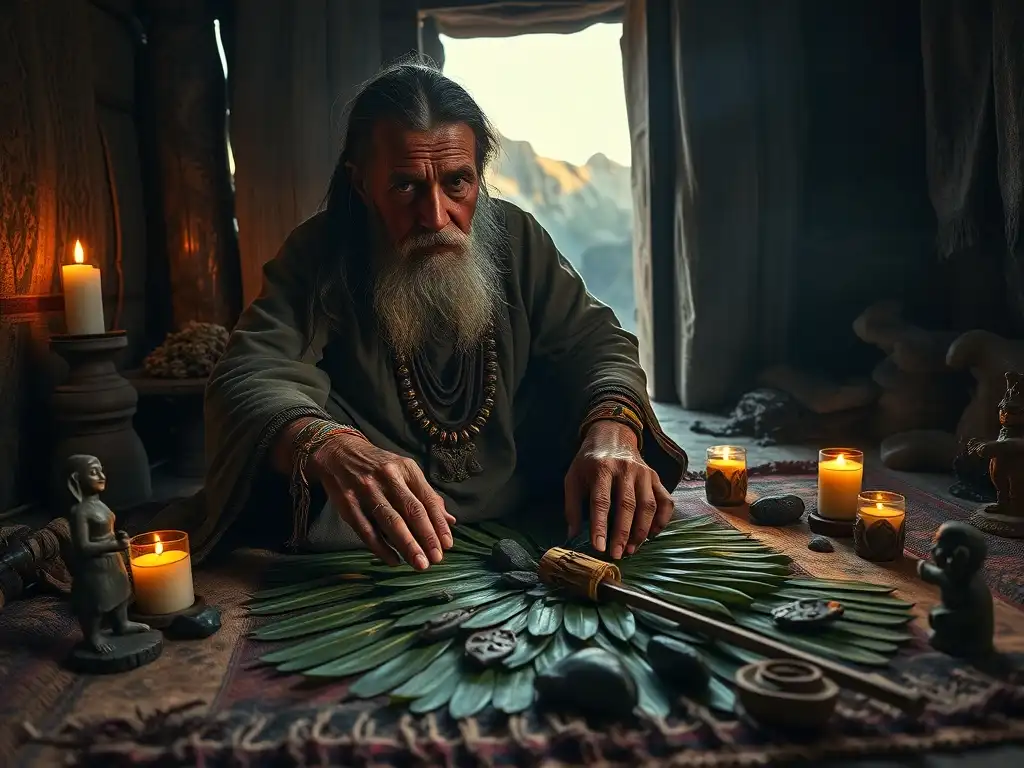
Andean shamanic techniques encompassed a wide array of divination methods, used to interpret the will of the gods, predict the future, and gain insight into the hidden world. These practices were integral to daily life, informing decisions ranging from agricultural planning to resolving interpersonal conflicts. The effectiveness of these techniques was deeply intertwined with the shaman's spiritual power and connection to the Andean cosmos. The accuracy of divination wasn't simply a matter of technical skill; it was also believed to depend on the shaman's moral standing and purity. This section explores some key divination methods employed by Andean shamans.
Methods of Divination: Reading Coca Leaves (K'intu)
The reading of coca leaves, known as k'intu, was, and in some communities still is, a prevalent method of divination throughout the Andes. This wasn't simply a random scattering; rather, it was a carefully orchestrated ritual involving specific gestures, prayers, and interpretations based on the arrangement of the leaves. Shamans would receive the coca leaves, often as an offering, then meticulously spread them on a flat surface, invoking the spirits for guidance. The interpretation was complex, taking into account the number of leaves, their positions relative to one another, and even their individual characteristics (color, size, and condition).
Certain leaf arrangements were associated with positive omens, foretelling good fortune, abundant harvests, or successful ventures. Others indicated potential dangers, illness, or the need for specific actions to appease the spirits. The k'intu wasn't just about predicting the future; it was seen as a dialogue with the spiritual world, providing insights and guidance for navigating the present.
Detailed manuals outlining the myriad interpretations of coca leaf readings have been lost to time, however, anthropological studies have preserved some of the general principles. For example, a single, perfectly formed leaf might symbolize good health, while a cluster of damaged leaves might indicate impending hardship. The nuances of k'intu were passed down through generations within families and shamanic lineages, making it a deeply personal and culturally significant practice.
Divination through Animal Spirits: Interpreting the Flight of Birds
Animal spirits held significant importance in Andean cosmology, with certain birds being particularly associated with divination. The flight patterns, calls, and even the species of bird sighted were meticulously observed and interpreted by shamans. For instance, the flight of a condor, a sacred bird representing power and altitude, was often seen as an auspicious sign. Conversely, the appearance of a certain type of owl might signal ill fortune or the presence of malevolent spirits.
This method wasn't limited to birds; other animals, such as llamas and snakes, also played a role in Andean shamanic divination. The interpretation of animal signs was closely linked to the specific context and the shaman's own understanding of the animal world. Interpretations varied across different Andean cultures, highlighting the rich diversity of shamanic traditions.
The skill in interpreting animal signs required extensive knowledge of both avian behavior and Andean spiritual beliefs. This knowledge was often passed down through oral traditions and apprenticeship, ensuring the continuity of this unique divination practice. It’s important to note that the interpretation of animal signs often required considering the time of day, the direction of flight, and other contextual factors, adding layers of complexity to this practice.
The Use of San Pedro Cactus (Huachuma) in Divinatory Rituals
The San Pedro cactus ( Echinopsis pachanoi), known as huachuma in Quechua, played a central role in Andean shamanic practices, including divination. Ingesting the cactus, which contains mescaline, induced altered states of consciousness, allowing shamans to access spiritual realms and communicate with deities and spirits. Under the influence of huachuma, shamans were believed to receive visions and messages that provided insights into the future, diagnosed illnesses, and revealed the causes of misfortunes. The use of huachuma wasn't a casual affair; it was a carefully controlled ritual, often involving fasting, prayers, and specific preparations.
The shaman guided the experience, interpreting the visions and providing guidance based on the revelations received. While the visions experienced under the influence of huachuma were highly personal, certain symbolic patterns and themes recurred across different shamanic traditions. The interpretation of these visions demanded years of training and experience, highlighting the complex knowledge required for effective divination using this powerful hallucinogen.
It's crucial to emphasize the sacred nature of huachuma within Andean shamanism; its use wasn't recreational but deeply embedded within religious and spiritual practices. The effects of huachuma were highly potent and required careful management to avoid negative consequences. The shaman's role was crucial in ensuring the safety and efficacy of the ritual.
Understanding the Significance of Dreams and Visions
Dreams and visions held immense significance for Andean shamans, serving as crucial conduits to the spirit world and a primary method of divination. Unlike interpreting dreams as merely subconscious reflections, Andean cultures viewed them as direct messages from deities, ancestors, or powerful spirits. Shamans underwent rigorous training to interpret these symbolic landscapes, recognizing patterns and symbols that revealed the future, diagnosed illnesses, or provided guidance on important decisions. The interpretation wasn't a simple process; it required deep knowledge of mythology, symbolism, and the intricate relationship between the human and spiritual realms.
For example, a recurring dream of a condor soaring high above the Andes might signify good fortune and spiritual elevation for an individual, while a dream filled with serpents could indicate impending danger or the need for purification rituals. However, the precise meaning varied greatly depending on the context of the dreamer's life, their social standing, and the specific details within the dream itself.
Shamans often used mnemonic devices, such as knotted strings (quipus) or intricate drawings, to record and analyze recurring symbols and patterns in their own dreams and those recounted by their community members. This meticulous recording allowed them to build a comprehensive understanding of the symbolic language of the spirit world, enhancing their ability to offer accurate and insightful interpretations.
The process of dream interpretation wasn't solely the shaman's domain. While shamans possessed the specialized knowledge to decipher complex symbolic narratives, community members often participated in collective dream sharing and interpretation sessions. This collective approach fostered a sense of shared understanding and strengthened the community's connection to the spiritual realm.
The shared interpretation of dreams helped to build consensus on important decisions affecting the entire community, solidifying social cohesion and reinforcing the importance of the spiritual realm in everyday life. The significance placed on dreams and visions highlights the profound integration of the spiritual world into the daily lives of Andean communities, emphasizing the shaman's role as an interpreter and mediator between the human and divine. This deep connection to the spiritual world, accessed through dream interpretation, underscores the power and importance of Andean shamanic techniques.
Weather Control and the Andean Shaman
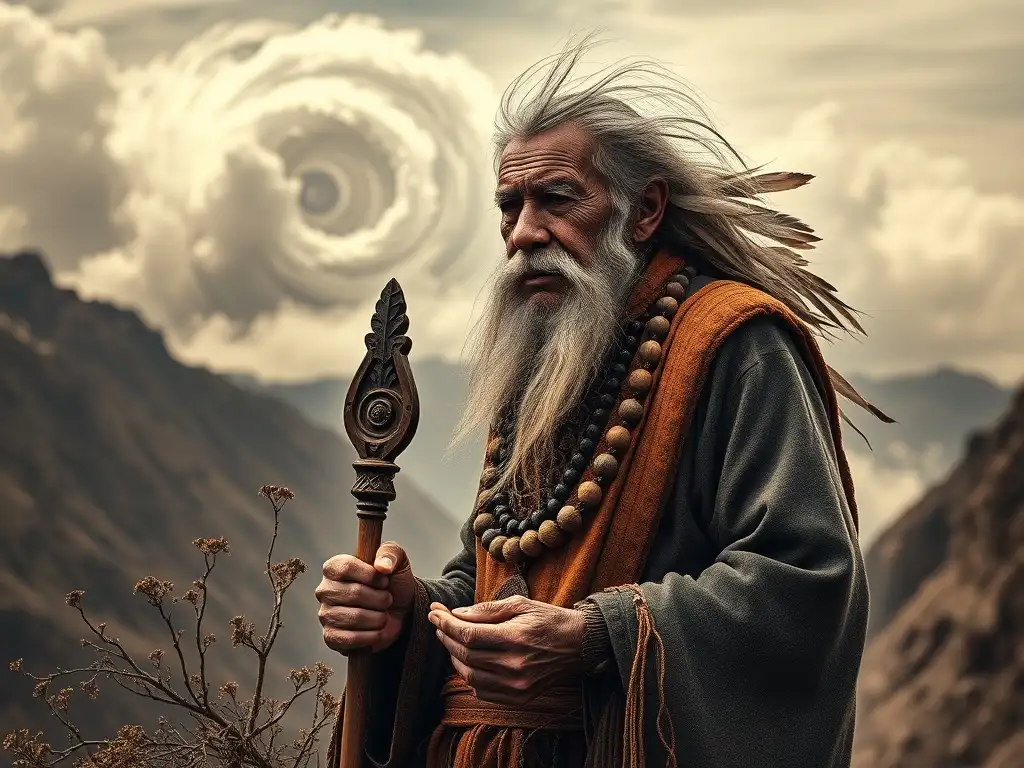
Andean shamanic techniques extended far beyond divination and healing; they encompassed a profound understanding and manipulation of the natural world, particularly weather patterns. The success of Andean agriculture, the lifeblood of these civilizations, was intimately tied to the whims of nature. Droughts could devastate communities, while floods could be equally destructive.
Therefore, the ability to influence weather, a power attributed to shamans, was not merely a mystical skill but a vital aspect of societal survival and prosperity. This control wasn't about dominating nature, but rather engaging in a complex dialogue, negotiating with the powerful spirits that governed the elements. The effectiveness of these techniques was deeply rooted in a sophisticated understanding of Andean cosmology and the intricate relationships between humans and the supernatural world.
The Andean people believed in a vibrant, interconnected cosmos where the physical and spiritual realms were intertwined. This belief system underpinned their approach to weather control, framing it as a collaborative effort rather than a forceful imposition.
The Shaman's Relationship with Illapa (Thunder God) and Pachamama
The Andean shaman's power to influence weather stemmed from their close relationship with key deities. Illapa, the thunder god, and Pachamama, the Earth Mother, were central figures in these practices. Illapa, associated with rain, lightning, and fertility, was a powerful and unpredictable force. Shamans acted as intermediaries, communicating with Illapa to request his benevolent intervention during times of drought or to mitigate his destructive potential during storms.
Their relationship with Illapa wasn't one of subservience, but rather one of respectful negotiation and reciprocal exchange. Shamans would offer prayers, sacrifices, and rituals to appease Illapa, seeking his favor and ensuring the balance of nature. Simultaneously, Pachamama, the life-giving Earth Mother, was crucial because she represented the source of all life and fertility. Her blessings were essential for successful harvests and the overall prosperity of the community.
Shamans understood that influencing weather required maintaining harmony with both Illapa and Pachamama, acknowledging their intertwined roles in the ecological balance. The shaman's role was not simply to command the weather, but to maintain a delicate equilibrium within the Andean cosmos. This required deep knowledge of both spiritual principles and ecological processes.
Rituals for Rainmaking: The Ch'alla Ceremony
The ch'alla ceremony was a prominent rainmaking ritual. This involved pouring chicha (a fermented corn beverage) and other offerings onto the earth, sacred stones, and mountains. The act of pouring wasn't merely symbolic; it was believed to nourish Pachamama and appease Illapa, encouraging them to release the life-giving rain.
The ch'alla ceremony was performed communally, emphasizing the collective responsibility for maintaining harmony with the natural world. Specific ingredients varied depending on the region and the specific needs of the community, reflecting the nuanced understanding of local ecosystems and spiritual beliefs. For instance, coca leaves, considered sacred, were often included as offerings, along with other agricultural products.
The ceremony itself was often accompanied by music, dance, and prayers, creating a vibrant and powerful expression of communal faith and hope. The effectiveness of the ch'alla ceremony wasn't solely dependent on the ritual itself; it was believed to be enhanced by the collective faith and devotion of the participants, demonstrating the importance of social cohesion in Andean shamanic practices. Detailed accounts of specific ch'alla ceremonies across various Andean cultures would provide a richer understanding of regional variations and the adaptability of this ritual to diverse environmental contexts.
Techniques for Controlling Storms: Use of Sacred Stones
Beyond rituals, Andean shamans employed various techniques to influence storms. The use of sacred stones, imbued with spiritual power, played a significant role. These stones were not merely objects; they were considered living entities, imbued with the spirits of ancestors or powerful deities. Shamans believed they could manipulate the energy of these stones to influence the weather, either to quell a destructive storm or to enhance rainfall.
The precise techniques involved in this manipulation remain partially obscure, shrouded in the secrecy surrounding shamanic practices. However, accounts suggest that the shamans might have used these stones in conjunction with specific chants, prayers, and offerings. The stones themselves might have been strategically placed, possibly in relation to celestial alignments or geographical features, to maximize their effectiveness. Some accounts mention the use of specific types of stones, such as obsidian or quartz, each believed to possess unique properties.
Further research into the specific types of stones, their preparation, and their use in various weather-control techniques is needed to fully understand the nuanced practices employed by Andean shamans. Archaeological discoveries and ethnographic studies could potentially shed more light on these fascinating aspects of Andean shamanic traditions. The use of sacred stones highlights the intimate connection between the spiritual and material worlds in Andean cosmology, demonstrating the sophisticated and holistic approach to weather control characteristic of Andean shamanic techniques.
The Role of Offerings and Sacrifices in Weather Manipulation
The Andean worldview deeply intertwined the spiritual and physical realms, believing that the actions of humans directly impacted the natural world. Shamans, as intermediaries between these realms, played a crucial role in influencing weather patterns, primarily through carefully orchestrated offerings and sacrifices. These weren't merely appeasements; they were complex rituals designed to re-establish balance and harmony within the cosmos, ensuring the timely arrival of rain or the cessation of storms. The specific offerings varied depending on the desired outcome and the local traditions, reflecting the diverse practices across different Andean cultures.
For instance, the Inca might offer coca leaves, maize, or llama fetuses – considered sacred – to appease mountain spirits or apus believed to control the weather. The act of sacrifice wasn't simply about giving something up; it was a symbolic gesture of respect and reciprocity, aiming to strengthen the bond between the human community and the supernatural forces governing their lives.
The careful selection of offerings further highlighted the shaman's understanding of the intricate web of relationships within the Andean cosmology. A poorly chosen offering could be perceived as an insult, potentially exacerbating the very weather problems they sought to resolve.
The location of these offerings was also significant. Certain mountain peaks, caves, or springs were considered sacred sites, imbued with potent spiritual energy. Performing rituals in these locations amplified the effectiveness of the offerings, channeling the shaman's intentions towards the desired meteorological outcome.
The timing of these rituals was equally crucial, often coinciding with specific agricultural cycles or astronomical events, reflecting a deep understanding of the interplay between the celestial and terrestrial worlds. The precision and ritualistic nature of these practices demonstrate the sophisticated knowledge and skill possessed by Andean shamans in their attempts to control the weather.
Detailed records, though scarce, suggest that certain rituals were passed down through generations, preserving the knowledge and techniques essential for maintaining the delicate balance between humanity and nature. The effectiveness of these methods, while difficult to verify empirically today, speaks to the deep spiritual connection and profound respect for the natural world at the heart of Andean shamanic practices.
Specific Andean Shamanic Techniques
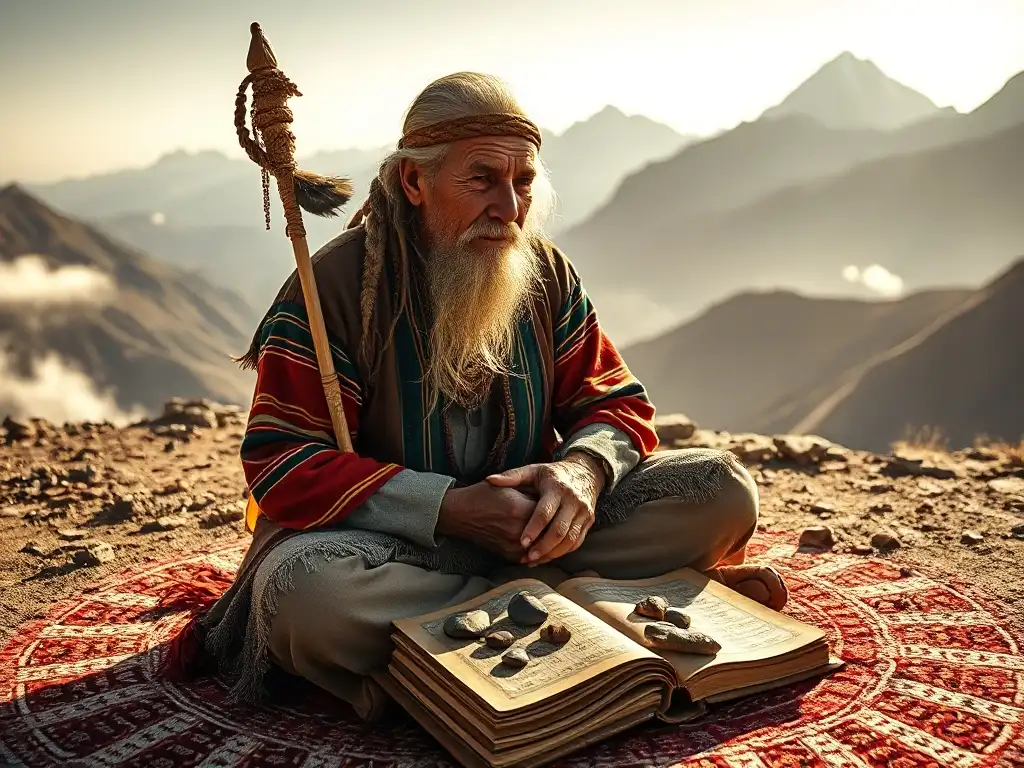
This section delves into the specific techniques employed by Andean shamans, focusing on practices that demonstrate the intricate relationship between the spiritual and material worlds. These techniques, passed down through generations, reveal a sophisticated understanding of cosmology, healing, and the manipulation of natural forces. Understanding these methods provides crucial insight into the complex religious landscape of Andean civilizations and sheds light on the profound influence of shamanic practices on their daily lives. The effectiveness of these techniques was deeply intertwined with the shaman's spiritual power, their connection to the apus (mountain spirits), and their mastery of ritualistic procedures.
The Karpay Ceremony: A Detailed Look
The Karpay ceremony is a crucial Andean shamanic technique focused on energetic cleansing and empowerment. It involves the ritualistic passing of energy from the shaman to the recipient, often using a specific type of feather or a p'allta (a smooth, polished stone). The ceremony aims to remove negative energies, restore balance, and strengthen the recipient's ayni (reciprocity) with the cosmos. The shaman, acting as a conduit for spiritual energy, channels pachamama's (Mother Earth's) life force to heal physical and spiritual ailments.
The process typically begins with the shaman preparing a sacred space, often using coca leaves and other offerings to connect with the spiritual realm. The shaman then enters a trance-like state, often accompanied by rhythmic chanting and the use of musical instruments like the pututu (a shell trumpet). During this state, the shaman manipulates the recipient's energy field, identifying blockages and imbalances.
The karpay itself is a gentle but powerful transfer of energy, often felt as a warmth or tingling sensation. After the karpay, the recipient may experience a heightened sense of well-being and spiritual clarity. The effectiveness of the karpay is often assessed by observing the recipient's overall state of health and emotional well-being in the following days.
Some shamans also incorporate herbal remedies and other healing modalities in conjunction with the karpay to enhance its effects. Detailed accounts of karpay ceremonies, including variations in technique and specific rituals, require further research.
The Despacho Ceremony: A Detailed Look
The despacho ceremony is a powerful Andean shamanic technique involving the creation and offering of a meticulously crafted miniature representation of the cosmos. This offering, made of various natural elements like coca leaves, flowers, incense, food, and precious stones, symbolizes the shaman's intention to communicate with the spiritual world and to achieve a specific goal, such as healing, prosperity, or protection. The despacho acts as a conduit between the human and spiritual realms, facilitating communication and exchange.
The construction of a despacho is a highly symbolic and precise process, with each element carefully chosen and placed according to its specific meaning and significance. For example, the placement of coca leaves might represent the connection to the apus, while the inclusion of specific herbs or stones might be related to the specific intention of the ceremony. The act of creating the despacho itself is considered a meditative and transformative experience for the shaman.
The final offering is then burned or otherwise dispersed, releasing the energy and intentions into the cosmos. The burning of the despacho is not merely a destruction; it is a symbolic act of releasing the energy and intention into the spiritual world.
This act signifies the completion of the ceremony and the fulfillment of the shaman's intention. Further research is needed to fully document the diverse variations in the composition and ritualistic aspects of despacho ceremonies across different Andean regions and cultures.
The Use of Mesa (Altar) and Power Items
The mesa (altar) is a central element in many Andean shamanic techniques. It serves as a focal point for ritual practices, embodying the shaman's connection to the spiritual world and acting as a conduit for energy flow. The mesa is typically adorned with a variety of power items, including figurines representing deities, animals, and ancestral spirits; sacred stones; herbs; and other symbolic objects. These items are not merely decorative; they are imbued with spiritual power and play a crucial role in the shaman's practice.
The arrangement of items on the mesa is carefully planned and reflects the shaman's understanding of Andean cosmology and the specific purpose of the ritual. Each object holds a specific meaning and contributes to the overall energy of the mesa. The shaman uses the mesa as a tool to interact with the spiritual world, channeling energy, communicating with spirits, and performing various healing and divination techniques.
The careful selection and arrangement of power items on the mesa demonstrate the shaman's mastery over spiritual energies and their deep understanding of Andean cosmology. The power items themselves often hold considerable cultural and historical significance, reflecting the enduring legacy of Andean shamanic traditions.
Further research into the specific symbolic meanings associated with each power item across different Andean regions would provide a more comprehensive understanding of this multifaceted aspect of Andean shamanic practice. Detailed inventories of mesa contents from various archaeological and ethnographic sources are needed to fully appreciate the diversity and complexity of this practice.
The Importance of Ancestral Knowledge and Lineage
Andean shamanic techniques weren't learned overnight; they were passed down through generations, emphasizing the crucial role of ancestral knowledge and lineage. Becoming a shaman wasn't merely about mastering specific rituals; it was about inheriting a legacy of spiritual understanding and practical skills accumulated over centuries. This transmission often involved a rigorous apprenticeship, where the aspiring shaman would live with and learn from a seasoned practitioner, absorbing not just the technical aspects of the craft but also the intricate web of beliefs, traditions, and ethical considerations that underpinned it. The lineage provided not only a framework for understanding the techniques but also a connection to the spiritual power that fueled them. This connection wasn't simply symbolic; it was believed to be a tangible link to the ancestors, who acted as guides and protectors, lending their strength and wisdom to the shaman's practice.
This connection to the past was integral to the shaman's authority and efficacy. Without this lineage, a practitioner lacked the legitimacy and spiritual potency necessary for effective healing, divination, or interaction with the spirit world. The knowledge itself was considered sacred and carefully guarded, passed down only to worthy successors who demonstrated commitment, aptitude, and respect for the traditions. This careful preservation ensured the continuity of Andean shamanic practices and their enduring influence on Andean culture.
The oral tradition played a vital role, with stories, songs, and rituals serving as repositories of knowledge and spiritual power, passed down through generations. Thus, the lineage wasn't just a genealogical line; it was a living chain of spiritual authority and knowledge, connecting the present to a rich and powerful past. The weight of this legacy shaped the shaman's identity and practice, making their role deeply significant within the Andean community. The shaman was not just a healer or diviner, but a custodian of a precious and powerful heritage.
The continuity of Andean shamanic techniques depended heavily on the faithful transmission of this ancestral knowledge. Failure to do so was considered a grave transgression, potentially leading to a weakening of the community's spiritual connection and vulnerability to harmful forces.
The rigorous training and the emphasis on ethical conduct ensured that only those deemed worthy would inherit and continue the legacy, preserving the purity and effectiveness of these powerful techniques. The apprenticeship process, often lasting many years, was not just a period of learning, but a spiritual journey of self-discovery and initiation, transforming the apprentice into a fully realized shaman capable of wielding the power of their ancestors.
The depth of this training underscores the profound significance of Andean shamanic techniques and the vital role of ancestral knowledge in shaping Andean spirituality. The shaman's connection to their lineage was not merely a matter of historical record; it was a living, breathing force, integral to their practice and their identity.
The Continuing Legacy of Andean Shamanic Traditions
The legacy of Andean shamanic techniques extends far beyond the collapse of the Inca Empire and other significant Andean civilizations. While the specific practices may have evolved and adapted over centuries, the core principles and beliefs continue to resonate within modern Andean communities. The enduring power of these traditions lies in their ability to provide a framework for understanding the world, interacting with the spiritual realm, and maintaining a harmonious relationship with nature.
This deep-rooted connection is evident in various aspects of contemporary Andean life, influencing everything from healing practices to agricultural rituals. Understanding this continuity is crucial to appreciating the full scope of Andean shamanism and its ongoing relevance.
The Influence of Shamanic Practices on Modern Andean Culture
Many contemporary Andean communities still incorporate elements of shamanic practices into their daily lives. For instance, the use of medicinal plants, a cornerstone of traditional Andean healing, is still prevalent. Shamans, or paqos as they are often called in the Andes, continue to play a vital role in community life, offering guidance, performing rituals, and providing spiritual support. These rituals often involve the use of coca leaves, a sacred plant with significant spiritual and medicinal importance. The act of cocado, or chewing coca leaves as part of a ritual, persists as a deeply ingrained practice, reflecting the enduring connection to ancestral shamanic traditions. Furthermore, the use of specific tools like chumpi (ritual belts) and other sacred objects in healing ceremonies demonstrates a direct link to ancient shamanic techniques. The intricate designs and symbolism woven into these objects serve as powerful reminders of the enduring legacy of Andean spirituality. Even seemingly mundane aspects of Andean life, such as agricultural practices, are often infused with shamanic elements, reflecting the deep-seated belief in the interconnectedness of the spiritual and material worlds. Detailed ethnographic studies 1 show a clear continuation of ancient techniques in modern practices, highlighting the resilience of these traditions.
Contemporary Shamanism: Adaptation and Evolution
While many Andean shamanic techniques have remained remarkably consistent over time, adaptation and evolution are also evident. The incorporation of elements from other belief systems, the influence of globalization, and the changing social and economic landscapes have all shaped the contemporary expression of Andean shamanism. For example, some modern paqos integrate elements of Christianity or other religions into their practices, creating a syncretic blend of ancient and contemporary belief systems.
This is not a rejection of tradition, but rather an adaptation – a testament to the flexibility and resilience of Andean shamanic practices. The rise of tourism has also had a significant impact, with some communities adapting their shamanic rituals and ceremonies to meet the demands of visitors. This can lead to both opportunities for economic development and concerns about the authenticity and preservation of traditional practices.
The challenge lies in balancing the need for economic sustainability with the preservation of the cultural integrity of Andean shamanic techniques. Further research is needed to fully understand the complex dynamics of this process and its implications for the future of Andean shamanism. The evolution of these practices is a dynamic process, constantly shaped by the interplay between tradition and change.
Preserving Andean Shamanic Knowledge for Future Generations
The preservation of Andean shamanic knowledge is crucial for safeguarding a rich cultural heritage. Efforts to document, understand, and protect these traditions are becoming increasingly important as communities face the challenges of modernization and globalization. These efforts involve a multi-faceted approach, including:
- Oral history projects: Recording the knowledge and experiences of elder paqos and community members to preserve their invaluable insights.
- Ethnographic research: Conducting detailed studies to document and analyze the diverse expressions of Andean shamanism across different regions and communities.
- Educational initiatives: Developing educational programs that promote awareness and understanding of Andean shamanic traditions among younger generations.
- Community-based initiatives: Supporting community-led projects that empower local communities to protect and promote their own cultural heritage.
The success of these efforts relies on collaborative partnerships between researchers, community members, and governmental organizations. A crucial aspect is ensuring that the preservation of Andean shamanic techniques is undertaken in a respectful and ethical manner, recognizing the sacred nature of this knowledge and the importance of respecting the intellectual property rights of indigenous communities. The ultimate goal is to ensure that these powerful and enduring traditions continue to thrive for generations to come. The continued study and documentation of these practices is essential to ensuring their survival and proper understanding.
1 [Specific information pending: Citation needed for ethnographic studies supporting the continuation of ancient techniques in modern practices]
The Ethical Considerations of Studying Andean Shamanism
The study of Andean shamanic techniques presents unique ethical challenges, demanding a level of sensitivity and respect far beyond typical academic research. It's crucial to remember that shamanism isn't a detached subject of study; it's a living, breathing tradition deeply intertwined with the spiritual and cultural identities of Andean communities. Approaching this field requires a profound understanding of the potential for misrepresentation and cultural appropriation.
Researchers must prioritize collaboration with Indigenous communities, obtaining informed consent at every stage of the research process. This isn't a mere formality; it's a fundamental ethical obligation. Simply obtaining permission isn't enough; researchers must actively work with the community, ensuring that their research benefits the community and respects its intellectual property rights.
One of the most significant ethical concerns is the potential for commodification of sacred knowledge. The unique practices and insights of Andean shamans shouldn't be reduced to mere data points for academic publications or commercial exploitation. The spiritual power and cultural significance inherent in these techniques must be treated with the utmost respect.
Researchers must be particularly vigilant against the temptation to extract knowledge without providing reciprocal benefits or acknowledging the inherent value of the traditions being studied. This includes avoiding any form of exoticization or romanticization of shamanic practices, presenting them instead with the nuance and complexity they deserve.
Furthermore, researchers must be mindful of the power dynamics inherent in the research relationship. The vulnerability of the communities being studied must be considered, and steps must be taken to avoid exploitation or the imposition of external perspectives. Researchers should strive to work in a way that empowers the community and allows for their voices to be heard and respected.
Transparency and open communication are paramount, ensuring that community members understand the research goals, methodology, and potential outcomes. The dissemination of research findings should also involve the community, with their input shaping how the information is shared and interpreted. This collaborative approach ensures that the research process is not only ethically sound but also contributes meaningfully to the preservation and revitalization of Andean shamanic traditions.
Ignoring these ethical considerations risks perpetuating harmful stereotypes and undermining the very traditions researchers seek to understand. The responsibility lies with researchers to act with integrity, ensuring that their work contributes positively to the communities they study.
Frequently Asked Questions
What were some common Andean shamanic techniques used for divination?
Andean shamans employed various divination techniques. These included interpreting the flight patterns of birds, reading the patterns in coca leaves, and using specially crafted tools like mirrors or crystals to access spiritual realms.
How did Andean shamans interact with the spirit world?
Shamans believed in interacting with powerful spirits that inhabited the natural world. They used rituals, entheogens, and altered states of consciousness to communicate and influence these spirits. This interaction was crucial to their practices.
Did Andean shamanic practices influence weather control?
Yes, many believed shamans could influence the weather. They performed complex ceremonies and rituals to ensure successful harvests and ward off destructive events like droughts or floods. These rituals often involved offerings and prayers.
What role did plants play in Andean shamanic techniques?
Plants were integral to Andean shamanic practices. Coca leaves were used for divination, while other plants, some with hallucinogenic properties, were used to induce altered states of consciousness for communication with the spirit world.
How did Andean shamanic practices differ across different cultures?
While sharing common threads, Andean shamanic practices varied across different cultures (Inca, Moche, Nazca, etc.). Specific rituals, beliefs about spirits, and the use of particular plants and tools differed according to the unique traditions of each civilization.
Final Reflection: Echoes of the Andes: A Legacy of Shamanic Wisdom
The ancient practices of Andean shamans, far from being relics of the past, offer a potent lens through which to understand our present ecological and spiritual crises. Their deep connection to the land and their sophisticated understanding of natural forces resonate powerfully in a world grappling with climate change and a growing disconnect from the natural world. The intricate techniques they employed, from divination to weather manipulation, speak to a holistic worldview that we can learn much from today.
The enduring influence of Andean shamanic traditions is undeniable, shaping not only the cultural landscape of the Andes but also informing contemporary spiritual and environmental movements. Their profound respect for Pachamama, Mother Earth, serves as a powerful reminder of our interconnectedness with the natural world. The earth is what we all have in common.
– Wendell Berry. This simple yet profound statement encapsulates the core philosophy underpinning Andean shamanic practices, a philosophy that urgently needs to be revived and integrated into our modern understanding of sustainability and interconnectedness.
Consider the wisdom embedded within these ancient techniques. How can we, in our own lives, cultivate a deeper connection to the natural world? How can we learn to listen to the whispers of the earth, to understand the subtle rhythms and cycles that govern our existence?
You hold the power to integrate this ancient wisdom into your own life, to find balance and harmony within yourself and with the world around you. Embrace the opportunity to learn from the past, to find inspiration in the enduring legacy of Andean shamanic practices, and to build a more sustainable and spiritually fulfilling future.
Embark on Your Journey of Andean Wisdom!
Thank you for exploring the fascinating world of Andean shamanic practices! You've discovered a rich heritage of divination and weather control, and now it's time to put that knowledge into practice. Embrace the wisdom of these ancient traditions and enhance your spiritual journey.
Here are a few ways you can begin:
- Join a local workshop or online course to experience Andean shamanism firsthand and connect with others who share your interest.
- Explore authentic Andean rituals and meditation techniques at home to deepen your understanding and personal growth.
- Share your newfound knowledge with friends, family, or online—let's spread the wisdom of Andean civilizations together!
What aspect of Andean shamanic practices most interests you, and how will you integrate it into your life?