
The Significance of Feathers in Andean Rituals: A Connection to the Sky


Step into a world lost to time, yet echoing with vibrant life. Imagine a civilization where the sky held sacred power, and feathers, more than mere adornment, served as conduits to the divine. Uncover the profound significance of Andean feather rituals and their intricate connection to the cosmos. Prepare to be captivated by the secrets woven into the very fabric of Andean religion and cosmovision – a journey awaits, one that will redefine your understanding of these magnificent cultures.
The Andean civilizations, renowned for their intricate societal structures and awe-inspiring architectural feats, held a deeply spiritual worldview profoundly connected to the natural world. Their cosmology, a complex tapestry woven from celestial observations, agricultural cycles, and ancestor veneration, imbued everyday objects with potent symbolic meaning. Among these, feathers held a particularly significant place, representing a tangible link between the earthly realm and the celestial sphere, playing a crucial role in a wide array of rituals and ceremonies.
This article delves into the profound significance of feathers in Andean rituals, exploring their symbolic power and their function as a conduit between the human and divine. We will examine how different Andean cultures, including the Inca, Moche, Nazca, and Tiahuanaco, incorporated feathers into their religious practices, revealing a shared understanding of their spiritual potency and their connection to the Andean concept of Hanan Pacha, the upper world. Understanding this intricate relationship provides invaluable insight into the Andean worldview and the rich tapestry of their religious life.
The use of feathers in Andean rituals demonstrates not only their artistic skill and craftsmanship but also their profound spiritual beliefs and connection to the cosmos. This exploration will reveal the vital role feathers played in shaping Andean religious practices and their enduring legacy.
Understanding the Role of Feathers in Ancient Andean Cosmology
Feathers, in the Andean worldview, were far more than mere adornments; they were imbued with potent spiritual energy. The vibrant colors and delicate textures of feathers, particularly those of rare and exotic birds, were believed to possess a divine essence. These birds, often inhabiting high-altitude regions, were seen as intermediaries between the earthly and celestial realms.
For example, the Andean condor, with its majestic flight soaring above the mountain peaks, was considered a sacred creature, its feathers representing the power and majesty of the gods. The acquisition and use of these feathers were often highly regulated, restricted to elite members of society, priests, and shamans, further highlighting their sacred status. The careful selection and preparation of feathers for ritual use, often involving intricate dyeing and weaving techniques, underscore the reverence and meticulousness associated with their application in religious practices.
The specific type of bird, the color of its feathers, and even the position of the feathers in a garment or headdress all held symbolic significance, often related to specific deities or cosmological concepts. Detailed studies of surviving textiles and artifacts reveal the complex symbolic language embedded within these feather arrangements. This meticulous attention to detail underscores the profound importance of feathers in Andean religious life.
The use of feathers was not limited to adornment; they were also integral components of sacred objects and offerings. Archaeological discoveries consistently reveal the presence of feathers in burial sites, suggesting their role in funerary rituals and in facilitating the transition of the deceased to the afterlife.
Furthermore, evidence suggests that feathers were used in divination ceremonies and shamanistic practices, acting as mediums for communication with the spirit world. The precise methods and interpretations associated with these practices remain partially obscured by the passage of time, yet the enduring presence of feathers in these contexts speaks volumes about their central role in Andean spirituality.
Andean Feather Rituals: A Bridge Between Worlds
Andean feather rituals served as powerful bridges between the human world and the divine. These rituals, often elaborate and highly stylized, involved the use of feathers in a variety of ways, from creating elaborate headdresses and garments to incorporating them into offerings and sacred objects. The specific rituals varied across different Andean cultures, but a common thread was the belief in the feathers' ability to connect the living with the spirits of the ancestors and the gods.
For instance, during festivals dedicated to agricultural cycles, feathers were used in ceremonies to ensure bountiful harvests, invoking the assistance of deities associated with fertility and abundance. The vibrant colors of the feathers likely represented the vibrant life force of the land and the promise of a prosperous harvest.
Moreover, feathers were used in ceremonies honoring the sun, the moon, and the stars, reflecting the Andean people's deep connection to the celestial bodies and their influence on earthly life. Think of the intricate featherwork adorning the Inca's royal regalia – a testament to the importance of these rituals in reinforcing their power and divine legitimacy.
The precise details of many Andean feather rituals are unfortunately lost to history, but surviving artifacts and accounts from Spanish chroniclers offer glimpses into their complexity and significance. These accounts, while often filtered through a European lens, provide valuable insights into the symbolic language of feathers and their role in connecting the Andean people to their spiritual world.
Further research, combining archaeological discoveries with ethnographic studies of surviving Andean traditions, is crucial to further illuminate the full extent of the significance of feathers in Andean rituals. The ongoing study of these rituals enriches our understanding of Andean cosmology and its enduring influence on the region's cultural heritage.
The continued study and interpretation of Andean artifacts, combined with meticulous analysis of historical records, are essential to fully appreciating the profound significance of feathers in the lives of these ancient civilizations. The legacy of Andean feather rituals continues to resonate, reminding us of the deep spiritual connection between humanity and the natural world.
- Understanding the Role of Feathers in Ancient Andean Cosmology
- Andean Feather Rituals: A Bridge Between Worlds
The Spiritual Importance of Feathers in Andean Culture
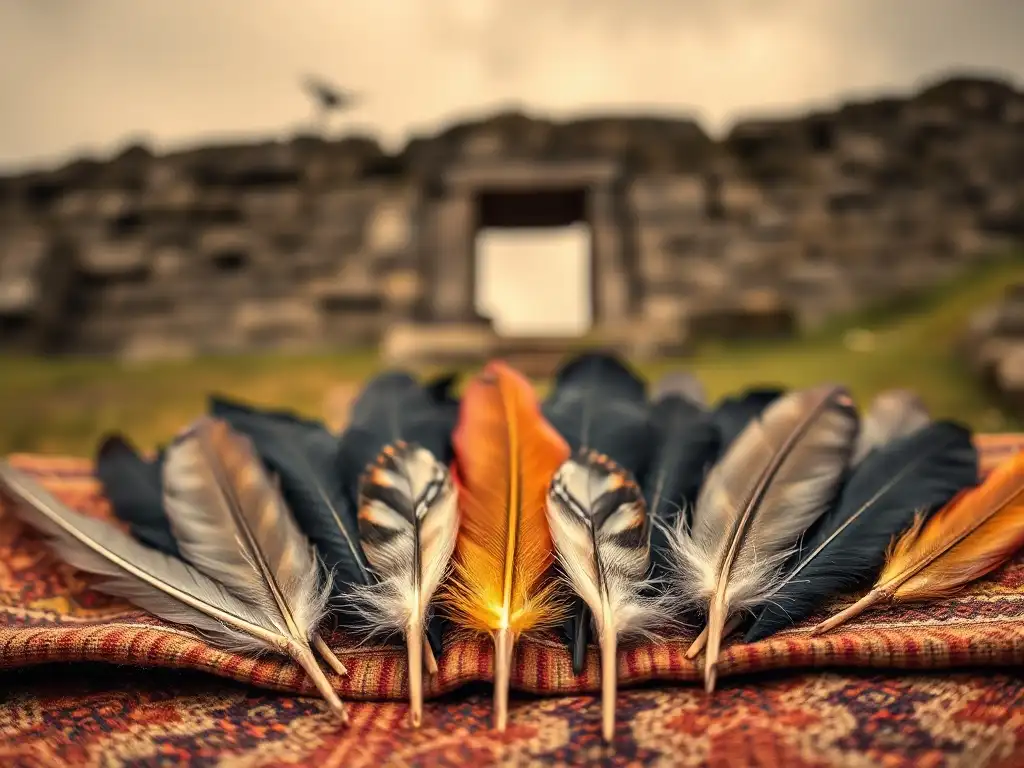
The Andean worldview deeply intertwined the earthly and celestial realms, viewing the cosmos as a dynamic interplay of forces. Within this cosmology, feathers held a position of profound spiritual significance, far beyond their practical uses. Their lightness, vibrant colors, and association with birds – creatures capable of traversing both earthly and heavenly spaces – imbued them with potent symbolic meaning in Andean rituals and beliefs.
Understanding the significance of feathers requires recognizing their role as tangible links between the human world and the divine, a connection frequently expressed through elaborate ceremonies and offerings. The careful selection, preparation, and use of feathers in these rituals underscores their immense value and the deeply held beliefs they represented.
This section will delve into the specific ways feathers manifested this spiritual importance, examining their role as symbols of power and their association with celestial deities. The sheer variety of bird species and the nuanced significance attributed to each further highlights the complexity of Andean feather symbolism.
Feathers as Symbols of Power and Divinity
Feathers, particularly those from rare or sacred birds, were potent symbols of power and divinity in Andean cultures. They were not simply decorative elements; rather, they represented the power of the gods and the authority of those who held religious or political power. Elite members of society, priests, and rulers adorned themselves with elaborate feather headdresses, cloaks, and ornaments, visually demonstrating their connection to the spiritual realm and their right to rule.
The use of feathers in these contexts wasn't arbitrary; specific bird species carried specific connotations. For example, the feathers of the Andean condor, a majestic bird revered for its ability to soar to great heights, were associated with the sun god Inti and symbolized power, strength, and royal authority. The meticulous craftsmanship involved in creating these feather artifacts further emphasizes their sacred nature and the high social standing of those who possessed them.
The intricate weaving techniques and the careful arrangement of feathers created breathtakingly beautiful and symbolically rich garments and ornaments, solidifying their status as objects of immense spiritual and social value. Detailed archaeological findings consistently reveal the presence of feathers in elite burials, reinforcing their association with high status and power in the afterlife.
The Celestial Connection: Feathers and Inti, the Sun God
The Andean sun god, Inti, held a central position in the Andean pantheon. His life-giving energy was essential to the agricultural cycle and the prosperity of the Andean civilizations. Feathers played a crucial role in rituals dedicated to Inti, acting as a tangible connection between the earthly realm and the sun's radiant power.
The vibrant colors of many feathers, particularly those with golden or reddish hues, mirrored the sun's brilliance, further strengthening their symbolic association. The flight of birds, seen as messengers of the gods, also linked feathers to the celestial realm. Ritual offerings to Inti often included feathered ornaments, and priests may have used feathers in ceremonies designed to harness the sun's energy and ensure bountiful harvests.
The use of feathers in these ceremonies wasn't merely symbolic; it was a practical manifestation of the belief that these objects could facilitate communication with the divine and influence the course of nature. The connection between feathers and Inti underscores the profound cosmological understanding of the Andean people, demonstrating how they perceived the natural world as imbued with sacred meaning. Further research into specific rituals and iconography could reveal even more nuanced connections between feathers and the sun god.
Specific Bird Species and Their Ritual Significance in the Andes
The Andean region boasts a remarkable diversity of avian species, each holding unique cultural significance. The symbolic meaning attributed to different bird species and their feathers varied considerably, adding layers of complexity to Andean feather rituals. For example, hummingbirds, with their dazzling plumage and seemingly supernatural ability to hover, were often associated with fertility and shamanic practices. Their feathers might have been used in healing rituals or incorporated into sacred objects intended to enhance spiritual power.
Conversely, birds of prey, like the Andean condor, were associated with power and royalty, as mentioned earlier. Their feathers were reserved for elite members of society and used in ceremonies reinforcing their authority. Other birds, such as certain types of parrots or eagles, might have also held specific symbolic meaning, although the precise details for every species are not fully documented. [Specific information pending on the ritual significance of other bird species].
Further investigation into archaeological records and surviving ethnographic accounts could shed more light on the individual roles of various bird species and their feathers in Andean rituals, providing a more comprehensive understanding of this intricate system of symbolism. The careful study of these details is crucial for a complete appreciation of the rich cultural tapestry of Andean civilization and the significance of feathers within it. Careful analysis of surviving artifacts and texts promises to further illuminate the precise meaning and use of feathers from different avian species in Andean rituals.
Exploring the Use of Feathers in Andean Ceremonies
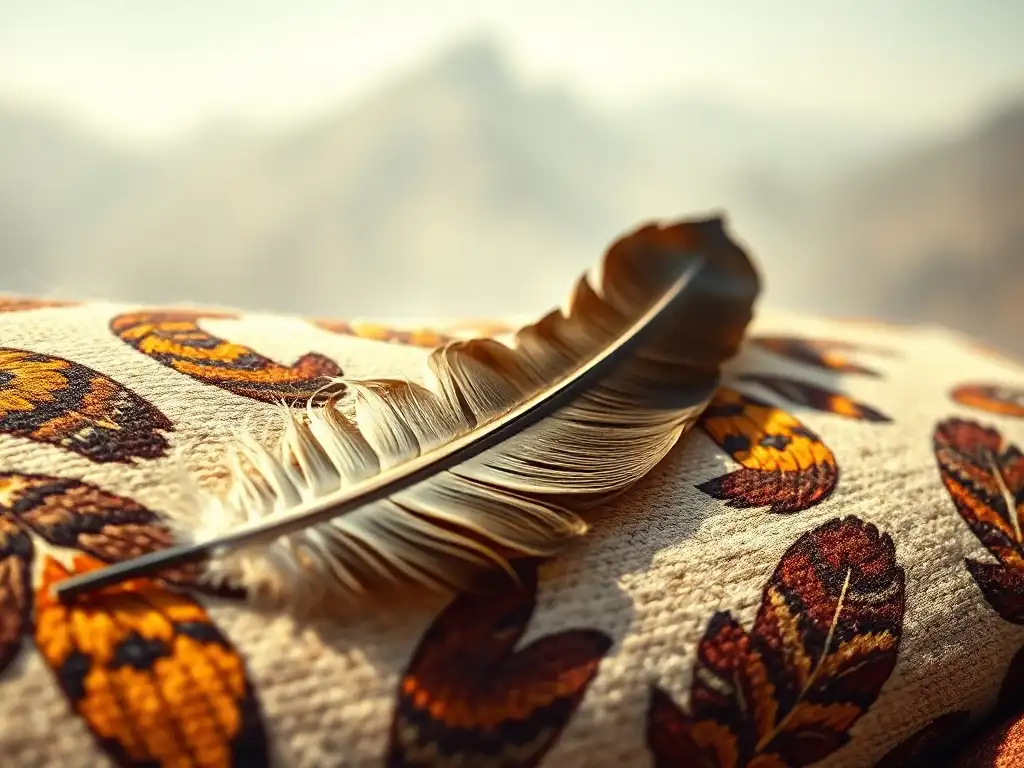
This section delves into the profound significance of feathers in Andean rituals, exploring their multifaceted roles beyond mere ornamentation. We will examine how feathers, representing a connection to the celestial realm, were intricately woven into the fabric of Andean religious practices. The symbolic weight of feathers, their painstaking preparation, and their use in ceremonies across various Andean cultures highlight their crucial role in understanding Andean cosmovision. Understanding the significance of Andean feather rituals requires a detailed examination of their practical and symbolic applications.
Feathered Headdresses and Ritual Attire: More Than Decoration
Feathers weren't simply decorative elements in Andean societies; they were powerful symbols of status, authority, and connection to the divine. Elaborate headdresses, adorned with vibrant and rare bird feathers, were worn by elites, priests, and individuals participating in important ceremonies. The type of feather, its color, and its placement within the headdress all held specific meanings, often indicating the wearer's social rank, religious affiliation, or even their role within a specific ritual.
For example, the use of hummingbird feathers, known for their iridescent brilliance, was often associated with royalty and shamanic power. The vibrant colors of macaw feathers, on the other hand, were linked to the sun and its life-giving energy. The meticulous craftsmanship involved in creating these headdresses, often requiring months or even years of work, underscores their immense cultural value.
These weren't simply garments; they were powerful conduits to the spiritual world, enabling wearers to embody the power and essence of the birds themselves. The detailed arrangements, intricate weaving techniques and the overall aesthetic design of these headdresses were carefully considered, reflecting a deep understanding of symbolic representation within Andean culture. The Andean feather rituals significance is deeply embedded in these complex garments.
Furthermore, beyond headdresses, feathers were incorporated into other ritual attire, including cloaks, tunics, and ceremonial belts. These garments, often made from fine textiles and adorned with meticulously arranged feathers, served to visually identify individuals participating in sacred ceremonies, reinforcing their roles and enhancing their connection to the spiritual realm. The careful selection and placement of feathers weren't arbitrary; they were carefully planned to convey specific messages and reinforce the ritual's purpose. Detailed studies of surviving artifacts continue to reveal the complexity and sophistication of Andean feather artistry.
Feathered Objects as Offerings and Sacred Artifacts
Feathers also played a vital role in Andean offerings and sacred artifacts. Individual feathers, bundles of feathers, or feather-decorated objects were frequently presented as gifts to deities or placed within tombs as part of funerary rites. These offerings served as a tangible expression of devotion and a means of communicating with the spiritual world. The significance of Andean feather rituals is also reflected in the material culture.
The type of feather used in these offerings often held specific symbolic meaning. For instance, the feathers of birds of prey, such as condors, were associated with power and strength, while the feathers of smaller birds, like hummingbirds, represented agility and grace. The careful preservation of these feathered artifacts in archaeological contexts speaks volumes about their enduring significance. Analysis of these objects, combined with ethnographic studies of surviving Andean communities, helps us reconstruct the intricate web of beliefs and practices that surrounded the use of feathers in rituals.
Moreover, feathers were frequently incorporated into sacred objects, such as staffs, wands, and ceremonial vessels. These objects, imbued with spiritual power through the use of feathers, were used by shamans and priests to conduct ceremonies and connect with the divine. The detailed craftsmanship and symbolic meanings embedded in these artifacts demonstrate the profound respect and reverence with which feathers were treated in Andean cultures. The meticulous detail involved in these artifacts further highlights the Andean feather rituals significance.
The Process of Gathering and Preparing Feathers for Andean Rituals
The acquisition and preparation of feathers for Andean rituals was a complex and often laborious process, reflecting their profound spiritual importance. The gathering of feathers was not a casual act but a carefully orchestrated ritual in itself, often involving specific times of year, locations, and ceremonies. Certain birds were considered sacred, and their feathers were highly valued. The process wasn't simply about collecting feathers; it was about establishing a respectful relationship with the avian world and obtaining feathers with the appropriate spiritual energy. Understanding this process is key to understanding the Andean feather rituals significance.
Furthermore, once collected, the feathers underwent a meticulous preparation process. This might involve cleaning, dyeing, and arranging them in specific patterns, often according to established traditions and symbolic meanings. The preparation process was itself a ritual, imbued with spiritual significance. The careful handling of the feathers underscores the respect and reverence that Andean cultures held for these sacred materials.
Finally, the use of specific techniques, such as featherwork and weaving, allowed artisans to create incredibly detailed and complex designs, further enhancing the ritual objects' symbolic power. This intricate artistry involved specialized skills and knowledge passed down through generations, highlighting the deep-rooted importance of feathers in Andean culture and the Andean feather rituals significance. The detailed nature of these processes reinforces the value and respect given to these symbolic items.
Inti Raymi: The Sun Festival and Feather Adornments
The Inti Raymi, or Festival of the Sun, was the most important ceremony in the Inca Empire, a vibrant celebration honoring the sun god, Inti. Feathers played a crucial role in this grand spectacle, symbolizing the sun's radiant energy and its connection to the celestial realm. Elaborate headdresses, adorned with a multitude of brilliantly colored feathers from rare and exotic birds, were worn by the Sapa Inca (emperor) and other high-ranking officials.
These weren't merely decorative; the feathers were believed to channel the sun's power, connecting the wearer to the divine. The specific types of feathers used, their arrangement, and the colors employed all held symbolic meaning, often representing specific deities or aspects of the Inca worldview. For instance, the vibrant scarlet feathers of the Andean cock-of-the-rocks might represent the sun's fiery intensity, while the iridescent blues and greens of hummingbirds might symbolize the celestial expanse.
The intricate craftsmanship involved in creating these headdresses further underscored their sacred significance. The process was laborious, requiring immense skill and time, and only the most skilled artisans were entrusted with this task.
The use of feathers extended beyond the headdresses. Clothing, ceremonial objects, and even the Inca's palaces were often decorated with feathers, transforming the environment into a vibrant display of celestial power. During the Inti Raymi, the entire city of Cusco would be transformed, with buildings and streets adorned with feathers, creating an atmosphere of sacred grandeur.
The sheer abundance of feathers used during the festival is a testament to the Inca's reverence for the sun and their belief in the power of these natural adornments to bridge the gap between the earthly and spiritual realms. The meticulous arrangement of the feathers, often following specific patterns and designs, highlights the profound understanding of symbolism and cosmology inherent within Inca rituals. Archaeological evidence supports this, with discoveries of intricately feathered artifacts providing tangible proof of the significance of feathers in Inca religious practices.
The discovery of meticulously preserved feathered textiles and ceremonial objects showcases the dedication and artistry involved in creating these sacred items. These findings provide invaluable insights into the complex religious beliefs and practices of the Inca civilization and the symbolic role of feathers within their rich cultural heritage. The Inti Raymi, therefore, wasn't simply a festival; it was a powerful ritual, meticulously orchestrated to honor the sun god and reaffirm the Inca's connection to the cosmos, with feathers acting as a vital conduit for this connection.
The Artistic Representation of Feathers in Andean Art
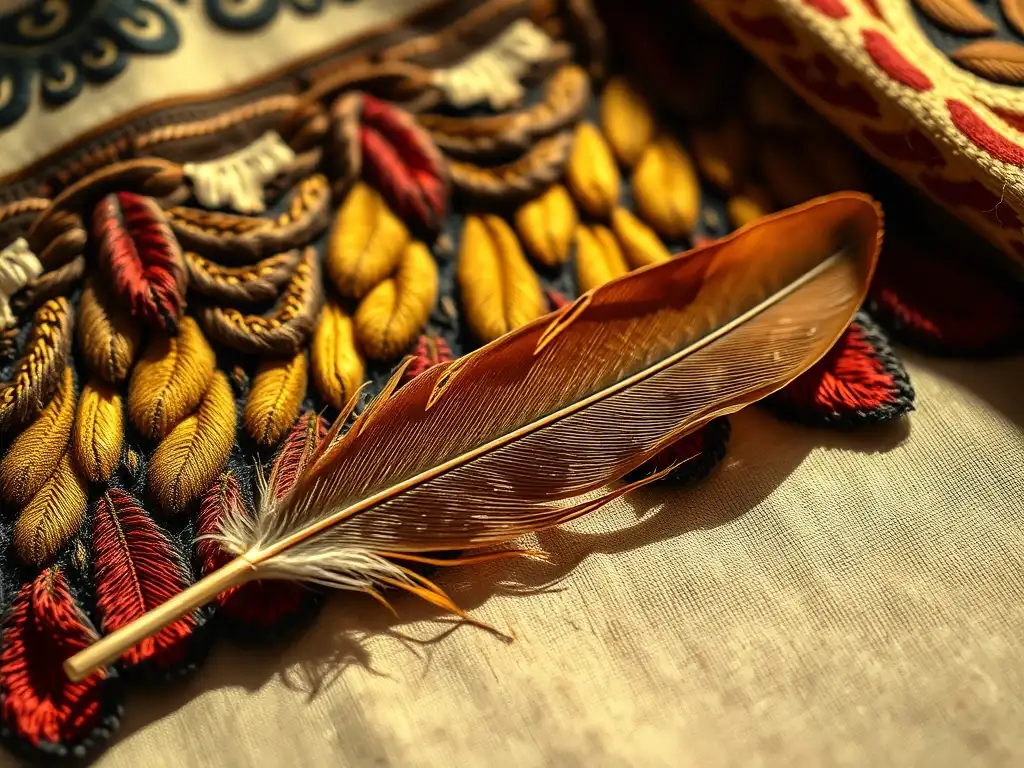
Feathers held immense symbolic value in Andean cultures, transcending their practical uses. This reverence is profoundly reflected in the intricate and sophisticated artistic representations found across various mediums. The artistic depiction of feathers wasn't merely decorative; it served as a powerful visual language, communicating religious beliefs, social status, and cosmological concepts. The meticulous detail and skillful execution demonstrate the high regard in which these artifacts were held, highlighting the significant role feathers played in Andean society.
Understanding the artistic representation of feathers provides crucial insight into the complex web of meaning woven into Andean rituals and worldview. Analysis of these artistic expressions reveals a deep connection between the earthly and spiritual realms, with feathers acting as tangible links to the celestial sphere. The significance of Andean feather rituals is undeniably intertwined with their artistic expression.
Feather Motifs in Textiles and Ceramics
Textiles and ceramics from various Andean cultures, including the Inca, Moche, and Nazca, are replete with feather motifs. These motifs aren't simply scattered; they are often strategically placed, integrated into complex designs that tell stories and convey symbolic meaning. For example, in Inca textiles, the khipu (a system of knotted cords used for record-keeping) sometimes incorporated feathers, subtly suggesting the importance of these items in administrative and religious contexts.
Nazca ceramics frequently depict stylized birds with vibrant plumage, their wings often outstretched in a manner suggestive of flight and transcendence. This artistic convention reflects the Andean belief in the power of birds as intermediaries between the earthly and spiritual realms. The Moche, renowned for their elaborate ceramic artistry, often included feathers in their representations of deities and ritual scenes, further emphasizing the sacred nature of these objects.
The colors and types of feathers depicted also carried specific meanings, a level of complexity that requires further research to fully decipher. Detailed analysis of textile and ceramic patterns requires advanced knowledge of Andean iconography, but the sheer volume of feathered imagery clearly indicates its importance.
The precision and detail in the execution of these feather motifs are remarkable. Consider the intricate weaving techniques used in Inca textiles, where individual feathers might be painstakingly incorporated into the fabric. Similarly, the meticulous painting on Moche ceramics showcases an artist's mastery of their craft, capable of rendering the subtle gradations of color and texture in feathers with extraordinary accuracy. The enduring quality of these artifacts, many surviving for centuries, is a testament to the skill and care employed in their creation. These artistic achievements underscore the importance of feather symbolism within Andean culture.
Featherwork Techniques and Artistic Mastery of Andean Cultures
Andean artisans demonstrated exceptional skill in manipulating feathers, transforming them into intricate headdresses, cloaks, and other ceremonial objects. Techniques varied across different cultures and time periods, but all involved remarkable dexterity and creativity. Some common techniques included:
- Imbrication: Overlapping feathers to create a smooth, textured surface.
- Sewing: Attaching feathers to a backing material using fine threads.
- Knotting: Securing feathers using intricate knotting techniques.
- Gluing: Utilizing natural adhesives to bind feathers together.
The creation of these featherworks was not just a craft; it was a sacred practice, often performed by specialized artisans who held a respected position within their communities. The materials themselves – the feathers of rare and exotic birds – were often considered sacred and obtained through ritualistic practices. The time and effort invested in producing these artifacts highlight their importance in Andean society. The artistry involved in Andean featherwork was a testament to the cultural and religious significance of feathers.
The use of vibrant colors and diverse feather types significantly enhanced the visual impact of these creations. The choice of feathers wasn't arbitrary; different bird species held distinct symbolic meanings, adding layers of complexity to the overall message conveyed by the artwork. The intricate designs, often incorporating geometric patterns and representations of deities, further amplified the spiritual significance of these objects. Further research into the specific types of feathers used and their symbolic meaning would greatly enrich our understanding of Andean featherwork.
The Enduring Legacy of Feather Symbolism in Andean Art
The significance of feathers in Andean art extends beyond the pre-Columbian era. While the large-scale production of featherworks declined after the Spanish conquest, the symbolism associated with feathers persisted, albeit in modified forms. Elements of Andean feather symbolism can be traced in later colonial and even contemporary Andean art, demonstrating the enduring legacy of this powerful motif. The continued presence of feather imagery in modern Andean art forms highlights the deep-rooted cultural significance of this symbol.
Even today, feathers remain an important element in Andean traditions, suggesting their continuing symbolic power and significance. The persistence of feather symbolism across centuries underscores its inherent importance in Andean identity and spirituality. The study of Andean feather art, therefore, provides a valuable window into the enduring cultural legacy of these ancient civilizations, offering a unique perspective on their beliefs and practices.
Understanding the nuances of this artistic tradition provides a richer appreciation for the complexity and depth of Andean culture. Further research into the evolution of feather symbolism throughout Andean history would illuminate the enduring power of these symbols.
The Contemporary Relevance of Andean Feather Rituals Significance
The significance of Andean feather rituals extends far beyond the realm of ancient history. Understanding their enduring impact on contemporary Andean communities provides crucial insight into the resilience of cultural traditions and their ongoing relevance in the modern world. The vibrant symbolism embedded within these practices continues to shape social structures, artistic expression, and spiritual beliefs.
While the scale and specific rituals may have adapted over centuries, the core principles and underlying cosmology persist, demonstrating a remarkable continuity of cultural memory. The use of feathers, meticulously collected and carefully prepared, remains a powerful symbol of connection to the sacred and to ancestral lineages. This continued practice is a testament to the deep-rooted spiritual significance and cultural importance attributed to these objects.
Anthropological studies consistently highlight the active role of feathers in contemporary Andean life, from ceremonial adornments to healing practices. The meticulous preservation of traditional knowledge surrounding feather collection, preparation, and use underscores the enduring value placed upon these rituals. The study of these contemporary practices provides valuable insights into the dynamic interplay between tradition and modernity within Andean societies.
Preserving Traditional Feather Practices in Modern Andean Communities
The transmission of knowledge regarding Andean feather rituals is often an oral tradition, passed down through generations within families and communities. This intricate knowledge encompasses not only the techniques of feather collection and preparation but also the specific rituals and associated beliefs. Efforts to document and preserve these practices are crucial to ensuring their continuity. Unfortunately, the encroachment of modernity and globalization poses significant threats.
The accessibility of synthetic materials offers cheaper alternatives, potentially diminishing the use of authentic feathers. Furthermore, the impact of environmental changes and habitat loss affects the availability of certain bird species, impacting the raw materials for these rituals. However, there is a growing awareness of the importance of preserving these traditions, leading to initiatives focused on community-based conservation and education. These initiatives often involve collaborations between indigenous communities, researchers, and conservation organizations to safeguard both the bird populations and the cultural practices that depend on them.
The focus is on sustainable practices that respect both ecological balance and cultural heritage. Examples include community-led projects that cultivate specific bird species while simultaneously teaching traditional featherwork techniques to younger generations. These efforts represent a critical step towards ensuring the long-term survival of these invaluable traditions.
The Ongoing Connection to Ancestral Beliefs Through Feather Rituals
Feathers in Andean rituals serve as tangible links to the ancestral past, embodying a profound connection to the spiritual realm and the continuity of traditions across generations. The use of feathers in ceremonies, healing practices, and adornments is not merely decorative; it represents a tangible connection to the cosmology of the Andes, a worldview that deeply integrates the human realm with the natural and spiritual worlds. Specific feather types hold unique symbolic meanings, often tied to specific deities or cosmological events.
For example, the feathers of the Andean condor, a sacred bird often associated with the sun and the upper world, hold immense spiritual power. The meticulous preparation and use of these feathers in rituals reflect a deep respect for the sacredness of the bird and its symbolic representation. The continued use of feathers in contemporary rituals reinforces the belief in the enduring power of ancestral spirits and their influence on the present.
Many rituals involve invoking ancestral guidance, seeking blessings, or offering prayers using objects adorned with feathers. This unbroken link to ancestral practices highlights the enduring significance of Andean feather rituals in shaping the cultural identity and spiritual beliefs of contemporary Andean communities. The use of feathers serves as a constant reminder of the rich heritage and the enduring power of tradition in the face of change.
The Symbolism of Feathers in Andean Identity and Heritage
The symbolism of feathers in Andean culture is multifaceted and deeply ingrained in the region’s identity and heritage. Feathers represent a powerful connection to the spiritual world, often symbolizing flight, freedom, and communication with the divine. The vibrant colors and textures of feathers are also imbued with specific meanings, often associated with particular deities, natural elements, or cosmological concepts.
The intricate featherwork found in ancient Andean artifacts, such as textiles and ceremonial headdresses, showcases the sophisticated artistry and the profound spiritual significance attributed to these materials. The creation of these artifacts was not merely a craft; it was a sacred act, imbued with deep meaning and ritual significance. The continued use of feathers in contemporary Andean art and crafts demonstrates the enduring power of these symbols in shaping cultural identity.
From traditional costumes to contemporary artworks, feathers remain a potent symbol of Andean heritage, connecting the past with the present and reinforcing a sense of cultural continuity and pride. The study of Andean feather symbolism reveals a rich tapestry of beliefs and practices, offering a fascinating glimpse into the complex spiritual world of these ancient civilizations and their lasting legacy. The enduring presence of feathers in Andean culture serves as a powerful testament to the vitality and resilience of their traditions.
Frequently Asked Questions
What role did feathers play in Andean cultures?
Feathers held immense symbolic significance in Andean cultures. They were associated with divinity, power, and the connection between the earthly and spiritual realms, often representing birds, intermediaries between the two worlds.
Were all feathers considered equally important?
No, the rarity and color of the feathers determined their value. Rare bird feathers, like those of the Andean condor, held the highest status, often reserved for elite members of society.
How were feathers used in Andean rituals?
Feathers were used extensively in religious ceremonies and rituals. They adorned clothing, headdresses, and sacred objects, playing a crucial role in appeasing deities and communicating with the spiritual world.
What is the connection between feathers and the Andean sky?
Birds were considered messengers of the gods, and feathers were believed to possess their spiritual power. The sky was a sacred space, and feathers helped bridge the connection between the earth and the heavens.
Can you give an example of a specific Andean civilization's use of feathers?
The Inca used feathers extensively in their elaborate ceremonies and royal attire. Condor feathers, in particular, were highly prized and symbolized royal power and connection to the gods.
Final Reflection: Echoes of the Sky: Feathers, Ritual, and the Enduring Andean Spirit
The vibrant symbolism of feathers in Andean rituals remains profoundly relevant today, a testament to the enduring power of spiritual connection and the intricate relationship between humanity and the natural world. These aren't simply historical artifacts; they are living threads woven into the cultural fabric of Andean communities, whispering stories of resilience, adaptation, and a deep reverence for the cosmos.
The enduring legacy of Andean feather rituals speaks volumes about the human need to find meaning in the world around us, to connect with something larger than ourselves. The meticulous craftsmanship, the symbolic significance imbued in each feather, and the intricate ceremonies surrounding their use all point to a sophisticated spiritual system that continues to influence Andean identity. The sky is not a limit, but a beginning.
This sentiment, though not directly from Andean tradition, perfectly encapsulates the boundless aspiration and spiritual reach embodied in their use of feathers as conduits to the divine.
Consider the profound implications of this rich tradition. What does it mean to connect with the divine through the natural world? How can we, in our own lives, cultivate a deeper appreciation for the interconnectedness of all things? I invite you to reflect on the power of symbolism, the importance of ritual, and the enduring strength of cultural heritage. Let the echoes of the Andean sky inspire you to find your own connection to the sacred, wherever it may reside.
Embrace the Sky: Take Action Today!
Thank you for exploring the profound significance of feathers in Andean rituals. Your interest reflects a deep connection to both the sky and the rich cultural heritage of the Andes, enriching our shared understanding of these fascinating traditions. Let's build on this inspiration and delve deeper!
Here are some exciting ways you can engage further:
- Join a local workshop or community event celebrating Andean culture. This is a wonderful opportunity to gain hands-on experience and connect with others who share your passion for this vibrant heritage.
- Create your own artwork or craft inspired by feathers. Use the ideas presented in this article as a springboard to express your appreciation for these powerful symbols.
- Share this article with your friends and family on social media. Help spread awareness and appreciation for the beauty and significance of Andean culture and heritage!
As you consider these suggestions, reflect on this: What personal resonance do feathers hold for you, and how can you honor that connection in your own life?