
The Shaman's Journey: Trance, Transformation, and the Spirit Realm in Andean Cultures

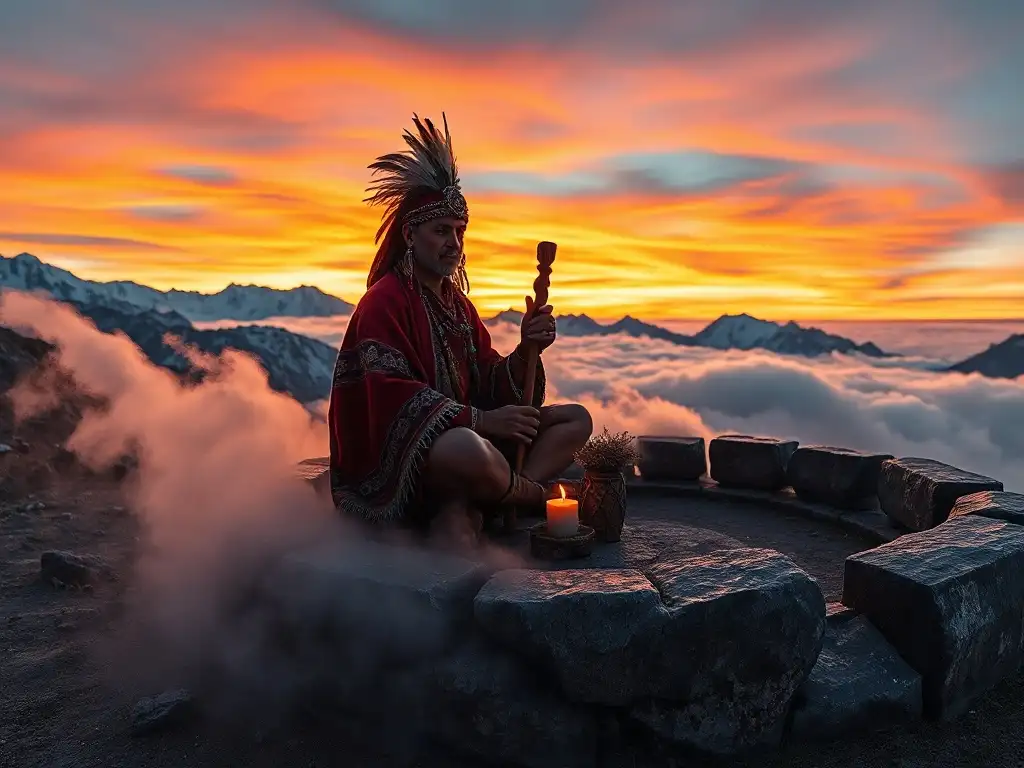
Step into a world lost to time, yet echoing with power. Prepare to be captivated by the enigmatic world of Andean shamanistic trance practices. For centuries, the Andean civilizations have held a profound connection to the spirit realm, a connection forged through ritual and altered states of consciousness. Discover the secrets behind these ancient traditions and unravel the mysteries of their transformative journeys – the path awaits. Explore the depths of Andean spirituality and uncover the fascinating story of their shamanistic heritage.
The Andean region, a breathtaking tapestry of towering mountains, fertile valleys, and arid coastal plains, nurtured a rich and diverse array of ancient cultures. For millennia, these civilizations developed complex religious systems deeply interwoven with their daily lives. Central to this spiritual fabric was the shaman, a powerful intermediary between the human and spirit worlds, whose journeys into altered states of consciousness played a crucial role in healing, divination, and maintaining cosmic balance.
This article delves into the fascinating world of Andean shamanistic trance practices, exploring the techniques, purposes, and societal significance of these transformative experiences. We will examine the diverse methods employed by shamans across different Andean cultures, from the Incas to the Moche, Nazca, and Tiahuanaco, highlighting the common threads and unique variations in their approaches to accessing the spirit realm.
Understanding these practices offers a profound insight into the Andean worldview and the enduring power of shamanism in shaping their societies. Prepare to embark on a captivating exploration of the shaman's journey, a path paved with ritual, altered perception, and profound connection to the spiritual forces that shaped Andean life.
Methods of Inducing Trance
Andean shamans employed a variety of techniques to induce altered states of consciousness, often combining several methods to achieve the desired level of trance. These techniques weren't simply about achieving an altered state; they were meticulously crafted rituals designed to connect with specific spirits or achieve specific goals. Common methods included:
- Ingestion of psychoactive substances: The use of plants like coca leaves and San Pedro cactus played a significant role in shamanic practices across various Andean cultures. The effects of these substances, carefully controlled and administered, facilitated access to altered states and enhanced communication with the spirit world. The specific plants and their preparation varied considerably between different groups, reflecting the unique spiritual traditions of each culture. The precise dosages and methods of preparation were often closely guarded secrets, passed down through generations of shamans.
- Dance and rhythmic movements: Intense, repetitive dances, often accompanied by rhythmic music produced from instruments like drums and panpipes, were integral to inducing trance. The physical exertion, combined with the hypnotic effect of the music, facilitated a shift in consciousness. The specific movements and rhythms varied widely depending on the occasion and the nature of the spirit being contacted.
- Singing and chanting: Intricate chants and songs, often incorporating ancient languages and powerful symbolism, played a crucial role in directing the shaman's journey. These vocalizations were not merely sounds; they were carefully constructed tools to guide the shaman's consciousness and invoke specific deities or spirits. The melodic patterns and lyrical content were often deeply connected to the cosmology and mythology of the specific Andean group.
- Fasting and deprivation: In some Andean traditions, prolonged fasting and sensory deprivation were employed to prepare for a trance state. This process was believed to heighten sensitivity and increase the shaman's receptivity to the spirit world. The duration and intensity of these practices varied depending on the specific ritual and the shaman's training.
The Purpose and Significance of Andean Shamanistic Trance
The journeys undertaken by Andean shamans weren't mere escapades; they served crucial purposes within their communities. These trance experiences allowed shamans to:
- Heal the sick: Shamans believed that illness resulted from an imbalance in the individual's relationship with the spirit world. Through trance, they could diagnose the cause of the illness and interact with spirits to restore balance and effect healing. This could involve extracting malevolent spirits, appeasing offended deities, or even journeying to the spirit world to retrieve lost souls.
- Communicate with the spirit world: Shamans acted as intermediaries, communicating with ancestors, deities, and other spiritual entities. They sought guidance, made offerings, and negotiated on behalf of their communities. The information received during these trance states influenced decisions regarding agriculture, warfare, and other important aspects of community life.
- Predict the future: Divination was a significant aspect of Andean shamanism. Through trance, shamans could glimpse into the future, offering insights into upcoming events and guiding their communities in making informed decisions. These predictions often played a crucial role in planning agricultural cycles, anticipating conflicts, and ensuring the well-being of the community.
- Maintain cosmic balance: Andean cosmologies emphasized the delicate balance between the human world and the spirit realm. Shamans played a vital role in maintaining this balance, ensuring the well-being of both realms. Their trance journeys allowed them to address disruptions in this balance, preventing misfortune and ensuring the prosperity of their communities.
Variations in Andean Shamanistic Practices across Different Cultures
While the core principles of Andean shamanistic trance practices shared commonalities, significant variations existed across different cultures. The specific techniques, the types of spirits contacted, and the overall context of the trance experience varied considerably. For example, the Incas, known for their sophisticated empire, likely incorporated aspects of shamanism into their elaborate state religion, while smaller, more localized groups maintained distinct shamanistic traditions. Further research is needed to fully document and compare the nuanced practices of each group, including the specific rituals and associated paraphernalia used by shamans of the Moche, Nazca, and Tiahuanaco cultures. This research would offer a richer understanding of the diversity and richness of Andean shamanic traditions. The development of a comprehensive comparative study is crucial to fully appreciate the complexity and depth of Andean spiritual practices. Detailed ethnographic studies of surviving traditions and careful analysis of archaeological findings are essential steps towards achieving this goal.
- Methods of Inducing Trance
- The Purpose and Significance of Andean Shamanistic Trance
- Variations in Andean Shamanistic Practices across Different Cultures
Andean Shamanism: An Introduction to Spiritual Practices
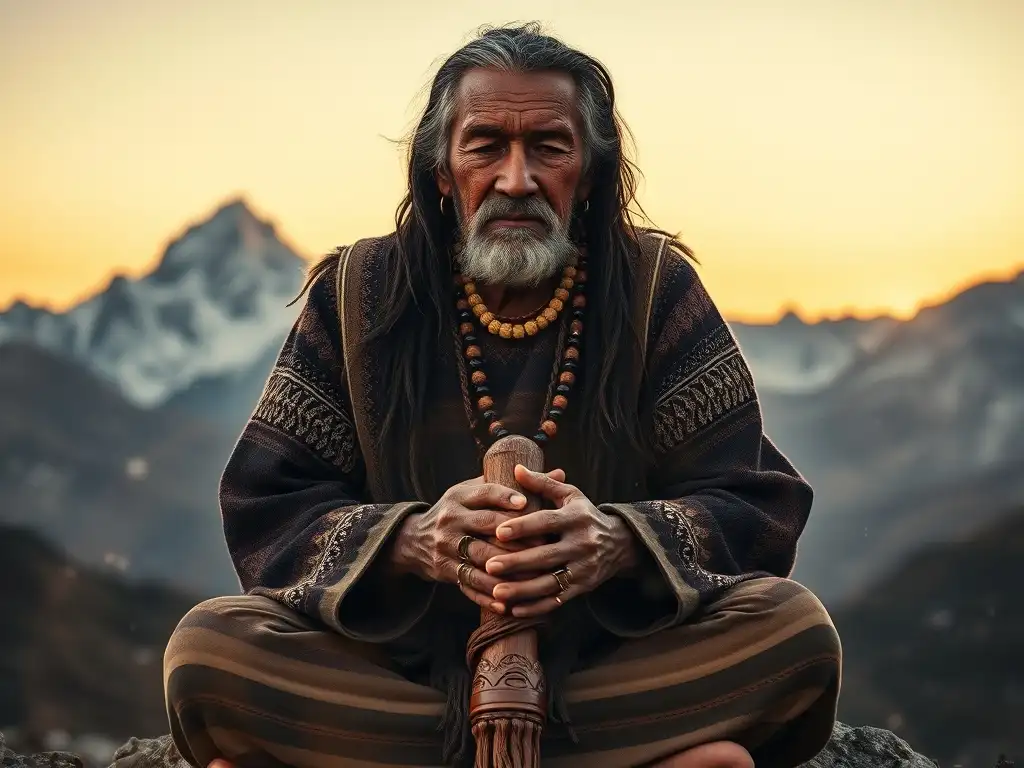
This section delves into the fascinating world of Andean shamanistic trance practices, exploring the intricate relationship between spiritual beliefs, ritualistic practices, and the social fabric of Andean societies. We will examine the profound significance of shamans within these communities, the underlying cosmological framework that shapes their practices, and the crucial role they played as intermediaries between the human and spiritual realms. Understanding these practices provides crucial insight into the complex religious and social structures of ancient Andean civilizations.
The term "Andean shamanistic trance practices" itself encompasses a vast array of rituals and beliefs, varying significantly across different cultures and time periods. However, common threads unite these seemingly disparate practices, forming a rich tapestry of spiritual experience.
The Significance of Shamans in Andean Societies
Shamans held positions of immense power and prestige within Andean societies. They weren't simply religious figures; they were integral parts of the social, political, and economic structures. Their expertise in healing, divination, and communication with the spirit world made them indispensable to the community's well-being.
Their influence extended beyond the purely spiritual; they often acted as advisors to leaders, mediating conflicts and influencing decisions. Evidence from archaeological sites, such as the discovery of elaborate burial sites containing shamanistic paraphernalia, supports the high status afforded to these individuals. The intricate craftsmanship of these artifacts – often featuring depictions of deities, animals, and symbolic imagery – underscores the importance placed upon their role.
Moreover, ethnographic studies of later Andean communities reveal the enduring legacy of shamanistic traditions, demonstrating their continuous relevance across centuries. The shaman's power wasn't solely derived from their spiritual abilities; it was also rooted in their deep understanding of the social dynamics and the needs of their community.
Understanding Andean Cosmovision and its Connection to Shamanism
Andean cosmovision, a complex worldview encompassing a hierarchical structure of the universe, profoundly influenced shamanistic practices. This cosmology often depicted a three-tiered universe: the hanan pacha (upper world), the kay pacha (human world), and the ukhu pacha (underworld). Shamans, acting as conduits between these realms, facilitated communication and interaction.
Their journeys into altered states of consciousness, often induced through the use of hallucinogenic plants like San Pedro cactus or ayahuasca, were not merely recreational; they were purposeful explorations of these spiritual planes. These journeys allowed them to diagnose illnesses, communicate with ancestral spirits, and obtain guidance for the community. The specific plants used, the rituals performed, and the interpretations of the visions varied considerably across different Andean cultures.
However, the underlying principle – accessing and interpreting information from the spiritual realms – remained consistent. Understanding the intricacies of Andean cosmovision is crucial to grasping the context and significance of shamanistic trance practices. The detailed representations found in textiles, ceramics, and rock art further illuminate this complex worldview and its connection to shamanic rituals.
Defining the Role of the Shaman as a Spiritual Intermediary
The Andean shaman functioned as a pivotal intermediary between the human and spiritual worlds. Their primary role involved facilitating communication with spirits, both benevolent and malevolent. This communication was crucial for various aspects of Andean life, including healing, divination, and ensuring the community's prosperity. Illnesses were often attributed to imbalances in the spiritual realm, and the shaman's task was to identify and rectify these imbalances through rituals and trance journeys.
Divination practices, involving interpreting signs and omens, helped guide community decisions and predict future events. The shaman's ability to navigate the complex spiritual landscape and interact with various spiritual entities was considered paramount for the well-being of the community. Their interventions weren't passive; they actively engaged with the spirit world, negotiating and mediating on behalf of their community.
This intricate relationship between the shaman and the spirit world underscores the shaman's crucial role in maintaining social harmony and cosmic balance. The success of a shaman was not only measured by their spiritual prowess but also by their ability to effectively translate their experiences and insights for the benefit of their community. This intricate interplay of spiritual power and social responsibility defined the essence of the Andean shaman.
Initiating the Trance: Methods and Techniques
This section delves into the diverse methods and techniques employed by Andean shamans to induce trance states, crucial for their communication with the spirit world and the performance of healing and divination rituals. The process is not a simple matter of willpower, but a carefully orchestrated ritual involving physical, mental, and spiritual preparation. Understanding these techniques provides insight into the depth and sophistication of Andean shamanistic practices.
The effectiveness of these methods is often attributed to a combination of factors, including the shaman's intense training, the sacred setting, and the power of the community's belief. The journey into the spirit realm was not undertaken lightly; it demanded rigorous preparation and profound respect.
Ritualistic Preparations for Andean Trance States
Andean shamanistic trance practices often commenced with meticulous ritualistic preparations. These preparations were not merely symbolic; they were believed to be essential for establishing the proper connection with the spirit world and ensuring the safety and efficacy of the trance experience. Shamans would often begin by purifying themselves through fasting, bathing in sacred waters, and abstaining from certain foods and activities.
This period of cleansing was designed to clear the mind and body of distractions, allowing for a more focused and receptive state. The use of specific clothing, such as woven garments adorned with symbolic imagery, further contributed to the ritualistic atmosphere, helping the shaman to assume the appropriate role and mindset. The environment itself played a vital role; the chosen location—often a sacred site or specially prepared space—was meticulously cleaned and adorned with offerings to the spirits.
The precise nature of these preparations varied depending on the specific shamanic tradition and the purpose of the trance journey. Detailed ethnographic studies are needed to fully document the diversity of these preparatory rituals across different Andean cultures. For example, [specific information pending] regarding the pre-trance rituals of the Collahuasi people.
Use of Sacred Plants in Shamanic Practices: Ayahuasca, San Pedro
The use of sacred plants played a significant role in inducing and enhancing Andean shamanistic trance states. Two particularly prominent examples are Ayahuasca and San Pedro. Ayahuasca, a brew containing psychoactive compounds, was used by various Amazonian and Andean groups for spiritual and healing purposes. While its use is more prominent in the Amazon basin, its influence extended into the Andes. Its ingestion facilitated visionary experiences, allowing shamans to journey through different realms and interact with spirits. The effects of Ayahuasca are potent and require experienced guidance to navigate safely.
San Pedro, a cactus containing mescaline, was another crucial plant in Andean shamanism, particularly within the coastal regions. Its ingestion induced altered states of consciousness, facilitating communication with the spirit world and offering insights into the past, present, and future. The preparation and administration of San Pedro involved complex rituals, further emphasizing its spiritual significance.
The effects of San Pedro were considered to be less intense than those of Ayahuasca, but still powerful enough to facilitate profound spiritual experiences. The specific methods of preparation and use of both Ayahuasca and San Pedro varied significantly across different Andean cultures and regions, reflecting the rich diversity of shamanistic practices. Further research is necessary to fully document this fascinating aspect of Andean ethnobotany.
Music and Chanting as Catalysts for Altered Consciousness
Music and chanting were integral components of Andean shamanistic trance practices, acting as powerful catalysts for inducing and maintaining altered states of consciousness. The rhythmic sounds, often accompanied by percussion instruments like drums and rattles, created a hypnotic effect that helped to quiet the mind and open the pathway to the spirit world. The chants themselves, often incorporating ancient languages and sacred texts, were not simply vocalizations but active tools for shaping the trance experience.
They served to focus the shaman’s intention, invoke specific spirits, and guide the journey through different realms. The melodies and rhythms were carefully crafted, designed to resonate with the body and mind, creating a harmonious resonance that facilitated the shaman's transition into the altered state. The role of music in Andean shamanism underscores the deep interweaving of sound, spirituality, and the physical body in the pursuit of trance.
Different Andean communities employed unique musical styles and instruments, reflecting the diversity of their shamanistic traditions. For instance, [specific information pending] on the musical instruments used by the Quechua shamans of the high Andes. The study of these musical practices offers invaluable insights into the intricate relationship between sound, consciousness, and the spirit world in Andean cultures.
The Role of Rhythmic Movement and Dance in Inducing Trance
Rhythmic movement and dance played a pivotal role in inducing trance states among Andean shamans. These weren't merely casual dances; they were meticulously choreographed performances designed to manipulate the body and mind, paving the way for altered states of consciousness. The repetitive movements, often accompanied by rhythmic music and chanting, created a hypnotic effect, gradually shifting the shaman's awareness from the mundane to the spiritual realm.
This wasn't a passive experience; the shaman actively engaged in the process, using their physical exertion to catalyze a spiritual transformation. The intensity and duration of the dance varied depending on the specific ritual and the desired outcome. Some dances were relatively short and gentle, while others could last for hours, pushing both the shaman's physical and spiritual endurance to their limits.
The specific movements themselves often held symbolic significance, reflecting the shaman's journey through the spirit world. For instance, certain gestures might represent the ascent to the celestial realms, while others could symbolize a descent into the underworld. The intricate steps and postures weren't arbitrary; they were carefully chosen to facilitate the shaman's connection with the supernatural forces they sought to engage.
The use of specific costumes and adornments further enhanced the ritualistic experience, adding layers of symbolic meaning that heightened the trance-inducing effect. These costumes, often vibrantly colored and adorned with feathers, beads, and other symbolic objects, visually reinforced the shaman's connection with the spirit world, further immersing them in the transformative experience. The detailed designs often depicted deities, animals, or other significant spiritual entities, subtly influencing the shaman's subconscious and guiding their trance journey.
The rhythmic nature of the dance was crucial in creating the hypnotic state. The repetitive movements, coupled with the beat of drums or other percussion instruments, created a powerful sensory input that overwhelmed the conscious mind, allowing the subconscious to take over. This process was not merely about physical exertion; it was a carefully orchestrated manipulation of the body's natural rhythms, designed to resonate with the rhythms of the cosmos and facilitate a connection with the spiritual realm.
Think of it as a finely tuned instrument, where the shaman's body becomes the medium for accessing higher states of consciousness. The rhythmic pulsations created a feedback loop, intensifying the trance state and deepening the shaman's connection with the spiritual world.
This intentional manipulation of sensory input was a key component of Andean shamanistic trance practices, differentiating it from simple physical exercise. The precise details of the dances and their corresponding movements varied across different Andean cultures, but the underlying principle of using rhythm to induce trance remained consistent.
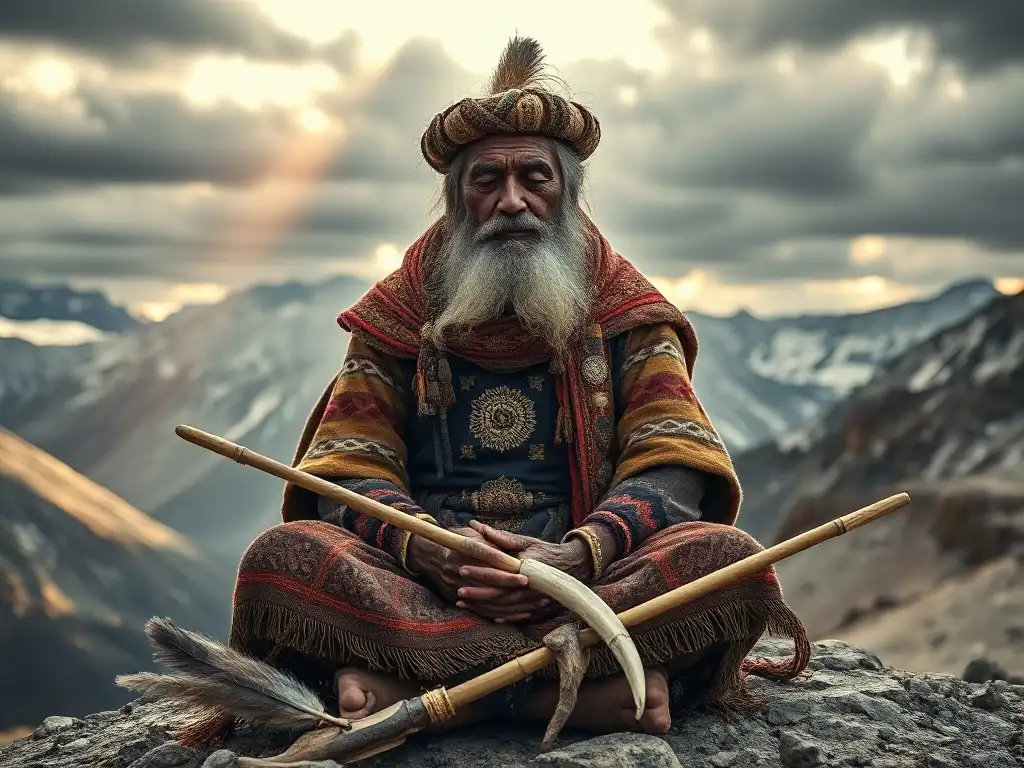
The Andean shamanic trance experience wasn't a passive state; it was an active journey, a deliberate navigation of the spirit world guided by intricate techniques and deep spiritual understanding. Shamans weren't simply falling into unconsciousness; they were consciously altering their states of awareness to access other realms of reality. This involved rigorous training, often beginning in childhood, and a lifetime dedicated to mastering these powerful techniques.
The goal wasn't merely altered perception, but effective communication and interaction with the spirit world to benefit the community. The practice of Andean shamanistic trance practices was, and in some cases remains, a crucial aspect of Andean life, deeply intertwined with healing, divination, and maintaining cosmic balance.
Entering the Spirit Realm: Visualizations and Sensory Shifts
Entering the Andean spirit world often began with meticulous preparation. This included ritual cleansing, fasting, and the ingestion of specific plants—like huachuma (San Pedro cactus)—known for their psychoactive properties and ability to induce altered states of consciousness. However, plant use wasn't always necessary; some shamans achieved trance through intense meditation, rhythmic chanting, drumming, and specific breathing techniques. The experience itself was described as a progressive shift in perception.
Visualizations played a crucial role, with shamans reporting vivid hallucinations, often involving journeys through landscapes populated by spirits, ancestors, and deities. These weren't simply random images; they were guided by the shaman's intention and training, allowing them to interact with specific entities or access specific information. Sensory shifts were equally significant, including altered perceptions of time, space, and body awareness.
The shaman might feel their body expand or contract, experience heightened senses, or perceive sounds and smells unseen by others. The entire process was a carefully orchestrated dance between the physical and spiritual realms, guided by the shaman's will and expertise. Detailed accounts from ethnographic studies highlight the incredibly vivid and controlled nature of these experiences, emphasizing the shaman's mastery of their own consciousness.
Communicating with Spirits and Ancestors: Pachamama, Apus
Once in a trance state, the Andean shaman's primary goal was communication. They sought to interact with various spiritual entities, notably Pachamama (Mother Earth) and the Apus (mountain spirits). Pachamama, the life-giving force of the earth, was a central figure, often consulted for matters related to fertility, harvest, and well-being.
The Apus, powerful mountain deities, were seen as protectors and intermediaries between the human and spiritual realms. Communication wasn't merely a one-way process; it involved a complex dialogue, often involving offerings, prayers, and the interpretation of signs and symbols. Shamans acted as interpreters, translating the messages from the spirit world into a language understandable to their community.
This communication often involved complex rituals and symbolic actions, demonstrating a deep understanding of Andean cosmology and the intricate relationships between the human and spiritual worlds. The success of the shaman's communication was considered crucial for the well-being of the community, impacting everything from agricultural cycles to individual health. The shaman's ability to successfully navigate these interactions was a testament to their skill and spiritual power.
The Shaman's Journey to Other Worlds: Upper, Middle, and Lower Realms
Andean cosmology envisioned a multi-layered universe, with distinct realms accessible through shamanic trance. The Hanan Pacha (Upper World) was associated with the sun, stars, and celestial deities. The Kay Pacha (Middle World) represented the earthly realm, where humans lived.
The Ukhu Pacha (Lower World) was the underworld, associated with death, ancestors, and the forces of the earth. Shamans, through their trance journeys, could traverse these realms, interacting with various spiritual entities specific to each level. For example, a shaman seeking healing might journey to the Ukhu Pacha to consult with ancestral spirits or powerful underworld entities, while a shaman seeking guidance on matters of the community might ascend to the Hanan Pacha to consult with celestial beings.
The ability to navigate these different realms with precision and purpose was a testament to the shaman's mastery of their craft and their intimate understanding of Andean cosmology. The detailed descriptions of these journeys, often recounted post-trance, reveal a complex and intricately structured spiritual map, demonstrating the sophistication of Andean shamanistic practices and beliefs. The shaman's journey wasn't a random wandering but a deliberate exploration of a richly layered spiritual landscape.
Interpreting Visions and Messages Received in Trance
Interpreting the visions and messages received during shamanic trance was a crucial aspect of Andean spiritual practices. These experiences weren't simply random hallucinations; they were believed to be direct communications from the spirit world, offering guidance, warnings, or insights into the community's well-being. The shaman, acting as an intermediary between the human and spirit realms, played a vital role in deciphering these often complex and symbolic communications.
Their understanding wasn't based solely on personal interpretation but also on a deep knowledge of Andean cosmology, mythology, and established traditions. This involved recognizing specific symbols, animals, deities, and landscapes frequently appearing in visions, each carrying specific cultural meanings.
The process of interpretation often involved a complex interplay of factors. The shaman's own personal experience and training played a significant role, allowing them to contextualize the visions within the wider framework of Andean belief systems. For example, the appearance of a particular Andean deity in a trance vision might indicate a need for specific ritual offerings or a warning about impending events.
Similarly, the presence of certain animals, like the condor or puma, held deep symbolic significance, representing power, strength, or spiritual protection. The shaman would carefully analyze the context of the vision, paying close attention to details like the animal's behavior, its location, and any accompanying emotions or sensations.
Furthermore, the community also played a crucial role in the interpretation process. After the trance, the shaman would often share their visions and interpretations with the community, engaging in a collective process of understanding and validation. Elder members of the community, with their own accumulated knowledge of Andean traditions and mythology, would contribute to the interpretation, offering alternative perspectives and ensuring the accuracy and relevance of the shaman's insights.
This collective process helped to ground the shaman's visions within the shared cultural understanding of the community, ensuring that the messages received were properly understood and acted upon. This collaborative approach underscores the social and communal nature of Andean shamanistic practices and highlights the importance of shared knowledge in interpreting the complex messages from the spirit world.
The accuracy of the interpretation was considered paramount, as it directly influenced decisions affecting the community's well-being, from agricultural practices to conflict resolution. The shaman's role, therefore, was not simply to receive visions but to act as a translator and interpreter, bridging the gap between the spirit world and the human community.
Transformation and Healing Through Shamanic Rituals
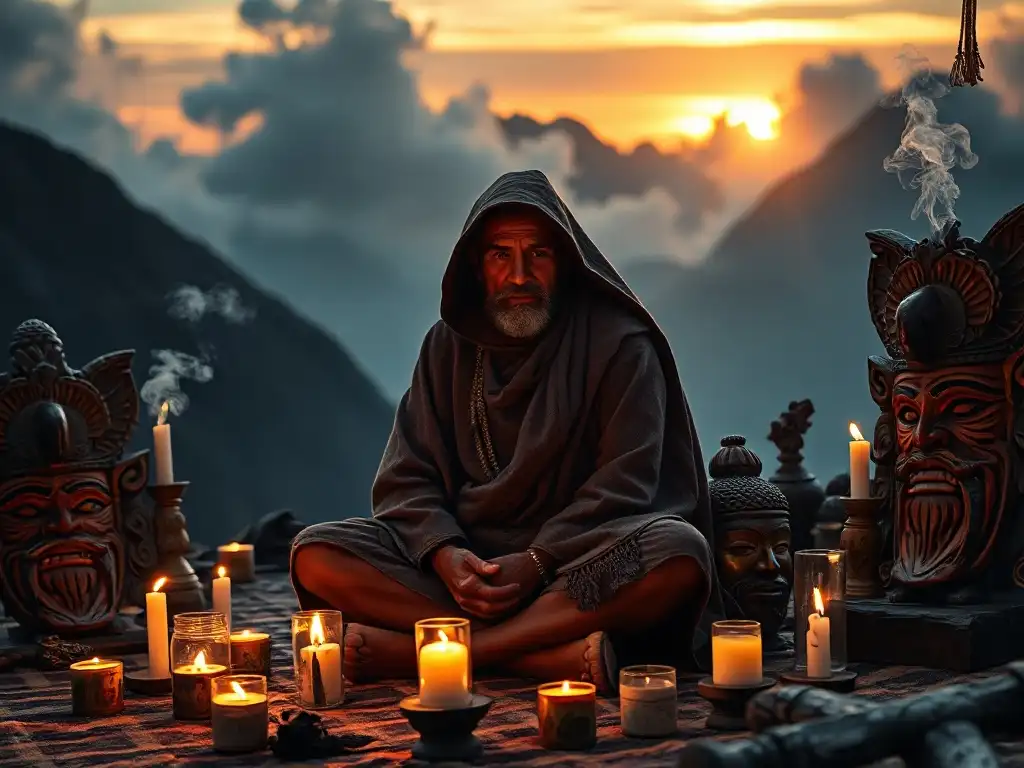
Andean shamanistic trance practices were not merely spiritual exercises; they were integral to the health and well-being of individuals and communities. Shamans acted as intermediaries between the physical and spirit worlds, wielding their power to heal, protect, and restore balance. The effectiveness of their rituals rested on their ability to enter altered states of consciousness, facilitating communication with spirits and accessing potent energies for healing and transformation.
The depth of Andean shamanic practices is evident in the intricate rituals and the profound impact they had on the lives of the people. Their understanding of the interconnectedness of the physical and spiritual realms shaped their approach to health and well-being, offering a holistic perspective rarely seen in other cultures.
The Shaman as Healer: Addressing Physical and Spiritual Ailments
The Andean shaman served as both physician and spiritual guide. Their healing practices went far beyond treating physical ailments; they addressed the root causes of illness, often believed to stem from spiritual imbalances or malevolent spirits. A shaman might diagnose an illness through various methods, such as interpreting dreams, observing symptoms, or using divination techniques like reading coca leaves.
Treatment often involved a combination of herbal remedies, physical manipulations, and spiritual interventions. For example, a persistent headache might be treated with herbal infusions while simultaneously engaging in rituals to appease an angered spirit believed to be causing the pain. This holistic approach demonstrates the deep understanding of the interconnectedness of mind, body, and spirit that characterized Andean healing traditions.
Detailed accounts of specific cures and diagnostic methods are unfortunately scarce in surviving records, but archaeological evidence suggests a sophisticated understanding of medicinal plants and a complex system of beliefs about illness and healing. Further research is needed to fully uncover the secrets of these ancient healing practices. The surviving fragments, however, offer fascinating glimpses into a world where physical and spiritual health were inextricably linked.
Purification and Cleansing Rituals: Despacho Ceremony
The despacho ceremony is a powerful example of Andean shamanistic trance practices focused on purification and cleansing. This ritual involves the meticulous creation of an offering, a miniature replica of the cosmos, made from a variety of natural elements: coca leaves, flowers, incense, food, and other symbolic objects. The shaman, in a state of trance, channels energy into the despacho, imbuing it with the intention to purify, heal, or bring about positive change.
The despacho is then carefully burned or left as an offering to the spirits, symbolically releasing negative energies and requesting the intervention of benevolent forces. The process itself is a deeply spiritual act, requiring precise attention to detail and a deep connection to the natural world. The meticulous preparation and the solemn act of offering represent a profound commitment to restoring balance and harmony.
The intricate symbolism embedded within each despacho reflects the complex cosmology and worldview of the Andean people, highlighting the importance of ritual in maintaining their spiritual well-being. Variations in the composition and symbolism of the despacho reflect regional differences and the specific intentions of the ritual.
Restoring Balance and Harmony within the Community
Andean shamanistic trance practices were not solely focused on individual healing; they played a crucial role in maintaining social harmony and community well-being. Shamans were often consulted to resolve conflicts, predict future events, or ensure the success of agricultural cycles. Rituals aimed at restoring balance within the community might involve communal ceremonies, involving music, dance, and offerings to appease deities or ancestral spirits.
These ceremonies served not only to address specific problems but also to reinforce social bonds and reaffirm collective identity. The community's participation in these rituals strengthened their connection to the spiritual realm and reinforced their shared beliefs and values. The effectiveness of these practices was rooted in the belief that the health and prosperity of the community were intrinsically linked to the spiritual well-being of its members.
Maintaining this harmony was considered essential for the survival and prosperity of the community as a whole. Evidence suggests that these community-based shamanic practices played a vital role in social cohesion and the overall stability of Andean societies. The intricate relationship between shamanistic practices and the social fabric of Andean communities remains a subject of ongoing research and fascination.
The Shaman's Role in Personal Transformation and Growth
The Andean shaman wasn't merely a healer; they were a guide on a journey of profound personal transformation. Their rituals weren't simply about curing physical ailments; they addressed the spiritual and emotional imbalances believed to be at the root of illness. This holistic approach viewed the individual as inextricably linked to the cosmos, and healing involved restoring harmony between the inner self and the surrounding world. The shaman, through their mastery of trance states and their deep connection to the spirit world, facilitated this crucial process.
Shamans utilized various techniques to induce transformative experiences in their patients. These could include the ingestion of sacred plants like huachuma (San Pedro cactus) or ayahuasca, inducing vivid visions and altering states of consciousness. Through these altered states, individuals could confront deep-seated traumas, anxieties, and limiting beliefs, paving the way for personal growth and spiritual awakening. The shaman's role was crucial in interpreting these visions, guiding the individual through challenging experiences, and helping them integrate the insights gained into their daily lives. This process wasn't passive; it demanded active participation and a willingness to confront one's inner demons.
The transformation wasn't limited to overcoming personal struggles. It also involved a deeper understanding of one's place within the Andean cosmology. Through shamanic rituals, individuals gained a stronger connection to their ancestors, the apus (mountain spirits), and the broader spiritual landscape.
This enhanced connection fostered a sense of belonging and purpose, contributing to a more fulfilling and meaningful life. The shaman acted as a bridge between the mundane and the sacred, helping individuals navigate the complexities of the spiritual realm and integrate their experiences into a more holistic worldview. This process often involved a re-evaluation of personal values and a shift towards a more spiritually aligned life path.
Many accounts describe individuals undergoing significant life changes after participating in these transformative rituals, indicating a lasting impact on their personal growth and well-being. The shaman's expertise in navigating these spiritual realms ensured a safe and effective journey towards self-discovery and personal transformation.
Andean Shamanistic Trance Practices: A Comparative Analysis
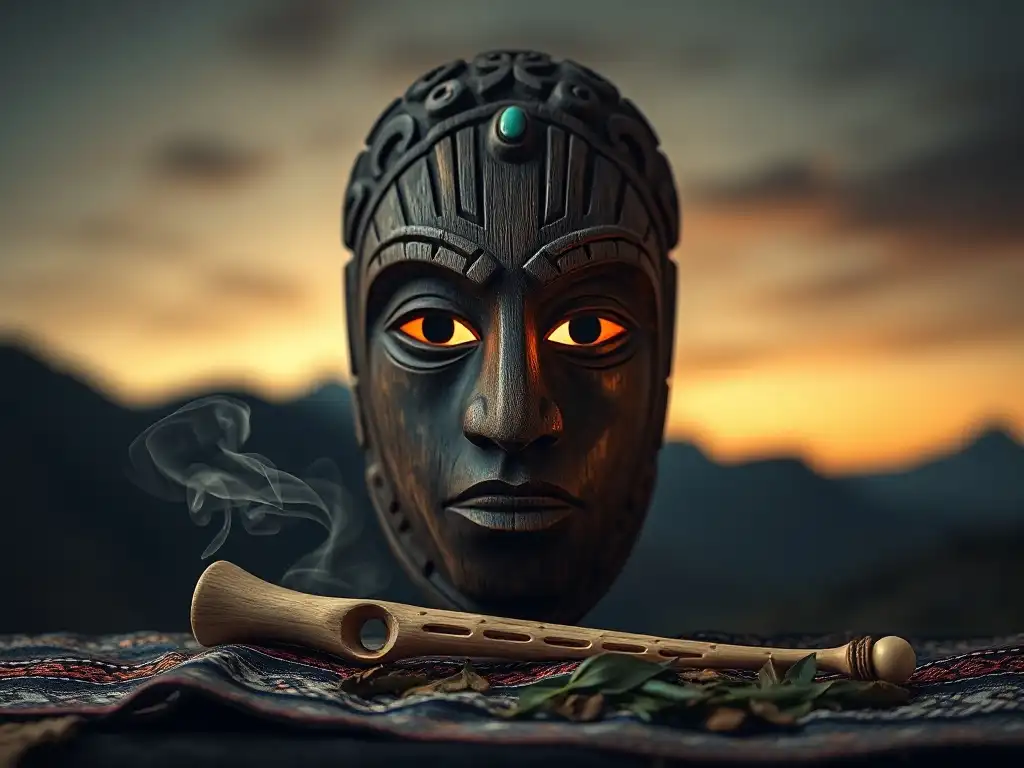
This section delves into the diverse techniques employed by Andean shamans to achieve altered states of consciousness, crucial for their roles as healers, diviners, and intermediaries between the human and spirit worlds. The term "Andean shamanistic trance practices" encompasses a wide range of rituals and techniques, varying significantly across different Andean cultures and regions. Understanding these variations is key to appreciating the richness and complexity of Andean spiritual traditions. We will explore some key differences and similarities, highlighting the enduring influence of ancient practices on contemporary shamanism.
Regional Variations in Trance Techniques: Q'ero vs. Shipibo
While both Q'ero and Shipibo cultures are located within the Andes region, their shamanistic trance practices exhibit distinct characteristics. The Q'ero, inhabiting the high Andes of Peru, often utilize huachuma (San Pedro cactus) in their ceremonies. The ingestion of this potent psychoactive plant facilitates a journey into the spirit world, allowing the shaman to interact with spirits and receive guidance for healing or divination. Their trance states are often characterized by intense visions and profound emotional experiences. The physical manifestations of their trance might include rapid eye movement, vocalizations, and rhythmic body movements.
Conversely, Shipibo shamanistic practices, primarily found in the Amazonian rainforest region of Peru, heavily emphasize the use of ayahuasca, a powerful brew made from various plants. The ayahuasca experience often involves vivid hallucinations, intense introspection, and a profound sense of connection with nature and the spirit world. Shipibo shamans may use icaros (sacred songs) to guide the journey, creating a sonic landscape that enhances the visionary experience. Their physical manifestations of trance might differ, potentially involving less pronounced physical movements compared to Q'ero practices.
The following table summarizes key differences:
| Feature | Q'ero Shamanism | Shipibo Shamanism |
|---|---|---|
| Primary Plant | Huachuma (San Pedro Cactus) | Ayahuasca |
| Trance Style | Visionary, emotionally intense | Hallucinatory, introspective |
| Physical Manifestations | Rapid eye movement, vocalizations, rhythmic movements | Less pronounced physical movements, potentially more subtle |
| Key Accompaniment | Rituals, prayers, offerings | Icaros (sacred songs) |
The differences highlight the adaptation of shamanistic techniques to specific environments and available resources. Both, however, share the common goal of accessing altered states of consciousness to communicate with the spirit world and benefit their communities.
The Influence of Ancient Andean Traditions on Modern Practices
Modern Andean shamanistic practices are deeply rooted in ancient traditions, with many rituals and techniques passing down through generations. The archaeological record provides evidence of shamanistic practices dating back millennia, suggesting a long and continuous history of interaction with the spirit world. For instance, artifacts depicting figures in altered states of consciousness, along with the discovery of ceremonial paraphernalia associated with psychoactive plants, point towards the antiquity of these practices.
While specific techniques may have evolved, the fundamental principles and core beliefs underlying Andean shamanism remain remarkably consistent. The reverence for ancestral spirits, the use of sacred plants, and the importance of maintaining a balance between the human and spirit worlds are all central themes that continue to shape contemporary shamanistic practices. The continuity of these practices highlights the resilience and adaptability of Andean spiritual traditions in the face of cultural change.
Further research into ancient Andean texts and iconography is needed to fully understand the evolution of these techniques. [Specific information pending on ancient Andean texts relating to trance practices].
Preservation of Shamanic Knowledge and its Transmission
The preservation and transmission of shamanic knowledge are crucial for the continuation of Andean spiritual traditions. This knowledge, often passed down orally from master to apprentice through a rigorous apprenticeship, involves not only the practical techniques of entering trance states but also a deep understanding of the cosmology, mythology, and ethical principles that underpin these practices. The process is highly personalized and demands years of dedication and commitment.
The apprentice learns not only the technical aspects of shamanic practice but also the ethical responsibilities that accompany this powerful role. However, the increasing influence of globalization and modernization poses challenges to this traditional transmission. Efforts to document and archive shamanic knowledge, combined with initiatives to support the training of new generations of shamans, are essential for ensuring the survival of these invaluable cultural heritage elements.
The challenges include the declining number of practicing shamans, the loss of traditional languages, and the pressures of assimilation into dominant cultures. [Data on the number of practicing shamans in specific regions pending]. The future of Andean shamanism relies on the successful integration of traditional practices with modern methods of preservation and dissemination of knowledge.
Ethical Considerations in the Study of Andean Shamanism
The study of Andean shamanism presents unique ethical challenges, demanding a sensitive and responsible approach from researchers. Respect for indigenous knowledge and practices is paramount. Many shamanistic traditions are deeply spiritual and personal, not intended for casual observation or exploitation. Researchers must prioritize obtaining informed consent from participating communities and individuals, ensuring they fully understand the research aims and potential risks involved. This process requires careful consideration of language barriers and cultural nuances, often necessitating the involvement of culturally competent interpreters and community liaisons.
The potential for misrepresentation or cultural appropriation is significant; researchers must commit to accurate and respectful portrayal of shamanistic practices, avoiding sensationalism or stereotypes. Data collected should be handled with utmost confidentiality, respecting the privacy and sensitivities of individuals and communities involved. Furthermore, researchers should be mindful of the potential for their work to be used in ways that could negatively impact the communities they study, such as through commercialization or tourism that disrupts traditional practices. A commitment to reciprocity, potentially including sharing research findings with communities and contributing to their well-being, is crucial for ethical engagement. Ultimately, the ethical conduct of research in this field hinges on a deep respect for indigenous knowledge systems and a commitment to collaboration and mutual benefit.
The long-term impact on the communities studied must always be a primary concern, ensuring that the pursuit of knowledge does not inadvertently cause harm or exploitation. This necessitates a rigorous ethical review process involving community representatives and experts in indigenous studies. Ignoring these ethical considerations risks perpetuating harmful stereotypes and undermining the very traditions researchers seek to understand. The responsible study of Andean shamanism requires a commitment to collaboration, respect, and reciprocity.
The Enduring Legacy of Andean Shamanism
Andean shamanistic trance practices represent a profound and enduring legacy, woven into the very fabric of Andean societies for millennia. These practices weren't merely religious rituals; they were integral to the social, political, and ecological well-being of communities. The shaman, far from being a detached figure, served as a vital link between the human world and the spirit realm, influencing everything from agricultural cycles to conflict resolution.
Understanding these traditions requires moving beyond simplistic notions of "magic" and appreciating the sophisticated cosmology and intricate social structures that supported them. The legacy continues today, albeit often in adapted forms, with many communities maintaining aspects of traditional shamanic practices alongside contemporary influences. The persistence of these traditions highlights their deep-seated importance and enduring relevance in the lives of Andean peoples.
The Importance of Understanding Andean Spiritual Traditions
Understanding Andean spiritual traditions is crucial for several reasons. Firstly, it provides a deeper appreciation for the rich tapestry of human belief systems. Andean shamanism, unlike many Westernized understandings of spirituality, wasn't solely focused on an afterlife or a singular deity. Instead, it encompassed a complex interplay of deities, spirits ( apus, wakas, etc.
), and forces of nature, all interconnected within a vibrant cosmology. Secondly, recognizing the significance of these traditions allows for a more nuanced and respectful engagement with contemporary Andean communities. Many indigenous groups continue to practice aspects of their ancestral spirituality, and understanding their beliefs is paramount to fostering intercultural dialogue and avoiding cultural appropriation.
Finally, studying Andean shamanistic trance practices offers insights into the human experience of altered states of consciousness and their role in social cohesion and healing. Detailed ethnographic studies, for instance, reveal the intricate techniques used to induce trance states, ranging from rhythmic chanting and music to the use of psychoactive plants. These techniques, coupled with the shaman's specialized knowledge, facilitated a powerful connection to the spirit world, enabling them to diagnose illnesses, predict the future, and navigate the complexities of Andean life.
The Shaman's Role in Maintaining Cultural Identity
The shaman played a pivotal role in maintaining cultural identity within Andean societies. Their ability to mediate between the human and spirit worlds provided a powerful means of transmitting cultural knowledge and values across generations. Through rituals and ceremonies, shamans reinforced social norms, ethical codes, and historical narratives.
Their expertise in healing practices wasn't simply a medical function; it was deeply intertwined with spiritual and social well-being. For example, curing an individual wasn't just about restoring physical health; it also involved addressing imbalances within the person's relationship with the community and the spirit world. This holistic approach underscores the shaman's crucial role in preserving cultural continuity and promoting social harmony.
The shaman's knowledge of traditional medicinal plants, their mastery of ritual practices, and their ability to interpret dreams and omens, all contributed significantly to the preservation and transmission of Andean cultural heritage. This intricate interplay between spiritual practice and cultural identity highlights the profound impact shamans had on the continuity and evolution of Andean societies. The loss of shamanic knowledge, therefore, represents a significant loss to the cultural heritage of the Andes.
Respecting the Sacred Nature of Shamanic Practices
Respecting the sacred nature of Andean shamanic practices is paramount. This requires acknowledging the profound spiritual significance of these traditions for contemporary Andean communities, avoiding the trivialization or commodification of their practices. Ethical considerations are crucial; responsible research and engagement necessitate obtaining informed consent from communities and respecting their intellectual property rights.
Approaching Andean shamanism with sensitivity and humility is essential, recognizing that these are living traditions with deep spiritual meaning for those who practice them. It's vital to avoid exoticizing or romanticizing these practices, instead focusing on understanding their historical, social, and cultural contexts.
This respect extends to the appropriate use of terminology, accurately representing the complex beliefs and practices, and avoiding any misrepresentation or appropriation that could cause harm or disrespect to the communities involved. In essence, responsible engagement with Andean shamanistic trance practices requires a commitment to ethical research, cultural sensitivity, and a genuine appreciation for the enduring spiritual significance of these traditions.
Reflections on the Power of Trance and Transformation
The enduring legacy of Andean shamanism is deeply intertwined with the power of trance and transformation. These practices weren't merely rituals; they were fundamental to the Andean worldview, connecting the earthly realm with the spiritual world, impacting daily life, societal structure, and even agricultural practices. The shaman, acting as a conduit between these realms, facilitated profound shifts in consciousness, both for themselves and for their communities.
This ability to induce and navigate altered states of consciousness was not seen as a magical trick, but as a honed skill, a deeply spiritual discipline requiring years of rigorous training and dedication. The transformative power of these trances extended beyond individual healing; they influenced social cohesion, conflict resolution, and the overall well-being of the community.
The effects of these trance states were multifaceted. For the shaman, the journey into the spirit realm allowed for direct communication with deities, ancestors, and other spiritual entities. This communication wasn't passive; it was a dynamic exchange, involving negotiation, requests for guidance, and the acquisition of knowledge crucial for the community's survival and prosperity.
For the community members participating in or witnessing these rituals, the experience could be equally transformative. Witnessing the shaman's journey could instill a sense of awe, reinforcing the community's shared beliefs and strengthening social bonds. The healing rituals, often conducted within a trance state, fostered a sense of hope and restored balance, both physically and spiritually.
Furthermore, the transformative power of Andean shamanistic trance practices extended beyond the immediate experience. The knowledge gained during these altered states of consciousness often informed crucial decisions regarding agriculture, warfare, and social organization.
The ability to predict weather patterns, interpret omens, and communicate with the spirit world provided the community with a significant advantage in navigating the challenges of their environment. This illustrates how deeply integrated shamanistic practices were within the fabric of Andean society, highlighting their crucial role in shaping the cultural, social, and political landscape.
The power of trance wasn't just about spiritual exploration; it was a practical tool for survival and societal well-being, a testament to the ingenuity and spiritual depth of Andean cultures. The legacy of this profound connection between trance, transformation, and community endures to this day, influencing contemporary Andean spiritual practices and offering a rich tapestry of understanding for those interested in exploring the complexities of ancient Andean life.
Frequently Asked Questions
What were Andean shamanistic trance practices used for?
Andean shamanistic trance practices were used for a variety of purposes, including healing, divination, and communication with the spirit world. Shamans would enter altered states of consciousness to diagnose illnesses, predict the future, and guide their communities.
How did Andean shamans induce trances?
Shamans employed various techniques to induce trances, including ingestion of psychoactive plants like coca and san pedro cactus, rhythmic chanting and drumming, dancing, and fasting. These methods facilitated altered states of consciousness.
What role did hallucinogens play in Andean shamanistic practices?
Hallucinogens like ayahuasca and san pedro played a crucial role, allowing shamans to journey to other realms and interact with spirits. These experiences provided insights into illness, prophecy, and the spiritual world, guiding their actions and decisions.
Were Andean trance practices solely for shamans?
While shamans were the primary practitioners, trance experiences weren't exclusive to them. Certain rituals involved community participation, with individuals experiencing altered states through music, dance, and shared consumption of sacred plants.
How did Andean shamanistic beliefs influence their art and culture?
Andean shamanistic beliefs deeply influenced their art and culture, reflected in iconography, textiles, and ceremonial objects. Many artistic expressions depict shamanic journeys, spirit beings, and the cosmology underpinning their worldview.
Final Reflection: Echoes of the Andes: A Legacy of Trance and Transformation
The enduring power of Andean shamanistic trance practices resonates deeply within contemporary society, offering a potent counterpoint to the frenetic pace of modern life and a pathway to profound self-discovery. These ancient techniques, far from being relics of the past, provide valuable insights into the human psyche and the enduring search for meaning and connection. Their continued relevance speaks to a universal human need for spiritual exploration and healing, a need that transcends geographical boundaries and cultural differences.
The exploration of altered states of consciousness, as practiced by Andean shamans for millennia, continues to fascinate and inspire. It challenges our Western-centric understanding of reality and encourages a deeper appreciation for the interconnectedness of all things. The shaman's journey, with its intricate rituals and profound insights, offers a powerful metaphor for the transformative potential within each of us. The shaman is not simply a healer; he or she is a bridge between worlds, a conduit for the sacred.
This bridging function, I believe, is what makes the study of Andean shamanism so compelling and relevant today, as we grapple with our own search for meaning and connection in an increasingly fragmented world.
Consider the profound implications of this ancient knowledge. How might incorporating elements of mindful awareness, deep listening, and connection with nature – all hallmarks of Andean shamanic practice – enrich your own life? I invite you to reflect on the ways in which you might cultivate a deeper connection with your inner self and the world around you.
Perhaps it's through spending time in nature, engaging in creative expression, or simply taking a moment each day for quiet contemplation. The journey of self-discovery, like the shaman's journey, is a lifelong process, and the echoes of the Andes offer a powerful guide along the way.
Embrace the Wisdom: Take Your Shamanic Journey Today!
Thank you for exploring the fascinating world of Andean shamanism with us! We hope you've gained valuable insights into the transformative practices and deep connections to the spirit realm that are central to Andean cultures. Now, it’s time to put your newfound inspiration into action and embark on your own shamanic journey.
Here's how you can actively engage with the teachings and practices we've discussed:
- Begin your own practice: Find a quiet space, set a clear intention, and try a simple guided meditation to connect with your inner self. The power of shamanic techniques to foster personal transformation is truly remarkable.
- Join a local workshop or online community: Deepen your understanding and experience by participating in shamanic circles or workshops in your area, or by joining an online community. Connecting with others on a similar path can significantly enhance your journey.
- Share your experience: Share your thoughts and reflections on social media or in our comments section. Let us know how shamanic practices have impacted your life and what you've learned.
What aspect of the shamanic journey resonates most with you, and how do you plan to integrate it into your daily life?