
The Andean Ritual of the Jaguar: Embodying Power and Strength

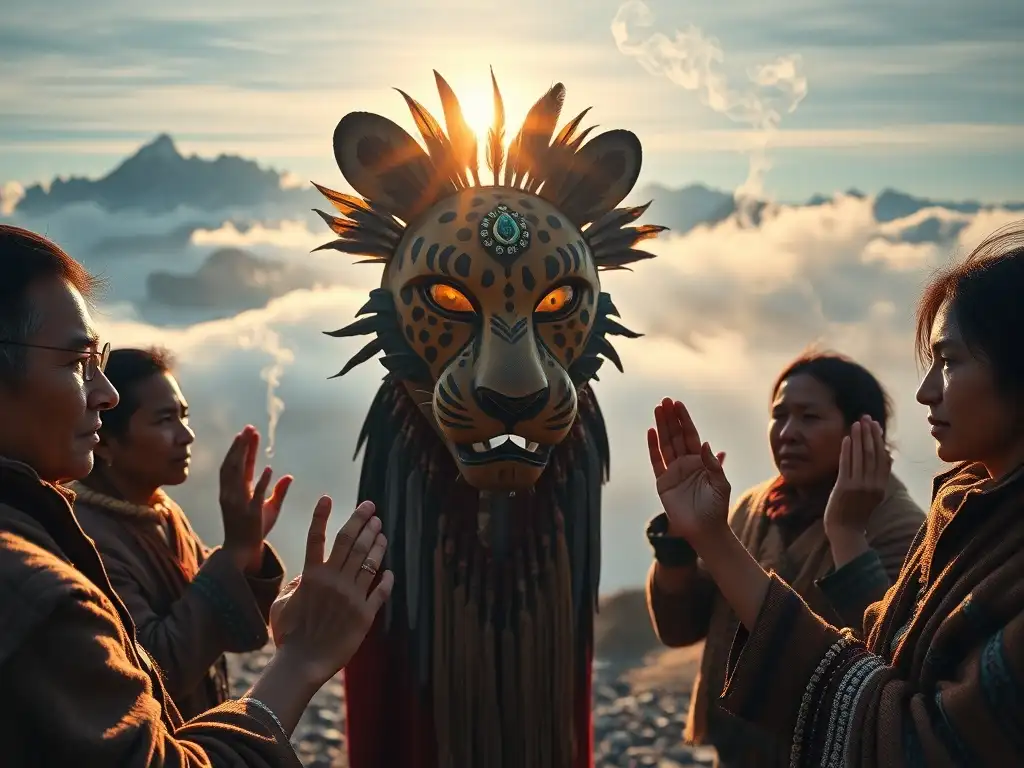
Step into a world lost to time, yet echoing with power and mystery. For centuries, the Andes Mountains have held secrets whispered on the wind – secrets of advanced civilizations and awe-inspiring rituals. Prepare to uncover the intriguing significance of the Andean Jaguar, a symbol of strength and divinity deeply woven into the fabric of Andean life.
Discover how this magnificent creature played a pivotal role in their complex religious beliefs and cosmovision – a journey into a world where the sacred and the earthly intertwined. Dare to explore the enigmatic depths of the Andean Jaguar Ritual Significance and unlock the mysteries it holds.
- The Andean Jaguar Ritual: Unveiling Power and Strength in Ancient Civilizations
- The Symbolic Significance of the Jaguar in Andean Culture
- The Andean Jaguar Ritual: A Ceremony of Transformation
- Ritual Practices of the Andean Jaguar Cult
- The Jaguar's Role in Andean Cosmovision
- Variations of the Jaguar Ritual Across Andean Cultures
- The Legacy of the Andean Jaguar Ritual
-
Frequently Asked Questions
- What is the significance of the jaguar in Andean cultures?
- How was the jaguar depicted in Andean art and artifacts?
- What role did jaguars play in Andean rituals?
- Were there specific deities associated with the jaguar in Andean religions?
- Where can I find more information about Andean jaguar rituals?
- Final Reflection: Echoes of the Jaguar: A Legacy of Power and Transformation
- Embrace Your Inner Jaguar Today!
The Andean Jaguar Ritual: Unveiling Power and Strength in Ancient Civilizations
The Andean region, a breathtaking tapestry of towering mountains and fertile valleys, cradled some of the most fascinating and complex civilizations in the world. Beyond their remarkable architectural feats and agricultural innovations, these societies—including the Incas, Moche, Nazca, and Tiahuanaco—possessed rich spiritual lives deeply intertwined with the natural world.
This article delves into the compelling significance of the jaguar within Andean ritual practices, exploring its symbolic representation of power, strength, and the potent connection between the human and spirit realms. We will examine the evidence from archaeological findings, iconography, and anthropological interpretations to understand the multifaceted role this powerful feline played in shaping Andean religious beliefs and practices.
Understanding the Andean jaguar ritual significance allows us to gain a deeper appreciation for the intricate cosmovision of these ancient societies and their profound relationship with the animals they revered. The jaguar, far from being simply a predator, served as a potent symbol with far-reaching implications for Andean society, representing concepts of leadership, shamanistic power, and the cyclical nature of life and death.
The jaguar's imposing presence and predatory prowess naturally lent itself to symbolic associations with power and authority within Andean cultures. Archaeological evidence reveals numerous depictions of jaguars in elite contexts, suggesting a strong link between the feline and leadership. For example, [specific examples of jaguar imagery in elite contexts pending], indicating its importance in legitimizing political power and reinforcing social hierarchies.
The jaguar's strength and ferocity were likely seen as mirroring the qualities of a successful ruler, capable of protecting their people and maintaining order. Moreover, the jaguar's nocturnal habits and connection to the underworld further enhanced its mystique, associating it with the unseen forces that governed the lives of the Andean people.
These associations manifested in various forms, from the use of jaguar pelts in ceremonies to the incorporation of jaguar imagery into royal regalia and architecture. The sheer prevalence of jaguar motifs across different Andean cultures underscores its widespread significance as a potent symbol of power.
Ritualistic Practices and the Jaguar's Role
The jaguar's role in Andean rituals extended beyond mere symbolic representation. Evidence suggests its active participation in ceremonies, likely involving both live jaguars and symbolic representations. [Specific details on ritualistic practices involving jaguars pending]. These rituals were likely performed to harness the jaguar's power for various purposes, including healing, divination, and ensuring successful harvests.
The consumption of jaguar-related substances, perhaps in a shamanistic context, might have played a role in achieving altered states of consciousness, facilitating communication with the spirit world. The careful preparation and presentation of offerings to the jaguar further underscores the reverence and respect afforded to this powerful creature. The precise nature of these rituals remains a subject of ongoing research, but the available evidence strongly suggests a deep and complex relationship between Andean people and the jaguar.
The Jaguar and the Andean Cosmovision
The Andean worldview was deeply interconnected, with the natural world reflecting the spiritual realm. The jaguar, a creature inhabiting both the terrestrial and subterranean worlds, fit seamlessly into this cosmology. Its presence in both the visible and invisible realms solidified its importance as a mediator between the human and spirit worlds.
The jaguar's connection to the underworld, a space associated with both death and rebirth, further enriched its symbolic weight. This connection likely explains the jaguar's frequent appearance in funerary contexts, suggesting a belief that the jaguar could guide the deceased into the afterlife. The cyclical nature of the jaguar's life, death, and rebirth mirrored the Andean understanding of the cyclical nature of life itself, highlighting the importance of renewal and regeneration within their cosmovision.
The jaguar, therefore, became more than just a symbol; it was a living embodiment of this cyclical process, a powerful reminder of the interconnectedness of all things. The jaguar's significance in Andean religion and cosmology highlights the profound understanding of the natural world and its spiritual implications within these ancient cultures.
Interpreting the Evidence: Challenges and Future Research
While significant progress has been made in understanding the Andean jaguar ritual significance, several challenges remain. The fragmentary nature of the archaeological record, coupled with the complexities of interpreting ancient symbols, necessitates further research. [Specific areas requiring further research pending].
More comparative studies across different Andean cultures are needed to fully appreciate the nuances of jaguar symbolism and ritual practices. Furthermore, interdisciplinary approaches, combining archaeological, anthropological, and historical perspectives, are essential to gain a more comprehensive understanding of this complex topic. The ongoing study of Andean cultures continues to reveal new and fascinating information, promising further insights into the rich and multifaceted role of the jaguar in shaping Andean religious beliefs and practices.
The Symbolic Significance of the Jaguar in Andean Culture
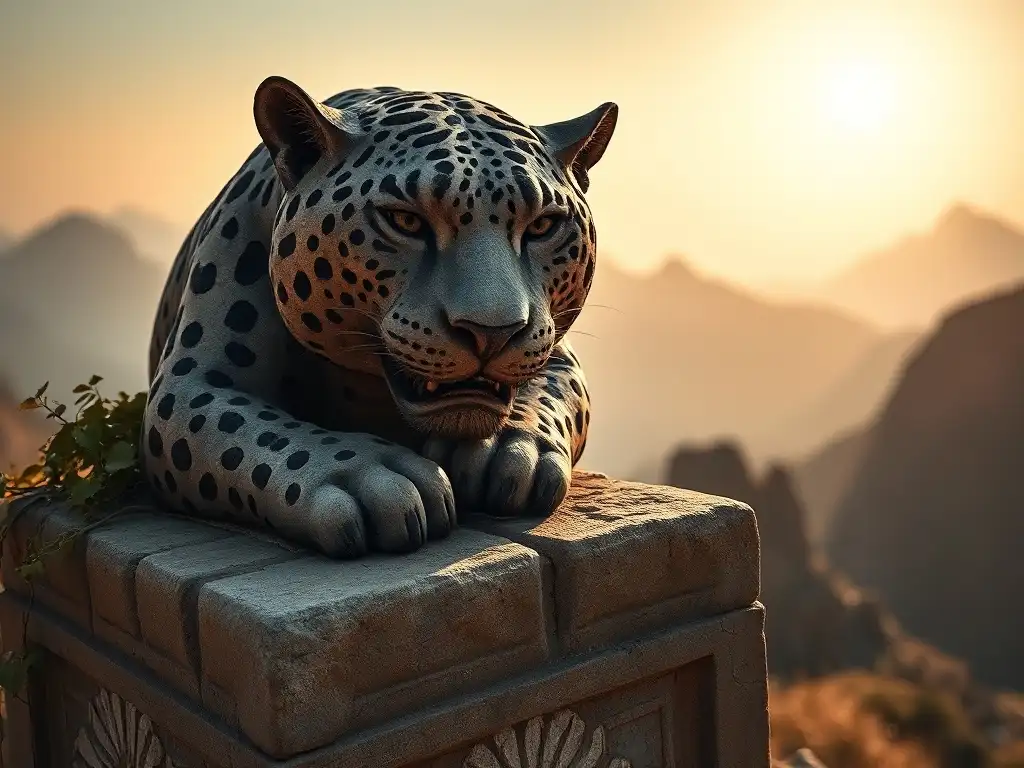
The jaguar, a creature of immense power and mystery, held a deeply significant place within the cosmology and ritual practices of various Andean civilizations. Its symbolic weight transcended mere representation, embodying concepts of strength, ferocity, the underworld, and shamanic power. Understanding the Andean jaguar's symbolic significance requires examining its multifaceted roles within different cultural contexts, from the Inca Empire to earlier cultures like the Moche and Nazca.
The pervasive presence of jaguar motifs in Andean art, architecture, and ritual objects underscores its importance as a potent symbol deeply woven into the fabric of Andean life. This section will delve into the nuanced interpretations of the jaguar across different Andean societies, highlighting its enduring influence on their religious beliefs and practices, a key aspect of understanding Andean Jaguar Ritual Significance.
Jaguar as a Totemic Animal: Power and Ferocity
The jaguar's physical attributes – its powerful build, sharp claws, and stealthy hunting prowess – directly translated into its symbolic representation of power and untamed ferocity. For many Andean groups, the jaguar wasn't just an animal; it was a powerful totem, a spiritual guide, and a source of strength. Its ability to stalk and subdue its prey mirrored the desired qualities of a successful warrior or ruler.
We see this reflected in the iconography associated with elite figures, where jaguar imagery is frequently used to emphasize their authority and dominance. For example, [specific examples of Moche or Nazca pottery depicting jaguar-associated rulers pending]. The jaguar's association with power extended beyond the human realm; it was often depicted alongside other powerful symbols, such as serpents and birds of prey, further reinforcing its status as a potent spiritual force.
The jaguar's predatory nature, its ability to navigate both the earthly and spiritual realms, made it a fitting symbol for those seeking to control and manipulate the forces of nature and the supernatural. The sheer awe inspired by the jaguar's strength contributed significantly to its elevated status in Andean culture.
The Jaguar's Connection to the Underworld and Shamanism
Beyond its terrestrial power, the jaguar held a profound connection to the underworld in Andean cosmology. Its nocturnal habits and association with darkness linked it to the realm of the dead and the spirits. In many Andean belief systems, the underworld wasn't simply a place of death but a vibrant and powerful realm, a source of both danger and spiritual insight.
Shamans, acting as intermediaries between the living and the dead, often utilized jaguar imagery and symbolism in their rituals. The jaguar's ability to traverse both worlds made it an appropriate symbol for these spiritual guides, representing their capacity to journey into the underworld and return with knowledge and power. [Specific examples of shamanic artifacts depicting jaguars pending].
This connection to the underworld further enhanced the jaguar's significance, imbuing it with a mystical aura that extended beyond its physical presence. The jaguar became a powerful symbol of transformation and rebirth, reflecting the cyclical nature of life and death within Andean spiritual beliefs.
Jaguar Iconography in Andean Art and Architecture
The jaguar's pervasive presence in Andean art and architecture serves as a powerful testament to its cultural importance. From intricately carved stone sculptures to finely painted pottery, jaguar motifs appear across various media and styles, demonstrating its consistent significance throughout different periods and regions. The depiction of jaguars varies, ranging from realistic representations to stylized forms, reflecting the artistic conventions and specific beliefs of individual cultures.
For instance, [specific examples of Inca, Nazca, or Moche artistic representations of jaguars pending]. The careful placement of jaguar imagery within architectural contexts, such as temples or palaces, suggests its use in reinforcing the power and authority of the ruling elite or in signifying the sacred nature of particular locations.
Analyzing the context in which jaguar imagery appears, therefore, provides crucial insights into the multifaceted meanings assigned to this powerful animal within Andean religious and social structures. The enduring presence of the jaguar in Andean artistic traditions underscores its lasting influence on Andean culture and its continuing relevance in understanding Andean Jaguar Ritual Significance.
The Andean Jaguar Ritual: A Ceremony of Transformation
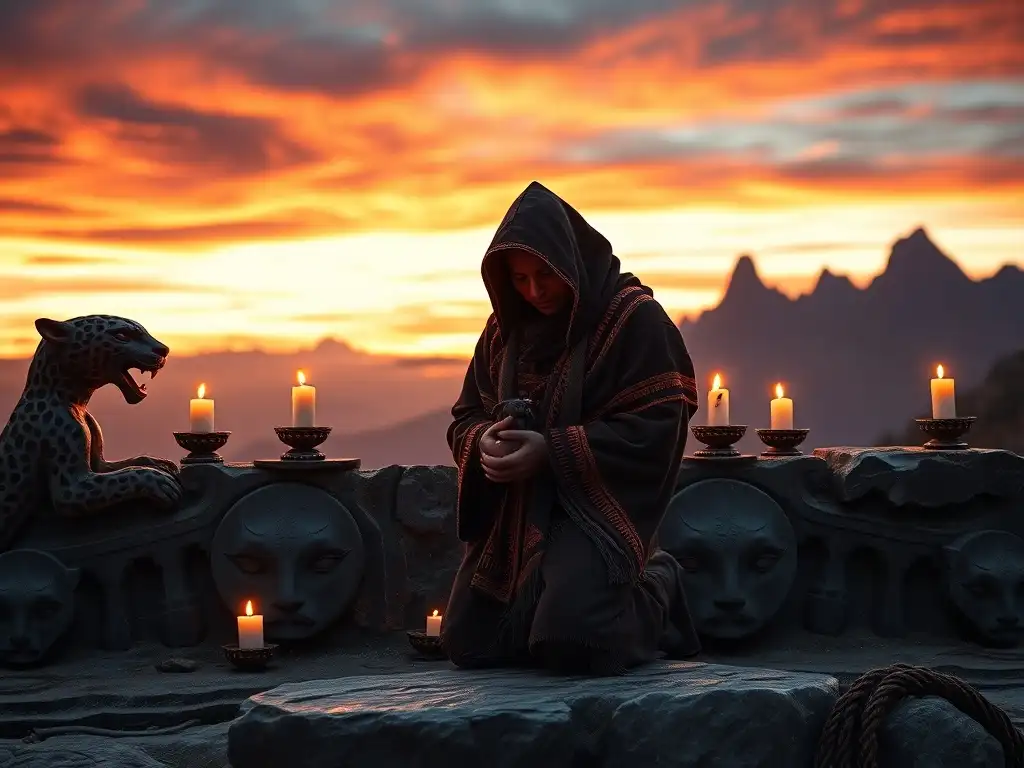
This section delves into the fascinating world of Andean jaguar rituals, exploring their significance within the broader context of Andean religion and cosmology. The jaguar, a powerful and elusive creature, held a unique position in the spiritual beliefs of several Andean cultures, symbolizing strength, power, and transformation. Understanding these rituals provides crucial insight into the Andean worldview and their complex relationship with the natural world. The term "Andean Jaguar Ritual Significance" encapsulates the core theme of this exploration.
The Purpose and Objectives of the Jaguar Ritual
The Andean jaguar ritual wasn't a monolithic practice; its specific purposes varied across different cultures and time periods. However, several common threads emerge. One primary objective was to harness the power of the jaguar, symbolically embodying its attributes of strength, agility, and predatory prowess. This wasn't merely about physical strength; it also encompassed spiritual power, the ability to overcome challenges, and to achieve success in hunting, warfare, or leadership.
Another key purpose was initiation and transformation. Participants, often young men preparing for adulthood or warriors seeking enhanced abilities, underwent rigorous ceremonies designed to connect them with the spirit of the jaguar. This transformation often involved physical ordeals, symbolic death and rebirth experiences, and the consumption of hallucinogenic substances to induce altered states of consciousness. This process aimed to forge a deeper connection with the spiritual realm and imbue the individual with the power and wisdom of the jaguar.
Finally, the rituals served to maintain cosmic balance. The jaguar, as a powerful force in the Andean worldview, played a crucial role in maintaining equilibrium within the cosmos. Rituals were believed to appease the jaguar spirit, ensuring its continued protection and preventing negative consequences. Specific offerings, prayers, and symbolic actions were carefully performed to honor the jaguar and maintain this delicate balance.
These offerings might have included precious metals, textiles, or even human sacrifice, depending on the specific culture and the importance of the occasion. Further research is needed to fully understand the nuanced variations in offerings across different Andean cultures. [Specific information pending: detailed inventory of offerings found in archaeological sites].
Ritual Participants: Shamans, Priests, and Community Members
The Andean jaguar ritual involved a complex interplay of different social roles. Shamans, with their unique connection to the spirit world, played a central role, guiding the ceremony and facilitating communication with the jaguar spirit. They were responsible for the preparation of sacred objects, the performance of rituals, and the interpretation of omens.
Priests, often members of the elite class, held authority over the ritual space and ensured the proper execution of the ceremony. They oversaw the offerings, maintained sacred objects, and ensured the adherence to established traditions. Their role was crucial in maintaining social order and reinforcing the legitimacy of the ritual.
The community also played a vital role. Community members participated in the festivities, providing support, and offering their prayers and blessings. Their involvement reinforced the collective nature of the ritual and its importance in maintaining social cohesion and spiritual unity. The participation of the community was not passive; active engagement in chants, dances, and offerings played a crucial part in the success of the ceremony. Further research into the specific roles of different community members within various Andean societies would enrich our understanding of this aspect. [Specific information pending: detailed ethnographic accounts of community participation].
Sacred Sites and Ritual Locations for Jaguar Ceremonies
The selection of ritual locations for Andean jaguar ceremonies was far from arbitrary. Sites were carefully chosen based on their spiritual significance and their connection to the natural world. Mountain caves, for instance, were often considered sacred spaces, believed to be portals to the spirit world and ideal locations for accessing the power of the jaguar. These caves, often adorned with intricate murals and artifacts, served as focal points for rituals, providing a secluded and spiritually charged environment.
River valleys and mountain peaks, where jaguars naturally roamed, also held particular significance. These locations were believed to be imbued with the power of the jaguar, making them ideal places for connecting with its spirit. The natural landscape itself played an active role in the ritual, serving as a powerful backdrop and contributing to the overall atmosphere of the ceremony.
In addition to natural sites, some Andean cultures constructed artificial structures specifically for jaguar rituals. These structures, often incorporating elements of jaguar iconography, provided a controlled and sacred space for the performance of ceremonies. The architectural design, orientation, and symbolic elements of these structures reflect the cultural and religious significance attributed to the jaguar. Further study of these archaeological sites is needed to fully understand the spatial arrangement and symbolic meaning of these ritual settings. [Specific information pending: architectural analysis of ritual sites associated with jaguar worship].
The careful selection of ritual locations underscores the deep connection between the Andean people and their environment. The choice of these places was not merely practical; it was a deliberate act meant to harness the power of the natural world and enhance the efficacy of the ritual itself. The very act of choosing the location was a ritual in itself.
Ritual Practices of the Andean Jaguar Cult
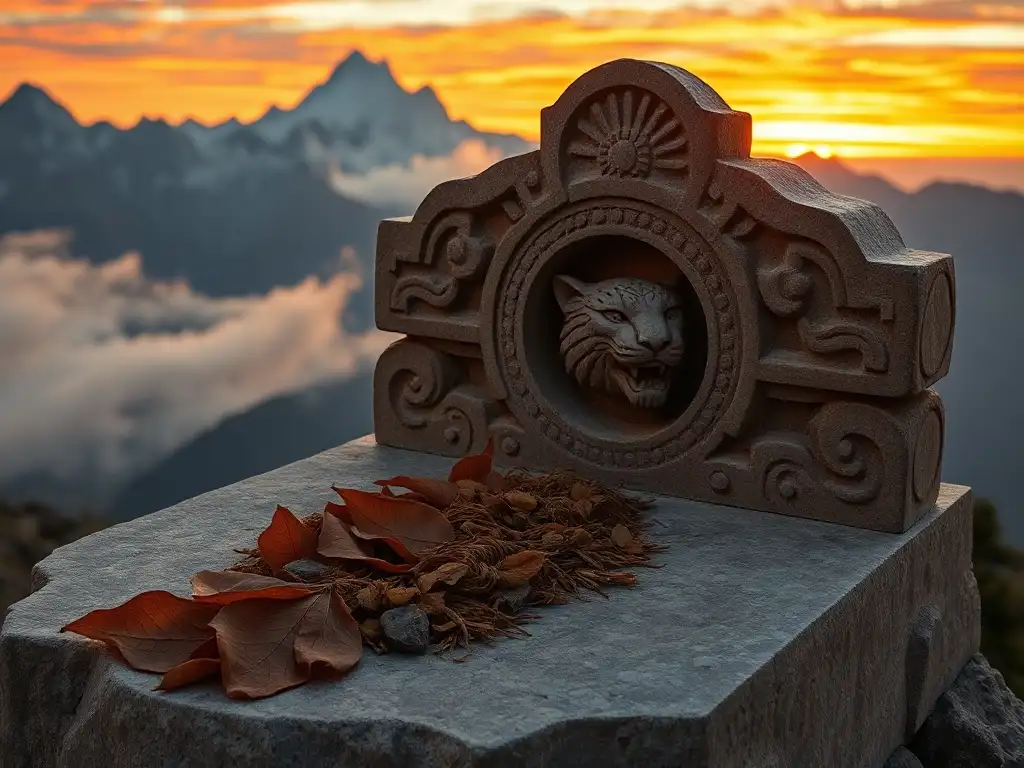
This section delves into the specific ritual practices associated with the Andean jaguar cult, exploring how these ceremonies facilitated the embodiment of the jaguar's power and its symbolic significance within Andean cosmovision. The jaguar, a powerful and elusive predator, held a position of reverence and awe across various Andean cultures, representing strength, agility, and the untamed forces of nature. Understanding these rituals provides crucial insight into the Andean worldview and its complex relationship with the animal kingdom.
The significance of the Andean jaguar in ritual practices is multifaceted, encompassing aspects of shamanic journeys, social control, and agricultural fertility. The intensity of these rituals varied across different Andean societies, reflecting the diverse interpretations of the jaguar's symbolism. However, certain common threads emerge, highlighting the central role of the jaguar in Andean spiritual life.
Jaguar Masking and Costumes: Embodying the Animal Spirit
The creation and use of jaguar masks and costumes were integral to Andean jaguar rituals. These weren't merely costumes; they were transformative tools, allowing individuals to embody the spirit of the jaguar and access its power. Evidence suggests a meticulous crafting process, often incorporating materials like jaguar pelts (where available), feathers, and intricately carved wood or stone.
The masks themselves frequently featured realistic depictions of jaguar features – piercing eyes, sharp teeth, and powerful jaws – designed to inspire awe and convey the animal's ferocity. The costumes, often elaborate and encompassing, likely included elements meant to represent the jaguar's spotted coat and muscular physique.
The wearing of these masks and costumes wasn't a casual act. It required rigorous preparation and ritual cleansing. Shamans, likely the primary wearers, would undergo specific rites to ensure a successful transformation and communion with the jaguar spirit. This process might involve fasting, meditation, and the consumption of specific plants believed to enhance spiritual awareness.
The act of donning the jaguar attire represented a symbolic death and rebirth, a shedding of the individual's identity to become one with the powerful feline. The transformative power of the costume is underscored by archaeological findings of jaguar artifacts buried alongside human remains, suggesting a deep connection between the wearer and the animal's spirit in life and death. Further research is needed to fully understand the specific regional variations in costume design and the materials used, as available data is still limited.
Ritual Dances and Music: Invoking the Jaguar's Essence
Ritual dances and music played a crucial role in invoking the jaguar's essence and facilitating communication with the spirit world. These performances weren't merely entertainment; they were carefully choreographed expressions of spiritual connection, often performed by trained dancers and musicians. The dances themselves likely mimicked the jaguar's movements – its stealthy stalking, powerful leaps, and sudden bursts of speed. The dancers might have used specific gestures and postures to symbolize aspects of the jaguar's nature, such as its hunting prowess or its nocturnal habits.
Accompanying the dances would have been music, likely produced by instruments such as drums, flutes, and possibly conch shells. The rhythmic beats and melodic patterns would have created a trance-like atmosphere, helping to induce altered states of consciousness and facilitate communication with the spirit world. The specific musical styles and instruments varied across different Andean cultures, reflecting the diverse interpretations of the jaguar's symbolic significance.
Unfortunately, the precise musical forms associated with jaguar rituals remain largely undocumented, necessitating further research into surviving musical traditions and archaeological findings to reconstruct a more complete picture. The study of surviving Andean music traditions offers valuable clues, but a detailed reconstruction of jaguar ritual music requires significant additional research.
The Use of Hallucinogens in Jaguar Ceremonies
The use of hallucinogenic plants, such as datura and brugmansia, is strongly suspected to have played a significant role in Andean jaguar ceremonies. These powerful substances were likely used to induce altered states of consciousness, enabling participants to communicate with the spirit world and experience direct contact with the jaguar spirit. The shaman, acting as a guide, would administer the hallucinogens, carefully controlling the dosage and interpreting the visions experienced by the participants.
The visions induced by these substances might have involved encounters with the jaguar in its natural habitat, insights into the animal's power, or glimpses into the spirit world. These experiences were likely viewed as crucial for gaining spiritual knowledge and power. The use of hallucinogens adds another layer of complexity to the Andean jaguar cult, highlighting the importance of altered states of consciousness in facilitating spiritual transformation.
However, it's important to note that the exact role and frequency of hallucinogen use in these ceremonies remain subject to ongoing scholarly debate and require further investigation. Ethnobotanical studies and careful analysis of archaeological evidence are crucial for a more nuanced understanding of this aspect of Andean ritual practice. The precise methods of preparation and administration of these substances, as well as the specific cultural contexts in which they were used, still need further clarification.
Blood Offerings and Sacrifices in Andean Rituals
The Andean Jaguar cult, like many other Andean religious practices, involved the offering of blood as a vital element in connecting the human realm with the supernatural. Blood, considered a potent life force, was believed to directly appease the jaguar deity and ensure its continued favor. These offerings weren't haphazard; they were meticulously planned and executed, often involving specific rituals and symbolic actions. The significance of blood sacrifices varied depending on the specific context and the desired outcome, ranging from ensuring a successful harvest to securing victory in battle.
The type of blood offered also held symbolic weight. While human sacrifice is documented in some Andean cultures, especially during times of crisis or significant events, animal sacrifices were far more common in the context of the Jaguar cult. Llamas, for instance, were frequently sacrificed, their blood representing a vital link between the human and spirit worlds.
The choice of animal likely held symbolic meaning related to the specific jaguar deity being addressed and the desired outcome of the ritual. The careful preparation and presentation of the animal, including specific incisions and the positioning of the body, further underscored the ritual's significance.
Archaeological evidence, such as the discovery of sacrificial remains at various sites associated with jaguar worship, provides tangible support for the prevalence of blood offerings. These findings often include the remains of animals alongside artifacts related to jaguar imagery, strengthening the link between the cult and these sacrificial practices. Moreover, the analysis of these remains can offer clues about the specific rituals involved, the social status of those participating, and the broader context of the sacrifices within the Andean worldview.
Further research is needed to fully understand the nuances of these practices, but the available evidence clearly points to the importance of blood in Andean jaguar rituals. The meticulous nature of these offerings highlights the deep reverence and fear associated with the powerful jaguar deity. Failure to perform these rituals properly could have severe consequences, as the jaguar's favor was essential for maintaining balance and prosperity within the community.
The Jaguar's Role in Andean Cosmovision
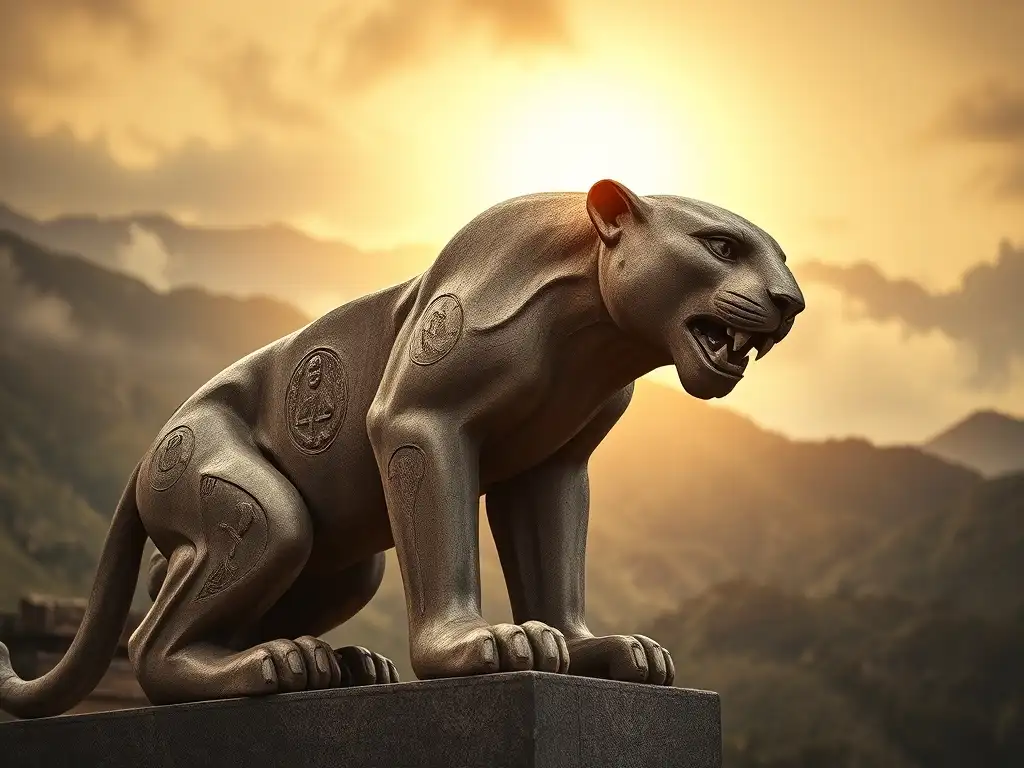
The jaguar, a creature of immense power and mystery, held a significant place within the complex cosmovision of various Andean cultures. Its symbolism transcended mere representation of a powerful predator; it embodied key aspects of the Andean worldview, connecting the earthly realm with the spiritual, and representing both fearsome strength and transformative potential. Understanding the Andean jaguar's role requires examining its multifaceted symbolism across different cultures and time periods, recognizing nuances in interpretation that varied across regions and specific beliefs. The intensity of the jaguar's presence in Andean iconography and ritual practices speaks volumes about its deep-seated significance in their religious and societal structures. Analyzing its representations reveals a tapestry woven from threads of power, shamanism, and the cyclical nature of Andean life. The Andean Jaguar Ritual Significance is therefore not merely about a specific ceremony, but about a comprehensive understanding of this powerful feline's place in their belief system.
The Jaguar as a Link Between Worlds
The jaguar's association with the underworld and the liminal spaces between worlds is a recurring theme in Andean iconography. Many cultures saw the jaguar as a psychopomp, a guide for souls journeying between the realms of the living and the dead. This role is supported by depictions of jaguars in funerary contexts, often found guarding tombs or depicted alongside deceased individuals.
For example, Moche pottery frequently showcases jaguars in scenes that appear to depict shamanic journeys or interactions with the spirit world. These scenes depict the jaguar not as a mere predator, but as a powerful intermediary, capable of traversing boundaries inaccessible to ordinary mortals. The jaguar's spotted coat, resembling the night sky, further reinforced its connection to the celestial sphere and the unseen forces that governed the Andean world.
Its nocturnal habits added to this mystique, associating it with dreams, visions, and the hidden energies of the universe. This ability to navigate between worlds made the jaguar a crucial figure in Andean shamanic practices and rituals aimed at accessing otherworldly knowledge and power.
The Jaguar and Solar Deities in Andean Beliefs
While often linked to the underworld, the jaguar's symbolism in Andean beliefs wasn't exclusively confined to the night or the realm of the dead. In some interpretations, the jaguar was also associated with solar deities and the power of the sun. This duality reflects the complex and multifaceted nature of Andean cosmology, where opposing forces were often intertwined and interdependent.
The jaguar's strength and ferocity could be seen as mirroring the sun's life-giving yet potentially destructive power. The sun's daily journey across the sky, its rise and fall, could be metaphorically represented by the jaguar's movements between the underworld and the earthly realm. Specific examples of this solar association are [specific examples of artwork or textual evidence pending].
Further research is needed to fully understand the regional variations in this interpretation and the interplay between the jaguar's underworld and solar associations. The jaguar, therefore, served as a potent symbol capable of embodying both the vibrant energy of the sun and the hidden mysteries of the night.
The Jaguar as a Guardian of Sacred Spaces
The jaguar's protective qualities made it a fitting guardian of sacred spaces and important sites within Andean societies. Depictions of jaguars guarding temples, caves, or other significant locations are common across various Andean cultures. This role highlights the jaguar's association with power, authority, and the defense of sacred realms.
The jaguar's presence served as a potent symbol of protection, warding off malevolent spirits and ensuring the safety of sacred places. The placement of jaguar imagery in such contexts suggests a belief that the jaguar's spiritual power could actively protect these sites and the people who venerated them. For instance, [specific examples of archaeological findings or textual evidence pending further research].
The fierce nature of the jaguar, combined with its spiritual significance, made it an ideal protector of the Andean world's spiritual heart. This protective role further solidified the jaguar's importance within the Andean religious landscape, emphasizing its connection to both the earthly and spiritual realms.
Variations of the Jaguar Ritual Across Andean Cultures
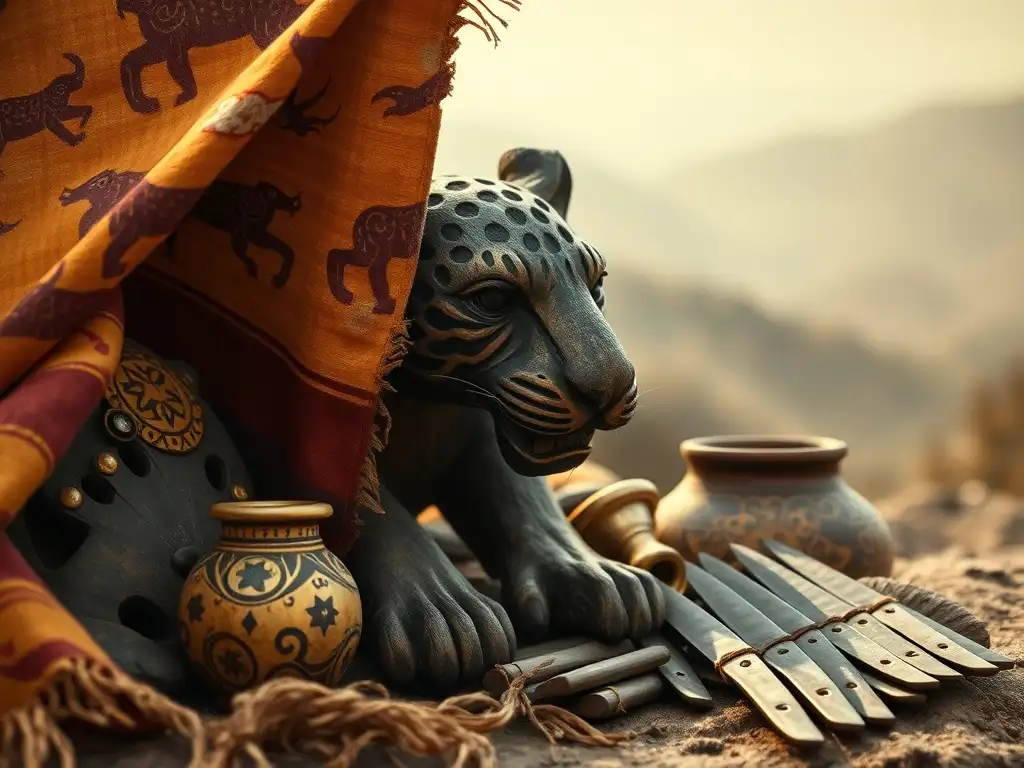
The Andean region's diverse cultures each developed unique expressions of reverence for the jaguar, a powerful symbol representing strength, leadership, and the potent forces of nature. While a unified, pan-Andean jaguar ritual didn't exist, shared thematic elements and iconography suggest a widespread appreciation for the feline's symbolic power. This section explores the nuanced variations in jaguar ritual practices across several prominent Andean civilizations, highlighting the specific cultural contexts that shaped their beliefs and practices. Understanding these variations enriches our comprehension of the complex relationship between Andean societies and the natural world, particularly the significant Andean Jaguar Ritual Significance.
The Jaguar Ritual in Inca Culture
Inca beliefs incorporated the jaguar into their complex cosmology, associating it with the hanan pacha (upper world), representing power, shamanic abilities, and celestial forces. While direct evidence of large-scale Inca jaguar rituals is limited, archaeological findings and Spanish chronicles provide glimpses into their reverence. Royal regalia and textiles often featured jaguar imagery, suggesting its association with elite status and divine authority.
The jaguar's spotted coat may have symbolized the night sky, further reinforcing its connection to the celestial realm. Furthermore, some scholars suggest that Inca shamans, or yachaq, may have used jaguar skins and paraphernalia in rituals aiming to access altered states of consciousness and communicate with the spiritual world. The absence of widespread monumental jaguar-themed structures, unlike some other Andean cultures, suggests that the Inca's reverence for the jaguar might have been more subtly integrated into their religious practices, possibly within private or elite ceremonies.
Further research is needed to fully understand the extent and nature of Inca jaguar rituals. The limited textual evidence and the potential for destruction of ritual objects during the Spanish conquest make a complete understanding challenging.
The Jaguar Cult in Moche Society
The Moche civilization (c. 100-800 CE) exhibited a far more overt and elaborate jaguar cult than the Inca. Their ceramic art, particularly their stunning portrait vessels, showcases numerous depictions of jaguars, often portrayed in ritual contexts. These portrayals range from majestic, powerful jaguars to those engaged in ceremonial acts.
Many vessels depict jaguars alongside human figures, suggesting a complex interaction between the human and supernatural realms, with the jaguar acting as a conduit or intermediary. Some scholars hypothesize that the Moche may have engaged in shamanic practices involving jaguar costumes and paraphernalia, aiming to embody the jaguar's power and connect with the spiritual world.
The sheer volume of jaguar imagery in Moche art speaks to the significant Andean Jaguar Ritual Significance within their society and suggests a deeply ingrained jaguar cult that permeated various aspects of their lives. The frequency and diversity of jaguar depictions across their artistic output strongly suggests a central role for the jaguar in their religious beliefs and practices.
Jaguar Representations in Nazca Lines and Pottery
The Nazca culture (c. 100 BCE – 800 CE), famous for its enigmatic geoglyphs, also incorporated jaguar imagery into their artistic repertoire. While not as prominent as in Moche art, jaguar representations in Nazca pottery and textiles reveal a distinct stylistic approach. Nazca jaguars are often depicted with stylized features, emphasizing their power and ferocity.
The significance of the jaguar within the broader Nazca cosmology remains debated, but its inclusion in their art suggests its importance. The Nazca lines themselves, while not directly depicting jaguars, may offer indirect clues to their beliefs. The intricate designs and the immense scale of the geoglyphs point to a deep understanding of the cosmos and the natural world, with the jaguar potentially representing a powerful force within that framework.
The connection between Nazca's artistic representations of the jaguar and the possible cosmological meanings embedded within their geoglyphs requires further investigation to fully appreciate the Andean Jaguar Ritual Significance within their culture. Further research, particularly analyzing the context surrounding the discovered jaguar artifacts, is crucial to fully grasp their meaning and significance within the Nazca worldview.
Tiahuanaco's Perspective on the Jaguar Deity
The Tiahuanaco culture, flourishing in the Bolivian Altiplano between approximately 500 and 1000 CE, offered a unique interpretation of the jaguar within its complex religious system. Unlike some coastal cultures that emphasized the jaguar's predatory prowess, Tiahuanaco's depiction of the jaguar deity often incorporated elements suggesting a more nuanced, multifaceted role. While certainly acknowledging its power and strength, Tiahuanaco art and architecture frequently portray the jaguar in association with water, fertility, and the underworld. This suggests a connection between the jaguar's earthly power and the cyclical nature of life, death, and rebirth vital to Andean cosmovision.
The iconic Gate of the Sun, a masterpiece of Tiahuanaco artistry, features a central figure often interpreted as a jaguar-like deity, surrounded by other figures and symbols representing cosmological concepts. The intricate carvings on the gate—depicting stylized jaguars, condors, and other animals—likely encoded complex narratives related to the jaguar's significance in Tiahuanaco society. Scholars debate the precise meaning of these depictions, but the prevalence of the jaguar motif strongly suggests its importance in religious beliefs and rituals.
The jaguar's association with water sources, evident in some artistic representations, further reinforces the connection between this powerful feline and the life-giving forces essential for agriculture and survival in the harsh Altiplano environment. It's likely that rituals involving the jaguar deity were performed to ensure abundant harvests and appease the forces of nature.
Evidence from Tiahuanaco archaeological sites, while limited in directly documenting specific jaguar rituals, indirectly supports this interpretation. The discovery of artifacts depicting jaguar imagery, alongside other ceremonial objects, suggests the use of such items in rituals. The scarcity of direct evidence, however, highlights the challenges in fully understanding the nuances of these practices.
Future research, including more extensive archaeological excavations and careful analysis of existing artifacts, is crucial to gain a more comprehensive understanding of the specific rituals and ceremonies associated with the Tiahuanaco jaguar deity. The careful study of iconography and the contextual analysis of archaeological finds are key to unlocking the secrets of this fascinating aspect of Andean religious practice.
Further research might reveal more details about specific offerings, the role of priests, and the social structure surrounding these ceremonies. The ongoing efforts to decipher the complex symbolism of Tiahuanaco art and architecture continue to shed light on the vital role of the jaguar in their religious beliefs.
The Legacy of the Andean Jaguar Ritual
The Andean jaguar ritual, a complex tapestry woven from myth, ceremony, and symbolism, holds a significant place in understanding the religious and cosmological beliefs of several pre-Columbian Andean cultures. While specific practices varied across different groups like the Incas, Moche, and Nazca, the jaguar consistently represented power, strength, and shamanic abilities.
The enduring legacy of this ritual is evident not only in archaeological findings—depictions on pottery, textiles, and monumental architecture—but also in the subtle echoes it leaves in contemporary Andean culture. Understanding its significance requires examining its multifaceted roles within the broader Andean worldview.
This ritual wasn't simply a performance; it was a conduit to the supernatural, a means of accessing power, and a reflection of the society's deeply held beliefs about the natural world and its relationship with the sacred. The jaguar, a powerful apex predator, embodied these qualities, making it a fitting symbol for ritualistic practices aimed at ensuring prosperity, fertility, and protection.
The Influence of the Jaguar Ritual on Contemporary Andean Culture
The influence of the ancient Andean jaguar ritual subtly persists in contemporary Andean culture, albeit often in transformed forms. While large-scale public ceremonies directly mirroring pre-Columbian practices are rare, elements of the symbolism and reverence for the jaguar continue to resonate. For example, the jaguar motif remains a powerful visual element in Andean art and textiles, frequently appearing in contemporary weavings and ceramics.
These modern representations often retain symbolic links to power, strength, and protection, subtly echoing the ritualistic significance of the jaguar in the past. Furthermore, certain traditional healing practices and shamanic rituals may incorporate elements that indirectly reflect the spirit and purpose of the ancient jaguar rituals, although concrete data on the direct lineage is often difficult to obtain due to oral transmission of knowledge. The jaguar's enduring presence in Andean folklore and storytelling further underscores its continued importance in the collective cultural consciousness.
This subtle yet persistent influence suggests a deep-seated connection to the past that transcends time and change. Further research is needed to fully document the extent of this cultural continuity, particularly in remote communities where traditional practices are more likely to be preserved.
Preserving the Traditions and Knowledge of Andean Rituals
The preservation of Andean ritual traditions and knowledge faces significant challenges. The colonial period and subsequent modernization efforts resulted in the suppression of many indigenous practices, leading to a loss of knowledge and a disruption of traditional transmission pathways. However, efforts are underway to document and revive these traditions.
Anthropologists and archaeologists continue to excavate sites, analyzing artifacts and interpreting the evidence to reconstruct aspects of ancient Andean rituals. Additionally, oral histories and community-based initiatives are playing a crucial role in preserving and transmitting knowledge about these rituals. These efforts are vital not only for understanding the past but also for empowering contemporary Andean communities to reconnect with their heritage and reclaim their cultural identity.
The challenge lies in balancing the need for preservation with the respect for sacred traditions and the sensitivities of indigenous communities, ensuring that research and documentation are carried out ethically and responsibly. The task requires collaboration between researchers, community members, and cultural institutions to develop sustainable strategies for preserving and transmitting this invaluable cultural legacy. The documentation and understanding of Andean Jaguar Ritual Significance must be a collaborative effort.
The Enduring Power of the Jaguar Symbol in Andean Identity
The jaguar's enduring power as a symbol within Andean identity is undeniable. It represents more than just a powerful animal; it embodies core values and beliefs central to Andean cosmovision. The jaguar's strength, agility, and nocturnal nature connect it to the unseen forces of the supernatural world, reinforcing its significance in ritual contexts.
Its continued presence in contemporary Andean art, textiles, and folklore demonstrates its enduring symbolic resonance. This enduring presence speaks to a profound connection between the ancient past and the present, suggesting that the jaguar continues to hold a vital place in the collective cultural identity of Andean communities. The jaguar is not merely a historical figure; it remains a potent symbol of power, resilience, and connection to the spiritual realm, embodying a profound link between the natural and supernatural worlds that continues to shape Andean identity.
The study of the jaguar's symbolism provides valuable insight into the complexities and continuity of Andean culture, highlighting the richness and depth of its spiritual heritage. The continued use and adaptation of the jaguar symbol highlight its enduring power and relevance in shaping Andean identity across generations.
Frequently Asked Questions
What is the significance of the jaguar in Andean cultures?
The jaguar held immense symbolic importance in various Andean cultures. It represented power, strength, and shamanic abilities, often associated with the underworld and the supernatural. Its imagery appeared frequently in art and ritual objects.
How was the jaguar depicted in Andean art and artifacts?
Jaguars were depicted in diverse ways, from realistic portrayals in ceramics and textiles to stylized representations in metalwork and stone carvings. These depictions often emphasized the animal's ferocity and mystical qualities.
What role did jaguars play in Andean rituals?
Jaguar imagery and symbolism were integral to numerous religious ceremonies and rituals. These rituals likely involved shamanic practices and aimed to harness the jaguar's power for healing, protection, or achieving altered states of consciousness.
Were there specific deities associated with the jaguar in Andean religions?
While not always a singular deity, jaguar attributes were associated with various powerful gods and spirits. These connections varied across different Andean cultures, reflecting the diverse beliefs and practices of the region.
Where can I find more information about Andean jaguar rituals?
You can explore further by researching specific Andean cultures like the Inca, Moche, and Nazca; examining archaeological findings of jaguar artifacts; and reading scholarly articles on Andean mythology and religion.
Final Reflection: Echoes of the Jaguar: A Legacy of Power and Transformation
The Andean ritual of the jaguar, far from being a relic of the past, continues to resonate powerfully in contemporary discussions of identity, strength, and spiritual connection. Its symbolism, deeply embedded in the cultural fabric of Andean societies, offers a potent reminder of the enduring human need to connect with the natural world and harness its transformative power. The jaguar's strength and grace, its mystical aura, serve as a potent metaphor for the potential within each of us.
The enduring influence of the jaguar's symbolism is undeniable, shaping artistic expression, spiritual practices, and even political discourse in the Andes. Its image, appearing in textiles, ceramics, and contemporary art, speaks to a continuous cultural dialogue with this powerful creature. The jaguar's representation transcends mere aesthetics; it embodies a deep-seated connection to the land and a profound understanding of the cyclical nature of life and death. The jaguar is not just an animal; it is a spirit, a force of nature, a reflection of our own inner power.
This sentiment, echoing through generations, highlights the enduring relevance of the Andean jaguar ritual.
Consider, then, the power of this ancient symbolism. How can you tap into your own inner jaguar – that inherent strength, resilience, and transformative potential? Embrace the lessons of the Andean ritual: find your connection to the natural world, acknowledge your inner power, and strive for transformation. Let the spirit of the jaguar guide you on your own journey of self-discovery and empowerment.
Embrace Your Inner Jaguar Today!
Thank you for exploring the fascinating world of the Andean jaguar ritual. We hope you've gained a deeper understanding of this powerful symbol and its representation of strength and resilience. Now, let's put that inspiration into action!
Here's how you can connect with the essence of the jaguar:
- Cultivate mindfulness. Take time each day for quiet reflection, visualizing the jaguar's calm strength and inner peace.
- Share your newfound knowledge. Discuss the cultural significance of the jaguar and other powerful symbols with your friends, family, and community.
- Deepen your understanding. Explore Andean culture further through books, guided tours, or cultural workshops. Immerse yourself in the rich traditions and learn from experienced practitioners.
Which aspect of the jaguar's power resonates most with you, and how will you integrate that strength into your daily life? Let's discuss!