
The Andean Ritual of the Rain: Seeking the Blessings of Water

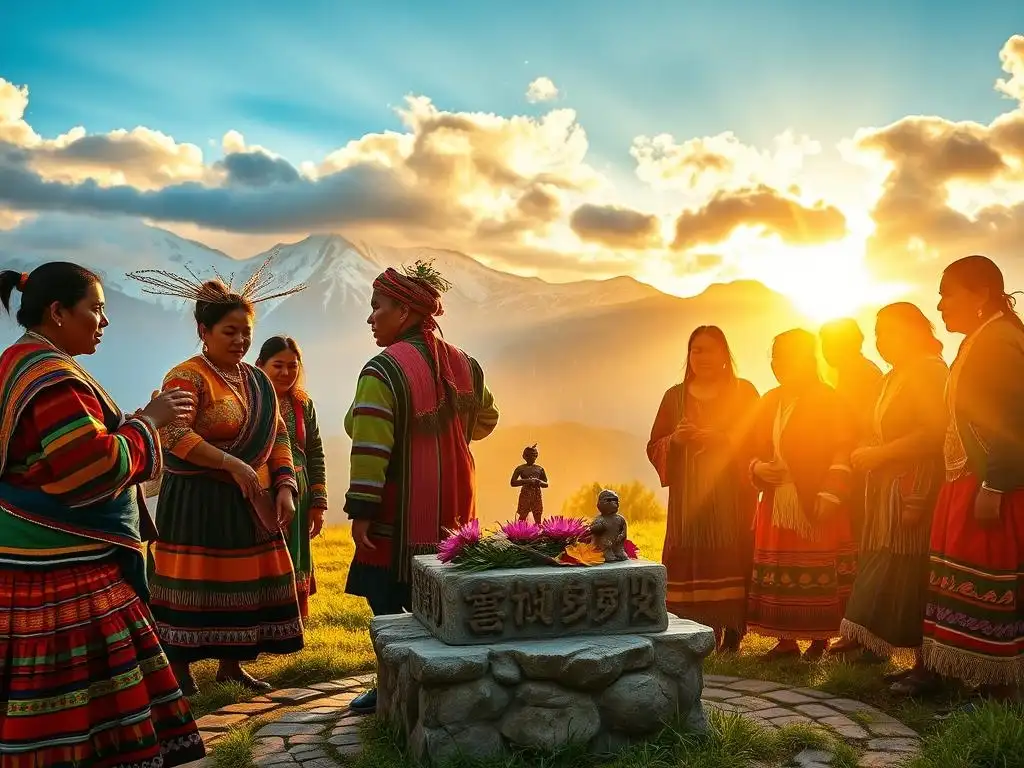
Dive into the captivating world of the Andes, where towering mountains meet breathtaking mysteries. For centuries, these civilizations thrived, leaving behind a legacy of intricate artistry and profound spiritual beliefs. But what secrets lie hidden within their ancient practices? Uncover the fascinating story of Andean rain rituals, a crucial aspect of Andean religion and cosmovision, and discover how these communities sought the life-giving blessings of water. Prepare to be amazed by the ingenuity and spiritual depth of a civilization that understood the power of nature like no other.
-
Andean Rain Rituals: Seeking the Blessings of Water
- The Importance of Water in Andean Cosmovision
- Understanding Andean Beliefs about Rain and Nature
- Pre-Incan Rain Rituals and Ceremonies
- Inca Rain Rituals and Their Significance
- Regional Variations in Andean Rain Rituals
- The Role of Shamans and Priests in Rain Ceremonies
- The Persistence of Andean Rain Rituals Today
- The Symbolism of Water in Andean Art and Culture
- Challenges and Threats to Traditional Rain Rituals
- Conclusion: The Enduring Significance of Andean Rain Rituals
- Frequently Asked Questions
- Final Reflection: Echoes of the Andes, Whispers of Water
- Embrace the Essence of Water: Take Action Today!
Andean Rain Rituals: Seeking the Blessings of Water
The Andes Mountains, a majestic spine running down the west coast of South America, are not only a breathtaking spectacle of nature but also the cradle of vibrant and sophisticated civilizations. For millennia, Andean cultures have developed a deep and complex relationship with their environment, particularly with water, a life-giving force intimately tied to their survival and spiritual beliefs.
This article delves into the fascinating world of Andean rain rituals, exploring the profound significance of water in their cosmovision and the practices employed to ensure bountiful harvests and appease the powerful forces of nature. Understanding these rituals provides a crucial insight into the intricate web of beliefs and practices that shaped Andean societies, revealing a sophisticated understanding of hydrology and a deeply spiritual connection to the land.
We will examine the importance of water in their cosmology, explore the diverse rituals performed to solicit rain, and analyze the underlying beliefs that fueled these practices, highlighting their enduring legacy in contemporary Andean communities. This exploration will illuminate the enduring power of these traditions and their continuing relevance in understanding the relationship between humanity and the natural world.
The Importance of Water in Andean Cosmovision
Water, in Andean cosmovision, is far more than a mere resource; it is a sacred element, a vital force imbued with spiritual power. It is considered a manifestation of life itself, inextricably linked to the fertility of the land and the well-being of the communities. Andean societies understood the intricate hydrological cycles of the mountains, recognizing the crucial role of snowmelt, glaciers, and rainfall in sustaining their agricultural practices. Their sophisticated systems of irrigation, such as the remarkable waru waru agricultural terraces, are a testament to their deep understanding of water management.
Furthermore, water was often associated with deities and spiritual beings. For example, the Inca revered the Apus, mountain spirits, who were considered guardians of water sources and protectors of the land. The reverence for water permeated every aspect of Andean life, from agriculture and daily routines to elaborate religious ceremonies and offerings.
The importance of water is reflected in the numerous myths, legends, and rituals surrounding its acquisition and management. The belief that water held a sacred essence, capable of mediating between the human and supernatural realms, led to the development of complex rituals aimed at ensuring a continuous supply of this precious resource. These rituals, often involving elaborate ceremonies and offerings, were essential to maintaining the cosmic balance and ensuring the prosperity of the community.
Understanding Andean Beliefs about Rain and Nature
Andean beliefs about rain and nature were deeply intertwined with their understanding of the cosmos and the interconnectedness of all living things. Rain was not merely a meteorological event; it was a divine gift, a manifestation of the power of the gods and the spirits. The absence of rain was interpreted as a disruption of the cosmic order, a sign of displeasure from the supernatural forces. Consequently, the performance of rain-making rituals was not just a practical necessity for survival but also a sacred duty, aimed at restoring balance and ensuring the continuation of life.
These rituals varied significantly across different Andean cultures and regions, reflecting the diverse ecological conditions and local beliefs. However, common themes emerged, such as the use of offerings, prayers, and symbolic actions aimed at appeasing the deities and spirits associated with water and fertility. Some rituals involved elaborate processions, music, and dance, while others focused on more intimate offerings made at sacred springs or water sources.
The specific practices employed often involved specific knowledge of local geography, hydrology, and astronomical cycles, demonstrating a sophisticated understanding of the natural world. Understanding these beliefs and practices offers a deeper appreciation for the holistic worldview of Andean civilizations, where the spiritual and material realms were inextricably linked, and where the quest for rain was not merely a practical concern but a sacred duty. The depth of their understanding of the environment is a testament to their profound connection with the land and their capacity to adapt and thrive in challenging conditions.
Pre-Incan Rain Rituals and Ceremonies
The Andean region's reverence for water predates the Inca Empire significantly. Evidence suggests sophisticated rain rituals existed among various pre-Inca cultures, each with unique practices reflecting their specific cosmologies and agricultural needs. These rituals weren't merely superstitious acts; they were integral parts of a complex socio-religious system designed to ensure the survival and prosperity of the communities.
The intensity of these practices varied according to the region's climate and the specific needs of the agricultural cycle. For instance, coastal communities, often facing arid conditions, might have placed a greater emphasis on rain-making ceremonies than those in the more fertile highlands. The lack of extensive written records necessitates relying heavily on archaeological findings – pottery depicting rain deities, ceremonial objects found in sacred sites, and even the layout of irrigation systems – to piece together a picture of these early practices.
The interpretation of these artifacts, however, remains an ongoing process, with new discoveries constantly refining our understanding of these ancient traditions. Further research into pre-Inca iconography and settlement patterns could shed more light on regional variations in rain rituals and their importance within the broader context of Andean religious beliefs.
Ancient Practices of Water Worship
Pre-Inca cultures demonstrated a profound respect for water, viewing it not merely as a resource but as a sacred element imbued with spiritual power. This reverence is evident in the construction of sophisticated irrigation systems, which were not only feats of engineering but also integral parts of their religious practices. The careful channeling of water was seen as a way to honor the water spirits and ensure their continued benevolence.
Many archaeological sites reveal evidence of ritual offerings placed near water sources, suggesting that these locations were considered sacred spaces where interactions with the spiritual world occurred. These offerings might have included food, textiles, and precious metals – items meant to appease the water deities and ensure a bountiful harvest. The specific nature of these offerings likely varied across different cultures and regions, reflecting unique beliefs and traditions.
The study of these ancient practices offers valuable insights into the interconnectedness of religion, agriculture, and social organization in pre-Inca societies. Further investigation into the specific materials and types of offerings could illuminate the diverse ways in which different groups interacted with the spiritual realm through water worship.
The Role of Illapa in Rain Ceremonies
Illapa, the god of thunder and lightning, played a central role in pre-Inca rain ceremonies. Depicted in iconography as a powerful and sometimes fearsome deity, Illapa was seen as the force that brought rain to the earth. Rituals aimed at appeasing or honoring Illapa would often involve offerings accompanied by prayers and chants seeking his favor.
These ceremonies might have included processions, dances, and the use of specific instruments designed to mimic the sounds of thunder and lightning. The precise details of these practices varied among different pre-Inca cultures; however, the overarching theme of seeking Illapa's blessing for rain remained constant. Archaeological evidence, such as depictions of Illapa on pottery and textiles, provides valuable clues about his importance and the rituals associated with him.
Analyzing the iconography and the contexts in which these images appear can help researchers understand the nuances of pre-Inca beliefs about rain and its connection to the divine. Further research might reveal specific chants or prayers used in these ceremonies, further enriching our understanding of these ancient traditions.
Inca Rain Rituals and Their Significance
The Inca Empire inherited and adapted pre-existing rain rituals, integrating them into their own sophisticated religious system. The Inca state's centralized power allowed for the standardization of certain practices, though regional variations persisted. The Inca worldview emphasized the importance of maintaining balance ( kay pacha) between the human and supernatural realms, and rain played a crucial role in this balance. Failure to ensure sufficient rainfall could disrupt the agricultural cycle, leading to famine and social unrest.
Therefore, rain rituals were not merely religious practices; they were vital to the Empire's political and economic stability. The Inca rulers, considered intermediaries between the human and divine worlds, played a central role in these ceremonies, ensuring the effectiveness of the rituals and reinforcing their authority. The elaborate ceremonies involved a complex interplay of religious beliefs, political power, and agricultural necessities, highlighting the integrated nature of Inca society.
The Inti Raymi and its Connection to Rainfall
The Inti Raymi, the annual festival celebrating the sun god Inti, held significant importance for ensuring sufficient rainfall. While primarily a celebration of the sun, Inti Raymi's rituals also encompassed prayers and offerings related to rainfall. The timing of Inti Raymi, coinciding with the summer solstice, was strategically chosen to coincide with the crucial period for agricultural growth.
The festival’s elaborate ceremonies, including sacrifices and processions, aimed to secure Inti's favor, which was believed to influence the weather patterns and ensure a successful harvest. The scale and grandeur of Inti Raymi underscore the importance of agriculture and rainfall in Inca society. The festival's multifaceted nature, encompassing elements related to the sun, agriculture, and rainfall, reflects the interconnectedness of Inca religious beliefs and their practical concerns.
Sacrifices and Offerings for Rain in the Inca Empire
Inca rain rituals often involved sacrifices and offerings to appease the deities associated with water and weather. These offerings ranged from agricultural products like coca leaves and maize to precious metals and even human sacrifices, though the latter were reserved for particularly dire circumstances. The choice of offerings reflected the desired outcome and the perceived severity of the situation. Smaller-scale offerings might involve simple prayers and the presentation of coca leaves, while larger-scale ceremonies accompanying droughts or other crises would involve more elaborate sacrifices. The location of these offerings was also significant; they often took place in sacred spaces, such as huacas (sacred places) or near water sources. The careful selection and placement of offerings underscore the Inca's belief in the power of ritual to influence the natural world. Further research into Inca sacrificial practices could offer more detailed insights into the specific types of offerings used and their significance.
The Use of Sacred Spaces for Rain Ceremonies
The Inca Empire designated specific locations as sacred spaces for rain ceremonies. These spaces, often associated with natural features like mountains, springs, or caves, were believed to be points of connection between the human and spiritual worlds. The Inca built temples and shrines in these locations, creating dedicated areas for rituals and offerings. These sacred spaces served as focal points for community gatherings, reinforcing social bonds and strengthening the collective effort to secure rainfall.
The use of these specific locations reflects the Inca's understanding of the landscape and its spiritual significance. The careful selection and maintenance of these sacred spaces underscore their importance in Inca religious practice. Further archaeological investigation of these sites could reveal more details about their layout, the types of rituals performed there, and their significance within the broader Inca worldview.
Regional Variations in Andean Rain Rituals
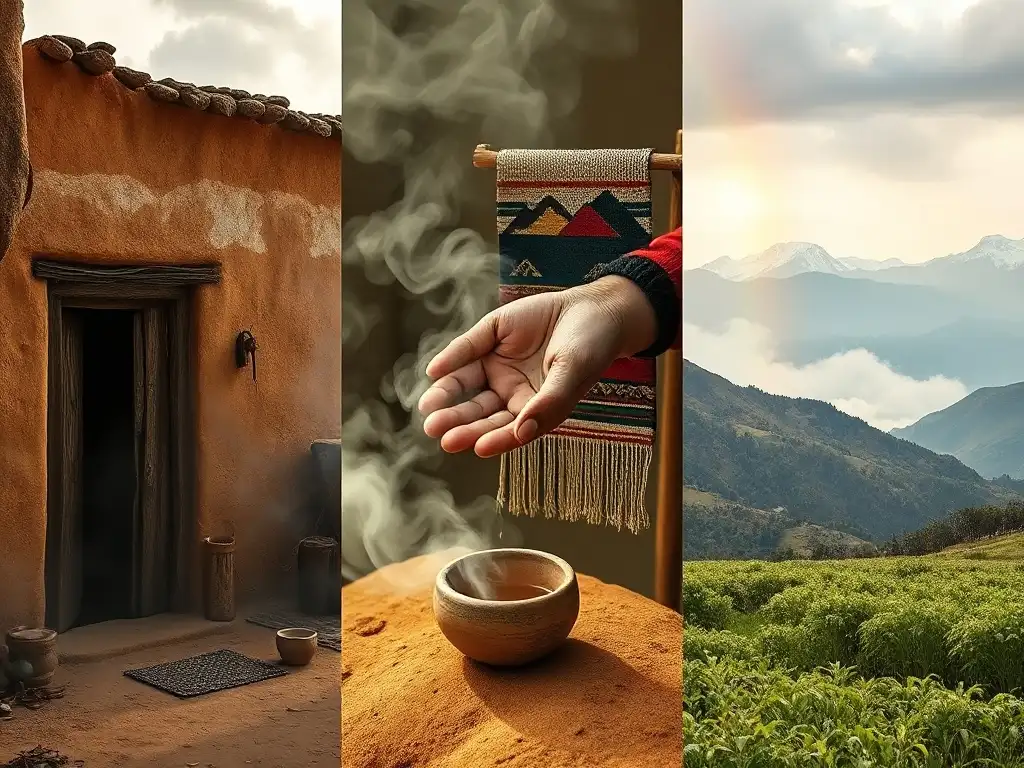
Andean rain rituals weren't monolithic; they varied significantly across different regions and cultures, reflecting unique environmental conditions and cosmologies. The specific practices, offerings, and beliefs surrounding water differed greatly depending on the geographical location and the dominant cultural group. For instance, coastal communities, facing different challenges than those in the highlands, developed unique rituals tailored to their specific needs and understanding of the water cycle.
The availability of resources also played a crucial role; communities with access to specific plants or animals incorporated these into their ceremonies, leading to a rich tapestry of unique rituals. The interplay between geographical factors and cultural beliefs resulted in a diverse array of practices, all united by the common goal of securing vital rainfall. Understanding these regional differences is key to appreciating the depth and complexity of Andean rain rituals.
Rain Rituals of the Moche Culture
The Moche civilization, known for its sophisticated irrigation systems and stunning pottery depicting ritual scenes, held elaborate rain ceremonies. Their rituals often involved human sacrifice, though the exact nature and frequency of these practices are still debated by scholars. Evidence suggests that the Moche believed that the sacrifice of individuals, often of high status, could appease the gods and ensure abundant rainfall.
Their impressive irrigation infrastructure, a testament to their engineering prowess, was clearly intertwined with their religious beliefs. The intricate depictions found on Moche pottery, showcasing elaborate ceremonies and ritual offerings, provide invaluable insights into their worldview and their fervent desire to control the vital resource of water. These depictions often show figures in elaborate costumes performing rituals, suggesting a highly structured and organized religious system devoted to securing rainfall.
The Nazca Lines and their Potential Connection to Water
The enigmatic Nazca Lines, sprawling across the arid Peruvian desert, continue to fascinate and puzzle researchers. While their exact purpose remains a subject of ongoing debate, some theories propose a connection to water rituals. The lines' alignment with astronomical events, combined with the region's scarce rainfall, suggests that they may have played a role in predicting rainfall patterns or facilitating rain-making ceremonies.
The intricate designs, often depicting animals and plants associated with water sources, further support this hypothesis. However, concrete evidence linking the Nazca Lines directly to rain rituals remains elusive, making this a fascinating area of ongoing research and speculation. Further analysis and archaeological discoveries are needed to fully understand the relationship, if any, between these iconic lines and the quest for rain.
Tiahuanaco's Water Management and Rituals
The Tiahuanaco culture, renowned for its sophisticated urban planning and monumental architecture, exhibited a deep understanding of water management. Their city, located on the shores of Lake Titicaca, was meticulously planned to utilize the lake's resources effectively. This mastery of hydraulic engineering is inseparable from their religious beliefs.
Evidence suggests that Tiahuanaco's rituals were deeply intertwined with their water management systems, with ceremonies likely performed to ensure the continued flow of water into their canals and agricultural fields. The monumental structures themselves, with their intricate carvings and symbolic representations, may have served as focal points for these rituals. The Tiahuanaco's sophisticated approach to water management highlights the crucial role that water played in their societal organization and religious practices.
The Role of Shamans and Priests in Rain Ceremonies
Shamans and priests were central figures in Andean rain ceremonies, acting as intermediaries between the human world and the supernatural realm. These spiritual leaders possessed specialized knowledge and skills believed to influence the weather. They often led the rituals, performed divination, and made offerings to the gods in the hope of securing rainfall.
Their authority stemmed from their perceived ability to communicate with the supernatural forces that controlled the weather. The rituals themselves involved complex procedures, often including symbolic acts, chants, and offerings designed to appease the deities and ensure the timely arrival of rain. The effectiveness of the shaman or priest was crucial for the success of the ceremony and the well-being of the community.
The Connection Between Spiritual Leaders and Rainfall
The belief in the shaman's or priest's ability to influence rainfall was deeply ingrained in Andean cosmology. These individuals were not merely religious figures; they were essential to the community's survival. Their role extended beyond spiritual leadership, encompassing practical aspects of water management and agricultural planning.
Their knowledge of weather patterns and their ability to interpret signs and omens were vital for the community's preparedness and ensured the timely planting and harvesting of crops. The success or failure of the harvest was often attributed to the effectiveness of the spiritual leader's actions, reinforcing their crucial role in the community's survival and prosperity. Their influence extended to every aspect of life, deeply intertwined with the community's relationship with the natural world.
Divination Methods for Predicting Rain
Andean cultures employed various divination methods to predict rainfall. These included observing natural phenomena such as animal behavior, cloud formations, and the patterns of stars. Specialized individuals, often shamans or priests, were trained to interpret these signs and provide insights into future weather patterns.
The accurate prediction of rainfall was crucial for planning agricultural activities and ensuring the community's food security. Methods varied across regions and cultures, demonstrating the diverse approaches to understanding and predicting the weather within the Andean context. These practices reflect a profound connection between the Andean people and their environment, emphasizing the importance of understanding and responding to natural cycles.
The Use of Coca Leaves and Whistles
Coca leaves and whistles played significant roles in many Andean rain rituals. Coca leaves, considered sacred, were often chewed or offered as part of ceremonies. Whistles, made from various materials, were used to communicate with the spirits and deities believed to control the weather.
The sounds produced were believed to mimic the sounds of rain or wind, symbolically invoking the desired weather patterns. These elements were not merely tools; they were integral components of the rituals, imbued with spiritual significance and intended to enhance the effectiveness of the ceremonies. The use of coca and whistles highlights the symbolic importance of sound and plant life within the Andean religious system, emphasizing the sensory and material dimensions of their spiritual practices.
The Persistence of Andean Rain Rituals Today
The reverence for water and the performance of rain rituals remain deeply ingrained in Andean communities, even in the face of modernization and globalization. While the exact forms of these rituals may have evolved over time, adapting to changing circumstances and incorporating new elements, the fundamental beliefs and practices continue to thrive. The enduring legacy of these traditions speaks volumes about the importance of water to Andean cultures and their profound connection to the natural world.
These rituals are not merely historical relics; they are living traditions that continue to shape daily life and community cohesion. The persistence of these practices also highlights the resilience of Andean cultures and their ability to integrate ancient traditions into contemporary life. Their continued relevance underscores the ongoing spiritual and practical significance of rain rituals in the face of climate change and other challenges.
Contemporary Practices and Adaptations
Modern Andean rain rituals often blend traditional practices with contemporary elements. For instance, while offerings to mountain spirits ( apus) might still involve coca leaves and chicha (a fermented corn beverage), they may also incorporate elements of Catholic faith, reflecting the syncretism that has characterized Andean religion for centuries. Furthermore, community participation remains crucial, with rituals often involving entire villages or neighborhoods.
However, the scale of these events may be adapted to modern realities, with smaller, more frequent ceremonies complementing larger, annual festivals. The adaptation of rituals demonstrates a dynamic interplay between tradition and modernity, ensuring the continuity of these ancient practices in a changing world. This adaptation ensures the continued relevance and efficacy of these rituals within their modern context.
The Importance of Cultural Preservation
The preservation of Andean rain rituals is paramount for several reasons. These rituals represent a vital link to the past, embodying centuries of accumulated knowledge and beliefs about the environment, community, and spirituality. Their continued practice sustains cultural identity, fostering a sense of belonging and shared history within Andean communities.
Moreover, the knowledge embedded within these traditions offers valuable insights into sustainable resource management and ecological understanding, particularly relevant in the face of climate change and water scarcity. Efforts to document, study, and support the continuation of these rituals are crucial for safeguarding not only a rich cultural heritage but also vital ecological knowledge. The preservation of these traditions is therefore a crucial step in protecting both cultural and environmental heritage.
The Festival of the Water in Coporaque, Peru
The Festival of the Water ( Fiesta del Agua) in Coporaque, a small village in the Colca Canyon of Peru, provides a compelling example of a contemporary Andean rain ritual. This vibrant celebration involves a complex series of ceremonies, processions, and offerings, all aimed at ensuring a bountiful water supply for the coming agricultural season. The festival features traditional music, dance, and elaborate costumes, reflecting the community's deep-seated reverence for water and its vital role in their lives.
The event draws participants from surrounding communities, demonstrating the widespread importance of this ritual and the strength of community bonds that it fosters. The festival’s enduring popularity highlights the cultural significance of these water-related ceremonies.
The Symbolism of Water in Andean Art and Culture
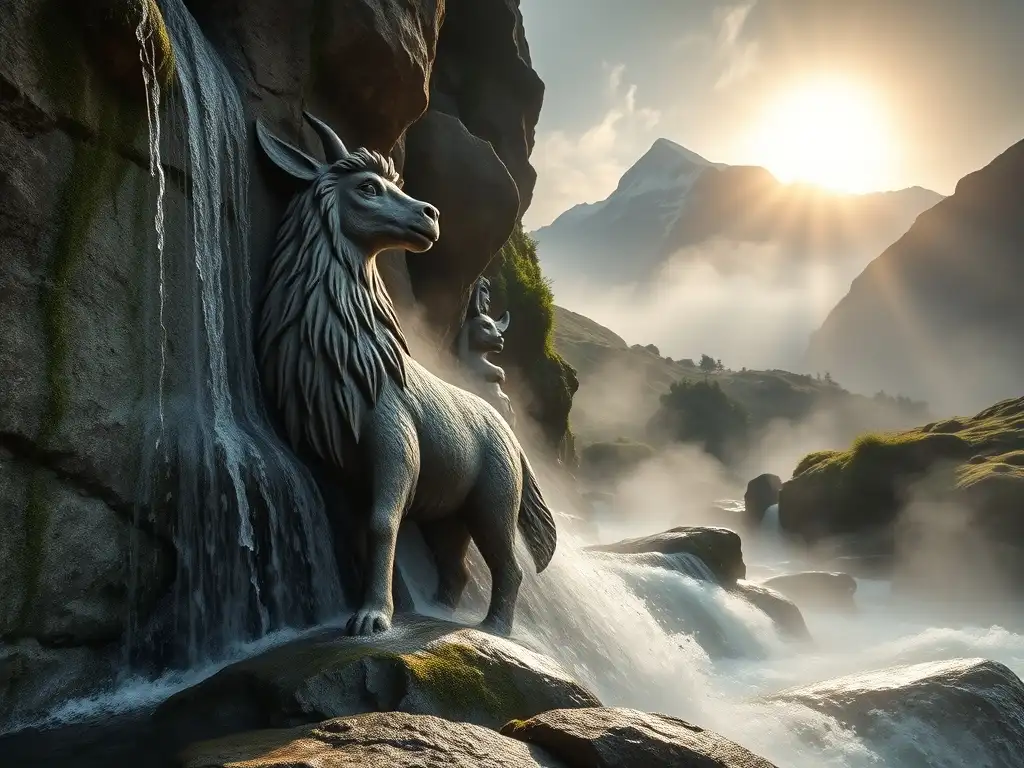
Water holds profound symbolic significance in Andean art and culture, representing life, fertility, abundance, and spiritual power. Its presence is pervasive across various artistic expressions, from intricate pottery designs to elaborate textiles and monumental architecture. The multifaceted symbolism of water reflects the deep-seated reverence for this essential element and its integral role in the Andean worldview. Understanding these symbolic representations provides crucial insights into the Andean perception of the cosmos and their relationship with the natural world. The depiction of water in art serves as a powerful testament to its cultural and spiritual importance.
Water Motifs in Pottery and Textiles
Water motifs frequently appear in Andean pottery and textiles, often depicted in stylized forms that reflect the cultural and spiritual significance associated with water sources like rivers, springs, and rain. These motifs may take the form of abstract designs or representational images of water creatures or deities associated with water. The intricate detail and artistry employed in these depictions underscore the importance of water in Andean cosmology and daily life.
Analysis of these artistic expressions can reveal much about the beliefs and practices surrounding water in different Andean cultures and time periods. The variety of styles and techniques employed further illustrates the rich diversity of Andean artistic traditions.
The Connection Between Water and Fertility
In Andean culture, water is intrinsically linked to fertility, both for agriculture and human reproduction. The life-giving properties of water are reflected in artistic representations that often associate water with abundant harvests, healthy livestock, and thriving communities. This connection is further emphasized in ritual practices where water plays a central role in ensuring the fertility of the land and the prosperity of the people.
The deep-seated belief in the connection between water and fertility underscores the vital role of water in maintaining the ecological and social balance of Andean societies. This symbolic association is reflected in various aspects of Andean life, from agricultural practices to religious beliefs.
Depictions of Rain Deities in Ceramics
Andean ceramics often depict rain deities, showcasing diverse representations that reflect regional variations in beliefs and artistic styles. These depictions, frequently found on vessels and other ceremonial objects, provide valuable insights into the Andean pantheon and the importance of rain in their religious worldview. The features and attributes of these rain deities, along with the contexts in which they appear, offer valuable clues to understanding the religious beliefs and practices associated with water and rain.
Studying these depictions offers a unique window into the spiritual beliefs and artistic expression of ancient Andean cultures. The variety of styles and interpretations underscores the rich complexity of Andean religious practices.
Challenges and Threats to Traditional Rain Rituals
The performance of Andean rain rituals, deeply woven into the fabric of Andean communities for millennia, faces numerous challenges in the modern era. These challenges threaten not only the continuity of these vital ceremonies but also the intricate relationship between Andean communities and their environment.
The delicate balance between tradition and modernity, coupled with the increasingly unpredictable effects of climate change, poses a significant threat to the preservation of these ancient practices. The younger generations, often drawn to urban centers and influenced by globalized cultures, may have less exposure to and participation in these rituals, leading to a gradual erosion of traditional knowledge and practices.
This cultural shift can result in a loss of understanding of the profound spiritual and ecological significance of the rituals, impacting their effectiveness and overall importance within the community. The economic pressures of modern life also influence participation, as time dedicated to ceremonies might be seen as time taken away from more immediate financial needs.
The Impact of Climate Change on Water Availability
Climate change significantly impacts the efficacy and relevance of Andean rain rituals. The increasing unpredictability of rainfall patterns, characterized by more intense droughts and floods, directly challenges the central theme of these rituals: the appeal for life-giving water. Communities that historically relied on predictable rainy seasons now face severe water scarcity, rendering the traditional timing and methods of the rituals less effective.
The altered hydrological cycle disrupts the delicate balance of the ecosystem, affecting agricultural practices and impacting the availability of resources essential for the rituals themselves. This disruption creates a sense of uncertainty and anxiety, potentially undermining the faith and participation in traditional practices.
For example, the capacocha offerings, which often involved animals and crops, become harder to perform due to droughts and failing harvests, thus impacting both the ritual and the community's well-being. The changing climate also brings about new challenges in terms of agricultural planning and resource management, making the traditional knowledge associated with rain rituals even more crucial to adapt and survive.
The Influence of Modernity on Traditional Beliefs
Modernity, with its influx of technology, globalization, and different belief systems, poses a significant challenge to the continuation of Andean rain rituals. The introduction of new technologies, such as irrigation systems and water management techniques, can lead to a diminished reliance on traditional methods of water harvesting and rain-making.
This shift in reliance can, in turn, reduce the perceived importance of the rituals, as modern solutions are seen as more efficient and reliable. Furthermore, the spread of different religious beliefs and practices can lead to the dilution or abandonment of indigenous spiritual traditions, impacting the belief systems that underpin these vital ceremonies.
The younger generations, exposed to a wider range of cultural influences, may be less inclined to participate in traditional rituals, leading to a potential loss of cultural heritage. The integration of modern practices doesn’t necessarily mean the complete abandonment of traditional beliefs; rather, a complex interplay between the old and the new often results.
Efforts to Safeguard Andean Ritual Practices
Recognizing the importance of preserving these ancient traditions, various efforts are underway to safeguard Andean rain rituals. Communities are actively working to document and transmit traditional knowledge to younger generations, ensuring the continuity of these practices. Educational programs and workshops are being implemented to raise awareness about the significance of these rituals and their ecological implications.
Furthermore, there's a growing emphasis on integrating traditional knowledge with modern scientific understanding to develop sustainable water management strategies. These efforts involve collaboration between communities, researchers, and government agencies to address the challenges posed by climate change and promote the preservation of cultural heritage.
The revival and promotion of traditional music, dances, and storytelling associated with rain rituals are also crucial components of these efforts, strengthening community identity and fostering a renewed appreciation for these ceremonies. The support and recognition from governmental and international organizations are also crucial for ensuring the long-term sustainability of these initiatives.
Conclusion: The Enduring Significance of Andean Rain Rituals
Despite the challenges, Andean rain rituals retain their profound significance, reflecting a deep-rooted connection between the Andean people and their environment. These rituals are not merely religious ceremonies but also crucial elements of a holistic worldview that emphasizes the interconnectedness of all living beings and the importance of maintaining a harmonious relationship with nature.
The ongoing efforts to preserve and adapt these traditions demonstrate the enduring resilience of Andean culture and its capacity to navigate the complexities of the modern world while upholding its rich heritage. The continued practice of these rituals is vital not only for the spiritual well-being of Andean communities but also for promoting sustainable water management practices and fostering environmental stewardship in the face of climate change.
The future of these rituals depends on the continued commitment of Andean communities, supported by broader efforts to safeguard cultural heritage and address the challenges of climate change. The preservation of these practices ensures the continuation of a unique and invaluable cultural legacy.
Frequently Asked Questions
What were Andean rain rituals primarily about?
Andean rain rituals were primarily focused on appeasing and honoring the gods and spirits of water to ensure abundant rainfall for successful agriculture, which was essential to their survival. These ceremonies were vital to their existence.
Which Andean cultures practiced rain rituals?
Many Andean cultures, including the Inca, Moche, Nazca, and Tiahuanaco, held elaborate rain rituals. The specific practices varied depending on the culture and region.
What were some common elements of Andean rain rituals?
Common elements included offerings (such as coca leaves, llamas, and other items), prayers, music, dancing, and sometimes human sacrifice, depending on the culture and the perceived severity of the drought.
How did the geography influence Andean rain rituals?
The highly variable rainfall across the Andes significantly influenced the types of rituals performed. Communities in arid regions likely placed a stronger emphasis on rain-related ceremonies than those in more temperate zones.
Where can I learn more about specific Andean rain rituals?
To learn more, explore specialized books and academic articles on Andean civilizations, focusing on individual cultures such as the Inca or Moche. Many museums also feature exhibits on Andean culture and their religious practices.
Final Reflection: Echoes of the Andes, Whispers of Water
The ancient Andean reverence for water, specifically manifested in their rain rituals, remains profoundly relevant in our era of climate change and dwindling resources. The desperate need for sustainable water management and a renewed respect for the natural world echoes the deeply spiritual connection the Andean people have held for millennia. We are facing a crisis that demands a similar shift in perspective, a recognition of our interconnectedness with the environment, mirroring the wisdom embedded in these ancient practices.
The enduring power of these rituals lies not just in their historical significance, but in their ability to remind us of our own vulnerability and dependence on the natural world. These ceremonies, far from being relics of the past, offer a potent metaphor for our current predicament. They speak to the importance of balance, respect, and reciprocity in our relationship with nature. Water is life, and life is sacred. To disrespect water is to disrespect life itself.
– (This quote should be replaced with an actual relevant quote from an Andean source or a fittingly similar one). The ongoing struggle for water security across the globe underscores the timeless wisdom embedded within these traditions.
Consider the profound implications of these rituals. What can we learn from the Andean people's deep connection to the land and their understanding of the delicate balance of the ecosystem? You, the reader, are now invited to reflect on your own relationship with water and the environment. How can you integrate a greater sense of reverence and responsibility into your daily life? Let the echoes of the Andean rain rituals inspire you to become a steward of our precious water resources, ensuring a sustainable future for generations to come.
Embrace the Essence of Water: Take Action Today!
Thank you for exploring the fascinating Andean tradition of seeking water's blessings. Discovering this rich cultural heritage reveals a powerful connection between nature and community. Now, let's translate that understanding into action!
Here are some ways to deepen your involvement:
- Join a Local Water Conservation Effort: Find a local group dedicated to preserving water resources and volunteer your time or expertise. Many organizations welcome assistance with various tasks.
- Share Your Knowledge: Discuss the importance of water conservation with friends and family. This article provides a great starting point for meaningful conversations about responsible water use.
- Create a Personal Water Ritual: Incorporate a personal ceremony that honors water into your life. This could be a simple moment of gratitude for clean water or a small gathering to celebrate a local water source.
What unique practices could help foster a deeper appreciation for water within your community?