
The Mysterious Tunupa: A Volcanic Deity of the Andean Plateau

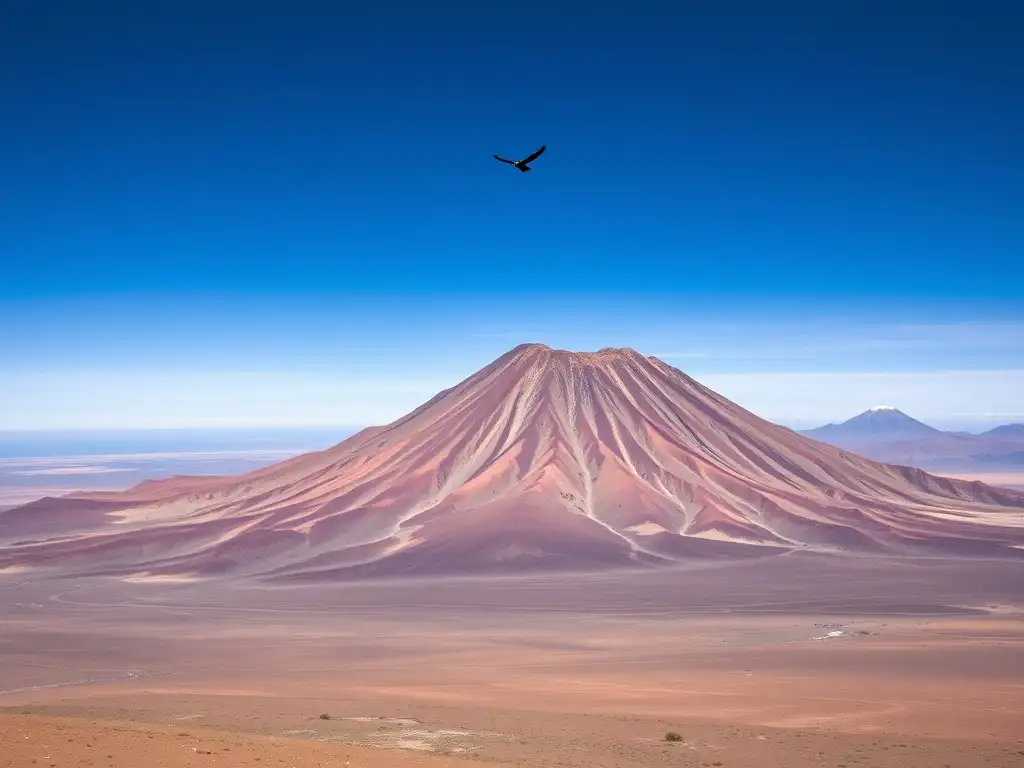
Dive into the enigmatic heart of the Andes! Prepare to uncover the secrets of a lost world, where towering volcanoes weren't just geological formations, but sacred beings. Our journey begins with Tunupa, a powerful Andean volcano deity whose influence shaped the beliefs and practices of ancient civilizations. Discover the captivating story behind this mysterious figure and unlock the fascinating religious landscape of the Andes – a world brimming with awe-inspiring myths and breathtaking artistry. Dare to explore the mysteries that await.
- Tunupa Andean Volcano Deity: Exploring the Mysteries of the Andean Plateau
- Origins and Myths of Tunupa: The Volcanic God
- Tunupa's Attributes and Symbolism: Understanding the Deity
- Tunupa in Andean Rituals and Ceremonies
- Tunupa and Other Andean Deities: A Comparative View
- The Enduring Legacy of Tunupa: A Lasting Influence
- Frequently Asked Questions
- Final Reflection: The Enduring Legacy of Tunupa
- Unveil the Power of Tunupa – Your Journey Begins!
Tunupa Andean Volcano Deity: Exploring the Mysteries of the Andean Plateau
The Andean plateau, a vast and awe-inspiring landscape, served as the cradle for numerous sophisticated civilizations whose rich cultural tapestry is woven with threads of intricate mythology and powerful deities. Among these captivating figures, Tunupa stands out as a particularly enigmatic and significant volcanic deity, deeply entwined with the beliefs and practices of various Andean communities.
This article delves into the fascinating world of Tunupa, exploring the deity's representation in Andean cosmovision, its connection to the volcanic landscape, and its enduring legacy in the region's cultural heritage. We will examine the evidence available, exploring both archaeological findings and surviving oral traditions to piece together a clearer picture of this powerful and mysterious figure, crucial to understanding the religious beliefs of the Andean people.
Our journey will uncover the multifaceted nature of Tunupa, revealing a deity whose influence resonated far beyond the immediate geographical area, shaping the spiritual lives of generations. Prepare to be captivated by the mysteries surrounding Tunupa, the Andean volcano deity, and the profound impact this figure had on the development of Andean culture.
Introduction to Tunupa: A Powerful Volcanic Figure
Tunupa, often depicted as a female deity, is deeply associated with the imposing volcano of the same name located in the Salar de Uyuni region of Bolivia. This majestic peak, towering over the vast salt flats, is not merely a geological feature but a sacred site imbued with immense spiritual significance. Archaeological evidence suggests that veneration of Tunupa dates back centuries, with numerous artifacts and cultural practices pointing towards a long history of worship. The deity's attributes often include associations with fertility, water, and the earth's bounty, reflecting the vital role of volcanoes and water sources in the Andean environment.
Descriptions of Tunupa vary across different Andean communities, highlighting the complex and layered nature of the deity's representation. Some accounts portray Tunupa as a creator goddess, responsible for shaping the landscape and bringing forth life. Others depict Tunupa as a powerful protector, a guardian of the people and their resources.
The ambiguity surrounding Tunupa's exact attributes adds to the deity's mystique, highlighting the rich tapestry of beliefs that shaped Andean spirituality. Understanding the multifaceted nature of Tunupa requires careful consideration of various sources, including archaeological findings, ethnographic studies, and surviving oral traditions. This will allow us to build a more complete picture of this powerful and enduring figure.
The Significance of Mount Tunupa in Andean Cosmovision
Mount Tunupa, the physical manifestation of the deity, holds a central place in the Andean cosmovision. The mountain's imposing presence, its connection to vital water resources (like the Salar de Uyuni), and its association with fertility made it a focal point for religious rituals and ceremonies. The mountain itself is often considered a sacred space, a direct link to the spiritual realm.
Archaeological explorations around Mount Tunupa have uncovered numerous artifacts, including pottery, textiles, and ceremonial objects, all indicating a rich history of human interaction and religious activity at this location. These findings corroborate oral traditions and ethnographic accounts, providing tangible evidence of Tunupa's importance in Andean religious practices.
The precise nature of these rituals and ceremonies remain partially obscured by the passage of time and the fragmentary nature of surviving records. However, available evidence suggests that offerings, prayers, and pilgrimages were common expressions of devotion to Tunupa, reflecting the deep spiritual connection between the people and the mountain.
Further research is needed to fully understand the nuances of Tunupa’s significance within the broader Andean pantheon and its relationship to other deities and spiritual beings. The ongoing study of archaeological sites around Mount Tunupa, combined with the careful preservation and documentation of oral traditions, promises to shed more light on this fascinating aspect of Andean culture and its enduring legacy. The mysteries surrounding Tunupa continue to captivate researchers and enthusiasts alike, reminding us of the rich and complex spiritual world of the Andean civilizations.
Origins and Myths of Tunupa: The Volcanic God
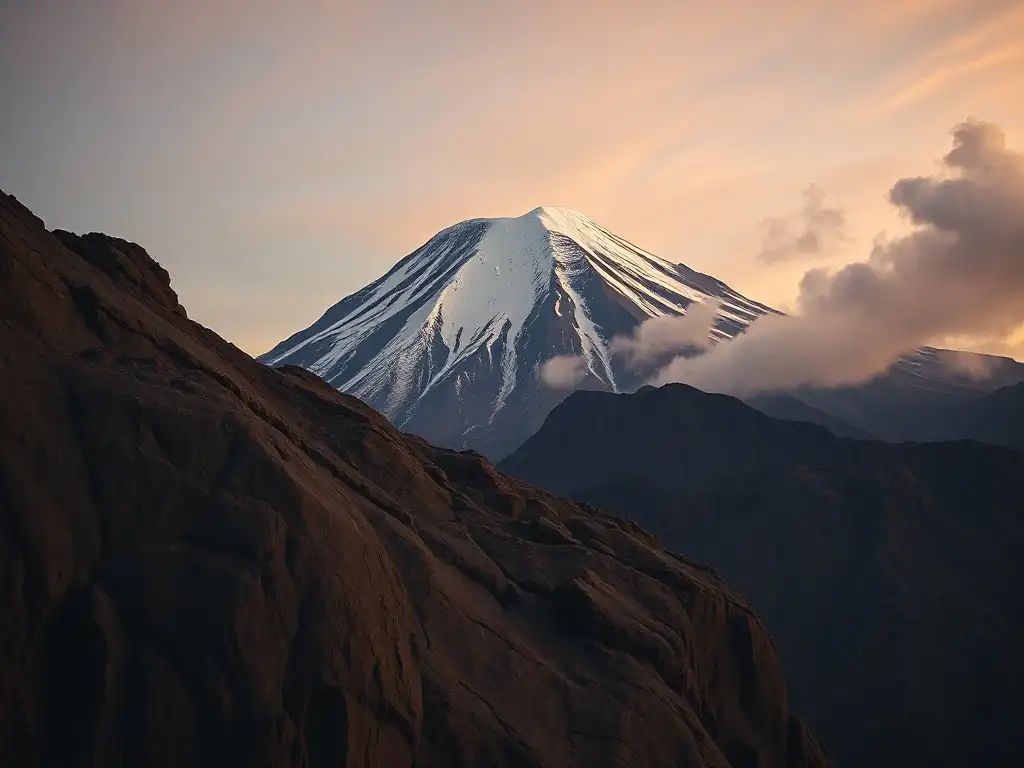
The imposing figure of Tunupa, a volcanic deity deeply entrenched in the Andean religious landscape, dominates narratives and beliefs across various pre-Columbian cultures. Understanding Tunupa requires delving into a complex tapestry of myths, legends, and archaeological evidence, piecing together a picture of this powerful, often ambivalent, figure. While precise origins are shrouded in the mists of time, the reverence afforded to Tunupa across diverse Andean groups points to a deity whose influence transcended regional boundaries.
The persistent association of Tunupa with specific geographical locations, particularly volcanic formations and salt flats, further emphasizes the deity’s enduring significance within the Andean cosmovision. The very name "Tunupa" itself likely holds clues to its etymology, possibly stemming from Aymara or Quechua roots related to volcanic activity or the earth's bounty.
Further linguistic research is needed to definitively clarify this aspect of Tunupa’s legacy. However, the enduring power of the name and the deity itself is undeniable.
Tunupa's Creation Myths: Legends of a Fiery Being
Legends surrounding Tunupa's creation vary across different Andean communities. Some myths portray Tunupa as a primordial being, emerging from the heart of the earth during the initial formation of the Andes mountains. These narratives often depict Tunupa as a fiery, powerful entity, directly linked to volcanic eruptions and the shaping of the land.
In these accounts, Tunupa’s creation is not a singular event but a continuous process, mirroring the ongoing geological activity of the Andean region. Other myths emphasize Tunupa's role as a creator god, shaping the landscape and giving rise to both life and natural phenomena. The duality of creation and destruction is a recurring motif, reflecting the volatile yet life-giving nature of volcanoes themselves.
For instance, one Aymara legend speaks of Tunupa's wrath, manifested through devastating volcanic eruptions, yet also depicts the deity's benevolent provision of fertile lands after the eruption subsides, highlighting the cyclical nature of destruction and renewal present in Andean thought. These stories illustrate the complex and multifaceted nature of Tunupa as a powerful and dynamic force in the Andean world. The emphasis on volcanic imagery underscores the deity’s deep connection to the physical landscape and its transformative power.
Tunupa's Role in the Andean Creation Story
Tunupa's role within the broader Andean creation narratives is significant, though interpretations differ across various cultural groups. In some versions, Tunupa is a central figure in the creation of the world, alongside other deities or powerful spirits. This often involves a partnership with a female counterpart, reflecting the complementary forces of nature and the balance between male and female energies.
The interaction between these deities often forms the basis of various creation myths, explaining the formation of mountains, valleys, and other geographical features. Tunupa's involvement frequently emphasizes the creation of fertile lands, water sources, and natural resources crucial for human survival. The deity’s actions are often described as both creative and destructive, reflecting the duality inherent in the Andean understanding of the natural world.
Further research is needed to fully understand the nuances of Tunupa's role in various Andean creation myths and how these narratives interact with other cosmological beliefs. The lack of comprehensive written records from pre-Columbian Andean societies presents a challenge to fully reconstruct these intricate stories, leaving room for further investigation and interpretation.
The Connection Between Tunupa and the Salt Flats of Uyuni
The vast expanse of the Salar de Uyuni, the world's largest salt flat, is inextricably linked to the legend of Tunupa. Many myths associate the salt flat with Tunupa's tears, sweat, or even the petrified remains of the deity or their offspring. These narratives often connect the salt itself with the deity's essence, imbuing the salt flats with spiritual significance.
The stark beauty and unique environment of Uyuni further reinforce its connection to Tunupa's legendary presence. The seemingly endless expanse of white salt, the occasional volcanic formations, and the harsh beauty of the surrounding landscape create a powerful visual representation of the deity's power and influence. Furthermore, the extraction of salt from Uyuni, a vital resource for Andean communities for centuries, is often interwoven with rituals and ceremonies honoring Tunupa, demonstrating the enduring practical and spiritual significance of the salt flats.
The continued reverence for Tunupa in the Uyuni region speaks volumes about the enduring power of myth and the deep connection between Andean people and their sacred landscapes. The ongoing archaeological investigations in and around the Salar de Uyuni may further illuminate the historical relationship between the salt flats and the worship of Tunupa.
Tunupa's Attributes and Symbolism: Understanding the Deity
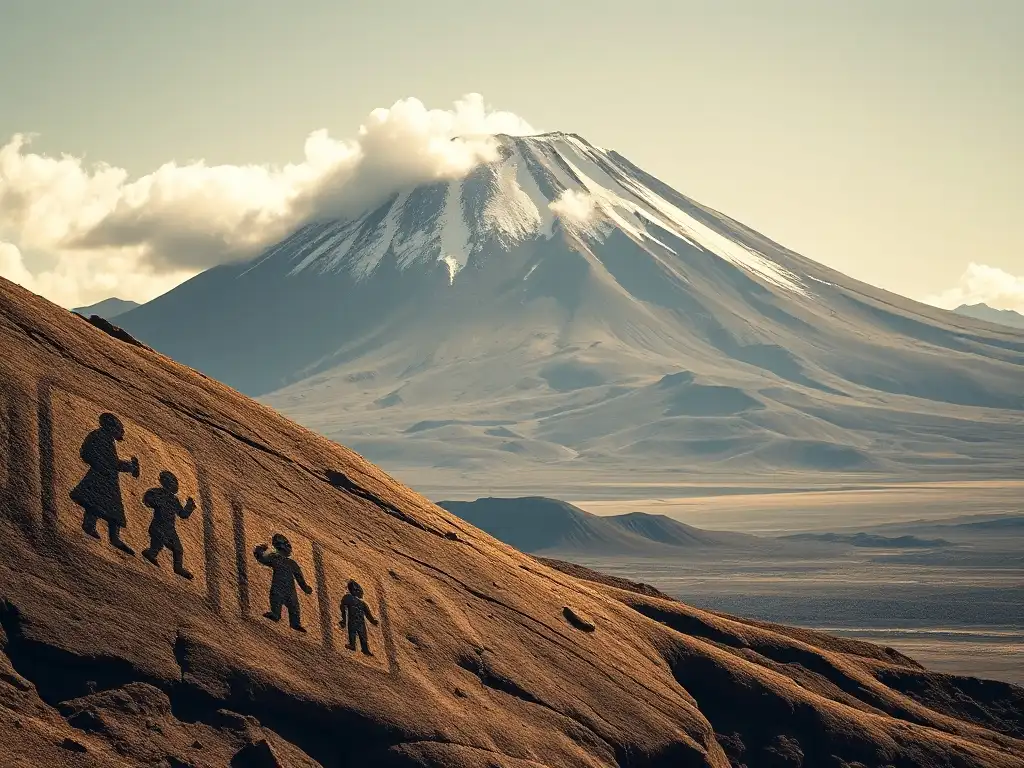
Tunupa, a powerful and enigmatic figure in Andean mythology, transcends a simple categorization as merely a "volcano deity." While the imposing volcanic presence certainly shaped the understanding and reverence surrounding Tunupa, the deity's symbolism extends far beyond the purely geological. Understanding Tunupa requires delving into the intricate tapestry of Andean cosmology, where the sacred and the natural are inextricably intertwined.
The keyword "Tunupa Andean volcano deity" accurately reflects a core aspect of this deity, but only partially captures the nuanced complexity of their role in Andean culture and belief systems. This section explores the multifaceted attributes and symbolism associated with Tunupa, moving beyond the simplistic label to reveal a richer, more profound understanding of this significant figure. The reverence for Tunupa highlights the deeply spiritual connection Andean cultures had with their environment, viewing the natural world not as separate from the divine, but as a manifestation of it.
Tunupa's Representation in Andean Art and Iconography
Depictions of Tunupa in Andean art are scarce compared to other deities, reflecting perhaps the deity’s more abstract and less anthropomorphic nature. However, the existing iconography offers valuable clues to understanding Tunupa's attributes. While standardized representations are lacking, common themes emerge. Tunupa is often depicted in a powerful, commanding pose, sometimes associated with mountains or volcanic landscapes.
The use of specific colors, such as deep reds and browns reminiscent of volcanic rock, might also be symbolic. In some interpretations, Tunupa is shown holding symbols of fertility and abundance, reflecting the deity's association with the life-giving properties of volcanic soil. Further research is needed to fully analyze the limited existing artistic representations and their geographical distribution, as this could reveal regional variations in the portrayal of Tunupa.
The scarcity of visual representations underscores the importance of studying oral traditions and archaeological contexts to further elucidate the deity's iconography. More detailed analyses of surviving artifacts and murals are crucial to paint a more complete picture of Tunupa's visual representation. The challenge lies in distinguishing actual depictions of Tunupa from similar representations of other powerful Andean deities.
Symbolic Meanings of Tunupa's Attributes
Tunupa's symbolism is multifaceted and interwoven with the Andean worldview. The volcano itself, often seen as the dwelling place of the deity, represents power, creation, and destruction. The eruption of a volcano, a terrifying yet awe-inspiring event, could be interpreted as both a destructive force and a renewal of life, mirroring the cyclical nature of Andean cosmology.
The fertile lands surrounding volcanoes, often attributed to volcanic ash enriching the soil, contribute to Tunupa's association with abundance and prosperity. Furthermore, certain elements associated with Tunupa, such as specific plants or animals found near volcanic regions, might possess symbolic meaning within the broader context of Andean religion. [Specific examples of symbolic plants/animals pending].
Understanding these symbols requires examining their broader cultural significance within Andean society. Analyzing the specific rituals and ceremonies associated with Tunupa would provide further insight into the symbolic meanings attributed to the deity and its associated elements. The interpretation of these symbols often varied across different Andean communities and time periods.
The Relationship Between Tunupa and Natural Forces
Tunupa's power is intrinsically linked to the forces of nature, particularly those associated with volcanoes and the Andean landscape. The deity is not merely a passive observer of these forces but an active participant, shaping and influencing them. Volcanic eruptions, earthquakes, and other natural phenomena were likely interpreted as manifestations of Tunupa's will, reflecting both the destructive and creative potential inherent in the Andean environment. This relationship highlights the close connection between the supernatural and the natural world in Andean cosmology.
The cyclical nature of volcanic activity, with periods of dormancy followed by eruptions, mirrors the cyclical patterns observed in Andean agriculture and the wider cosmological framework. The deity's association with water sources, often found near volcanic regions, further emphasizes Tunupa's role in sustaining life and fertility. The impact of volcanic activity on the availability of water resources is a key aspect of this connection.
Further research into the hydrological impact of volcanic activity in the specific regions where Tunupa was worshipped could strengthen our understanding of this relationship. The study of ancient Andean agricultural practices and their dependence on volcanic soils provides additional evidence for Tunupa's crucial role in the sustenance of Andean communities. 🌋
Tunupa in Andean Rituals and Ceremonies
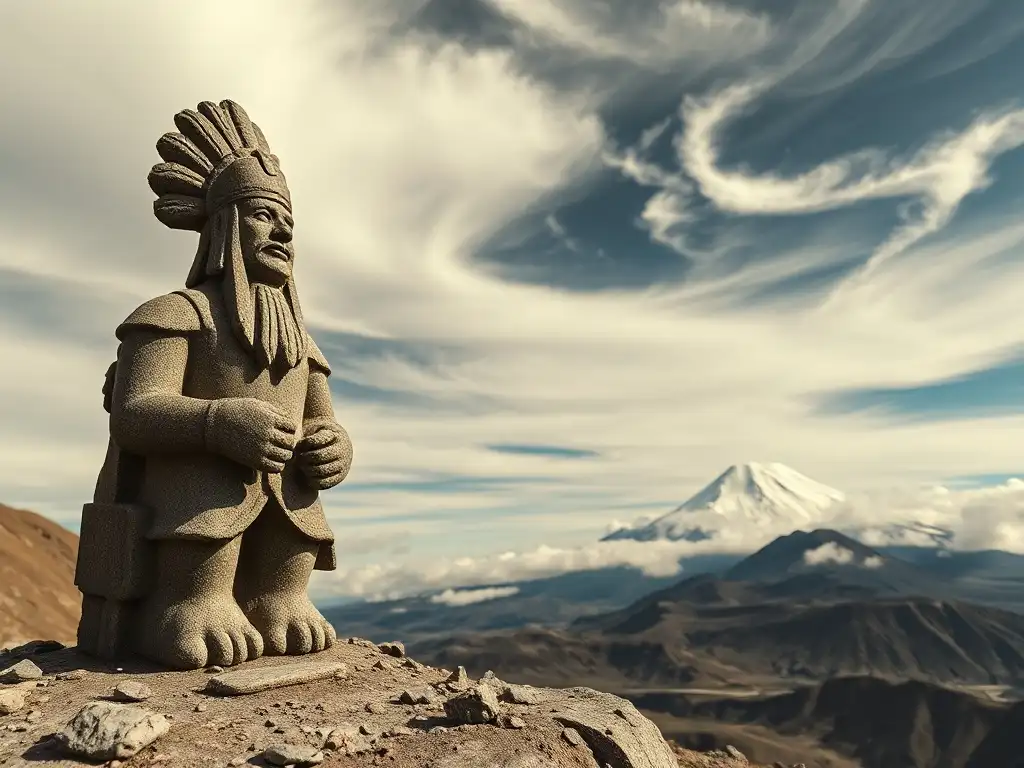
Tunupa, the powerful Andean volcano deity, held a central position in the religious practices of numerous pre-Columbian cultures inhabiting the Altiplano. Understanding Tunupa's role requires delving into the intricate tapestry of rituals and ceremonies that shaped the spiritual lives of these communities. The reverence for this volcanic entity wasn't merely a matter of fear; it was a complex relationship interwoven with agricultural cycles, community prosperity, and the very fabric of their worldview.
Evidence suggests that the worship of Tunupa, while varying across different groups, shared common threads reflecting a deep-seated connection between the human and the supernatural realms. These practices demonstrate the significant influence of Tunupa on the Andean understanding of the cosmos and their place within it. The "Tunupa Andean volcano deity" was not simply a figurehead; it was a living force impacting daily life.
Ancient Rituals Honoring the Volcanic Deity Tunupa
Archaeological findings, particularly from sites associated with the Atacama and Coipasa regions, provide glimpses into the ancient rituals dedicated to Tunupa. These rituals, often tied to the agricultural calendar, involved elaborate ceremonies involving human sacrifice, although the extent and frequency of this practice remain debated among scholars. Many sites reveal evidence of ritual offerings, including ceramics, textiles, and precious metals.
The careful placement of these artifacts suggests a structured and highly significant ritual process. Furthermore, analysis of skeletal remains found near volcanic vents often indicates the presence of specific offerings, possibly meant to appease or honor the deity. These discoveries paint a picture of deeply ingrained religious practices where the appeasement of Tunupa was paramount for the well-being of the community.
For instance, the discovery of a large ceremonial complex near the Salar de Uyuni suggests major annual ceremonies involving large gatherings of people, reinforcing the importance of Tunupa in the social and religious life of the Andean peoples. Interpreting these findings requires careful consideration of the context, as many aspects of these ancient rituals remain shrouded in mystery. Further research is needed to fully understand the nuanced aspects of these ancient "Tunupa Andean volcano deity" ceremonies.
Offerings and Practices Dedicated to Tunupa
Offerings to Tunupa were diverse and reflected the importance of agriculture and the natural resources of the Altiplano. Llama sacrifices were common, symbolizing the connection between the human and animal worlds, and their fleece was often used in ritual textiles. Agricultural products such as maize, quinoa, and potatoes were also offered, reflecting the deity's role in providing sustenance.
The offerings weren't simply discarded; they were often carefully placed in designated areas, suggesting a deliberate act of communication and appeasement. This careful placement, often within specific architectural structures or natural formations, speaks to the structured and ritualistic nature of the interactions with Tunupa. Furthermore, the use of precious metals like gold and silver in some offerings indicates the high status afforded to the deity within Andean society.
The choice of materials and the manner in which they were presented suggests a deep understanding of the symbolic language of the offerings, each item carefully selected to convey specific meanings and intentions. The elaborate nature of these offerings underscores the significance of Tunupa in the lives of the Andean people, highlighting the deity's influence on their daily routines and agricultural cycles. Further research could shed more light on the specific symbolic meaning of each offering type.
Tunupa's Influence on Contemporary Andean Religious Practices
While the ancient rituals honoring Tunupa have evolved over time, the deity's influence persists in contemporary Andean religious practices. Many communities in the Altiplano still acknowledge Tunupa, albeit often integrated with other deities and beliefs introduced after the Spanish conquest. The veneration of mountains and volcanoes remains a significant aspect of Andean spirituality, reflecting the enduring power of these natural features in the cultural imagination.
The legacy of Tunupa is not simply a historical relic; it is a living tradition, albeit transformed and adapted over centuries. For example, many contemporary Andean festivals incorporate elements that echo ancient rituals, demonstrating a continuity of spiritual practice. The enduring presence of Tunupa in contemporary Andean spirituality highlights the resilience of indigenous traditions and the deep connection between the Andean people and their sacred landscape.
Further investigation could analyze the specific ways in which Tunupa's influence is manifested in modern religious syncretism, exploring the fusion of indigenous beliefs with those introduced during the colonial period. The study of contemporary practices offers valuable insights into the ongoing relevance of the "Tunupa Andean volcano deity" within the Andean spiritual landscape.
Tunupa and Other Andean Deities: A Comparative View
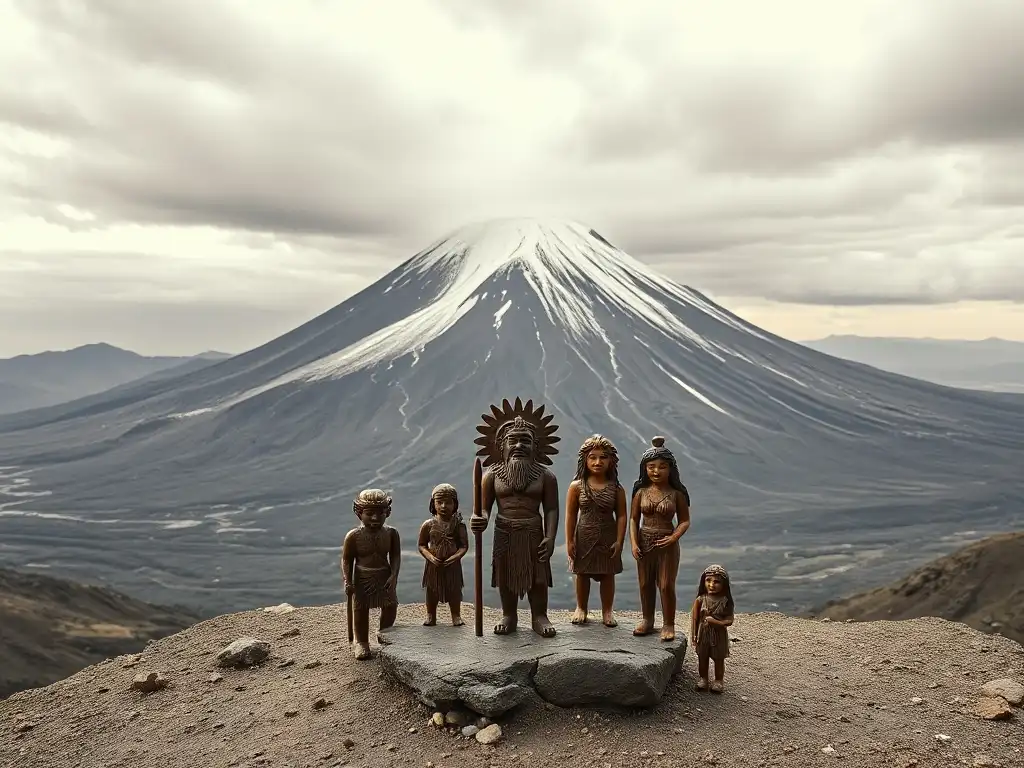
This section explores Tunupa within the broader context of Andean deities, focusing on comparisons and contrasts to illuminate the unique aspects of this volcanic deity's role in the Andean worldview. Understanding Tunupa requires appreciating the pantheon's interconnectedness and the nuances of regional variations in worship. While many Andean cultures revered mountains and volcanoes as sacred entities, the specific attributes and functions attributed to Tunupa offer a fascinating case study.
Comparing Tunupa with Other Volcanic Deities in Andean Culture
Tunupa's status as a powerful volcano deity isn't unique in Andean cosmology. Many cultures throughout the Andes venerated mountains and volcanoes, often associating them with fertility, protection, and ancestral spirits. However, the specific mythology surrounding Tunupa distinguishes him from other volcanic deities. For instance, while some deities might be associated primarily with agricultural bounty, Tunupa's mythology often intertwines with themes of creation, water, and even the origin of humanity.
The specific rituals and offerings associated with Tunupa also differ from those practiced for other volcanic deities. For example, [specific ritualistic differences pending further research]. This highlights the diversity of Andean religious practices and the localized nature of deity worship.
Even within the Aymara culture, where Tunupa holds significant importance, variations in his portrayal and associated myths exist across different communities. Detailed ethnographic studies are needed to fully grasp the regional nuances in Tunupa's worship. The available data suggests a level of complexity and variation that challenges simplistic generalizations about "Andean volcano deities."
Tunupa's Relationship with Pachamama
Pachamama, the Earth Mother, represents a fundamental force in Andean cosmology. Her connection with Tunupa is multifaceted and deeply significant. While Pachamama embodies the life-giving earth, Tunupa, as a volcano, is often considered a source of both creation and destruction. His volcanic activity, though potentially destructive, also provides essential minerals and fertile soil, contributing to the abundance that Pachamama bestows.
Therefore, Tunupa is not simply a separate entity but rather an integral part of the larger cosmological system where Pachamama's fertility is both sustained and challenged by his power. This dynamic relationship is reflected in the myths and rituals associated with both deities. For instance, [specific examples of rituals showing the interplay between Tunupa and Pachamama pending further research].
The dual nature of Tunupa – both destructive and life-giving – mirrors the cyclical nature of Andean agriculture and the understanding of the earth's constant renewal through destruction and rebirth. The interdependence between Tunupa and Pachamama underscores the interconnectedness of the Andean worldview. It's crucial to avoid portraying them as entirely separate entities; their relationship is one of complex interplay and mutual influence.
Tunupa's Relationship with Inti
Inti, the sun god, holds supreme importance in many Andean cultures. His relationship with Tunupa is less direct than Tunupa's connection to Pachamama, yet still significant. While Inti represents the celestial power and the source of light and warmth, Tunupa's power is more earthbound, associated with the subterranean forces of the volcano.
However, Inti's influence on the climate directly affects agricultural cycles and water sources, which are also intimately linked to Tunupa's volcanic activity. A strong sun can lead to droughts, and volcanic eruptions can disrupt weather patterns. Thus, while not explicitly stated in all myths, there's an implicit interdependence: Inti's celestial influence affects the earthly power of Tunupa, impacting the fertility and well-being of the communities that rely on both.
This subtle connection highlights the interconnectedness of the Andean cosmology, where even seemingly disparate deities are part of a larger, intricate web of relationships. Further research into specific myths and rituals could reveal more explicit links between Inti and Tunupa, potentially uncovering more nuanced aspects of their relationship. The exploration of this relationship offers a deeper understanding of the Andean conception of a dynamic, interconnected cosmos.
The Enduring Legacy of Tunupa: A Lasting Influence
Tunupa, the powerful volcano deity of the Andean plateau, holds a significant place in the religious and cultural landscape of the region. While much of the detailed knowledge of pre-Columbian Andean religions remains fragmented, the enduring presence of Tunupa in modern Andean communities speaks volumes about the depth and longevity of this deity's influence.
The worship of Tunupa wasn't simply a fleeting religious practice; it's a testament to the deeply ingrained connection between the Andean people and the powerful forces of nature, particularly the volcanoes that shaped their environment and worldview. This connection continues to resonate even today, shaping cultural practices and beliefs.
Understanding Tunupa's enduring legacy requires examining how his influence permeates contemporary Andean life and how his story continues to be retold and reinterpreted across generations. The very landscape of the Altiplano bears witness to this enduring legacy, with numerous archaeological sites and ongoing traditions offering glimpses into the continued reverence for this iconic figure.
The Continued Reverence for Tunupa in Andean Communities
Even today, the memory of Tunupa remains vivid in many Andean communities. While the overt forms of worship may have changed with the introduction of Christianity, elements of the original veneration persist. Many indigenous communities still incorporate aspects of Tunupa's mythology into their celebrations and rituals. For example, [Specific examples of continued reverence in specific communities pending].
These practices often blend pre-Columbian traditions with elements of Catholic belief, creating a unique syncretic religious landscape. This syncretism isn't simply a superficial overlay but a complex process of cultural adaptation, where the enduring power of Tunupa is integrated into the existing religious framework. The stories of Tunupa are passed down orally, ensuring that his legend continues to inspire awe and respect. This oral tradition plays a crucial role in maintaining cultural identity and connection to the past, strengthening the bond between the present generation and their ancestral heritage.
The persistence of these traditions underscores the profound impact Tunupa has had and continues to have on the spiritual lives of Andean people. These practices are not merely relics of the past, but living expressions of a vibrant and enduring culture. The continued reverence for Tunupa is a powerful testament to the resilience of Andean traditions in the face of historical and social change.
Tunupa's Impact on Andean Culture and Traditions
Tunupa's influence extends far beyond religious practices. His presence is woven into the fabric of Andean culture, shaping traditions, art, and even the very landscape. The narratives surrounding Tunupa often involve themes of fertility, water, and the cyclical nature of life and death, reflecting the profound relationship between the Andean people and their environment. Many Andean artistic expressions feature depictions of Tunupa, showcasing his importance in their visual culture.
[Specific examples of artistic representations pending, including descriptions of styles and materials]. These artistic representations not only serve as aesthetic expressions but also act as powerful vehicles for transmitting cultural knowledge and beliefs across generations. Furthermore, the geographical features associated with Tunupa, like the salt flats and volcanoes of the Altiplano, hold immense cultural significance and are often the sites of pilgrimage and ritual activities.
The very act of inhabiting this landscape, shaped by the myths and legends of Tunupa, reinforces the cultural identity of the Andean people. His influence is deeply embedded in their social structures, their understanding of the world, and their relationship with the natural environment. The enduring impact of Tunupa underscores the interconnectedness of religion, art, and landscape in shaping Andean culture.
Exploring the Modern Interpretations of Tunupa
In contemporary Andean society, the understanding of Tunupa is multifaceted and often reflects the complexities of modern life. While some communities maintain traditional interpretations of Tunupa as a powerful volcanic deity, others have incorporated new perspectives, integrating elements of environmentalism and social justice into their understanding of this figure. For instance, some view Tunupa as a symbol of the need for environmental protection, highlighting the importance of respecting the natural world and preserving its resources. [Specific examples of modern interpretations and their contexts pending].
This shift in interpretation reflects a growing awareness of the environmental challenges facing the Andean region and the need for sustainable practices. The figure of Tunupa, therefore, transcends its purely religious connotation, becoming a symbol of collective identity and environmental stewardship. Other interpretations may focus on Tunupa’s role in promoting social justice and equality, particularly within the context of indigenous rights movements.
The evolving interpretations of Tunupa demonstrate the adaptability and resilience of Andean traditions in response to changing social and environmental contexts. The deity continues to evolve, mirroring the evolving needs and concerns of the communities that revere him. This dynamic relationship between the deity and his worshippers showcases the living and breathing nature of Andean religious traditions.
Frequently Asked Questions
Who was Tunupa?
Tunupa was a volcanic deity revered by several Andean cultures, particularly those inhabiting the Altiplano region. She is often depicted as a fertility goddess, linked to the volcanoes and lakes of the area. Her mythology varies across different groups.
What is Tunupa's significance in Andean mythology?
Tunupa holds a central position in several Andean creation myths. She is often associated with origin stories, water sources, and the abundance of the land. Her worship reflects the importance of these elements to Andean societies.
How is Tunupa represented in Andean art and iconography?
Tunupa is often depicted in ceramic artifacts, textiles, and rock art. Representations may show her with volcanic features, water symbols, or holding fertility emblems. The specific iconography can vary between cultures and time periods.
Where is Tunupa's main area of worship?
Tunupa's worship was widespread across the Altiplano, but specific sites of major importance are located near Salar de Uyuni and Lake Titicaca. These areas are geographically linked to the volcanic landscape and water sources associated with her mythology.
What is the connection between Tunupa and other Andean deities?
Tunupa's mythology often intertwines with other significant Andean deities. For example, her relationship with Supay (the Andean underworld deity) or the creator god Viracocha varies depending on the specific cultural interpretation. These relationships highlight the complex Andean pantheon.
Final Reflection: The Enduring Legacy of Tunupa
The worship of Tunupa, a powerful volcanic deity, continues to resonate in the Andean highlands, a testament to the enduring power of myth and the deep connection between people and their environment. Her story, woven into the very fabric of the landscape, reminds us of the profound impact ancient beliefs can have on shaping cultural identity and ecological stewardship. The echoes of her legend are not merely historical artifacts; they are living traditions, shaping the lives of communities to this day.
The enduring influence of Tunupa's mythos is undeniable; it's a powerful example of how a deity can become intertwined with the physical world, shaping not only spiritual beliefs but also practical aspects of life, from agriculture to social structures. The mountains are not simply stones, but living beings, imbued with spirit and power.
This sentiment, echoing across generations, highlights the profound respect and reverence held for the Andean landscape, a respect deeply rooted in the legend of Tunupa and other powerful deities. Understanding this connection is crucial to appreciating the rich tapestry of Andean culture and its unique relationship with nature.
Consider the impact of Tunupa's story on your own understanding of the relationship between humanity and the natural world. How can we, in our modern world, reconnect with the deep spiritual and ecological wisdom embedded in ancient myths and legends? Let Tunupa's enduring legacy inspire you to explore the sacredness within your own environment and to cultivate a more respectful and sustainable relationship with the planet we all share. The mountains, like Tunupa herself, continue to watch over us; let us strive to be worthy of their gaze.
Unveil the Power of Tunupa – Your Journey Begins!
Thank you for exploring Tunupa, the fascinating volcanic deity of the Andean Plateau! We hope you've gained valuable insights into the rich cultural and spiritual significance of this ancient figure. Now, let's deepen your connection with Andean heritage.
Here are a few ways to continue your exploration:
- Delve further into Andean mythology by exploring the many resources available. Read related articles on our site, visit local museums showcasing Andean culture, or consult reputable academic sources.
- Share your newfound appreciation of Tunupa with friends and family—you might spark a new interest in this captivating legend!
- Join our online community to connect with other enthusiasts, discuss Andean legends, and share insights.
What aspect of Tunupa's story most resonates with you, and how might it inspire your life or creative endeavors?