
Unveiling Viracocha: The Enigmatic Creator God of the Andes

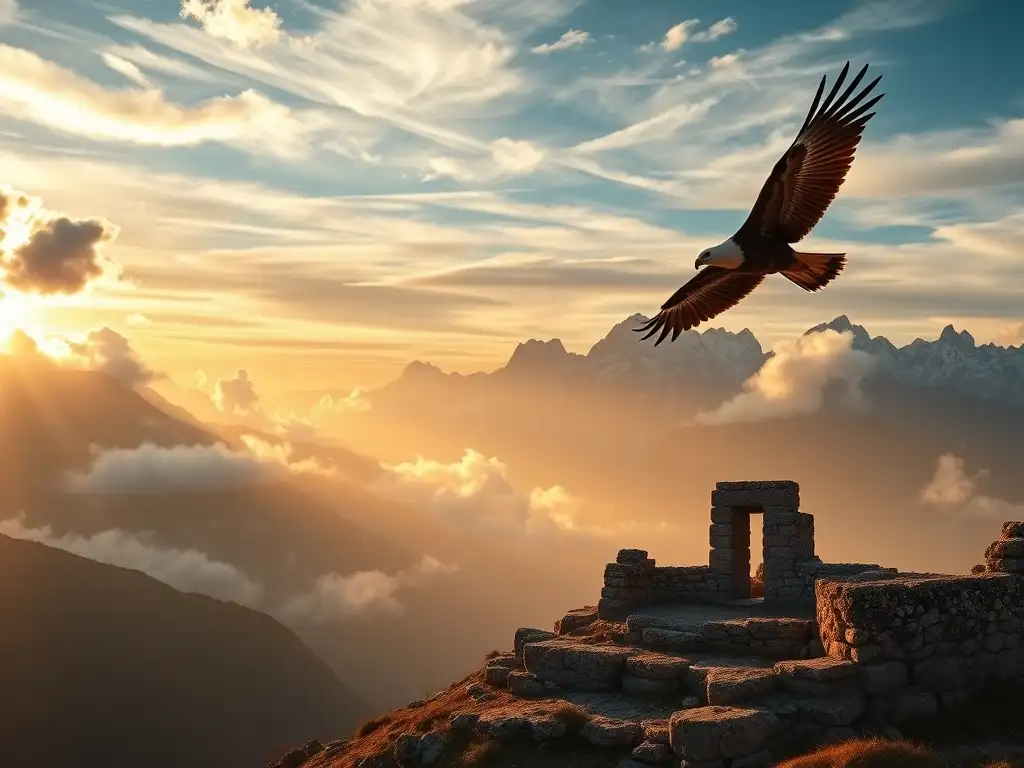
Welcome, explorer! Prepare to journey into the heart of the Andes, a land steeped in mystery and majesty. For centuries, the towering peaks have guarded secrets of remarkable civilizations, and within their enigmatic heart lies Viracocha, the Andean creator god. His story, woven into the very fabric of Andean religion and cosmovision, is a tapestry of myth, power, and enduring influence. Dare to unravel the enigma—discover the truth behind Viracocha and the captivating world he shaped.
The Andes Mountains, a spine of colossal peaks piercing the South American sky, have borne witness to millennia of vibrant civilizations. Among the most enduring legacies of these cultures is their complex and fascinating religious landscape, populated by a pantheon of powerful deities.
Central to the Andean belief system, particularly among the Inca and preceding cultures, stands Viracocha, a creator god whose story is as enigmatic and multifaceted as the mountains themselves. This article delves into the multifaceted nature of Viracocha, exploring his various attributes, roles in creation myths, and enduring impact on Andean religious practices and iconography, all while aiming to understand his significance as a central figure in the Andean cosmovision.
We will explore how Viracocha’s representation evolved across different Andean cultures and the enduring legacy of this powerful creator god in the modern world. Understanding Viracocha offers a critical lens through which to appreciate the depth and complexity of Andean spirituality.
Viracocha's Multiple Manifestations: From Creator to Destroyer
Viracocha, whose name translates roughly to "sea foam" or "ocean spray" in Quechua, is not a monolithic deity. Different Andean cultures, including the Inca, Tiwanaku, and Chimú, portrayed him with varying characteristics and attributes. Sometimes depicted as a benevolent creator, responsible for shaping the earth and humanity, at other times he is portrayed as a powerful and sometimes wrathful figure capable of both creation and destruction.
This duality reflects the inherent complexities of the Andean worldview, which embraced both the life-giving and destructive forces of nature. Some accounts depict him emerging from Lake Titicaca, while others describe him appearing from a cave or even the ocean itself. This ambiguity further enhances his enigmatic nature, making him a subject of ongoing scholarly debate and fascination.
The lack of a single, universally accepted iconography only adds to the mystery surrounding this pivotal figure. His representations varied wildly, sometimes appearing as a bearded man, other times as a celestial being, further underscoring the fluidity of his identity across different Andean cultures and time periods.
Creation Myths and the Role of Viracocha
Numerous creation myths surrounding Viracocha exist, each offering a unique perspective on his role in shaping the cosmos. In one prominent narrative, Viracocha emerges from the primordial waters, bringing order to a chaotic world. He is credited with creating the sun, moon, stars, and the earth itself, sometimes through acts of direct creation, sometimes through manipulation of pre-existing elements.
He is also believed to have created humanity, often depicted as shaping humans from stone or clay, imbuing them with life and spirit. However, some versions also describe Viracocha destroying a previous, flawed creation before undertaking the creation of humanity as we know it.
This element of destruction, followed by renewal, reveals a cyclical understanding of time and creation prevalent in Andean cosmology. These myths, passed down through generations, highlight Viracocha's power and influence, not just as a creator, but also as a powerful force capable of both construction and demolition, reflecting the dynamic nature of the Andean world.
Viracocha's Iconography and Symbolism: Deciphering the Depictions
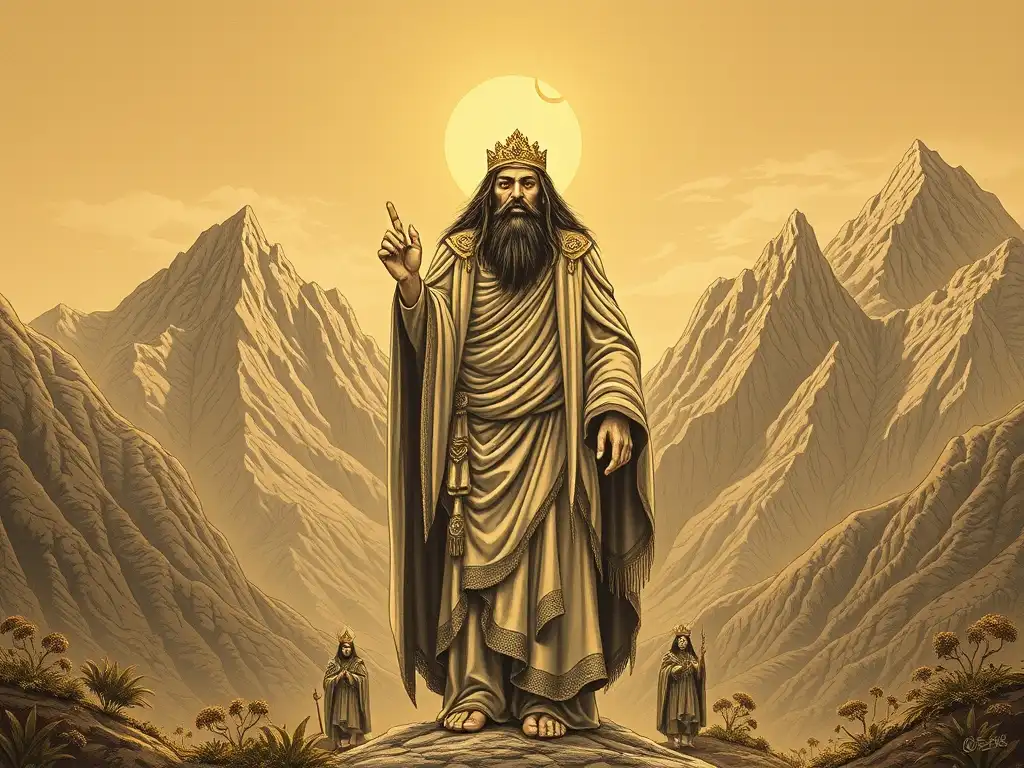
The visual representations of Viracocha are as diverse as his narratives. He is depicted in various forms, ranging from a bearded man wearing a distinctive headdress to a more abstract celestial being associated with the sun and stars. Some depictions show him wielding a staff or scepter, symbolizing his power and authority. The specific iconography often varied depending on the cultural context and the specific narrative being portrayed.
For example, the Tiwanaku culture depicted Viracocha with distinct features, differing from the Inca representations. Analyzing these differences provides crucial insights into the evolution of Viracocha's image and the religious beliefs of different Andean societies. Understanding the symbolism embedded within these images is crucial to unlocking a deeper understanding of the Andean worldview and Viracocha's place within it. Further research into these various representations is needed to fully understand the subtleties and nuances of Viracocha's iconography.
Viracocha's Enduring Legacy: From Ancient Myths to Modern Interpretations
Despite the passage of centuries, Viracocha remains a powerful symbol in Andean culture. His legacy persists not only in archaeological finds and historical accounts but also in contemporary Andean spirituality and folklore. While the specifics of his worship may have evolved, the fundamental aspects of his role as a creator god and a force of nature continue to resonate.
His enduring presence highlights the enduring power of Andean traditions and the continued relevance of their ancient deities in shaping modern cultural identities. The ongoing interest in Viracocha demonstrates the continuing fascination with the rich tapestry of Andean mythology and its enduring influence on the region’s cultural heritage. Further research into the continued relevance of Viracocha in modern Andean communities is needed to fully understand the extent of his ongoing impact.
- Viracocha's Multiple Manifestations: From Creator to Destroyer
- Creation Myths and the Role of Viracocha
- Viracocha's Iconography and Symbolism: Deciphering the Depictions
- Viracocha's Enduring Legacy: From Ancient Myths to Modern Interpretations
The Origins of Viracocha: Andean Cosmogony and Creation Myths
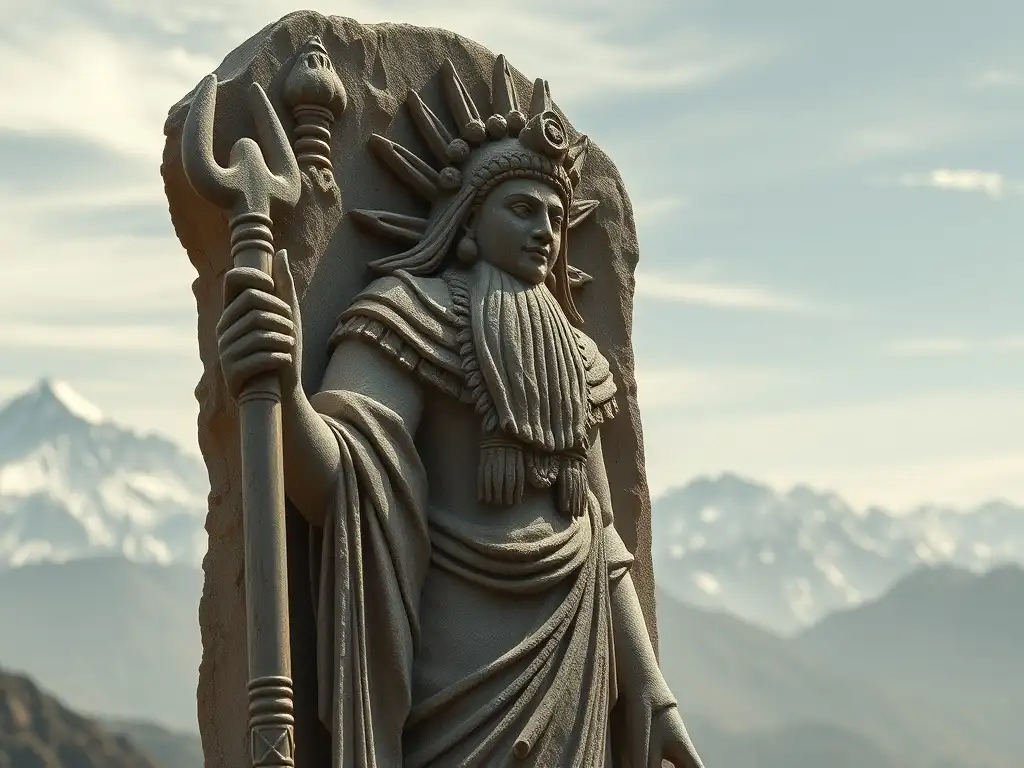
The Andean worldview, a complex tapestry woven from diverse cultural threads, offers multiple interpretations of Viracocha's origins. Understanding Viracocha requires delving into the rich tapestry of Andean cosmogony, a creation narrative far from monolithic. While the Inca Empire solidified Viracocha's prominence, his presence resonates deeply within pre-Inca Andean cultures, suggesting a longer and more nuanced history.
The "Viracocha Andean creator god" wasn't a sudden invention; rather, he represents a synthesis of earlier beliefs and evolving cosmological understandings. His image, attributes, and even his name likely evolved over centuries, reflecting the dynamism of Andean religious thought. The very act of tracing his origins unveils the intricate interplay of mythology, power dynamics, and cultural exchange within the Andes.
Viracocha's Role in Andean Creation Narratives
Viracocha, in many Inca creation myths, emerges as the principal creator god, responsible for shaping the cosmos and bringing forth humanity. These narratives often depict him emerging from Lake Titicaca, a sacred body of water considered the birthplace of the world in many Andean traditions. From this watery source, he conjures the sun, moon, stars, and the earth itself.
Different versions of the myth exist, some portraying Viracocha as a benevolent deity, others showcasing a more ambivalent figure capable of both creation and destruction. For instance, some accounts describe him destroying a previous, flawed humanity before creating a new, improved one. This duality reflects the Andean understanding of the cyclical nature of time and the inherent balance between creation and destruction within the cosmos.
The power of Viracocha, as depicted in these narratives, is absolute, encompassing both the generative and destructive forces shaping the Andean world. His role is not merely that of a passive observer but an active participant in the ongoing process of creation and renewal.
Pre-Incan Roots of the Creator Deity
While the Inca Empire elevated Viracocha to a position of paramount importance, evidence suggests that similar creator deity concepts existed in pre-Inca Andean cultures. Archaeological findings and analyses of iconography from various Andean societies, such as the Moche and Nazca, reveal depictions of powerful deities with attributes resembling those later attributed to Viracocha.
These earlier deities, while not necessarily named Viracocha, often share characteristics like control over water, the ability to create life, and a connection to celestial bodies. This suggests a possible evolution of the Viracocha mythos, with the Inca Empire synthesizing and unifying pre-existing beliefs into a more centralized and formalized religious system.
The continuity of these creator deity motifs across different Andean cultures points to a shared, foundational understanding of the cosmos and the role of a supreme being in its creation. Further research into pre-Inca iconography and religious practices is crucial to fully understand the evolution of the "Viracocha Andean creator god" concept.
Viracocha and the Emergence of the World
The emergence of the world in Viracocha's creation narratives is often depicted as a process of emergence from chaos. Viracocha, often depicted as a bearded, imposing figure, is credited with bringing order to a primordial, formless void. He commands the earth to rise from the waters, shaping mountains and valleys.
He then populates the world with plants, animals, and finally, humanity. The specific methods employed by Viracocha vary across different accounts, but the underlying theme remains consistent: a transformation from chaos to order, a creation ex nihilo under the guidance of a powerful, divine being. This narrative resonates with many creation myths across the globe, highlighting the universal human desire to understand the origins of existence and the role of divine forces in shaping the world.
Analyzing these narratives provides valuable insights into the Andean understanding of cosmology, creation, and the divine. The "Viracocha Andean creator god" represents a powerful symbol of this transformative process, his actions reflecting the Andean people's deep connection to the land and their understanding of the cosmos. The careful study of these narratives allows us to better appreciate the rich complexity of Andean religious thought and its enduring legacy.
Viracocha's Attributes and Iconography: Decoding the Andean Deity
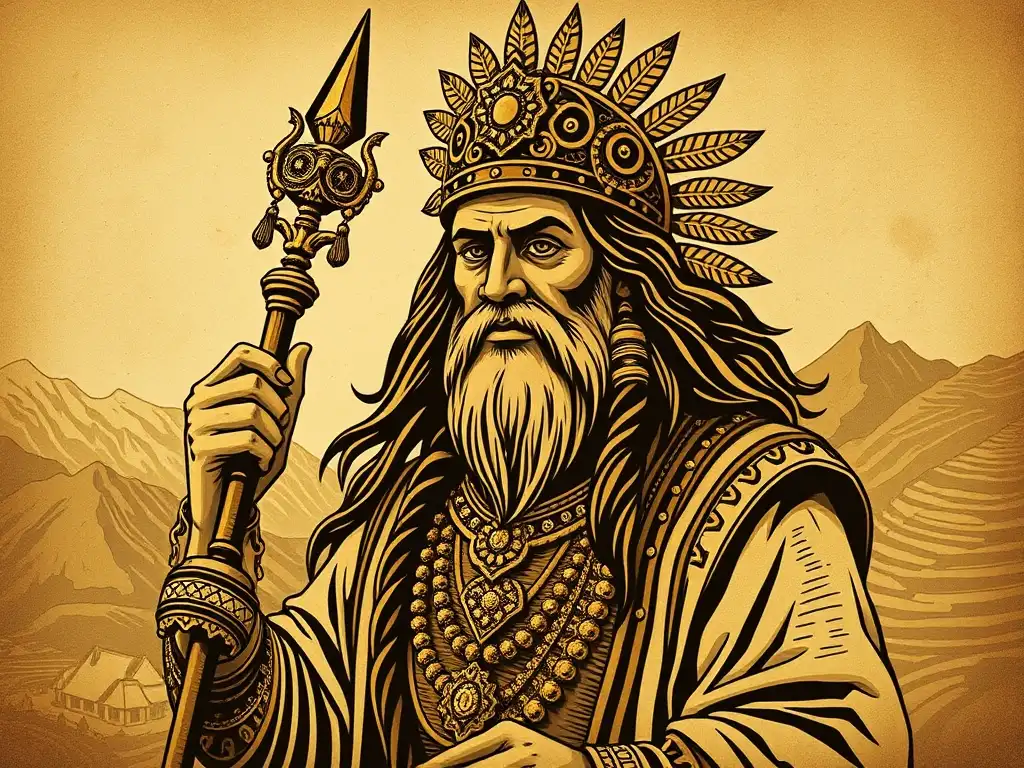
This section delves into the multifaceted attributes and iconographic representations of Viracocha, the enigmatic creator god of the Andes. Understanding his depictions is crucial to grasping the complexity of Andean religious beliefs and cosmology. The diverse ways in which Viracocha was portrayed reflect the varying interpretations and regional nuances associated with this powerful deity across different Andean cultures.
Analyzing these representations allows us to piece together a more complete, albeit still somewhat mysterious, picture of this influential figure in Andean mythology. The keyword "Viracocha Andean creator god" is central to understanding his significance within the broader context of Andean religion.
The Depiction of Viracocha in Andean Art
Viracocha's artistic representations varied significantly depending on the time period and the specific Andean culture. While a standardized image doesn't exist, common features emerge across different artistic expressions. He is often depicted as a bearded, humanoid figure, sometimes wearing a long robe or tunic.
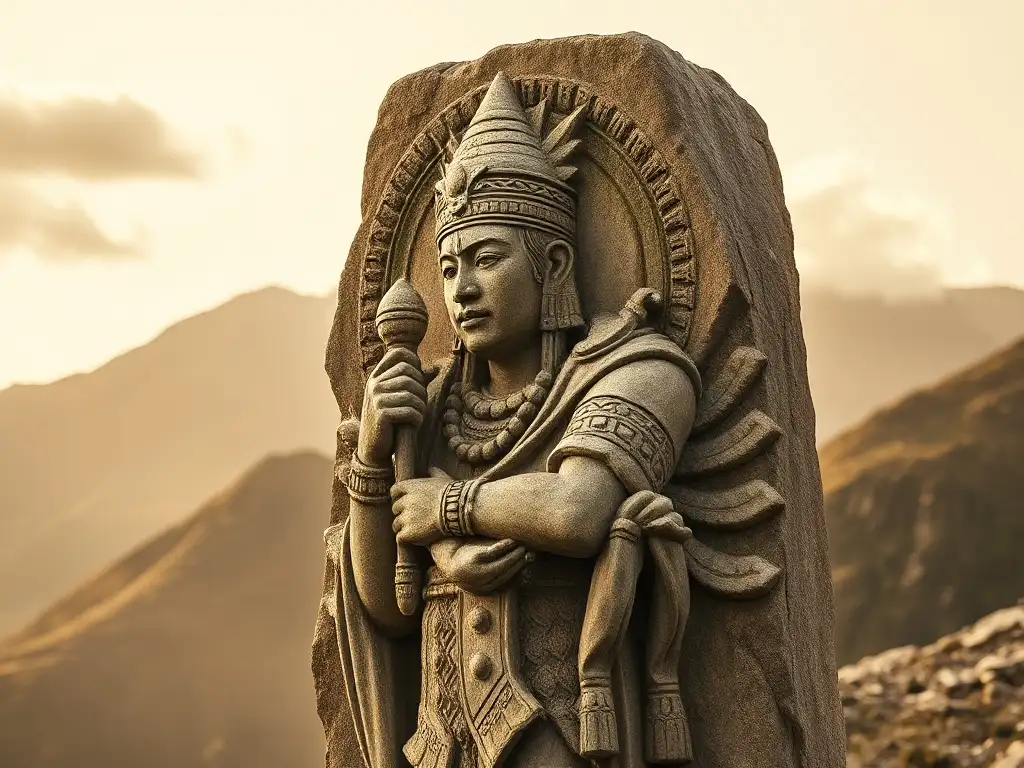
This contrasts sharply with the typically depicted features of other Andean deities, highlighting Viracocha's unique position. In some depictions, he holds a staff or scepter, symbolizing his authority and power. The style of these depictions ranged from the relatively simple representations found in early pottery to the more elaborate and detailed renderings seen in later Incan textiles and stone carvings.
The use of color also played a significant role, with certain colors, like red and gold, likely associated with his power and divine nature. For instance, a particularly striking example is found in a [specific example of a Viracocha depiction pending] where the deity is portrayed [description of the specific example pending]. This exemplifies the diversity of artistic styles used to represent the Andean creator god.
Viracocha's Symbolic Representations: Staffs, Sun, and Lightning
Viracocha's iconography is rich in symbolism, with various objects and natural phenomena used to represent his power and attributes. The staff, frequently depicted in his hands, represents his authority and control over the cosmos. The sun, a primary source of life and energy in the Andes, is often associated with Viracocha, emphasizing his role as a creator and sustainer of life.
Lightning bolts, symbolizing his power and ability to reshape the landscape, further reinforce this connection to powerful forces of nature. These symbolic associations are not mutually exclusive; instead, they often intertwine, creating a complex web of meaning that reflects the multifaceted nature of the Viracocha Andean creator god. Consider the intricate details on a [specific artifact example pending], where the combination of sun imagery and lightning bolts surrounding Viracocha clearly illustrates his power over the celestial realm.
Analyzing Viracocha's Iconographic Elements
Analyzing the iconographic elements associated with Viracocha reveals important insights into Andean cosmology and religious practices. The consistent presence of certain symbols across different regions and time periods suggests a widespread belief system centered around this deity. The variations in these depictions, however, also highlight regional differences and the evolving interpretations of Viracocha's role over time.
For example, the emphasis on certain symbols in one region might reflect a particular aspect of Viracocha's powers or functions that were considered more important in that specific community. A detailed comparative study of different representations would therefore be necessary to fully understand the nuances of the Viracocha Andean creator god's iconography. Further research, including [specific research areas pending], is needed to completely illuminate the subtleties of his iconography and its significance within the broader context of Andean religious beliefs.
This will provide a more nuanced understanding of the evolution of the Viracocha myth and its impact on Andean culture. The study of Viracocha's iconography is a continuing process of discovery, unveiling further layers of meaning with each new artifact discovered and analyzed.
Viracocha's Actions and Deeds: Shaping the Andean World
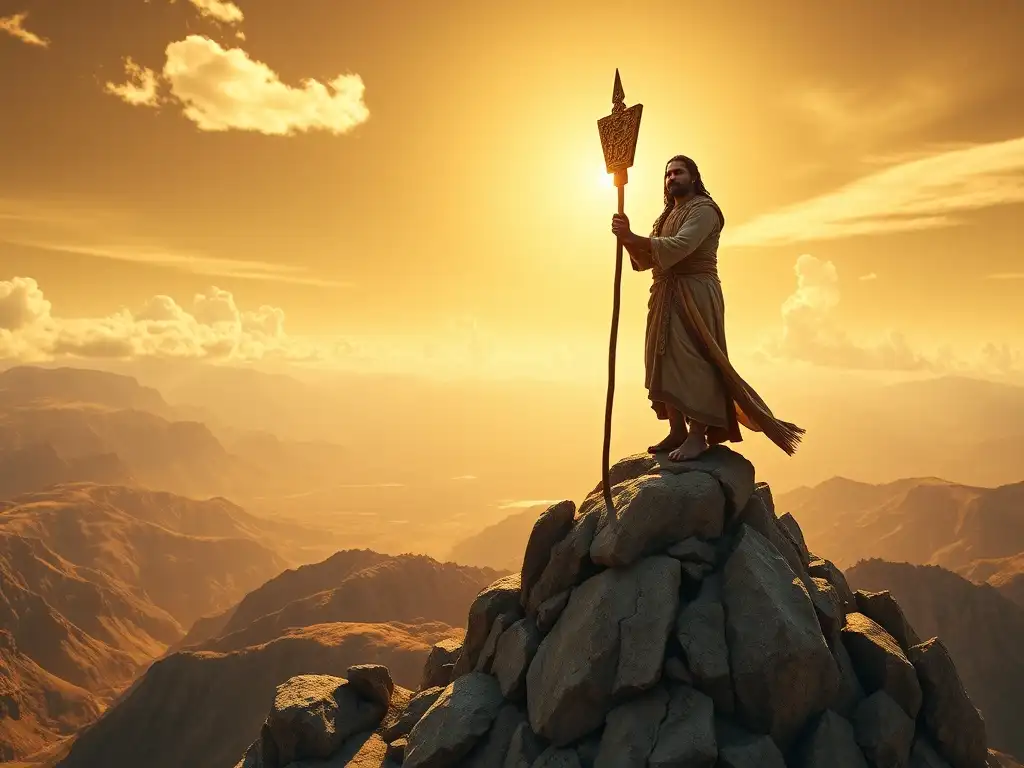
Viracocha, the enigmatic Andean creator god, wasn't simply a passive deity. His actions and interventions directly shaped the Andean world and its inhabitants, leaving an indelible mark on the cosmology and mythology of numerous cultures. Understanding these deeds provides crucial insight into the complex religious beliefs of the Andes. The narratives surrounding Viracocha are varied, reflecting the regional differences in interpretation across different Andean communities. However, several consistent themes emerge, highlighting his power and influence.
Viracocha's Creation of Humanity and the First People
The most prominent aspect of Viracocha's actions is his role as the creator of humanity. Accounts vary, but a common thread depicts Viracocha emerging from Lake Titicaca, or a similar body of water, and creating the first humans from stone. These initial creations, often depicted as imperfect or lacking, were subsequently destroyed by Viracocha, either through a cataclysmic event or a deliberate act.
This destruction is not viewed as solely negative; it's often interpreted as a necessary step in the process of creating a superior race. Following the destruction of the initial humans, Viracocha created a new generation, often imbued with greater intelligence and capabilities. These "second" humans are considered the ancestors of the various Andean peoples.
The specific details of this creation differ across various Andean groups, reflecting the localized adaptations of the Viracocha myth. Some accounts involve Viracocha breathing life into the stone figures, others describe a more complex process involving ritual and sacrifice. The consistent element is Viracocha's active role in shaping humankind, demonstrating his power over life and death.
The Great Flood and Viracocha's Intervention
Many Andean creation myths incorporate a great flood as a pivotal event. In the Viracocha narrative, this flood is often presented as a divine punishment for the wickedness or failings of humanity. Viracocha, witnessing the moral decay, unleashes a devastating flood that wipes out much of the existing population and reshapes the landscape.
This flood, however, is not a sign of Viracocha's abandonment of humanity. Instead, it's frequently portrayed as a necessary cleansing, preparing the way for a new beginning. After the waters recede, Viracocha often guides the survivors, providing them with instruction and guidance to rebuild their societies and to live more righteous lives.
This intervention emphasizes Viracocha's role not only as a creator but also as a judge and a redeemer. The flood narrative underscores the cyclical nature of creation and destruction within Andean cosmology, with Viracocha as the driving force behind this continuous process. The specific details of the flood, its duration, and the methods of survival vary, reflecting the unique cultural interpretations of this significant event.
Viracocha's Travels and Teachings in the Andes
Viracocha's influence extended beyond creation and destruction; he actively interacted with the early Andean communities. Narratives describe Viracocha traveling extensively throughout the Andes, teaching the people various skills and crafts. These teachings encompassed agriculture, architecture, and social organization, contributing to the development of complex societies.
He is often depicted as a wise teacher, imparting knowledge and establishing social structures. This active engagement with humanity strengthens the image of Viracocha not just as a remote creator but as a benevolent guide and mentor, deeply involved in the daily lives and cultural progress of his people. The specific locations of Viracocha's travels are often cited as sacred sites, further reinforcing their importance within Andean religious practices.
These travels, and the teachings associated with them, served to solidify Viracocha's status as a central figure in the Andean pantheon and a key figure in the development of Andean civilization. The legacy of Viracocha's teachings continues to resonate in Andean cultures, shaping their worldview and practices to this day. The enduring power of the “Viracocha Andean creator god” is a testament to his multifaceted role in shaping Andean history, cosmology, and culture.
Viracocha and Other Andean Deities: Relationships and Interactions
This section explores Viracocha's position within the complex tapestry of Andean deities, examining his relationships and interactions with other prominent figures in the Andean pantheon. Understanding these connections provides crucial context for comprehending Viracocha's multifaceted role and influence. The Andean worldview wasn't a rigid hierarchy; instead, it involved a dynamic interplay of deities, reflecting the fluctuating forces of nature and human society.
Viracocha's interactions with other gods often highlight his role as a creator and ultimate authority, even while acknowledging the power and influence of other divine beings. The specific nature of these relationships varied across different Andean cultures and time periods, adding layers of complexity to the understanding of this enigmatic deity.
Viracocha Compared to Inti, the Sun God
While Viracocha is often considered the supreme creator god, Inti, the sun god, held immense significance in the Inca empire and other Andean cultures. The relationship between Viracocha and Inti wasn't necessarily one of direct conflict, but rather a complex interplay of power and influence. Inti, as the life-giving sun, was responsible for the daily sustenance of the world, while Viracocha represented the ultimate origin and cosmic order. Some interpretations suggest that Inti could be considered a manifestation or aspect of Viracocha's power, a conduit through which the creator's energy reached the mortal realm.
However, other accounts depict them as distinct entities with separate spheres of influence. This ambiguity reflects the inherent fluidity and multiplicity of meaning within Andean religious beliefs. The precise nature of the Viracocha-Inti relationship remains a subject of ongoing scholarly debate, highlighting the richness and complexity of Andean mythology.
The Relationship between Viracocha and Pachamama
Pachamama, the Earth Mother, represents the fertile earth, providing sustenance and life to all beings. Her relationship with Viracocha, the creator god, is one of mutual dependency and respect. While Viracocha is credited with creating the world, Pachamama embodies the life-giving force of the earth, essential for the continuation of creation. Some interpretations suggest Pachamama emerged from Viracocha's creative act, while others view them as co-equal forces in the cosmic order.
This symbiotic relationship underlines the Andean understanding of the interconnectedness between the celestial and terrestrial realms. The reverence for both deities highlights the importance of both the divine creator and the life-sustaining earth in maintaining the balance and harmony of the Andean world. Rituals and offerings were often directed towards both Viracocha and Pachamama, reflecting the importance of their combined powers.
Viracocha in the Andean Pantheon
Viracocha's position within the Andean pantheon varied across different cultures and time periods. While often considered the supreme creator god, he wasn't always the sole focus of worship. The Andean religious landscape was remarkably diverse, with a multitude of regional deities and spirits holding significant importance. Viracocha's role, therefore, was often interpreted differently across various Andean societies.
For example, in some regions, he might be depicted as a benevolent creator, while in others, he might be associated with more ambivalent or even destructive forces. This diversity highlights the fluidity and adaptability of Andean religious beliefs, reflecting the complex social and environmental realities of the region. The "Viracocha Andean creator god" title, while accurate, only captures a partial view of his intricate role within the broader Andean spiritual landscape. Further research into regional variations is crucial to achieve a more comprehensive understanding of this enigmatic deity.
Further Considerations on Viracocha's Role
The multifaceted nature of Viracocha's representation suggests that his role extended beyond that of a simple creator god. He was often associated with water, storms, and other powerful natural phenomena. This connection to the natural world underscores the deep integration between the divine and the earthly in Andean cosmology. Understanding Viracocha requires considering his various manifestations and the diverse ways in which he was perceived and worshipped across different Andean communities.
The Legacy of Viracocha: Worship and Influence in Andean Cultures
Viracocha, the enigmatic creator god of the Andes, left an indelible mark on the religious landscape of numerous Andean cultures. His influence extended far beyond the Inca Empire, shaping the beliefs, rituals, and folklore of various Andean societies for centuries. Understanding Viracocha's legacy requires examining his multifaceted role and the enduring impact he had on the spiritual lives of these people.
This section delves into the specific ways Viracocha's worship and influence permeated Andean societies, demonstrating the depth and breadth of his importance in their cosmovision. The pervasive nature of Viracocha's influence on Andean spiritual life highlights his enduring relevance as a key figure in understanding Andean religion. The sheer geographic spread of his worship speaks volumes about his importance as a unifying force across diverse Andean communities.
Viracocha's Importance in Inca Religion and Beliefs
Viracocha held a supreme position within the Inca pantheon. He wasn't merely a creator god; he was the origin of all things – the earth, the sky, humanity, and even other deities. Inca beliefs depicted Viracocha as emerging from Lake Titicaca, a sacred site still revered today. From there, he shaped the world and its inhabitants, often depicted as a powerful, bearded figure, sometimes with a staff or scepter.
His power was absolute, his wisdom unparalleled. He was seen as the ultimate source of authority, and Inca rulers often legitimized their rule by linking their lineage to Viracocha, emphasizing their divine right to govern. The Inca's elaborate system of state religion heavily revolved around Viracocha, with numerous temples and rituals dedicated to his worship.
Evidence suggests that the Inca's annual calendar and agricultural practices were closely tied to the cycles of Viracocha's actions and influence. Furthermore, the Inca believed that Viracocha could intervene in earthly affairs, offering protection and prosperity or inflicting punishment and hardship. This belief fostered a deep reverence and fear amongst the Inca population, reinforcing their devotion to the creator god.
Viracocha's Influence on Andean Rituals and Ceremonies
Viracocha's influence extended beyond mere belief; it permeated the very fabric of Andean rituals and ceremonies. While specific practices varied across different Andean cultures, many shared common threads linked to Viracocha's role as creator and sustainer. For example, many ceremonies involved offerings of food, drink, and precious objects, intended to appease and honor the deity.
These offerings were often made at sacred sites believed to be connected to Viracocha, such as mountain peaks, lakes, and caves. Furthermore, festivals and celebrations were held throughout the year to mark significant events in the agricultural calendar or to commemorate specific acts attributed to Viracocha. These events often involved elaborate processions, music, dance, and the participation of priests and shamans who acted as intermediaries between the human world and the divine realm of Viracocha.
The meticulous nature of these rituals underlines the profound importance of Viracocha in the daily lives of the Andean peoples. The consistent presence of Viracocha in these diverse rituals across different cultures points to a powerful unifying aspect of his worship. Detailed accounts of these ceremonies, though often fragmented, reveal the depth of reverence and the intricate social structures surrounding his worship.
The Enduring Presence of Viracocha in Andean Folklore
Even after the decline of the Inca Empire and the subsequent Spanish conquest, Viracocha's presence remained strong in Andean folklore. Stories and legends about Viracocha continue to be told and passed down through generations, shaping the cultural identity of the Andean communities. These narratives often depict Viracocha as a benevolent figure who intervened in human affairs, sometimes punishing wrongdoing and sometimes rewarding righteousness.
He is often associated with natural phenomena, such as earthquakes, floods, and droughts, which are interpreted as manifestations of his power. Furthermore, his image persists in various forms of Andean art, including textiles, pottery, and stone carvings. The continued presence of Viracocha in contemporary Andean folklore underscores the enduring power of his legacy.
The adaptation and reinterpretation of his myths across different cultures demonstrate the fluidity and resilience of Andean traditions. The persistence of these stories, passed down orally and through artistic expression, highlights the vital role Viracocha continues to play in shaping Andean cultural identity, even today. The continued relevance of Viracocha in modern Andean culture reinforces the deep-rooted connection between the past and present.
Viracocha: An Enduring Symbol of Andean Cosmovision
Viracocha, the enigmatic creator god of the Andes, stands as a powerful symbol in understanding the complex religious and cosmological beliefs of the Andean civilizations. His enduring presence in Andean narratives, art, and cultural practices highlights the multifaceted nature of this deity, whose attributes and interpretations vary across different Andean groups and throughout history. The very name "Viracocha" itself is subject to debate among scholars, with interpretations ranging from "foam of the sea" to "lord of the ocean," reflecting the diverse origins and influences shaping the deity's mythology.
Understanding Viracocha requires moving beyond simplistic representations and engaging with the nuanced interpretations that have evolved over centuries. This section delves into the multifaceted nature of Viracocha, exploring his significance within the broader context of Andean cosmovision and his enduring relevance for contemporary Andean communities.
The enduring legacy of Viracocha speaks to the deep-rooted spiritual traditions of the Andes and the enduring power of myth in shaping cultural identity. This makes "Viracocha Andean creator god" a powerful keyword phrase.
The Interpretation of Viracocha in Modern Andean Studies
Modern Andean studies offer diverse perspectives on Viracocha, moving beyond earlier colonial interpretations that often sought to impose monotheistic frameworks onto indigenous belief systems. Scholars now recognize the polytheistic nature of Andean religion, with Viracocha existing within a complex pantheon of deities, spirits, and ancestral figures. Some interpretations emphasize Viracocha's role as a creator deity, responsible for the formation of the cosmos, the emergence of humanity, and the establishment of social order.
Others highlight his association with water, the sea, and cosmic forces, emphasizing his connection to the natural world and the cyclical rhythms of life and death. The complexity of Viracocha's iconography – depicted sometimes as a benevolent creator, at others as a powerful and sometimes destructive force – reflects this multifaceted nature. Analysis of archaeological evidence, such as textiles, ceramics, and monumental architecture, further illuminates the various aspects of Viracocha's worship and significance across different Andean cultures and time periods.
For example, the depiction of Viracocha on various artifacts from different regions reveals subtle variations in his attributes and symbolic representations, reflecting the localized interpretations of this pan-Andean deity. Careful consideration of these regional variations is crucial for a comprehensive understanding of Viracocha's role in the Andean worldview. The ongoing research on Viracocha demonstrates the dynamic and evolving nature of Andean studies, constantly refining our understanding of this enigmatic figure.
Viracocha's Place in Andean Cultural Heritage
Viracocha's influence extends far beyond academic discourse, deeply embedding itself within Andean cultural heritage. His presence permeates various aspects of Andean life, from traditional narratives and oral histories to contemporary artistic expressions and religious practices. Many Andean communities still incorporate elements of Viracocha's mythology into their rituals and ceremonies, demonstrating the deity's enduring relevance in shaping their cultural identity.
The continued use of Viracocha's imagery in textiles, ceramics, and other forms of artistic expression underscores his symbolic power and its continued significance for Andean peoples. Examples include the intricate weavings of the Andes, where Viracocha's image is often interwoven with other symbolic elements, reflecting the interconnectedness of the Andean cosmos. The persistence of Viracocha's legacy in contemporary Andean society highlights the resilience of indigenous traditions and their capacity to adapt and evolve while retaining their core values and beliefs.
This sustained cultural relevance speaks volumes about the enduring power of Viracocha as a symbol of Andean identity and spiritual connection. The study of Viracocha's role in Andean cultural heritage offers valuable insights into the dynamics of cultural transmission and the enduring influence of ancient beliefs on contemporary societies.
Understanding Viracocha's Significance for Andean Peoples
Understanding Viracocha's significance requires acknowledging the diverse perspectives of Andean peoples themselves. While academic interpretations offer valuable insights, it is crucial to prioritize the voices and experiences of Andean communities in shaping our understanding of this deity. Their lived experiences and interpretations of Viracocha provide a richer and more nuanced perspective than purely academic analyses.
This necessitates engaging with indigenous knowledge systems and respecting the complexities of Andean religious traditions. For example, [Specific examples of contemporary Andean interpretations of Viracocha pending]. By centering the voices and perspectives of Andean communities, we can move beyond reductive interpretations and develop a more holistic and respectful understanding of Viracocha's multifaceted role in Andean culture and spirituality.
The ongoing dialogue between academic research and indigenous knowledge is essential for a truly comprehensive appreciation of Viracocha's enduring significance. This approach is vital for fostering a respectful and accurate understanding of Andean religious traditions and honoring the richness and complexity of Andean cosmovision. The keyword "Viracocha Andean creator god" is further reinforced by focusing on the lived experiences of Andean people.
Frequently Asked Questions
Who was Viracocha?
Viracocha was a powerful creator god in the Andean religions of several pre-Columbian cultures, including the Inca. He's often depicted as a bearded, light-skinned figure, a significant contrast to the indigenous population. His creation myths vary across different groups.
What did Viracocha create?
According to various myths, Viracocha created the world, the sun, the moon, and humanity. He's also credited with creating the Andes mountains and shaping the landscape. His creative power was considered immense and fundamental to the Andean worldview.
How was Viracocha worshipped?
Viracocha was venerated through elaborate rituals and ceremonies, often involving offerings and sacrifices. Temples and shrines were dedicated to him, and he held a prominent place in the Inca pantheon. His worship varied regionally, reflecting cultural differences.
What is the significance of Viracocha's disappearance?
Many myths describe Viracocha's mysterious departure from the world, often after completing his creative work. This disappearance is symbolic and open to interpretation, often linked to themes of divine mystery and the cyclical nature of time.
How does Viracocha relate to other Andean deities?
Viracocha's relationship with other Andean deities is complex and varies across different groups. Sometimes he's viewed as the supreme creator, with other gods subordinate to him; other times he interacts and collaborates with them. His position within the pantheon is not consistently defined.
Final Reflection: The Enduring Legacy of Viracocha
The enduring mystery of Viracocha, the Andean creator god, resonates far beyond the ancient ruins of the Inca Empire; his influence continues to shape our understanding of mythology, cosmology, and the very nature of creation itself. His multifaceted nature, encompassing both benevolent creator and destructive force, mirrors the complexities of the human experience and the ever-shifting landscape of the Andes. The stories surrounding Viracocha are not simply historical artifacts; they are living narratives that speak to our innate human need to understand our origins and our place in the universe.
Viracocha's legacy extends beyond the academic realm, deeply influencing the cultural identity and spiritual practices of Andean communities to this day. His image, often depicted in stone or woven into textiles, serves as a powerful symbol of continuity and resilience. The very act of seeking to understand this enigmatic figure connects us to a rich tapestry of human history and belief. The myths of a people are the keys to their history.
This quote rings true when considering the profound insights into Andean civilization that the Viracocha mythos provides.
Consider, for a moment, the power of myth and the enduring human need to find meaning in the world around us. Viracocha's story, with its ambiguities and contradictions, invites us to question our own assumptions about creation, power, and the nature of divinity. Let Viracocha's enigmatic presence inspire you to explore your own spiritual landscape, to delve into the myths and legends of your own heritage, and to appreciate the enduring power of storytelling in shaping our understanding of ourselves and the world. Embrace the mystery, and let it guide you on your own journey of discovery.
**Discover the Mysteries of Viracocha Today! **
Thank you for exploring the fascinating world of Viracocha, the enigmatic creator god of the Andes! You've uncovered remarkable insights into the depth and richness of Andean beliefs and culture. Now, let's deepen your connection with this incredible legacy.
Here are some ways to continue your journey:
- **Expand your knowledge:** Learn more about Andean gods and mythology by reading further articles and exploring our featured posts on related topics.
- **Share your discoveries:** Discuss what you've learned about Viracocha and his significance in Andean culture with friends and on social media.
- **Engage with Andean heritage:** Immerse yourself in the artifacts and stories of this vibrant culture by visiting a local museum or exhibition focused on Andean history.
Which aspect of Viracocha's mythology resonates most with you, and how has it shaped your understanding of the Andean world?