
The Wak'as: Understanding Holy Places and Ancestral Shrines

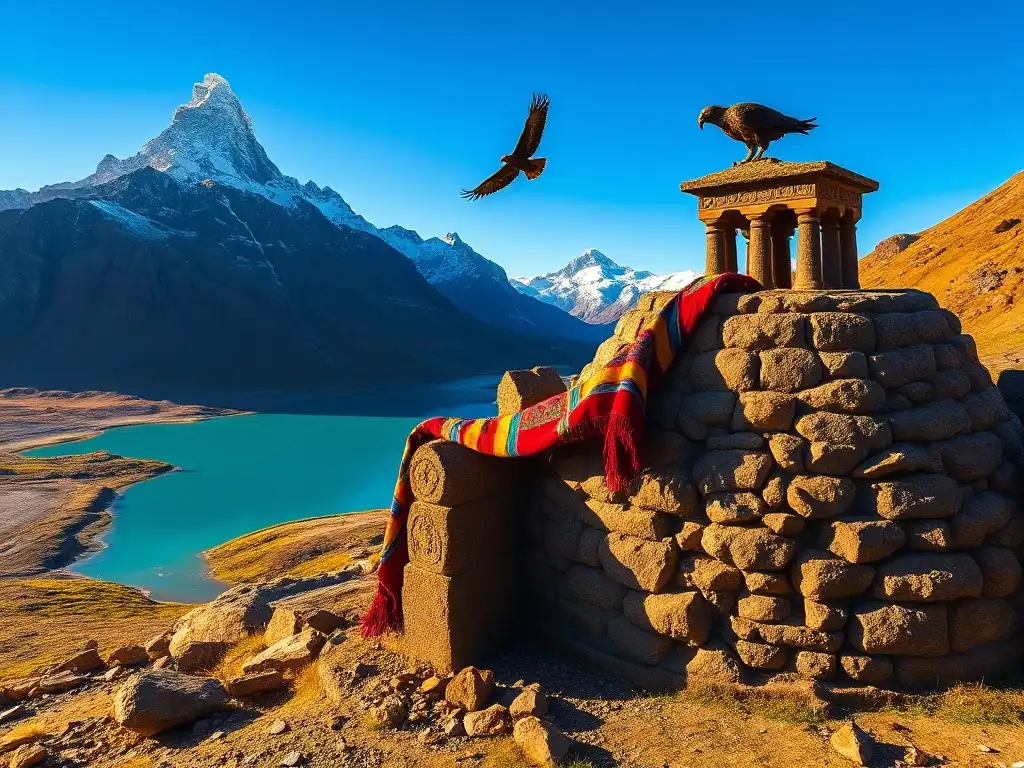
Step into a world lost to time, yet echoing with the whispers of ancient spirits. Discover the enigmatic legacy of the Andean civilizations, where towering mountain peaks held sacred meaning and intricate artistry reflected a profound connection to the cosmos. Prepare to unravel the mysteries surrounding Andean sacred sites, exploring the profound significance of Wak'as—holy places and ancestral shrines—and their enduring influence on Andean culture. Their secrets await; dare to delve deeper?
- The Wak'as: Understanding Andean Sacred Sites and Ancestral Shrines
- What are Wak'as? Exploring the Nature of Andean Holy Places
- Types of Wak'as: A Diverse Landscape of Andean Shrines
- The Function of Wak'as in Andean Religious Practices
- The Importance of Wak'as in Andean Cosmovision
- The Legacy of Wak'as: Continuity and Transformation
- Connecting Wak'as to Wider Andean Religious Beliefs
- Case Studies: Exploring Specific Wak'as and Their Stories
- Conclusion: The Enduring Significance of Andean Sacred Sites
- Frequently Asked Questions
- Final Reflection: The Enduring Spirit of the Wak'as
- Unveil the Sacred Wonders of the Wak'as!
The Wak'as: Understanding Andean Sacred Sites and Ancestral Shrines
The Andes Mountains, a spine of towering peaks and deep valleys stretching along the western coast of South America, are not merely a geographical feature; they are the very foundation of a rich tapestry of ancient civilizations and spiritual beliefs. For millennia, Andean cultures have revered the mountains, rivers, and other natural elements as sacred, imbuing them with spiritual significance and connecting their daily lives to a powerful, interconnected cosmos. This article delves into the concept of wak'as, the sacred places and ancestral shrines that served as vital hubs for Andean religious practices, offering a window into the complex spiritual landscape of these fascinating civilizations.
We will explore the diverse forms these wak'as took, their significance in Andean cosmology, and their enduring legacy in contemporary Andean culture. Understanding wak'as is key to understanding the heart of Andean religion and its profound impact on the development of Andean societies.
This exploration will uncover the deeply spiritual connection between the Andean peoples and their environment, revealing the profound reverence they held for the natural world and their ancestors. The term "Andean sacred sites" itself encompasses a vast range of locations, from monumental structures to seemingly humble natural formations, each imbued with unique spiritual power.
Diverse Manifestations of Wak'as: From Mountains to Caves
Wak'as weren't confined to a single form or location. Their manifestations were as diverse as the Andean landscape itself. Some wak'as were majestic mountains, their imposing peaks reaching towards the heavens, considered the dwelling places of powerful deities or ancestral spirits.
Others were hidden within deep caves, shrouded in mystery and accessed only by initiates, serving as portals to the underworld or locations for sacred rituals. Still others were intricately crafted stone structures, such as the impressive ruins of Machu Picchu, or smaller, more intimate shrines built into natural rock formations. The common thread connecting these diverse manifestations is the inherent sacredness attributed to the place itself, a power emanating from the land and its connection to the cosmos.
Archaeological evidence reveals a wide array of offerings, from pottery and textiles to human sacrifices (in some cases), left at these sites, demonstrating the profound importance given to these sacred spaces across different Andean cultures. The specific rituals and practices varied greatly between different groups and time periods, reflecting the rich diversity of Andean religious traditions.
The Role of Wak'as in Andean Cosmology
Andean cosmology viewed the world as an interconnected system, with the mountains, rivers, and other natural elements playing crucial roles in maintaining cosmic balance. Wak'as served as focal points within this system, acting as conduits between the human world and the spiritual realm.
They were not merely places of worship; they were considered living entities, imbued with power and agency. The Inca, for example, believed that the apus (mountain spirits) played a vital role in the success of their empire, and maintained close relationships with these powerful entities through offerings and rituals performed at wak'as located on mountain peaks.
These rituals often involved the use of coca leaves, chicha (fermented corn beer), and other sacred objects, aiming to appease the apus and ensure their continued support. The Moche, Nazca, and Tiwanaku cultures also developed complex systems of beliefs and practices centered around their respective wak'as, demonstrating the widespread importance of these sacred sites across the Andean region.
The Enduring Legacy of Wak'as in Contemporary Andean Culture
Despite the passage of centuries, the significance of wak'as persists in contemporary Andean culture. Many communities continue to visit and venerate these sacred sites, maintaining ancient traditions and adapting them to modern contexts. While the specific rituals and beliefs may have evolved, the underlying connection to the land and the spiritual power associated with wak'as remains a vital part of Andean identity.
The continued reverence for these sites highlights the resilience and continuity of Andean spiritual traditions, demonstrating the enduring power of these sacred places in shaping the cultural landscape of the Andes. The ongoing preservation and protection of wak'as are crucial for safeguarding this rich cultural heritage and ensuring that future generations can connect with their ancestral past. The importance of understanding and respecting these sites is paramount in appreciating the profound spiritual legacy of the Andean civilizations.
Further Research Areas
Further research is needed to fully understand the specific rituals and practices associated with different types of *wak'as* across various Andean cultures. More investigation into the relationship between *wak'as* and the political and social structures of these societies would also provide valuable insights.
What are Wak'as? Exploring the Nature of Andean Holy Places
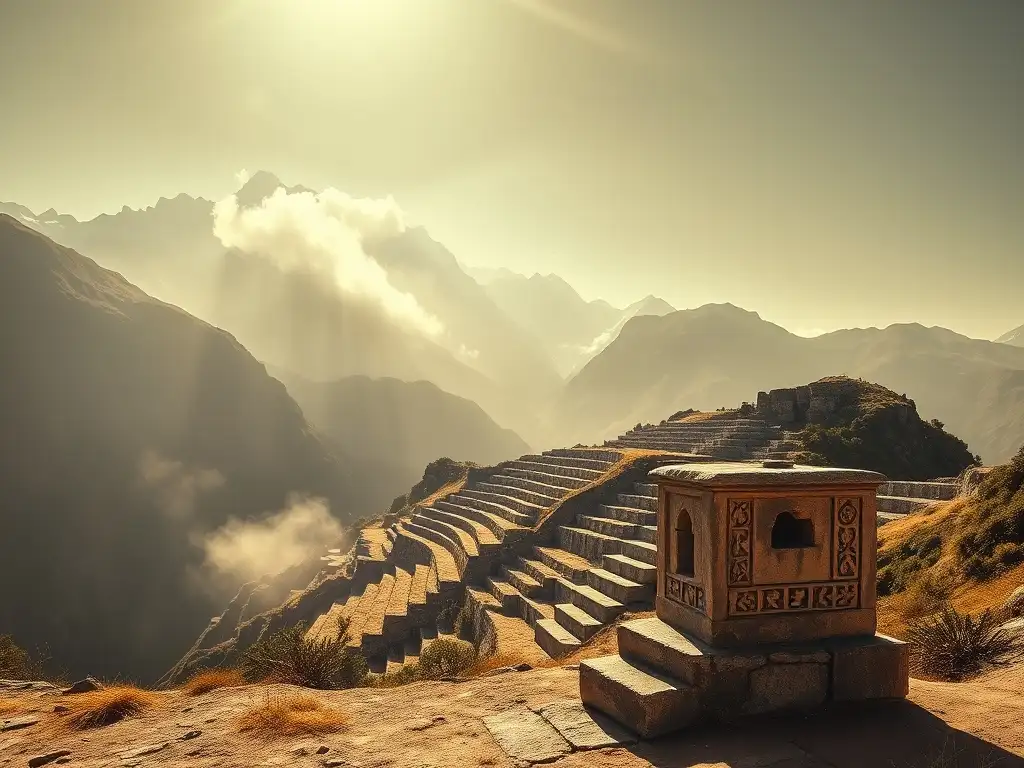
The term "Wak'a" (pronounced wah-kah), in the Quechua language, encompasses a far broader concept than simply "sacred site." It represents a complex intersection of physical space, ancestral memory, and spiritual power within the Andean worldview. Understanding Wak'as requires moving beyond a simplistic definition of "holy place" to appreciate their multifaceted role in Andean cosmology and daily life.
These Andean sacred sites weren't merely places of worship; they were living entities, imbued with inherent power and actively participating in the cosmic order. The significance of Wak'as permeates various aspects of Andean culture, from agricultural practices to healing rituals and political structures. Their enduring presence in the landscape reflects the deep-rooted connection between the Andean peoples and their environment, a bond that has persisted for millennia.
The study of Wak'as provides invaluable insights into the Andean understanding of the relationship between the human world and the supernatural realm, offering a compelling lens through which to examine Andean religion and its enduring legacy. The diversity of Wak'as, ranging from mountain peaks and caves to springs and archaeological sites, highlights the pervasive nature of sacredness in the Andean landscape. This section delves into the nuances of Wak'a understanding, exploring their defining characteristics and their significance within Andean spirituality.
Defining Wak'as: More Than Just Physical Locations
Wak'as are not simply geographical locations; they are dynamic entities possessing inherent power and agency. They are often associated with specific features of the landscape, such as mountains ( apu), caves, springs, or significant archaeological sites. However, the sacredness isn't solely derived from the physical attributes but rather from the accumulated spiritual energy and ancestral presence associated with these places.
Think of it as a layered understanding: the physical space acts as a vessel for the spiritual energy, accumulating power over generations through rituals, offerings, and ancestral memory. This energy isn't static; it's believed to actively interact with the world, influencing everything from the weather patterns to the success of the harvest. The concept challenges the Western dichotomy between the sacred and the profane, as Wak'as are integral parts of daily life, not separate from it.
For instance, a farmer might perform a ritual at a local spring Wak'a before planting, seeking its blessing for a bountiful harvest. This intimate connection between the everyday and the sacred is a defining characteristic of Wak'as. The concept of Wak'as also includes artifacts, such as intricately crafted textiles or ceremonial objects, which are imbued with spiritual significance and considered extensions of the spiritual energy residing in the sacred sites themselves.
The Significance of Wak'as in Andean Spirituality
The significance of Wak'as in Andean spirituality cannot be overstated. They serve as crucial points of connection between the human world and the supernatural realm. These Andean sacred sites function as conduits for communication with deities, ancestors, and other spiritual entities. Rituals performed at Wak'as are believed to influence the balance of the cosmos, ensuring the well-being of the community and the continuity of life.
These rituals often involve offerings ( pagos), which can range from coca leaves and chicha (a fermented corn beverage) to more elaborate sacrifices, depending on the significance of the occasion and the specific Wak'a. The offerings are not merely gestures of appeasement; they are considered a form of reciprocal exchange, strengthening the bond between the community and the spiritual forces residing in the Wak'a. The careful maintenance and respect shown to Wak'as underscore their vital role in maintaining cosmic harmony.
Neglecting or desecrating a Wak'a is believed to have severe consequences, disrupting the delicate balance and potentially leading to misfortune for the community. Detailed records, though often oral, passed down through generations, meticulously document the history, rituals, and significance of each Wak'a, highlighting their enduring importance in Andean culture. The vibrant tapestry of Andean spirituality is inextricably woven with the threads of its Wak'as.
Wak'as as Connections to Ancestors and Deities
Wak'as are not only places of spiritual power; they also serve as vital links to ancestors and deities. The spirits of deceased ancestors are believed to reside in, or near, Wak'as, continuing to watch over and influence the living. This connection provides a sense of continuity and reinforces the importance of respecting ancestral traditions. The veneration of ancestors is deeply intertwined with the worship of deities ( dioses).
Certain Wak'as are specifically associated with particular deities, becoming focal points for their worship. For example, mountain peaks ( apus) are often considered sacred dwellings of powerful mountain deities. The offerings and rituals performed at these Wak'as are designed to appease and honor these deities, ensuring their continued benevolence towards the community. The relationship between ancestors and deities is not hierarchical but rather interconnected.
Ancestors are seen as intermediaries, facilitating communication between the living and the divine. This complex interplay between ancestors, deities, and the physical landscape, embodied in the Wak'as, reveals the intricate and deeply spiritual nature of Andean cosmology. The enduring power of Wak'as stems from this multifaceted role as physical manifestations of spiritual energy, ancestral memory, and divine presence, making them central to the Andean understanding of the world. The continued reverence for these Andean sacred sites underscores their enduring importance in the cultural fabric of Andean communities.
Types of Wak'as: A Diverse Landscape of Andean Shrines
The term wak'a, meaning "sacred" or "holy" in Quechua, encompasses a vast array of Andean sacred sites. These places, imbued with spiritual significance, served as focal points for religious practices, ancestor veneration, and community cohesion across various Andean cultures, from the Incas to pre-Inca societies. Understanding the diverse types of wak'as is crucial to appreciating the complexity of Andean religion and its enduring legacy.
The categorization of wak'as isn't always rigid, as many sites blend natural and man-made elements, reflecting a deep interconnectedness between the human and spiritual worlds. This intricate relationship with the environment is central to understanding Andean sacred sites.
Natural Wak'as: Mountains, Rivers, and Sacred Landscapes
Natural features frequently served as powerful wak'as. Towering mountains ( apus), considered the dwelling places of powerful deities, held immense spiritual significance. These majestic peaks weren't just geographical landmarks; they were living entities, actively participating in the cosmic order. For example, the Apu Ausangate in the Cusco region of Peru remains a significant wak'a today, attracting pilgrims and embodying the enduring reverence for these natural sanctuaries.
Similarly, rivers, springs, and caves were venerated as sources of life-giving energy and often associated with specific deities or ancestral spirits. These natural wak'as often became locations for offerings, ceremonies, and pilgrimage. The intricate relationship between the Andean people and their environment is clearly demonstrated in the reverence shown to these natural formations.
The landscape itself was considered a sacred tapestry, woven with spiritual energy. Analysis of archaeological findings near these natural wak'as reveals a continuous history of human interaction with these sacred spaces spanning millennia. The careful placement of offerings, the construction of small shrines, and the evidence of ritual activities all point to the profound significance of these natural wak'as in Andean spirituality.
Man-Made Wak'as: Temples, Structures, and Ritual Sites
Beyond natural formations, the Andes boast numerous man-made wak'as, reflecting the ingenuity and spiritual depth of Andean civilizations. These structures, ranging from monumental temples to smaller domestic shrines, served as dedicated spaces for ritual activities, ancestor veneration, and communication with the supernatural realm. The Inca's impressive stonework, exemplified by sites like Sacsayhuamán near Cusco, stands as a testament to their architectural prowess and the importance they placed on creating sacred spaces.
However, man-made wak'as existed long before the Inca Empire. Pre-Inca cultures, such as the Nazca and Moche, also constructed elaborate structures for religious purposes, demonstrating a long-standing tradition of creating sacred spaces. These sites often incorporated elements from the surrounding natural landscape, further blurring the lines between the natural and man-made, emphasizing the interconnectedness of the spiritual and physical worlds.
The precise function of many man-made wak'as remains a subject of ongoing research, but their sheer scale and architectural complexity underscore their profound significance within Andean society. The meticulous craftsmanship evident in these structures highlights the dedication and reverence invested in their creation.
The Role of Pachamama, Apus, and Huacas in Andean Culture
The Andean worldview is characterized by a complex pantheon of deities and spirits. Pachamama, the Earth Mother, represents the fertile earth and is a central figure in Andean cosmology. She is revered as a life-giving force, providing sustenance and nurturing all living beings. Apus, as mentioned earlier, are the mountain spirits, powerful deities residing in the towering peaks.
They are often associated with specific regions and play a crucial role in maintaining the cosmic balance. Finally, huacas is a broader term encompassing a wide range of sacred objects, places, and beings, encompassing both natural and man-made wak'as. The interplay between these three – Pachamama, Apus, and huacas – forms the backbone of Andean religious practices. Offerings, ceremonies, and pilgrimages to these sacred entities aimed to maintain harmony within the cosmos and ensure the well-being of the community.
The importance of these figures is reflected in the myriad of rituals and practices that were—and in some cases, still are—performed in their honor. The enduring presence of these beliefs, even in the face of centuries of cultural shifts, underscores the deep-rooted spiritual significance of Pachamama, Apus, and huacas in Andean culture. Understanding their roles is fundamental to comprehending the rich tapestry of Andean spirituality and the significance of Andean sacred sites.
The Function of Wak'as in Andean Religious Practices
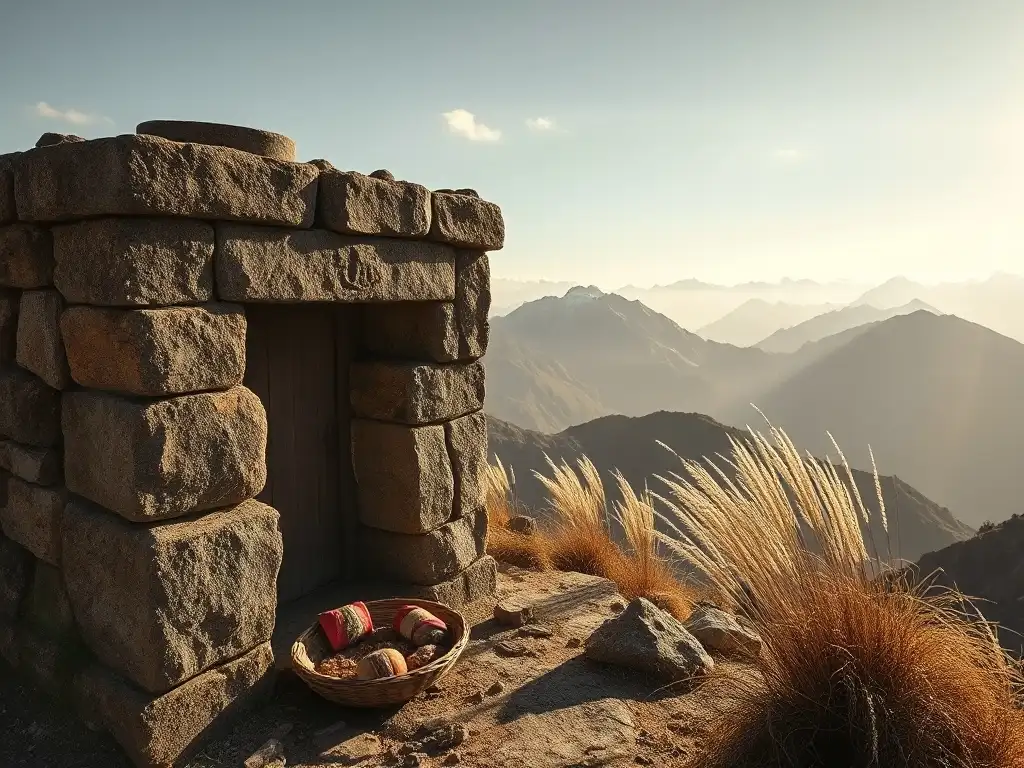
The wak'a, a Quechua word meaning "sacred" or "holy," represents far more than simply a physical location in Andean cosmology. These sites, encompassing mountains, caves, springs, and even specific rocks, served as vital conduits between the human and supernatural realms. They weren't merely places of worship; they were active participants in the ongoing relationship between the living and their ancestors, the gods, and the forces of nature.
Understanding the function of wak'as is crucial to comprehending the complex religious practices of Andean civilizations. The concept of wak'as as dynamic, powerful entities imbued with spiritual energy permeated all aspects of Andean life, from agricultural cycles to political power structures. The reverence shown to these Andean sacred sites reflects a deep-seated belief in the interconnectedness of the physical and spiritual worlds.
This understanding of the wak'as as active participants in daily life helps explain the enduring legacy of these sacred places, even in modern times. Many continue to be venerated and visited, demonstrating the lasting impact of this ancient Andean worldview.
Rituals and Ceremonies at Andean Sacred Sites
Rituals performed at wak'as varied greatly depending on the specific site, the time of year, and the purpose of the ceremony. However, certain common threads emerge. Many rituals involved processions, often accompanied by music and dance, leading to the wak'a. These processions weren't merely symbolic; they were believed to physically connect the participants with the spiritual energy of the site.
For example, the Inca capacocha ceremonies, involving the sacrifice of children and llamas, were frequently conducted at high-altitude wak'as, believed to be closer to the celestial realm. The precise choreography and offerings varied, but the aim was always to establish a connection with the supernatural and ensure the well-being of the community. Furthermore, agricultural rituals were commonly performed at wak'as associated with water sources, seeking to ensure bountiful harvests. These rituals often involved the planting of seeds and the making of offerings to ensure fertility and prosperity.
The timing of these ceremonies was crucial, often linked to the agricultural calendar and astronomical events. Archaeological evidence, such as the remains of ceremonial structures and artifacts found at these sites, provides valuable insights into the nature and complexity of these rituals. The intricate detail found in the construction and decoration of these sites further underscores their importance in Andean religious life.
Offerings and Sacrifices Made at Wak'as
Offerings made at wak'as ranged from simple gifts of food and drink to elaborate sacrifices of animals and even humans. The nature of the offering was carefully considered, reflecting the specific needs and requests of the community or individual. Common offerings included coca leaves (a highly significant plant in Andean culture), chicha (a fermented corn beverage), textiles, pottery, and precious metals. These offerings weren't simply discarded; they were seen as a form of communication and appeasement, strengthening the bond between the human world and the spiritual forces residing at the wak'a.
More significant offerings, such as animal sacrifices, were often reserved for important occasions, such as the beginning of the agricultural cycle or to mark significant events in the lives of individuals or the community. The sacrifice of llamas, for instance, was particularly common, symbolizing wealth and status. The specific type and number of offerings varied based on factors such as the perceived power of the wak'a and the importance of the occasion.
Archaeological excavations at numerous wak'as have unearthed a wealth of sacrificial offerings, providing tangible evidence of these practices and offering valuable insights into Andean religious beliefs and social structures. The careful placement and arrangement of the offerings suggest a highly ritualized and formalized process. The discovery of human remains at some wak'as underscores the profound significance of these sites and the extent to which people were willing to engage with the spiritual world.
The Role of Priests and Shamans in Wak'a Rituals
Priests and shamans played pivotal roles in mediating between the human and spiritual worlds at wak'as. They were responsible for conducting rituals, interpreting omens, and ensuring the proper communication between the community and the supernatural forces associated with the sacred site. These individuals, often possessing specialized knowledge and skills, held positions of considerable power and influence within their communities. In Inca society, for example, the yachaq (priest) held a prominent position in religious ceremonies, guiding the rituals and interpreting the will of the gods.
Shamans, often characterized by their ability to enter altered states of consciousness, were believed to have direct access to the spirit world, allowing them to communicate with the deities and ancestral spirits residing at the wak'a. Their expertise was crucial in ensuring the success of rituals and in interpreting the significance of events occurring at these sacred places. Evidence suggests that these religious specialists underwent extensive training and possessed a deep understanding of Andean cosmology and religious practices.
The precise roles and responsibilities of priests and shamans likely varied across different Andean cultures, but their importance in maintaining the sanctity and effectiveness of wak'a rituals remained constant. Their knowledge and skills were essential to the well-being of the community and the continuation of Andean religious traditions. The legacy of these religious specialists is evident in the enduring traditions and beliefs that persist in some Andean communities today.
The Importance of Wak'as in Andean Cosmovision
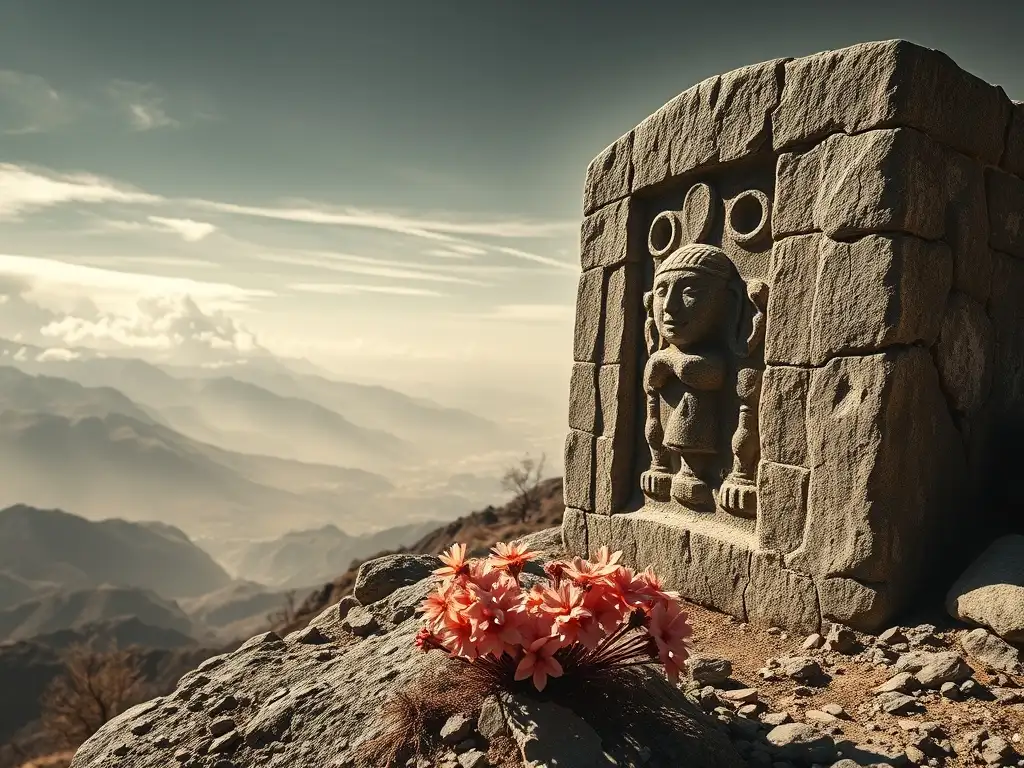
The Andean worldview, a complex tapestry woven from cosmology, spirituality, and daily life, centers heavily around the concept of wak'as. These aren't simply "sacred sites" in the Western understanding; they represent a far more profound and intricate connection between the human and spiritual realms. Understanding wak'as is crucial to comprehending the Andean perception of the world and the interconnectedness of all things.
For the Andean peoples, wak'as were, and in many cases still are, vital components of their social fabric, influencing rituals, agriculture, and daily life. Their significance transcended mere geographical location; they embodied the very essence of Andean spirituality, acting as conduits between the human world and the supernatural. The reverence for wak'as highlights the deep-rooted animistic beliefs inherent in Andean cosmovision, where spiritual forces permeate every aspect of existence, from towering mountains to humble springs.
This profound respect for the natural world, embodied in the wak'as, offers invaluable insight into the Andean understanding of the cosmos and their place within it. The study of Andean sacred sites, therefore, allows us to decipher the complexities of their beliefs and practices.
Wak'as as Points of Convergence of the Three Worlds
Andean cosmology posits a three-world system: the Hanan Pacha (upper world), the Kay Pacha (present world), and the Uku Pacha (underworld). Wak'as, in this framework, function as crucial points of intersection, or liminal spaces, where these three worlds converge. They are not simply located in one world; they connect them.
Mountains, for example, often served as wak'as, their peaks reaching into the Hanan Pacha, their slopes inhabiting the Kay Pacha, and their subterranean depths linked to the Uku Pacha. This layered understanding of space is evident in the rituals performed at these sites, which often involved offerings intended to appease or communicate with deities residing in all three worlds. The careful placement and design of wak'as reflect this understanding, with features such as caves, springs, and rock formations symbolically representing the pathways between these realms.
The effectiveness of rituals performed at these Andean sacred sites depended heavily on their ability to facilitate communication across these cosmological boundaries. Furthermore, specific wak'as might be associated more strongly with one world over another, reflecting the diverse and nuanced nature of Andean spiritual beliefs.
Wak'as as Manifestations of the Sacred in the Material World
Wak'as weren't merely places; they were manifestations of the sacred imbued within the material world. Natural features like mountains, caves, springs, and even particular trees or rocks, were considered to be inhabited by powerful spirits or deities. These natural features were not just in the landscape; they were the sacred landscape.
This imbuing of the sacred into the natural world is a key tenet of Andean animism. Archaeological evidence, such as the elaborate offerings found at many wak'as, supports this interpretation. These offerings, ranging from intricately crafted ceramics and textiles to precious metals and food, demonstrate the profound respect and reverence held for these sacred sites.
The act of offering itself was not simply a gesture of appeasement; it was a way of sustaining the relationship between the human world and the spiritual forces residing within the wak'as. The careful selection of offerings, often tailored to the specific wak'a and the deity associated with it, further underscores the nuanced nature of these interactions. The meticulous construction of some wak'as, such as the intricate stone structures found at some sites, also reflects the immense importance placed upon these manifestations of the sacred.
Understanding Andean Beliefs Through the Study of Wak'as
The study of wak'as provides an invaluable window into the rich and complex tapestry of Andean beliefs. By examining their geographical distribution, architectural styles, associated rituals, and the types of offerings discovered at these sites, researchers can gain a deeper understanding of Andean cosmology, social structures, and religious practices. The diversity of wak'as across different Andean cultures—from the Inca Empire to the earlier civilizations like the Nazca and Moche—reveals the evolution and regional variations of Andean spirituality.
For example, comparing the wak'as of the coastal regions with those of the highlands reveals significant differences in architectural styles and ritual practices, reflecting the unique environmental and cultural contexts. Further research into the specific iconography and symbolism associated with individual wak'as can shed light on the specific deities or spirits worshipped at each location.
The continued study of these Andean sacred sites is not merely an academic exercise; it is a crucial step toward preserving and understanding a rich cultural heritage and the profound spiritual beliefs of the Andean people. The meticulous documentation and analysis of these sites are essential for a more complete picture of Andean cosmovision and its enduring legacy.
The Legacy of Wak'as: Continuity and Transformation
The concept of wak'as, sacred places imbued with spiritual power, forms a cornerstone of Andean spirituality. These weren't simply isolated locations; they were integral to the social, political, and cosmological fabric of Andean civilizations. From the towering mountain peaks considered apus (mountain gods) to intricately carved caves and subterranean springs, wak'as served as conduits to the supernatural realm, anchoring the living world to the ancestral past.
Their significance transcended simple veneration; they represented points of interaction between the human and divine, vital for maintaining cosmic balance and societal harmony. The enduring legacy of wak'as speaks volumes about the resilience and adaptability of Andean spiritual traditions, even in the face of profound societal shifts.
Understanding this legacy requires examining the complex interplay of continuity and change across centuries. The wak'as themselves did not change, but the relationship with them, the rituals performed, and their significance in the broader societal context did evolve.
The Impact of Colonialism on Andean Sacred Sites
The Spanish conquest profoundly impacted Andean societies, leading to a systematic dismantling of indigenous religious practices. The destruction of wak'as became a central strategy in the imposition of Christianity. Many sites were desecrated, looted, or deliberately destroyed. Temples were razed, idols shattered, and sacred objects plundered.
The imposition of a monotheistic worldview sought to eradicate the polytheistic beliefs inherent in the veneration of wak'as. However, complete eradication proved impossible. Indigenous populations cleverly adapted their practices, often syncretizing pre-Columbian beliefs with elements of Catholicism. For example, the veneration of certain wak'as might subtly incorporate Catholic saints or rituals.
This process of syncretism allowed the continuation of Andean spiritual traditions, albeit in a transformed form. The resilience of Andean cultures is evident in the persistence of wak'as as spiritually significant locations, even after centuries of colonial oppression. Data on the specific number of wak'as destroyed during the colonial period remains incomplete, but archaeological evidence and historical accounts consistently point to widespread destruction and desecration across the Andean region. The surviving wak'as often bear the scars of this period, with evidence of damage and alteration.
Present-Day Reverence for Wak'as in Andean Communities
Despite centuries of suppression, the reverence for wak'as persists in many Andean communities today. These sites continue to play a vital role in the spiritual lives of indigenous populations. Pilgrimages to sacred mountains, caves, and springs remain common, often involving offerings, prayers, and rituals passed down through generations. The specific practices vary significantly depending on the region and community, reflecting the diversity of Andean cultures.
However, the underlying principle of connecting with the spiritual power residing within these sites remains constant. Many communities actively protect and maintain their wak'as, recognizing their importance as repositories of ancestral knowledge and cultural identity. This ongoing reverence underscores the enduring spiritual power of these places and the deep connection between Andean communities and their ancestral heritage.
The continued use of wak'as highlights the resilience of indigenous spiritual traditions in the face of modernization and globalization. For example, the annual pilgrimage to the sacred mountain Ausangate in Peru attracts thousands of participants, demonstrating the enduring importance of these sites in contemporary Andean life. The vibrant continuation of these traditions challenges the notion that indigenous beliefs were completely eradicated by colonialism.
The Preservation and Protection of Andean Holy Places
The preservation of wak'as is crucial not only for maintaining Andean cultural heritage but also for protecting biodiversity and promoting sustainable tourism. Many wak'as are located in ecologically sensitive areas, and their protection contributes to the conservation of these fragile ecosystems. Sustainable tourism initiatives can provide economic benefits to local communities while ensuring the responsible management of these sacred sites. However, challenges remain.
Balancing the needs of conservation with the spiritual practices of indigenous communities requires careful consideration and collaboration. Illegal looting and vandalism continue to threaten many wak'as, highlighting the need for stronger legal protection and community-based conservation efforts. Furthermore, the impact of climate change poses a significant threat to these sites, particularly those located in high-altitude regions. Effective preservation strategies must address these challenges through a multi-faceted approach involving government agencies, non-governmental organizations, and local communities.
This collaborative effort is essential to ensure the long-term protection of these invaluable Andean sacred sites for future generations. The development of comprehensive management plans that incorporate traditional ecological knowledge and modern conservation techniques is crucial for the sustainable preservation of wak'as and their associated ecosystems. The protection of Andean sacred sites is not merely a matter of preserving historical artifacts; it is about safeguarding the living spiritual traditions and cultural identity of Andean communities.
Connecting Wak'as to Wider Andean Religious Beliefs
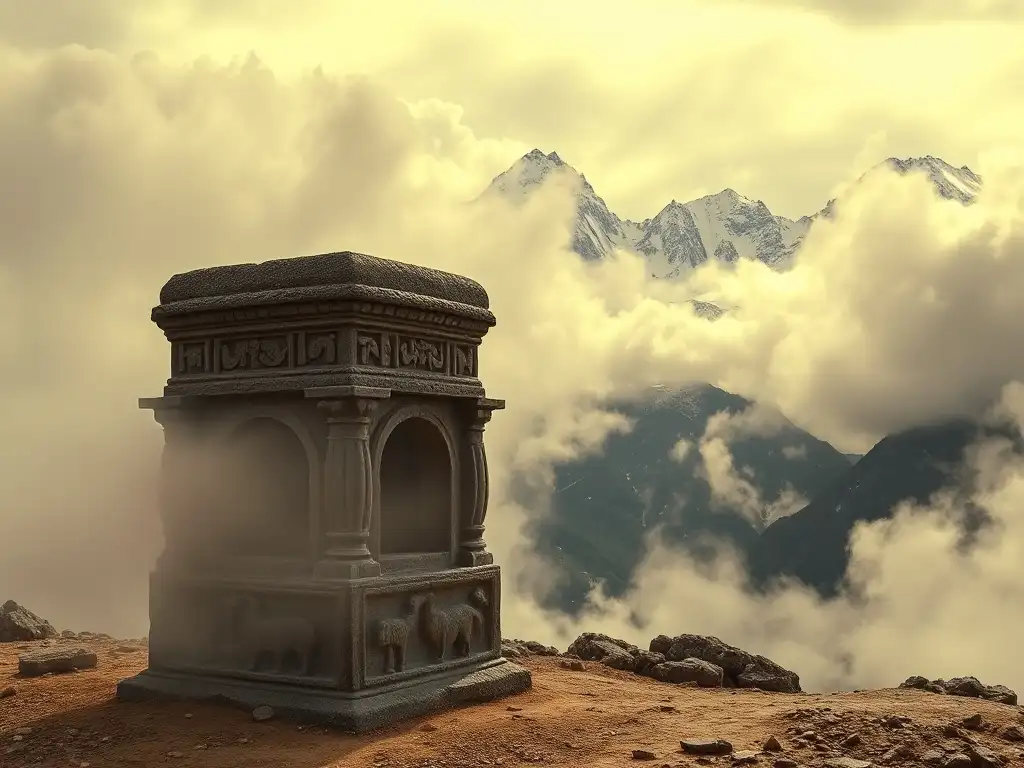
The concept of wak'as, sacred places imbued with spiritual power, is deeply interwoven with the broader tapestry of Andean religious beliefs. Understanding wak'as requires acknowledging their central role within the complex cosmology of Andean civilizations. These weren't simply isolated spots; they were integral components of a vibrant, interconnected spiritual landscape.
Their significance stemmed from their perceived ability to connect the earthly realm with the supernatural, acting as conduits between humans and the apus (mountain gods), mallquis (ancestral spirits), and other powerful entities inhabiting the Andean worldview. The veneration of wak'as wasn't a separate practice; it was a fundamental aspect of daily life, influencing agricultural cycles, social structures, and political power. The power attributed to these sites stemmed from their perceived connection to the pachamama (Mother Earth) and the tayta inti (Father Sun), two fundamental forces shaping Andean life and cosmology.
The reverence shown to wak'as reflects the holistic nature of Andean religion, where the natural world and the spiritual realm are inextricably linked. The careful preservation and maintenance of these sites demonstrates the enduring importance of these beliefs across generations.
Wak'as and the Andean Pantheon of Gods and Spirits
The Andean pantheon was vast and diverse, populated by a multitude of gods and spirits associated with various natural phenomena and aspects of life. Wak'as served as physical manifestations of this spiritual world, acting as dwelling places or points of contact for these entities. For example, mountain peaks, often considered the abode of apus, were highly revered wak'as.
Similarly, caves, springs, and other natural features were believed to house powerful spirits or ancestors. The specific deities or spirits associated with a particular wak'a varied depending on its location and characteristics. Archaeological evidence, such as offerings found within these sites, provides valuable insights into the types of entities worshipped at each location.
These offerings, ranging from ceramics and textiles to food and precious metals, reflect the specific needs and desires of the individuals interacting with the spiritual realm through the wak'a. The diversity of offerings underscores the multifaceted nature of Andean spirituality and the personalized approach to interacting with the supernatural. The careful placement of these offerings within the wak'as itself suggests a deep understanding of the spatial arrangement within the sacred site and its relationship to the spiritual world.
The Link Between Wak'as and Ancestral Worship
Ancestor veneration was a cornerstone of Andean religious practices. Wak'as played a crucial role in maintaining connections with deceased relatives. Many wak'as were associated with burial sites, reinforcing the belief that the spirits of ancestors continued to exert influence from beyond the grave.
The proximity of burial grounds to wak'as suggests a deliberate strategy to ensure the continued presence and protection of ancestral spirits. Rituals performed at these sites aimed to honor the ancestors, seek their guidance, and secure their continued blessings. The offerings left at these wak'as often included items that would have been significant in the lives of the deceased, reflecting the ongoing relationship between the living and the dead.
This connection between wak'as and ancestral worship highlights the cyclical nature of life and death within the Andean worldview, where the living and the dead are not viewed as separate entities but as part of a continuous, interconnected existence. The importance of maintaining these relationships is evident in the careful preservation and ongoing rituals associated with these sacred sites.
How Wak'as Represent the Andean Concept of Time and Space
Andean cosmovision encompassed a complex understanding of time and space, fundamentally different from Western linear concepts. Wak'as served as potent symbols of this non-linear perception. They weren't merely points in space; they were nodes within a vast, interconnected spiritual network that transcended linear time. The cyclical nature of Andean time, marked by agricultural cycles and celestial movements, was reflected in the continuous veneration and ritual activity at wak'as.
These sites acted as anchors, connecting the past, present, and future within a continuous flow of time. The spatial organization of wak'as within the landscape also reflects this worldview. Their placement often corresponded to significant geographical features, such as mountain passes or water sources, emphasizing their role in connecting different parts of the Andean world.
The arrangement of these sites suggests a deep understanding of the landscape's spiritual geography, with each wak'a playing a unique role within the broader cosmological framework. The enduring significance of wak'as highlights the lasting impact of this unique Andean perception of time and space on the region's cultural and spiritual heritage. The continued reverence for these sites demonstrates their ongoing relevance within the contemporary Andean worldview.
Case Studies: Exploring Specific Wak'as and Their Stories
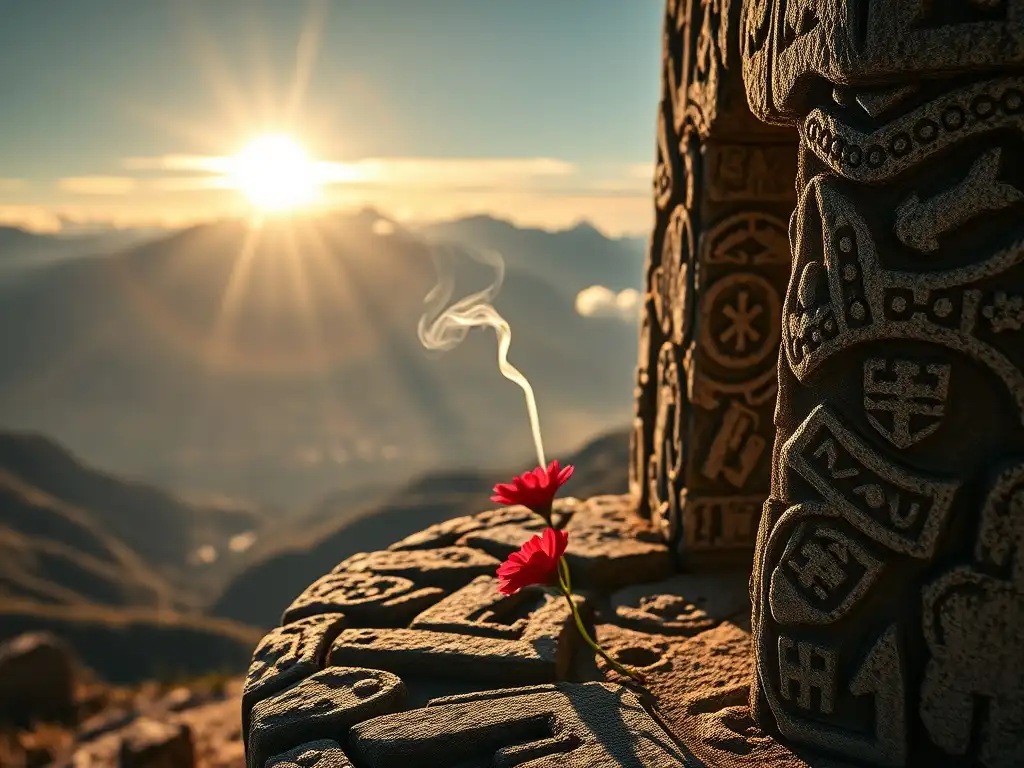
This section delves into the specific characteristics of several significant Andean sacred sites, highlighting their unique features and the stories associated with them. Understanding these individual wak'as provides a richer appreciation for the diverse expressions of Andean spirituality and the enduring power of these holy places. We'll examine how these sites functioned within the broader Andean cosmovision, illustrating the complex relationship between the living and the ancestral world.
The analysis will focus on the physical attributes of the sites, their archaeological significance, and the surviving oral traditions and beliefs surrounding them. These case studies offer a glimpse into the multifaceted nature of Andean sacred sites, revealing the depth and complexity of their spiritual significance.
Case Study 1: Machu Picchu, Peru
Machu Picchu, often referred to as the "Lost City of the Incas," stands as a prime example of an Andean wak'a. While its function is debated, its location atop a mountain, its intricate agricultural terraces, and its sophisticated architectural design all point to a sacred purpose beyond mere habitation. The carefully chosen placement suggests a deliberate connection to the surrounding landscape, aligning with the Inca understanding of the cosmos.
The presence of ritual spaces within the city, such as the Intihuatana stone (a sundial believed to have been used for ritual purposes), reinforces its sacred character. Archaeological evidence suggests continuous use and reverence over many generations, solidifying its status as a significant wak'a within the Inca empire and beyond.
The enduring power of Machu Picchu as a sacred site is evident in the continuous pilgrimage of visitors, even today, who seek a connection to the ancestral past and the spiritual energy of the Andes. The mountain itself, Huayna Picchu, further emphasizes the sacred geography, with its own distinct energy and revered status.
The meticulous construction of Machu Picchu, its integration into the natural environment, and the presence of ritual elements all contribute to its classification as a major Andean sacred site. The city's unique architecture, including its sophisticated water management system, further underscores its significance as a carefully planned and highly spiritual place. The ongoing research into Machu Picchu continues to reveal new insights into the Inca understanding of the cosmos and their relationship with the natural world, showcasing the intricate layers of meaning embedded within this remarkable wak'a.
Case Study 2: Lake Titicaca, Peru/Bolivia
Lake Titicaca, the highest navigable lake in the world, holds immense spiritual significance for many Andean communities. Considered the birthplace of the Inca civilization by some accounts, the lake is deeply interwoven with the mythology and cosmology of the region. Its vastness, its islands, and its unique ecosystem all contribute to its sacred status.
The Uros people, for example, live on floating islands constructed from totora reeds, demonstrating an intimate and sustainable relationship with the lake's resources. This unique adaptation reflects a profound connection to the sacred waters and the spiritual beliefs of the community. Furthermore, the Isla del Sol (Island of the Sun) and Isla de la Luna (Island of the Moon) are considered particularly sacred sites, with ancient ruins and evidence of pre-Inca and Inca ritual practices.
These islands are believed to be the birthplace of the Inca sun god, Inti, and the moon goddess, Mama Killa, solidifying their roles as powerful Andean sacred sites. The lake's significance extends beyond its physical attributes; it represents a vital life source and a powerful symbol within the Andean worldview. The traditions and beliefs associated with Lake Titicaca illustrate the enduring importance of water as a sacred element within Andean cosmology and the significance of this vast body of water as a central wak'a.
Case Study 3: Coricancha, Cusco, Peru
Coricancha, or the "Golden Enclosure," was the most important temple in the Inca empire, located in the heart of Cusco. Dedicated to the sun god, Inti, this temple was lavishly adorned with gold and silver, reflecting the Inca's reverence for the sun and its vital role in their agricultural society. The precise astronomical alignments of the temple suggest a sophisticated understanding of celestial movements, further emphasizing its sacred function.
The temple's architecture, the use of gold as a sacred material, and the surviving accounts of its grandeur all point to its immense significance as a central wak'a within the Inca religious system. Even after the Spanish conquest, the site retained its spiritual power, as it was partially incorporated into the foundation of the Santo Domingo church. The overlay of colonial structures onto the original Inca temple exemplifies the enduring power of the site as a sacred location, illustrating the persistence of Andean spiritual traditions even in the face of colonization.
The remnants of Coricancha, though altered, still resonate with the energy of this once magnificent temple and its central role within the Inca religious landscape. The site serves as a powerful reminder of the pre-Columbian Andean civilization and its sophisticated religious beliefs. The ongoing archaeological investigations at Coricancha continue to shed light on the intricate details of its construction, its function, and its enduring significance as a major Andean sacred site.
Conclusion: The Enduring Significance of Andean Sacred Sites
The study of wak'as, Andean sacred sites, offers a profound understanding of the complex religious and cosmological beliefs of ancient Andean civilizations. These weren't merely places of worship; they were integral to the social fabric, economic activities, and political power structures of these societies. The reverence for these locations, evident in their meticulous construction and the elaborate rituals performed within them, persists in many Andean communities even today. Understanding the significance of wak'as is crucial to comprehending the enduring legacy of Andean culture and its connection to the land.
The meticulous preservation and ongoing research of these Andean sacred sites are vital for future generations. The intricate interplay between the physical landscape and the spiritual world, as manifested in these sites, provides invaluable insights into the sophisticated worldview of these ancient cultures. Furthermore, the study of wak'as highlights the remarkable adaptability and resilience of Andean peoples throughout history.
The Continuing Importance of Wak'as in Andean Culture
Despite centuries of colonization and societal shifts, the spiritual significance of wak'as remains deeply ingrained in Andean culture. Many contemporary Andean communities continue to visit and venerate these sites, performing rituals and offerings that echo ancient traditions. These practices often blend indigenous beliefs with elements of Catholicism, reflecting the syncretic nature of Andean spirituality.
For example, the annual pilgrimage to certain mountain wak'as combines traditional Andean ceremonies with Catholic masses, demonstrating the enduring power of these sacred places to unite past and present. This syncretism, a fascinating aspect of Andean religious practices, showcases the ability of indigenous traditions to adapt and survive within changing social and political contexts. The ongoing use of wak'as underscores their enduring importance as focal points for community identity, spiritual renewal, and the preservation of ancestral heritage.
Further research into contemporary practices associated with these sites is needed to fully appreciate their continuing relevance in Andean life. The study of Andean sacred sites continues to evolve with the collaboration of archaeologists, anthropologists, and members of the indigenous communities themselves.
Further Research and Exploration of Andean Holy Places
Despite significant advancements in archaeological research, much remains to be discovered about Andean sacred sites. Many wak'as are still unexplored or only partially investigated, leaving vast potential for new discoveries that could reshape our understanding of Andean civilizations. Further research should focus on employing advanced technologies, like ground-penetrating radar and LiDAR, to uncover hidden structures and artifacts within and around these sites.
Furthermore, interdisciplinary collaboration between archaeologists, anthropologists, and specialists in other fields is crucial to fully interpret the complex symbolism, rituals, and social functions associated with these locations. A comprehensive analysis of the materials used in the construction of wak'as, such as stone types, pigments, and textiles, can provide additional insights into trade networks, technological advancements, and the symbolic significance of different materials in Andean cosmology.
The ongoing exploration of Andean sacred sites promises to reveal even more about the rich and complex spiritual world of these ancient civilizations. Detailed studies of the specific rituals and ceremonies performed at each site could further illuminate the multifaceted nature of Andean religion.
Understanding Wak'as as a Window into Andean Civilization
The study of wak'as provides a unique window into various aspects of Andean civilization, far beyond their religious significance. The construction and maintenance of these sites reveal details about the engineering skills, organizational capabilities, and resource management strategies of these societies. The artifacts discovered within wak'as – from elaborate ceramics and textiles to gold and silver ornaments – offer glimpses into their artistic achievements, social hierarchies, and trade networks.
Analysis of the spatial arrangement of structures within a waka complex can illuminate aspects of Andean social organization, political power, and cosmological beliefs. The location of wak'as often reflects a deep understanding of the natural environment and its resources, highlighting the close relationship between Andean societies and their surroundings. In essence, these Andean sacred sites are not just places of worship, but rich repositories of information about the multifaceted nature of Andean civilization.
By studying wak'as, we gain a more complete and nuanced understanding of their history, culture, and societal structures. The careful documentation and preservation of these sites are therefore essential for preserving a vital part of human heritage.
Frequently Asked Questions
What are Wak'as?
Wak'as are sacred sites in the Andes Mountains, considered holy places by the ancient Andean civilizations. They could be natural features like mountains or springs, or man-made structures. These places held immense spiritual significance.
How did the Andean people use Wak'as?
Andean people used Wak'as for rituals, ceremonies, and offerings. They believed these places connected them to the spiritual world and their ancestors. Pilgrimages to Wak'as were common.
Which civilizations revered Wak'as?
Many Andean civilizations, including the Incas, Moche, Nazca, and Tiahuanaco, revered Wak'as. Each culture had its own unique traditions and beliefs associated with these sacred places. Their importance transcended individual cultures.
Are Wak'as still significant today?
Yes, many Wak'as remain significant sites for Andean communities today. Indigenous traditions and beliefs continue to connect people to these ancestral places of power. They are vital parts of living cultures.
Where can I find information on specific Andean sacred sites?
You can find more information on specific Andean sacred sites through further research on our website, exploring resources dedicated to Andean history and archaeology, and consulting academic databases and books. Detailed studies of individual Wak'as are available.
Final Reflection: The Enduring Spirit of the Wak'as
The reverence for Andean sacred sites, the Wak'as, remains a potent force shaping both cultural identity and environmental stewardship today. Their continued significance underscores the enduring power of ancestral connection and the urgent need for their preservation in the face of modern pressures. Understanding these sites is not merely an academic exercise; it's a vital key to comprehending the complex tapestry of Andean life and its future.
The impact of the Wak'as extends far beyond their physical presence; they represent a living legacy, a vibrant thread woven into the fabric of Andean societies. Their influence permeates daily life, from agricultural practices to artistic expression, reminding us of the deep interconnectedness between humanity and the natural world. As the renowned Andean scholar, Maria Rostworowski, eloquently stated: The mountains are not just mountains; they are the dwelling places of the gods, the ancestors, and the spirits of nature.
This sentiment encapsulates the profound spiritual and cultural significance embedded within these sacred spaces.
Consider the stories, the rituals, the profound respect for the land inherent in the Wak'as. You, the reader, are now empowered to engage with this knowledge. Seek out opportunities to learn more about these incredible places, support initiatives dedicated to their preservation, and perhaps most importantly, reflect on the ways in which your own relationship with the natural world can be enriched by understanding the deep spiritual connection that others hold. Let the enduring spirit of the Wak'as inspire you to cultivate a more mindful and respectful approach to the land and the sacred spaces that enrich our lives.
Unveil the Sacred Wonders of the Wak'as!
Thank you for exploring the fascinating world of Wak'as with us! By discovering these holy places and ancestral shrines, you've gained valuable insight into the rich tapestry of Andean traditions and spirituality. Now, it's time to continue your journey of discovery and connection.
Here are some ways you can deepen your understanding:
- Visit a local place of worship or historical site and experience its spiritual energy firsthand. Consider researching sites significant to your local culture or history.
- Share your newfound knowledge with friends and family, sparking conversations about the importance of cultural heritage and its impact on our lives.
- Join a community group or online forum dedicated to Andean culture to learn from others, share your experiences, and further explore its spiritual significance.
What Wak'a or sacred site has resonated most with you, and how will you incorporate its legacy into your life?