
Decoding Andean Rituals: The Sacred Role of Priests in Ceremony and Sacrifice

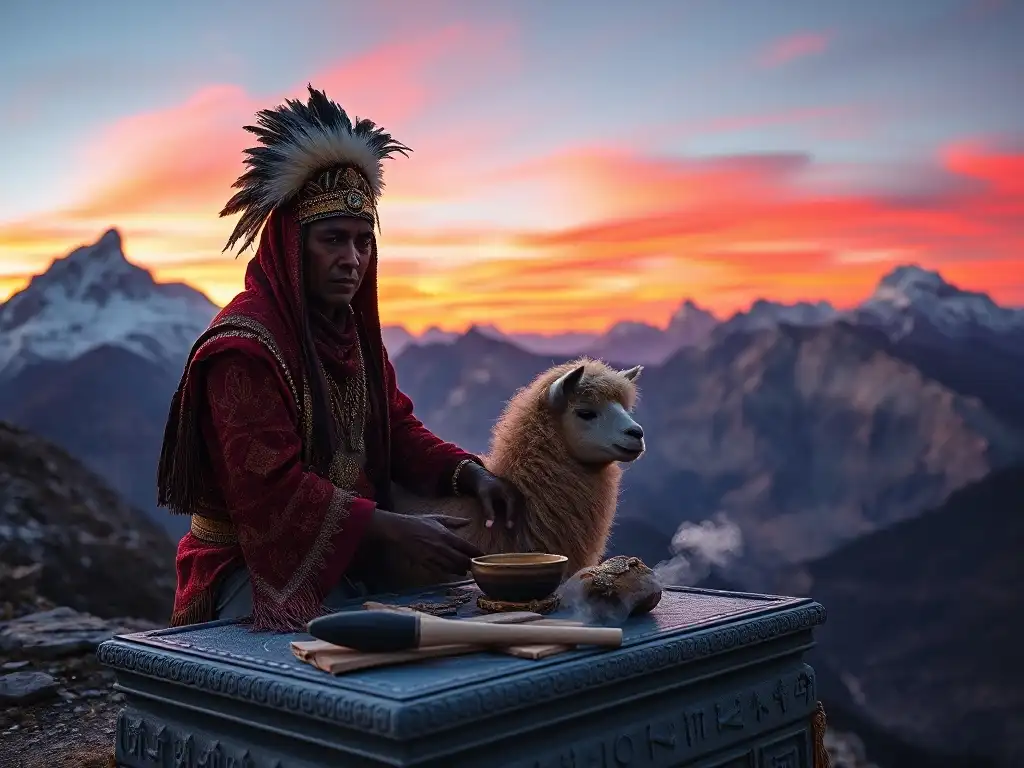
Step into a world lost to time, yet echoing with the whispers of ancient power. Imagine the breathtaking heights of the Andes, where the sun kissed the faces of Andean priests as they performed rituals of unimaginable scope and significance. This is a journey into the heart of Andean civilization, revealing the mysteries behind their ceremonies and sacrifices. Prepare to uncover the secrets of Andean priest rituals and sacrifices, a story woven into the very fabric of their fascinating cosmovision. Dare to explore further…
- Decoding Andean Priest Rituals and Sacrifices: A Deep Dive into Sacred Practices
- The Central Role of Priests in Andean Societies
- Andean Ritual Practices: An Overview
- Sacred Ceremonies and the Andean Priesthood
- The Practice of Sacrifice in Andean Religion
- The Andean Priest as a Mediator Between Worlds
- Variations in Andean Priest Rituals Across Cultures
- The Legacy of Andean Priest Rituals and Sacrifices
-
Frequently Asked Questions
- What was the role of Andean priests in society?
- What types of sacrifices were common in Andean rituals?
- How did Andean priests prepare for rituals and sacrifices?
- What was the significance of the location of Andean rituals and sacrifices?
- What evidence exists to support our understanding of Andean priest rituals and sacrifices?
- Final Reflection: Echoes of the Andes: A Legacy of Ritual and Belief
- Unveil the Mysteries of Andean Rituals Today!
Decoding Andean Priest Rituals and Sacrifices: A Deep Dive into Sacred Practices
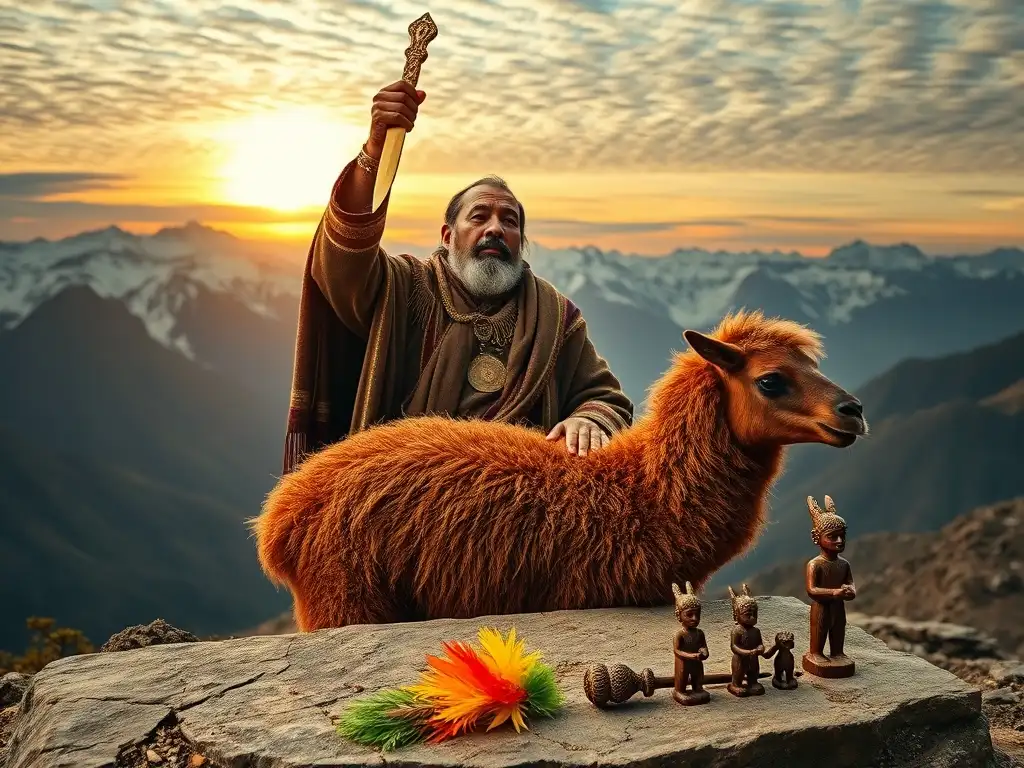
The Andean world, a breathtaking tapestry woven across the towering peaks and fertile valleys of South America, was deeply imbued with a complex and vibrant religious life. For centuries, sophisticated civilizations like the Inca, Moche, Nazca, and Tiahuanaco developed intricate belief systems centered around powerful deities, ancestor veneration, and a profound connection to the natural world.
This article delves into the crucial role of Andean priests – the intermediaries between the human and spiritual realms – exploring their involvement in elaborate ceremonies and, sometimes, sacrificial practices. We will examine the diverse rituals, their symbolic meanings, and the social and political implications of these deeply ingrained religious customs, providing insights into the rich tapestry of Andean spirituality and the enduring legacy of their priestly class.
Understanding Andean priest rituals and sacrifices offers a critical lens through which to comprehend the societal structures, power dynamics, and worldview of these remarkable ancient cultures. This exploration will uncover the intricacies of their religious practices, revealing the profound impact these beliefs had on shaping their lives and leaving an indelible mark on history.
The Hierarchy of Andean Priests and Their Specialized Roles
Andean priestly structures varied across different cultures and time periods. However, a common thread was the existence of a hierarchical system, with priests holding varying levels of authority and specialization. At the apex were often high priests or wilaq uma, advising rulers and performing the most important state rituals.
Below them were numerous specialized priests, each with specific responsibilities. Some focused on agricultural rituals, ensuring bountiful harvests; others were skilled in healing practices, utilizing medicinal plants and spiritual techniques. Still others dedicated their lives to astronomical observations, interpreting celestial events and their influence on human affairs.
This intricate division of labor ensured the smooth functioning of religious life within the community, reflecting a sophisticated understanding of the interconnectedness of the spiritual and material worlds. The precise titles and responsibilities of these specialized priests varied depending on the specific Andean culture, with detailed information still being uncovered through ongoing archaeological research. The sheer complexity of these systems highlights the significant social and political importance placed on religious practices.
Ceremonial Practices: A Blend of Ritual and Symbolism
Andean ceremonies were elaborate affairs, often involving intricate dances, music, and offerings. These rituals weren't simply performances; they were deeply symbolic acts designed to maintain cosmic balance, appease deities, and ensure the well-being of the community. The priests played a central role in these events, leading the processions, chanting sacred prayers, and meticulously performing the prescribed rituals.
The use of specific costumes, instruments, and offerings further underscored the significance of these ceremonies. For example, the use of coca leaves, a sacred plant in Andean cultures, was common in many rituals, acting as a bridge between the human and spiritual realms. The intricate details of these ceremonies, often depicted in pottery, textiles, and other artifacts, reveal a rich and nuanced understanding of Andean cosmology and the priests' crucial role in maintaining its harmony.
Human Sacrifice: A Controversial Aspect of Andean Religion
The practice of human sacrifice in Andean cultures is a complex and highly debated topic. While evidence suggests its occurrence in certain contexts, especially during times of crisis or significant societal events, it's crucial to avoid simplistic interpretations. The motivations behind these sacrifices were likely multifaceted, potentially ranging from appeasement of deities to ensuring the fertility of the land or the success of military campaigns.
The selected individuals were not always victims; sometimes, they were chosen for their social standing or perceived connection to the divine. The ritualistic nature of these sacrifices, as evidenced by archaeological findings, suggests they were not acts of random violence but rather carefully orchestrated ceremonies with specific symbolic meanings. However, it's critical to acknowledge the profound ethical implications of this practice and to approach its study with sensitivity and a nuanced understanding of the historical context.
Further research is needed to fully understand the complexities surrounding human sacrifice in Andean civilizations. The available evidence suggests a far more intricate and context-dependent practice than often portrayed.
The Enduring Legacy of Andean Priest Rituals and Sacrifices
The legacy of Andean priest rituals and sacrifices continues to resonate today. While many of the specific practices are lost to time, the underlying beliefs and spiritual concepts remain influential in contemporary Andean cultures. The reverence for nature, the importance of community, and the enduring power of ancestral traditions all reflect the enduring impact of the ancient Andean worldview.
The study of these rituals offers valuable insights not only into the past but also into the enduring cultural heritage of the Andes. Understanding these practices illuminates the sophisticated religious systems that shaped Andean societies, adding to our appreciation for the rich complexity of these cultures. The ongoing research and archaeological discoveries continue to unveil new details, enriching our understanding of the sacred role of priests in the vibrant tapestry of Andean life.
The Central Role of Priests in Andean Societies
The Andean world, far from being a monolithic entity, encompassed a diverse array of cultures, each with its own nuanced understanding of the sacred. However, a common thread weaving through these societies was the paramount importance of religious specialists – the priests – in maintaining cosmic balance and societal order. Their influence extended far beyond the performance of rituals; they were often key players in political decision-making, economic control, and the dissemination of knowledge.
Understanding the Andean priest requires moving beyond simplistic notions of "religious leader" and recognizing their multifaceted roles as interpreters of the divine, mediators between the human and supernatural realms, and custodians of vital cultural traditions. The power wielded by these priests varied across different Andean societies and periods, but their pervasive influence on daily life is undeniable.
Analyzing their function reveals crucial insights into the complexities of Andean cosmovision and the intricate interplay between religion and society. The very fabric of Andean life, from agricultural cycles to warfare, was interwoven with priestly influence, highlighting their critical contribution to the cultural tapestry of the region.
The organization of Andean religious authority was not uniform across all cultures. While the Inca Empire imposed a centralized system, earlier and contemporaneous societies exhibited diverse structures. For instance, the Moche civilization likely featured a more decentralized system, with priests associated with individual temples or communities rather than a unified national priesthood. However, a hierarchical structure, even if loosely defined, seems to have been a common feature.
Evidence suggests the existence of different ranks within the priesthood, ranging from local practitioners to those holding greater power and influence. The Inca system, for example, is well-documented, with villac umus (local priests) serving smaller communities, while willac umus held higher positions, often associated with major temples or the imperial court. The highest-ranking priests, perhaps equivalent to the Apus, held immense power, advising the Sapa Inca and influencing major decisions.
This hierarchy wasn't merely a matter of status; it reflected the varying levels of expertise and responsibility within the religious system. The precise details of these hierarchies in many Andean cultures remain a subject of ongoing research, with new archaeological findings continually refining our understanding. Further research is needed to fully clarify the specific hierarchical structures within societies like the Nazca and Tiahuanaco.
Defining the Roles of Andean Priests: Beyond the Common Understanding
The roles of Andean priests extended far beyond the performance of rituals. While conducting ceremonies and sacrifices was a crucial aspect of their duties, they also played a vital role in interpreting omens, predicting agricultural yields, and advising on matters of state. They were often skilled astronomers, using their knowledge of celestial cycles to determine the optimal times for planting and harvesting. Their expertise in medicine and healing was also highly valued, often blending religious practices with herbal remedies and other forms of treatment.
Furthermore, Andean priests acted as custodians of traditional knowledge, preserving and transmitting myths, legends, and historical accounts through oral traditions and elaborate textiles. This role was crucial for maintaining cultural continuity and shaping social identity. The intricate iconography found on textiles and ceramics often reflects the priests' influence, demonstrating their role in disseminating religious beliefs and cosmological ideas. Think of the detailed representations of deities and mythical creatures, or the symbolic depictions of rituals and ceremonies – all powerful tools in communicating complex religious concepts.
The preservation and interpretation of these visual narratives are key to understanding the multifaceted roles of Andean priests and their deep influence on Andean societies. The complexity of their roles underscores the need for a nuanced approach to studying Andean religion, moving beyond simplistic categorizations and embracing the multifaceted nature of their influence. Their actions were deeply intertwined with the social, political, and economic fabric of their communities, making them central figures in the Andean world.
Andean Ritual Practices: An Overview
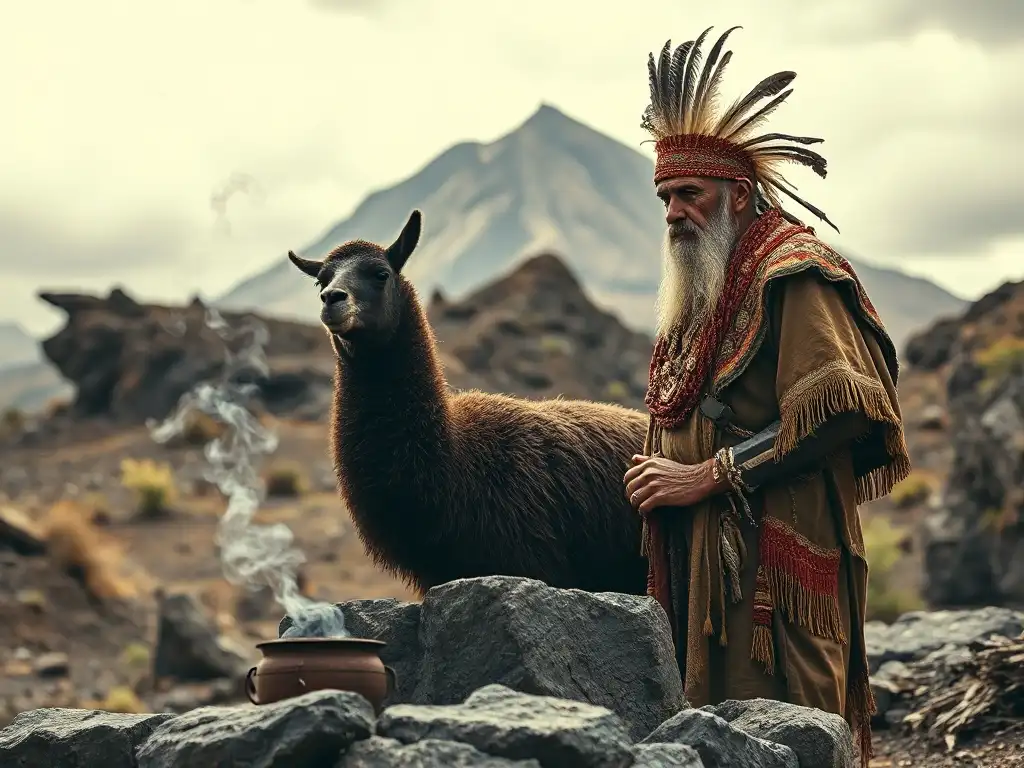
Andean priest rituals and sacrifices formed a complex and interwoven tapestry within the societies of the Andes. Understanding these practices requires moving beyond simplistic notions of "sacrifice" and appreciating their intricate connection to the Andean worldview. The rituals weren't merely acts of appeasement or brutality; they were profoundly symbolic actions designed to maintain cosmic balance, ensure agricultural prosperity, and solidify social order.
The Andean cosmos, viewed as a dynamic interplay of forces, demanded constant attention and engagement. Priests, as intermediaries between the human and spiritual realms, played a crucial role in mediating this interaction. Their expertise in ritual performance was vital for the well-being of the community.
The effectiveness of these rituals was believed to be directly related to the priest's mastery of sacred knowledge and the meticulous execution of the prescribed procedures. Failure could result in catastrophic consequences for the community. This section will delve into the significance of these rituals and explore the diverse types performed by Andean priests.
The Significance of Rituals in Andean Culture and Belief
Andean cultures, including the Inca, Moche, Nazca, and Tiahuanaco, placed immense value on ritual practices. These rituals weren't isolated events but deeply integrated into the fabric of daily life, shaping social structures, agricultural cycles, and individual destinies. The belief in a vibrant spiritual world, populated by powerful deities and ancestral spirits, underpinned the importance of these ceremonies. Maintaining harmony between the human world ( kay pacha) and the upper ( hanan pacha) and lower ( ukhu pacha) worlds was paramount. Rituals were the primary mechanism for achieving and sustaining this equilibrium.
For example, agricultural rituals were central to Andean life, reflecting the profound dependence on successful harvests. Prayers, offerings, and elaborate ceremonies were conducted to ensure plentiful crops and appease the gods responsible for fertility and the earth's bounty. These rituals often involved intricate symbolic actions, such as the planting of sacred seeds or the performance of dances mimicking the cycles of nature.
Specific examples include the Capacocha sacrifices, where chosen individuals were offered to the gods, often children, as a way to maintain cosmic balance and prosperity. The timing of these sacrifices was carefully chosen, often coinciding with significant agricultural events or astronomical occurrences. Detailed records, though limited, suggest a complex system of divination and astronomical observation guided these events.
Moreover, rituals played a key role in reinforcing social hierarchies. Elaborate ceremonies, often involving significant material expenditure and human labor, served to legitimize the power of the ruling elite and solidify their relationship with the divine. The participation of the community in these events fostered a sense of collective identity and reinforced social cohesion. The intricately woven textiles, ornate goldwork, and meticulously crafted pottery used in rituals served not only a functional purpose but also as powerful symbols of status and religious authority.
Types of Rituals Performed by Andean Priests
Andean priests performed a diverse range of rituals, each with specific purposes and symbolic meanings. These ceremonies varied significantly based on the specific Andean culture and the occasion. Some rituals focused on ensuring agricultural fertility, while others aimed to appease powerful deities or commemorate ancestors. The types of rituals included:
- Agricultural Rituals: These ceremonies, as discussed previously, were vital for ensuring successful harvests. They involved offerings of food, drink, and other valuable goods to deities associated with agriculture and fertility. The specific offerings varied regionally, reflecting local agricultural practices and beliefs.
- Ancestor Veneration: Respect for ancestors was paramount in Andean cultures. Rituals involving offerings, prayers, and sometimes even human sacrifice were performed to honor and appease ancestral spirits. These ceremonies often took place at designated burial sites or sacred locations.
- Festivals and Celebrations: Andean cultures celebrated a variety of festivals throughout the year, marking important agricultural cycles, astronomical events, or significant historical moments. These festivals involved elaborate processions, dances, music, and feasting. Priests played a crucial role in organizing and leading these celebrations.
- Divination and Prophecy: Andean priests often possessed specialized knowledge of divination and prophecy. They used various methods, such as interpreting dreams, reading coca leaves, or observing celestial events, to predict the future and provide guidance to the community.
- Healing Rituals: Priests also played a significant role in healing practices. They used a combination of herbal remedies, spiritual rituals, and shamanistic techniques to treat illnesses and injuries.
The precise details of many Andean rituals remain shrouded in mystery due to limited surviving documentation. However, the available evidence clearly reveals the central role that priests played in maintaining cosmic order and ensuring the well-being of their communities through these carefully orchestrated ceremonies. The intricacies of Andean priest rituals and sacrifices continue to fascinate and challenge scholars today, offering valuable insights into the rich spiritual and social life of these remarkable ancient civilizations.
Sacred Ceremonies and the Andean Priesthood
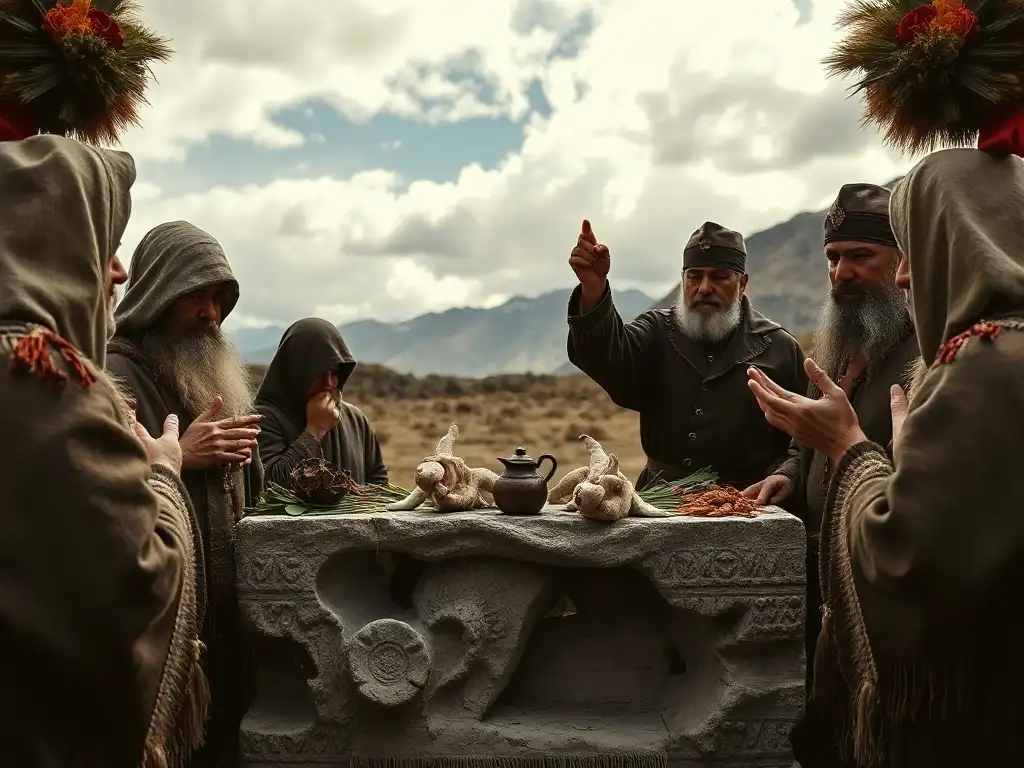
This section delves into the intricacies of Andean sacred ceremonies, focusing on the pivotal role of priests in facilitating communication between the human and divine realms. Understanding these rituals provides crucial insight into the Andean worldview, their complex social structures, and their sophisticated understanding of the cosmos. The term "Andean priest rituals and sacrifices," while encompassing a broad spectrum of practices, highlights the central role of priestly figures in orchestrating these events.
The Purpose of Andean Ceremonies: Connecting with the Divine
Andean ceremonies weren't merely social gatherings; they were profoundly spiritual acts designed to maintain cosmic balance and ensure the prosperity of the community. The Andean worldview viewed the world as interconnected, with a constant interplay between the human realm (Kay Pacha), the upper world (Hanan Pacha), and the underworld (Ukhu Pacha). Priests, acting as intermediaries, played a critical role in mediating this relationship.
Their primary purpose was to connect with the divine, appease deities, and request blessings for things like successful harvests, rainfall, or military victories. This connection wasn't a passive observation; it involved active participation through ritualistic practices, offerings, and sacrifices. The success of a harvest, for example, wasn't solely reliant on agricultural techniques but also on the favor of the gods, secured through meticulous ceremonial observance by the priesthood.
Different Andean cultures, such as the Inca, Moche, Nazca, and Tiwanaku, had unique ceremonial practices, but the underlying principle of connecting with the divine remained consistent. For instance, the Inca's elaborate festivals, like Inti Raymi (the festival of the sun), were orchestrated by the Willaq Uma, the high priest, who held immense power and influence. These ceremonies involved complex rituals, music, dance, and offerings, all aimed at strengthening the bond between the Inca ruler (Sapa Inca), representing the earthly realm, and the sun god (Inti), representing the celestial realm.
The effectiveness of these rituals was believed to directly impact the well-being of the entire empire. The meticulous planning and execution of these large-scale events highlight the importance placed on maintaining this crucial link.
Specific Ceremonial Practices of Andean Priests
Andean priests employed a diverse range of ceremonial practices, tailored to specific needs and deities. These practices often involved intricate rituals, symbolic gestures, and the manipulation of sacred objects. For instance, paqos (Andean shamans) were known for their ability to communicate with spirits and harness natural energies. They utilized techniques like divination and healing rituals, using coca leaves, herbs, and other natural elements to diagnose and treat illnesses. These practices were deeply intertwined with religious beliefs, with healing often seen as a restoration of spiritual balance.
Furthermore, human sacrifice, while a controversial aspect of Andean religion, was a significant element in some ceremonial practices, particularly during times of crisis or to mark significant events. The motivations behind these sacrifices were complex and varied, ranging from appeasement of deities to ensuring the fertility of the land. While the specifics varied between cultures, the act of sacrifice was always meticulously planned and executed by the priesthood, highlighting their authority and power within their communities.
The interpretation of these sacrifices requires careful consideration of the cultural context, avoiding simplistic moral judgments. More research is needed to fully understand the nuanced reasons behind these practices, and to avoid perpetuating harmful stereotypes.
The Use of Sacred Objects and Spaces in Andean Rituals
The effectiveness of Andean ceremonies was significantly enhanced by the use of sacred objects and spaces. Temples, huacas (sacred sites), and ceremonial centers served as focal points for ritual activities, embodying the sacred power of the deities and ancestors. These locations were often strategically chosen, possessing natural features that were believed to have spiritual significance, such as mountains, caves, or springs.
The use of sacred objects, such as textiles, pottery, gold and silver ornaments, and intricately carved stones, further amplified the sacred atmosphere. These objects were not merely decorative; they were imbued with spiritual power, acting as conduits for communication with the divine.
For example, the Inca used kero (ceremonial cups) during rituals, often made of precious metals and adorned with intricate designs. These kero weren’t merely drinking vessels; they were symbolic objects representing the connection between the earthly and spiritual realms. Similarly, textiles played a crucial role in Andean ceremonies, often used as offerings and adorned with complex iconography that represented cosmic narratives and religious beliefs. The careful craftsmanship and symbolic significance of these objects underscore the importance of ritual objects in facilitating communication with the divine.
The intricate designs found on these objects provide invaluable insights into Andean cosmology, beliefs, and social structures. Further research into the specific iconography on these items is needed to fully understand their significance within the broader context of Andean religious practices. Careful cataloging and analysis of these artifacts is essential to unveiling further details about Andean priest rituals and sacrifices.
The Practice of Sacrifice in Andean Religion
The practice of sacrifice within Andean civilizations wasn't simply a gruesome act; it was a deeply ingrained aspect of their religious and cosmological beliefs, a vital mechanism for maintaining cosmic balance and ensuring the prosperity of their communities. Understanding Andean sacrifice requires moving beyond a Western lens that often equates it solely with brutality. Instead, we must consider it a complex ritual act imbued with profound symbolic meaning, intended to strengthen the relationship between the human and divine realms.
The Andean priest, a crucial intermediary between these realms, played a pivotal role in executing these sacrifices, ensuring their efficacy and interpreting their significance. This section will delve into the various types of sacrifices performed and the underlying cosmological rationale behind them, shedding light on the nuanced understanding of "Andean priest rituals and sacrifices."
Understanding the Concept of Sacrifice in Andean Cosmovision
Andean cosmovision, a holistic worldview encompassing a deep interconnectedness between the earthly and spiritual planes, viewed sacrifice as a reciprocal exchange. It wasn't about appeasement through brutality, but rather a form of communication and strengthening of bonds with the deities and the ancestors. Offering something precious – be it a prized possession, a carefully cultivated crop, or a life – was seen as a way to honor the divine and ensure continued blessings.
The act itself was carefully orchestrated, often involving elaborate rituals, specific locations, and the participation of trained Andean priests who understood the intricate nuances of these ceremonies. Think of it less as a brutal offering and more as a sacred transaction, a vital act of reciprocity within a cosmic economy.
The effectiveness of the sacrifice depended heavily on the priest's expertise in performing the rituals correctly, ensuring the offering reached its intended destination in the spirit world. Failure to perform the rituals accurately could have dire consequences, disrupting the delicate balance of the cosmos and bringing misfortune upon the community.
Types of Sacrifices Performed by Andean Priests
Andean priests oversaw a wide variety of sacrifices, ranging from the offering of inanimate objects to the sacrifice of animals and, in certain contexts, even human sacrifice. The type of sacrifice performed often depended on the specific deity being honored, the nature of the request, and the circumstances surrounding the ritual.
- Inanimate Offerings: These included precious metals (gold, silver), textiles, ceramics, food, and agricultural products. These offerings symbolized the community's devotion and their commitment to maintaining a harmonious relationship with the divine. The quality and quantity of these offerings reflected the importance of the occasion and the community's prosperity.
- Animal Sacrifices: Llamas, alpacas, and other animals held significant symbolic value. The choice of animal often carried specific meaning, mirroring the desired outcome of the ritual. The sacrifice of an animal wasn't merely the killing of a creature; it was a carefully choreographed ritual involving specific procedures, prayers, and the careful disposal of the remains. The Andean priest's role was paramount in ensuring the ritual's success.
- Human Sacrifice: While less frequent than other forms of sacrifice, evidence suggests that human sacrifice did occur in certain Andean cultures, particularly during times of crisis or to mark significant events. The selection of human victims and the manner of their sacrifice often held deeply symbolic meaning, reflecting the community's desperate attempt to appease powerful deities or maintain cosmic equilibrium. The role of Andean priests in these extreme rituals was undeniably central, making them key figures in these often-controversial events.
Further Considerations on Human Sacrifice
The topic of human sacrifice in Andean cultures remains a complex and sensitive one, often subject to misinterpretations and generalizations. Further research is needed to fully understand the specific contexts and motivations behind these practices. It's crucial to approach this topic with sensitivity and avoid perpetuating harmful stereotypes.
The Role of Animal Sacrifice in Andean Beliefs
Animal sacrifice, particularly of camelids like llamas and alpacas, occupied a central position in Andean religious practices. These animals held significant symbolic importance, representing both wealth and fertility. Their sacrifice was not simply a matter of killing an animal; it was a complex ritual act laden with symbolic meaning. The Andean priests meticulously prepared the animals, often adorning them with colorful textiles and precious objects before the sacrifice. The act itself was a carefully choreographed performance, often involving specific prayers, chants, and gestures performed by the priest.
The blood of the sacrificed animal was considered sacred and was often used in rituals to consecrate objects or places. The meat might be shared amongst the community in a sacred meal, symbolizing communion with the divine. The remains of the animal were also carefully treated, sometimes buried in sacred locations or used in other rituals.
The significance of animal sacrifice went beyond the act itself; it was a ritual practice aimed at securing the community's well-being, ensuring abundant harvests, and strengthening their connection with the spirit world. The Andean priest acted as the conduit, ensuring the offering reached its intended recipient and the community received the desired blessings in return.
The careful observation of these rituals by trained Andean priests highlights the intricacy and importance of these practices within the Andean cosmovision. The success of the harvest, the health of the community, and the balance of the cosmos were all believed to depend on the proper performance of these rituals.
Human Sacrifice in Inca Culture: The Capac Cocha Ceremony
The Inca Empire, renowned for its sophisticated infrastructure and administrative prowess, also practiced human sacrifice, albeit on a scale arguably less extensive than some previous Andean cultures. The Capac Cocha ceremony stands as a particularly chilling example, highlighting the Inca belief in the necessity of appeasing the gods through the ultimate offering. While the exact details remain shrouded in the mists of time and limited surviving accounts, archaeological evidence and interpretations of colonial chronicles paint a grim picture.
The Capac Cocha, meaning "sacred lake," was often associated with specific bodies of water deemed sacred, such as Lake Titicaca. These lakes weren't simply scenic locations; they were portals to the Andean underworld, connecting the human realm to the spiritual one. The selection process for human sacrifices in the Capac Cocha likely involved rigorous criteria, possibly focusing on individuals perceived as embodying purity or possessing exceptional qualities. Children, often considered closer to the divine, were frequently chosen, although adult sacrifices also occurred.
The ceremony itself likely involved elaborate rituals, processions, and preparations. The chosen individuals may have been adorned in fine clothing and jewelry, treated with a certain level of reverence before their ultimate fate. The act of sacrifice was not considered a brutal act of violence but rather a sacred duty, a necessary offering to maintain ayni, the principle of reciprocity between the human and divine worlds. The victims were often carefully placed in the water, perhaps weighted down to ensure they remained submerged. The precise methods and motivations varied depending on the specific circumstances and the deity being appeased.
Archaeological discoveries near sacred lakes have yielded skeletal remains consistent with the practice of Capac Cocha sacrifices. These discoveries provide invaluable insights, offering tangible evidence supporting colonial accounts and enriching our understanding of this complex ritual. The study of these remains, combined with careful interpretation of surviving texts, continues to reveal more about the beliefs and practices surrounding human sacrifice in the Inca Empire.
However, much remains unknown, and ongoing research is crucial to fully understanding the nuanced aspects of this deeply significant practice. The Capac Cocha ceremony serves as a sobering reminder of the multifaceted nature of Inca religion, highlighting the complex interplay between power, belief, and the ultimate sacrifice. It underscores the need for careful, ethical, and nuanced interpretations of ancient practices, avoiding simplistic or judgmental narratives.
The Andean Priest as a Mediator Between Worlds
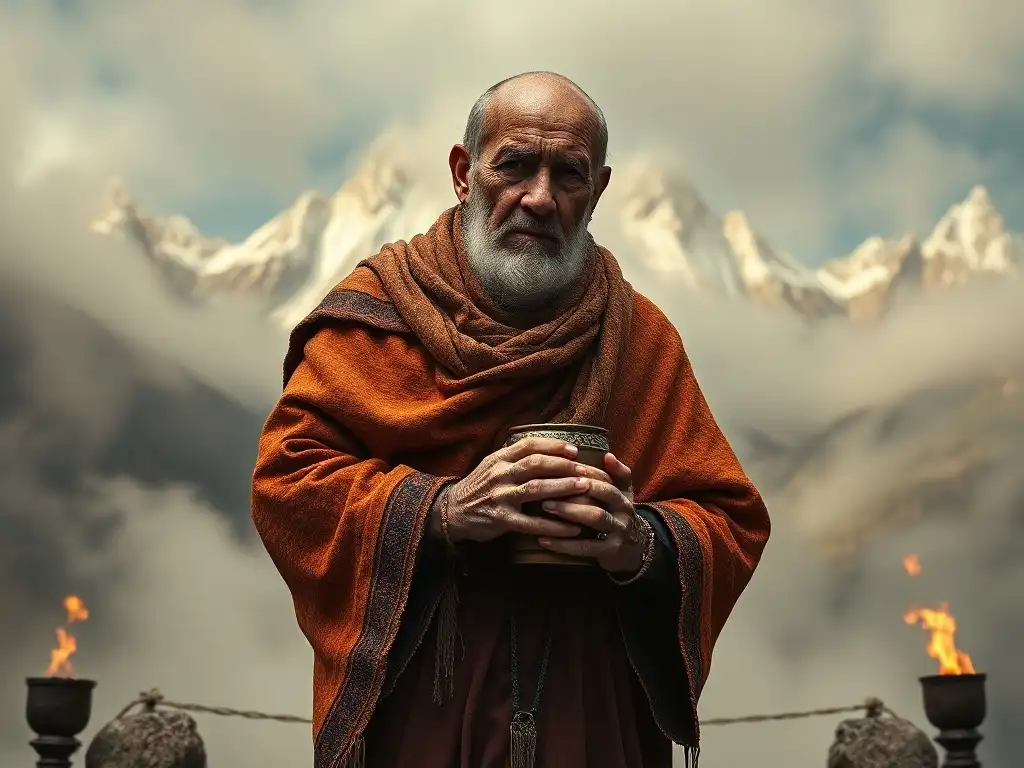
The Andean priest occupied a pivotal role in the intricate tapestry of ancient Andean societies, acting as a crucial intermediary between the human and spiritual realms. Unlike modern conceptions of a priest, the Andean priest was not merely a religious figurehead; they were deeply embedded in the social fabric, wielding significant influence in both religious and secular matters. Their expertise in cosmology, ritual practices, and agricultural cycles made them indispensable to the community's well-being.
Understanding their position requires acknowledging the Andean worldview, which saw the world as interconnected and permeated by spiritual forces. The priest's primary function was to navigate this complex spiritual landscape, ensuring the harmonious flow of energy and maintaining balance within the community. This wasn't a solitary endeavor; the priest often collaborated with other specialists, such as healers and diviners, to achieve this delicate equilibrium.
Their authority stemmed from their perceived ability to communicate with the supernatural, influencing harvests, ensuring successful hunts, and averting calamities. The depth of their influence can be seen in the archaeological record, with evidence suggesting their involvement in everything from agricultural planning to political decision-making.
The Priest's Connection to the Spiritual Realm
The Andean priest's connection to the spiritual realm was not merely intellectual; it was deeply experiential. Through rigorous training and initiatory rites, they cultivated an intimate relationship with the supernatural forces they served. This connection was often fostered through extended periods of fasting, isolation, and intense spiritual practices, designed to purify the body and elevate the spirit.
These practices involved rigorous physical and mental discipline, pushing the individual to the limits of their endurance. The goal was to transcend the limitations of the physical world and achieve a state of heightened awareness, allowing for direct communication with deities and ancestral spirits. Many accounts, albeit often interpreted through colonial lenses, describe the use of hallucinogenic substances, such as coca and san pedro cactus, to facilitate these altered states of consciousness and enhance communication with the spirit world.
These substances were not recreational drugs, but rather tools used to facilitate a profound spiritual experience, allowing the priest to access otherwise inaccessible knowledge and power. The priest's ability to access and interpret these experiences was vital to maintaining the community's spiritual health and ensuring the continued favor of the gods.
Interpreting Visions and Omens: The Priest's Prophetic Role
A significant aspect of the Andean priest's role was their ability to interpret visions, omens, and natural phenomena. They were considered skilled interpreters of the divine will, capable of deciphering signs and portents that held meaning for the community. This prophetic role extended beyond simple divination; it involved a deep understanding of Andean cosmology and its intricate web of symbolism.
The priest's interpretations guided important decisions, from the timing of agricultural activities to the conduct of warfare. For example, the observation of celestial events, like solstices and eclipses, held profound significance, with priests meticulously tracking these occurrences and relating them to the community's fate. The analysis of animal behavior, patterns in nature, and even the configuration of entrails were all considered crucial sources of information.
These interpretations were not arbitrary; they were grounded in a complex system of beliefs and knowledge accumulated over generations. The accuracy of the priest's predictions reinforced their authority and cemented their position within the community. Evidence suggests that failure to provide accurate interpretations could have severe consequences for the priest, highlighting the immense responsibility associated with this role.
The Priest as a Healer and Protector
Beyond their spiritual functions, Andean priests often served as healers and protectors of their communities. Their knowledge of medicinal plants and healing techniques complemented their spiritual abilities, allowing them to address both physical and spiritual ailments. They were often involved in rituals aimed at curing illnesses, warding off evil spirits, and ensuring the overall health and well-being of the community. This dual role—spiritual and physical healer—underscores the holistic nature of Andean medicine and the integrated view of the body and spirit.
The use of herbal remedies, combined with ritualistic practices, likely constituted a significant aspect of their healing methods. Furthermore, the priest's role extended to protecting the community from external threats. Their knowledge of cosmology and their connection to the supernatural world meant they were seen as capable of warding off misfortune and ensuring the community's safety.
This protective role involved performing rituals to appease angry spirits, avert natural disasters, and even ensure success in warfare. The priest, therefore, served as a vital link between the spiritual and material worlds, providing both spiritual guidance and practical solutions to the challenges faced by the community. Their influence permeated all aspects of Andean life, making them integral figures in the social, political, and religious landscape.
Variations in Andean Priest Rituals Across Cultures
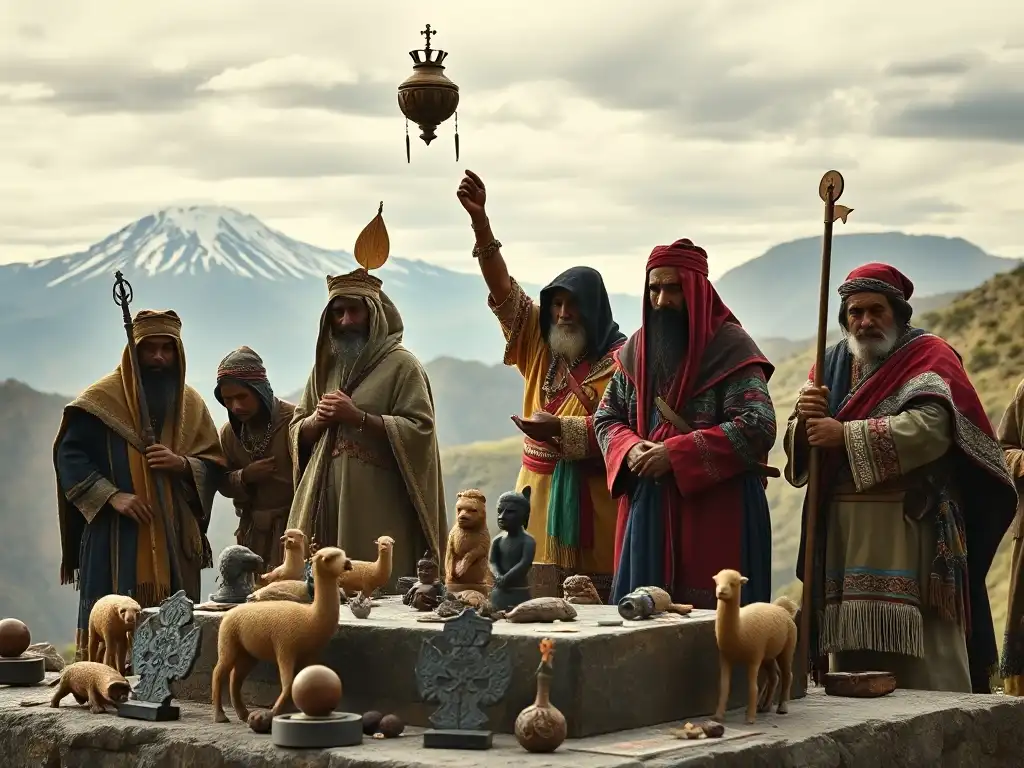
The Andean region, encompassing a vast geographical area and diverse cultures, witnessed a fascinating array of religious practices. While a common thread of ancestor veneration and a connection to the natural world united these cultures, significant variations existed in the specific rituals performed by their priests. Understanding these differences illuminates the rich tapestry of Andean spirituality and the unique roles priests played within each society. The term "Andean priest rituals and sacrifices" itself encompasses a broad spectrum of practices, demanding a nuanced understanding of each civilization's specific beliefs and customs.
Ritual Differences Between Inca and Moche Priests
Inca religious practices, characterized by their centralized and imperial nature, differed markedly from the Moche's. Inca priests, often members of the elite panaca clans, oversaw elaborate state-sponsored ceremonies. These involved large-scale processions, intricate offerings of coca leaves and chicha (corn beer), and the use of sophisticated astronomical knowledge to determine auspicious dates for rituals.
Human sacrifice, while present, was often reserved for exceptional events like the death of a Sapa Inca or significant natural disasters. The Inca emphasis on maintaining mawk'a, or harmony between the human and spiritual worlds, shaped their rituals, which aimed to appease powerful deities and ensure the empire's prosperity.
The Moche civilization, known for its vibrant artistic expressions, displayed a more localized and possibly less hierarchical religious system. While evidence suggests the existence of specialized priests, their roles and ceremonies are less well-documented than those of the Inca. Moche iconography, however, offers glimpses into their rituals, depicting scenes of elaborate sacrifices, including human sacrifice, often involving warriors or captives.
These sacrifices, perhaps linked to fertility rites or appeasement of deities associated with warfare and power, seem to have held a prominent place in Moche religion. Unlike the Inca's emphasis on cosmic balance, Moche rituals appear more focused on ensuring bountiful harvests and military success, reflecting the society's agrarian and warrior-like nature. Further research is needed to fully understand the complexities of Moche priestly practices and the specific roles of their religious leaders.
Examining Nazca Ritualistic Practices
The Nazca culture, famous for its enigmatic geoglyphs, also possessed a complex religious system. Evidence suggests that Nazca priests played a crucial role in mediating between the human and supernatural worlds. Their rituals involved elaborate offerings, including textiles, ceramics, and even human remains. The Nazca are particularly known for their sophisticated knowledge of astronomy and their use of this knowledge in their religious practices.
The alignment of certain geoglyphs with celestial events suggests a deep connection between their religious beliefs and the cosmos. Unlike the Inca, who had a centralized priestly structure, the Nazca's religious organization remains unclear, possibly more decentralized and community-based. The precise nature of their priestly hierarchy and the specific ceremonies they performed are still subject to ongoing archaeological investigation.
One area of particular interest is the role of female shamans or priestesses in Nazca society, evidenced by certain artifacts and burial practices. More research on burial sites and iconography is necessary to understand the full extent of their religious practices and the involvement of female spiritual leaders. Further analysis of discovered artifacts and settlements could provide more insight into their rituals.
Unique Ceremonial Aspects in Tiahuanaco Religion
Tiahuanaco, a powerful pre-Inca civilization, developed a distinct religious system with unique ceremonial aspects. The large-scale architecture at Tiahuanaco, including the iconic Puma Punku, suggests the presence of a highly organized and centralized religious structure. Tiahuanaco priests likely presided over elaborate ceremonies within these monumental structures, involving large-scale offerings and possibly human sacrifice. The iconography of Tiahuanaco often depicts figures with stylized features, possibly representing deities or spiritual beings.
These figures, often depicted holding staffs or other ceremonial objects, provide clues about the rituals and beliefs of the Tiahuanaco people. However, the specific details of their rituals and the organization of their priestly class remain partially understood. Unlike the relatively well-documented Inca rituals, the Tiahuanaco's religious practices are still being deciphered by archaeologists.
The interpretation of their iconography and the analysis of their monumental structures are crucial to understanding their complex religious beliefs and the role of their priests within their society. Further study of the Tiahuanaco's unique religious calendar and the symbolic meaning of their artifacts is needed to fully comprehend their unique ceremonial practices. The limited surviving written records pose a significant challenge to researchers seeking to fully understand this fascinating civilization.
The Legacy of Andean Priest Rituals and Sacrifices
The legacy of Andean priest rituals and sacrifices is a complex and multifaceted one, extending far beyond the collapse of the Inca Empire. While the Spanish conquest brutally suppressed many indigenous practices, elements of Andean religious beliefs and rituals persist to this day, subtly woven into the fabric of modern Andean communities. The profound impact of these ancient practices on contemporary Andean life is undeniable, shaping social structures, artistic expression, and even agricultural practices.
Understanding this legacy requires examining both the overt and covert ways in which these rituals continue to influence the region. The enduring power of these traditions highlights the resilience of Andean culture and its ability to adapt and transform while maintaining its core spiritual values. Analyzing these enduring influences allows us to appreciate the depth and complexity of Andean spirituality and its lasting impact on the modern world.
The Impact of Andean Rituals on Modern Andean Communities
The echoes of ancient Andean priest rituals resonate strongly in contemporary Andean communities. While large-scale human sacrifice is thankfully absent, the fundamental principles of reciprocity, reverence for nature, and the belief in a spiritual world deeply intertwined with the physical one continue to inform daily life. For example, many agricultural practices still incorporate elements of ancient rituals, such as specific planting times determined by astronomical observations and the offering of coca leaves or other gifts to apus (mountain spirits).
Festivals celebrating the harvest or significant astronomical events often incorporate elements of ancient ceremonies, showcasing the enduring power of these traditions. Even seemingly secular aspects of Andean life, like community organization and dispute resolution, often draw upon traditional concepts of social hierarchy and spiritual authority, reflecting a lingering influence of the ancient priestly class.
The vibrant tapestry of Andean culture today is undeniably interwoven with threads from its rich and complex past. Further research into specific communities and their unique adaptations of ancient practices could reveal even more nuanced connections.
While the formal structure of Andean priesthood under the Inca Empire is long gone, certain aspects of priestly roles and responsibilities survive in modified forms. Traditional healers, yatiri or paqos, often occupy a position of spiritual authority within their communities, performing rituals, interpreting dreams, and offering guidance on matters of health, agriculture, and personal well-being. These individuals often possess a deep knowledge of traditional Andean medicine, utilizing plants and rituals passed down through generations.
Their roles are not necessarily identical to those of Inca priests, but they maintain a similar function of mediating between the spiritual and physical worlds. The continued practice of these healing traditions demonstrates the enduring relevance of Andean spiritual beliefs and the importance of maintaining a connection to the ancient past.
Detailed ethnographic studies of these practitioners are crucial to understand the evolution and adaptation of Andean religious practices over time. [Specific examples of surviving traditions and practices from various Andean communities pending].
The Importance of Studying Andean Religious Practices
Studying Andean priest rituals and sacrifices is not merely an academic exercise; it holds immense value for understanding the complexities of Andean history, culture, and society. It allows us to appreciate the sophisticated religious systems developed by these civilizations, revealing insights into their social structures, political organization, and worldview. Moreover, examining these practices provides a crucial lens through which to understand the enduring influence of Andean culture on the modern world.
By carefully analyzing surviving traditions and archaeological evidence, we can gain a deeper understanding of the resilience and adaptability of Andean spirituality. This knowledge is vital not only for historical accuracy but also for promoting cultural preservation and fostering respect for the rich cultural heritage of the Andes.
Furthermore, understanding these practices can shed light on universal themes of spirituality, community, and the human relationship with the natural world, offering valuable perspectives for contemporary society. The ongoing study of Andean religious practices is therefore essential for both historical and contemporary relevance.
Frequently Asked Questions
What was the role of Andean priests in society?
Andean priests held a pivotal role in society, acting as intermediaries between the divine and human realms. They were responsible for conducting ceremonies, interpreting omens, and maintaining cosmic balance.
What types of sacrifices were common in Andean rituals?
Human sacrifice, while infrequent compared to animal sacrifice, was practiced by some Andean cultures. Common offerings included llamas, alpacas, and other agricultural products, symbolizing offerings to the gods.
How did Andean priests prepare for rituals and sacrifices?
Preparation involved rigorous fasting, purification rituals, and sometimes the consumption of hallucinogenic substances like coca to achieve altered states of consciousness and communicate with the spirit world.
What was the significance of the location of Andean rituals and sacrifices?
Rituals and sacrifices often took place in sacred sites like mountaintops, caves, or temples, reflecting the Andean worldview which saw these locations as portals to the spiritual realm and powerful energies.
What evidence exists to support our understanding of Andean priest rituals and sacrifices?
Archaeological evidence, including mummy bundles, sacrificial remains, and depictions in textiles and ceramics, provides crucial insights into Andean religious practices. Written accounts from Spanish chroniclers also offer valuable, albeit biased, perspectives.
Final Reflection: Echoes of the Andes: A Legacy of Ritual and Belief
The intricate tapestry of Andean rituals, woven from threads of sacrifice, ceremony, and profound spiritual connection, continues to resonate deeply within contemporary society. Understanding these ancient practices offers not only a glimpse into a rich cultural past but also a powerful lens through which to examine our own relationship with spirituality, community, and the natural world. The enduring power of these rituals challenges us to reconsider our assumptions about faith and its expression.
The legacy of Andean priests and their sacred roles profoundly shapes the cultural landscape of the Andes even today. Their influence extends beyond the archaeological record, manifesting in contemporary Andean communities through adapted traditions and a persistent reverence for the sacred mountains and ancestral spirits. The past is never dead. It's not even past.
- William Faulkner. This quote perfectly encapsulates the enduring relevance of Andean rituals, demonstrating how their echoes reverberate through generations, influencing beliefs and practices in ways both overt and subtle.
Consider the profound implications of these ancient practices. How can we, in our modern world, learn from the deep connection to the land and the intricate social structures fostered by these rituals? You are invited to reflect on the enduring power of ritual and its capacity to shape community and individual identity. Explore the ways in which your own beliefs and practices connect to a larger, perhaps unseen, spiritual landscape. Let the echoes of the Andes inspire you to find meaning and connection in your own life, fostering a deeper appreciation for the enduring power of human spirituality.
Unveil the Mysteries of Andean Rituals Today!
Thank you for exploring the fascinating world of Andean rituals and the crucial role of their priests. We hope you gained valuable insights into the sacred traditions that shape these vibrant cultures. Now, let's delve deeper into this rich heritage.
- Participate in a local cultural event or workshop to experience Andean practices firsthand. Immersing yourself in the community will deepen your appreciation of these rituals.
- Share this article with friends and family or on social media to spark conversations about the significance of Andean ceremonies and help raise awareness of their cultural importance.
- Continue your exploration: Visit andeancivilizations.com to discover more articles, videos, and resources that delve into the history and significance of Andean beliefs and practices.
What aspect of Andean rituals most captivates you, and how do you see their enduring influence on modern culture? We welcome your thoughts!