
Connecting with the Gods: The Role of Andean Priests as Intermediaries

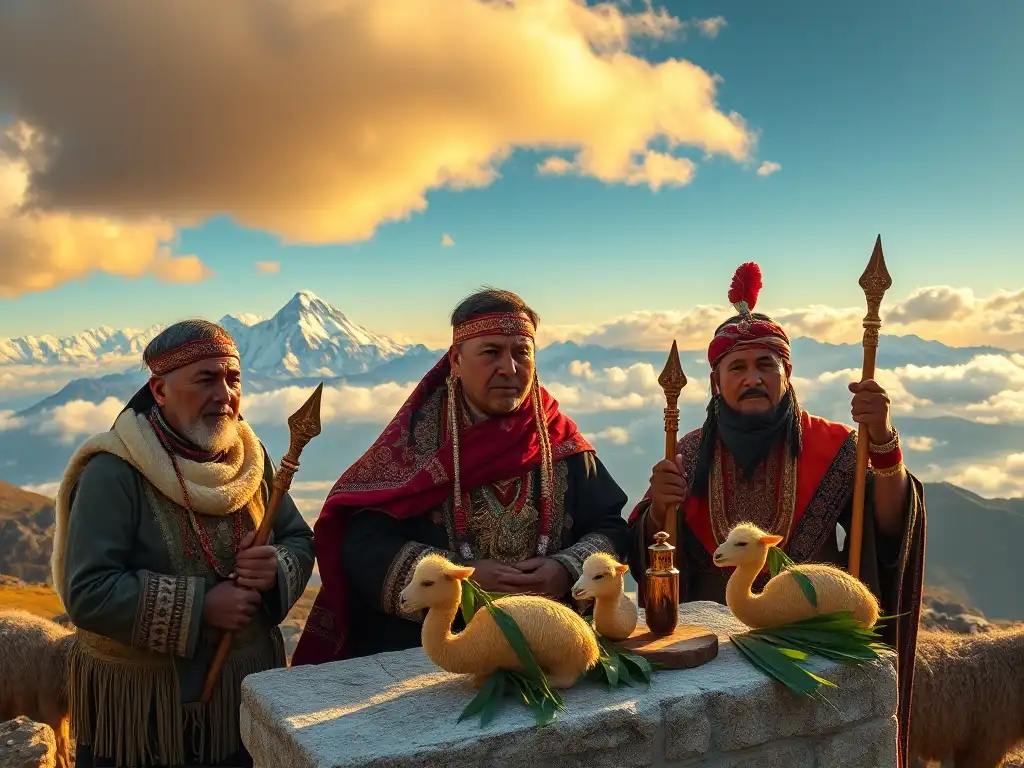
Step into a world lost to time, yet echoing with the whispers of powerful gods and the intricate rituals of ancient Andean societies. Imagine a civilization where the lines between the earthly and spiritual realms blurred, shaped by the profound influence of its priests. Uncover the secrets behind the Andean priests' role in society, their crucial role as intermediaries between the human and divine, and the significant impact they had on the daily lives of the Incas, Moche, Nazca, and Tiahuanaco.
Prepare to be captivated by their complex religious practices and the enduring legacy they left behind. Dive in and discover more!
- Andean Priests: Intermediaries Between Worlds
- Understanding the Sacred Role of Andean Priests
- The Functions of Andean Religious Leaders
- Types of Andean Priests and Their Specializations
- The Education and Training of Andean Priests
- Andean Priests and the Cosmic Order
- The Influence of Andean Priests on Society
- The Legacy of Andean Priests in Modern Times
- Conclusion: The Enduring Significance of Andean Priests
- Frequently Asked Questions
- Final Reflection: Echoes of the Andes: A Legacy of Intercession
- Embrace the Sacred: Connect with Andean Spirituality Today!
Andean Priests: Intermediaries Between Worlds
The Andean world, a tapestry woven from the threads of diverse cultures and beliefs, was profoundly shaped by the role of its priests. These individuals weren't simply religious figures; they were vital components of the social fabric, acting as intermediaries between the human realm and the complex spiritual world revered by civilizations like the Inca, Moche, Nazca, and Tiahuanaco.
Understanding their multifaceted functions is crucial to comprehending the intricacies of Andean societies and their unique cosmovision. This article delves into the significant role Andean priests played, exploring their influence on daily life, political structures, and the overall spiritual well-being of their communities.
We will examine their diverse responsibilities, from conducting elaborate rituals and interpreting omens to advising rulers and managing vital resources. The exploration of their influence provides a deeper understanding of the "Andean priests role in society" and the profound impact they had on the development and endurance of these remarkable ancient cultures.
Ritual Practices and Cosmological Understanding
Andean priests were deeply involved in a complex system of rituals designed to maintain cosmic balance and ensure the prosperity of their communities. These rituals, often elaborate and visually stunning affairs, involved offerings, sacrifices (sometimes involving animals, and in some cases, human sacrifice, although the extent and frequency of this practice varied significantly between cultures and time periods), and the careful manipulation of sacred objects. The priests' intimate knowledge of the cosmos, reflected in their understanding of the agricultural cycles, celestial movements, and the intricate relationships between the human and spirit worlds, allowed them to interpret omens and predict future events.
This ability made them invaluable advisors to rulers and communities alike. Specific details regarding the types of offerings and sacrifices, and the precise rituals performed, varied widely across different Andean cultures.
For example, the Moche priests might have focused on rituals related to fertility and warfare, while the Inca priests emphasized rituals connected to the emperor and state power. Further research is needed to fully elucidate the precise variations in ritual practices among these diverse groups.
The influence of Andean priests extended far beyond the purely spiritual realm. In many Andean societies, priests held significant political power, often advising rulers and influencing political decisions. Their expertise in interpreting omens and predicting the future made them invaluable advisors, shaping policies related to warfare, agriculture, and resource management. The precise level of political influence varied across different cultures and time periods.
In some cases, priests held positions of direct authority, while in others, their influence was more indirect, exerted through their close relationship with the ruling elite. This complex interplay between religious and secular power highlights the deeply integrated nature of religion and politics in Andean societies. The social hierarchy often reflected this close link, with priests occupying prominent positions within the social structure. The prestige associated with their role helped solidify their authority and influence within the community.
The responsibilities of Andean priests extended beyond elaborate ceremonies and political advising. They often played crucial roles in managing vital resources, such as agricultural lands and water supplies, essential for the survival of their communities. This economic management was often intertwined with religious practices, with rituals performed to ensure successful harvests and the abundance of resources.
Additionally, priests often functioned as educators, transmitting knowledge and traditions to the younger generations, ensuring the continuity of religious practices and cultural values. In some Andean societies, priests also acted as healers, using their knowledge of medicinal plants and spiritual practices to treat illnesses and ailments. This multifaceted role contributed significantly to the stability and well-being of their communities, highlighting the profound impact of Andean priests on the daily lives of their people.
Further investigation is needed to fully document the extent of their economic and social functions across the various Andean cultures. The available evidence suggests a remarkable breadth of responsibilities, far surpassing the limited understanding of their roles as merely religious figures.
The Legacy of Andean Priests
The legacy of Andean priests continues to resonate today, shaping our understanding of ancient Andean societies and their complex relationship with the cosmos. Their influence permeated every aspect of life, from the most mundane to the most sacred. Their roles as intermediaries between worlds, advisors to rulers, and custodians of knowledge helped shape the cultural landscape of the Andes for centuries.
Understanding their multifaceted roles is key to appreciating the richness and complexity of Andean civilizations. The enduring impact of their traditions and beliefs serves as a testament to the profound influence they held in their societies and the lasting significance of their legacy. Further research continues to uncover new insights into the diverse roles and profound impact of Andean priests, enriching our understanding of these remarkable societies.
Understanding the Sacred Role of Andean Priests
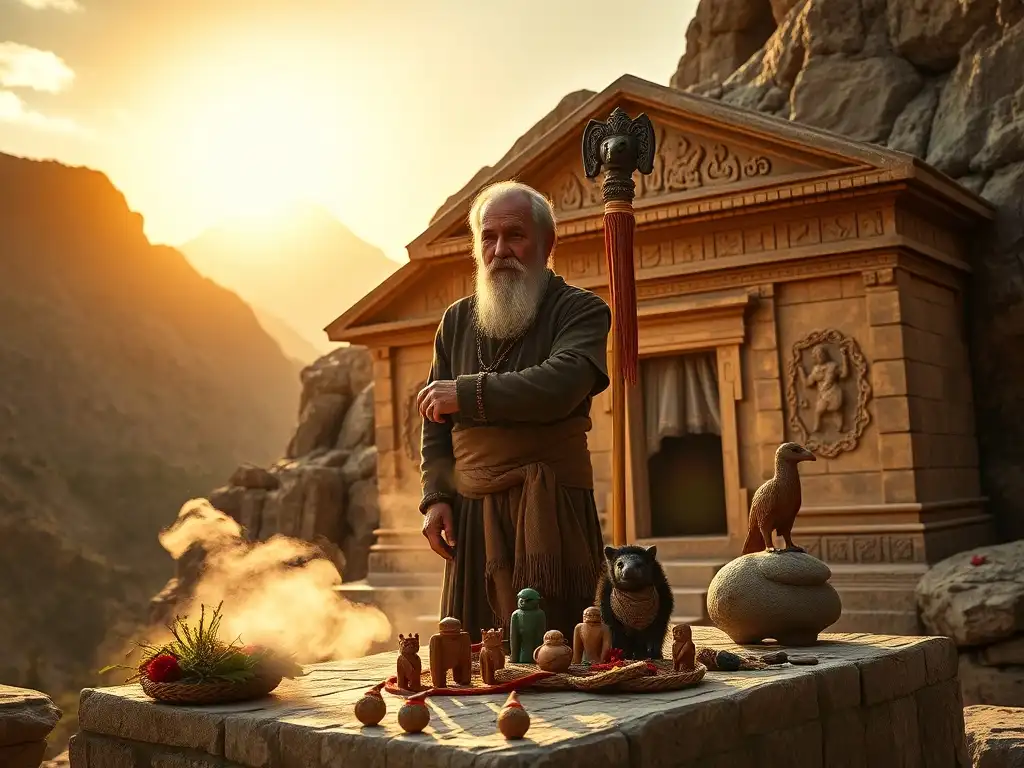
The Andean priests' role in society was multifaceted and deeply intertwined with the daily lives of their communities. Far from being merely religious figures, they functioned as vital intermediaries between the human and spiritual realms, wielding significant social, political, and economic influence. Their expertise in rituals, astronomy, agriculture, and medicine made them essential to the well-being of their societies.
Understanding their influence requires exploring their diverse functions and the intricate relationship between religion and social structure in Andean civilizations. The concept of ayni, reciprocal exchange, was central to their role, emphasizing the priest's responsibility to maintain balance and harmony within the cosmos and the community. This intricate interplay of spiritual authority and social responsibility shaped the very fabric of Andean society, impacting everything from agricultural practices to political decisions.
The study of Andean priests provides invaluable insight into the complex worldview and social organization of these fascinating civilizations. Analyzing their roles allows us to appreciate the pervasive influence of religion in shaping the lives of Andean peoples.
The Andean Priest: A Bridge to the Divine
Andean priests, often referred to by terms like llamacamayo (in Inca society) or other regionally specific titles, were not a monolithic group. Their responsibilities varied depending on the specific civilization (Inca, Moche, Nazca, Tiahuanaco, etc.) and their position within the religious hierarchy. However, a common thread united them: their ability to communicate with the divine.
They were believed to possess specialized knowledge and skills, allowing them to interpret omens, perform rituals, and offer sacrifices to appease the gods and ensure the prosperity of their communities. This role involved a deep understanding of Andean cosmology, which viewed the world as a dynamic interplay of forces, both visible and invisible. Priests acted as interpreters of this intricate system, translating the will of the gods into actions for the community. Their expertise was highly valued, granting them significant social standing and influence.
For example, in Inca society, the Wilaq Uma, the high priest, held a position of immense power, advising the Sapa Inca on matters of state and religious policy. The priests' understanding of celestial events, agricultural cycles, and medicinal plants further solidified their importance. Their role wasn't limited to formal ceremonies; they provided guidance on daily life, offering counsel and interpreting dreams, ensuring the spiritual well-being of their followers.
Defining the Role of Intermediaries in Andean Culture
The Andean priest's function as an intermediary was central to their role. They acted as a conduit between the human world and the supernatural, facilitating communication and exchange between the two realms. This involved a complex system of rituals, sacrifices, and divination practices designed to maintain harmony and balance within the cosmos. The concept of reciprocity ( ayni) was paramount; priests ensured that offerings and sacrifices were made to the gods to maintain the flow of blessings and prosperity for the community.
Failure to maintain this reciprocal relationship was believed to result in misfortune, illness, or natural disasters. The priests' knowledge of ritual practices was crucial in this process, as they possessed the expertise to perform these ceremonies correctly, ensuring their effectiveness. Furthermore, they interpreted signs and omens, offering guidance to the community based on their understanding of divine messages. This interpretation wasn't limited to grand pronouncements; it often involved advising on daily matters, such as agricultural practices or conflict resolution, reflecting the integral role of religion in all aspects of Andean life.
The priests were not just spiritual leaders; they were also social engineers, using their religious authority to maintain order and stability within their communities. Their ability to mediate between the divine and the human world shaped the social, political, and economic landscape of Andean societies. Their influence extended far beyond the temple, permeating every aspect of daily life. The detailed understanding of their role allows us to better appreciate the depth and complexity of Andean culture and religion.
The Functions of Andean Religious Leaders
The Andean priests, far from being mere ritualists, held a pivotal role in the intricate social fabric of their civilizations. Their influence extended beyond the purely spiritual realm, deeply impacting the political, economic, and social spheres of life. Understanding the Andean priests' role in society requires examining their multifaceted functions, which intertwined religious practice with the practical needs of their communities.
They weren't simply intermediaries between the human and divine; they were active participants in shaping daily life, interpreting cosmic events, and maintaining societal order. The power and prestige associated with their position varied across different Andean cultures and time periods, but their overall importance remained consistently high.
Their influence was often tied to their perceived ability to interact with the supernatural world, influencing agricultural cycles, predicting future events, and ensuring the well-being of their people. The depth of their influence underscores the integral role religion played in the Andean worldview.
Rituals and Ceremonies Led by Andean Priests
Andean priests orchestrated a complex calendar of rituals and ceremonies, many tied to the agricultural cycle and the celestial movements. These weren't simply rote performances; they were meticulously planned events that involved elaborate preparations, specific costumes, and the use of various sacred objects. For example, the Inca Capac Apu (the highest priest) presided over the Capacocha, a significant human sacrifice ceremony where chosen individuals, often children, were offered to the gods to ensure prosperity and appease the mountain spirits ( apus).
These ceremonies involved intricate choreography, musical performances, and the participation of various members of society, highlighting the priest's role as director and interpreter of divine will. Smaller-scale rituals, such as those focused on fertility and healing, were also conducted by priests, often at local shrines or within the domestic sphere.
The precise nature of these ceremonies varied across different Andean cultures – the Moche, for instance, may have had different ritual practices compared to the Inca, but the central role of the priest in leading and interpreting these events remained constant. Detailed records of these rituals are unfortunately scarce, leaving room for further research and interpretation of archaeological findings to better understand their nuances.
Divination and Prophecy: The Priest's Insight
A crucial aspect of the Andean priests' role was their ability to interpret the divine will through divination and prophecy. They used various techniques to predict the future, understand the causes of misfortunes, and advise rulers and communities on important decisions. Methods might have included observing the flight of birds, interpreting dreams, studying the entrails of sacrificial animals, or reading coca leaves.
The priest's interpretation of these signs held significant weight, shaping political strategies, agricultural practices, and individual choices. Their pronouncements could determine the timing of planting and harvesting, influence military campaigns, or even impact the lives of individuals seeking guidance. This ability to access and interpret divine knowledge solidified the priest's position as a vital advisor and leader within the community.
The accuracy or reliability of their predictions is, of course, difficult to assess from a modern perspective, but their perceived power is undeniable, contributing significantly to their social influence. Archaeological evidence suggests specialized tools and artifacts were used in these divination practices, further highlighting the importance of these activities within Andean societies.
The Importance of Offerings and Sacrifices in Andean Beliefs
Offerings and sacrifices formed an integral part of Andean religious practice, and priests played a central role in conducting and interpreting these acts. These offerings weren't simply gestures of appeasement; they were seen as vital for maintaining the balance between the human and divine worlds. The nature of the offerings varied widely, ranging from simple agricultural products like maize and coca leaves to more elaborate offerings including textiles, precious metals, and, in some cases, human sacrifices.
The priests would carefully prepare and present these offerings during ceremonies, ensuring they were made correctly to gain favor from the gods or appease powerful spirits. The significance of the offering and the interpretation of the gods' response rested largely with the priest's expertise. Failure to perform these rituals correctly could have dire consequences, highlighting the importance of the priest’s careful execution and interpretation.
The scale and type of sacrifices varied greatly depending on the Andean culture and the specific circumstances, but their significance in maintaining social order and cosmic balance underscores the priests' vital role in mediating the relationship between humans and the supernatural. Understanding the intricacies of these offerings provides crucial insight into the Andean worldview and the complex relationship between the living and the divine.
Andean Priests as Healers and Guardians of Wellbeing
Andean priests weren't simply intermediaries between the human and spiritual realms; they were vital figures in maintaining the physical and spiritual wellbeing of their communities. Their role extended far beyond ritualistic practices, encompassing a deep understanding of medicinal plants, herbal remedies, and therapeutic practices. Many illnesses were attributed to an imbalance in the individual's relationship with the cosmos or a disruption of the ayni, the principle of reciprocity. The priest, therefore, acted as a diagnostician, identifying the root cause of the ailment, often through divination techniques like interpreting coca leaf readings or analyzing dreams.
The treatment itself could involve a range of approaches. This might include administering herbal concoctions, performing cleansing ceremonies to remove negative energies, or prescribing specific diets believed to restore balance. In some cases, the priest might engage in shamanistic practices, entering altered states of consciousness to interact with the spirit world and seek solutions.
The priest's knowledge of medicinal plants was extensive, with different species used for various ailments. For example, the coca leaf, besides its ritualistic use, was also valued for its medicinal properties, employed to alleviate pain, fatigue, and altitude sickness. Similarly, a wide array of other plants, each with specific therapeutic qualities, formed an integral part of the Andean pharmacopoeia, carefully preserved and passed down through generations of priests.
Beyond physical healing, Andean priests played a crucial role in safeguarding the collective wellbeing of the community. They performed rituals aimed at protecting the community from natural disasters, disease outbreaks, and other misfortunes. These rituals often involved appeasing the spirits of the mountains, water sources, and other natural elements that were considered sacred.
The priest's understanding of the delicate balance within the ecosystem was paramount; disruptions to this balance were believed to manifest as illness or misfortune within the community. Their role, therefore, was to maintain harmony and ensure the continued prosperity and wellbeing of their people, acting as both healers and guardians of their social and ecological environment.
This holistic approach to health, encompassing the physical, spiritual, and environmental aspects of life, underscores the integral role of Andean priests in the social fabric of their societies. Their expertise wasn't solely confined to religious practices, but extended to the practical realities of daily life, demonstrating their importance in maintaining the stability and health of Andean communities.
Types of Andean Priests and Their Specializations
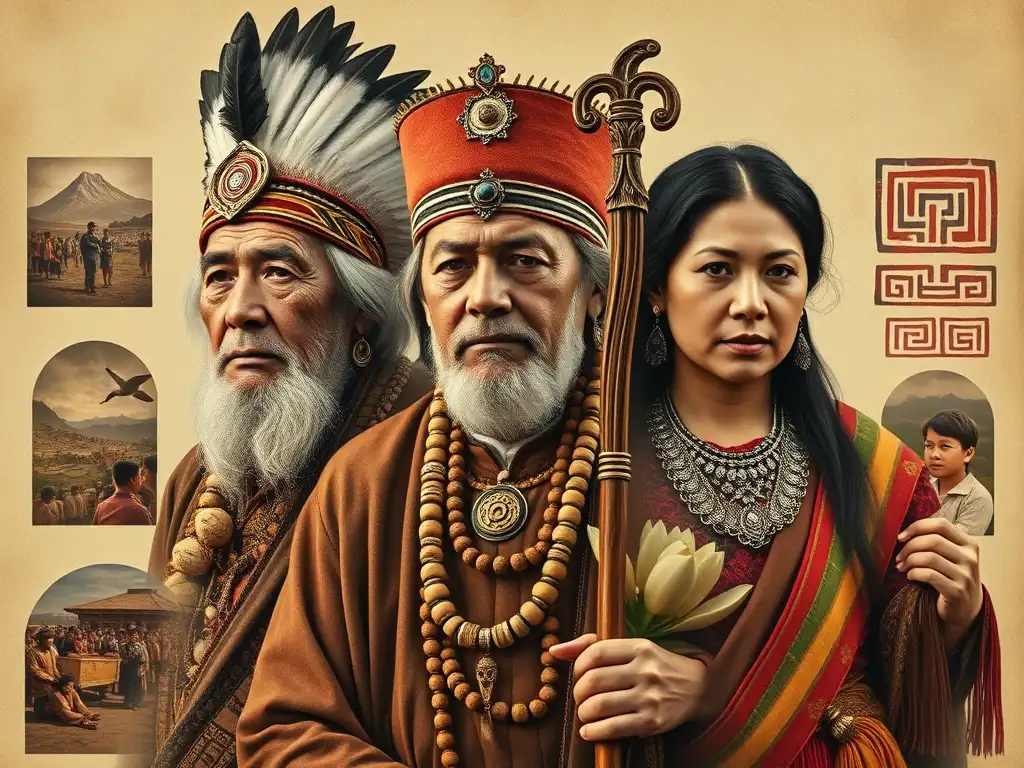
The Andean world, encompassing diverse cultures like the Inca, Moche, Nazca, and Tiahuanaco, wasn't monolithic in its religious practices. Consequently, the role of Andean priests varied significantly depending on the specific civilization and the priest's specialization. Understanding the nuances of this priestly structure is crucial to grasping the complex relationship between the Andean people and their deities.
The influence of Andean priests in society extended far beyond mere ritualistic practices; they held considerable political, social, and economic power, acting as vital intermediaries between the human and spiritual realms. The term "Andean priests role in society" thus encompasses a broad spectrum of functions and influences.
The Inca Empire, known for its sophisticated organization, had a highly structured religious system. At its apex stood the Willaq Uma, the High Priest, a figure of immense authority and power. Unlike many other Andean societies where priestly roles might be inherited or based on lineage, the Willaq Uma was appointed by the Sapa Inca, the emperor himself, signifying the close connection between religious and political power. The Willaq Uma oversaw all aspects of state religion, managing temples, directing rituals, and interpreting divine will.
He held considerable influence over the Inca court and played a key advisory role in the emperor's decision-making process. His interpretations of omens and prophecies directly impacted imperial policies and military campaigns. The Willaq Uma's immense power is reflected in the lavish lifestyle afforded to him and the extensive resources dedicated to his office.
He was essentially second only to the Sapa Inca in the Inca social hierarchy. His influence on the Andean priests role in society was undeniable, setting the standard for priestly authority throughout the vast empire. The precise details of the Willaq Uma's selection process and the extent of their control over other priests remain areas of ongoing scholarly debate, however, emphasizing the need for further research on this vital figure.
Specialized Priests: Focusing on Specific Deities like Inti or Pachamama
While the Willaq Uma held ultimate authority, the Inca religious system also accommodated specialized priests dedicated to specific deities. Priests devoted to Inti, the sun god, held significant status, as Inti was considered the most important deity in the Inca pantheon. These Inti-wasi priests were responsible for maintaining the temples dedicated to Inti, performing daily rituals, and interpreting celestial events for agricultural planning and political decisions.
Similarly, priests dedicated to Pachamama, the earth goddess, played a crucial role in agricultural rituals and ensuring the fertility of the land. These specialized priests often possessed unique knowledge and skills related to their chosen deity. Their expertise was highly valued, and they frequently served as advisors to local communities on matters pertaining to agriculture, weather patterns, and other aspects of daily life.
The diversity in these specialized roles significantly shaped the Andean priests role in society, providing a network of religious experts throughout the empire. Further research is needed to fully comprehend the specific rituals and responsibilities associated with each specialized priesthood and how their influence varied across different regions of the Inca Empire.
Yatiris: Aymara Spiritual Healers and Diviners
Moving beyond the Inca Empire, the Aymara people of the Andes possessed their own unique priestly figures known as yatiris. Unlike the rigidly structured hierarchy of the Inca, the yatiri system was more decentralized and less formalized. Yatiris were revered for their ability to communicate with the spirit world, acting as healers, diviners, and intermediaries between the human and supernatural realms.
Their knowledge encompassed herbal medicine, astrology, and various forms of divination, including interpreting coca leaf readings. The yatiri played a vital role in Aymara society, addressing both spiritual and physical ailments. They were often consulted for guidance on a wide range of issues, from agricultural concerns to interpersonal conflicts.
The yatiri's role wasn't solely confined to religious matters; they frequently served as community leaders and advisors, wielding considerable social and political influence. Their continued presence in contemporary Aymara culture underscores the enduring significance of the yatiri tradition and highlights the multifaceted nature of the Andean priests' role in society across different Andean cultures. More research is required to fully document the diverse practices and beliefs associated with yatiris across different Aymara communities.
The Education and Training of Andean Priests
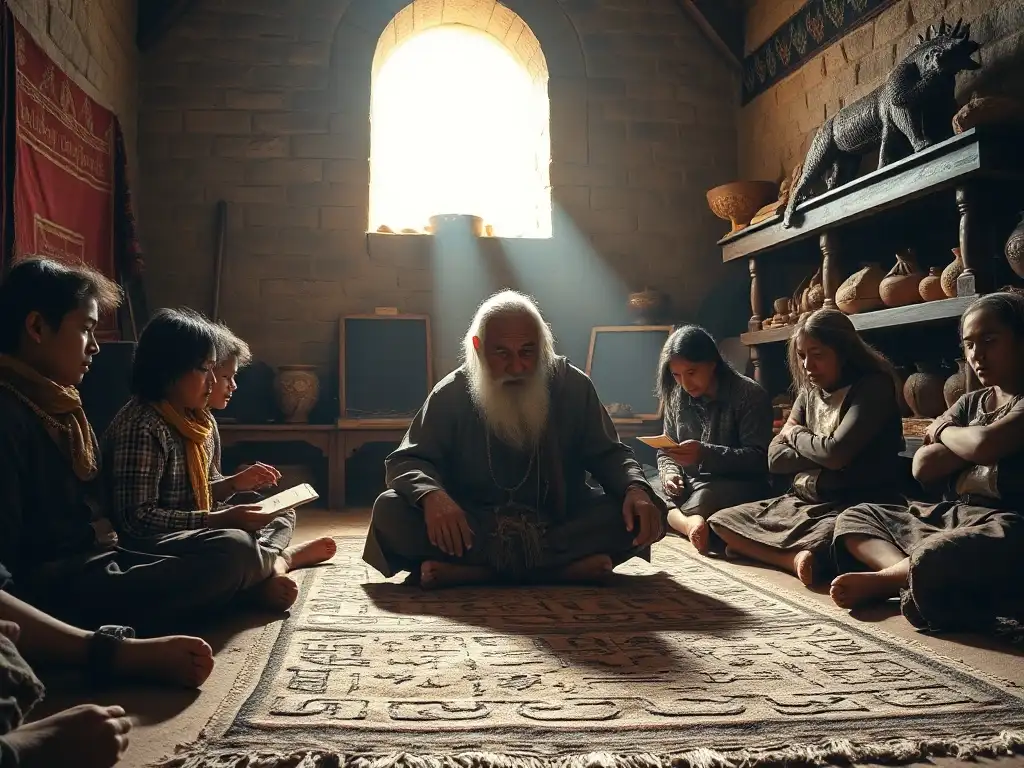
The role of Andean priests in society was not simply a matter of inherent lineage or divine selection; it was a demanding vocation requiring rigorous education and specialized training. Becoming a priest wasn't a quick process; it was a journey of spiritual and intellectual development, often spanning many years, demanding dedication and commitment. The intricacies of Andean cosmology, ritual practices, and societal norms needed to be deeply understood to effectively act as an intermediary between the human and divine realms. This section explores the multifaceted educational pathways followed by Andean priests, focusing on the crucial elements of their preparation.
Initiation Rites and the Path to Becoming a Religious Leader
The path to becoming a religious leader in Andean societies often began with elaborate initiation rites. These ceremonies were not standardized across all cultures; the specific practices varied among the Incas, Moche, Nazca, and Tiahuanaco, reflecting their unique religious beliefs and traditions. However, common threads linked these rites, emphasizing purification, spiritual awakening, and the acceptance of a divine calling.
For example, amongst the Incas, potential priests might undergo a period of seclusion, fasting, and intense spiritual exercises. These practices aimed to cleanse the individual of worldly attachments and prepare them for the demanding spiritual responsibilities that lay ahead. The use of hallucinogenic plants, like San Pedro cactus, might have played a role in some initiation ceremonies, facilitating altered states of consciousness and fostering profound spiritual experiences.
The precise details of these rituals remain partially obscured by the passage of time, but archaeological findings and surviving accounts offer valuable glimpses into these transformative events. Narratives suggest that successful completion of these rites marked a transition from ordinary life to a life of dedicated religious service. The process, therefore, was a significant test of both physical and spiritual endurance.
Knowledge Transmission: The Sacred Texts and Oral Traditions
The education of Andean priests involved a deep immersion in the accumulated knowledge of their culture. While written texts were not as prevalent as in other ancient civilizations, Andean societies preserved their history, religious beliefs, and astronomical observations through a rich tapestry of oral traditions and mnemonic devices. This oral tradition was meticulously passed down through generations of priests, ensuring the continuity of religious practices and cosmological understanding.
Knowledge transmission was not a passive process; it was an active engagement with the sacred. Priests learned to interpret intricate symbols, decipher celestial events, and understand the complex relationships between the human world and the Andean cosmos. They memorized long narratives, genealogies of deities, and detailed descriptions of rituals.
These narratives often contained profound cosmological and philosophical insights, reflecting the Andean worldview and its intricate connection to the natural world. The use of quipus, knotted cords used for record-keeping, also played a significant role in preserving and transmitting important information, although the precise way in which quipus were used for religious instruction remains a subject of ongoing research. The ability to interpret and utilize these tools was a crucial skill for any aspiring priest.
Apprenticeship: Practical Training Under Experienced Priests
Beyond theoretical knowledge, Andean priests received extensive practical training under the guidance of experienced practitioners. This apprenticeship involved direct participation in religious ceremonies, observing and assisting senior priests in their various duties. This hands-on experience was essential for developing the necessary skills and understanding to perform complex rituals and interpret religious signs.
The apprenticeship system ensured the continuity of religious practices and the preservation of sacred knowledge. Young priests learned to perform specific rituals, prepare offerings, and interpret omens. They also learned the intricacies of Andean calendrical systems and their relationship to agricultural cycles and religious festivals. The apprenticeship was not merely a period of learning; it was a process of socialization, integrating the aspiring priest into the religious community and inculcating the values and ethics of priestly life.
The length of the apprenticeship varied, but it undoubtedly involved years of dedicated learning and practice before a priest was deemed ready to assume full responsibility for their duties. This rigorous training ensured that Andean priests were well-equipped to serve as spiritual guides and intermediaries for their communities. The practical mastery of rituals and the ability to interpret signs and omens were essential components of their role in society.
Andean Priests and the Cosmic Order
Andean priests weren't simply religious figures; they were integral to the social, political, and even agricultural fabric of their societies. Their role extended far beyond performing rituals; they were mediators between the human and divine realms, responsible for maintaining cosmic balance and ensuring the prosperity of their communities. This intricate relationship between the priests and the cosmic order is a crucial aspect of understanding Andean civilizations.
The Andean worldview emphasized a delicate equilibrium between the earthly and spiritual planes, and the priests were the key figures tasked with safeguarding this harmony. Their influence permeated every facet of life, from agricultural cycles and healing practices to political decisions and warfare. Understanding their function necessitates examining their multifaceted responsibilities and the profound impact they had on Andean societies.
The power and prestige associated with their position varied across different cultures and periods, but their fundamental role as intermediaries remained consistent. Analyzing their actions and influence reveals a sophisticated and deeply spiritual society intricately connected to its environment.
Maintaining Balance: The Priest's Role in the Cosmos
The Andean worldview was fundamentally based on a concept of duality and reciprocity. The priests acted as crucial intermediaries in maintaining this balance, ensuring the continuous flow of energy between the upper and lower worlds, the human and divine realms. They performed rituals and ceremonies designed to appease the gods, ensuring bountiful harvests, successful hunts, and the overall well-being of the community.
Failure to maintain this delicate equilibrium was believed to lead to natural disasters, illness, and social unrest. For instance, droughts or floods might be interpreted as a sign of displeasure from the gods, prompting elaborate rituals to restore harmony. These weren't simply superstitious practices; they were integral to the Andean understanding of the cosmos and their place within it.
The priests, through their specialized knowledge and abilities, were essential in navigating this complex relationship. The success of their rituals was seen as directly impacting the community's prosperity and survival. Evidence of these rituals can be found in archaeological discoveries such as ceremonial sites and artifacts, which often depict intricate scenes of offerings and prayers.
The priests' understanding of the cosmos extended to the celestial bodies, which were considered powerful forces influencing terrestrial events. Solar and lunar cycles were meticulously observed, and their movements were incorporated into the timing of agricultural practices and religious festivals. This demonstrates a sophisticated understanding of astronomy and its relevance to the maintenance of cosmic order. Their knowledge was not simply theoretical; it was practical, directly impacting the lives of the people they served. This deep connection between the celestial and terrestrial realms highlights the central role of Andean priests in the maintenance of cosmic harmony.
Connection to Nature and the Sacred Mountains
Andean priests held a profound connection to the natural world, viewing mountains, rivers, and other geographical features as sacred entities. These landscapes were not simply physical environments; they were imbued with spiritual significance, serving as dwelling places for deities and ancestral spirits. Sacred mountains, in particular, were considered powerful centers of energy, and priests would often undertake arduous journeys to reach their peaks to perform rituals and offerings.
This demonstrates the physical and spiritual commitment of these religious leaders. The act of ascending these mountains was itself a ritualistic practice, symbolizing the priest's connection to the divine and their ability to mediate between the earthly and spiritual realms.
The connection between the priests and the natural world extended beyond the mountains. Rivers, lakes, and other water sources were also considered sacred, providing life-giving energy and a link to the supernatural. Agricultural practices were deeply intertwined with religious beliefs, and the priests played a crucial role in ensuring the fertility of the land. They would perform rituals to promote bountiful harvests, often involving offerings and prayers to deities associated with agriculture. This highlights the interconnectedness of religious practices and everyday life in Andean societies. The priests' deep understanding of the natural world and their ability to harness its power contributed significantly to the survival and prosperity of their communities. Their expertise in agriculture, combined with their religious authority, solidified their position as essential figures within the Andean social structure. This symbiotic relationship between the priests and the environment shaped the cultural landscape and religious beliefs of the Andean civilizations.
The Priest as a Guardian of Sacred Spaces
Andean priests served as guardians of sacred spaces, protecting and maintaining the sanctity of temples, shrines, and other religious sites. These locations were not merely buildings; they were portals to the spiritual world, where rituals were performed and communication with the gods took place. The priests were responsible for overseeing the construction and maintenance of these sacred spaces, ensuring their continued integrity and spiritual potency. Their role wasn't solely about physical upkeep; it involved maintaining the spiritual energy and purity of these locations.
The priests' responsibilities extended to the protection of sacred objects and artifacts, which were often imbued with spiritual power. They would meticulously care for these items, ensuring their preservation and preventing their desecration. This highlights the importance of material culture in Andean religion and the priest's role in safeguarding its spiritual significance.
The meticulous care given to these objects reflects a profound respect for the spiritual power they contained and the priest's dedication to maintaining its integrity. Evidence of this careful preservation can be seen in the remarkable state of preservation of some artifacts discovered at archaeological sites. The meticulous arrangement of objects within sacred spaces also suggests a deliberate intention to maintain a specific spiritual atmosphere and facilitate communication with the divine.
The priests' role as guardians of sacred spaces was essential in maintaining the continuity of religious traditions and ensuring the ongoing connection between the living and the spiritual world. This responsibility underscored their importance within Andean society and their influence on the preservation of cultural heritage.
The Influence of Andean Priests on Society
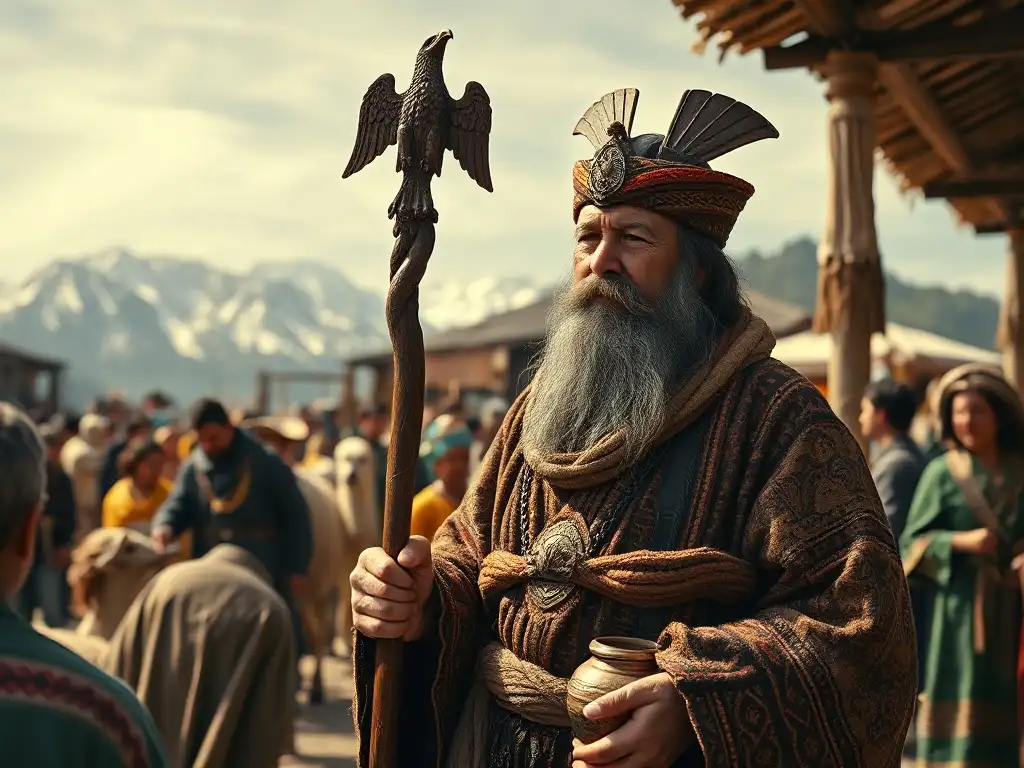
The Andean priests' role in society extended far beyond simple religious rituals. They were integral to the social fabric, wielding significant influence in political, economic, and social spheres. Their expertise in astronomy, agriculture, and medicine, combined with their perceived connection to the divine, granted them considerable authority and respect. Understanding their multifaceted roles is crucial to grasping the complexities of Andean civilizations.
This section will explore the various ways Andean priests shaped the daily lives and long-term trajectories of their communities. The term "Andean priests" encompasses a diverse range of religious figures, from the high-ranking *wilaq *of the Inca empire to the local shamans and healers who served smaller communities. Their influence, however, was consistently profound.
In the Inca Empire, the religious elite held immense power. The wilaq uma, the high priest, was often a close advisor to the Sapa Inca, the emperor, influencing political decisions and wielding considerable authority. Their influence stemmed not only from their religious authority but also from their control over vital resources and knowledge. For instance, they managed the acllas, chosen women who served the temples and produced textiles and other valuable goods.
This economic control further strengthened their political standing. The wilaq uma wasn't alone; a complex hierarchy of priests, each with specialized roles and responsibilities, ensured the smooth functioning of the Inca religious system and its pervasive influence on society. This hierarchical structure mirrored the political structure of the empire, reinforcing the power dynamics and ensuring the priests' continued influence.
The intricate system of huacas (sacred sites) also fell under their purview, creating a network of power and control extending across the vast empire. The Inca's success in maintaining order and cohesion partially relied on the skillful manipulation of religious beliefs and practices by this powerful priestly class. Their ability to interpret omens, predict harvests, and maintain the favor of the gods was essential for social stability and the legitimacy of the Inca rulers.
The Role of Priests in Community Governance
Beyond the imperial court, Andean priests played crucial roles in local governance. In smaller communities, priests often acted as mediators in disputes, offering counsel and guidance based on their understanding of Andean cosmology and morality. Their knowledge of traditional laws and customs made them valuable figures in maintaining social order.
They were often involved in the allocation of resources, particularly during times of scarcity or hardship. This influence stemmed from their perceived ability to communicate with the supernatural realm and to interpret divine will. Their pronouncements on matters of community welfare carried significant weight, shaping decisions related to agriculture, resource management, and even warfare.
Evidence suggests that priests in various Andean societies acted as custodians of community knowledge, passing down traditions, agricultural techniques, and medicinal practices through generations. This role ensured cultural continuity and contributed to the stability of Andean communities. Their involvement in community affairs highlights the interwoven nature of religion and daily life in these societies.
Andean Priests and the Calendar: Marking Time and Seasons
Andean priests possessed sophisticated astronomical knowledge. Their understanding of celestial cycles allowed them to create accurate calendars, essential for agricultural planning and religious festivals. This knowledge directly impacted the economic well-being of the communities they served. By accurately predicting solstices, equinoxes, and other astronomical events, they could determine the optimal times for planting and harvesting, minimizing risks and maximizing yields.
The precise timing of religious festivals, often linked to agricultural cycles, further underscored the priests' importance. These festivals served not only to honor the gods but also to reinforce social bonds and ensure the continued prosperity of the community. The intricate knowledge of the Andean calendar was jealously guarded by the priestly class, enhancing their status and influence within the society.
Furthermore, specific astronomical events were often interpreted as omens, giving the priests yet another avenue to exert their influence on community decision-making. The priests' mastery of the calendar was a testament to their intellectual prowess and an essential component of their overall role in Andean society. The ability to predict and interpret celestial events solidified their authority and reinforced their position as intermediaries between the human and divine realms.
The Legacy of Andean Priests in Modern Times
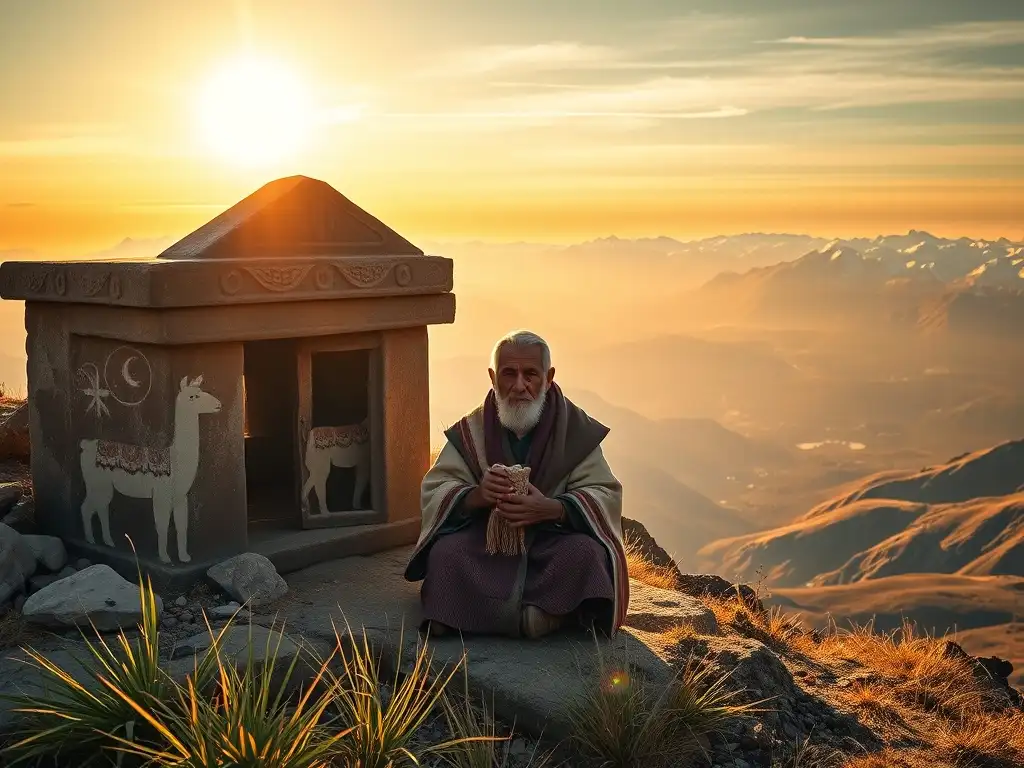
The influence of Andean priests, or paqos, extends far beyond the crumbling ruins of ancient cities. Their legacy continues to shape the spiritual landscape of the Andes, impacting contemporary Andean communities and their understanding of the world. While the grand temples and elaborate ceremonies of the Inca Empire may be gone, the core principles of Andean spirituality, deeply interwoven with the role of the priest, persist to this day.
Understanding this enduring legacy is crucial to appreciating the full depth and complexity of Andean culture. This enduring influence is seen not just in surviving traditions, but also in the emergence of contemporary spiritual leaders who carry the torch of ancient practices into the modern era.
The role of Andean priests in society continues to evolve, adapting to new circumstances while maintaining a strong connection to the past. This complex interplay between tradition and modernity is a fascinating area of study for anyone seeking to understand the Andean world.
Surviving Traditions and the Persistence of Andean Spirituality
Many Andean communities still maintain vibrant spiritual practices deeply rooted in pre-Columbian traditions. These practices often involve rituals, ceremonies, and the consultation of paqos for guidance and healing. The use of coca leaves for divination, the veneration of sacred mountains ( apus), and the performance of pago ceremonies (ritual offerings) are just a few examples of enduring traditions.
These practices aren't merely historical relics; they are living expressions of faith and a connection to the ancestors. The continued practice of these traditions speaks volumes about the resilience of Andean spirituality and the ongoing importance of the paqo in Andean society. The role of the priest, though adapted to contemporary contexts, remains vital in maintaining the cultural identity and spiritual well-being of many communities.
For example, the use of traditional Andean medicine, often guided by a paqo's knowledge of medicinal plants and rituals, remains prevalent in many rural areas. This highlights the interwoven nature of religious practice and daily life in Andean communities. The enduring strength of these traditions underscores the deep-seated role Andean priests have played, and continue to play, in shaping the social fabric of the Andes.
Q'ero Paqos: Contemporary Spiritual Leaders
The Q'ero people, a Quechua-speaking community high in the Peruvian Andes, offer a compelling example of the continued relevance of Andean priests in modern times. Q'ero paqos act as spiritual guides, healers, and intermediaries between the human world and the sacred realm. Their knowledge of ancient Inca traditions and their ability to perform complex ceremonies continue to attract both Andean communities and those seeking a deeper understanding of Andean spirituality.
The Q'ero paqos are not merely preserving ancient traditions; they are actively adapting and interpreting them for contemporary contexts. They often combine traditional practices with modern challenges, demonstrating the dynamic nature of Andean spirituality. Their role is vital not only for the spiritual well-being of the Q'ero community but also for the preservation of a unique and valuable cultural heritage.
The Q'ero paqos represent a living embodiment of the enduring influence of Andean priests and the continued relevance of their role in society. Their work highlights the ongoing evolution of Andean religious practices and the adaptability of traditional spiritual leadership. The growing interest in Q'ero spirituality further underscores the importance of understanding the role of these contemporary spiritual leaders.
The Importance of Understanding Andean Religious Practices
Understanding the role of Andean priests is paramount to comprehending the complexities of Andean civilizations. Their influence permeated every aspect of Andean life, from agriculture and warfare to healing and governance. The paqos were not simply religious figures; they were integral components of the social and political structures of their respective societies. To ignore their role is to misunderstand the very fabric of Andean societies.
Studying their practices provides invaluable insights into the Andean worldview, their cosmology, and their social organization. Moreover, understanding the enduring legacy of Andean priests is crucial for respecting and preserving the rich cultural heritage of the Andean region. This understanding fosters appreciation for the diversity of spiritual practices and highlights the importance of intercultural dialogue.
By studying the role of Andean priests, we gain a deeper appreciation for the dynamism and resilience of Andean culture, from its ancient roots to its contemporary expressions. The continued relevance of Andean religious practices underscores the need for further research and a respectful engagement with the living traditions of Andean communities. This ensures that the legacy of Andean priests is not only preserved but also understood and appreciated in its full complexity.
Conclusion: The Enduring Significance of Andean Priests
The role of Andean priests in society was far more multifaceted than simply mediating between the human and divine realms. Their influence permeated every aspect of Andean life, from agricultural practices and political structures to artistic expression and social organization. Understanding their significance requires acknowledging their diverse functions and the profound impact they had on the development and continuity of Andean civilizations.
This wasn't simply a matter of religious ritual; it was a complex interplay of spiritual authority, social organization, and political power. The Andean priests' legacy is not solely confined to the past; it continues to resonate in contemporary Andean cultures, shaping beliefs, practices, and worldview. Their enduring influence demonstrates the deeply embedded nature of religion in the fabric of Andean societies.
Further research into specific priestly roles within different Andean cultures could illuminate even more nuanced aspects of their societal importance. The study of Andean priestly garments, tools, and burial sites continues to yield valuable insights into their practices and beliefs. Analyzing these artifacts provides crucial evidence for understanding the complexities of their roles and the depth of their influence.
The Vital Role of Intermediaries in Andean Cosmovision
Andean cosmovision, with its intricate layers of deities, spirits, and ancestors, relied heavily on priests as intermediaries. These weren't passive messengers; they actively shaped the relationship between the human world and the supernatural. They performed rituals to ensure successful harvests, appease angry spirits, and maintain cosmic balance.
Their knowledge of astronomical cycles, agricultural techniques, and medicinal plants solidified their position as indispensable figures in Andean society. This wasn't just about predicting the weather or curing illness; it was about maintaining the delicate equilibrium of the cosmos, a task entrusted solely to those with the specialized knowledge and ritual expertise possessed by the priests. Consider the elaborate ceremonies surrounding the capacocha – the ritual sacrifice of children – where priests played a central role in selecting and preparing the chosen individuals, ensuring the continuity of the cosmos and the prosperity of the Inca Empire.
The power bestowed upon them was immense, stemming directly from their ability to navigate and manipulate the forces governing the Andean world. Their actions had real and tangible effects on the daily lives of their communities.
A Lasting Legacy of Spiritual Leadership
The legacy of Andean priests extends far beyond the collapse of the Inca Empire. Their influence can still be observed in many contemporary Andean communities. Traditional healers, yatiri, and other spiritual leaders often carry on aspects of the ancient priestly traditions, demonstrating the enduring power of these roles and the continuity of their spiritual authority.
While the specific practices may have evolved over time, the fundamental concept of a spiritual intermediary remains a critical component of Andean spiritual life. The enduring reverence for sacred sites, mountains, and natural elements reflects the deep-rooted connection between the human and spiritual realms, a connection that Andean priests actively cultivated and maintained. Many contemporary Andean communities continue to practice rituals and ceremonies that have roots in ancient traditions.
These practices are often overseen by spiritual leaders who continue to play a vital role in maintaining community cohesion and ensuring the well-being of their people. The study of these contemporary practices offers invaluable insights into the enduring influence of the ancient Andean priests and their continued relevance in modern Andean society. The legacy of spiritual leadership, deeply intertwined with the fabric of Andean culture, continues to thrive.
Frequently Asked Questions
What was the primary role of Andean priests?
Andean priests served as crucial intermediaries between the divine and human worlds. Their responsibilities included performing rituals, interpreting omens, and ensuring the cosmic balance necessary for societal well-being.
How did Andean priests influence daily life?
Priests significantly impacted daily life by advising on agricultural practices, political decisions, and social matters. Their pronouncements held considerable weight, shaping community norms and activities.
What were some of the specific rituals performed by Andean priests?
Rituals varied across different Andean cultures but often involved sacrifices, ceremonial dances, and the use of sacred objects. These practices aimed to appease deities, ensure good harvests, and maintain social order.
Did all Andean societies have the same type of priestly structure?
No, the structure and power of the priesthood differed across cultures. While some featured a highly organized and influential priestly class (like the Inca), others had less formalized religious leadership. Variations existed based on societal organization and beliefs.
How did Andean priests maintain their power and influence?
Priests maintained power through their religious authority, control over sacred knowledge, and often their close ties to the ruling elite. Access to and control of resources also played a significant role.
Final Reflection: Echoes of the Andes: A Legacy of Intercession
The enduring power of Andean spirituality, manifested through the crucial role of priests, continues to resonate in contemporary Andean societies and beyond. The intricate relationship between the human and divine realms, meticulously facilitated by these intermediaries, offers a profound understanding of how societies construct and maintain their connection to the sacred. This system, far from being a relic of the past, provides a framework for understanding contemporary spiritual practices and the enduring human need for meaning and connection.
The influence of Andean priests extended far beyond ritualistic practices; they were integral to the social fabric, acting as advisors, healers, and keepers of knowledge. Their role shaped community structures, agricultural practices, and even political landscapes. Their understanding of the cosmos and their ability to interpret its signs profoundly impacted the lives of their people. The priest was not merely a religious figure, but a vital part of the social order, a mediator between the visible and invisible worlds.
This quote, though needing further contextualization within the specific Andean context, highlights the pervasive influence of these figures. Their legacy continues to shape how Andean communities understand their relationship with nature, their ancestors, and the divine.
Consider, for a moment, the ways in which you seek connection and meaning in your own life. How do you navigate the complexities of the human experience? The story of Andean priests, their rituals, and their profound influence, offers a powerful lens through which to examine our own search for purpose and connection to something larger than ourselves. Let the echoes of their wisdom inspire you to explore your own spiritual landscape and to appreciate the enduring power of faith and community in shaping a meaningful life.
Embrace the Sacred: Connect with Andean Spirituality Today!
Thank you for exploring the fascinating world of Andean spirituality and the vital role of traditional practitioners in connecting with the divine. You've begun to understand the profound spiritual essence that shaped ancient Andean cultures. Now, let's deepen your connection!
Here are some ways to further explore Andean spirituality:
- Begin your journey by attending a workshop or online course focusing on Andean spiritual practices. This immersive experience will bring the richness of this tradition to life.
- Join a community dedicated to Andean traditions. Connecting with like-minded individuals provides a supportive environment for sharing insights and learning from others on a similar path.
- Consider supporting organizations that work to preserve and promote Andean culture and practices. This is a wonderful way to contribute meaningfully to the continuation of this rich heritage.
How does Andean spirituality resonate with you personally, and how will you integrate its wisdom into your daily life?