
The Priest's Calendar: Tracking Time and Divine Cycles in Andean Civilizations

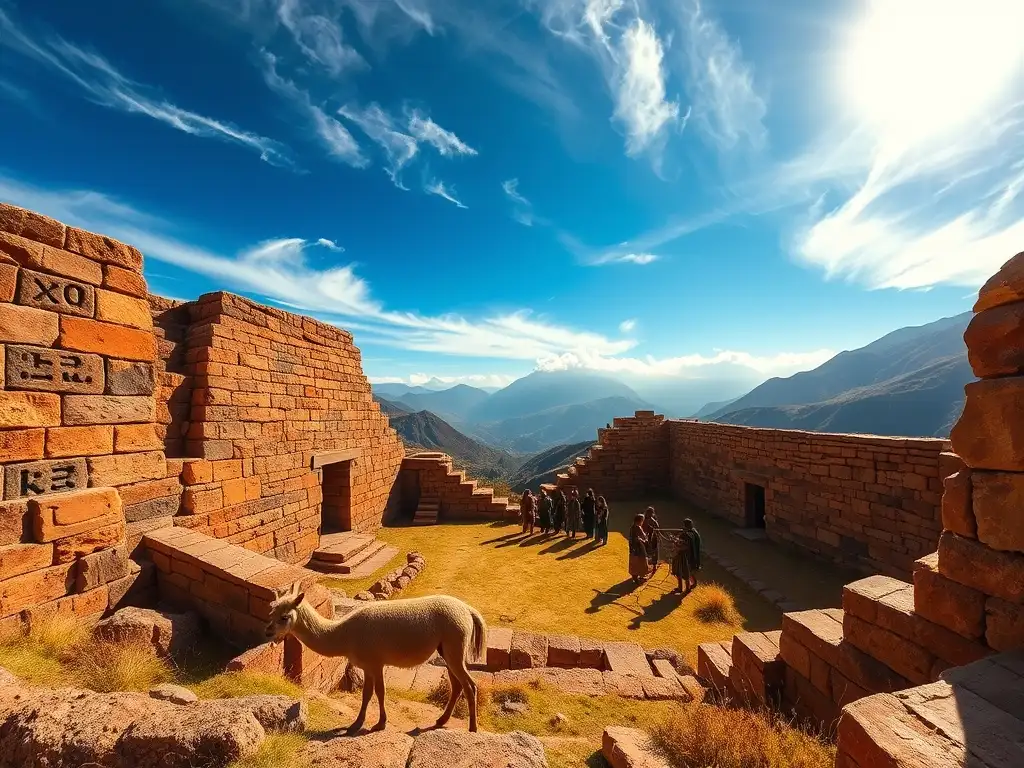
Unravel the mysteries of a lost world. For centuries, the towering peaks of the Andes have guarded the secrets of remarkable civilizations. Now, delve into the intricate world of the Andean civilizations calendar system, a celestial roadmap that guided the lives and beliefs of the Incas, Moche, Nazca, and Tiahuanaco.
Prepare to be amazed as we explore the sophisticated astronomical knowledge embedded within this ancient technology, revealing a profound connection between the human world and the divine. Discover how the priest's calendar shaped their society, their agriculture, and their very understanding of time itself. Read on to uncover the celestial secrets held within these ancient stones.
The intricate tapestry of Andean civilizations is woven with threads of sophisticated astronomical knowledge and a deep reverence for cyclical time. Unlike linear Western conceptions of time, Andean societies viewed time as a continuous flow, a cyclical dance between the earthly and the cosmic realms. This cyclical understanding deeply impacted their agricultural practices, social organization, and religious rituals, all intricately linked to precise observations of celestial movements.
This article delves into the fascinating world of Andean timekeeping, focusing on the crucial role of priests and shamans in managing and interpreting the calendar system, a system that went far beyond simple date-tracking and served as a vital link between the human and divine worlds. Understanding the Andean calendar system provides invaluable insight into the sophisticated worldview and remarkable achievements of these ancient societies, enriching our understanding of their complex cultures and their enduring legacy.
We will explore the various methods employed for timekeeping and the profound significance attributed to the celestial cycles in Andean cosmovision. This exploration will reveal how the "Andean civilizations calendar system" was not merely a practical tool, but a fundamental component of their spiritual and social fabric.
Introduction to Timekeeping in Ancient Andean Societies
Ancient Andean societies, including the Incas, Moche, Nazca, and Tiahuanaco, developed remarkably accurate methods for tracking time, far surpassing the simple needs of agriculture. While precise details vary across different cultures and time periods, a common thread unites their approaches: a profound understanding of celestial cycles and their influence on earthly events. Their observations weren't merely scientific; they were deeply intertwined with religious beliefs and cosmological interpretations. Evidence suggests that they utilized a combination of methods, including:
- Solar observations: Careful tracking of the solstices and equinoxes played a crucial role in determining agricultural cycles and planning important ceremonies. Monumental structures, strategically positioned to align with celestial events, served as giant observatories.
- Lunar observations: The phases of the moon provided a shorter-term measure of time, influencing the timing of specific rituals and festivals.
- Stellar observations: The positions and movements of specific stars and constellations were also significant, often linked to mythological narratives and the prediction of auspicious or inauspicious times.
The complexity of their timekeeping systems is evident in the intricate designs found on textiles, pottery, and other artifacts, which often incorporate celestial motifs and calendrical symbols. These visual representations offer valuable clues to deciphering the intricacies of their temporal understanding. Further research is needed to fully understand the nuances of these systems, but existing evidence clearly points to a high degree of sophistication in their astronomical knowledge.
The Crucial Role of Priests in Calendar Management
The priests and shamans of Andean societies held a position of immense power and influence, largely due to their mastery of the calendar system. They were the keepers of time, the interpreters of celestial events, and the mediators between the human and divine worlds. Their knowledge wasn't simply academic; it was the foundation upon which social order, agricultural practices, and religious rituals were built.
The priests meticulously tracked celestial movements, using their observations to predict weather patterns, determine optimal planting and harvesting times, and schedule significant religious festivals. They were responsible for interpreting the meaning of celestial phenomena, often viewing them as messages from the gods or signs of impending events. This role gave them considerable authority, as they were seen as possessing a unique understanding of the cosmic order.
Their expertise extended beyond simple observation. They were also skilled in interpreting complex calendrical cycles, utilizing their knowledge to maintain social harmony and ensure the prosperity of their communities. The accurate prediction of agricultural cycles, for example, directly impacted food security and social stability, reinforcing the priest's crucial role in society. Evidence suggests that priests also played a role in maintaining official records, using quipu (knotted cords) to store and transmit calendrical information across generations.
Understanding the Andean Calendar System: A Cosmic View
The Andean calendar system wasn't a monolithic entity; it varied across different regions and cultures. However, some common features emerge, highlighting the underlying cosmological framework. Rather than a linear progression, Andean time was cyclical, emphasizing the continuous interplay between the sun, moon, stars, and the earth. This cyclical perspective is reflected in their agricultural practices, with emphasis placed on the renewal of life and the continuous cycle of planting, growth, harvest, and fallow periods.
The calendar was intimately linked to the agricultural cycle, with festivals and rituals timed to coincide with crucial phases of planting, growth, and harvesting. These events weren't merely practical celebrations; they were deeply spiritual experiences, designed to ensure the continued fertility of the land and appease the gods. This deeply embedded connection between the calendar, agriculture, and religion highlights the holistic nature of Andean society.
Furthermore, the calendar played a crucial role in organizing social life. Important events, such as feasts, ceremonies, and communal work projects, were meticulously scheduled according to the calendar, reflecting a highly structured and organized society. The calendar wasn't simply a tool for measuring time; it was a fundamental component of their social and spiritual fabric, shaping their lives in profound ways. The precise details of the calendar systems remain a subject of ongoing research, but their importance in shaping Andean civilizations is undeniable. The study of these systems continues to reveal the sophistication and complexity of these fascinating cultures.
- Introduction to Timekeeping in Ancient Andean Societies
- The Crucial Role of Priests in Calendar Management
- Understanding the Andean Calendar System: A Cosmic View
- What calendar system did the Andean civilizations use?
- How did the Inca calendar differ from other Andean calendars?
- What role did astronomy play in the Andean calendar systems?
- Were the Andean calendar systems based solely on astronomical observations?
- How accurate were the Andean calendar systems in predicting events?
Andean Civilizations Calendar System: Key Components
The Andean civilizations, far from being technologically unsophisticated, possessed remarkably intricate calendar systems deeply intertwined with their religious beliefs and agricultural practices. Understanding their methods of timekeeping provides crucial insight into their worldview and societal structure. These systems weren't simply tools for scheduling; they were vital for maintaining cosmic balance and ensuring successful harvests, reflecting a profound connection between the human and divine realms.
The Andean civilizations calendar system wasn't a monolithic entity; rather, it varied across different cultures and regions, with shared elements and unique adaptations. This section will explore key components, highlighting the interplay between celestial observation, ritual practice, and sacred geography.
Solar Observations and the Agricultural Cycle
Andean agricultural practices were fundamentally linked to solar observations. The precise tracking of solstices and equinoxes dictated the planting and harvesting cycles, ensuring the community's survival. Archaeological evidence suggests sophisticated knowledge of the solar year, with structures like Intihuatana stones (literally "sun-tying posts") meticulously aligned to mark key solar events. These weren't merely decorative elements; their orientation allowed priests to accurately determine the solstices and equinoxes, providing vital information for agricultural planning.
The Inca, for example, divided their year into twelve lunar months, further subdivided into smaller periods based on agricultural needs. The timing of planting maize, potatoes, and other crops was crucial, and deviations could lead to famine. The precise knowledge of the solar cycle, combined with detailed observations of seasonal changes, allowed for efficient resource management and a relatively stable food supply.
This intricate understanding of the solar year is a testament to the Andean peoples' keen observation skills and their practical application of astronomical knowledge. More research is needed to fully understand the nuances of solar tracking across different Andean cultures, [specific information pending on regional variations in solar calendar use].
Lunar Cycles and Ritual Celebrations
Beyond the solar year, lunar cycles played a significant role in the Andean civilizations calendar system, deeply influencing their ritual calendar. The phases of the moon were not merely observed; they were imbued with symbolic meaning and dictated the timing of numerous religious ceremonies. New moons and full moons marked important moments for festivals, offerings, and community gatherings.
The Incas, for instance, used a lunar calendar alongside their solar calendar. Each month was associated with specific deities and rituals, reflecting the cyclical nature of life and the cosmos. The lunar calendar facilitated the scheduling of religious festivals, which were integral to maintaining social cohesion and reinforcing the power of the ruling elite. The precise correlation between solar and lunar cycles required sophisticated astronomical knowledge, suggesting a high level of mathematical and observational skills. [Further data needed on the specific rituals and their lunar associations for different Andean cultures].
The Importance of Waka (Sacred Places) in Time Measurement
The Andean civilizations calendar system wasn't solely based on celestial observations; it was also deeply rooted in the concept of waka, sacred places. Mountains, caves, springs, and other geographically significant locations served as markers for time and points of connection to the spiritual realm. These waka weren't just passively observed; they were actively involved in ritual practices and played a crucial role in the community's relationship with the cosmos.
The placement and orientation of many Andean settlements strongly suggest a deliberate relationship with the surrounding landscape and its waka. These sites served as focal points for rituals and ceremonies, often timed according to solar and lunar cycles. The precise alignment of certain structures with specific waka suggests a sophisticated understanding of the relationship between celestial movements and terrestrial geography.
The integration of waka into the calendar system highlights the holistic worldview of the Andean civilizations, where the natural world and the spiritual realm were inextricably intertwined. [Further research is needed on the specific ways in which different Andean groups used waka in their timekeeping systems]. The interplay between celestial cycles, agricultural rhythms, and sacred geography created a rich and complex calendar system that was fundamental to the social, religious, and agricultural life of the Andean civilizations.
Specific Calendrical Practices in Andean Cultures
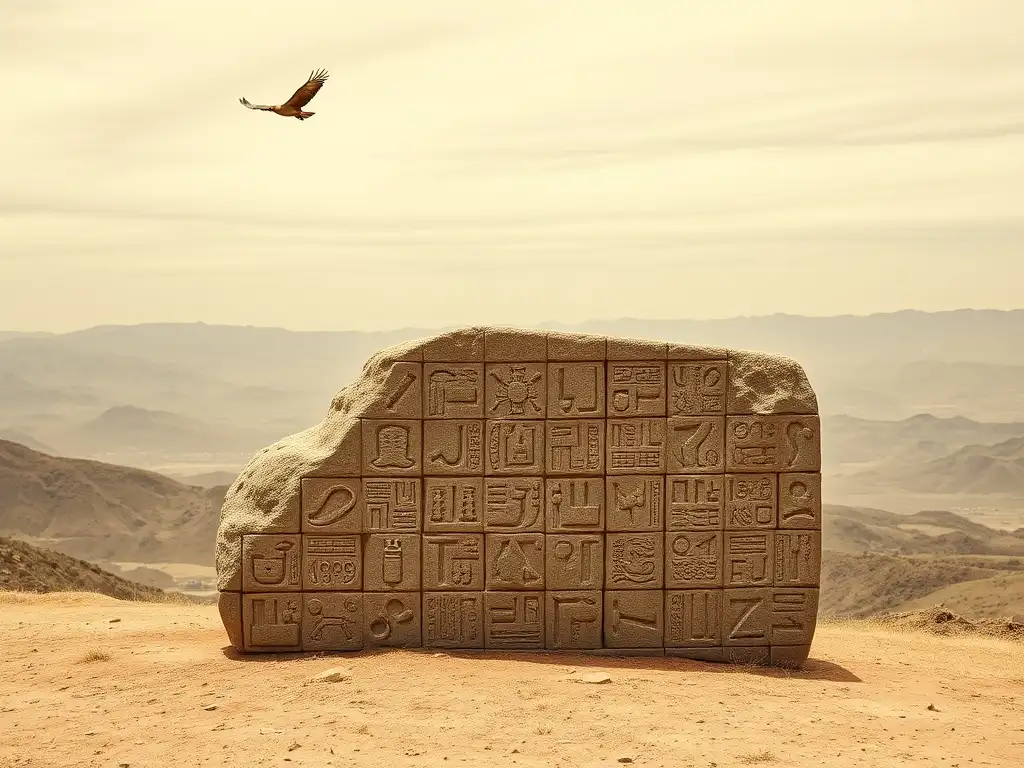
This section delves into the unique calendrical systems employed by different Andean civilizations, highlighting their intricate connection to religious practices and societal organization. While a unified, pan-Andean calendar system didn't exist, distinct methods of tracking time emerged, reflecting the diverse cosmologies and belief systems of each culture. Understanding these variations provides crucial insights into the complexities of Andean religious life and the profound significance of time in their worldview. The Andean civilizations calendar system wasn't a monolithic entity but rather a tapestry of interwoven beliefs and practices.
The Inca Calendar: A State-Controlled Timekeeping System
The Inca Empire, renowned for its administrative prowess, developed a sophisticated calendar system intricately linked to the state's power structure. Unlike some other Andean societies, the Inca calendar wasn't solely determined by astronomical observations; it was also profoundly influenced by political and agricultural needs. The Inca calendar was a crucial tool for regulating agricultural cycles, organizing labor, and planning religious festivals. Its accuracy and precision underscore the advanced level of astronomical knowledge possessed by Inca priests and astronomers.
The system likely involved a combination of solar and lunar observations, resulting in a highly effective system for predicting seasons and coordinating activities across the vast empire. This state-controlled approach ensured that agricultural production, religious ceremonies, and even military campaigns were synchronized, strengthening the Inca's control over its vast territories. The precision of their timekeeping facilitated the efficient management of resources and the organization of a large and complex society.
Inti Raymi and other Inca Religious Celebrations
The Inca calendar was fundamental to the timing of numerous religious celebrations, the most prominent being Inti Raymi, the Festival of the Sun. This grand ceremony, held annually on the solstice in June, marked the most important moment in the Inca religious year, celebrating the Inca sun god, Inti. Inti Raymi involved elaborate rituals, sacrifices, and processions, demonstrating the profound link between the calendar and religious practices.
Besides Inti Raymi, numerous other festivals were carefully scheduled throughout the year, each corresponding to specific agricultural cycles or astronomical events. These included the Capac Raymi (main festival), Coya Raymi (festival for the queen), and many other smaller celebrations tied to specific deities or agricultural milestones. The precise dates of these events were meticulously calculated by Inca priests, who held significant social and political power due to their expertise in astronomy and calendrical knowledge.
The meticulous planning and execution of these festivals reinforced social cohesion and strengthened the authority of the Inca rulers. The calendar was not merely a timekeeping device, but a powerful tool for social control and religious expression.
The Moche Calendar: Evidence from Iconography
Unlike the Inca, whose calendar system is partially documented through written records (quipus), the Moche calendar is primarily understood through the rich iconography found on their elaborate ceramics. These vessels often depict scenes of religious ceremonies, astronomical events, and mythological figures, providing valuable clues about their understanding of time and the cosmos. The Moche, known for their artistic sophistication, left behind a wealth of visual evidence that allows scholars to reconstruct aspects of their calendrical system.
While a fully comprehensive Moche calendar remains elusive, their artistic representations reveal a deep understanding of celestial cycles and their impact on agricultural practices and religious beliefs. The recurring motifs in Moche pottery suggest a strong connection between their calendrical system and their agricultural practices. The intricate depictions of celestial bodies and ritual scenes highlight the importance of astronomical observation in their culture.
Moche Ceramic Depictions of Time and Rites
Analysis of Moche ceramics reveals cyclical patterns, often represented through repeated motifs of agricultural activities, such as planting and harvesting, alongside depictions of celestial events, like solstices and eclipses. These depictions suggest a calendar system closely tied to the agricultural cycle, with festivals and rituals timed to coincide with crucial moments in the growing season. For example, certain motifs frequently associated with rain and fertility appear on ceramics unearthed from sites near the coast, suggesting a calendar system attuned to the seasonal variations in rainfall.
Furthermore, the presence of specific mythological figures in these scenes, often associated with specific celestial bodies or agricultural stages, reinforces the integration of religious beliefs within their timekeeping system. The stylistic variations in the ceramic depictions across different Moche periods might even indicate changes or refinements in their calendrical practices over time. The detailed and intricate nature of the iconography underscores the importance of time and its sacred significance within Moche society.
Further research into Moche iconography holds the potential to reveal more about their understanding of time and the cosmos. The ongoing study of these artifacts continues to shed light on the Andean civilizations calendar system, enriching our understanding of pre-Columbian Andean cultures.
Nazca Lines and their Possible Calendrical Significance
The enigmatic Nazca Lines, etched into the Peruvian desert, have captivated researchers for decades. While their primary purpose remains debated, a compelling theory suggests a calendrical function interwoven with their astronomical alignments. These geoglyphs, some stretching for hundreds of meters, depict animals, plants, and geometric shapes.
The sheer scale and precision of these creations hint at a sophisticated understanding of astronomy and a potentially complex system for tracking time, possibly linked to agricultural cycles and religious observances. The intricate designs, far from being random, may represent constellations, specific dates, or even celestial events significant to Nazca cosmology. Further research into the lines' precise orientations and their relationship to the solstices and equinoxes could reveal a more complete understanding of their calendrical role within Nazca society.
The possibility that certain lines were used to mark the passage of time, perhaps indicating auspicious planting or harvesting periods, adds another layer to the mystery surrounding these impressive works. Analyzing the lines' relationship to the surrounding landscape and the positioning of nearby settlements could provide additional clues about their function as a complex calendar system. The ongoing investigation into the Nazca Lines continues to unveil potential connections between these monumental works and the precise tracking of time, revealing a potentially sophisticated calendrical system embedded within the landscape itself.
Alignment with Celestial Events
The potential calendrical significance of the Nazca Lines is further strengthened by evidence suggesting alignments with celestial events. Researchers have identified possible correlations between certain lines and the rising or setting points of significant stars or constellations at specific times of the year. For example, some lines appear to be oriented towards the solstices or equinoxes, suggesting their use in marking the changing seasons and the associated agricultural cycles.
This astronomical alignment demonstrates a sophisticated understanding of celestial movements and a capacity to integrate this knowledge into a system for tracking time. The precision of these alignments is remarkable, indicating a level of astronomical observation and mathematical understanding beyond what was previously assumed for the Nazca culture. Further study of these alignments, using modern astronomical software and techniques, could reveal more precise correlations and shed light on the specific calendrical events marked by the Nazca Lines.
The integration of astronomical observations into their calendrical system demonstrates a deep connection between the Nazca's understanding of the cosmos and their practical needs for regulating agriculture and religious practices. The intertwining of celestial cycles and terrestrial events within the Nazca Lines reveals a sophisticated and nuanced approach to timekeeping.
Tiahuanaco Calendar: The Gate of the Sun and Time
The Tiahuanaco culture, flourishing in the Bolivian Altiplano, left behind a legacy of monumental architecture, including the iconic Gate of the Sun. This intricately carved stone structure is believed by many researchers to have served a calendrical function, representing a sophisticated system for tracking time and marking important dates within the Tiahuanaco cosmology. The Gate's elaborate carvings, featuring stylized figures and symbols, may represent constellations, deities, or agricultural cycles.
The arrangement of these elements suggests a complex system for organizing time, possibly integrating astronomical observations with religious and agricultural practices. The Gate's location and orientation within the Tiahuanaco site also suggest a deliberate connection to the surrounding landscape and celestial events.
The meticulous craftsmanship and symbolic richness of the Gate of the Sun point to a deep understanding of time and its connection to the cosmos within Tiahuanaco society. The detailed carvings suggest a sophisticated level of planning and execution, reflecting a high degree of societal organization and a strong belief in the importance of accurate timekeeping.
Astronomical Alignments and the Tiahuanaco Cosmovision
The Tiahuanaco calendar, as evidenced by the Gate of the Sun and other architectural features, appears to be deeply intertwined with the culture's cosmovision. Astronomical alignments, particularly with solstices and equinoxes, are believed to have been incorporated into the design and placement of structures within the Tiahuanaco site. This suggests that the Tiahuanaco people carefully observed the movements of the sun and other celestial bodies, using this knowledge to create a system for tracking time and marking significant events within their religious and agricultural calendars.
The integration of astronomical observations into their religious and social practices highlights the profound importance of the cosmos in Tiahuanaco cosmology. The meticulous precision of these alignments underscores the advanced astronomical knowledge and mathematical skills possessed by the Tiahuanaco people.
The intricate relationship between the Tiahuanaco calendar and their cosmovision reflects a sophisticated understanding of the interconnectedness between the celestial realm and the terrestrial world. Further research into the astronomical alignments within the Tiahuanaco site could reveal a more detailed understanding of their calendar system and its role in shaping their society and beliefs.
The Priest's Role in Interpreting and Applying the Calendar
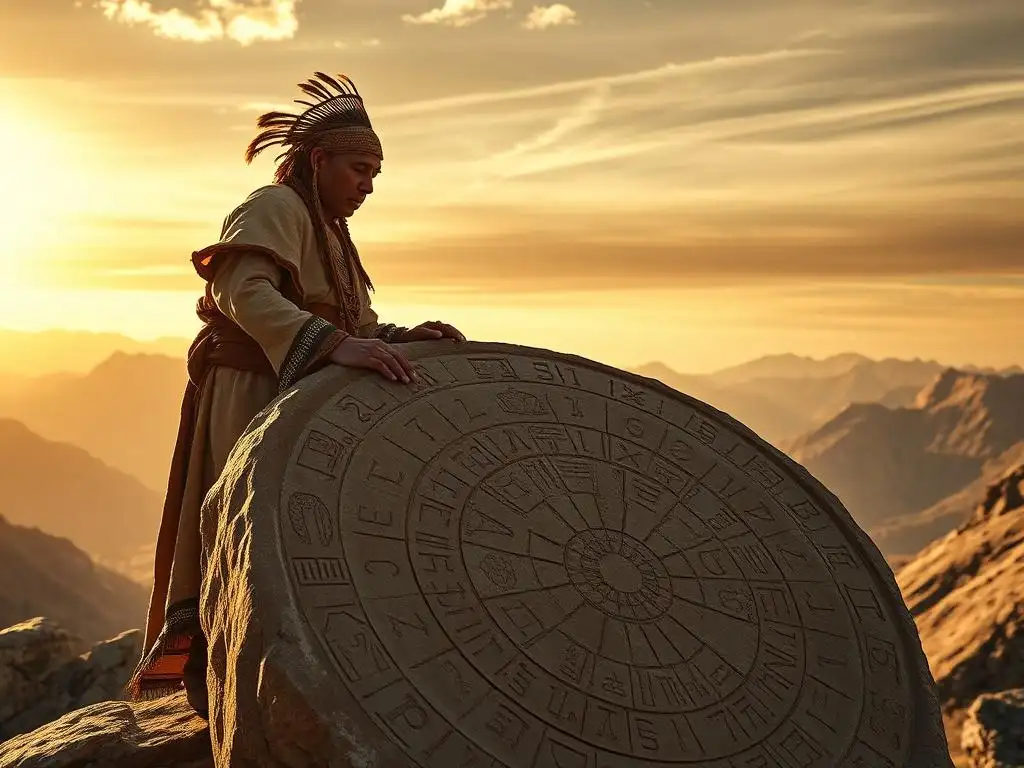
The Andean civilizations, renowned for their sophisticated understanding of astronomy and timekeeping, relied heavily on their priestly class to interpret and apply the complex calendar systems. These weren't simply tools for tracking the seasons; they were integral to the Andean worldview, connecting the earthly realm with the celestial, and influencing every aspect of life from agriculture to warfare. The priest, therefore, held a position of immense power and influence, acting as the intermediary between the divine and the human.
Their understanding of the calendar dictated not only the timing of agricultural cycles but also the performance of crucial religious ceremonies, ensuring the continued favor of the gods and the prosperity of the community. The accuracy and depth of their calendrical knowledge directly impacted the well-being of the entire society.
This intricate interplay between cosmology, religion, and practical life highlights the crucial role of the Andean priest in maintaining social order and prosperity. The Andean civilizations calendar system was not merely a set of dates; it was a living, breathing reflection of their cosmic beliefs.
Prophecies and Predictions based on Calendrical Cycles
The Andean priests weren't simply passive observers of celestial events; they were active interpreters, using their knowledge of the calendar to make prophecies and predictions. By carefully observing the movements of the sun, moon, and stars, and correlating these observations with past events and cyclical patterns recorded in knotted strings (quipus) and other forms of record-keeping, they could anticipate auspicious and inauspicious times. For example, the appearance of certain constellations or specific lunar phases might have foretold a bountiful harvest, while others could signify impending drought or conflict.
These predictions were crucial for decision-making at all levels of society, from individual farmers planning their planting cycles to the rulers making strategic military decisions. The accuracy of these predictions cemented the priest's authority and underscored the importance of their calendrical expertise within the Andean civilizations.
Evidence suggests that some priests specialized in interpreting specific aspects of the calendar, further highlighting the complexity and sophistication of their system. The ability to predict future events, even with a degree of uncertainty inherent in such practices, gave the priestly class significant social and political power within Andean societies.
Determining the Dates for Religious Ceremonies
The Andean calendar was intrinsically linked to the performance of religious ceremonies. The timing of these rituals was not arbitrary; rather, it was meticulously determined by the priests based on their interpretation of the calendar and astronomical observations. Specific dates were associated with particular deities, agricultural cycles, and significant events in the Andean mythological narratives.
These ceremonies, often involving elaborate rituals, sacrifices, and processions, were believed to maintain cosmic balance, ensure the fertility of the land, and appease the gods. The accuracy in determining these dates was paramount, and any deviation could have had serious consequences for the community. The priests' precise knowledge of the calendar, therefore, wasn't merely academic; it was a practical skill essential for maintaining social cohesion and ensuring the spiritual well-being of the Andean societies.
The calendar dictated the rhythm of religious life, shaping the spiritual landscape of these ancient cultures. The meticulous planning and execution of these ceremonies speaks volumes about the organizational capacity and religious devotion of these civilizations.
The Priest as a Link Between the Cosmos and the Community
The Andean priest acted as a vital link between the cosmos and the community. Their understanding of the Andean civilizations calendar system allowed them to interpret celestial events and translate their meaning into practical guidance for the people. They were not simply religious figures; they were also astronomers, advisors, and interpreters of divine will.
They communicated with the gods through rituals and ceremonies, and their pronouncements guided the community's actions. This unique position of influence stemmed from their specialized knowledge and their ability to mediate between the human and divine realms. The priest's authority wasn't based solely on religious dogma; it was grounded in their demonstrable ability to predict and interpret celestial phenomena, which had a direct impact on the daily lives of the people.
This close relationship between the priestly class and the community highlights the central role of religion and cosmology in shaping Andean societies and their sophisticated understanding of time and the cosmos. Their expertise in the calendar served as a cornerstone of their authority and influence, solidifying their position as essential figures within Andean society.
Legacy of the Andean Calendar in Modern Times
The intricate calendar systems developed by Andean civilizations weren't simply abandoned with the arrival of European colonizers. While the precise methods of astronomical observation and ritualistic practice might have been suppressed or altered, the underlying principles and the deep-seated connection between time, agriculture, and spirituality continue to resonate in modern Andean communities. The legacy of these ancient calendars is not a static relic of the past; it's a vibrant, evolving tradition adapted and reinterpreted across generations. Understanding this enduring influence requires examining both surviving rituals and the ongoing impact on Andean life.
Surviving Traditions and Rituals
Many Andean communities still maintain traditions deeply rooted in the cyclical understanding of time inherent in the ancient calendar systems. For instance, celebrations tied to solstices and equinoxes, marking crucial points in the agricultural year, persist in various forms. These festivities, often involving unique rituals and offerings, demonstrate a continuity with past practices, albeit often intertwined with Catholic or syncretic beliefs. The precise details vary significantly across different regions and ethnic groups.
Some communities continue to utilize specific astronomical observations for planting and harvesting, demonstrating a practical application of inherited knowledge. For example, the observation of specific constellations or the positioning of the sun at certain times of the year might trigger particular agricultural activities or community gatherings. Ethnoastronomical studies are crucial in documenting these practices and understanding the complex interplay between ancient knowledge and contemporary Andean life.
The study of these surviving rituals offers invaluable insight into the enduring power of the Andean worldview and its connection to the natural world. Detailed ethnographic records, often documenting specific ceremonies and their associated symbolism, provide critical evidence of this continuity. Further research is needed to fully catalog the diversity of these surviving traditions and their geographical distribution.
Influence on Andean Agriculture and Culture
The Andean calendar system's influence extends beyond ceremonial practices; it profoundly shaped, and continues to shape, agricultural practices and cultural expressions. The precise timing of planting and harvesting, dictated by the meticulous observation of celestial cycles, remains a cornerstone of Andean agriculture. This knowledge, passed down through generations, ensures optimal yields and contributes to the sustainability of agricultural practices in challenging Andean environments.
Many modern Andean farmers still rely on traditional methods, supplementing them with modern technologies. This blend of ancient wisdom and contemporary techniques highlights the adaptability and resilience of Andean agricultural systems. Furthermore, the cyclical nature of the Andean calendar is reflected in various artistic expressions, including textiles, pottery, and music.
Motifs and patterns often depict celestial events or represent the cyclical nature of life, death, and rebirth – themes inextricably linked to the calendar’s understanding of time. These artistic representations serve as visual reminders of the enduring influence of the Andean worldview on Andean culture, demonstrating the calendar's profound impact on artistic expression and cultural identity. Analyzing these artistic manifestations provides another perspective on the calendar's pervasive role in shaping Andean society.
Conclusion: The Enduring Significance of the Andean Calendar
The Andean calendar system, far from being a historical curiosity, remains a vital element of Andean culture and identity. Its legacy is visible in the surviving traditions, the continued influence on agricultural practices, and the pervasive presence in artistic expressions. While the specifics of observation and ritual have evolved over time, the fundamental principles of a cyclical understanding of time, the close connection between humans and the cosmos, and the importance of astronomical knowledge for agricultural success continue to inform Andean life.
Further research into specific communities and their unique adaptations of the ancient calendar is essential for a comprehensive understanding of this rich and complex heritage. The Andean civilizations calendar system, therefore, continues to thrive, demonstrating the enduring power of ancient knowledge and its capacity to adapt and persist across centuries.
Its study provides invaluable insights into the enduring resilience of Andean cultures and their unique relationship with time and the natural world. The ongoing relevance of the Andean calendar is a testament to the wisdom and ingenuity of the Andean civilizations.
Frequently Asked Questions
What calendar system did the Andean civilizations use?
The Andean civilizations didn't have a single, unified calendar system. Instead, various cultures, like the Inca, Moche, and Nazca, developed their own unique systems for tracking time, often intertwined with religious and agricultural cycles. These systems varied in complexity and methodology.
How did the Inca calendar differ from other Andean calendars?
While details are scarce, the Inca calendar likely incorporated a solar year and a lunar cycle, influencing agricultural practices and religious festivals. Unlike some other Andean cultures, they may not have heavily relied on complex astronomical observations for precise calendar reckoning. Further research is needed to fully understand its intricacies.
What role did astronomy play in the Andean calendar systems?
Astronomy played a crucial role, particularly in the religious and agricultural aspects of life. Many Andean cultures meticulously observed celestial events like solstices and equinoxes, using these observations to create their calendars and predict important seasonal changes. This knowledge was often held by priests and elites.
Were the Andean calendar systems based solely on astronomical observations?
While astronomical observations were important, the Andean calendar systems also incorporated practical knowledge of agriculture and local environmental cues. Seasonal changes like rainfall and temperature were vital for planning planting and harvesting, influencing the calendar's structure and use.
How accurate were the Andean calendar systems in predicting events?
The accuracy varied depending on the specific civilization and the sophistication of their astronomical observations. Some systems, like those potentially used by the Inca, were remarkably accurate in predicting seasonal changes, while others focused on less precise, but still useful, agricultural cycles. The level of precision was also culturally influenced.
Final Reflection: Echoes of the Andes: Time, Spirituality, and Our Modern World
The intricate calendar systems of the Andean civilizations, far from being relics of a bygone era, offer a powerful lens through which to examine our own relationship with time and the cosmos. Their sophisticated understanding of celestial cycles and their integration into daily life provides a stark contrast to our often fragmented and technology-driven experience of temporality. This understanding holds profound implications for how we perceive our place within the larger universe.
The enduring legacy of the Andean calendar systems is not merely academic; it speaks to a deeper human need to connect with something larger than ourselves, to find meaning and purpose within the rhythms of nature. Their cyclical view of time, emphasizing renewal and interconnectedness, offers a refreshing alternative to linear models that often leave us feeling pressured and disconnected. Time is not linear, but a circle; it returns to its beginning, and begins again.
This sentiment, though not directly from an Andean source, perfectly captures the essence of their cyclical worldview and its enduring relevance.
Consider, for a moment, the implications of this cyclical perspective on your own life. How might embracing a more holistic, nature-based understanding of time reduce stress and foster a deeper appreciation for the present moment? I invite you to explore the wisdom embedded within the Andean calendar systems, not just as a historical curiosity, but as a potential pathway to a more meaningful and fulfilling existence. Let the echoes of the Andes resonate within you, inspiring a renewed sense of connection to the natural world and the cyclical rhythms of life itself.
Embrace the Rhythm of Time: Act Now!
Thank you for exploring the fascinating world of Andean civilizations and their unique relationship with time, as reflected in their intricate calendar systems. You've uncovered the deep connection these cultures had with nature's rhythms. Now, let's build on this knowledge and enrich your understanding further.
Here are some inspiring ways to integrate your newfound insights into your life:
- Explore local celebrations: Discover how your community marks the passage of time and observes natural events like solstices and equinoxes. Consider incorporating elements of Andean timekeeping into your own personal practices, perhaps by marking significant dates with reflection or mindful activities.
- Share your discoveries: Discuss your newfound knowledge with friends and family, sparking conversations about how different cultures perceive and value time. Sharing your insights can be a rewarding way to deepen your own understanding and inspire others.
- Join a like-minded community: Connect with others who share your interest in ancient civilizations or astronomy through online forums, local clubs, or historical societies. Such connections can enrich your learning experience and provide opportunities for collaborative exploration.
As you reflect on these possibilities, we encourage you to share your thoughts. How do you believe a deeper understanding of cyclical time can enrich your daily life and perspective?