
The Enduring Power of Andean Beliefs: A Source of Wisdom and Inspiration

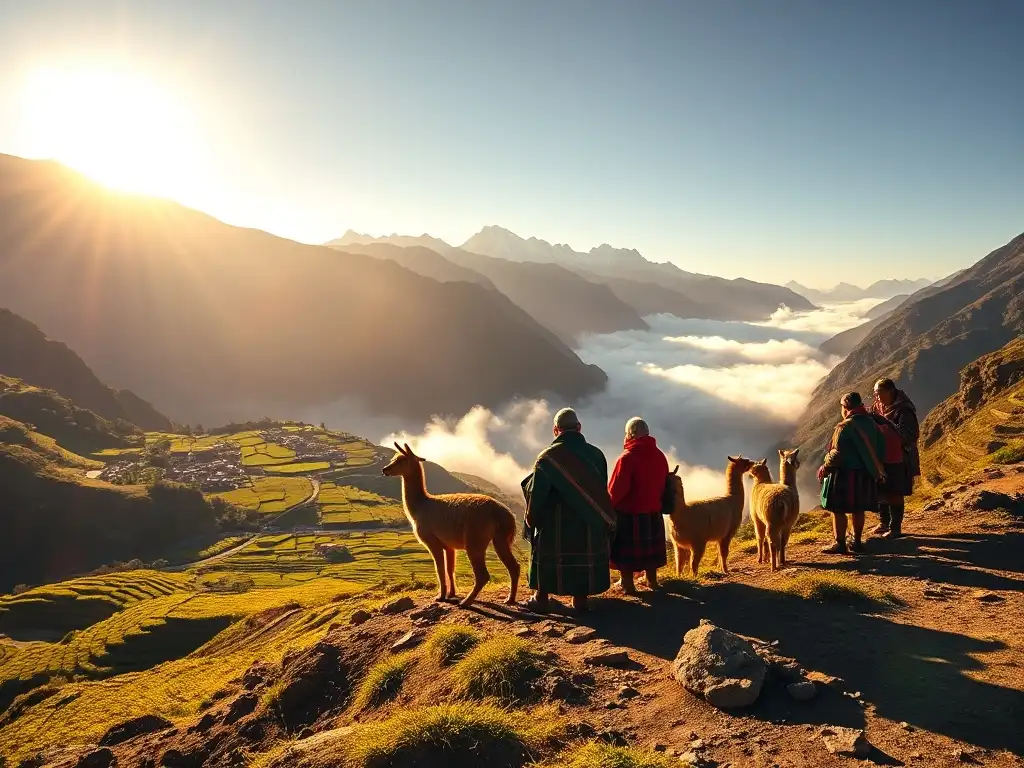
Step into a world lost to time, yet echoing with power. Imagine a civilization where the mountains whispered secrets to their people, where the sun held dominion over life and death, and where vibrant artistry reflected a profound connection to the cosmos. This is the realm of the Andean civilizations. Uncover the mysteries of Andean beliefs and traditions, a rich tapestry woven from spiritual practices, cosmological understandings, and enduring legacies that continue to inspire awe. Prepare to be captivated by a story far older—and more profound—than you could ever imagine.
The Andes Mountains, a majestic spine running down the western coast of South America, are not merely a geographical feature; they are the very foundation of a rich tapestry of beliefs and traditions that have endured for millennia. This article delves into the fascinating world of Andean beliefs and traditions, exploring their enduring power and the profound wisdom they offer.
From the towering heights of the sacred mountains to the depths of the fertile valleys, Andean cosmology shaped the lives, societies, and artistic expressions of numerous civilizations, including the Incas, Moche, Nazca, and Tiahuanaco. We will examine the core tenets of this worldview, the diverse pantheon of deities, and the enduring legacy of these beliefs in contemporary Andean cultures.
Understanding these ancient practices provides invaluable insight into the ingenuity and spiritual depth of these remarkable societies, offering a source of inspiration and reflection for us today. This exploration will illuminate how Andean beliefs and traditions continue to resonate, shaping both the cultural landscape and the spiritual lives of Andean communities.
Understanding the Core of Andean Worldview
The Andean worldview is deeply interconnected with the natural world. Mountains, rivers, and celestial bodies were not merely geographical entities but were imbued with spiritual significance, considered powerful forces deserving of reverence and respect. The concept of Pachamama, Mother Earth, is central to this cosmology, representing the life-giving force that sustains all living things. This profound respect for nature extended to the belief in a complex hierarchy of deities and supernatural beings, each with its specific domain and influence.
Unlike many Western religions, Andean spirituality was not necessarily dualistic, encompassing a multifaceted understanding of the divine and the interconnectedness of all existence. This intricate worldview manifested in various aspects of Andean life, from agriculture and governance to art and architecture. The intricate designs found in textiles, pottery, and monumental structures often reflect this complex cosmology, offering visual representations of the spiritual beliefs held by these societies.
Understanding this core worldview is essential to grasping the significance of Andean deities and their roles within the broader cosmological framework. Detailed studies of archaeological remains, combined with anthropological research and oral traditions, continue to shed light on this rich and complex system of beliefs. For example, the intricate astronomical knowledge embedded in Nazca lines suggests a deep understanding of the celestial cycles and their influence on agricultural practices and religious rituals.
Andean Cosmology: Shaping Beliefs and Traditions
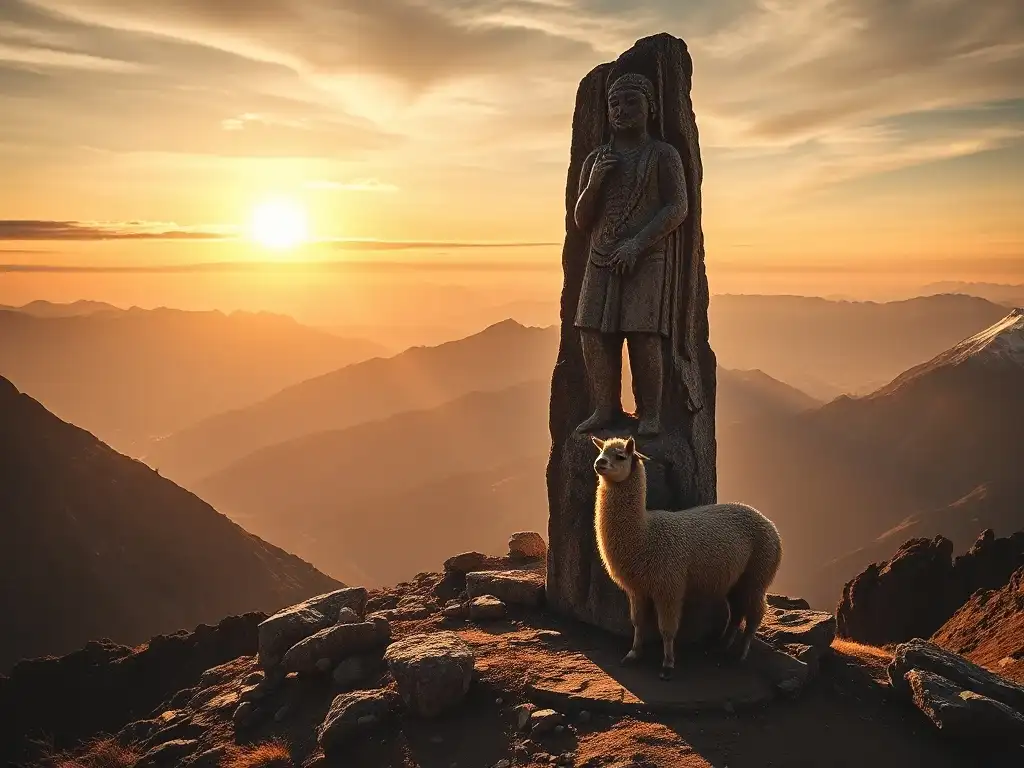
Andean beliefs and traditions are deeply rooted in a complex cosmology that shaped every aspect of life, from agriculture and governance to art and daily rituals. Understanding this cosmological framework is crucial to appreciating the richness and depth of Andean spirituality. The Andean worldview wasn't simply a set of beliefs; it was a lived experience, a dynamic interaction between the human world and the supernatural forces that governed it. This intricate system of interconnectedness profoundly influenced the development of Andean societies and their enduring legacy.
The concept of reciprocity, ayni, played a central role, emphasizing the balance and exchange between humans, nature, and the divine. Failure to maintain this balance was believed to result in misfortune or disruption of the natural order. This section will explore key elements of Andean cosmology, illustrating how they informed and sustained Andean beliefs and traditions.
The Three Worlds in Andean Thought: Hanan Pacha, Kay Pacha, and Uku Pacha
Andean cosmology is structured around the concept of three interconnected worlds: Hanan Pacha, Kay Pacha, and Uku Pacha. Hanan Pacha represents the upper world, the celestial realm inhabited by the sun, moon, stars, and powerful deities like Inti (the sun god) and Mama Quilla (the moon goddess). It's a realm of power, light, and divine authority. Kay Pacha is the earthly realm, the world of human experience, where daily life unfolds.
It's the space where the interaction between the human and supernatural realms is most evident. Finally, Uku Pacha is the underworld, a subterranean realm associated with death, the ancestors, and powerful earth deities like Pachamama. It is a source of both life and death, representing the cyclical nature of existence.
These three worlds weren't viewed as separate entities but as interconnected and interdependent layers of reality. Rituals and ceremonies were designed to maintain balance and harmony across these realms. For example, offerings to Pachamama were made to ensure the fertility of the land and a bountiful harvest, demonstrating the crucial link between Kay Pacha and Uku Pacha.
Similarly, prayers and offerings to Inti and Mama Quilla were meant to secure favorable weather and successful harvests, highlighting the relationship between Kay Pacha and Hanan Pacha. The understanding and respect for this cosmological structure formed the basis of Andean beliefs and traditions.
The Significance of Pachamama in Andean Spirituality
Pachamama, the Earth Mother, holds a central position in Andean spirituality. She is revered as the provider of life, sustenance, and fertility. More than just a deity, Pachamama represents the very essence of the earth, its life-giving force, and its interconnectedness with all living beings. She is the source of all resources – the fertile land, the water, and the minerals. Respect for Pachamama was paramount, and offerings were regularly made to ensure her continued benevolence.
These offerings, often consisting of coca leaves, chicha (a fermented corn beverage), and other agricultural products, were not mere acts of appeasement but expressions of gratitude and reciprocity. The act of offering demonstrated the Andean understanding of a reciprocal relationship with the natural world. By providing for Pachamama, the Andean people ensured their own well-being and prosperity.
The concept of Pachamama is not simply a religious belief; it is a fundamental principle that shapes the Andean relationship with the environment, emphasizing sustainability and respect for the natural world. This deep connection to the land is a testament to the enduring power of Andean beliefs and traditions.
Andean Deities and their Influence on Daily Life: Inti, Mama Quilla, and Illapa
The Andean pantheon encompassed a vast array of deities, each with specific roles and responsibilities. Among the most prominent were Inti (the sun god), Mama Quilla (the moon goddess), and Illapa (the god of thunder and lightning). Inti, the sun god, was considered the most powerful deity, representing life, energy, and authority. He was associated with kingship and political power, and his image was widely used in Andean iconography. Festivals and ceremonies were dedicated to Inti, seeking his favor for bountiful harvests and successful governance.
Mama Quilla, the moon goddess, was associated with fertility, femininity, and the cyclical nature of life and death. She played a crucial role in the agricultural calendar and was revered for her influence on the tides and the growth of crops. Illapa, the god of thunder and lightning, was a powerful and sometimes feared deity, associated with both destruction and renewal. He was believed to control the rainfall, and his favor was essential for successful agriculture.
These three deities, along with many others, demonstrate the richly diverse and complex nature of Andean beliefs and traditions. Their influence permeated daily life, shaping social structures, agricultural practices, and artistic expressions, highlighting the profound impact of the Andean worldview on the development of Andean civilizations. The enduring legacy of these deities underscores the continuing relevance of Andean beliefs and traditions in contemporary Andean cultures.
The Role of Nature in Andean Beliefs
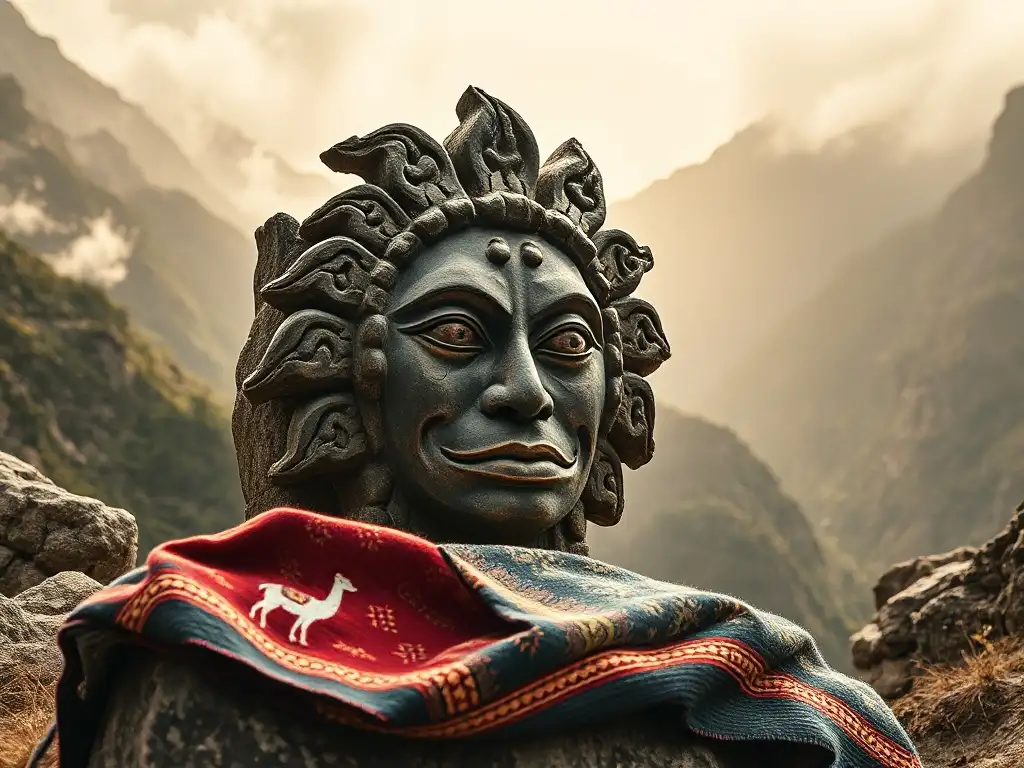
Andean beliefs and traditions are deeply intertwined with the natural world. The Andes Mountains, with their towering peaks and dramatic landscapes, weren't merely geographical features; they were, and continue to be, integral to the spiritual lives of Andean peoples. This profound connection fostered a worldview where humans and nature existed in a harmonious, reciprocal relationship, a belief system reflected in their rituals, agriculture, and artistic expressions.
Understanding this relationship is crucial to grasping the enduring power of Andean spirituality. The reverence for nature wasn't abstract; it was a practical and spiritual necessity, shaping daily life and influencing societal structures. This section will explore several key aspects of this nature-centric spirituality.
Mountains as Sacred Entities: Apus and their Reverence
The Andes Mountains, known as Apus in Quechua, were considered sacred entities, powerful deities deserving of respect and veneration. These weren't simply inanimate mountains; they were living beings, possessing agency and influence over the lives of the people living in their shadows. Each Apu was believed to have its own unique personality and powers, influencing weather patterns, agricultural yields, and the overall well-being of the communities inhabiting their valleys.
The reverence for Apus manifested in various ways. Communities offered pagos (offerings) – a crucial aspect of Andean beliefs and traditions – at designated sacred sites on mountain slopes or peaks. These offerings, typically consisting of coca leaves, alcohol, food, and other precious items, were intended to appease the Apus and ensure their continued favor.
Failure to honor the Apus could result in natural disasters, crop failures, or other misfortunes. The act of offering wasn't simply appeasement; it was a reciprocal exchange, a recognition of the interconnectedness between human and divine realms. The mountains provided sustenance and protection; the people offered their respect and gratitude.
Detailed records of these practices, though often passed down orally, reveal the intricate relationship between Andean communities and their sacred mountain deities. Archaeological findings, such as the remnants of ceremonial sites high in the Andes, further corroborate the significance of Apus in Andean beliefs and traditions.
The Importance of Water in Andean Rituals and Agriculture
Water, a precious resource in the arid and high-altitude Andean regions, held immense spiritual and practical significance. It wasn't merely a necessity for survival; it was a sacred element, a life-giving force connected to the deities and the cyclical nature of life. Rivers, springs, and lakes were considered sacred sites, often associated with specific deities or spirits. Andean beliefs and traditions emphasize the importance of respecting and conserving water resources.
In agricultural practices, water played a central role. Sophisticated irrigation systems, testament to Andean ingenuity, were developed to manage water resources effectively. These systems weren't merely technological achievements; they were also deeply rooted in spiritual beliefs. Rituals and ceremonies were performed to ensure the abundance and proper flow of water, seeking the favor of the water deities to guarantee successful harvests.
The intricate relationship between water management, agricultural productivity, and spiritual beliefs highlights the holistic worldview of Andean civilizations. The precise rituals varied across different Andean cultures, but the underlying reverence for water as a life-giving force remained constant, demonstrating the enduring power of Andean beliefs and traditions. For example, the Moche culture, renowned for its sophisticated irrigation systems, also produced elaborate ceramics depicting water deities and rituals associated with water worship.
Animals as Symbols of Power and Spiritual Significance in Andean Culture
Animals occupied a prominent place in Andean beliefs and traditions, serving as potent symbols of power, spiritual significance, and connection to the natural world. Specific animals held particular meanings, often representing deities, ancestral spirits, or natural forces. The condor, for instance, symbolized power, height, and connection to the upper world, often associated with the sun god. The llama, on the other hand, represented fertility, abundance, and domestication, playing a crucial role in Andean economies and spiritual practices.
The use of animal imagery in Andean art and textiles further emphasizes their spiritual significance. Textiles often depicted animals alongside human figures, suggesting a close relationship between the human and animal realms. Animal sacrifices, though ethically complex from a modern perspective, were an integral part of Andean religious practices, intended to honor deities, ensure successful harvests, or appease powerful spirits.
The specific animals sacrificed and the rituals surrounding the sacrifice varied across different cultures and contexts. Understanding the symbolic meaning of animals in Andean art and ritual practices provides crucial insights into the complexity of Andean beliefs and traditions, highlighting the intricate relationship between the human world and the natural environment. Further research into specific animal symbolism within different Andean cultures is needed to fully grasp the nuances of this aspect of their belief system.
Andean Ancestral Practices and Their Legacy
Andean beliefs and traditions are deeply rooted in a profound respect for ancestors and the natural world. This reverence manifests in various practices that have endured for centuries, shaping the cultural landscape and offering valuable insights into the Andean worldview. The following sections delve into the core aspects of these enduring practices, showcasing their significance and continued relevance.
The Cult of the Ancestors: Honoring the Past
The veneration of ancestors is a cornerstone of Andean beliefs and traditions. More than simply remembering deceased relatives, this cult represents a living connection between the physical and spiritual realms. Ancestor worship is not about passive remembrance; it's an active engagement, believing that ancestors continue to influence the lives of the living, offering guidance and protection. This connection is maintained through various rituals and offerings, ensuring the continuous flow of energy and blessings between generations.
For instance, pachamama, the Earth Mother, is not only a deity but also a symbolic representation of ancestral spirits dwelling within the earth. Offerings of coca leaves, food, and drinks are routinely presented to pachamama as a form of respect and appeasement, seeking her favor and protection for harvests, health, and overall well-being. This practice highlights the interconnectedness of the living and the dead, emphasizing the enduring influence of ancestral spirits on daily life.
The mummification practices of some Andean cultures further illustrate this deep reverence, with mummies often treated as active members of the family, participating in communal events and receiving regular offerings. The meticulous care given to these mummies demonstrates the profound importance of maintaining the bond with the ancestors.
Rituals and Ceremonies: Connecting with the Spiritual Realm
Andean beliefs and traditions are richly expressed through a variety of elaborate rituals and ceremonies. These practices are not merely symbolic; they are powerful tools for connecting with the spiritual realm, seeking guidance from deities and ancestors, and ensuring the balance of the cosmos. These ceremonies often involve complex choreography, specific offerings, and the use of sacred objects, reflecting a deep understanding of the spiritual forces at play.
The use of coca leaves, for example, is central to many Andean rituals. Chewing coca leaves is not just a social custom; it's a ritualistic act that facilitates communication with the spiritual world. The leaves are offered to deities and ancestors, used in divination, and consumed during ceremonies to enhance awareness and facilitate spiritual connection.
Furthermore, the intricate designs and symbolism woven into Andean textiles often represent cosmogonic narratives and spiritual beliefs, serving as visual aids during ceremonies and reflecting the profound spiritual significance embedded in everyday objects. The precise movements and chants during these ceremonies are not arbitrary; they are carefully designed to invoke specific energies and communicate with the spiritual realm. These rituals are passed down through generations, ensuring the continuation of these vital connections.
The Enduring Power of Andean Traditions in Modern Communities
Despite the passage of centuries and the influence of external cultures, Andean beliefs and traditions continue to thrive in modern communities. While some practices have evolved, their core essence – the deep respect for ancestors, the veneration of nature, and the belief in the interconnectedness of all things – remains firmly entrenched. This enduring legacy speaks volumes about the resilience and adaptability of Andean culture.
Many Andean communities continue to practice ancestral rituals and ceremonies, adapting them to contemporary contexts. The integration of traditional beliefs with modern life demonstrates the remarkable ability of Andean culture to preserve its identity while navigating the challenges of globalization. The incorporation of modern technologies and communication channels has even facilitated the dissemination of Andean knowledge and traditions to a wider audience.
This dynamic interaction between tradition and modernity reflects the vitality of Andean beliefs and traditions, ensuring their continued relevance for generations to come. The enduring presence of these beliefs underscores their profound impact on the social, cultural, and spiritual fabric of Andean life, offering a powerful testament to their lasting significance.
Andean Beliefs and the Cycle of Life and Death
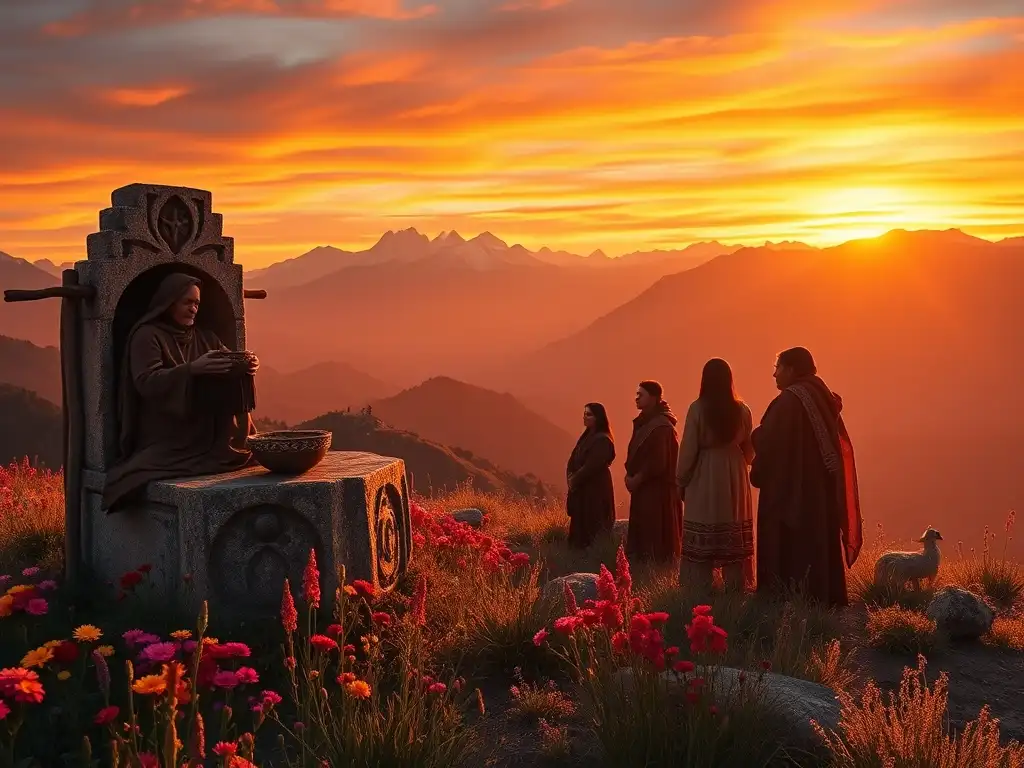
Andean beliefs and traditions held a profound and intricate understanding of life and death, viewing them not as opposing forces but as interconnected phases within a continuous cycle. This cyclical perspective, deeply rooted in their agricultural practices and observations of nature, shaped their rituals, worldview, and social structures. The concept of ayni, reciprocal exchange, extended beyond human interactions to encompass the relationship between the living and the deceased, highlighting the ongoing influence of ancestors on the present. This section delves into the specific beliefs surrounding reincarnation, the afterlife, and the unique Andean perspective on mortality.
Reincarnation and the Journey of the Soul in Andean Thought
The Andean concept of reincarnation wasn't a straightforward rebirth in the same form. Instead, it involved a complex journey of the soul, often described as a transition through various realms and states of being. Death wasn't seen as an ending but as a transformation, a passage into another stage of existence.
The soul, often visualized as a breath or a subtle energy ( suni), continued its journey, potentially reincarnating within the community as a member of the same lineage or even as an animal or plant. This belief fostered a deep respect for all living things, recognizing the interconnectedness of life and the potential for transformation.
Specific details about the process varied across different Andean cultures, with some emphasizing the importance of proper funerary rites to facilitate a smooth transition, while others focused on the continued spiritual connection between the living and the deceased through ancestral veneration. The concept of pachamama, Mother Earth, played a significant role, as the earth was seen as both a source of life and a final resting place, further emphasizing the cyclical nature of existence.
The journey of the soul was not always linear. Some narratives depict a period of wandering or testing before reincarnation, a process that could involve interaction with supernatural beings or navigating challenging landscapes in the spirit world. The specific challenges and their outcomes would influence the soul's next incarnation, creating a dynamic and ever-evolving relationship between life, death, and rebirth.
Further research is needed to fully understand the regional variations in Andean beliefs about the soul's journey after death and the specific rituals employed to aid in this transition. [Specific information pending: Detailed accounts of regional variations in soul journeys from various Andean cultures].
The Significance of the Afterlife in Andean Cosmovision
The Andean afterlife wasn't a singular destination but rather a spectrum of realms and experiences, reflecting the complex social and cosmological structure of Andean societies. The condition of the afterlife often depended on the individual's actions during life, their social standing, and the proper execution of funerary rituals.
While some accounts describe a blissful realm for those who lived virtuous lives, others depict a less desirable fate for those who transgressed societal norms or failed to fulfill their obligations. The concept of Hanan Pacha (upper world) and Uku Pacha (underworld) played crucial roles in shaping these beliefs, with the specific location of the soul in the afterlife reflecting its earthly deeds.
For example, the Incas believed that successful rulers and elite members of society would join their ancestors in Hanan Pacha, a realm of abundance and spiritual power. Conversely, those who had led less exemplary lives might find themselves in a less favorable realm, possibly facing challenges or limitations. This system reinforced social order and encouraged individuals to adhere to societal norms.
The significance of the afterlife underscores the importance of living a life aligned with Andean values and ensuring the appropriate rituals were performed after death to ensure a positive outcome. The rituals themselves, often elaborate and involving offerings, mummification, and careful burial practices, were vital components of the Andean understanding of the afterlife and demonstrated the high value placed on maintaining connections with ancestors.
How Andean Beliefs Offer a Unique Perspective on Mortality
Andean beliefs and traditions provide a unique and refreshing perspective on mortality. Unlike many Western perspectives that emphasize the finality of death, the Andean worldview emphasizes continuity and transformation. Death isn't viewed as an end but as a transition, a passage into another stage of existence within a continuous cycle of life, death, and rebirth. This cyclical perspective fosters a different relationship with mortality, reducing the fear of death and emphasizing the importance of living a life in harmony with the natural world and the community.
The emphasis on ancestral veneration further highlights this unique perspective. The deceased are not simply forgotten but remain active participants in the lives of the living, offering guidance and protection.
This ongoing connection with ancestors reduces the sense of isolation and loss often associated with death in other cultures. This deep respect for life, death, and the interconnectedness of all things offers a profound and valuable lesson for contemporary societies, encouraging a more holistic and sustainable approach to life and a deeper appreciation for the cyclical nature of existence.
The emphasis on reciprocal exchange ( ayni) extends even to the relationship between the living and the dead, highlighting the enduring power of Andean beliefs and traditions in shaping a worldview that integrates life and death as integral parts of a continuous process. The holistic nature of Andean cosmovision offers valuable insights into achieving a more balanced and harmonious relationship with both the natural world and the human experience.
The Influence of Andean Beliefs and Traditions on Art and Culture
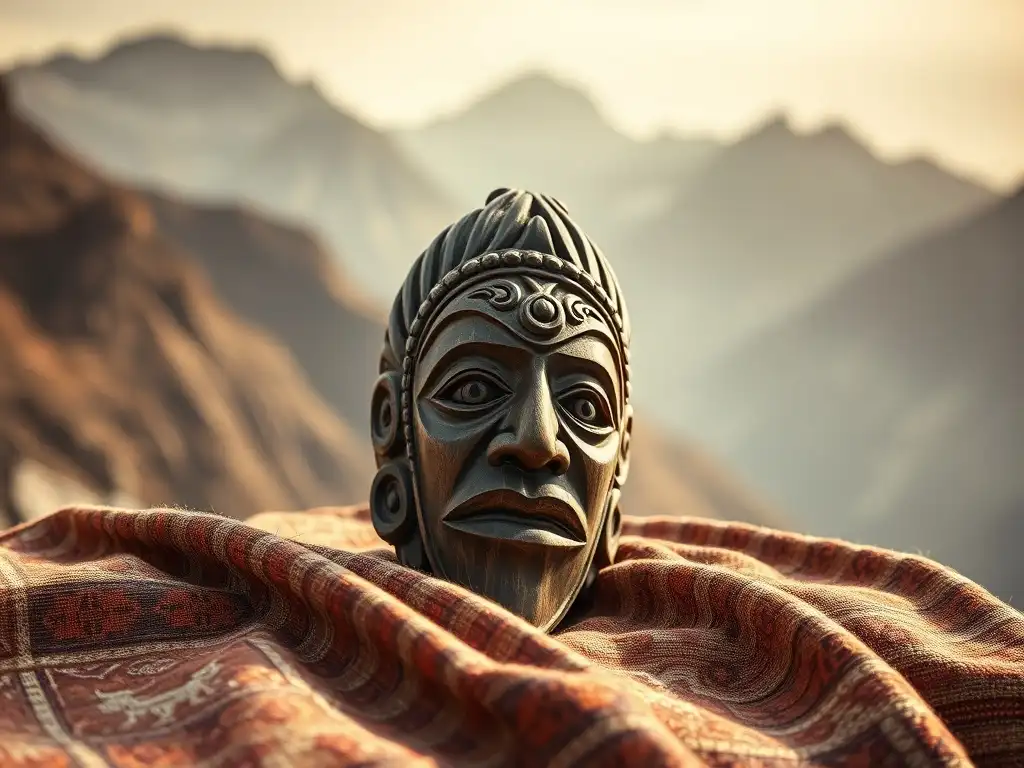
Andean beliefs and traditions weren't just abstract spiritual concepts; they were deeply woven into the fabric of daily life, profoundly shaping artistic expression and cultural practices. The intricate relationship between spirituality and artistry is evident in various forms, from monumental architecture to everyday textiles. Understanding this connection offers a richer appreciation for the sophistication and enduring power of Andean civilization. The pervasive influence of Andean cosmology on artistic endeavors provides invaluable insight into the worldview and values of these ancient societies.
Andean Art as a Reflection of Spiritual Concepts
Andean art serves as a powerful visual record of complex spiritual beliefs. Consider the intricate pottery of the Moche culture, depicting vivid scenes of deities, mythical creatures, and ritualistic ceremonies. These aren't simply decorative pieces; they are visual narratives illustrating cosmological beliefs and the interaction between the human and supernatural realms.
The vibrant colors, detailed iconography, and dynamic compositions all contribute to conveying the significance of specific deities and their roles within the Moche pantheon. For example, the depiction of Ai Apaec, a fearsome deity associated with both creation and destruction, showcases the duality inherent in Andean cosmology. Similarly, the Nazca lines, though their exact purpose remains debated, are often interpreted as reflecting astronomical knowledge and a connection to the celestial world, showcasing the importance of celestial bodies within Andean belief systems.
The intricate weaving techniques and symbolic designs found in Andean textiles further demonstrate the integration of spiritual beliefs into everyday life. Each motif, color, and pattern carries symbolic meaning, often relating to fertility, abundance, and the interconnectedness of the natural world. These aren't just clothing items; they are tangible representations of Andean beliefs and traditions, passed down through generations.
Andean Music and Dance as Forms of Religious Expression
Music and dance played a crucial role in Andean religious practices, acting as conduits to the spirit world and mediums for communicating with deities. Ritualistic dances, often accompanied by intricate musical instruments like panpipes and drums, served to honor deities, celebrate harvests, or appease supernatural forces. The rhythms, melodies, and movements were not arbitrary; they were carefully choreographed to evoke specific emotions and connect participants with the divine.
The huayno, a traditional Andean dance, for instance, often features themes related to love, nature, and the spiritual realm. The complex steps and rhythmic patterns reflect the intricate relationship between humans and the supernatural, demonstrating the deep integration of religious beliefs into everyday cultural practices. Moreover, the use of specific instruments and musical styles in different ceremonies highlights the diversity of Andean deities and their associated rituals.
The power of music and dance to transcend the physical realm and facilitate communication with the divine underscores the importance of these art forms in shaping Andean religious experiences. Further research into the specific musical scores and dance movements used in different Andean rituals could reveal even more detailed insights into their religious significance.
The Transmission of Andean Beliefs Through Storytelling and Oral Traditions
Oral traditions played a vital role in preserving and transmitting Andean beliefs and traditions across generations. Myths, legends, and folktales served as powerful tools for educating younger generations about their cultural heritage and spiritual beliefs. These stories often featured powerful deities, mythical creatures, and ancestral figures, embodying the values and worldview of Andean societies.
The narratives conveyed not only historical information but also ethical and moral lessons, shaping the behavior and understanding of individuals within the community. For example, stories about the creator god Viracocha, common throughout the Andes, explained the origin of the world and humanity, reinforcing the importance of respecting nature and maintaining harmony with the cosmos. The use of mnemonic devices, such as songs, chants, and repetitive patterns, facilitated the memorization and transmission of these complex narratives.
This oral tradition ensured the continuity of Andean beliefs and traditions despite the absence of a widespread writing system, demonstrating the resilience and adaptability of Andean cultural practices. Further study of these oral traditions could uncover additional layers of meaning and provide a more complete picture of the richness and complexity of Andean spiritual beliefs. Detailed analysis of surviving examples of oral traditions could illuminate specific aspects of Andean religious practices, including rituals, social structures, and the relationship between humans and the supernatural.
The Relevance of Andean Wisdom in Today's World
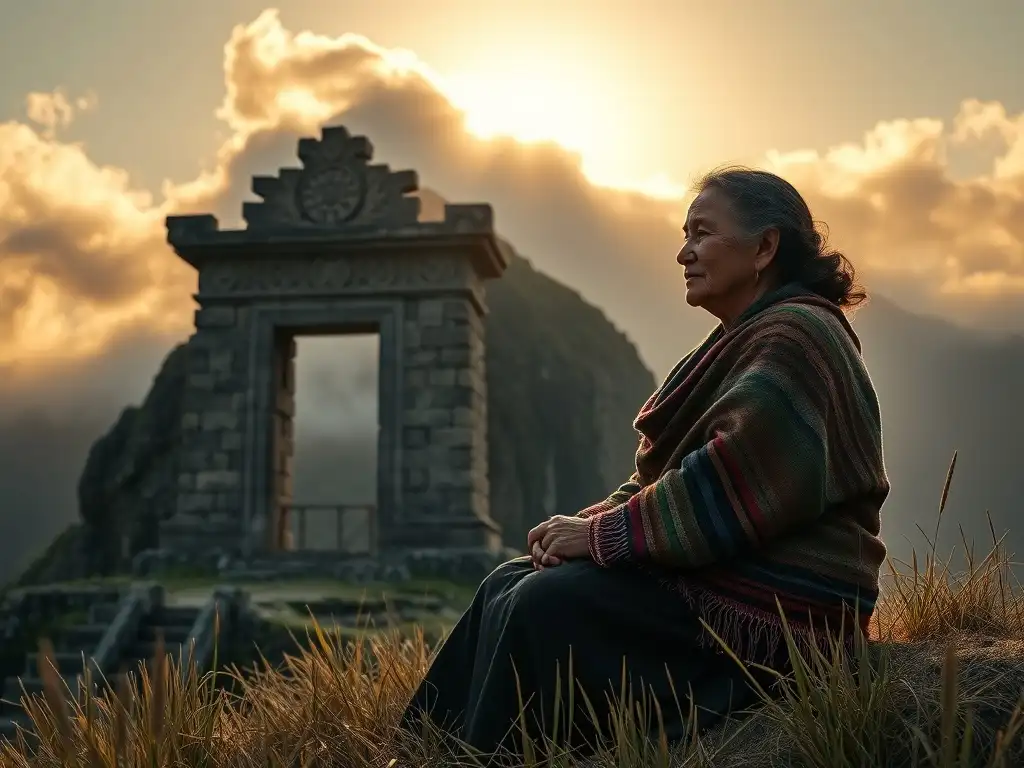
The Andean worldview, encompassing the beliefs and traditions of civilizations like the Inca, Moche, and Nazca, offers a compelling perspective on life, the cosmos, and our place within them. While geographically distant, the wisdom embedded within Andean beliefs and traditions holds surprising relevance for contemporary society grappling with ecological crises, social fragmentation, and a search for spiritual meaning. Understanding this ancient cosmology allows us to glean valuable insights applicable to modern challenges, fostering a more sustainable and fulfilling existence.
The interconnectedness emphasized in Andean spirituality, for instance, contrasts sharply with the individualistic tendencies of many modern cultures, prompting reflection on our collective responsibility towards the planet and each other. This section will explore specific applications of this ancient wisdom in the modern world.
Lessons from Andean Culture: Respect for Nature and Community
Andean beliefs and traditions deeply intertwined the spiritual and the material realms. Pachamama, Mother Earth, wasn't merely a geographical entity but a sentient being deserving of profound respect. This reverence extended to all aspects of the natural world, influencing agricultural practices, resource management, and even social structures.
The ayllu, a communal system of reciprocal obligations, exemplifies the emphasis on collective well-being over individual gain. This model, where resources and labor were shared to ensure the survival of the entire community, offers a stark contrast to modern capitalist structures often characterized by competition and inequality. Examining the success of the ayllu in maintaining social cohesion and environmental sustainability provides valuable lessons for contemporary societies seeking more equitable and environmentally conscious models.
For example, modern initiatives promoting sustainable agriculture and community-based resource management directly echo the principles embedded within Andean beliefs and traditions. The success of these initiatives underscores the enduring value of Andean wisdom in addressing modern environmental challenges. The emphasis on reciprocity and communal responsibility, a core tenet of Andean beliefs, offers a powerful framework for tackling issues of climate change, deforestation, and resource depletion.
The Enduring Value of Andean Beliefs for Modern Spirituality
The spiritual richness of Andean beliefs and traditions continues to resonate with individuals searching for deeper meaning and purpose in their lives. The emphasis on interconnectedness, the reverence for nature, and the integration of the spiritual and material worlds offer a compelling alternative to dominant Western spiritual paradigms. Many find solace and inspiration in Andean cosmology's holistic approach, which celebrates the sacredness of life in all its forms.
The concept of ayni, reciprocal exchange, provides a framework for ethical living, emphasizing balance and harmony in all interactions. This principle encourages mindful engagement with the world, promoting generosity, gratitude, and a sense of responsibility towards others and the environment. Furthermore, the Andean focus on ancestor veneration highlights the importance of lineage, community, and the continuity of life across generations.
This aspect of Andean beliefs resonates deeply with those seeking to strengthen their connection to their heritage and find meaning in their place within a larger historical and cultural context. The enduring appeal of Andean beliefs for modern spirituality lies in their ability to provide a framework for ethical living, fostering a sense of belonging, and cultivating a deeper connection to the natural world.
Exploring the Potential of Andean Wisdom for Personal Growth and Well-being
Beyond its societal implications, Andean beliefs and traditions offer a powerful pathway to personal growth and well-being. The emphasis on living in harmony with Pachamamama encourages a mindful approach to life, promoting physical and mental health. Practices such as shamanic healing, which integrate spiritual and physical dimensions, offer alternative approaches to well-being, addressing both the body and the spirit.
Furthermore, the Andean focus on community and reciprocal relationships fosters a sense of belonging and social support, vital components of mental and emotional well-being. The Andean emphasis on gratitude and mindfulness, integral aspects of their worldview, provides valuable tools for cultivating inner peace and resilience in the face of adversity. By embracing the principles of ayni and pachamama, individuals can foster more balanced and fulfilling lives, cultivating a deeper appreciation for their connection to the natural world and their community.
The integration of Andean wisdom into modern self-care practices, such as meditation and nature-based therapies, demonstrates the growing recognition of its potential for personal transformation and well-being. The enduring power of Andean beliefs and traditions lies not only in their historical significance but also in their capacity to inspire personal growth and enrich contemporary lives.
Preserving and Promoting Andean Heritage
The enduring legacy of Andean beliefs and traditions is inextricably linked to the preservation of the physical and cultural landscapes that nurtured them. Protecting these elements is not merely an act of historical preservation; it's a vital step in ensuring the continued relevance and influence of Andean wisdom for future generations. The delicate balance between respecting ancient practices and adapting them to modern contexts is crucial for the ongoing vitality of this rich heritage. Failure to do so risks the erosion of unique cultural identities and the loss of invaluable knowledge systems.
The Importance of Protecting Andean Sacred Sites
Andean sacred sites, such as Machu Picchu, Sacsayhuamán, and numerous smaller archaeological complexes scattered throughout the Andes Mountains, are more than just historical landmarks; they are living repositories of Andean beliefs and traditions. These locations served as centers for ritual practices, astronomical observations, and community gatherings, deeply interwoven with the spiritual fabric of Andean life. Their protection is paramount for several key reasons:
- Maintaining Cultural Identity: These sites are tangible links to the past, providing a sense of continuity and identity for contemporary Andean communities. Their preservation strengthens cultural pride and fosters a sense of belonging.
- Preserving Archaeological Evidence: These sites contain invaluable archaeological evidence that sheds light on Andean cosmology, social structures, and technological advancements. Their degradation represents an irreplaceable loss of historical knowledge.
- Supporting Sustainable Tourism: Responsible tourism can contribute to the economic well-being of local communities while simultaneously preserving these sites. However, uncontrolled tourism can lead to significant damage, highlighting the need for sustainable management practices. Careful planning and regulation are essential to balance the economic benefits with the need for conservation.
- Safeguarding Spiritual Practices: Many Andean communities still conduct spiritual ceremonies and pilgrimages at these sites. Protecting these locations ensures the continuity of these vital traditions and allows for the continued practice of their beliefs.
Initiatives to Revive and Strengthen Andean Traditions
Numerous initiatives are underway to revive and strengthen Andean traditions, focusing on various aspects of Andean beliefs and traditions. These range from community-led projects to government-sponsored programs, all working towards similar goals:
- Community-Based Initiatives: Many Andean communities are actively involved in preserving their cultural heritage through traditional craft production, storytelling, and the revival of ancient rituals. These grassroots efforts are often the most effective, as they stem from genuine cultural ownership.
- Governmental Support and Funding: Governmental bodies in several Andean countries are increasingly recognizing the importance of preserving their cultural heritage. This support includes funding for archaeological research, restoration projects, and cultural education programs.
- International Collaboration: International organizations and academic institutions are contributing to the preservation and promotion of Andean beliefs and traditions through research, documentation, and educational initiatives. Collaborative efforts are crucial for sharing knowledge and resources globally.
- Digital Archives and Documentation: The digitization of Andean cultural artifacts and knowledge is proving invaluable in making this heritage accessible to a wider audience while simultaneously safeguarding it from physical damage or loss. This includes creating online databases of traditional stories, songs, and rituals.
The Role of Education in Sharing Andean Wisdom with Future Generations
Education plays a pivotal role in ensuring the continuity of Andean beliefs and traditions. By integrating Andean knowledge into school curricula and promoting intercultural dialogue, future generations can develop a deeper understanding and appreciation for this rich cultural heritage.
- Incorporating Andean Studies into Curricula: Integrating Andean history, mythology, and cosmology into school curricula helps to foster a sense of cultural pride and identity among young people. This can include studying Quechua or Aymara languages, learning about traditional Andean art forms, and understanding the significance of Andean sacred sites.
- Promoting Intercultural Dialogue: Encouraging dialogue and exchange between different cultural groups helps to break down stereotypes and fosters mutual respect. This can include inviting Andean elders to share their knowledge and experiences with students, organizing cultural events, and promoting cross-cultural understanding.
- Supporting Research and Scholarship: Continued research and scholarship are essential for expanding our understanding of Andean beliefs and traditions. This knowledge can then be disseminated through educational materials and public outreach programs. This ensures that interpretations are accurate and respectful.
- Preserving Oral Traditions: Many aspects of Andean culture are transmitted orally. Documenting and preserving these oral traditions through recordings, transcriptions, and storytelling initiatives is crucial for safeguarding this invaluable knowledge for future generations. This also helps to prevent the loss of traditional knowledge due to the passing of elders.
The preservation and promotion of Andean heritage require a multifaceted approach that involves the active participation of communities, governments, international organizations, and educational institutions. By working together, we can ensure that the wisdom and inspiration of Andean beliefs and traditions continue to enrich our world for centuries to come.
Frequently Asked Questions
What were some core beliefs of the Andean civilizations?
Andean beliefs centered around ancestor veneration, a deep connection with Pachamama (Mother Earth), and a complex cosmology involving interconnectedness between the physical and spiritual worlds. These beliefs permeated all aspects of life.
How did Andean beliefs influence their daily lives?
Daily life was deeply intertwined with spiritual practices. Agricultural cycles were aligned with religious festivals, and rituals were performed to ensure good harvests and appease the gods. Social structures were also shaped by these beliefs.
What role did mythology play in Andean cultures?
Mythology played a crucial role in explaining the world and their place in it. Stories of powerful deities, creation myths, and heroic figures provided a framework for understanding their origins and destinies, guiding their actions and beliefs.
How did Andean beliefs impact their art and architecture?
Andean art and architecture were profoundly influenced by their beliefs. Religious iconography is prevalent in pottery, textiles, and monumental structures. These creations served both practical and spiritual purposes, reflecting their worldview.
What evidence survives today to illustrate Andean beliefs and traditions?
Archaeological discoveries, including religious sites, textiles, and ceremonial objects, offer invaluable insights. Furthermore, surviving indigenous communities continue to practice aspects of these ancient traditions, providing living links to the past.
Final Reflection: Echoes of the Andes: A Legacy of Wisdom
The enduring power of Andean beliefs resonates deeply within contemporary society, offering a potent antidote to the frenetic pace of modern life and a pathway towards a more harmonious existence. These ancient wisdom traditions, far from being relics of the past, provide invaluable insights into sustainable living, community building, and a profound connection with the natural world – lessons desperately needed in our increasingly fragmented and ecologically challenged times.
The influence of Andean cosmology, with its emphasis on reciprocity (ayni) and community (ayllu), continues to shape social structures and inspire movements advocating for social justice and environmental stewardship. These principles, deeply embedded in the Andean worldview, offer a powerful counterpoint to individualistic tendencies prevalent in many societies. The Earth is our mother, and we must treat her with respect,
a sentiment echoed across generations, speaks to a responsibility we all share in safeguarding our planet. This profound respect for nature and the interconnectedness of all things is a lesson we can all benefit from embracing.
Consider the wisdom woven into the Andean tapestry. Reflect on the importance of balance, the power of community, and the deep connection to the land. Let the echoes of the Andes inspire you to cultivate a more mindful and sustainable way of life, one that honors both the earth and the spirit within. Embrace the principles of reciprocity and community, and find your own path towards a more harmonious existence, drawing strength and inspiration from the enduring legacy of Andean beliefs and traditions.
Embrace the Wisdom of the Andes Today!
Thank you for exploring the enduring power of Andean beliefs! You've discovered valuable insights into how these ancient philosophies can enrich modern life. Now, let's put your newfound knowledge into practice!
Here are some ways to further embrace this rich heritage:
- Incorporate Andean Practices into Your Daily Life: Begin a daily ritual inspired by Andean traditions, such as meditation or keeping a gratitude journal, to foster inner peace and reflection.
- Connect with Local Andean Communities: Seek out local events or groups that celebrate Andean heritage. This provides opportunities to learn from others and share your appreciation for this rich culture.
- Share Your Experience: Join the conversation! Share your thoughts and reflections on social media or in the comments below. What aspects of Andean beliefs resonate most with you?
How will you integrate the wisdom of the Andean civilizations into your daily life?