
Tiahuanaco's Gateway to the Gods: Exploring the Puma Punku Ceremonies

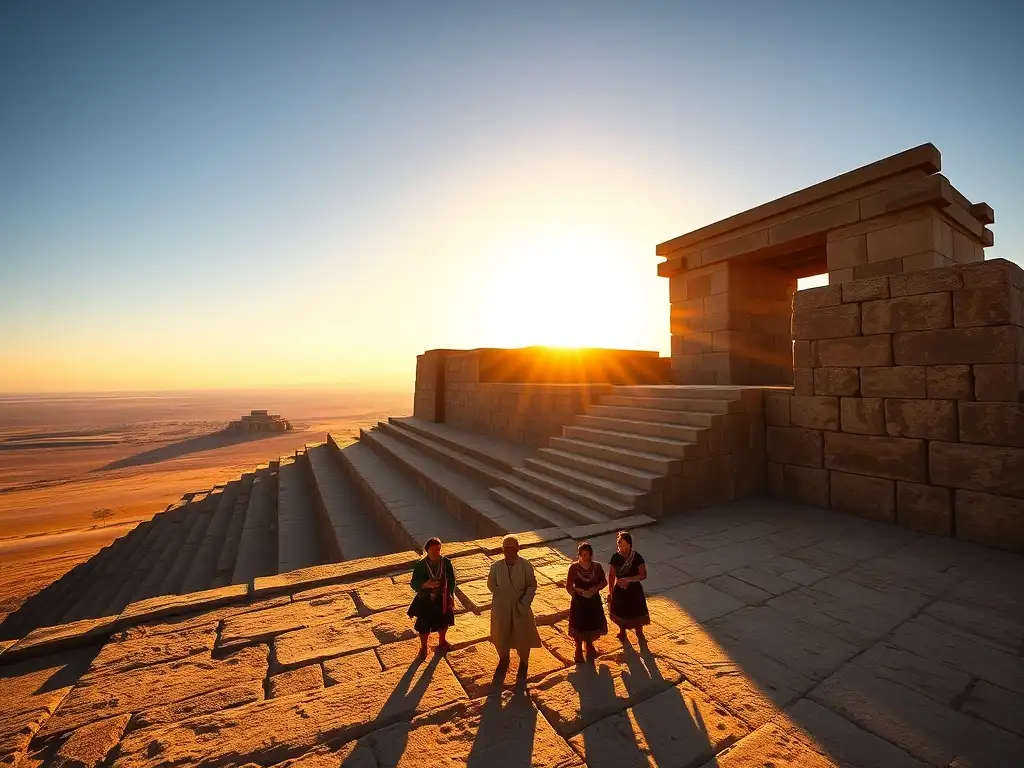
Step into a world lost to time, where colossal stones whisper secrets of a vanished empire. Dive into the enigmatic heart of Andean civilization and uncover the astonishing rituals that unfolded at Tiahuanaco's Puma Punku. Were these majestic structures merely architectural marvels, or did they serve as gateways to a powerful, otherworldly realm? Unravel the mysteries surrounding the Tiahuanaco Puma Punku ceremonies and discover the captivating story of Andean religion and cosmovision—a journey awaits.
- Tiahuanaco's Gateway to the Gods: Unveiling the Puma Punku Ceremonies
- The Enigmatic Puma Punku: A Tiahuanaco Site of Ritual Significance
- Deciphering the Tiahuanaco Puma Punku Ceremonies
- Key Elements of Tiahuanaco Rituals at Puma Punku
- Interpreting the Symbolism in Tiahuanaco Puma Punku Ceremonies
- The Legacy of Tiahuanaco's Puma Punku Rituals
-
Frequently Asked Questions
- What were the Puma Punku ceremonies primarily about?
- Were human sacrifices part of Puma Punku ceremonies?
- What role did the Puma Punku structures play in the ceremonies?
- How did the Tiahuanaco people transport the massive stones to Puma Punku?
- What evidence exists to support our understanding of Puma Punku ceremonies?
- Final Reflection: Echoes of Puma Punku: A Legacy of Ritual and Wonder
- **Unlock the Mysteries of Puma Punku Today! **
Tiahuanaco's Gateway to the Gods: Unveiling the Puma Punku Ceremonies
The enigmatic ruins of Puma Punku, part of the larger Tiahuanaco complex in modern-day Bolivia, stand as a testament to the advanced engineering and sophisticated cosmology of the Tiahuanaco culture. This article delves into the fascinating world of Puma Punku ceremonies, exploring the rituals and offerings that likely took place within this awe-inspiring site.
We will examine the available archaeological evidence, analyze the architectural features of Puma Punku in relation to its ceremonial function, and speculate on the possible significance of these rituals within the broader context of Tiahuanaco religion and cosmology. Understanding these ceremonies offers a crucial window into the beliefs, social structures, and worldview of this remarkable pre-Columbian civilization.
The sheer scale and precision of Puma Punku's construction suggest a highly organized society capable of undertaking monumental projects, likely driven by deeply held religious beliefs and the need to appease powerful deities. This exploration will uncover the mysteries surrounding the ceremonies performed at this "Gateway to the Gods," revealing a captivating glimpse into the spiritual heart of Tiahuanaco.
The Architectural Marvel of Puma Punku and its Ceremonial Significance
Puma Punku, meaning "Puma's Gate" in Aymara, is not simply a collection of stones; it's a meticulously planned complex of monumental structures. The precision of the stonework, the use of massive blocks of andesite, and the sophisticated techniques employed in their construction remain a source of wonder and debate among archaeologists. The presence of large, precisely cut and fitted stones, some weighing many tons, strongly suggests a deliberate design intended for ceremonial purposes.
The layout of the complex, with its platforms, courtyards, and channels, points to a carefully orchestrated ritual space. Archaeological findings, such as fragments of pottery and other artifacts, further support the idea that Puma Punku served as a significant ceremonial center. The discovery of [specific artifact types pending] adds further weight to this interpretation.
The sheer scale of the undertaking implies a considerable investment of labor and resources, reinforcing its importance within the Tiahuanaco society. This suggests a highly centralized power structure capable of mobilizing large-scale workforce for religious purposes.
Evidence of Ritual Activities at Puma Punku: Offerings and Sacrifices
While direct evidence of specific ceremonies is limited due to the age and condition of the site, various archaeological finds hint at ritual activities. The discovery of [specific types of offerings pending], such as ceramic vessels and sculpted figurines, provides valuable clues about the nature of these rituals. These objects, often intricately decorated with symbolic motifs, likely played a crucial role in the ceremonies.
Some scholars suggest the presence of [specific evidence of human sacrifice pending] although this remains a subject of ongoing research and debate. The presence of water channels and reservoirs within the complex also suggests the possibility of water-related rituals, perhaps connected to the worship of water deities or the celebration of agricultural cycles.
The careful placement of these architectural features within the larger ceremonial landscape suggests a deliberate and symbolic design, further highlighting the importance of these rituals in the lives of the Tiahuanaco people. The analysis of these artifacts, combined with a study of the site's layout, can help us reconstruct the possible sequence of events during these ceremonies.
Interpreting the Symbolism: Connecting Puma Punku Ceremonies to Tiahuanaco Cosmology
The ceremonies performed at Puma Punku were likely deeply intertwined with the broader cosmological beliefs of the Tiahuanaco people. Their worldview, characterized by a complex interplay of celestial and earthly forces, is reflected in the architectural design and the symbolic motifs found within the site. The orientation of the structures, the use of specific materials, and the arrangement of artifacts all contribute to a deeper understanding of their cosmological beliefs.
For example, the [specific astronomical alignment pending] suggests a possible connection between the site and celestial events. Further, the presence of [specific symbolic motifs pending] on the artifacts found at Puma Punku hints at the importance of specific deities or spiritual concepts within their religious system.
By analyzing these elements, we can begin to piece together a more complete picture of the religious practices and beliefs that shaped the life of the Tiahuanaco civilization. The interplay between astronomy, architecture, and religious practice created a powerful and awe-inspiring ceremonial complex at Puma Punku.
The Legacy of Puma Punku and its Continuing Mysteries
Despite extensive research, many questions about Puma Punku ceremonies remain unanswered. The advanced engineering techniques employed by the Tiahuanaco people continue to fascinate and challenge modern understanding. The precise methods used to transport and manipulate such massive stone blocks remain a subject of ongoing debate. Further, the exact nature and purpose of many of the architectural features within the complex are still under investigation.
However, the ongoing research and new discoveries continue to shed light on the rich history and cultural significance of this remarkable site. The ongoing archeological work at Puma Punku and its surrounding areas promises to unveil more secrets about the ceremonies and rituals that once took place within this enigmatic complex. The enduring mystery of Puma Punku serves as a reminder of the incredible achievements of the Tiahuanaco civilization and the enduring power of their religious beliefs.
The Enigmatic Puma Punku: A Tiahuanaco Site of Ritual Significance
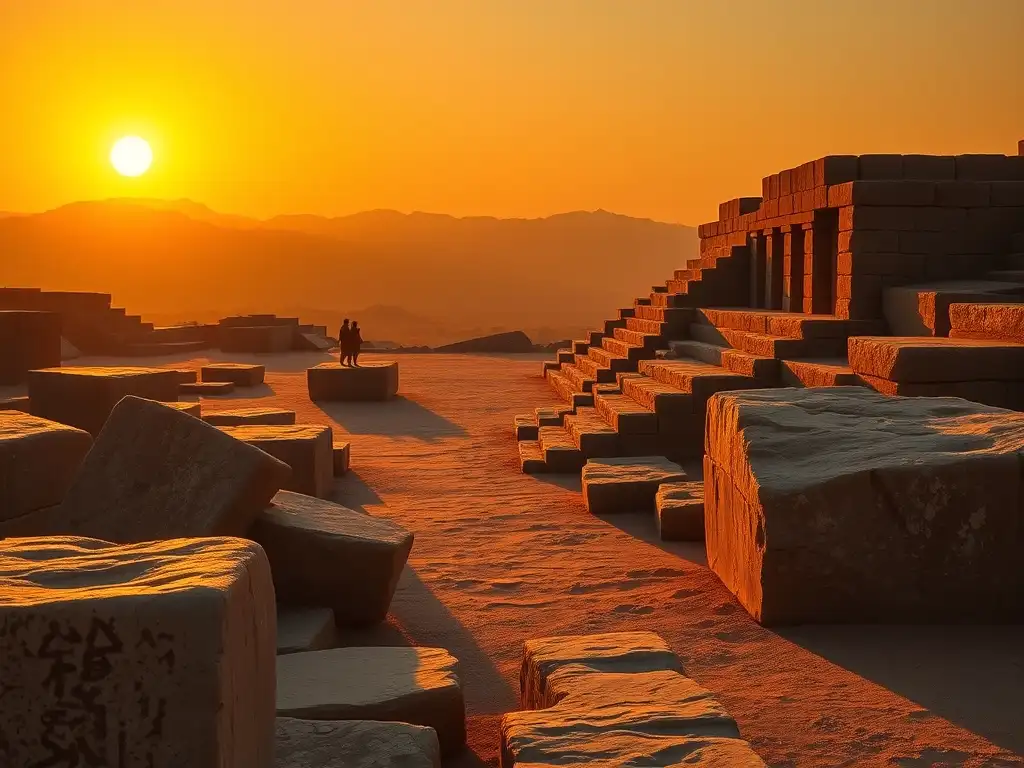
Puma Punku, meaning "Puma's Gate" in Aymara, stands as one of the most intriguing and debated archaeological sites in the Andes. Its massive, precisely cut stones and enigmatic architecture have captivated researchers and fueled speculation about its purpose for centuries. While its exact function remains a mystery, overwhelming evidence points to Puma Punku's significant role in Tiahuanaco's religious and ceremonial practices.
The sheer scale of the construction, the precision of the stonework, and the evident investment of resources all suggest a site dedicated to activities of profound importance to the Tiahuanaco culture. The meticulous planning and execution of the structures further emphasize the sacred nature of Puma Punku within the broader Tiahuanaco religious landscape. The site's location, its relationship to the main Tiahuanaco center, and the artifacts discovered there all contribute to a compelling narrative of ritual significance.
Understanding Puma Punku's role requires examining its location, its connection to the main Tiahuanaco center, and the types of ceremonies that likely took place within its walls. Analysis of its architecture reveals sophisticated engineering and a profound understanding of astronomy and cosmology, further supporting the idea of its ritualistic use. The very precision of its construction suggests a level of reverence and dedication beyond simple practicality.
Location and Architectural Marvels of Puma Punku
Puma Punku is situated near the larger Tiahuanaco site, on the shores of Lake Titicaca, a location of immense spiritual significance to Andean cultures. This proximity to the main religious center of Tiahuanaco strongly suggests a close relationship and a shared purpose. The precise alignment of some structures with celestial events further supports the idea that Puma Punku was a place of astronomical observation and ritual practice connected to the cycles of the sun, moon, and stars. The architectural marvels of Puma Punku are truly astounding.
The site features enormous blocks of andesite, some weighing over 100 tons, which were meticulously shaped and fitted together with incredible precision. The joints between the stones are so tight that even a thin blade cannot be inserted. The engineering feats involved in transporting, shaping, and assembling these massive stones remain a subject of much discussion and research. Experts are still baffled by the technology employed, with many theories proposed, but no definitive answers yet reached.
The use of advanced tools and techniques, far beyond what was previously attributed to the Tiahuanaco culture, remains a significant aspect of the ongoing research. The advanced knowledge of stonework and engineering displays a level of sophistication rarely seen in other contemporary Andean sites. The scale of the undertaking alone points to an immense expenditure of labor and resources, indicative of a project of paramount importance to the Tiahuanaco people.
The Connection Between Puma Punku and Tiahuanaco's Religious Center
The relationship between Puma Punku and the main Tiahuanaco ceremonial center is crucial to understanding its function. While Puma Punku's specific purpose remains debated, its proximity to the main religious structures suggests a complementary role. It is likely that Puma Punku served as a supplementary ceremonial site, perhaps for specific rituals or rites not performed in the main Tiahuanaco center. The difference in architectural style and scale between the two sites also suggests different functions, although both were clearly integral parts of the same religious system.
Some researchers believe that Puma Punku may have been a place for elite ceremonies or initiations, given the scale of the construction and the precision of the stonework. The discovery of various artifacts, although limited, provides further clues. These artifacts, while not always directly linked to specific ceremonies, provide context and support the theory of ritualistic activities.
Further research and excavation are crucial to fully understanding the nature of the ceremonies and rituals performed at Puma Punku and its connection to the broader religious beliefs of the Tiahuanaco civilization. The potential for future discoveries holds the key to unlocking more secrets of this enigmatic site and its role in the rich tapestry of Andean religion and culture. The ongoing investigation of Tiahuanaco Puma Punku ceremonies is a testament to the enduring fascination and mystery surrounding this remarkable site.
Deciphering the Tiahuanaco Puma Punku Ceremonies
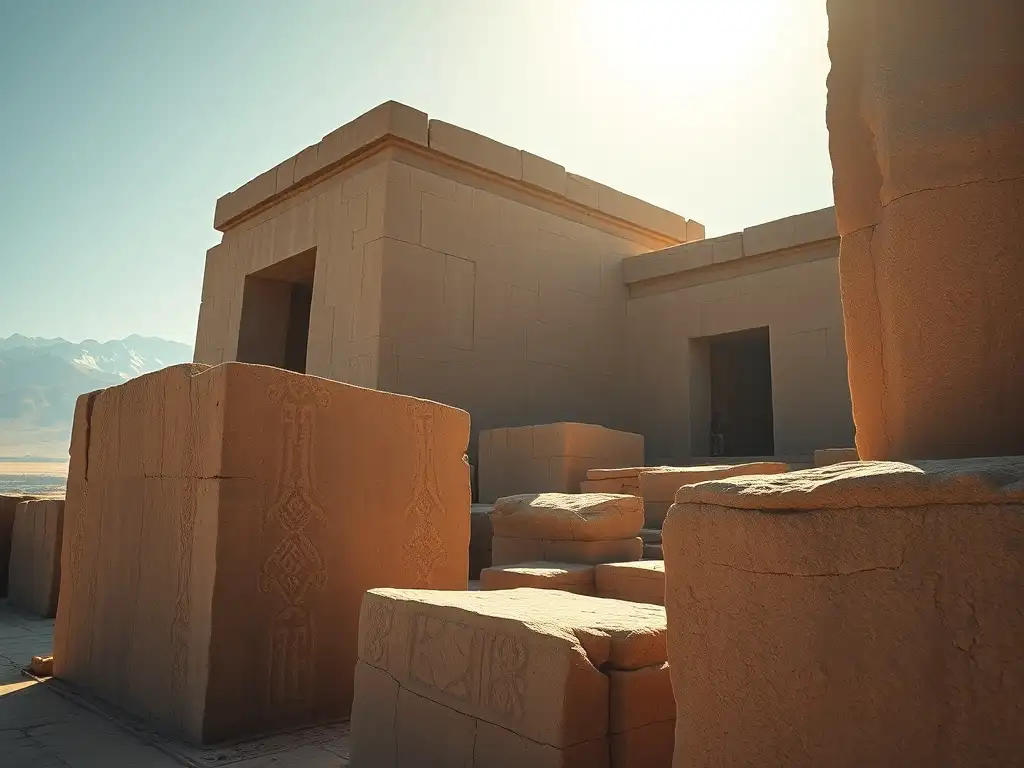
The enigmatic site of Puma Punku, part of the larger Tiahuanaco complex, continues to fascinate archaeologists and historians alike. While its precise function remains debated, substantial evidence points towards its significant role in elaborate ceremonies and rituals central to Tiahuanaco's religious and social fabric. The sheer scale of the megalithic structures, the precision of their construction, and the presence of artifacts suggest a complex system of beliefs and practices far exceeding simple utilitarian purposes.
Understanding the Tiahuanaco Puma Punku ceremonies requires careful consideration of multiple lines of evidence, from architectural analysis to the interpretation of recovered artifacts. This section delves into the available data to shed light on these fascinating and mysterious rituals.
Evidence of Ritualistic Practices at Puma Punku
The very architecture of Puma Punku speaks volumes about its ceremonial function. The massive, precisely cut stones, some weighing dozens of tons, were clearly not simply haphazardly placed. The meticulous engineering and the deliberate arrangement of these blocks suggest a deeply planned and symbolic layout. The presence of partially completed structures and seemingly unfinished elements hints at the possibility of interrupted or ongoing construction, possibly reflecting cyclical ceremonies or a long-term, evolving project reflecting changing religious beliefs or social structures within the Tiahuanaco culture.
Furthermore, archaeological excavations have uncovered various artifacts within and around Puma Punku that strongly suggest ritualistic practices. These include fragments of pottery, often decorated with intricate designs potentially representing deities or cosmological concepts, and evidence of offerings, such as burned animal bones and other organic materials. The discovery of these remains provides tangible evidence of ceremonies performed at the site.
Further analysis of these artifacts, including isotopic studies of the animal bones to determine their origin and the chemical analysis of pigments used in pottery decoration, could significantly enhance our understanding of the specific rituals conducted at Puma Punku. The careful study of these artifacts, combined with detailed mapping of their locations within the site, could reveal patterns and sequences of ceremonial activities.
For example, the presence of specific artifacts concentrated in particular areas might suggest dedicated spaces for specific rituals or phases within a larger ceremonial cycle. [Specific information pending: Detailed analysis of artifact distribution and typology at Puma Punku].
The Purpose of the Tiahuanaco Ceremonial Activities
Determining the precise purpose of the Tiahuanaco Puma Punku ceremonies remains a challenge. However, several hypotheses emerge from the available evidence. One prominent theory suggests that Puma Punku served as a central location for rituals related to water management and agricultural fertility.
The Tiahuanaco civilization relied heavily on agriculture, and its sophisticated water management systems demonstrate a deep understanding of hydrology. The site's location near Lake Titicaca and the presence of water channels within the complex suggest a strong connection to water-related rituals aimed at ensuring bountiful harvests. This hypothesis is further supported by the discovery of agricultural tools and the presence of symbolic representations of water and fertility in the site's iconography.
Alternatively, some scholars propose that Puma Punku played a significant role in rituals related to ancestor veneration or the worship of specific deities. The monumental architecture could have served as a stage for elaborate performances or processions designed to honor ancestors or appease powerful gods. The precision of the stonework and the symbolic nature of the architectural designs could reflect a complex cosmology and a sophisticated understanding of the relationship between the earthly and spiritual realms.
The discovery of human remains within or near the site, if properly documented and analyzed, could provide further support for this hypothesis. [Specific information pending: Further research on human remains found at Puma Punku and their contextual analysis]. The possibility of a complex interplay of these different purposes, rather than a single, exclusive function, cannot be ruled out.
Understanding the Spiritual Significance of Puma Punku's Alignment
The precise alignment of Puma Punku's structures with celestial events, such as solstices and equinoxes, strongly suggests a significant astronomical component in its ceremonial activities. This alignment wasn't accidental; the builders possessed sophisticated astronomical knowledge, using their understanding of celestial cycles to enhance the spiritual significance of their ceremonies. The precise positioning of key structures in relation to the rising and setting sun on specific dates might have marked important moments within the Tiahuanaco calendar, marking transitions between seasons or initiating specific rituals.
This astronomical alignment could have served multiple purposes. It might have provided a framework for predicting agricultural cycles, reinforcing the importance of water management rituals. Alternatively, or in addition, it could have been used to synchronize ceremonies with specific celestial events considered auspicious or divinely ordained.
The meticulous planning and execution of these alignments highlight the importance of astronomical observation within the Tiahuanaco worldview and the deep connection between their religious beliefs and their understanding of the cosmos. Further research into the precise alignments and their correlation with the Tiahuanaco calendar could provide invaluable insights into the timing and sequencing of Puma Punku ceremonies. [Specific information pending: Detailed analysis of astronomical alignments at Puma Punku and their correlation with the Tiahuanaco calendar].
The integration of astronomical knowledge into their religious practices underscores the sophisticated nature of Tiahuanaco's cosmology and highlights the intricate relationship between their earthly and celestial worlds. The study of Puma Punku's alignments offers a fascinating glimpse into the astronomical sophistication and spiritual depth of this remarkable civilization.
Key Elements of Tiahuanaco Rituals at Puma Punku
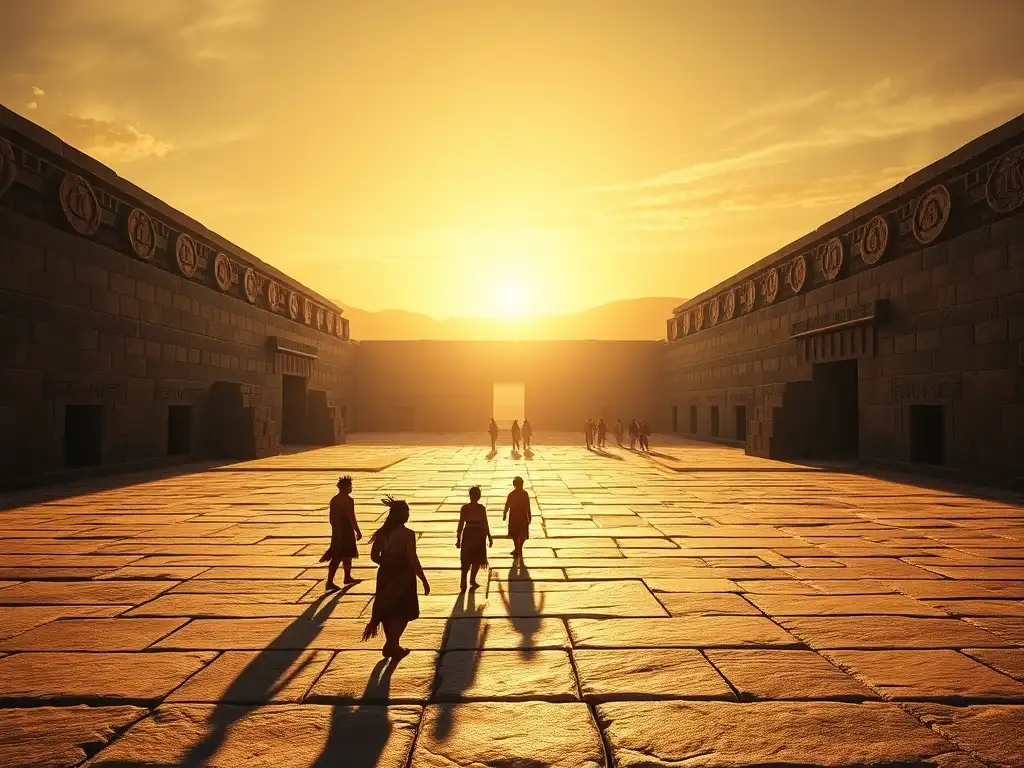
The enigmatic Puma Punku, a sprawling complex within the larger Tiahuanaco site, served as a crucial stage for elaborate ceremonies reflecting the sophisticated religious beliefs of this Andean civilization. Understanding these rituals requires examining several key elements interwoven to create a powerful and symbolic experience. Analyzing surviving architectural features, analyzing artifacts unearthed during excavations, and interpreting iconographic representations on ceramics and textiles all provide glimpses into the nature of these ceremonies, although much remains shrouded in mystery.
The very precision of Puma Punku's construction, with its massive, precisely cut stones, suggests a deep connection between the physical act of building and the spiritual significance of the site. The ceremonies performed there were likely not mere performances but pivotal acts connecting the earthly realm with the sacred.
The scale of the structures themselves underscores the importance of these rituals within Tiahuanaco society, indicating a significant investment of resources and manpower. This suggests a highly organized and centralized religious system, where Puma Punku acted as a central hub for ritualistic activity.
The Role of Offerings and Sacrifices in Tiahuanaco Religious Practices
Offerings and sacrifices were undoubtedly central to Tiahuanaco's religious practices at Puma Punku. Archaeological evidence suggests a wide range of offerings, from precious metals like gold and silver to intricately crafted ceramics and textiles. The sheer quantity and quality of these artifacts found within and around the Puma Punku complex point to the scale of these offerings.
The placement of these offerings—whether buried beneath structures, placed within specific architectural features, or scattered across plazas—likely held symbolic meaning, reflecting the specific deities or cosmological forces being addressed. While human sacrifice is a possibility, definitive evidence remains scarce for Puma Punku specifically. However, evidence from other Tiahuanaco sites suggests that human sacrifice was a component of their religious system, possibly reserved for particularly significant ceremonies or events.
Further research, including detailed analysis of skeletal remains and contextual archaeological data, is needed to fully understand the extent of human sacrifice at Puma Punku. The nature of the offerings themselves – the meticulous craftsmanship evident in many artifacts – suggests a belief in reciprocity, a transactional relationship between the human world and the supernatural realm. The act of offering valuable goods was not simply a gesture of appeasement, but a ritualistic exchange intended to maintain cosmic balance and ensure the continued prosperity of the community.
Importance of Water and Sacred Liquids in Puma Punku Ceremonies
Water, a life-giving force in the arid Andean highlands, held profound symbolic importance in Tiahuanaco cosmology. Puma Punku's proximity to Lake Titicaca, the largest high-altitude lake in the world, further emphasizes the significance of this element. The intricate water management systems associated with the site, including canals and channels, suggest a deliberate manipulation of water flow during ceremonies.
It’s likely that water played a key role in purification rituals, symbolizing cleansing and renewal. The use of sacred liquids, possibly chicha (a fermented maize beverage) or other potent brews, is also likely. These beverages may have been used in libations, offered to deities or consumed by participants to induce altered states of consciousness and facilitate communication with the spiritual realm.
Evidence of ceremonial vessels, often decorated with intricate designs reflecting Tiahuanaco iconography, further supports this hypothesis. The careful channeling and control of water within the Puma Punku complex suggests a highly ritualized approach to the element, transforming it from a mere resource into a powerful symbol of life, fertility, and divine power. Further research into the chemical composition of residues found in these vessels could reveal the precise nature of the liquids used in these ceremonies.
The Use of Music, Dance, and Processions in Tiahuanaco Rituals
Music, dance, and processions were likely integral components of Puma Punku ceremonies. While direct evidence, such as preserved musical instruments, is scarce, iconographic representations on pottery and textiles depict figures engaged in ritualistic dance and musical performances. These depictions often show elaborate costumes and regalia, suggesting a highly organized and formalized ritualistic performance. Processions, moving through the meticulously planned architecture of Puma Punku, would have amplified the ceremonial impact, creating a powerful visual spectacle.
The massive size of the structures themselves would have provided a natural amphitheater for such events, enhancing the sense of awe and reverence. The rhythmic movement of dancers, accompanied by the sounds of music, would have created a sensory experience designed to connect participants with the spiritual realm. The precise choreography and musical arrangements likely held symbolic meaning, reflecting the narrative or message conveyed during the ceremony.
The scale and complexity of Puma Punku suggest that these ceremonies were not spontaneous events but carefully planned and executed rituals requiring significant coordination and participation from the community. Further research into the iconography and the possible reconstruction of Tiahuanaco musical instruments could shed more light on the auditory and kinesthetic aspects of these ceremonies. The combination of visual spectacle, rhythmic movement, and possibly altered states of consciousness created a powerful and immersive experience, solidifying the connection between the earthly and spiritual realms at the heart of Tiahuanaco religion.
Interpreting the Symbolism in Tiahuanaco Puma Punku Ceremonies
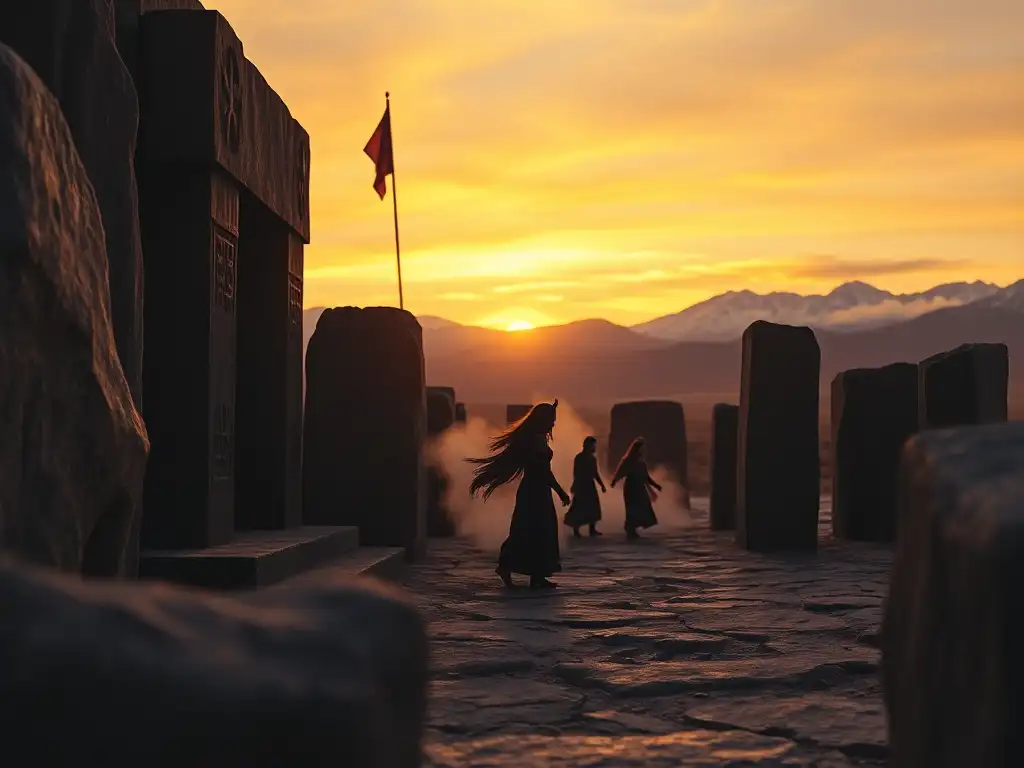
This section delves into the intricate symbolism embedded within the ceremonies performed at Puma Punku, a crucial site within the broader Tiahuanaco complex. Understanding these symbols offers a glimpse into the complex cosmology and worldview of the Tiahuanaco culture. The lack of extensive written records necessitates a careful analysis of the archaeological evidence, including the monumental architecture itself, the few surviving artifacts, and the limited contextual information gleaned from surrounding sites.
The interpretation of Tiahuanaco Puma Punku ceremonies relies heavily on careful observation and comparative analysis with other Andean cultures. This approach, while challenging, allows us to piece together a fascinating narrative of religious practice and belief.
Decoding the Iconography and Art at Puma Punku
The iconography at Puma Punku is remarkably distinct, featuring intricate carvings and designs on the massive stone blocks. While much remains a mystery, certain recurring motifs suggest potential interpretations. For example, the frequent depiction of stylized figures, possibly deities or ancestors, often in association with geometric patterns, may represent a complex system of cosmological relationships.
These figures are sometimes depicted with exaggerated features, such as large heads or elongated limbs, possibly signifying their supernatural status. Further research is needed to definitively identify these figures and their roles within Tiahuanaco religion. The precision and skill involved in the creation of these carvings highlight the importance of these symbolic representations within their religious practices.
The use of specific stones, such as andesite and red sandstone, might also hold symbolic meaning, reflecting the culture's understanding of the material world and its connection to the spiritual realm. Consider, for instance, the potential significance of the color red, often associated with power and fertility in many Andean cultures. The meticulous craftsmanship and the symbolic nature of the carvings strongly suggest that the Puma Punku ceremonies were carefully choreographed events, rich in ritual significance.
The Meaning of the Gateway and its Role in Tiahuanaco Beliefs
The so-called "Gateway of the Sun," while not technically located at Puma Punku but nearby in the main Tiahuanaco site, is inextricably linked to the ceremonies believed to have taken place at Puma Punku. Its intricate carvings, depicting a central figure surrounded by other figures and symbols, are often interpreted as representing a creator god or a central deity within the Tiahuanaco pantheon. The Gateway's massive size and imposing presence suggest it played a vital role in religious rituals, perhaps serving as a focal point or a symbolic threshold between the earthly and spiritual realms.
Its location, commanding a view over the surrounding landscape, further supports this interpretation. Some scholars suggest that the Gateway served as a calendar or astronomical device, aligning with specific celestial events, further enhancing its sacred significance. The precise meaning of the various figures and symbols remains debated, but their presence highlights the importance of celestial observation and the integration of astronomy into Tiahuanaco's religious beliefs.
The Gateway's function within the broader context of Puma Punku ceremonies is a key area of ongoing research. Further analysis of the Gateway's construction techniques and its relationship to other structures within the Tiahuanaco complex may reveal additional clues about its role in their religious practices.
Exploring the Connection Between Tiahuanaco Deities and Puma Punku
The connection between specific Tiahuanaco deities and the ceremonies at Puma Punku is largely speculative due to the limited surviving evidence. However, based on the iconography found at Puma Punku and other Tiahuanaco sites, we can hypothesize about the possible deities involved. The central figure depicted on the Gateway of the Sun, for example, is often interpreted as a supreme deity, potentially associated with creation, fertility, or cosmic order.
Other figures, often depicted in smaller scale, might represent lesser deities or ancestral spirits. The presence of specific symbols, such as stylized animals or plants, could indicate the involvement of nature deities. The limited evidence suggests a complex pantheon, with deities potentially representing various aspects of the natural world and the human experience.
Further research, including comparative studies of other Andean cultures and more detailed analysis of the artifacts discovered at Puma Punku, is crucial to understanding the specific deities and their roles in the ceremonies performed there. The intricate relationship between the deities, the rituals, and the monumental architecture of Puma Punku remains a fascinating area of study, offering a deeper understanding of the Tiahuanaco worldview. The careful analysis of surviving artifacts and the continued exploration of the site itself are essential for uncovering further details about this fascinating aspect of Andean civilization.
The Legacy of Tiahuanaco's Puma Punku Rituals
The imposing structures of Puma Punku, a crucial part of the Tiahuanaco complex, whisper tales of elaborate and sophisticated ceremonies. While the precise details remain shrouded in the mists of time, archaeological evidence suggests a complex interplay of religious beliefs, astronomical observations, and societal structures that shaped these rituals. The sheer scale of the site, with its precisely cut and fitted megalithic blocks, points to a highly organized society capable of mobilizing significant resources for these ceremonial activities.
This dedication speaks volumes about the importance of Puma Punku in the Tiahuanaco worldview. The very act of constructing and maintaining such a monumental complex was, in itself, a powerful ritual act, reinforcing social hierarchy and cosmological beliefs.
The precise alignment of some structures with celestial events further suggests a deep understanding of astronomy and its integration into their religious practices. This suggests that the Puma Punku ceremonies weren't isolated events, but rather integral parts of a larger cosmic framework.
The Impact of Puma Punku on Andean Religious Traditions
Puma Punku's influence reverberated throughout subsequent Andean religious traditions. The emphasis on precision, monumental architecture, and the integration of astronomical observations served as a model for later cultures. While specific ritual practices may have evolved, the underlying principles of cosmology and the importance of large-scale constructions for religious expression continued to be echoed in the religious practices of civilizations that followed.
For example, the later Inca Empire, although geographically and chronologically distinct, exhibited a similar reverence for monumental architecture and celestial alignments in their own religious sites. The meticulous stonework found at Puma Punku, a hallmark of Tiahuanaco engineering, arguably influenced subsequent Andean building techniques, impacting not only religious structures but also civic architecture. The legacy of Puma Punku's sophisticated ceremonial practices is thus not merely architectural but also deeply embedded in the ongoing development of Andean religious thought.
Further research into the iconography found at Puma Punku and its relation to later Andean religious symbols could illuminate these connections further. The precise nature of these connections, however, requires further detailed archaeological investigation and comparative analysis of different Andean cultures.
How Tiahuanaco Ceremonies Influenced Later Cultures
The influence of Tiahuanaco's ceremonies extended far beyond the immediate Andean region. While the direct transmission of specific rituals is difficult to prove definitively, the broader cultural impact is undeniable. The sophisticated urban planning and monumental architecture of Tiahuanaco served as an inspiration for subsequent cultures across the Andes, influencing their own urban development and religious practices.
The Tiahuanaco style of pottery, textiles, and other artifacts spread widely, suggesting the dissemination of cultural and possibly religious ideas alongside trade networks. This cultural exchange, although requiring more in-depth study, likely facilitated the transmission of religious concepts and practices, leading to the adoption or adaptation of certain elements in other societies. The widespread distribution of Tiahuanaco-style iconography implies a degree of cultural prestige and influence that impacted the religious landscape of a considerable geographic area.
Further research is needed to fully understand the extent and nature of this influence, focusing on comparative studies of artistic styles and religious practices across different Andean cultures. The use of isotopic analysis on artifacts found in distant sites could provide further evidence of trade routes and cultural exchange.
Ongoing Research and Modern Interpretations of Puma Punku Rituals
Modern interpretations of Puma Punku ceremonies rely heavily on ongoing archaeological research, combining traditional methods with advanced technologies like LiDAR and ground-penetrating radar. These techniques are helping to uncover new evidence about the site's layout, construction techniques, and potential ceremonial spaces. The ongoing analysis of artifacts unearthed at Puma Punku is also crucial in understanding the nature of the rituals performed there. Researchers are using various methods, including chemical analysis and stylistic comparisons, to interpret the function and significance of these objects.
Moreover, the development of new theoretical frameworks in archaeology allows for more nuanced interpretations of the evidence. For instance, recent research emphasizes the importance of considering the social and political contexts surrounding Puma Punku ceremonies, moving beyond purely religious interpretations. However, significant gaps remain in our understanding.
For example, [specific information pending] regarding the specific deities or rituals worshipped at Puma Punku. The ongoing research is slowly unveiling the mysteries of this enigmatic site, offering increasingly sophisticated understandings of the complex religious and societal structures of the Tiahuanaco culture. The continued application of advanced technologies and interdisciplinary approaches promises to further illuminate the secrets of Puma Punku and its profound impact on Andean civilization.
Frequently Asked Questions
What were the Puma Punku ceremonies primarily about?
While the exact nature remains debated, Puma Punku ceremonies likely involved ritualistic offerings and celebrations related to agricultural cycles, water management, and possibly astronomical events. The site's precision suggests a deep understanding of cosmology and engineering.
Were human sacrifices part of Puma Punku ceremonies?
There's no definitive evidence of widespread human sacrifice at Puma Punku, unlike some other Andean sites. While some offerings might have included animal sacrifices, the focus seems to have been more on elaborate ritual displays and offerings to deities.
What role did the Puma Punku structures play in the ceremonies?
The massive stone structures likely served as focal points for ceremonies. Their precise arrangement and monumental scale suggest a carefully planned sacred landscape designed to enhance ritualistic experiences. Specific platforms or courtyards may have hosted different ceremonies.
How did the Tiahuanaco people transport the massive stones to Puma Punku?
The precise methods remain a mystery, but theories involve sophisticated ramps, rollers, and possibly water transport. The scale of the construction and the precision of the stonework highlight the advanced engineering capabilities of the Tiahuanaco civilization.
What evidence exists to support our understanding of Puma Punku ceremonies?
Archaeological evidence includes stone structures, artifacts, and potentially ceremonial objects found within and around Puma Punku. However, much remains unknown, and interpretations are often debated among scholars. Further research is needed to fully understand these ancient rituals.
Final Reflection: Echoes of Puma Punku: A Legacy of Ritual and Wonder
The meticulous stonework of Puma Punku, a testament to the advanced engineering of the Tiahuanaco culture, continues to resonate today, not just as an archaeological marvel, but as a potent symbol of human ingenuity and spiritual aspiration. Its enigmatic purpose, likely intertwined with complex ceremonies and cosmological beliefs, challenges our understanding of ancient civilizations and their capacity for monumental achievement. The very existence of Puma Punku forces us to reconsider our assumptions about the capabilities of pre-Columbian societies.
The enduring mystery surrounding the Puma Punku ceremonies compels us to contemplate the profound connection between humanity and the cosmos, a connection that transcends time and geography. The sheer scale of the site, the precision of its construction, and the unanswered questions surrounding its function speak to a level of societal organization and spiritual depth that is both awe-inspiring and humbling. The past is never dead. It's not even past.
- William Faulkner. This quote perfectly encapsulates the enduring power of Puma Punku; its legacy continues to shape our understanding of the past and inspire future generations of researchers and dreamers.
Consider the implications of this ancient site. What can we learn from the dedication and skill of the Tiahuanaco people? How can we apply their ingenuity and collaborative spirit to the challenges facing our world today? I invite you to reflect on the enduring power of Puma Punku, not just as a historical site, but as a symbol of human potential and the enduring quest for meaning. Let the echoes of these ancient ceremonies inspire you to build your own monuments to creativity, collaboration, and a deeper understanding of our shared human heritage.
**Unlock the Mysteries of Puma Punku Today! **
Thank you for exploring the fascinating world of Tiahuanaco and the Puma Punku. Your journey through this ancient site has undoubtedly revealed intriguing insights into the spiritual practices and architectural achievements of Andean civilization. Now, let's build on that knowledge and further connect with this extraordinary history.
Here are some ways you can continue your exploration:
- **Expand your knowledge:** Visit a local museum or exhibition featuring Andean artifacts and history to enrich your understanding.
- **Share your discoveries:** Discuss the significance of Puma Punku with friends and family, sparking conversations about ancient civilizations and encouraging further exploration.
- **Join the conversation:** Connect with online communities dedicated to Andean studies or archaeology. Your insights and participation contribute to a shared journey of discovery.
How has exploring Puma Punku changed your perspective on ancient civilizations? Share your thoughts in the comments below!