
The Mysteries of the Huacas: Sacred Places and Ritual Practices

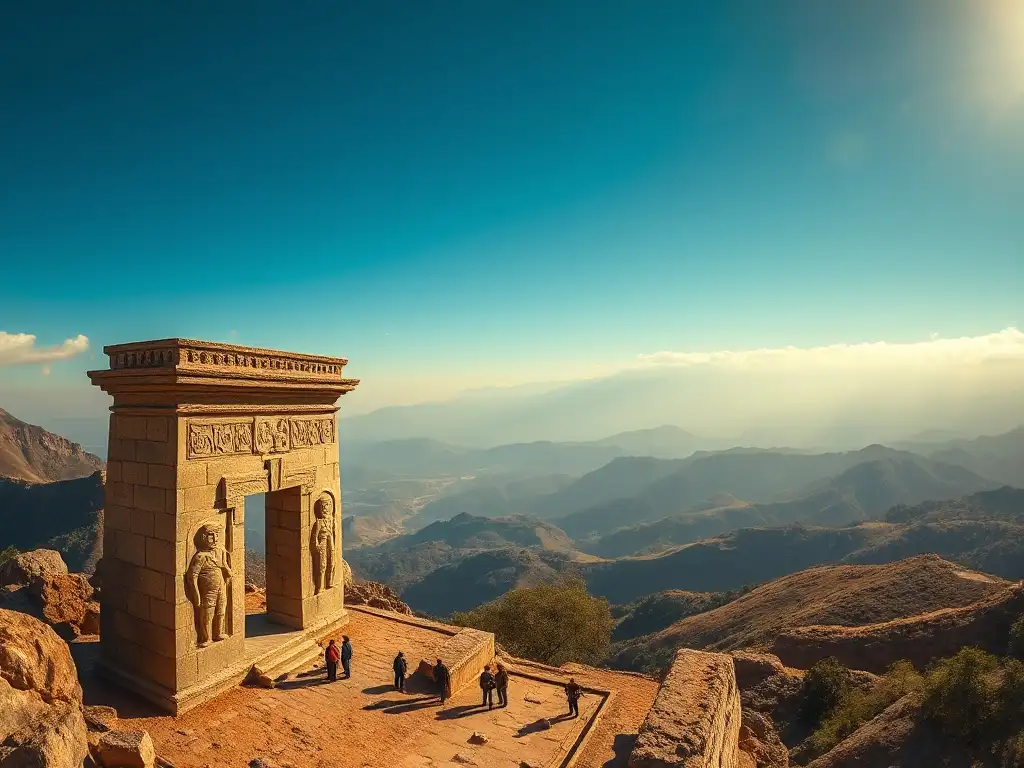
Step into a world lost to time, yet echoing with the whispers of ancient power. Imagine the breathtaking grandeur of the Andes, where sacred sites pulsed with the lifeblood of sophisticated civilizations. This is where the mysteries of Andean Huacas rituals unfold. Prepare to unravel the secrets behind these sacred places and delve into the captivating religious practices that shaped the destinies of the Incas, Moche, Nazca, and Tiahuanaco—a journey into a vibrant past that will leave you breathless. Discover more...
- The Mysteries of the Huacas: Sacred Places and Ritual Practices in the Andes
- Understanding Andean Huacas: Defining Sacred Spaces
- The Role of Andean Huacas in Rituals and Ceremonies
- Key Andean Civilizations and Their Huaca Practices
- Specific Ritual Practices at Andean Huacas
- The Enduring Legacy of Andean Huacas
- Frequently Asked Questions
- Final Reflection: Echoes of the Andes: A Legacy of Ritual and Reverence
- **Unveil the Secrets of the Huacas! **
The Mysteries of the Huacas: Sacred Places and Ritual Practices in the Andes
The Andes Mountains, a spine of towering peaks and fertile valleys, cradle a rich tapestry of ancient civilizations. For millennia, these cultures developed complex belief systems and intricate ritual practices, leaving behind a legacy of awe-inspiring structures and enigmatic artifacts. Central to their spiritual landscape were the huacas, sacred places imbued with power and significance.
This article delves into the fascinating world of Andean huacas, exploring their diverse forms, the rituals performed within them, and the enduring mysteries they hold, focusing specifically on the rituals associated with these sacred sites and how they reflect the Andean cosmovision. We will examine evidence from archaeological findings and anthropological studies to illuminate the religious practices and beliefs of these remarkable civilizations.
Understanding Andean huacas and their rituals provides crucial insights into the complex interplay between the Andean peoples and their environment, their social structures, and their relationship with the divine. The study of these sacred sites offers a window into the spiritual heart of ancient Andean societies, revealing a profound connection to the land and a sophisticated understanding of the cosmos.
Types of Huacas and Their Significance
Andean huacas encompassed a vast array of natural and artificial features. They weren't simply places of worship; they were considered living entities, imbued with spiritual power. These sacred sites included:
- Natural Huacas: Mountains ( apu), caves, springs, and significant geographical formations were revered as manifestations of divine power. Their inherent power was often associated with specific deities or ancestral spirits.
- Artificial Huacas: These were structures built by humans, including pyramids, temples, platforms, and monumental complexes. These structures served as focal points for ritual activities and often incorporated elements of nature, further emphasizing the interconnectedness of the human and spiritual worlds. The construction itself was often a ritual act, embedding the spiritual power within the very fabric of the building.
- Objects as Huacas: Certain objects, such as intricately carved stones, pottery vessels, and textiles, also held significant spiritual value and were considered huacas. These objects were often used in rituals and ceremonies, acting as intermediaries between the human and spiritual realms.
Ritual Practices Performed at Huacas
Rituals performed at huacas were diverse and varied based on the specific location, the time of year, and the purpose of the ceremony. Archaeological evidence suggests a wide range of practices, including:
- Offerings: The act of offering was central to Andean religious practices. These offerings included food and drink (such as chicha, a fermented maize beverage), precious metals and jewels, textiles, and even human sacrifices in certain cases. These offerings were intended to appease deities, honor ancestors, or ensure the fertility of the land.
- Processions and Pilgrimages: Many huacas were the destinations of elaborate processions and pilgrimages. These events brought together large groups of people from different communities, strengthening social bonds and reinforcing shared beliefs.
- Ceremonial Dances and Music: Music and dance played an essential role in Andean rituals. These performances were believed to invoke divine presence and connect participants with the spiritual world. The use of specific instruments and dance styles often varied depending on the specific deity or ancestral spirit being honored.
- Divination and Oracles: Some huacas were associated with divination practices, where priests or shamans would seek guidance from the spirits through various means. This could involve interpreting dreams, observing natural phenomena, or using specific artifacts for divination.
The Role of Huacas in Andean Cosmovision
The significance of huacas cannot be understood without considering the broader Andean cosmovision – a worldview characterized by a close relationship between the human and natural world, a deep respect for ancestral spirits, and a belief in the interconnectedness of all things. Huacas were not simply isolated places of worship; they were integral parts of a complex system of beliefs and practices that shaped daily life. They represented the intersection of the earthly and the supernatural, providing a tangible link to the spiritual forces that governed the world.
The rituals performed at these sites reinforced this worldview, emphasizing the importance of balance, reciprocity, and the cyclical nature of life. The precise details of these beliefs and practices varied across different Andean cultures, but the fundamental reverence for huacas as powerful spiritual entities remained a constant.
Enduring Mysteries and Ongoing Research
Despite extensive research, many mysteries surrounding Andean huacas and their rituals remain unsolved. The complex iconography found in many huacas, for example, continues to challenge scholars. Further research, including advanced archaeological techniques and interdisciplinary collaborations, is needed to fully understand the significance of these sites and their role in the rich tapestry of Andean culture.
The ongoing exploration of these sacred places promises to reveal even more about the beliefs, practices, and social structures of the ancient Andean civilizations, enriching our understanding of their remarkable history. The study of Andean Huacas rituals continues to be a vibrant field of research, promising further revelations into the complexities of Andean spirituality and culture.
Understanding Andean Huacas: Defining Sacred Spaces
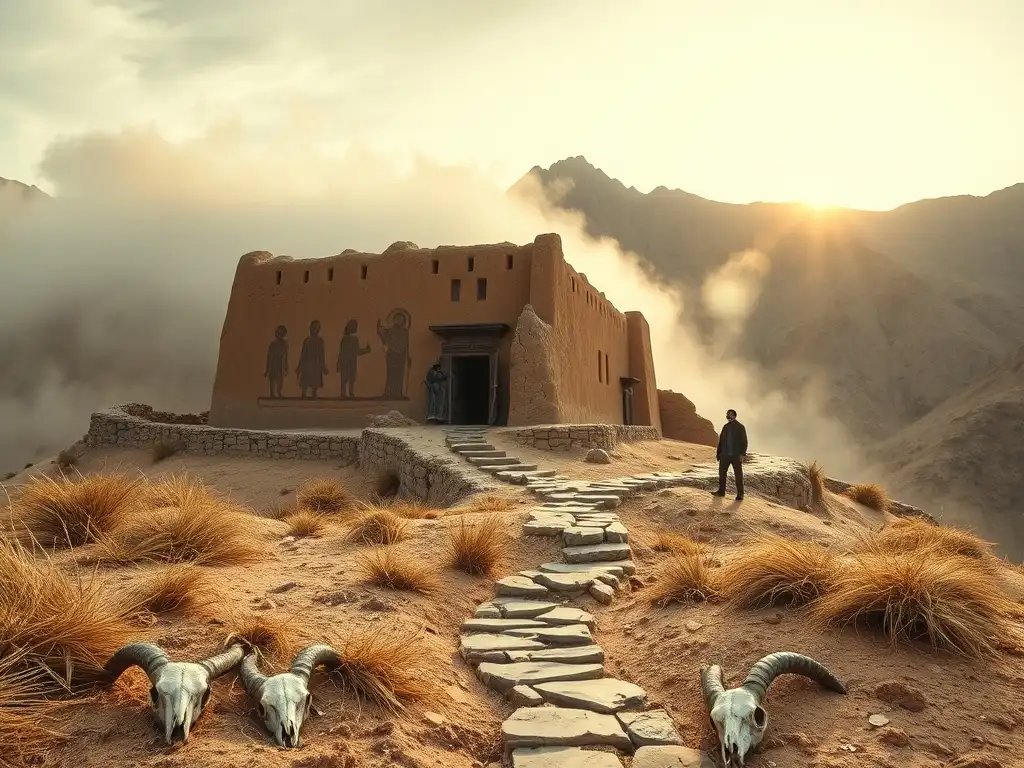
This section delves into the multifaceted nature of Andean Huacas, exploring their significance as sacred spaces within the complex religious landscape of ancient Andean civilizations. Understanding the concept of Huacas is crucial to comprehending the rituals and ceremonies performed within them. The term itself encompasses a broad range of sacred sites, each imbued with unique spiritual power and significance. This understanding necessitates looking beyond a simple definition and into the nuanced ways these sites functioned within Andean societies.
We will explore the varied types of Huacas and the reasons behind their selection and importance. By analyzing the location, construction, and associated rituals, we can gain a deeper appreciation for the profound role Huacas played in shaping Andean religious practices and belief systems. The term "Andean Huacas rituals" itself encapsulates the deep connection between these sacred places and the spiritual life of the people.
What are Huacas? Exploring the Concept of Sacred Sites
The term "Huaca" (pronounced wah-kah) in Quechua, the language of the Inca and many other Andean groups, translates broadly to "sacred object" or "sacred place." However, this simple definition fails to capture the complexity and diversity of sites designated as Huacas. They weren't merely aesthetically pleasing locations; they were imbued with sacha, a vital force connecting the earthly and spiritual realms.
This sacha could manifest in various forms, from the inherent power of a natural feature like a mountain or spring to the accumulated spiritual energy of a carefully constructed temple or burial mound. The designation of a Huaca wasn't arbitrary; it was a process involving community consensus, often marked by the presence of significant artifacts, evidence of past rituals, or the continued manifestation of perceived supernatural phenomena. Many Huacas were associated with specific deities or ancestral spirits, further solidifying their sacred status and attracting continuous veneration and offerings across generations.
The study of Andean Huacas rituals reveals a deeply layered understanding of the sacred, far exceeding simple places of worship. These sites were active participants in the ongoing relationship between the living and the spiritual world, mediating between humanity and the cosmos.
Huacas as Power Centers: The Significance of Location
The location of a Huaca was far from accidental. Strategically situated places often held greater spiritual significance. For example, mountains, considered apu (mountain spirits), frequently served as powerful Huacas, their imposing presence reflecting their inherent authority.
Similarly, springs and other water sources, vital for life in the arid Andean landscape, held significant spiritual value, representing fertility and renewal. Coastal sites, often overlooking the ocean, acted as liminal spaces, connecting the terrestrial world with the vastness of the sea. Many Huacas were located at the intersection of geographical features, enhancing their perceived power.
This strategic placement wasn't merely symbolic; it reflected a deep understanding of the landscape's energetic properties and the belief that certain locations served as focal points for spiritual energy, facilitating communication with the supernatural world. The careful consideration of location underscores the deliberate and nuanced approach to defining sacred spaces within Andean cosmology. The study of Andean Huacas rituals reveals a sophisticated understanding of geomancy – the art of relating the human world to the natural environment.
Types of Huacas: Mountains, Springs, and Man-Made Structures
Andean Huacas exhibited significant diversity in their physical form. While natural features like mountains (Apus), springs, and caves held inherent sacredness, many Huacas were also man-made structures. These included:
- Temple complexes: Large-scale architectural feats, such as those found at Machu Picchu and Pachacamac, served as significant ritual centers, housing altars, plazas, and residential areas for priests and elites.
- Burial mounds: These structures, often containing the remains of important individuals or ancestors, served as focal points for ancestor veneration and ritual offerings. The meticulous construction and rich grave goods found within these mounds reflect the significance attributed to the deceased and their continued connection to the living.
- Stone sculptures and monuments: Elaborately carved stones, often depicting deities or mythological figures, were revered as powerful Huacas, embodying spiritual energy and serving as sites for offerings and prayers. These ranged from small, portable objects to monumental structures like the famous Nazca Lines, which may have also held ritual significance.
- Ceremonial plazas: Open spaces, often located within larger complexes, served as venues for public rituals, festivals, and community gatherings, reinforcing social bonds and affirming shared religious beliefs.
The diversity of Huaca types highlights the richness and complexity of Andean religious practices, reflecting a dynamic interplay between the natural world and human construction in shaping sacred spaces. The specific rituals performed at each type of Huaca varied, reflecting the unique character and power associated with each site. The study of Andean Huacas rituals is therefore a multifaceted endeavor, requiring a nuanced understanding of both the physical and spiritual dimensions of these sacred places. Analyzing these variations sheds light on the adaptability and richness of Andean spiritual beliefs.
The Role of Andean Huacas in Rituals and Ceremonies
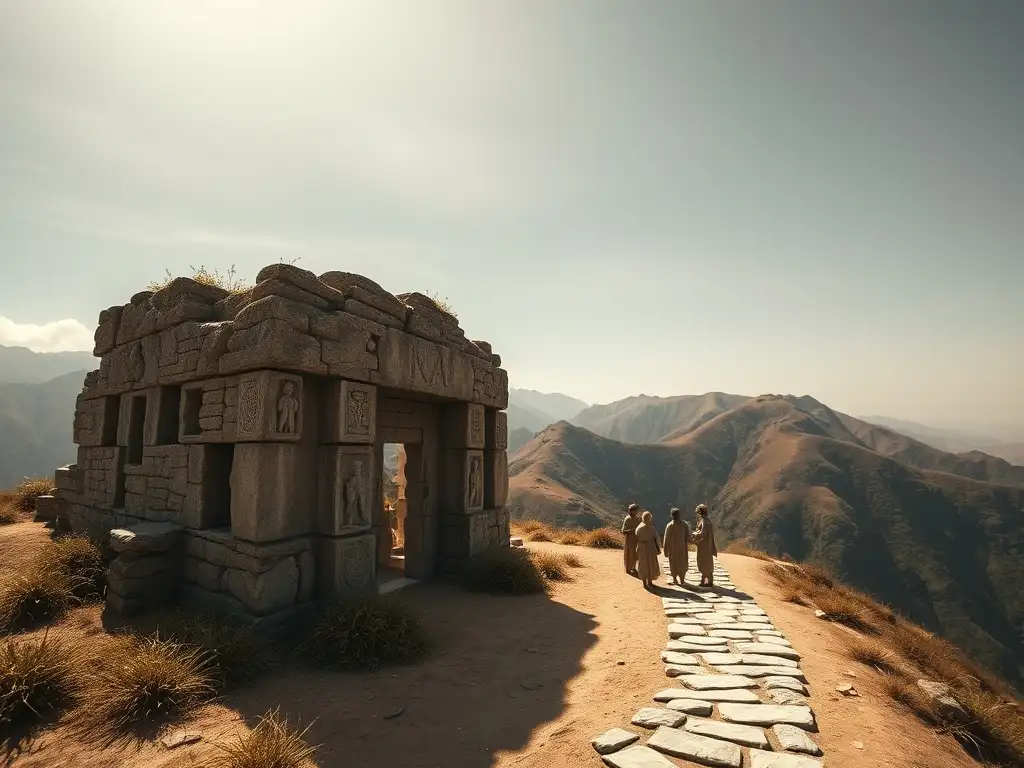
Andean Huacas, sacred sites imbued with spiritual power, served as crucial focal points for a vast array of rituals and ceremonies across various Andean civilizations. These weren't simply places of worship; they were active participants in the spiritual lives of the people. The specific rituals performed varied considerably depending on the culture (Inca, Moche, Nazca, etc.
), the specific Huaca's perceived power, and the needs of the community. However, a common thread linked these diverse practices: the belief that interaction with the Huaca could influence the natural world, ensure prosperity, and maintain cosmic balance. Understanding the role of Andean Huacas requires examining not just the sites themselves, but also the intricate web of beliefs and practices that surrounded them.
The power attributed to these sites stemmed from a complex interplay of geographical features, historical events, and cultural interpretations, all contributing to their enduring significance within Andean cosmovision. This deep connection between the people and their sacred places is a testament to the enduring power of Andean spirituality.
Andean Huacas Rituals: Connecting with the Divine
Andean Huacas rituals were multifaceted, designed to foster communication with the divine and ancestral spirits believed to inhabit these places. These rituals often involved elaborate processions, musical performances using instruments like panpipes and drums, and the consumption of chicha (a fermented maize beverage). The specific actions and offerings varied depending on the purpose of the ritual.
For example, rituals aimed at ensuring a successful harvest might involve symbolic planting and the offering of agricultural products. Conversely, ceremonies focused on healing might include the use of medicinal plants and the recitation of prayers or incantations. Evidence from archaeological sites suggests that some rituals involved human sacrifice, although the frequency and significance of this practice are still debated among scholars.
The complexity of these rituals points to a sophisticated understanding of the spiritual world and a deep-seated reverence for the sacred power residing within the Huacas. Many rituals were performed by specialized priests or shamans, who acted as intermediaries between the human and spiritual realms. Their knowledge and skills were crucial in ensuring the successful execution of these ceremonies and maintaining the balance between the earthly and cosmic realms.
Offerings at Huacas: Appeasing the Gods and Ancestors
Offerings played a central role in Andean Huacas rituals. These offerings, ranging from simple agricultural products to intricately crafted artifacts, were seen as a way to appease the gods and ancestors, seeking their favor and protection. Common offerings included maize, coca leaves, llama and alpaca wool, pottery vessels, and precious metals like gold and silver.
The type and quantity of offerings often reflected the importance of the occasion and the social status of the offering party. Archaeological excavations consistently unearth significant quantities of these offerings, providing invaluable insights into the beliefs and practices of these ancient cultures. For example, the discovery of elaborate gold ornaments at certain Huacas points to their importance as sites of royal or elite rituals.
The careful placement and arrangement of offerings also suggest a deep understanding of ritual symbolism and the specific deities or ancestors being addressed. The act of giving was not simply a transaction; it was a profound act of respect and devotion, reinforcing the reciprocal relationship between humanity and the spiritual world. The meticulous nature of these offerings underscores the reverence and importance the Andean people placed on these sacred sites and their inherent powers.
The Purpose of Ceremonies: Fertility, Harvest, and Protection
The ceremonies performed at Andean Huacas served a multitude of purposes, reflecting the diverse needs and concerns of the communities. A primary focus was on ensuring agricultural fertility and successful harvests, the lifeblood of Andean societies. Rituals were conducted to ensure abundant rainfall, healthy crops, and the protection of livestock. In addition to agricultural concerns, ceremonies also addressed issues of health, protection from disease, and the maintenance of social order.
Rituals aimed at ensuring the safety and well-being of individuals and the community as a whole. Evidence suggests that some ceremonies were linked to significant life cycle events, such as birth, marriage, and death. These occasions were marked by specific rituals that sought to integrate individuals into the wider cosmological framework.
The interconnection between these different purposes highlights the holistic nature of Andean spirituality, where the various aspects of life were interconnected and governed by the same spiritual forces. The enduring legacy of these ceremonies is a testament to their effectiveness in providing a sense of order, stability, and meaning within the Andean world. Analyzing these rituals provides crucial insights into the complex relationship between Andean societies and their environment, revealing a deep understanding of the interconnectedness of the natural and spiritual worlds.
Key Andean Civilizations and Their Huaca Practices
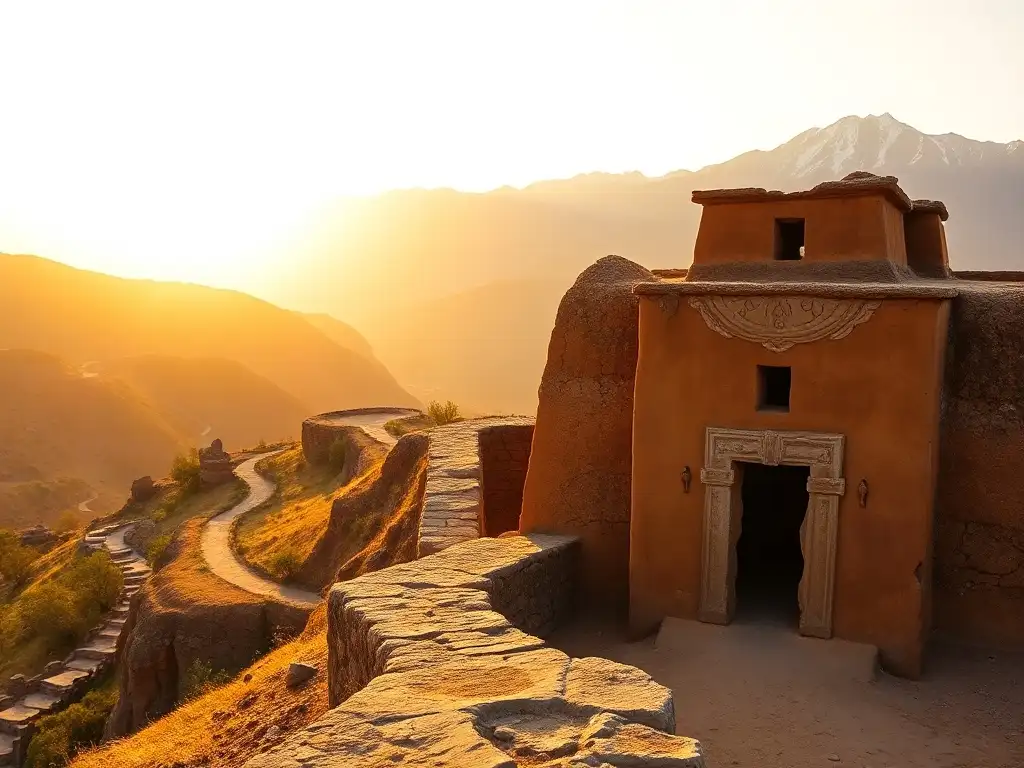
This section delves into the unique ritual practices associated with huacas—sacred places—across several key Andean civilizations. Understanding these practices offers crucial insight into the complex religious beliefs and social structures of these fascinating cultures. The term "Andean Huacas rituals" encompasses a vast array of ceremonies, offerings, and beliefs, varying significantly depending on the specific civilization and the nature of the huaca itself. We will explore the diverse approaches to ritualistic practices in three prominent Andean cultures: the Inca, Moche, and Nazca.
Inca Huacas: Imperial Rituals and Sacred Geography
Inca huacas were integral to their imperial ideology, functioning as powerful symbols of royal authority and cosmic order. Unlike some other Andean cultures, Inca huacas weren't solely defined by physical structures. Natural features like mountains ( apus), springs, and caves were also considered sacred, imbued with spiritual power. Imperial rituals performed at these sites reinforced the Inca's divine right to rule and their control over the vast empire.
These rituals involved elaborate ceremonies, often featuring capacochas (sacrificial offerings, typically children), and mamacocas (female priestesses) who played significant roles in mediating between the human and spiritual realms. The capacocha ceremonies, while controversial, were believed to maintain cosmic balance and ensure the prosperity of the empire. The chosen individuals, often considered to be exceptionally beautiful and healthy, were seen as divine representatives, their sacrifice a supreme offering to the gods.
The geographic distribution of Inca huacas was carefully planned, reflecting their sophisticated understanding of sacred geography. The huacas were strategically located along major roads ( caminos reales) and within key administrative centers, serving as potent symbols of Inca power and control throughout their expansive territory. The meticulous placement of these sacred sites underscored the Inca's ability to harness both the physical and spiritual landscapes to consolidate their dominance.
Further research is needed to fully understand the complex interplay between geographical location and the specific rituals performed at each huaca. [Specific details on the precise location and rituals of specific Inca huacas pending].
Moche Huacas: Pyramids, Tombs, and Complex Offerings
The Moche civilization, known for its sophisticated artistry and complex social hierarchy, built impressive huacas primarily in the form of monumental adobe pyramids. These structures served multiple functions, acting as temples, tombs for elite members of society, and centers for ritual activities. Moche huacas are characterized by their intricate iconography, depicting deities, mythical creatures, and scenes of ritual sacrifice.
The Moche rituals were often elaborate and violent, involving human sacrifice and the offering of valuable goods like gold, silver, and ceramics. Evidence suggests that these offerings were intended to appease the gods, ensure successful harvests, or commemorate important events. The sheer scale and complexity of Moche huacas and their associated offerings demonstrate the immense resources and organizational capabilities of this advanced pre-Columbian society. The discovery of richly adorned tombs within these pyramids highlights the importance of ancestor veneration and the belief in a vibrant afterlife.
Archaeological excavations continue to reveal fascinating details about Moche ritual practices. For example, the discovery of elaborate murals depicting sacrificial scenes, and the analysis of human remains found within the huacas, provide valuable insights into the beliefs and practices of this enigmatic culture. The meticulous craftsmanship evident in the Moche artifacts found within these sacred sites speaks volumes about their religious devotion and artistic skill. Understanding the significance of these visual representations is crucial to interpreting the complex rituals associated with Moche huacas.
Nazca Huacas: Geoglyphs and Ritual Landscapes
The Nazca civilization is famously associated with the enigmatic Nazca Lines, vast geoglyphs etched into the desert floor. While these lines remain a subject of ongoing debate, their creation was undoubtedly linked to ritual practices and a profound understanding of the landscape. Nazca huacas often took the form of smaller, less imposing structures compared to those of the Moche, but their significance within the broader ritual landscape was equally profound.
Nazca ritual practices appear to have been deeply intertwined with water management and agricultural cycles. Many huacas were located near sources of water, suggesting a close connection between religious beliefs and the vital need for water in the arid coastal region. The elaborate offerings found in Nazca tombs include textiles, ceramics, and food, reflecting the importance of agriculture and the cyclical nature of life and death in their worldview.
The Nazca Lines themselves may have served as a vast, interconnected network of sacred sites, creating a ritual landscape that extended far beyond individual huacas. These geoglyphs, visible only from the air, may have been linked to astronomical observations or served as markers for pilgrimage routes.
The precise meaning and function of the Nazca Lines remain a mystery, but their creation and maintenance undoubtedly involved significant communal effort and spiritual significance, further highlighting the central role of ritual in Nazca society. Continued research and technological advancements may one day unlock the secrets hidden within these enigmatic geoglyphs and their relation to the surrounding huacas.
Tiahuanaco Huacas: Religious Centers and Cosmic Alignment
The Tiahuanaco culture, flourishing in the Bolivian Altiplano between approximately 500 and 1000 CE, constructed monumental structures that served as powerful religious centers, often referred to as huacas. These weren't simply buildings; they were meticulously planned complexes deeply interwoven with the Andean worldview, reflecting a sophisticated understanding of astronomy and cosmology. The most famous example, the Akapana pyramid, stands as a testament to this intricate relationship between architecture and the cosmos.
Its terraced structure, aligned with cardinal directions, suggests a deliberate attempt to harness the energy of the sun and stars. Some scholars propose that the Akapana, with its intricate water channels and subterranean chambers, functioned as a sophisticated hydrological system, mirroring the Andean perception of water as a sacred life-giving force. This integration of practical functionality and religious symbolism is a hallmark of Tiahuanaco huaca design.
Further examination reveals the precision of the astronomical alignments. The placement of specific structures within the complex seems to correlate with solstices and equinoxes, suggesting that rituals and ceremonies were timed to coincide with these celestial events. This careful observation of the heavens speaks to the advanced astronomical knowledge of the Tiahuanaco people and underscores the importance of cosmic alignment in their religious practices. The intricate carvings found on the numerous monoliths scattered throughout the site—depicting deities, animals, and symbolic figures—provide further clues into the religious significance of these structures and the rituals performed within them.
These carvings, often deeply weathered by time, continue to inspire research and debate amongst archaeologists and anthropologists, offering tantalizing glimpses into the complex cosmology and worldview of this fascinating civilization. The precise nature of these rituals remains largely unknown, obscured by the passage of time, but their importance in Tiahuanaco society is undeniable. The scale and sophistication of the Akapana and other Tiahuanaco huacas stand as powerful evidence of a deeply spiritual society whose religious practices were inextricably linked to the celestial realm.
The study of these sites continues to uncover new insights into the rich tapestry of Andean religious belief systems. The careful planning and execution of these structures demonstrate a profound understanding of engineering and a deep connection to the natural world and its celestial rhythms. Ongoing research using advanced technologies continues to reveal more about the intricate details of these extraordinary sites and the rituals performed within them, making the study of Tiahuanaco huacas a dynamic and evolving field.
Specific Ritual Practices at Andean Huacas
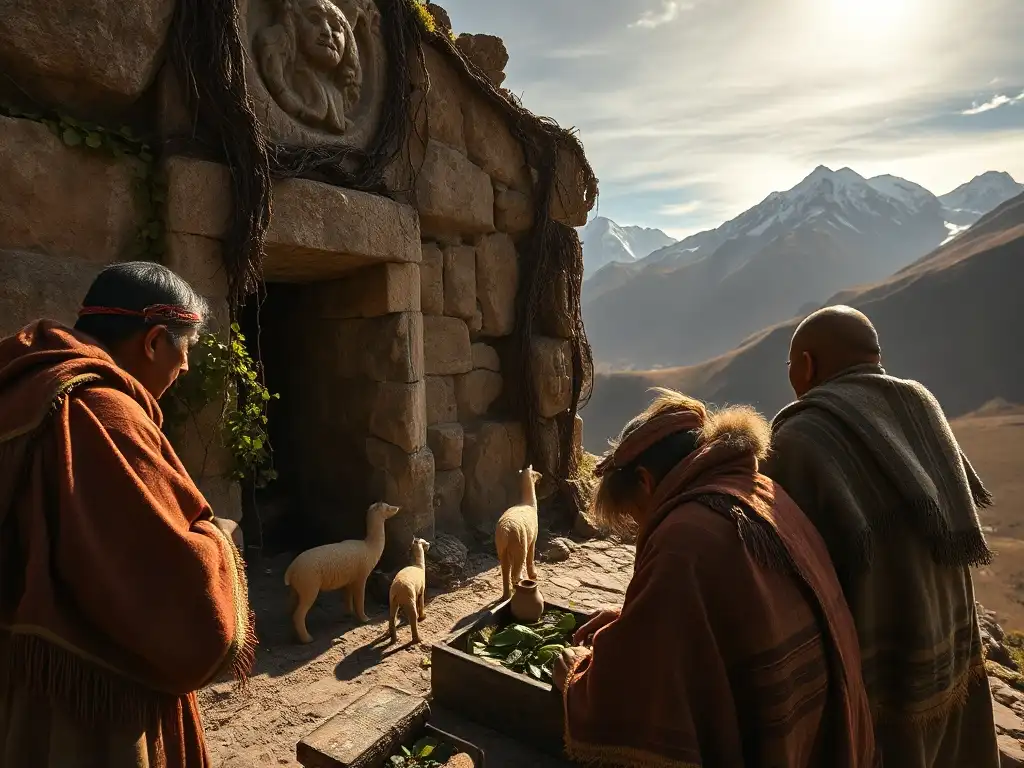
This section delves into the diverse and fascinating ritual practices associated with Andean Huacas, exploring the specific ceremonies and offerings performed at these sacred sites. Understanding these practices offers crucial insight into the complex religious beliefs and social structures of the Andean civilizations. The term "Andean Huacas rituals" encompasses a wide range of activities, each imbued with deep symbolic meaning and reflecting the unique characteristics of the various cultures that inhabited the Andes.
Pilgrimages to Huacas: Journeys of Faith and Devotion
Pilgrimages to Huacas were not merely physical journeys; they were deeply spiritual experiences representing a profound connection between the individual and the divine. These journeys, often arduous and undertaken over significant distances, were acts of devotion, demonstrating faith and seeking blessings or healing. Evidence suggests that pilgrims often traveled in groups, sharing stories and strengthening communal bonds during their travels.
The journey itself held spiritual significance, mirroring the arduous path towards spiritual enlightenment. Upon reaching the Huaca, pilgrims would participate in various rituals, including offerings, prayers, and cleansing ceremonies. The frequency of pilgrimages varied depending on the significance of the Huaca and the specific needs of the individual or community.
For instance, a Huaca associated with fertility might see a greater influx of pilgrims during planting seasons, while a Huaca linked to healing might attract those seeking cures for illnesses. The intensity of these pilgrimages, reflected in the distances traveled and the preparations undertaken, highlights the central role Huacas played in the lives of the Andean peoples. Furthermore, the social aspect of these pilgrimages fostered a sense of community and shared belief.
Animal Sacrifices at Huacas: Symbolism and Meaning
Animal sacrifice was a prevalent ritual practice at Andean Huacas, carrying profound symbolic weight. The animals chosen, ranging from llamas and alpacas to smaller creatures like birds and guinea pigs, were not randomly selected. Each animal held specific symbolic meaning, often linked to the Huaca's particular deity or function. For example, llamas, highly valued for their wool and use as pack animals, might have been offered to ensure successful harvests or safe travels.
The act of sacrifice itself was not seen as simply killing an animal; it was a ritualistic act of offering to the supernatural world, a way of establishing a reciprocal relationship between humans and the divine. The manner of sacrifice also held significance, with specific procedures and offerings varying according to the context and the nature of the Huaca. Archaeological evidence reveals elaborate preparations, including the adornment of sacrificial animals and the presentation of accompanying offerings like food and drink.
Detailed analysis of animal remains found at Huacas provides valuable insights into the types of animals sacrificed, their age and condition, and the methods used in the sacrificial rituals. This evidence helps scholars reconstruct the complex symbolism and meaning associated with these offerings. The practice of animal sacrifice underscores the deeply intertwined relationship between the Andean people and their environment, highlighting the importance of reciprocity and respect for the natural world.
Capacocha: Inca Child Sacrifice and Mountain Huacas
Capacocha, the Inca practice of child sacrifice, represents one of the most complex and debated aspects of Andean Huacas rituals. This ritual, primarily associated with mountain Huacas, involved the selection of children, often from elite families, who were considered to be "chosen" by the gods. These children were adorned in elaborate finery, offered gifts, and then sacrificed at the summits of sacred mountains, often accompanied by other offerings such as textiles and gold artifacts. While the exact reasons behind Capacocha remain a subject of scholarly debate, interpretations suggest that the sacrifice served multiple purposes.
It might have been a way of appeasing the gods, ensuring the continued prosperity of the empire, or strengthening the Inca's political power and legitimacy. The selection of children from elite families might suggest that the sacrifice was viewed as an honor, a supreme act of devotion that cemented the relationship between the Inca rulers and the divine realm. The meticulous preparations involved in Capacocha, evidenced by the elaborate burial sites and the abundance of grave goods, underscore the ritual's significance.
The discovery of mummified children at high-altitude sites provides chilling, yet invaluable, evidence of this practice. The analysis of these remains, combined with historical accounts, continues to contribute to our understanding of this controversial aspect of Inca religion and its relationship to the sacred mountain Huacas. The ongoing research into Capacocha is vital for a nuanced and comprehensive understanding of Andean Huacas rituals and the broader Inca cosmological worldview.
Payment to the Earth: Rituals of Gratitude and Reciprocity
The Andean worldview deeply emphasizes reciprocity—a constant exchange of energies and favors between humans and the supernatural world, particularly the Pachamama, or Mother Earth. Huacas, as sacred sites imbued with spiritual power, were central locations for these reciprocal exchanges. Rituals of gratitude and payment to the Pachamama weren't merely symbolic; they were vital for maintaining a harmonious relationship with the earth, ensuring successful harvests, and averting natural disasters.
These rituals often involved offerings of coca leaves, a plant deeply revered in Andean culture for its spiritual and medicinal properties. Chewing coca leaves during rituals facilitated communication with the spirit world and demonstrated respect for the Pachamama. The act of carefully placing coca leaves on the earth, along with other offerings, was a physical manifestation of this reciprocal exchange. The more abundant the harvest, the more generous the offering would be, reflecting a commitment to maintaining balance.
Beyond coca, offerings included other agricultural products such as maize, potatoes, and quinoa, representing the bounty provided by the earth. These weren't simply discarded; they were meticulously arranged, often in specific patterns reflecting cosmological beliefs and signifying the community's gratitude. The careful preparation and placement of these offerings highlighted the significance of the ritual and its intention to honor the Pachamama.
Furthermore, the act of communal participation in these rituals strengthened social bonds and reinforced the shared belief in the importance of reciprocity. Failure to maintain this balance, it was believed, could lead to crop failures, illness, and other misfortunes.
Specific rituals varied depending on the region and the specific huaca. Some communities might perform elaborate ceremonies involving music, dance, and prayers, while others may conduct simpler, more private offerings. However, the underlying principle of gratitude and reciprocity remained constant, underpinning the spiritual and practical aspects of Andean life.
The careful observation of these rituals demonstrates the deep connection between the Andean people and their environment, highlighting the enduring importance of maintaining a harmonious relationship with the Pachamama. The legacy of these rituals continues to resonate today in various Andean communities, underscoring the enduring importance of this ancient worldview. Even today, many Andean communities continue to practice similar rituals, demonstrating the enduring power of these traditions.
The Enduring Legacy of Andean Huacas
The Andean Huacas, sacred sites imbued with spiritual significance, continue to resonate deeply within modern Andean culture. Their influence transcends mere historical interest; they remain vibrant centers of spiritual practice, cultural identity, and community cohesion. Understanding this enduring legacy is crucial to comprehending the complexities of Andean spirituality and its evolution over centuries. The term "Huaca," encompassing a vast range of sacred places, from monumental structures to natural features like mountains and springs, signifies a powerful connection between the earthly and spiritual realms. This connection persists in contemporary Andean society, demonstrating the remarkable continuity and adaptability of ancient traditions.
Huacas in Modern Andean Culture: Continuity and Adaptation
Despite the passage of time and the impact of colonialism and globalization, many Andean communities continue to actively engage with Huacas. Pilgrimages to these sacred sites remain a common practice, often involving offerings, prayers, and rituals passed down through generations. These rituals, while adapted to modern contexts, retain core elements of pre-Columbian practices, demonstrating a remarkable resilience of cultural memory.
For instance, the annual pilgrimage to the Huaca Pucllana in Lima, Peru, attracts thousands of participants who engage in ceremonies that blend traditional Andean beliefs with contemporary expressions of faith. These events highlight the living nature of Andean spirituality and the Huacas' continued importance as focal points for collective identity and spiritual renewal. The offerings presented at these sites—often including coca leaves, chicha (a fermented corn beverage), and other items of personal significance—reflect a continuity of ancient practices aimed at appeasing or honoring the spirits associated with the Huaca.
Furthermore, many modern Andean communities incorporate elements of Huaca veneration into their daily lives, seeking blessings and protection from the spirits residing in these sacred places. This active engagement underscores the enduring power of these sites and their continued relevance in shaping contemporary Andean identity. The vibrant tapestry of modern Andean culture is inextricably woven with the threads of these ancient sacred places.
Preservation of Huacas: Challenges and Efforts
The preservation of Andean Huacas faces numerous challenges, ranging from urbanization and infrastructure development to looting and the degradation of the sites themselves. The encroachment of modern development often threatens the physical integrity of these fragile sites, leading to significant loss of cultural heritage. Looting, driven by the illicit antiquities trade, further exacerbates the problem, depriving communities of their historical and spiritual patrimony. The lack of adequate resources and effective legislation also hinders preservation efforts.
However, significant efforts are underway to address these challenges. Archaeological research and conservation projects play a vital role in documenting and protecting these sites. Community-based initiatives, involving local populations in the preservation process, are proving particularly effective in ensuring the long-term sustainability of these efforts. These projects often combine archaeological investigation with community education and engagement, fostering a sense of ownership and responsibility among local communities.
Furthermore, international collaborations and advocacy groups are working to raise awareness and secure funding for Huaca preservation projects. The ongoing struggle to preserve these invaluable sites requires a multifaceted approach that integrates scientific research, community involvement, and robust legal frameworks. The future of Andean Huacas depends on the continued dedication of researchers, communities, and international organizations committed to their protection and safeguarding their cultural and spiritual significance.
Understanding Huacas: Importance for Cultural Heritage
Understanding Andean Huacas is paramount for comprehending the rich tapestry of Andean cultural heritage. These sites are not merely remnants of the past; they are living repositories of knowledge, beliefs, and practices that continue to shape the cultural landscape of the Andes. The study of Huacas offers invaluable insights into ancient Andean religion, cosmology, social structures, and artistic expression.
Analyzing the architecture, iconography, and associated artifacts found at these sites provides crucial data for reconstructing the intricate belief systems of past Andean societies. Furthermore, the ongoing engagement of contemporary Andean communities with these sites provides a direct link to the past, offering valuable perspectives on the continuity and adaptation of cultural traditions. The preservation of Huacas is not merely a matter of protecting physical structures; it is about safeguarding the intangible cultural heritage that these sites embody.
By understanding the significance of Huacas, we gain a deeper appreciation for the enduring legacy of Andean civilizations and their profound influence on the region's cultural identity. Continued research and collaborative efforts are crucial to ensure that the stories embedded within these sacred places are not only preserved but also shared and celebrated for generations to come. The knowledge gained from studying Andean Huacas rituals enriches our understanding of human history and the enduring power of spiritual beliefs.
Frequently Asked Questions
What are Huacas?
Huacas are sacred places in the Andes, considered to be powerful sites imbued with spiritual energy. They could be natural features like mountains or springs, or artificial structures like pyramids or temples. These sites held immense significance for Andean cultures.
What types of rituals were performed at Huacas?
A wide variety of rituals were performed at Huacas, including offerings of food, drink, and precious objects, ceremonial dances, and processions. These rituals aimed to appease deities, ensure good harvests, and maintain cosmic balance.
Which Andean civilizations used Huacas?
Many Andean civilizations, including the Incas, Moche, Nazca, and Tiahuanaco, constructed and utilized Huacas. Each culture had its own unique rituals and beliefs associated with these sacred places.
What evidence exists to support the understanding of Huacas rituals?
Archaeological evidence, such as excavated offerings, artistic depictions, and written accounts (where available), provide insight into the rituals performed at Huacas. These sources offer clues to understand their significance.
How did the location of Huacas impact their significance?
The location of Huacas often held symbolic importance, reflecting cosmological beliefs or access to essential resources. Their placement often related to the landscape's features, reinforcing their connection to the natural world and the spiritual realm.
Final Reflection: Echoes of the Andes: A Legacy of Ritual and Reverence
The enduring power of Andean Huacas resonates deeply with contemporary society, reminding us of the profound connection between humanity and the sacred landscape. Their mysteries, far from being relics of a distant past, offer valuable insights into our own spiritual quests and the enduring human need to connect with something larger than ourselves. The echoes of ancient rituals still reverberate, shaping our understanding of cultural heritage and the importance of preserving these invaluable sites.
The exploration of Huaca rituals has profoundly impacted my understanding of the intricate relationship between Andean communities and their environment. Their reverence for the sacred sites, their meticulous practices, and the deep spiritual meaning woven into every aspect of their lives offer a powerful counterpoint to the often-disconnected modern world. The mountains are not simply stones, but living beings, imbued with spirit and power,
a Quechua elder once told me, a sentiment that encapsulates the essence of the Andean worldview and the profound respect held for the Huacas. This perspective challenges us to reconsider our own relationship with nature and the sacred spaces within our own lives.
Consider the legacy of the Huacas. Reflect on the enduring power of ritual and the importance of preserving these sacred sites for future generations. You, too, can find a deeper connection with the world around you by seeking out the sacred spaces in your own life, however you define them. Let the mysteries of the Huacas inspire you to cultivate a more mindful and reverent approach to the natural world and the spiritual dimensions of your own existence. Embrace the echoes of the Andes and allow them to resonate within your own heart.
**Unveil the Secrets of the Huacas! **
Thank you for exploring the fascinating world of the Huacas with us! You've discovered the profound significance of these sacred sites and the captivating rituals that shaped ancient Andean civilizations. Now, let's delve even deeper!
Here are some ways to enhance your understanding and connection:
- **Visit a local museum or cultural center** showcasing Andean artifacts to learn about their historical context.
- **Engage in discussions** with others online or in person to share insights and perspectives on the Huacas and their continuing relevance.
- Consider **traveling to Peru** to experience these sacred sites firsthand and immerse yourself in the rich culture and history.
What aspect of the Huacas most captivates you—their archaeological wonders, spiritual significance, or the intricacies of their rituals?