
The Enduring Mystique of Andean Shamans and Priests: A Journey Through Time

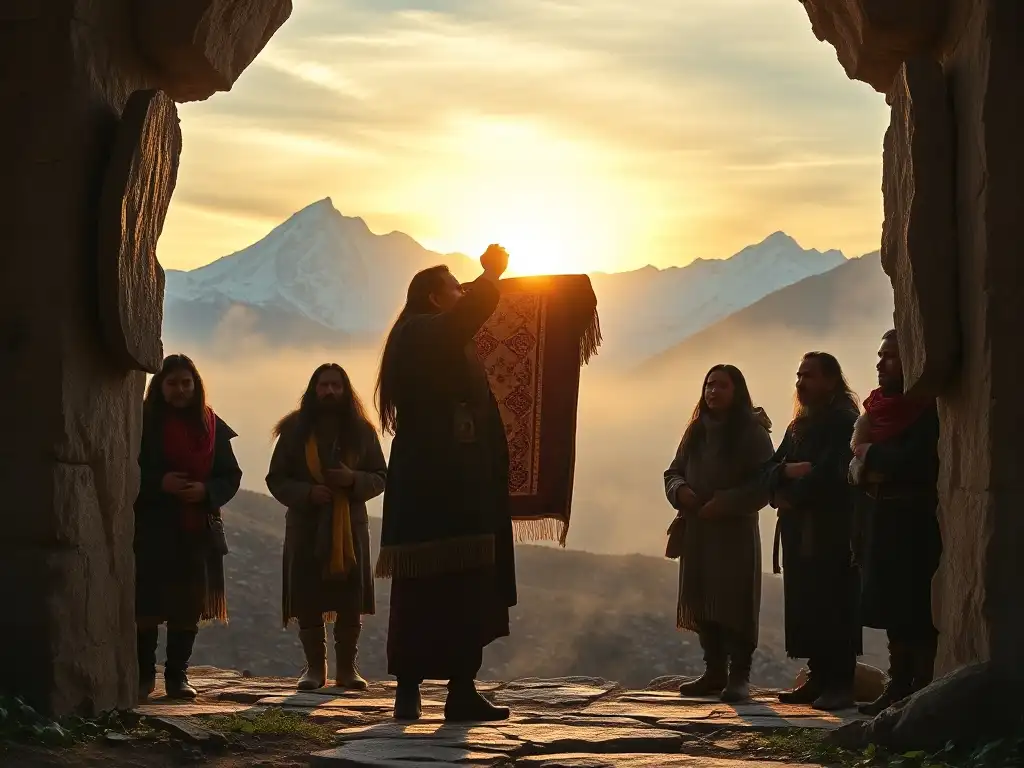
Step into a world lost to time, yet echoing with power and mystery. Imagine the breathtaking landscapes of the Andes, the birthplace of civilizations that mastered engineering, art, and a profound connection to the spiritual realm. This is where we unravel the intriguing secrets of Andean shamanistic practices, exploring the rituals, beliefs, and legacies of the Andean shamans and priests. Prepare to embark on a journey through time, revealing the enduring mystique of these ancient cultures and their profound impact on the world. Dare to uncover the truth behind their enigmatic power...
The Andes Mountains, a majestic spine running down the western coast of South America, have borne witness to millennia of vibrant civilizations. Beyond the impressive feats of engineering like Machu Picchu and the Nazca Lines, lies a rich tapestry of spiritual beliefs and practices intricately woven into the fabric of Andean societies.
This article delves into the fascinating world of Andean shamans and priests, exploring their pivotal roles in ancient Andean life and the enduring mystique surrounding their shamanistic practices. We will journey through time, examining the diverse roles these spiritual leaders played, from mediating between the human and supernatural realms to wielding considerable political and social influence.
Understanding their practices provides crucial insight into the complex cosmovision that shaped these remarkable cultures, offering a deeper appreciation for the enduring legacy of Andean civilization. This exploration will focus on key Andean cultures, including the Inca, Moche, Nazca, and Tiahuanaco, highlighting the common threads and unique expressions of Andean shamanistic practices.
Introduction to Andean Spiritual Leaders
Andean spiritual leaders, encompassing both shamans and priests, occupied a unique and multifaceted position within their respective societies. While the precise distinctions between these roles sometimes blurred, generally, shamans were associated with more direct interaction with the spirit world, often employing altered states of consciousness and ritualistic practices to achieve this connection. Priests, on the other hand, often held more formalized positions within religious hierarchies, responsible for conducting temple rituals, maintaining sacred sites, and interpreting omens. Their influence extended beyond purely religious matters; they frequently acted as advisors to rulers, influencing political decisions and social structures.
The power dynamic varied across different Andean cultures. For instance, in the Inca Empire, a highly centralized state, priests held significant authority within the religious hierarchy, directly serving the Sapa Inca (emperor). In contrast, smaller, less structured societies might have seen shamans holding more independent and influential positions.
The importance of both shamans and priests is undeniable, as evidenced by the archaeological remains of temples, ritual objects, and depictions of these figures in art. The intricate interplay between these spiritual leaders and the broader society shaped the cultural, social, and political landscape of the Andes for centuries. Their roles were not merely confined to the spiritual realm; they often intertwined with aspects of healing, agriculture, and warfare, underscoring their central importance in daily life.
The Role of Shamans in Ancient Andean Societies
Andean shamans were not simply spiritual intermediaries; they were crucial figures in maintaining the well-being of their communities. Their practices, often involving the use of hallucinogenic plants like San Pedro cactus and yopo, facilitated communication with the spirit world, allowing them to diagnose illnesses, predict the future, and influence events. Archaeological evidence suggests that shamanistic practices were integral to Andean societies, with intricate burial sites containing ritual objects and evidence of ceremonial activities. The Moche culture, known for its elaborate pottery depicting scenes of ritual and sacrifice, offers compelling visual evidence of shamanistic practices.
These depictions often show shamans in trance-like states, interacting with supernatural beings and engaging in ritualistic activities. The Nazca culture, famous for its enigmatic geoglyphs, also likely incorporated shamanistic elements into their worldview, as suggested by the presence of ritual sites and artifacts. The role of the shaman extended beyond the purely spiritual; they often acted as healers, using their knowledge of medicinal plants and spiritual techniques to treat both physical and mental ailments.
Their influence was far-reaching, impacting not only individual lives but also the collective well-being of the entire community. Further research into specific rituals and artifacts is needed to fully understand the nuances of Andean shamanistic practices across various cultures and time periods. The complexity of these practices, however, is evident even from the existing data, showcasing a sophisticated understanding of the relationship between the human and supernatural worlds.
Defining Andean Shamanistic Practices
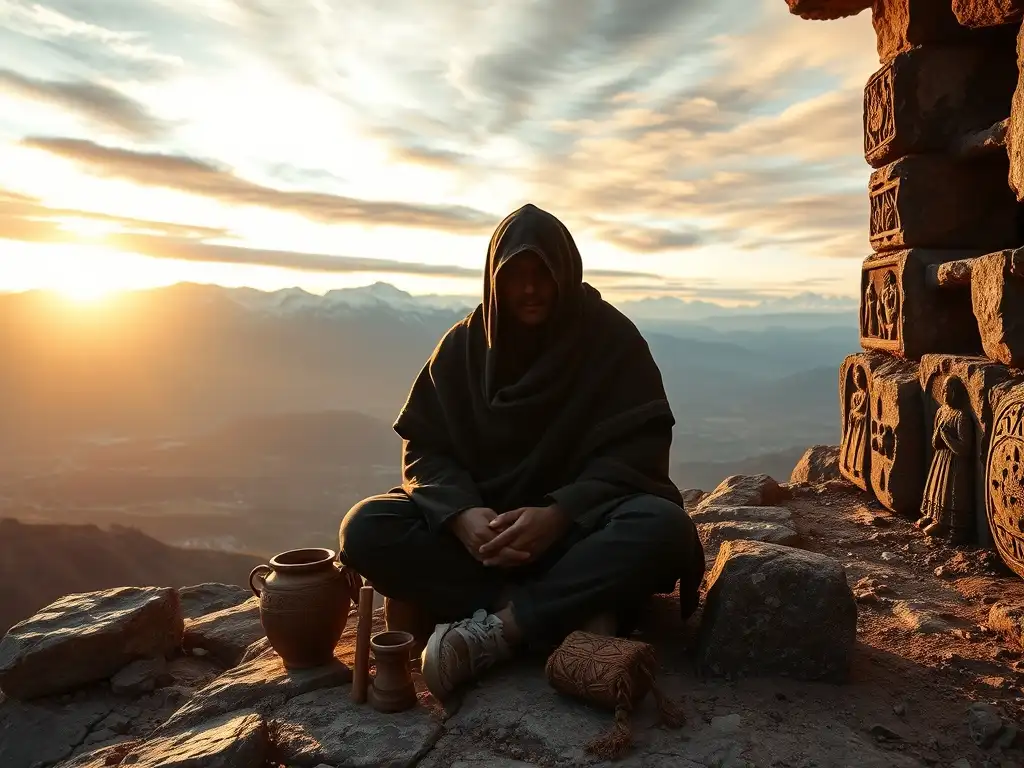
Andean shamanistic practices, a cornerstone of Andean religion and cosmovision, represent a complex interplay of spiritual beliefs, ritualistic actions, and the manipulation of natural elements. Unlike many other shamanic traditions globally, Andean practices were deeply interwoven with the political and social structures of the various civilizations. Shamans and priests weren't simply isolated spiritual figures; they held significant power and influence within their communities, acting as intermediaries between the human and spiritual realms, influencing everything from agricultural cycles to warfare decisions.
The practice itself wasn't monolithic; it varied considerably across different Andean cultures, from the Incas to the Moche, Nazca, and Tiahuanaco, each with unique rituals and beliefs, yet sharing fundamental commonalities. Understanding these commonalities requires examining the core beliefs underpinning their rituals, the methods used to achieve altered states, and the significant role of sacred plants.
Core Beliefs Underlying Shamanic Rituals
The core beliefs underpinning Andean shamanistic rituals centered around the concept of pachakuti, a cyclical worldview encompassing creation, destruction, and renewal. This cyclical understanding of time influenced every aspect of life, from agricultural practices to the belief in reincarnation. Shamans were believed to possess the ability to interact with the pachamama (Mother Earth) and tayta inti (Father Sun), the supreme deities, and the various apus (mountain spirits) inhabiting the Andean landscape.
They acted as custodians of this sacred connection, ensuring the balance and harmony of the cosmos. Rituals were often performed to appease these spirits, request blessings for harvests, or heal illnesses. The effectiveness of these rituals was believed to be directly linked to the shaman's ability to connect with the spiritual world and maintain a harmonious relationship with the pacha.
The worldview itself emphasizes reciprocity and balance; offerings and respect were expected in return for blessings and protection. This fundamental reciprocity is a key aspect of understanding the Andean shamanistic practices and their enduring impact on Andean culture.
Trance and Altered States of Consciousness in Andean Shamanism
Achieving altered states of consciousness was crucial to Andean shamanistic practices. These altered states allowed shamans to journey to the spirit world, communicate with deities, and gain insights into the future or the causes of illness. Various techniques were employed to induce these trance states.
These included rhythmic chanting, drumming, dancing, fasting, and the use of sacred plants. The rhythmic repetition and hypnotic effect of these practices were designed to alter brainwave patterns, leading to altered perceptions and experiences. Evidence suggests that the specific techniques varied depending on the cultural group and the specific ritual being performed.
For example, some groups might have emphasized drumming more heavily, while others might have focused on prolonged fasting and intense meditation. The precise techniques and their efficacy remain subjects of ongoing research, but the importance of achieving altered states in Andean shamanistic rituals is undeniable. The ability to enter and navigate these altered states was a mark of a shaman's skill and power, reflecting years of rigorous training and dedication.
The Use of Sacred Plants in Andean Rituals
Sacred plants played a vital role in Andean shamanistic rituals, acting as conduits to the spirit world and facilitators of altered states of consciousness. Plants such as coca, ayahuasca (although its use in the Andes might be debated), and various other hallucinogenic plants were used in ceremonies to enhance the shaman's ability to communicate with the spirit world and to facilitate healing. These plants weren't merely recreational drugs; they were considered sacred entities, imbued with spiritual power.
Their use was carefully regulated, often within a highly structured ritual context, overseen by experienced shamans who understood the potential risks and benefits. The preparation and administration of these plants were part of a larger ritual process, involving prayers, offerings, and specific procedures designed to ensure the safety and efficacy of the ceremony. The use of sacred plants in Andean shamanism highlights the intricate relationship between humans, the natural world, and the spiritual realm, demonstrating the holistic approach to spirituality prevalent in the Andean worldview.
Further research is needed to fully understand the specific properties and applications of each plant and their specific roles within different Andean cultures. The varied uses and specific preparation methods for these sacred plants add further layers of complexity to the study of Andean shamanistic practices.
The Priestly Class in Andean Civilizations
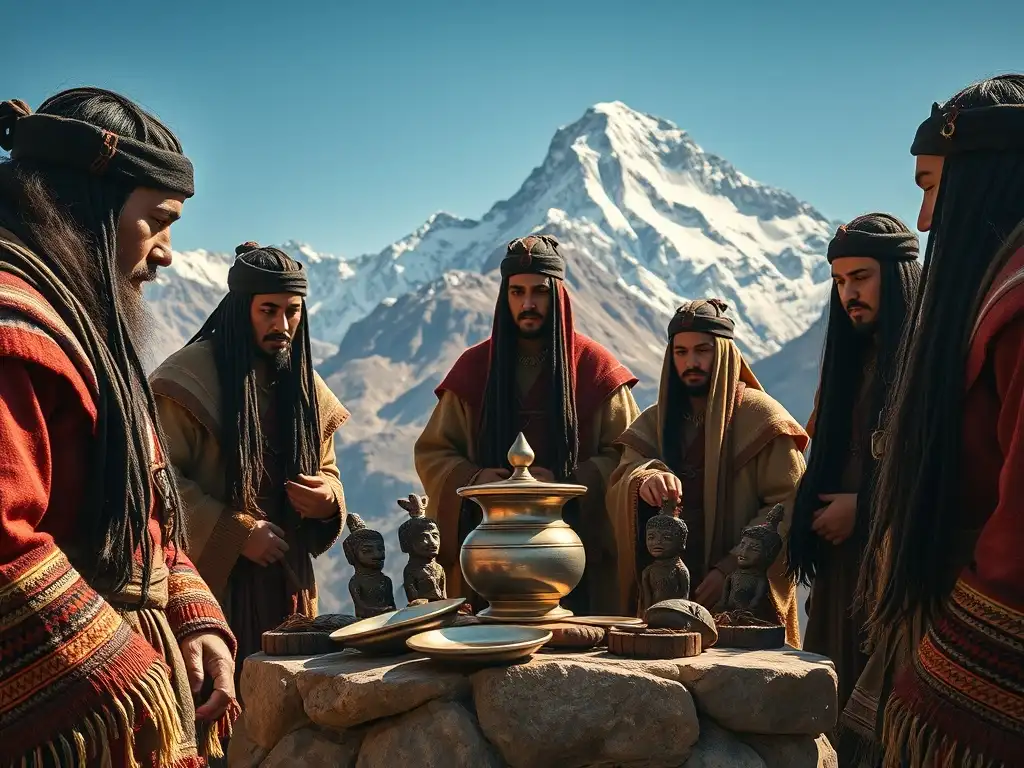
The Andean world, encompassing diverse cultures like the Inca, Moche, Nazca, and Tiahuanaco, wasn't solely defined by its impressive architectural feats or sophisticated agricultural techniques. A complex religious system, deeply interwoven with daily life, played a crucial role in shaping Andean societies. At its heart lay a powerful priestly class, whose influence extended far beyond spiritual matters, impacting political structures, economic systems, and social hierarchies.
Understanding the Andean priestly class is key to unlocking a deeper understanding of Andean shamanistic practices and their societal impact. The role of these individuals varied across different cultures and time periods, but their overall significance remains undeniable.
Distinctions Between Shamans and Priests
While the terms "shaman" and "priest" are often used interchangeably, crucial distinctions existed within the Andean context. While both interacted with the supernatural, their roles and methods differed significantly. Shamans, often operating individually or within smaller groups, were believed to possess innate abilities to communicate directly with the spirit world, often entering altered states of consciousness through techniques like hallucinogenic plant use. Their practices were frequently focused on healing, divination, and mediating between the human and spirit realms. Their power was often seen as personal and charisma-driven.
Priests, on the other hand, formed a more structured and hierarchical institution, particularly within larger empires like the Inca. Their authority stemmed from their position within the religious establishment, and their rituals were typically formalized and standardized, reflecting the beliefs and values of the ruling elite. They held considerable political and social influence, often acting as advisors to rulers and managing vital resources like temples and sacred objects.
The Inca priestly class, for example, held immense power, overseeing complex calendrical systems, controlling agricultural practices linked to religious festivals, and even influencing warfare strategies. The difference isn't always clear-cut, however; some individuals may have blended shamanistic and priestly functions, blurring the lines between these roles.
The Organization of the Andean Priesthood
The organization of the Andean priesthood varied considerably depending on the specific civilization. The Inca, for instance, possessed a highly structured system with a clear hierarchy. At the apex stood the Willaq Uma, the highest priest, who advised the Sapa Inca (emperor) on religious and political matters. Below him were numerous ranks of priests, each with specific responsibilities, managing different aspects of religious life, from temple maintenance to conducting elaborate ceremonies. This hierarchical structure ensured the smooth functioning of the religious system and its integration with the political order.
Smaller, less centralized societies likely had less formal priesthoods. The Nazca, for instance, may have had a more decentralized religious system with shamans or priests associated with specific cults or shrines, rather than a unified, hierarchical structure. Further research is needed to fully understand the organizational structures of priesthoods in cultures like the Moche and Tiahuanaco, but available evidence suggests a spectrum of organization, from highly structured to more localized and individualistic approaches. The Inca system, however, serves as a useful case study illustrating the potential scale and complexity of Andean priestly organization.
Temple Rituals and Ceremonies Led by Priests
Andean priests presided over a wide array of rituals and ceremonies, many of which were intricately linked to the agricultural cycle and the worship of various deities. These ceremonies often involved elaborate processions, sacrifices (including animal and sometimes human sacrifice, particularly during times of crisis), and the use of sacred objects like textiles, ceramics, and gold artifacts. The Inca Capacocha, a ritual involving the sacrifice of children, is a particularly striking example of the extreme nature of some of these ceremonies, although its frequency and significance are still debated by scholars.
Temple rituals weren't merely spiritual events; they played a vital role in reinforcing social order and political power. By controlling access to sacred spaces and overseeing elaborate ceremonies, priests solidified their position within society, reaffirming the legitimacy of the ruling elite. The impressive scale of Andean temples, such as those at Machu Picchu and Sacsayhuamán, underscores the importance of these religious centers and the power of the priests who controlled them.
The precise details of many ceremonies remain unknown, lost to time, but available archaeological and ethnohistorical evidence offer glimpses into the rich and complex rituals that shaped Andean life. The study of Andean shamanistic practices, therefore, is inextricably linked with the study of these priestly-led ceremonies and the social and political power they represented.
Key Figures in Andean Religious History
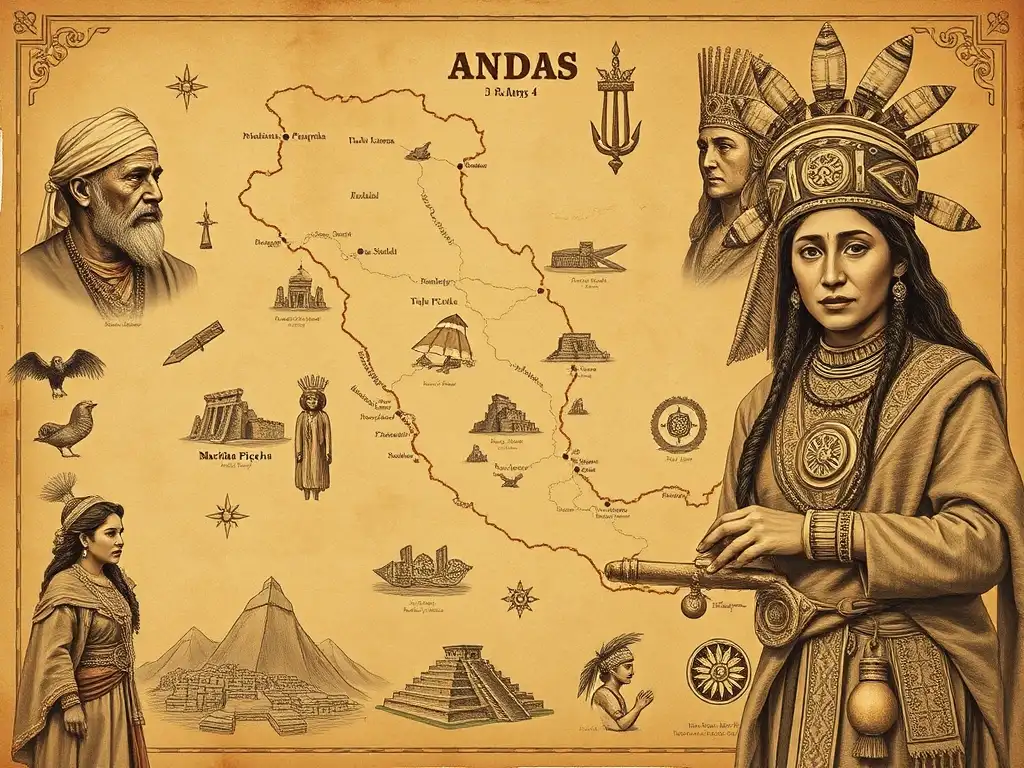
This section delves into the significant roles played by shamans and priests in shaping Andean religious practices and societal structures. Understanding these figures is crucial to grasping the complexities of Andean cosmovision and its enduring influence. We will explore not only their power and influence but also the lasting impact they had on the various Andean cultures. The study of Andean shamanistic practices reveals a rich tapestry of beliefs and rituals, often intertwined with political and social power.
Notable Shamans and Their Legacy
Andean shamanistic practices were far from monolithic. Different cultures developed unique traditions, leading to diverse roles and powers attributed to shamans. While detailed historical records are scarce, archaeological findings and surviving oral traditions offer glimpses into their lives and influence.
For instance, in the Moche culture (100-800 CE), shamans likely played a crucial role in rituals involving hallucinogenic plants like San Pedro cactus. These rituals, depicted in intricate ceramics, seem to have been integral to both religious ceremonies and political power dynamics. The powerful imagery suggests shamans acted as intermediaries between the human and spirit worlds, influencing decisions affecting the entire community.
The Nazca culture (100 BCE – 800 CE) also reveals evidence of shamanistic practices, albeit with different stylistic expressions. Their geoglyphs, vast figures etched into the desert, may have served as ritual sites, with shamans leading ceremonies related to fertility, water, and perhaps even astronomical observations. The precise nature of these ceremonies and the shamans' role remains a subject of ongoing research, but the scale of the geoglyphs suggests a significant societal investment in these practices, highlighting the importance of the shaman in Nazca society.
Further Exploration: The Role of Women Shamans
While often overlooked in historical accounts, evidence suggests women held significant roles as shamans in certain Andean cultures. Further research is needed to fully understand their specific practices and influence within their communities. The limited data available indicates a complex and nuanced understanding of gender roles within Andean shamanistic practices.
Influential Priests and Their Impact on Andean Society
In contrast to the often more individualistic roles of shamans, priests in Andean societies, particularly during the Inca Empire (1438-1533 CE), held formal positions within a structured religious hierarchy. These priests, often members of the elite, were responsible for maintaining temples, conducting state-sponsored rituals, and interpreting the will of the gods. Their influence extended far beyond religious matters; they were often involved in political decision-making and the administration of justice.
The Inca villac umu (village priest) played a pivotal role in daily life, overseeing local religious practices and acting as a mediator between the community and the Inca state. Their knowledge of Inca religious beliefs and rituals was essential for maintaining social order and ensuring the well-being of the community. The aclla women, chosen for their beauty and piety, served as priestesses in state temples, dedicated to weaving, brewing chicha (a fermented corn beverage), and performing religious duties. Their status within Inca society was unique, representing a blend of religious authority and social influence.
| Priest Type | Role | Influence |
|---|---|---|
| Villac umu | Local religious leader, mediator between community and state | Maintaining social order, ensuring community well-being |
| Aclla | Priestesses in state temples, dedicated to religious and craft duties | Religious authority, social influence, production of sacred goods |
| High Priests | Held significant power within the Inca religious hierarchy | Political influence, interpretation of the will of the gods |
The Inca priestly class, intricately woven into the fabric of imperial power, demonstrates how religious authority could be effectively used to consolidate and maintain political control. This carefully constructed religious system, with its defined hierarchy and powerful priests, significantly shaped Inca society and its enduring legacy. The study of Andean shamanistic practices and the roles of priests provides critical insights into the complex interplay between religion, power, and society in the Andes.
Andean Shamanistic Practices Across Different Cultures
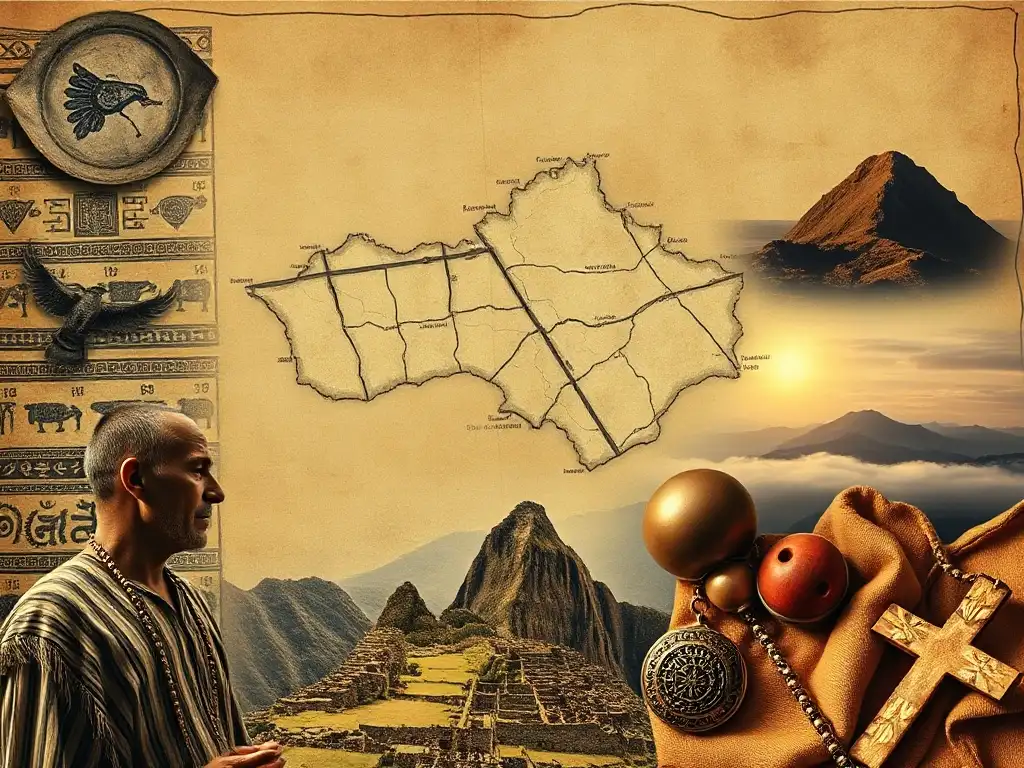
This section delves into the diverse shamanistic practices across various Andean cultures, highlighting their unique characteristics and shared beliefs. Understanding these practices provides crucial insight into the complex religious and social structures of these ancient societies. The term "Andean shamanistic practices" encompasses a wide range of rituals, ceremonies, and beliefs centered around spiritual leaders who acted as intermediaries between the human and supernatural worlds. Their influence extended far beyond spiritual matters, impacting political decisions, agricultural practices, and even warfare.
Shamanism in the Inca Empire
In the Inca Empire, religious authority was highly centralized under the Sapa Inca, the emperor, who was considered a divine figure. However, shamans and paqos (priests) played a vital role in maintaining the cosmic balance and communicating with the gods. These individuals weren't simply spiritual healers; they were highly trained specialists with extensive knowledge of herbal remedies, astronomy, and divination techniques.
Their practices often involved intricate ceremonies using coca leaves, hallucinogenic plants like San Pedro cactus, and elaborate rituals involving animal sacrifices. The paqos, in particular, were responsible for conducting complex astronomical observations to predict agricultural cycles and auspicious dates for important events. They also held significant political influence, advising the Sapa Inca on matters of state and interpreting omens.
The Inca worldview emphasized a harmonious relationship between the human and spiritual realms, and the shamans and paqos were essential in maintaining this delicate equilibrium. Their power stemmed from their ability to navigate this complex spiritual landscape and interpret its messages for the benefit of the empire.
The Role of Shamans in Moche Society
The Moche civilization, known for its sophisticated art and intricate metalwork, also placed significant emphasis on shamanistic practices. Unlike the centralized Inca system, Moche shamanism appears to have been more decentralized, with shamans holding considerable influence within their respective communities. Evidence suggests that Moche shamans played a crucial role in healing, divination, and mediating between the human and supernatural realms.
Moche pottery provides invaluable insights into their shamanistic practices. Many vessels depict shamans engaging in rituals, often adorned with elaborate headdresses and costumes. These depictions frequently show shamans interacting with supernatural beings, highlighting their perceived power and connection to the spirit world.
The imagery often includes scenes of ritualistic consumption of hallucinogenic substances, suggesting their importance in achieving altered states of consciousness and communicating with the divine. Analysis of Moche burial sites has also revealed the presence of ritual objects, such as ceremonial knives and hallucinogens, further supporting the significance of shamanistic practices in their society. The Moche shamans were integral to the social fabric, their roles extending beyond spiritual guidance to encompass social control and political influence.
Spiritual Leaders in Nazca Culture
The Nazca culture, famed for its enigmatic geoglyphs, also possessed a complex religious system centered around spiritual leaders. While less is definitively known about their specific practices compared to the Inca or Moche, the available evidence points towards a system of shamanistic practices focused on maintaining the balance of nature and ensuring the fertility of the land.
The Nazca people relied heavily on agriculture, and their spiritual leaders likely played a crucial role in ensuring successful harvests. The intricate designs of their pottery and textiles often depict supernatural beings and ritualistic scenes, hinting at a rich shamanistic tradition. These depictions often feature figures in trance-like states, suggesting the use of hallucinogenic substances to facilitate communication with the spirit world.
The Nazca lines themselves may have had a ritualistic significance, potentially serving as pathways for shamanistic processions or astronomical markers used in divination. Further research is needed to fully understand the role of spiritual leaders in Nazca society, but the available evidence suggests a significant emphasis on maintaining a harmonious relationship between the human world and the forces of nature.
The mystery surrounding the Nazca culture only enhances the intrigue of their potentially complex shamanistic traditions. More archaeological investigation and analysis of artifacts are crucial for a more complete understanding of "Andean shamanistic practices" within this specific civilization.
Unique Shamanistic Practices in Tiahuanaco
The Tiahuanaco culture, flourishing in the Bolivian Altiplano between approximately 500 and 1000 CE, developed a complex religious system deeply intertwined with shamanistic practices. Unlike some other Andean cultures, Tiahuanaco shamanism appears less focused on direct interaction with individual spirits and more on a cosmic connection to the broader Andean worldview. Their religious beliefs centered around a powerful creator deity, often represented by the iconic Monolito Bennett, and a pantheon of other deities associated with various natural forces.
Evidence suggests a sophisticated understanding of astronomy and its correlation with agricultural cycles, potentially influencing the timing and rituals of their shamanistic ceremonies. The role of the shaman was likely one of interpreting these celestial events and mediating between the human realm and the divine.
Archaeological findings, such as the intricate carvings on the Gateway of the Sun and other monumental structures, hint at the symbolic importance of ritual and shamanistic practices in their society. These carvings depict various deities and mythological creatures, possibly representing different aspects of the Andean cosmos and the shaman's journey through these realms. The highly stylized representations suggest a complex cosmology with layered meanings, requiring specialized knowledge to interpret.
While we lack detailed written accounts of their practices, the monumental architecture and artistic expressions offer compelling insights into their unique spiritual beliefs and the role of shamans within their society. The scale of the structures themselves suggests a highly organized and centralized religious system, indicating the significant social power and influence wielded by religious leaders and shamans.
Interpreting the specific rituals and practices of Tiahuanaco shamans remains a challenge due to the limited textual evidence. However, comparative analysis with other Andean cultures, coupled with careful study of archaeological remains, allows for some informed speculation. It's plausible that Tiahuanaco shamans employed techniques like altered states of consciousness through substances like hallucinogens, similar to practices observed in other Andean cultures.
These altered states may have facilitated communication with the spirit world and enabled shamans to perform healing, divination, and other ritualistic functions vital to the Tiahuanaco social fabric. Further research, including detailed analysis of artifacts and potential future discoveries, is necessary to fully elucidate the nuances of Tiahuanaco shamanistic practices and their significance within the broader context of Andean religious history. The enduring mystery surrounding their beliefs continues to captivate researchers and scholars, making Tiahuanaco a fascinating case study in Andean shamanism.
The Connection Between Andean Shamans and Cosmovision
This section delves into the intricate relationship between Andean shamanistic practices and the unique cosmovision of the Andean civilizations. Understanding this connection is crucial to appreciating the profound role shamans played in ancient Andean societies. Their practices weren't simply rituals; they were deeply intertwined with the very fabric of Andean beliefs about the universe and humanity's place within it. The Andean worldview, a complex tapestry woven from nature worship, ancestor veneration, and a sophisticated understanding of the cosmos, provided the foundation for shamanic practices and their efficacy. The effectiveness of a shaman's work was directly linked to their ability to navigate and interact with this multifaceted cosmovision. The success of healing rituals, agricultural practices, and even warfare strategies often depended on the shaman's understanding and manipulation of the spiritual forces within this cosmological framework. This intimate connection underscores the importance of studying Andean shamanistic practices within their broader cultural context.
Understanding the Andean Worldview
The Andean worldview was far from monolithic; it varied across different cultures and time periods. However, several common threads run through these diverse belief systems. Central to this worldview was the concept of pacha, often translated as "world" or "cosmos," but encompassing a much broader understanding of interconnectedness. Pacha wasn't merely a physical space but a dynamic, layered reality encompassing the earthly realm, the underworld ( ukhu pacha), and the celestial realm ( hanan pacha).
These three levels were not separate but interwoven, influencing and interacting with one another. Mountains, rivers, and other natural features were not just geographical entities but powerful spiritual forces, often considered the dwelling places of deities or ancestral spirits. This intimate relationship with nature is a key element in understanding Andean shamanistic practices, as shamans acted as intermediaries between the human world and the spirit world residing within the natural landscape.
Furthermore, ancestors played a vital role in the Andean worldview. They were believed to continue to exert influence on the living, and their appeasement was crucial for maintaining balance and prosperity. This belief system profoundly shaped the rituals and practices of Andean shamans.
The Role of the Shaman as a Bridge Between Worlds
Andean shamans weren't simply religious leaders; they were skilled practitioners who acted as mediators between the human and spirit worlds. Their expertise lay in their ability to navigate the different levels of pacha, communicating with deities, ancestors, and other supernatural beings. This role required extensive training, often involving years of apprenticeship and rigorous spiritual disciplines.
Shamans employed various techniques to achieve altered states of consciousness, enabling them to journey to other realms and interact with the spiritual forces inhabiting them. These techniques included the use of hallucinogenic plants like San Pedro cactus and ayahuasca, rhythmic chanting, dancing, and fasting. The shaman's ability to effectively traverse these different realms was crucial to their success in healing, divination, and other shamanic practices.
Their role extended beyond individual needs; they played a crucial part in community well-being, ensuring the continued harmony and prosperity of the group through their interactions with the spiritual world. The efficacy of their interventions was deeply intertwined with their mastery of the Andean cosmovision.
The Importance of Nature and Ancestors in Andean Spirituality
The profound respect for nature and ancestors is a cornerstone of Andean spirituality, and this reverence heavily influenced shamanistic practices. Shamans often sought guidance and power from natural entities, conducting rituals in sacred landscapes like mountains and caves. They utilized natural elements – plants, minerals, and water – in their ceremonies, imbuing them with spiritual significance.
The use of hallucinogenic plants, for instance, wasn't merely recreational; it was a sacred practice designed to facilitate communication with the spirit world and gain spiritual insight. Similarly, ancestors were not simply remembered but actively engaged with. Shamans acted as intermediaries, facilitating communication and offering tributes to ensure their continued support and protection.
This close relationship between the living, the dead, and the natural world underscores the holistic nature of Andean spirituality and the vital role shamans played in maintaining balance and harmony within this intricate web of interconnectedness. The reverence for both nature and ancestors formed the bedrock of Andean shamanistic practices, shaping rituals, beliefs, and the very essence of shamanic power. This deep-seated respect ensured the continuity of traditions and the enduring influence of the Andean cosmovision.
The Enduring Legacy of Andean Spiritual Practices
The Andean region, cradle of sophisticated civilizations like the Inca, Moche, and Nazca, boasts a rich tapestry of spiritual beliefs and practices that continue to resonate today. Understanding Andean shamanistic practices requires moving beyond romanticized notions and delving into the complexities of their historical evolution and contemporary expressions. While the specific rituals and beliefs varied across different cultures and time periods, a core set of principles—a deep connection with nature, ancestor veneration, and the belief in a powerful spiritual world—remained consistent.
This enduring legacy is reflected in the surviving shamanic traditions, their influence on modern spirituality, and the ongoing challenges posed by modernization. The intricate interplay of these factors shapes the understanding of Andean shamanistic practices in the 21st century.
Surviving Shamanic Traditions in Modern Andean Communities
Despite centuries of colonization and cultural upheaval, many Andean communities have preserved elements of their ancestral spiritual traditions. These traditions, often passed down orally through generations, are integral to daily life, shaping social structures, agricultural practices, and healing methods. For example, in many communities, yatiri (Aymara for shaman) or paqo (Quechua for shaman) continue to play crucial roles in community life. Their expertise in herbal medicine, divination, and ritual practices remains highly valued.
These contemporary Andean shamanistic practices often involve the use of sacred plants, such as coca leaves and ayahuasca (though the use of ayahuasca is more associated with Amazonian than strictly Andean traditions), in rituals aimed at connecting with the spirit world, healing illnesses, and ensuring good harvests. The rituals themselves can be highly complex, involving intricate choreography, chanting, and the use of symbolic objects.
Detailed ethnographic studies have documented the persistence of these traditions in various Andean communities, highlighting their adaptability and resilience in the face of external pressures. The continuation of these practices demonstrates the enduring power of Andean spiritual beliefs and the importance of preserving cultural heritage.
The detailed knowledge of medicinal plants and their applications, for instance, represents a valuable resource for both traditional medicine and modern pharmaceutical research. Further research is needed to fully document the diversity of these practices across the different Andean communities, providing a more comprehensive understanding of their nuances and variations.
The Influence of Andean Shamanism on Contemporary Spirituality
The enduring mystique of Andean shamanistic practices has extended far beyond the Andes, significantly influencing contemporary spiritual movements worldwide. New Age spirituality, in particular, has drawn heavily from Andean concepts, incorporating elements such as energy healing, earth-based spirituality, and the veneration of Pachamama (Mother Earth). The increasing global interest in alternative healing methods and spiritual practices has led to a surge in the popularity of Andean shamanic rituals and techniques.
This global interest, however, presents both opportunities and challenges. While it provides a platform for the dissemination of Andean knowledge, it also raises concerns about cultural appropriation and the potential for misrepresentation of sacred practices.
The adaptation and interpretation of Andean shamanic practices in diverse cultural contexts highlight the dynamism and adaptability of these traditions. However, it is crucial to approach these interpretations with sensitivity and respect, acknowledging the historical and cultural significance of the original practices. A critical analysis of the appropriation and commercialization of Andean shamanism is needed to ensure the ethical preservation and responsible dissemination of this rich cultural heritage. The challenge lies in finding a balance between sharing this knowledge with a wider audience and protecting its integrity and sacredness within its original context.
The Impact of Modernization on Andean Shamanistic Practices
Modernization has profoundly impacted Andean communities, presenting both opportunities and challenges for the preservation of shamanistic practices. The influx of Western medicine, for example, has, in some cases, led to a decline in the reliance on traditional healing methods. Similarly, urbanization and migration have disrupted traditional social structures and weakened the transmission of oral traditions. However, it is important to note that modernization doesn't necessarily equate to the complete disappearance of these practices.
Many Andean communities are actively adapting their traditions to the changing circumstances, integrating elements of modern life while retaining the core values of their spiritual heritage. For instance, some shamans are using modern communication technologies to reach wider audiences and share their knowledge. Furthermore, there's a growing movement towards the revitalization and preservation of Andean cultural heritage, including shamanistic practices, driven by both indigenous communities and external supporters.
The future of Andean shamanistic practices will depend on the ability of communities to navigate the complexities of modernization while preserving the integrity and cultural significance of their traditions. Further research is needed to fully understand the dynamics of this complex interplay and to develop effective strategies for the sustainable preservation of this invaluable cultural heritage. The ongoing documentation and analysis of these evolving practices is crucial for ensuring the continuity of Andean shamanistic traditions for future generations.
Conclusion: The Timeless Wisdom of Andean Spiritual Guides
The enduring legacy of Andean shamanistic practices extends far beyond the realm of historical study. These practices, passed down through generations, offer valuable insights into a holistic worldview deeply connected to the natural world and the spiritual energies that permeate it. The sophisticated understanding of medicinal plants, astronomical cycles, and the intricate relationship between the human and divine, as demonstrated by Andean spiritual guides, continues to inspire awe and wonder. Their methods, though seemingly ancient, resonate with contemporary concerns about holistic well-being and a harmonious relationship with the environment.
The knowledge held by these shamanistic figures wasn't simply a collection of rituals and spells; it represented a profound understanding of the interconnectedness of all things. Their ability to interpret dreams, diagnose illnesses, and mediate between the human and spirit worlds showcases a depth of spiritual insight that continues to be studied and appreciated today. The legacy of Andean shamanism isn't merely a historical artifact; it's a living tradition, a testament to the enduring power of spiritual practices rooted in a profound connection to the land and its people.
This understanding of Andean shamanistic practices, with its emphasis on balance, harmony, and respect for the natural world, offers a valuable perspective for navigating the complexities of the modern world. Understanding their methods provides a pathway towards a more holistic and sustainable approach to life, emphasizing the interconnectedness of all aspects of existence. The wisdom of these Andean spiritual guides continues to offer profound lessons in spiritual growth and a deeper understanding of our place within the cosmos.
Their enduring legacy serves as a reminder of the enduring power of spiritual traditions and their continued relevance in shaping our understanding of the world and our place within it. The study of Andean shamanistic practices offers a compelling example of the enduring power of spiritual belief and its ability to shape both individual lives and entire civilizations.
Frequently Asked Questions
What were the roles of Andean shamans and priests?
Andean shamans and priests held vital roles in their societies. Shamans acted as spiritual healers and intermediaries between the human and spirit worlds, while priests often oversaw religious ceremonies and rituals, maintaining the cosmic order. Their influence extended across many aspects of life.
How did Andean shamanistic practices differ from other cultures?
Andean shamanism was deeply intertwined with nature worship and ancestor veneration. Unlike some traditions, it emphasized communion with the Andes mountains and the power of sacred plants like coca. Their rituals often involved intricate ceremonies and unique offerings.
What were some common Andean shamanistic practices?
Common practices included trance states induced by ayahuasca or other plants, divination using coca leaves, and healing ceremonies involving herbal remedies. They also performed rituals to ensure successful harvests, appease deities, and communicate with ancestors.
What evidence exists for Andean shamanistic practices?
Archaeological evidence, including textiles, pottery, and mummies, reveals much about Andean spiritual beliefs and practices. Ancient texts and colonial accounts also provide valuable insights, though often filtered through the lens of the observers.
How do Andean shamanistic practices relate to modern-day traditions?
Many modern Andean communities still maintain elements of their ancient shamanistic practices. While some aspects have evolved or been adapted, the core beliefs in the power of nature, ancestors, and spiritual healing continue to play a significant role in their lives and cultural identity.
Final Reflection: Echoes of the Andes: A Legacy of Healing and Spirituality
The enduring mystique of Andean shamans and priests isn't just a historical curiosity; it's a vibrant thread woven into the fabric of contemporary spirituality and healing practices. Their ancient wisdom, passed down through generations, continues to resonate deeply, offering a powerful counterpoint to the often impersonal nature of modern medicine and a path towards a more holistic understanding of well-being.
The influence of Andean shamanistic traditions extends far beyond the Andes themselves, impacting contemporary spiritual movements and influencing artistic expression worldwide. Their profound connection to nature, their intricate understanding of medicinal plants, and their emphasis on community healing offer valuable lessons for a world grappling with ecological crises and social fragmentation. The shaman is not simply a healer of the body, but a healer of the soul, a bridge between the visible and invisible worlds.
This quote encapsulates the enduring power of their practices, reminding us of the interconnectedness of all things.
Consider the profound wisdom embedded within these ancient traditions. How can you incorporate a deeper appreciation for the natural world into your own life? How might you seek a more holistic approach to well-being, drawing inspiration from the Andean emphasis on balance and harmony? Let the echoes of the Andes inspire you to explore your own inner landscape and discover the healing power within yourself and your community. Embrace the journey towards a more mindful and interconnected existence, guided by the enduring legacy of these remarkable healers.
Unveil the Wisdom of Andean Spirituality!
Thank you for exploring the rich tapestry of Andean spiritual traditions. You've gained valuable insights into a remarkable heritage that continues to influence our world. Now, let's put that knowledge into practice!
Here are some ways you can deepen your understanding:
- Participate in a local workshop on Andean spiritual practices for a firsthand experience.
- Share this article with friends and family to inspire conversations about this fascinating culture.
- Visit a museum or cultural center showcasing Andean history and artifacts to further your exploration.
How will you integrate the wisdom of Andean spirituality into your life?