
Priests of the Andes: Interpreters of the Divine Will and Cosmic Order

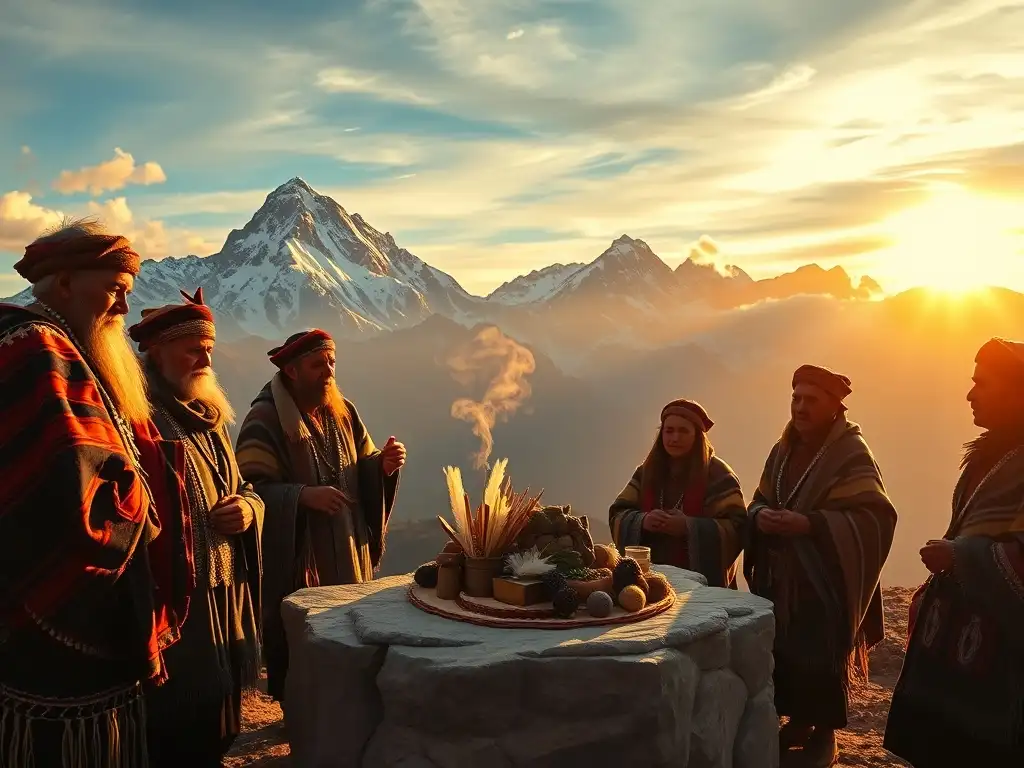
Step into a world lost to time, yet echoing with power and mystery. Imagine a landscape sculpted by gods, where the very mountains whispered secrets to Andean priests charged with interpreting the cosmic order. Unravel the enigma of their celestial knowledge and the profound influence they wielded on the lives of the Incas, Moche, Nazca, and Tiahuanaco. Discover how their understanding of the cosmos shaped their art, technology, and daily existence. The path to understanding their intricate relationship with the divine begins here... delve into the fascinating world of Andean Religion and Cosmovision.
- Andean Priests: Guardians of Cosmic Harmony and Divine Will
- Understanding Andean Cosmovision: The Foundation of Priestly Authority
- The Functions of Andean Priests: Maintaining Balance and Order
- Andean Priestly Lineages and Hierarchy
- Andean Priests and the Concept of Cosmic Order
- The Legacy of Andean Priests: Influence and Continuity
-
Frequently Asked Questions
- What role did Andean priests play in society?
- How did Andean priests maintain cosmic order?
- What was the relationship between Andean priests and rulers?
- What evidence reveals the importance of Andean priests in understanding the cosmic order?
- How did the understanding of cosmic order influence Andean technology and art?
- Final Reflection: Echoes of the Andes: A Legacy of Cosmic Harmony
- Unveil Your Connection to the Divine: Embrace the Andean Legacy
Andean Priests: Guardians of Cosmic Harmony and Divine Will
The Andes Mountains, a majestic spine running down the western coast of South America, were not merely a geographical feature to the ancient civilizations that thrived there. They were a living, breathing entity, a landscape imbued with spiritual significance, where the celestial and terrestrial realms intertwined. This article delves into the crucial role played by Andean priests in interpreting and maintaining this delicate cosmic balance.
We'll explore their multifaceted responsibilities, examining their influence on daily life, their connection to the divine, and their profound understanding of the intricate cosmic order that governed the Andean worldview. From the Inca Empire's powerful yachaq to the earlier priestly figures of cultures like the Moche and Nazca, we'll uncover the fascinating lives and duties of these individuals, revealing how their actions shaped the beliefs and practices of their societies. Understanding Andean priests is key to understanding the very fabric of Andean civilizations and their enduring legacy.
This exploration will provide insights into the complex relationship between the Andean people and their cosmos, highlighting the priests' crucial role in interpreting the divine will and maintaining societal harmony. The keyword "Andean priests cosmic order" is central to our investigation, illuminating the priests' vital connection to the universe's structure and their responsibility to uphold its balance.
The Significance of Priests in Andean Societies
Andean societies, unlike many others, lacked a rigid separation between the sacred and the secular. Religious practices permeated every aspect of daily life, from agriculture and warfare to healing and governance. Priests, therefore, held positions of immense power and influence. They weren't simply religious figures; they were often advisors to rulers, interpreters of omens, and mediators between the human and divine worlds.
Their expertise in astronomy, agriculture, and medicine made them indispensable to the community. For example, the accurate prediction of agricultural cycles, heavily reliant on astronomical observations, was a priestly responsibility vital for the survival of the population. This expertise directly impacted the community's well-being, solidifying the priest's social standing and influence. Furthermore, their role in healing ceremonies, often incorporating herbal remedies and ritualistic practices, cemented their position as essential members of society.
The intricate relationship between the priests and the community fostered a strong sense of social cohesion, with religious beliefs forming the bedrock of Andean societal structures. The priests weren't isolated figures; their power stemmed from their deep connection with the community and their ability to interpret and respond to the needs of the people within the framework of their cosmological beliefs. The success of the harvest, the health of the community, and even the outcome of wars were often attributed to the priests' ability to maintain harmony with the cosmic order.
Defining the Role of Andean Priests: Beyond Religious Function
The role of Andean priests extended far beyond simply conducting religious ceremonies. While rituals and sacrifices were undoubtedly central to their practice, they also played crucial roles in governance, medicine, and even engineering. Their understanding of astronomy allowed them to develop sophisticated calendars and predict agricultural cycles, ensuring the successful cultivation of crops. Their knowledge of herbal medicine and healing techniques provided crucial medical care within their communities.
Moreover, some evidence suggests their involvement in the construction of impressive architectural feats, such as temples and irrigation systems, possibly providing spiritual guidance and overseeing the work. This multi-faceted role highlights the integrated nature of Andean society, where religious belief was intrinsically linked to all aspects of life. The priests acted as intermediaries between the divine and the human, not only interpreting the will of the gods but also actively shaping the social, political, and economic landscape of their communities.
Their influence was pervasive, demonstrating the deep entanglement between religion and the practicalities of daily life in Andean civilizations. The priests were not mere spiritual leaders; they were essential figures who wielded significant power and shaped the very fabric of Andean society through their expertise and their connection to the cosmic order. Their actions were deeply intertwined with the well-being of their communities, underscoring their multifaceted and indispensable role within the Andean world.
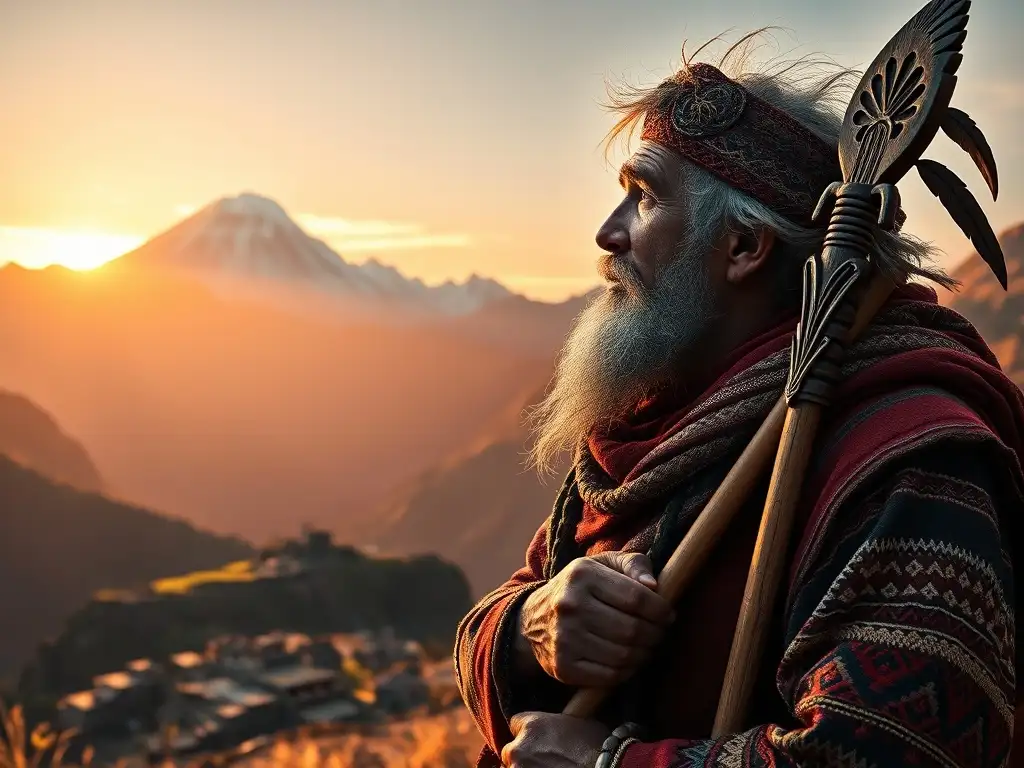
The authority of Andean priests stemmed directly from their profound understanding and interpretation of the cosmovision, the worldview that shaped Andean life. This wasn't a simple belief system; it was a complex interplay of the physical and spiritual realms, deeply interwoven with the natural world and the cyclical rhythms of life and death. Understanding this intricate web of beliefs is crucial to grasping the role and power wielded by Andean priests.
Their ability to navigate this cosmic order, to interpret its signs and predict its fluctuations, solidified their position as intermediaries between the human and divine worlds. The Andean priests weren't simply religious figures; they were essential components of the social fabric, deeply involved in the political, economic, and agricultural aspects of their societies. Their influence extended far beyond the temple walls, reaching into the daily lives of the common people.
This deep integration of the sacred and the secular is a key element to understanding the influence of Andean priests and their role in maintaining social harmony. The very stability of Andean society was, in many ways, dependent on the priests' ability to maintain balance within this complex cosmovision. This intricate system of beliefs, practices, and rituals is what we will explore in detail.
The Interconnectedness of the Andean World: A Tripartite Vision
Andean cosmovision often depicted the world as a three-part entity: the hanan pacha (upper world), the kay pacha (middle world, where humans lived), and the ukhu pacha (underworld). This tripartite structure wasn't merely geographical; it represented a complex hierarchy of spiritual and physical forces. The hanan pacha, home to the sun, moon, stars, and powerful deities, was considered the source of life and power.
The kay pacha, the human world, was the arena where the forces of the other two realms interacted, constantly influencing the lives of the people. The ukhu pacha, the underworld, was seen as a realm of ancestors, spirits, and powerful forces that could both nurture and threaten the living. Andean priests acted as navigators within this complex structure, mediating between these different worlds and ensuring the harmonious flow of energy and influence between them.
Their rituals and ceremonies were designed to maintain this balance, appeasing the deities and ancestors, and ensuring the prosperity and well-being of the community. This understanding of the interconnectedness of the three worlds was fundamental to their priestly authority. Failure to maintain this balance could lead to drought, famine, disease, or social unrest—all consequences that highlighted the priests' crucial role.
The intricate relationship between these three worlds is further illustrated by the importance of certain geographical features. Mountains, for instance, were not just geographical formations; they were considered sacred places, connecting the different levels of the cosmos.
The Importance of Pachamama and the Apus in Andean Beliefs
Central to the Andean cosmovision were the concepts of Pachamama and the Apus. Pachamama, the Earth Mother, represented the fertility and life-giving power of the land. She was revered as the source of all sustenance and was deeply connected to agricultural cycles.
The Apus, the mountain gods, were powerful deities who presided over specific regions, acting as protectors and providers. Andean priests performed rituals and offered sacrifices to both Pachamama and the Apus, seeking their favor for successful harvests and protection from natural disasters. These rituals were essential for maintaining the balance of the cosmos and ensuring the well-being of the community.
The priests' ability to communicate with and appease these powerful entities was a source of their authority and influence. Their understanding of the intricate relationship between Pachamama, the Apus, and the human world was vital for their role as interpreters of the divine will. The success or failure of agricultural cycles, a cornerstone of Andean society, were often attributed to the priests' ability to interact effectively with these powerful forces.
The offerings made to Pachamama and the Apus varied widely, ranging from agricultural products to precious metals and even human sacrifice in some cultures, reflecting the significance of these deities within the Andean worldview and the power attributed to the priests who acted as intermediaries.
How Andean Priests Interpreted the Will of the Gods
Andean priests employed various methods to interpret the will of the gods and maintain cosmic order. These included observing celestial events, interpreting dreams, and utilizing divination techniques. They meticulously tracked the movements of the sun, moon, and stars, believing these celestial bodies held vital clues about the future and the desires of the gods. Unusual celestial phenomena, such as eclipses or comets, were often interpreted as signs requiring ritual intervention.
Dreams were also considered significant messages from the spiritual realm, and priests were skilled in interpreting their symbolic meaning. Divination techniques, utilizing objects like coca leaves or knotted strings (quipus), were employed to gain further insights into the gods' intentions. The priests' ability to interpret these signs and translate them into actionable steps was a crucial aspect of their role in maintaining social harmony and cosmic balance. Their interpretations guided decisions related to agriculture, warfare, and even the daily lives of the community.
This ability to communicate with and interpret the divine will was the cornerstone of their authority and influence within Andean society. The detailed knowledge and specialized skills required for these practices further enhanced the priests' prestige and power within their communities. Their expertise was essential for navigating the complexities of the Andean cosmovision and maintaining the delicate balance between the human and divine worlds.
The Functions of Andean Priests: Maintaining Balance and Order
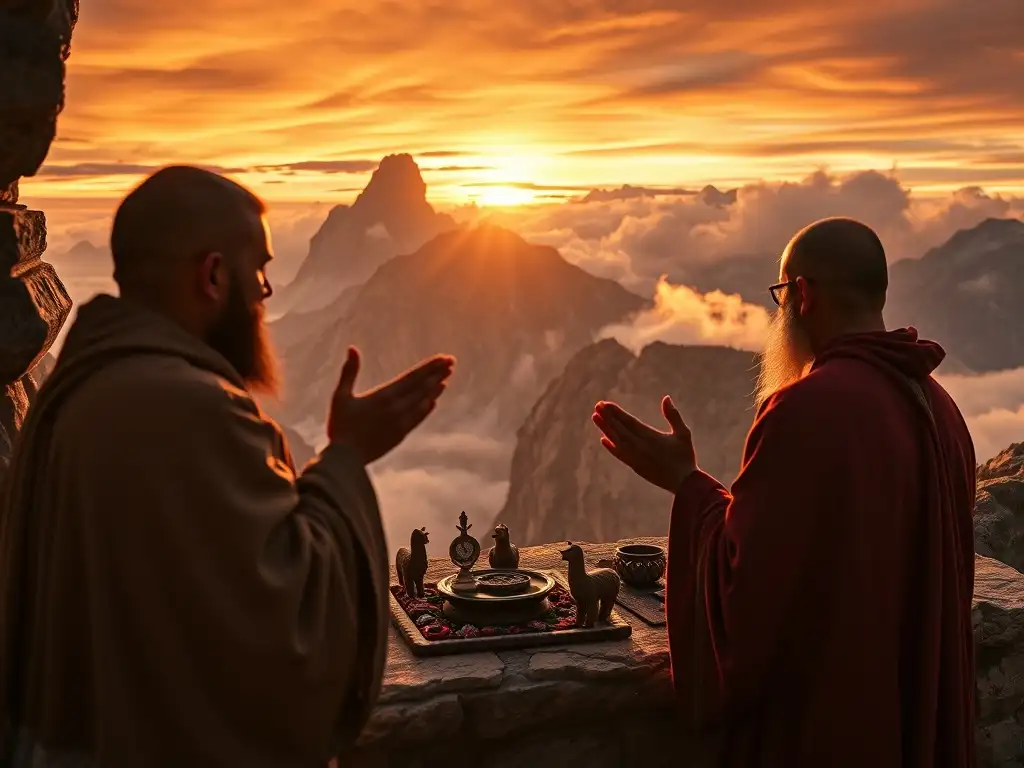
Andean priests weren't simply religious figures; they were vital components of the intricate social fabric, acting as intermediaries between the human and spiritual realms. Their primary function revolved around maintaining cosmological balance – a delicate equilibrium between the earthly and celestial spheres, the living and the dead, the visible and the invisible. Disruptions to this balance, believed to manifest as droughts, illness, or social unrest, necessitated the intervention of these skilled interpreters of the divine will.
Their influence extended far beyond spiritual matters; they played critical roles in political decision-making, agricultural practices, and the overall societal well-being. The concept of ayni, reciprocal exchange, was central to their worldview, and priests actively facilitated this principle through their actions and rituals.
Understanding their multifaceted roles is key to comprehending the complexity and sophistication of Andean civilizations. The weight of maintaining cosmic order rested heavily on their shoulders, demanding both spiritual acumen and practical knowledge.
Performing Rituals and Sacrifices: Communicating with the Divine
Rituals and sacrifices formed the cornerstone of Andean priestly practices. These weren't simply acts of worship; they were meticulously choreographed performances aimed at influencing the supernatural forces believed to govern the world. Elaborate ceremonies, often involving intricate costumes, music, and dance, were performed to honor deities, appease spirits, and ensure a bountiful harvest.
The selection of offerings, ranging from agricultural products to precious metals and even human sacrifice in certain cases, was carefully considered, reflecting the specific needs and intentions of the ritual. For example, the Moche civilization is known for its elaborate sacrifices depicted in their pottery, suggesting a complex relationship between ritual, power, and the maintenance of cosmic order. The capacocha, a form of child sacrifice practiced by the Incas, is a particularly striking example, though its precise meaning and function remain a subject of ongoing scholarly debate.
These practices highlight the Andean priests’ crucial role in communicating with the divine and influencing the course of events in the material world. Evidence suggests that the timing and nature of these rituals were often tied to astronomical events, further emphasizing their connection to the cosmic order.
Andean Priests as Healers and Diviners: Interpreting Omens
Beyond ritualistic practices, Andean priests acted as healers and diviners, interpreting omens and providing guidance to their communities. They possessed specialized knowledge of medicinal plants and therapeutic techniques, treating illnesses both physical and spiritual. Their role as diviners involved interpreting natural phenomena, such as the flight of birds or the patterns of stars, to predict the future and understand the will of the gods.
This interpretive skill was crucial in navigating the uncertainties of life, providing a sense of order and stability in a world subject to unpredictable forces. The use of coca leaves for divination was widespread, with priests interpreting the patterns formed by the leaves to gain insight into the future or diagnose illnesses.
The expertise of Andean priests in healing and divination solidified their position as essential figures within their communities, underscoring their profound influence on the daily lives of the people. Their ability to interpret omens and offer solutions to both physical and spiritual ailments demonstrates a sophisticated understanding of the interconnectedness between the human and cosmic realms.
The Role of Andean Priests in Agricultural Cycles and Festivities
Andean priests played a crucial role in regulating agricultural cycles and festivities. Their intimate knowledge of the seasons, celestial movements, and agricultural practices allowed them to determine optimal planting and harvesting times. They oversaw important agricultural rituals, ensuring the fertility of the land and the success of the harvest, which was fundamental to the survival and prosperity of Andean societies.
These rituals, often involving elaborate processions and offerings, were not merely symbolic; they were integral parts of the agricultural calendar, directly impacting the practical aspects of food production. Festivities, often tied to the agricultural calendar, were overseen and guided by priests, who ensured their proper execution. These events strengthened community bonds and reinforced the social order, further highlighting the priests' integral role in maintaining cosmic balance.
The close relationship between religious practices and agriculture demonstrates the deep integration of spiritual and material life in Andean civilizations, where priests were not separate from, but deeply embedded within, the everyday lives of their communities. The successful harvest was not just a matter of agricultural skill; it depended heavily on the priests' ability to maintain the cosmic order that ensured fertility and abundance.
Andean Priests and their importance in Inti Raymi
Inti Raymi, the Inca festival of the sun, was not merely a celebration; it was a complex ritual meticulously orchestrated by the Andean priesthood to ensure the continued prosperity and cosmic balance of the empire. The priests played a pivotal role, acting as intermediaries between the human and divine realms. Their expertise in astronomy, calendrics, and ritual practices was crucial for determining the precise timing and execution of the festival. The Inti Raymi ceremonies were believed to directly influence the sun's power, the harvest, and the overall well-being of the Inca people.
Without the priests' meticulous preparations and ritualistic actions, the Inti Raymi would have lacked its essential spiritual potency, potentially jeopardizing the Inca's relationship with the divine. The high priests, or Willaq Umu, held the most significant power during the festival, leading the processions, offering sacrifices, and interpreting the divine signs manifested during the celebrations. Their pronouncements and actions held immense weight, shaping the societal response to the cosmic energies at play. The success of the harvest, the health of the Inca ruler (Sapa Inca), and the overall prosperity of the empire were all believed to hinge on the successful execution of Inti Raymi, under the watchful eye and guidance of the Andean priests.
The intricate rituals, involving complex offerings and symbolic actions, were all carefully designed and overseen by these religious specialists, demonstrating the deep intertwining of religion, politics, and agriculture within Inca society. Their actions directly influenced the perception of cosmic order and stability. The meticulous preparation and execution of the Inti Raymi by Andean priests showcased their profound understanding of the cosmos and their crucial role in maintaining the delicate balance between the human and divine worlds. The festival served as a powerful demonstration of the priests' influence and authority, solidifying their position as interpreters of the divine will and guardians of cosmic order.
Andean Priestly Lineages and Hierarchy
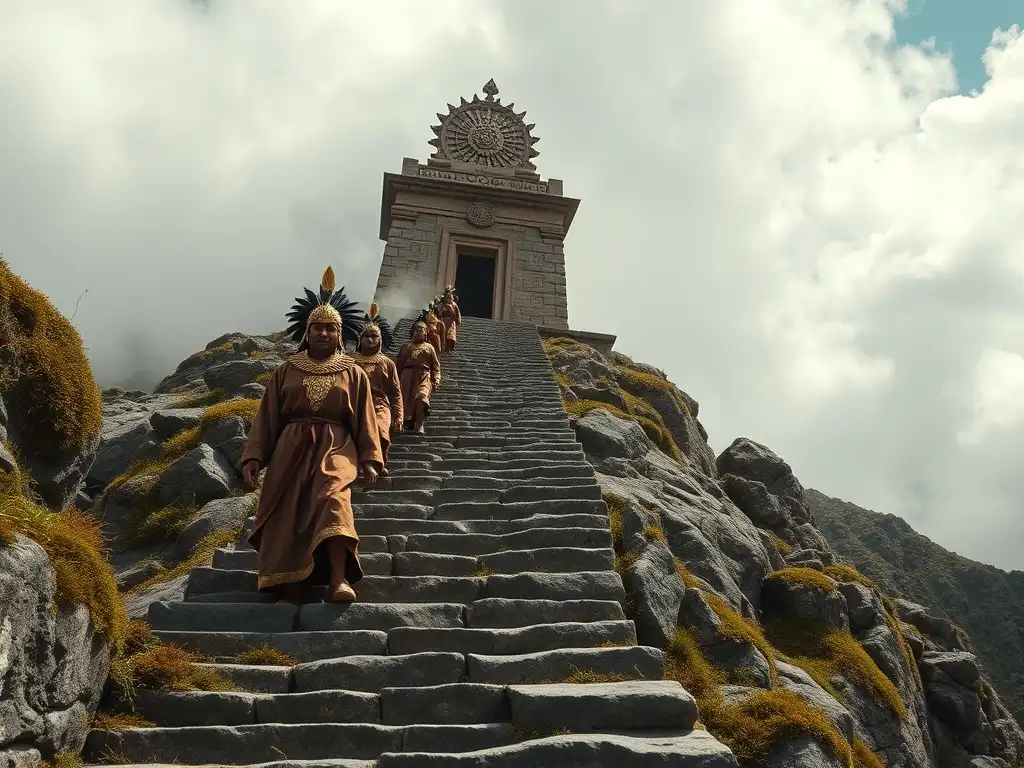
The Andean concept of a rigid, centralized priestly hierarchy, like that found in some other ancient civilizations, is inaccurate. Instead, the structure of Andean priesthood was fluid and complex, varying significantly across different cultures and regions, even within the same civilization over time. While powerful figures like the Willaq Umu existed, their authority was often interwoven with political and social power, rather than stemming solely from religious office.
The influence of priests stemmed from their perceived connection to the kawsay (life force) and their ability to interpret and interact with the pacha (cosmos). This relationship with the cosmos was crucial; Andean priests were not mere intermediaries but active participants in maintaining cosmic balance. The Andean understanding of the cosmos as a dynamic, interconnected system meant that priestly roles were similarly interconnected and interdependent.
The Structure of the Andean Priesthood
The Andean priesthood wasn’t a monolithic structure. Instead, it consisted of a spectrum of roles and responsibilities, often determined by factors such as lineage, expertise, and community needs. Some priests specialized in divination, using techniques like interpreting llama entrails or observing celestial events. Others focused on healing, utilizing herbal remedies and ritual practices. Still others were involved in agricultural rituals, ensuring a bountiful harvest. This specialized system meant that while some priests held considerable influence, their authority was not absolute and was often contextual.
For example, within Inca society, the Willaq Umu held the highest priestly rank, advising the Sapa Inca on matters of state and religion. However, local communities also possessed their own priests and priestesses who played vital roles in maintaining local shrines and conducting ceremonies relevant to their specific needs. This decentralized structure ensured that the spiritual well-being of the entire empire was attended to, reflecting the Andean understanding of the interconnectedness of the pacha.
Further research is needed to fully understand the precise hierarchical relationships between different priestly roles across various Andean cultures. Detailed records regarding the structure of the priesthood in cultures like the Moche or Nazca are scarce, requiring more archaeological and textual investigation.
The Training and Initiation of Andean Priests
Becoming an Andean priest was not a simple matter of ordination. It was a process of rigorous training and initiation, often spanning many years. This training encompassed not only religious knowledge but also practical skills relevant to their specific role. Aspirants were often selected based on heredity, demonstrating a lineage connected to the priestly class. However, exceptional individuals, regardless of their background, could also rise through the ranks based on their demonstrated abilities and spiritual aptitude.
The curriculum included mastering complex knowledge systems related to astronomy, agriculture, medicine, and ritual practices. This involved memorizing intricate myths, prayers, and rituals, as well as learning to interpret omens and communicate with the supernatural world. Initiation rites varied depending on the specific tradition and the priest's specialization.
These rituals often involved periods of fasting, seclusion, and intense spiritual exercises designed to test the candidate's commitment and connect them to the spiritual realm. The exact nature of these rites and the duration of training remain areas of ongoing scholarly discussion, with much information still needing to be uncovered through careful analysis of archaeological evidence and anthropological studies. Archaeological findings suggest that certain objects, such as specific textiles or ceremonial tools, may have been used in initiation ceremonies, further highlighting the importance of material culture in Andean religious practices.
Examples of High-Ranking Priests: Willaq Umu and Yachaq
The Willaq Umu was the highest-ranking priest in the Inca Empire, a position of immense power and influence. This individual acted as the chief advisor to the Sapa Inca on matters of religion and state, playing a crucial role in maintaining the cosmic balance and the prosperity of the empire. Their role extended beyond mere religious leadership; they were deeply involved in political decision-making and were considered essential for the stability and well-being of the Inca state. Their authority was immense, and their opinions carried significant weight in all matters, both sacred and secular.
Another important priestly figure was the Yachaq, a shaman or healer who possessed extensive knowledge of medicinal plants and healing rituals. Unlike the Willaq Umu, the Yachaq’s authority was more localized and based on their individual skills and reputation. They played a crucial role in maintaining the health and well-being of their communities, treating illnesses through a combination of herbal remedies, spiritual practices, and ritual healing ceremonies.
While their authority was less centralized than that of the Willaq Umu, they were highly respected within their communities and played an essential role in the spiritual and physical health of their people. The contrast between these two roles exemplifies the diversity within the Andean priesthood, highlighting the intricate relationship between religious authority, political power, and community needs within the Andean worldview. Further research is needed to fully understand the diverse roles and responsibilities of other high-ranking priests in different Andean cultures.
Andean Priests and the Concept of Cosmic Order
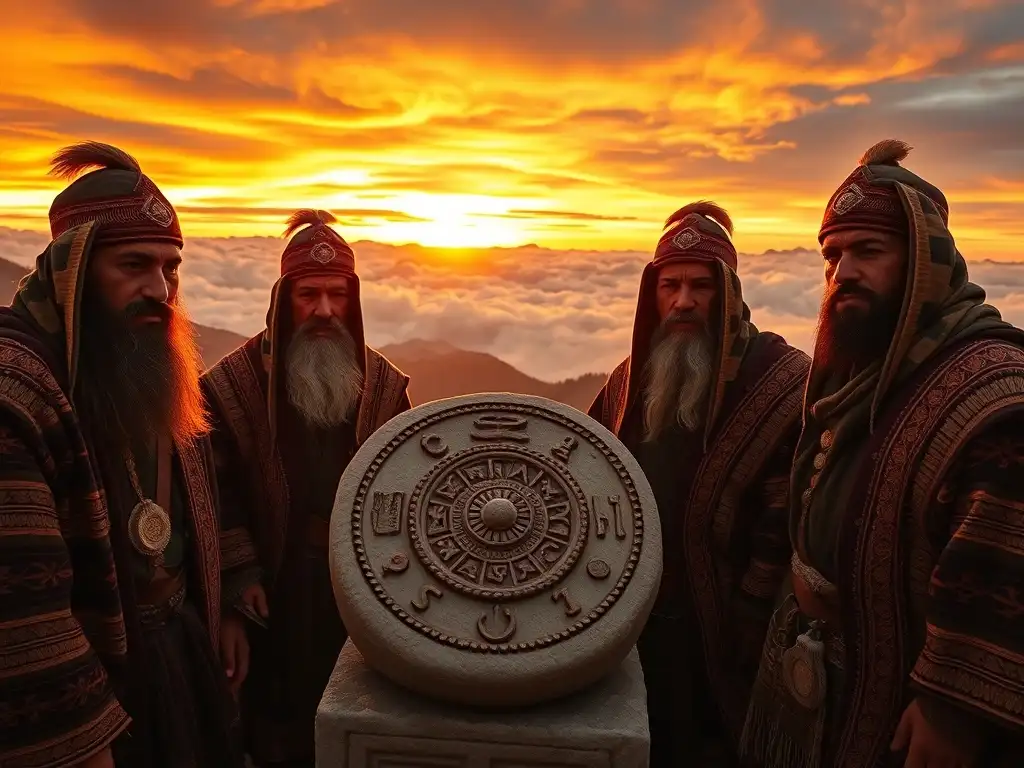
Andean priests weren't simply intermediaries between the human and divine realms; they were active participants in maintaining the delicate balance of the cosmos. Their understanding of the universe was deeply interwoven with the concept of equilibrio—a harmonious interplay of opposing forces, such as the sun and moon, the mountains and valleys, the living and the dead. The priests' primary responsibility was to ensure this equilibrium remained intact, preventing chaos and ensuring the continued prosperity of their communities.
This intricate relationship between Andean priests and cosmic order is a fascinating subject that warrants deeper exploration. The very fabric of Andean society was woven from this cosmic order, and the priests played a crucial role in its preservation. Their actions, beliefs, and rituals were all geared towards maintaining this delicate balance, highlighting the profound significance of their position within the community.
Maintaining the Balance of Forces: The Priest's Role in the Universe
The Andean worldview considered the universe a dynamic and interconnected system. Priests were tasked with interpreting the signs and omens that indicated shifts in this balance. They observed celestial events, such as eclipses and solstices, analyzed agricultural cycles, and interpreted natural phenomena like earthquakes and floods. These observations were not merely scientific; they were deeply spiritual, providing insights into the state of the cosmic order and revealing whether the forces of nature were in harmony or discord.
For example, a poor harvest might be interpreted as a sign of imbalance, requiring immediate ritual intervention to appease the offended deities or spirits. The priests' understanding of these interconnected elements was key to their ability to address such imbalances. They were not simply observers; they were active participants in the ongoing dialogue between the human and cosmic realms.
The priests’ role extended beyond interpretation. They acted as mediators, attempting to restore equilibrium through a variety of practices. This involved performing rituals, offering sacrifices, and consulting oracles to understand the source of the imbalance and the necessary steps to rectify it. Their actions were aimed at appeasing angry spirits, reinforcing beneficial forces, and ensuring the continuation of life-giving cycles. The success of their efforts directly impacted the well-being of their communities, underscoring their vital role in Andean society. Their influence was pervasive, extending to all aspects of life, from agriculture and warfare to health and social order.
How Andean Priests Ensured Cosmic Equilibrium Through Rituals
Rituals formed the cornerstone of Andean priests' efforts to maintain cosmic equilibrium. These ceremonies were elaborate affairs, often involving elaborate costumes, intricate dances, and the offering of sacrifices – both animal and, in some cases, human. The specific rituals varied across different Andean cultures, reflecting the diversity of beliefs and practices. However, the underlying purpose remained consistent: to reaffirm the cosmic order and appease the supernatural forces that governed the universe.
Consider, for example, the Inca Capacocha sacrifices. While controversial, these offerings were believed to strengthen the relationship between the Inca emperor and the gods, ensuring the continuation of their reign and the prosperity of the empire. The selection of individuals for sacrifice, often children, was a carefully considered process, highlighting the profound importance of the ritual in maintaining the cosmic balance.
Such sacrifices, though seemingly harsh from a modern perspective, were understood within the context of their religious beliefs and served a crucial function in their cosmology. Other rituals involved offerings of coca leaves, llama wool, and other precious goods, demonstrating the extent to which Andean societies invested in these practices.
The timing and location of rituals were also significant. Many ceremonies were aligned with the agricultural calendar and celestial events, emphasizing the deep connection between the human world and the cosmos. These weren't simply religious events; they were crucial societal activities that reinforced community bonds and reaffirmed the shared belief in a balanced universe. The priests meticulously planned and executed these rituals, ensuring their effectiveness in maintaining the desired cosmic harmony. Detailed records of these rituals, while often fragmented, provide valuable insights into the complexity of Andean religious practices.
The Relationship Between Andean Priests and the Natural World
Andean priests held a profound reverence for the natural world, recognizing its intrinsic link to the cosmic order. Mountains, rivers, and other geographical features were considered sacred, embodying powerful spirits and deities that needed to be appeased and respected. The priests acted as intermediaries between the human world and these sacred entities, ensuring that the balance between humanity and nature remained intact. This deep understanding of the interconnectedness of the natural and spiritual realms was reflected in their daily practices and rituals.
The priests' knowledge of the natural world was extensive. They possessed detailed understanding of agricultural cycles, medicinal plants, and astronomical phenomena. This knowledge was not only practical; it was deeply spiritual, allowing them to interpret the messages of the cosmos and respond accordingly.
For instance, the priests’ understanding of the stars and constellations played a crucial role in agricultural planning, ensuring optimal planting and harvesting times. This knowledge directly contributed to the survival and prosperity of their communities, further cementing their role as vital members of Andean societies. Their expertise extended beyond simple observation; they actively participated in shaping the landscape, constructing intricate irrigation systems and terraces that demonstrated both their technical skills and their respect for the environment.
The relationship between Andean priests and the natural world was symbiotic. The priests sought to maintain the balance of nature, and in doing so, ensured the well-being of their communities. The very survival of Andean civilizations depended on this delicate relationship, highlighting the crucial role that priests played in shaping the history and culture of the Andes.
Their deep understanding of the natural world, coupled with their spiritual insights, allowed them to act as custodians of the environment and protectors of the cosmic order. Their legacy continues to resonate in the Andes today, reminding us of the profound connection between humans and nature, and the vital role of spiritual leaders in maintaining a harmonious existence.
The Legacy of Andean Priests: Influence and Continuity
The Andean priests, far from being figures confined to the distant past, left an indelible mark on the cultural landscape of the Andes. Their influence extends beyond the realm of religious practice, weaving itself into the very fabric of Andean society, impacting everything from agricultural practices to artistic expression and social structures. Understanding their legacy requires acknowledging their profound role as interpreters of the cosmos and its intricate connection to human life.
Their sophisticated understanding of astronomy, agriculture, and medicine, all interwoven with their spiritual beliefs, shaped the development of Andean civilizations for centuries. The enduring power of their worldview is evident in the persistence of certain practices and beliefs even today. The keyword "Andean priests cosmic order" encapsulates this enduring influence.
The Enduring Impact of Priestly Beliefs on Andean Culture
The Andean worldview, heavily shaped by the priests' interpretations of the cosmic order, emphasized a deep interconnectedness between the human and spiritual realms. This holistic perspective permeated various aspects of life. For instance, agricultural practices were meticulously synchronized with the celestial calendar, with priests playing a crucial role in determining the optimal times for planting and harvesting.
This wasn't simply a matter of practicality; it was a sacred act, aligning human endeavors with the rhythms of the cosmos. Furthermore, the priests' understanding of medicinal plants and healing rituals profoundly impacted healthcare systems. Their knowledge, passed down through generations, formed the basis of traditional Andean medicine, which continues to thrive in many communities.
Artistic expressions, from intricate textiles to monumental architecture, were often imbued with symbolic representations of the cosmos and the divine, reflecting the priests' influence on artistic creation and its deeper meaning. The intricate designs found in Nazca lines, for example, might be interpreted as a form of celestial mapping, reflecting the priest's astronomical knowledge and their role in connecting the earthly and celestial realms. These examples illustrate how the Andean priests' beliefs shaped the cultural identity of the region.
Present Day Practices and the Heritage of Andean Religious Leaders
While the formal structures of Andean priesthoods may have changed over time, the core principles and practices persist in various forms. Many present-day Andean communities still maintain traditions deeply rooted in their ancestral beliefs. These traditions often involve rituals, ceremonies, and practices that are overseen by individuals who act as spiritual guides and healers, carrying forward the legacy of the ancient Andean priests.
The role of these contemporary spiritual leaders is complex and multifaceted. They are often consulted for advice on matters ranging from personal well-being to community issues. Their knowledge of traditional medicine, herbal remedies, and spiritual practices continues to play a vital role in maintaining the health and well-being of their communities.
The continuity of these practices highlights the enduring relevance of the Andean priests' legacy in shaping contemporary Andean culture and identity. The influence of these "Andean priests cosmic order" beliefs is still felt today in many communities.
Examples of Continuations of Andean Priestly Traditions: The Paqos of Peru
The Paqos of Peru offer a compelling example of the ongoing legacy of Andean priestly traditions. These spiritual leaders, deeply versed in Andean cosmology and traditions, continue to play a significant role in their communities. Their practices often incorporate elements of ancient Andean rituals, including the use of coca leaves, the invocation of Andean deities, and the performance of ceremonies aimed at maintaining harmony between the human and spiritual worlds.
Their knowledge encompasses a wide range of practices, including healing, divination, and conducting ceremonies for important life events. The Paqos’ role highlights the resilience of Andean spiritual traditions and the enduring impact of the ancient Andean priests’ legacy. The Paqos represent a living link to the past, demonstrating how the influence of "Andean priests cosmic order" continues to resonate in contemporary Andean society.
Their knowledge and practices are a testament to the enduring power of Andean spiritual beliefs. Further research is needed to fully understand the nuances of various Andean spiritual traditions and their relationship to the ancient priesthoods. [Specific information pending: Detailed case studies of individual Paqo practices and their connection to ancient Andean traditions.]
Frequently Asked Questions
What role did Andean priests play in society?
Andean priests held significant power, acting as intermediaries between the gods and the people. They performed rituals, interpreted omens, and advised rulers on important matters, influencing all aspects of life. Their influence extended to political, agricultural, and social spheres.
How did Andean priests maintain cosmic order?
Priests maintained cosmic order through elaborate rituals and ceremonies. These involved offerings, sacrifices, and astronomical observations, aiming to ensure a harmonious balance between the human and divine worlds. Their actions were believed to directly impact the success of harvests and the overall well-being of society.
What was the relationship between Andean priests and rulers?
Andean priests often held considerable influence over rulers, advising them on matters of state and interpreting divine will. This relationship was complex and varied across different civilizations, but priests generally played a key role in legitimizing royal power. Their pronouncements carried immense weight.
What evidence reveals the importance of Andean priests in understanding the cosmic order?
Archaeological evidence, such as elaborate temples, ceremonial sites, and intricate artwork, demonstrates the importance of Andean priests. Textiles, pottery, and metalwork often depict religious scenes and figures, highlighting their central role in interpreting and maintaining cosmic order.
How did the understanding of cosmic order influence Andean technology and art?
The Andean understanding of cosmic order profoundly influenced both technology and art. Agricultural practices, such as sophisticated irrigation systems, reflected a deep understanding of nature's cycles. Similarly, art often depicted cosmological themes, reflecting the importance of maintaining balance within the universe.
Final Reflection: Echoes of the Andes: A Legacy of Cosmic Harmony
The intricate relationship between Andean priests and the cosmic order remains profoundly relevant today, a testament to humanity's enduring quest for meaning and connection within the vast universe. Understanding their role offers not only a glimpse into a rich cultural past but also a powerful lens through which to examine our own contemporary struggles with ecological balance and spiritual fulfillment. The wisdom of these ancient interpreters continues to resonate, challenging us to reconsider our place within the larger scheme of things.
The enduring influence of Andean cosmology, shaped by the priests' interpretations, is undeniable. It continues to inform indigenous practices, artistic expressions, and even modern ecological movements. The mountains are not just mountains, but living beings, imbued with spirit and power,
a sentiment echoed across generations, speaks to the deep-seated connection between the Andean people and their environment, a connection fostered and interpreted by the priests. This holistic worldview, where humanity is inextricably linked to the natural world, offers a potent counterpoint to the anthropocentric perspectives that dominate much of contemporary thought.
Consider the profound implications of this ancient wisdom. How can we, in our modern world, re-establish a sense of harmony with the cosmos, mirroring the reverence and understanding demonstrated by the Andean priests? You are invited to reflect on your own relationship with the natural world and the spiritual forces that shape your life. Embrace the opportunity to find meaning and purpose within a larger context, drawing inspiration from the enduring legacy of those who sought to interpret the divine will and cosmic order within the majestic Andes.
Unveil Your Connection to the Divine: Embrace the Andean Legacy
Thank you for exploring the fascinating world of Andean priests and their role in interpreting the divine will. You've delved into the depths of their rich wisdom and complex cosmology, and now it's time to build upon that knowledge.
Here are a few inspiring next steps:
- Join our community: Subscribe to our newsletter for deeper insights into Andean cultures and their spiritual practices. You'll receive exclusive content and updates.
- Explore the ancient sites of the Andes: Plan a trip or virtual tour to connect with the sacred landscapes that shaped their beliefs. Witnessing these sites firsthand can be a profoundly moving experience.
- Share your thoughts: Engage with us on social media or in the comments below. Let's discuss how these traditions resonate with your spiritual journey! We value your perspectives and insights.
What aspect of Andean spirituality resonates most deeply with you, and how might it inform your personal understanding of the divine?