
Andean Shamanic Music and Sound Healing: The Power of Vibration in Spiritual Practice


Uncover the mysteries of the Andes, where the echoes of ancient civilizations still resonate. Journey beyond the breathtaking landscapes and delve into the captivating world of Andean shamanic sound healing techniques. Discover how these powerful practices, rooted in a profound connection to the cosmos, shaped the spiritual lives of the Incas, Moche, and other remarkable cultures. Prepare to be amazed by the intricate relationship between music, healing, and the Andean worldview – a journey that will leave you questioning everything you thought you knew. Let the vibrations begin...
The Andes Mountains, a spine of towering peaks stretching along the western edge of South America, are not only a breathtaking geographical feature but also the cradle of a rich tapestry of ancient cultures. For millennia, these civilizations—including the Incas, Moche, Nazca, and Tiahuanaco—developed sophisticated religious and spiritual practices deeply intertwined with music and sound.
This article delves into the fascinating world of Andean shamanic sound healing techniques, exploring how these ancient peoples harnessed the power of vibration for spiritual growth, healing, and connection to the cosmos. We will examine the instruments, rituals, and beliefs that formed the foundation of this powerful tradition, revealing its enduring relevance in contemporary Andean culture and its growing appeal in global sound healing practices.
Understanding Andean shamanic sound healing provides a unique window into the complex relationship between spirituality, music, and healing in a vibrant and enduring cultural legacy. The techniques employed, often passed down through generations, offer a compelling case study in the effectiveness of vibrational healing and its profound impact on human well-being.
Instruments of Andean Shamanic Sound Healing
Andean shamanic practices utilized a diverse array of instruments, each believed to possess unique energetic properties. These instruments weren't merely tools for creating music; they were considered sacred objects, conduits for connecting with the spiritual realm. The pututu, a long, shell trumpet, was used to summon spirits and announce important events.
Its deep, resonant sound was believed to carry messages far beyond the physical realm. The antara, a panpipe instrument, with its melodic and evocative tones, was often used in healing ceremonies to create a harmonious atmosphere conducive to spiritual transformation. Other significant instruments included the tarka (a type of flute), drums (various sizes and materials), and rattles, each contributing to the complex sonic tapestry of shamanic rituals.
The specific instruments used often varied depending on the specific ritual, the shaman's personal preferences, and the community's traditions. The craftsmanship involved in creating these instruments was also a significant aspect, with intricate designs and materials often imbued with symbolic meaning.
Rituals and Practices: Harnessing the Power of Vibration
The use of music and sound in Andean shamanic healing wasn't arbitrary; it was deeply embedded within complex rituals and practices. Shamans, often viewed as intermediaries between the human and spiritual worlds, employed sound as a primary tool for achieving altered states of consciousness, facilitating healing, and communicating with spirits. These rituals often involved intricate combinations of music, chanting, and the use of sacred plants.
The rhythmic patterns of the music, the specific pitches of the instruments, and the shaman's vocalizations were all carefully chosen to induce specific energetic shifts and promote healing. For example, certain rhythms were believed to promote balance and harmony, while others could be used to dispel negative energies or invoke specific deities. Detailed accounts of these rituals are scarce due to the oral tradition, but anthropological studies and contemporary practices offer valuable insights into their core principles and effectiveness.
The Role of Sacred Plants and Substances
Many Andean shamanic sound healing rituals incorporated the use of sacred plants and substances, such as coca leaves and ayahuasca. These substances were not merely recreational; they were seen as tools to enhance spiritual perception and facilitate communication with the spirit world. The combination of sound and these substances was believed to amplify the effects of the healing process, producing a synergistic effect that fostered profound spiritual experiences.
The use of these substances is a complex and sensitive topic, requiring careful consideration of cultural context and potential risks. However, understanding their role within the traditional Andean framework is vital for a complete understanding of their sound healing techniques. Further research is needed to fully comprehend the precise interactions between sound, these substances, and the resulting therapeutic outcomes.
Contemporary Applications and the Future of Andean Sound Healing
While the ancient practices of Andean shamanic sound healing have endured, they have also adapted and evolved. Contemporary practitioners are increasingly incorporating these techniques into various settings, including wellness centers, therapeutic sessions, and spiritual retreats. The growing interest in holistic and alternative healing methods has contributed to a renewed appreciation for the power of vibrational healing, and Andean traditions are playing an increasingly important role in this global movement.
However, it's crucial to approach these practices with respect and cultural sensitivity, avoiding appropriation and ensuring the preservation of authentic Andean traditions. The future of Andean sound healing lies in a balance between respecting the ancient wisdom and adapting these techniques to meet the needs of contemporary society. Further research, collaboration with indigenous communities, and ethical practices are key to ensuring the responsible and sustainable development of this powerful healing modality.
- Instruments of Andean Shamanic Sound Healing
- Rituals and Practices: Harnessing the Power of Vibration
- The Role of Sacred Plants and Substances
- Contemporary Applications and the Future of Andean Sound Healing
- What are Andean shamanic sound healing techniques?
- How do these techniques differ from other sound healing methods?
- What are the purported benefits of Andean shamanic sound healing?
- Are there any risks associated with Andean shamanic sound healing?
- Where can I find a practitioner of Andean shamanic sound healing?
The Significance of Sound in Andean Shamanic Traditions

The Andean worldview deeply intertwined the physical and spiritual realms, viewing sound as a potent force capable of influencing both. Andean shamanic sound healing techniques weren't merely therapeutic; they were integral to maintaining cosmic balance, communicating with spirits, and achieving altered states of consciousness crucial for spiritual journeys. This section explores the profound significance of sound within these ancient traditions, highlighting its role in healing, ritual, and the overall Andean cosmovision.
Understanding this aspect provides critical insight into the complex relationship between the Andean people and their environment, revealing the sophisticated understanding of vibrational energy that characterized their spiritual practices. The use of sound wasn't incidental; it was a deliberate and powerful tool employed by shamans and healers to achieve specific spiritual and physical outcomes.
The Role of Vibration in Andean Cosmovision
Andean cosmovision, a holistic perspective encompassing the universe, nature, and humanity, emphasizes the interconnectedness of all things through vibration. Everything—from mountains and rivers to humans and spirits—possesses its unique vibrational signature. Disease, imbalance, or spiritual distress were often understood as disruptions in this harmonious vibrational field.
Therefore, Andean shamanic sound healing techniques aimed to restore this equilibrium by manipulating vibrations through music, chanting, and the use of specific instruments. The concept of Kaypacha, a term encompassing the harmonious balance of the cosmos, is intrinsically linked to this vibrational harmony. Disrupting Kaypacha resulted in illness or misfortune, while restoring it brought about healing and well-being.
This understanding fueled the development of intricate sound healing practices, designed to resonate with the natural world and promote a return to balance. The specific frequencies and rhythms employed were believed to interact directly with the energies of the Pachamama (Mother Earth) and Tayta Inti (Father Sun), highlighting the deep connection between sound and the cosmic order.
Ancient Andean Beliefs About Sound and Spirit
Ancient Andean cultures believed that sound held the power to connect the living world with the spirit world. Specific sounds, rhythms, and instruments were associated with different deities, spirits, and energies.
For example, the deep, resonant tones of the pututu (a shell trumpet) were often used to summon spirits or announce important events, while the rhythmic beating of drums could induce altered states of consciousness, facilitating communication with the spirit realm. The shaman's expertise lay in their ability to manipulate these sounds to achieve specific spiritual outcomes, whether it was healing a sick individual, communicating with ancestors, or accessing divine guidance.
This wasn't simply a matter of making noise; it was a precise and sophisticated application of sound as a tool for spiritual manipulation and connection. The selection of instruments, the melodies played, and the specific contexts in which the sounds were used all held symbolic and ritual significance, reflecting a deep understanding of sound's multifaceted power.
Sound as a Tool for Connection with Pachamama
The Pachamama, or Mother Earth, held a central position in Andean spirituality. Andean shamanic sound healing techniques often involved direct communication with the Pachamama through sound, seeking her blessings and healing energies. The use of specific instruments and vocalizations was believed to resonate with the earth's vibrational frequencies, fostering a connection with her life-giving forces.
This connection wasn't passive; it was an active engagement aimed at restoring harmony between the human world and the natural world. Many rituals involved offerings to the Pachamama accompanied by specific sounds, reinforcing the interconnectedness of the spiritual and physical realms. The sounds themselves were considered offerings, carrying the intentions and prayers of the community to the earth.
This intimate relationship between sound, the Pachamama, and the overall well-being of the community underscores the central role of sound in Andean spiritual practices. The effectiveness of these techniques was deeply rooted in the belief that sound could directly influence the energies of the earth, promoting healing and balance.
Andean Shamanic Sound Healing Techniques: An Overview
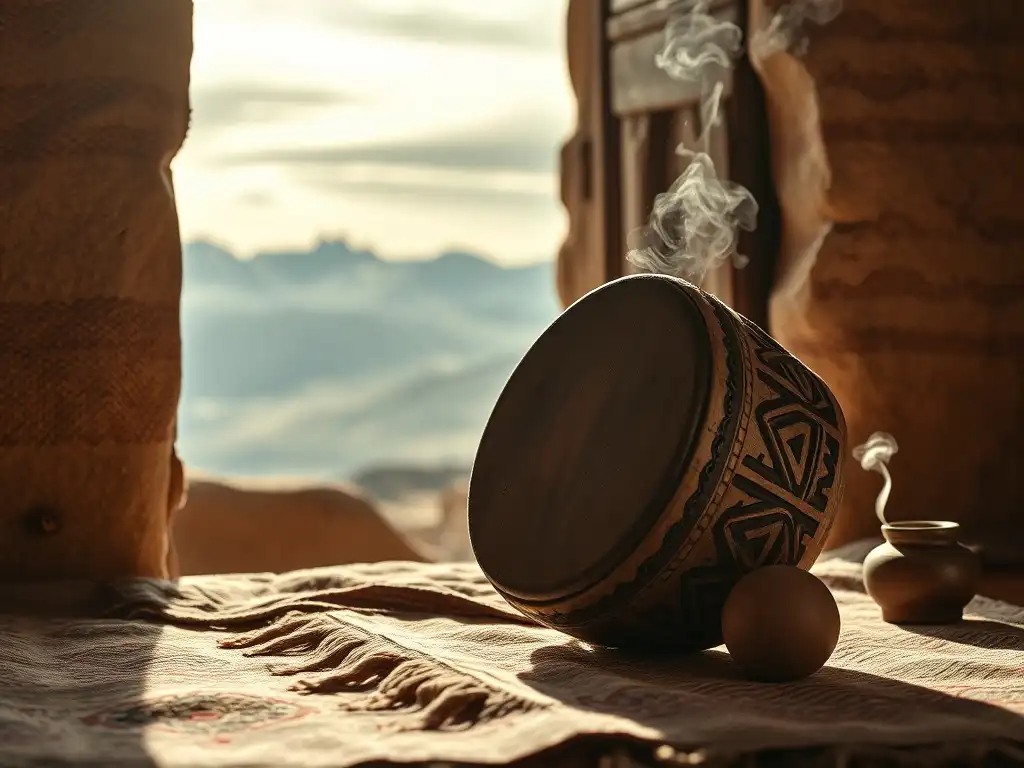
Andean shamanic sound healing techniques represent a sophisticated system of spiritual healing deeply intertwined with the region's unique cosmology and understanding of the interconnectedness of all things. These practices aren't merely therapeutic; they are integral to the Andean worldview, aiming to restore balance and harmony within the individual and the cosmos. Practitioners believe that illness stems from an imbalance in energy flow, and sound, with its inherent vibrational properties, acts as a powerful tool to realign this flow.
This section delves into the core principles, instruments, and purposes of Andean shamanic sound healing. The techniques are passed down through generations, often within family lineages, maintaining a strong connection to ancient traditions. The efficacy of these techniques is often attributed to the shaman's skill and connection to the spiritual realm, as well as the potent vibrational properties of the instruments used.
Understanding the nuances of these practices requires appreciating their deep spiritual context and the profound role sound plays within Andean culture. The keyword "Andean shamanic sound healing techniques" itself reflects the holistic nature of this approach, encompassing both the technical aspects and the spiritual foundations.
Core Principles of Andean Sound Healing
The core principles of Andean sound healing are rooted in the Andean worldview, emphasizing the interconnectedness of all living things and the importance of maintaining balance within the individual and the cosmos. Several key principles guide these practices:
- The Power of Vibration: Andean healers believe that everything vibrates at a specific frequency. Illness is seen as a disruption of these natural frequencies. Sound, with its inherent vibrational properties, is employed to restore these frequencies to their optimal state, promoting healing and well-being. Think of it as a vibrational "tuning" of the body and spirit.
- The Pachamama's Influence: The Pachamama, Mother Earth, plays a central role in Andean spirituality. Sound healing practices often incorporate elements that connect the individual to the earth's energy, drawing upon its restorative power. This connection is believed to enhance the healing process.
- The Role of the Shaman: The shaman acts as an intermediary between the physical and spiritual worlds. Their skill in manipulating sound and their deep spiritual connection are crucial to the effectiveness of the healing process. Their knowledge is not just theoretical; it's deeply experiential and passed down through oral tradition.
- Intention and Ritual: Sound healing is not simply a mechanical process. The intention of the healer and the ritualistic context surrounding the practice are considered essential for achieving the desired results. The careful selection of instruments and the specific sounds produced are all part of a carefully orchestrated ritual.
Specific Instruments Used in Andean Shamanic Practices
A variety of instruments are employed in Andean shamanic sound healing practices, each possessing unique vibrational qualities and symbolic significance. Some key instruments include:
- Antaras (Panpipes): These panpipes, made from reeds or cane, produce a range of melodic tones. Different arrangements and numbers of pipes create varied soundscapes. The antaras are often associated with the breath of life and the wind's energy.
- Pututos (Conch Shells): The deep, resonant tones of the pututo are believed to clear negative energies and promote spiritual cleansing. The sound resonates deeply within the listener, creating a powerful physical and spiritual experience. Their use often relates to communicating with the spirit world.
- Tinku (Drums): These drums, typically made from animal hides stretched over wooden frames, generate powerful rhythmic vibrations that are believed to ground the individual and restore balance. Different rhythms and drum beats have specific symbolic meanings within Andean shamanic practices.
- Singing: Vocalizations, often involving chanting and humming, are also crucial components of Andean sound healing. These vocalizations can be melodic or rhythmic, each type serving a specific purpose within the healing ritual.
The Purpose of Sound in Andean Rituals and Ceremonies
Sound in Andean rituals and ceremonies serves multiple purposes, extending beyond mere therapeutic applications. It plays a crucial role in:
- Spiritual Cleansing: Certain sounds and instruments are believed to cleanse negative energies and promote spiritual purification. This often involves invoking the Pachamama's energy and creating a space conducive to healing.
- Connecting with the Spirit World: The shaman uses sound to communicate with spirits and ancestors, seeking guidance and support during the healing process. The sounds themselves are seen as a language that transcends the physical realm.
- Restoring Balance: The primary purpose of sound in Andean healing is to restore balance within the individual and the cosmos. This involves aligning the body's vibrational frequencies with the natural rhythms of the universe.
- Promoting Well-being: Ultimately, the use of sound in Andean rituals aims to promote overall well-being – physical, emotional, and spiritual. It is a holistic approach that addresses the interconnectedness of these aspects of human existence. The experience is often profoundly transformative for those undergoing the healing practice. The sounds are not just heard; they are felt deep within the body and spirit.
Exploring Andean Shamanic Musical Instruments
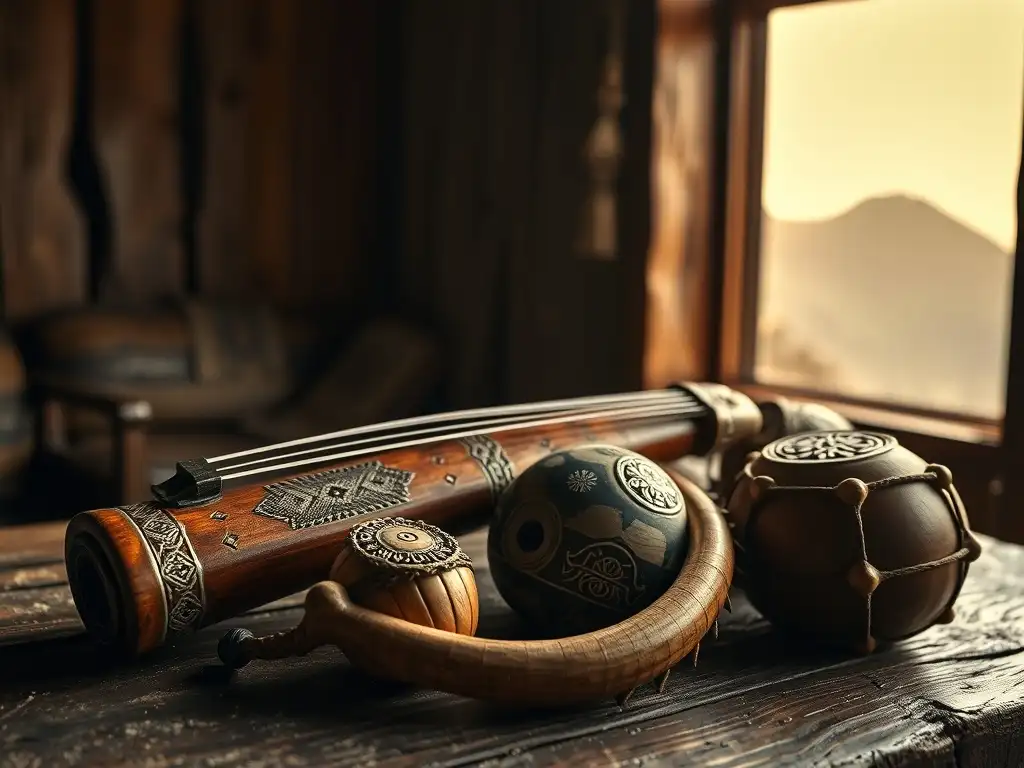
Andean shamanic sound healing techniques are deeply intertwined with the unique musical instruments used in their rituals. These instruments weren't merely tools for entertainment; they were considered sacred objects, conduits for connecting with the spiritual world and facilitating healing. Their sounds, vibrations, and the materials from which they were crafted were all imbued with symbolic meaning and power, contributing significantly to the effectiveness of shamanic practices.
The careful selection and preparation of these instruments underscore the profound respect Andean shamans held for the natural world and its ability to facilitate spiritual transformation. The sounds produced were believed to directly impact the energetic fields of both the shaman and the recipient, promoting balance and well-being.
The Power of the Quena in Andean Healing Rituals
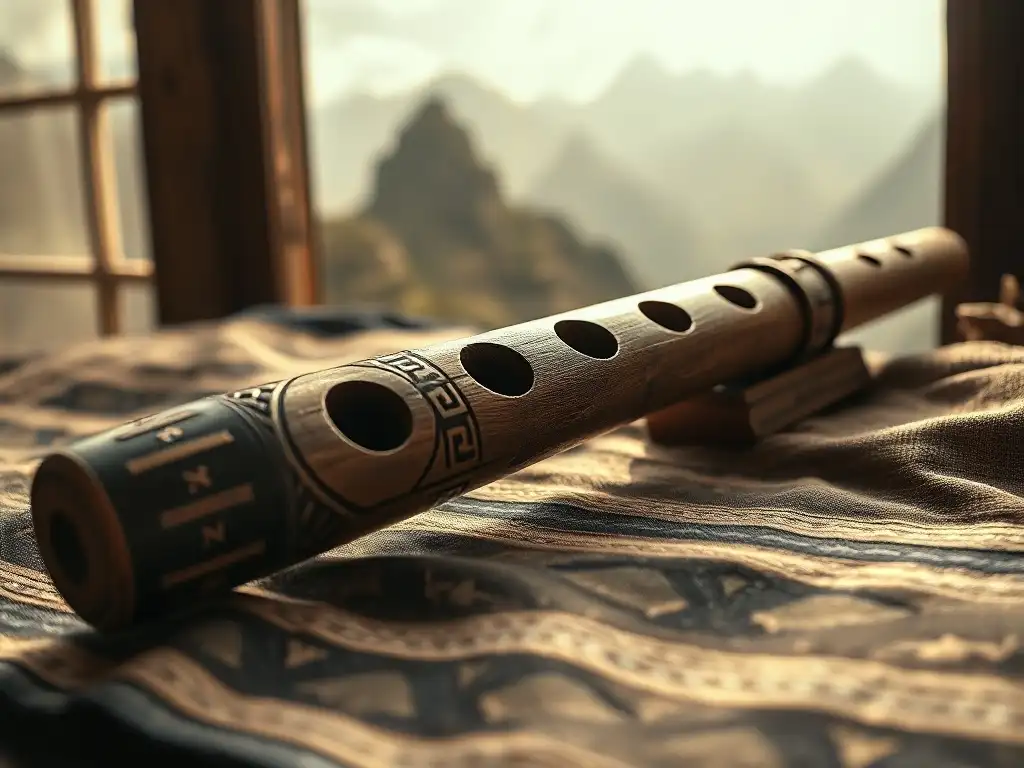
The quena, a simple yet powerful Andean flute, holds a central place in shamanic healing rituals. Made traditionally from bamboo or cane, its haunting melodies are believed to clear negative energies and promote spiritual cleansing. The quena's sound is often described as ethereal and evocative, capable of inducing a state of deep relaxation and introspection, vital for effective sound healing.
Shamans utilize specific melodies and rhythms during healing sessions, tailoring the musical experience to the individual's needs. For example, faster rhythms might be employed to stimulate energy flow, while slower, more meditative melodies might be used to promote relaxation and healing. The precise techniques and melodies often remain closely guarded secrets, passed down through generations within shamanic lineages.
Detailed studies on the specific frequencies produced by the quena and their impact on the human body are still emerging, but anecdotal evidence strongly suggests its profound therapeutic potential. The quena's role extends beyond mere sound; its craftsmanship, often adorned with intricate carvings or symbolic markings, further enhances its spiritual significance.
The Role of Bombo Drums in Shamanic Trance and Journeying
The bombo, a large double-headed drum, plays a crucial role in inducing shamanic trance states and facilitating spiritual journeying. Its deep, resonant sound creates powerful vibrations that are felt throughout the body, resonating with the earth's energies. The rhythmic beating of the bombo acts as a powerful tool for altering consciousness, allowing shamans to enter altered states of awareness necessary for communicating with spirits and accessing other realms.
The size and material of the bombo vary regionally, influencing the tone and vibrational qualities. Some bumbo drums are made from animal hides stretched over wooden frames, while others utilize more modern materials. The shaman's skill lies not only in playing the bombo but also in understanding its subtle nuances and adapting its rhythm and intensity to the specific needs of the healing session.
The powerful vibrations produced by the bombo are believed to cleanse blockages in the energy channels of the body, promoting a deeper connection with the spiritual realm and facilitating healing on a physical, emotional, and spiritual level. The rhythmic pulse of the bombo often synchronizes with other instruments and vocalizations, creating a multi-sensory experience that enhances the shamanic journey.
Andean Chajchas and Their Energetic Significance
The chajchas, small, metallic rattles, are frequently used in conjunction with other instruments during Andean shamanic ceremonies. Made from various metals, often adorned with beads or other decorative elements, their characteristic jingling sound is believed to dispel negativity and attract positive energies. The high-pitched, percussive sound of the chajchas is thought to be particularly effective in clearing stagnant energy and promoting a sense of lightness and vitality.
Their rhythmic shaking, often synchronized with the movements of the shaman, creates a powerful energetic field that contributes to the overall healing experience. The metallic composition of the chajchas is believed to amplify their energetic properties, further enhancing their capacity to influence the subtle energies of the participants. The use of chajchas is often accompanied by specific chants and prayers, further enhancing their spiritual potency.
The varied sounds and rhythms produced by the chajchas are carefully selected and combined with other instruments to create a holistic sonic environment that promotes healing and spiritual transformation. Further research is needed to fully understand the specific energetic effects of chajchas, but their enduring presence in Andean shamanic traditions speaks to their effectiveness in facilitating healing.
The Use of Pututus and Other Natural Sound Sources
The pututu, a long, shell trumpet, holds a significant place in Andean shamanic practices. Its deep, resonant sound, capable of carrying across vast distances, was believed to connect the earthly realm with the spiritual world. Shamans used the pututu not merely as a musical instrument, but as a powerful tool for summoning spirits, communicating with deities, and influencing the natural world. The sound itself was considered sacred, imbued with the power to heal, cleanse, and transform.
Different blowing techniques produced varying tones and effects, allowing shamans to fine-tune their interactions with the spirit world. The use of the pututu wasn't limited to formal ceremonies; it was also employed in daily life to mark important events, announce significant occasions, and even to ward off evil spirits. The raw, powerful sound of the pututu resonated deeply within the Andean worldview, reflecting the power and mystery of the Andes themselves.
Beyond the pututu, Andean shamans incorporated a wide variety of natural sound sources into their practices. The wind whistling through mountain passes, the rushing of rivers, and the crashing of waves against the coast were all seen as powerful manifestations of spiritual energy. Shamans would often seek out these natural soundscapes, using them as a backdrop for their rituals and meditations, allowing the natural rhythms and vibrations to enhance their connection with the divine.
The rhythmic crashing of waves, for instance, could induce a meditative state, mimicking the heartbeat of Pachamama, the Earth Mother. Similarly, the whispering wind might be interpreted as the voice of spirits or ancestors, guiding the shaman in their practice.
This deep integration of natural sounds into their spiritual practices highlights the profound connection between the Andean people and their environment. The sounds weren't merely auditory experiences; they were active participants in the shamanic ritual, shaping its power and efficacy.
The careful selection and integration of these natural sounds demonstrate a sophisticated understanding of acoustics and their symbolic significance within the Andean spiritual framework. The shaman’s mastery extended not only to the manipulation of musical instruments but to the harnessing of the inherent sonic power present in the natural world. This holistic approach, combining human-made instruments with the sounds of nature, created a powerful and immersive soundscape for shamanic practices, effectively blurring the boundaries between the human and the divine.
The effectiveness of this approach is evidenced by the enduring legacy of Andean shamanic traditions and their continued relevance in contemporary sound healing practices. The resonance of these ancient sounds continues to inspire and inform modern practitioners, demonstrating the timeless power of Andean shamanic sound healing techniques.
The Healing Properties of Andean Shamanic Music
Andean shamanic music, a cornerstone of Andean spiritual practices, isn't merely aesthetically pleasing; it's a powerful tool for healing, deeply intertwined with the Andean worldview. The use of Andean shamanic sound healing techniques goes far beyond entertainment; it's a sophisticated system leveraging sound frequencies, rhythms, and instruments to achieve physical, emotional, and spiritual well-being. This section explores the multifaceted healing properties attributed to this unique musical tradition, emphasizing its role in restoring balance and harmony within the individual and the cosmos.
The effectiveness of these techniques is often attributed to the belief in the inherent power of vibration to influence both physical and energetic bodies. This understanding is rooted in the Andean concept of kay pacha, the here and now, and its interconnectedness with the other realms.
Sound Frequencies and Their Effect on the Body and Mind
The core principle underlying Andean shamanic sound healing lies in the vibrational nature of sound. Different instruments, from the haunting antara flutes to the resonant pututu conch shell, produce distinct frequencies believed to resonate with specific chakras or energy centers within the body. These frequencies are not simply heard; they are felt, impacting the listener on a deeply physical level.
For example, the lower frequencies produced by the tinku drums are thought to ground and center the individual, promoting stability and reducing anxiety. Conversely, the higher-pitched notes of the antara are believed to stimulate the higher chakras, fostering clarity, intuition, and spiritual connection. Scientific research, while still limited in this specific area, supports the notion that sound frequencies can influence brainwave activity, heart rate variability, and even cellular function. 1 Further research is needed to specifically quantify the effects of Andean instruments. This includes a need for controlled studies comparing the physiological responses to Andean shamanic music versus other musical genres.
The rhythmic patterns inherent in Andean music also play a crucial role. The repetitive beats and intricate melodies create a hypnotic effect, inducing a state of deep relaxation and promoting meditative states. This rhythmic entrainment, or synchronization of brainwaves with external rhythms, is a key mechanism through which sound healing facilitates emotional regulation and stress reduction. The combined effect of specific frequencies and rhythmic patterns creates a powerful synergy, amplifying the healing potential of the music.
How Andean Music Induces Altered States of Consciousness
Andean shamanic music is frequently used to induce altered states of consciousness (ASC), a fundamental aspect of shamanic practice across many cultures. These ASCs are not necessarily psychedelic or drug-induced; rather, they are achieved through carefully orchestrated sonic environments. The combination of specific instruments, vocalizations, and rhythmic patterns creates a soundscape designed to shift the listener's perception and access non-ordinary states of awareness.
The use of repetitive rhythms and hypnotic melodies facilitates a process of mental and emotional detachment, allowing the individual to transcend their usual thought patterns and access deeper levels of consciousness. This process is often accompanied by feelings of profound relaxation, heightened sensory awareness, and a sense of unity with the surrounding environment. The use of specific instruments, like the pututu, with its deep, resonant sound, is believed to facilitate communication with the spirit world, opening channels for spiritual guidance and healing.
The specific techniques employed vary across different Andean traditions, reflecting the diversity of the region's cultural heritage. Further investigation into the specific neurophysiological mechanisms underlying these altered states is warranted.
The Therapeutic Benefits of Andean Shamanic Sound Healing
The therapeutic benefits of Andean shamanic sound healing techniques are multifaceted and extend beyond simple relaxation. The practice is often used to address a wide range of physical and emotional ailments, including:
- Stress and anxiety reduction
- Pain management
- Improved sleep quality
- Emotional processing and trauma release
- Spiritual growth and self-discovery
Many practitioners report successful applications in treating chronic pain, PTSD, and other conditions that resist conventional treatments. The holistic nature of Andean shamanic sound healing, addressing the mind, body, and spirit simultaneously, contributes to its effectiveness. However, it’s crucial to emphasize that while promising, more rigorous scientific research is needed to fully establish the efficacy of these techniques and to develop standardized protocols for their application.
The subjective experience of healing is central to the practice, making quantitative measurement challenging but not impossible. Future research should explore the potential of combining qualitative and quantitative methods to better understand the impact of this ancient healing tradition.
1 [Specific scientific research pending]
Andean Shamanic Sound Therapy: Practical Applications

This section delves into the practical applications of Andean shamanic sound healing, moving beyond theoretical discussions to explore real-world uses and benefits. We examine how these ancient techniques are employed in contemporary settings, highlighting their efficacy and versatility in addressing various needs. Understanding these practical applications helps illuminate the profound impact of Andean shamanic sound healing on both physical and spiritual well-being. The techniques discussed are rooted in centuries-old traditions, yet their relevance and effectiveness remain powerfully present today. The power of vibrational healing, inherent in Andean shamanic practices, provides a tangible pathway to improved health and spiritual growth.
Sound Healing Sessions Guided by Andean Shamans
Traditional Andean sound healing sessions, guided by experienced shamans, often involve a multi-sensory experience. These are not simply listening exercises; they are deeply immersive journeys. The shaman uses various instruments, including pututus (long, conch shell trumpets), antaras (panpipes), drums, and rattles, each with unique sonic qualities and symbolic meanings. The sounds are carefully chosen and sequenced to achieve specific therapeutic goals. For instance, the deep resonant tones of the pututu might be used to ground and center the recipient, while the higher-pitched notes of the antara could promote clarity and mental focus.
The session might also incorporate other elements, such as smudging with sacred herbs (like pako), the use of medicinal plants, and guided meditation or visualization techniques. The shaman's role extends beyond mere instrumental performance; they act as facilitators, guiding the individual through a transformative sonic experience, interpreting the sounds and their effects on the recipient's energy field. The overall aim is to restore balance and harmony within the individual, promoting physical and emotional healing.
The experience is deeply personal and tailored to the individual's specific needs and energy signature. The shaman's intuition and knowledge of Andean cosmology are crucial to the success of the session.
Detailed records of the precise techniques used in each session are often kept private, passed down through oral tradition within shamanic lineages. This makes precise documentation of every aspect challenging, but the core principles of using sound for healing remain consistent across different traditions.
The Use of Sound for Cleansing and Energetic Balancing
Andean shamanic sound healing is frequently employed for energetic cleansing and balancing. The belief in the existence of an energetic field surrounding the body, often referred to as the ayni, is central to this practice. Imbalances within this ayni are thought to manifest as physical and emotional ailments. Sound, through its vibrations, is seen as a powerful tool for clearing blockages and restoring the natural flow of energy.
For example, the rhythmic beating of a drum might be used to break up stagnant energy, while the high-pitched tones of a antara could help to clear negative energy from the aura. The shaman may use specific sonic patterns or frequencies, selected based on their understanding of the individual's energy field and the nature of the imbalance. This process is often described as a kind of energetic "massage," where sound waves gently yet powerfully penetrate and cleanse the energy body.
The effects of this cleansing process are often reported as feelings of lightness, increased clarity, and a general sense of well-being. While scientific studies on this specific application are limited, anecdotal evidence from practitioners and recipients consistently points to its efficacy in promoting a state of energetic harmony. Further research is needed to fully quantify the effects, but the longstanding tradition and widespread belief in its effectiveness underscore its significance within Andean shamanic practice.
Integrating Andean Sound Healing into Modern Wellness Practices
The integration of Andean sound healing techniques into modern wellness practices is steadily growing in popularity. Many therapists and practitioners are incorporating these methods into their work, often combining them with other complementary therapies such as massage, aromatherapy, and energy work. This integration reflects a growing interest in holistic approaches to health and well-being, recognizing the interconnectedness of mind, body, and spirit.
The adaptability of Andean shamanic sound healing allows for its seamless integration into various settings. It can be used in individual sessions, group workshops, or even incorporated into spa treatments. Its non-invasive nature and gentle approach make it accessible to a wide range of individuals, regardless of age or physical condition. The use of readily available instruments, such as singing bowls, gongs, and even simple rattles, further facilitates its adoption into modern wellness settings.
This accessibility makes Andean shamanic sound healing a valuable tool for promoting well-being in contemporary society. The increasing demand for alternative and complementary therapies makes this integration a significant trend with considerable potential for growth. The future likely holds further exploration and refinement of these techniques within the modern wellness landscape.
The Importance of Andean Shamanic Sound in Spiritual Practice
Andean shamanic practices deeply intertwined sound with spiritual well-being. The belief in the power of vibration—not just in the physical realm, but also in the spiritual—underpins many of their rituals and healing techniques. This wasn't merely background music; sound was an active participant, a tool used to alter consciousness, connect with the spirit world, and facilitate healing on multiple levels.
This section explores the profound significance of Andean shamanic sound in spiritual practice, delving into its various applications and the underlying philosophy that supports its use. The effectiveness of these Andean shamanic sound healing techniques is rooted in a holistic understanding of the interconnectedness of the physical, emotional, and spiritual realms.
Sound as a Vehicle for Spiritual Awakening
The Andean worldview considers sound a potent force capable of inducing altered states of consciousness, crucial for spiritual awakening and communication with deities and ancestors. Specific instruments, like the pututu (a shell trumpet) or the antara (panpipes), were not randomly chosen; their sounds were believed to resonate with particular energies and spiritual realms. The pututu's deep, resonant tones, for instance, were associated with powerful deities and announcements of significant events.
The high-pitched notes of the antara, on the other hand, were often used to evoke feelings of lightness and connection with the upper world. Shamans skillfully manipulated these sounds to guide participants through altered states, facilitating visions, trance states, and profound spiritual experiences. This deliberate use of sound wasn’t accidental; it reflected a sophisticated understanding of acoustics and their impact on the human psyche, a testament to the advanced knowledge of Andean shamanic sound healing techniques.
Research into the acoustic properties of these instruments is ongoing, and further investigation may reveal even more about the precision and intentionality behind their design and use. The precise frequencies and harmonics produced could be directly correlated to altered states of consciousness, a truly remarkable aspect of Andean spiritual practice.
The Connection Between Sound, Intention, and Healing
The power of Andean shamanic sound wasn't solely in the instrument itself; it was inextricably linked to the shaman's intention. The songs, chants, and instrumental pieces weren't simply performed; they were imbued with specific intentions for healing, purification, or connection with the divine. The shaman's focused energy, combined with the carefully chosen sounds, created a powerful synergy, amplifying the healing effect.
For example, a healing ceremony might involve specific chants aimed at removing negative energy, combined with the rhythmic sounds of a drum, creating a vibrational field conducive to cleansing and restoration. The intentionality behind the practice is paramount. Without this focused intention, the sound itself would lack the power to effect significant healing or spiritual transformation.
This demonstrates a deep understanding of the mind-body-spirit connection, highlighting the importance of intention in the efficacy of Andean shamanic sound healing techniques. Further research is needed to quantify the impact of this intentionality, but anecdotal evidence strongly supports its significance.
Preserving Andean Shamanic Sound Healing Traditions
The preservation of these ancient Andean shamanic sound healing techniques is crucial for understanding a rich cultural heritage and accessing powerful healing modalities. Unfortunately, many traditions are at risk of being lost due to factors such as globalization, cultural assimilation, and the passing of elders who hold the knowledge. Efforts to document and teach these traditions are underway, with researchers and practitioners working to preserve both the musical aspects and the underlying spiritual context.
This includes recording traditional songs and chants, studying the construction and use of traditional instruments, and documenting the rituals and ceremonies in which sound plays a central role. The preservation of these practices is not simply an academic exercise; it is about safeguarding a valuable resource for both spiritual growth and holistic healing.
The unique approach to sound healing employed by Andean shamans offers valuable insights into alternative healing methods and deserves continued attention and support. Continued research and collaboration between scholars and practitioners are essential to ensure the survival and accessibility of these powerful and ancient Andean shamanic sound healing techniques.
The Future of Andean Shamanic Sound Healing Practices
The future of Andean shamanic sound healing practices looks promising, with increasing global interest in indigenous wisdom and holistic well-being. Several factors contribute to this positive outlook. Firstly, the growing recognition of the limitations of Western medicine and a surge in interest in complementary and alternative therapies are driving people to explore ancient healing modalities.
Andean shamanic sound healing, with its emphasis on spiritual connection and energetic balance, is well-positioned to benefit from this trend. We are seeing a rise in the number of workshops, retreats, and training programs dedicated to teaching these techniques, both in the Andes and internationally. This dissemination of knowledge ensures the continuation and evolution of these practices for future generations.
Secondly, the integration of Andean shamanic sound healing into modern therapeutic settings is gaining traction. While maintaining the authenticity of the traditions, practitioners are finding ways to adapt these techniques to suit contemporary contexts. For example, some therapists are incorporating elements of Andean sound healing into their sessions with clients experiencing anxiety, depression, or trauma.
This fusion of ancient wisdom and modern therapeutic approaches creates a powerful synergy, offering a comprehensive and effective healing experience. The development of research studies exploring the efficacy of Andean shamanic sound healing in treating specific conditions will further solidify its legitimacy within the healthcare landscape. [Specific research studies pending].
However, the future also presents challenges. The commercialization of Andean shamanic practices is a concern. The need to protect the integrity of these traditions and prevent cultural appropriation is paramount. Ethical considerations regarding the transmission of knowledge and the respectful engagement with Andean communities are crucial. Ensuring that practitioners approach these practices with reverence and respect for their origins is vital to maintaining their authenticity and effectiveness.
Furthermore, efforts to document and preserve the knowledge held by elder shamans are essential to prevent the loss of invaluable cultural heritage. [Specific initiatives and organizations working on preservation pending]. By addressing these challenges proactively, we can ensure the sustainability and responsible development of Andean shamanic sound healing practices for generations to come, preserving its power and cultural significance. The key lies in a balanced approach: embracing modernization while upholding the sacredness and cultural integrity of these ancient healing techniques.
Frequently Asked Questions
What are Andean shamanic sound healing techniques?
Andean shamanic sound healing uses ancient instruments like the pututu (shell trumpet) and antara (panpipes) to create vibrational frequencies believed to harmonize the body and spirit. These sounds are used to facilitate healing and spiritual journeys.
How do these techniques differ from other sound healing methods?
While sharing some principles with other sound healing, Andean techniques are unique due to their deep connection to Andean cosmology and spirituality. The specific instruments and rituals are deeply rooted in their cultural traditions, setting them apart.
What are the purported benefits of Andean shamanic sound healing?
Practitioners claim benefits including stress reduction, emotional release, spiritual growth, and physical healing. These benefits are often attributed to the restorative power of sound vibrations on the body and mind.
Are there any risks associated with Andean shamanic sound healing?
While generally considered safe, it's crucial to find a qualified and experienced practitioner. Pre-existing conditions should be discussed, as some sounds may be unsuitable for certain individuals.
Where can I find a practitioner of Andean shamanic sound healing?
You can search online for practitioners in your area or explore specialized centers offering Andean spiritual practices. Word-of-mouth referrals can also be a valuable resource.
Final Reflection: The Enduring Resonance of Andean Shamanic Sound
The ancient wisdom embedded within Andean shamanic music continues to resonate powerfully in our modern world, offering a potent pathway to healing and spiritual growth. Its ability to connect us to the earth's energy and our own inner landscapes remains profoundly relevant in a society increasingly disconnected from both. The vibrational medicine offered by these techniques is not a fleeting trend, but a timeless practice with the potential to transform lives.
The impact of Andean shamanic sound healing extends far beyond the individual experience; it touches the very fabric of our cultural understanding of wellness. It challenges the limitations of Western medicine's often reductionist approach, reminding us of the interconnectedness of mind, body, and spirit. As the renowned ethnomusicologist, Dr. Steven Feld, stated, Music is not just sound; it is a living force, a powerful agent of cultural transmission and personal transformation.
This rings especially true for the deeply evocative soundscapes created by Andean shamans, which carry centuries of tradition and spiritual knowledge.
Consider the power of these ancient techniques. You, too, can harness the healing vibrations of the Andean flutes, drums, and singing bowls. Explore the sounds, feel the resonance within your own being, and allow the ancient wisdom to guide you on a journey of self-discovery and healing. Embrace the opportunity to connect with the earth, to reconnect with your inner self, and to experience the transformative power of sound. Let the echoes of the Andes inspire your own path towards wholeness.
Unveil the Healing Power of Sound Today!
Thank you for exploring the fascinating connection between Andean shamanic music and the transformative power of sound healing. You've learned how sound vibrations can enhance your spiritual well-being and enrich your life. Now, let's put that knowledge into practice!
Here are some powerful ways to engage with this healing modality:
- Participate in a sound healing workshop or online session. Immerse yourself in the vibrational experience and deepen your understanding of this ancient tradition.
- Create a personal sound healing space. Incorporate instruments like singing bowls or drums to cultivate a daily ritual of healing and self-connection.
- Share your experience! Discuss your journey with friends, family, or online communities, spreading awareness of the benefits of Andean sound healing.
How will you integrate the healing vibrations of Andean music into your daily life?