
The Andean Ritual of the Condor: Honoring the Messenger of the Gods

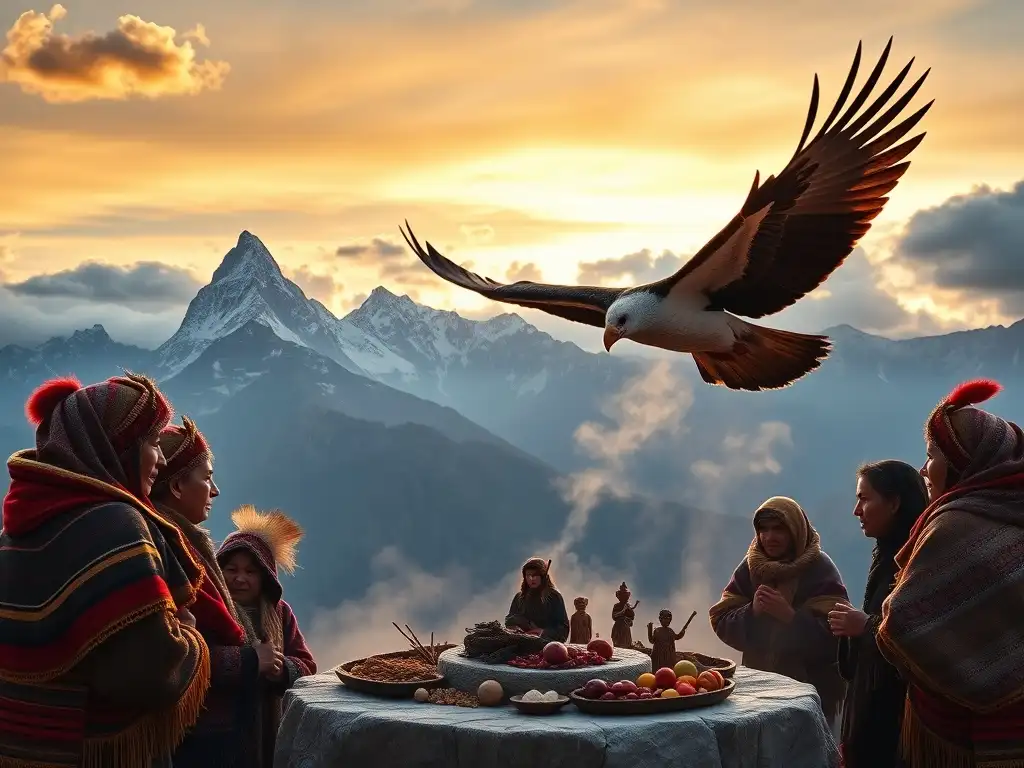
Unravel the mysteries of the Andes! Journey through a world of towering mountains, breathtaking artistry, and profound spiritual beliefs. Prepare to be captivated by the awe-inspiring legacy of the Andean civilizations, from the Incas to the Nazca. But first, consider this: what secrets did the soaring Andean Condor hold for these ancient cultures? Discover the surprising ritual significance of this majestic bird and unlock a deeper understanding of their complex cosmovision. Explore the fascinating world of Andean religion and uncover the truth behind the legend...
- The Andean Condor Ritual: Honoring the Messenger of the Gods
- The Sacred Role of the Condor in Andean Cosmovision
- Understanding the Andean Condor Ritual Significance
- The Historical Context of Condor Rituals in Andean Civilizations
- Key Elements of the Andean Condor Ritual
- The Modern Practice of Andean Condor Rituals
- The Andean Condor: A Lasting Symbol of Andean Heritage
- Frequently Asked Questions
- Final Reflection: The Enduring Legacy of the Andean Condor
- Embrace the Spirit of the Andean Condor Today!
The Andean Condor Ritual: Honoring the Messenger of the Gods
The Andean Condor, a majestic bird soaring through the towering peaks of the Andes Mountains, held a position of profound reverence in the spiritual lives of numerous pre-Columbian Andean cultures. Far from being merely a creature of the skies, the condor was considered a sacred messenger, a powerful symbol connecting the earthly realm with the celestial, and a vital component in complex religious rituals and ceremonies.
This article delves into the significant role the condor played in Andean spirituality, exploring its symbolic meaning and the diverse ways in which it was incorporated into ritual practices across different Andean civilizations, examining the significance of Andean Condor rituals and their lasting impact on our understanding of Andean cosmovision. We will uncover the multifaceted ways in which these rituals reflected the Andean worldview, their connection to nature, and the profound respect they held for the natural world.
Understanding these rituals provides crucial insight into the rich tapestry of Andean religion and its enduring legacy.
The Condor's Symbolic Significance in Andean Cosmovision
The Andean condor's symbolic significance transcended mere physical attributes. Its powerful flight, ability to reach great heights, and its association with storms and powerful winds linked it directly to the gods and the spiritual world. Different Andean cultures interpreted the condor’s symbolism in nuanced ways, but common themes emerge. For example, the condor's keen eyesight was associated with divine insight and prophecy, while its longevity symbolized immortality and the cyclical nature of life and death.
The bird’s ability to traverse both the earthly and celestial realms solidified its role as an intermediary between humans and the divine. Many accounts describe the condor as a vehicle for the gods, or even as a manifestation of a deity itself. This powerful symbolism is reflected in numerous artifacts, including textiles, ceramics, and goldwork, where the condor is frequently depicted in prominent positions.
Furthermore, the condor's association with high altitudes underscored its connection to the apus, the sacred mountain deities revered throughout the Andes. These powerful mountain spirits were believed to be the guardians of the land and its people, and the condor, as their aerial counterpart, acted as a messenger and protector. The condor's presence in rituals therefore served to invoke the blessings and protection of the apus. The intricate relationship between the condor, the apus, and the Andean people highlights the deep interconnectedness of the Andean worldview.
Ritual Practices Involving the Andean Condor: A Diverse Range of Observances
The incorporation of the condor in Andean rituals varied significantly depending on the specific culture and the purpose of the ceremony. While live condors were sometimes used in ceremonies, more often representations of the bird, such as feathers, figurines, or even painted imagery, were employed. These representations allowed for a widespread participation in rituals without needing to capture or handle live condors. The use of feathers, for example, was particularly significant, as they were believed to possess potent spiritual power. Their incorporation into ceremonies served to imbue the ritual with the bird's spiritual essence.
Some rituals involved the offering of sacrifices to the condor, or to the deities associated with it. These offerings could range from simple items like coca leaves and chicha (a fermented corn beverage) to more elaborate gifts, including precious metals and textiles. The offerings were seen as a way to appease the gods and to seek their favor.
Other rituals involved shamanistic practices, where shamans would communicate with the spirit world through altered states of consciousness, often using the condor as a symbolic guide or intermediary. The complexity and diversity of these rituals underscore the deep-seated importance of the condor in Andean spirituality.
The Legacy of the Andean Condor Rituals: A Continuing Influence
The reverence for the Andean condor and the rituals associated with it have left a lasting impact on Andean culture. While many of the ancient practices have been lost or transformed over time, the symbolic significance of the condor continues to resonate in contemporary Andean communities. The condor remains a powerful symbol of strength, freedom, and spiritual connection to the Andes.
Its image is still found in various forms of Andean art and culture, serving as a reminder of the rich spiritual heritage of the region. Moreover, understanding these ancient rituals helps us to appreciate the complexity and sophistication of Andean cosmovision, its profound connection to the natural world, and the enduring legacy of these remarkable civilizations.
The study of these rituals provides valuable insights into the Andean worldview and its enduring relevance to the people of the Andes today. The enduring presence of the condor in Andean culture serves as a testament to its enduring spiritual significance.
Further Research Areas 1
Further research is needed to fully understand the regional variations in condor rituals across different Andean cultures. Specific details regarding the materials used in offerings, the precise steps involved in certain ceremonies, and the social contexts of various rituals remain to be fully elucidated. Comparative studies across different Andean groups would greatly enhance our understanding of the broader significance of the condor in Andean religion.
1. This section highlights areas where further research is needed to expand our knowledge of Andean condor rituals.
The Sacred Role of the Condor in Andean Cosmovision
The Andean Condor ( Vultur gryphus) held, and continues to hold, a position of paramount importance in the cosmology and spiritual practices of various Andean cultures. Far from simply being a majestic bird of prey, the condor was—and is—considered a sacred messenger, a powerful symbol connecting the earthly realm with the celestial. Its immense size, soaring flight, and remarkable longevity all contributed to its elevated status, making it a central figure in Andean rituals and mythology.
Understanding the condor's significance requires examining its multifaceted role within the intricate tapestry of Andean beliefs, encompassing its association with the sun, the afterlife, and the very essence of Andean spirituality. The significance of the Andean condor in rituals is deeply rooted in its perceived ability to transcend earthly limitations, embodying the power and mystery of the Andes themselves.
This reverence is reflected in countless artifacts, narratives, and surviving rituals, demonstrating the enduring impact of this magnificent creature on Andean culture. Analyzing these aspects offers a compelling insight into the richness and complexity of Andean religious practices, highlighting the enduring power of the condor as a symbol of both power and spirituality.
Condor: A Bridge Between Worlds in Andean Beliefs
Andean cosmovision envisioned a universe structured on multiple levels, with the earthly world situated between the upper (hanan pacha) and lower (ukhu pacha) realms. The condor, with its ability to effortlessly traverse these planes, was seen as a vital intermediary. Its powerful flight symbolized the connection between the heavens and the earth, bridging the gap between the human and divine spheres.
Many myths portray the condor as a messenger of the gods, carrying prayers and offerings to the celestial realm and returning with divine pronouncements or blessings. This role is not limited to simple communication; the condor actively facilitated the flow of energy and power between the different levels of existence. For example, some accounts describe the condor as guiding the souls of the deceased to the afterlife, acting as a psychopomp, demonstrating the bird's crucial role in the Andean understanding of death and the spiritual journey beyond.
The condor's unique physiology further reinforced its symbolic power. Its keen eyesight, representing foresight and wisdom, and its long lifespan, signifying immortality, contributed to its revered status. The intricate details of these beliefs varied across different Andean cultures, but the overarching theme of the condor as a powerful bridge between worlds remained remarkably consistent.
The Condor as a Symbol of Power and Spirituality
Beyond its role as a messenger, the Andean condor also symbolized power, authority, and spiritual strength. In many Andean societies, the condor's image was incorporated into royal insignia, religious iconography, and ceremonial objects. The impressive plumage and majestic bearing of the condor were associated with leadership and divine authority. Rulers often adopted condor imagery to reinforce their legitimacy and connection to the sacred.
Furthermore, the condor's association with the sun, a central deity in Andean religion, further solidified its position as a symbol of power and divinity. The condor's soaring flight, mimicking the sun's journey across the sky, strengthened this connection. Many rituals involved the sacrifice or symbolic representation of condors, aiming to harness their power and ensure the well-being of the community. These ceremonies, often performed at high-altitude sacred sites, underscored the condor's crucial role in maintaining cosmic balance and ensuring the prosperity of the Andean world.
The use of condor feathers in ceremonial headdresses and other sacred objects further demonstrates the importance attributed to this magnificent creature. The enduring legacy of the condor in Andean art, mythology, and religious practices provides compelling evidence of its profound significance within the Andean cosmovision. The condor is not merely a bird; it is a powerful symbol that encapsulates the essence of Andean spirituality and the interconnectedness of the universe.
Understanding the Andean Condor Ritual Significance
The Andean Condor, Vultur gryphus, holds a position of profound reverence within the cosmology of various Andean cultures. Its significance transcends mere observation of a magnificent bird; it represents a powerful connection between the earthly and spiritual realms, acting as a messenger of the gods and a symbol of power, strength, and longevity. Understanding the Andean Condor's ritual significance requires delving into the intricate web of beliefs and practices that shaped Andean societies for millennia.
This section explores the multifaceted role of the condor in Andean rituals, analyzing its symbolic meaning and its practical incorporation into ceremonies. The enduring legacy of the condor in Andean spiritual life continues to resonate, impacting contemporary Andean communities and inspiring further research into the rich tapestry of Andean religious practices. The keyword phrase "Andean Condor Ritual Significance" is central to this understanding.
The Condor Ceremony: Reconnecting with the Divine
The Andean condor ceremony wasn't a singular, standardized event. Instead, it varied across different Andean cultures and specific contexts. However, several common threads weave through the diverse practices. Ceremonies often involved offerings— pagos—to appease or honor the apus (mountain spirits) and other deities.
These offerings might include coca leaves, chicha (fermented corn beer), llama or alpaca sacrifices, and other items considered valuable or sacred. The condor itself, while not always physically present, played a crucial symbolic role. Its image, depicted in textiles, pottery, and stone carvings, frequently appeared in ceremonial contexts, serving as a visual representation of the connection between the earthly and celestial realms.
For example, the Inca might have incorporated condor feathers into ceremonial headdresses or used condor bone artifacts in rituals. The Moche, known for their elaborate iconography, often depicted condors in their art, showcasing the bird's importance in their religious beliefs. The specific rituals varied, but the underlying theme remained consistent: the condor acted as a conduit, facilitating communication and interaction between the human and divine worlds.
The careful preparation and execution of these ceremonies underscored the profound respect held for the condor and its symbolic power. The vibrant colors and intricate designs of ceremonial textiles often featured the condor, further emphasizing its spiritual significance. Ethnographic studies of contemporary Andean communities reveal that many of these traditions persist, albeit in modified forms, highlighting the enduring power of the Andean condor's symbolism.
Why is the Condor Important in Andean Rituals?
The condor's importance in Andean rituals stems from a combination of its physical attributes and its perceived spiritual qualities. Its impressive size, powerful flight, and ability to soar to great heights linked it to the gods and the celestial realm. The condor's longevity, often exceeding 70 years, symbolized immortality and the cyclical nature of life and death.
Its scavenging habits, while seemingly mundane, were interpreted symbolically, representing the cycle of renewal and the interconnectedness of life and death in the Andean worldview. The condor's ability to traverse vast distances also connected it with the concept of kay pacha (the upper world) and its ability to observe the world from above.
Furthermore, the condor's sharp vision was considered a gift from the gods, granting it the ability to perceive beyond the limitations of human sight. This perception was not merely physical; it encompassed spiritual insight and a connection to the divine. The condor’s role as a messenger of the gods underscores its importance in mediating between the human and supernatural worlds. It was believed to carry prayers and offerings to the gods, and to deliver messages back to the people.
This intermediary role cemented the condor’s position as a central figure in Andean religious practices. Specific details on the variations of these beliefs across different Andean cultures require further research, but the overarching themes of power, connection, and divine communication remain consistent. The impact of the Andean condor's symbolism continues to be felt in contemporary Andean art, literature, and spiritual practices, demonstrating its enduring legacy.
The Historical Context of Condor Rituals in Andean Civilizations
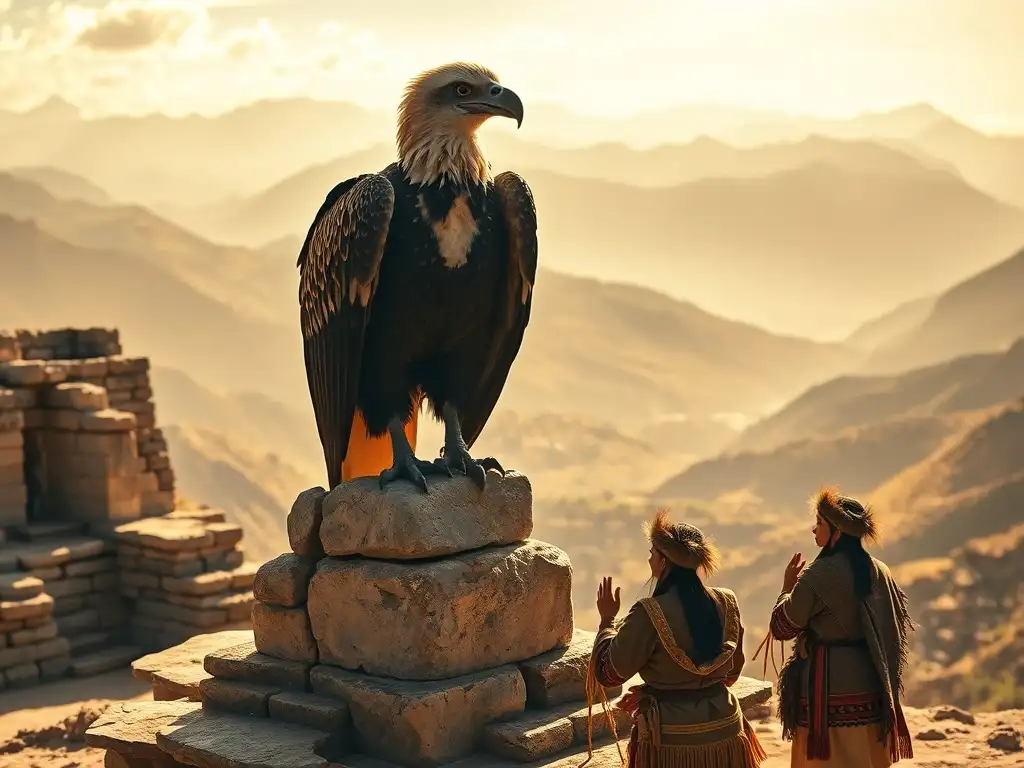
The Andean Condor, Vultur gryphus, held a position of immense spiritual and symbolic significance across various Andean cultures, long before the arrival of the Inca Empire. Its reverence wasn't a monolithic phenomenon; rather, it evolved and adapted across different societies, reflecting unique cosmologies and beliefs. Understanding the historical context is crucial to appreciating the profound role the condor played in Andean rituals and daily life.
The bird's majestic appearance, its ability to soar to incredible heights, and its association with both life and death contributed to its powerful symbolism, shaping religious practices and artistic expressions for centuries. The significance of the Andean condor in ritual practices represents a complex tapestry woven from diverse threads of Andean belief systems.
Pre-Inca Condor Worship Practices
Evidence suggests that condor veneration predates the Inca Empire by millennia. Archaeological findings from various pre-Inca cultures, such as the Moche, Nazca, and Tiahuanaco, reveal a deep-seated respect for the bird. Moche ceramics, for instance, often depict condors in scenes of both earthly and supernatural events. These depictions frequently portray the condor as a powerful intermediary between the human and divine realms.
The Nazca Lines, though their purpose remains partially debated, may also incorporate condor imagery, suggesting its importance in their astronomical and religious practices. Further research is needed to fully understand the specific rituals associated with condor worship in these earlier cultures, but the available evidence undeniably points towards a long history of reverence. The stylistic variations in condor representations across different pre-Inca cultures highlight the unique interpretations of the bird's symbolic meaning within each society. For example, [Specific stylistic differences in Moche vs. Nazca condor depictions pending].
The Inca Empire and the Condor's Prominence
The Inca Empire elevated the condor's status to even greater heights. The Inca worldview, deeply rooted in a complex cosmology that intertwined the earthly and spiritual worlds, saw the condor as a powerful symbol of the sun god, Inti.
The bird's association with the sun, its ability to fly high above the mountains, and its perceived connection to the afterlife made it a central figure in Inca religious ceremonies and mythology. The Inca elite often incorporated condor feathers and imagery into their clothing and regalia, signifying their connection to the divine and their power.
While the specific details of many Inca condor rituals remain shrouded in mystery due to limited written records, the prevalence of condor imagery in Inca art and architecture speaks volumes about its importance. The Inca's sophisticated understanding of Andean geography and their reverence for the high altitude likely contributed to the condor's central role in their religious beliefs.
Condor Representations in Ancient Andean Art and Architecture
The enduring legacy of the Andean condor's ritual significance is vividly reflected in the art and architecture of the ancient Andean civilizations. From intricately carved stone sculptures to exquisitely painted ceramics, the condor's image appears repeatedly, often in powerful and symbolic contexts. In Inca architecture, for example, condor motifs frequently adorn temple walls and other significant structures, reinforcing the bird's connection to the sacred realm.
The style of representation varied across cultures and time periods, reflecting evolving artistic techniques and beliefs. The use of different mediums—stone, metal, textiles, ceramics—also contributed to the diverse visual manifestations of the condor's symbolic power. Analyzing these artistic representations provides valuable insights into the evolving understanding and interpretations of the condor's ritual significance throughout Andean history.
For instance, [Specific examples of condor representations in different Andean artistic styles pending]. The persistence of condor imagery across centuries underscores the enduring power of this symbol in Andean culture and its continued relevance in understanding Andean religious practices. The condor, therefore, remains a powerful emblem of Andean identity and spirituality, its image echoing across millennia.
Key Elements of the Andean Condor Ritual
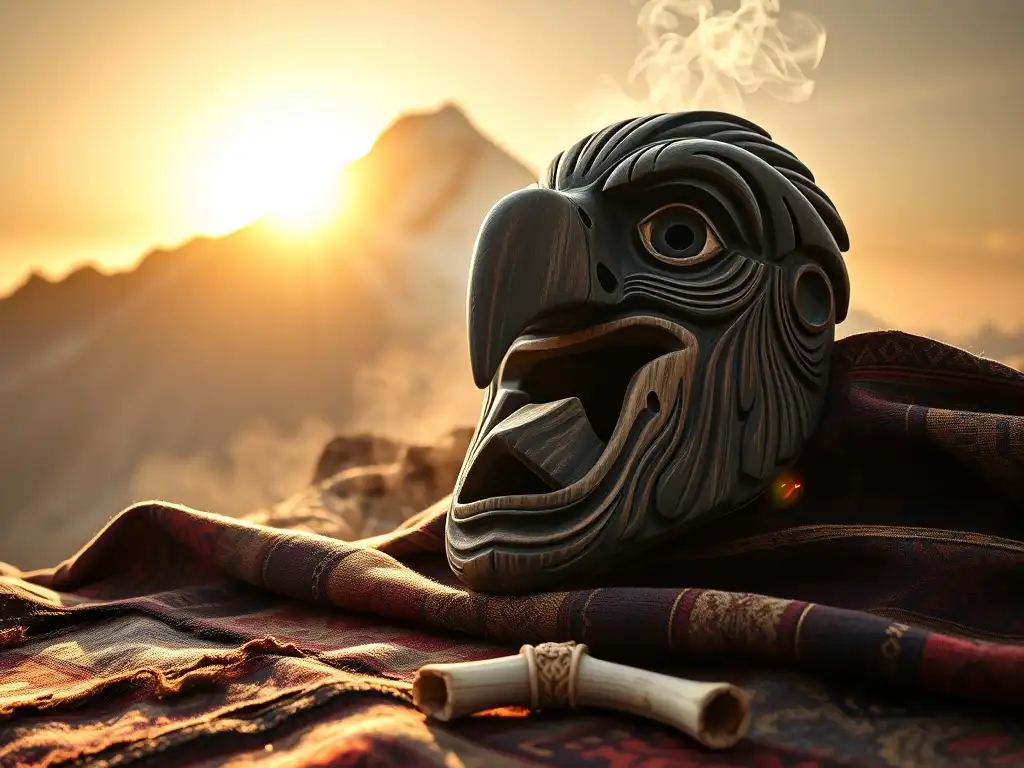
The Andean condor, Vultur gryphus, held immense spiritual significance for various Andean cultures, far exceeding its role as a scavenger. Its majestic flight, piercing gaze, and longevity made it a powerful symbol connecting the earthly realm with the celestial. Understanding the Andean Condor Ritual Significance requires examining the meticulous preparation and symbolic actions involved in these ceremonies, which varied slightly depending on the specific culture and location but shared core elements.
This section delves into the key components of these rituals, exploring their profound meaning and the meticulous attention to detail that characterized them. The reverence for the condor wasn't simply a matter of awe; it was a deeply ingrained religious practice, reflecting the Andean worldview and their complex relationship with the natural world.
The Selection of the Condor: Symbolic Purity
The selection of the condor for ritual purposes was far from arbitrary. It was a process imbued with symbolism and ritual purity. The bird chosen wasn't just any condor; it had to embody specific qualities deemed sacred. Evidence suggests that only mature condors, exhibiting perfect plumage and unblemished physical condition, were considered suitable.
This emphasis on physical perfection symbolized the ideal connection between the earthly and spiritual realms. Any imperfections, even minor ones, would render the condor unsuitable, considered a blemish on the sacredness of the ritual. The selection process likely involved careful observation by shamans or religious leaders who possessed the knowledge to discern the spiritually appropriate bird. This wasn't a simple matter of choosing a large, healthy bird; it was a discerning process steeped in religious understanding and symbolic interpretation.
Furthermore, the capture itself was likely a ritualistic event, avoiding any violence or harm that might taint the sacredness of the animal. [Specific details on capture methods pending]. The chosen condor was viewed as a living embodiment of divine power, a messenger chosen by the gods themselves.
Offerings and Prayers: Honoring the Condor Spirit
The Andean Condor Ritual Significance wasn't solely about the condor itself; it involved a complex system of offerings and prayers designed to honor the condor's spirit and appease the deities associated with it. These offerings varied depending on the specific culture and the purpose of the ritual. Common offerings included coca leaves, considered sacred and used in many Andean rituals for their purported spiritual properties. Llama or alpaca sacrifices were also likely, given the importance of these animals in Andean societies.
The sacrifice wasn't viewed as a mere killing; it was a deeply symbolic act of giving back to the gods, ensuring continued prosperity and good fortune. Prayers, often chanted by shamans, formed another crucial aspect. These prayers sought to communicate with the spiritual world, invoking the condor's power and requesting blessings or guidance from the deities.
The precise words and nature of these prayers varied across different Andean groups, reflecting their diverse beliefs and traditions. The offerings were carefully arranged, often following specific patterns and placements that held deeper symbolic meaning, reflecting the Andean understanding of cosmology and the interconnectedness of the natural and spiritual worlds. The ceremony was not merely a ritualistic act, but a conversation with the spiritual realm.
Music and Dance: Expressing Reverence and Connection
Music and dance played a vital role in Andean Condor Ritual Significance, serving as powerful mediums for expressing reverence, establishing a connection with the spiritual world, and fostering communal participation. The rhythmic beats of drums, flutes, and other instruments created an atmosphere conducive to spiritual communion. These musical elements weren't simply background noise; they were integral components of the ritual, believed to influence the spiritual energies present.
The dances performed were often highly stylized and symbolic, depicting the condor's flight, its connection to the mountains, and its role as a messenger of the gods. The movements and postures likely held specific meanings, conveying messages and intentions directed towards the deities. Participation in the music and dance wasn't limited to shamans or religious leaders; the entire community often engaged, creating a sense of shared experience and collective reverence.
This communal participation reinforced the social cohesion and strengthened the bonds within the Andean communities. The use of specific instruments and dance styles varied across different Andean groups, reflecting regional differences in beliefs and traditions, further highlighting the richness and diversity of Andean spiritual practices. The combination of music, dance, and offerings created a holistic experience designed to connect the participants with the spiritual power of the condor and the wider Andean cosmos.
The Modern Practice of Andean Condor Rituals
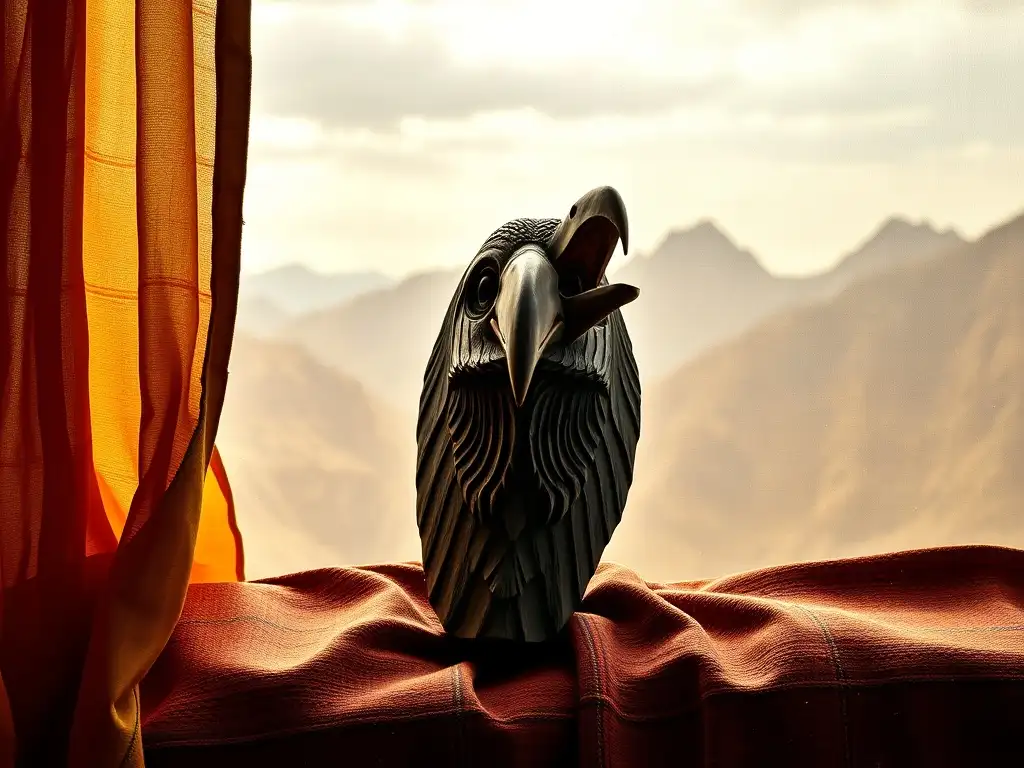
The Andean condor, Vultur gryphus, remains a powerful symbol in contemporary Andean communities, its significance deeply interwoven with ancestral traditions and spiritual beliefs. While the exact practices vary across different Andean regions (Peru, Bolivia, Ecuador, Colombia, Argentina, and Chile), the reverence for the condor as a messenger of the gods persists, shaping modern rituals and ceremonies. Understanding the modern practice requires acknowledging the complex interplay between ancient beliefs and contemporary adaptations.
The condor's role as a powerful intermediary between the earthly and spiritual realms continues to influence various aspects of Andean life, from agricultural cycles to healing ceremonies. The enduring power of the Andean condor ritual significance is evident in the continued observance of these practices.
Contemporary Condor Ceremonies in the Andes
Contemporary condor ceremonies often involve symbolic offerings and prayers, reflecting a continuity with ancient practices. These ceremonies are not uniformly performed across all Andean communities; instead, they are adapted to specific local customs and beliefs. For instance, in some areas, the burning of pako (coca leaves) and the offering of chicha (fermented maize beverage) are integral parts of the rituals.
These offerings are believed to appease the spirits and ensure a bountiful harvest. In other communities, the feathers of the condor, considered sacred, might be incorporated into shamanic healing ceremonies or used to adorn ceremonial objects. The rituals are often led by yatiri or paqos, spiritual leaders who act as intermediaries between the community and the spiritual world.
Their knowledge, passed down through generations, ensures the continuity of these ancient traditions. The specific details of these ceremonies, including the timing and offerings, are often kept within the community and passed down orally, maintaining their sacred and private nature. Detailed ethnographic studies are needed to fully document the diversity of these contemporary practices across the diverse Andean landscape.
Preserving Ancient Traditions: The Role of Andean Communities
The preservation of Andean condor rituals is intrinsically linked to the vitality of Andean communities themselves. These rituals are not merely symbolic; they are integral to the social fabric and cultural identity of the people. The transmission of knowledge and practices occurs primarily through oral traditions, family lineages, and community elders. Younger generations are actively involved in learning and participating in these ceremonies, ensuring the continuity of these important cultural heritage aspects.
The commitment of Andean communities to preserving their traditions is crucial for safeguarding these unique rituals. However, the increasing influence of globalization and modernization poses challenges to this preservation effort. Documenting these traditions through rigorous anthropological research is crucial to preserving them for future generations. Support for community-led initiatives focused on cultural preservation is vital for ensuring the long-term survival of these rituals.
Challenges and Threats to the Condor and its Rituals
The conservation status of the Andean condor itself presents a significant challenge to the continuation of its associated rituals. Habitat loss, poisoning, and human-wildlife conflict threaten the condor population, impacting the availability of feathers and other materials traditionally used in ceremonies. Furthermore, the increasing commercialization of condor-related artifacts and the illegal trade in feathers threaten the sacred nature of these objects and undermine the integrity of the rituals.
Effective conservation strategies for the Andean condor are essential not only for the ecological well-being of the species but also for the preservation of the cultural traditions that are so deeply intertwined with it. Community-based conservation initiatives, which integrate the knowledge and participation of local communities, are crucial for balancing the needs of the condor population with the cultural significance of the rituals.
Stricter regulations against the illegal trade of condor parts are also needed to protect both the birds and the integrity of Andean traditions. The future of Andean condor rituals is inextricably linked to the success of condor conservation efforts.
The Andean Condor: A Lasting Symbol of Andean Heritage
The Andean condor ( Vultur gryphus), with its majestic wingspan and piercing gaze, holds a position of unparalleled reverence within Andean cultures. Far more than just a bird of prey, the condor embodies a complex tapestry of symbolic meaning, deeply interwoven with the spiritual beliefs and cosmological understandings of various Andean civilizations, from the Incas to the pre-Inca cultures. Its significance transcends mere observation; the condor's presence permeates Andean art, mythology, and ritual practices, reflecting a profound connection between the human and spiritual worlds.
This enduring legacy is a testament to the condor's powerful symbolism and its continued importance in contemporary Andean societies. The bird's ability to soar to incredible heights, seemingly touching the celestial realm, cemented its status as a messenger of the gods, a conduit between the earthly and divine spheres. This perception is reflected in numerous artifacts and accounts from various Andean cultures.
The Enduring Legacy of the Condor in Andean Culture
The condor's symbolic power is evident in the vast array of Andean artifacts featuring its image. From intricately woven textiles depicting condors in flight to meticulously crafted gold and silver figurines, the condor's presence is ubiquitous. These depictions often portray the condor in dynamic poses, emphasizing its strength, grace, and connection to the heavens.
For example, Inca pottery frequently showcases condors alongside other sacred animals, highlighting their shared importance within the Inca pantheon. Moreover, the condor's image is not limited to decorative purposes; it also appears on ceremonial objects and regalia, further underscoring its sacred significance within Andean religious practices. The continued presence of the condor in modern Andean art and iconography demonstrates its enduring legacy and its ongoing relevance to Andean identity.
The condor remains a potent symbol of Andean heritage, representing strength, freedom, and the enduring connection between humanity and the spiritual world. Its image continues to inspire awe and reverence, ensuring its lasting legacy within Andean culture.
Protecting the Condor: Conservation Efforts and Community Engagement
Despite its enduring cultural significance, the Andean condor faces significant threats to its survival. Habitat loss due to deforestation and agricultural expansion, coupled with the impact of human activities, poses a serious challenge to the condor population. However, conservation efforts are underway, combining scientific research with community engagement.
These initiatives focus on protecting crucial condor habitats, educating local communities about the importance of condor conservation, and mitigating threats like poisoning and habitat fragmentation. Community participation is key to success; many Andean communities actively participate in conservation programs, recognizing the intrinsic link between the condor's well-being and their own cultural heritage. Such collaborative efforts are essential for ensuring the long-term survival of this majestic bird and preserving its cultural significance for future generations.
The success of these conservation initiatives depends on a holistic approach, integrating scientific expertise with the deep cultural knowledge and participation of Andean communities. The future of the Andean condor hinges on this collaborative endeavor.
Andean Condor Ritual Significance: A Summary
The Andean condor's ritual significance is multifaceted, reflecting its powerful symbolism within the Andean worldview. Its ability to soar to great heights linked it to the sun and the celestial realm, making it a potent symbol of power, divinity, and communication between the human and spiritual worlds. Condors frequently featured in sacrifices and offerings, acting as intermediaries between the earthly and the divine.
The precise nature of these rituals varied across different Andean cultures, but the overarching theme of the condor as a sacred messenger remained consistent. Furthermore, the condor's feathers were often used in ceremonial attire and adornments, further emphasizing its sacred status. Understanding the Andean condor's ritual significance requires appreciating its complex symbolic role within the broader context of Andean religion and cosmology.
The condor's enduring presence in Andean rituals and ceremonies speaks volumes about its deeply rooted cultural and spiritual importance, reflecting its status as a powerful symbol of Andean heritage and a vital link to the ancestral past. The study of these rituals offers valuable insights into the rich spiritual tapestry of Andean civilizations and their intricate relationship with the natural world.
Frequently Asked Questions
What is the significance of the Andean condor?
The Andean condor holds immense spiritual significance in Andean cultures. It's often viewed as a messenger of the gods, a symbol of power, and a connection between the earthly and spiritual realms. Its ability to soar high above the mountains reinforces its sacred status.
How was the condor represented in Andean art and artifacts?
Condors are frequently depicted in Andean art, including textiles, pottery, and metalwork. These representations often emphasize the bird's power and majesty, reflecting its importance in their worldview and rituals. Their images were used to decorate sacred objects and tombs.
Were condors used in any Andean rituals?
While not directly used in sacrifice in the same way as llamas, condors played a vital role in Andean rituals. Their feathers were highly valued and used in ceremonies and adornments, symbolizing connection to the divine. Their presence was often considered auspicious.
What role did the condor play in Andean mythology?
In Andean mythology, the condor often represents power, strength, and the sun. It is often associated with high-altitude deities and the forces of nature. Stories and legends frequently feature the condor as a powerful and revered creature.
How did the Andean people's reverence for the condor impact their worldview?
The reverence for the condor deeply influenced the Andean worldview. It reflected their deep spiritual connection to the natural world, particularly the high Andes and its powerful forces. This respect shaped their beliefs, rituals, and artistic expressions.
Final Reflection: The Enduring Legacy of the Andean Condor
The reverence for the Andean condor, far from being a relic of the past, remains a potent symbol of the interconnectedness between humanity and the natural world. Its continued significance speaks volumes about the enduring power of ancient traditions and their capacity to resonate with contemporary concerns for environmental stewardship and cultural preservation. The very survival of the condor, a species facing numerous threats, is inextricably linked to the preservation of the Andean worldview.
The profound impact of the condor's symbolism on Andean culture is undeniable, shaping not only religious practices but also artistic expression, storytelling, and even political discourse. Its majestic presence continues to inspire awe and respect, reminding us of the delicate balance within ecosystems and the importance of honoring the natural world. The condor is not merely a bird; it is a living embodiment of the mountains, a messenger between the earthly and spiritual realms.
This understanding, passed down through generations, offers a powerful lens through which to view our own relationship with the environment and the responsibility we bear towards its protection.
Consider, for a moment, the enduring power of these ancient rituals. What can we learn from the Andean people's deep respect for the condor and their commitment to preserving its legacy? Let the image of the condor soaring above the Andes inspire you to seek a deeper connection with the natural world, to champion conservation efforts, and to appreciate the rich tapestry of cultural traditions that enrich our shared human experience. Embrace the wisdom of the past to build a more sustainable and harmonious future.
Embrace the Spirit of the Andean Condor Today!
Thank you for exploring the captivating world of Andean rituals and the majestic Andean condor, a symbol of power and freedom. We hope you've been inspired by the deep cultural significance this magnificent bird holds in Andean civilization. Let's explore ways to honor these traditions and enrich your own life.
- Attend a local cultural event celebrating Andean heritage – immerse yourself in these traditions by seeking out festivals or workshops in your area.
- Share your newfound appreciation with friends and family! Spark a conversation, or share this article to inspire others to understand the profound meanings behind Andean rituals.
- Adopt sustainable practices to protect the condor's habitat — every action, no matter how small, helps preserve their home for future generations.
What rituals or traditions have inspired you to connect with nature and culture? Share your thoughts below!