
Child Sacrifice in the Andes: Unearthing the Truth of the Capacocha Ritual

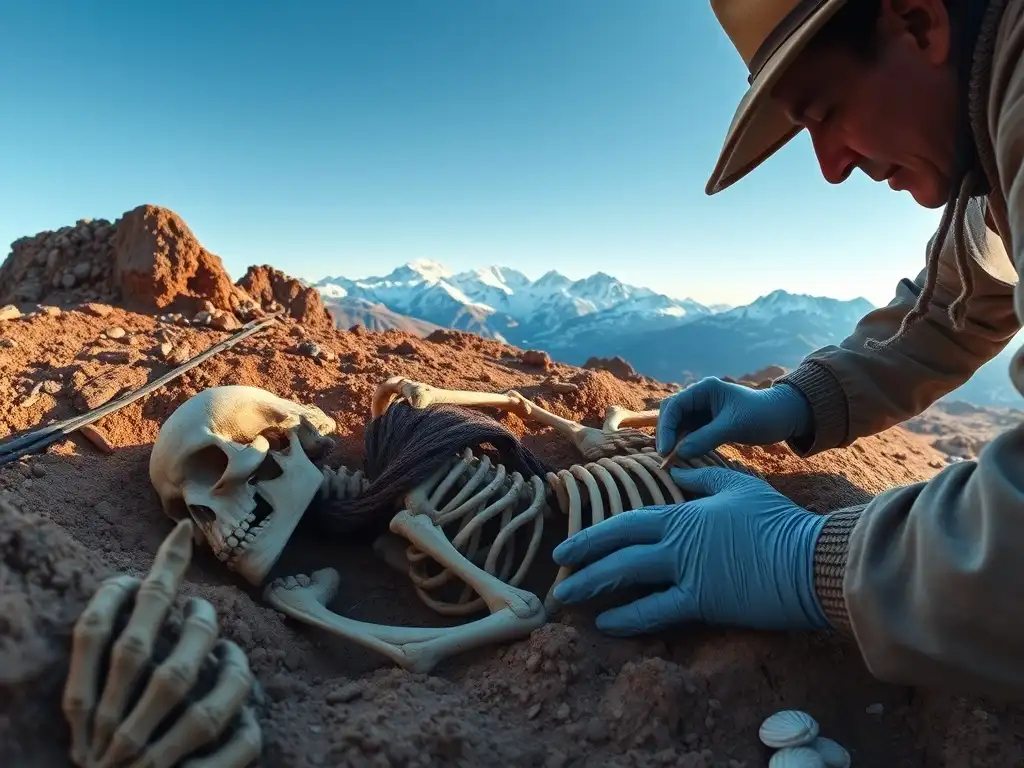
Step into a world shrouded in mystery and grandeur – the realm of the Andean civilizations. For centuries, their legacy has whispered tales of breathtaking ingenuity and profound spiritual beliefs. But some secrets remain stubbornly hidden, buried beneath layers of time and enigma. Prepare to confront one such mystery: the chillingly fascinating Capacocha child sacrifice ritual. Dare to uncover the truth behind this ancient practice and delve into the complex cosmology that shaped Andean life. Journey with us as we explore its significance and unravel the complexities of this captivating, yet disturbing, aspect of Andean history.
- Capacocha Child Sacrifice Ritual in the Andes: Unveiling the Truth
- The Purpose of Capacocha: Why Were Children Sacrificed?
- Selection and Preparation of Capacocha Victims: A Detailed Look
- Archaeological Evidence of Capacocha: What the Remains Reveal
- The Legacy of Capacocha: Interpreting the Ritual in Modern Times
- Capacocha Child Sacrifice: A Summary of the Andean Ritual
- Frequently Asked Questions
- Final Reflection: The Enduring Echo of Capacocha
- **Unveiling the Mysteries of the Capacocha Ritual**
Capacocha Child Sacrifice Ritual in the Andes: Unveiling the Truth
The Andes Mountains, a spine of towering peaks running down the western edge of South America, hold a history as captivating as its breathtaking landscapes. For centuries, a rich tapestry of civilizations flourished in this challenging terrain, each leaving behind a unique legacy of art, architecture, and religious practices. Among the most intriguing and debated aspects of Andean history is the Capacocha ritual, a complex practice involving child sacrifice that has captivated and perplexed researchers for generations.
This article delves into the Capacocha child sacrifice ritual, exploring its purpose, context within Inca society, and the enduring questions surrounding this controversial aspect of Andean religious life. We will move beyond simple explanations, examining the archaeological evidence, anthropological interpretations, and the ongoing debate surrounding the motivations and implications of this ancient practice.
Understanding Capacocha is crucial to gaining a complete understanding of Inca religious beliefs and the broader Andean worldview. Prepare to journey into a world both fascinating and deeply unsettling, where the line between religious devotion and human sacrifice blurs.
Understanding the Capacocha: A Sacred Andean Practice
The term "Capacocha" itself evokes a sense of mystery. Translated roughly as "to give or bestow something to the top," it suggests a ritual of immense significance, a sacred offering to the gods. Archaeological evidence, primarily unearthed from high-altitude mountaintop sites across the Andes, reveals the chilling reality of this practice. These sites have yielded the remarkably well-preserved remains of children, often adorned with exquisite jewelry and clothing, indicating their elevated status within Inca society.
The children, selected from across the vast Inca Empire, were not simply victims; they were considered chosen ones, representing the pinnacle of human sacrifice within the Inca religious system. Analysis of their remains suggests they were likely drugged or otherwise sedated before death, indicating a process that aimed to minimize suffering, at least from a certain perspective. However, the very act of sacrificing a child remains a profoundly disturbing aspect of this ritual.
The precise selection criteria for these children remains a subject of ongoing research, with theories ranging from noble birth to specific astrological alignments. The selection process itself, therefore, adds another layer of complexity to the already intricate Capacocha ritual. Further research into the social and political implications of selecting these children is crucial to a more complete understanding.
The Context of Capacocha Rituals: Inca Empire and Religious Beliefs
The Capacocha ritual was not practiced in isolation; it was deeply intertwined with the Inca Empire's religious beliefs and political structures. The Inca worldview was profoundly shaped by a complex cosmology, encompassing a pantheon of gods and spirits connected to the natural world. Mountains, in particular, held immense spiritual significance, often considered sacred places where the boundary between the human and divine realms blurred. The high-altitude locations of many Capacocha sites strongly suggest a deliberate connection to these sacred mountains, viewed as portals to the spirit world.
The Inca believed that these offerings appeased the gods, ensuring the prosperity and stability of the empire. The ritual was not simply a gruesome act of violence; it was a carefully orchestrated ceremony intended to maintain cosmic balance and secure the favor of the divine. Moreover, the elaborate burial practices associated with Capacocha, including the inclusion of precious artifacts, further highlight the ritual's significance within the Inca social and political hierarchy.
The Inca Empire's vast infrastructure and centralized power played a critical role in facilitating these large-scale rituals, showcasing the power of the state's religious authority. Evidence suggests that Capacocha was not just a religious act but also a powerful tool for consolidating political power and maintaining social order across the vast and diverse Inca Empire. The intricate interplay between religion, politics, and social structure is key to comprehending the true nature of the Capacocha ritual.
The Purpose of Capacocha: Why Were Children Sacrificed?
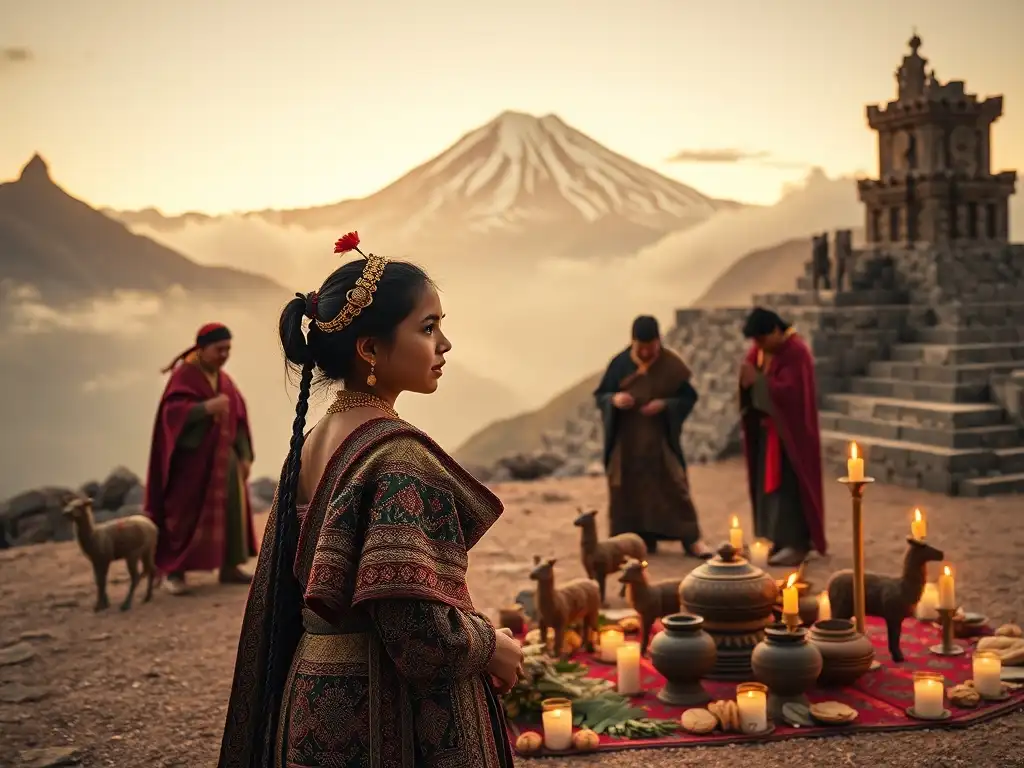
The Capacocha child sacrifice ritual, a chilling yet integral part of Inca religious practice, remains a complex and debated topic. While the sheer act of sacrificing children evokes immediate horror, understanding the Inca worldview is crucial to grasping the ritual's purported purpose. It wasn't simply a brutal act of violence; the Inca believed Capacocha served vital purposes within their intricate cosmology and social structure.
The motivations weren't singular, but intertwined, reflecting a complex interplay of religious belief, political strategy, and social hierarchy. This section will delve into the multifaceted reasons behind this practice, examining the interwoven threads of religious appeasement, political consolidation, and the profound significance of Andean sacred geography.
Appeasing the Gods: Maintaining Cosmic Balance and Fertility
The Inca believed in a delicate cosmic balance, a precarious harmony between the earthly and spiritual realms. Their deities, often associated with specific mountains and natural forces, demanded appeasement to maintain this equilibrium. Capacocha was viewed as a supreme offering, a way to honor and appease these powerful entities, ensuring continued prosperity, fertility, and the successful continuation of the Inca empire.
The selection of children, often considered pure and close to the divine, heightened the perceived efficacy of the sacrifice. These children, frequently of noble birth, were believed to act as intermediaries, bridging the gap between the human and divine worlds. The ritual's success was linked directly to the empire's well-being; failure to appease the gods could lead to natural disasters, crop failures, or even the weakening of Inca power.
Archaeological evidence, such as the well-preserved mummies found at high-altitude sites, suggests a meticulous preparation and execution of the ritual, highlighting its importance within the Inca religious system. The meticulous preservation of the bodies further emphasizes the sacred nature of the offering and its perceived power to influence the cosmos.
Political Control: Consolidating Inca Power through Ritual Sacrifice
Beyond its religious significance, Capacocha played a crucial role in reinforcing Inca political power. The selection of children from conquered provinces served as a powerful tool of political control. By requiring these distant communities to participate in the ritual, the Inca Empire demonstrated its dominance and instilled a sense of awe and submission.
The sacrifice of children from different regions also fostered a sense of unity and shared purpose within the vast and diverse empire. The ritual served as a potent symbol of the Inca emperor's authority, demonstrating his ability to communicate directly with the divine and control the forces of nature.
This act of controlled sacrifice strengthened the legitimacy of the Inca rule, fostering loyalty and suppressing potential rebellion by binding far-flung populations to the central authority through a shared, albeit terrifying, religious experience. The ritual, therefore, was not only a religious act but also a highly effective instrument of political coercion and symbolic subjugation.
Honoring the Mountains: The Significance of High-Altitude Shrines
The choice of high-altitude mountaintops as sacrifice sites wasn't arbitrary. These locations held immense sacred significance within Inca cosmology. Mountains were revered as the dwelling places of powerful deities, and the act of sacrificing children at these sacred heights was seen as an act of ultimate veneration and appeasement.
The arduous journey to these remote sites, often involving treacherous terrain, further emphasized the sacrifice's importance and the devotion of the Inca to their gods. The altitude itself, close to the perceived realm of the gods, amplified the ritual's impact, ensuring the offering reached its intended destination. The careful preservation of the sacrificed children's bodies, often adorned with fine clothing and artifacts, speaks volumes about the meticulous nature of the ritual and the enduring belief in its efficacy.
The placement of these carefully prepared bodies at these high-altitude sites underscores the potent symbolic connection between the earthly realm and the divine, further cementing the ritual's importance within the Inca worldview. The enduring presence of these mummies serves as a powerful testament to the profound significance of these sacred sites and the enduring mystery surrounding the Capacocha ritual.
Selection and Preparation of Capacocha Victims: A Detailed Look
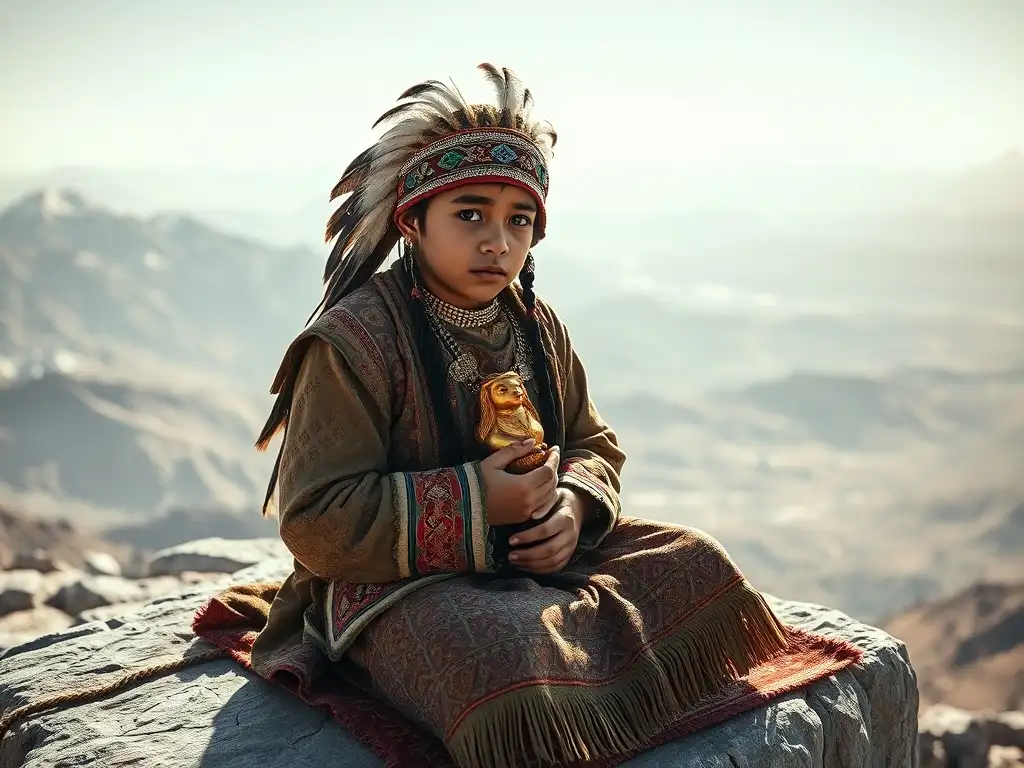
The Capacocha ritual, a chilling yet fascinating aspect of Andean religious practice, involved the sacrifice of children deemed worthy of becoming intermediaries between the human and divine realms. The selection process was far from arbitrary; it was meticulous and steeped in symbolism, reflecting the Inca worldview and social hierarchy. Understanding the selection criteria and preparation rituals reveals much about Inca beliefs and power structures.
This section delves into the meticulous details surrounding the selection and preparation of Capacocha victims, shedding light on the complexities of this ancient practice. The term "Capacocha child sacrifice ritual" itself encapsulates the gravity and significance of this ritual.
Chosen for Perfection: Criteria for Selecting Children for Sacrifice
The children chosen for Capacocha were not merely any children; they were carefully selected based on stringent criteria reflecting Inca ideals of physical perfection and social standing. Evidence suggests that children of noble birth were preferentially chosen, possibly representing the offering of the most valuable members of society to the gods. This suggests a complex interplay between religious belief and political power.
Physical attributes also played a critical role. Archaeological findings indicate a preference for healthy, well-nourished children, often exhibiting signs of good health and development. These children were considered to be the purest and most fitting vessels for communicating with the divine.
The selection process, therefore, was a rigorous assessment of both lineage and physical condition, ensuring the chosen children were deemed worthy representatives of the Inca Empire. We can envision the process as an intense scrutiny, a selection of the "perfect" children to appease the powerful mountain deities. The precise criteria, however, remain partially shrouded in mystery, as the Inca did not leave detailed written records of their selection practices.
The Journey to the Shrine: Pilgrimage and Ritual Preparations
Once selected, the children embarked on a pilgrimage, often a long and arduous journey to the chosen mountaintop shrine where the sacrifice would take place. This journey was not simply a physical travel; it was a ritualistic process in itself, symbolic of their transition from the human world to the divine realm.
The children, accompanied by a retinue of priests and officials, underwent a period of preparation, which likely included special diets and rituals designed to purify and spiritually prepare them for their ultimate sacrifice. Think of it as a sacred procession, a slow, deliberate movement towards the sacred mountain, a journey into the Andean afterlife.
While the specifics of this preparation phase are not fully documented, archaeological evidence, such as the well-preserved remains of the children found at sacrificial sites, suggests a period of careful nurturing and spiritual conditioning before the final ceremony. The meticulous care taken in their preparation underscores their importance within the broader Inca religious context.
The Ritual Process: How the Capacocha Ceremony Was Performed
The Capacocha ceremony itself was a complex and multi-stage ritual, involving a variety of offerings and acts designed to honor the gods and ensure the continued prosperity of the Inca Empire. The precise details of the ritual remain debated, with different interpretations arising from the archaeological findings. However, most accounts suggest that the sacrifice was not a brutal, violent act, but rather a carefully orchestrated ceremony, designed to ensure the children's peaceful transition to the afterlife.
This is supported by evidence suggesting that some children consumed alcohol and coca leaves before the sacrifice, possibly to induce a state of altered consciousness or to minimize pain. The act of sacrifice itself likely involved various rituals, including offerings and prayers, before the children were ultimately killed. The method of killing is still debated; some suggest strangulation or blunt force trauma, while others propose that the children were killed using other methods.
The bodies were then carefully interred, often accompanied by lavish grave goods that reflected their status and the importance of their sacrifice. The Capacocha ritual, therefore, was not simply a child sacrifice, but a complex, multi-faceted ritual that profoundly impacted Inca society and religious beliefs. The careful preservation of the remains highlights the sacred nature of the ceremony and the reverence bestowed upon the children who were offered as sacrifices.
Archaeological Evidence of Capacocha: What the Remains Reveal
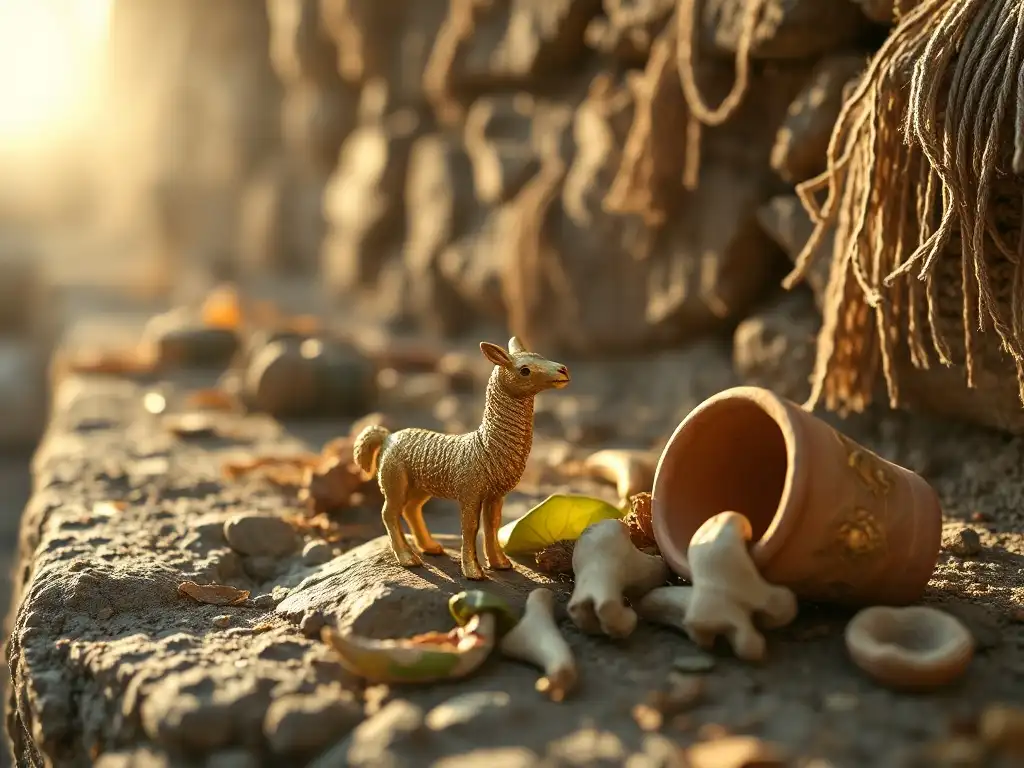
The Capacocha child sacrifice ritual, a chilling yet fascinating aspect of Inca imperial power, leaves behind a haunting legacy in the archaeological record. Evidence for this practice isn't merely anecdotal; it's tangible, meticulously preserved in the form of mummified remains and associated grave goods discovered at high-altitude sites across the Andes. These findings provide invaluable insights into the ritual's intricacies, the lives of the selected children, and the Inca worldview that underpinned such a practice.
The sheer quantity and quality of the recovered artifacts, combined with ongoing scientific analysis, continue to reshape our understanding of this complex ritual. The study of Capacocha goes beyond simple descriptions of death; it's a deep dive into the beliefs, social structures, and political strategies of the Inca Empire.
Analyzing the archaeological evidence allows us to piece together a more nuanced understanding of this controversial practice, moving beyond simple condemnation towards a more comprehensive understanding of its socio-political context. The careful examination of these remains provides crucial evidence to illuminate the reality of Capacocha, challenging preconceived notions and offering a deeper understanding of the Inca civilization's beliefs and practices.
Mummies and Artifacts: Uncovering Clues at High-Altitude Sites
High-altitude archaeological sites, often located on mountain peaks or near significant geographical features, serve as the primary locations for the discovery of Capacocha mummies. These locations were not chosen randomly. Their elevated position likely held symbolic significance, reflecting the Inca belief system's connection between the earthly and celestial realms. The careful placement of the children within these sacred locations underscores their perceived status as offerings to the gods.
The mummies themselves are frequently found adorned with elaborate textiles, jewelry, and other artifacts. These grave goods, far from being simple burial items, offer crucial clues about the identity and social standing of the sacrificed children. For example, the presence of fine textiles, gold ornaments, and ceramic vessels suggests that the chosen children often came from privileged backgrounds, possibly members of the elite or even royal lineage.
The variety and richness of the artifacts associated with different Capacocha sites also reveal regional variations in the ritual's practice and the Inca Empire's diverse cultural landscape. The meticulous preservation of these remains, often aided by the high altitude's naturally mummifying conditions, has allowed scientists to conduct detailed analyses, revealing astonishing details about the lives and deaths of these children. The careful arrangement of the artifacts alongside the bodies further suggests a ritualistic process, highlighting the significance of the offering and the meticulous planning involved in the Capacocha ceremony.
The Llullaillaco Mummies: A Case Study of Capacocha Victims
The Llullaillaco mummies, discovered in 1999 on the summit of Llullaillaco volcano in Argentina, represent one of the most compelling and well-preserved examples of Capacocha victims. The three mummies – a teenage girl and two younger children – were found remarkably intact, still clothed in their ceremonial garments and accompanied by a wealth of grave goods. Their exceptional preservation has allowed scientists to conduct extensive analyses, including DNA testing, isotopic studies, and detailed examinations of their clothing and artifacts.
These studies have revealed that the children were likely from different regions of the Inca Empire, highlighting the ritual's role in solidifying imperial power and reinforcing the Inca's control over their vast domain. The analysis of their stomach contents revealed their final meals, providing insights into their preparation for the ritual. The discovery of coca leaves and alcohol suggests a process of ritualistic sedation or even intoxication prior to their death.
The Llullaillaco mummies are more than just skeletal remains; they are a powerful testament to the human cost of the Capacocha ritual and provide invaluable insights into the Inca worldview and imperial practices. Their study continues to inform and challenge our understanding of this complex historical event. Further research on these mummies, using advanced techniques, may uncover even more details about the lives and deaths of these children, enriching our understanding of the Capacocha ritual.
Scientific Analysis: Insights into the Lives and Deaths of the Children
Scientific analysis of Capacocha remains has revolutionized our understanding of the ritual. Techniques such as radiocarbon dating precisely determine the age of the remains and help to establish the timeframe of Capacocha practices across the Inca Empire. Isotopic analysis of bone and hair provides crucial information about the children's diets, geographic origins, and the lifestyle they led before their sacrifice. This analysis allows researchers to trace the children’s movements and origins, often revealing that they came from diverse regions across the vast Inca Empire, further supporting the theory that Capacocha was a pan-Andean ritual.
Pathological studies of the remains reveal insights into their health and any diseases they might have suffered. This information helps contextualize the children's lives and challenges any simplistic assumptions about their selection process. Furthermore, analysis of the textiles, ceramics, and other artifacts associated with the mummies offers insights into Inca technology, artistry, and social structures.
The detailed study of these materials provides crucial evidence to better understand the ritual's symbolic meaning and the Inca belief system. The combination of these scientific approaches provides a multi-faceted perspective on the Capacocha ritual, moving beyond simple interpretations and offering a richer, more nuanced understanding of this complex historical practice. Ongoing research and the application of new technologies promise to reveal even more insights into this fascinating and controversial aspect of Inca history, continuing to shape our understanding of the Capacocha child sacrifice ritual.
The Legacy of Capacocha: Interpreting the Ritual in Modern Times
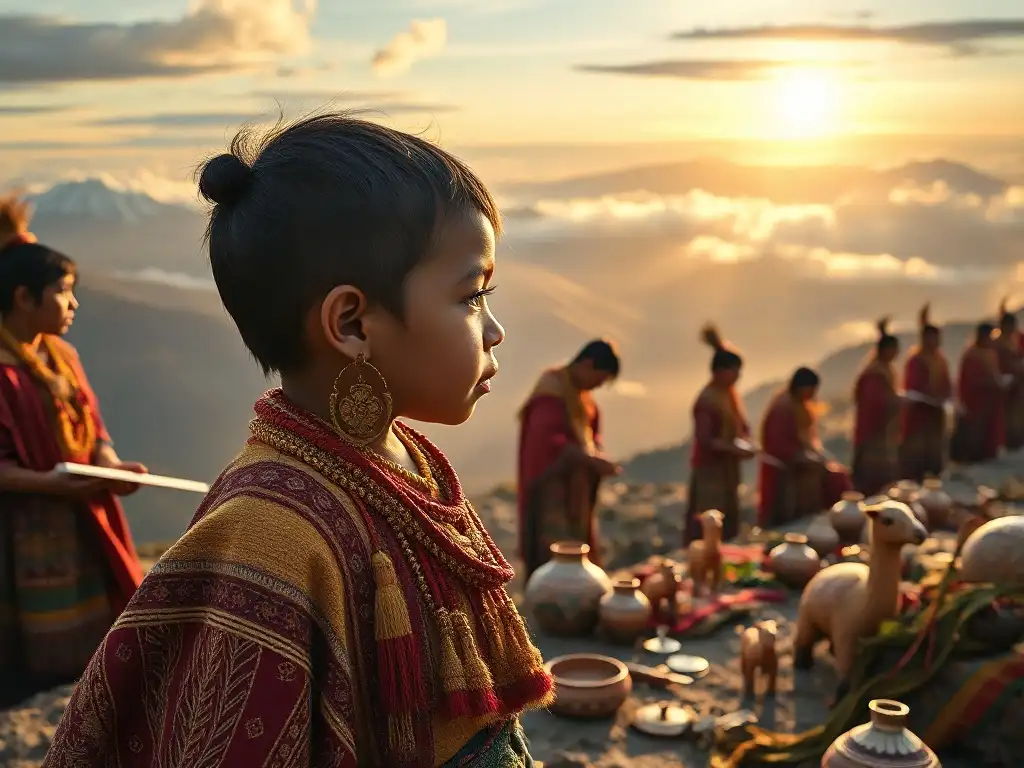
The Capacocha child sacrifice ritual, a practice of the Inca Empire and its predecessors, continues to fascinate and disturb modern scholars and the public alike. While the sheer scale of the practice is undeniable, evidenced by numerous archaeological discoveries of mummified children across the Andes, understanding its true meaning and significance remains a complex and nuanced endeavor. The ritual wasn't simply a brutal act of violence; it was deeply embedded within the Inca worldview and served a specific, albeit horrific, purpose within their socio-political and religious systems.
Decades of research have shed light on various aspects of Capacocha, yet many questions remain unanswered, fueling ongoing debate and interpretation. This section will explore the modern interpretations of Capacocha, focusing on the ethical implications, cultural context, and its lasting relevance to contemporary society.
Ethical Considerations: Examining the Morality of Child Sacrifice
The ethical implications of Capacocha are undeniably profound. From a modern perspective, the sacrifice of children is unequivocally abhorrent. Our understanding of human rights, child welfare, and the inherent value of every human life stands in stark contrast to the Inca practice. However, judging past cultures through the lens of contemporary morality is a complex and potentially misleading exercise.
It's crucial to avoid imposing our own values onto a vastly different cultural context. Understanding the Inca worldview—their cosmology, religious beliefs, and societal structures—is essential to interpreting Capacocha without resorting to simplistic condemnation. While we can and should condemn the practice from a modern ethical standpoint, we must also strive to understand its significance within its original context.
Further research into the selection process of the children, their treatment before sacrifice, and the potential agency or perceived honor bestowed upon the families involved, is crucial to a more complete and less judgmental understanding of this practice. Detailed analysis of the archaeological evidence, coupled with careful consideration of Inca texts and oral traditions (where available), is paramount to achieving a nuanced ethical assessment. This requires moving beyond simple condemnation and acknowledging the complexity of the situation.
Cultural Significance: Understanding the Andean Worldview
The Capacocha ritual was intricately woven into the fabric of Inca society and religion. It wasn't a random act of barbarity but a carefully orchestrated ceremony reflecting the Inca worldview. The Inca believed in a complex cosmology, with the apus (mountain gods) playing a central role.
Capacocha was interpreted as a supreme offering, a way to appease these powerful deities and ensure the well-being and prosperity of the empire. The children chosen for sacrifice were often considered to be of noble birth or possessed exceptional qualities, making them suitable intermediaries between the human and divine realms. This act of sacrifice was viewed not as a cruel act, but as an immense honor, a sacred duty that ensured the continuation of cosmic order and the Empire's stability.
The elaborate preparations involved in the ritual, including the meticulous preservation of the bodies, further underscore its sacred importance within Inca culture. Archaeological findings, such as the lavish grave goods accompanying the sacrificed children, support this interpretation. The location of sacrifice sites, often atop high mountains, further reinforces the connection to the Andean cosmology and the importance of these sacred spaces in Inca religious practices.
Capacocha and Contemporary Society: Lessons from the Past
The Capacocha ritual, despite its disturbing nature, offers valuable lessons for contemporary society. Studying this practice forces us to confront our own biases and assumptions about cultural differences. It challenges us to approach the study of the past with empathy and a commitment to understanding, even when faced with practices that are profoundly disturbing by modern standards.
By understanding the complexities of the Inca worldview and the motivations behind Capacocha, we can gain a deeper appreciation for the diversity of human experience and the challenges of interpreting the past. Furthermore, studying Capacocha highlights the importance of critical thinking and avoiding simplistic moral judgments when analyzing historical events. The legacy of Capacocha is not merely a gruesome historical detail; it is a powerful reminder of the complexities of human history and the need for nuanced and respectful interpretations of past cultures.
The study of Capacocha offers valuable insights into the relationship between power, religion, and sacrifice, providing a cautionary tale about the potential dangers of unchecked power and the importance of human rights in all societies. The ongoing research and debate surrounding Capacocha serve as a vital reminder that our understanding of the past is constantly evolving and requires a continuous commitment to critical analysis and ethical consideration.
Capacocha Child Sacrifice: A Summary of the Andean Ritual
The Capacocha ritual, a complex and chilling practice of child sacrifice within the Inca Empire and preceding Andean cultures, remains a subject of intense scholarly debate and fascination. While the precise details and motivations behind Capacocha are still being uncovered, archaeological evidence and historical accounts paint a picture of a ritual deeply intertwined with Inca religious beliefs and imperial power. The ritual involved the selection of children, often from elite families, who were deemed worthy offerings to the gods.
These children, meticulously prepared and adorned, were transported across vast distances to sacred mountaintops where they were sacrificed. The process wasn't simply a violent act; it was a meticulously planned ceremony, reflecting the Inca's complex cosmological worldview.
Understanding Capacocha requires acknowledging its multifaceted nature, moving beyond simplistic interpretations of "brutal sacrifice" to appreciate its intricate place within the Inca's socio-religious fabric. The Capacocha child sacrifice ritual was not a random act but a carefully orchestrated event with significant symbolic meaning within the Inca worldview.
Key Aspects of the Capacocha Ceremony: A Recap
The Capacocha ceremony wasn't a monolithic event; rather, it varied in scale and specifics depending on the context and the significance of the occasion. Several key aspects, however, remained consistent across various archaeological discoveries:
- Selection of the Children: The selection process is shrouded in mystery, but evidence suggests children were chosen from among the elite, perhaps representing the Inca's most valuable resources. This selection may have been based on physical characteristics, social standing, or even astrological considerations. We know that both boys and girls were selected, although the exact ratio remains uncertain. Some scholars hypothesize that specific lineages were favored, creating a link between the royal family and the divine realm.
- Preparation and Journey: Before the sacrifice, the children underwent a period of preparation, often involving special diets and rituals. They were adorned with fine clothing and jewelry, reflecting their elevated status and the importance of the ceremony. The journey to the sacrificial sites, often high-altitude mountains, was a significant part of the ritual itself, representing a symbolic ascent to the Andean cosmos. Evidence suggests that these journeys were lengthy and carefully managed, involving numerous individuals.
- The Sacrifice: The precise methods of sacrifice remain debated. While some evidence points to death by asphyxiation or other less violent means, others suggest that some children may have been killed by blows to the head. The bodies were often interred in carefully constructed tombs, often accompanied by lavish grave goods reflecting the Inca’s belief in the afterlife. The location of these mountaintop sites highlights the Inca's veneration of these peaks as sacred spaces, connecting the earthly realm to the celestial one.
- The Significance: The Capacocha ritual served multiple functions within Inca society. It reinforced imperial power by showcasing the Inca's control over resources and the loyalty of provincial elites. It also served as a crucial element of Inca religious practices, reinforcing the connection between the Inca rulers and the divine world. The sacrifice was not merely a human offering; it was a symbolic act that maintained cosmic order and ensured the prosperity of the empire. The ritual's complexity underscores the sophisticated religious and political systems of the Inca civilization.
The Enduring Mystery of Child Sacrifice in the Andes
Despite significant archaeological discoveries, many questions about Capacocha remain unanswered. The exact selection criteria for the children, the specific rituals performed during the preparation phase, and the precise methods of sacrifice are still topics of ongoing research and debate amongst anthropologists and archaeologists. The scarcity of written records from the Inca period itself adds to the challenge.
Moreover, the interpretation of the available evidence is often complex and subject to different perspectives, leading to ongoing debates within the academic community. Furthermore, the ethical implications of studying and interpreting this practice must be carefully considered, ensuring respectful engagement with the descendants of the Andean civilizations. The persistent mysteries surrounding Capacocha only serve to heighten its intrigue and underscore the enduring fascination with this enigmatic practice.
Further Research: Exploring Unanswered Questions About Capacocha
Future research into Capacocha should focus on several key areas: a more detailed analysis of the skeletal remains to determine the age, health, and possibly the origins of the sacrificed children; a deeper investigation of the context of the sites where the bodies were found to better understand the ritual's variations and regional differences; and a more nuanced understanding of the symbolic meaning of the ritual within the Inca worldview. Utilizing advanced technologies, such as DNA analysis and isotopic studies, could offer new insights into the children's origins and diets.
Furthermore, comparative studies with other Andean cultures could help shed light on the broader context of child sacrifice in the region. Ultimately, a more comprehensive understanding of Capacocha requires a multidisciplinary approach, combining archaeological evidence with historical analysis and anthropological interpretations.
The "Capacocha child sacrifice ritual" continues to be a compelling area of study, promising further revelations about the complexities of Inca religion and society.
Frequently Asked Questions
What was Capacocha?
Capacocha was a ritual child sacrifice practiced by the Inca Empire. It involved the selection of elite children who were offered as sacrifices to the gods. These sacrifices were seen as a great honor.
Why did the Inca perform Capacocha?
The Inca believed Capacocha maintained cosmic balance and ensured agricultural prosperity. It was also a way to honor the gods and solidify the Inca's power. The selected children were considered divine messengers.
Who were the children chosen for Capacocha?
Children selected for Capacocha were typically healthy and beautiful, often from noble families. They were considered to be especially pure and worthy. Their sacrifice was viewed as a privilege.
Where did Capacocha sacrifices take place?
Capacocha sacrifices occurred at mountaintops, considered sacred spaces, and other significant sites. The locations were often associated with powerful deities and held religious importance. Archaeological discoveries support this.
What evidence exists to support the Capacocha ritual?
Archaeological discoveries of mummified children at high-altitude sites provide strong evidence. These mummies often show signs of careful preparation before death, reflecting the ritual's importance. Textiles and grave goods further support the findings.
Final Reflection: The Enduring Echo of Capacocha
The chilling legacy of Capacocha, the Inca child sacrifice ritual, continues to resonate in our understanding of power, faith, and the enduring human capacity for both cruelty and devotion. While seemingly distant in time and geography, the complexities of this practice offer a stark mirror reflecting our own contemporary struggles with religious extremism, societal pressures, and the ethical dilemmas surrounding the treatment of vulnerable populations.
The unearthed remains, meticulously studied and respectfully preserved, serve as a powerful testament to the need for continued critical examination of historical narratives and the importance of understanding the human cost of even the most seemingly justified actions.
The enduring power of Capacocha lies not just in its historical significance, but in its ability to challenge our assumptions about ancient cultures and the motivations behind their actions. It forces us to confront the uncomfortable truth that even within seemingly sophisticated societies, deeply disturbing practices can exist, often cloaked in religious or political justification. The past is never dead. It's not even past.
– William Faulkner. This quote rings especially true when considering Capacocha; its echoes reverberate through our understanding of religious fervor, political control, and the vulnerability of children throughout history and even into the present day. The ritual's complexities demand a nuanced approach, avoiding simplistic interpretations and acknowledging the multifaceted perspectives within the Inca empire itself.
Consider the implications of Capacocha. What does it reveal about the nature of power and belief? How can we learn from the past to better protect vulnerable populations today? You, the reader, are now part of this ongoing conversation. Engage with the evidence, question your assumptions, and use this knowledge to foster a more empathetic and critical understanding of the world around you. Let the story of Capacocha serve not as a morbid curiosity, but as a catalyst for reflection and a commitment to building a more just and compassionate future.
**Unveiling the Mysteries of the Capacocha Ritual**
Join us on this enlightening journey into the ancient Andean practice of Capacocha, a ritual involving child sacrifice. We explore the profound cultural significance and historical context of these practices, offering insights into a world that, while seemingly distant, resonates deeply with the human experience. Now, let's delve further!
Here's how you can engage with this fascinating topic:
- **Expand your knowledge:** Explore our additional resources on Andean rituals to enrich your understanding of this rich cultural heritage.
- **Share your perspective:** Discuss this article with friends or on social media; your insights can help illuminate these often-overlooked historical events.
- **Join our community:** Connect with fellow history enthusiasts in our forums. Share your thoughts, ask questions, and learn from others who share your passion for the past!
As you contemplate the complexities of the past, consider this: **What can the Capacocha ritual teach us about the value of life and sacrifice in contemporary society? ** We welcome your thoughts in the comments!