
Animal Spirits and Andean Shamans: Allies in the Quest for Spiritual Insight

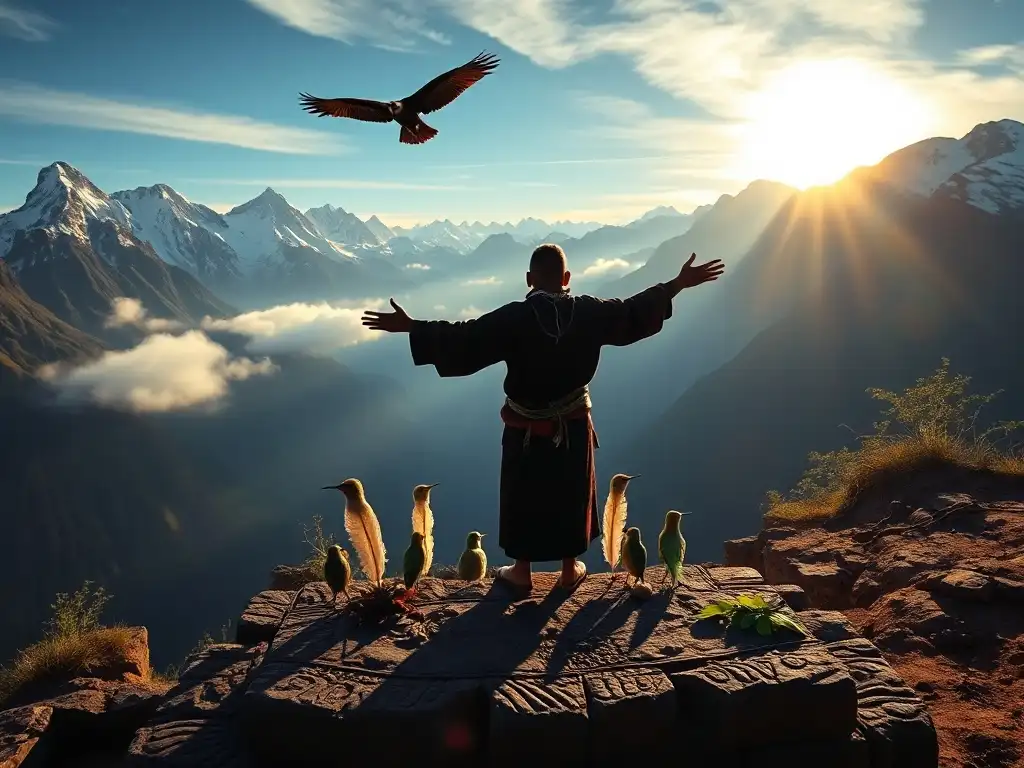
Step into a world lost to time, yet echoing with vibrant spirituality. Journey with us through the breathtaking landscapes and enigmatic cultures of the Andes, where ancient civilizations thrived. Unravel the mysteries surrounding Andean shaman animal spirits, powerful allies in the quest for spiritual insight. Discover how these sacred creatures shaped the beliefs and practices of the Incas, Moche, Nazca, and Tiahuanaco, and prepare to be amazed by the depth of their connection to the Andean Cosmovision. Dare to explore the secrets they hold...
-
Andean Shaman Animal Spirits: Allies in the Quest for Spiritual Insight
- Understanding the Andean Cosmovision and its Spiritual Pillars
- The Role of Animal Spirits in Andean Shamanism
- The Significance of Specific Animals in Andean Spirituality
- Andean Shamanic Practices and the Invocation of Animal Spirits
- The Benefits of Working with Andean Animal Spirits
- The Modern Relevance of Andean Shamanism and Animal Wisdom
- Conclusion: Embracing the Power of Andean Shaman Animal Spirits
-
Frequently Asked Questions
- What role did animal spirits play in Andean shamanic practices?
- How did Andean shamans interact with animal spirits?
- Which animals were most commonly associated with Andean shamanism?
- Were there specific rituals used to communicate with Andean animal spirits?
- How does the concept of Andean shaman animal spirits relate to modern spiritual practices?
- Final Reflection: Echoes of the Andes, Whispers of the Spirit World
- Unveil Your Spiritual Journey with Animal Spirits!
Andean Shaman Animal Spirits: Allies in the Quest for Spiritual Insight
The Andean world, a tapestry woven from the threads of towering mountains, fertile valleys, and vibrant cultures, held a profound spiritual understanding deeply intertwined with the natural world. For the ancient Andean peoples – including the Incas, Moche, Nazca, and Tiahuanaco – the spiritual realm wasn't a separate entity, but rather an integral part of their daily lives, intimately connected to the landscape and its inhabitants.
This article delves into the fascinating relationship between Andean shamans and animal spirits, exploring their significance in rituals, healing practices, and the quest for spiritual insight. We will uncover how these powerful allies facilitated communication with the spirit world and played a crucial role in maintaining cosmic balance within the Andean cosmovision.
Understanding this intricate connection provides a deeper appreciation for the rich complexity of Andean spiritual beliefs and practices, offering a glimpse into a world where humans and animals coexisted in a harmonious, spiritually charged environment. The keyword "Andean shaman animal spirits" is central to this exploration, revealing the significance of animal symbolism within the context of Andean shamanistic practices.
Understanding the Andean Cosmovision and its Spiritual Pillars
The Andean cosmovision, a holistic worldview, viewed the universe as a dynamic interplay of forces. This wasn't a belief system confined to temples or rituals; it was a living, breathing reality that permeated every aspect of life. The mountains ( apus), rivers, and even the smallest creatures were considered sacred entities, imbued with spiritual power.
This interconnectedness fostered a deep respect for nature and a profound understanding of the spiritual energies that flowed through the landscape. Shamanistic practices were essential in navigating this complex spiritual landscape, allowing individuals to connect with the unseen forces that shaped their world. Andean shamans acted as intermediaries, bridging the gap between the human and spiritual realms.
Their profound understanding of the natural world, particularly the symbolic power of animals, enabled them to harness these energies for healing, divination, and spiritual growth. This understanding of the interconnectedness is fundamental to comprehending the crucial role animal spirits played in Andean shamanism.
The Role of Animal Spirits in Andean Shamanism
Animal spirits held a prominent position within Andean shamanistic practices. They weren't simply symbolic representations; they were considered powerful allies, guides, and messengers from the spirit world. The specific animal associated with a shaman often reflected their individual abilities and spiritual path. Some animals were universally revered for their strength, wisdom, or connection to specific deities.
For instance, the condor, with its majestic flight, represented power and connection to the upper world, while the puma, a powerful predator, symbolized strength and earthly power. The choice of animal spirit wasn't arbitrary; it was a reflection of a shaman's individual journey and spiritual development, solidifying their connection to the spiritual realm and enhancing their abilities. Specific rituals and ceremonies further solidified this bond, allowing shamans to access the wisdom and power of their animal guides.
The Concept of "Apus" and their Connection to Animal Energies
The apus, the powerful mountain spirits, played a central role in Andean cosmology. These mountain deities were believed to possess immense spiritual power, and their influence extended to the surrounding environment and its inhabitants. Many animals were considered sacred messengers or manifestations of the apus, embodying their power and influence.
The condor, for example, often associated with the apus, was believed to carry messages between the human and spiritual worlds. Understanding the complex relationship between the apus and animal spirits is crucial to understanding the broader Andean worldview and the shaman's role within it. The reverence for these mountain spirits and their animal representatives highlights the deep respect for the natural world inherent within Andean culture.
Guardian Spirits: The Shaman's Animal Allies
Many Andean shamans were believed to have a specific animal spirit as a guardian or ally. This spirit acted as a protector, guide, and source of power. The relationship between shaman and animal spirit wasn't a passive one; it was a dynamic partnership built on mutual respect and understanding. The animal spirit provided the shaman with guidance, wisdom, and protection during spiritual journeys and rituals.
In return, the shaman honored and respected their animal ally, ensuring the continued strength of their bond. The nature of this relationship varied depending on the individual shaman and their animal spirit, but it was always a powerful force within their practice. Evidence of this bond can be found in various Andean artifacts and artistic representations.
Manifestations of Animal Spirits in Andean Rituals
Animal spirits manifested in various ways during Andean rituals. They might appear in visions, dreams, or through the shaman's altered state of consciousness. Animal effigies, often crafted from materials like wood, stone, or metal, were also used in rituals, representing the power and presence of the animal spirits. These effigies weren't mere decorations; they were active participants in the ritual, acting as conduits for the animal spirits' energy.
Furthermore, specific animal sacrifices were sometimes performed to honor or appease the animal spirits and ensure their continued support. The integration of animal spirits into Andean rituals underscores their profound significance within the Andean spiritual framework. These practices highlight the intricate relationship between the material and spiritual worlds and the shaman's role in mediating this interaction.
The Significance of Specific Animals in Andean Spirituality
Andean spirituality is deeply interwoven with the natural world, and animals hold a prominent place in its cosmology. Different animals represent various aspects of the Andean worldview, embodying specific powers, characteristics, and connections to different realms. Understanding the symbolic meaning of these animals is crucial to comprehending the role of Andean shamans and their interactions with the spirit world. The symbolic associations weren't uniform across all Andean cultures; nuances existed depending on the specific civilization and region. However, certain animals consistently held significant spiritual meaning across different groups. The careful observation of animal behavior and their integration into rituals demonstrates a profound understanding and respect for the natural order. This interconnectedness permeated daily life, influencing everything from agricultural practices to social structures. The reverence for these animals extended beyond mere symbolism; they were seen as active participants in the spiritual realm, capable of guiding, protecting, and even influencing human affairs.
The Condor: Messenger of the Gods and Symbol of the Upper World
The condor, with its majestic flight soaring high above the Andes, is a powerful symbol in Andean spirituality, representing the upper world, the realm of the gods, and the sun. Its ability to reach such heights made it a messenger between the human and divine realms. In Inca mythology, for example, the condor was closely associated with the sun god, Inti, and was considered a sacred creature.
Depictions of condors are frequently found in Inca art and textiles, often alongside other important symbols of power and divinity. The condor's keen eyesight was also seen as a symbol of wisdom and foresight, a quality highly valued by Andean shamans. The powerful symbolism of the condor, therefore, is not just aesthetic; it is deeply rooted in the Andean cosmological understanding of the heavens and the divine.
The Puma: Power, Strength, and the Earthly Realm
In stark contrast to the condor's celestial association, the puma embodies the earthly realm. This powerful feline, often revered as the "lord of the mountains", represents strength, power, and the physical world. Its stealth, agility, and predatory prowess made it a potent symbol of earthly authority and leadership. In many Andean cultures, the puma was associated with rulers and warriors, representing their ability to command and control.
Its connection to the earth is also evident in its association with fertility and abundance. The puma's presence in Andean art and iconography reflects its importance as a symbol of terrestrial power and its vital role in the Andean understanding of the balance between the earthly and spiritual realms. The puma's nocturnal nature further adds to its mystical aura, connecting it to the hidden forces of nature.
The Serpent: Wisdom, Transformation, and the Underworld
The serpent, another significant animal spirit, is associated with the underworld, representing transformation, wisdom, and the cyclical nature of life and death. Its ability to shed its skin symbolized rebirth and renewal, while its connection to the earth's depths linked it to hidden knowledge and ancestral power. In some Andean cultures, the serpent was a symbol of healing and fertility, its presence often associated with the earth's life-giving forces.
The serpent's undulating movement also represented the flow of energy and the interconnectedness of all things, highlighting its role as a conduit between different realms. The serpent's ambiguous nature—both feared and revered—underlines its complex symbolism within Andean spirituality.
The Hummingbird: Messenger of Love and Joy
In contrast to the powerful and often fearsome imagery of the condor, puma, and serpent, the hummingbird represents a gentler aspect of Andean spirituality. This tiny creature, with its vibrant colors and rapid flight, is associated with love, joy, and the swiftness of life. Its ability to hover and move with such grace symbolized the lightness and fluidity of spiritual energy.
The hummingbird's association with flowers and nectar further links it to fertility and the abundance of nature. Its small size belies its significant role as a messenger of good news and positive energy, bringing a sense of lightness and optimism to the Andean spiritual landscape. The hummingbird's delicate nature contrasts sharply with the more powerful animal spirits, demonstrating the diversity of spiritual forces within the Andean worldview.
Andean Shamanic Practices and the Invocation of Animal Spirits
Andean shamans employed various techniques to connect with the animal spirits, seeking guidance, healing, and protection. Their practices were deeply intertwined with their understanding of the natural world and the interconnectedness of all living things. These practices aimed not only at personal transformation but also at maintaining the balance and harmony within the community and the cosmos. The effectiveness of these techniques relied heavily on the shaman's skill, spiritual preparation, and deep connection with the spirit world.
Techniques for Connecting with Animal Energies
Shamans used a variety of techniques to connect with animal energies, including meditation, visualization, and the use of ritual objects. These practices often involved entering altered states of consciousness, allowing them to transcend the limitations of the physical world and access the spiritual realm. The use of rhythmic chanting, drumming, and other forms of music also played a crucial role in inducing these altered states and facilitating communication with animal spirits.
Specific songs and dances were associated with particular animal spirits, further enhancing the connection. The physical environment also played a significant role, with rituals often performed in sacred locations associated with the specific animal spirit being invoked.
The Use of Rituals and Plant Medicine to Access Spirit Realms
Rituals formed the cornerstone of Andean shamanic practices. These rituals often involved the use of plant medicine, such as ayahuasca or coca, to alter consciousness and facilitate communication with the spirit world. The use of these substances was carefully controlled and guided by the shaman, who understood the potential risks and benefits of these powerful tools.
The rituals themselves were meticulously planned and executed, incorporating specific prayers, offerings, and symbolic actions designed to honor the animal spirits and achieve the desired outcome. The use of ritual objects, such as feathers, bones, or carvings representing the animal spirits, also played a significant role in these ceremonies. The effectiveness of these rituals relied not only on the shaman's skill but also on the community's participation and shared belief system.
The Role of the Shaman as an Intermediary with the Animal World
The Andean shaman acted as an intermediary between the human world and the spirit world, including the animal spirits. They possessed the ability to communicate with these spirits, interpret their messages, and utilize their powers for healing, protection, and guidance. Shamans were not merely healers; they were spiritual leaders who played a vital role in maintaining the balance and harmony within the community.
Their knowledge and skills were passed down through generations, preserving the traditions and practices that connected the Andean people to their spiritual heritage. The shaman's role underscored the deep respect and understanding that Andean cultures held for the animal world and its spiritual significance. Their expertise was essential for maintaining a harmonious relationship between humanity and the natural world.
The Benefits of Working with Andean Animal Spirits
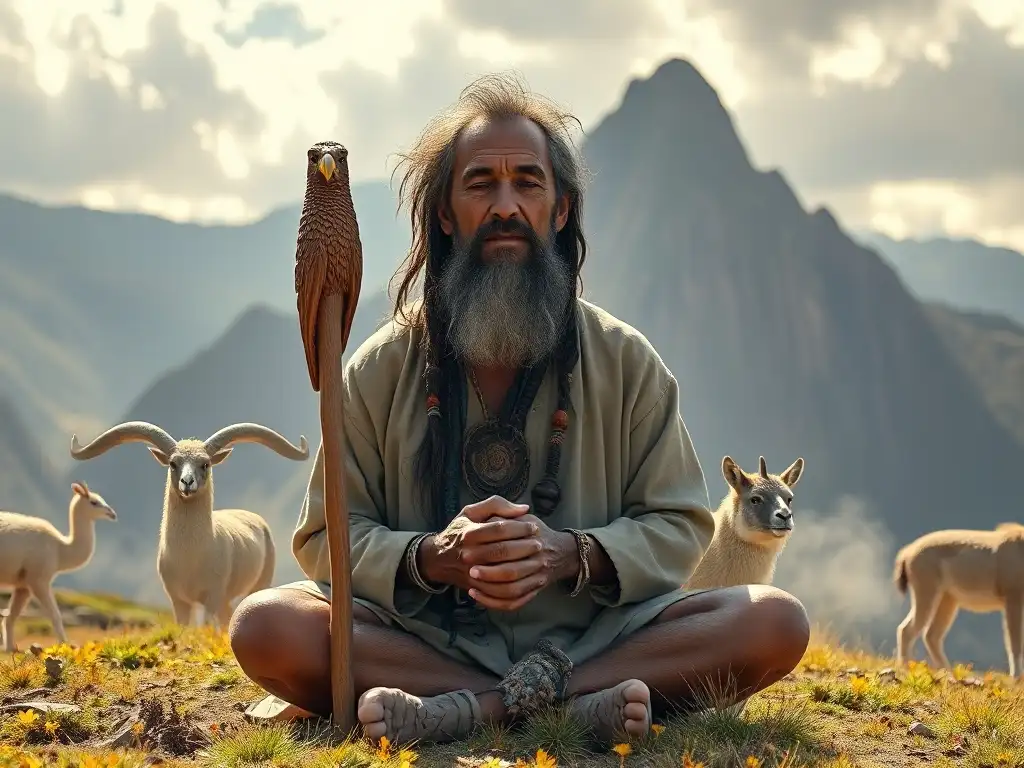
Andean shamanism, deeply rooted in the vibrant tapestry of Andean cultures, highlights the profound connection between humans and the animal kingdom. Animal spirits, viewed not as mere creatures but as powerful allies and guides, play a pivotal role in the shamanic journey. Working with these spirits offers a multitude of benefits, enriching the spiritual lives of those who seek them. The interaction isn't merely symbolic; it's understood as a genuine partnership, a collaborative effort towards spiritual growth and understanding.
This connection transcends the purely spiritual; it impacts the physical and emotional well-being of the individual, leading to a more holistic and balanced life. The specific benefits depend heavily on the animal spirit encountered and the individual's unique spiritual path. However, some common advantages emerge consistently across various Andean traditions.
Enhancing Intuition and Spiritual Awareness
One of the most significant benefits of working with Andean animal spirits is the enhancement of intuition and spiritual awareness. Animals possess an innate connection to the spiritual realm, often perceiving subtle energies and patterns that escape human senses. By aligning with an animal spirit, an individual can tap into this heightened awareness, gaining access to insights and guidance that may otherwise remain hidden. This can manifest in improved decision-making, a clearer understanding of one's life path, and a heightened sensitivity to the subtle energies that permeate the world around us.
For example, the spirit of a condor might enhance visionary abilities, while the spirit of a llama might foster grounded intuition. The specific animal spirit encountered determines the unique way in which intuition is amplified and spiritual awareness is expanded. These experiences are deeply personal and vary greatly from individual to individual.
Gaining Strength, Courage, and Personal Power
The animal spirits of the Andes are often associated with specific qualities and strengths. Working with these spirits can imbue the individual with similar attributes, fostering personal growth and empowerment. For instance, the jaguar, a powerful symbol in many Andean cultures, represents strength, courage, and fearlessness. Connecting with a jaguar spirit can help overcome personal challenges, build resilience, and develop the confidence to face life's obstacles head-on.
Similarly, the puma, known for its stealth and agility, can inspire strategic thinking and adaptability. The power gained isn't simply a metaphorical increase in confidence; it's a tangible shift in one's ability to navigate life's complexities. This empowerment is deeply personal and transformative, leading to a greater sense of self-efficacy and inner strength.
Fostering a Deeper Connection with Nature
Andean shamanism emphasizes the interconnectedness of all living things. Working with animal spirits strengthens this connection, fostering a deeper appreciation for the natural world and a greater sense of responsibility towards its preservation. This connection isn't simply an intellectual understanding; it’s a visceral, embodied experience.
By aligning with an animal spirit, individuals develop a heightened sensitivity to the rhythms and cycles of nature, experiencing a profound sense of belonging within the larger ecosystem. This connection extends beyond a simple appreciation for nature; it fosters a sense of responsibility and stewardship, encouraging individuals to live in harmony with the natural world and to protect its delicate balance. This deeper connection can lead to more sustainable and environmentally conscious lifestyles.
The Modern Relevance of Andean Shamanism and Animal Wisdom
While rooted in ancient traditions, the wisdom embedded within Andean shamanism remains profoundly relevant in the contemporary world. The principles of respect for nature, the power of spiritual connection, and the guidance offered by animal spirits offer valuable insights for navigating the complexities of modern life. The challenges of our time – environmental degradation, social inequality, and spiritual disconnection – can be addressed through the lens of Andean wisdom, finding solutions that are both practical and spiritually grounded. The enduring appeal of Andean shamanism lies in its ability to provide a framework for understanding and addressing these challenges.
The Resurgence of Interest in Ancient Andean Spiritual Practices
There has been a significant resurgence of interest in ancient Andean spiritual practices in recent years. This renewed attention reflects a growing desire for more holistic and meaningful ways of life, a search for deeper connection, and a yearning for alternative perspectives on spirituality and healing. People are increasingly seeking alternative paths to wellness and spiritual growth, turning to ancient traditions for guidance and inspiration. This surge in interest is not simply a passing trend; it’s a reflection of a deeper societal shift, a movement towards a more integrated and balanced approach to life.
Applying the Wisdom of Animal Spirits to Contemporary Life
The wisdom embedded within the Andean tradition of working with animal spirits can be applied to various aspects of modern life. The qualities embodied by different animal spirits – strength, courage, intuition, adaptability – can be cultivated and integrated into our daily lives, helping us navigate challenges and achieve our goals. This isn't about literally summoning animal spirits; it's about adopting the positive attributes they represent.
For example, the patience of a llama can be applied to problem-solving, while the sharp vision of a condor can be used to set ambitious goals. This practical application of Andean wisdom provides a unique framework for personal development and self-improvement.
Respectful Engagement with Andean Traditions
It's crucial to approach Andean shamanism and its practices with respect and reverence. This involves understanding the cultural context of these traditions, acknowledging their significance to indigenous communities, and avoiding cultural appropriation. Authentic engagement requires humility, a willingness to learn, and a commitment to respecting the spiritual integrity of these ancient practices. This respectful engagement ensures that the wisdom of Andean shamanism is preserved and shared responsibly, honoring its rich history and cultural significance. It's not merely about adopting practices; it’s about understanding and appreciating the cultural context from which they originate.
Conclusion: Embracing the Power of Andean Shaman Animal Spirits
The intricate relationship between Andean shamans and animal spirits reveals a profound understanding of the natural world and its spiritual power. These weren't simply symbolic representations; they were active participants in the shaman's journey, offering guidance, protection, and access to otherworldly realms. The diverse array of animal spirits—from the powerful condor soaring high above the Andes to the cunning fox navigating the earthly plane—reflects the complexity of the Andean cosmovision itself. Each spirit carried unique attributes and lessons, enriching the shaman's practice and ultimately benefiting the community.
Understanding the role of animal spirits in Andean shamanism provides a valuable lens through which to appreciate the depth and sophistication of these ancient cultures. It highlights the interconnectedness of all living beings and the vital role of spiritual intermediaries in maintaining harmony and balance within the Andean worldview. The power of these relationships continues to resonate today, offering a powerful reminder of the enduring spiritual wisdom embedded in Andean traditions.
Further research into specific shamanistic practices and regional variations could further illuminate the nuances of this fascinating aspect of Andean culture. The study of Andean shaman animal spirits offers a pathway to understanding not only the past but also the enduring spiritual connection between humans and the natural world.
This connection is essential in navigating the complexities of the modern world and finding our place within the greater cosmic order. The legacy of Andean shamanism serves as a testament to the enduring power of nature and the profound insights that can be gained through a deep connection with the animal kingdom.
Frequently Asked Questions
What role did animal spirits play in Andean shamanic practices?
Andean shamans believed animal spirits acted as powerful allies in their spiritual journeys. These spirits provided guidance, protection, and access to the otherworld, assisting in healing and divination. Their connection was crucial to shamanic power.
How did Andean shamans interact with animal spirits?
Shamans interacted with animal spirits through rituals, altered states of consciousness, and the use of entheogens. They might perform ceremonies involving animal effigies or engage in spirit journeys to the animal's realm. Dreams were also a significant avenue of communication.
Which animals were most commonly associated with Andean shamanism?
Condors, jaguars, pumas, snakes, and llamas were frequently associated with Andean shamanism. Each animal possessed unique symbolic meanings relating to power, healing, or specific spiritual attributes. The specific animal's importance varied across different cultures and regions.
Were there specific rituals used to communicate with Andean animal spirits?
Yes, various rituals were employed. These included the use of specific offerings, songs, and the consumption of sacred plants. Certain ceremonies involved mimicking the animal's movements or sounds to foster a closer connection. These rituals helped bridge the gap between the human and spiritual worlds.
How does the concept of Andean shaman animal spirits relate to modern spiritual practices?
The concept resonates with contemporary spiritualities interested in animism and nature-based spirituality. The belief in animal guides and spirit helpers persists, drawing parallels to the ancient Andean traditions and their emphasis on interconnectedness between humans and the natural world.
Final Reflection: Echoes of the Andes, Whispers of the Spirit World
The ancient wisdom of Andean shamans, interwoven with the power of animal spirits, remains profoundly relevant today. In a world increasingly disconnected from nature and the spiritual realm, their practices offer a potent antidote to the anxieties of modern life, reminding us of the interconnectedness of all beings and the profound wisdom held within the natural world. The quest for spiritual insight is not a relic of the past; it is a fundamental human need, and the Andean shamanic tradition provides a powerful pathway to understanding ourselves and our place within the cosmos.
The enduring influence of Andean shamanism is undeniable, shaping not only the spiritual landscape of the Andes but also influencing global perspectives on healing, spirituality, and the relationship between humans and animals. The deep respect for the animal kingdom, seen as powerful allies and teachers, resonates deeply with contemporary ecological concerns and a growing awareness of the interconnectedness of all life. The animals are our teachers, if we only listen.
This simple truth, often overlooked in our fast-paced world, holds the key to unlocking a deeper understanding of ourselves and the world around us.
Consider the profound wisdom shared within this article. Reflect on the power of animal spirits as guides and allies, and contemplate how you might integrate a greater sense of reverence for the natural world into your own life. Embrace the opportunity to listen to the whispers of the spirit world, to find your own path towards spiritual insight, and to cultivate a deeper connection with the vibrant tapestry of life that surrounds us. Let the echoes of the Andes inspire you to embark on your own journey of self-discovery and healing.
Unveil Your Spiritual Journey with Animal Spirits!
Thank you for exploring the world of Andean shamans and their profound connection to animal spirits. This is a significant first step towards a richer spiritual life. Now, let's put this knowledge into practice.
Here's how you can continue your journey:
- **Reflect on your spirit animal:** Find a quiet moment for meditation and connect with your personal guide. What messages or insights are you receiving?
- **Journal your experiences:** Record your thoughts and feelings as you explore the wisdom of your spirit animal. This will deepen your understanding and personal growth.
- **Share your insights:** Join our community! Share your experiences in the comments below or on social media to inspire others on their spiritual journeys.
Which animal spirit resonates most strongly with you, and how do you feel it's guiding your life? Share your thoughts in the comments below!