
The Andean Ritual of Planting: Honoring the Cycle of Growth and Abundance

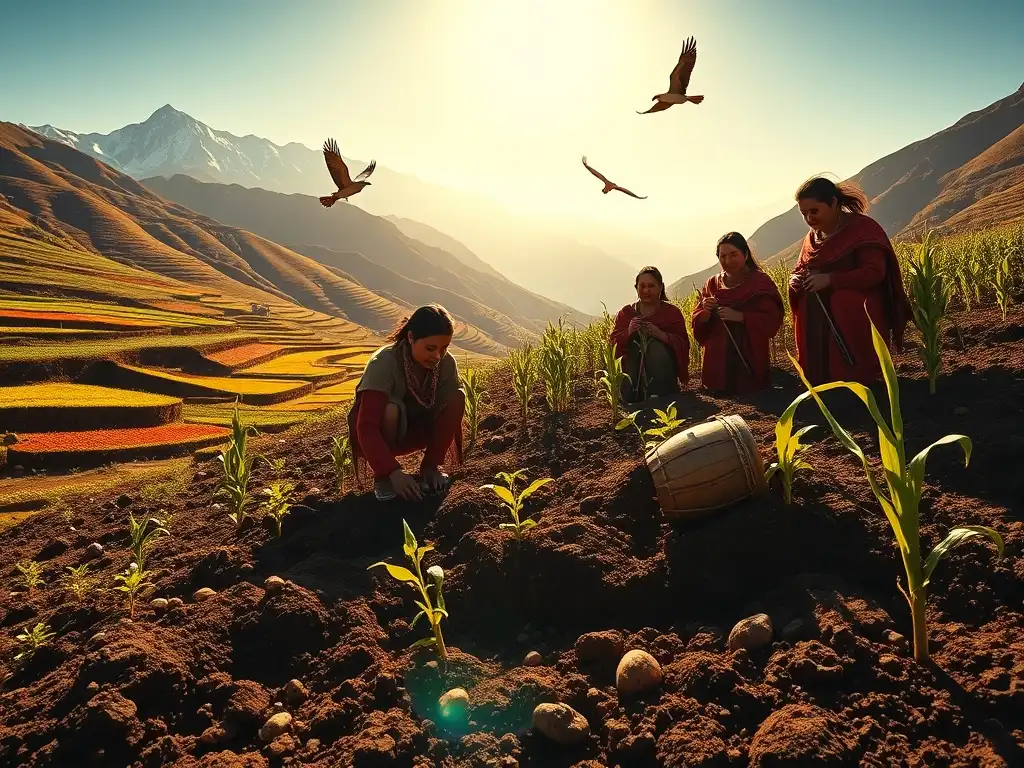
Step into a world lost to time, yet echoing with vibrant life. Imagine a landscape sculpted by ancient hands, where the very mountains whispered secrets to the people below. Here, within the heart of the Andean Civilizations, we unravel the mysteries of their sophisticated cultures, from the Inca's majestic empire to the intricate artistry of the Nazca.
But first, prepare to be captivated by the profound connection between the Andean people and their land, as we delve into the fascinating world of Andean agricultural rituals, a testament to their deep reverence for the cycle of growth and abundance. Discover how these rituals shaped their lives and continue to resonate today.
The Andes Mountains, a spine of towering peaks and fertile valleys, nurtured some of the most sophisticated pre-Columbian civilizations in South America. These cultures, including the Incas, Moche, Nazca, and Tiahuanaco, developed intricate agricultural systems adapted to the challenging Andean terrain. But their relationship with agriculture went far beyond mere sustenance; it was deeply intertwined with their spiritual beliefs and cosmological understanding.
This article delves into the fascinating world of Andean planting rituals, exploring the profound connection between agricultural practices and the reverence for the life-giving forces of nature, particularly the revered Pachamama, Mother Earth. We will examine the significance of these rituals in ensuring successful harvests and maintaining a harmonious relationship with the natural world, focusing on the rich tapestry of Andean agricultural rituals and their enduring legacy.
Understanding these practices offers a crucial window into the Andean worldview and its profound respect for the cycle of life, death, and regeneration. The keyword "Andean agricultural rituals" will be explored throughout the article, revealing the diversity and complexity of these ancient traditions.
Understanding Andean Agricultural Practices and Their Spiritual Significance
Andean agricultural practices were not simply technical procedures; they were deeply spiritual acts, imbued with meaning and ritual. Farmers didn't merely plant seeds; they engaged in a sacred dialogue with the earth, seeking its blessings and ensuring a bountiful harvest. This involved a complex interplay of knowledge, skill, and spiritual devotion, passed down through generations.
The success of their agricultural endeavors depended not only on their understanding of the terrain and climate but also on their ability to appease and honor the spiritual forces believed to govern the natural world. This holistic approach is exemplified in their careful selection of planting sites, the meticulous preparation of the land, and the specific ceremonies performed throughout the growing season. The choice of crops, often adapted to varying altitudes and microclimates, reflects an intimate knowledge of the environment and a deep respect for its resources.
For example, the terraces carved into the mountainsides weren't just ingenious engineering feats; they were also a testament to the Andean peoples' profound connection with their environment. Their agricultural practices were a reflection of their cosmology, demonstrating a sophisticated understanding of the interconnectedness of all living things. This intricate relationship between human action and natural forces is central to understanding the significance of Andean agricultural rituals.
The Importance of Pachamama in Andean Planting Ceremonies
Pachamama, the Andean Mother Earth, is central to understanding the spiritual significance of planting ceremonies. She is not merely the soil; she is a life-giving deity, the source of all sustenance and fertility. Before planting, offerings were made to Pachamama to ensure her favor and secure a successful harvest. These offerings varied depending on the region and the specific crop, but often included coca leaves, chicha (a fermented maize drink), food, and other precious items.
The act of offering wasn't merely a symbolic gesture; it was a way of establishing a reciprocal relationship with Pachamama, acknowledging her role in providing for the community and expressing gratitude for her bounty. The ceremonies often involved prayers, songs, and dances, expressing the community's deep reverence for Pachamama and their dependence on her generosity. Failure to honor Pachamama was believed to result in poor harvests, crop failures, and other misfortunes. Therefore, these rituals were not optional; they were essential for the well-being of the community and the maintenance of a harmonious relationship with the natural world.
The rituals surrounding Pachamama highlight the deep spiritual dimension of Andean agriculture, emphasizing the importance of reciprocity and respect in their interaction with the environment. The reverence for Pachamama continues to be a vital part of Andean culture today, demonstrating the enduring power of these ancient traditions. 🎉
Preparing the Land: Ritual Cleansing and Blessings
The preparation of the land for planting was far more than a simple agricultural task for Andean civilizations; it was a sacred ritual, imbued with deep spiritual significance. Before any seeds touched the soil, the land itself needed to be cleansed and blessed, ensuring a bountiful harvest and appeasing the spirits that governed the land's fertility. This process involved a series of carefully orchestrated actions, passed down through generations of farmers.
Farmers often began by physically clearing the land, removing weeds and rocks, a process that was itself seen as a form of purification, preparing the earth to receive the sacred seeds. This act of clearing was often accompanied by chants and prayers, invoking the benevolent spirits associated with the land.
The cleansing aspect often involved the use of natural elements. Water, considered a sacred element in Andean cosmology, played a crucial role. Farmers would sprinkle water over the fields, symbolically washing away any negative energies or impurities that might hinder the growth of the crops.
The use of incense, often made from local herbs and plants, was also common, its fragrant smoke believed to purify the air and create a sacred space conducive to planting. The overall aim was to create a harmonious environment, free from negative influences, allowing the seeds to germinate and flourish. This meticulous preparation reflected the Andean worldview, where the spiritual and the material were intricately interwoven.
The Role of Coca Leaves in Preparing the Fields
Coca leaves, a staple in Andean culture, held a prominent role in preparing the fields for planting. More than just a stimulant, coca leaves were considered sacred, possessing spiritual power capable of connecting the living with the supernatural world. Before beginning any agricultural activity, farmers would often chew coca leaves, offering a small portion to Pachamama, Mother Earth, as a gesture of respect and an offering to ensure a successful harvest.
The act of chewing coca leaves was not merely a physical act; it was a ritualistic practice, a way of communicating with the spiritual realm and seeking blessings for the upcoming planting season. Furthermore, coca leaves were sometimes scattered across the fields, a symbolic act of blessing the land and promoting its fertility.
This practice reflects the deep-seated belief in the interconnectedness between the spiritual and material worlds in Andean cosmology. The careful use of coca leaves highlights the holistic approach to agriculture practiced by Andean communities, where every action held both practical and spiritual significance.
Offering to the Apus: Mountain Spirits and Their Influence
The Apus, the powerful mountain spirits of the Andes, held immense sway over the success of agricultural endeavors. Their influence on weather patterns, water sources, and the overall fertility of the land was undeniable in the Andean worldview. Before planting, farmers would make offerings to the Apus, seeking their favor and protection.
These offerings could include coca leaves, chicha (a fermented corn beverage), and other valuable items. The offerings were often left at sacred sites on the mountains, such as caves or springs, places believed to be portals to the spirit world. The act of making offerings was not simply a matter of appeasement; it was a way of establishing a reciprocal relationship with the Apus, acknowledging their power and seeking their blessings in return for the respect and honor shown.
The success of the harvest was seen as a direct reflection of the farmers' ability to maintain a harmonious relationship with these powerful mountain spirits. The relationship between the farmer and the Apus was a crucial element of Andean agricultural practices.
The Timing of Planting: Aligning with the Andean Calendar
Andean agriculture wasn't governed by arbitrary schedules; it was deeply intertwined with the rhythms of the natural world and the Andean calendar, a sophisticated system that tracked the movements of the sun, moon, and stars. Planting wasn't simply a matter of convenience; it was a carefully planned event, timed to coincide with auspicious periods to maximize yields and ensure the blessings of the gods. Farmers meticulously observed celestial events and natural phenomena, gleaning clues about the optimal time to sow their seeds.
This precise timing reflects the deep understanding of nature that characterized Andean agricultural practices. Their sophisticated knowledge of astronomy and ecology allowed them to optimize their farming techniques, leading to sustainable and productive agricultural systems. The Andean calendar was not merely a tool for tracking time; it was a spiritual guide, dictating the rhythm of life and agricultural practices.
The Significance of Solstices and Equinoxes in Andean Agriculture
The solstices and equinoxes held particular significance in the Andean agricultural calendar, marking crucial turning points in the agricultural cycle. The winter solstice, for example, often represented a time of renewal and hope, signaling the return of the sun and the promise of new growth. Farmers might perform specific rituals during this time, seeking blessings for the upcoming planting season.
Similarly, the summer solstice, representing the peak of the sun's power, might be associated with rituals of thanksgiving and celebration for a successful harvest. The equinoxes, marking the balance between day and night, also held symbolic importance, often associated with rituals aimed at maintaining harmony and balance in the natural world.
These celestial events were not merely astronomical occurrences; they were deeply embedded in the Andean worldview, shaping the rhythm of agricultural activities and the spiritual lives of the Andean people. The precise dates and rituals associated with these events varied across different Andean cultures, reflecting the diversity of their traditions.
Identifying Auspicious Days for Planting Crops
Beyond the solstices and equinoxes, Andean farmers also relied on a complex system of divination and observation to identify auspicious days for planting specific crops. This often involved consulting priests or shamans, who interpreted natural signs and celestial events to determine the most favorable days for planting. Factors like the position of the stars, the phases of the moon, and even the behavior of animals could influence the selection of planting dates. This intricate system ensured that planting occurred during periods believed to be most conducive to growth and abundance.
The knowledge and expertise required to interpret these signs were passed down through generations, reflecting the deep-rooted connection between Andean communities and their environment. The accuracy of these traditional methods is a testament to the sophisticated understanding of natural rhythms held by Andean farmers. This detailed approach to planting showcases the holistic and interconnected nature of Andean agricultural practices.
The Planting Ceremony: A Community Celebration
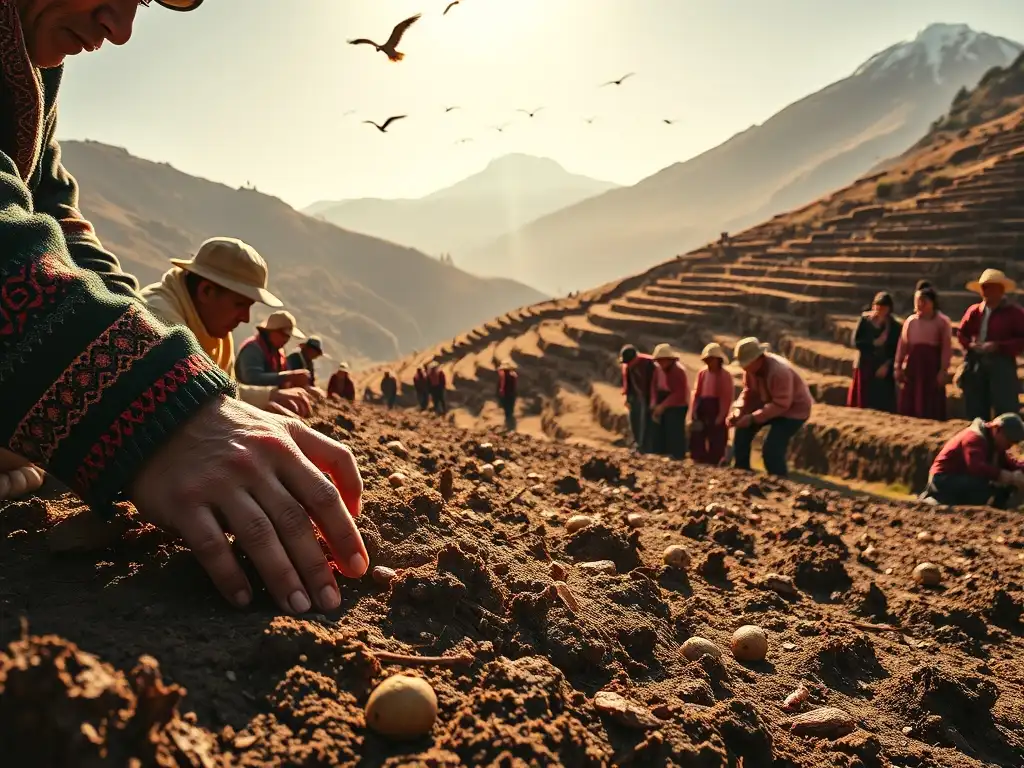
The planting ceremony wasn't merely an agricultural task; it was a vibrant community event, a testament to the Andean belief in collective action and shared responsibility. Villages would gather, often at the beginning of the rainy season, to prepare the land and sow the seeds together. This wasn't simply about efficiency; it was about reinforcing social bonds and reaffirming their connection to the land and their ancestors.
The collaborative effort symbolized the interdependence of the community and their reliance on the earth's bounty. Elderly members of the community often played a pivotal role, guiding younger generations in the traditional practices and sharing their wisdom about the land and its cycles. The atmosphere was one of joyous anticipation, a celebration of life and renewal, filled with music, dance, and shared meals.
This communal aspect of the planting ceremony underscored the importance of social harmony and mutual support within the Andean worldview. The success of the harvest was inextricably linked to the strength and unity of the community.
Ritual Songs and Dances for a Bountiful Harvest
Music and dance were integral components of the Andean planting rituals. Specific songs, passed down through generations, were sung to invoke the blessings of the gods and ensure a bountiful harvest. These songs often contained poetic descriptions of the land, the crops, and the deities associated with fertility and abundance.
The rhythms and melodies were believed to have a magical power, capable of influencing the growth of the crops and protecting them from harm. Similarly, dances performed during the ceremony were not merely entertainment; they were symbolic representations of the agricultural cycle, the interaction between humans and nature, and the relationship between the community and the divine. These dances, often involving elaborate costumes and intricate movements, were believed to energize the land and encourage the growth of the crops.
The combination of song and dance created a powerful atmosphere, imbued with spiritual energy and a collective sense of purpose. The specific songs and dances varied across different Andean cultures, reflecting the diversity of their traditions and beliefs.
The Use of Sacred Instruments in Planting Rituals
A variety of sacred instruments played a crucial role in Andean planting rituals, amplifying the spiritual energy and enhancing the effectiveness of the prayers and offerings. Instruments like the pututu (a shell trumpet), antara (panpipes), and drums were used to create a powerful sonic landscape that resonated with the rhythms of nature and the spiritual realm. The pututu, with its deep, resonant sound, was often used to announce the beginning and end of the ceremony, while the antara and drums provided rhythmic accompaniment to the songs and dances.
The sounds produced by these instruments were believed to attract the attention of the deities and influence the growth of the crops. The use of these instruments wasn't arbitrary; each instrument had a specific symbolic meaning and was associated with particular deities or natural forces.
The skillful playing of these instruments by experienced musicians was considered a sacred art, requiring years of training and dedication. The rhythmic sounds helped to create a trance-like state, fostering a deeper connection between the participants and the spiritual world.
Specific Offerings and Prayers During the Planting Process
The planting process itself was interwoven with prayers and offerings, demonstrating the deep reverence the Andean people had for the land and its generative power. Before planting each seed, individuals or groups would offer prayers to Pachamama, the Earth Mother, thanking her for her generosity and seeking her blessings for a successful harvest. These prayers were often accompanied by small offerings, such as coca leaves, grains of maize, or small pieces of cloth.
The act of planting itself was considered a sacred act, a ritualistic gesture that symbolized the cycle of life, death, and rebirth. The careful placement of each seed reflected the deep respect for the land and the recognition of its vital role in sustaining life.
The offerings and prayers weren't merely symbolic; they were viewed as tangible expressions of gratitude and a way to establish a reciprocal relationship with Pachamama. The success of the harvest was seen as a direct result of this respectful interaction with the natural world.
Libations and Food Offerings to Pachamama
Libations, or offerings of liquid, were a significant part of the planting rituals. Chicha, a fermented corn beverage, was frequently poured onto the earth as an offering to Pachamama, symbolizing the life-giving properties of the land and the community's dependence on its bounty. This act of pouring the chicha was not simply a symbolic gesture; it was seen as a way to nourish the earth and strengthen its generative power.
Along with libations, food offerings were also presented to Pachamama. These offerings often included the first fruits of the harvest or other significant agricultural products. These offerings were not consumed by the participants but were left on the land as a gesture of respect and gratitude.
The placement of these offerings was often accompanied by specific prayers and rituals, further emphasizing the sacred nature of the interaction with the earth. The offerings served as a tangible expression of the community's commitment to maintaining a harmonious relationship with the natural world.
Prayers for Fertility and Abundant Yields
Prayers played a central role in the Andean planting rituals, forming a vital link between the human world and the spiritual realm. Participants would invoke various deities associated with fertility and abundance, seeking their blessings for a successful harvest. These prayers were often highly specific, mentioning the particular crops being planted and expressing detailed hopes for a bountiful yield.
The prayers were not simply requests; they were expressions of gratitude for the earth's generosity and a recognition of the community's dependence on the natural world. The prayers reflected a deep understanding of the agricultural cycle and the intricate relationship between humans and nature. Experienced shamans or religious leaders often led the prayers, guiding the community in their supplications and ensuring the proper ritualistic procedures were followed.
The effectiveness of the prayers was believed to be closely linked to the sincerity and devotion of the participants. The community's faith in the power of their prayers was a crucial element in their agricultural practices.
Different Types of Crops and Their Associated Rituals
The Andean region boasts incredible biodiversity, reflected in the diverse range of crops cultivated by its ancient inhabitants. Each crop held a unique significance, and its planting was accompanied by specific rituals designed to ensure a bountiful harvest. These rituals weren't merely superstitious practices; they were deeply intertwined with the Andean worldview, reflecting a profound understanding of the natural world and its cycles.
The intensity and complexity of these rituals often varied depending on the importance of the crop to the community's survival. For instance, rituals associated with staple crops like maize, potatoes, and quinoa were far more elaborate and widespread than those for less crucial crops. The specific practices also varied regionally, with different communities developing their own unique traditions and customs over time.
These variations often reflected local ecological conditions and specific beliefs. The meticulous attention paid to these rituals underscores the crucial role agriculture played in Andean societies and their close relationship with the land.
Maize Planting Rituals and Their Significance
Maize, or choclo, was—and remains—a cornerstone of Andean agriculture. Its planting was a significant event, often marked by elaborate ceremonies involving prayers, offerings, and symbolic acts. Farmers might prepare the land with specific tools, following traditional methods passed down through generations.
The planting itself was frequently accompanied by chants and songs invoking deities associated with fertility and abundance. Specific offerings, such as coca leaves, chicha (a fermented corn beverage), and other agricultural products, were commonly presented to appease the spirits and ensure the successful growth of the crop. The significance of maize extended beyond mere sustenance; it held deep symbolic meaning, representing life, renewal, and the sun's energy.
Archaeological evidence reveals the presence of maize in many Andean rituals, further highlighting its importance in their religious and social life. The careful selection of seeds, the precise timing of planting, and the elaborate rituals surrounding the process reveal the deep reverence and respect held for this vital crop.
Potato Planting Rituals and Their Variations
Potatoes, another staple crop, also enjoyed unique planting rituals that varied across the diverse Andean landscape. Given the vast range of potato varieties adapted to different altitudes and climates, the rituals often adapted to local conditions. While the core principle of honoring the earth and seeking divine favor remained consistent, the specific practices differed.
Some communities might perform specific dances or songs before planting, while others might offer specific sacrifices to mountain spirits or other deities associated with the potato. The use of specific tools, the preparation of the soil, and the manner of planting itself could also vary significantly. For example, in some regions, the planting might be accompanied by the burying of small offerings within the furrows, while in others, the seeds might be blessed with special incantations or rituals.
The diversity of these rituals reflects the rich cultural heritage and the adaptability of Andean agricultural practices to a challenging environment. The continued cultivation of thousands of potato varieties today is a testament to this enduring agricultural wisdom.
Quinoa Planting Rituals and Their Significance
Quinoa, a highly nutritious grain, held a similarly important place in Andean agriculture, and its planting was also marked by significant rituals. Often considered a sacred crop, quinoa planting rituals often involved elaborate ceremonies intended to ensure a bountiful harvest and appease the spirits of the land. These ceremonies frequently involved community participation, emphasizing the collective effort involved in agriculture.
Similar to maize and potato planting, specific offerings such as coca leaves, chicha, and other agricultural products were presented. Prayers and incantations were a crucial part of the ritual, invoking deities associated with fertility and abundance.
The careful selection of seeds, the precise timing of planting, and the elaborate rituals surrounding the process highlight the significance of quinoa within the Andean worldview, where agriculture was deeply intertwined with spiritual and cosmological beliefs. The symbolic significance of quinoa, often associated with purity and nourishment, added another layer to its importance in Andean culture.
The Connection Between Planting Rituals and Andean Cosmovision
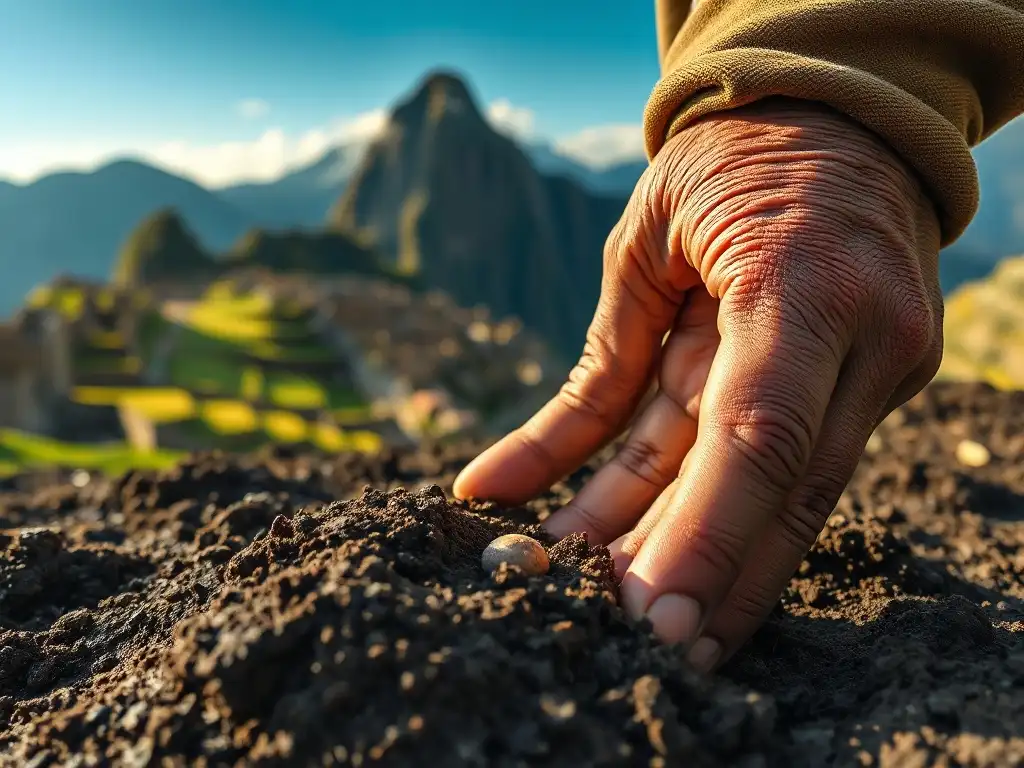
Andean planting rituals weren't isolated events; they were deeply embedded within a broader cosmological framework. The Andean worldview emphasized the interconnectedness of all things—the natural world, humanity, and the spiritual realm. Agriculture wasn't simply a means of subsistence; it was a sacred act that reflected and reinforced this interconnectedness.
The rituals served as a bridge between the human and divine worlds, allowing farmers to communicate their needs and express their reverence for the forces that controlled the cycle of life and growth. This deep spiritual connection to the land ensured that agriculture wasn't seen as a purely economic activity, but as a sacred duty, a vital part of maintaining the cosmic balance. The success of the harvest wasn't just a matter of hard work; it was also dependent on the favor of the gods and spirits.
The Interconnectedness of Nature, Humans, and the Divine
The Andean cosmovision viewed nature, humans, and the divine as inextricably linked. The mountains, rivers, and other natural elements were not merely inanimate objects; they were considered sacred entities inhabited by spirits and deities. Humans were seen as integral parts of this ecosystem, responsible for maintaining its balance and harmony.
Agricultural practices, including planting rituals, were designed to reinforce this balance, acknowledging the dependence of human life on the natural world and the divine forces that governed it. The rituals were a way of showing respect, gratitude, and seeking the assistance of these forces to ensure a successful harvest. This interconnectedness is reflected in the many offerings and prayers made during planting ceremonies.
The Cycle of Life, Death, and Rebirth in Agriculture
The planting rituals also mirrored the Andean understanding of the cycle of life, death, and rebirth. The planting of seeds represented the beginning of a new life, the potential for growth and abundance. The nurturing of the plants symbolized the care and attention required to support this growth. The eventual harvest represented the culmination of this cycle, a time of celebration and gratitude.
However, this cycle wasn't linear; it was understood as a continuous process of renewal. The remains of the harvest, the seeds saved for future planting, represented the continuation of the cycle, ensuring the perpetuation of life and the ongoing connection between humans and the natural world. This cyclical understanding of life and death permeated all aspects of Andean life, and agriculture was a key element in this cosmic dance of renewal.
Modern Day Manifestations of Andean Planting Rituals
Andean agricultural rituals, deeply rooted in a reverence for nature and the cyclical rhythms of life, continue to resonate in contemporary Andean communities. While the scale and specific practices may have adapted over time, the core principles of honoring Pachamama (Mother Earth) and ensuring a bountiful harvest persist.
Farmers still frequently engage in pago a la tierra (payment to the earth), offering coca leaves, chicha (fermented corn beverage), and other gifts to appease the earth spirits and ensure fertility. These offerings are not simply symbolic gestures; they are integral components of a holistic worldview where humans and nature are inextricably linked.
The act of planting itself often involves specific prayers, chants, and rituals passed down through generations, creating a powerful connection between the past and present. The vibrant colors and patterns found in traditional Andean textiles often reflect the agricultural cycle and are worn during planting ceremonies, further showcasing the enduring importance of these traditions.
Preserving Ancient Traditions in Contemporary Communities
The preservation of Andean planting rituals faces numerous challenges in the modern era. Globalization, migration, and the increasing influence of Western agricultural practices threaten to erode traditional knowledge and practices. However, there's a growing movement to revitalize and protect these cultural heritage elements. Many communities actively work to document and teach their traditional agricultural techniques and rituals to younger generations.
Community-based organizations and researchers collaborate to promote sustainable agricultural practices that incorporate ancient wisdom with modern knowledge. The creation of protected areas and the promotion of eco-tourism focused on Andean cultural heritage offer alternative sources of income that can help support traditional farming practices. These efforts are crucial for not only preserving a rich cultural heritage but also for safeguarding sustainable agricultural practices that are vital for the environment and the livelihoods of Andean communities.
Impact of Climate Change on Traditional Planting Practices
Climate change poses a significant threat to Andean agricultural systems and the rituals that sustain them. Changes in rainfall patterns, increased frequency of extreme weather events, and rising temperatures disrupt traditional planting cycles and affect crop yields. This has led to adaptations in planting times and the selection of more climate-resilient crops.
However, these adaptations can sometimes conflict with traditional practices and spiritual beliefs, creating tension between the need for survival and the desire to maintain cultural heritage. The loss of traditional knowledge due to climate change impacts can be irreversible, highlighting the urgent need for research, adaptation strategies, and community-based support to help Andean farmers navigate these unprecedented challenges. Moreover, the resulting food insecurity further emphasizes the interconnectedness between environmental sustainability and cultural preservation.
The Legacy of Andean Agricultural Rituals
The legacy of Andean agricultural rituals extends far beyond the realm of agriculture itself. These practices represent a deep-seated understanding of the interconnectedness of all living things and a profound respect for the natural world. The rituals reflect a sophisticated understanding of ecology, hydrology, and agricultural techniques, honed over millennia. For instance, the intricate terrace systems built by Andean civilizations demonstrate a remarkable mastery of water management and soil conservation, techniques that are still relevant today.
The rituals also played a vital social role, reinforcing community bonds and shared values. The collective participation in planting ceremonies strengthened social cohesion and facilitated the sharing of knowledge and resources. This social fabric is essential for the sustainability and resilience of Andean communities facing modern challenges.
Lessons for Sustainable Agriculture from Andean Practices
Andean agricultural practices offer valuable lessons for modern sustainable agriculture. The emphasis on biodiversity, soil conservation, water management, and integrated pest management is particularly relevant in the context of climate change and environmental degradation. Traditional Andean farming systems often relied on crop diversification and intercropping, reducing the risks associated with monoculture farming. The use of organic fertilizers and natural pest control methods minimizes environmental impact.
The incorporation of indigenous knowledge into modern agricultural practices can lead to more resilient and sustainable farming systems that are better adapted to local conditions. Studying and implementing these practices could contribute significantly to global food security and environmental sustainability. The wisdom embedded in these ancient traditions provides a powerful counterpoint to the unsustainable practices prevalent in modern industrial agriculture.
The Importance of Cultural Preservation and Knowledge Sharing
The preservation of Andean agricultural rituals is not merely a matter of preserving cultural heritage; it is essential for ensuring food security, environmental sustainability, and the well-being of Andean communities. The knowledge embedded in these traditions represents a valuable resource for addressing the challenges of climate change and promoting sustainable agriculture. Promoting cultural exchange and knowledge sharing between Andean communities and the wider world is crucial for disseminating this valuable information and fostering greater appreciation for the wisdom of indigenous peoples.
Supporting community-based initiatives that promote the revitalization of traditional practices is essential for ensuring the continuity of these vital cultural and ecological resources. By valuing and learning from these ancient traditions, we can contribute to a more sustainable and equitable future for all.
- Understanding Andean Agricultural Practices and Their Spiritual Significance
- The Importance of Pachamama in Andean Planting Ceremonies
- Preparing the Land: Ritual Cleansing and Blessings
- The Timing of Planting: Aligning with the Andean Calendar
- The Planting Ceremony: A Community Celebration
- Specific Offerings and Prayers During the Planting Process
- Different Types of Crops and Their Associated Rituals
- The Connection Between Planting Rituals and Andean Cosmovision
- Modern Day Manifestations of Andean Planting Rituals
- The Legacy of Andean Agricultural Rituals
- What were the most important crops for Andean civilizations?
- How did Andean agricultural rituals relate to the environment?
- What role did water play in Andean agricultural rituals?
- Were there specific rituals for different stages of planting?
- How did Andean agricultural rituals differ between different cultures?
Frequently Asked Questions
What were the most important crops for Andean civilizations?
Andean civilizations relied heavily on potatoes, corn, and quinoa, adapting their cultivation to diverse altitudes and climates. These crops were central to their survival and cultural practices.
How did Andean agricultural rituals relate to the environment?
Rituals were deeply intertwined with the environment. Farmers performed ceremonies to ensure successful harvests, appease mountain spirits, and show respect for the land's fertility. Success depended on maintaining harmony with nature.
What role did water play in Andean agricultural rituals?
Water was considered sacred, representing life and fertility. Many rituals involved water offerings and prayers for rain, recognizing its crucial role in agriculture and the overall well-being of the community.
Were there specific rituals for different stages of planting?
Yes, the agricultural cycle was marked by various ceremonies. There were rituals for preparing the land, planting seeds, harvesting crops, and storing produce, each with its own specific offerings and prayers.
How did Andean agricultural rituals differ between different cultures?
While sharing common themes, specific rituals varied across cultures. The Incas, Moche, Nazca, and Tiahuanaco each had unique practices reflecting their particular beliefs and agricultural systems. However, a reverence for the land and its bounty remained common to all.
Final Reflection: Harvesting the Legacy of Andean Wisdom
The ancient Andean ritual of planting, far from being a relic of the past, offers a potent model for sustainable agriculture and a harmonious relationship with nature in our increasingly fragile world. Its emphasis on reciprocity, respect for the land, and community collaboration resonates deeply with the urgent need for ecological consciousness in the 21st century. We stand at a critical juncture, and the wisdom embedded in these traditions holds invaluable lessons for our future.
The enduring power of these rituals lies not just in their agricultural efficacy, but in their profound spiritual and social dimensions. They fostered a deep connection between people and their environment, a connection that modern industrial agriculture has largely severed. This disconnect has led to environmental degradation and a loss of cultural heritage. The earth does not belong to us; we belong to the earth.
This simple yet profound statement encapsulates the core principle at the heart of Andean agricultural practices, a principle we desperately need to reclaim.
Consider the cyclical nature of these rituals, the careful observation of the seasons, and the deep respect for the interconnectedness of all living things. These are not merely agricultural practices; they are a philosophy of life. You, the reader, are now invited to reflect on your own relationship with the food you consume and the land that sustains us all.
Embrace the spirit of reciprocity, cultivate a deeper awareness of the natural world, and seek ways to integrate these timeless principles into your own life, however small the gesture. Let us, together, cultivate a future where abundance and sustainability go hand in hand.
Embrace the Spirit of Growth and Abundance!
Thank you for exploring the rich traditions of Andean planting rituals! You've discovered the beauty of honoring nature's cycles and the profound connection these practices foster within communities. Now, let's put this knowledge into practice!
- Start a planting ritual in your own garden or community garden, drawing inspiration from Andean traditions. Experience the joy of nurturing growth!
- Research local sustainable agricultural practices and consider integrating them into your gardening routine. Look for methods that reflect a respect for the land and its resources.
- Share your newfound knowledge with friends, family, or an online community. Consider posting about your experiences on social media using #AndeanAbundance to inspire others.
What aspects of these planting rituals or practices resonate most with you, and how can you integrate them into your daily life to cultivate a deeper connection with nature?