
The Belief in Animism: Spirits in Nature and Everyday Life

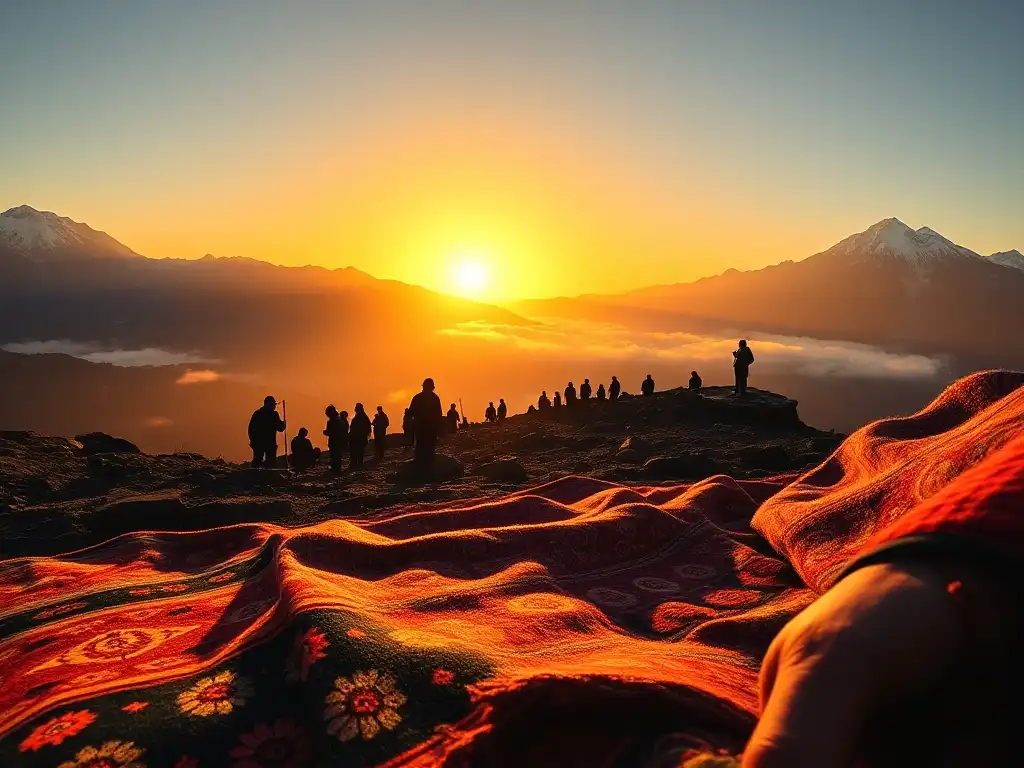
Step into a world where mountains whisper secrets and rivers hold ancient spirits. Dive into the fascinating realm of Andean animism beliefs, a cornerstone of the ancient Andean civilizations' worldview. Uncover the intricate relationship between these societies and the natural world, exploring how their unique cosmovision shaped their daily lives and breathtaking achievements. What mysteries did their spiritual beliefs unlock? Discover the answers within…
- Andean Animism Beliefs: Spirits in Nature and Everyday Life
- Understanding Animism in Andean Cosmovision
- Manifestations of Animism in Andean Life
- Animistic Rituals and Ceremonies in the Andes
- Animism and Andean Art and Material Culture
- The Persistence of Animism in Contemporary Andean Societies
- Conclusion: The Enduring Legacy of Andean Animism
- Frequently Asked Questions
- Final Reflection: Echoes of the Andes: Animism's Enduring Power
- Reconnect with Nature's Spirits!
Andean Animism Beliefs: Spirits in Nature and Everyday Life
The Andes Mountains, a spine of towering peaks and deep valleys stretching along the western coast of South America, were not merely a geographical feature for the ancient Andean civilizations. They were a living, breathing entity, imbued with spiritual power and teeming with unseen forces. This article delves into the fascinating world of Andean animism, exploring the profound belief in the presence of spirits in nature and their integral role in daily life.
From the Inca Empire to the earlier cultures like the Moche and Nazca, a deep reverence for the natural world and its inherent spirituality permeated every aspect of Andean society, shaping their worldview, rituals, and even their agricultural practices. Understanding Andean animism is crucial to grasping the complexities of their rich and vibrant culture, revealing a sophisticated spiritual system far beyond simple ancestor worship.
We'll explore the diverse manifestations of animistic beliefs, examining how they influenced social structures, artistic expressions, and the overall cosmological understanding of these remarkable civilizations. This exploration will highlight the significance of "Andean animism beliefs" as a key element in understanding their unique religious and cosmological framework.
The Interconnectedness of All Things: Ahuahu and Pachamama
Andean animism wasn't a belief in spirits as separate entities; rather, it was a worldview emphasizing the interconnectedness of all living and non-living things. The concept of Ahuahu, encompassing the breath or life force, was fundamental. This vital energy permeated everything, from mountains and rivers to plants and animals, even inanimate objects.
This belief fostered a deep respect for the environment and a sense of responsibility towards maintaining its balance. Central to this system was Pachamama, the Earth Mother, a powerful deity representing the fertility of the land and the abundance it provided. Pachamama was not a distant, unapproachable goddess; she was an active participant in daily life, demanding respect through offerings and rituals to ensure bountiful harvests and overall well-being.
The constant interaction with Pachamama, through offerings and ceremonies, underscores the practical and deeply ingrained nature of Andean animism in everyday life. Failure to honor Pachamama could result in crop failure, illness, or other misfortunes, emphasizing the tangible consequences of neglecting the spiritual realm.
Huacas: Sacred Places and Objects Imbued with Power
The Andean worldview was peppered with huacas, sacred places and objects believed to be inhabited by spirits or possessing inherent spiritual power. These huacas could range from majestic mountains and shimmering lakes to humble rocks and intricately crafted artifacts. Their significance stemmed from their perceived connection to the spiritual realm, making them focal points for rituals and offerings.
Some huacas were associated with specific deities or ancestral spirits, while others held a more generalized spiritual potency. The identification and veneration of huacas highlight the pervasiveness of animistic beliefs, demonstrating how the spiritual world wasn't confined to temples or ceremonies but was interwoven with the physical landscape and the material culture of the people.
The selection of a huaca, whether a natural formation or a man-made object, often involved a complex process reflecting the community's understanding of its spiritual significance and its relationship to the broader cosmological system. The power of a huaca was often believed to be tied to its age and history, adding to its perceived sanctity.
Animism in Andean Art and Rituals: Visual Representations of the Supernatural
Andean art serves as a powerful window into their animistic beliefs. Textiles, ceramics, and metalwork often depicted spirits, deities, and scenes from the supernatural world. These visual representations weren't merely decorative; they were active participants in rituals, believed to channel spiritual energy and facilitate communication with the unseen realm. Ceremonies frequently involved offerings to appease or honor the spirits inhabiting huacas or associated with specific natural phenomena. These rituals were not simply religious observances; they were integral to the social fabric, reinforcing community bonds and reaffirming the importance of maintaining harmony between the human and spiritual worlds. The intricate detail and symbolic language employed in Andean art further underscores the sophistication and depth of their animistic worldview, demonstrating its pervasive influence on all aspects of their culture. The use of specific colors, patterns, and motifs provided visual cues to the spiritual significance of the objects and the rituals they accompanied.
The Legacy of Andean Animism: A Continuing Influence
The legacy of Andean animism continues to resonate in contemporary Andean communities. While syncretism with Christianity and other belief systems has occurred, many traditional animistic practices persist, demonstrating the enduring power of these ancient beliefs. Understanding the complexities of Andean animism provides invaluable insight into the cultural heritage of the region and enriches our appreciation of the intricate relationship between humans and the natural world.
The survival of certain animistic traditions, adapted and integrated into modern life, highlights the resilience of this worldview and its enduring significance in shaping Andean identity and cultural practices. The persistence of these beliefs demonstrates the deep-rooted connection between the people and their ancestral spiritual heritage.
Understanding Animism in Andean Cosmovision
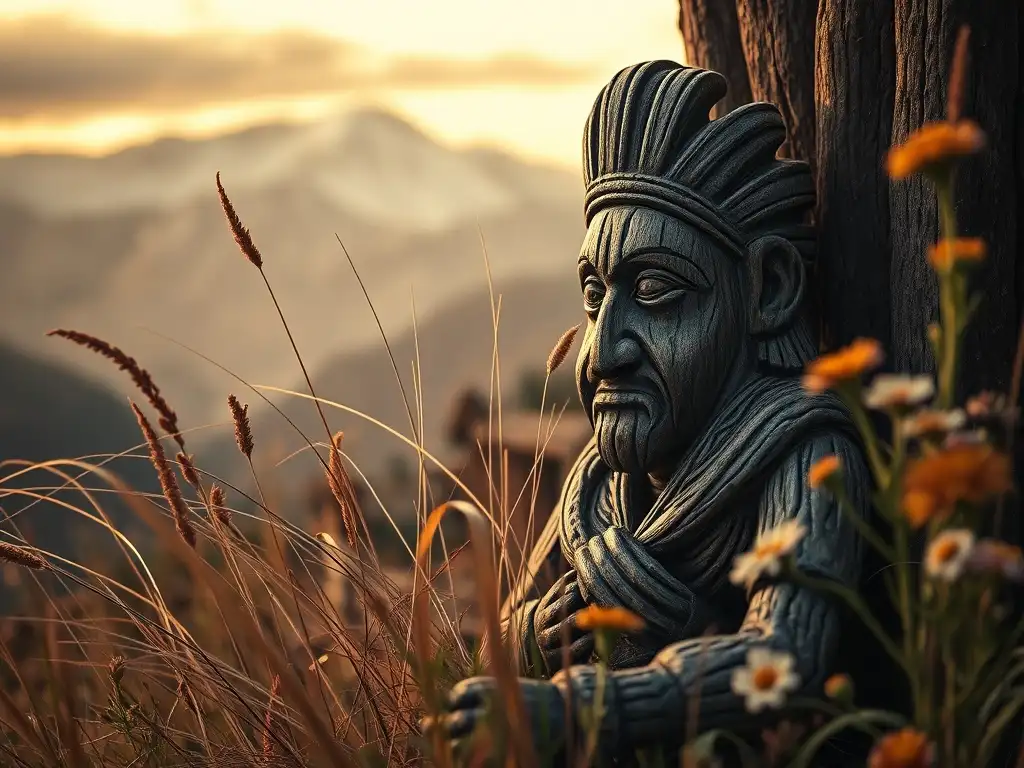
Andean animism beliefs formed the bedrock of the spiritual lives of numerous pre-Columbian cultures, profoundly shaping their interactions with the natural world and influencing their social structures. Understanding Andean animism requires moving beyond a simplistic definition and delving into the nuanced ways in which these societies perceived and interacted with the spiritual realm. It wasn't simply a belief in spirits; it was a lived experience, an integral part of daily life, woven into the fabric of their existence.
The concept of huaca, a sacred entity imbued with power, encompasses mountains, rocks, springs, and even certain animals or plants. These huacas weren't merely objects; they were active participants in the Andean worldview, possessing agency and the ability to influence human affairs. The reverence shown to huacas highlights the deeply ingrained animistic principles that guided Andean societies.
This section will explore the core tenets of Andean animism, highlighting its pervasiveness and its impact on various aspects of Andean life. The vibrant tapestry of Andean spirituality was richly embroidered with animistic threads, demonstrating the profound interconnectedness between the human and spiritual worlds.
Animism: The Core of Andean Spirituality
Animism, at its heart, is the belief that spirits inhabit all aspects of the natural world. In the Andean context, this wasn't a passive belief; it was an active engagement. Every element, from towering mountains (like the sacred Ausangate) to the smallest insects, was believed to possess a spirit or chayña. This wasn't a detached observation; it dictated how Andeans interacted with their environment.
For example, before undertaking any activity impacting nature – such as farming or mining – rituals were performed to appease the spirits, ensuring a bountiful harvest or safe passage. The intricate relationship between humans and the spirit world underscores the central role of animism in Andean spirituality. The concept of reciprocity, ayni, was deeply intertwined with animistic beliefs.
Respect for the huacas and offerings to them weren't acts of appeasement but rather expressions of a reciprocal relationship, ensuring continued support and protection from the spiritual realm. Ignoring these spiritual entities was believed to invite misfortune and imbalance. This deep-seated belief system fostered a profound sense of responsibility towards the natural world, shaping sustainable practices that were integral to Andean survival for centuries.
The Interconnectedness of Spirits and the Andean World
The Andean worldview didn't separate the spiritual and physical realms; instead, they were inextricably linked. Spirits weren't confined to a separate plane of existence; they permeated the landscape, influencing daily life and shaping social structures. The apus, mountain spirits, were particularly powerful entities, often considered protectors and guardians of their respective territories.
Their presence was felt in the weather patterns, the fertility of the land, and even the success of human endeavors. This interconnectedness fostered a profound respect for the environment, as harming one element was seen as potentially disrupting the entire delicate balance. The Andean concept of Pachamama, Mother Earth, epitomizes this profound interconnectedness.
Pachamama wasn't merely the physical earth; she was a living, breathing entity, a powerful spirit who provided sustenance and demanded respect. Rituals involving offerings to Pachamama, such as the pago a la tierra, highlight the deep reverence and reciprocity that characterized the relationship between Andeans and their environment. This constant interaction and awareness of the spiritual world fostered a holistic worldview where humans were not separate from but integral to the larger cosmic order.
Diverse Animistic Practices Across Andean Cultures
While the core principles of animism were shared across various Andean cultures, the specific practices and beliefs varied significantly. The Incas, for instance, had a highly developed pantheon of deities and elaborate rituals, while other cultures, like the Nazca and Moche, exhibited distinct animistic expressions in their art and religious practices. The Moche, known for their elaborate ceramics depicting supernatural beings, showcased a vibrant animistic worldview through their artistic representations.
Similarly, Nazca lines, although their exact purpose remains debated, are often interpreted within the framework of animistic beliefs, potentially representing pathways for spirits or constellations. The Tiahuanaco culture, with its monumental architecture and sophisticated religious beliefs, also integrated animistic principles into their cosmology. The diversity of animistic expressions across different Andean cultures underscores the rich and complex tapestry of their spiritual landscapes.
Further research is needed to fully understand the nuances of animistic practices across all Andean cultures, and to fully appreciate the diversity of these beliefs. A comparative study of specific rituals and iconography across these cultures could shed more light on the regional variations within the broader framework of Andean animism. This would provide a more complete picture of the Andean animism beliefs and their impact on the lives of these ancient societies.
Manifestations of Animism in Andean Life
Andean animism beliefs permeated every aspect of daily life, shaping social structures, agricultural practices, and even artistic expression. The belief that inanimate objects, natural phenomena, and even animals possessed spirits—a fundamental tenet of Andean spirituality—led to a profound respect for the natural world and a complex system of rituals and offerings designed to maintain harmony with the spirit world.
This section will explore some key manifestations of this vibrant animism, focusing on the reverence for specific entities and their influence on Andean society. The pervasive nature of these beliefs highlights the deep connection between the Andean people and their environment, a bond that continues to resonate today.
Apus: The Significance of Mountain Spirits
The towering Andes mountains weren't simply geographical features; they were considered sacred entities, inhabited by powerful Apus, or mountain spirits. These Apus were revered as deities, capable of both bestowing blessings and inflicting misfortune. Their moods were believed to directly influence the weather, agricultural yields, and the overall well-being of the communities living in their shadow. Communities often established shrines and made offerings at mountain passes and peaks, seeking favor from the Apus and ensuring a bountiful harvest.
The importance of the Apus is evidenced in the meticulous construction of Inca roads and agricultural terraces, often strategically placed to maintain a harmonious relationship with these mountain spirits. The Inca worldview saw the mountains as the "backbone" of the world, and the Apus as the guardians of this vital axis. Failure to respect the Apus could result in natural disasters, crop failures, or illness, underscoring the crucial role these spirits played in the Andean worldview. Specific rituals, including capac hucha (royal offerings), were performed to appease the Apus and maintain their benevolent influence.
Pachamama: The Reverence for Mother Earth
Pachamama, the Andean Mother Earth, represents perhaps the most prominent manifestation of animism in the region. More than just fertile land, Pachamama was a living entity, a powerful female deity who provided sustenance and ensured the continuation of life. This deep reverence is reflected in numerous agricultural rituals and ceremonies still practiced today. Farmers would offer coca leaves, chicha (a fermented corn beverage), and other gifts to Pachamama before planting and harvesting, seeking her blessing for a successful yield.
The concept of Pachamama extends beyond mere agriculture. She embodies the very essence of the earth, including its minerals, waters, and all living creatures. This holistic view fostered a profound respect for the environment and a sustainable approach to resource management.
The belief in Pachamama's power encouraged careful stewardship of the land, ensuring its fertility for future generations. Evidence of this reverence can be seen in the intricate irrigation systems and sophisticated agricultural techniques developed by various Andean cultures, demonstrating a deep understanding of the interconnectedness of life and the environment. The continued importance of Pachamama in contemporary Andean communities further highlights the enduring power of this animistic belief.
Water Spirits: The Sacredness of Lakes, Rivers, and Rain
Water, a life-giving force in the arid Andean highlands, held immense spiritual significance. Numerous Andean cultures believed in the existence of water spirits inhabiting lakes, rivers, springs, and even rain itself. These spirits were often associated with fertility, abundance, and the cyclical nature of life and death. Respect for these spirits was paramount, as their favor was essential for successful agriculture and the overall prosperity of the community.
Many rituals centered around water sources involved offerings of coca leaves, food, and other precious items. These offerings aimed to appease the water spirits and ensure a continuous flow of water, vital for irrigation and drinking. The construction of sophisticated irrigation systems, such as those found in the Nazca and Tiwanaku cultures, demonstrates a deep understanding of water management and a recognition of the spiritual power associated with these vital resources.
The reverence for water spirits highlights the intricate relationship between Andean societies and their environment, a relationship deeply rooted in animistic beliefs that shaped their worldview and practices for centuries. Furthermore, the stories and legends surrounding these spirits often served as a means of transmitting ecological knowledge and promoting responsible resource management across generations.
Animism and Its Influence on Andean Agriculture
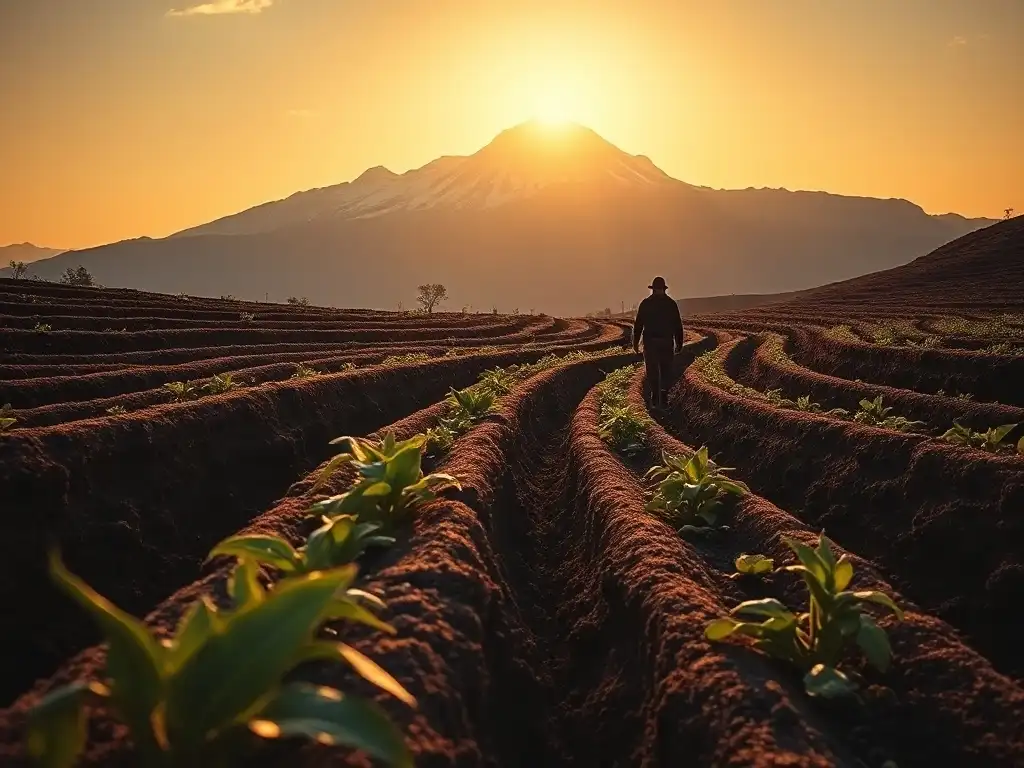
Andean animism deeply permeated agricultural practices, shaping not only farming techniques but also the spiritual relationship between humans and the land. Farmers didn't simply cultivate crops; they engaged in a complex interplay with the spirits inhabiting the fields, mountains, and water sources. The success of the harvest was directly linked to maintaining harmonious relationships with these spirits. This is evident in the various rituals and offerings performed throughout the agricultural cycle.
For instance, the Inca would make paqos (offerings) to the apus (mountain spirits) before planting, ensuring a bountiful yield. Similarly, rituals involving coca leaves, chicha (a fermented corn beverage), and other offerings were common to appease the spirits of the land and water, ensuring the fertility of the soil and the abundance of water. Failure to perform these rituals or to show proper respect was believed to result in crop failure, drought, or other misfortunes.
The concept of reciprocity, a cornerstone of Andean cosmology, was central to this relationship; the farmer offered gifts to the spirits in exchange for their blessings and protection. This wasn't merely a superstitious practice; it was a fundamental aspect of Andean agricultural life, deeply ingrained in their worldview and essential to their survival. The intricate terraces carved into the Andes mountains themselves, a testament to their agricultural ingenuity, were not just feats of engineering; they were also expressions of their spiritual connection to the landscape, designed to honor and work with the natural forces that shaped their lives.
The Animal Kingdom: Sacred Animals and Totemic Beliefs
The Andean worldview embraced a rich tapestry of animal spirits, each possessing unique powers and significance. Animals weren't simply creatures to be hunted or domesticated; they were imbued with spiritual essence and often acted as intermediaries between the human and spirit worlds. Specific animals held particular reverence, serving as totems for clans or communities. The condor, for example, symbolized power, majesty, and connection to the upper world, often appearing in Andean iconography as a messenger of the gods.
The puma, a powerful predator, represented strength, cunning, and earthly power, frequently associated with rulers and elite classes. Llamas and alpacas, crucial to the Andean economy, were not just sources of wool and meat; they were also spiritually significant, often involved in rituals and ceremonies. Their association with fertility and abundance highlights the interconnectedness of the spiritual and material aspects of Andean life. Totemic beliefs extended beyond individual animals to encompass entire animal species, with specific clans or communities identifying with particular animals and adopting their characteristics as symbols of identity and kinship.
This deep-seated connection to the animal kingdom reflects a holistic worldview where humans were not separate from nature but rather an integral part of a vibrant, interconnected spiritual ecosystem. This animistic perspective fostered a profound respect for all living creatures, shaping their hunting practices and influencing their social structures. The careful management of animal populations, evidenced in their sustainable practices, further underscores this intimate relationship with the animal world.
Animistic Rituals and Ceremonies in the Andes
The Andean worldview, deeply rooted in animism, wasn't merely a belief system; it was a lived reality woven into the fabric of daily life. Animistic practices weren't confined to elaborate ceremonies; rather, they permeated every aspect of Andean existence, from planting crops to building homes. Understanding Andean animism requires acknowledging this pervasive influence on their social structures, economic activities, and personal experiences.
The belief that spirits inhabited everything, from mountains and rivers to animals and plants, dictated a complex system of rituals and ceremonies designed to maintain harmony and balance with the spirit world. This section will delve into the key elements of these rituals, showcasing the intricate relationship between the Andean people and the supernatural beings they believed surrounded them. The pervasiveness of Andean animism beliefs shaped their entire culture, influencing their art, architecture, and even their agriculture.
Offerings and Reciprocity with Spirits
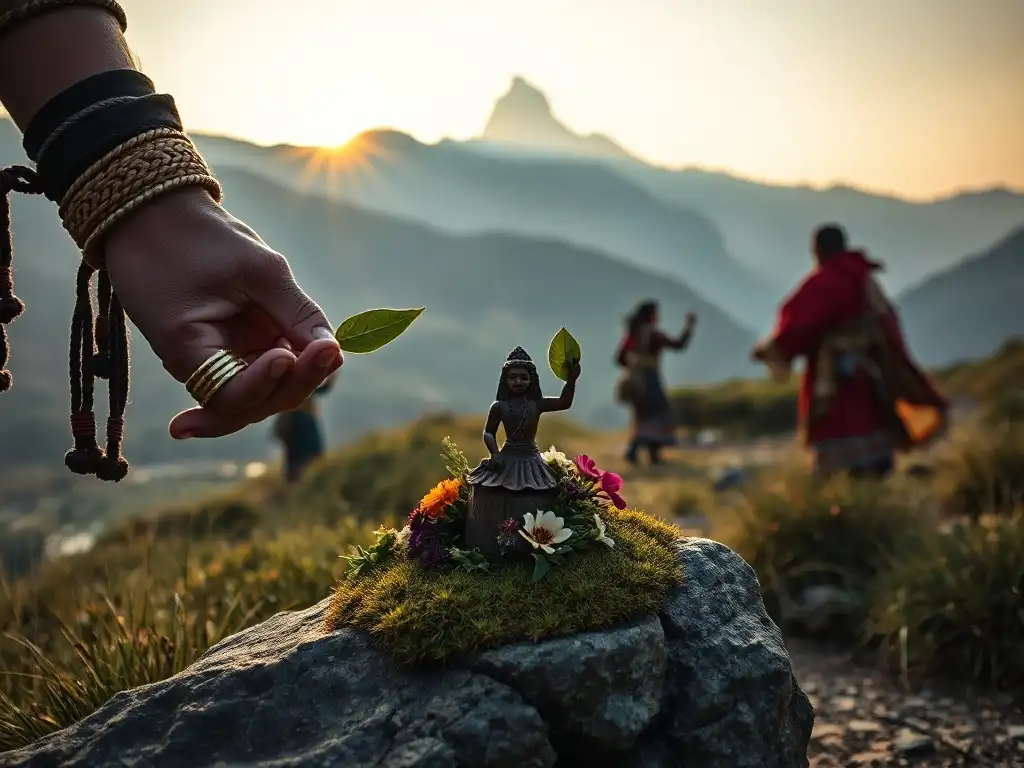
A cornerstone of Andean animistic practices was the concept of ayni, a Quechua word signifying reciprocity. This wasn't simply a social contract; it was a spiritual obligation to maintain a balanced relationship with the apus (mountain spirits), mallkis (water spirits), and other supernatural entities. Offerings, known as pagos, were central to this reciprocity. These weren't passive gestures; they were active engagements aimed at appeasing, thanking, or requesting favors from the spirits. The nature of the offering varied depending on the spirit and the purpose of the offering.
For example, coca leaves, a sacred plant in Andean culture, were frequently offered alongside chicha (fermented corn beer) and other agricultural products. The act of offering wasn't a one-way transaction; it was a dialogue, a request followed by an expectation of a reciprocal blessing—a good harvest, protection from harm, or success in a particular endeavor. The meticulous preparation and presentation of these offerings reflected the deep respect and reverence held for the spirits.
Failure to maintain this reciprocal relationship was believed to invite misfortune and imbalance. Archaeological evidence consistently reveals the significance of pagos, with offerings found in tombs, sacred sites, and even everyday contexts, emphasizing the integration of animistic beliefs into daily life. The meticulous nature of these offerings, often involving carefully arranged items, highlights the significance of these interactions within the Andean cosmovision.
Shamanic Practices: Communicating with the Spirit World
Shamanistic practices played a crucial role in mediating the relationship between the human and spirit worlds. Shamans, known as paqos or yatiri, weren't simply healers; they were spiritual leaders capable of entering altered states of consciousness to communicate with spirits. Their abilities were seen as essential for maintaining the delicate balance between the seen and unseen realms. Their role extended beyond healing; they were consulted for guidance on crucial decisions affecting the community, such as agricultural practices, political conflicts, and even personal matters.
Their rituals often involved the use of hallucinogenic substances, such as ayahuasca or San Pedro cactus, to facilitate their journeys into the spirit world. These journeys weren't mere escapades; they were purposeful quests to seek answers, negotiate with spirits, and ensure the well-being of the community. The shaman's ability to interpret the messages received during these trances was considered paramount.
These interpretations guided community actions and shaped their understanding of the natural world and its spiritual inhabitants. The use of specific tools, such as staffs and rattles, further enhanced the shamanic experience, acting as conduits for communication between the realms. The shaman's role was deeply embedded in the social structure, acting as a vital link between the human and spiritual worlds.
The Role of Music and Dance in Rituals
Music and dance weren't merely forms of entertainment in Andean animistic rituals; they were integral components that facilitated communication with and appeasement of spirits. The rhythmic sounds of drums, flutes, and panpipes, combined with the movements of ceremonial dances, were believed to create a vibrational harmony that resonated with the spiritual world. Specific rhythms and melodies were associated with particular spirits or occasions. For example, certain dances were performed to honor the apus, seeking their blessings for a bountiful harvest, while others were used to invoke healing or ward off negative spiritual influences.
The intricate choreography of these dances often mimicked the movements of animals or natural phenomena, further emphasizing the interconnectedness between the human and natural worlds. The vibrant costumes, adorned with symbolic imagery, added another layer of meaning to the performance, visually representing the spiritual energy being channeled. The collective participation in these rituals fostered a sense of community and shared spiritual experience.
The combined power of music, dance, and collective participation created a powerful conduit for communication with the spirit world, ensuring the continued harmony between the human and supernatural realms. These performances weren't just spectacles; they were vital expressions of Andean animism beliefs, deeply rooted in their cosmovision.
Animistic Festivals and Celebrations
Animistic beliefs in the Andes weren't merely a philosophical framework; they were deeply embedded in the fabric of daily life, profoundly influencing the rhythm of Andean societies. This influence manifested most dramatically through vibrant festivals and celebrations, many of which persist in modified forms even today. These events weren't simply occasions for merriment; they were crucial rituals designed to maintain harmony between the human world and the spirit world, ensuring the continued prosperity and well-being of the community.
The frequency and intensity of these celebrations varied across different Andean cultures and regions, reflecting the diverse expressions of animistic thought. For instance, agricultural cycles heavily dictated the timing of many rituals, with harvests and planting seasons marked by significant ceremonies aimed at appeasing the spirits associated with fertility and abundance. These celebrations often involved elaborate costumes, music, dance, and offerings, creating a powerful collective experience that reinforced community bonds and spiritual connection.
The preparation for these festivals involved meticulous craftsmanship, showcasing the artistic skills of the community and further underscoring the importance of these events in Andean life. The legacy of these animistic festivals is still visible in contemporary Andean cultures, where many traditions continue to honor ancestral practices and beliefs.
The Inti Raymi and Pachamama Rituals
Among the most significant animistic rituals in the Andes are the Inti Raymi and Pachamama ceremonies. Inti Raymi, meaning "Festival of the Sun," was a crucial Inca celebration honoring Inti, the sun god, a deity considered the source of life and energy. This festival, held annually during the winter solstice, involved elaborate processions, sacrifices, and feasts.
The Inti Raymi wasn't simply a religious observance; it served as a powerful reaffirmation of Inca imperial power and authority, with the emperor playing a central role in the rituals. The scale of the Inti Raymi was immense, drawing participants from across the vast Inca empire, showcasing the unifying power of animistic beliefs within the state structure. Records suggest that the festivities lasted for several days, involving elaborate dances, music, and offerings presented to Inti.
The precise details of the rituals have been debated by scholars, with some suggesting the involvement of human sacrifice in certain instances. However, the enduring legacy of Inti Raymi demonstrates the deep-seated importance of sun worship in Inca cosmology and the profound impact of animism on their social and political life.
In contrast to the grand spectacle of Inti Raymi, the Pachamama ritual focuses on a more intimate connection with the earth. Pachamama, meaning "Mother Earth," is revered as the life-giving force that sustains all living beings. The Pachamama ritual, celebrated throughout the Andes, involves offerings of food, drink, and coca leaves presented to the earth to express gratitude and ensure bountiful harvests.
Unlike Inti Raymi, which was largely a state-sponsored event, Pachamama rituals are typically performed at a more local level, often by individual families or communities. This intimate connection with the earth highlights the widespread and deeply personal nature of Andean animism, demonstrating its integration into everyday life and agricultural practices.
The continued practice of Pachamama ceremonies across diverse Andean communities underscores the enduring power of this ancient animistic tradition and its relevance to contemporary Andean cultures. The offerings made to Pachamama vary depending on the specific region and community, illustrating the rich diversity of animistic beliefs within the Andes.
Animism and Andean Art and Material Culture
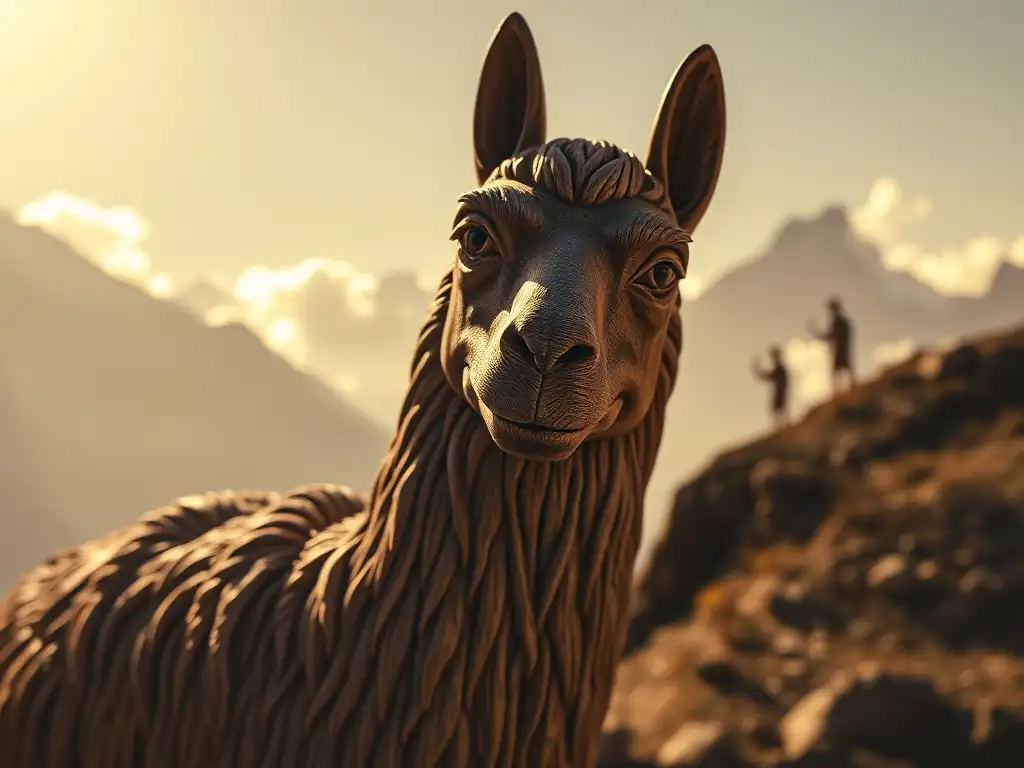
The vibrant tapestry of Andean animism beliefs is profoundly reflected in the region's art and material culture. Artifacts, from intricately woven textiles to meticulously crafted pottery and monumental architecture, serve as powerful visual representations of the pervasive belief that spirits inhabit both the natural world and everyday objects.
Examining these creations provides invaluable insights into the complexity and depth of Andean spiritual life, allowing us to understand how animistic beliefs shaped the daily lives and worldview of these ancient civilizations. The pervasiveness of Andean animism beliefs in their artistic expressions highlights the deep interconnectedness between the spiritual and material realms.
Depictions of Spirits in Andean Art
Andean art frequently portrays supernatural beings, often depicted interacting with humans or within natural landscapes. These depictions aren't simply decorative; they are active participants in the narratives presented. For instance, Moche pottery vividly illustrates spirits, often anthropomorphic or zoomorphic, engaging in various activities – hunting, feasting, or even battle. These aren't mere illustrations; they are spiritual evocations, intended to connect the viewer with the powerful forces believed to shape their lives. The stylistic choices, the use of color, and the positioning of figures within the artwork all contribute to conveying the spirit's power and importance within the Moche cosmology.
Furthermore, the Nazca culture, renowned for its geoglyphs, may have also incorporated animistic representations into their monumental designs. While the precise meaning of many Nazca lines remains debated, some scholars suggest that certain figures and patterns represent spirits or supernatural beings, possibly linked to celestial bodies or natural phenomena.
Further research into the context and potential astronomical alignments of these geoglyphs is needed to fully understand their relationship to Andean animism beliefs. The scale of these designs, visible only from the air, suggests a powerful connection between the earthly and the cosmic realms, reinforcing the idea of a universe teeming with spirits.
Animistic Symbolism in Textiles and Pottery
Textiles and pottery served as more than just functional objects; they were imbued with spiritual significance, acting as conduits to the spirit world. The intricate patterns and designs woven into Andean textiles often contained symbolic representations of spirits, animals imbued with spiritual power, and natural elements believed to be inhabited by spirits. For example, certain motifs recurring in Inca textiles, such as the khipu (knotted strings) or specific bird and animal representations, might symbolize specific spirits or deities connected to specific aspects of life, like fertility or protection.
Similarly, Andean pottery frequently features symbolic designs that reflect animistic beliefs. The use of specific colors, shapes, and patterns could represent different spirits or natural forces. For instance, the recurring use of feline imagery in Moche pottery might reflect a belief in the spirit power of felines or their association with specific deities. Analysis of these symbolic elements, combined with archaeological context, can reveal much about the nuanced aspects of Andean animism. Detailed studies comparing different styles across various Andean cultures are needed to further clarify the specific meanings attached to these symbolic motifs.
Sacred Objects: Their Connection to the Spirit Realm
Many Andean objects were not simply tools or adornments; they were considered sacred, possessing inherent spiritual power. These objects, often intricately carved or adorned with symbolic imagery, were believed to be inhabited by or connected to spirits. Their creation and use were often tied to specific rituals and ceremonies aimed at interacting with the spirit world. For example, certain types of pottery might have been used exclusively in religious ceremonies, becoming vessels for offerings or communication with spirits.
The huacas, revered places and objects, represent a prime example of this connection. These could be natural formations (mountains, rocks) or man-made objects (statues, tools) believed to house powerful spirits. The veneration of huacas highlights the fluidity between the natural and supernatural realms, underscoring the central role of animistic beliefs in Andean religious practices.
Further research into the specific rituals and ceremonies associated with huacas is crucial for a more complete understanding of the role of sacred objects in Andean animism. The careful study of these objects, combined with ethnohistorical accounts and archaeological evidence, continues to provide valuable insights into the rich and complex spiritual world of the ancient Andes.
Animistic Motifs in Inca and Moche Art
The vibrant tapestry of Andean art is deeply interwoven with animistic beliefs, reflecting a worldview where the natural world is imbued with spiritual energy. Inca and Moche art, though distinct in style, both powerfully illustrate this connection. The Inca, known for their sophisticated imperial structure, incorporated animistic motifs subtly yet pervasively into their art. Textiles, for example, often featured stylized representations of animals and plants, not merely as decorative elements, but as potent symbols carrying spiritual significance.
A llama depicted on a textile wasn't just a llama; it represented the spirit of the llama, its power, and its connection to the broader Andean ecosystem. Similarly, intricate carvings on Inca pottery frequently depicted supernatural beings interacting with the natural world, reinforcing the interconnectedness of the spiritual and physical realms. These weren't simply aesthetic choices; they were integral components of religious practice and worldview. The detailed rendering of these motifs suggests a profound understanding and respect for the spiritual forces inherent in nature.
The use of specific colors and patterns further enhanced the spiritual power attributed to these artistic representations. For example, the use of red might symbolize blood and life force, while specific patterns could represent specific deities or spirits. Detailed studies of Inca art are still uncovering the layers of meaning embedded within these seemingly simple designs.
The Moche, on the other hand, expressed their animistic beliefs with a more explicit and dramatic flair. Their renowned pottery, often depicting scenes of ritual and daily life, vividly portrays the interaction between humans and supernatural beings inhabiting the natural world. Moche ceramics showcase anthropomorphic representations of animals – jaguars with human-like features, for instance, embodying both the power of the animal and the spiritual forces it represents. These depictions aren't merely artistic expressions; they are visual narratives portraying the Moche's close relationship with the spirit world.
The dynamism and expressiveness of Moche art truly capture the perceived energy and power of the animistic forces at play. Consider, for example, the frequent depiction of shamans interacting with supernatural beings, often in contexts of ritual sacrifice or healing ceremonies. These scenes vividly illustrate the Moche belief in a world teeming with spirits, influencing human lives and demanding respect and ritual engagement.
The realistic and detailed depiction of both human and supernatural figures underscores the Moche artists' intimate understanding of their animistic cosmology, their beliefs deeply ingrained in their artistic output. The level of detail in the depiction of these interactions offers invaluable insight into their religious practices and cosmological understanding. The striking realism, often coupled with intense emotional expression, is a testament to the profound significance of these animistic beliefs within Moche society.
The Persistence of Animism in Contemporary Andean Societies
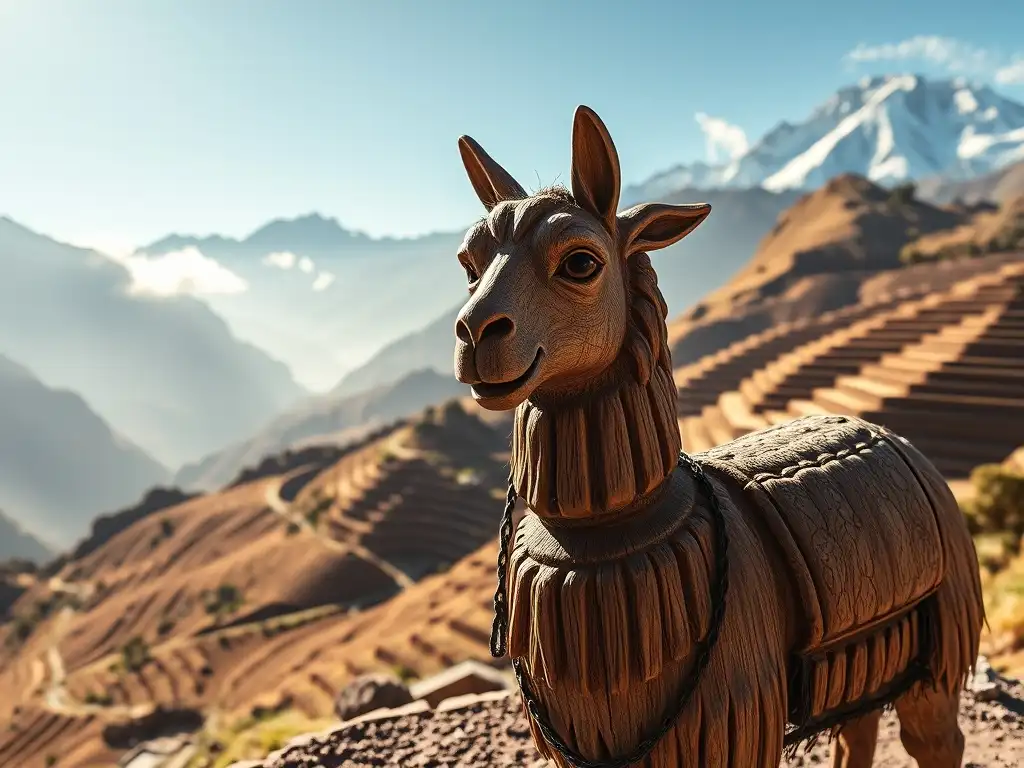
The belief in animism, the attribution of a soul to plants, animals, and even inanimate objects, remains a powerful force in many contemporary Andean communities, despite centuries of contact with other religions. While often intertwined with Christianity and other belief systems, animistic practices continue to shape daily life, influencing agricultural practices, healing rituals, and social interactions. Understanding the persistence of Andean animism beliefs requires acknowledging its adaptability and its deep integration into the fabric of Andean culture.
This enduring presence challenges simplistic narratives of religious replacement and highlights the complex interplay between tradition and change. The vitality of animistic practices underscores its significance as a living, evolving system of belief.
Syncretism: Animism and Catholicism
The arrival of Catholicism in the Andes did not eradicate indigenous spiritual beliefs. Instead, a complex process of syncretism occurred, where indigenous practices blended with Catholic doctrines. This resulted in a unique religious landscape where traditional animistic beliefs coexisted, and in many cases, integrated with Christian symbolism and rituals.
For example, the veneration of apus (mountain spirits) often incorporates Catholic saints, with offerings and prayers directed to both simultaneously. This syncretic approach isn't a simple overlay; rather, it represents a sophisticated negotiation between two belief systems, adapting to the changing socio-political context. The pachamama (Earth Mother), a central figure in Andean animism, continues to be honored through offerings and ceremonies, often alongside Catholic saints associated with fertility and abundance.
This complex interplay demonstrates the resilience of animistic beliefs and their capacity to adapt and survive within a new religious framework. The survival of these beliefs is a testament to their inherent value and their deep connection to the land and its inhabitants.
The Revival of Indigenous Spiritual Practices
In recent decades, there's been a significant revival of indigenous spiritual practices across the Andes, including a renewed emphasis on animistic beliefs. This resurgence is linked to several factors, including growing indigenous activism, a renewed interest in cultural heritage, and a desire to reclaim ancestral knowledge. This revival isn't simply a nostalgic return to the past; it's a dynamic process involving reinterpretations and adaptations of traditional practices to contemporary challenges.
For example, indigenous communities are actively working to protect sacred sites and natural resources, drawing on animistic beliefs to justify their environmental activism. The revitalization of traditional ceremonies and rituals provides a sense of community identity and cultural continuity, strengthening social bonds and promoting a sense of collective agency.
This conscious effort to preserve and promote Andean animism beliefs contributes to the ongoing cultural and spiritual vitality of the region. The numbers involved in this revival are difficult to quantify precisely, but anecdotal evidence and community reports suggest a significant increase in participation in traditional ceremonies and rituals.
Animism as a Living Tradition in the Andes
Andean animism beliefs are not relics of a bygone era; they are a living tradition that continues to shape the lives of millions of people across the Andes. From everyday interactions with the natural world to major life events like birth, marriage, and death, animistic principles permeate Andean culture. The belief that spirits inhabit all aspects of the environment – rocks, rivers, mountains, and animals – fosters a deep respect for nature and a sense of interconnectedness with the cosmos.
This worldview shapes agricultural practices, healing methods, and social structures, contributing to a unique and sustainable way of life. Furthermore, the ongoing adaptation and integration of animistic beliefs with other belief systems demonstrate the fluidity and resilience of this ancient tradition. The continued relevance of Andean animism underscores its enduring power and its profound influence on Andean societies.
The future of Andean animism looks vibrant, constantly evolving and adapting while retaining its core principles of respect for nature and the interconnectedness of all living things. 🌎
Preserving Animistic Beliefs in Modern Times
Animistic beliefs, far from being relics of the past, continue to thrive in contemporary Andean societies. While the formal structures of ancient religions may have been disrupted by colonialism and modernization, the core tenets of animism—the belief that spirits inhabit the natural world and objects—persist in various forms. This persistence is not a static phenomenon; rather, it's a dynamic interplay between ancient traditions and modern realities.
Indigenous communities actively adapt and reinterpret their animistic beliefs to navigate the challenges and opportunities of the contemporary world. This adaptation often involves a subtle blending of traditional practices with elements of Catholicism and other introduced religions, creating a unique syncretic spirituality. The result is a rich tapestry of beliefs and practices that reflect the enduring power of animistic thought in shaping Andean lives.
The survival of animistic beliefs is significantly linked to the strong connection Andean communities maintain with their ancestral lands and natural resources. For many, the mountains, rivers, and other elements of the landscape are not merely geographical features but active participants in their lives, imbued with spiritual power. This profound connection fosters a deep respect for nature and a careful stewardship of the environment, reflecting the belief that harming nature is equivalent to harming the spirits that inhabit it.
This reverence manifests in various rituals and practices, such as offerings left at sacred sites or prayers recited before undertaking activities that might impact the environment. These actions aren't merely symbolic; they are integral to the daily lives of many Andean communities, demonstrating the enduring relevance of animistic principles in their worldview.
Furthermore, the transmission of animistic beliefs across generations plays a crucial role in their preservation. Oral traditions, storytelling, and family rituals serve as vital mechanisms for passing down knowledge and maintaining cultural continuity. Elders within the communities act as custodians of traditional practices and beliefs, sharing their wisdom and experience with younger generations.
This intergenerational transfer of knowledge ensures that animistic beliefs remain relevant and vibrant in the face of societal changes. However, it's important to note that the nature of this transmission is not always straightforward; the younger generation often negotiates between ancient traditions and contemporary pressures, resulting in a continual evolution of animistic practices. This adaptation is a testament to the resilience and adaptability of Andean cultures.
The persistence of Andean animism is also evident in the continued use of traditional healing practices, which are often deeply rooted in animistic beliefs. These practices often involve the intervention of spiritual healers or shamans who act as intermediaries between the human world and the spirit world. These healers utilize various techniques, including herbal remedies, rituals, and prayers, to address physical and spiritual ailments.
The efficacy of these practices is not solely measured by their medical outcomes; they also play a vital social role in providing comfort, support, and a sense of community. The continued reliance on these traditional healing methods underscores the enduring importance of animistic beliefs in shaping health and well-being within Andean societies. It highlights the holistic approach to health that integrates the physical, spiritual, and social dimensions of life, a perspective deeply rooted in animistic cosmology.
Conclusion: The Enduring Legacy of Andean Animism
The belief in Andean animism, a vibrant tapestry woven into the very fabric of Andean life, continues to resonate even today. While the formal structures of Inca religion may have been largely dismantled following the Spanish conquest, the underlying animistic worldview—the pervasive belief that spirits inhabit the natural world and influence daily existence—persisted and subtly shapes Andean cultures even now. Understanding this enduring legacy requires a nuanced appreciation for its intricate relationship with the physical environment and its profound impact on Andean societies.
The echoes of these beliefs can be traced through contemporary traditions, art forms, and even agricultural practices. The pervasive influence of Andean animism beliefs continues to shape cultural identity, providing a framework for understanding the world and interacting with it.
Understanding the Importance of Andean Animism
Andean animism wasn't simply a belief system; it was a way of life. It dictated social structures, influenced agricultural practices, and guided everyday decisions. The profound respect for apus (mountain spirits) shaped settlement patterns and resource management. The intricate relationship with mama coca, the coca plant, highlights the spiritual significance attached to even the most mundane aspects of life.
It wasn't merely a matter of consuming coca for its stimulant properties; rather, it involved a ritualistic offering and a respectful dialogue with the spirit residing within the plant itself. This deep-seated connection between humans and the natural world, mediated through spirit entities, is crucial to comprehending the complexities of Andean spirituality. The importance of Andean animism beliefs is evident in the intricate details of daily life, from the construction of terraces to the performance of rituals.
For example, the camayoc (community leader) often held a key role in mediating between the community and the spirit world. Their understanding of animistic principles was vital for ensuring successful harvests and the overall well-being of the community. Their knowledge, passed down through generations, wasn't just about religious practices; it was about practical survival and maintaining harmony with the environment. The enduring legacy of their roles is a testament to the centrality of Andean animism beliefs in shaping Andean societies.
The Interrelation Between Nature, Spirit, and Life
The core tenet of Andean animism is the inseparable connection between nature, spirits, and human life. Every element of the natural world—mountains, rivers, plants, animals—was believed to possess its own unique spirit, or huaca. These huacas weren't simply passive entities; they actively participated in the lives of humans, influencing events, offering protection, or inflicting misfortune depending on their mood and how humans treated them.
This intricate web of interconnectedness meant that respecting the natural world was not merely a matter of environmental preservation; it was a fundamental aspect of ensuring spiritual and physical well-being. The health of the ecosystem was directly tied to the health of the community, both spiritually and materially.
This holistic perspective contrasts sharply with many Western worldviews that often place humans at the center of the universe. In the Andean worldview, humans are an integral part of a larger, interconnected ecosystem, and their actions have direct consequences for the balance of the spiritual and natural world. This understanding fostered a deep sense of responsibility towards the environment and a commitment to sustainable practices—practices that are increasingly relevant in our modern world. The interrelation between nature, spirit, and life, as understood through the lens of Andean animism beliefs, offers valuable lessons for contemporary environmental ethics and sustainable living.
The Significance of Animism in Andean Culture
The significance of animism in Andean culture is multifaceted and deeply ingrained. It's reflected in artistic expressions, such as the intricate weaving patterns that often depict spiritual beings and natural elements. It is also evident in the construction of ceremonial sites like Machu Picchu, strategically positioned in harmony with the surrounding landscape and its associated spirits.
Furthermore, the enduring presence of animistic beliefs in contemporary Andean practices, such as shamanic healing rituals and agricultural ceremonies, underscores its continued relevance. These rituals are not mere historical relics; they are living traditions that maintain a vital connection to the past and provide a framework for understanding the present.
The enduring influence of Andean animism beliefs on contemporary Andean cultures cannot be overstated. It is a powerful testament to the resilience of indigenous worldviews in the face of external pressures. The continued practice of animistic rituals and the preservation of related traditions serve as a powerful reminder of the rich spiritual heritage of the Andes and its ongoing relevance. Understanding the significance of Andean animism is crucial for appreciating the complex tapestry of Andean culture and its lasting legacy. The continued vitality of these beliefs offers valuable insights into the profound interconnectedness between humans and the natural world.
Frequently Asked Questions
What is animism, and how did it relate to Andean civilizations?
Animism is the belief that spiritual beings inhabit natural objects and phenomena. In Andean cultures, this manifested in reverence for mountains, rivers, and other elements of the natural world, seen as powerful and alive. These beliefs deeply impacted their daily lives and rituals.
How did Andean animism influence daily life?
Andean animism permeated daily life, influencing everything from agricultural practices to social structures. People performed rituals to appease spirits and ensure good harvests. Their worldview was deeply intertwined with the spiritual realm.
Were all Andean cultures equally animistic?
While animistic beliefs were widespread, the specific expressions varied across different Andean cultures (Inca, Moche, Nazca, etc.). Some emphasized ancestor veneration more than others, leading to diverse rituals and beliefs.
What role did nature play in Andean animism?
Nature was central to Andean animism. Mountains, rivers, and even animals were believed to possess spirits that needed to be respected and appeased. This led to a complex system of reciprocal relationships between humans and the natural world.
How did Andean animistic beliefs influence their art and architecture?
Andean art and architecture often reflected their animistic beliefs. Many artifacts depict spiritual beings and deities, and structures were strategically placed to harmonize with the landscape and its perceived spiritual energies. This connection is evident in their monumental sites.
Final Reflection: Echoes of the Andes: Animism's Enduring Power
The vibrant tapestry of Andean animism, woven from threads of reverence for the natural world and a deep interconnectedness with the spirit realm, remains profoundly relevant today. Its enduring legacy challenges our modern, often anthropocentric worldview, forcing us to reconsider our relationship with the environment and the unseen forces that shape our lives. The echoes of ancient beliefs resonate in contemporary practices, reminding us of the enduring power of spiritual connection.
The influence of Andean animism extends far beyond the Andes themselves, subtly shaping global perspectives on environmentalism, spirituality, and indigenous rights. Its emphasis on reciprocal relationships with nature offers a powerful counterpoint to exploitative practices. The Earth is not something we own, but rather something we belong to.
This sentiment, though not directly from Andean tradition, encapsulates the core principle of respecting the inherent dignity and agency of the natural world, a principle central to animistic belief systems. Understanding this perspective is crucial for fostering a more sustainable and equitable future.
Consider, for a moment, the ways in which your own life interacts with the natural world. Do you feel a sense of connection to the land, the animals, the elements? This article has hopefully sparked a deeper appreciation for the richness and complexity of Andean animism, but more importantly, it has hopefully ignited a personal exploration of your own relationship with the unseen forces that shape our existence. Embrace the opportunity to learn from these ancient traditions, to find inspiration in their wisdom, and to cultivate a more harmonious relationship with the world around you.
Reconnect with Nature's Spirits!
Thank you for exploring the fascinating world of animism with us! Understanding the belief in the spiritual presence within nature and our daily lives enriches our connection to the environment and deepens our appreciation for ancient traditions. Let's put your newfound knowledge into practice.
Here are some ways to embrace animism in your life:
- Start a nature journal: Document the plants, animals, and natural features around you. Reflect on their significance and the stories they might tell.
- Practice mindfulness outdoors: Spend time in nature, observing and appreciating the details. This cultivates a deeper connection to the natural world and its inherent spirituality.
- Share your experiences: Connect with friends or online communities to discuss your observations and reflections on nature. Sharing your journey fosters a collective understanding and appreciation.
Which aspect of nature resonates most deeply with you, and how will you honor its presence in your life?