
The Andean Ritual of the Llama: The Sacred Burden Bearer of the Andes

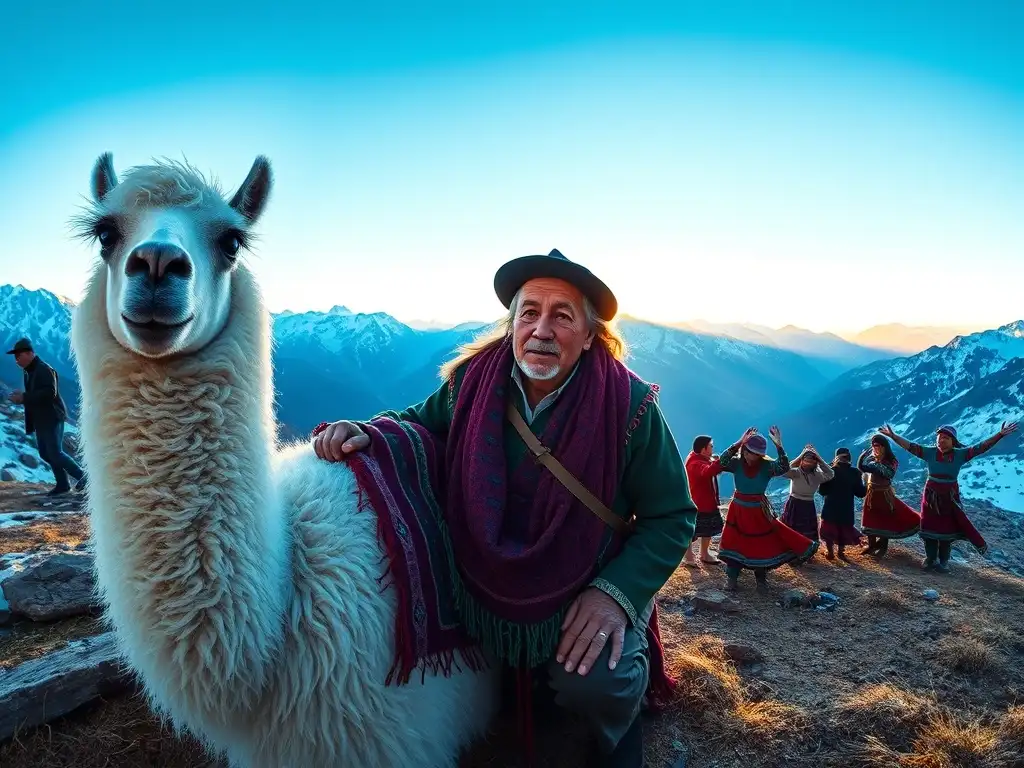
Step into a world lost to time, yet echoing with the whispers of ancient spirits. Journey with us through the breathtaking landscapes of the Andes, where civilizations flourished and left behind a legacy of unparalleled artistry and ingenuity. Discover the intriguing secrets behind the Andean llama's ritual significance, a sacred animal whose role in Andean life transcended mere utility. Unravel the mysteries surrounding this enigmatic creature and its profound connection to the cosmos – a story woven into the very fabric of Andean religion and cosmovision. Prepare to be amazed.
The llama, far from being merely a beast of burden in the Andes, held—and continues to hold—a position of profound spiritual significance for numerous Andean cultures. This article delves into the multifaceted role of the llama in Andean rituals, exploring its symbolic representation, its use in ceremonies and offerings, and its enduring connection to the Andean worldview.
We will examine how the llama's unique characteristics, its connection to the earth and the cosmos, and its practical utility intertwined to create a complex tapestry of religious and cultural meaning. Understanding the Andean llama ritual significance requires exploring its deep-rooted place within the Andean cosmovision, a holistic understanding of the universe that encompasses the spiritual, the material, and the human.
From the high-altitude pastures to the sacred sites of ancient civilizations, the llama's presence is inextricably linked to the spiritual life of the Andean people, a connection that resonates through centuries of history and tradition. This exploration will illuminate the profound respect and reverence afforded to this seemingly humble animal.
The Llama's Symbolic Representation in Andean Culture
The llama's symbolic representation in Andean culture is rich and multifaceted. Its docile nature, its ability to thrive in harsh environments, and its economic importance all contributed to its sacred status. Llamas were often associated with fertility, prosperity, and the cyclical nature of life and death. Their soft fleece, used in textiles for clothing and ceremonial purposes, further reinforced their connection to the earth and its bounty. Their gentle demeanor contrasted with the powerful, sometimes fierce, deities worshipped in the Andes.
This duality – strength within gentleness, endurance amidst adversity – likely contributed to its enduring sacredness. Specific colors of llama fleece might have held particular symbolic meaning, though further research is needed to fully elucidate these nuances. [Specific color symbolism pending]. Furthermore, the llama's capacity to carry heavy loads symbolized the burdens borne by humans, highlighting the animal's empathetic connection to human experience.
Llamas in Andean Ceremonies and Offerings
Llamas played a crucial role in a variety of Andean ceremonies and offerings. The ritual sacrifice of llamas, though often misunderstood in modern contexts, was not simply an act of brutality, but rather a deeply meaningful act of communion with the supernatural world. These sacrifices, often performed at significant agricultural or social events, were believed to ensure the fertility of the land, the success of harvests, and the well-being of the community.
The offering of llama wool, meat, or even the entire animal, represented a tangible expression of gratitude and a plea for divine favor. Detailed accounts of these ceremonies, often recorded by Spanish chroniclers, highlight the complexity and significance of these rituals. The act of sacrifice was a carefully orchestrated event, involving specific preparations, prayers, and symbolic actions.
[Specific details of a particular ceremony pending]. The consumption of llama meat during these ceremonies further cemented the animal's role as a sacred offering, uniting the community in a shared experience.
The Enduring Legacy of the Llama in Andean Spirituality
Even today, the llama maintains a significant presence in Andean spirituality. While large-scale sacrificial ceremonies are less common, the llama remains a symbol of Andean identity and cultural heritage. Its image appears in contemporary art, textiles, and religious iconography, demonstrating the enduring legacy of its sacred status. Many Andean communities continue to incorporate llamas into their religious practices, albeit in modified forms.
The llama's continued importance highlights the enduring strength of Andean traditions and the profound connection between humans and animals within the Andean cosmovision. The gentle gaze of the llama, its quiet dignity, continues to evoke a sense of reverence and respect, a testament to its enduring role as a sacred burden bearer of the Andes. The llama’s significance transcends mere practicality; it embodies the deep spiritual connection between the Andean people and their environment.
Further Research Areas
Further research is needed to fully understand the regional variations in llama ritual significance. The specific practices and beliefs surrounding llama rituals likely differed among various Andean cultures and even within individual communities. Moreover, a deeper analysis of archaeological evidence, including iconography and skeletal remains, could further illuminate the role of llamas in ancient Andean societies. Ethnographic studies of contemporary Andean communities would also provide invaluable insights into the continuing significance of the llama in their spiritual lives.
- The Llama's Symbolic Representation in Andean Culture
- Llamas in Andean Ceremonies and Offerings
- The Enduring Legacy of the Llama in Andean Spirituality
Understanding the Andean Llama's Role in Ritual and Cosmovision
The Andean llama, far from being merely a beast of burden, occupied a central and multifaceted role in the spiritual and practical lives of Andean civilizations. Its significance transcended economic utility, deeply interwoven with their cosmology, rituals, and social structures. Understanding the Andean llama's ritual significance requires examining its symbolic representation within the broader context of Andean religion and worldview. This involved a complex interplay of beliefs surrounding reciprocity ( ayni), community, and the delicate balance between the human and supernatural realms.
The llama's symbolic power was not static; it varied across different Andean cultures and time periods, reflecting the diverse interpretations of its role within their respective belief systems. However, common threads of reverence and spiritual connection consistently emerge throughout the historical record. The deep-seated importance of the llama is readily apparent in surviving artifacts, archaeological findings, and ethnographic accounts, painting a vivid picture of its sacred status.
The Llama: More Than Just a Beast of Burden in Andean Culture
The llama's practical contributions to Andean societies were undeniable. Providing wool for clothing, meat for sustenance, and transport for goods, the llama was essential for economic survival. However, its value extended far beyond mere economic utility.
Llamas were often incorporated into agricultural practices, their dung serving as fertilizer, further emphasizing their indispensable role in the Andean way of life. The careful management of llama herds reflects a deep understanding of their needs and a respect for their contribution to the community's well-being. This symbiotic relationship, characterized by mutual dependence and respect, underpinned the spiritual significance attributed to the animal.
Consider the intricate textiles adorned with llama imagery, reflecting not only the animal's practical importance but also its symbolic representation of fertility, prosperity, and social status. The meticulous craftsmanship evident in these artifacts underscores the reverence with which llamas were regarded. The llama was not just a source of material wealth; it was a vital component of the social fabric, reflecting the interconnectedness of all aspects of Andean life.
The Spiritual Significance of Llamas in Andean Belief Systems
The spiritual significance of llamas within Andean belief systems is multifaceted and profound. They were often viewed as intermediaries between the human and spiritual worlds, acting as messengers or offerings to the deities. In various rituals, llamas were sacrificed to appease the gods, ensure successful harvests, or secure favorable outcomes in other crucial aspects of life. The act of sacrifice was not simply a violent act but a carefully orchestrated ritual signifying reciprocity and reaffirming the relationship between humans and the supernatural.
The blood of the sacrificed llama was believed to possess potent spiritual energy, capable of influencing events and maintaining cosmic balance. The careful preparation and execution of these rituals, often involving elaborate ceremonies and specific procedures, highlight the profound importance attached to the llama's role in maintaining the harmony of the Andean world. Detailed accounts of these ceremonies, although scarce in some cases, reveal the deeply ingrained spiritual significance of the llama within Andean cosmovision.
Moreover, the capacocha sacrifices, involving the offering of children and llamas to the gods, further illustrate the sacred status assigned to these animals and their role in appeasing the deities and maintaining the cosmic order. The Andean llama ritual significance, therefore, extends far beyond the practical; it is deeply embedded in the very fabric of Andean spirituality and worldview. Further research into specific regional variations in llama rituals would provide a more nuanced understanding of this complex relationship.
The Andean Llama Ritual: A Detailed Exploration
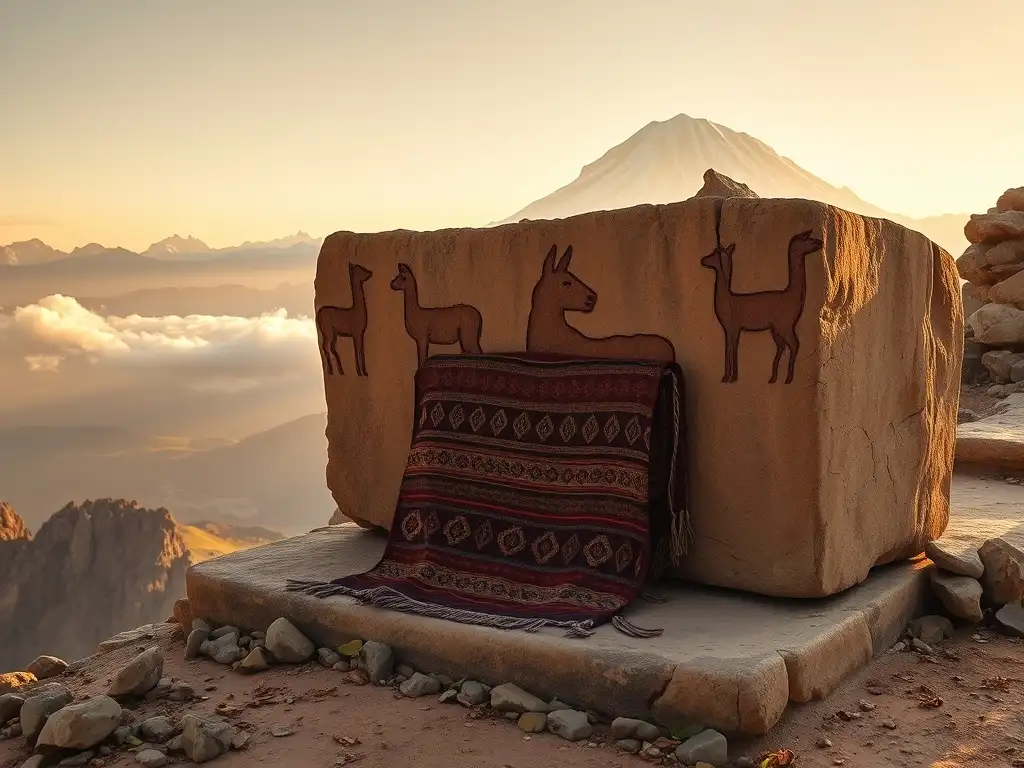
The llama, far from being merely a beast of burden in the Andes, held – and in many communities, continues to hold – profound spiritual significance. Its importance permeates Andean cosmology, shaping rituals and ceremonies across various cultures and time periods. This section delves into the intricacies of Andean llama rituals, exploring their diverse forms and the deep-seated beliefs that underpinned them.
Understanding the Andean llama ritual significance requires examining the multifaceted role of this animal within the intricate web of Andean spirituality. The llama's symbolic power extended beyond its practical uses, representing fertility, wealth, and the connection between the earthly and spiritual realms. Its inherent duality – both a provider of sustenance and a conduit to the divine – is central to comprehending the complex rituals surrounding it.
Types of Llama Rituals in the Andes
Andean llama rituals varied greatly depending on the specific community, geographic location, and the intended purpose. While comprehensive documentation is lacking for some pre-Columbian practices, ethnographic studies and archaeological evidence shed light on the diverse ways llamas were incorporated into religious life. These rituals weren't monolithic; they encompassed a spectrum of practices, from simple offerings to elaborate sacrifices.
Some examples include:
- Ch’alla: A ritual of offering, often involving coca leaves, chicha (fermented corn beer), and other goods placed on the llama's back before a journey or significant event. This act established a reciprocal relationship between humans and the spirit world, seeking blessings and protection.
- Capacocha: This ritual, practiced by the Inca, involved the sacrifice of young llamas (and children) to appease the gods and ensure the prosperity of the empire. These sacrifices were often performed at high-altitude mountain shrines, deemed sacred spaces connecting the earthly and celestial realms.
- Other Offerings: Less formal offerings involved the simple act of sharing food with llamas, acknowledging their contribution to daily life. This fostered a sense of community and mutual respect between humans and animals. The llama's presence was considered auspicious, and their well-being reflected the prosperity of the community.
The diversity of these practices underscores the multifaceted nature of the llama's role in Andean spirituality, highlighting its importance across various contexts and social strata.
The Ch’alla: A Ritual of Gratitude and Reciprocity involving Llamas
The ch'alla, a Quechua word meaning "to sprinkle" or "to offer," is a pervasive Andean ritual involving the offering of various items to deities, spirits, and even inanimate objects. When performed with llamas, the ch’alla becomes a powerful demonstration of reciprocity and gratitude. The llama, adorned with colorful textiles and coca leaves, becomes a living offering, a vessel carrying the gifts to the supernatural world.
The process typically involves:
- Preparation: The llama is carefully prepared, often adorned with ribbons, coca leaves, and other offerings. This meticulous preparation demonstrates respect and reverence.
- The Offering: The llama carries a carefully selected array of offerings, including coca leaves, chicha, food, and other items deemed valuable by the community. These items are strategically placed upon the llama's back.
- The Invocation: Prayers and invocations are recited, thanking the spirits for their blessings and seeking continued protection and prosperity. The llama acts as a mediator between humans and the spiritual realm.
- The Journey: In some cases, the llama, laden with offerings, might embark on a journey to a sacred site, further emphasizing the importance of the offering and the connection to the spiritual world. The llama's safe return signifies a positive response from the spirits.
The ch'alla with llamas is not merely a religious act; it's a deeply ingrained social practice, reinforcing community bonds and reaffirming the reciprocal relationship between humans and the natural world. The llama's active participation elevates the significance of the ritual, transforming it into a vibrant expression of Andean spirituality.
Llama Sacrifice: Its Purpose and Context within Andean Spirituality
Llama sacrifice, while a less frequent practice than the ch'alla, held profound significance within Andean spirituality, particularly during important ceremonies and times of crisis. It wasn't a gratuitous act of violence, but rather a deeply symbolic offering intended to maintain cosmic balance and appease the deities. The act of sacrifice was understood as a means of ensuring the continuation of life and prosperity within the community.
The motivations behind llama sacrifice were multifaceted:
- Maintaining Cosmic Equilibrium: The sacrifice was viewed as a necessary act to maintain the harmony between the human and supernatural realms. Offering a life to the deities ensured continued blessings and averted misfortune.
- Ensuring Fertility and Abundance: Llamas, as symbols of fertility and prosperity, were offered to ensure bountiful harvests and the overall well-being of the community. Their sacrifice was seen as a way to reciprocate the abundance provided by the earth and the deities.
- Honoring Deities and Ancestors: Sacrifices were performed to honor specific deities or ancestral spirits, seeking their favor and protection. The llama served as a valuable offering due to its cultural importance.
The specific practices surrounding llama sacrifice varied across different Andean cultures and time periods. However, the underlying principles—the need to maintain cosmic equilibrium, ensure fertility, and honor the divine—remained consistently important. The act of sacrifice was not viewed as cruel, but rather as a sacred duty, a necessary act to maintain the delicate balance between the earthly and spiritual worlds. Understanding this nuanced perspective is crucial to appreciate the true Andean llama ritual significance.
The Role of the Llama in Andean Agricultural Ceremonies
The llama's significance in Andean agricultural ceremonies stemmed from its deep-seated connection to the land's fertility and the prosperity of the harvest. These weren't simply symbolic gestures; the llama played an active, practical role in the agricultural cycle. Llamas, with their surefootedness and strength, were essential for transporting goods, including agricultural products to market and vital supplies to high-altitude fields. Their dung, rich in nutrients, served as a natural fertilizer, enriching the soil and contributing directly to crop yields. This practical contribution intertwined with the spiritual significance, reinforcing the llama's role as a sacred participant in the agricultural rites.
Furthermore, the llama’s presence in agricultural ceremonies wasn't limited to its physical contributions. Specific rituals involved the llama's sacrifice, a practice deeply rooted in the Andean belief system. The sacrifice wasn't viewed as a mere killing but rather a sacred offering to the gods of fertility, ensuring a bountiful harvest. The act of sacrificing a llama, a valuable animal in Andean society, demonstrated the community's commitment and respect for the divine forces governing agriculture.
The meat, often shared communally, fostered social cohesion and celebrated the shared dependence on the land's productivity. The llama’s fleece, too, held significance, sometimes incorporated into ritual garments or used in offerings. This holistic integration of the llama into agricultural practices underscored its sacred status and its vital role in maintaining the delicate balance between humans and the natural world.
The llama was not just a livestock animal; it was a sacred participant in the cycle of life, death, and renewal that underpinned Andean agriculture. The meticulous care given to llamas throughout the year, reflected in their treatment and the rituals surrounding them, further emphasized their importance in ensuring agricultural prosperity. The llama's health and well-being were directly linked to the health and prosperity of the community as a whole.
The Symbolic Meaning of the Llama in Andean Rituals
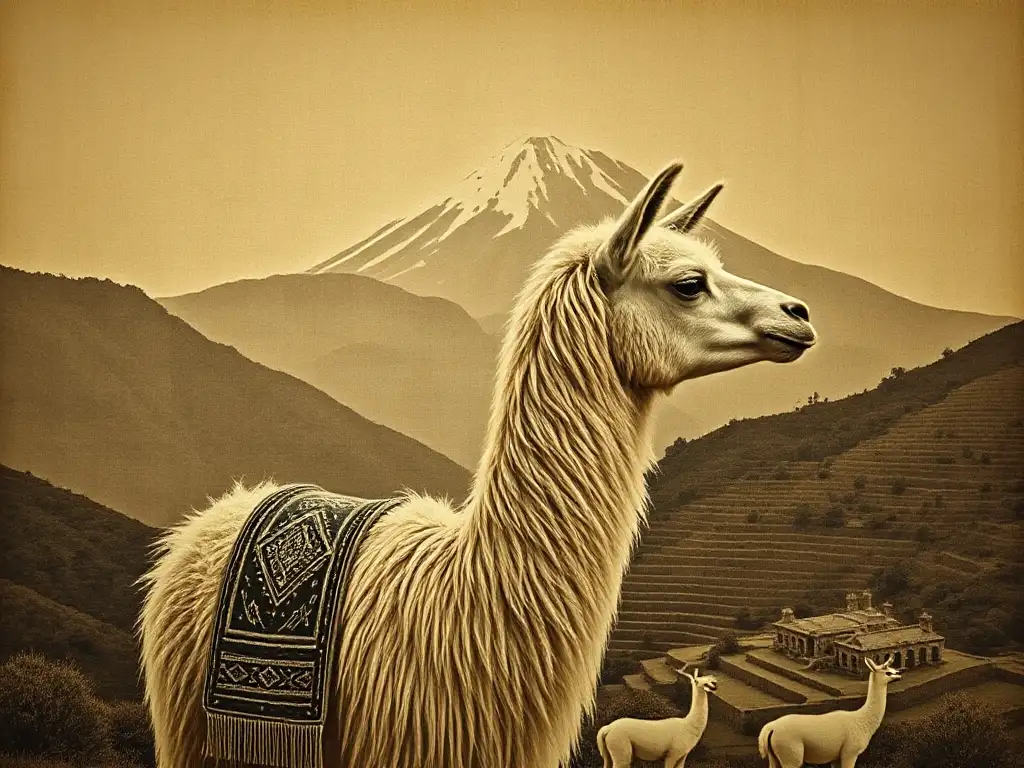
The llama, far from being merely a beast of burden for Andean civilizations, held profound symbolic significance within their intricate religious and cosmological systems. Its importance transcended practical utility, becoming deeply entwined with rituals, ceremonies, and offerings. Understanding the Andean llama ritual significance requires appreciating the multifaceted symbolism associated with this animal.
The llama represented a powerful connection between the earthly realm and the spiritual world, embodying fertility, prosperity, and the very essence of Andean life itself. Its presence in rituals served as a conduit for communication with the deities and the ancestors, facilitating a harmonious relationship between the human and divine spheres. The careful observation of llama behavior, even seemingly mundane actions, were often interpreted as omens or messages from the supernatural.
This deep-seated reverence for the llama is evident across various Andean cultures, from the Inca to the pre-Inca societies. The intensity of this veneration varied across different groups and periods, yet the core symbolism remained remarkably consistent. The llama's significance was not solely religious; it also played a significant role in social structures, economic systems, and daily life, underscoring its pervasive influence on Andean society.
Llama as a Link Between the Worlds: The Upper, Middle, and Lower
The Andean worldview was structured around a three-tiered cosmos: the Hanan Pacha (upper world), the Kay Pacha (middle world, or earthly realm), and the Ukhu Pacha (underworld). The llama, uniquely, served as a powerful intermediary between these three realms. Its ability to traverse mountainous terrain, seemingly effortlessly moving between high altitudes and lower valleys, mirrored this cosmological connection.
The llama's fleece, often used in textiles for ritual garments and offerings, was seen as a tangible link to the Hanan Pacha, representing the celestial realm's purity and the divine. The llama's physical presence in the Kay Pacha embodied the vitality and fertility of the earthly world. Its role in agricultural practices, such as fertilizing fields with its dung, reinforced this association.
Finally, the sacrifice of llamas, particularly in connection with pachamama (Mother Earth) rituals, established a connection to the Ukhu Pacha, ensuring the balance and fertility of the underworld. The careful preparation and offering of these animals were believed to appease the spirits of the underworld and maintain the cyclical harmony of the cosmos. The precise rituals varied depending on the specific Andean culture and the purpose of the offering, but the fundamental principle of the llama's mediating role remained consistent.
Llama Offerings: Symbolism and Intentions Behind the Practice
Llama offerings were integral to Andean religious practices. These were not simply acts of sacrifice but highly symbolic actions with specific intentions. The offering of a llama could be a gesture of gratitude to the deities for a bountiful harvest, a plea for healing, a request for protection from harm, or a way to ensure successful ventures.
The color of the llama, its age, and even the manner of its sacrifice all held specific symbolic meanings. For example, a white llama might be offered to ensure purity and blessings, while a black llama might be associated with offerings to the underworld. The meticulous preparation of the animal, the accompanying rituals, and the distribution of the meat and other parts among the community further emphasized the social and religious significance of these events.
Detailed records of these practices are scarce, and much remains to be deciphered from archaeological evidence and surviving accounts, however, the available information suggests the complexity and rich symbolism inherent in these offerings. Anthropological research continues to uncover nuances of these practices, revealing the intricate relationship between the Andean people and their sacred animals.
The Colors of Llamas and Their Ritualistic Associations
The color of a llama held significant meaning within Andean rituals. This wasn't merely an aesthetic consideration; specific colors were associated with particular deities, elements, and intentions. For example, a white llama, symbolizing purity and light, might be offered to the sun god, Inti.
A black llama, associated with the underworld and fertility, might be used in offerings related to pachamama. Brown or reddish-brown llamas might represent the earth itself, while other colors held different connotations, often reflecting the diversity and complexity of the Andean cosmological system. The specific associations varied across different Andean cultures and time periods, but the general principle of associating color with symbolic meaning remained consistent.
Understanding these color associations provides a deeper insight into the rich symbolic language of Andean rituals and the profound significance of the llama within their religious beliefs. Further research could provide a more comprehensive understanding of the specific color associations found across different Andean regions and cultures, adding further depth to our understanding of Andean llama ritual significance. Unfortunately, detailed records of these specific color associations are currently limited, highlighting an area for future research.
The Andean Llama Ritual Today: Preservation and Transformation
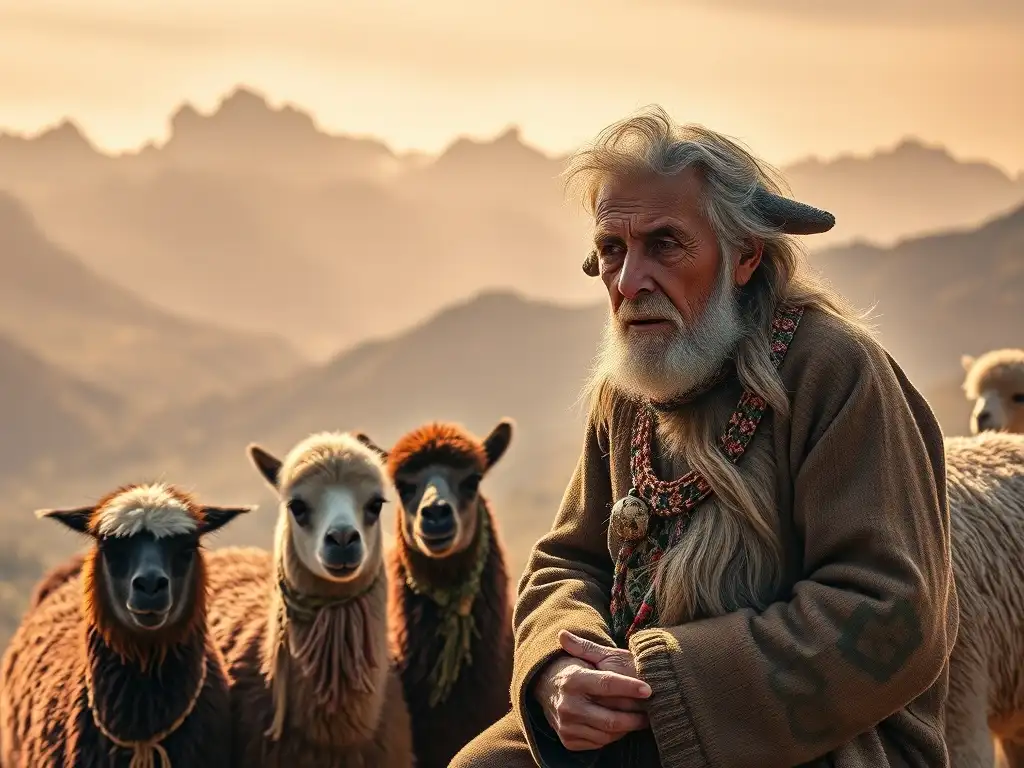
The vibrant tapestry of Andean culture, rich with ancient traditions, continues to weave the llama into its very fabric. While the grand, empire-scale rituals of the Inca may be lost to time, the deep-seated reverence for the llama persists in contemporary Andean communities. The significance of the llama, far from diminishing, has adapted and evolved, reflecting the enduring connection between humans and these remarkable camelids. Understanding the modern manifestations of Andean llama rituals is crucial to appreciating the enduring power of this sacred bond. The keyword "Andean llama ritual significance" remains central to this ongoing story.
Modern Adaptations of Ancient Llama Rituals
Modern Andean llama rituals often retain core elements from their ancient predecessors, albeit in modified forms. For instance, the practice of pago a la tierra (payment to the earth), once a large-scale communal event involving numerous llamas, now frequently manifests as smaller, family-oriented ceremonies. Instead of hundreds of animals being offered, a single llama, or even symbolic offerings like coca leaves and chicha (a fermented maize beverage), may suffice.
This adaptation reflects the changing socio-economic landscape of the Andes, where large-scale communal rituals are less feasible for many communities. However, the underlying principle – showing respect and gratitude to the earth and its benevolent spirits – remains unchanged. The core values associated with "Andean llama ritual significance" are preserved, even as the scale and form of the rituals adapt.
These modern practices are not a dilution, but rather a dynamic demonstration of cultural resilience. The deep-seated belief in the llama's spiritual power continues to shape these modified rituals, connecting the present to the ancient past.
The use of the llama in chaccu, a traditional Andean herding practice, also retains ritualistic elements. Though primarily a practical activity for managing llama herds, it often includes prayers and offerings to ensure the success of the roundup and the well-being of the animals. The careful handling of the animals, the respect shown during the process, and the accompanying rituals underscore the sacred status of the llama within this context. This highlights the interwoven nature of the practical and spiritual aspects of llama husbandry in Andean communities, reinforcing the enduring "Andean llama ritual significance".
The Cultural Importance of the Llama in Contemporary Andean Communities
Beyond formal rituals, the llama holds immense cultural importance in contemporary Andean communities. It remains a vital part of the Andean economy, providing wool, meat, and transportation. However, its symbolic value transcends its economic utility. The llama frequently appears in Andean textiles, pottery, and other forms of art, serving as a powerful symbol of Andean identity and resilience. The llama's image is often interwoven with other sacred symbols, reinforcing its position as a keystone in the Andean worldview. It is a powerful visual representation of the enduring "Andean llama ritual significance".
Furthermore, the llama plays a crucial role in social interactions within Andean communities. The gifting of llama products, such as wool or meat, is a common practice that reinforces social bonds and expresses gratitude. This practice subtly yet powerfully underscores the continued reverence for the animal, weaving its sacredness into the everyday fabric of Andean life. The enduring importance of the llama in social exchanges speaks volumes about the lasting "Andean llama ritual significance" in modern Andean society.
Preserving the Legacy of Andean Llama Rituals for Future Generations
The preservation of Andean llama rituals is not merely a matter of safeguarding cultural heritage; it is vital for sustaining the cultural identity and spiritual well-being of Andean communities. Efforts to document and understand these evolving rituals are crucial. Ethnographic research, oral histories, and the active participation of Andean communities themselves are all necessary to ensure the accurate and respectful preservation of this important aspect of Andean culture. The accurate documentation of "Andean llama ritual significance" requires a collaborative and respectful approach.
Furthermore, educational initiatives are crucial in fostering appreciation for the llama's cultural and spiritual significance among younger generations. By incorporating the knowledge and practices surrounding llama rituals into school curricula and community programs, Andean cultures can ensure the continuity of these traditions. This proactive approach ensures that the "Andean llama ritual significance" remains a vital part of Andean identity for generations to come. The future of these rituals depends on the active engagement and participation of Andean communities, working collaboratively to ensure the long-term survival of their rich cultural heritage.
Andean Llama Ritual Significance: A Summary of Key Aspects
The Andean llama ( Lama glama) held, and continues to hold, a position of profound significance far beyond its utilitarian value as a beast of burden. Its role in Andean rituals permeated every facet of life, from agricultural cycles and healing ceremonies to funerary rites and political power displays. Understanding the Andean llama ritual significance requires exploring its multifaceted symbolic representation within the complex tapestry of Andean cosmovision.
This wasn't merely about practical use; the llama's symbolic weight underscored its deep integration into the spiritual fabric of Andean societies. The enduring legacy of these rituals continues to shape cultural practices in the Andes today, demonstrating the powerful and lasting impact of these ancient beliefs. We will examine key aspects of this enduring significance, focusing on the llama's symbolic power and its place within the Andean religious landscape.
The Enduring Power of the Llama in Andean Culture
The llama's enduring power in Andean culture stems from its multifaceted symbolism. It represented far more than just a source of wool, meat, and transport. The animal's gentle nature, yet powerful build, mirrored the duality inherent in Andean cosmology – a balance between opposing forces. This duality is reflected in the diverse roles the llama played in rituals.
For example, its association with fertility is evident in ceremonies surrounding agricultural cycles. The offering of llamas during planting season symbolized a plea for bountiful harvests, a direct connection between the animal's life force and the prosperity of the community. Furthermore, the llama's soft wool, often used in textiles for ceremonial purposes, became a tangible representation of the spiritual connection between the living and the afterlife.
The vibrant colors and intricate designs woven into these textiles further amplified their sacred significance, transforming simple garments into powerful symbols of Andean spirituality. The llama's enduring presence in modern Andean iconography, from textiles to religious festivals, is a testament to this lasting cultural impact. The persistent use of llama imagery underscores its continuing relevance as a potent symbol of Andean identity and spiritual heritage.
The Llama's Place in the Andean Religious Landscape
The llama occupied a central position within the Andean religious landscape, acting as a crucial intermediary between the human and spiritual realms. Its sacrifice was not simply a killing; it was a sacred act, a ritual offering to appease the apus (mountain spirits) and other deities. The act of sacrifice was imbued with deep spiritual meaning, representing a communion with the supernatural world and a demonstration of respect and devotion.
The careful preparation of the llama before sacrifice, the specific rituals performed during the offering, and the subsequent distribution of the meat and other parts all underscore the ritual's complex nature. These detailed procedures highlight the llama's role not merely as a sacrificial animal, but as an active participant in a sacred dialogue.
Detailed records of specific rituals involving llamas are unfortunately scarce, leaving room for further research and interpretation. However, existing archaeological evidence, combined with ethnographic studies of contemporary Andean practices, provides valuable insights into the significance of these offerings. For instance, the discovery of llama mummies in Andean burial sites indicates their inclusion in funerary rituals, suggesting a belief in the llama's ability to guide the deceased into the afterlife.
The meticulous preservation of these mummies further emphasizes the profound respect afforded to the animal. Moreover, surviving accounts from Spanish chroniclers, though often biased, offer glimpses into the elaborate ceremonies surrounding llama sacrifice, albeit often filtered through a European lens.
Further research, particularly focusing on indigenous oral traditions and detailed archaeological analysis, is crucial to fully comprehend the nuanced role of the llama within the complex Andean religious system. This deeper understanding will allow us to appreciate the full scope of the Andean llama ritual significance and its profound impact on Andean culture.
Frequently Asked Questions
What is the significance of llamas in Andean culture?
Llamas held immense ritual significance in Andean civilizations. They were considered sacred animals, deeply interwoven with religious beliefs and practices, often representing wealth, status, and fertility.
How were llamas used in Andean rituals?
Llamas were sacrificed in ceremonies to appease deities and ensure successful harvests or other important events. Their wool, meat, and bones were also used in rituals and offerings. Treks with llamas were also considered sacred journeys.
Which Andean cultures most revered llamas?
Many Andean cultures, including the Incas, Moche, and Nazca, placed great importance on llamas. Their religious iconography frequently featured llamas, showcasing their sacred status across various civilizations.
What role did llama sacrifice play in Andean religion?
Llama sacrifice was a crucial part of Andean religious practices. It was believed to maintain cosmic balance, ensure fertility, and appease powerful deities. The act itself was a deeply symbolic offering.
How did the llama's role in Andean society reflect its ritual significance?
The dual role of llamas – as both a vital economic resource and a sacred animal – highlights their central importance. Their ritual significance permeated all aspects of Andean life, from daily activities to major ceremonies.
Final Reflection: The Enduring Legacy of the Andean Llama
The enduring spiritual connection between the Andean people and the llama remains a powerful testament to the intricate relationship between humanity and nature. This bond, woven through centuries of shared existence, continues to shape cultural practices and offers valuable insights into a holistic worldview that prioritizes harmony and respect for the environment. The llama, far from being merely a beast of burden, serves as a potent symbol of this enduring connection, reflecting the deep-seated values of Andean communities.
The llama's significance transcends its practical uses; it embodies a spiritual essence deeply intertwined with Andean cosmology and identity. Its role in rituals, from sacred ceremonies to everyday life, underscores the profound respect afforded to this animal. The llama's quiet strength and unwavering presence serve as a constant reminder of the interconnectedness of all living things. The llama is not just an animal; it is a brother, a family member, a sacred being.
– (This quote should be replaced with an actual quote from a relevant source). This profound respect for the llama, and the intricate rituals surrounding it, offers a powerful counterpoint to the often exploitative relationship between humans and animals in the modern world.
Consider, for a moment, the implications of this enduring relationship. How can we, in our increasingly disconnected world, cultivate a deeper appreciation for the natural world and the creatures that share our planet? Let the llama's enduring legacy inspire you to seek a more harmonious relationship with the environment and to recognize the inherent value in all living beings. Embrace the wisdom of the Andes, and let the sacred burden bearer remind you of the profound responsibility we share in protecting our planet and its inhabitants.
Unveil the Spirit of the Andes!
Thank you for exploring the fascinating world of the Andean llama with us! You've journeyed through the sacred rituals and traditions surrounding this remarkable creature. Now, let's deepen your connection with Andean culture.
Here are a few ways to further explore this rich heritage:
- Attend a local cultural event or festival celebrating Andean traditions. You'll witness firsthand the role llamas play and learn directly from those who share their stories.
- Share this article with friends and family to spread appreciation for Andean culture and the llama's significance in its ancient rituals.
- Expand your knowledge by reading books or watching documentaries about Andean civilizations. This will provide a broader understanding of their history and customs.
What aspect of Andean culture intrigues you most, and how will you integrate these rich traditions into your own life?