
Mama Quilla: Delving into the Mysteries of the Moon Goddess

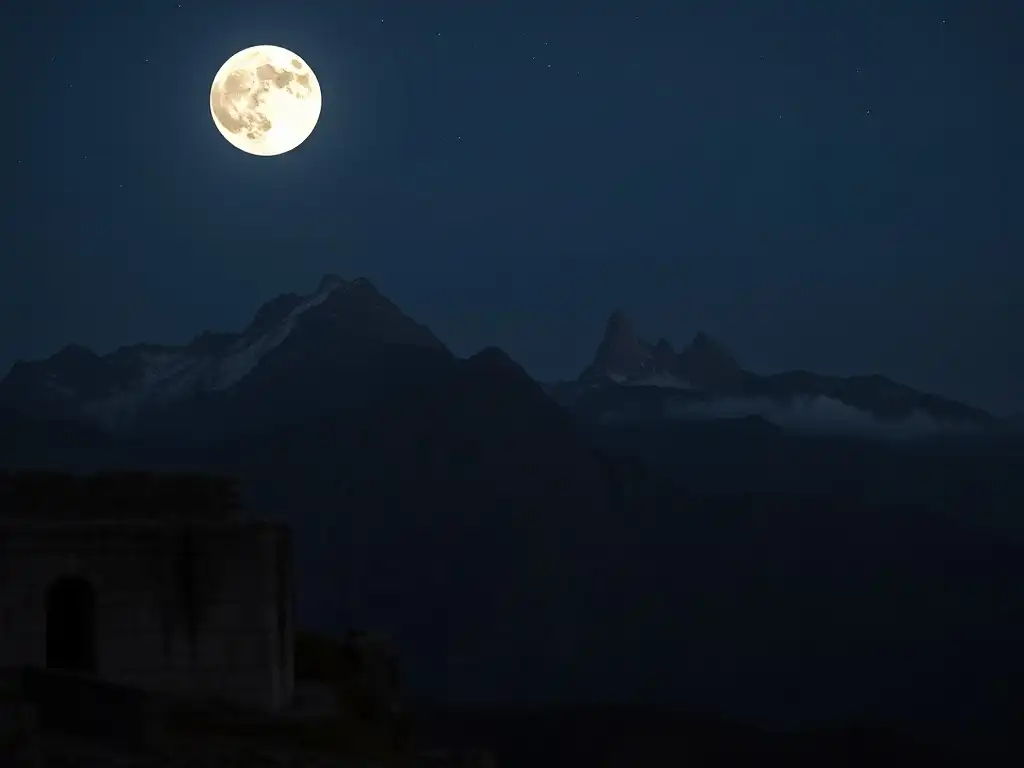
Unravel the enigmatic tapestry of Andean history! Journey with us into a world of breathtaking artistry, sophisticated engineering, and captivating mythology. Did you know the Incas revered Mama Quilla, the moon goddess, as a powerful force shaping their lives? Discover the secrets behind her influence and the intricate role she played in Inca cosmology – a story far more complex and fascinating than you might imagine. Explore the depths of Andean religion and cosmovision to unlock the mysteries of Mama Quilla and much more.
- Mama Quilla: Unveiling the Mysteries of the Inca Moon Goddess
- Mama Quilla’s Iconography and Representation
- Myths and Legends Surrounding Mama Quilla
- The Legacy of Mama Quilla in Andean Culture
- Conclusion: Reflecting on the Importance of Mama Quilla
- Frequently Asked Questions
- Final Reflection: Embracing the Enduring Power of Mama Quilla
- Unveil the Power of Mama Quilla in Your Life!
Mama Quilla: Unveiling the Mysteries of the Inca Moon Goddess
The Andean region, home to a rich tapestry of ancient cultures, boasts a fascinating pantheon of deities. Central to the Inca worldview, and indeed many preceding Andean cultures, was the worship of celestial bodies, reflecting a deep understanding and reverence for the natural world. This article delves into the captivating mythology surrounding Mama Quilla, the Inca moon goddess, exploring her significance within Inca cosmology and the broader Andean belief system.
We will uncover her influence on Inca life, rituals, and artistic expression, shedding light on the multifaceted role she played in shaping their spiritual landscape. Understanding Mama Quilla provides a crucial key to unlocking the complexities of Inca religion and its enduring legacy. This exploration will reveal how the moon, personified as Mama Quilla, wasn't merely a celestial body but a powerful, life-giving force deeply intertwined with the Inca people's identity and worldview.
Prepare to journey into the heart of Inca mythology and uncover the mysteries surrounding this enigmatic lunar deity. 🌕
Introduction to Mama Quilla in Inca Cosmology
Mama Quilla, meaning "Mother Moon" in Quechua, held a position of immense importance within the Inca pantheon. She wasn't simply a passive celestial observer but an active participant in the cosmic order, deeply connected to the sun god, Inti, and the creation myth itself. Inca mythology often portrays Mama Quilla as Inti's sister, wife, or even mother, depending on the specific narrative.
This complex relationship highlights the intricate interplay of celestial forces within their belief system. Her influence extended far beyond the celestial realm; she was associated with fertility, water, and the cyclical nature of life and death. Inca society meticulously observed the lunar phases, integrating them into their agricultural practices, religious ceremonies, and even their social structures.
The precise details of her mythology vary across different regions and time periods, reflecting the dynamic nature of oral traditions. However, the core essence of Mama Quilla as a benevolent, yet powerful, lunar deity remains consistent throughout the various accounts. The veneration of Mama Quilla was widespread, evidenced by the numerous archaeological finds depicting her image and the prevalence of moon-related rituals across the Inca empire.
The Significance of the Moon in Andean Beliefs
The moon's significance in Andean cultures predates the Inca empire. Evidence suggests that lunar worship was a central aspect of Andean spirituality for millennia, with various cultures developing their own unique interpretations and rituals associated with the moon. For example, [Specific information pending on pre-Inca lunar deities and practices]. The Incas inherited and built upon these existing traditions, integrating them into their own sophisticated cosmological framework. The cyclical nature of the moon, its waxing and waning phases, resonated deeply with Andean agricultural practices.
The moon's phases served as a crucial guide for planting and harvesting cycles, ensuring the successful cultivation of crops essential for survival. Moreover, the moon was intricately linked to the water cycle, considered vital for life and prosperity. [Data on specific Inca agricultural practices connected to lunar cycles pending]. This close association with water also connected Mama Quilla to fertility, both in terms of human reproduction and the abundance of the land.
This is further emphasized in [Specific examples of Inca art and artifacts depicting Mama Quilla's association with fertility pending]. The influence of Mama Quilla extended beyond agriculture and fertility; she was also associated with protection, divination, and the underworld. Her celestial movements were closely observed and interpreted, providing insights into the future and guiding decisions related to warfare, governance, and daily life. The moon, personified as Mama Quilla, served as a powerful symbol of the cyclical nature of life, death, and rebirth, reflecting the Andean understanding of the interconnectedness of the cosmos and the human experience.
Mama Quilla's Role as a Lunar Deity
Mama Quilla, in Inca mythology, wasn't merely a celestial body; she was a powerful and revered lunar deity, deeply interwoven into the fabric of Andean life. Unlike some cultures that associate the moon with darkness or the underworld, the Inca viewed Mama Quilla as a benevolent force, a source of light and guidance in the night sky. Her phases, from the new moon's subtle glow to the full moon's radiant brilliance, were carefully observed and interpreted, reflecting the cyclical nature of life itself.
The Inca meticulously tracked the lunar cycles, using them to regulate agricultural practices, plan festivals, and even guide their social calendar. The moon’s influence permeated every aspect of their lives, from planting and harvesting to religious ceremonies. Her presence in the night sky offered a comforting reassurance, a constant reminder of the celestial rhythms that governed their world.
She was a symbol of feminine power, a counterpoint to the sun god Inti's masculine energy, creating a cosmic balance essential to their worldview. Stories and myths surrounding Mama Quilla were passed down through generations, enriching the cultural tapestry of the Inca empire and solidifying her position as a central figure in their religious beliefs.
Mama Quilla: Goddess of the Calendar and Time
The Inca civilization possessed a sophisticated understanding of astronomy, and Mama Quilla played a crucial role in their calendar system. The lunar cycles, meticulously observed by Inca priests, formed the basis of their agricultural calendar. The timing of planting and harvesting was dictated by the moon's phases, ensuring optimal yields.
Furthermore, the lunar calendar was integrated with the solar calendar, creating a complex system that allowed the Inca to predict seasonal changes and plan important religious festivals with remarkable accuracy. This intricate system of timekeeping demonstrates a deep knowledge of celestial mechanics and highlights the importance of Mama Quilla in their daily lives.
The Inca's ability to accurately predict agricultural cycles and coordinate large-scale events based on lunar observations showcases their advanced understanding of astronomy and their deep reverence for Mama Quilla as a powerful deity connected to the flow of time itself. The precise alignment of their calendar with lunar phases remains a testament to their astronomical prowess.
Mama Quilla and Her Influence on Fertility
Mama Quilla's influence extended beyond the agricultural cycle; she was also deeply associated with fertility and the reproductive capabilities of both humans and animals. In Inca cosmology, the moon's cyclical nature mirrored the rhythms of life, death, and rebirth. Her waxing and waning phases were seen as a reflection of the cyclical processes of procreation and growth. Prayers and offerings were made to Mama Quilla to ensure successful harvests, abundant livestock, and healthy offspring.
Her association with fertility highlights the inherent connection between the celestial realm and the earthly world in Inca belief. Women, in particular, sought her blessings during pregnancy and childbirth, believing that her benevolent influence could ensure a safe and successful delivery. The pervasive influence of Mama Quilla on fertility underscores the central role that the moon played in Inca society and its understanding of the natural world.
Mama Quilla: Protector of Women and the Feminine
Mama Quilla wasn't just a goddess of fertility; she was also considered a powerful protector of women and the feminine principle. In a society structured around a complex interplay of masculine and feminine energies, Mama Quilla represented the nurturing, receptive, and life-giving aspects of the feminine. She was a source of strength and comfort for women throughout their lives, from maidenhood to motherhood and beyond.
Women often sought her protection during childbirth, and she was invoked in ceremonies related to women's health and well-being. Her image, often depicted in textiles and pottery, served as a potent symbol of feminine power and resilience.
The reverence for Mama Quilla as a protector of women underscores the importance of the feminine in Inca society and its religious beliefs, a significant aspect often overlooked in discussions of Andean cosmology. Her enduring presence in Inca iconography and religious practices serves as a testament to her enduring power and influence as a protector of women and the feminine spirit.
Mama Quilla’s Iconography and Representation
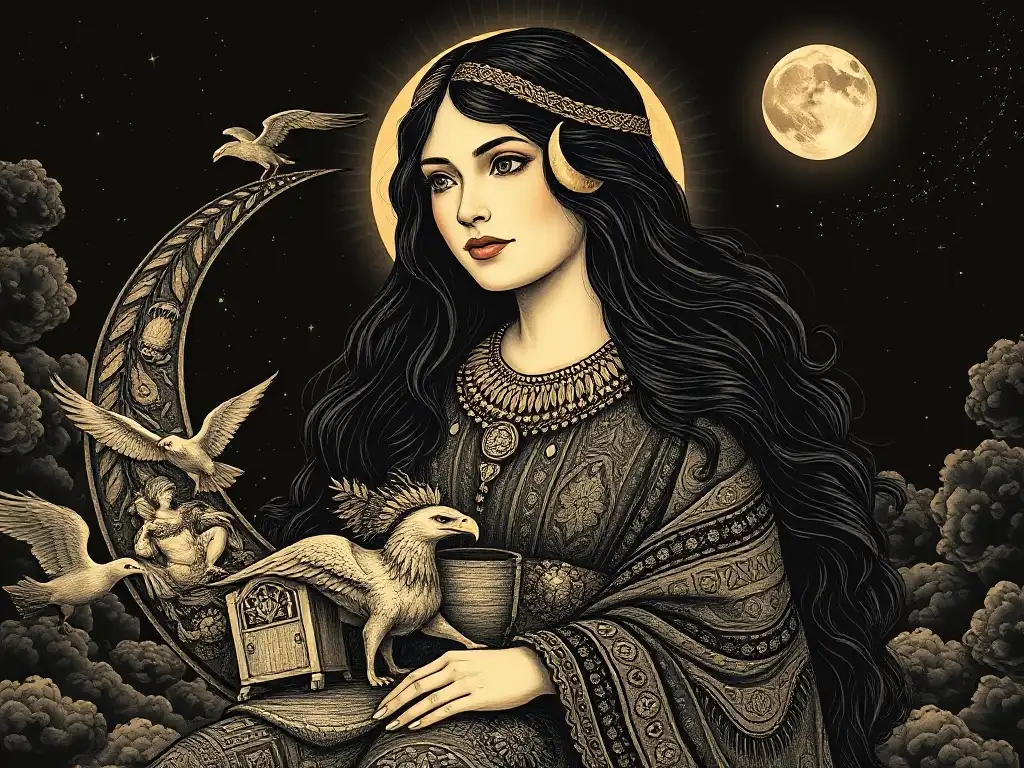
The Inca moon goddess, Mama Quilla, holds a significant place in Andean mythology, and her iconography reflects her multifaceted role within the Inca worldview. Understanding her visual representations and symbolic meanings is crucial to grasping the depth and complexity of Inca religious beliefs. While direct depictions of Mama Quilla are less common than those of Inti, the sun god, her presence is subtly yet powerfully woven into the fabric of Inca art and religious practices.
The scarcity of explicit representations, however, only adds to the mystique surrounding this powerful deity. The keyword "Mama Quilla moon goddess Inca mythology" is vital in understanding the context of her importance.
Visual Depictions of the Inca Moon Goddess
Depictions of Mama Quilla are often indirect, relying on symbolic imagery rather than direct portraits. She is frequently represented as a silver disk, crescent moon, or a feminine figure associated with lunar symbolism. These representations often appear in textiles, ceramics, and metalwork.
For instance, some ceramic vessels depict a female figure with a crescent moon headdress or ornaments shaped like crescent moons, clearly associating her with the lunar cycle. The absence of readily available, standardized iconography for Mama Quilla, unlike the more consistently depicted Inti, suggests a potentially more nuanced and personal interpretation of her image within different Inca communities. Further research into regional variations in artistic expression could illuminate these differences.
Detailed analysis of existing artifacts, including [specific examples of artifacts pending further research], is needed to fully understand the diversity of Mama Quilla's visual representations. The lack of widespread, easily identifiable iconography makes the study of Mama Quilla more challenging, but also more rewarding for researchers dedicated to uncovering the subtleties of Inca religious art.
Symbolic Meanings Associated with Mama Quilla
Mama Quilla's symbolic meanings are rich and multifaceted, reflecting her role not only as a celestial body but also as a powerful deity connected to fertility, femininity, and the cyclical nature of life. Her association with the moon's phases underscores the Inca understanding of cyclical time and the constant flux of nature.
The Silver Disk: Representing the Lunar Cycle
The silver disk is a prominent symbol associated with Mama Quilla, directly reflecting the moon's appearance in the night sky. This representation goes beyond a simple visual likeness; it embodies the moon's waxing and waning phases, symbolizing the cyclical nature of life, death, and rebirth. The silver, a precious metal in Inca culture, further elevates her status and emphasizes her importance within the cosmological order.
The reflectivity of silver may also have been symbolically linked to the moon's reflection of the sun's light, further highlighting the relationship between Inti and Mama Quilla. The precise metallurgical techniques used in crafting silver artifacts depicting Mama Quilla remain a subject of ongoing research, offering potential insights into the religious significance and craftsmanship involved in creating these objects.
Mama Quilla's Relationship to Inti and Pachamama
Mama Quilla's relationship with Inti, the sun god, and Pachamama, the earth goddess, is fundamental to understanding her role in the Inca pantheon. While Inti represents masculine energy and the sun's life-giving power, Mama Quilla embodies feminine energy and the cyclical rhythms of the moon. Together, they represent the balance of cosmic forces essential for maintaining the harmony of the world.
Pachamama, representing the earth, completes this cosmic triad, with Mama Quilla's influence often linked to the earth's fertility and the cycles of planting and harvesting. The interplay between these three deities underscores the interconnectedness of the Inca worldview and the importance of maintaining balance within the natural world. This intricate relationship highlights the complex understanding of the cosmos held by the Inca civilization and offers a fascinating glimpse into their religious beliefs and practices.
Further research is needed to fully elucidate the dynamic interactions between these three powerful deities and their influence on Inca society. 🌕 ☀️ 🌎
Myths and Legends Surrounding Mama Quilla
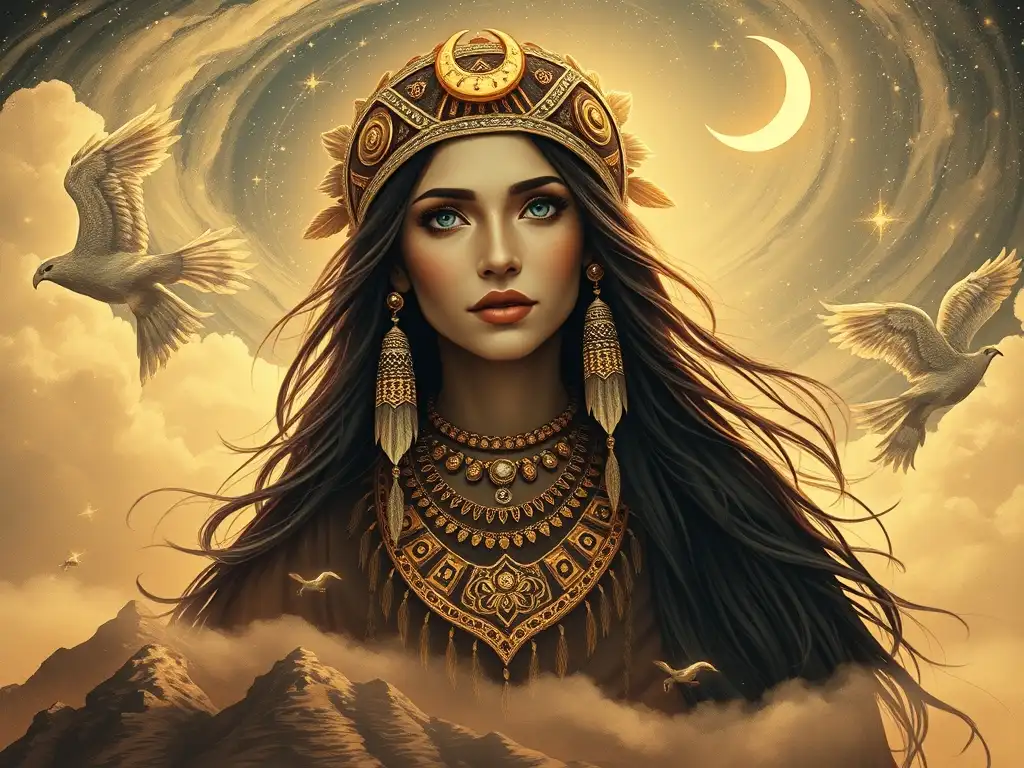
This section delves into the captivating myths and legends surrounding Mama Quilla, the Inca moon goddess, exploring her multifaceted role in Andean cosmology and the rich tapestry of stories woven around her celestial presence. Understanding Mama Quilla requires appreciating the intricate web of beliefs and narratives that shaped the Inca worldview, where the celestial bodies held immense spiritual significance. The reverence for Mama Quilla extended beyond simple astronomical observation; she was a powerful deity, deeply intertwined with the lives and rituals of the Inca people.
This exploration will uncover the diverse interpretations of Mama Quilla's influence, highlighting her impact on Inca society and culture. The power of Mama Quilla in Inca mythology is undeniable, reflecting the moon's cyclical nature and its profound connection to life on Earth.
Origin Stories of the Moon Goddess
Several compelling origin stories surround Mama Quilla's birth. One prominent narrative depicts her as the sister of Inti, the sun god. These siblings, born from Viracocha, the creator god, inherited dominion over the celestial spheres.
Inti, with his radiant light, ruled the day, while Mama Quilla, with her silvery glow, presided over the night. This sibling relationship highlights the complementary duality present in Inca cosmology, where light and darkness, day and night, are not opposing forces but rather integral parts of a harmonious whole. This narrative emphasizes the close bond between the sun and moon, reflecting the observed celestial dance of these two bodies.
Another version links Mama Quilla's origin to a celestial event, possibly a lunar eclipse, interpreted as a transformative moment in the cosmos. This alternative narrative suggests a more dramatic entrance for the moon goddess, emphasizing her power and mysterious nature. While precise details vary across different oral traditions, the consistent theme is Mama Quilla's divine status and her significant role in the Inca pantheon.
The variations in these origin stories underscore the fluid and evolving nature of oral traditions, allowing for diverse interpretations within a shared cosmological framework. Further research into lesser-known Inca texts and archaeological findings could potentially shed more light on these fascinating narratives and their regional variations.
Mama Quilla and the Creation of the World: The Tears of the Moon
Some Inca myths associate Mama Quilla's tears with the creation of lakes and rivers. These tears, often depicted as sparkling droplets, were believed to fall upon the Earth, nourishing the land and giving birth to life-giving water sources. This evocative imagery connects the moon goddess directly to the fertility of the land, highlighting her importance in sustaining life and agriculture. The Inca, heavily reliant on agriculture, held a profound respect for water sources, making Mama Quilla's role in their creation particularly significant.
This narrative beautifully intertwines the celestial and terrestrial realms, emphasizing the interconnectedness between the heavens and the Earth. The image of Mama Quilla's tears nurturing the land resonates with the cyclical nature of both the moon and agricultural cycles, further strengthening the connection between the deity and the well-being of the Inca people. The symbolic power of tears, representing both sorrow and nurturing, adds another layer of complexity to Mama Quilla's character, showcasing her multifaceted role in Inca mythology. [Specific examples of Inca artwork depicting this narrative are pending].
Mama Quilla and Her Celestial Journey: The Pursuit by the Sun
A captivating myth recounts Inti's relentless pursuit of Mama Quilla across the night sky. This pursuit, though never consummated, symbolizes the ongoing dance between the sun and moon, a celestial ballet that reflects the cyclical nature of time and the constant interplay of light and darkness. The myth doesn't portray a romantic pursuit, but rather a cosmic chase that emphasizes the interdependent relationship between these two powerful deities.
The continuous chase, never resulting in capture, suggests a dynamic equilibrium, a constant tension that maintains the balance of the cosmos. This narrative underscores the importance of both the sun and moon in the Inca worldview, highlighting their complementary roles in the natural order. The myth could also be interpreted as a reflection of the Inca understanding of celestial mechanics, with the moon's independent orbit around the Earth represented by Mama Quilla's elusiveness.
The enduring power of this myth lies in its ability to encapsulate complex cosmological concepts in a simple yet profound narrative. Further research into the astronomical knowledge of the Inca civilization could provide further insights into the astronomical basis of this myth. 🌕
The Influence of Mama Quilla in Inca Rituals and Festivals
Mama Quilla's profound influence on Inca life extended far beyond simple reverence; she was deeply interwoven into the fabric of their rituals and festivals. Her celestial cycles dictated the timing of many important agricultural and social events, highlighting the intricate connection between the Inca worldview and the natural world. The precise details of many rituals remain shrouded in mystery, lost to time and the destruction of Inca records by Spanish conquistadors. However, archaeological evidence and surviving accounts offer glimpses into the significance of Mama Quilla in Inca religious practice.
For example, the Capac Raymi, the most important Inca festival celebrating the sun god Inti, likely included significant elements dedicated to Mama Quilla. While Inti held the primary position as the supreme deity, the complementary nature of the sun and moon meant that Mama Quilla’s influence was subtly but powerfully present.
The timing of Capac Raymi, often coinciding with the winter solstice, suggests a possible link to the moon's phases and its perceived influence on the agricultural cycle. The festival's elaborate ceremonies, involving sacrifices and feasts, likely incorporated prayers and offerings specifically addressed to Mama Quilla to ensure successful harvests and the continuation of life's cyclical renewal.
Furthermore, evidence suggests that specific rituals were dedicated solely to Mama Quilla. These smaller-scale ceremonies might have involved offerings of coca leaves, chicha (a fermented maize beverage), and other precious items. These offerings were likely presented during specific lunar phases, particularly full moons, which held symbolic importance as periods of maximum lunar power and influence.
Archaeological excavations have uncovered sites potentially associated with these moon-related rituals, though further research is needed to definitively confirm their purpose and significance. The scarcity of written records makes the reconstruction of these practices challenging, relying heavily on careful interpretation of material remains and the limited accounts left by Spanish chroniclers, which are often biased and incomplete.
Despite these challenges, it's clear that Mama Quilla played a vital role in the religious and social life of the Inca, shaping their calendar, guiding their agricultural practices, and influencing their most important festivals. Understanding her role provides crucial insights into the complex and nuanced beliefs of the Inca civilization.
The meticulous nature of Inca record-keeping, even without a written alphabet in the modern sense, suggests a sophisticated understanding of celestial cycles and their implications for agricultural planning and religious observance. The precise correlation between Mama Quilla's phases and Inca rituals remains an area of ongoing research, promising to further illuminate the rich tapestry of Inca religious practices and their deep connection to the cosmos. Further analysis of archaeological findings, coupled with a more nuanced interpretation of existing historical accounts, could significantly enhance our understanding of Mama Quilla's importance in Inca life.
The Legacy of Mama Quilla in Andean Culture
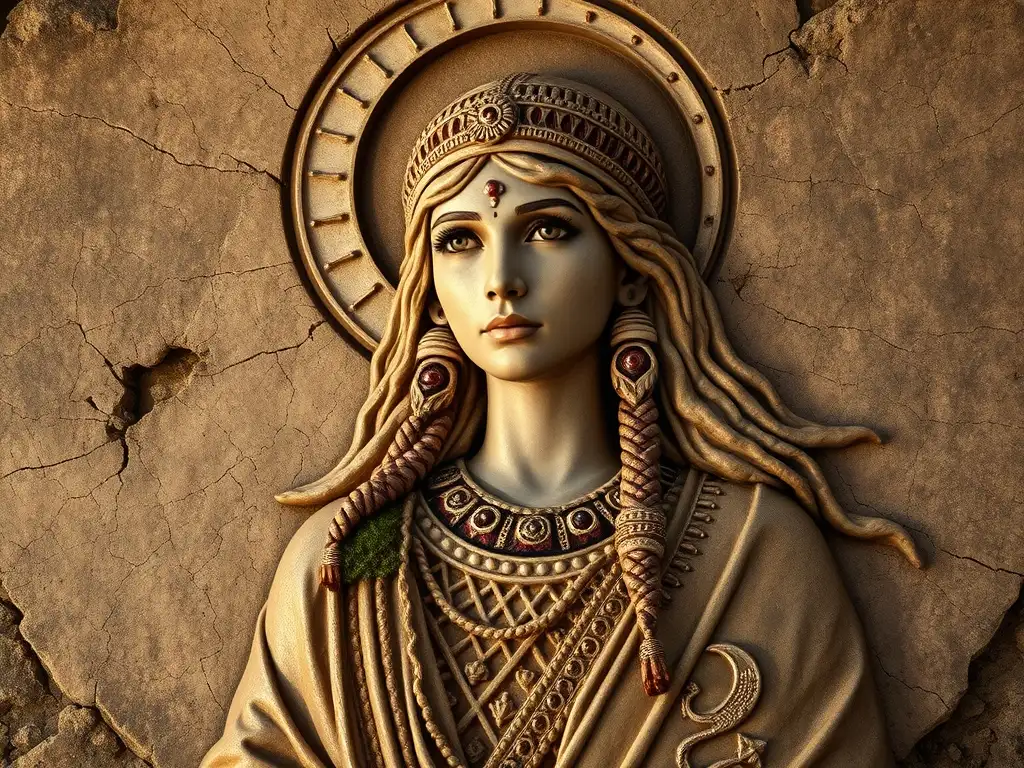
Mama Quilla, the Inca moon goddess, holds a significant place not only in ancient Andean mythology but also in the cultural fabric of contemporary Andean communities. Her influence extends far beyond mere religious observance; she permeates art, agriculture, and social structures, reflecting the deep-seated reverence for the celestial bodies in Andean cosmovision. Understanding Mama Quilla's legacy requires examining her multifaceted representation and the enduring impact she has had on Andean societies.
The worship of Mama Quilla wasn't isolated; it intertwined with the veneration of Inti, the sun god, creating a cosmic duality that shaped Andean worldview and practices. This intricate relationship reflects the crucial role both the sun and moon played in the lives of the Andean people, particularly in agriculture and timekeeping. The cyclical nature of the moon, mirroring the agricultural cycles, solidified Mama Quilla's position as a vital deity.
Mama Quilla's Impact on Contemporary Andean Traditions
Even today, Mama Quilla's influence is palpable in various Andean traditions. Many communities still observe moon-related festivals and rituals, albeit often adapted and blended with elements of Catholicism introduced during the colonial period. These syncretic practices demonstrate the resilience of Andean spiritual beliefs and their ability to adapt to changing historical contexts.
For instance, certain agricultural practices, such as planting and harvesting, are still timed according to the lunar phases, reflecting a continued reliance on the moon's cyclical rhythms. Furthermore, traditional Andean medicine often incorporates lunar cycles in its healing practices, highlighting the enduring link between the moon goddess and well-being. The precise details of these contemporary practices vary greatly depending on the specific community and region, underscoring the rich diversity within Andean cultures.
Further research is needed to fully document the diverse ways Mama Quilla's legacy manifests in modern Andean life. Specific examples from various communities, including detailed descriptions of rituals and practices, would greatly enhance our understanding.
The Enduring Relevance of the Moon Goddess in Modern Spirituality
Beyond its connection to traditional Andean practices, the reverence for Mama Quilla has experienced a resurgence in recent years, finding a place in contemporary spirituality and New Age movements. This renewed interest reflects a growing global appreciation for indigenous wisdom and a search for alternative spiritual paths. Many individuals, both within and outside of Andean communities, draw inspiration from Mama Quilla's symbolism of femininity, cyclical change, and connection to nature. This renewed interest, however, necessitates a cautious approach.
It is crucial to respect the cultural context and avoid appropriating or misrepresenting Andean spiritual beliefs for commercial or superficial purposes. The appropriation of indigenous spiritualities is a significant concern, and responsible engagement requires deep respect for the cultural heritage and traditions associated with Mama Quilla. A careful study of the ethical implications of this renewed interest is crucial to ensure that the reverence for Mama Quilla remains respectful and authentic.
Mama Quilla: A Symbol of Feminine Power in Inca Lore
Mama Quilla's representation in Inca mythology transcends a simple celestial body; she embodies a powerful feminine force, challenging the patriarchal narratives often associated with ancient mythologies. Unlike many other cultures where the moon is represented as a male deity, Mama Quilla holds a prominent position as a powerful female figure, reflecting the significant role women played in Inca society. Her association with fertility, cycles of life and death, and the nurturing aspects of the natural world underscores her importance as a symbol of feminine power and wisdom.
Further research into the iconography and narratives surrounding Mama Quilla could reveal more nuanced aspects of her representation and the complexities of gender roles within Inca society. Analyzing the artistic depictions of Mama Quilla, for example, could offer valuable insights into the cultural values and beliefs associated with her.
The study of textiles, pottery, and other artifacts featuring Mama Quilla could provide further evidence of her importance and her symbolic representation of feminine strength within Inca culture. This detailed examination could offer a more comprehensive understanding of the multifaceted role of women in Inca society, and the symbolism of Mama Quilla within that context.
Conclusion: Reflecting on the Importance of Mama Quilla
The worship of Mama Quilla, the Inca moon goddess, reveals a profound connection between Andean cosmology and the celestial bodies. Her influence extended far beyond simple lunar observation; she represented a powerful force shaping life, fertility, and the very fabric of Inca society. Understanding her significance provides crucial insight into the intricate web of beliefs that guided the lives of the Inca people.
The enduring legacy of Mama Quilla underscores the depth and complexity of Andean spirituality, a testament to the enduring power of their mythology. Further research into related deities and rituals could illuminate additional facets of this rich cultural heritage.
The enduring presence of Mama Quilla in modern Andean culture, albeit in modified forms, serves as a powerful reminder of the continuity of these ancient beliefs and practices. The persistent fascination with Mama Quilla, and the ongoing scholarly investigation into her role, ensures that the mysteries surrounding this powerful moon goddess will continue to captivate and inspire for generations to come.
The Lasting Influence of the Inca Moon Goddess
Mama Quilla's impact resonates even today. While Inca civilization fell centuries ago, elements of her worship and symbolism persist in various Andean communities. Though the precise practices may have evolved, the fundamental respect for the moon and its influence on life remains.
This enduring legacy demonstrates the deep-rooted connection between the Andean people and their celestial deities. The moon's phases, once carefully observed and interpreted by Inca priests to predict agricultural cycles and social events, continue to hold symbolic meaning in contemporary Andean culture. Stories and traditions surrounding Mama Quilla are passed down through generations, maintaining a vital link to the past.
This cultural continuity highlights the resilience of Andean spirituality and its remarkable ability to adapt and endure. Anthropological studies continue to uncover evidence of Mama Quilla's lasting presence, revealing the intricate ways in which her mythology has been integrated into modern Andean life. The persistence of her influence serves as a powerful testament to the enduring power of ancient beliefs and the lasting impact of Inca mythology.
Understanding Mama Quilla's Role in Andean Worldview
Mama Quilla's position within the Inca pantheon was not merely that of a lunar deity; she occupied a central role in their worldview. She was intimately linked to Inti, the sun god, forming a celestial duality that represented the balance and harmony of the cosmos. This complementary relationship between the sun and moon mirrored the Inca understanding of male and female principles, highlighting the importance of balance and reciprocity in their cosmology.
Furthermore, Mama Quilla's association with fertility, water, and the cycles of life and death underscored her profound influence on the agricultural practices and social structures of the Inca Empire. Her power was not limited to the physical realm; she was also believed to influence the spiritual world, acting as a mediator between the earthly and celestial planes. The intricate tapestry of beliefs surrounding Mama Quilla reflects a sophisticated and nuanced understanding of the natural world, highlighting the Inca’s deep connection with the cosmos.
The detailed rituals and offerings dedicated to her provide compelling evidence of her paramount importance in Andean religious practice. Understanding her role necessitates a comprehensive study of Inca mythology and its broader implications for the understanding of Andean civilization.
Frequently Asked Questions
Who was Mama Quilla in Inca mythology?
Mama Quilla was the Inca goddess of the Moon. She was considered the wife of Inti, the sun god, and the mother of the first Inca ruler, Manco Cápac. Her influence was seen in agriculture and the lunar calendar.
What is Mama Quilla's significance in Inca culture?
Mama Quilla held immense religious and cultural importance. She was associated with fertility, cycles of life and death, and the tides. Her worship was widespread throughout the Inca Empire.
How was Mama Quilla depicted in Inca art and iconography?
Mama Quilla is often depicted in Inca art as a serene woman holding a crescent moon. She is sometimes shown with stars and celestial bodies, reflecting her connection to the night sky.
What role did Mama Quilla play in Inca daily life?
The lunar cycles governed many aspects of Inca life, influencing agricultural practices, religious ceremonies, and even social events. Farmers relied on Mama Quilla's phases for planting and harvesting.
What are some of the myths and legends associated with Mama Quilla?
Several myths and legends surround Mama Quilla, many focusing on her relationship with Inti and their children. Stories often highlight her power and influence over the natural world and human destiny.
Final Reflection: Embracing the Enduring Power of Mama Quilla
The reverence for Mama Quilla, the Inca moon goddess, resonates deeply even today, reminding us of the enduring power of ancient wisdom and the cyclical nature of life itself. Her influence extends far beyond the historical confines of the Inca Empire, weaving a powerful thread through contemporary spirituality, art, and our understanding of the cosmos. The mysteries surrounding her continue to captivate and inspire, proving that the stories of our ancestors hold timeless relevance.
Mama Quilla's enduring legacy is a testament to the human need to connect with the natural world and find meaning in the celestial rhythms that govern our lives. Her story, passed down through generations, speaks to the importance of honoring the feminine divine and recognizing the profound influence of the moon on our emotions and well-being. The moon is a loyal companion. It never leaves. It’s always there, watching, steadfast, knowing, reassuring.
This sentiment, though not directly from Inca lore, perfectly encapsulates the comforting and unwavering presence Mama Quilla represents in the hearts and minds of those who connect with her.
Consider, for a moment, the cyclical nature of the moon and how it mirrors the ebb and flow of your own life. Embrace the wisdom of Mama Quilla, allowing her story to illuminate your own path. Let her enduring presence inspire you to honor the feminine within yourself and to find solace in the rhythms of the natural world. Explore the depths of your own intuition, connect with the power of the moon, and discover the timeless wisdom that resides within the ancient myths and legends of our shared human heritage.
Unveil the Power of Mama Quilla in Your Life!
Thank you for exploring the enchanting world of Mama Quilla with us! We hope you've discovered the profound influence of this moon goddess and how her legacy continues to resonate in our lives today. Now, let's integrate her wisdom into your daily life.
Here are some inspiring ways to connect more deeply with Mama Quilla's essence:
- Embrace Moon Rituals: Dedicate time each month to align your intentions with the lunar phases. Journal your reflections or create a small altar to honor this celestial energy.
- Share Your Knowledge: Discuss the significance of Mama Quilla and Andean mythology with friends, family, or online communities. Inspire others to learn about the rich heritage of our ancestors.
- Create Lunar Art: Express your creativity through art that celebrates the moon and Mama Quilla—painting, poetry, digital art—and share it online to inspire others!
How will you incorporate Mama Quilla's wisdom into your daily life, and what transformations do you envision? Share your thoughts below! 🌙