
The Use of Ritual Masks: Transforming into Supernatural Beings

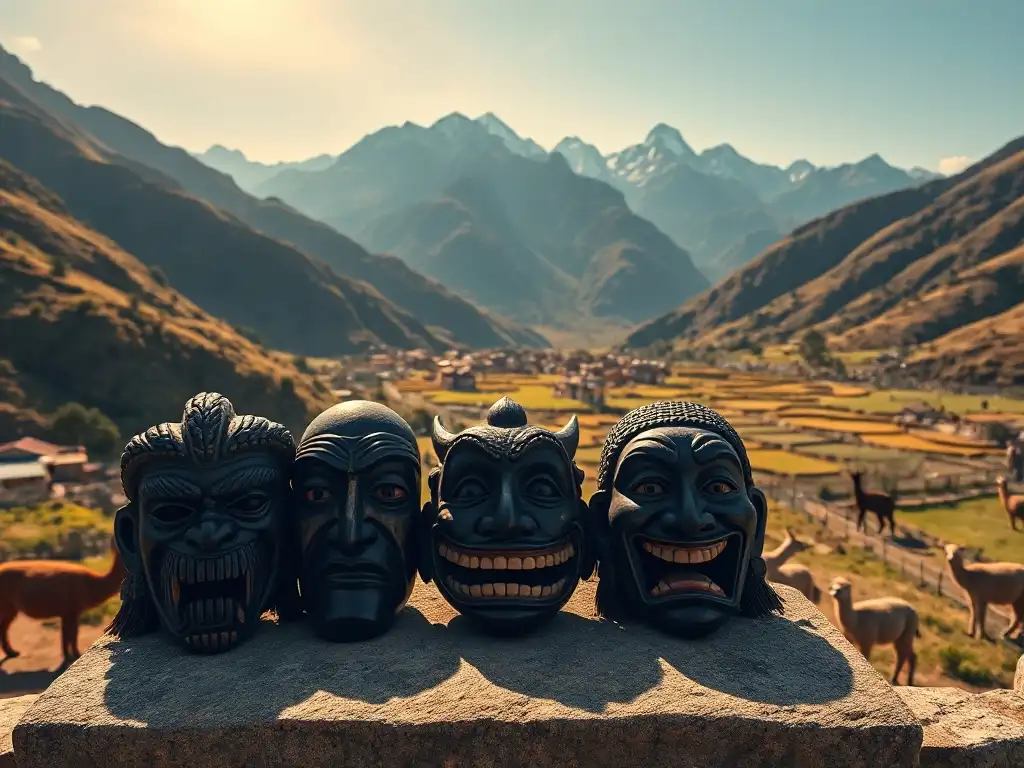
Step into a world lost to time, yet echoing with vibrant life. Dive into the mysteries of the Andes, where ancient civilizations crafted breathtaking artistry and complex belief systems. Prepare to be captivated by the power of Andean ritual masks, objects that transcended mere ornamentation to become conduits to the supernatural. Uncover their secrets and witness how these enigmatic artifacts transformed their wearers into beings of myth and legend. Explore the fascinating world of Andean religion and cosmovision – your journey begins now.
- Andean Ritual Masks: Transforming into Supernatural Beings
- The Significance of Masks in Andean Cultures
- Materials and Techniques Used in Creating Andean Masks
- Types of Andean Ritual Masks and Their Specific Functions
- The Use of Andean Masks in Religious and Social Contexts
- The Legacy of Andean Ritual Masks
- Frequently Asked Questions
- Final Reflection: The Enduring Power of Andean Ritual Masks
- Unveil Your Inner Supernatural Spirit!
Andean Ritual Masks: Transforming into Supernatural Beings
The Andean region, a breathtaking tapestry of towering mountains and fertile valleys, is renowned not only for its stunning landscapes but also for the rich tapestry of its ancient civilizations. For centuries, these cultures—including the Incas, Moche, Nazca, and Tiahuanaco—developed complex religious beliefs and practices deeply intertwined with their environment and understanding of the cosmos.
Central to their spiritual world was the use of ritual masks, powerful artifacts that facilitated communication with the supernatural realm, enabling shamans and elites to embody deities and other powerful beings. This exploration delves into the fascinating world of Andean ritual masks, examining their diverse forms, materials, iconography, and the significant role they played in shaping Andean religious practices and societal structures.
Understanding these masks offers a crucial window into the beliefs, rituals, and social dynamics of these remarkable ancient societies, providing valuable insights into their complex cosmovision. We will explore the diverse ways in which these masks were used to transform the wearer into a supernatural entity, bridging the gap between the human and divine worlds.
Materials and Techniques in Mask Production
Andean artisans displayed exceptional skill and ingenuity in crafting their ritual masks. The materials used varied considerably depending on the specific culture and the intended purpose of the mask. The Moche, known for their sophisticated metalworking, often crafted masks from gold, silver, copper, and alloys, showcasing intricate details and vibrant colors through techniques like repoussé and gilding.
These metallic masks often depicted fierce warriors, supernatural beings, or deities, reflecting the Moche's reverence for power and authority. Conversely, the Nazca, renowned for their intricate textiles and ceramics, created masks from these materials, employing sophisticated weaving techniques and painting styles to depict deities and ancestral figures. Other materials, such as wood, stone, and shell, were also employed, with each material carrying its own symbolic significance.
The meticulous attention to detail and the skillful application of diverse techniques highlight the profound spiritual importance placed upon these artifacts. For example, some masks show evidence of elaborate painting techniques using pigments derived from minerals and plants, suggesting a sophisticated understanding of both art and material science. The creation of these masks was not merely a craft; it was a sacred ritual in itself, imbuing the finished product with potent spiritual energy.
Iconography and Symbolism in Andean Masks
The iconography and symbolism found on Andean ritual masks are exceptionally rich and complex, offering valuable clues into the beliefs and worldview of the cultures that produced them. Frequently, masks depict anthropomorphic figures representing deities, ancestors, or mythical beings. Feline features, for example, are common, representing powerful deities associated with warfare, hunting, and the underworld.
Serpents, another recurring motif, symbolize fertility, water, and the cyclical nature of life and death. The use of specific colors also held significant meaning, with red often symbolizing blood, sacrifice, and power, while yellow represented the sun and its life-giving energy. Detailed analysis of these iconographic elements allows researchers to reconstruct aspects of Andean cosmology, understand the relationships between different deities, and gain insight into the social hierarchy and political structures of these societies.
Moreover, the specific details and variations in iconography across different cultures and time periods reveal the evolution of religious beliefs and practices over time. The study of these masks provides a detailed visual narrative of Andean spiritual life, a story told through meticulously crafted images and symbols.
The Role of Masks in Ritual and Ceremony
Andean ritual masks were not simply decorative objects; they played a crucial role in a wide range of religious ceremonies and rituals. During these ceremonies, individuals wearing the masks would transform into the supernatural beings they represented, acting as intermediaries between the human and divine worlds. Shamans, often highly respected members of society, would wear masks to enter altered states of consciousness and communicate with deities, seeking guidance, healing, or favorable outcomes.
These transformative rituals were crucial for maintaining social order, ensuring successful harvests, and appeasing powerful forces. The use of masks during festivals and public ceremonies reinforced the authority of religious leaders and helped to solidify social hierarchies. The masks themselves served as powerful symbols of authority and power, visually representing the connection between the earthly and spiritual realms.
Evidence from archaeological sites suggests that these rituals were elaborate and involved various participants, emphasizing their importance in Andean society. The masks were not just tools; they were active participants in the shaping of Andean spiritual and social life.
The Legacy of Andean Ritual Masks
The legacy of Andean ritual masks extends far beyond their ancient origins. These remarkable artifacts continue to fascinate and inspire scholars, artists, and the public alike. Their exquisite craftsmanship, rich symbolism, and profound spiritual significance offer a unique window into the beliefs and practices of ancient Andean cultures. Museums around the world house impressive collections of these masks, making them accessible for study and appreciation.
The ongoing research into Andean ritual masks continues to reveal new insights into the complexities of Andean civilization, expanding our understanding of their religious beliefs, social structures, and artistic achievements. The enduring power of these masks serves as a testament to the enduring creativity and spiritual depth of the Andean people. Their preservation and study ensure that the voices of these ancient civilizations continue to resonate throughout time, enriching our understanding of human history and culture.
The Significance of Masks in Andean Cultures
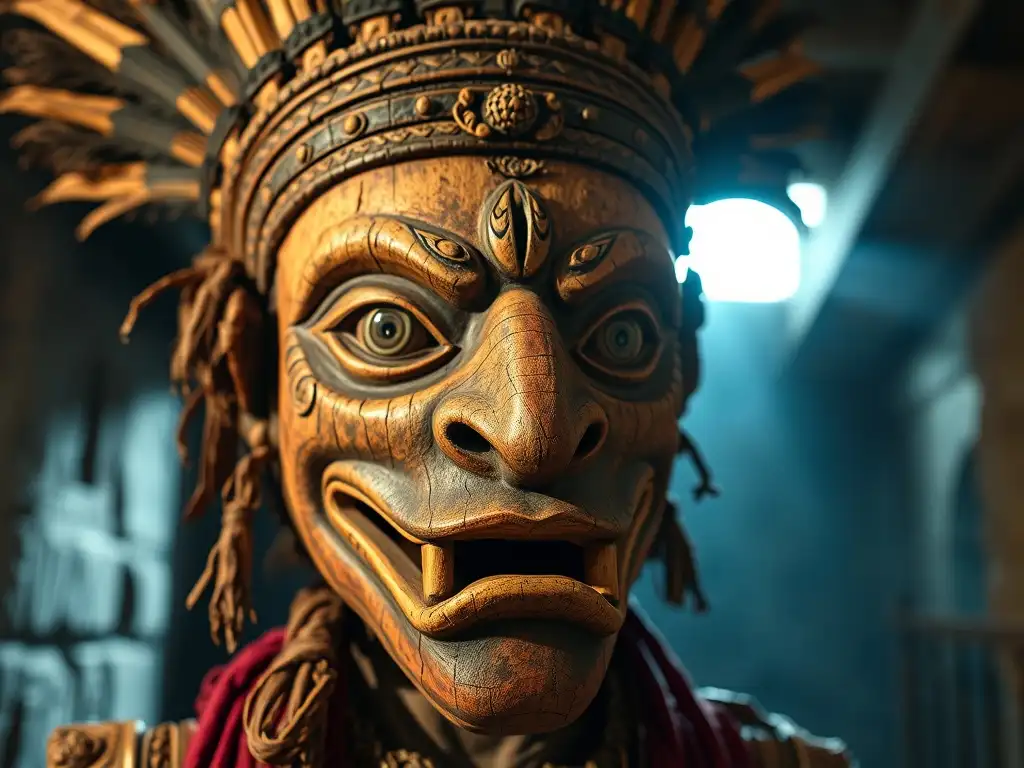
Andean ritual masks hold a position of paramount importance within the complex tapestry of Andean religious practices. Far from mere decorative objects, these artifacts served as powerful conduits to the supernatural realm, enabling shamans and participants to interact directly with deities and ancestral spirits. Their creation, use, and eventual disposal were all deeply ritualized, reflecting the profound spiritual significance attributed to them.
The meticulous craftsmanship evident in many surviving examples – intricate designs, vibrant pigments derived from natural sources, and the incorporation of precious materials like gold, silver, and feathers – underscores their sacred nature and the immense value placed upon them by Andean societies. The study of Andean ritual masks provides invaluable insights into the cosmovision, beliefs, and social structures of these fascinating cultures. Understanding their function requires delving into the specific roles they played within ceremonies and their symbolic language.
Ritual Masks and Their Role in Andean Ceremonies
Andean ceremonies, often elaborate and multi-faceted affairs, frequently incorporated the use of ritual masks. These masks weren't simply worn passively; their use was integral to the performance and efficacy of the ritual itself. For example, in certain Moche rituals, priests wearing elaborate masks representing specific deities would participate in elaborate dances and processions, enacting myths and soliciting divine favor.
The masks themselves acted as intermediaries, facilitating communication between the human and spiritual worlds. Their presence transformed the wearer, imbuing them with the power and attributes of the deity or spirit represented. Consider the intricate headdresses and masks unearthed at the Sipán site, showcasing the Moche’s mastery of goldsmithing and their belief in the power of transformation.
These weren't simply costumes; they were essential tools for accessing and manipulating spiritual forces. The careful preservation of some masks, even after ceremonial use, suggests a belief in their continued spiritual potency. Evidence suggests that some masks were even used in funerary rites, accompanying the deceased into the afterlife.
Connecting with the Spirit World Through Andean Masks
The use of Andean ritual masks facilitated a direct connection with the spirit world. Shamans, acting as intermediaries between the human and supernatural realms, frequently employed masks during healing ceremonies, divination rituals, and ancestor veneration. The mask's power lay not only in its visual representation but also in its ability to alter the shaman's state of consciousness.
By donning the mask, the shaman could assume the identity and power of the spirit it represented, enabling them to better understand and interact with the spirit world. This transformation wasn't merely theatrical; it was a genuine shift in spiritual and psychological state, allowing the shaman to access knowledge and abilities unavailable in their normal state. This practice underscores the Andean belief in the fluidity of identity and the ability to transcend the limitations of the physical body.
The materials used in mask construction – often imbued with symbolic meaning – further contributed to their power, acting as conduits for spiritual energy. For instance, the use of specific feathers or minerals could enhance the mask's connection to particular deities or spirits.
The Power of Transformation: Andean Mask Symbolism
The symbolism embedded within Andean ritual masks is rich and multifaceted. Specific features, such as animalistic traits, human-like faces with exaggerated features, or the incorporation of geometric patterns, all held deep significance. These features weren't randomly chosen; they conveyed specific messages about the deity or spirit represented, the purpose of the ritual, and the desired outcome.
For example, feline features might symbolize power, agility, and nocturnal energies associated with certain deities; while serpent imagery could represent fertility, healing, or the underworld. The use of color also played a crucial role, with different hues associated with various spiritual energies and meanings. The analysis of Andean mask symbolism requires a nuanced understanding of Andean cosmology and the intricate web of beliefs that shaped their religious practices.
Further research is needed to fully understand the specific meanings associated with certain design elements and color combinations found across different Andean cultures. However, even with the existing knowledge, the power of transformation inherent in these masks is undeniable. They represent a potent blend of artistic expression, spiritual belief, and the deep-seated human desire to connect with the supernatural.
Materials and Techniques Used in Creating Andean Masks
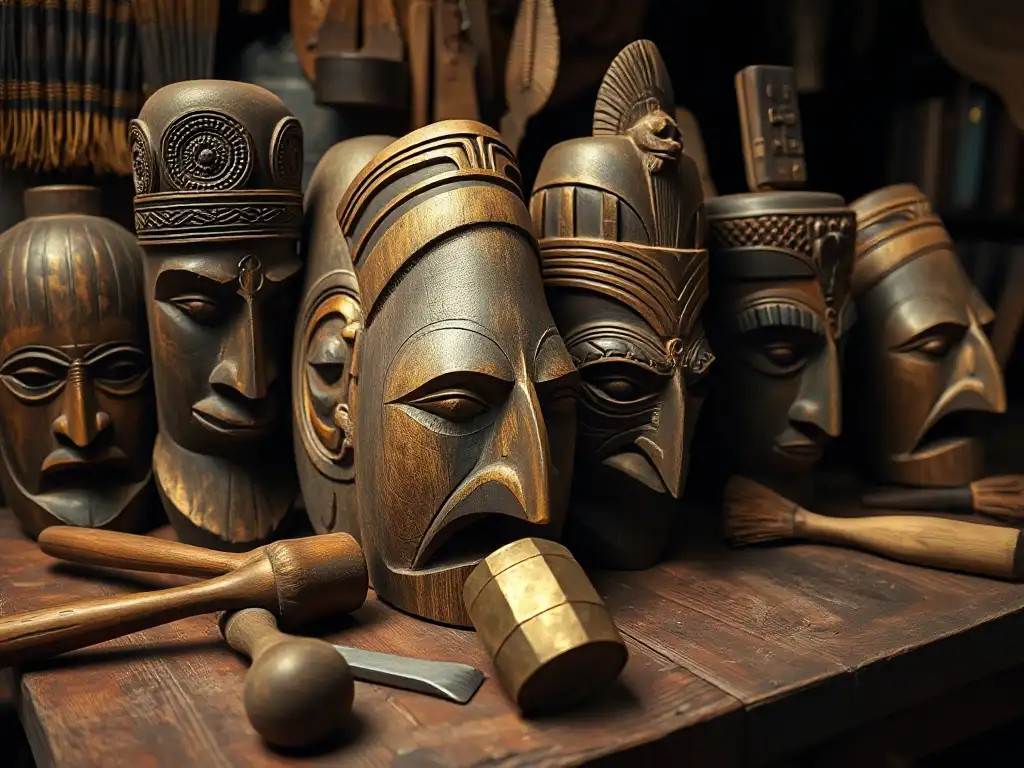
The creation of Andean ritual masks wasn't a haphazard process; it was a meticulous undertaking requiring specialized skills and readily available, yet carefully selected, natural resources. The effectiveness of the mask in channeling supernatural power was intrinsically linked to the quality of materials and the precision of the craftsmanship. Understanding these aspects is crucial to appreciating the significance of these artifacts within the broader context of Andean religion and cosmovision.
The careful selection of materials and the intricate techniques employed reflect the deep spiritual beliefs and sophisticated artistry of these ancient cultures. The power of the mask wasn't merely aesthetic; it was imbued with the essence of the materials themselves.
Natural Resources Used in Mask Construction
Andean mask makers skillfully utilized the abundant natural resources of their environment. The choice of material often dictated the mask's purpose and the deity or spirit it represented. For instance, wood, particularly from readily available trees like the Polylepis (Queuña) and various species of Escallonia, was frequently employed for its durability and workability.
These woods were carefully selected for their strength and resistance to decay, ensuring the mask's longevity. The texture of the wood also played a role; some woods were chosen for their smooth surfaces, while others, with their natural grain, contributed to the mask's overall aesthetic and symbolic representation.
Beyond wood, other organic materials were incorporated. Textiles, often woven from alpaca or llama wool, were used for adornment, adding vibrant colors and intricate patterns. These textiles were not merely decorative; their colors and designs held significant symbolic meaning, further enhancing the mask's spiritual power.
Additionally, feathers from a variety of birds, carefully selected for their color and symbolic association, were frequently used as decorative elements, adding a sense of movement and life to the static mask. Finally, certain minerals like turquoise and obsidian, prized for their vibrant colors and perceived magical properties, were often incorporated into the masks, further enhancing their supernatural significance. The use of these materials reflects a deep understanding of the natural world and its inherent spiritual power.
The Art of Mask Making: Andean Techniques and Craftsmanship
The creation of Andean ritual masks involved a complex interplay of skills and techniques passed down through generations. Carving, sculpting, and molding were the primary methods used to shape the masks from their raw materials. Evidence suggests that sophisticated tools, likely made from stone, bone, and shell, were employed to achieve the intricate details often seen in these artifacts. The precision and detail in some masks are truly remarkable, showcasing the advanced skills of Andean artisans.
For wooden masks, the process often began with careful selection and preparation of the wood. The wood was meticulously shaped using various tools, from simple knives to more specialized implements. Once the basic form was achieved, further refinement involved smoothing the surface, often using abrasives like sand or stone. The process was labor-intensive, requiring considerable skill and patience.
Masks made from other materials, such as textiles or clay, required different techniques. Textile masks, for instance, involved intricate weaving and embroidery, creating highly detailed and visually striking pieces. Clay masks, on the other hand, were often molded and then fired, requiring a thorough understanding of pottery techniques. Irrespective of the material, the creation of Andean ritual masks was a testament to the artistry and craftsmanship of these ancient cultures. The techniques used weren't just about aesthetics; they were integral to the mask's spiritual potency.
Andean Mask Decoration: Colors, Symbols, and Meanings
The decoration of Andean ritual masks was far from arbitrary; it was a carefully considered process imbued with deep symbolic meaning. Colors, patterns, and specific motifs were meticulously chosen to represent specific deities, spirits, or concepts within the Andean cosmovision. The vibrant hues and intricate designs were not simply aesthetic choices; they served as powerful visual representations of the supernatural world.
For example, the color red was often associated with blood, sacrifice, and the life force, while yellow symbolized the sun and its power. Black could represent the underworld or night, while white often represented purity or celestial realms. These color associations were often complemented by symbolic motifs, such as feline features representing power and ferocity, or serpent imagery representing fertility and the cyclical nature of life and death.
The application of these colors and designs often involved a variety of techniques. Pigments were derived from natural sources, including minerals, plants, and insects. These pigments were then applied using brushes, sponges, or even fingers, depending on the desired effect.
The precision and artistry involved in the decoration process further enhanced the mask's spiritual power, making it a potent conduit to the supernatural world. The intricate details and symbolic richness of the decoration highlight the sophisticated understanding of Andean cosmology and the importance of ritual masks in their religious practices. The masks weren't just objects; they were powerful tools for connecting with the spiritual realm.
Types of Andean Ritual Masks and Their Specific Functions
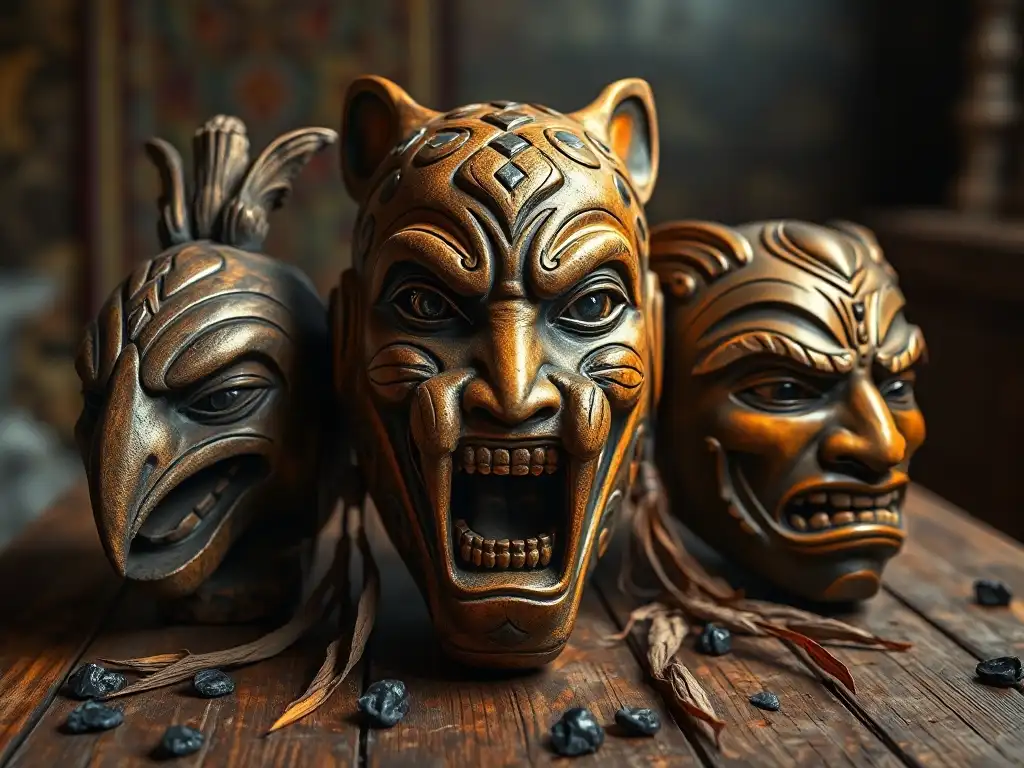
Andean ritual masks, integral components of ancient Andean religious practices, served diverse and complex functions beyond mere ornamentation. Their creation and use reveal profound insights into the Andean worldview, reflecting a sophisticated understanding of cosmology, social structure, and the relationship between the human and supernatural realms. The varied styles and materials employed in their construction directly correlate with their intended purpose, allowing us to categorize them based on their representation and symbolic significance.
Understanding these categories provides a more complete picture of the role these artifacts played in Andean life and ritual. The meticulous craftsmanship and symbolic richness of these masks underscore the importance placed on the connection between the mortal and spiritual worlds. This section will explore the key types of Andean ritual masks and their specific functions, focusing on their role in transforming the wearer into a supernatural being.
Animal Masks: Representing Andean Deities and Spirits
Animal masks, a prominent type within the broader category of Andean ritual masks, often depicted powerful Andean deities and spirits associated with specific animals. The selection of the animal itself was not arbitrary; it held deep symbolic meaning, reflecting the animal's perceived power, characteristics, and connection to the natural world. For example, the puma, a revered predator, frequently appeared in masks, symbolizing strength, power, and hunting prowess – qualities associated with certain deities like the Inca god, Inti.
Condor masks, on the other hand, represented the ability to soar to great heights, linking the wearer to the celestial realm and the sun god. Serpents, frequently associated with fertility and the underworld, also featured prominently, embodying both destructive and creative forces.
The materials used in crafting these animal masks varied regionally and according to the specific animal being represented. Some were fashioned from wood, meticulously carved and painted with vibrant pigments derived from natural sources. Others were crafted from textiles, feathers, and precious metals, demonstrating the high value placed on these ritual objects.
The detailed rendering of animal features, including fur, feathers, and facial expressions, suggests a high level of artistic skill and attention to detail, further emphasizing their ritual significance. The use of these masks in ceremonies likely involved shamanistic practices, allowing the wearer to embody the spirit of the animal and interact with the supernatural world.
Human Masks: Ancestral Figures and Mythological Characters
Beyond animal representations, human masks constituted another significant category within Andean ritual mask production. These masks frequently depicted ancestral figures, revered leaders, or characters from Andean mythology. Unlike the animal masks, which emphasized the power of nature, human masks often focused on social hierarchy, lineage, and the continuity between the living and the dead. The portrayal of specific facial features, hairstyles, and adornments in these masks suggests that they represented specific individuals or archetypes. The use of these masks may have served to connect the living with their ancestors, reinforcing social structures and legitimizing power.
The creation of these human masks often involved sophisticated techniques. Some were molded from clay or other materials, meticulously shaped to represent realistic human features. Others were crafted from a combination of materials, incorporating elements such as gold leaf, precious stones, and feathers to enhance their visual impact and symbolic significance.
The level of detail in these masks indicates a deep understanding of human anatomy and a desire to create realistic, yet awe-inspiring representations of important figures. The presence of specific headdresses or ornaments on these masks likely served to further identify the represented individual or deity, adding another layer of complexity to their interpretation.
Abstract Masks: Symbolic Representations of Cosmic Forces
A third category of Andean ritual masks consists of abstract forms, which, while lacking direct representation of animals or humans, powerfully conveyed abstract concepts related to Andean cosmology. These masks often featured geometric patterns, stylized designs, and symbolic elements reflecting the Andean understanding of the cosmos, the duality of life and death, and the interaction between the terrestrial and celestial realms. The use of specific colors, materials, and patterns in these masks likely held specific meanings, reflecting the complex symbolic language of Andean culture.
These abstract masks, often characterized by their intricate designs and the use of a variety of materials, may have been employed in rituals aimed at influencing cosmic forces, ensuring successful harvests, or appeasing deities. The lack of realistic representation allowed for a greater degree of flexibility in their interpretation, potentially enabling them to represent a wider range of concepts and beliefs. The abstract nature of these masks highlights the sophisticated understanding of symbolic representation within Andean culture and the importance of visual communication in their religious practices.
Further research into the specific patterns and symbols employed in these masks is needed to fully unlock their meaning and significance within the broader context of Andean ritual practices. The study of these masks provides valuable insights into the Andean worldview and their profound understanding of the interconnectedness of the human and supernatural realms.
Moche Warrior Masks: Depicting Power and Military Prowess
Moche warrior masks, unearthed from the expansive Moche Valley on the northern coast of Peru, offer compelling insights into the society's military structure and its reverence for power. These masks are not mere decorative items; they were integral components of ritualistic practices, likely used by shamans or elites to channel the spirits of powerful warriors and access their strength during ceremonies.
The craftsmanship is breathtaking, showcasing the Moche's advanced metalworking techniques. Gold, silver, copper, and alloys were skillfully manipulated to create intricate details, often depicting fierce warriors adorned with elaborate headdresses, weaponry, and sometimes even fangs, emphasizing their ferocity and supernatural connection.
The faces themselves are often intensely expressive, with bulging eyes, wide nostrils, and snarling mouths, clearly communicating a sense of aggression and dominance. Some masks incorporate realistic representations of human features, while others are more stylized, almost grotesque in their exaggeration of certain aspects, likely to enhance their symbolic power. The inclusion of weaponry, such as miniature spears, clubs, and knives, further reinforces the association with military prowess. These artifacts weren't simply worn; they were imbued with spiritual significance, acting as conduits to the power and strength of deceased warriors or representing the ideals of military might within the Moche culture.
The careful placement of these masks within elite tombs suggests their importance in the afterlife, ensuring the continuation of the warrior's power and influence beyond death. Detailed analysis of the materials and manufacturing techniques employed in these masks provides further evidence of the high social status associated with both the warriors depicted and those who commissioned their creation. The intricate designs and high-quality materials indicate a significant investment of resources, time, and skilled labor, underscoring their ritual and societal importance.
The intense focus on detail, from the finely crafted headdresses to the meticulously rendered facial expressions, speaks volumes about the Moche’s deep respect for their military leaders and their belief in the power of the supernatural realm. The study of these masks continues to illuminate the complex interplay between the Moche's martial culture and their spiritual beliefs, revealing a fascinating blend of earthly power and supernatural authority. The use of Andean ritual masks like these Moche warrior masks provides a unique window into the beliefs and practices of this ancient civilization.
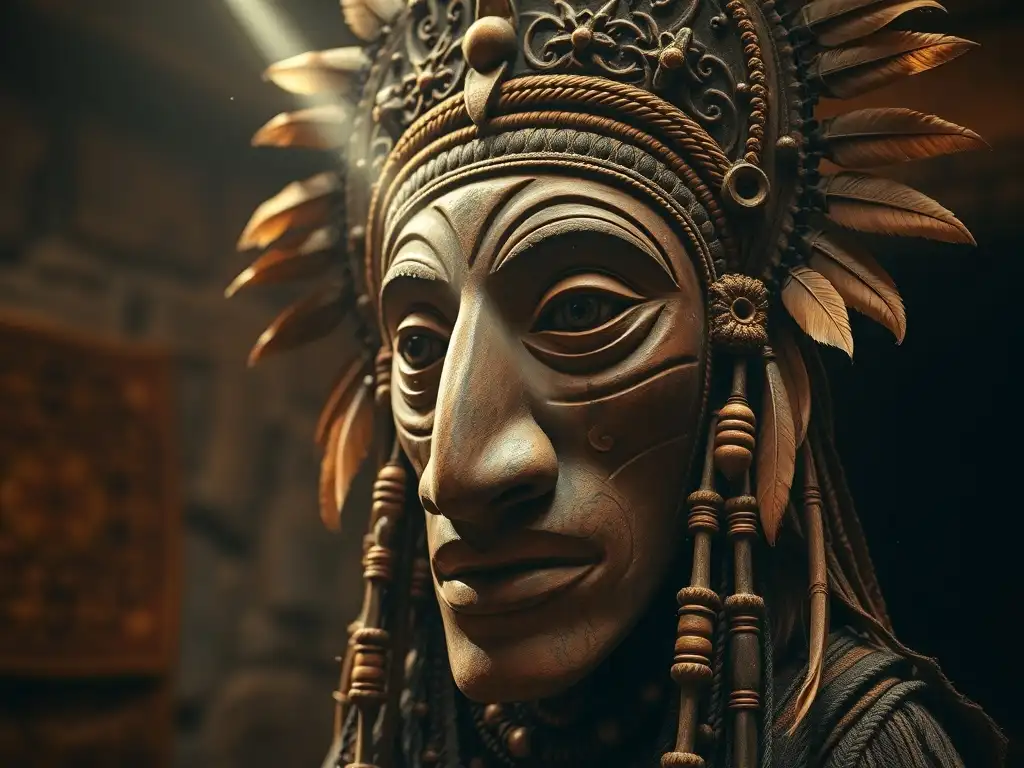
Andean ritual masks, crafted with meticulous detail and imbued with deep symbolic meaning, played a pivotal role in the religious and social life of various Andean cultures. These artifacts weren't merely decorative objects; they served as powerful tools for connecting with the supernatural world, reinforcing social structures, and mediating between the living and the dead. Their significance transcended mere aesthetics, becoming integral to the very fabric of Andean society.
The materials used—ranging from gold and silver to wood, textiles, and shell—further emphasized the value and importance placed upon these objects. The creation of these masks was often a highly ritualized process itself, involving specialized artisans and possibly incorporating sacred chants and offerings. The study of Andean ritual masks provides invaluable insights into the complex beliefs and practices of these ancient societies.
Andean Masks in Funerary Rites and Ancestor Veneration
The presence of Andean masks in funerary contexts underscores their crucial role in ancestor veneration. Many mummies, particularly those of elite individuals, were adorned with elaborate masks. These masks weren't simply placed on the deceased; they were believed to facilitate the transition to the afterlife, transforming the deceased into a powerful ancestral spirit.
The specific iconography of the mask—depicting deities, animals, or mythical creatures—would reflect the status and intended role of the individual in the afterlife. For example, masks depicting feline deities might have been used for individuals associated with hunting or warfare, while those with bird motifs might have been associated with shamanic practices or communication with the celestial realm.
Detailed analysis of these funerary contexts, including the positioning of the mask and associated grave goods, reveals much about the beliefs surrounding death and the continuity of life in Andean cultures. Archaeological evidence consistently supports this interpretation, showcasing a deep connection between death rituals and the transformative power attributed to these masks.
Masks in Andean Agricultural Festivals and Celebrations
Andean agricultural festivals and celebrations were vibrant events infused with ritualistic practices designed to ensure bountiful harvests and appease the deities responsible for fertility and abundance. Masks played a crucial part in these celebrations, often representing deities associated with agriculture, such as the rain god or earth mother. The use of these masks during such events facilitated a direct connection with the supernatural forces believed to influence crop yields.
Participants wearing these masks would often engage in elaborate dances and rituals, enacting myths and stories related to agricultural cycles and the power of nature. The masks themselves might depict stylized representations of animals, plants, or supernatural beings, reflecting the close relationship between the Andean people and their environment.
Moreover, the vibrant colors and materials used in creating these masks further enhanced their power and symbolic significance. For instance, the use of bright reds and yellows might symbolize the sun and fertility, while the incorporation of feathers might represent flight and connection to the spiritual realm.
The creation and use of Andean ritual masks weren't uniformly distributed across society. The complexity, materials, and iconography of the masks often reflected the social status of the wearer or the individual they represented. Elite members of society frequently possessed masks made of precious metals like gold and silver, adorned with intricate details and rare materials.
These masks emphasized their elevated social standing and connection to power. In contrast, masks used in community rituals might have been simpler in design and made from more readily available materials. This disparity highlights the inherent link between material culture and social stratification in Andean societies.
The careful study of mask production techniques, materials used, and stylistic variations provides a significant lens through which to understand the complexities of Andean social organization and power dynamics. The distribution of mask types across different archaeological sites further supports this understanding, revealing patterns of social stratification and regional variations in cultural practices.
The Paucartambo Festival: Masks in a Highland Peruvian Celebration
The Paucartambo Festival, held annually in the Peruvian highlands, provides a vibrant example of the continued significance of Andean ritual masks. This spectacular event, a blend of indigenous traditions and Catholic influences, showcases a dazzling array of intricately crafted masks, each representing a specific deity, spirit, or character within the festival's complex narrative. The masks themselves are not mere props; they are powerful transformative objects, allowing participants to embody supernatural beings and engage in a dynamic interplay between the human and spirit worlds.
The creation of these masks is a meticulous process, often involving generations of artisans who pass down traditional techniques and designs. Materials range from wood and textiles to feathers and precious metals, reflecting the significance attributed to the beings they represent. The vibrant colors and symbolic imagery further enhance their power, reflecting Andean cosmology and the rich iconography of the region.
For instance, certain colors might represent specific deities or elements of nature, while intricate designs could depict mythological creatures or scenes from Andean creation myths. The meticulous detail involved highlights the deep respect and reverence held for these powerful objects.
During the festival, the masks are worn by participants who undergo a transformation, stepping into the roles of these supernatural entities. This is not simply a matter of costume; it's a profound spiritual act, allowing for direct interaction with the spirit world. The masked figures participate in processions, dances, and rituals, interacting with the community and enacting narratives central to Andean beliefs.
The energy and intensity of these performances underscore the power of the masks and their role in maintaining the continuity of Andean spiritual traditions. The masks aren't simply worn; they are inhabited, imbuing the wearer with the essence of the being they represent, bridging the gap between the human and the divine. The Paucartambo festival thus serves as a living testament to the enduring power of Andean ritual masks in shaping religious and social life.
The festival's continuation demonstrates the resilience of these traditions and the continued importance of masks within contemporary Andean society. The vibrant energy and spiritual intensity of the event are a powerful reminder of the rich cultural heritage of the Andes and the enduring significance of ritual masks in shaping Andean identity.
The Legacy of Andean Ritual Masks
Andean ritual masks represent a powerful legacy, deeply intertwined with the spiritual beliefs and practices of ancient Andean civilizations. These artifacts weren't merely decorative items; they were integral to complex rituals, acting as conduits between the human and supernatural realms.
Their creation, use, and ultimate disposal were imbued with profound symbolic meaning, reflecting a sophisticated understanding of cosmology, power, and social structure. The sheer diversity of materials, styles, and iconography found across different Andean cultures – from the intricate gold masks of the Moche to the imposing stone masks of the Tiahuanaco – underscores the central role these objects played in their respective societies.
Analyzing these masks provides invaluable insight into the beliefs and practices of these fascinating cultures, allowing us to glimpse the vibrant and complex religious landscape of the Andes. The study of Andean ritual masks offers a window into the rich tapestry of Andean spirituality and its enduring influence.
The Influence of Andean Mask Art on Contemporary Culture
The enduring power of Andean mask art is evident in its continued influence on contemporary culture. While the original ritualistic context may be lost, the aesthetic and symbolic impact of these masks remains potent. Their striking imagery frequently inspires artists, designers, and even filmmakers.
We see echoes of their forms and motifs in modern art, fashion, and even popular culture. For example, the stylistic features of Moche masks, with their distinctive headdresses and expressive features, have appeared in numerous contemporary artworks, demonstrating the ongoing fascination with their aesthetic qualities. The intense emotional impact of these masks – whether depicting fearsome deities or serene ancestors – continues to resonate with contemporary audiences, showcasing their enduring artistic relevance.
Further research is needed to fully quantify the extent of this influence across various artistic mediums and geographic locations, but anecdotal evidence strongly suggests a significant and widespread impact. The vibrant colors, intricate designs, and powerful symbolism of Andean masks continue to inspire creativity and innovation across diverse cultural contexts.
The Preservation of Traditional Mask Making Techniques
The preservation of traditional Andean mask-making techniques is crucial for maintaining a vital connection to the past. These techniques, passed down through generations, often involve intricate processes and specialized skills. Many communities continue to practice these traditions, utilizing ancestral knowledge and materials.
However, the challenges faced by these communities, including globalization, economic pressures, and the loss of traditional knowledge, threaten the continuity of these vital practices. Documentation efforts, through detailed ethnographic studies and the creation of comprehensive archives, are essential to preserve the knowledge and skills required to create these masks. Furthermore, supporting artisans and communities involved in this craft is crucial to ensure its survival.
This may include funding initiatives, workshops, and training programs that aim to empower the next generation of mask makers and safeguard the invaluable heritage of Andean mask-making traditions. The preservation of these techniques is not merely about maintaining a craft; it is about safeguarding a significant piece of Andean cultural heritage.
Andean Masks in Modern Performances and Artistic Expressions
Andean masks continue to feature prominently in modern performances and artistic expressions, demonstrating their ongoing cultural significance. These masks are not simply relics of the past but active participants in contemporary artistic endeavors. Contemporary artists draw inspiration from traditional Andean mask designs, reimagining them in new and innovative ways.
This can include incorporating traditional techniques into contemporary art forms, or creating entirely new works inspired by the imagery and symbolism of ancient masks. Furthermore, Andean masks regularly appear in theatrical productions, dance performances, and ceremonies, both within Andean communities and beyond. These performances often serve to revitalize traditional rituals and storytelling, connecting modern audiences with the rich cultural heritage represented by these powerful artifacts.
The continued use of Andean masks in these contexts underscores their enduring artistic and cultural vitality, demonstrating their capacity to transcend time and inspire new forms of creative expression. The study of their use in modern performances offers a unique perspective on how ancient traditions adapt and evolve to resonate with contemporary audiences.
Frequently Asked Questions
What were Andean ritual masks used for?
Andean ritual masks were primarily used in religious ceremonies and rituals. They allowed participants to transform into supernatural beings or ancestors, facilitating communication with the spirit world. This connection was crucial to their worldview.
Which Andean cultures used ritual masks?
Many Andean cultures utilized ritual masks, including the Inca, Moche, Nazca, and Tiahuanaco. Each culture had its own distinct styles and iconography reflected in the masks' designs. This variation provides insight into diverse beliefs and practices.
What materials were used to create Andean ritual masks?
Andean ritual masks were crafted from a variety of materials, including wood, gold, silver, textiles, and stone. The choice of material often reflected the mask's intended purpose and the status of the wearer or the deity represented.
What kind of iconography is typically found on Andean ritual masks?
The iconography varies greatly depending on the culture, but common themes include deities, animals, and mythical creatures. These images were believed to imbue the wearer with the power and essence of the depicted being. Specific symbols often held significant cultural meanings.
Where can I see examples of Andean ritual masks?
Examples of Andean ritual masks can be found in museums worldwide, including the Larco Museum in Lima, Peru, and the American Museum of Natural History in New York. Many museums feature online collections allowing virtual exploration of these artifacts.
Final Reflection: The Enduring Power of Andean Ritual Masks
The vibrant artistry and spiritual significance of Andean ritual masks remain profoundly relevant today, a testament to the enduring power of human connection with the supernatural. These artifacts, far from being mere historical relics, offer a window into a rich cosmology and a continuing dialogue between the human and spirit worlds. Their intricate designs and symbolic power continue to resonate, reminding us of the enduring human need to connect with something larger than ourselves.
The creation and use of these masks weren't simply about crafting beautiful objects; they were acts of profound transformation, a tangible manifestation of spiritual beliefs. They represent a powerful cultural legacy that continues to influence artistic expression and spiritual practices in the Andes and beyond. The mask is not merely a covering, but a revelation; it unveils the hidden face of the soul.
This quote, while not directly from Andean culture, perfectly captures the transformative power inherent in the ritual use of these masks, a power that transcends time and geography.
Consider the enduring legacy of these masks. What can you learn from the dedication, artistry, and spiritual depth embodied in their creation? How can you incorporate a sense of ritual and mindful transformation into your own life, finding ways to connect with your inner self and the world around you? Let the vibrant colors and intricate details of these ancient artifacts inspire you to explore your own inner landscapes and discover the transformative power within.
Unveil Your Inner Supernatural Spirit!
Thank you for exploring the fascinating world of Andean ritual masks with us! You've discovered how these remarkable artifacts transform individuals into supernatural beings within Andean cultures. Now, let's explore how to bring this inspiration into your own life and community.
Here's how you can embark on this journey:
- **Engage with Art:** Create your own ritual mask at home, drawing inspiration from personal experiences or cultural traditions. Let your creativity flow!
- **Share Your Experience:** Share a photo of your mask on social media using the hashtag #AndeanRituals to connect with others interested in this rich heritage.
- **Explore Further:** Visit local museums or cultural events celebrating Andean civilization to deepen your understanding and appreciation of these mystical traditions.
How will you connect with your inner supernatural spirit today? Share your thoughts and ideas below, and let's inspire each other!