
The Andean Ritual of the Owl: Representing Knowledge and Mystery


Step into a world lost to time, yet echoing with whispers of power and mystery. For centuries, the soaring Andes have held secrets within their breathtaking peaks, secrets guarded by the ancient civilizations that once thrived there. Prepare to unravel the enigma of the Andean owl, a creature whose significance in Andean ritual transcended simple symbolism, holding a key to understanding their complex cosmology and worldview. Discover the captivating story behind its profound meaning and uncover the fascinating insights into Andean Religion and Cosmovision that await.
- The Andean Ritual of the Condor: Representing Power and the Sky
- The Condor in Andean Cosmovision: A Symbol of Strength and the Heavens
- The Andean Condor Ritual Meaning: Unveiling Ancient Practices
- The Condor's Symbolic Connection to Power and the Upper World
- Specific Andean Cultures and Their Condor Rituals
- Decoding the Andean Condor Ritual: A Journey Through Time
- The Enduring Relevance of the Andean Condor Symbol
- Frequently Asked Questions
- Final Reflection: Echoes of the Andean Owl: A Legacy of Wisdom
- Unveil the Wisdom of the Andean Owl Ritual!
The Andean Ritual of the Condor: Representing Power and the Sky
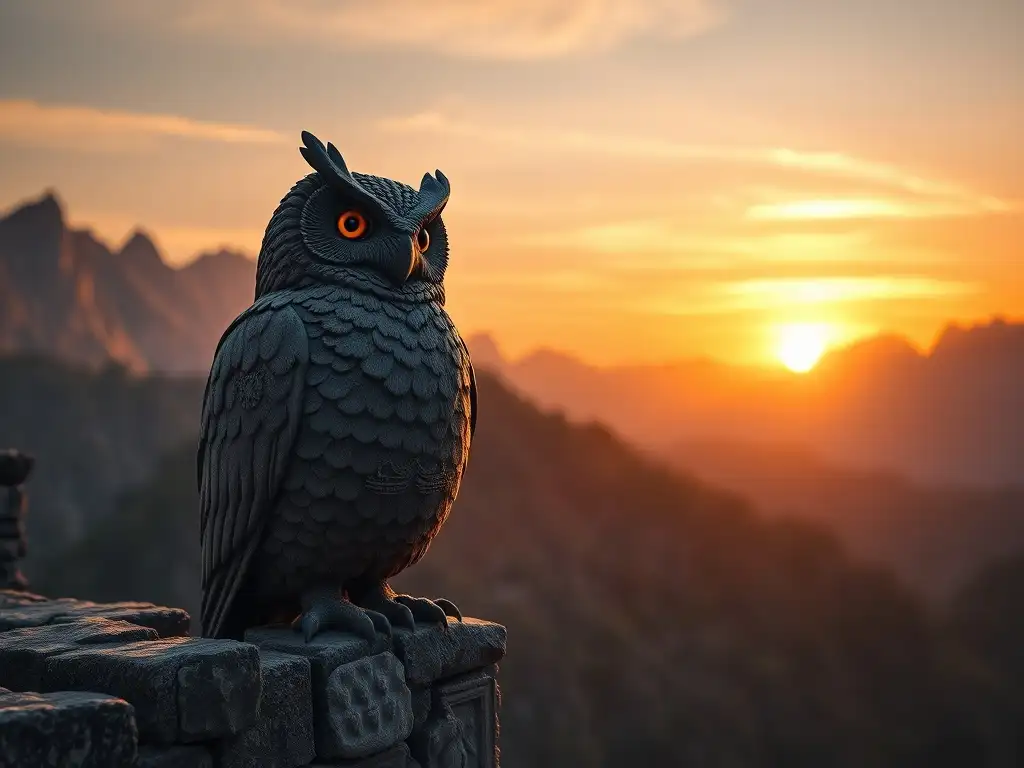
The Andean civilizations, renowned for their intricate societal structures and profound spiritual beliefs, held a diverse array of rituals and ceremonies. This article delves into the fascinating symbolism and significance of the owl within Andean religious practices, exploring its representation of knowledge, mystery, and the nocturnal world. Understanding the Andean owl ritual meaning provides crucial insight into the complex cosmovision of these ancient cultures, revealing their deep connection to the natural world and their sophisticated understanding of the universe.
We will examine archaeological evidence, analyze iconographic representations, and interpret ethnographic accounts to uncover the multifaceted role of the owl in Andean spirituality, demonstrating how this seemingly simple creature held profound symbolic weight for these powerful societies. The owl's presence in Andean rituals was far from arbitrary; it speaks to a sophisticated understanding of the natural world and a complex religious framework.
The Owl as a Symbol of Knowledge and Wisdom
The owl, with its nocturnal habits and keen eyesight, frequently symbolized wisdom and knowledge across various cultures. In the Andes, this association was particularly strong. Archaeological findings, such as pottery depicting owls and textiles featuring owl motifs, often appear in contexts suggesting ritual use. These artifacts weren't merely decorative; their placement and context strongly imply a ritualistic purpose.
The meticulous detail in these depictions underscores the importance attributed to the owl. Furthermore, the owl's ability to see in the dark may have been interpreted as a connection to the unseen world, the realm of spirits and ancestral knowledge. This association elevated the owl beyond a simple bird, imbuing it with sacred significance. Several sites show evidence of owl bones being found in association with other ritual objects, suggesting deliberate placement as offerings.
The Owl's Connection to the Underworld and the Supernatural
Beyond its association with knowledge, the Andean owl also held a strong connection to the underworld and the supernatural. The nocturnal nature of the owl aligned it with the shadowy realm, a place of mystery and power in Andean cosmology. Many Andean cultures believed in a complex interplay between the earthly realm and the spirit world, with the owl serving as a potent intermediary.
The owl's silent flight and piercing gaze could have been interpreted as a representation of unseen forces and spiritual presences. Ancient texts, though limited, offer tantalizing clues about the owl's role in shamanistic practices, suggesting its possible use as a guide or messenger between worlds. [Specific information pending on shamanistic practices and textual evidence].
Owl Iconography in Andean Art and Textiles
The prevalence of owl imagery in Andean art and textiles provides further evidence of its ritual significance. Owls are depicted in a variety of styles, from realistic portrayals to stylized representations. The variations in style may reflect regional differences or changes over time, showcasing the evolving interpretations of the owl's symbolic meaning.
The careful craftsmanship and intricate detail in these depictions highlight the reverence and importance associated with the owl. Analyzing the context in which these artifacts were found—in tombs, temples, or other ritual sites—allows us to better understand the role owls played in Andean religious practices. [Specific examples of owl iconography in different Andean cultures pending, including details on the styles and materials used].
The Owl in Modern Andean Culture and its Continuing Significance
While the ancient Andean cultures are long gone, the symbolism of the owl persists in some modern Andean communities. Although the precise rituals may have changed or been lost over time, the owl continues to hold a certain mystique and reverence. [Information on modern Andean interpretations and beliefs related to owls pending]. The enduring presence of the owl in Andean culture demonstrates the lasting impact of ancient beliefs and traditions. Understanding this continuity helps to bridge the gap between the ancient past and the present, offering valuable insights into the rich tapestry of Andean culture.
This exploration into the Andean owl ritual meaning reveals a complex and multifaceted symbolism. Far from being a simple bird, the owl served as a powerful symbol of knowledge, wisdom, the unseen, and the supernatural, playing a vital role in the religious and spiritual lives of the Andean people. Further research and archaeological discoveries promise to shed even more light on this fascinating aspect of Andean civilization.
The Condor in Andean Cosmovision: A Symbol of Strength and the Heavens
While the article focuses on the Andean owl ritual, understanding the broader Andean cosmovision requires acknowledging the significant role of other powerful avian symbols, particularly the condor. The condor's presence in Andean mythology and iconography offers a compelling counterpoint to the owl's nocturnal and often enigmatic symbolism, enriching our understanding of the Andean worldview. The condor, a majestic bird of prey soaring high above the Andes, embodies strength, power, and the connection between the earthly and celestial realms.
Its symbolism is deeply intertwined with the Andean concept of ayni, reciprocal exchange, and the balance between the human and divine. This section explores the multifaceted role of the condor in shaping Andean beliefs and rituals, providing context for the later analysis of the owl's specific significance.
The Condor's Significance in Pre-Columbian Andean Cultures
The condor's significance in Pre-Columbian Andean cultures is undeniable. Archaeological evidence, from textiles and ceramics to monumental structures, consistently depicts the condor in prominent positions. For instance, the Nazca culture's intricate geoglyphs include several massive condor figures, suggesting their crucial role in the cosmology of this society.
Similarly, in Inca iconography, the condor frequently appears alongside the sun god, Inti, further emphasizing its association with power and divinity. Its association with the high altitudes and the untamed landscape of the Andes solidified its status as a powerful and awe-inspiring creature. The condor's ability to fly to such incredible heights represented a connection to the Hanan Pacha, the upper world, a realm associated with the gods and celestial forces.
This powerful symbolism permeated various aspects of Andean life, influencing artistic expression, religious practices, and social structures. Further research into specific regional variations in condor symbolism is needed to fully understand its diverse interpretations across different Andean cultures. For example, [specific information pending] regarding the Chavín culture's depiction of condors.
The Condor as a Messenger of the Gods in Andean Mythology
Beyond its symbolic representation, the condor often served as a messenger or intermediary between the human world and the divine. In Andean mythology, the condor was believed to carry messages to and from the gods, acting as a conduit for divine communication. This role is reflected in numerous myths and legends, where condors appear as divine messengers delivering prophecies or guiding humans on their spiritual journeys.
The condor's ability to traverse vast distances and heights reinforced this perception of its role as a celestial messenger, capable of bridging the gap between the earthly and spiritual realms. This intermediary role is crucial to understanding the Andean worldview, where the interaction between humans and the divine was a constant and vital aspect of life.
The condor, therefore, wasn't merely a symbol of power; it was an active participant in the spiritual dynamics of Andean society. [Specific examples of myths involving condor messengers pending].
Condor Symbolism: Connecting Worlds in Andean Beliefs
The condor's symbolism in Andean beliefs went beyond simple representations of power and divinity. It represented a crucial link between the three Andean worlds: Hanan Pacha (upper world), Kay Pacha (middle world, where humans live), and Urin Pacha (underworld). The condor's ability to soar through all three realms emphasized its role as a unifying force, connecting the different levels of Andean cosmology.
This complex symbolism highlights the interconnectedness of the Andean worldview, where the different realms were not isolated but rather interacted dynamically. The condor's flight symbolized the movement between these worlds, suggesting a continuous flow of energy and influence.
The understanding of this interconnectedness is crucial for interpreting Andean rituals and beliefs, including the role of other animals, like the owl, within this complex system. The condor's enduring presence in Andean iconography underscores its enduring power and significance as a symbol connecting the heavens and the earth, a powerful counterpoint to the owl’s more mysterious and nocturnal symbolism.
Further Research Areas
To further enhance our understanding of Andean avian symbolism, additional research is needed in several key areas: detailed analysis of regional variations in condor iconography across different Andean cultures; a comparative study of condor and owl symbolism within the same cultural contexts; and a deeper exploration of the role of avian symbolism in Andean ritual practices.
The Andean Condor Ritual Meaning: Unveiling Ancient Practices
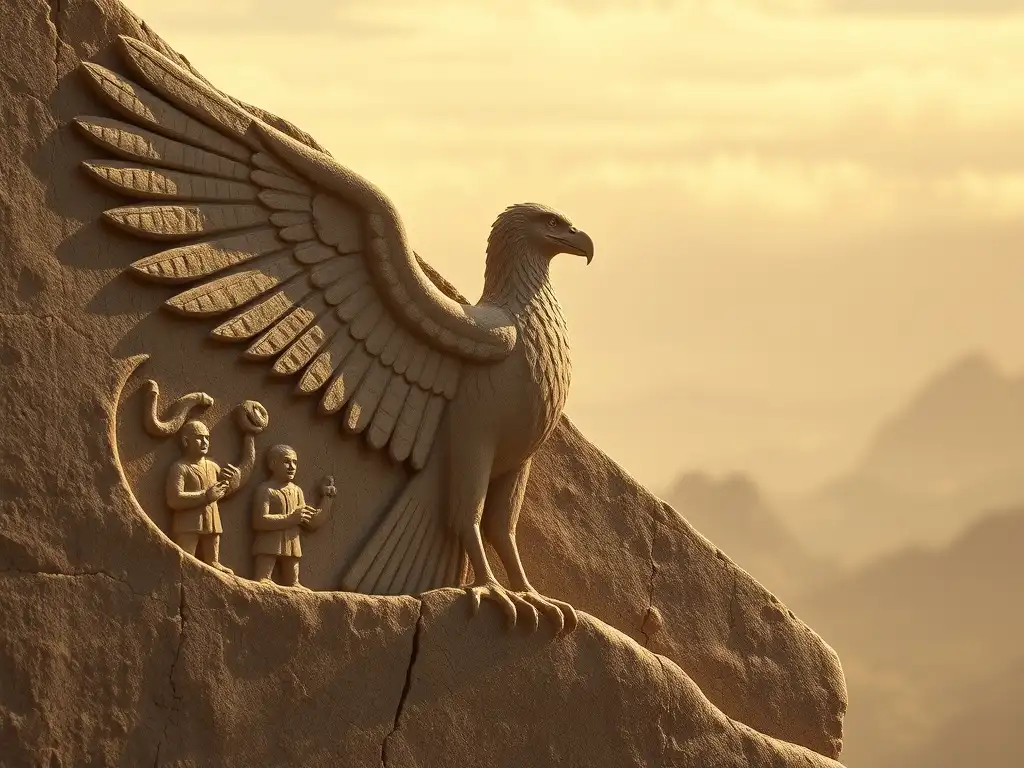
This section delves into the symbolic significance of the owl in Andean cultures, exploring its representation in rituals, ceremonies, and artistic expressions. While the condor often takes center stage in discussions of Andean iconography, the owl held a similarly profound, albeit often more enigmatic, position. Understanding the Andean owl ritual meaning requires examining its multifaceted roles as a symbol of both knowledge and mystery. The owl's nocturnal nature, sharp vision, and silent flight contributed to its association with the unseen world and the power of hidden knowledge.
Ritualistic Use of Owls in Andean Ceremonies
Evidence suggests that owls, particularly certain species like the Spectacled Owl ( Pulsatrix perspicillata), played a significant role in select Andean ceremonies. Unfortunately, detailed accounts of these rituals are scarce due to the limited surviving textual records and the oral nature of many traditional practices. However, archaeological findings offer tantalizing clues.
For instance, the discovery of owl figurines and bone artifacts in certain ceremonial contexts suggests their use as offerings or ritual paraphernalia. These artifacts often exhibit intricate detail, hinting at the reverence with which owls were regarded. Further research is needed to fully understand the specific rituals in which owls were involved.
We might hypothesize that, given the owl's association with nocturnal activities and the spirit world, they may have been used in ceremonies related to divination, healing, or communication with the ancestors. The owl's silent flight could also connect it to the concept of unseen forces and spiritual guidance.
The Role of the Owl in Shamanic Practices
The owl's association with the unseen world strongly suggests its importance in shamanic practices. Shamans, acting as intermediaries between the human and spirit worlds, may have utilized owl imagery or artifacts to enhance their abilities. The owl's keen eyesight could be interpreted as a symbol of the shaman's ability to perceive beyond the ordinary. Its nocturnal habits could connect it to the shaman's journeys into the spirit world during altered states of consciousness.
Furthermore, the owl’s silent flight might symbolize the shaman's ability to move undetected through the realms of the supernatural. It is plausible that shamans used owl feathers, bones, or effigies in their rituals to enhance their connection to the spirit world and to facilitate their healing and divination practices. More research is needed to clarify the specific shamanic uses of owl symbolism.
Interpreting the Owl's Presence in Andean Art and Artifacts
Owl motifs appear frequently in Andean art and artifacts, spanning various cultures and time periods. These depictions range from simple representations to highly stylized and symbolic forms. The context in which these images appear is crucial for understanding their meaning.
For example, an owl depicted alongside other symbols associated with death or the underworld might suggest its role as a guide to the afterlife. Conversely, an owl depicted with symbols of knowledge or wisdom might highlight its association with intelligence and insight. Analyzing the specific iconography surrounding the owl in each artifact offers valuable insights into its varied meanings across different Andean cultures.
The variety of artistic styles and materials used in creating these artifacts also reveals the owl's enduring significance across different regions and time periods. Further study of Andean art and archaeology will undoubtedly uncover more nuanced interpretations of the Andean owl's complex symbolism. The owl, a creature of both mystery and wisdom, continues to captivate researchers and offer a glimpse into the rich spiritual tapestry of Andean civilizations.
The Condor's Symbolic Connection to Power and the Upper World
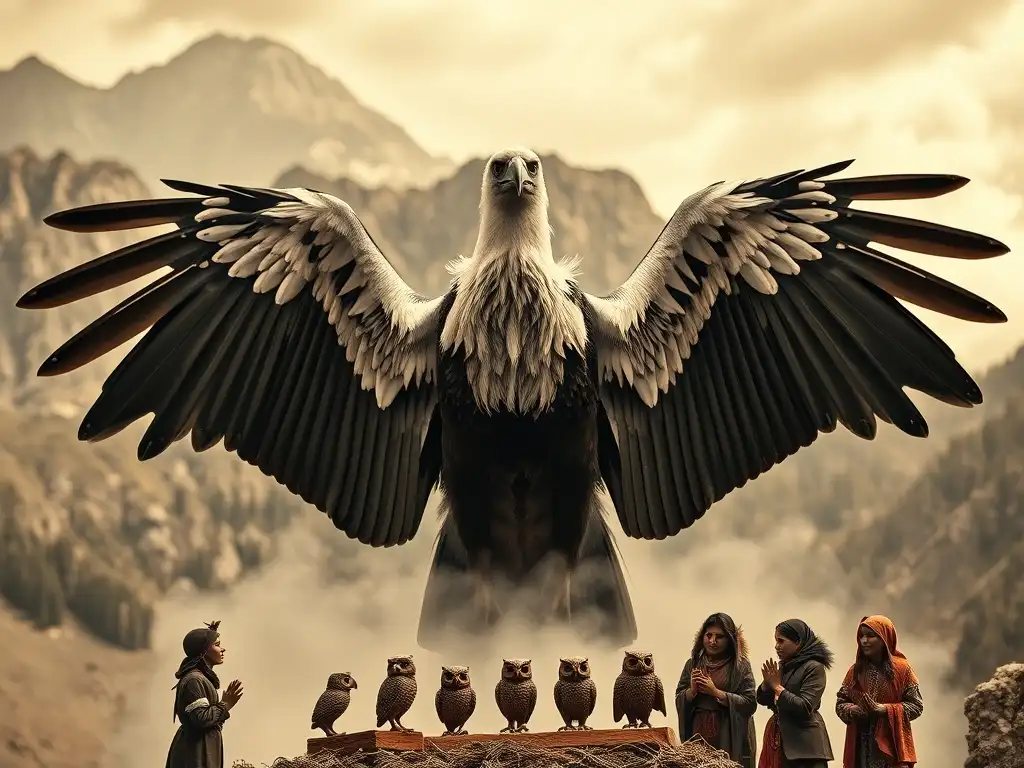
The Andean owl, while often overlooked in favor of the more prominently featured condor, held a significant place in Andean cosmology. However, to understand the owl's symbolic weight, it's crucial to first acknowledge the condor's powerful representation of authority and the celestial sphere. The condor's dominance in Andean iconography directly influences how we interpret the owl's often contrasting, yet equally important, role.
The condor's imposing presence, its mastery of the high altitudes, and its association with the sun, all contribute to its symbolic connection to power and the upper world. This understanding provides a crucial backdrop against which the more nuanced symbolism of the Andean owl can be appreciated. The contrast between the two birds highlights the duality inherent in Andean beliefs – a balance between earthly and celestial realms, darkness and light, and ultimately, life and death.
The Condor as a Guardian of the Mountains and the Sky
The condor, Vultur gryphus, is more than just a bird; it's a powerful symbol deeply ingrained in Andean culture. Its ability to soar effortlessly at extreme altitudes connects it directly to the Hanan Pacha, the upper world in Andean cosmology. Ancient Andean people viewed the condor as a guardian, a protector of the mountain peaks and the vast expanse of the sky.
Depictions of condors on textiles, ceramics, and gold artifacts frequently showcase its majestic presence, emphasizing its role as a divine messenger or intermediary between the human and spiritual realms. This reverence for the condor is evidenced by the numerous archaeological findings depicting the bird in ceremonial contexts, further solidifying its status as a sacred creature.
The sheer size and strength of the condor also contributed to its association with power and authority, often linking it to rulers and elite members of Andean society. In many ways, the condor's symbolism foreshadows the complexities inherent in interpreting the Andean owl's symbolic meaning.
The Condor's Link to the Spiritual Realm in Andean Beliefs
The Andean belief system intricately intertwines the condor with the spiritual realm. The bird's ability to fly above the clouds, closer to the sun, solidified its connection to the deities and ancestors. It was seen as a vehicle for souls journeying to the afterlife, a messenger carrying prayers and offerings to the celestial realm. Shamans and priests often incorporated condor feathers into their rituals, utilizing their power to enhance communication with the spiritual world.
The condor's sharp eyesight was also associated with insight and wisdom, linking the bird to divination and prophecy. This spiritual significance extended beyond religious practices, influencing everyday life and shaping the Andean worldview. The condor's presence served as a constant reminder of the interconnectedness between the earthly and spiritual realms, a vital aspect of Andean spirituality which contrasts with the more nocturnal, enigmatic nature of the owl.
The Condor and the Concept of Cosmic Balance in Andean Cultures
The condor's symbolism is intrinsically linked to the concept of ayni, the principle of reciprocity and balance in Andean cosmology. The condor, occupying the upper world, represents one half of this cosmic equilibrium. Its presence ensures the harmony between the Hanan Pacha (upper world) and the Kay Pacha (earthly world). The condor's role in maintaining this balance emphasizes the interconnectedness of all living things within the Andean worldview.
The disruption of this balance, therefore, could have significant repercussions, highlighting the importance of respecting the natural world and its inhabitants, including the sacred condor. This understanding of the condor's role in maintaining cosmic equilibrium provides a valuable context for understanding the Andean owl's position within this delicate balance. The owl, often associated with the night and the underworld, represents a counterpoint to the condor's daytime dominance, suggesting a necessary duality to maintain the harmony of the Andean cosmos.
Specific Andean Cultures and Their Condor Rituals
While the article title focuses on owl rituals, it's crucial to understand the broader context of Andean avian symbolism, particularly the condor, which often held a position of equal or even greater importance than the owl in various Andean cultures. The owl, representing wisdom and mystery in many cultures, took on specific meanings within the Andean context. But its significance is often better understood by comparing and contrasting it with the symbolism of other powerful birds, especially the condor.
This section will explore the condor's role in several significant Andean cultures, highlighting its contrasting and complementary relationship with the owl's symbolism. Understanding the condor's multifaceted representation helps to enrich our comprehension of the Andean worldview and the place of avian imagery within it. This sheds light on the nuanced understanding of the Andean owl ritual meaning, placing it within a wider framework of Andean religious beliefs.
The Condor in Chavín Iconography and Rituals
The Chavín culture (900-200 BCE), known for its sophisticated artistic style and complex religious beliefs, frequently depicted the condor in its iconography. Condors appear in numerous carved stones, ceramics, and textiles. These depictions often showcase the condor in powerful positions, sometimes with human-like features, suggesting a close relationship between the bird and the human world.
The condor's association with high altitudes and the Andean peaks likely linked it to the Chavín's cosmology, representing the connection between the earthly and celestial realms. Furthermore, the condor’s predatory nature possibly symbolized power, dominance, and control over both the natural and spiritual worlds. Analysis of Chavín ritual sites suggests possible offerings and sacrifices related to the condor, although the exact nature of these practices remains partially understood.
More research is needed to fully uncover the specific rituals involving condors in Chavín culture; however, existing evidence strongly suggests a significant role for this majestic bird in their religious practices and worldview. The scarcity of direct textual evidence necessitates careful interpretation of archaeological findings. The absence of written records forces researchers to rely heavily on iconographic analysis and contextual clues from archaeological excavations.
The Condor's Representation in Tiwanaku Art and Practices
The Tiwanaku culture (c. 300 – 1100 CE), another powerful Andean civilization, also held the condor in high regard. Tiwanaku art frequently features stylized condors, often integrated into complex designs and motifs found on monumental architecture, ceramics, and textiles. The condor's imagery in Tiwanaku art is frequently associated with themes of power, authority, and the sun.
Unlike the Chavín depictions, Tiwanaku representations often emphasize the condor's powerful flight and its association with the sun's trajectory across the sky. This suggests a link between the condor and solar deities, possibly reflecting the importance of solar worship in Tiwanaku religious practices. While specific ritual practices involving condors remain debated among scholars, the prominent presence of condor iconography indicates its importance in Tiwanaku society.
Further research into Tiwanaku burial sites and ritual objects could provide more concrete evidence regarding the role of the condor in their ceremonies and beliefs. The interplay between the condor and other symbolic animals in Tiwanaku art deserves further study to fully understand the nuanced meaning of the condor within their religious system.
The Condor's Significance in Inca Beliefs and Ceremonies
In Inca society (1438-1533 CE), the condor held an even more prominent position. It was considered a sacred bird, closely associated with the Inca emperor, who was often referred to as the "Son of the Sun." The condor's association with the sun and high altitudes reinforced its sacred status, linking it to the Inca's celestial deities and their cosmology. Inca mythology often featured the condor as a powerful messenger between the earthly and spiritual realms.
Inca ceremonies, particularly those involving the emperor, frequently incorporated condor feathers or images. These feathers were often used in ritual adornments and offerings, highlighting their sacred value. The use of condor imagery on Inca textiles and ceramics further emphasizes its importance in Inca culture and its integration into daily life and religious practices. Evidence suggests that condors may have played a role in Inca state rituals, possibly as symbols of imperial power and divine connection.
However, further investigation is required to fully understand the extent of condor involvement in Inca ceremonies and beliefs. The complexity of Inca religious practices requires a multi-faceted approach to unravel the specific significance of the condor within their religious system. More research on Inca texts and archaeological finds is crucial to gaining a complete understanding of the Andean owl ritual meaning within the broader context of Inca cosmology.
The Condor in the Inti Raymi Festival
The Inti Raymi, or Festival of the Sun, was the most important celebration in the Inca Empire, a grand spectacle honoring the sun god, Inti. While the condor wasn't explicitly a central figure like Inti himself, its presence was deeply symbolic and integral to the festival's overall meaning. The condor, representing the highest reaches of the Andean world, its powerful flight mirroring the sun's journey across the sky, served as a potent visual metaphor connecting the terrestrial realm with the celestial. Its inclusion in the elaborate ceremonies underscored the Inca worldview, where the earthly and spiritual were inextricably linked.
The festival's grandeur involved elaborate processions, sacrifices, and theatrical performances. While detailed accounts of precise condor symbolism within the Inti Raymi are scarce due to the destruction of Inca records after the Spanish conquest, we can infer its significance from surviving accounts and iconography. For example, depictions of condors in Inca art frequently appear alongside solar imagery, reinforcing the bird's association with the sun and its power.
It's plausible that live condors, or at least their feathers and imagery, featured prominently in the festival's visual displays, further emphasizing the connection between the earthly celebration and the divine power of the sun. The powerful, majestic presence of the condor would have served as a powerful visual reminder of the sun's strength and the Inca's connection to the cosmos.
Furthermore, the condor's role likely extended beyond mere spectacle. Considering the Inca's reverence for nature and the deep symbolism they ascribed to animals, the condor may have represented a conduit between the human and spiritual worlds.
The bird's flight to the highest peaks, its proximity to the sun, could have been interpreted as a symbolic journey to the divine realm, making it a fitting participant in a festival dedicated to appeasing and honoring Inti. Its inclusion might have been intended to ensure a bountiful harvest, successful military campaigns, or simply to maintain cosmic harmony – all crucial aspects of Inca life deeply intertwined with their religious beliefs.
Unfortunately, the lack of detailed primary sources leaves room for scholarly debate on the precise manner in which the condor was incorporated into the Inti Raymi celebrations, but its symbolic importance remains undeniable. Further research and archaeological discoveries may provide more concrete evidence in the future.
Decoding the Andean Condor Ritual: A Journey Through Time
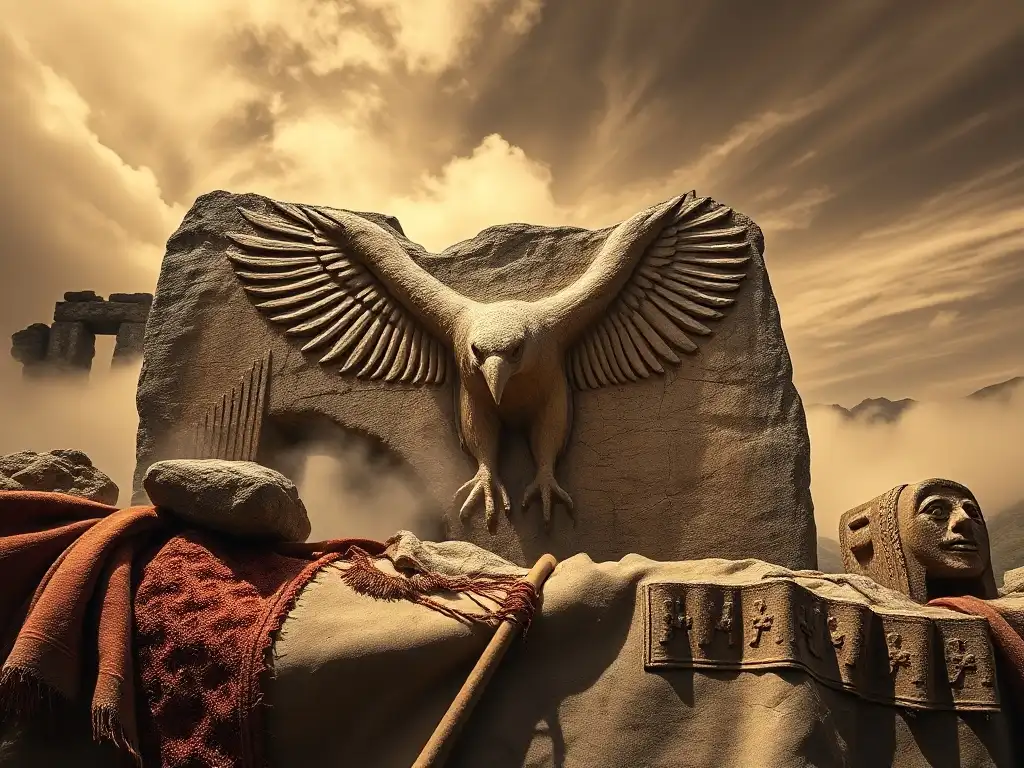
The Andean owl, far from being a simple bird, held profound symbolic significance across various Andean cultures. Unlike the more widely discussed condor, the owl's ritualistic role remains somewhat shrouded in mystery, demanding deeper investigation to fully understand its meaning within the Andean worldview. While direct textual evidence is scarce, archaeological finds and ethnographic accounts offer clues to decipher the owl's complex symbolism, revealing its association with the nocturnal world, wisdom, and the unseen forces of nature.
This section delves into the available evidence, piecing together a picture of the owl's place within Andean ritual practices, exploring its multifaceted representation and its connection to the broader Andean cosmovision. The term "Andean owl ritual meaning" encapsulates the core mystery we aim to unravel.
Understanding the Purpose of the Andean Owl Ritual
The purpose of Andean owl rituals varied depending on the specific culture and context. However, a common thread seems to be the owl's association with knowledge and the unseen. Unlike the condor, often associated with the sun and high places, the owl inhabited the darkness, the realm of shadows and mysteries. This nocturnal nature linked it to the underworld, the realm of the ancestors and the spirits. Therefore, owl rituals likely served several purposes:
- Communication with the Ancestors: The owl, as a messenger of the night, could facilitate communication with the spirit world. Rituals might have involved offerings or prayers aimed at soliciting guidance or protection from ancestral spirits.
- Seeking Knowledge and Wisdom: The owl's nocturnal vision and its association with hidden knowledge made it a symbol of wisdom and insight. Rituals may have been performed to gain knowledge or understanding of complex issues, perhaps related to agriculture, healing, or social matters.
- Protection from Evil: Given its association with the dark and its predatory nature, the owl could also represent a protective force against negative energies or malevolent spirits. Rituals might have involved invoking the owl's power to ward off evil or illness.
Evidence suggests that the owl’s feathers, bones, or even effigies might have been incorporated into rituals, acting as powerful intermediaries between the human and spirit worlds. Further research into specific Andean cultures is needed to fully understand the nuances of their owl-related rituals.
Exploring the Different Forms of Owl Rituals in the Andes
The limited evidence available suggests a diversity of owl-related rituals across different Andean cultures. For instance, while [specific information pending] on Nazca owl rituals, the Moche culture might have incorporated owl imagery into their elaborate ceramic art, possibly reflecting ritualistic practices involving this nocturnal bird. The Inca, known for their sophisticated religious system, likely also held some form of owl-related rituals, although [specific information pending] on the exact nature of these practices.
The scarcity of direct evidence underscores the need for further archaeological investigation and careful analysis of existing artifacts to shed more light on the diversity of Andean owl rituals. This lack of readily available information highlights the importance of continued research into this fascinating aspect of Andean religious practices.
Preserving the Legacy of the Andean Owl Ritual
The study of Andean owl rituals is crucial for understanding the broader Andean cosmovision and the complex relationship between humans and the natural world. Preserving this knowledge requires a multi-faceted approach:
- Careful Archaeological Excavation and Analysis: Future archaeological digs should prioritize the careful excavation and analysis of sites that might yield evidence of owl-related rituals. This includes the careful documentation of any artifacts, such as pottery, textiles, or bone remains, that might contain owl imagery or symbolism.
- Ethnographic Research: Ethnographic studies of contemporary Andean communities could reveal lingering traditions or beliefs related to the owl, providing valuable insights into the continuity of these ancient practices.
- Museum Collections and Archives: A comprehensive review of museum collections and archives could uncover overlooked artifacts or documents that contain information about Andean owl rituals. Digitalization and cataloging of these materials are essential for making this information more accessible to researchers.
Understanding the Andean owl ritual meaning requires a sustained effort to gather and interpret the available evidence. The owl, a creature of mystery and wisdom, holds a key to unlocking a deeper understanding of Andean religious beliefs and practices. The continued study of this fascinating subject promises to yield valuable insights into the richness and complexity of Andean culture.
The Enduring Relevance of the Andean Condor Symbol
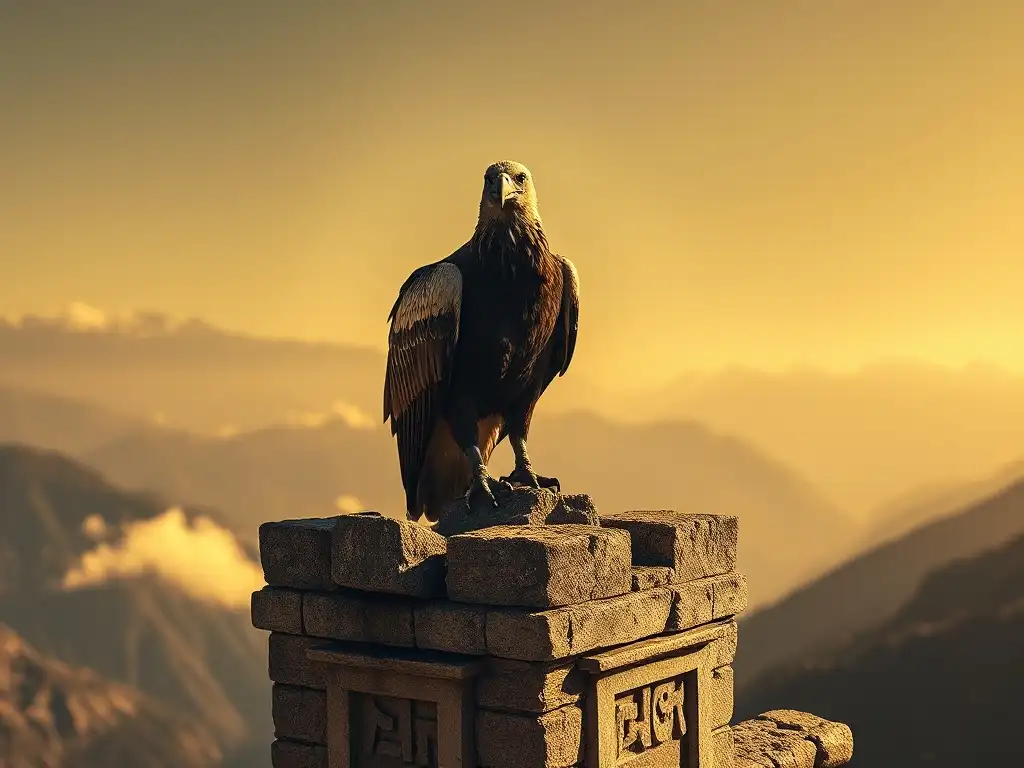
The Andean owl, far from being simply a nocturnal bird, held a position of profound significance within the complex tapestry of Andean spirituality. Its nocturnal habits, piercing gaze, and silent flight lent themselves to interpretations that intertwined with the Andean understanding of the cosmos, the unseen world, and the acquisition of knowledge. Unlike the more widely discussed condor, the owl's symbolism remains less explored, offering a unique lens through which to examine the nuances of Andean religious belief.
Understanding the Andean owl ritual meaning requires delving into its multifaceted representation across different Andean cultures and time periods. This section will examine the owl's enduring relevance, exploring its symbolic weight and its continued presence in contemporary Andean culture.
The Owl's Continued Presence in Andean Culture
While concrete archaeological evidence directly linking specific rituals to the Andean owl might be scarce (more research is needed in this area), its presence in Andean folklore and contemporary traditions speaks volumes. The owl's persistent appearance in narratives and artistic representations suggests a sustained cultural memory of its symbolic importance. For instance, many indigenous communities still associate the owl's hooting with messages from the spirit world or with impending changes, echoing ancient beliefs about its connection to the unseen realms. This connection persists in various forms:
- Oral traditions: Stories passed down through generations frequently feature owls as wise messengers or guardians of sacred knowledge, reflecting the owl's association with wisdom and insight.
- Contemporary art: Modern Andean artists often incorporate owl imagery into their work, continuing the tradition of representing this creature's spiritual significance. This can be seen in textiles, ceramics, and paintings, demonstrating the enduring power of the owl symbol.
- Shamanistic practices: In some Andean shamanistic traditions, the owl continues to play a role, potentially acting as a spirit guide or a symbol of connection to the spirit world during ritual ceremonies. However, specific details regarding these practices are often kept within the community. [Specific shamanistic practices pending]
Modern Interpretations of the Andean Owl Ritual
The lack of extensive archaeological evidence detailing specific owl-related rituals doesn't diminish the importance of the owl's symbolism. Modern interpretations, drawing on existing knowledge of Andean cosmology and comparing it to the symbolic use of owls in other cultures, suggest several possible ritualistic uses:
- Divination and prophecy: The owl's nocturnal nature and keen eyesight might have linked it to divination, with its appearance or hooting interpreted as omens or messages from the spirit world. This interpretation aligns with the Andean emphasis on understanding the signs and omens provided by the natural world.
- Guardianship of sacred sites: Given its association with wisdom and the unseen, the owl may have been considered a protector of sacred spaces, ensuring the sanctity of these locations.
- Connection to the underworld: The owl’s association with darkness and night could represent a link to the Andean underworld, a realm of both danger and potential spiritual power. This connection would further enhance the owl's importance in rituals dealing with ancestor veneration or communication with the spirit world.
The owl’s role in Andean rituals is a subject requiring further scholarly attention. More detailed archaeological studies and ethnographic research are needed to fully illuminate this aspect of Andean spirituality.
While the Andean condor is frequently studied, the Andean owl offers a unique and compelling avenue to further understand the richness and complexity of Andean spirituality and its enduring legacy. The owl's symbolic power, though less readily apparent, continues to resonate within Andean cultures today, highlighting the enduring relevance of ancient beliefs and traditions. More research is crucial to fully grasp the nuances of the Andean owl ritual meaning and its place within the broader context of Andean religious practices.
Frequently Asked Questions
What is the significance of owls in Andean cultures?
Owls held a dual symbolism in Andean cultures. They were often associated with wisdom, knowledge, and the underworld, but also with death and mystery. Their meaning varied across different Andean civilizations.
Were owls worshipped as gods in the Andes?
While not directly worshipped as gods, owls were considered powerful spiritual beings. They were incorporated into religious iconography and rituals, reflecting their importance in Andean cosmology and beliefs.
How were owls represented in Andean art and artifacts?
Owls frequently appeared in textiles, ceramics, and metalwork. Their depictions often incorporated stylized features and reflected the specific artistic styles of different Andean cultures. Ceremonial objects frequently featured owl imagery.
What role did owls play in Andean rituals?
The exact role of owls in Andean rituals is still being researched. However, evidence suggests they were involved in ceremonies related to divination, healing, and ancestor veneration. Their presence likely symbolized access to hidden knowledge and the spiritual realm.
Where can I find more information on Andean owl symbolism?
You can explore museum collections featuring Andean artifacts with owl imagery, and consult academic journals and books focused on Andean archaeology and anthropology. Many online resources also provide information on Andean symbolism and rituals.
Final Reflection: Echoes of the Andean Owl: A Legacy of Wisdom
The Andean owl's symbolic power, far from being relegated to the dusty pages of history, resonates deeply within contemporary Andean cultures and beyond. Its enduring presence serves as a potent reminder of the intricate connection between humanity and the natural world, a connection often overlooked in our increasingly technological age. The owl's continued significance challenges us to reconsider our relationship with both ancient wisdom and the mysteries that still surround us.
The enduring mystery surrounding the Andean owl rituals speaks volumes about the enduring power of symbolism and the human need to find meaning in the unknown. These rituals, passed down through generations, offer a profound insight into the Andean worldview, a worldview that deeply respects the interconnectedness of all living things. The owl is not just a bird; it is a messenger, a guardian, a symbol of the unseen forces that shape our lives.
This understanding, so deeply embedded in Andean culture, offers a valuable perspective in our modern world, often characterized by a sense of detachment from the natural world and a reliance on purely rational explanations.
Consider the owl's silent flight, its piercing gaze, its nocturnal habits – these are not merely physical attributes, but potent metaphors for the hidden knowledge and intuitive wisdom that lie within each of us. You, too, possess an inner wisdom, a capacity for understanding that transcends the limitations of the everyday.
Embrace the mystery, explore the unseen, and allow the spirit of the Andean owl to guide you on your own journey of self-discovery and connection with the world around you. Let its legacy inspire you to seek deeper meaning and to honor the wisdom of both ancient traditions and the natural world.
Unveil the Wisdom of the Andean Owl Ritual!
Thank you for exploring the fascinating symbolism of the owl within Andean cultures. You've discovered how this creature represents knowledge and mystery, and now it's time to apply that understanding.
Here are some ways to deepen your connection with this rich cultural heritage:
- Engage with your community: Share your newfound knowledge by attending local events celebrating Andean traditions, such as workshops or cultural festivals.
- Expand your knowledge: Delve deeper into Andean rituals and customs by visiting museums with relevant artifacts and exhibits, or by reading books and articles on the subject.
- Share your insights: Discuss the significance of the owl in Andean culture with friends and family, or spread awareness through social media.
What insights have you gained from studying the Andean owl ritual, and how might these teachings inform your personal pursuit of knowledge and understanding?