
Andean Prophecies and Predictions: The Role of Seers in Shaping the Future


Uncover the enigmatic world of the Andes, where the whispers of ancient prophecies still echo through time. Journey with us into the heart of Andean Religion and Cosmovision, delving into the fascinating lives of seers and their remarkable predictions. Did these Andean prophecies shape the destiny of empires like the Inca, Moche, and Nazca? Discover the secrets held within the Andean prophecies predictions seers and unravel the mysteries that await. Explore now and prepare to be amazed.
The Andes Mountains, a spine of towering peaks running along the western edge of South America, have been home to a rich tapestry of cultures for millennia. These civilizations, from the sophisticated Inca Empire to the enigmatic Nazca and Moche cultures, didn't just build impressive cities and intricate irrigation systems; they also developed complex belief systems deeply intertwined with the natural world and the understanding of the future.
This article delves into the fascinating world of Andean prophecies and predictions, exploring the crucial role played by seers and their interpretations in shaping the destinies of these ancient societies. We will examine how these predictions influenced political decisions, agricultural practices, and even daily life, highlighting the profound impact of prophecy on the Andean worldview.
Understanding Andean prophecies offers a unique window into the spiritual and social fabric of these remarkable civilizations and sheds light on the enduring power of belief in shaping human history. The analysis will focus on the Inca, Moche, Nazca, and Tiahuanaco cultures, providing specific examples whenever possible to illustrate the diverse ways in which prophecies were utilized and interpreted.
The Significance of Prophecy in Andean Cosmovision
Andean cosmovision, the worldview of the Andean peoples, was deeply interconnected with the natural world. The mountains, rivers, and celestial bodies were not just geographical features but active participants in a vibrant, dynamic cosmos. Prophecy played a vital role in this worldview, acting as a bridge between the human and spiritual realms. Seers, often highly respected members of society, were believed to possess the ability to interpret signs and omens, predicting future events and providing guidance to rulers and communities.
These prophecies weren't simply about foretelling the future; they were integral to understanding the will of the gods and maintaining cosmic balance. Accurate predictions could bring prosperity and divine favor, while misinterpreted signs could lead to calamity. The interpretation of dreams, celestial events (like eclipses or comets), and natural phenomena (such as unusual weather patterns or animal behavior) were all part of the process of deciphering the divine messages and formulating prophecies.
For example, [specific examples of Inca prophecies related to harvests or warfare pending], illustrating the practical applications of these predictions. The weight given to these prophecies underscores the profound influence of the spiritual realm on the daily lives of Andean communities. This deeply ingrained belief system ensured that prophecies weren't merely abstract concepts but powerful forces shaping societal decisions and individual actions.
Understanding Andean Seers: Interpreters of the Future
Andean seers, often referred to by various titles depending on the specific culture (e.g., yachaywasi among the Inca), weren't simply fortune-tellers. They were highly trained individuals, often undergoing rigorous periods of apprenticeship and spiritual preparation. Their roles extended beyond predicting the future; they served as intermediaries between the human and spiritual worlds, offering guidance on matters ranging from agricultural practices to political strategies. Their expertise was highly valued, and their interpretations carried significant weight in decision-making processes.
The methods used by these seers varied across different Andean cultures, but common practices included interpreting coca leaf readings, observing the flight of birds, and analyzing patterns in the stars. Detailed records of their prophecies, however, are scarce due to the destruction of many primary sources. Nevertheless, surviving accounts and archaeological evidence suggest that they played a crucial role in shaping the social, political, and economic landscape of Andean societies.
For instance, [specific examples of Moche or Nazca seers and their prophecies pending]. The social standing and influence of these seers highlight their importance within the Andean societies and emphasize the profound influence of prophecy on their daily lives and long-term decisions. The legacy of these seers continues to fascinate scholars today, prompting ongoing research into their methods and the lasting impact of their prophecies.
Ancient Andean Prophecies: Historical Context and Origins
Andean prophecies, predictions, and the role of seers are deeply interwoven with the fabric of Andean societies. Understanding these prophecies requires acknowledging their historical context, stretching back millennia. These weren't isolated events but rather integral parts of a complex belief system that shaped the lives and governance of various Andean cultures, including the Inca, Moche, Nazca, and Tiahuanaco.
The prophecies weren't simply predictions of future events; they served as crucial tools for understanding the past, interpreting the present, and navigating the uncertainties of the future. They provided a framework for decision-making, especially concerning matters of state, agriculture, and social harmony. The interpretation of these prophecies was largely the domain of specialized individuals—shamans, priests, and other seers—who held considerable power and influence within their communities.
Their pronouncements could sway political decisions, influence agricultural practices, and even determine the outcome of conflicts. The very act of seeking a prophecy was a ritualistic process, reinforcing the societal importance placed upon the seer's role and the prophetic word itself. The accuracy or fulfillment of a prophecy further solidified the authority and prestige of the seer, while failure could lead to questioning or even a shift in power dynamics.
The Prophecy of the Pachacuti
One of the most well-known, albeit debated, Andean prophecies centers around the concept of the Pachacuti. This term, meaning "transformation of the world," refers to a cyclical understanding of time and a belief in significant historical shifts. While not a single, concrete prophecy, the Pachacuti concept predicted periods of upheaval and renewal, representing both destruction and rebirth.
Different Andean cultures interpreted and adapted the Pachacuti concept to their specific contexts. For example, the Inca saw the arrival of the Spanish conquistadors as a Pachacuti, a cataclysmic event that fundamentally altered their world. The prophecy itself wasn't a precise prediction of the Spanish arrival but rather a framework for understanding profound societal changes—a lens through which to interpret major disruptions to the existing social and political order.
The Pachacuti concept highlights the Andean understanding of time as cyclical, rather than linear, emphasizing the inevitable nature of change and the importance of adaptability in the face of upheaval. The inherent ambiguity of the prophecy also allowed for varied interpretations, ensuring its continued relevance across different Andean cultures and historical periods.
The role of oral tradition in preserving predictions
Oral tradition played a crucial role in preserving and transmitting Andean prophecies and predictions across generations. In the absence of widespread writing systems, stories, songs, and rituals served as the primary vehicles for preserving knowledge, including prophetic pronouncements. These narratives weren’t merely passive recordings; they were actively shaped and reinterpreted by storytellers and community members, reflecting the ongoing cultural evolution and adaptation of the prophecies.
The oral nature of the tradition allowed for flexibility and adaptation, ensuring the prophecies remained relevant to changing circumstances. This dynamism, however, also presented challenges. The potential for misinterpretations or alterations during transmission necessitates caution when analyzing the historical record.
Scholars must consider the potential biases and transformations introduced during the oral transmission process. Analyzing multiple versions of the same prophecy, when available, can help to identify common themes and core elements, providing a more reliable understanding of the original message. The study of oral traditions requires a careful and nuanced approach, acknowledging both its strengths and limitations as a means of preserving historical knowledge.
The Methods of Andean Divination: Unveiling the Unknown
Andean divination techniques were diverse and sophisticated, reflecting the complex cosmological beliefs of the various Andean cultures. Seers utilized a range of methods to gain insights into the future, interpret events, and communicate with the spirit world. These methods weren't simply about predicting the future; they were also integral aspects of religious practices and served as tools for maintaining social order and navigating the uncertainties of life.
The accuracy of these methods was often judged by their perceived effectiveness in providing guidance and shaping community responses to challenges. The credibility of a seer was closely linked to their success in using these techniques.
Use of coca leaves in Andean prophecy
Coca leaves held a significant role in Andean divination practices. The leaves, carefully prepared and arranged, were used in various ways to gain insight into the future. One common method involved spreading the leaves on a surface and interpreting their patterns, similar to methods using cards or runes. Different arrangements and combinations of leaves were associated with specific meanings, providing guidance on a wide range of matters, from personal choices to community decisions.
The coca leaf readings were frequently integrated into other forms of divination, such as interpreting dreams or observing natural phenomena. The coca leaf's role extended beyond simple fortune-telling; it was considered a sacred plant with the power to facilitate communication with the spirit world and provide access to hidden knowledge. This practice underscored the deeply spiritual context within which Andean prophecies were understood and interpreted.
Reading the stars and celestial signs
Celestial observation was another crucial aspect of Andean divination. The movements of stars, planets, and constellations were meticulously tracked and interpreted to predict weather patterns, agricultural cycles, and even significant social events. Specialized individuals, often priests or shamans, possessed extensive knowledge of astronomy and were responsible for interpreting the celestial signs.
Their understanding of the cosmos was intimately linked to their understanding of the terrestrial world, with celestial events influencing earthly affairs. The intricate knowledge of celestial movements reflects the advanced level of astronomical understanding achieved by various Andean cultures. The integration of astronomy and divination highlights the holistic nature of Andean cosmovision, where the heavens and the earth were seen as interconnected and mutually influential.
Interpretation of dreams and visions
Dreams and visions were considered powerful sources of prophetic insight within Andean cultures. Seers were often consulted to interpret the symbolic language of dreams, which were believed to provide glimpses into the future or messages from the spirit world. The interpretation of these dreams varied widely depending on the specific symbols and contexts, reflecting the rich symbolic language embedded within Andean cultures.
The skill of interpreting dreams required extensive knowledge of Andean mythology, symbolism, and cosmology. The process wasn’t simply a matter of deciphering individual symbols; it involved integrating the dream within the broader context of the dreamer's life and the community's circumstances. The interpretation of dreams and visions underscored the Andean belief in the interconnectedness of the physical and spiritual realms, with dreams serving as a bridge between the two.
The Power of Andean Predictions: Influencing Society and Leadership
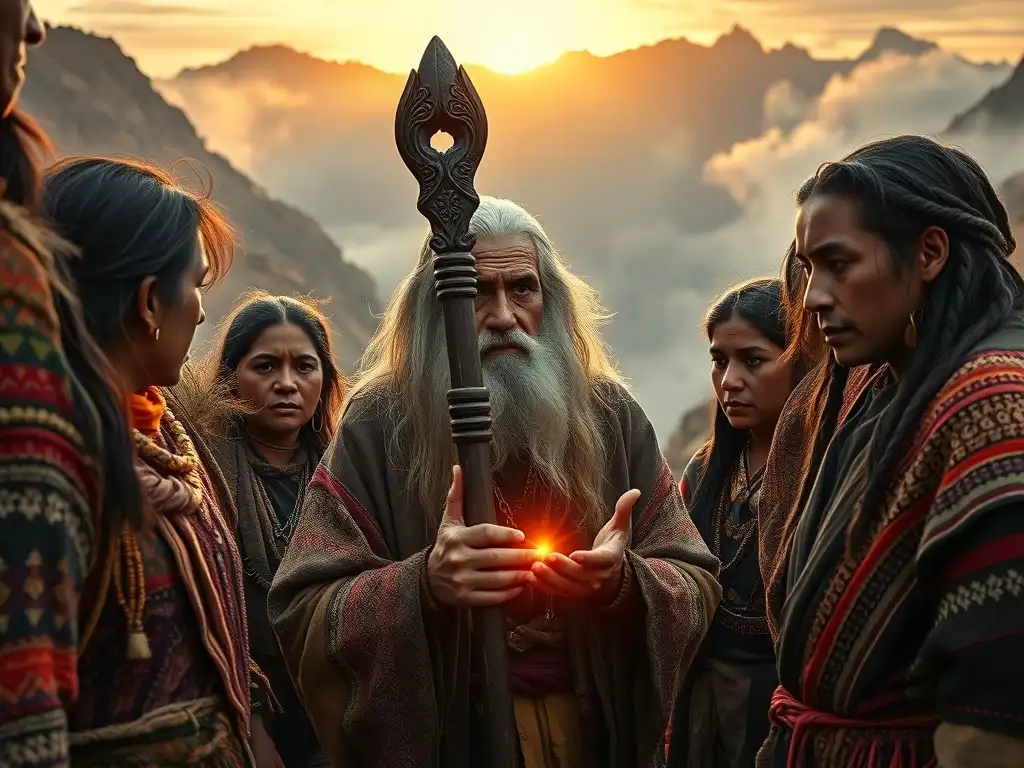
Andean prophecies, far from being mere superstitions, held significant sway over societal structures and leadership decisions. The pronouncements of seers, often intertwined with religious rituals and interpretations of natural phenomena, directly influenced the course of events in various Andean cultures. These predictions weren't simply passive observations of the future; they actively shaped the actions and choices of rulers, elites, and the populace at large.
The weight given to these prophecies varied across different cultures and time periods, but their impact was undeniably profound. The belief in the accuracy and power of these predictions created a system where the pronouncements of the seers held considerable weight, influencing everything from military campaigns to agricultural practices. This pervasive influence underscores the deep integration of prophecy into the fabric of Andean societies.
How prophecies impacted political decisions
Prophecies often played a crucial role in determining political strategies and alliances. For example, a prediction of impending conflict might lead a ruler to initiate preemptive strikes or forge defensive pacts. Conversely, a favorable prophecy could embolden a leader to pursue ambitious expansionist policies, as we will see more clearly in the following section. The interpretation of prophecies, however, was not always straightforward.
Different seers might offer conflicting interpretations, leading to internal debates and power struggles within the ruling elite. This dynamic highlights the complex interplay between prophecy, politics, and power in the Andean world. The ambiguity inherent in some prophecies also allowed for manipulation, with rulers sometimes using them to justify their actions or consolidate their authority. Detailed records of these political machinations are scarce, but archaeological evidence and surviving accounts suggest their profound significance.
The role of seers in social control
Beyond influencing political decisions, Andean prophecies served as a powerful tool for social control. Seers acted not only as interpreters of the divine will but also as moral arbiters, using prophecies to reinforce social norms and discourage undesirable behavior. Predictions of misfortune or divine punishment could be used to deter crime, maintain social order, and reinforce the authority of the ruling class.
This aspect of prophecy is particularly evident in the Inca Empire, where the Inca's authority was inextricably linked to their supposed divine connection and ability to interpret prophecies. The threat of divine retribution, as conveyed by seers, served as a constant reminder of the consequences of defying societal norms or challenging the Inca's rule. This system of social control, subtly woven into the fabric of daily life, ensured stability and maintained the existing power structures.
The impact of prophecies on the Inca Empire's expansion
The Inca Empire's remarkable expansion was, in part, fueled by prophecies that legitimized their conquests and inspired confidence amongst their armies. While the specifics of these prophecies are largely lost to time, historical accounts suggest that predictions of victory and imperial dominance played a significant role in motivating Inca warriors and justifying their military campaigns.
These prophecies not only boosted morale but also helped consolidate conquered territories by portraying Inca rule as divinely ordained. The Inca rulers skillfully used prophecies to legitimize their authority over newly conquered peoples, presenting themselves as chosen leaders guided by divine will.
This strategic use of prophecy significantly contributed to the rapid expansion and consolidation of the Inca Empire, showcasing the power of belief and prophecy in shaping historical events. The Inca's success in leveraging prophecies for political gain stands as a testament to their understanding of the power of belief and its impact on human behavior.
Andean Prophecies and the Cycle of Time: Understanding the Past and Future
The Andean worldview differed significantly from many Western perspectives in its understanding of time. Rather than a linear progression, Andean civilizations often conceived of time as cyclical, with recurring patterns and events mirroring each other across generations. This cyclical understanding profoundly influenced their approach to prophecy and the interpretation of predictions. The past wasn't simply a historical record; it was a source of knowledge and insight into the future, offering valuable lessons and foreshadowing events to come. This cyclical view of time provided a framework for understanding the world, guiding decision-making, and imbuing prophecies with deeper meaning.
The concept of cyclical time in Andean thought
The concept of cyclical time in Andean cosmology is deeply rooted in their observations of nature. The annual cycle of planting and harvesting, the phases of the moon, and the changing seasons all reinforced the notion of recurring patterns and rhythms. These cyclical patterns weren't seen as merely coincidental; they were manifestations of a cosmic order, reflecting the cyclical nature of life, death, and rebirth.
This worldview profoundly influenced Andean prophecies, which often focused on identifying recurring patterns in past events to predict future occurrences. The cyclical nature of time allowed for a more nuanced understanding of prophecy, recognizing that the future wasn't a fixed destination but rather a potential outcome shaped by past actions and present choices.
The connection between past events and future predictions
Andean seers often drew upon historical records, myths, and legends to interpret present events and make predictions about the future. They searched for parallels between past and present, identifying recurring themes and patterns that offered clues about the future. This approach to prophecy wasn't simply about predicting specific events; it was about understanding the underlying forces and patterns that governed the world.
By studying past events, the seers sought to discern the cyclical nature of these forces, allowing them to identify potential future outcomes and offer guidance to those in power. This unique approach to prophecy highlights the sophisticated understanding of time and causality within Andean cultures, demonstrating a deep connection between past, present, and future.
Contemporary Andean Prophecies: The Legacy of Seers
The persistence of traditional practices
Despite the passage of centuries and the impact of colonization and globalization, Andean prophetic traditions persist in various communities across the Andes. Many indigenous communities continue to maintain their ancestral practices, including the consultation of yatiri (shamans) and other seers for guidance on various matters, from agricultural cycles and weather patterns to personal decisions and community issues. These practices are often deeply intertwined with their cosmology and spiritual beliefs, reflecting a continuous link to their ancestors and their worldview. The transmission of knowledge, often through oral tradition and apprenticeship, ensures the continuity of these practices across generations.
Specific rituals and ceremonies, passed down through families and lineages, maintain the vitality of the prophetic tradition. For example, the use of coca leaves for divination remains a common practice in many communities. The interpretation of patterns and symbols within the leaves provides insights into the future and guides decision-making.
Modern interpretations of ancient predictions
Ancient Andean prophecies, often embedded in myths, legends, and oral histories, are continually reinterpreted in the context of contemporary challenges and events. Some interpretations connect ancient prophecies with current socio-political situations, environmental concerns, or technological advancements. This dynamic relationship between the past and the present allows for a flexible and evolving understanding of the prophecies. Scholars and community members alike engage in ongoing debates and discussions regarding the meaning and implications of these ancient predictions in the modern world.
For example, some interpret certain ancient narratives about climate change as warnings relevant to the current environmental crisis. This ongoing process of interpretation reflects the living and evolving nature of Andean prophecy. The act of interpreting itself becomes a form of prophecy, shaping the understanding and response to present circumstances.
The Q'ero people and their contemporary prophecies
The Q'ero people, a Quechua community residing in the Peruvian Andes, are particularly known for their continued practice and preservation of ancient prophetic traditions. Their worldview centers on a deep connection to the cosmos and the Pachamama (Mother Earth). Q'ero seers, often called paqos, play a crucial role in interpreting signs and omens, providing guidance to their communities.
Their prophecies often relate to the balance between the spiritual and material worlds, emphasizing the importance of living in harmony with nature. The Q'ero prophecies also address themes of social justice, environmental responsibility, and the spiritual awakening of humanity. The community actively seeks to preserve their traditions and knowledge, ensuring the continuity of their prophetic heritage for future generations.
Their continued practice serves as a powerful testament to the enduring relevance of Andean prophecies in contemporary society. Their prophecies are not mere predictions of the future, but rather a call for balance, harmony, and spiritual growth.
The Future of Andean Prophecies: Preserving Cultural Heritage
The importance of safeguarding traditional knowledge
The preservation of Andean prophetic traditions is crucial for maintaining cultural identity and ensuring the continuity of indigenous knowledge systems. These prophecies are not merely historical artifacts; they represent a living body of knowledge that shapes the worldview and practices of Andean communities. Safeguarding this knowledge involves documenting oral histories, supporting the training of new seers, and promoting intercultural dialogue that respects and values traditional practices.
The loss of this knowledge would represent a significant loss for both Andean communities and the broader global community, diminishing our collective understanding of diverse cultural perspectives and knowledge systems. Active steps must be taken to protect this intangible cultural heritage for future generations.
The role of Andean communities in preserving their heritage
Andean communities themselves are the primary custodians of their prophetic traditions. Their active engagement in preserving and transmitting their knowledge is essential for the survival of these traditions. This involves supporting community-based initiatives that promote the teaching and learning of traditional practices, fostering intergenerational dialogue, and creating spaces for the sharing and exchange of knowledge.
The empowerment of Andean communities to lead their own preservation efforts is critical to ensuring the authenticity and integrity of their traditions. Their active participation in shaping the future of their heritage guarantees a sustainable and respectful approach to preservation. This ensures that the prophecies remain a living part of their culture and not merely a historical relic.
The impact of globalization on prophetic traditions
Globalization presents both challenges and opportunities for the preservation of Andean prophetic traditions. While globalization can lead to the erosion of traditional practices through the influence of external cultures, it can also offer opportunities for increased awareness and appreciation of Andean culture on a global scale. The challenge lies in navigating the complexities of globalization in a way that respects and protects the integrity of Andean traditions while simultaneously promoting intercultural understanding.
Careful consideration must be given to the potential negative impacts of globalization, such as the commodification of cultural practices and the imposition of external ideologies. A balanced approach that embraces the positive aspects of globalization while safeguarding traditional knowledge is essential for the future of Andean prophecies. This requires a conscious effort to preserve the authenticity and integrity of these traditions in the face of global influences.
Andean Seers and the Spiritual Connection to the Cosmos

Andean seers, often referred to as yatiri in Aymara and paqo in Quechua, held a unique position within their societies. They weren't simply fortune tellers; they were intermediaries between the human world and the cosmos, deeply connected to the spiritual energies believed to permeate the Andes. Their prophecies weren't random predictions; they stemmed from a profound understanding of the interconnectedness of all things – the mountains, the stars, the land, and the people. This spiritual connection was cultivated through rigorous training, often involving years of apprenticeship, fasting, and ritualistic practices designed to heighten their sensitivity to the subtle energies of the universe.
They learned to interpret natural phenomena, such as the flight of birds, the patterns of stars, and the behavior of animals, as signs and omens that held clues to the future. Their ability to interpret these signs was considered a gift, a divinely bestowed power that allowed them to offer guidance and insight to their communities. The accuracy of their predictions varied, of course, but their role went beyond mere prophecy. They acted as advisors to rulers, mediating conflicts and offering spiritual counsel.
The credibility of a yatiri or paqo was directly linked to their perceived ability to accurately interpret the cosmos and offer practical solutions to community challenges. Their influence extended across all facets of Andean life, from agriculture to warfare, highlighting the deep integration of spirituality into the daily lives of these ancient peoples. The spiritual authority of these seers reinforced the importance of maintaining harmony with the natural world, a concept central to Andean cosmology.
The Relationship Between Andean Prophecies and Environmental Awareness
Andean prophecies were not isolated predictions about the future; they were intrinsically linked to the environment and the well-being of the ecosystem. The seers' deep understanding of the natural world, cultivated through close observation and spiritual practices, allowed them to foresee the consequences of environmental imbalances. Changes in weather patterns, unusual animal behavior, or shifts in the celestial bodies were all interpreted as potential indicators of future events, often with dire warnings about the repercussions of neglecting the delicate balance of nature.
For example, a drought might be interpreted not just as a meteorological event, but as a consequence of a spiritual imbalance, requiring ritualistic intervention to restore harmony. These predictions weren't merely superstitious; they served as a powerful tool for promoting environmental stewardship. The prophecies served as a reminder of the interconnectedness of all living things and the need for respectful coexistence with the natural world.
The health of the environment was directly tied to the health of the community, a belief that fostered sustainable practices and a deep respect for the land. This holistic perspective, where spiritual and environmental well-being were inextricably intertwined, is a key element of understanding the role of prophecies in shaping Andean societies. Studies of Andean agricultural practices reveal a sophisticated understanding of environmental cycles, suggesting a close relationship between the seers' predictions and the practical decisions made by communities regarding land management and resource allocation.
Conclusion: The Enduring Relevance of Andean Prophecies
The study of Andean prophecies and the role of seers offers valuable insights into the worldview and societal structures of these ancient civilizations. While the specific methods and interpretations may differ from modern perspectives, the underlying principles of interconnectedness, environmental awareness, and the importance of spiritual guidance remain strikingly relevant. The seers' emphasis on harmony between humanity and nature serves as a powerful reminder of the need for sustainable practices and responsible stewardship of the planet.
Their ability to integrate spiritual understanding with practical solutions to societal challenges provides a model for addressing complex issues in the modern world. Furthermore, the enduring legacy of Andean prophecies highlights the enduring human need for meaning, guidance, and a connection to something larger than oneself. The stories of these seers and their predictions continue to inspire awe and intrigue, reminding us of the rich tapestry of human belief systems and the enduring power of spiritual insight to shape our understanding of the world and our place within it.
The study of Andean prophecies offers a unique window into a rich and complex cultural heritage, providing valuable lessons for the present and the future. Understanding these prophecies helps us appreciate the deep connection between spirituality, environment, and social structures in shaping human societies, a connection that remains relevant today.
- The Significance of Prophecy in Andean Cosmovision
- Understanding Andean Seers: Interpreters of the Future
- Ancient Andean Prophecies: Historical Context and Origins
- The Methods of Andean Divination: Unveiling the Unknown
- The Power of Andean Predictions: Influencing Society and Leadership
- Andean Prophecies and the Cycle of Time: Understanding the Past and Future
- Contemporary Andean Prophecies: The Legacy of Seers
- The Future of Andean Prophecies: Preserving Cultural Heritage
- Andean Seers and the Spiritual Connection to the Cosmos
- The Relationship Between Andean Prophecies and Environmental Awareness
- Conclusion: The Enduring Relevance of Andean Prophecies
Frequently Asked Questions
What role did seers play in Andean societies?
Seers, or paqos, held significant power, acting as spiritual intermediaries between the gods and the people. Their prophecies and interpretations of omens heavily influenced decision-making at all levels of society.
Were Andean prophecies always accurate?
The accuracy of Andean prophecies is debated. While some might have been interpreted as fulfilled, others likely relied on ambiguous language and social context for their perceived validity. Belief in their power was often more significant than literal accuracy.
What methods did Andean seers use for their predictions?
Andean seers employed various methods, including interpreting dreams, observing natural phenomena, and using divination tools like coca leaves or llama bones. These techniques aimed to decipher divine messages or understand the will of the gods.
How did Andean prophecies relate to societal events?
Prophecies often guided important decisions like warfare, agriculture, and religious ceremonies. They could justify actions, offer hope, or warn against impending danger, thus shaping the course of Andean history.
Where can I learn more about specific Andean prophecies?
Further research into specific Andean cultures (Inca, Nazca, etc.) and their religious practices will reveal more detailed information about their prophecies. Academic journals and anthropological studies are valuable resources for deeper exploration.
Final Reflection: Echoes of the Andes, Whispers of Tomorrow
The ancient prophecies and predictions of the Andes are not relics of a bygone era; they are vibrant threads woven into the fabric of contemporary Andean life, powerfully shaping its present and future. The seers, yatiri, and other spiritual leaders continue to hold immense sway, their interpretations of ancient wisdom influencing everything from political decisions to personal choices. Their voices, though often unheard by the outside world, resonate deeply within the communities they serve.
The enduring influence of Andean prophecies underscores the profound connection between past, present, and future, a connection often overlooked in our increasingly fragmented world. These prophecies are not simply predictions; they are living narratives, constantly reinterpreted and recontextualized in light of evolving circumstances. They offer a powerful counterpoint to the often-linear, technologically driven view of progress prevalent in the West. The past is never dead. It's not even past,
wrote William Faulkner, and this rings profoundly true when considering the enduring power of Andean spiritual traditions.
Consider the weight of these ancient voices, the wisdom passed down through generations. You, the reader, are now part of this ongoing conversation. Reflect on the ways in which your own understanding of the future is shaped by tradition, by prophecy, by the voices of the past.
Engage with the complexities of these ancient prophecies, not as mere historical curiosities, but as living expressions of a culture's enduring connection to the spiritual realm and its profound impact on the shaping of its destiny. Let the echoes of the Andes inspire you to explore your own relationship with the past and its influence on your future.
Unveil the Wisdom of the Andean Seers!
Thank you for exploring the fascinating world of Andean prophecies and the crucial role of their seers in shaping our understanding of the past and future. Your interest unlocks a wealth of ancient wisdom and insight.
To deepen your understanding and connection with this profound topic, consider these steps:
- Join a community of like-minded individuals interested in Andean spirituality and prophecy to share experiences and learn from others. Online forums and local groups offer excellent opportunities for connection.
- Expand your knowledge by exploring books and documentaries about Andean civilizations. This will enrich your appreciation of their rich cultural heritage and the context surrounding their prophecies.
- Share your insights. Discuss Andean prophecies with friends, family, or online; inspire others to discover this captivating part of history and its continuing relevance.
What aspect of Andean prophecies resonates most with you, and how might it influence your life or decisions?