
The Andean Ritual of Initiation: Marking the Passage into Adulthood

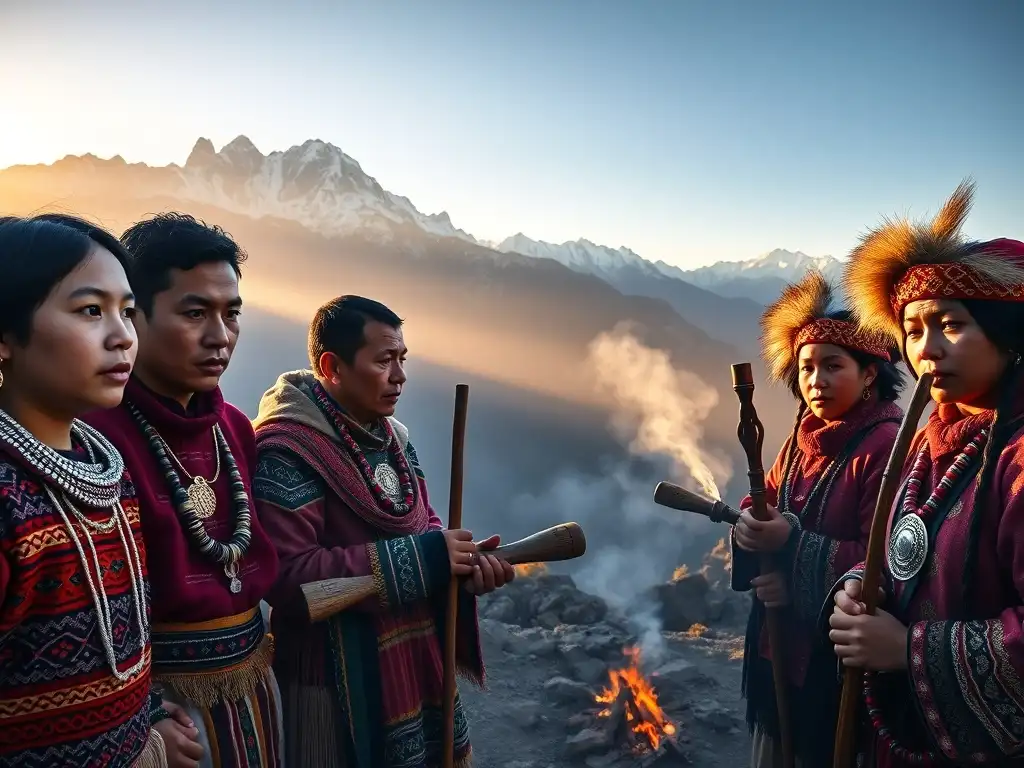
Step into a world lost to time, yet echoing with the vibrant spirit of the Andes. For centuries, the towering peaks and fertile valleys witnessed the rise and fall of magnificent civilizations, each leaving behind a legacy of breathtaking artistry and deeply spiritual beliefs. But what secrets lie hidden within their enigmatic initiation rituals? Prepare to uncover the fascinating world of Andean initiation rituals, a journey into the heart of Andean religion and cosmovision that will leave you breathless. Discover the profound significance of these rites of passage and the enduring impact they had on shaping Andean society.
-
Andean Initiation Rituals: Marking the Passage into Adulthood
- Understanding the Significance of Andean Rites of Passage
- The Transition to Adulthood in Andean Societies
- Types of Andean Initiation Ceremonies
- Key Elements of Andean Initiation Rituals
- Location and Timing of Andean Initiation Practices
- The Spiritual and Social Impact of Andean Initiations
- Challenges to Andean Initiation Rituals in Modern Times
- Conclusion: The Enduring Legacy of Andean Initiation
-
Frequently Asked Questions
- What were Andean initiation rituals?
- How did Inca initiation rituals differ from those of other Andean cultures?
- What role did the community play in Andean initiation rituals?
- What types of tests or trials were involved in Andean initiation rituals?
- Where can I find more information on specific Andean initiation rituals?
- Final Reflection: Echoes of the Andes: A Legacy of Initiation
- **Embrace the Journey of Growth and Transformation! **
Andean Initiation Rituals: Marking the Passage into Adulthood
The Andes Mountains, a spine of towering peaks and fertile valleys, nurtured a tapestry of vibrant civilizations for millennia. Beyond their impressive architectural feats like Machu Picchu and the Nazca Lines, these cultures—including the Incas, Moche, Nazca, and Tiahuanaco—possessed rich spiritual traditions deeply intertwined with their daily lives. Central to their worldview was a complex system of rituals, ceremonies, and offerings, many focused on marking significant life transitions.
This article delves into the fascinating world of Andean initiation rituals, exploring how these societies celebrated and prepared young people for the responsibilities of adulthood. Understanding these rites provides crucial insight into the Andean worldview, their social structures, and the profound connection they held with the spiritual realm.
We will examine the significance of these rites of passage, exploring their varied forms across different Andean cultures and the enduring legacy they hold in contemporary Andean communities. This exploration will illuminate the multifaceted nature of "Andean initiation rituals," revealing their profound impact on shaping individual identity and societal cohesion.
Understanding the Significance of Andean Rites of Passage
Andean societies did not view the transition to adulthood as a simple biological event. Instead, it was a complex process involving spiritual, social, and physical transformations. Initiation rituals were not merely celebrations; they were crucial steps in integrating young individuals into the community and ensuring the continuity of their cultural heritage. These rites often involved rigorous trials, symbolic acts, and instruction in the cultural values and practices essential for adult life.
The specific nature of these rituals varied considerably depending on the culture and region, reflecting the diverse landscapes and beliefs across the Andes. For example, the Incas, known for their sophisticated empire, likely had formalized initiation ceremonies involving religious leaders and elaborate ceremonies. In contrast, smaller, less centralized communities might have practiced more localized and less structured rituals. The common thread, however, was the emphasis on spiritual growth and the integration of the initiate into the wider social and cosmological order.
The successful completion of these rites marked not only the individual's passage into adulthood but also their acceptance into the adult world, granting them access to responsibilities, privileges, and a more complete understanding of their place within the community and the cosmos. The rituals served as a powerful means of social control and cultural transmission, ensuring the continuation of Andean traditions and values across generations. Furthermore, these ceremonies often involved symbolic acts representing the individual's death to their childhood and rebirth into adulthood, reflecting the cyclical nature of life and death prevalent in Andean cosmology.
The Transition to Adulthood in Andean Societies
The transition to adulthood in Andean societies was not solely defined by age but also by the successful completion of initiation rituals. These rituals often involved a period of preparation and testing, during which young people underwent physical and spiritual challenges designed to prove their readiness for adult responsibilities. This might involve fasting, arduous physical tasks, or participation in specific religious ceremonies. The specific challenges varied significantly depending on gender and social standing.
For instance, young men might have been tasked with hunting expeditions or demonstrating their prowess in warfare, while young women might have focused on mastering domestic skills or participating in agricultural rites. These trials were not merely tests of physical strength or skill but also served as opportunities for spiritual growth and the acquisition of essential life skills. Upon successful completion of these trials, initiates were typically granted new privileges and responsibilities within the community. They might gain access to previously restricted knowledge, participate in community decision-making, or assume roles in religious ceremonies.
This transition was often marked by public ceremonies, feasts, and the bestowal of symbolic objects representing their new adult status. The significance of these rituals extended beyond the individual level, reinforcing social cohesion and the transmission of cultural values across generations. The successful integration of young people into the adult world was vital for the continuity and stability of Andean societies, ensuring the perpetuation of their unique cultural heritage and worldview. The detailed nature of these ceremonies, unfortunately, remains partially shrouded in the mists of time, but archaeological evidence and ethnohistorical accounts offer glimpses into this intricate process.
Types of Andean Initiation Ceremonies
Andean initiation ceremonies varied significantly across different cultures and regions. While a universal, standardized ritual didn't exist, common threads connected the diverse practices. For example, the Incas, known for their vast empire, likely had formalized initiation rites that differed from those of smaller, less centralized groups like the Moche or Nazca.
However, all shared the core purpose of transitioning young people into adulthood, bestowing upon them new responsibilities and societal roles. The specific rituals often reflected the unique beliefs and practices of each culture, incorporating elements related to their particular cosmology and worldview. Archaeological evidence, including iconography on pottery and textiles, provides glimpses into these diverse practices, although much remains subject to interpretation and further research.
Ethnographic studies of later Andean communities, while not directly representing ancient practices, offer valuable insights into the potential continuity of certain symbolic elements and ritual patterns. Understanding the nuances of these ceremonies requires careful consideration of the available evidence, recognizing the limitations and potential biases present in both archaeological and ethnographic data. The complexity of these rituals highlights the rich tapestry of Andean cultural diversity.
Specific Rites for Young Men
Initiation rites for young men often focused on demonstrating physical prowess, endurance, and resilience – qualities considered crucial for adult males in many Andean societies. These could involve arduous physical trials, such as long-distance running, fasting, or endurance tests in harsh environmental conditions. For instance, some groups may have required young men to climb treacherous mountain peaks or spend nights alone in the wilderness.
These challenges not only tested their physical capabilities but also served as a symbolic representation of overcoming adversity and proving their worthiness to become full members of the community. Success in these trials signified readiness to assume the responsibilities of adulthood, including hunting, warfare, and providing for their families. The exact nature of these tests varied considerably depending on the specific cultural context and geographic location.
Furthermore, the integration of spiritual elements into these physical trials was likely significant, with the challenges framed within a religious or cosmological framework. [Specific examples of physical trials from different Andean cultures pending].
Specific Rites for Young Women
Initiation ceremonies for young women often emphasized different aspects of womanhood, including fertility, domestic skills, and social responsibility. These rituals might have involved instruction in weaving, pottery making, or other essential domestic crafts. The acquisition of these skills was not merely practical training but also a symbolic affirmation of their role in the community. Further, ceremonies may have incorporated rituals focused on fertility and the celebration of womanhood, reflecting the importance of women's role in reproduction and the continuation of the community. Unlike the physical challenges faced by young men, the emphasis for young women was frequently on acquiring knowledge and skills vital for their future roles within the domestic sphere and the broader social fabric. The transition to adulthood for women often involved a more gradual process, encompassing both practical instruction and symbolic rituals that marked their passage into womanhood. [Further details on specific rituals for young women pending].
Key Elements of Andean Initiation Rituals
Andean initiation rituals were complex events steeped in symbolism and religious significance, aiming to prepare young people for their roles within their communities and the broader cosmos. Several key elements consistently appear across different groups and time periods, highlighting common threads in Andean religious and social beliefs. These elements are not only ritualistic but also reflect deeply ingrained cultural values and beliefs concerning the relationship between humans and the supernatural.
The transition from childhood to adulthood wasn't merely a biological change; it was a spiritual and social transformation, a passage into a new realm of responsibilities and understanding. The emphasis placed on these key elements demonstrates the importance of this transition within Andean societies.
The Role of Elders and Shamans in Initiation
Elders and shamans played crucial roles in guiding young people through their initiation ceremonies. Elders, respected for their wisdom and experience, often imparted vital knowledge about their culture's history, traditions, and social norms. Their guidance provided the framework within which the young initiates would navigate their new roles within society. Shamans, on the other hand, played a crucial spiritual role.
They were believed to possess the ability to communicate with the spirit world, conducting rituals and ceremonies designed to guide the initiates’ spiritual transformation. Their participation ensured the successful integration of the initiates into the spiritual realm, connecting them to the ancestral world and the broader cosmic order. The interplay between the elders’ social guidance and the shaman’s spiritual guidance was essential for a successful initiation, guaranteeing both social integration and spiritual fulfillment. The combined expertise of elders and shamans ensured a holistic transition into adulthood.
Symbolic Clothing and Body Paint in Andean Ceremonies
Clothing and body paint served as powerful symbols in Andean initiation rituals. Specific garments and colors held significant meaning, often associated with particular deities, ancestral spirits, or cosmological concepts. The garments worn during these ceremonies were not merely clothing; they represented a transformation, a symbolic shedding of childhood and the adoption of adult identity. Similarly, body paint, often applied with intricate designs, served to connect the initiates to the spiritual world, acting as a conduit between the human and supernatural realms.
Specific colors and patterns likely carried particular meanings, signifying protection, fertility, or connection to specific deities. [Specific examples of clothing and body paint used in different Andean cultures pending]. The careful and deliberate use of these elements demonstrates the importance of visual symbolism in Andean rituals.
The Use of Coca Leaves and Chicha
Coca leaves and chicha, two significant elements in Andean culture, played crucial roles in initiation ceremonies. Coca leaves, revered for their stimulant and spiritual properties, were often chewed during rituals, inducing a state of heightened awareness and facilitating communication with the spirit world. Their use was not simply recreational; they were integral to the spiritual experience of the initiation, enhancing the connection between the initiates and the supernatural. Chicha, a fermented corn beverage, held similar significance, often offered as a sacred drink during ceremonies.
Its consumption symbolized communal participation and shared experience, reinforcing the social bonds within the community. Both coca and chicha served to enhance the sensory experience of the ritual, deepening the initiates’ connection to their culture and their spiritual heritage. The presence of these substances underscores the importance of altered states of consciousness in the Andean initiation process.
The Importance of Music and Dance in Rituals
Music and dance were integral components of Andean initiation ceremonies, serving not only as entertainment but as powerful tools for spiritual transformation and social cohesion. The rhythmic beats of drums, flutes, and other instruments created an atmosphere conducive to altered states of consciousness, enhancing the mystical experience of the ritual. Dance, often performed in elaborate and stylized forms, further reinforced the symbolic meaning of the ceremony, with specific movements representing particular deities, natural forces, or aspects of the Andean worldview.
The collective participation in music and dance fostered a sense of community and shared experience, reinforcing social bonds and solidifying the initiates' place within the group. The combination of music and dance created a powerful and evocative experience, marking a significant transition in the lives of the initiates. The vibrant and rhythmic nature of these artistic expressions provided an essential element in the overall initiation process.
Location and Timing of Andean Initiation Practices
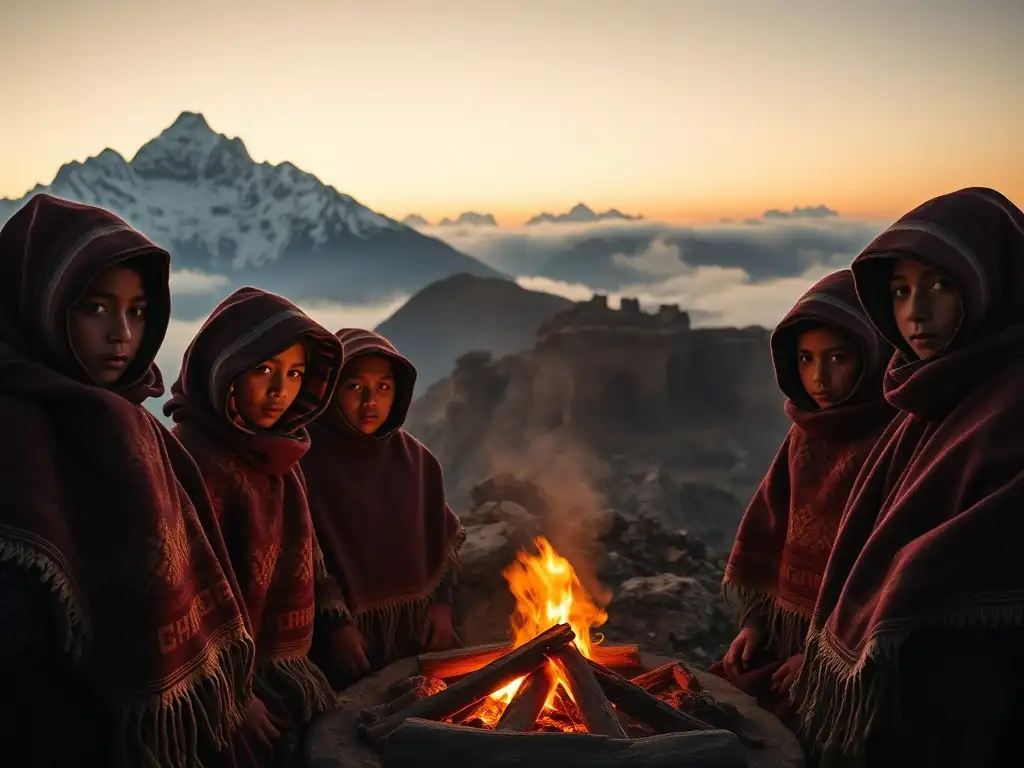
Sacred Sites for Initiations in the Andes
Andean initiation rituals weren't haphazardly placed; they were meticulously planned to occur in locations imbued with spiritual significance. Many ceremonies took place in huacas, sacred sites often associated with mountains, caves, or springs, believed to be portals to the spirit world. These locations were not just geographically convenient; they were considered powerful conduits for communicating with the ancestors and receiving blessings for the initiate's journey into adulthood.
The specific huaca chosen often depended on the community's traditions and the nature of the initiation itself. For instance, initiations related to agricultural practices might occur near fertile valleys or significant water sources, while those connected to ancestor veneration could take place in caves or mountaintops believed to house ancestral spirits. The careful selection of these sites underscores the profound importance placed on the sacred geography of the Andes.
Archaeological evidence, such as the presence of ceremonial artifacts and altered landscapes at these locations, supports the significance of these sites in Andean initiation practices. The precise location of many such sites remains under investigation, requiring further research to fully understand the geographical distribution of these important rituals.
The Significance of the Andean Calendar for Rites
The Andean calendar, intricately tied to the agricultural cycle and celestial movements, played a crucial role in determining the timing of initiation ceremonies. The precise dates varied across different Andean cultures, but generally, initiations were aligned with significant agricultural events or astronomical occurrences. For example, the solstices and equinoxes, marking the changing seasons and the balance of light and darkness, were often chosen as opportune times for these rites.
This alignment wasn't arbitrary; it reflected the Andean worldview, where the human life cycle was deeply interconnected with the cyclical rhythms of nature. The timing of the initiation ceremonies ensured harmony between the individual's transition and the larger cosmic order, reinforcing the initiate's place within the natural world and their community.
Furthermore, specific constellations or planetary alignments might have held special significance, suggesting a sophisticated understanding of astronomy and its influence on human affairs. Researchers continue to unravel the intricate connection between the Andean calendar and their initiation rituals, uncovering a rich tapestry of cosmic and earthly influences.
Seasonal Influences on Initiation Ceremonies
The seasons significantly impacted the nature and timing of Andean initiation ceremonies. Initiations often coincided with agricultural cycles, reflecting the deep connection between Andean societies and their environment. For example, ceremonies associated with agricultural abundance might occur during harvest time, symbolizing the initiate's readiness to contribute to the community's sustenance. Similarly, initiations linked to regeneration or renewal could be timed to coincide with the rainy season, symbolizing the initiate's own transformation and rebirth. The seasonal context provided a powerful backdrop for these ceremonies, imbuing them with symbolic meaning and reinforcing the initiate's role within the cyclical rhythms of life and death, planting and harvest. The interplay between the natural world and the human experience was paramount in shaping the timing and significance of these important rites of passage. Further investigation is needed to fully understand the nuances of seasonal influence across different Andean cultures and the specific ceremonies they performed.
The New Role of the Initiated in Andean Communities
Andean initiation rituals weren't merely symbolic; they marked a profound shift in the initiate's social standing and responsibilities within the community. Upon successful completion of the initiation process, individuals transitioned from childhood to adulthood, assuming new roles and responsibilities.
These roles varied depending on gender, social status, and the specific community, but often included increased participation in community activities, such as agricultural labor, religious ceremonies, or warfare. The initiation process served as a crucial mechanism for integrating young adults into the social fabric of their communities, ensuring the continuation of traditional practices and the stability of the social order.
The newly initiated were expected to uphold community values, contribute their skills and labor, and participate actively in the community's well-being, demonstrating their readiness to take on adult responsibilities. This transition was not only a personal achievement but also a crucial step in maintaining the social cohesion and continuity of Andean societies.
The Community's Role in the Initiation Process
The Andean initiation process was not a solitary endeavor; it was deeply embedded within the social fabric of the community. The entire community played a vital role in guiding and supporting the initiates through their transition. Elders, shamans, and other community members shared their knowledge, wisdom, and experiences, imparting essential skills and values. The community's active participation ensured that the initiation process reflected shared values and beliefs, reinforcing social cohesion and continuity.
The successful completion of the initiation signified not only the individual's transformation but also the community's continued strength and resilience. This communal involvement underscores the importance of social bonds and collective responsibility in Andean societies. The collaborative nature of these rituals highlights the interconnectedness of individuals within their communities and the shared responsibility for social and spiritual well-being.
Preserving Andean Traditions through Initiation
Andean initiation rituals served as a vital mechanism for transmitting cultural knowledge, values, and traditions across generations. Through these ceremonies, elders imparted essential skills, beliefs, and practices to the younger generation, ensuring the continuity of Andean culture. The rituals acted as a powerful form of cultural preservation, reinforcing community identity and promoting the transmission of ancestral wisdom.
The initiation process ensured that crucial knowledge, including agricultural techniques, religious beliefs, and social norms, was passed down accurately, preserving the richness and diversity of Andean traditions. The enduring legacy of these rituals demonstrates the effectiveness of this intergenerational transmission of knowledge and its role in shaping the cultural identity of Andean communities.
The continued study and understanding of these rituals are critical to appreciating the resilience and adaptability of Andean cultures and preserving their unique heritage for future generations. The preservation of these traditions is vital for understanding the complexities of Andean societies and their deep connection to their past.
Challenges to Andean Initiation Rituals in Modern Times
The vibrant tapestry of Andean initiation rituals, passed down through generations, faces significant challenges in the modern era. The intricate ceremonies, once central to community life, are increasingly threatened by the forces of globalization and societal shifts. These challenges impact not only the continuity of the rituals themselves but also the cultural identity and spiritual well-being of Andean communities.
The transmission of knowledge, traditionally passed orally from elder to initiate, is disrupted by the migration of young people to urban centers seeking economic opportunities, leading to a break in the chain of tradition. Furthermore, the allure of Westernized lifestyles and beliefs often diminishes the perceived importance of these ancient practices within younger generations.
This cultural erosion poses a serious threat to the preservation of invaluable cultural heritage. The loss of these rituals represents more than just the fading of ancient practices; it signifies a potential loss of a deep connection to ancestral knowledge, spiritual beliefs, and community identity.
The Impact of Globalization on Andean Traditions
Globalization's influence on Andean initiation rituals is multifaceted and often detrimental. The influx of foreign ideologies, consumerism, and media exposure often overshadow the importance of traditional Andean values and practices. The readily available access to technology and Western entertainment can divert young people's attention away from participating in or learning about these elaborate and time-consuming ceremonies.
Furthermore, the economic pressures associated with globalization can force communities to prioritize immediate economic needs over the preservation of cultural traditions. This often manifests in a decreased investment in the resources and time needed to conduct these rituals properly. The adoption of foreign religious practices also contributes to the erosion of indigenous belief systems that underpin many of these initiations.
The competition from dominant global religions can lead to the abandonment or modification of indigenous traditions, resulting in a diluted or altered version of the original rituals. The homogenizing effect of globalization threatens to erase the unique cultural diversity of the Andes and its rich tapestry of initiation rites.
Efforts to Preserve and Revitalize Andean Initiation Rites
Despite the considerable challenges, there are ongoing efforts to preserve and revitalize Andean initiation rites. Many Andean communities are actively working to protect and promote their cultural heritage. These efforts include the establishment of community-based organizations dedicated to the preservation and teaching of traditional practices.
These groups often organize workshops, festivals, and educational programs to transmit knowledge to younger generations. Furthermore, there's a growing awareness among indigenous leaders and scholars of the importance of documenting and archiving these rituals, ensuring their survival for future generations. Academic research plays a vital role in understanding and preserving these traditions, providing valuable insights into their significance and contributing to their effective preservation.
Government initiatives and international organizations are also increasingly recognizing the importance of supporting these efforts, providing funding and resources for cultural preservation projects. However, these efforts often face limitations due to a lack of resources and the ongoing pressures of globalization. The success of these preservation efforts depends on continued community engagement, collaboration, and sustained support.
Conclusion: The Enduring Legacy of Andean Initiation
Andean initiation rituals represent a profound connection to the past, embodying a rich spiritual heritage and complex social structures. While facing significant challenges in modern times, the enduring legacy of these rites is testament to their resilience and importance.
The ongoing efforts to preserve and revitalize these practices highlight the deep-seated cultural significance and spiritual value attached to these ceremonies. Despite the impacts of globalization and modernization, the determination of Andean communities to maintain their traditions demonstrates a powerful commitment to cultural identity and the transmission of ancestral knowledge.
The future of these rituals depends not only on the dedication of Andean communities but also on the broader recognition and support from both governmental and international organizations, ensuring the continuation of this invaluable cultural heritage for generations to come. The preservation of these rites is crucial not only for the Andean people but also for the global understanding and appreciation of diverse cultural practices and their profound contribution to humanity’s rich tapestry of traditions.
Frequently Asked Questions
What were Andean initiation rituals?
Andean initiation rituals were ceremonies marking the transition from childhood to adulthood. These varied across different cultures but often involved tests of endurance, spiritual trials, and the acquisition of adult responsibilities. They were crucial for social integration.
How did Inca initiation rituals differ from those of other Andean cultures?
While specifics varied, Inca rituals emphasized Sun worship and the integration of the individual into the imperial system. Other cultures, like the Moche, focused more on ancestral veneration and shamanistic practices. The overall goal was social maturity and spiritual development.
What role did the community play in Andean initiation rituals?
The community played a vital role, mentoring and supporting initiates. Elders, shamans, and family members were actively involved in guiding the process. Successful completion involved community acceptance and a new social standing.
What types of tests or trials were involved in Andean initiation rituals?
Initiation often involved physical challenges like fasting or endurance tests, but also spiritual trials involving hallucinogens or intense spiritual experiences. These trials were designed to test the individual's resilience and readiness for adult life.
Where can I find more information on specific Andean initiation rituals?
Further research into specific Andean cultures (Inca, Moche, Nazca, Tiahuanaco) will reveal more details about their unique rituals. Academic journals, archaeological reports, and books on Andean history offer in-depth information on this fascinating topic.
Final Reflection: Echoes of the Andes: A Legacy of Initiation
The Andean ritual of initiation, far from being a relic of the past, offers a powerful lens through which to examine the enduring human need for meaningful rites of passage. These ancient ceremonies, with their intricate symbolism and communal participation, resonate deeply with contemporary anxieties about identity formation and the transition to adulthood in a rapidly changing world. The search for meaning and belonging, central to these rituals, remains a universal human experience.
The enduring power of these Andean traditions lies in their ability to articulate a profound connection between the individual and the community, a connection often lost in our increasingly individualistic societies. The individual is not an entity in itself, but a part of a larger whole, a reflection of the cosmos.
This ancient wisdom, though expressed within a specific cultural context, speaks to a fundamental truth about the human condition: our need for belonging and our search for purpose are intertwined with our understanding of the world around us. The rituals' emphasis on community responsibility and spiritual growth continues to offer valuable insights into fostering healthy development.
Consider the lessons embedded within these ancient practices. How might we, in our own lives, create meaningful rituals of transition? How can we foster stronger community bonds and cultivate a deeper sense of belonging? You, the reader, hold the power to integrate these timeless principles into your own journey of self-discovery and growth. Embrace the spirit of these Andean initiations – the courage, the commitment, and the profound connection to something larger than yourself – and discover the transformative power they hold for your own life.
**Embrace the Journey of Growth and Transformation! **
Thank you for exploring the profound traditions of Andean initiation rituals with us. You've gained valuable insights into a significant cultural practice that embodies growth, change, and community. Now, let's consider how to integrate this transformative experience into your own life.
Here are a few ways you can celebrate and apply these concepts:
- **Connect with your community:** Participate in or organize a local gathering or workshop focused on rites of passage and personal growth. Sharing experiences with others can be incredibly powerful.
- **Reflect on personal growth:** Take time to reflect on a significant life transition. Consider how this experience shaped you and share your reflections with friends or family for mutual inspiration.
- **Deepen your understanding:** Learn more about Andean culture through books, documentaries, or online courses. Exploring these rich traditions can offer further insights into personal transformation.
What personal rituals or practices have marked significant transitions in your life? We'd love to hear your thoughts!